You ever see a tiny twist pin and think it can’t do much? Then you start imagining the pin turning into something useful, clever, and even fun.
Below are creative ways to use twist pins in everyday projects. Each one is practical enough to try quickly, yet interesting enough to make you grin.
1. Pin-Board Story Maps
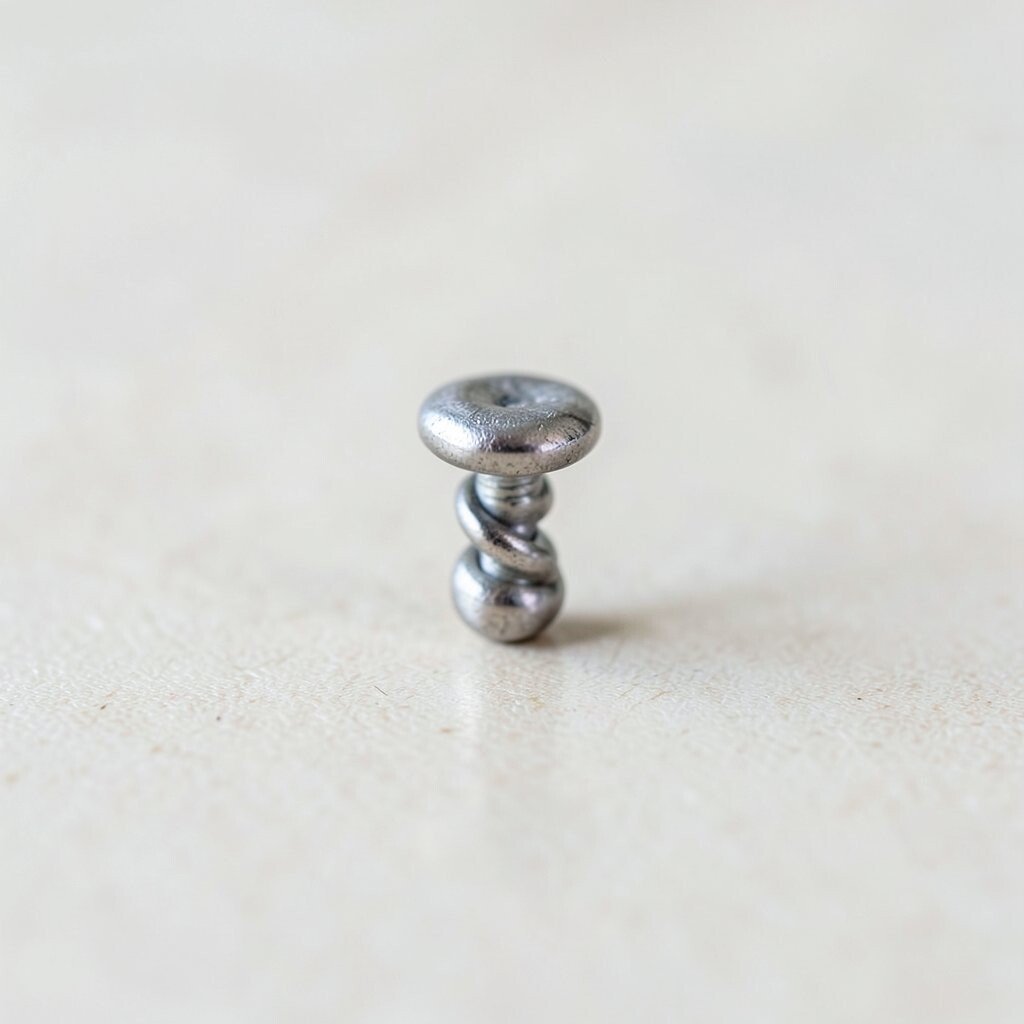
Turn a board into a mini story scene using twist pins as landmarks. Place pins to mark stops, characters, and important “moments” like a map made of magnets without the mess.
Pin short scraps of paper where your plot turns, then twist the pins to drag the layout into a new path. You will train your brain to see structure in small pieces, and the visual clutter becomes a helpful guide instead of a distraction.
2. Fabric-Friendly Bookmark Builders
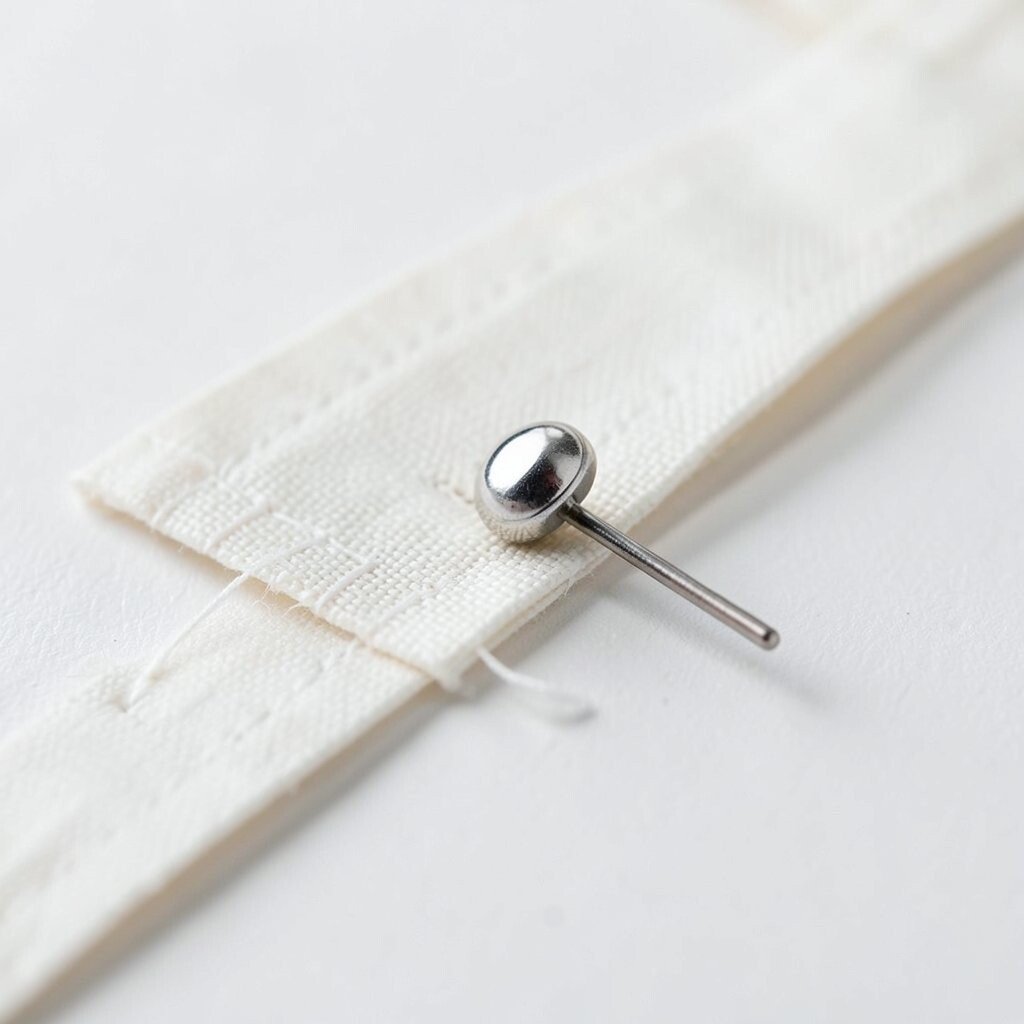
Use twist pins to attach fabric tabs or ribbon ends to thick paper bookmarks. They look neat and sturdy, and you can add tiny charms by threading them on before you twist.
For a practical boost, make a set for different moods like study, bedtime, or quick breaks. Cost stays low because pins are usually affordable, and using scrap fabric keeps the materials budget friendly.
If you want it to match your style, paint a few pin heads or wrap them with colored thread. This turns a simple reading tool into a personal object that feels made for you.
3. Desk Organizer With Adjustable Zones
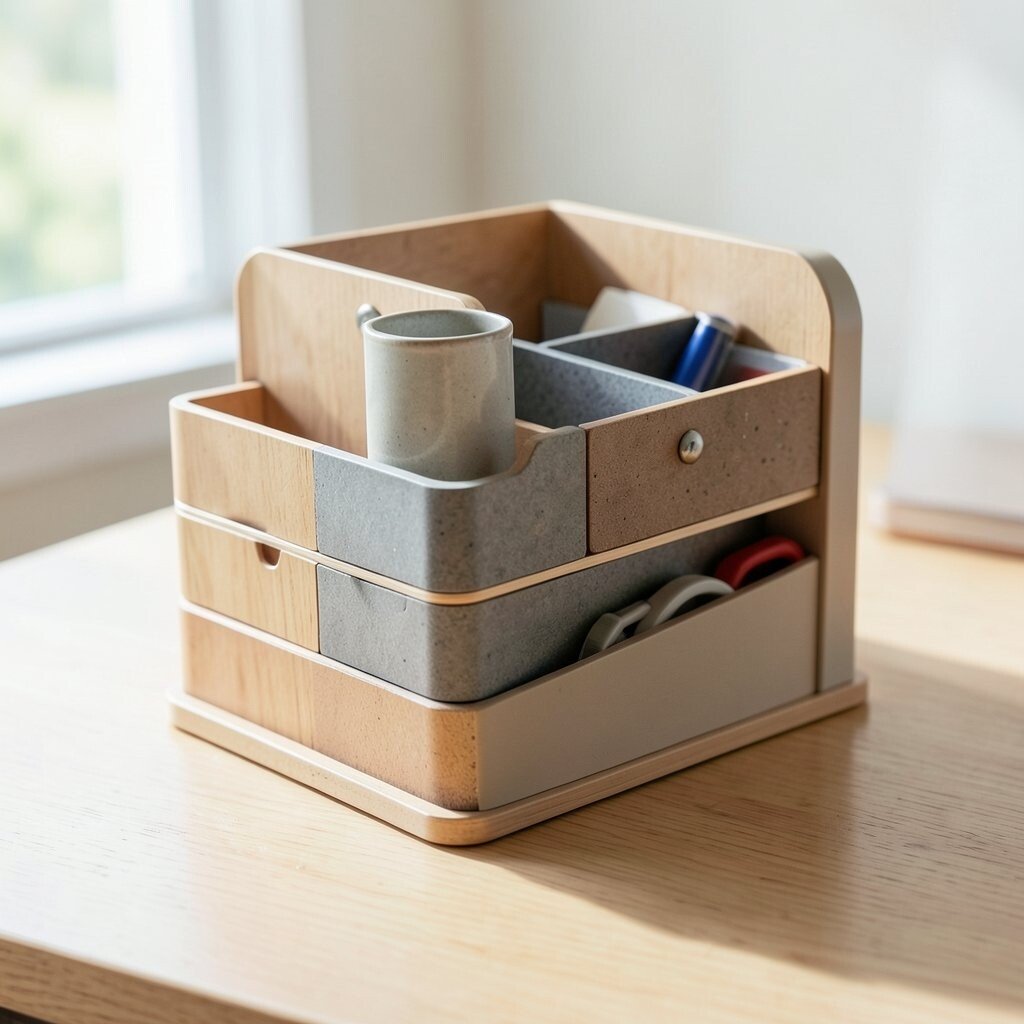
Cluster twist pins along a cork board or foam sheet to form “zones” for pens, clips, and sticky notes. The pins can hold thin straps, elastic bands, or wire loops, so you can shift things when your workflow changes.
You’ll get a visual desk reset every time you rearrange the zones. It also helps your hands remember where items go, which saves time during busy days.
Try using different colored threads tied to pin heads to show where each category belongs. This is especially helpful now because more people are using small desk systems to reduce visual stress and keep routines simple.
Keep cost down by reusing frames, folders, and foam scraps you already have. Your creativity grows faster when you don’t feel like you must buy new stuff.
4. Twisted Pin “Garden” for Window Notes
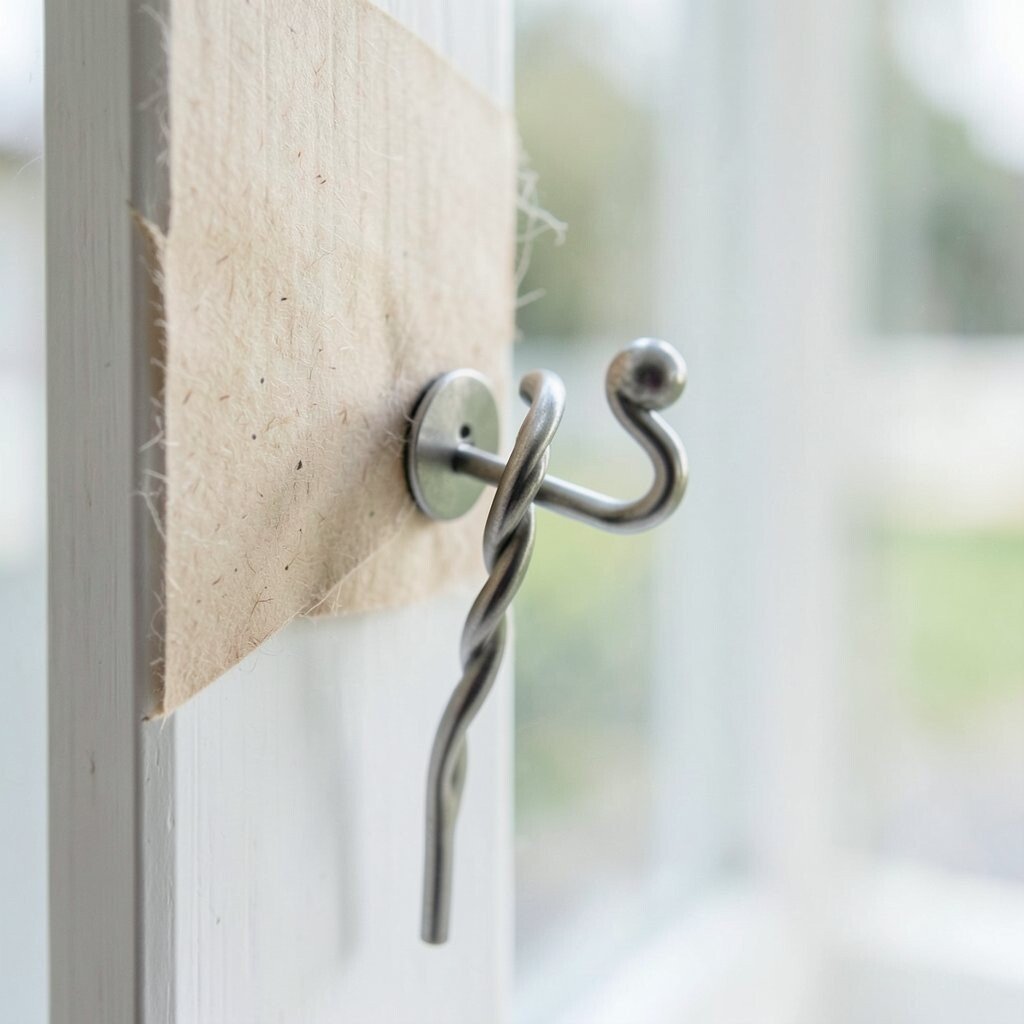
Make a tiny window display by pinning lightweight note cards to a thin frame near daylight. Add a few twist pins as holders so the cards can tilt like little signs in a busy market.
This kind of setup makes planning feel lighter because it’s visual and outdoorsy. You can jot what you need for the day, then swap notes quickly when plans shift.
5. Pattern Play With Pin-Stamped Shapes
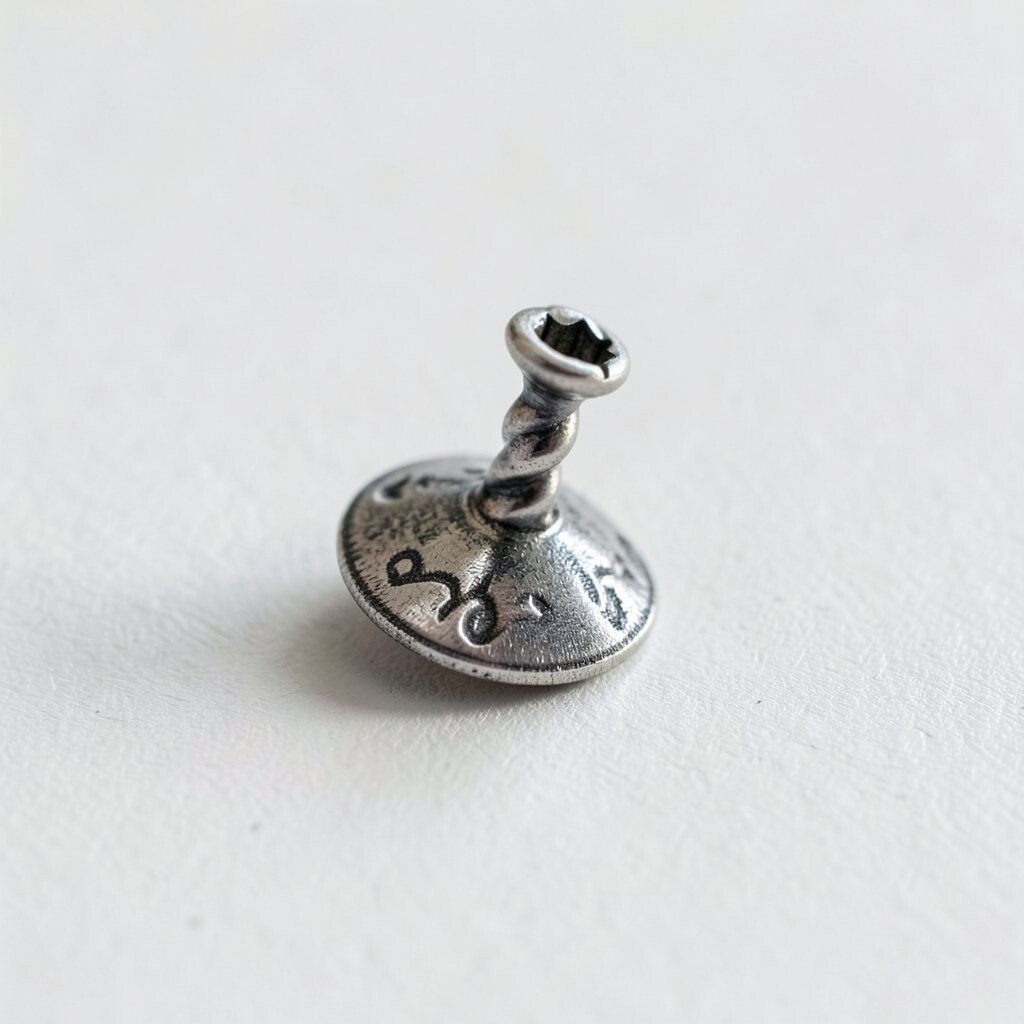
Press twist pins into a soft board, cork, or modeling foam to create tiny pegs. Use string, rubber bands, or yarn to connect the pegs into repeating patterns like stars, waves, or grid bursts.
The benefit is instant feedback because you can see the shape as it grows. It also supports creativity for people who like making rules before breaking them.
For personalization, choose pegs in two or three colors and build patterns that match your favorite palette. If you have little kids at home, keep pieces larger and make it a playful, low-cost geometry game.
6. Reusable Gift Tag Hangers
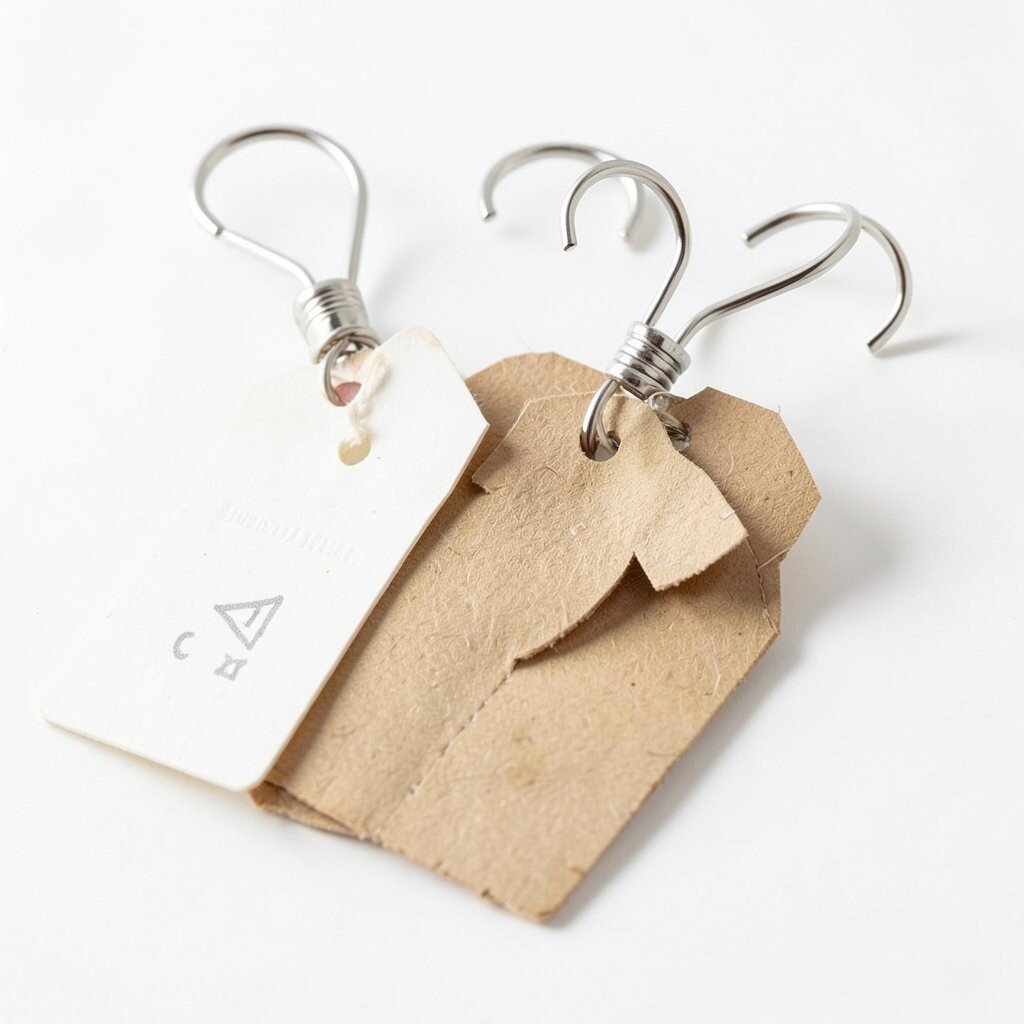
Turn twist pins into small hangers that clip a tag to a gift bag or ribbon loop. The pins catch on paper edges well, so your tags stay put during wrapping and transport.
It’s unique because you can reuse the tags year after year by swapping the message card. You also save time, since you won’t need to re-tie knots each time.
Use a little craft paint on the pin heads for a cohesive look across your gifts. Cost is minimal, and the result feels extra thoughtful without being complicated.
7. Mini Gallery Clips for Your Sketchbook

Clip small sketches, ticket stubs, and color swatches to a sketchbook page using twist pins. Place them along the margin so your page becomes a living moodboard instead of a flat notebook.
This helps your memory because you can revisit a moment visually, not just in your head. You’ll also feel more motivated to draw when the page looks alive and customizable.
Try a trend-friendly approach by mixing digital printouts with hand marks, then pin them together in a collage style. If you like clean aesthetics, keep the pins consistent in position and spacing for a polished feel.
8. Pin-Powered “What If” Prompt Wall

Write short “what if” prompts on small cards and pin them to a board with twist pins. Shuffle the cards and pick one randomly to start a story, a logo concept, or a new recipe idea.
This works because you get a visual nudge whenever you feel stuck. The board becomes a gentle creative push, and you can tailor prompts to your real interests like music, sports, or space themes.
9. Upcycled Cable and Cord Tie System

Use twist pins to hold cord ties, small labels, or cable guides on a desk panel. The pins can keep cords from tangling by anchoring thin straps or loops at set points.
You’ll reduce clutter immediately, and fewer tangles means less time wasted. It also makes your workspace feel calmer, which helps creative work because your brain can relax.
Personalize by writing labels in your handwriting style, then pin them in a consistent row. Keep costs low by using old packaging plastic or scrap cardboard as the base.
10. Twist Pin Monogram Signposts
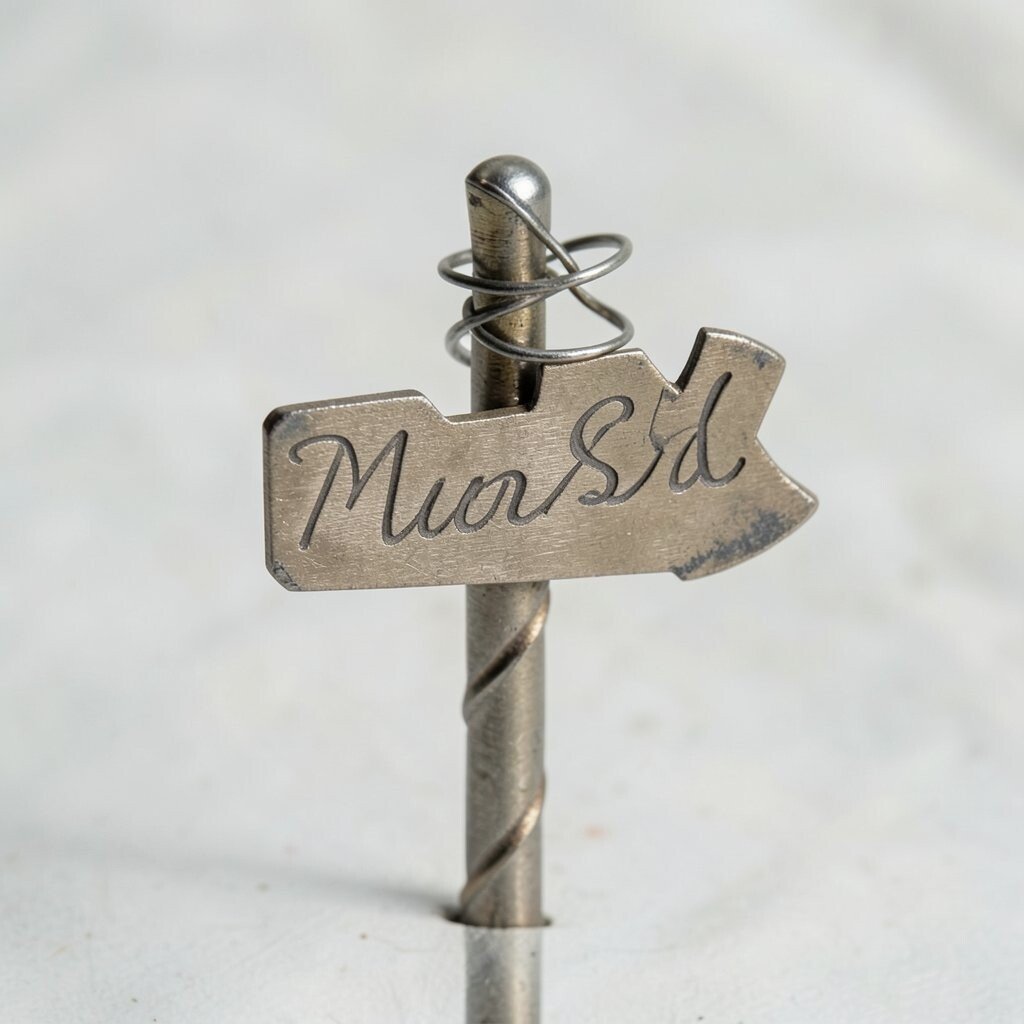
Create a name sign or monogram on a small board by positioning pins to outline letters. Once the letters appear in pin form, you can add yarn lines or thin wire to “fill” the strokes.
This gives you a bold visual marker for your space, like a custom desk identity. It’s unique because it mixes craft texture with clean structure.
For practical success, start with thick letter shapes so pins line up easily. If you want current style energy, go for minimalist outlines with one color thread so it looks modern and tidy.
11. Portable Moodboard With Pinable Fabric Swatches

Attach fabric swatches to a small foldable board using twist pins. Each swatch can represent a color, texture, or vibe you want to bring into your next project.
The benefit is that you can carry your inspiration wherever you go. When you feel stuck, you can flip open the board and choose a direction fast.
Personalize by adding tiny stitched notes near each swatch about why you love it. Keep it budget-friendly by using thrifted fabric scraps, old clothing, or sample pieces.
12. Pin-Linked “Decision Paths” for Projects
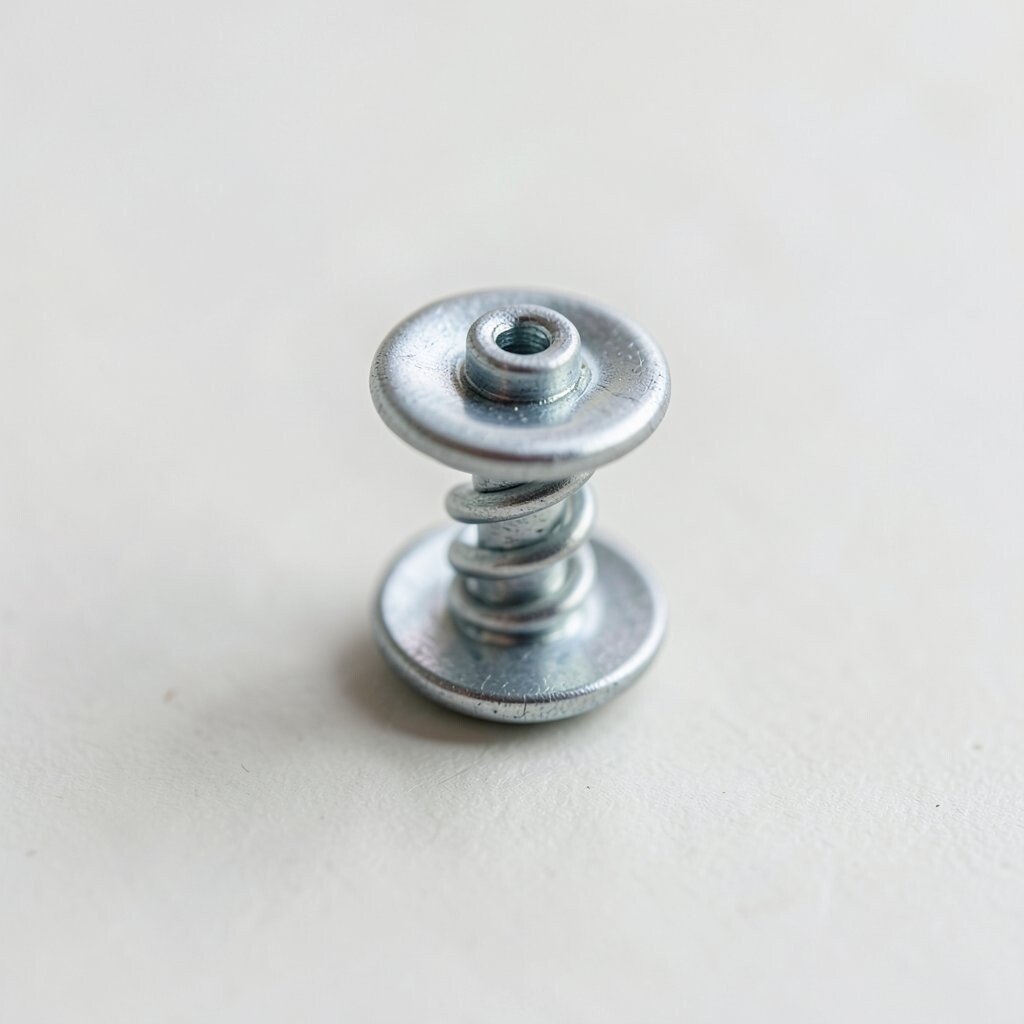
Set up a board where twist pins represent choices for a project. Connect the pins with string to show how one idea leads to another, like a map of decisions rather than a list of tasks.
This visual method reduces indecision because you can see consequences ahead of time. It also helps you manage creative energy, since you can pick the next step without spiraling.
13. Holiday Ornament Anchors and Labelers

Use twist pins to hold lightweight ornaments, tags, or mini cards inside storage bins. You can label each bin by twisting a tag securely to a corner so you don’t have to guess next season.
It’s practical and kind to your future self because it prevents frantic searching. You also keep delicate items safer because pins can stabilize thin packaging materials.
For personalization, use seasonal colors on the pin heads and group ornaments by theme. The current trend of “small organization upgrades” shows up in lots of homes lately, and this one is satisfying without costing much.
14. Upcycled “Braille” Texture Postcards
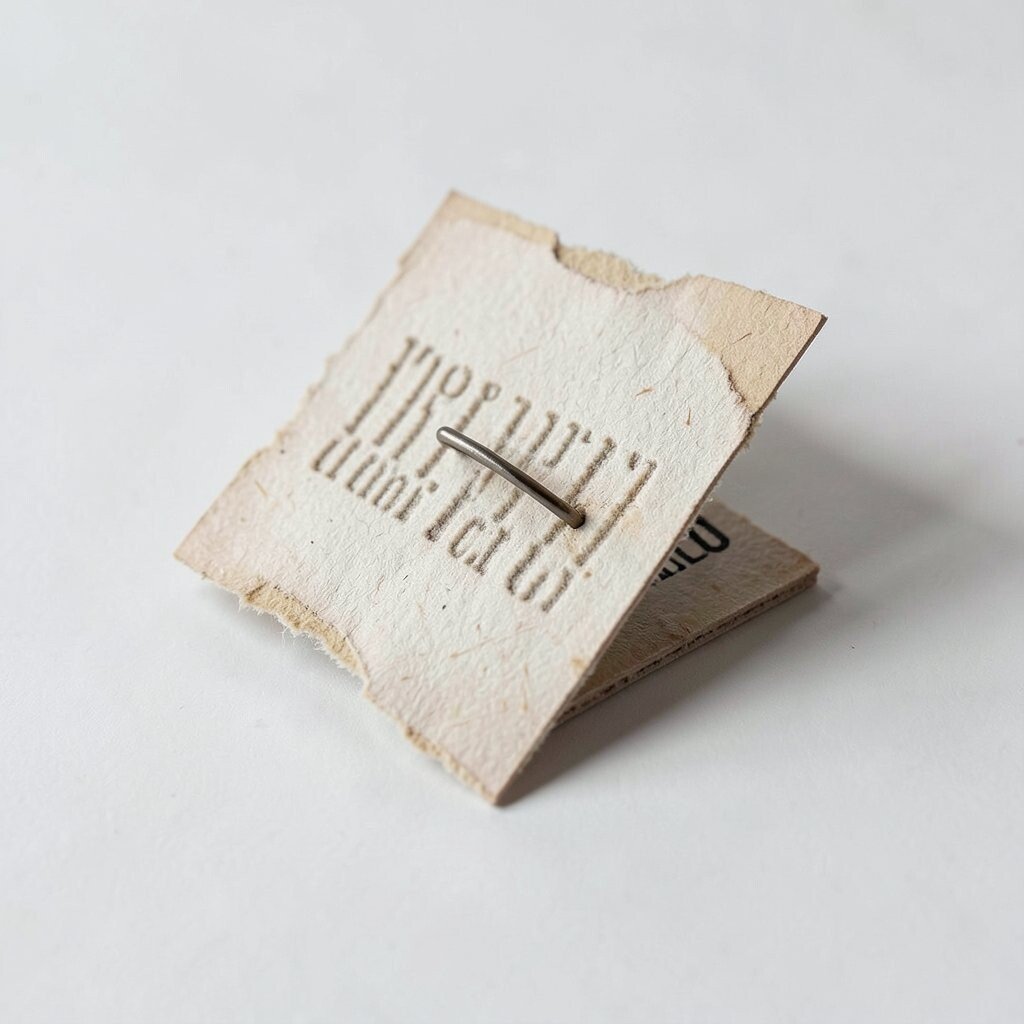
Create tactile postcards by arranging twist pins into tiny dot patterns. Your cards become readable by touch, and they also look intriguing when viewed up close.
The benefit is multi-sense creativity, which makes your craft feel more meaningful. It also gives you a fun way to practice symmetry and spacing without needing fancy tools.
Personalize by mapping patterns to words you like, such as a favorite quote shortened into coded dots. Keep costs low because the pins and scrap cardstock are the main materials.
15. Twist Pin Celestial Wall for Habit Tracking

Pin small star shapes, paper moons, or simple circles to a board using twist pins. Then add mini notes near each celestial shape to represent habits, goals, or reminders.
This visual approach makes routine feel magical instead of strict. You’ll notice patterns over time because the board shows what you’ve repeated.
Try a personalization trick by color-coding pins by day of the week or by habit type. If you like current home decor vibes, keep the design airy with lots of white space around the pins.
16. Photo Frame “Memory Threads”

Attach twist pins to a frame or board around a photo, then string thread between pins to outline a memory. It could be a line showing where you traveled, or a swirl tracing a moment you remember strongly.
This creates a unique storytelling style because the photo becomes more than an image. You’ll also feel proud explaining it later, since your craft already tells the story in shape.
17. Pin-Sketched Architecture With Rubber Bands

Use twist pins as pegs to sketch buildings, bridges, or geometric rooms on a flat base. Add rubber bands to form walls, arches, and outlines that you can stretch and reshape.
The visual “wow” factor is real because the design looks like a model you could walk through. You’ll also sharpen spatial thinking since each change in tension can change the entire structure.
Personalize by building designs inspired by neighborhoods you love, museums, or even your childhood living room. Cost considerations are simple here because rubber bands and pins are usually inexpensive and easy to replace.
For a modern twist, record your best designs with quick phone photos and try repeating them as a series. Many people now share maker progress as small loops, and your pin architecture can fit that style nicely.
18. Twist Pin “Layered” Collage Seeds
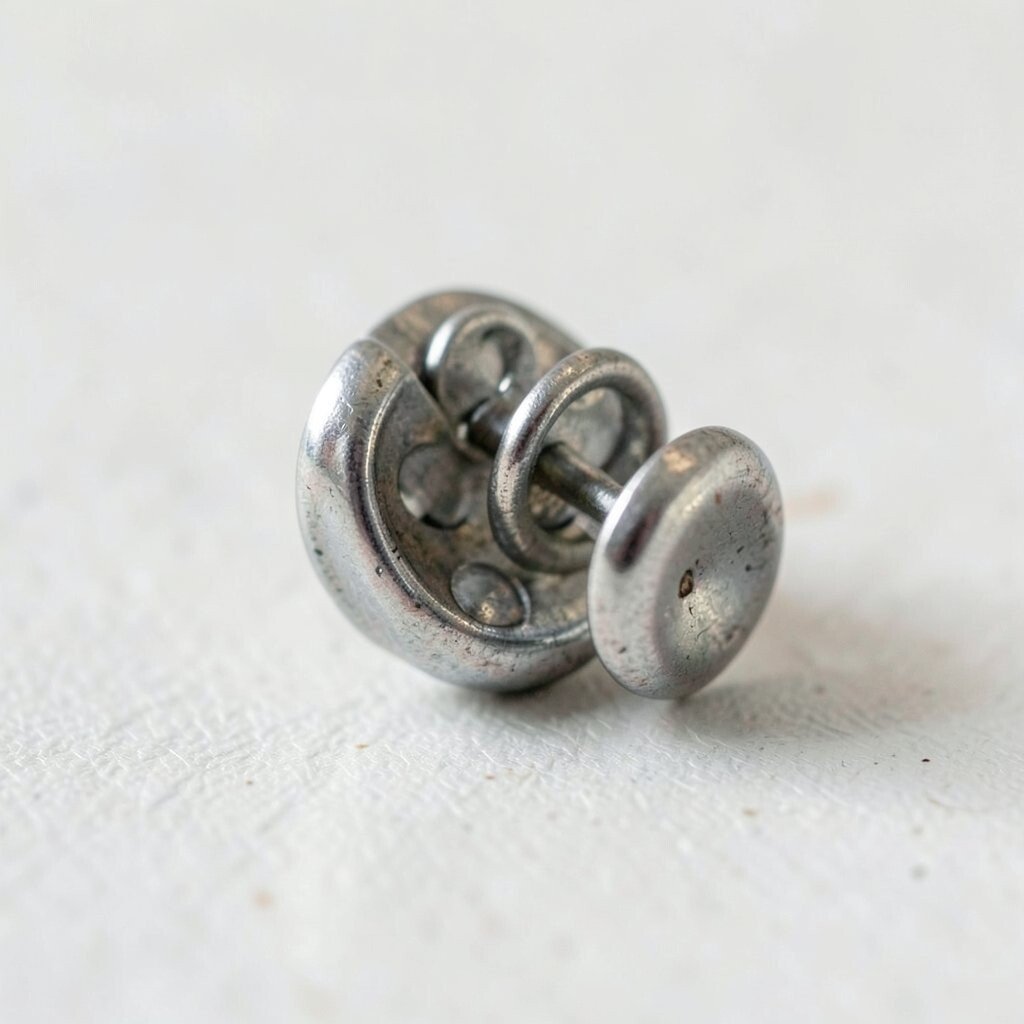
Layer paper cutouts on a base, then fasten them with twist pins so pieces can move slightly. The slight motion makes the collage feel alive when you tilt it in the light.
This is great for creativity because you can test composition again and again without starting from scratch. Your benefits include building confidence in your eye for balance, depth, and contrast.
Personalize by using themes like ocean life, street fashion, or fantasy maps, and let pin placement create your own signature style. Keep it budget-friendly by using scrap paper, old magazines, and packaging materials you already have.
When you want a current trend touch, aim for bold shapes and limited colors so the collage looks clean and modern. The twist pins become tiny anchors that make the whole design feel intentional and yours.