
The best outfits often start with a humble pile of clothes. You can turn a casual garage sale into a wardrobe refresh that feels personal and fun.
1. Host a “Color-Story” Sorting Station
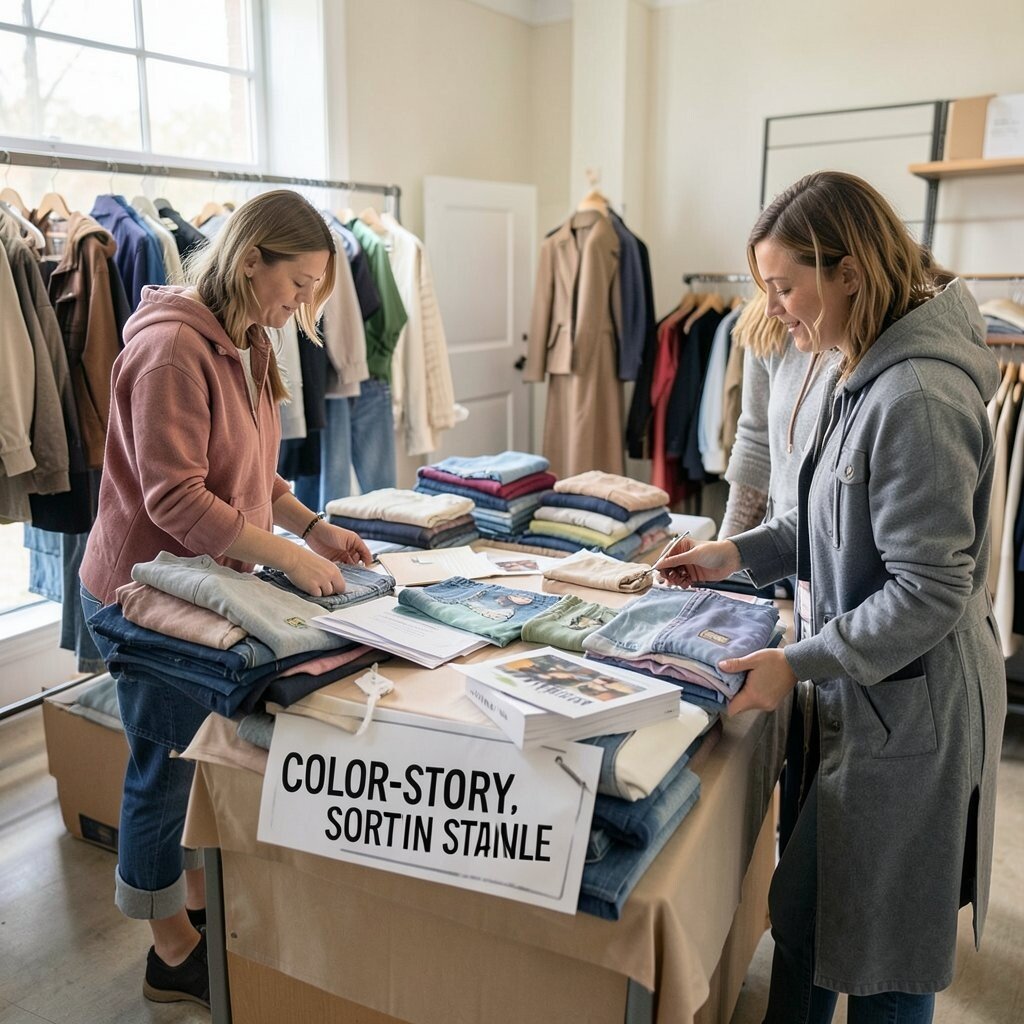
Set up your items so shoppers can follow a clear color path from top to bottom. Imagine mint green tees paired with soft creams, then deeper tones like navy and burgundy lined up like a neat rainbow.
This makes shopping faster and helps people picture outfits they already wear. It also keeps your sale feeling curated instead of chaotic, which is great if you want repeat visitors. Use practical spacing by placing each color family in its own zone, and include a few accessories nearby that match those shades.
2. Put Out Outfit Bundles for Real-Life Weather
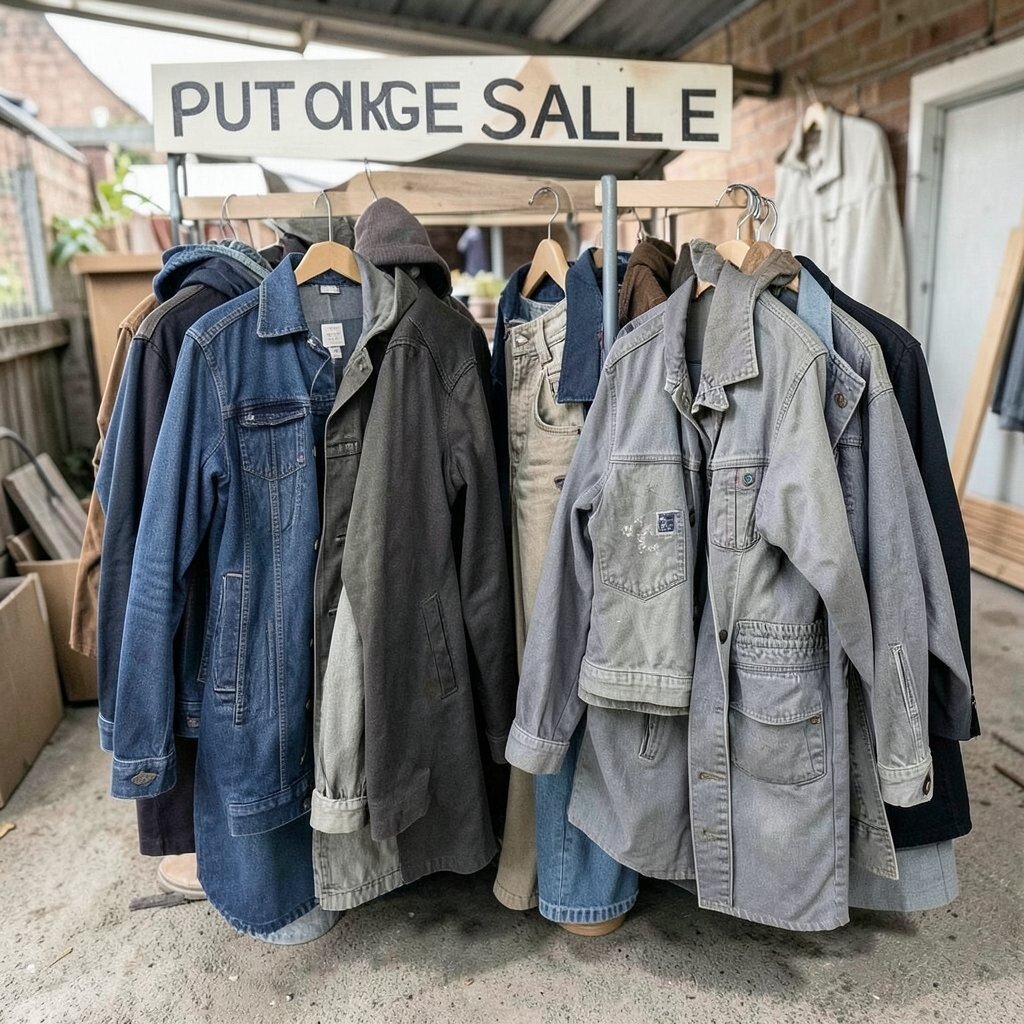
Build bundles that match what people actually need day to day. Think of a light summer set with a breezy shirt, shorts, and a small scarf, sitting on a table like it’s ready for coffee runs.
Bundling can save shoppers time and helps them feel confident about what they’re buying. Include pieces that work together, and price them so the bundle still feels like a deal.
Consider current trends like relaxed fits and textured layers, then pair them in wearable ways. If your area has sudden rain or cool evenings, add a jacket or cardigan so the bundle covers those moments without extra shopping.
3. Create a Denim Mix-And-Match Corner
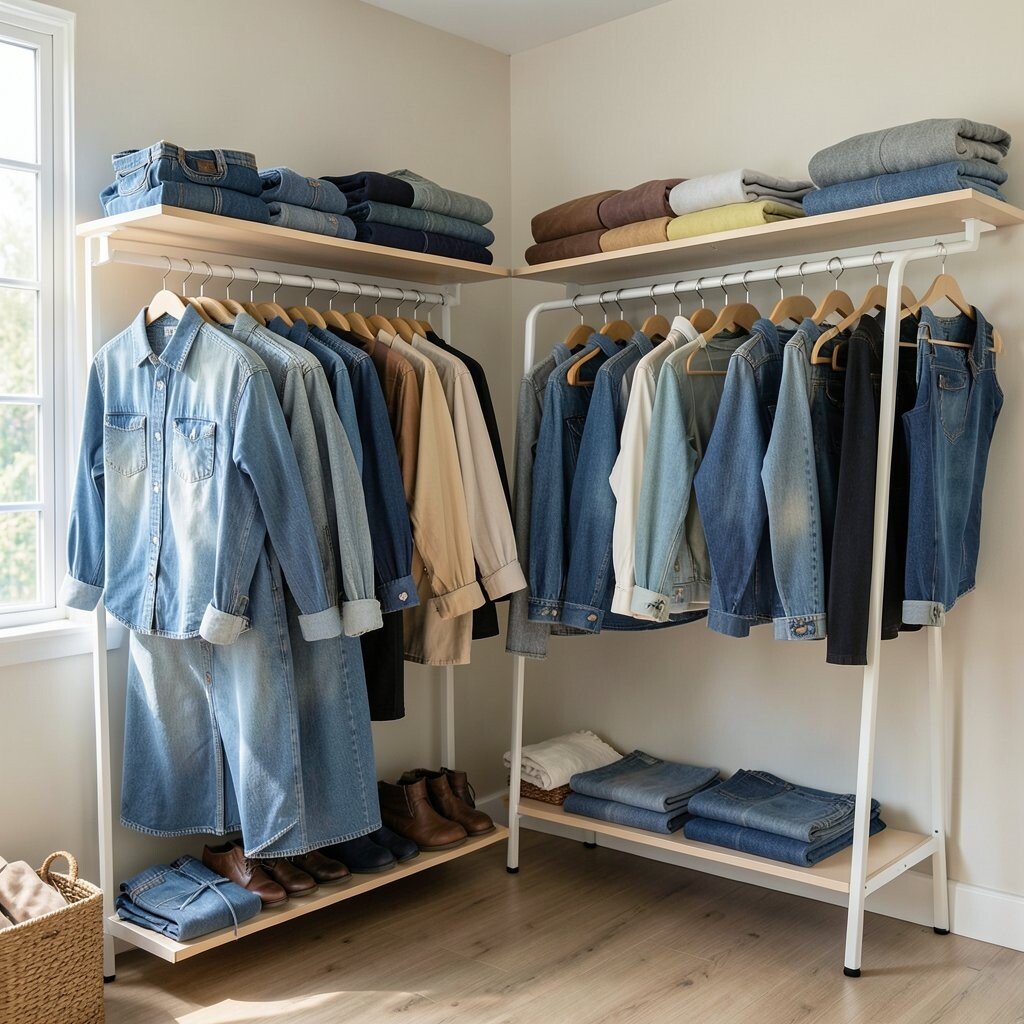
Denim always draws eyes because it looks sturdy and familiar. Lay out jeans, jackets, and skirts so shoppers can spot wash differences like light, medium, and dark right away.
Organizing denim by wash helps shoppers find their preferred style faster, and it makes your selection feel more unique. It’s also a smart cost consideration since denim pieces often feel worth it even when bought secondhand.
Add practical personalization by including a small note describing fit tips like “runs slim” or “great for layering,” written in a friendly way. Let shoppers try combinations by placing belts and simple tops right next to the jeans.
4. Offer “Work to Weekend” Smart Picks
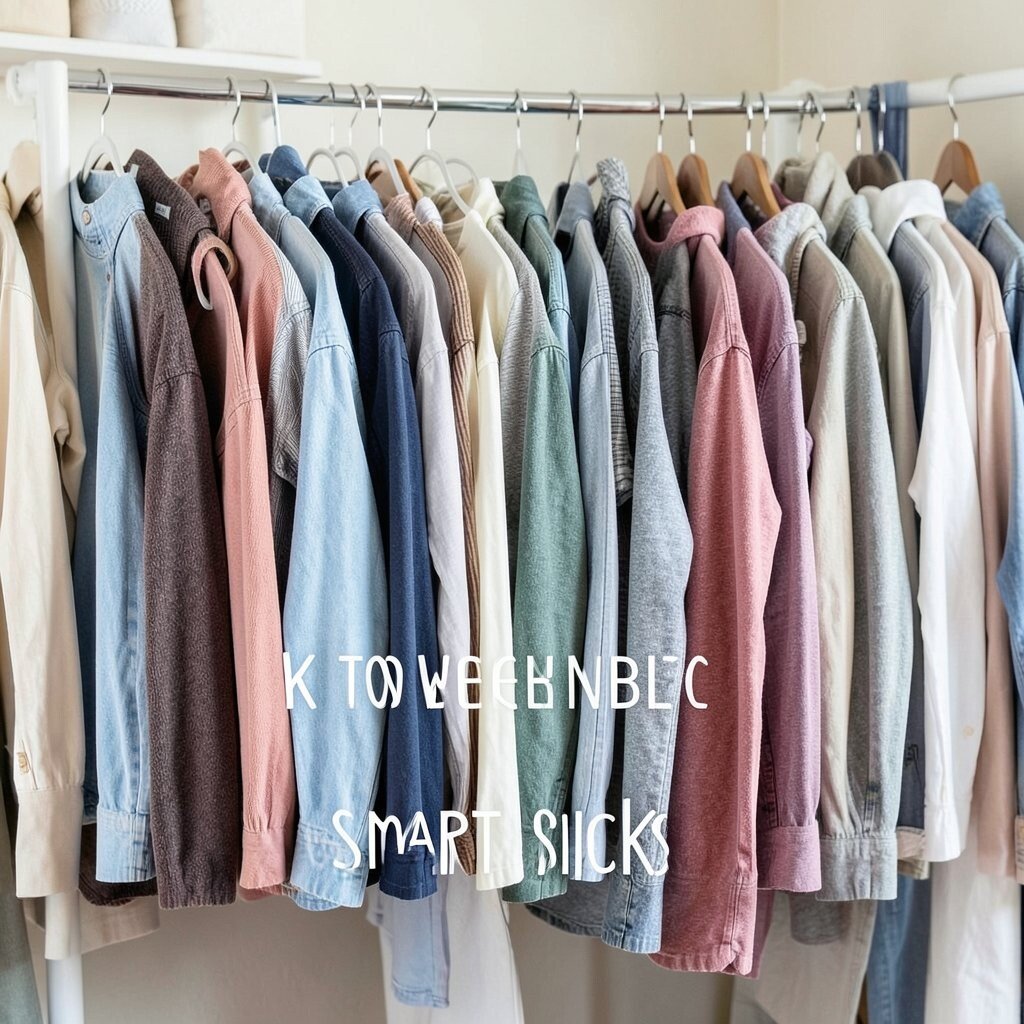
Choose pieces that can look polished without feeling stiff. Display blouses, trousers, and clean cardigans on hangers so they catch the light and look ready for a meeting or dinner.
Shoppers love this because it lowers the stress of dressing up and saves them time in the morning. Keep sizes organized, and include a few neutral basics so people can mix them with items they already own.
5. Set Up a Vintage-Inspired Section With Style Clues
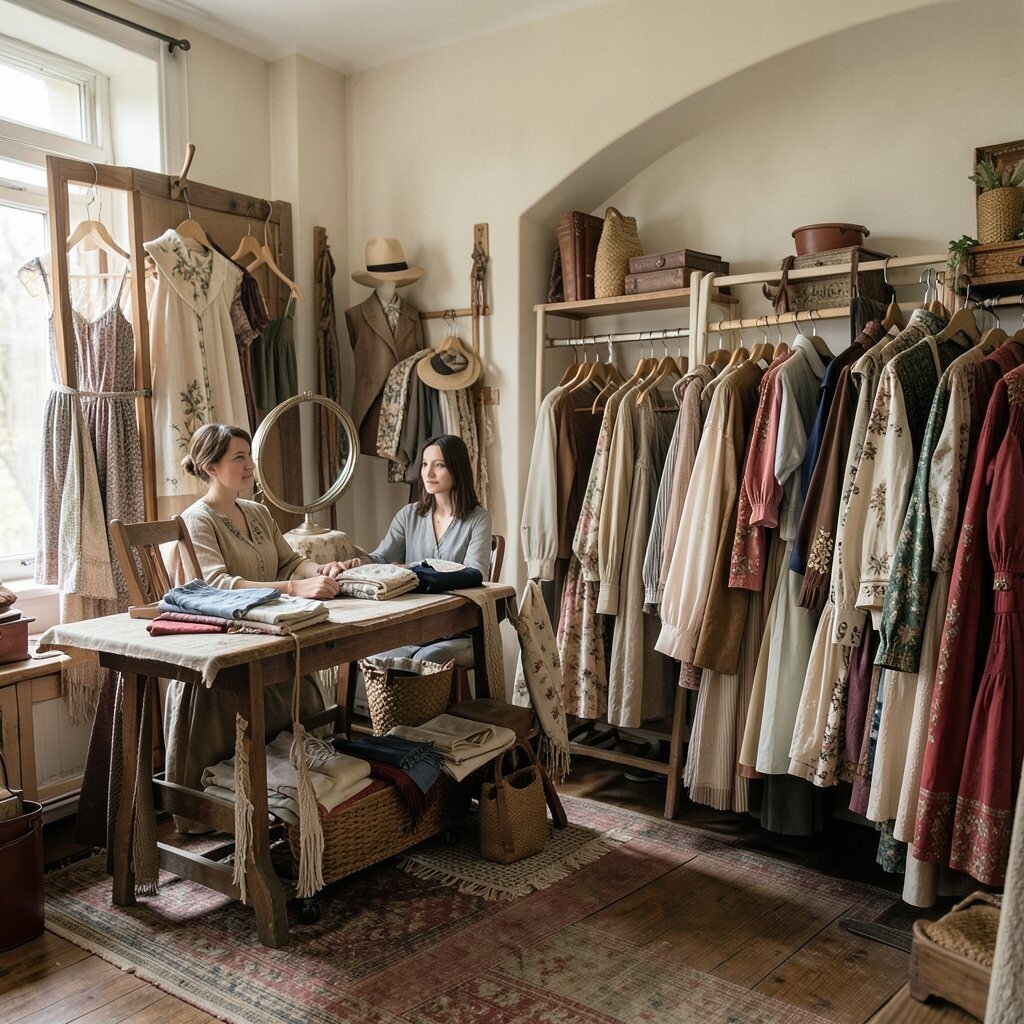
Bring personality by grouping items that share a similar vibe, like retro patterns or classic silhouettes. A floral dress near a plaid shirt and a leather belt can instantly make the whole area feel like a mini styling shoot.
Giving style clues helps shoppers imagine how to wear the piece, which boosts confidence and makes your sale stand out. Focus on uniqueness by selecting a few truly special items, such as a standout coat or a rare print, and giving them a visible spot.
Keep practical tips simple by noting fabric feel through plain words, such as “soft knit” or “crisp cotton.” People also appreciate cost clarity, so price basics gently and let standout pieces hold a bit more value.
6. Host a “Try-On With Confidence” Micro-Rack

Place a small try-on area near mirrors and good lighting so shoppers can check fit easily. A rack of sorted sizes with a few top sellers nearby creates a calm, welcoming vibe instead of a rush.
Better fit means fewer returns and happier buyers, which is good for everyone. If you include practical personalization like belts, socks, or simple undershirts nearby, shoppers can build a full look without searching.
Make it feel trendy by including a mix of popular silhouettes such as cropped jackets, wide-leg pants, and relaxed tees. Even when items are secondhand, shoppers still want current proportions that look fresh in photos and at events.
7. Price Like a “Wardrobe Upgrade” Instead of Just Piles
When you price thoughtfully, the sale feels like an upgrade, not a bargain dump. Bundle a few pieces with strong wearable value, then keep pricing friendly so people feel excited to try something new.
Clear pricing also helps shoppers compare quickly and spend with confidence. To make cost considerations feel fair, check similar items at thrift stores or resale apps and adjust based on condition and brand.
Uniqueness shows up when you highlight standout quality fabrics and well-kept basics. That way, the sale feels curated even if the items come from different places.
8. Use Seasonal “Capsule Edits” for Quick Outfit Building
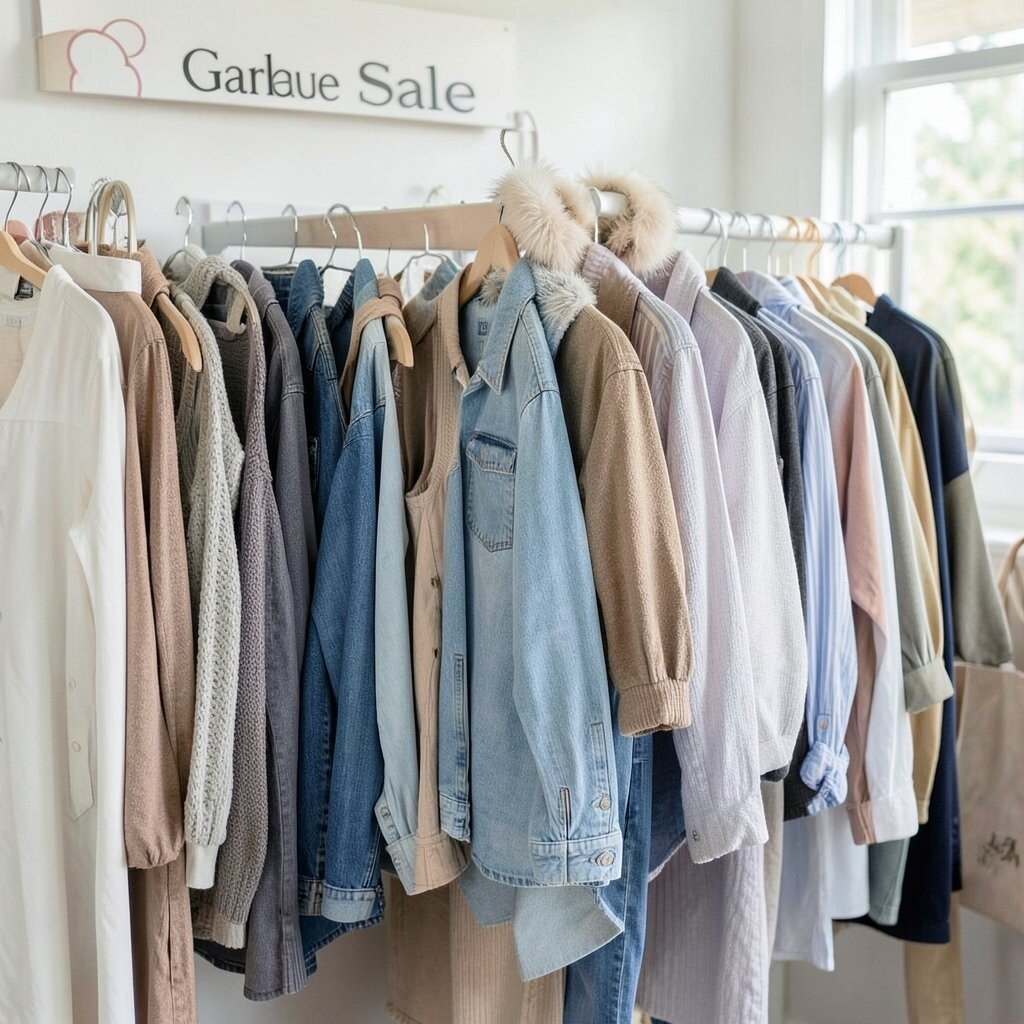
Create mini capsule groups that match the season and local style. A table with warm layers for cool mornings and lighter tops for midday can look neat and intentional.
Capsule edits make shopping simpler because every item can work with at least a few others. When shoppers see that, they’re more likely to buy multiple pieces and build a real rotation.
Personalization can be as easy as leaving a couple of styling paths, like a “sporty” path with sneakers and a “dressy” path with a belt and blouse. Use current trends such as oversized shirts, layered neutrals, and subtle athleisure details to keep the capsule feeling modern.
9. Make Accessory Pairing a Small Treasure Hunt

Accessories can turn an average outfit into something memorable, so present them like small finds. Place belts, scarves, and simple jewelry in clear sections so people can spot shapes and colors fast.
This boosts benefits for shoppers because they can create many looks from one outfit. It also adds uniqueness since accessories often have little styling stories behind them.
Keep it practical by including sizing help for belts and clear notes for materials like silk-like scarves or soft knits. Cost considerations are easier here too since accessories are usually lower-priced, letting people try a style they might not buy in a larger garment.
10. Include a “Fabric Feel” Display for Smart Decisions
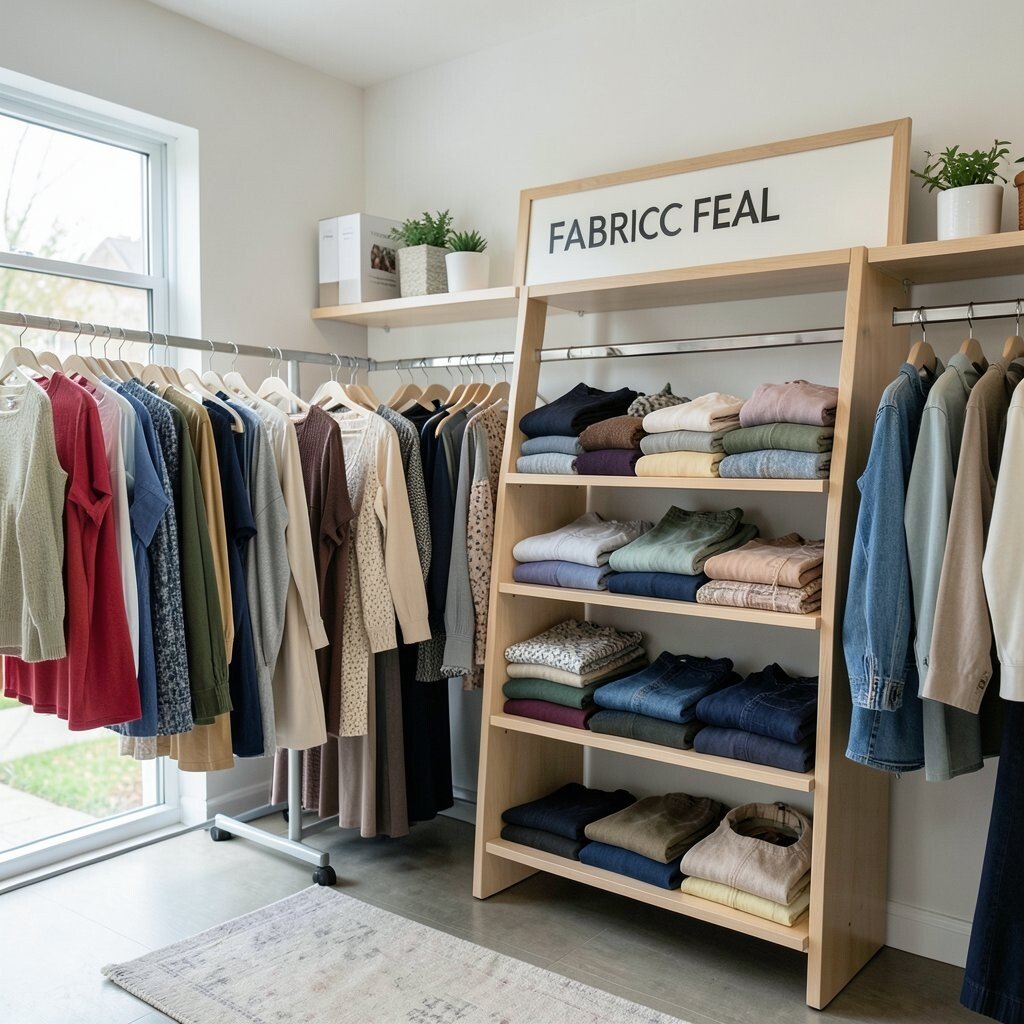
People love to know how a piece will feel before they commit. Set up a display where you bunch items by fabric type, like smooth cotton, cozy knits, and structured twill.
When shoppers can compare texture, they make better choices and avoid items that don’t work for their comfort. This is a simple benefit that also supports personalization because comfort preferences vary a lot.
For uniqueness, add a few pieces with interesting textures like ribbed sweaters, faux leather details, or patterned knits. Keep current trends in mind by showing both classic fabrics and new favorites like breathable blends and cozy oversized knits.
11. Turn Shoes and Bags Into Outfit Anchors

Place shoes and bags where they can be seen clearly, ideally on a separate rack with space around them. A pair of clean sneakers or a structured crossbody bag can look like the start of a whole outfit.
Anchors make wardrobe refreshes easier because shoppers can build around one strong piece. This also creates a strong visual pull, helping your sale feel organized and worth stopping for.
Personalization ideas work well here since many people want to match their everyday bag to their outfit style. For cost considerations, check wear on soles and zippers, then price accordingly so the good condition pieces feel like a smart buy.
To match trends, show a mix of classic styles and current colors that fit today’s palettes, like earthy tones, crisp whites, and muted jewel shades.
12. Offer “Style Swap” Minutes for Friends and Neighbors
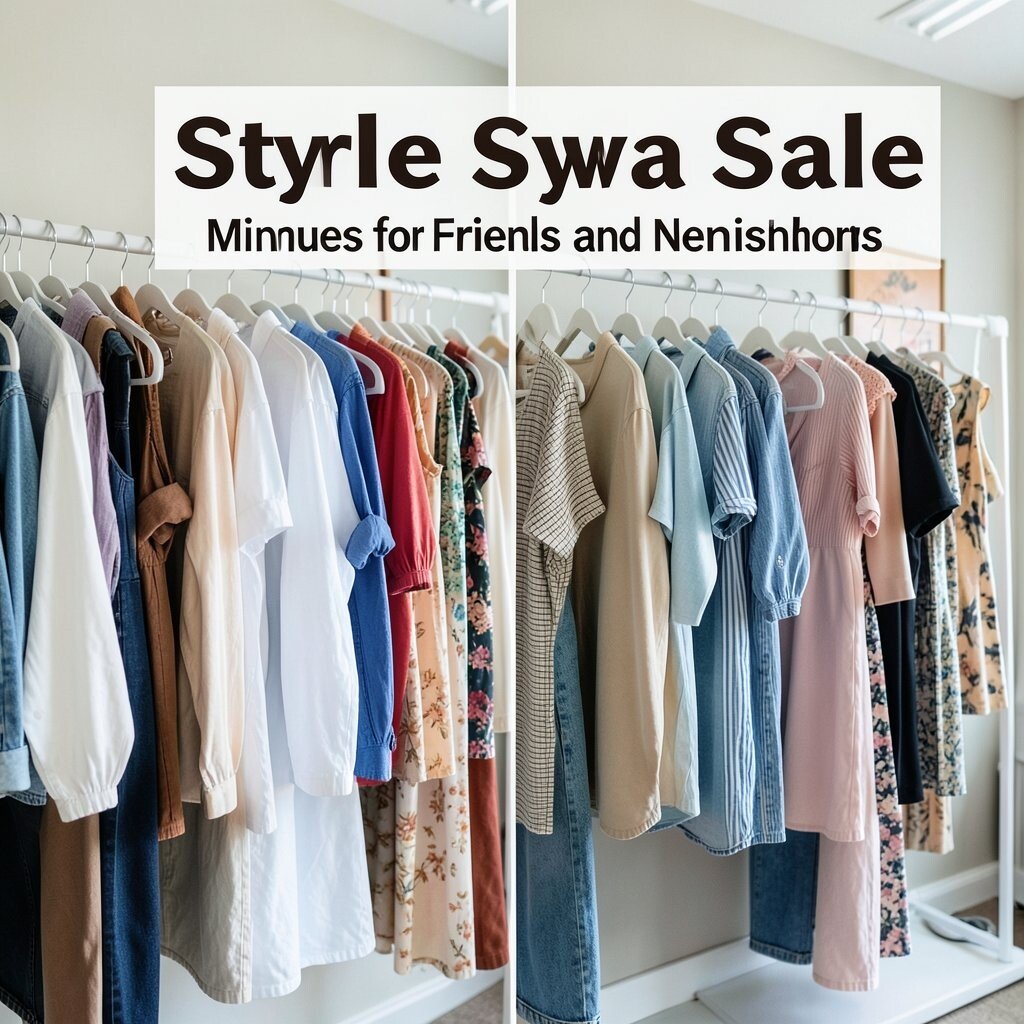
Invite small groups of friends or neighbors to come by and swap a few items with each other. Picture a corner where people gently trade a cardigan for a scarf, like a friendly mini exchange.
This can create benefits beyond the sale itself because people leave with fresh looks without spending much. It also adds uniqueness since the experience feels social and memorable, not just transactional.
Keep it practical by setting clear rules for cleanliness and try-on time, and by keeping categories like tops, bottoms, and outerwear separated. Personalization happens naturally because each swap is based on what someone genuinely likes and already has.
For cost considerations, you can keep your main sale priced normally while using swap minutes for small items that are easy to move. That way, shoppers can take a risk on a new style without feeling stuck with it.