Your hair can look like it’s glowing even on ordinary days. With the right habits, you can help it feel stronger, softer, and more alive.
1. Start With a Gentle Wash Routine

If your scalp feels tight or itchy after washing, your routine probably needs a softer touch. Try lukewarm water and a shampoo that feels mild instead of squeaky-clean.
Pay attention to how often you wash based on your hair type, activity, and season. Many people benefit from focusing shampoo on the scalp, then letting the suds rinse through the lengths. This keeps the strands from getting stripped and makes shine look more natural.
2. Learn Your Scalp Mood Before You Pick Products
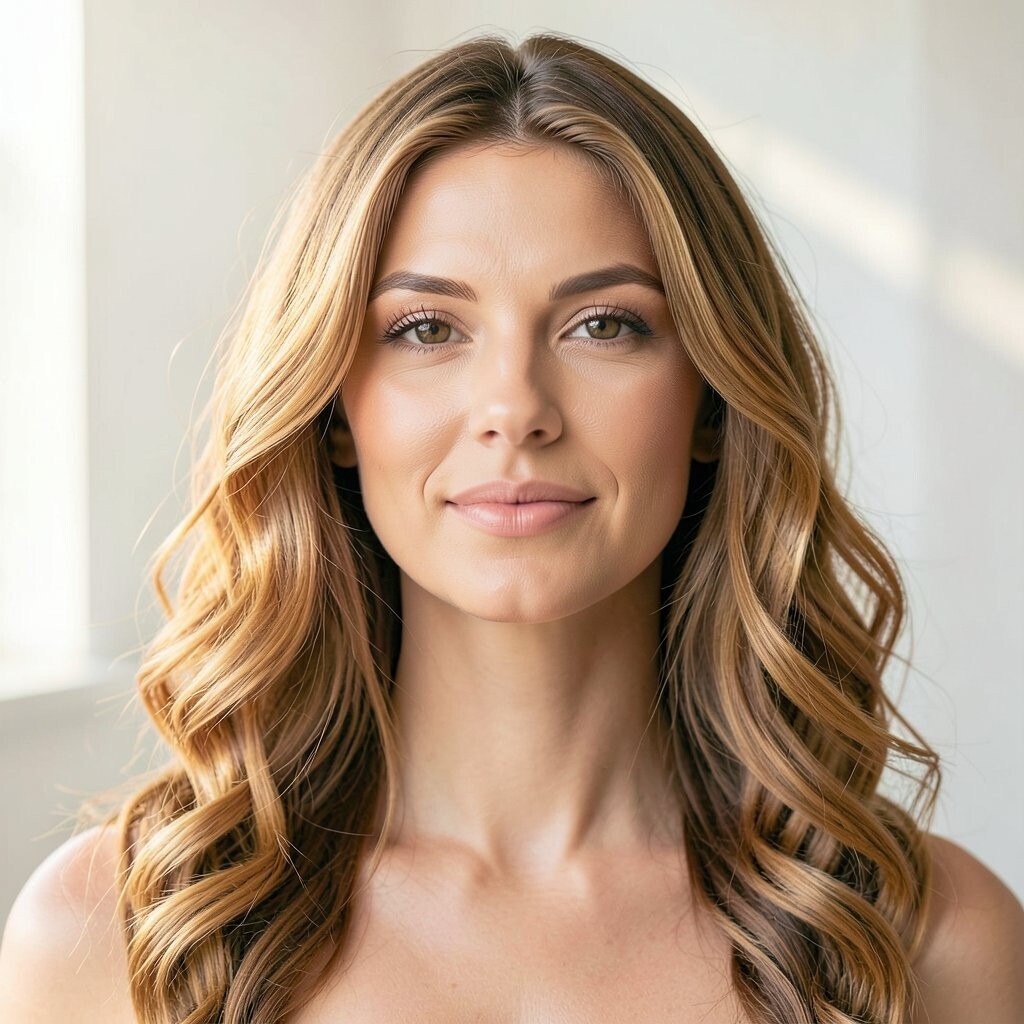
A shiny hair day starts at the roots, but the scalp sets the mood. If your scalp is oily, you may need a lighter wash, while dry flakes call for more comfort.
Notice how your scalp looks in the mirror after a day or two, not just after a fresh wash. That simple check helps you choose products that match what’s actually happening. When your scalp feels calm, your hair often falls with more smooth movement.
For a personalized approach, keep one gentle shampoo and one nourishing option, then rotate based on how you feel that week. You can also try massaging with fingertips for about a minute to lift buildup without harsh rubbing. This trend of “scalp-first” care is showing up in salons because it helps everyone get closer to a healthy glow.
3. Condition With Intention, Not Just Habit

Conditioner can make hair look shiny, but only when it reaches the right areas. Focus on mid-lengths and ends, where hair tends to feel roughest.
Use enough conditioner to coat without drowning your hair. Let it sit for a little while so it can smooth the cuticle and reduce frizz.
If your hair gets flat, use less product and apply it lower down the hair shaft. If your hair is thick or curly, leave it on slightly longer and use a wider tooth comb to spread it evenly. You’ll often see a more polished, glossy finish right away.
Consider your budget by choosing a conditioner you can actually use fully, not one that gets too expensive once you run out quickly. A larger bottle can help, especially if you share it with family or keep a travel size for quick trips. This small planning move can make your routine feel easier month to month.
4. Pick the Right Brush for Your Hair Type
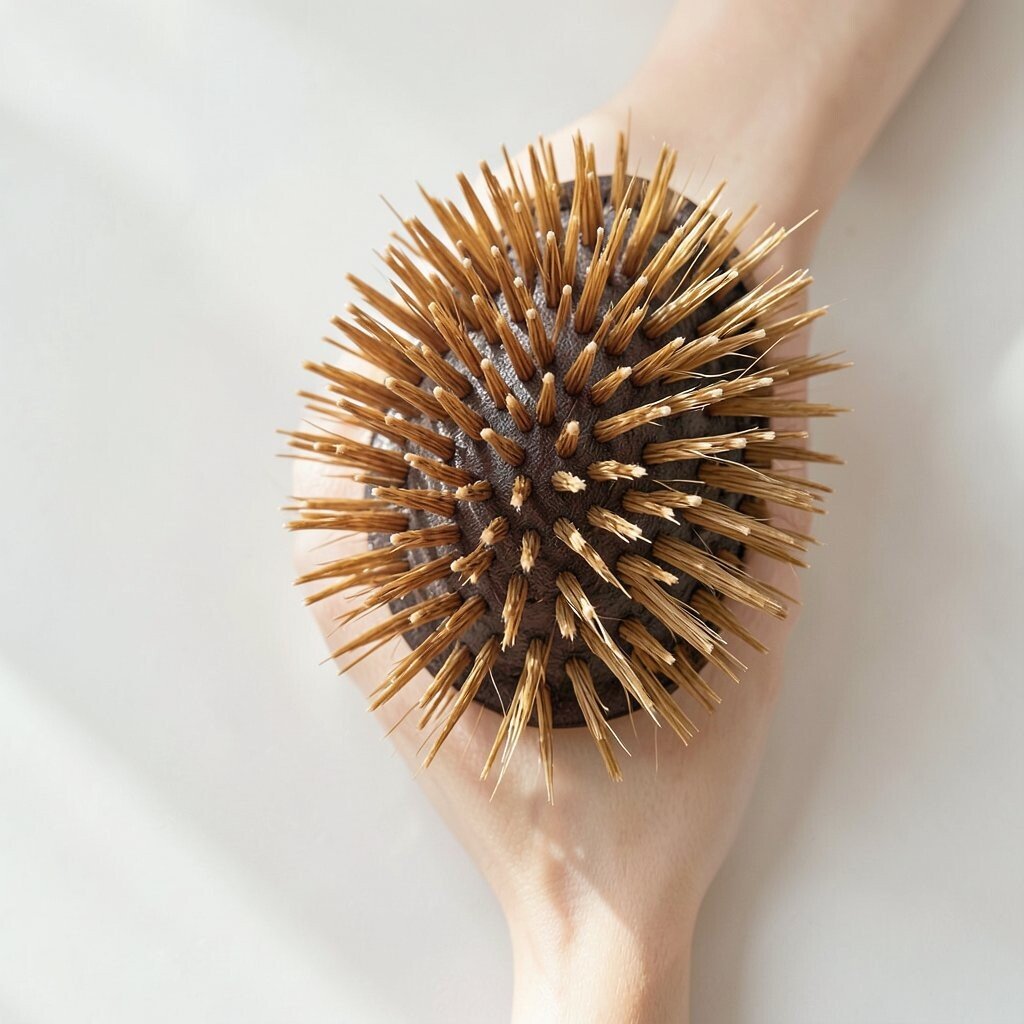
The way you comb can add shine or create frizz, and it happens in seconds. A brush that suits your texture helps you detangle without yanking.
For fine hair, look for softer bristles or a gentle detangling brush that glides. For thick, coily, or curly hair, use a wide tooth comb or a brush designed for curls so clumps stay intact. When you brush carefully, you protect the hair’s surface and your strands catch the light better.
5. Detangle Only When the Hair Is Ready

Dry hair tangles easily, so detangling at the wrong moment can make hair look dull. Many people get better results when hair is damp and coated with conditioner or a light leave-in.
Use your fingers to separate larger knots first, then move to a comb. Start at the ends and work upward in small sections so the stress stays lower. This helps your hair keep its shape, and it reduces breakage that steals shine over time.
To keep it practical, set a detangling routine right after shower, and make it part of your daily flow. If you need a quick option for busy mornings, a small spray leave-in can help you detangle without a full wash. Current salon energy often praises “section styling” because it makes results look smoother and feel more manageable.
6. Use Heat With a Plan, Not a Habit

Heat can create that sleek, glossy look, but overdoing it can leave hair feeling brittle. If you rely on blow-drying or straightening, reduce how often you use high heat.
When you do use heat, use a heat protectant and aim for lower settings that still work for your texture. Let your hair dry partially before styling so the tools have less work to do. You’ll notice fewer flyaways and more shine that lasts beyond the first day.
7. Add a Leave-In That Matches Your Finish Goal
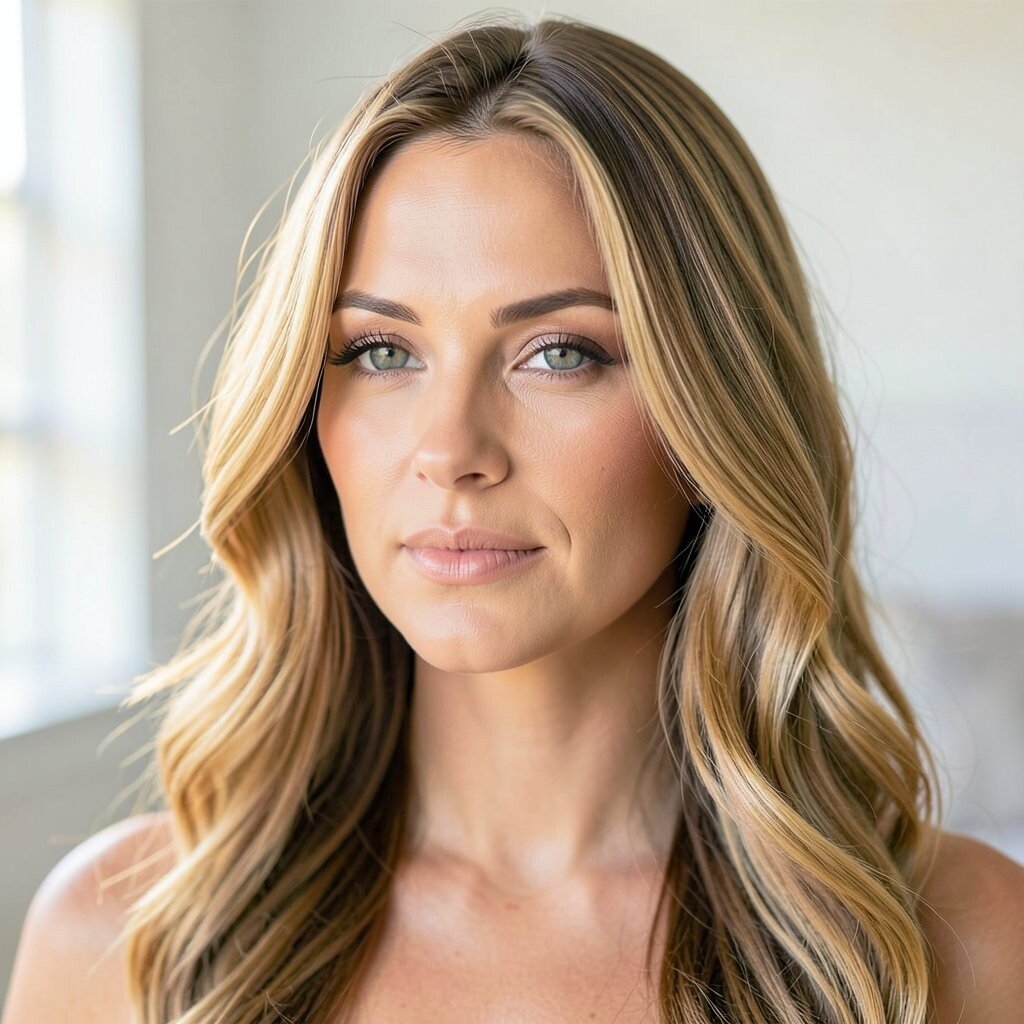
Leave-in products can be a game-changer because they keep hair softer between washes. If you want shine, choose something lightweight that smooths the surface without making roots greasy.
For curls and waves, look for creams or gels that enhance shape and control frizz. For straight or fine hair, try a mist or spray that adds slip. When your hair feels touchably smooth, it reflects light more evenly.
Personalize it by using tiny amounts at first and adjusting as you learn your hair’s reaction. A little can go far, so start small and build only if needed. This approach can keep your spending under control, especially because leave-ins can cost more than basic shampoo.
8. Treat Your Hair to a Weekly Mask
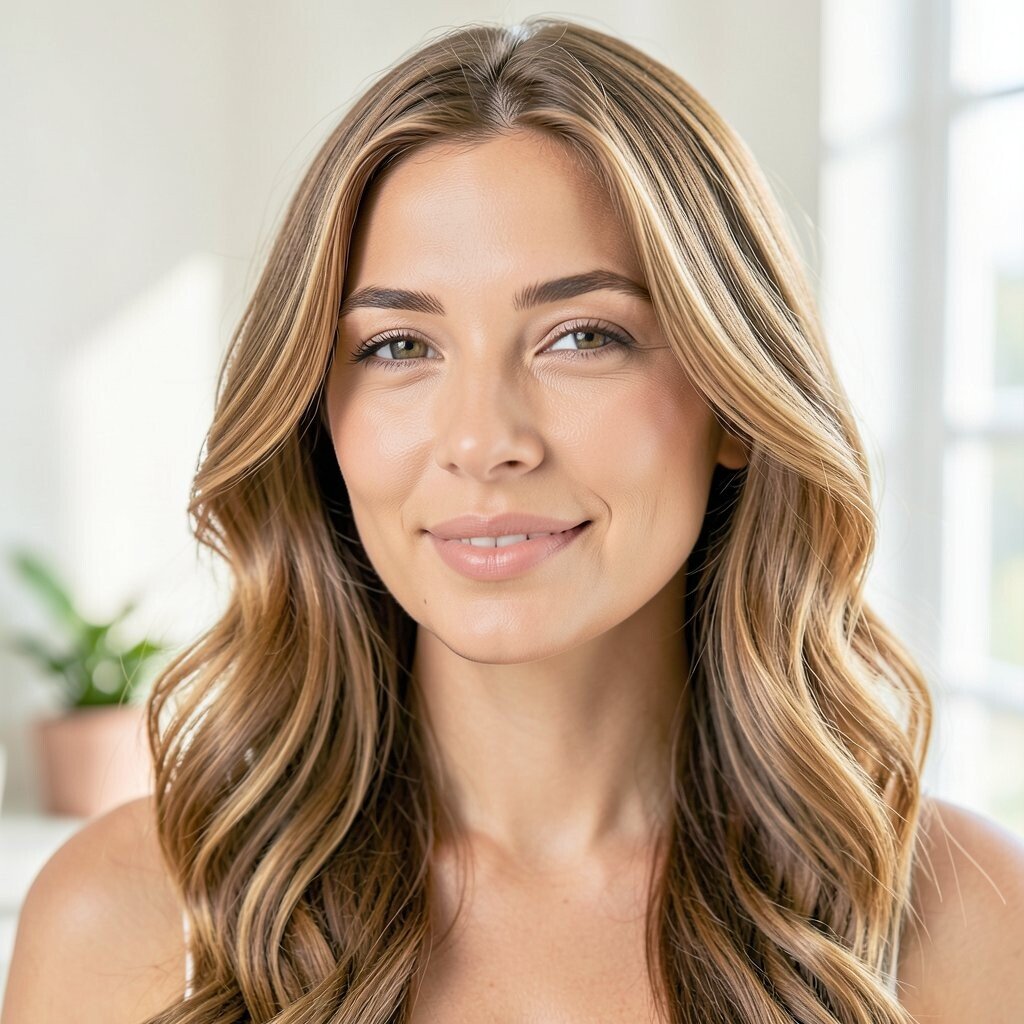
Think of a mask as a spa moment for your strands, especially when your hair looks flat or dry. A good mask can improve softness, reduce roughness, and make shine look more vivid.
Choose a mask based on what your hair needs right now, like hydration for dryness or strengthening for breakage. Apply it after shampoo, focus on the mid-lengths and ends, and rinse well. You’ll often see hair that looks silkier and feels easier to style.
9. Protect Your Hair at Night With Smart Habits

Even healthy hair can look less shiny after sleeping on rough fabric. Friction can tangle strands and make them dull by the morning.
A satin or silk pillowcase helps hair glide, and it can reduce frizz for many people. If you prefer, try loosely tying hair into a low bun or braid to keep it from rubbing. Your hair may wake up with fewer knots and a smoother look that catches light.
For personalization, match the style to your hair pattern, like loose twists for curls or a gentle wrap for longer hair. This protects your shape and helps you stretch styles longer. Many modern routines also include overnight scalp care for people who tolerate it well, such as gentle oiling on the lengths rather than heavy scalp buildup.
10. Trim Regularly to Keep Ends Looking Fresh

Split ends can travel upward and make hair look dry, even if your shampoo is great. A small trim helps your ends stay neat and bouncy.
You don’t need to overdo it, but staying consistent can keep your hair from feeling rough. If you grow your hair out, trims help maintain a polished silhouette. When the ends are healthy, shine shows up more because the hair surface stays smoother.
11. Nourish From the Inside With Simple Nutrition

Hair is made from what your body has to work with, so nutrition matters for long-term health. You don’t have to be perfect, but steady habits can help your hair feel stronger.
Include protein, healthy fats, and colorful fruits or vegetables in your meals. Iron, zinc, and vitamin D often play roles in how hair grows, and hydration supports scalp comfort too. When your body feels well-supported, hair can look fuller and more lively.
To keep this realistic, build meals around what you already enjoy, like adding nuts to snacks or adding beans to dinner. If you have concerns about deficiencies, talking with a clinician can help you choose the right next step. Current wellness conversations often connect gut health and hair appearance, so gentle routines like regular balanced eating can go a long way.
12. Be Careful With Hair Colors, Chemicals, and Sun

Dye, bleach, and relaxers can make hair look amazing at first, but they can also weaken strands if you don’t care for them. If you color your hair, use products made for color-treated hair to help maintain shine and softness.
Sunlight can also fade color and dry out hair, especially on bright days. Wearing a hat, using UV-protectant sprays, or keeping hair covered can reduce that damage. When hair stays moisturized, your color looks richer and your shine feels steadier.
13. Track What Works and Adjust Your Routine

Your best hair routine is the one that fits your life and your hair’s changing needs. Sometimes products that worked last season stop working when humidity rises or temperatures shift.
Make small notes about what you used, how your hair looked after washing, and how it behaved during the week. If you can, take a photo in the same kind of lighting so you can compare gently over time. This turns hair care into a friendly experiment instead of guesswork.
Keep costs reasonable by using a “core kit” approach, like one reliable shampoo, one conditioner, and one styling helper. Swap in seasonal upgrades, like a deeper mask in winter or a lighter leave-in in summer. This modern, personalized mindset is popular because it helps you get consistent results without buying a never-ending lineup.