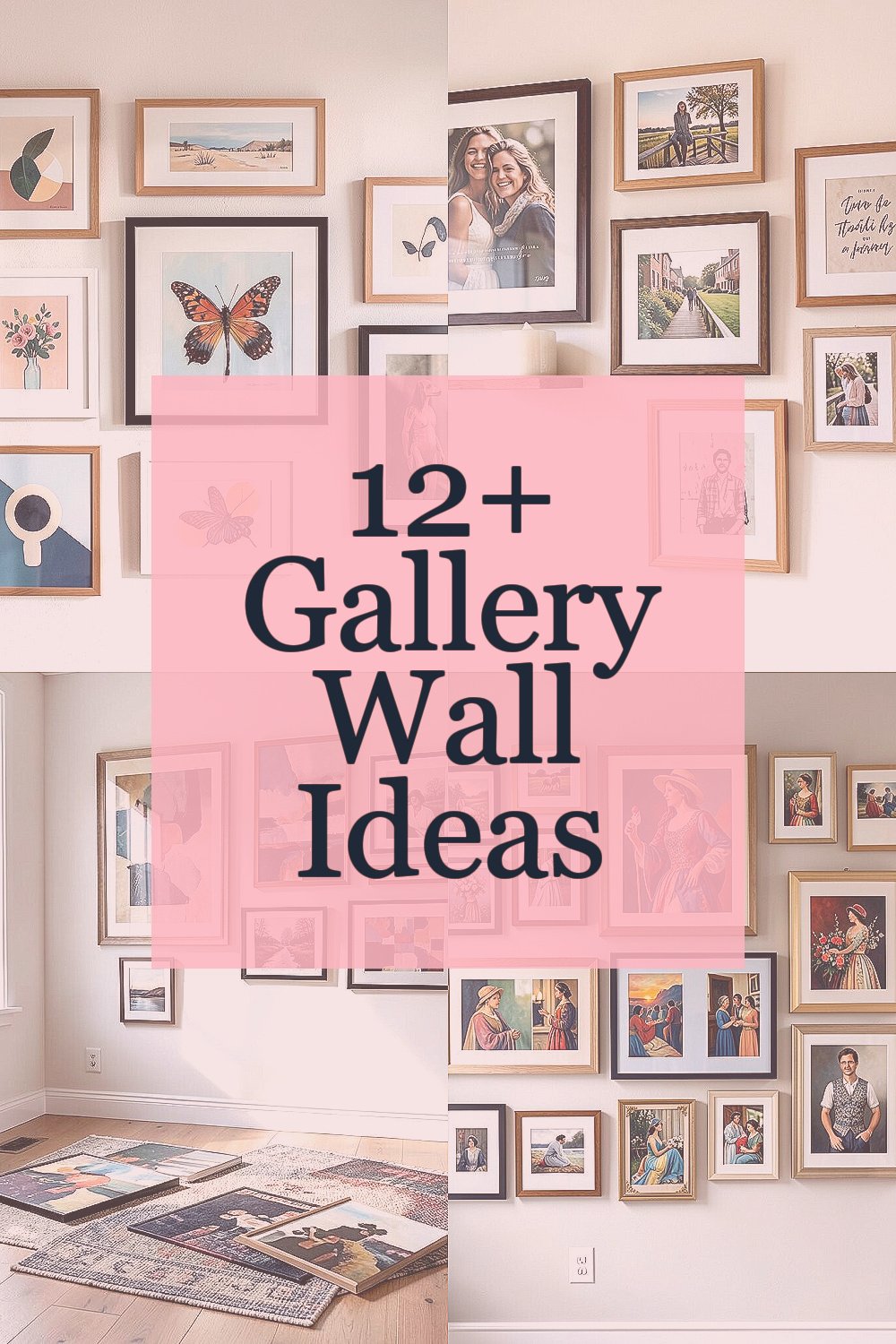
A gallery wall can make a room feel alive in a single glance. It can also feel tricky until the right pieces start talking to each other.
1. Start With a Clear Focal Point

Pick one frame, print, or art piece that feels like the star of the show. This gives the whole wall a strong visual anchor and keeps the layout from feeling scattered.
Place the focal piece at eye level so it feels easy to notice. Then build around it with smaller frames, soft colors, or bold shapes that support the main look. This approach saves time, helps you spend money wisely, and makes the wall feel more polished without needing a huge art budget.
2. Mix Frame Sizes for a Lively Look

Using only one frame size can make the wall look flat. A mix of large, medium, and small frames creates movement and gives the eye something fun to follow.
Try pairing a big print with a few slim frames and one or two tiny pieces. The mix feels modern and personal, especially when you include photos, quotes, or art from different places in your life.
This style is also budget-friendly because you can blend expensive frames with simple ones. Many people like this look right now because it feels relaxed, not too stiff, and easy to update later.
3. Plan the Layout on the Floor First

Laying everything out on the floor helps you see the wall before any nails go in. It is a smart way to test spacing, balance, and color flow without making holes you may regret.
Move the frames around until the shapes feel steady and the gaps look even. You can also snap a photo of the floor plan so you remember the arrangement when it is time to hang.
This method is great for saving time and cutting down on mistakes. It also gives you room to play with a custom style that feels made just for your home.
4. Keep a Tight Color Story

A strong color story can make many different pieces feel like they belong together. It can be soft and calm with creams and grays, or bold and lively with blues, reds, and golds.
Choose a few repeat colors and let them show up in art, mats, frames, or photos. This simple trick makes the wall feel neat and stylish, even when the art styles are very different.
5. Use a Grid for a Clean, Modern Style

A grid layout gives a room a crisp and orderly look. It works well when the frames are the same size and the spacing stays even from top to bottom.
This style is easy to read at a glance, which makes it feel calm and tidy. It is a good choice for hallways, offices, or any spot where you want a sharp, current look without too much fuss.
Grid walls can be made on a small budget with matching frames and simple prints. If you want a personal touch, use family photos, travel shots, or black-and-white art for a sleek finish.
6. Blend Art With Personal Memories

Gallery walls feel warmer when they hold more than just pretty pictures. Family photos, postcards, ticket stubs, and small keepsakes can make the wall tell your story.
Mix these memory pieces with artwork so the display feels rich and real. A wall like this often becomes the most loved spot in the room because it feels close to the heart.
You do not need expensive items to make this work. Simple frames, clip mounts, and even thrift-store finds can help you build a wall that feels special without costing much.
Try grouping older memories with newer ones to show how life has changed. That little blend of past and present gives the wall a unique charm that store-bought decor cannot copy.
7. Leave Room to Breathe

Not every inch of the wall needs to be filled. A little empty space can make the art stand out more and keep the display from feeling crowded.
Give each piece enough room so it can shine on its own. This makes the wall feel calm, neat, and easier on the eyes, especially in smaller rooms.
8. Try a Theme With a Twist

A theme can help your gallery wall feel focused, but it should still leave room for your style. You might choose nature, travel, family moments, or abstract shapes, then add one or two surprise pieces.
That little twist keeps the wall from looking too plain. It also makes the display feel more personal, since the best walls often show both a clear idea and a bit of playful charm.
If you are watching your budget, a theme can help you shop with purpose. You can look for prints, thrifted frames, or even your own photos that match the mood without spending too much.
9. Use Different Hanging Heights for Energy

Some walls look best when the pieces line up neatly, but others come alive with a more playful hang. Slight changes in height can make the wall feel lively and full of motion.
Try raising one frame a bit or lowering another so the group feels natural and balanced. This works well with art that has different shapes, since the uneven heights can make the whole display feel more relaxed and creative.
It is a good way to make a wall feel custom without buying anything extra. Even a simple set of frames can look richer when the placement has a little rhythm.
10. Add Texture for Depth

Flat frames are nice, but texture can make a gallery wall feel much more interesting. Woven pieces, wood frames, metal accents, and canvas art all bring different surfaces into the mix.
When light hits these textures, the wall feels deeper and more alive. That extra depth can make a room look more finished, even if the art itself is simple.
Textured pieces can also help you follow current decorating trends without copying them too closely. A few natural materials can make the wall feel warm, modern, and easy to live with.
11. Make the Wall Fit the Room

A gallery wall should match the space around it, not fight with it. A busy wall may feel right in a big living room, while a smaller wall may suit a hallway or reading nook better.
Look at nearby furniture, rugs, and lamps before you hang anything. When the wall fits the room, everything feels smoother and more put together.
This is also a smart way to manage cost because you can size the wall to the space you already have. Instead of buying more art than you need, you can choose just enough pieces to make the room feel complete.
For a personal touch, echo the room’s colors or shapes in the frame choice. That simple link helps the wall feel like part of the home instead of a separate project.
12. Add a Few Unexpected Pieces

Unexpected items can make a gallery wall feel fresh and full of personality. A small mirror, a vintage plate, a textile square, or a tiny shelf can break up the frames in a fun way.
These pieces add surprise and help the wall stand out from the usual frame-only look. They can also reflect light or bring in shape changes that make the whole display more eye-catching.
If you want to keep costs low, look around your home first. You may already have objects that work well, and using them can make the wall feel even more unique because it grows from your own life.
13. Edit Until It Feels Right

Sometimes the best gallery wall is not the one with the most pieces, but the one that feels just right. Step back, look at the whole wall, and remove anything that feels too heavy, too small, or out of place.
Editing helps the best parts stand out and gives the wall a cleaner finish. It also keeps the display from feeling too expensive or too crowded, which is helpful when you are building it one piece at a time.
Trust your eye and your mood, since the wall should match how you want the room to feel. A gallery wall that fits your taste, your budget, and your space will always feel more special than one made by rules alone.