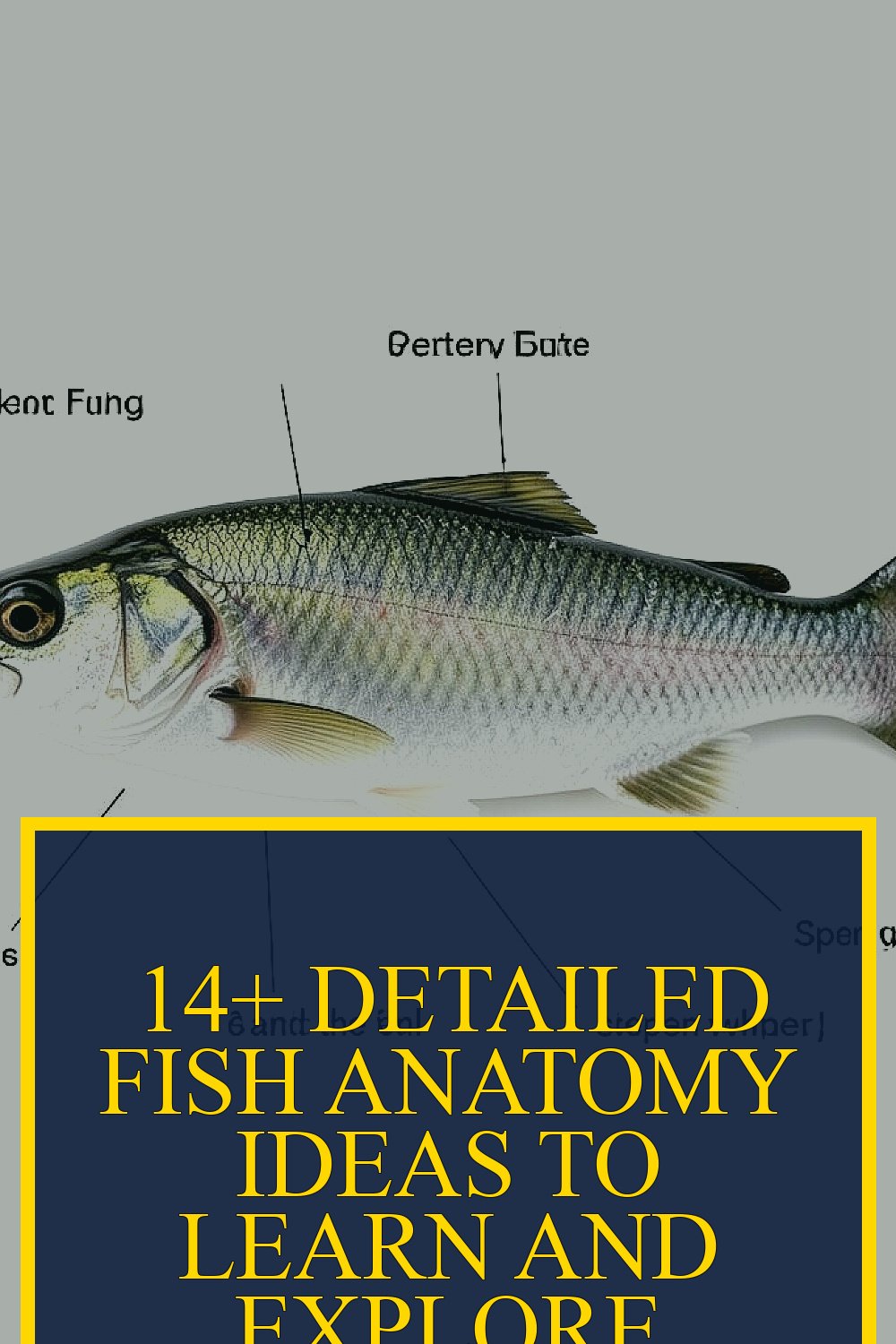
Fish bodies hold more secrets than they first show. Their shapes, colors, and inner parts can spark fresh curiosity fast.
1. Study the Sleek Body Shape

A fish body often looks smooth, shiny, and built like a tiny torpedo. That long shape helps it move fast through water with less drag.
Looking closely at body shape can teach you how nature solves movement problems. It also helps you compare different fish, from flat ones that hide on the seafloor to speedy swimmers in open water. If you want a simple project, sketch one fish from the side and label the head, trunk, and tail.
2. Notice the Eyes and How They Sit

Fish eyes can look large, round, and bright, almost like polished glass beads. Some sit on the sides of the head, while others face more forward for better depth sense.
Eye placement tells you a lot about a fish’s life and habits. Predators often have eyes that help them judge distance, and prey fish may have wide side vision for quick warning signals. A small magnifier can make this study more exciting, and it does not need to cost much if you already have simple tools at home.
Try comparing eye size in two species and write down what each fish might see best. You can also personalize the activity by drawing your own fish with extra-large or tiny eyes and guessing how it might live. This idea is popular in art and science projects because the eyes give each fish a unique look.
3. Examine the Gills and Breathing System

Gills are one of the most amazing parts of fish anatomy. They often look like delicate red fans tucked under the gill cover, and they work hard to pull oxygen from water.
This part is useful to study because it shows how fish breathe in a world that is very different from ours. Gills also help explain why clean water matters so much for fish health. If you are working with models or classroom charts, choose a clear diagram instead of expensive lab gear to keep costs low.
You can personalize this topic by coloring a gill diagram in bright shades to make the parts stand out. A current trend in science learning is using labeled sketches on tablets or printed worksheets for quick practice. That makes it easy to repeat the lesson at home, at school, or in a club.
4. Look at the Fins and Their Jobs
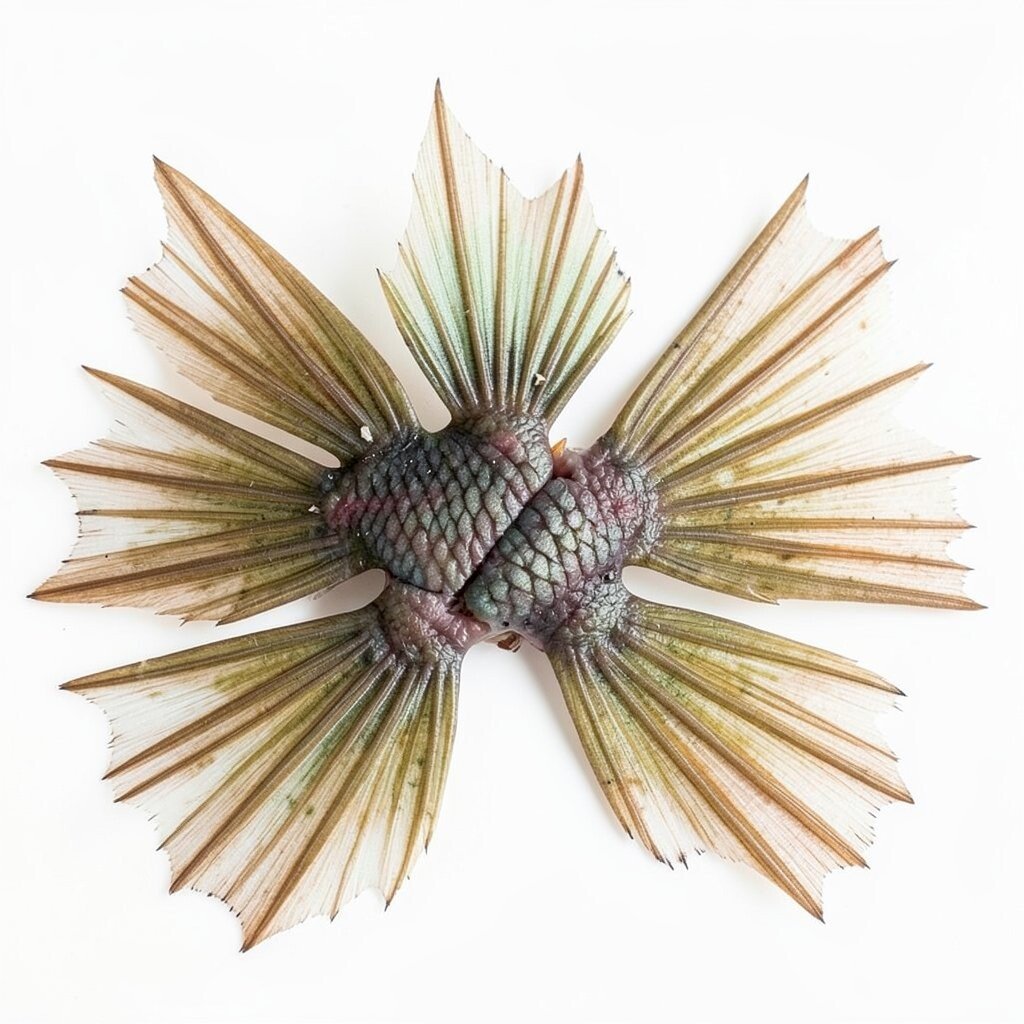
Fish fins can look like soft flags, sharp fans, or strong paddles. Each fin type has a special job, such as steering, stopping, balancing, or pushing forward.
This makes fins a fun part to compare because no two fish use them in exactly the same way. The tail fin is often the strongest mover, while side fins help with turning and holding position. A simple tip is to watch short fish videos and pause when the fins spread wide.
5. Explore the Scales and Skin Texture
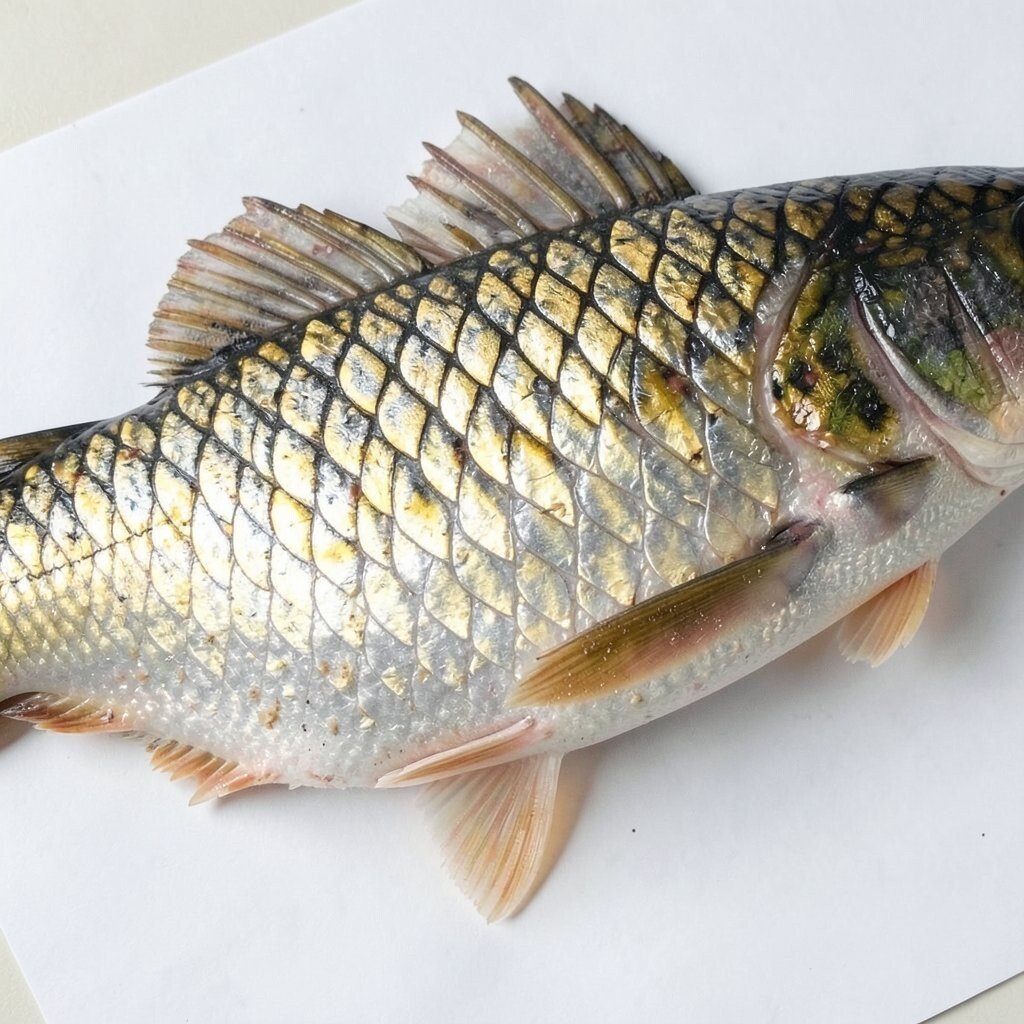
Fish scales may shine like tiny armor plates. Some feel smooth, some feel rough, and some are so small that they almost seem like dust in the light.
Studying scales helps you see how fish stay protected from bumps, scrapes, and water flow. It also shows why fish skin can look so different across species, from shiny silver to deep gold and spotted patterns. If you want a low-cost activity, press a paper rubbing over a scale picture and trace the outline with a pencil.
For a personal touch, make a scale pattern that matches your favorite colors or a team theme. This idea fits well with today’s craft-and-learning trend, where science notes become colorful and easy to remember. It can also help young learners build fine-motor skills while having fun.
6. Compare the Mouth Shapes
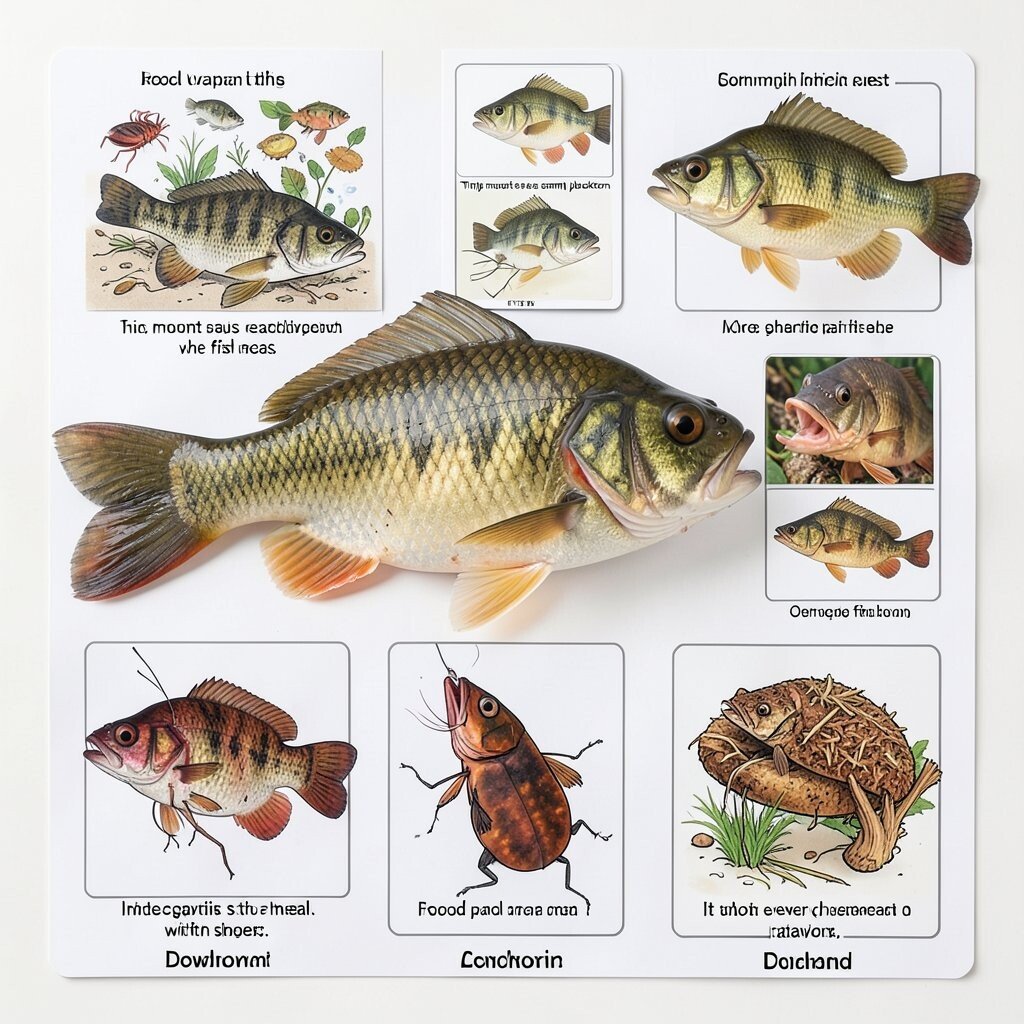
A fish mouth can be small and neat or wide and strong. Some mouths point forward, some point upward, and some point downward like a vacuum for feeding near the bottom.
That variety is useful because mouth shape often tells you what the fish eats. Tiny mouths may suit small plankton, while big jaws may fit fish, insects, or other prey. One good tip is to match each mouth shape with a food picture card and see which pair fits best.
You can personalize this study by drawing funny fish faces with different mouths and inventing a meal for each one. This is a low-cost classroom favorite because it only needs paper, crayons, and a little imagination. It also gives every learner a chance to make the fish look unique.
7. Learn About the Tail Fin
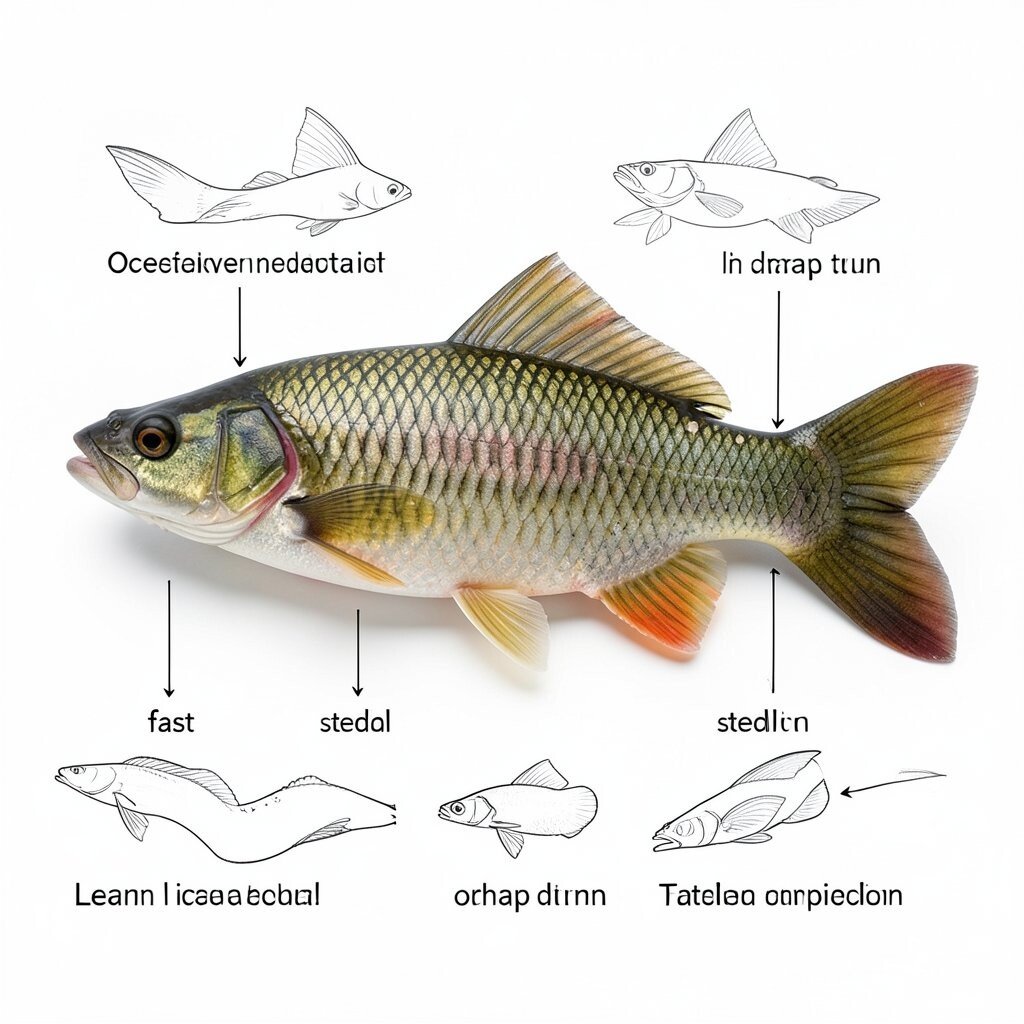
The tail fin often looks like a graceful fan at the back of the body. It can be forked, rounded, square, or deeply split, and each shape changes how the fish swims.
This part is especially helpful when you want to understand speed and movement. Fast ocean fish often have tail fins built for quick bursts, while slower fish may have shapes that help with steady motion. A simple suggestion is to draw different tail shapes and label them with words like fast, steady, or sharp turn.
Tail design is also a hot topic in nature-inspired engineering, since people study fish movement to improve boats and underwater devices. That makes this an exciting choice for learners who like science and design together. If you want to keep it budget-friendly, use printed pictures instead of model kits.
8. Check the Lateral Line

The lateral line is a thin sense line that runs along the side of many fish. It may not look flashy at first, but it plays a huge role in helping fish feel movement in the water.
This hidden system is unique because it works like a built-in alarm and guide at the same time. Fish use it to sense nearby motion, groups, and changes in water pressure. A useful tip is to trace the line on a fish diagram with a bright marker so it stands out clearly.
Try personalizing the idea by creating a glowing or dotted line on your own fish art. It is a strong choice for current science lessons because invisible body systems are getting more attention in school projects. Best of all, it costs almost nothing to make with simple drawing tools.
9. Study the Swim Bladder

The swim bladder is a special air-filled sac inside many fish. It may sound small, but it helps a fish float, sink, and stay in place with less effort.
This part can be very exciting because it shows how fish control body position with a built-in float system. It also helps explain why some fish rise easily while others stay close to the bottom. When teaching this, use a simple balloon or bubble sketch to make the idea easy to picture.
A personalized version could include a clear jar model with a floating object to show how buoyancy works. That kind of hands-on activity is trendy because families and teachers like science ideas that are simple, visual, and low cost. It makes fish anatomy feel easy to use and not just something to read about.
10. Observe Color Patterns and Camouflage

Fish color can be bold, soft, shiny, or striped. Some fish flash bright spots, while others blend in so well that they almost vanish against rocks or plants.
Color patterns are useful for safety, mating, warning, and hiding. A fish with strong camouflage can stay safer from predators, and a bright fish may send clear messages to others. One good suggestion is to compare fish from coral reefs with fish from muddy rivers and note how the colors fit the habitat.
You can make this lesson personal by choosing colors that match your own style or favorite season. Art journals, sticker pages, and color-by-shape fish charts are popular right now because they mix creativity with learning. They also stay affordable since paper and colored pencils work just fine.
11. Focus on Teeth and Feeding Tools

Some fish have tiny teeth, while others have sharp ones that look a little scary. A few do not seem to have obvious teeth at all, but they still have strong tools for catching and eating food.
This makes feeding tools a great topic for kids who like wild details. Teeth shape often shows if a fish crushes shells, tears prey, or scrapes food from hard surfaces. If you want a clear study method, sort fish pictures by mouth style and guess the feeding job for each one.
A fun personalization idea is to give each fish a snack and design its teeth to match the meal. This fits well with the current maker trend, where learners build paper models or cut-and-paste charts to show body parts. It keeps the cost low and the activity lively.
12. Notice the Skeleton and Bone Layout
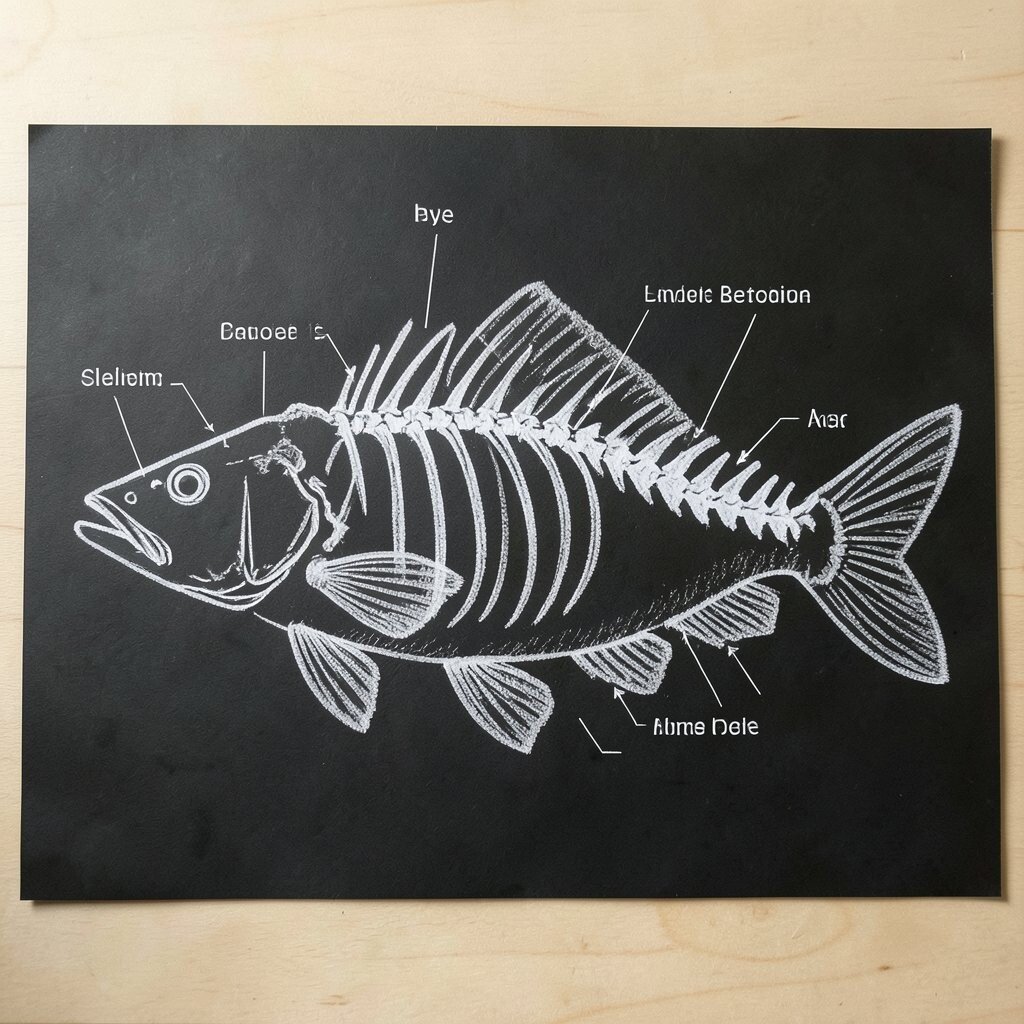
A fish skeleton can look light, delicate, and neatly arranged. The bones form a strong frame that still allows a lot of bending and speed in water.
Studying the skeleton helps you understand support, motion, and body balance. It also shows why fish can twist and turn so smoothly without looking stiff. If you use a diagram, pick one with clear labels so the spine, ribs, and skull are easy to follow.
For a hands-on touch, outline a fish body on black paper and draw the bones with white chalk or a pale pen. That kind of dramatic look is popular in school art because it feels bold and memorable. It does not need expensive materials, which makes it a smart choice for home learning too.
13. Learn About Reproductive Parts and Life Cycles
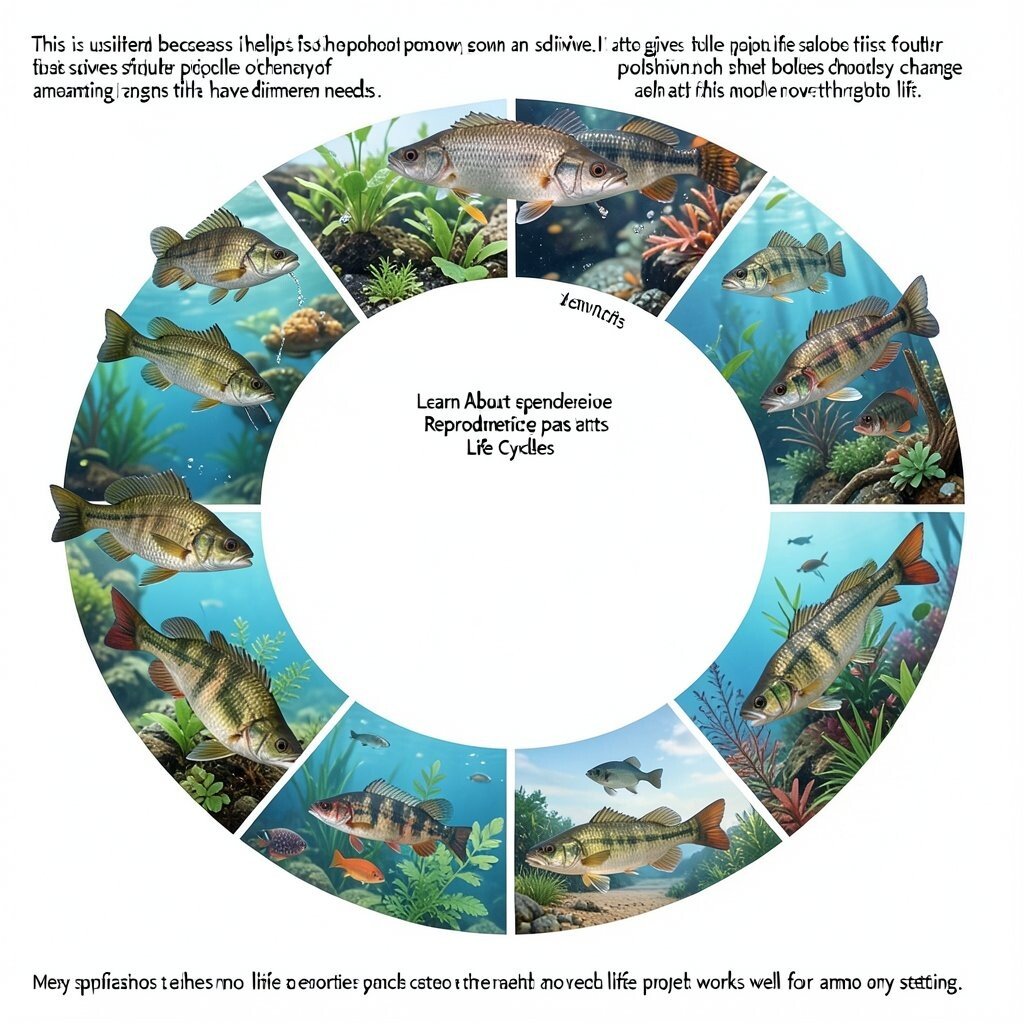
Fish life cycles can be surprising and full of change. Eggs, young fish, and adults each look different and have different needs.
This topic is useful because it helps explain how fish populations grow and survive. It also gives a fuller picture of anatomy by showing that bodies change as fish move through life. A helpful tip is to create a simple life cycle wheel with pictures or drawings for each stage.
You can personalize the wheel by choosing a favorite fish species and using colors that match its habitat. Many teachers now like circular diagrams because they are neat, quick to read, and easy to decorate. The supplies are cheap, so this project works well for almost any setting.
14. Study the Head Shapes and Special Markings
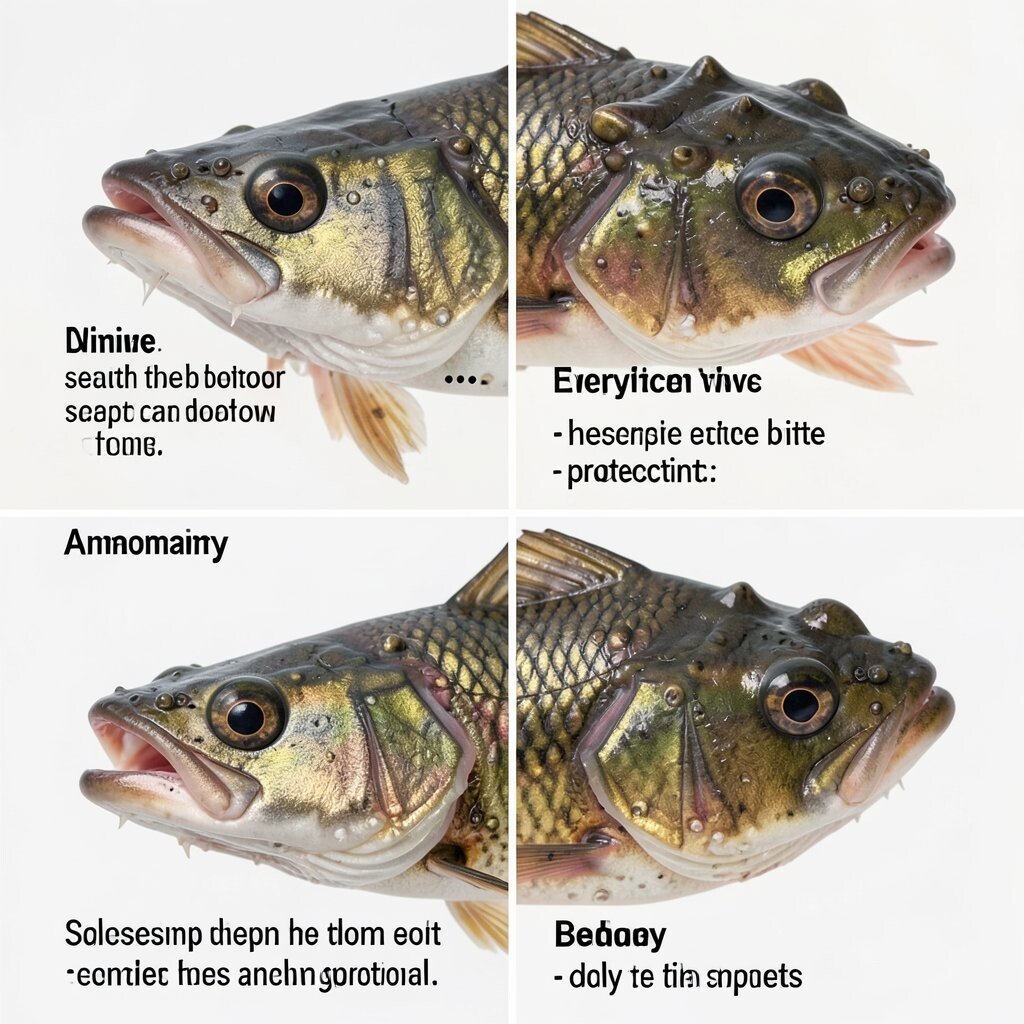
Fish heads can be pointed, blunt, wide, or oddly shaped in the best possible way. Some have bumps, ridges, barbels, or other small features that make them stand out right away.
These markings are unique because they can help with sensing, eating, or protection. A fish with barbels may search the bottom for food, while a broad head may help with powerful bites or special hunting skills. A simple tip is to zoom in on head details in photos and list every feature you see.
You can make the lesson more personal by naming each feature as if it were part of a character design. This idea fits well with today’s interest in creature art and school science posters that mix facts with style. It keeps learning fun while helping each fish feel one of a kind.
15. Compare Fish Anatomy Across Habitats
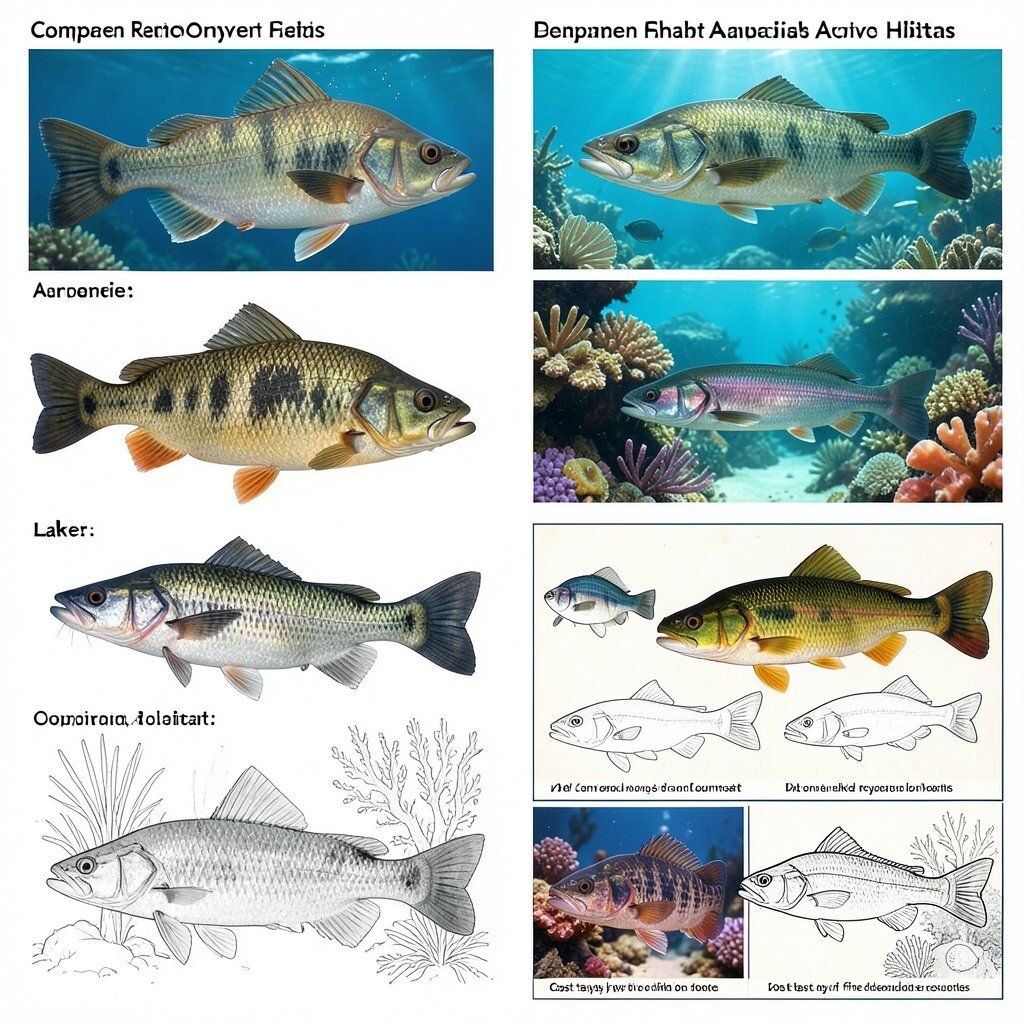
Fish from oceans, rivers, lakes, and reefs often look very different. Their bodies, fins, colors, and mouths change to match the places where they live.
This is one of the richest ways to study fish anatomy because it brings many body parts together at once. A deep-sea fish may have a strange shape and large eyes, while a river fish may have a stronger body for currents. You can make a habitat chart and place fish pictures in the right location for a clear side-by-side view.
For a personal project, choose the habitat that feels most interesting to you and design a dream fish for that world. Current learning trends love comparison charts, sketch pages, and simple digital slides because they make science neat and easy to share. Cost stays low if you use printed photos, hand drawings, or free classroom resources.