The right organization can make your desk feel like a fresh start. Small changes can turn clutter into calm.
1. Floating Shelf for Daily Tools
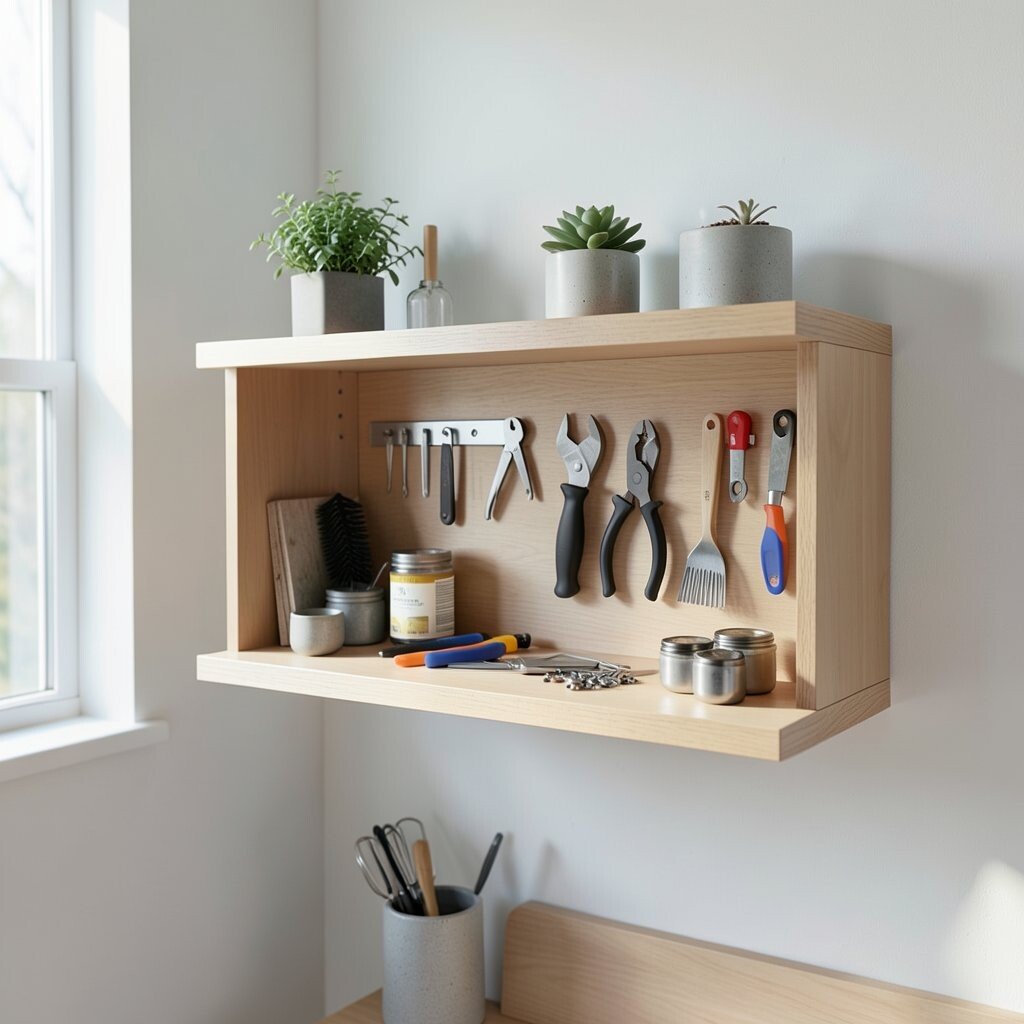
Place a narrow floating shelf above your main work zone to hold the items you reach for every day. Imagine pens, sticky notes, and a small tray lining up like a tidy storefront window, with everything visible yet off the desktop.
Keep only the essentials up there so the shelf stays easy to manage. You can personalize the look by choosing warm wood tones or painting the back panel a soft color that matches your room.
2. Color-Coded Cable Clips and Labels
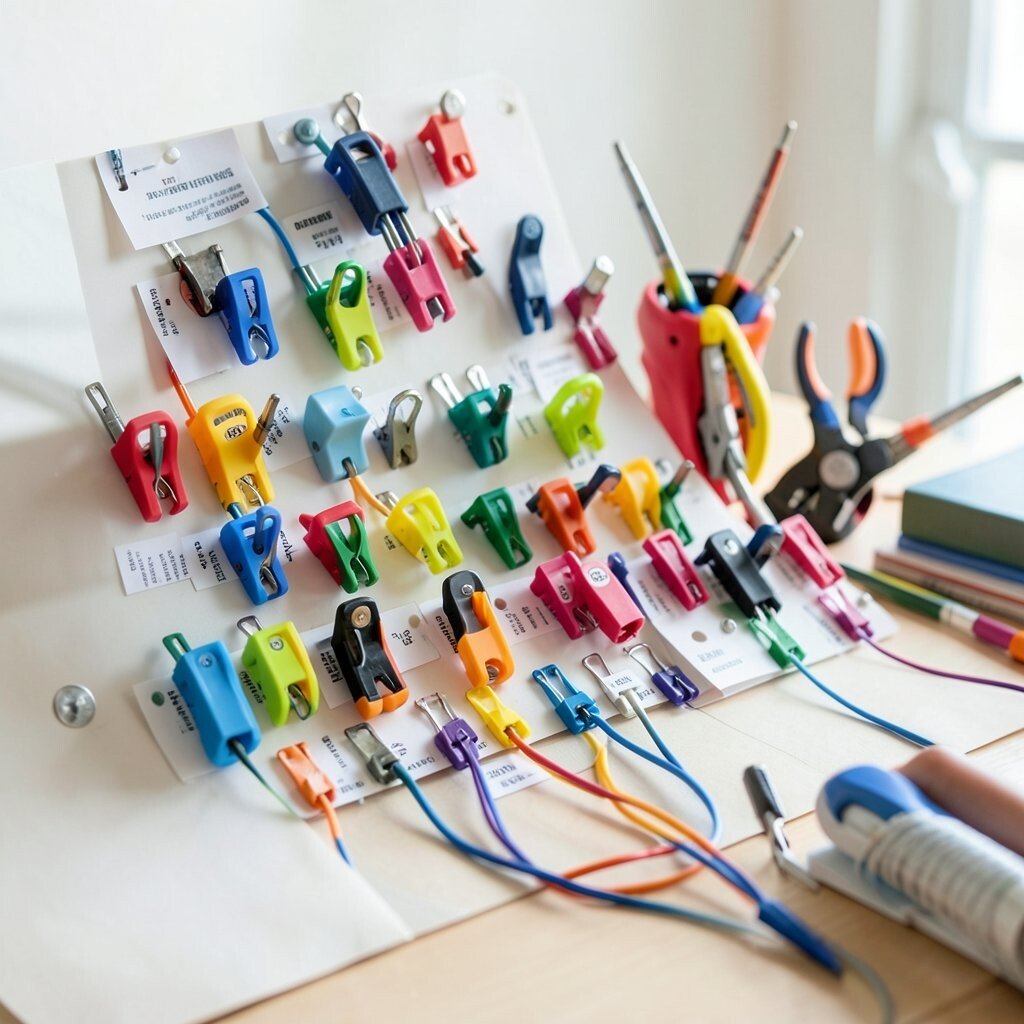
Wrap your cords and run them behind the desk using simple cable clips mounted along the underside. When you glance down, the cables look like clean lines on a blueprint, not tangled strings begging for attention.
Use matching colors for each device and add labels on the clips so you can plug in fast without guessing. This kind of order helps your workspace feel smoother during busy days and reduces time lost to searching.
Pick a low-cost option like adhesive cable holders and marker labels. If you like it, you can switch label colors seasonally to match your mood or your room decor.
3. Rolling Drawer Cart for Each Project
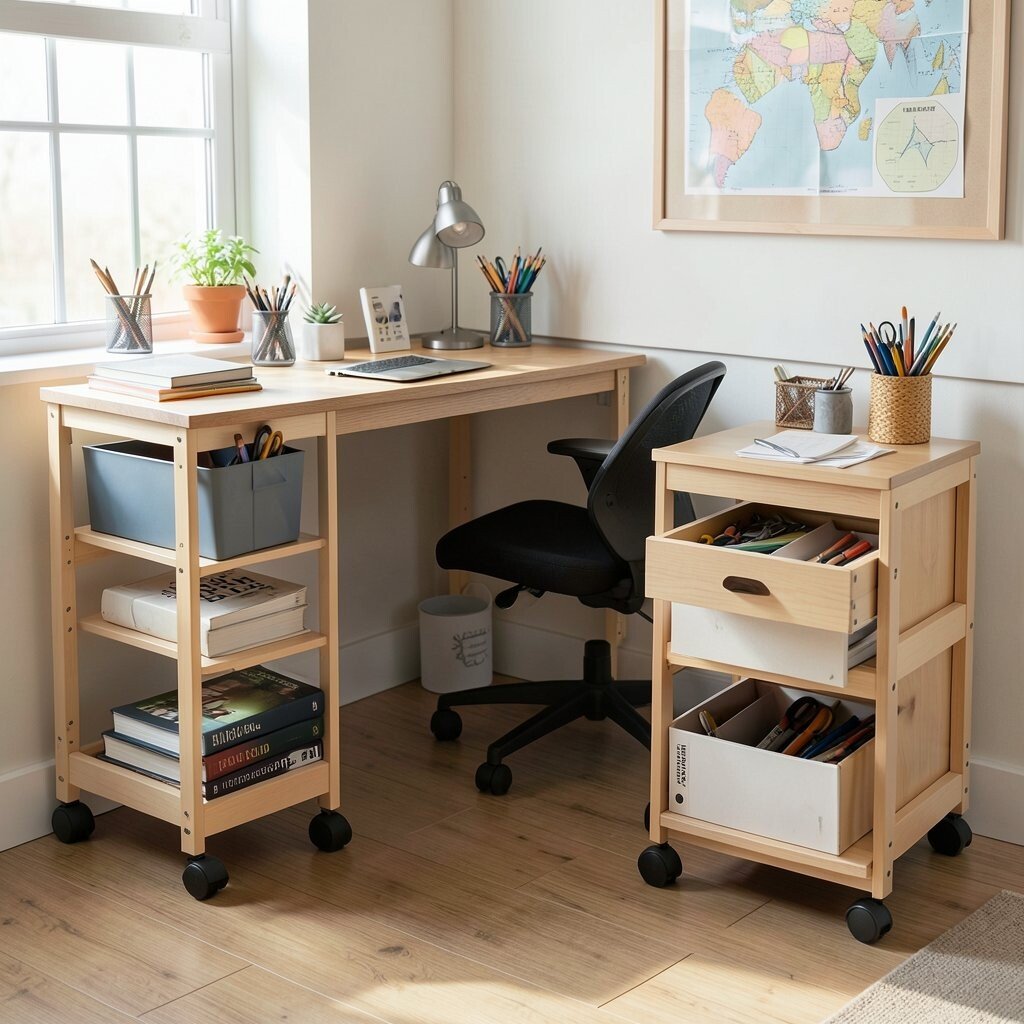
Get a small rolling cart and assign a drawer to each active project. Picture a set of neatly separated compartments that move with you, so your desk stays mostly clear even when you start something new.
Store project basics in each drawer, such as printed pages, a measuring tape, or reference cards. Having everything grouped by project cuts down on the urge to dump random items on the desk.
Try a budget-friendly cart with removable bins so you can swap contents easily. Personalize by labeling drawers with cheerful icons like stars, planets, or simple shapes instead of strict text.
For a current look, choose matte finishes and modern wheels that roll quietly. This keeps the cart from feeling bulky and makes it blend into your daily routine.
4. Desk Mat That Doubles as a Planning Grid

Use a large desk mat and place a simple planning layout under your everyday workspace. You can visualize a smooth surface where your mouse glides, while your sticky notes and to-do lists stay aligned like neat tiles.
Keep your schedule tools on the mat so planning becomes part of your workflow instead of a separate task. A quick daily layout helps you see what matters first and reduces last-minute panic.
5. Magnetic Tool Strip for Scissors, Clips, and Keys
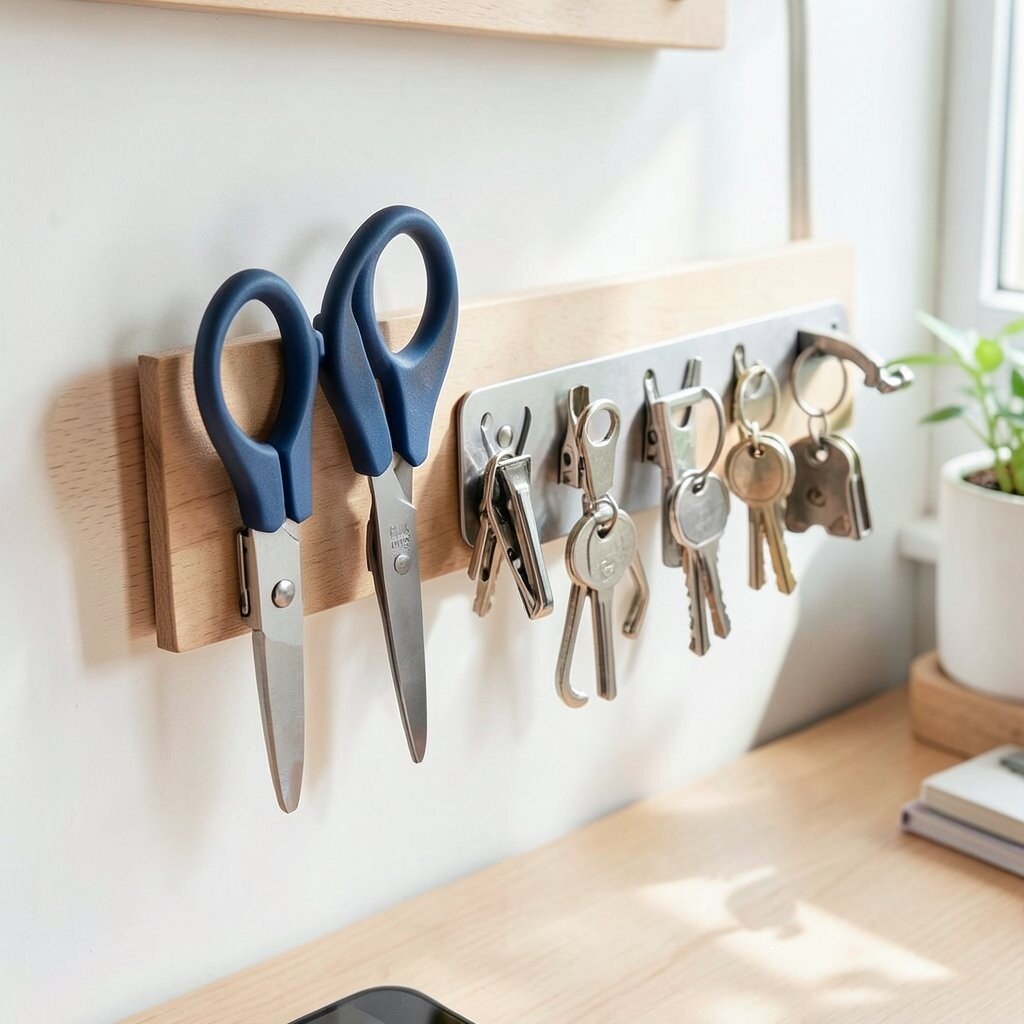
Install a magnetic strip on the side of your desk to hold small tools like scissors, metal paper clips, and a key hook. It creates a clean visual line, almost like a tidy command center, where the small stuff never wanders.
Choose strong magnets and store only metal tools so the strip stays useful and light. You will love how fast it is to grab something in the middle of a task without digging through a drawer.
For personalization, add a few decorative magnets or small colored bands to help you spot items quickly. This setup can be done with a modest budget using a simple strip and a few holders.
6. Book Ledges for Vertical Reference Stacking
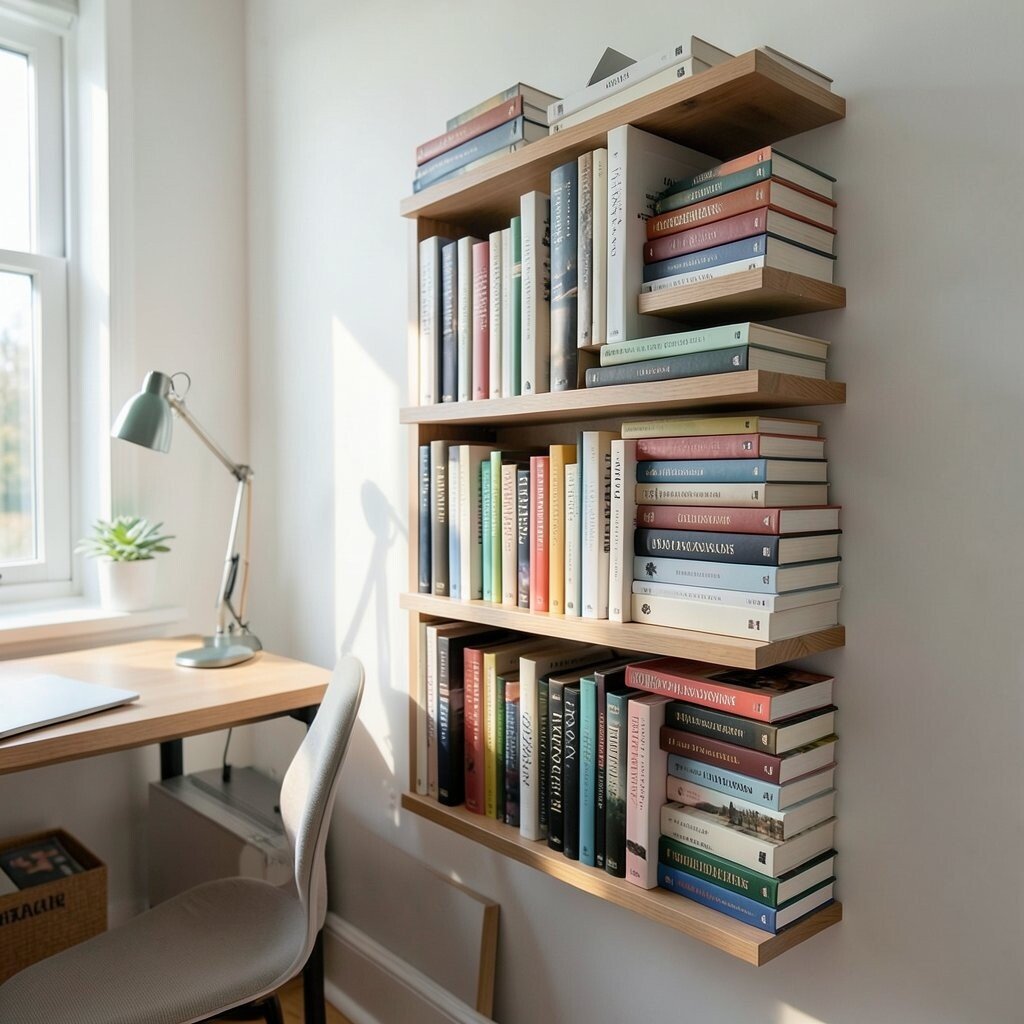
Set up angled book ledges to hold reference books and printouts upright. You’ll see a tidy wall-like view on your desk, with pages standing at attention instead of piling sideways.
Vertical storage makes it easier to scan what you need and reduces the chance you will lose a page. It also helps keep your workspace calmer by keeping paper from spreading across every open inch.
If you want a cost-friendly option, try acrylic ledges or repurpose sturdy folders as simple stands. Personalize by using different heights for different categories, like “research” and “in progress.”
7. Clear Acrylic Organizer for Visible Sections

Use a clear acrylic organizer with separate compartments for items you use often. Think of a neat see-through grid where you can quickly spot staples, markers, or tiny labels without opening anything.
Visible sections bring order because you can tell right away when supplies run low. This is especially helpful for people who forget they have extras until a tool is missing.
Choose a size that fits your desk edge so you do not waste space. Personalize by mixing organizers with matching trays for a uniform, modern look that feels current.
Cost can stay low if you buy only the sections you need and avoid overbuying. A few well-chosen compartments usually beat a large organizer filled with unused items.
8. Cable Box With a Spare Power Strip Inside
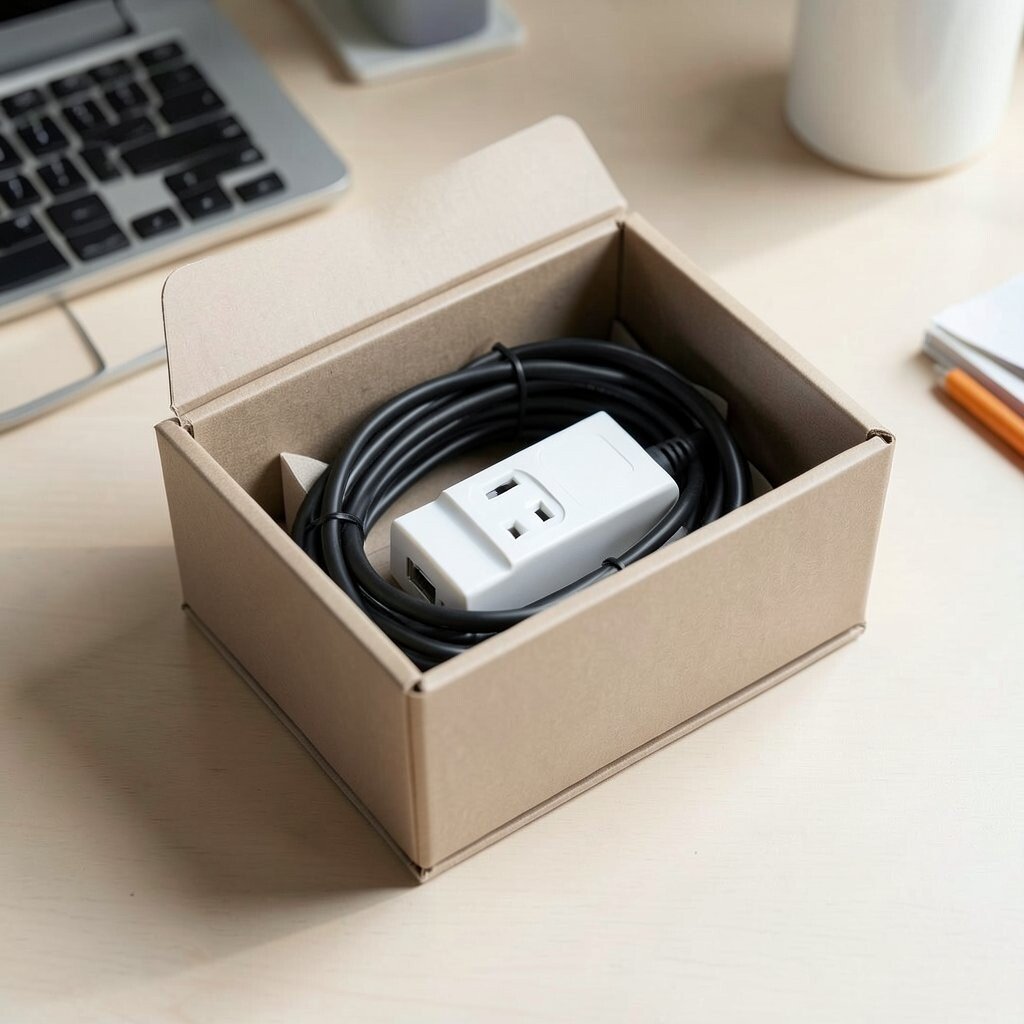
Create a simple cable box using a lidded container to hide power strips and extra adapters. When you sit down, the desk area looks sleek, with only the necessary cables showing like a curated display.
Keep a spare charging cable and a labeled adapter inside so you can handle common issues quickly. This reduces stress during deadlines and keeps your electronics from becoming a messy nest under the desk.
9. Weekly Drawer Reset With a One-Spot Rule
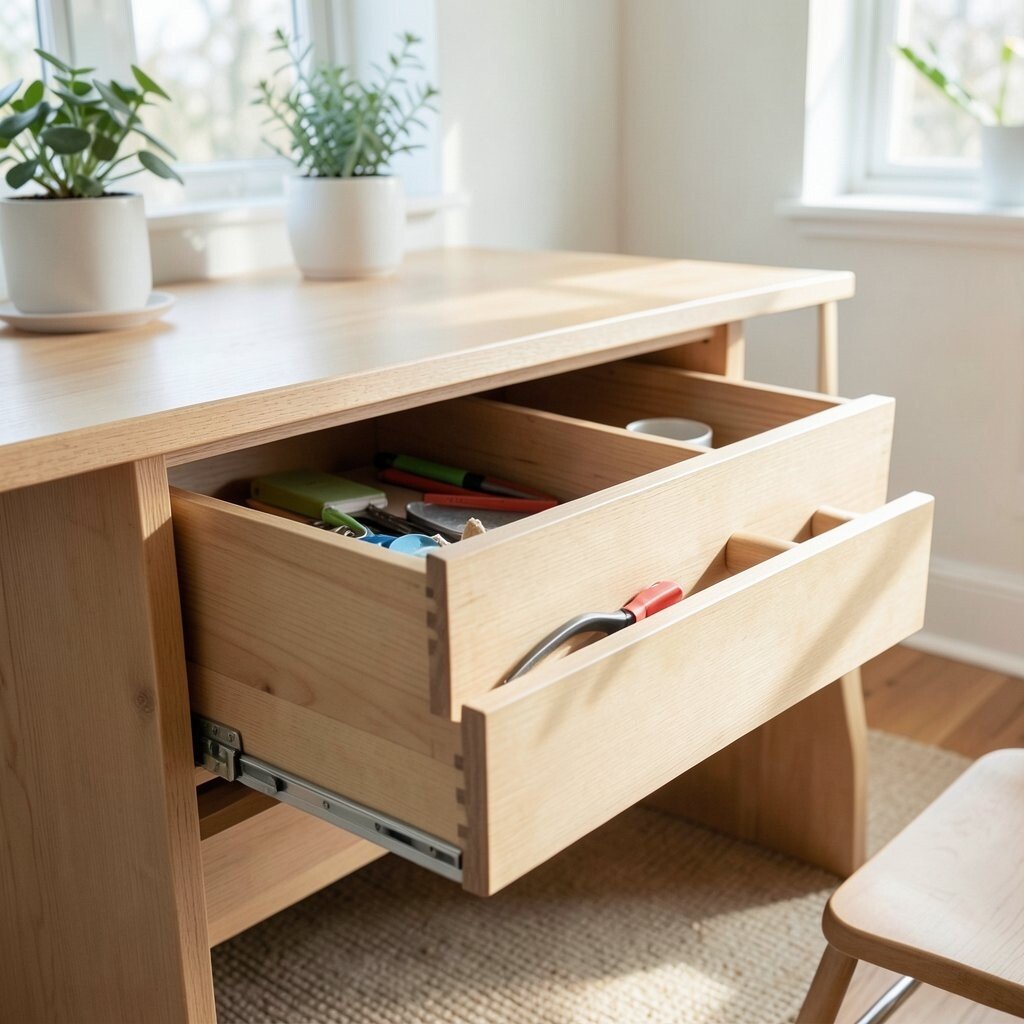
Pick one drawer as your “reset spot” for miscellaneous items that do not have a home yet. Picture a calm drawer that catches stray items, so your desk stays clean while you wait to sort properly.
Once a week, move everything from that drawer to its correct place and wipe the surfaces. This habit turns organization into an easy rhythm instead of a huge weekend cleanup.
Use small sticky tabs inside the drawer to guide where items go next. Personalize by matching tab colors with your favorite desk accessories for a gentle sense of style.
10. Label-Free Categories Using Color Blocks
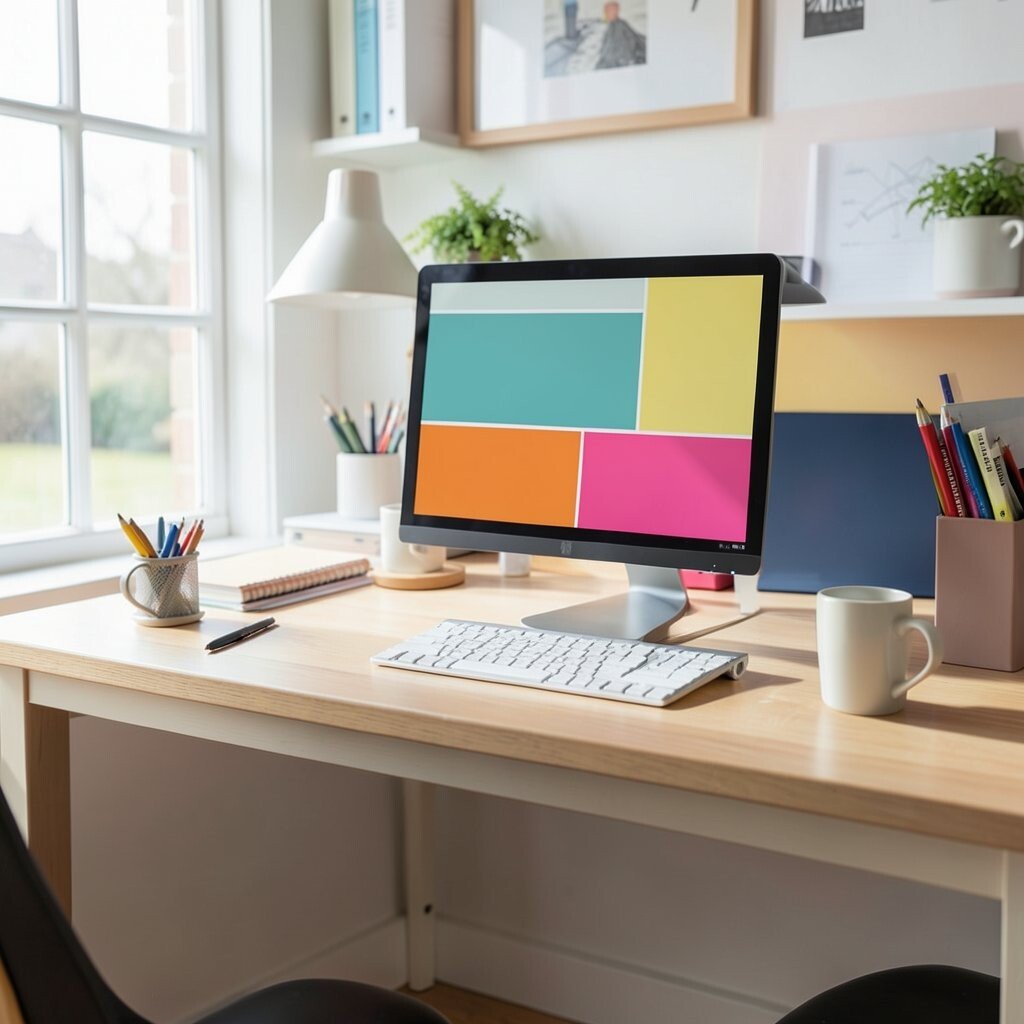
Instead of text labels, use color blocks or small colored stickers to group items. Visually, your drawers and bins become a simple map, with each color hinting at a specific purpose.
This helps you stay flexible because you can rearrange contents without rewriting labels every time. It also feels friendlier, especially if you like a softer, more creative vibe.
For cost control, start with a single color set and add more only when you need them. Personalize by selecting colors that match your desk mat, curtains, or plant pots so everything feels cohesive.
If you enjoy current trends, try muted tones like sage, sand, and clay for a modern, calm look.
11. Hanging Wall Pockets for Paper and Notebooks
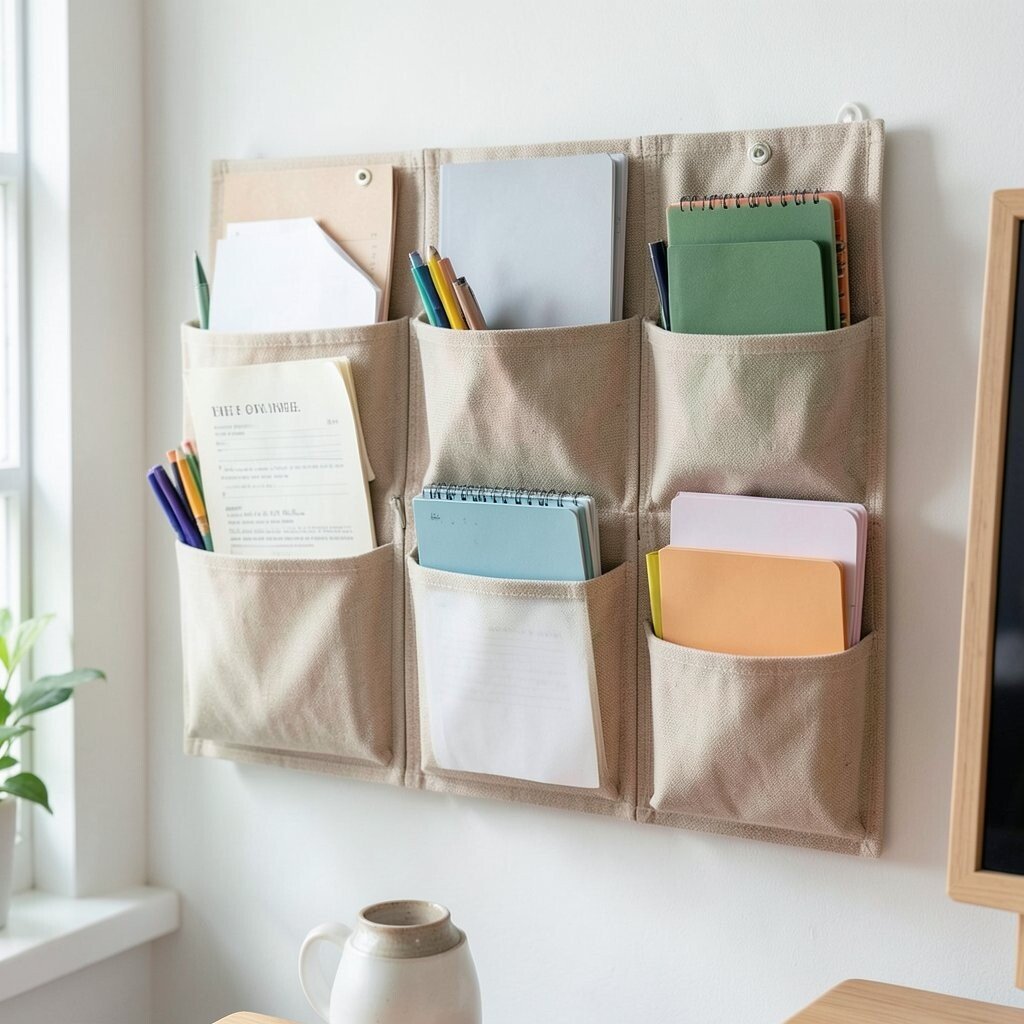
Install fabric or wire wall pockets to store notebooks and paper you reference often. The sight of upright stacks in tidy pockets can make your workspace feel organized even before you start work.
Place pockets near your desk so you can grab a notebook fast and return it right away. This reduces desk crowding because paper has a dedicated spot that is visible and easy to reach.
Choose durable materials that can handle regular use, and pick colors that match your room. A budget-friendly approach is to use thrifted frames and clip-on pocket organizers, then personalize with a consistent color scheme.
12. Adjustable Task Light With a Base Charging Tray
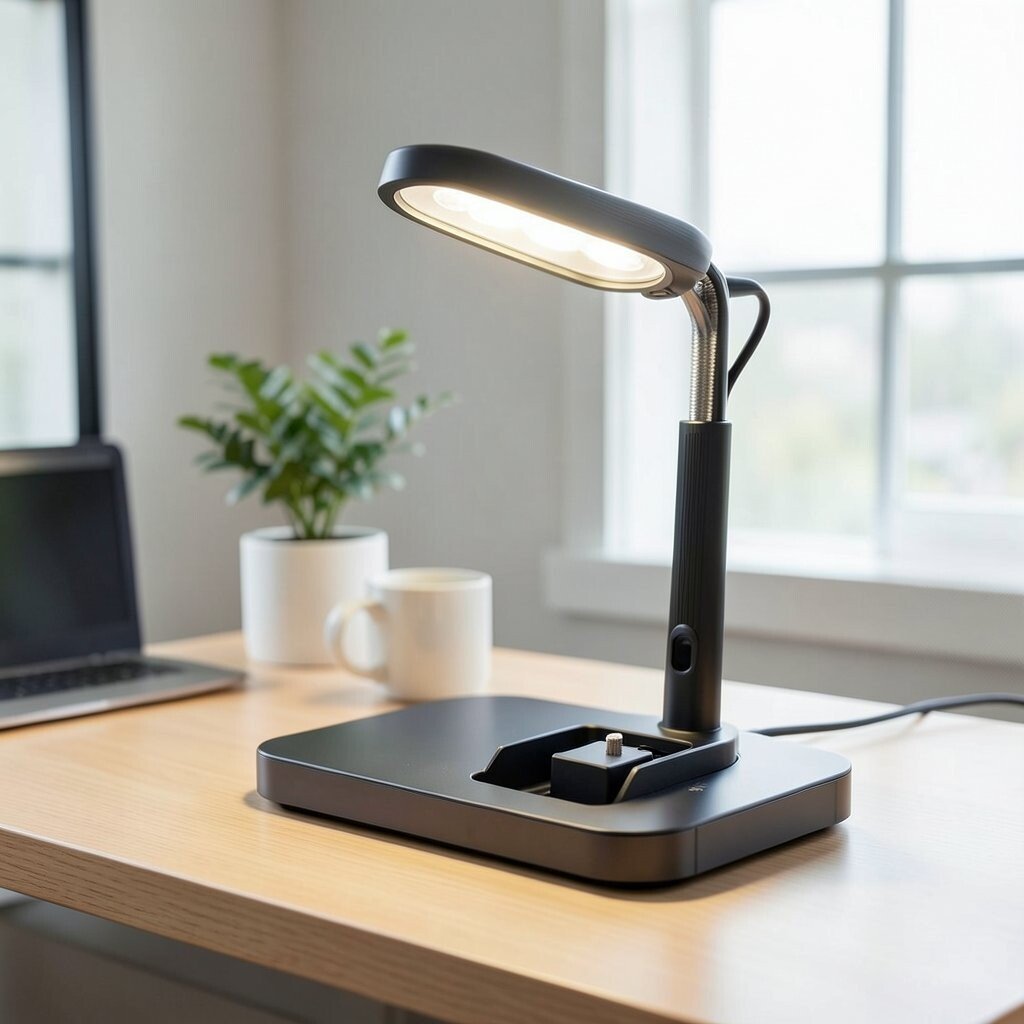
Use an adjustable task lamp with a base that holds your phone or small device on a charging tray. When you turn on the light, you also create a central “home” for your device, so it never becomes a random clutter object.
This supports focus because you can see your work clearly while your device stays charged and ready. You also avoid the common habit of leaving chargers and cords scattered around.
Look for simple lamp models with a built-in charging area or add a small charging dock under the lamp base. Cost can be reasonable if you choose basic lighting and add a dock later when needed.
For personalization, select a lamp color that complements your desk setup, like black for sleek contrast or warm white for cozy calm.
13. Corner Divider Shelf for Storage Without Bulk
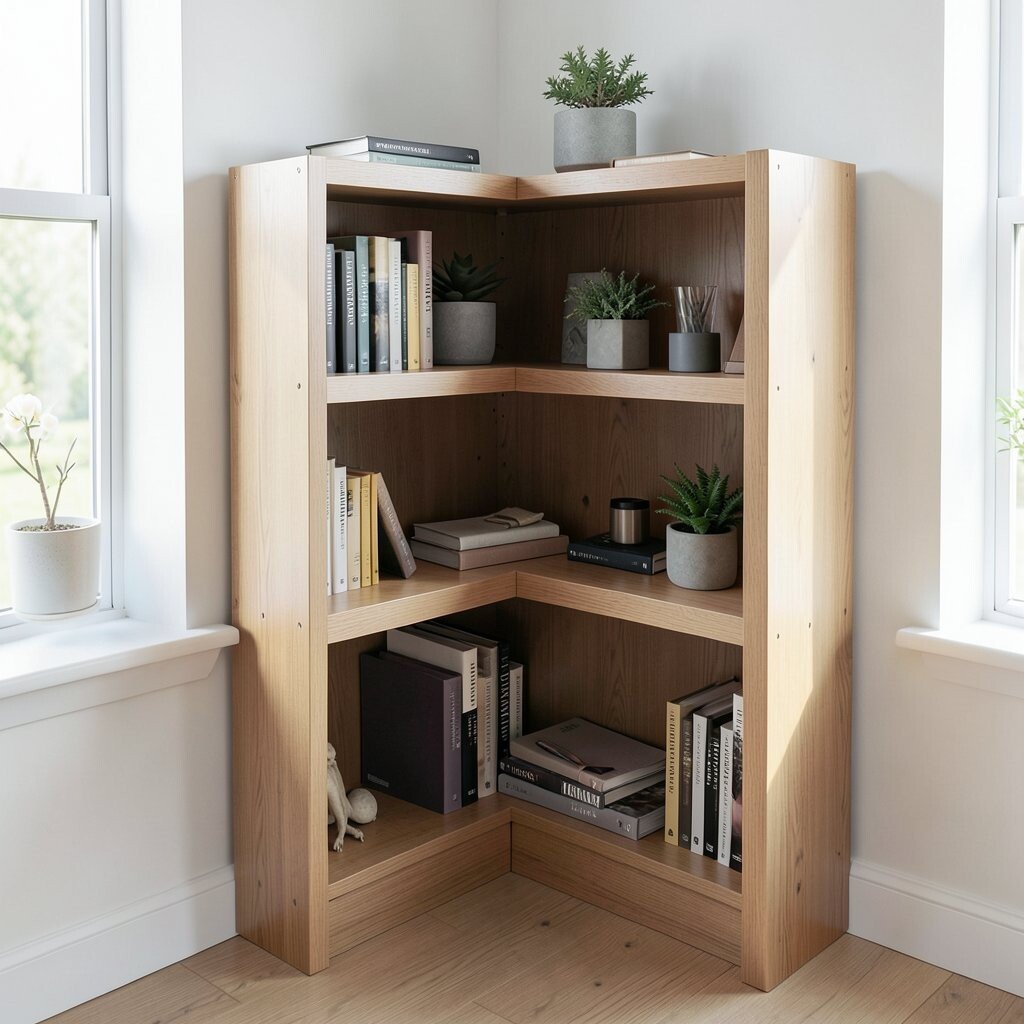
Use a corner shelf or slim divider stand to store supplies that are easy to forget. Visually, the corner becomes useful instead of wasted, like turning an overlooked space into a smart hiding place.
Store bulky items there, such as extra paper packs, reference manuals, or spare tools. Keeping large items off your desk frees up surface space and makes your daily area feel lighter.
If you want it budget-friendly, search for narrow shelving that fits your corner footprint and add baskets inside. Personalize by adding small decorative objects on the top shelf, so the storage looks intentional, not purely functional.
This setup is trending in small-home offices because it uses vertical space without making the room feel crowded.
14. Desktop “Drop Zone” Tray for Incoming Items
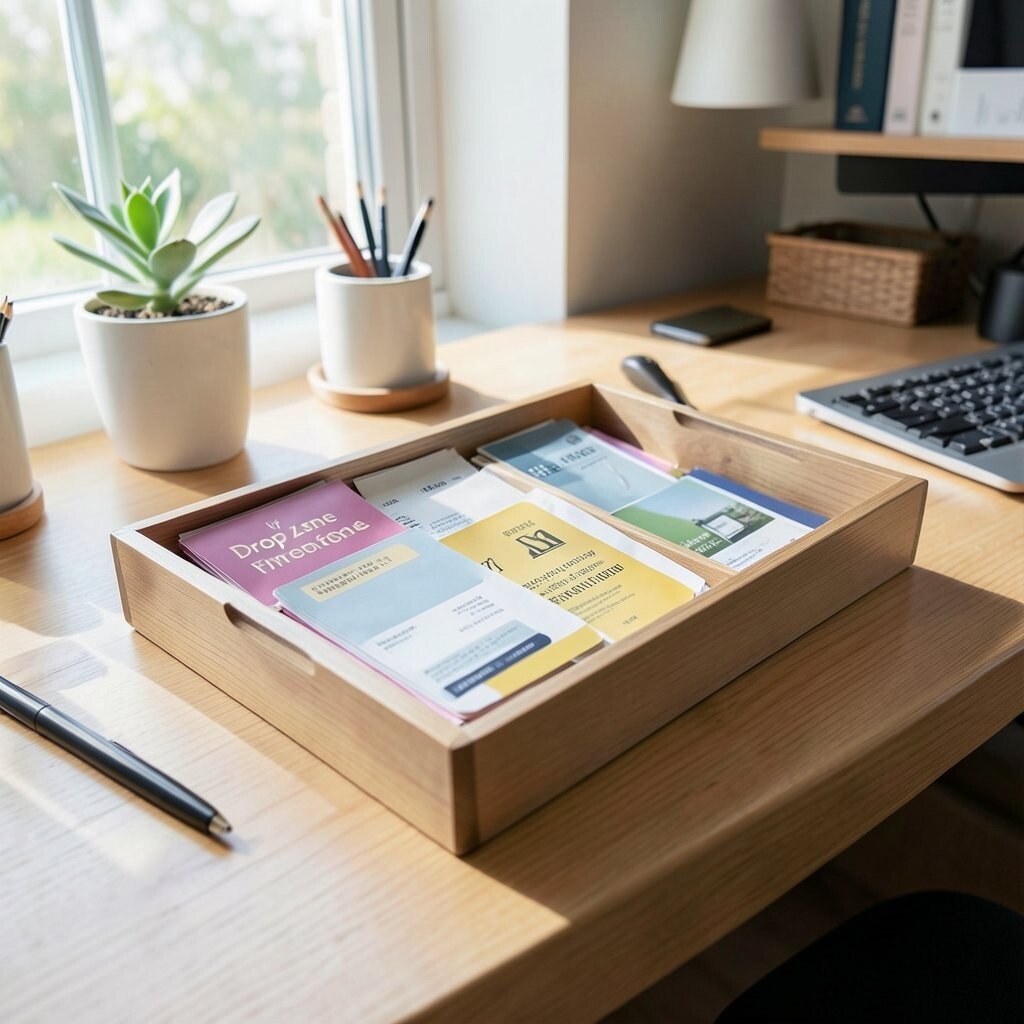
Place a tray at the side of your desk for incoming mail, notes, and anything that arrives during the day. Imagine a single landing spot where items gather neatly like they know where to go, instead of spreading across the desk.
Sort the tray at set times to keep your desk calm, such as at the start and end of the workday. This reduces decision fatigue because you only need to process items when you have a clear moment.
Choose a tray that matches your style, like bamboo, ceramic, or even a simple metal dish. Personalize by placing a small sticky note pad or a pen holder next to it so the drop zone stays ready and welcoming.
15. Personal “Workbench” Organizer With Rotating Zones
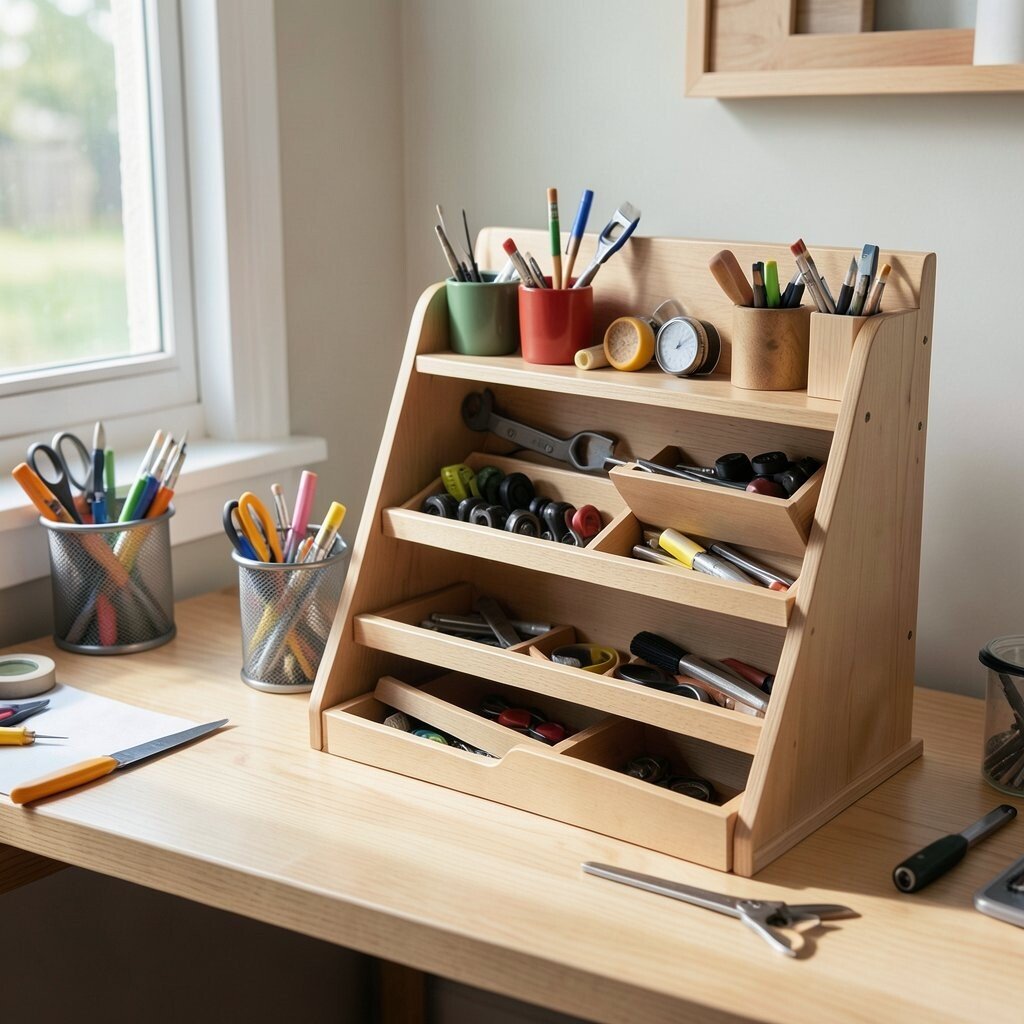
Build your workspace around a rotating set of zones that match what you are working on that day. Picture your desktop shifting from writing to planning to assembling, with each zone using a different tray and layout so the desk always feels purposeful.
For example, keep a writing tray with pens and sticky notes, and a separate tray for tools or small parts. Switching zones helps you stay focused because you are not mixing everything into one big pile.
Use budget-friendly organizers like shallow bins, small trays, and inexpensive dividers. Personalize by adjusting the layout based on your tasks and your personal style, and keep the setup flexible so it grows with you.
Current trends favor modular setups because they adapt to changing workflows. When your organization can shift with your life, it stays inspiring instead of becoming another chore.