
The room can feel like a fresh start without turning your evening into chaos. Small changes add up fast when your home reflects the school day you want.
1. A Cozy Name-Tag Door Welcome
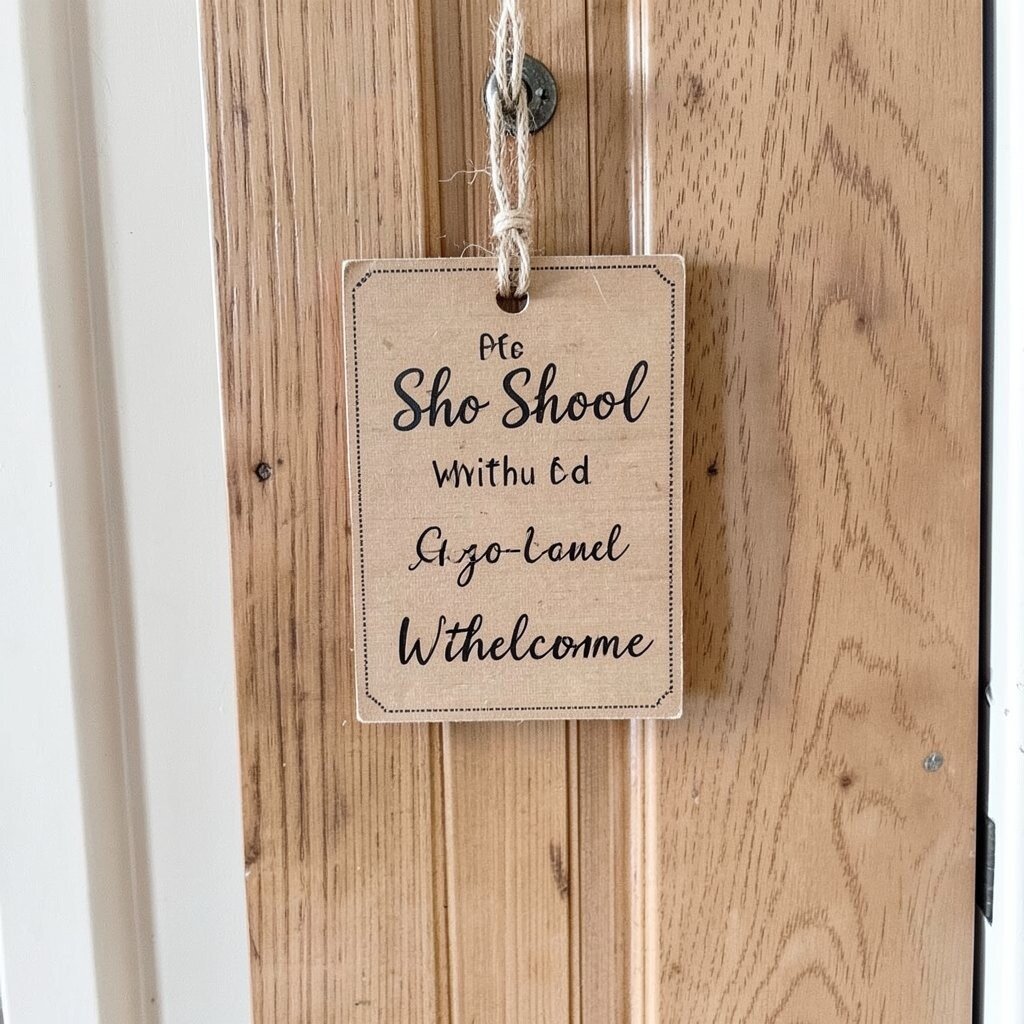
Hang a friendly name sign on the inside of your entry door or near the backpack spot. Use felt, cardstock, or wood-look paper so it looks warm and easy to spot when mornings are rushed.
Pick a simple style that matches your space, like a clean font, cute stars, or a tiny chalkboard panel. When kids see their name clearly, they feel included and ready, and you spend less time hunting for supplies.
2. Color-Blocked Supply Shelves That Make Sense
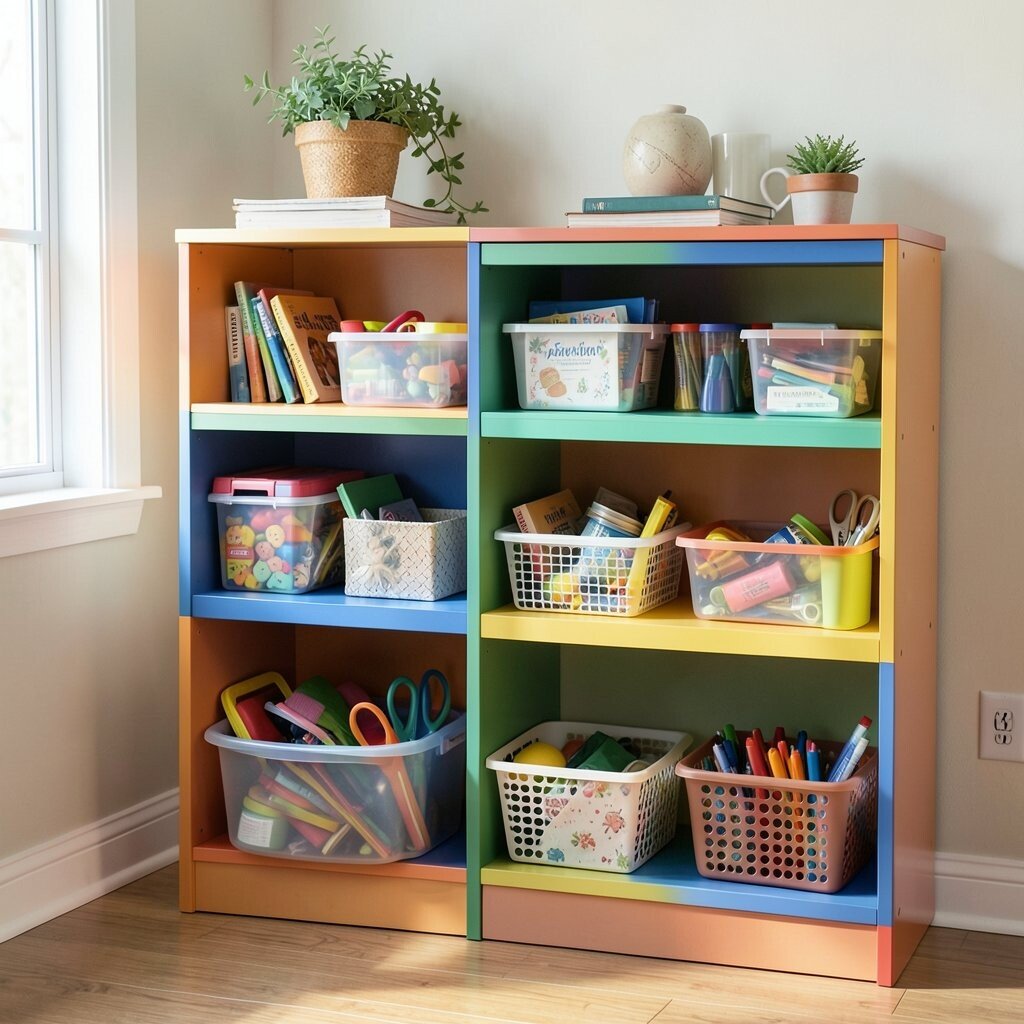
Set up shelves or a small bookcase with bins grouped by color. Bright cubbies for markers, pencils, scissors, and paper instantly create an organized look that feels calm.
Choose labels that match the bin colors so the system stays obvious even on busy days. Use clear lids only if glare bothers you, and add fabric bins if you want a softer, homey vibe.
For personalization, let each kid pick one accent color for their corner and keep everything in that family. If budgets are tight, repurpose food storage bins or thrifted jars and cover them with wrapping paper or contact paper for a brand-new look.
3. A Weekly Homework Wall With Magnetic Steps
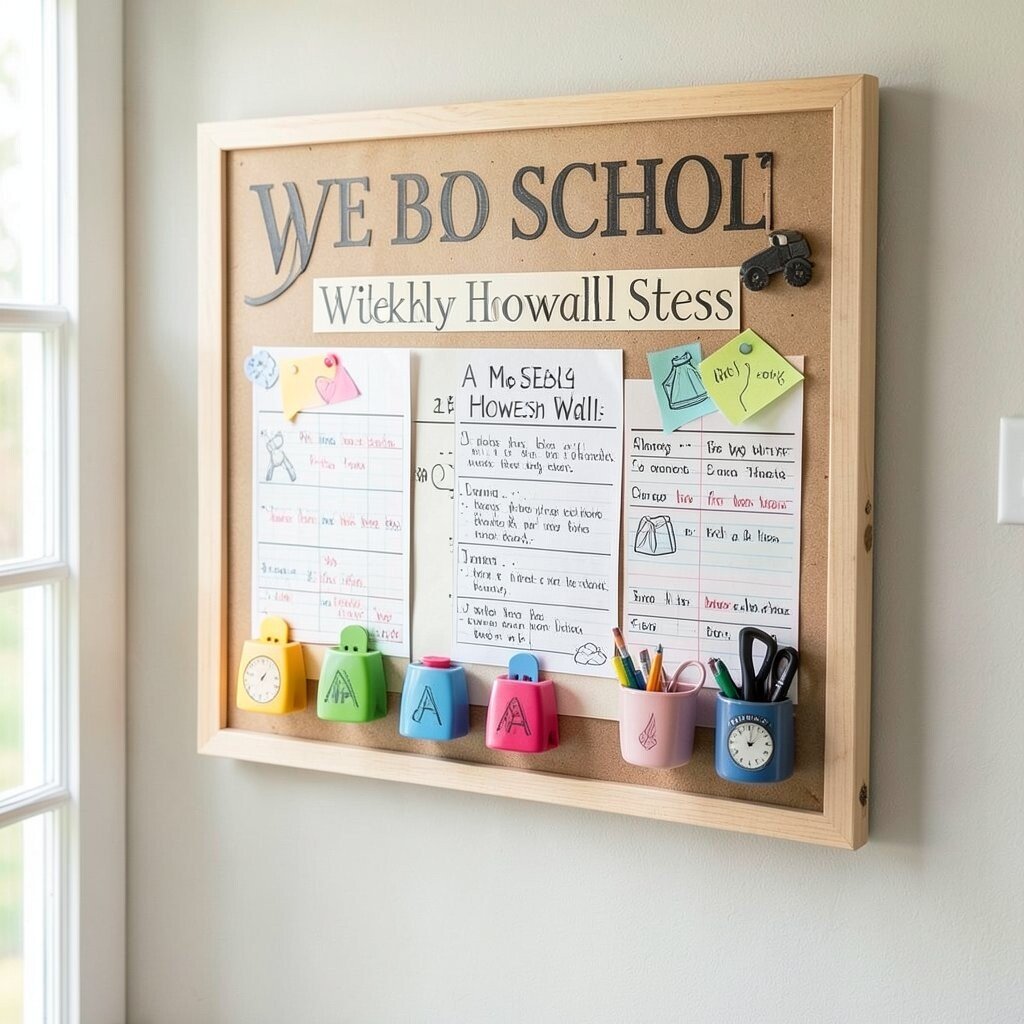
Create a homework wall using a magnetic board or a framed sheet of metal. Add small magnets for “today” items so you can move tasks without rewriting.
Use simple visuals like a pencil icon for homework, a book icon for reading, and a small checklist shape for chores. This makes progress feel visible, and it helps kids shift from school mode to home mode more smoothly.
Keep it flexible by swapping magnets as the week changes, and choose colors that match your decor theme. At low cost, you can turn an old cookie sheet into a board and decorate the frame with paint, tape, or fabric.
For uniqueness, add a tiny “win” magnet that moves to a special spot after each completed assignment. That small moment of pride can change the mood of the whole evening.
4. Backpack and Jacket Hooks With Style
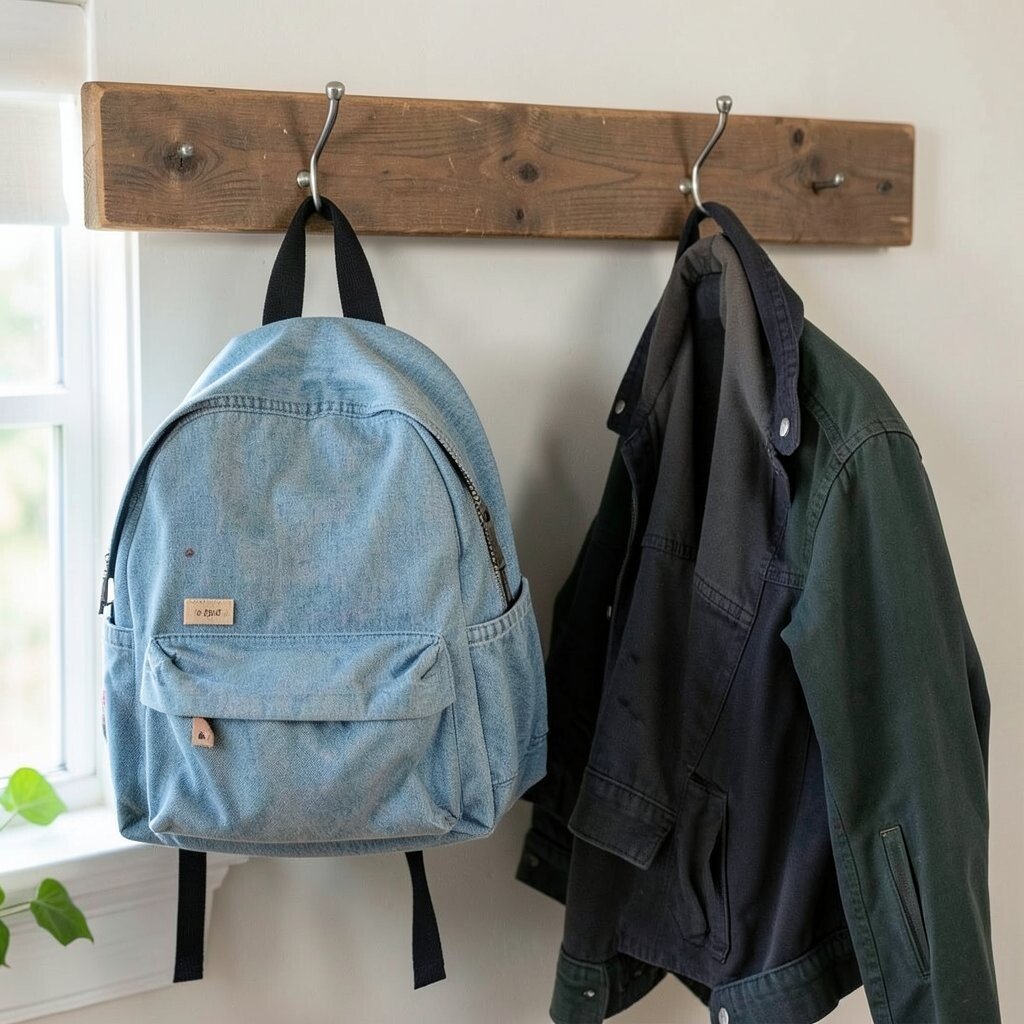
Place hooks near the place where backpacks land, like by the front door or hallway. Add a decorative tray underneath so crumbs, keys, and small items don’t scatter across the floor.
Choose hooks that fit your personality, such as brass-toned wall hooks, wood pegs, or even a vintage coat rack. Kids will love hanging up their gear, and you’ll love starting mornings with less searching.
5. Chalkboard Labels That Look Cute Year-Round
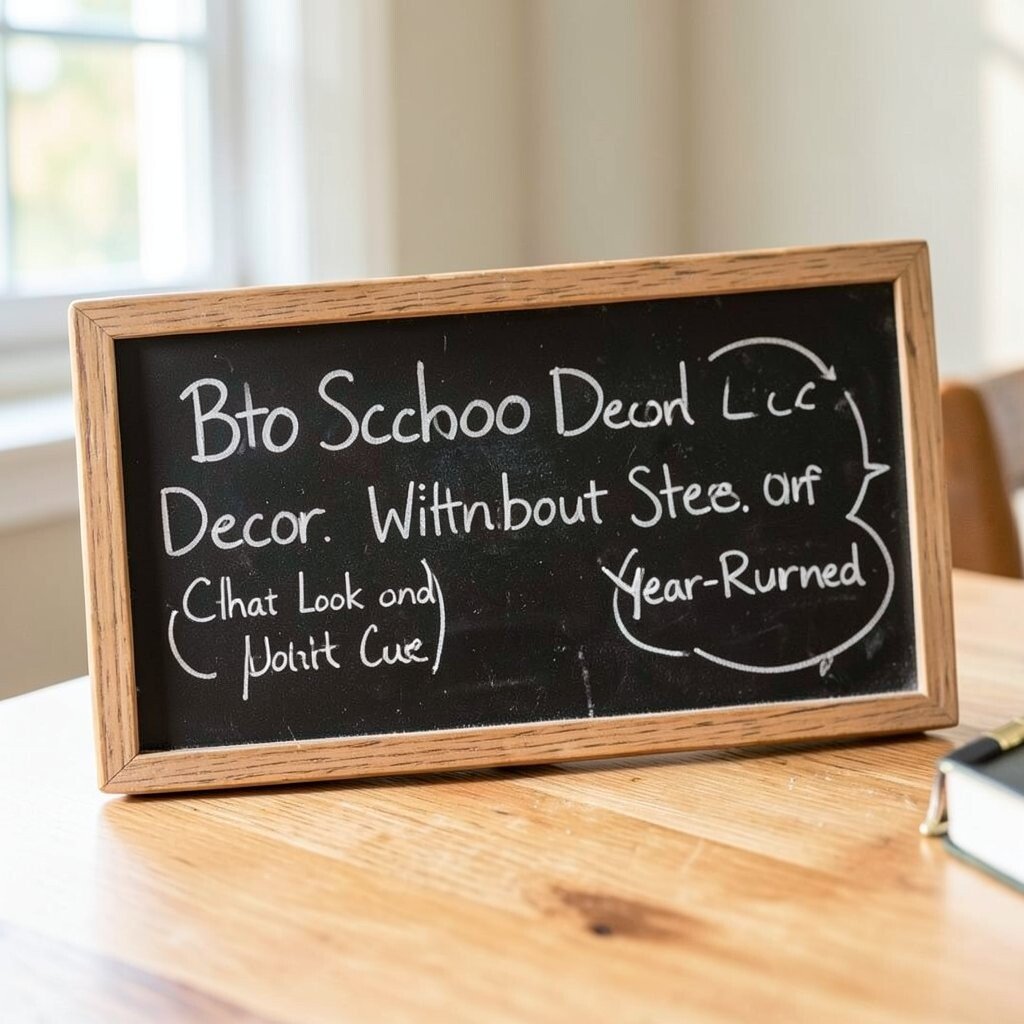
Use a small chalkboard or chalkboard paint on storage bins, drawers, or a cabinet front. The matte look feels classic and soft, and it blends well with almost any room color.
Write names, subjects, or “first use” reminders in a tidy style that kids can read easily. When labeling stays easy to update, organization doesn’t feel like a one-time chore.
For personalization, let your kids add little doodles next to the words, like tiny apples for math practice or a star for reading. If you want to save money, try chalk marker on plain labels, then wipe and reuse when plans change.
To match current trends, pair the chalky look with warm wood tones and simple black frames for a modern farmhouse feel.
6. A Reading Nook With Light and Comfort
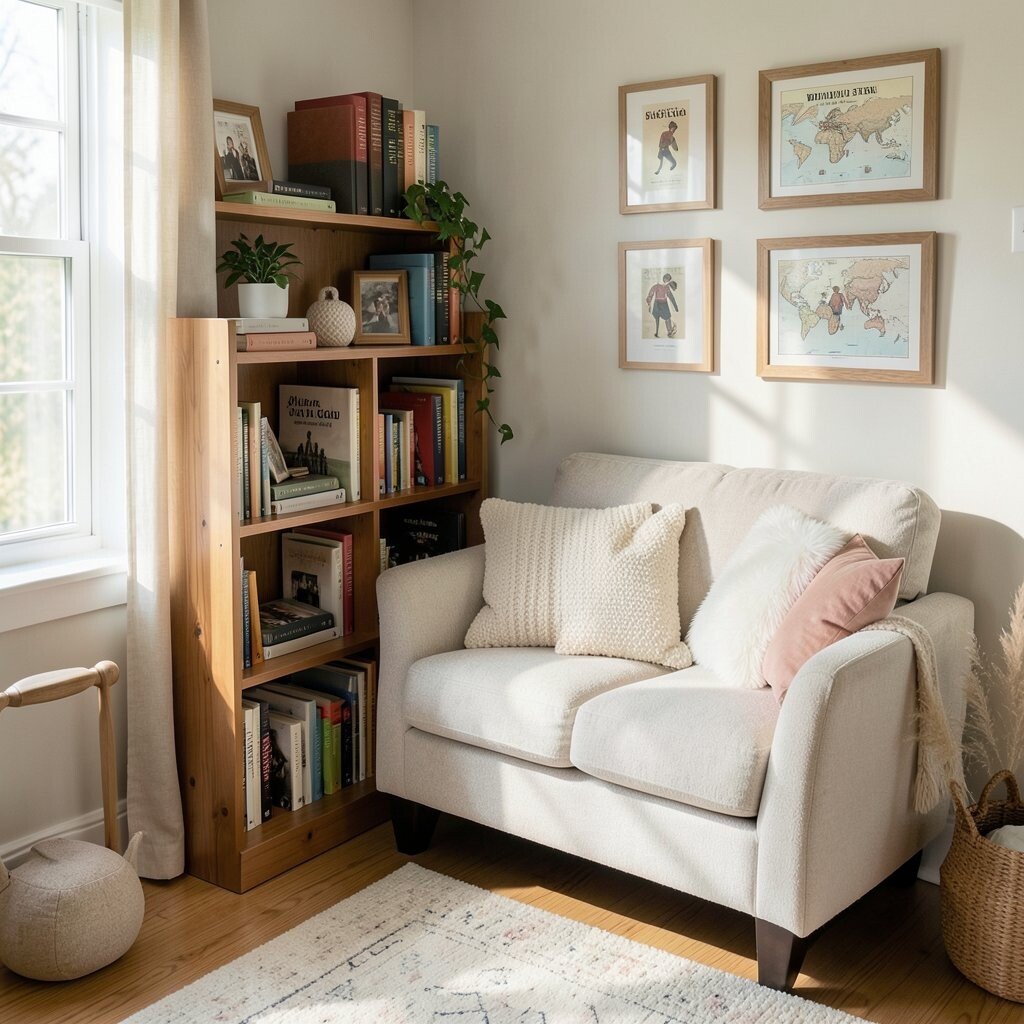
Make a reading corner with a small chair, floor cushion, or even a cozy beanbag. Add a warm lamp or string lights so the space feels inviting after school.
Include a small basket of “just right” books so kids can pick without scrolling. That quick access reduces the morning scramble and turns reading into a relaxing routine.
Personalize the nook with a themed throw blanket or a wall print of their favorite character, animal, or space scene. Keep costs down by checking thrift stores for a lamp base or repurposing old pillows with simple covers.
7. Seasonal Color Cues Without Big Purchases
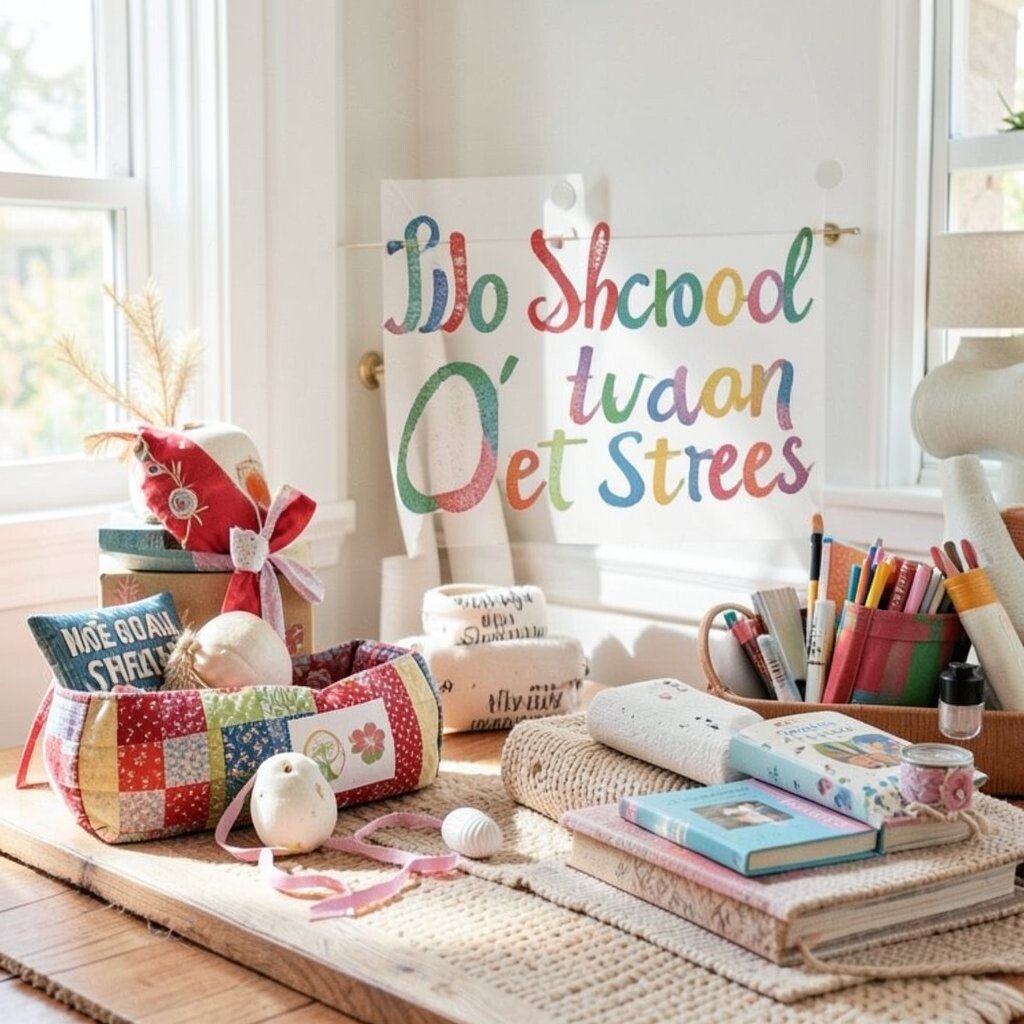
Use removable color accents like ribbon, table runner strips, or a seasonal garland. Choose colors that match the year’s vibe, such as muted greens, terracotta, or soft navy.
Swap just one or two pieces instead of buying a full set, and your room will still feel refreshed. These cues help kids feel the school season rhythm without the pressure of a total redesign.
8. Classroom-Style Numbered Desk Zones
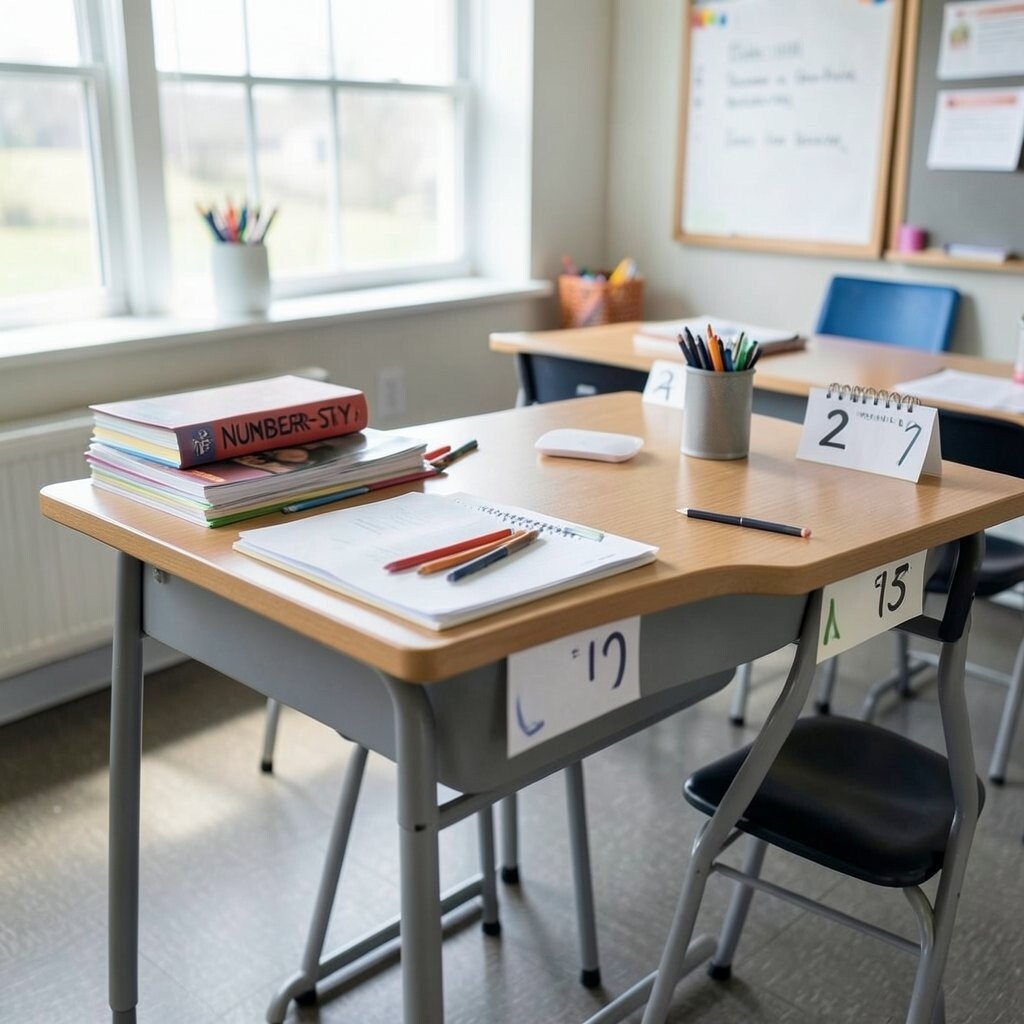
Turn a desk or table into clear zones using tape, placemats, or a low-cost desk organizer. Divide the space visually for writing, supplies, computer time, and breaks.
Use numbers in a fun way by applying small dots or simple circles, then align each zone with what gets used most. This reduces “Where do I put it?” questions and keeps the desk looking neat even when work is in progress.
For uniqueness, pick a pattern like tiny polka dots or subtle diagonal stripes using removable tape. If you’re working on a budget, use drawer liners under the zones to make it feel finished.
9. Personalized Learning Cards on Display Strings
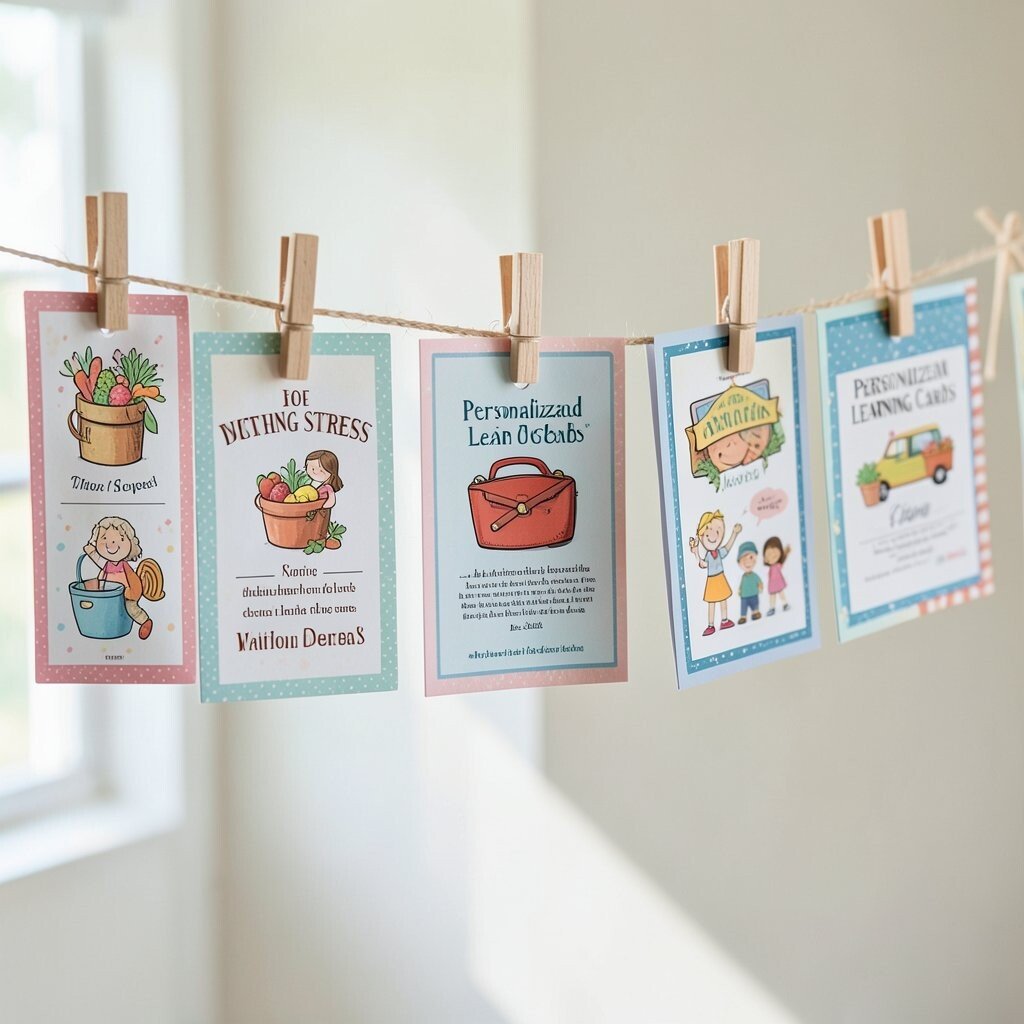
Create a display with a clothesline, twine, or a decorative cord along a wall. Clip up learning cards showing vocabulary, science questions, or “current goals” you want visible.
The visual rhythm of hanging cards feels fun and keeps effort front and center. Kids stay motivated because their work has a home and doesn’t get shoved into a folder.
To personalize, include one photo card from a field trip, a favorite book cover, or a short list of hobbies. This kind of personal touch also makes the area feel like it belongs to your family, not a generic classroom wall.
10. A Calm Sorting Station for Papers
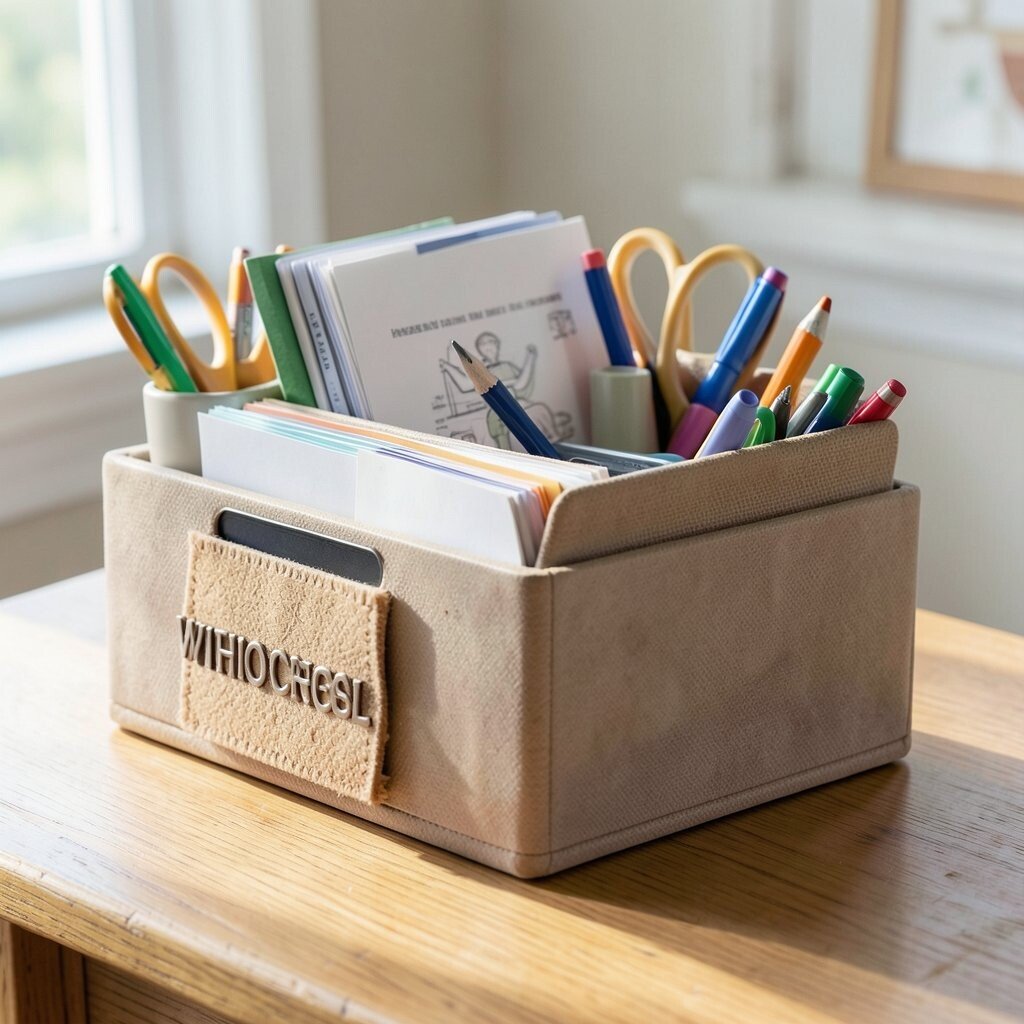
Set up a simple sorting station with a tray system or upright file holders. Put one section for “keep,” one for “practice,” and one for “needs to go back.”
Use light colors and a consistent style so the station looks tidy and blends with your decor. When papers have a clear route, the stress of missing homework or misplaced permission slips drops fast.
11. World-Map Wall Art With Thoughtful Touches
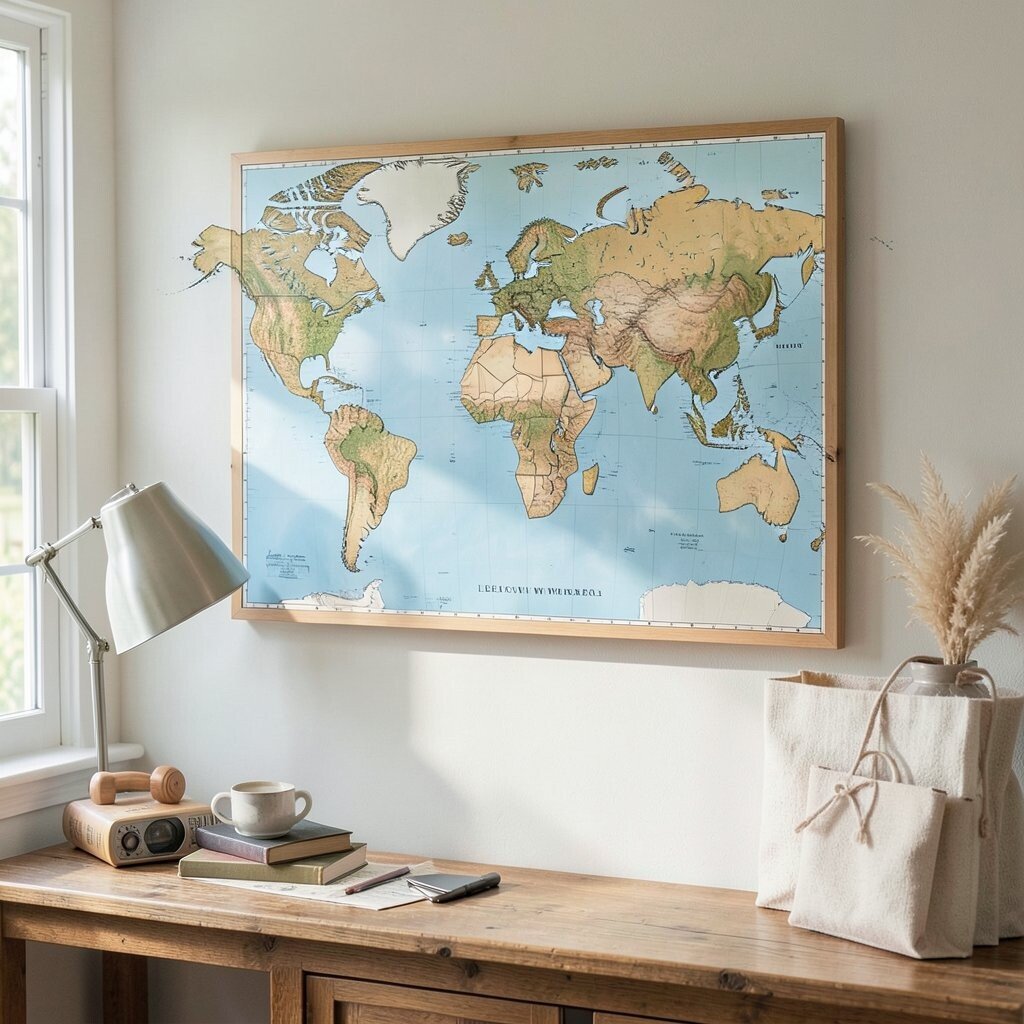
Add a world map poster, vintage print, or fabric map to a wall near study space. Maps look both educational and calming, and they pair easily with modern frames or warm wood shelves.
Mark your local area with a small pin and add simple labels for places your family loves. That turns learning into a personal story and makes the decor feel unique.
If you’re aiming for low cost, use a printable map and frame it in thrifted or dollar-store frames. You can also use removable wall decals if drilling feels too much for the moment.
12. Texture-Rich Storage Baskets for a Softer Look
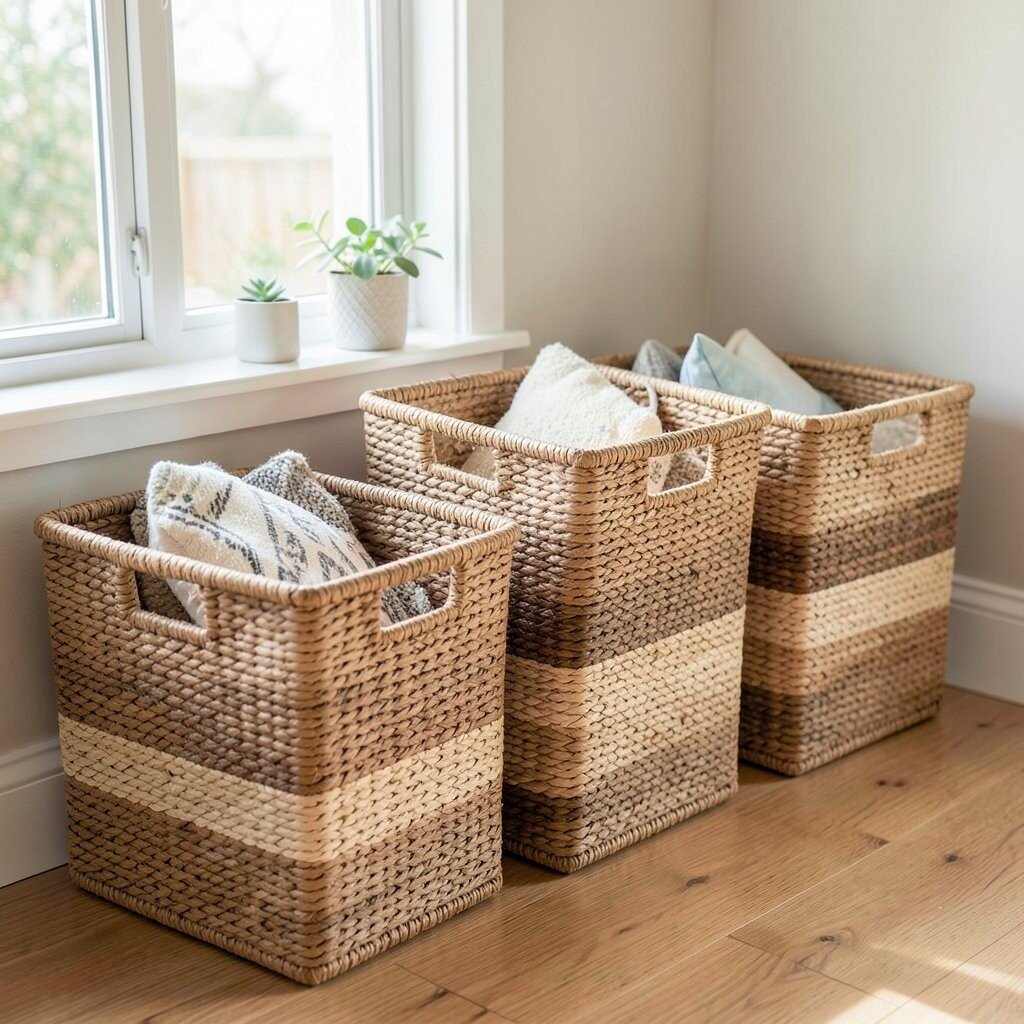
Choose storage baskets in different textures, like woven seagrass, fabric, or rattan-style options. A mix of textures makes a room feel designed without needing expensive matching furniture.
Place baskets where backpacks, worksheets, and projects land. This keeps the floor clear and gives kids a clear place to drop items after school.
Personalize by adding removable fabric labels in your family colors. If you want to save money, check discount stores for plain baskets and cover them with wrapping paper, fabric glue tabs, or iron-on patches.
13. A “Good Morning” Light Routine Area
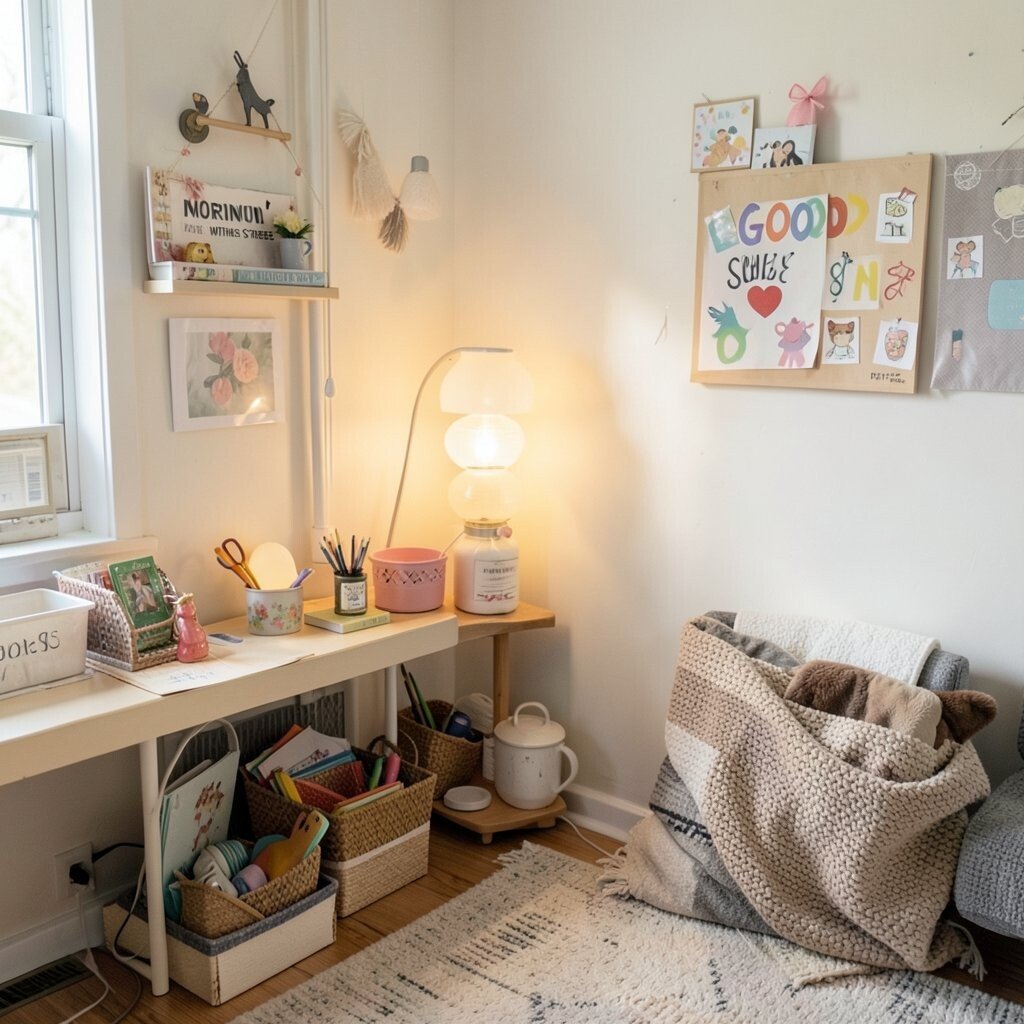
Create a small setup near breakfast or the entryway with a soft lamp, a timer plug, or a gentle light fixture. Choose warm tones so mornings feel less harsh and more welcoming.
Add a small tray for water bottles, lip balm, and quick morning items. When everything is placed in one spot, kids can move through the routine with fewer reminders.
For uniqueness, include a short family message card in a frame that you switch each week. This is a simple decor trick that still feels personal and supportive.
Keep it budget-friendly by using what you already have and focusing on placement and lighting rather than buying a whole new setup.
14. DIY Paper-Management Clipboards That Look Intentional
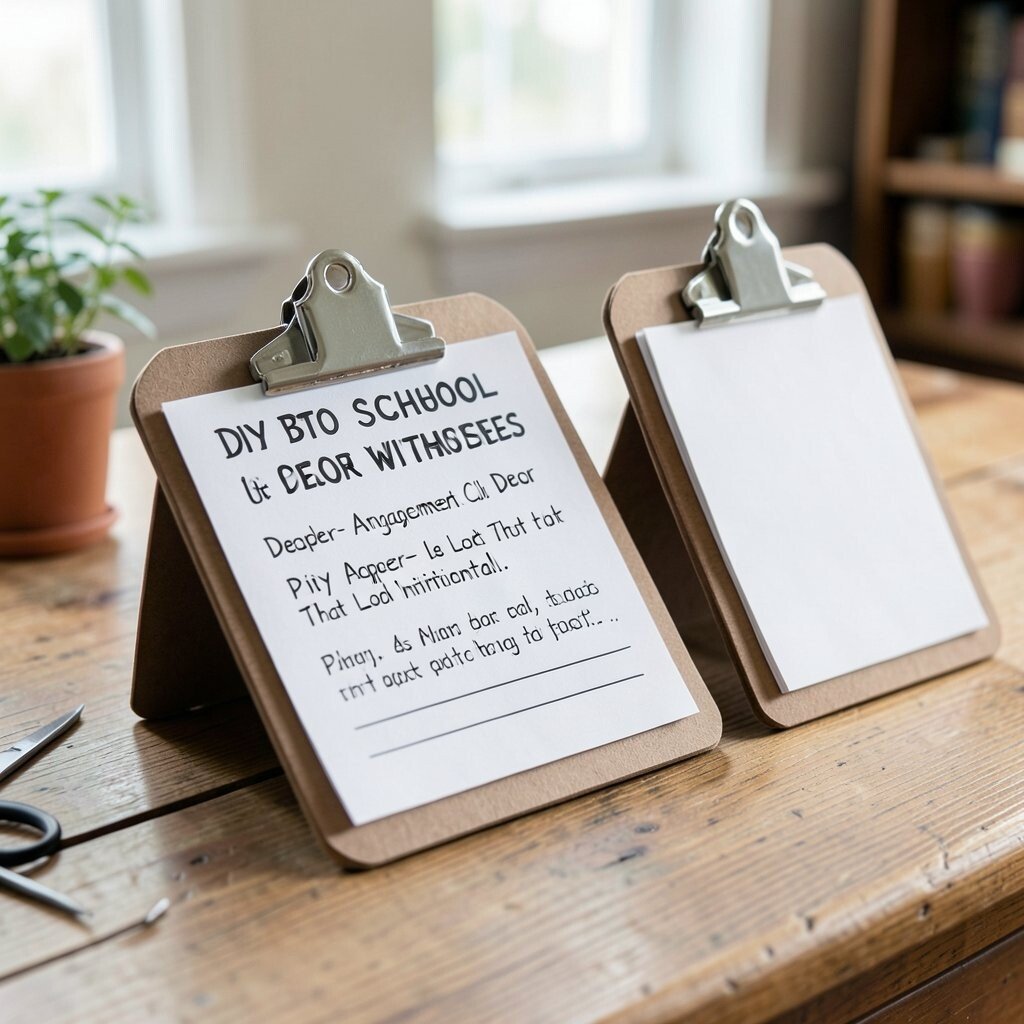
Use clipboards as mini folders for subjects that need frequent attention. You can hang them on a wall rack or place them on a desk shelf for quick access.
Make the clipboards match by painting frames, covering clipboards with patterned paper, or adding a ribbon loop. When items look coordinated, kids treat them with more care and the area stays tidy.
Personalize by adding a kid’s name and a favorite icon like a planet, sports ball, or leaf. For cost savings, repurpose clipboards from last year, then refresh them with contact paper.
15. Sleep-Friendly Bedside Study Prompts
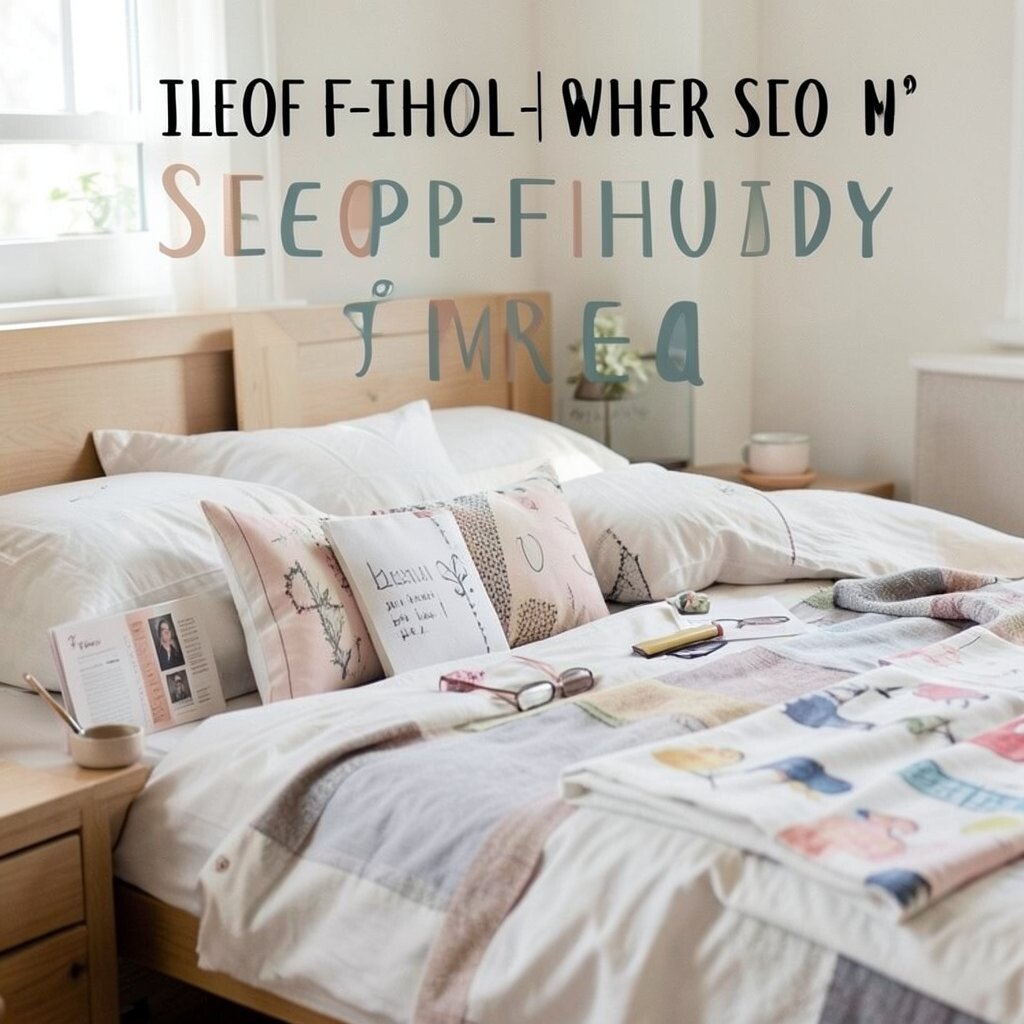
Add a small bedside organizer or a pocket chart near the bed where you can place a book for the next day. Include a simple promise card like “ready to read” or “turn off screens after you unwind.”
Visual cues help kids wind down, which can improve focus for homework later. Keep the items minimal so the bedside area feels restful and not cluttered.
For personalization, let each child choose a themed bookmark or a small photo that makes them smile. If you want to keep costs low, use printables for the cards and DIY bookmarks from cardstock.
16. Gallery Wall With School Memories and Current Work
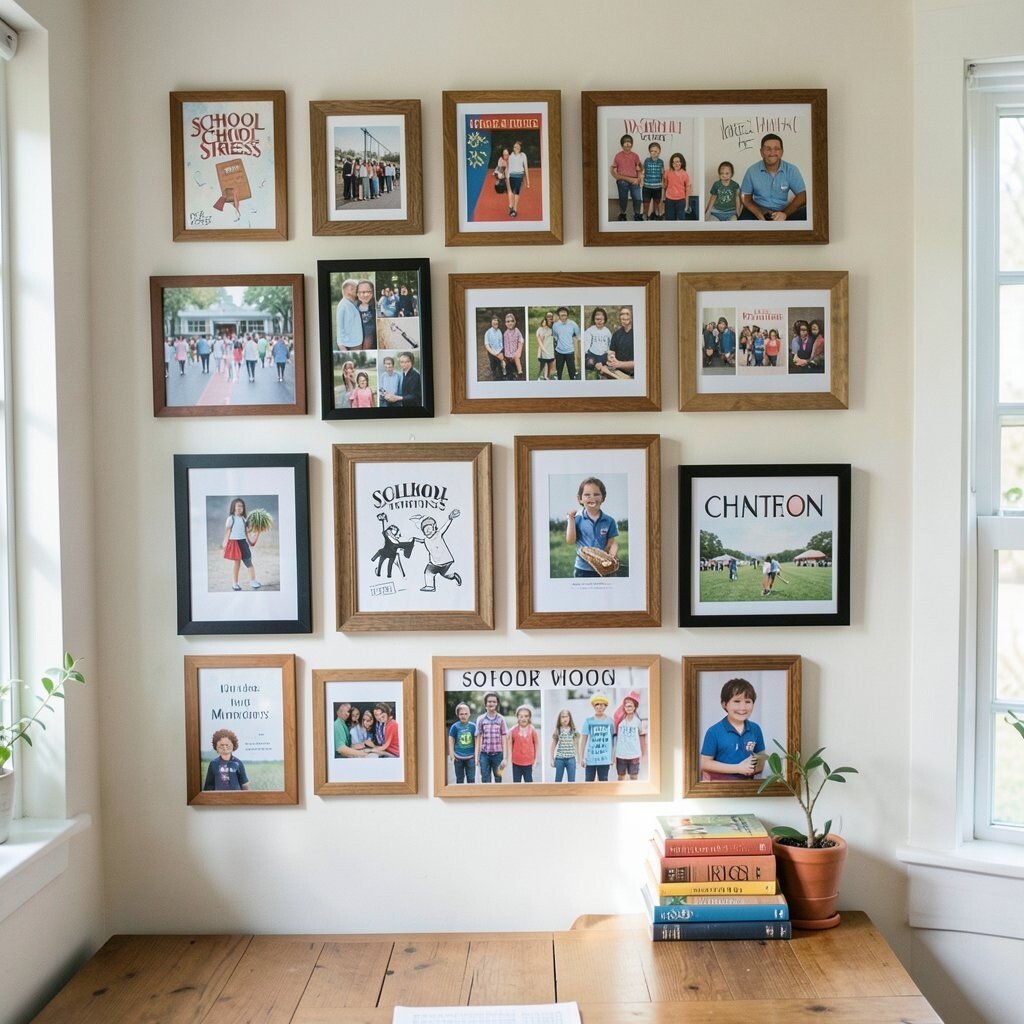
Create a gallery wall using a mix of frames and clip frames to show school photos and recent drawings. Choose a layout that looks balanced, with a few larger frames and several small ones.
Rotate pieces every couple of weeks so the wall stays fresh and meaningful. This turns “messy papers” into something you’re proud to show.
For uniqueness, include one frame with a handwritten timeline of first-day moments. Use inexpensive frames but invest in good spacing so the wall looks polished.
17. Desk Accessories That Encourage Handwriting and Focus
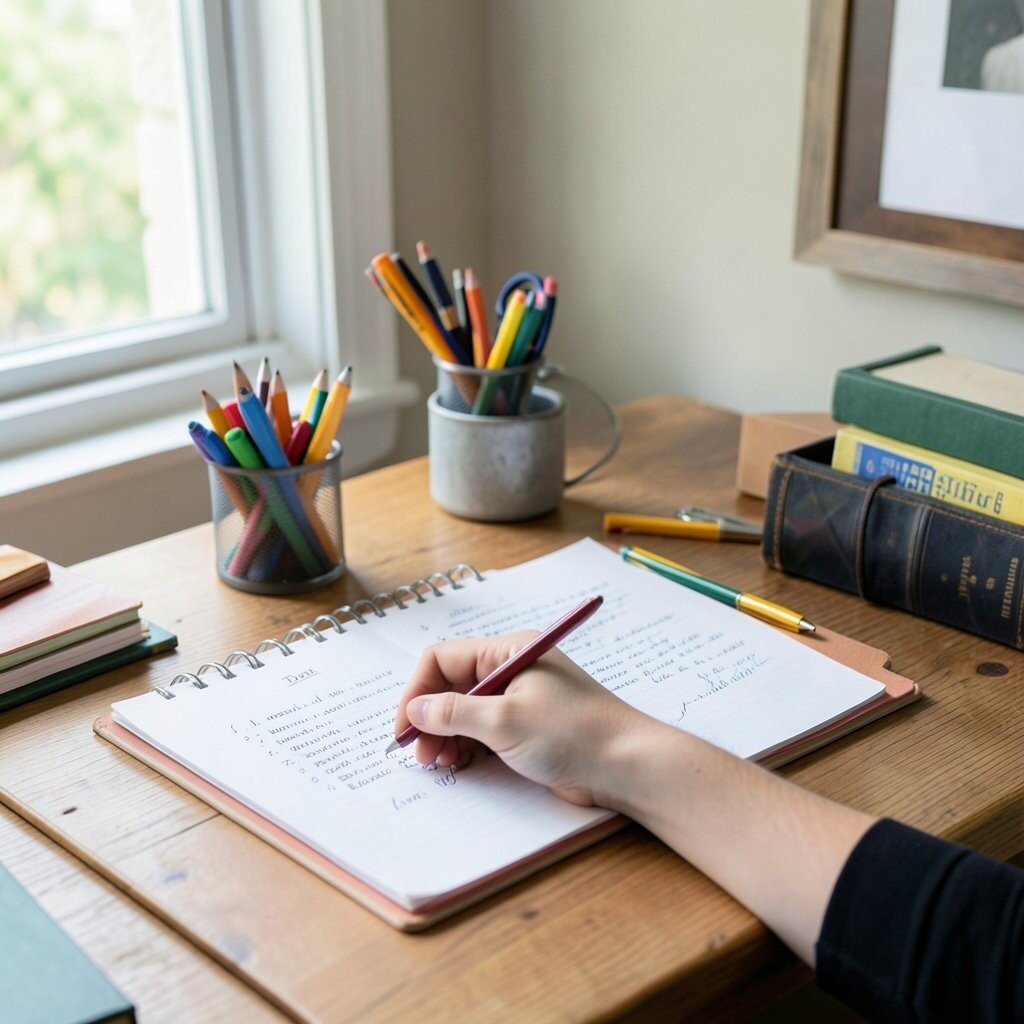
Pick a desktop organizer that suits your child’s style, like a tray with sections or a pen cup with a lid. Add a small pencil sharpener container so the desk never turns into a shavings zone.
Include a comfortable desk lamp or a bright task light so their workspace looks inviting. Better lighting can make handwriting practice feel easier and less frustrating.
Personalize with a custom pencil holder using your child’s favorite colors. For budget reasons, look for simple organizers and then upgrade them with removable wrap or stickers.
18. Subject Color Calendars for the Whole Family
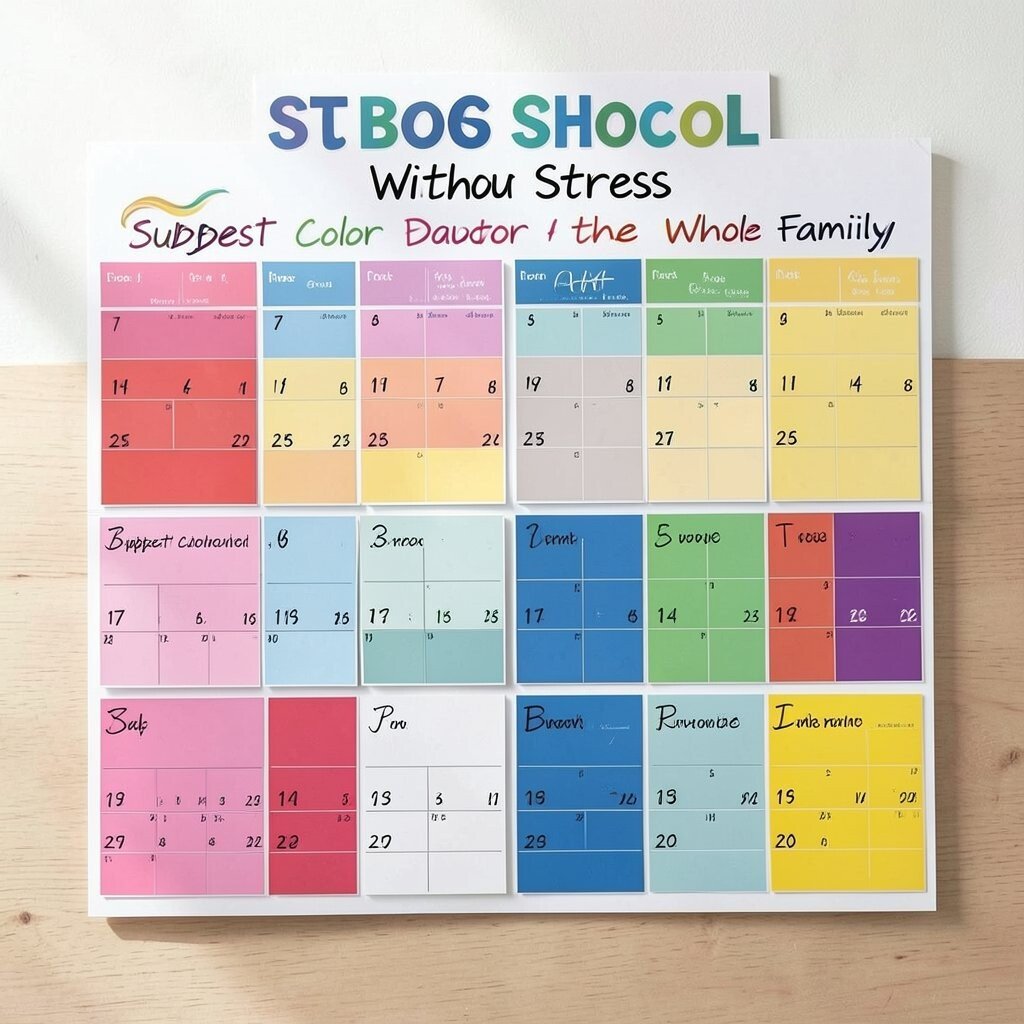
Make a wall calendar where each subject or activity has its own color. Use thick marker lines on a monthly calendar page or a whiteboard that you update.
When the family can see what’s coming, homework planning feels smoother and arguments go down. Add small visuals like a book icon for reading nights and a math symbol for practice time.
For uniqueness, keep the calendar theme matching your decor by using similar tones and a consistent font style. If you want lower costs, print monthly calendar pages and store them in a clip frame you reuse all year.
19. Window-Friendly Study Light and Curtains
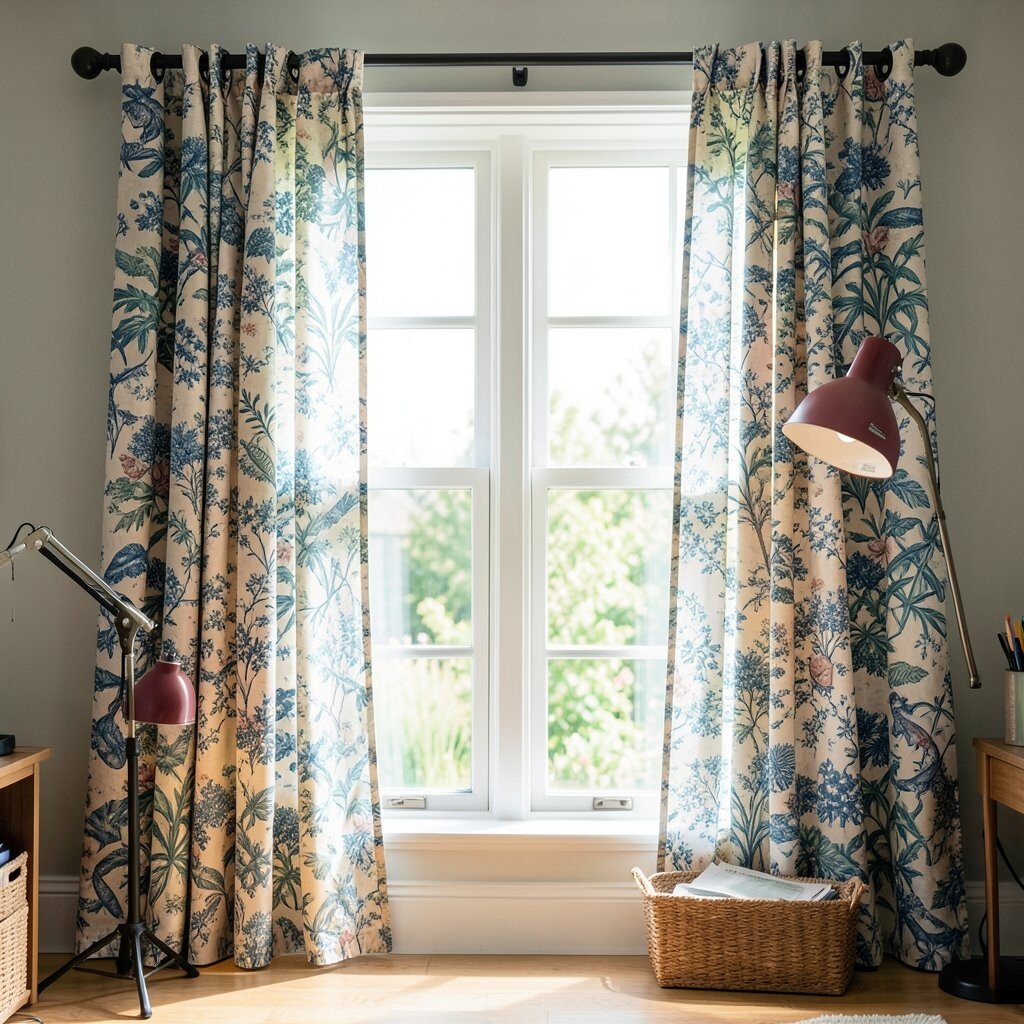
Use sheer curtains, light-filtering blinds, or a simple valance to make study time brighter. The goal is to reduce harsh glare while still giving natural light.
Choose neutral curtain colors or a subtle pattern so the room stays flexible as styles change. Better window comfort can make kids want to sit and work longer without feeling cramped.
For personalization, hang small fabric tiebacks that match your color accents. If budgets are tight, consider reusing curtains and adding a new clip-on valance piece to refresh the look.
20. Snack and Water Station With Clear Cues
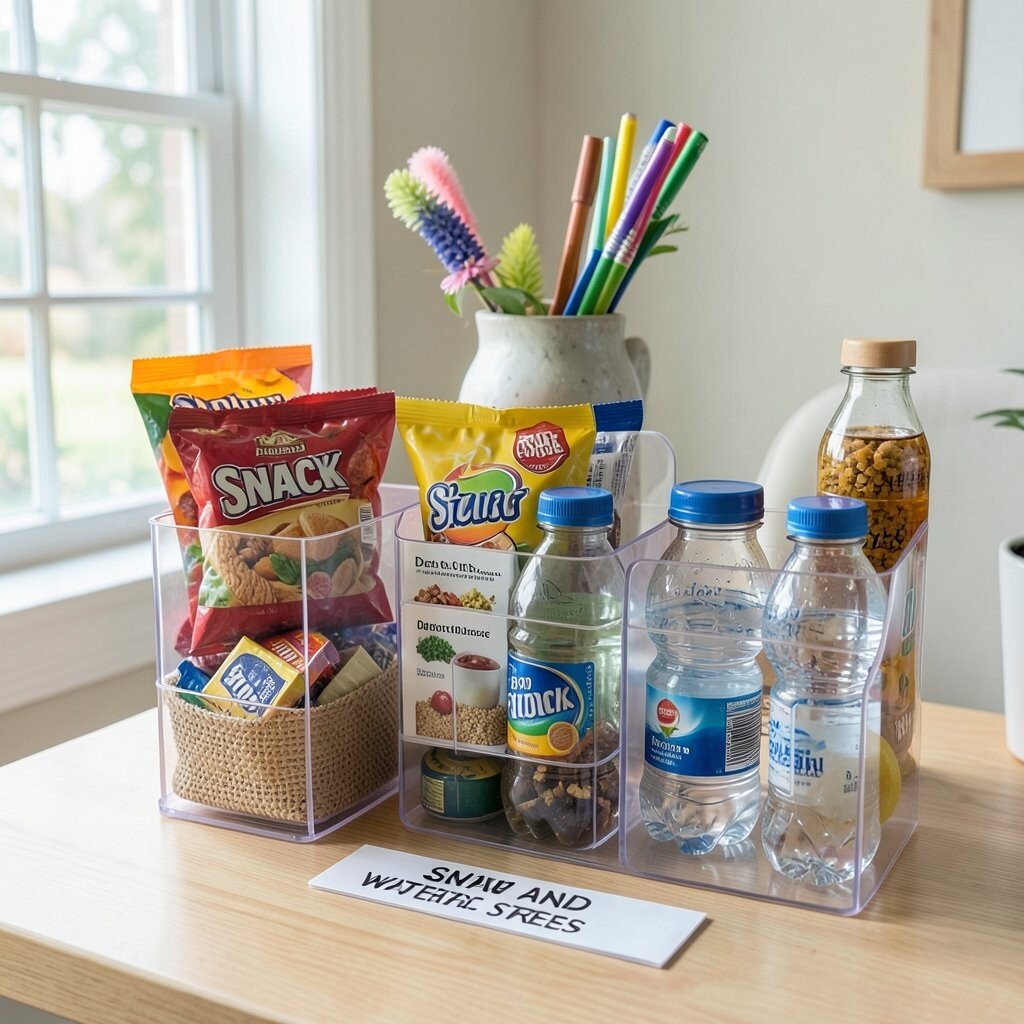
Set up a snack and water corner near where homework happens. Use a small fridge shelf organizer or a counter tray to keep cups, lids, and snacks from spreading out.
Label where things go so kids can grab a water bottle and return it without asking. This keeps energy steady and prevents late-day snack chaos that can derail focus.
Personalize the station with a cute mug or a matching set of reusable cups. For cost considerations, use what you already own and just reorganize with a tray and a few small bins.
21. A “Projects in Progress” Zone That Prevents Clutter
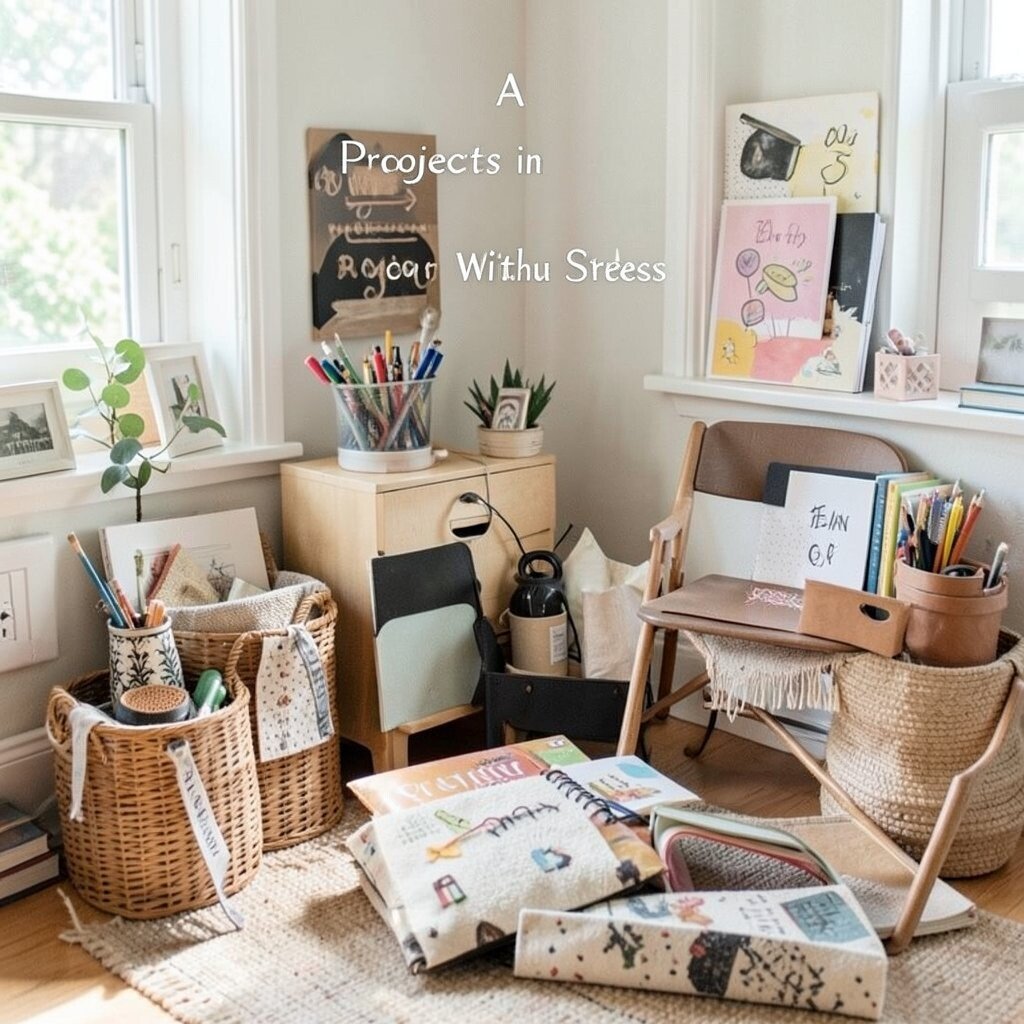
Create one dedicated spot for ongoing art, science builds, and craft supplies. A clear lidded bin, rolling cart, or desk drawer works well because the area stays under control even when work is messy.
Use dividers or small containers so different supplies don’t mix together. When projects have a home, kids can find materials faster, and you avoid the stress of repeated searching.
For uniqueness, decorate the outside of the bin with a simple theme like “Space Lab” or “Story Builder.” Keep it affordable by using a bin you already have, then upgrading with contact paper, paint, or a label maker for a clean finish.
Pair this zone with a weekly reset moment so the room stays calm, tidy, and ready for whatever the school day brings.