A garden can feel like a living room for your curiosity. With the right tools, every season starts to feel a little more possible.
1. Hand Trowel for Quick, Gentle Planting
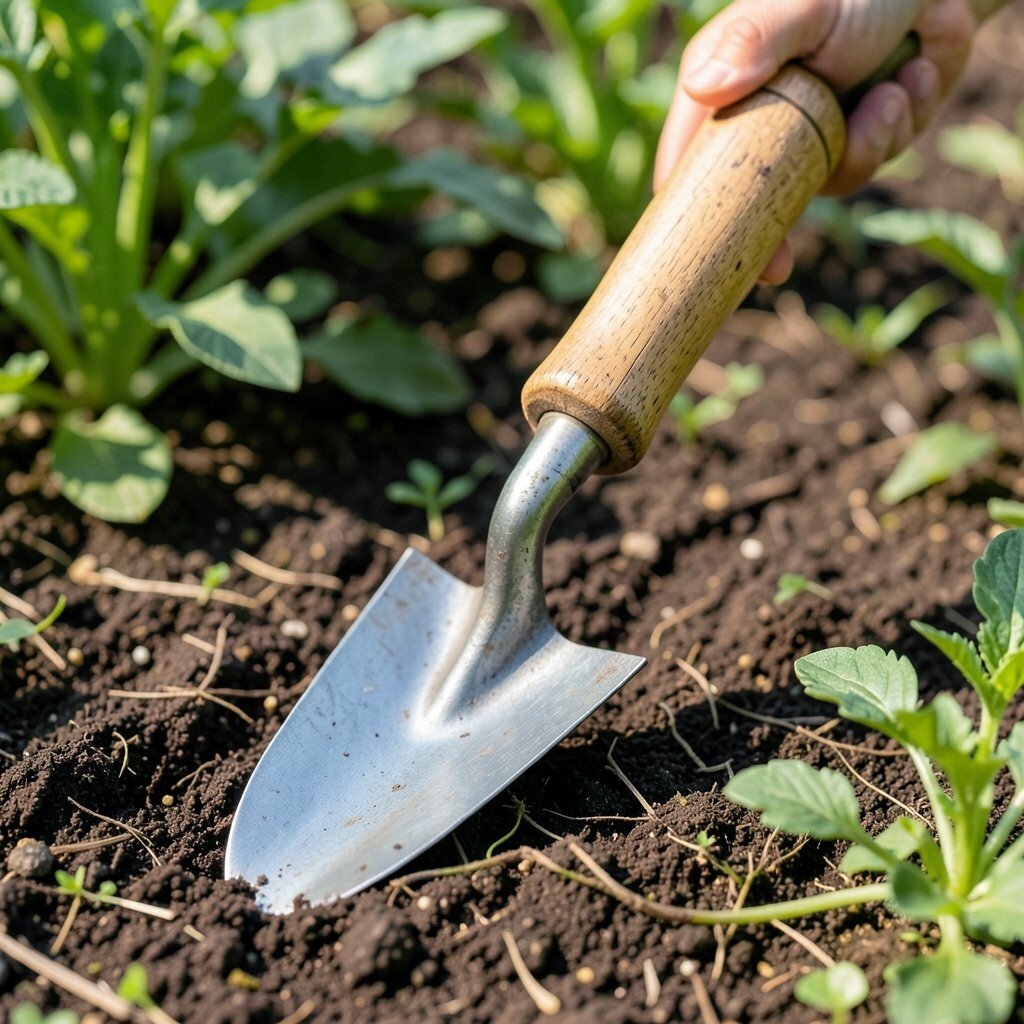
Choose a hand trowel with a comfortable grip and a blade that feels sturdy. It helps you dig small holes without tearing up soil structure.
When you slip the trowel into the ground, you can feel the texture change from dry dust to cool, workable earth. Place seeds or seedlings, then pat the soil snugly so roots make good contact.
2. Garden Fork for Aeration and Deep Soil Work
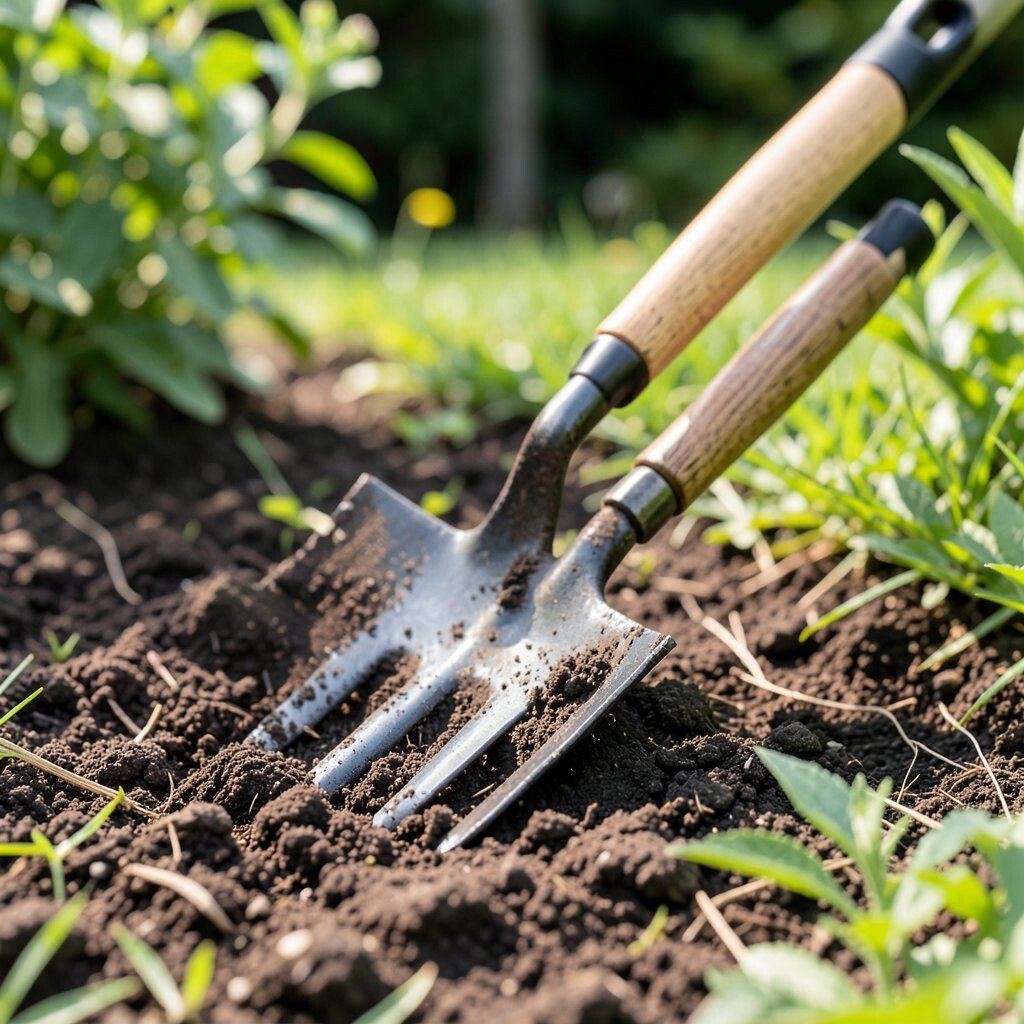
A garden fork looks simple, but it does big work under the surface. Its long tines lift compacted soil and let air and water move more freely.
Use it when your bed feels heavy after rain or foot traffic. Insert the fork at an angle, gently pry, and loosen the top layer without flipping everything like a demolition crew.
For a visual cue, watch how the soil breaks into crumbly clods instead of hard blocks. That crumble means roots can spread more easily, and worms often show up when conditions improve.
3. Pruning Shears for Clean Cuts and Healthy Growth
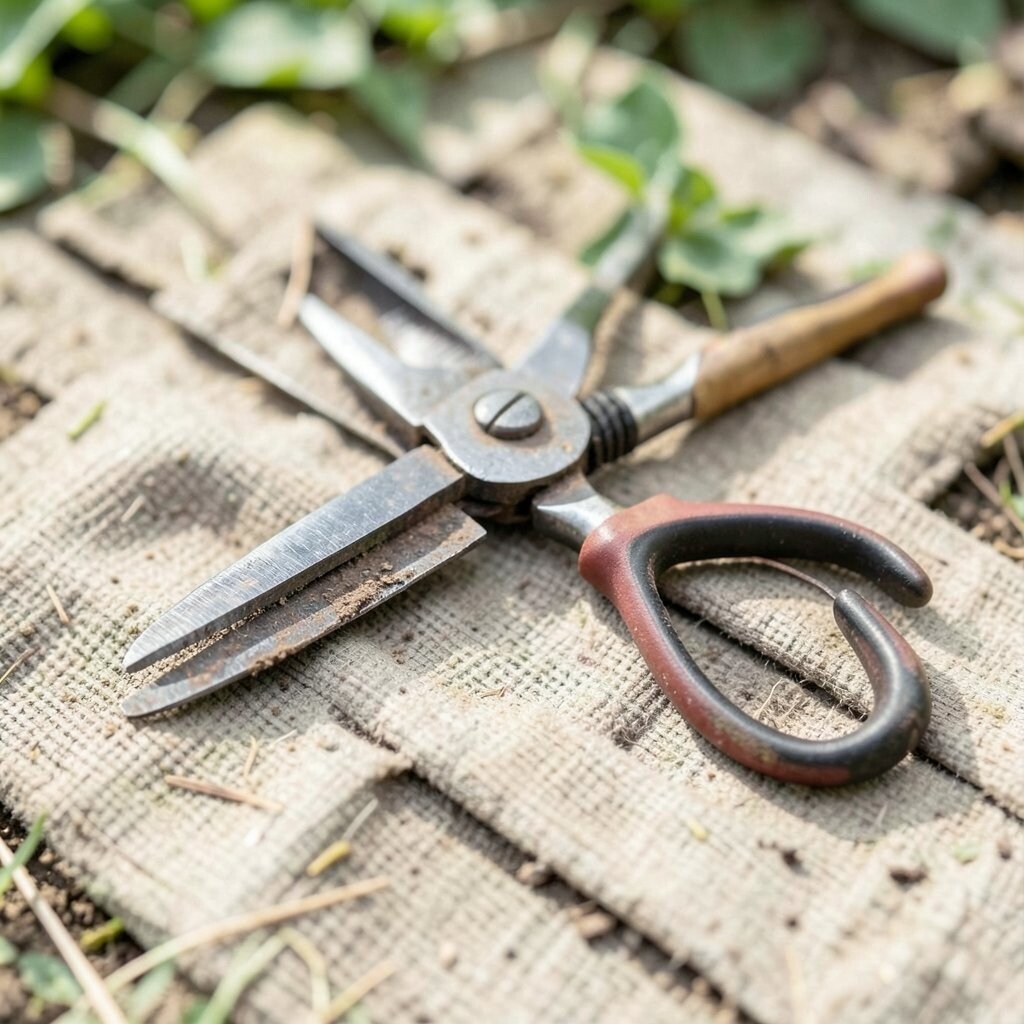
Pruning shears are your go-to tool for shaping plants and removing tired stems. Clean cuts reduce stress and help the plant heal faster.
When you cut, you’ll notice how crisp the movement feels when the blades are sharp. Aim for cuts just above a bud or joint so new growth can follow a clear path.
Keep a small cloth nearby and wipe sap or dirt after use, because residue can dull blades. You can also personalize by choosing shears in your favorite color, since you’ll reach for them more often.
For cost, good pruning shears cost more upfront, but they save money by staying sharp longer. In today’s gardening circles, many people also use bypass-style blades for greener cuts on living stems.
4. Watering Can for Calm, Targeted Hydration
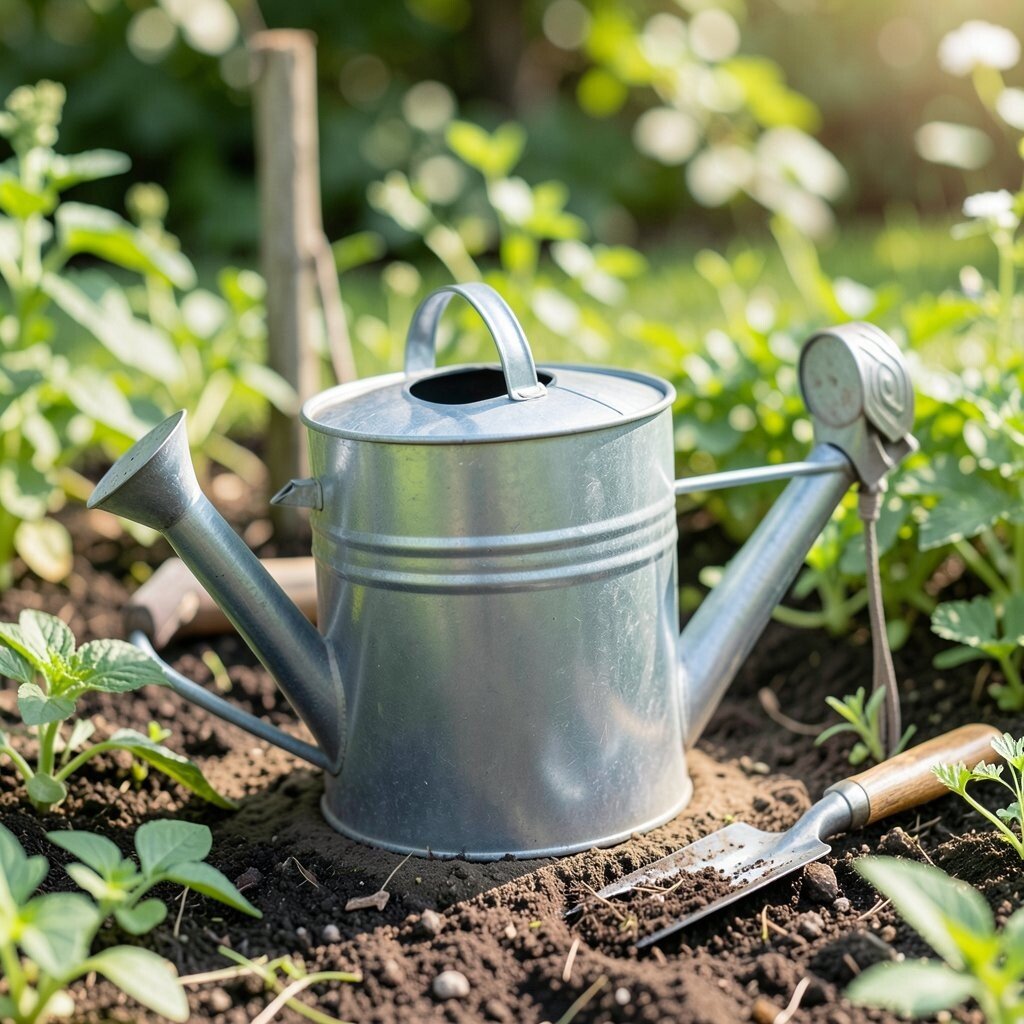
A watering can helps you pour with patience, not force. The spout guides water toward soil and keeps leaves from getting soaked.
Look for a can with a comfortable handle and a fine rose for gentle flow. You can water seedlings at the base, then watch the soil darken as it absorbs moisture.
For practical timing, water early in the day and feel the top inch of soil before watering again. If your summers run hot, a smaller can is easier to handle and reduces the chance of overwatering.
5. Hose Nozzle for Flexible Pressure and Easier Cleaning
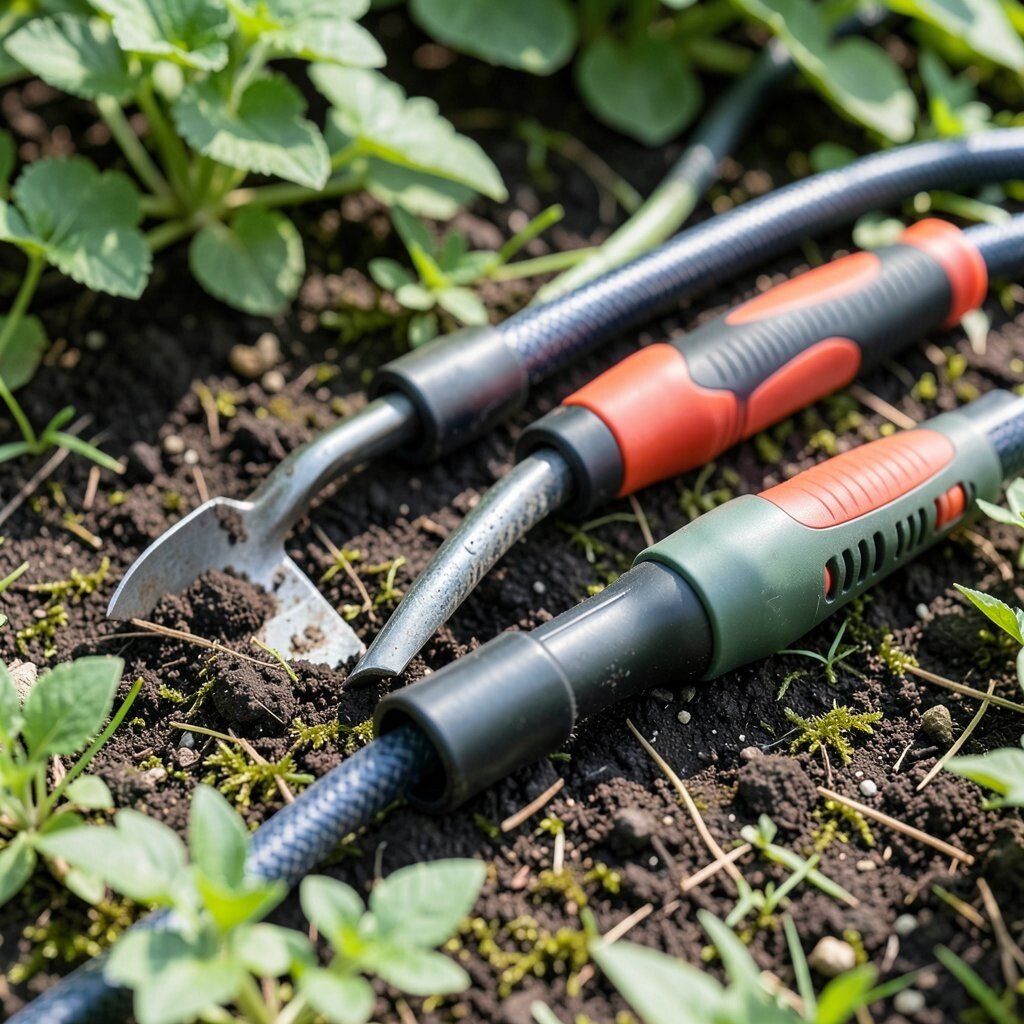
A hose nozzle turns one steady stream into many options. You can choose a soft shower for plants, a steady spray for paths, or a stronger blast for rinsing pots.
When the nozzle clicks into place, it’s like switching modes on a tool belt. A good spray pattern helps you avoid blasting mulch or washing seeds away.
For trends, more gardeners are moving toward nozzles with adjustable settings and easier-grip textures. If you’re cost-minded, look for a model that fits your hose tightly so you don’t waste water at the connection.
6. Soil Scoop for Transplanting and Bag Gardening
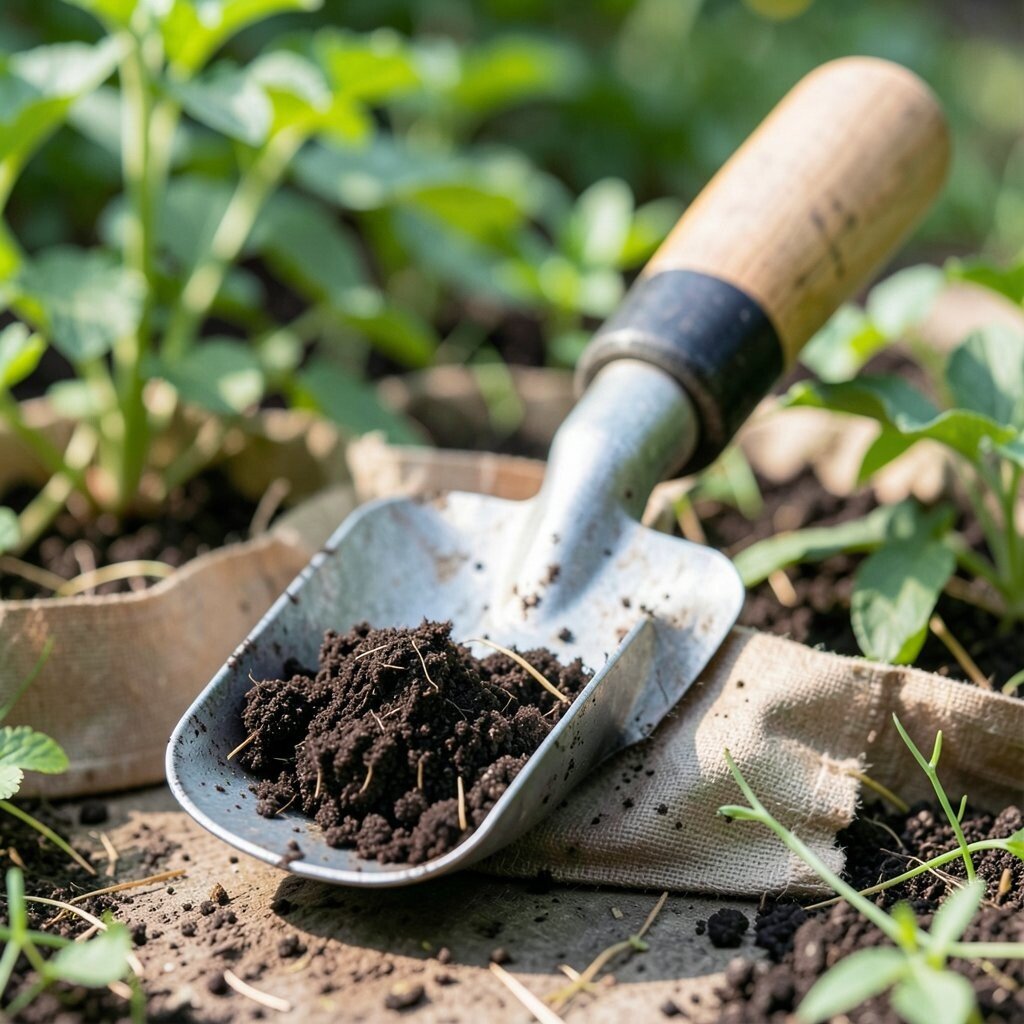
A soil scoop makes it easier to move potting mix, compost, and amendments without losing half of it to the wheelbarrow. The curved shape lets you lift loads quickly and pour them where you want.
Picture yourself filling a container in minutes, with the mix landing cleanly instead of spilling. That cleaner setup helps you keep weeds and debris out of finished pots.
Use it for top-dressing too by scooping a thin layer and smoothing it around existing plants. If you garden in bags, raised beds, or small containers, a scoop saves time and keeps your hands cleaner.
To personalize, consider a scoop with measurement markings if you like predictable results. You can also pair it with a small trowel for fine adjustments around stems.
7. Garden Gloves for Protection and Better Work Sessions
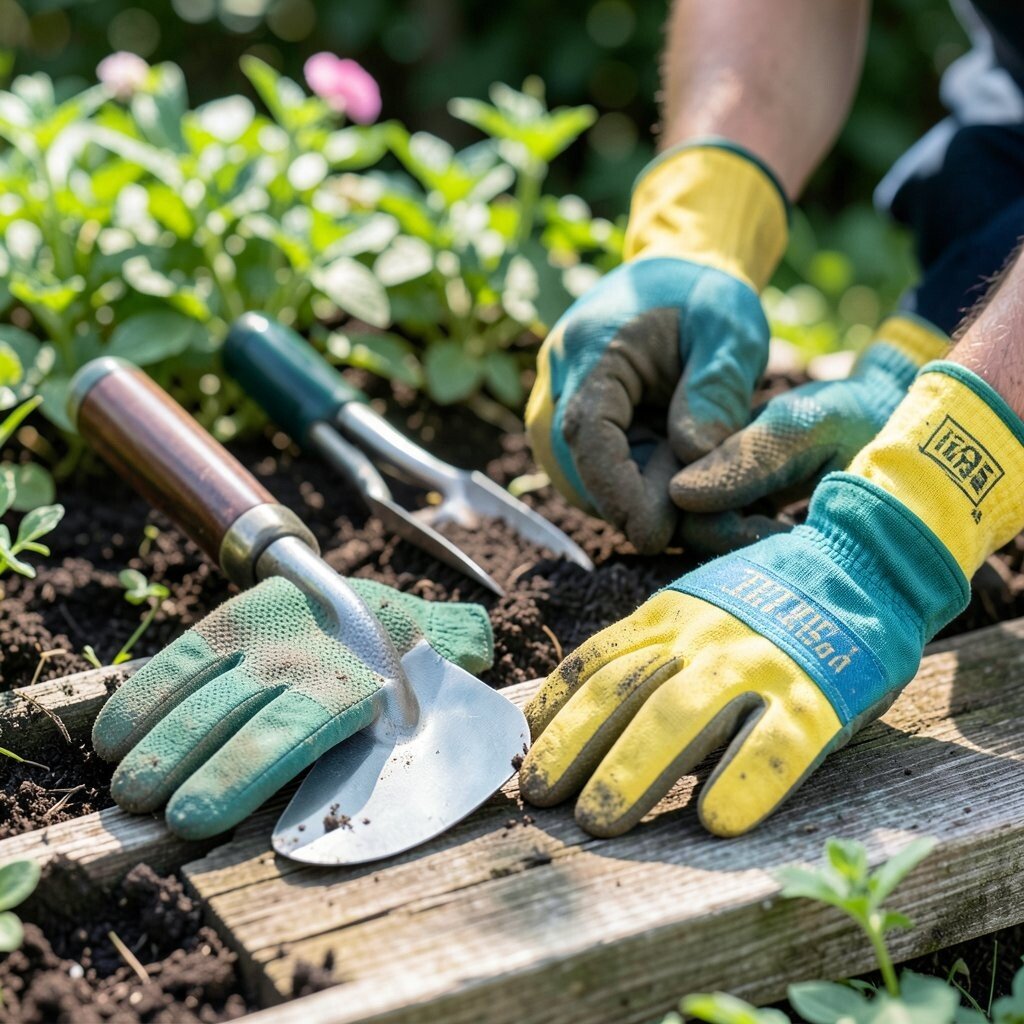
Gloves might seem basic, but they change how long you can garden comfortably. They protect hands from thorns, sap, and rough soil grit.
Slide them on and you’ll feel the grip improve when you handle plants, string, and small tools. Many gardeners like breathable fabrics for warm days, while thicker options help with tougher tasks.
For practical use, wash gloves at the end of the week and let them dry fully so they don’t get stiff or smelly. If you hate bulky gear, try lightweight gloves with textured palms for better touch.
Budget-wise, you can buy two pairs, one for delicate work and one for yard cleanup. A growing trend is mixing glove types for different jobs, so you’re not wearing heavy protection when it isn’t needed.
8. Rake for Leveling Beds and Taming Loose Debris
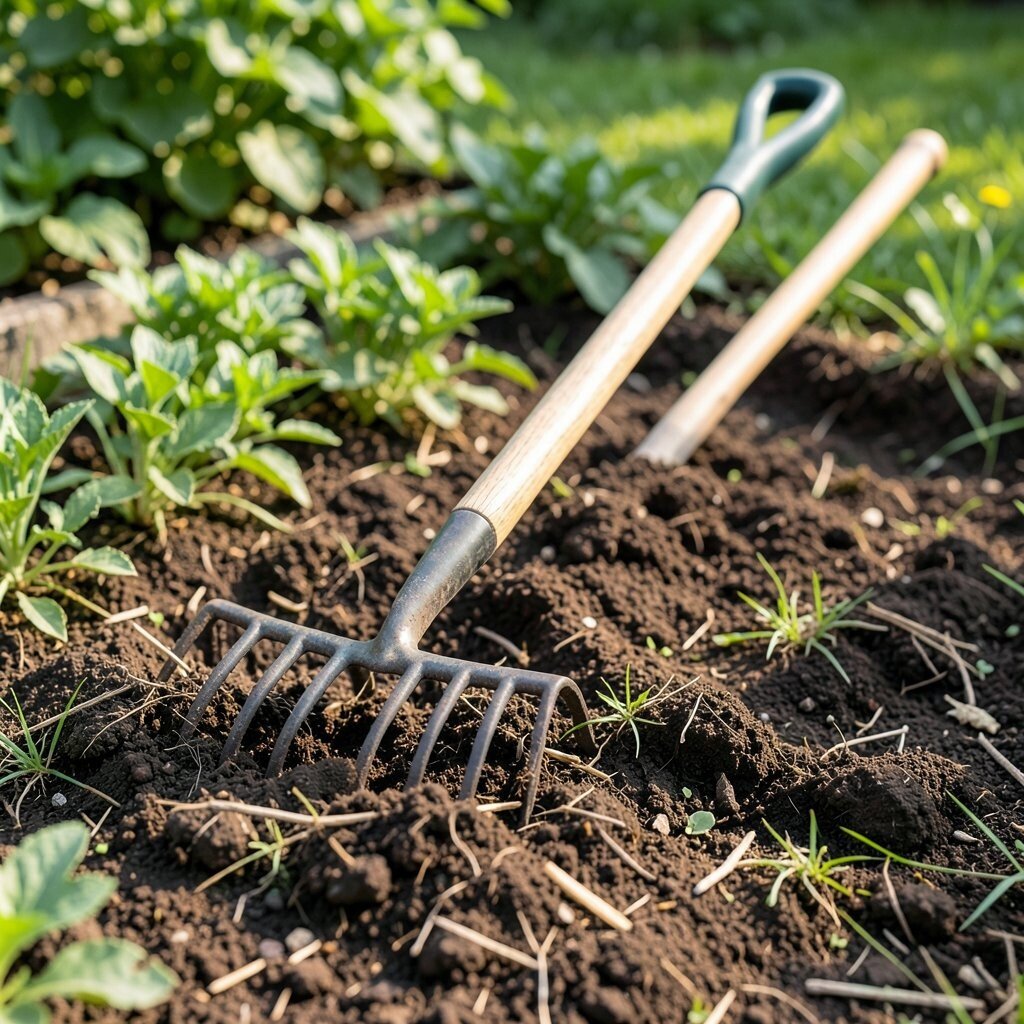
A rake is one of the quickest ways to make a bed look cared for. It gathers leaves, pulls stray weeds, and levels soil after you add compost.
When you drag it across the surface, you can see how the top layer becomes smoother and more even. That evenness helps seeds sit at similar depths, which can lead to more consistent sprouting.
Use a leaf rake in fall for gentle cleanup, then switch to a sturdier rake for turning small amounts of compost into the top layer. If you’ve ever ended a session with lumpy beds, this tool helps fix that fast.
For personalization, choose a rake handle that feels right for your height. Many gardeners also keep a small rake near the shed so they grab it before clutter builds up again.
9. Wheelbarrow or Garden Cart for Carrying Compost with Less Strain
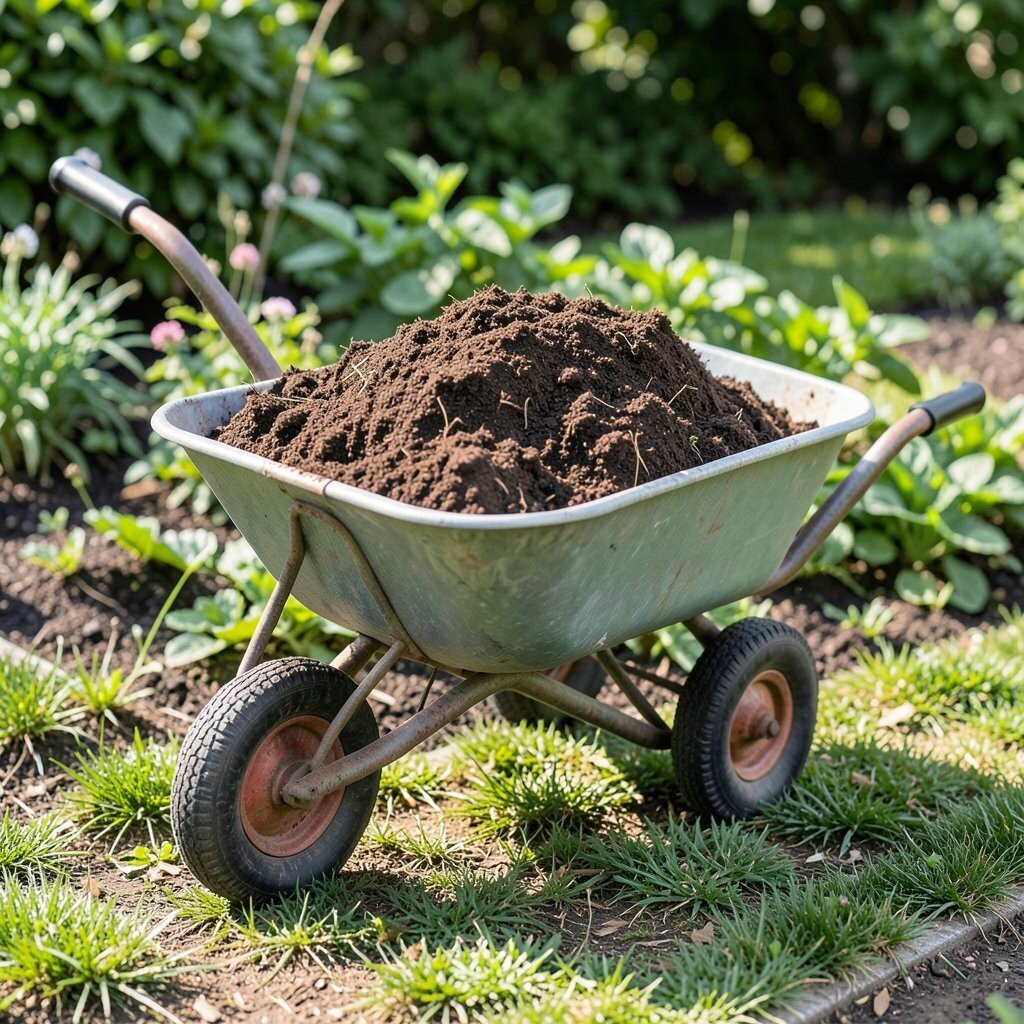
A wheelbarrow or cart turns heavy hauling into a steady rhythm. Instead of making many trips, you can move compost, mulch, and tools in one go.
Notice how the motion feels when the wheel rolls smoothly over grass and gravel. A well-balanced cart also keeps spills smaller, so less material ends up where it shouldn’t.
Practical tip for comfort is to keep the load below your max lifting limit and push with your legs. You’ll move more safely and arrive less sweaty at the bed.
If you’re cost-conscious, check for durable wheels and a frame that doesn’t wobble. Current trends favor carts with larger wheels for easier movement on uneven ground, especially in mixed terrain gardens.
10. Mulching Tool for Neat Coverage and Weed Control
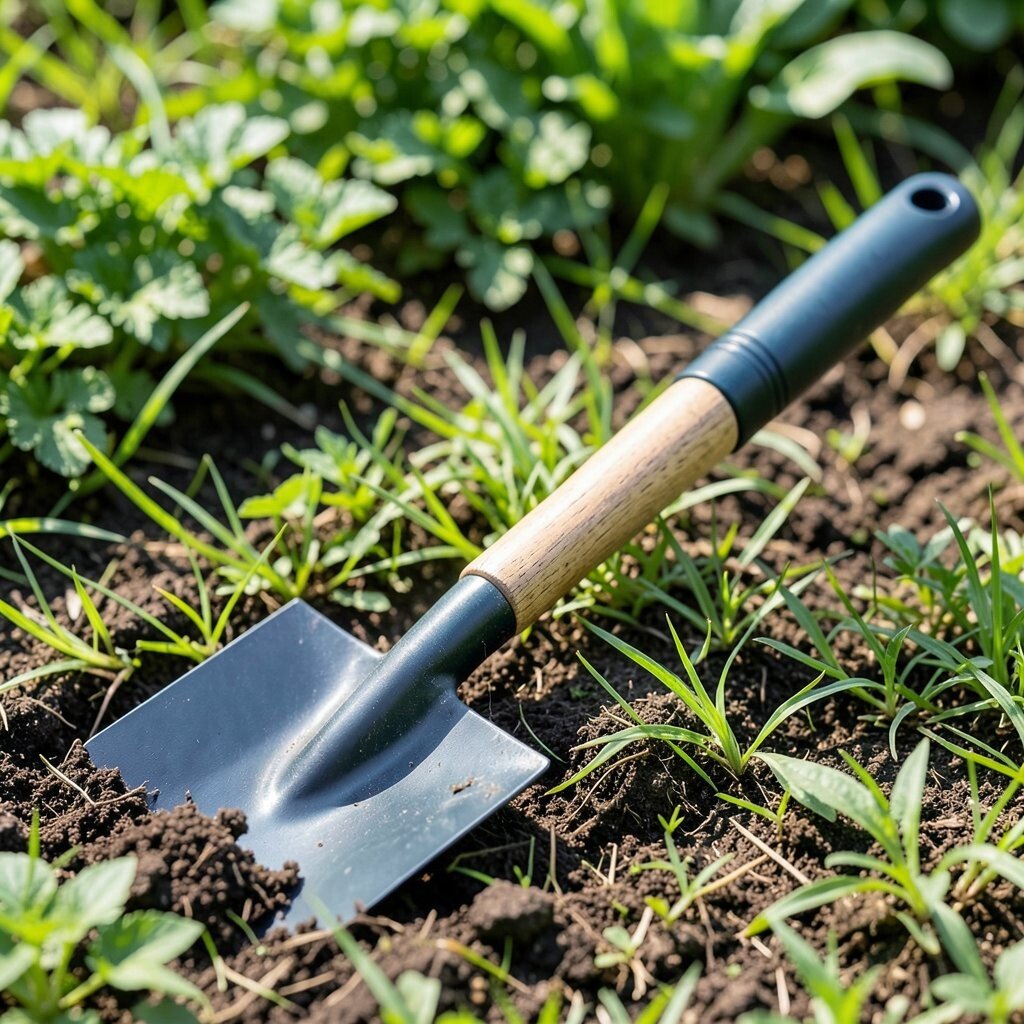
Mulching tools help you spread organic matter in a tidy, even layer. Instead of dumping handfuls, you can guide mulch right where it belongs.
Watch the ground change color as mulch settles, turning dull soil into a fresh, cozy surface. That cover helps hold moisture, reduces weed seeds from getting sun, and protects tender roots from sudden temperature swings.
Use your mulch tool after watering or adding compost so the layer holds in place. A thin layer around plants looks clean, and it prevents the crown of plants from staying too wet.
Personalize by choosing a tool shape that matches your bed style. If you garden in tight rows, a narrower tool lets you work without damaging leaves.
11. Seed Sower or Hand Planter for Even Spacing
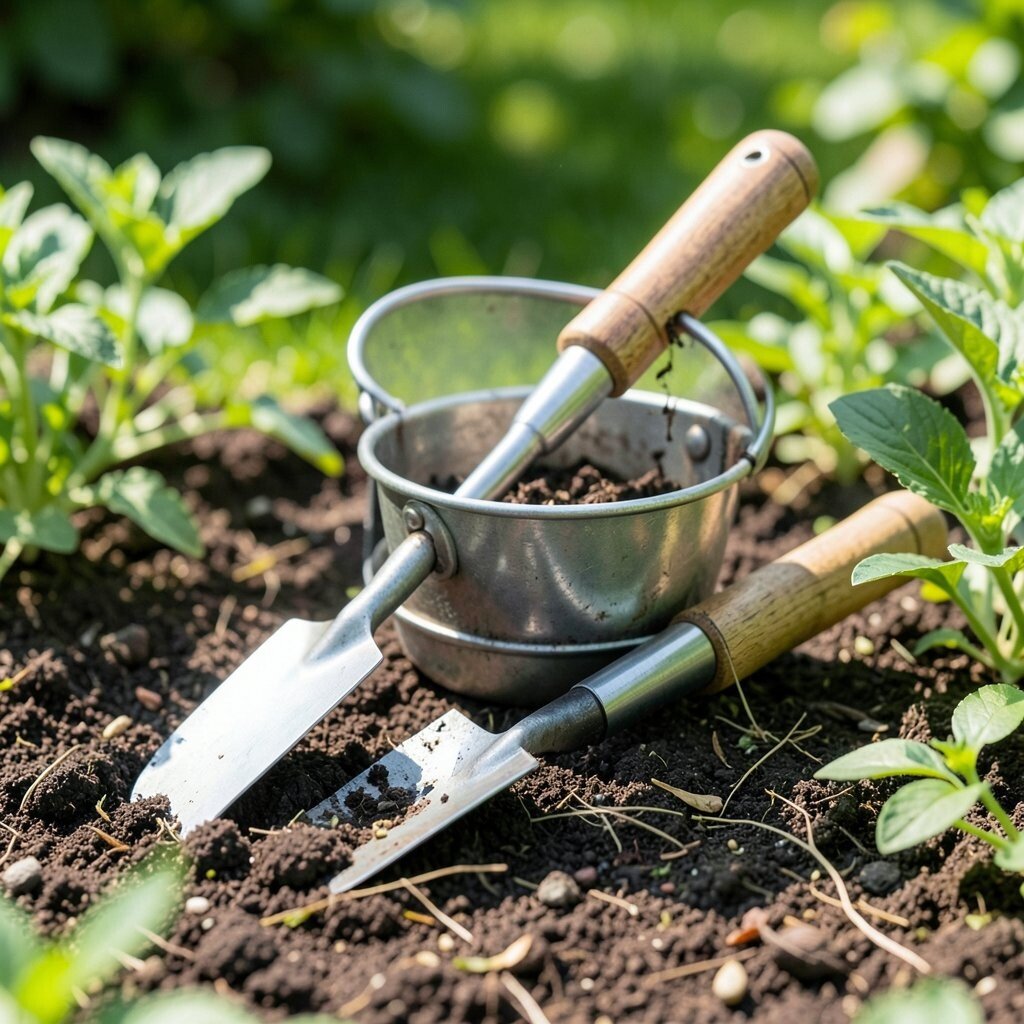
Even spacing can make a garden look tidy and help plants grow at their own pace. A seed sower or hand planter helps you place seeds more consistently than sprinkling by hand.
When you open a row and glide the planter along, the motion feels rhythmic and controlled. You’ll likely spot fewer bare patches later, since seeds go down in a steadier pattern.
For practical success, match the hole depth to the seed size and lightly cover with fine soil or compost. Keep the surface gently moist until sprouts appear, and avoid heavy watering that washes seeds away.
For cost, a simple hand planter can be affordable and still do the job well. Gardeners now also look for planters that are easy to clean, because leftover seed and soil can make the next planting less accurate.
12. Garden Knife or Hearth-Style Tool for Precision Weeding
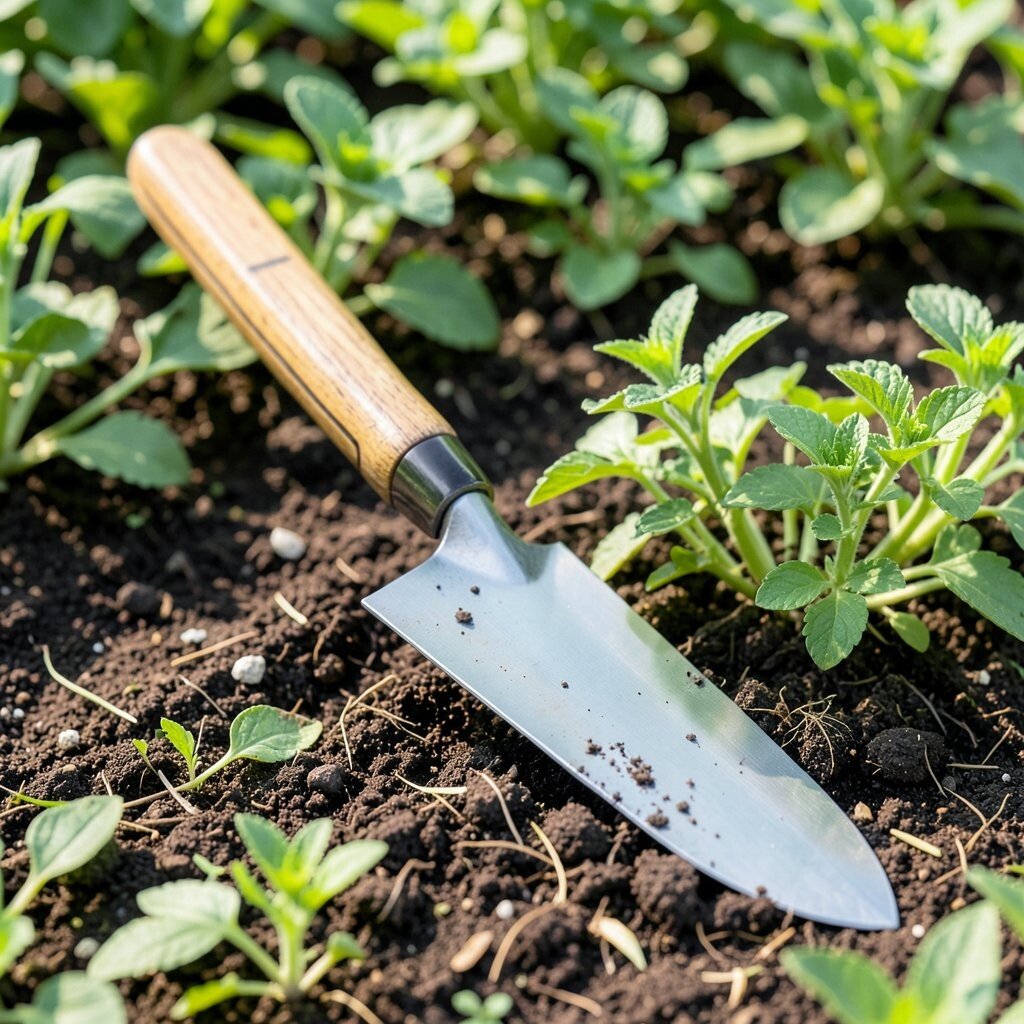
A garden knife, sometimes called a hearth-style weeding tool, is great for precision in tight spots. It slices weeds close to the soil line without prying up your desired plants.
Hold it low and you can feel the small resistance change as it cuts through weed roots. That close cut helps you manage weeds before they get big and tough.
Use it after the soil has been lightly damp, since roots slice more cleanly. Work carefully around stems, then brush away the removed weed bits so you’re not creating a messy pile.
To personalize, look for a comfortable handle grip that suits your hand size. Even if the tool costs a bit more, a sharp, well-made blade can last for years, especially when you store it dry and wipe it after use.
In current gardening trends, many people are returning to hand weeding for better plant care and less chemical use. A knife-style tool makes that approach feel practical, fast, and satisfying.