A fairy tale is a small lantern that carries big feelings. When you write it for kids, every sentence should feel like a warm door opening.
Good stories help children understand courage, kindness, and the strange emotions that pop up in everyday life. With the right choices, you can make magic that feels friendly and real.
1. Start With a Picture-Perfect Beginning
Open with a scene kids can see instantly. Imagine a cottage beside a glittering stream, with windowpanes that catch sunlight like tiny mirrors.
Describe a sound, a smell, and a small movement so the world feels alive. Keep the first moment simple and inviting, because clarity helps kids settle into the story. If you include one gentle mystery, like footprints that stop at a garden gate, children lean forward without feeling scared.
2. Choose One Magic Rule and Stick to It

Pick a single law of magic that stays consistent. For example, a wishing teapot might grant only one wish per day, no matter how fast someone asks.
Consistency builds trust, and trust makes the magical part feel fair. When the rule is clear, you can create tension without confusing the reader. A clear limit also helps you teach cause and effect in a way kids can feel in their bones.
If you want to fit current kid interests, consider magic that connects to everyday objects like backpacks, clocks, or music boxes. Those familiar items make the magical rule feel closer. Then write consequences that follow the rule, so the story stays satisfying even after the glitter fades.
3. Give Every Character a Visible Need

Instead of only showing what a character wants, show what they lack. A shy child might tug their sleeves, hiding their hands, while a proud prince might polish a crown until his fingers ache.
Make the need visible through actions and tiny details so kids instantly “get it.” When the problem is clear, children can root for change without guessing. Later, when the character grows, the reader will notice it because the early habits looked different.
Try writing one scene where the need causes a small mistake. It could be dropping a lantern, interrupting a friend, or forgetting to share. Those moments feel real, and real moments are what make a fairy tale memorable.
4. Keep the Conflict Kid-Safe but Still Spicy
Conflict should create sparks, not panic. You can use gentle obstacles like a stubborn hedge that won’t open, or a river that refuses to cross unless you speak kindly.
Let the “spicy” part be the challenge, not the danger. Kids enjoy problem-solving, especially when the characters try different strategies. When fear appears, keep it short and guided toward courage.
5. Use Sentences That March Like Footsteps

Write with rhythm so kids can follow along. Short sentences can sound like quick footsteps, while longer ones can feel like a steady song.
Vary the pacing so action feels lively and calm moments feel cozy. You can also repeat a phrase in a playful way, like “Soft paws, steady heart” as the hero walks through a moonlit hallway.
When you read aloud, notice where you naturally pause. Those pauses often signal where kids will breathe and imagine. If a passage feels tangled, rewrite it until the path feels straight.
6. Build Comfort With Repeating Patterns

Fairy tales often feel safe because they repeat patterns. A chorus of forest birds might warn the hero in the same words each time trouble comes closer.
Repetition gives kids a sense of order, like a favorite blanket. You can repeat objects too, such as three acorns, three clues, or three chances to be kind.
Try using a recurring symbol tied to the character’s growth. A ribbon can start as tangled string and end as a neat bow after the hero practices patience. When the symbol changes over time, kids feel the magic of progress.
7. Let Feelings Take Center Stage

Kids understand emotions quickly when you show them clearly. If a character is jealous, show the tight jaw, the sideways glance, and the sudden silence.
When you name the feeling through actions, children learn vocabulary without a lesson. Then give that feeling a purpose in the story, like jealousy pushing a character to ask for help instead of acting out.
You can also use gentle metaphors, such as anger looking like a storm cloud you can’t outrun. The character’s job becomes learning how to wait for the cloud to pass. That kind of emotional guidance feels like magic.
8. Make Kindness Cost Something Small
Kindness becomes powerful when it isn’t free. A character might share their only warm scarf or give up a shiny prize to help someone else.
Kids learn generosity is real, not just a nice idea. When the cost is small but meaningful, children feel proud of the choice.
Consider adding a moment where a kind act goes unnoticed at first. Later, the story can show how that act changes the day for someone else. This builds empathy and shows that good choices ripple outward.
9. Write Dialogue Like Real Kids Talk

Use dialogue that sounds natural, with interruptions, questions, and confident giggles. A character might say, “Are you sure that’s the door?” while pointing at a wall that looks suspiciously like stone.
Allow miscommunication, because it makes stories fun. If someone misunderstands a spell, the mistake should lead to a lesson, not a permanent problem.
Try giving characters different ways of speaking, such as a grandmother who uses playful metaphors or a knight who speaks in careful, respectful sentences. Variety keeps the story fresh, and it helps readers remember who is who. Then listen to how your child would answer in a similar situation.
10. Turn Geography Into a Story Map

Let locations guide the plot like stepping-stones. A market square might tempt the hero with bargains, while a quiet pond might force slow thinking.
Describe each place with one clear feature kids will remember. The forest could smell like pine and sing with buzzing bees, while the attic could feel dusty and warm like an old hug.
If you want personalization, tie places to your child’s interests. If they love sea creatures, build a shell-shaped tunnel leading to a lesson about listening. When a child recognizes “their” theme, the story feels built for them.
11. Make the Villain’s Want Feel Understandable

A villain is more interesting when their desire makes sense. Perhaps a witch wants to keep everyone safe because she once lost control in the past.
That doesn’t excuse harmful choices, but it adds depth. Kids can learn that people have reasons, even when their actions are wrong.
Give the villain a pattern, like collecting things in odd baskets or speaking only in riddles. Then make the hero’s job include choosing wiser actions, not just defeating someone. A strong ending often comes from breaking the villain’s harmful pattern gently or cleverly.
12. Use Tiny Details to Signal Big Magic

Magic doesn’t have to look loud to feel powerful. A teacup could steam with star shapes, or a pocket watch might tick in a new rhythm when courage appears.
Choose details that feel like clues, not decorations. When kids notice tiny changes, they feel smart, and they want to read again.
Try writing one “magic tell” you can repeat later. Maybe every time the hero lies, the lantern flickers, and every time they tell the truth, the flame steadies. These signals make the story satisfying because cause and effect feels magical.
13. Offer Practical Tools Inside the Plot
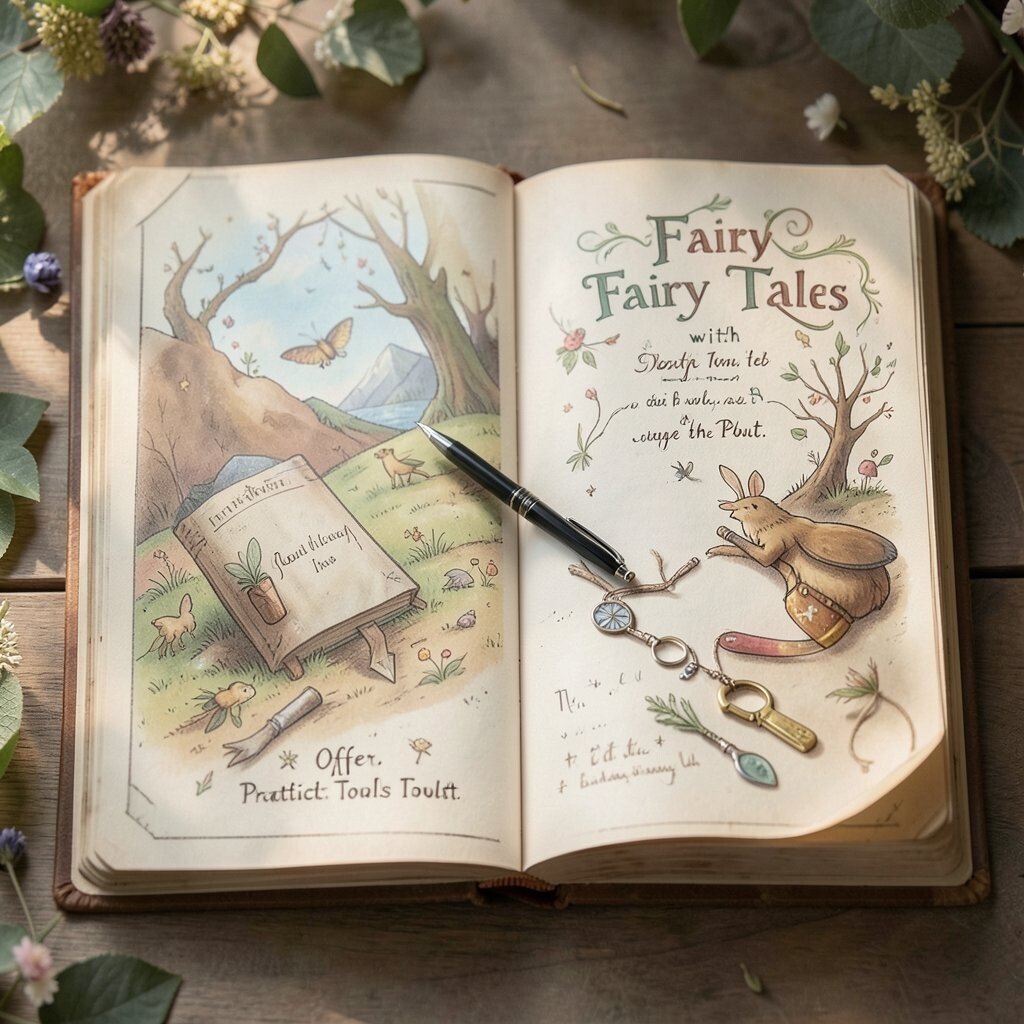
Fairy tales can teach skills without turning into homework. A hero might learn to breathe slowly before speaking to a fearful dragon, or to count steps when their hands shake.
These tools help kids relate to the story while calming real-life worries. You can weave them into actions, like using a braid to measure patience time while waiting for the right moment.
If you want to match modern routines, connect the tools to common habits like bedtime stories, morning check-ins, or gentle stretch breaks. Kids already understand those rhythms, so they accept the lesson faster. Keep the tools short and easy to remember.
14. Keep Cultural Curiosity With Respectful Details

Fairy tales can borrow wonder from many places when you do it carefully. You can include respectful elements like folk patterns on a cloak or a kind phrase from a language family, used accurately.
Research helps you avoid accidental mistakes, and it also helps you write with confidence. If you’re unsure, you can focus on universal symbols like harvest, seasons, and family meals.
For personalization, ask your child what holidays or stories their family already knows. Then blend familiar comforts with a new twist. This kind of tailored respect turns the story into something your family can carry.
15. Plan an Ending That Feels Like a Soft Landing
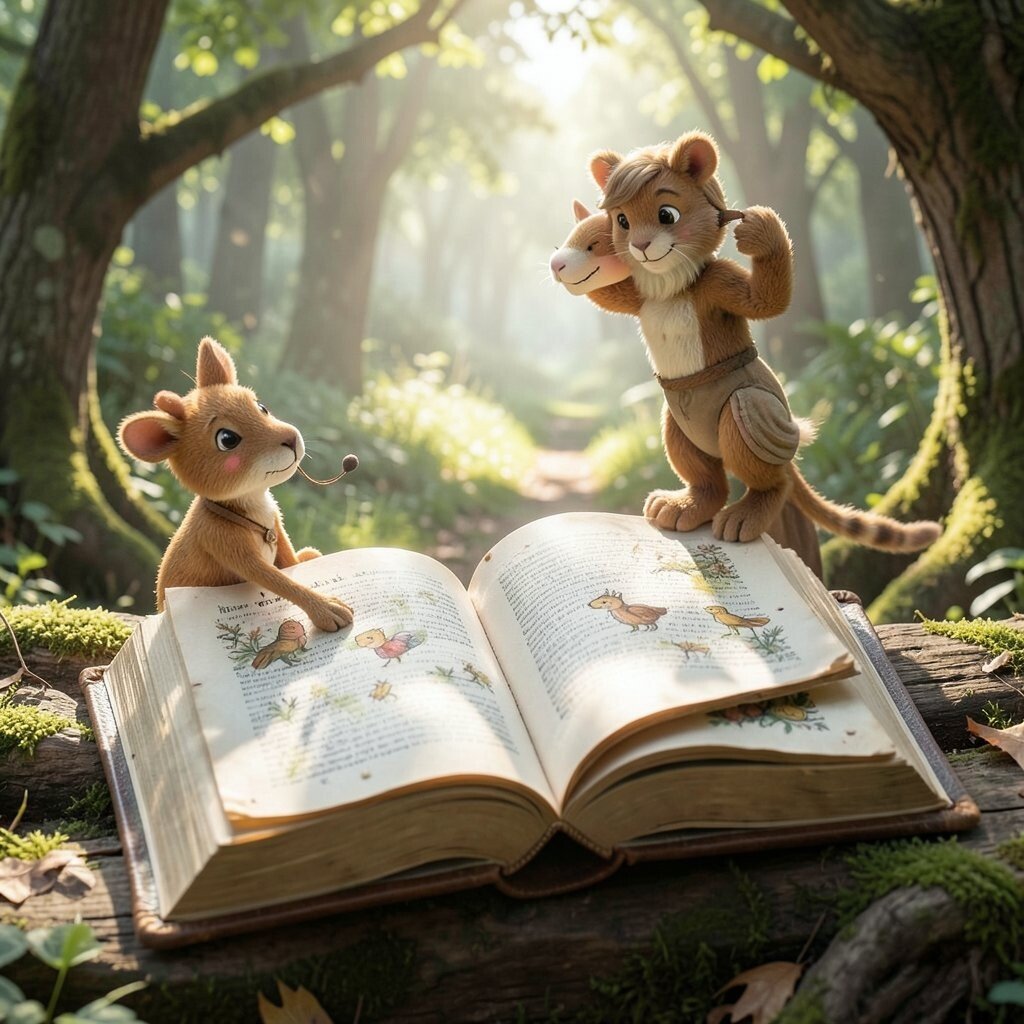
Endings should feel complete, not sudden. After the big moment, show a calm scene where characters reset their hearts.
Let consequences land gently and clearly. If someone learns to share, show a future moment where sharing becomes easy.
You can include a “last magic spark” that ties to the beginning symbol. Maybe the tangled ribbon straightens again, but now it sits proudly on the hero’s wrist. That kind of matching detail helps kids feel the story closed the loop.
16. Give Kids Control Through Choice Moments
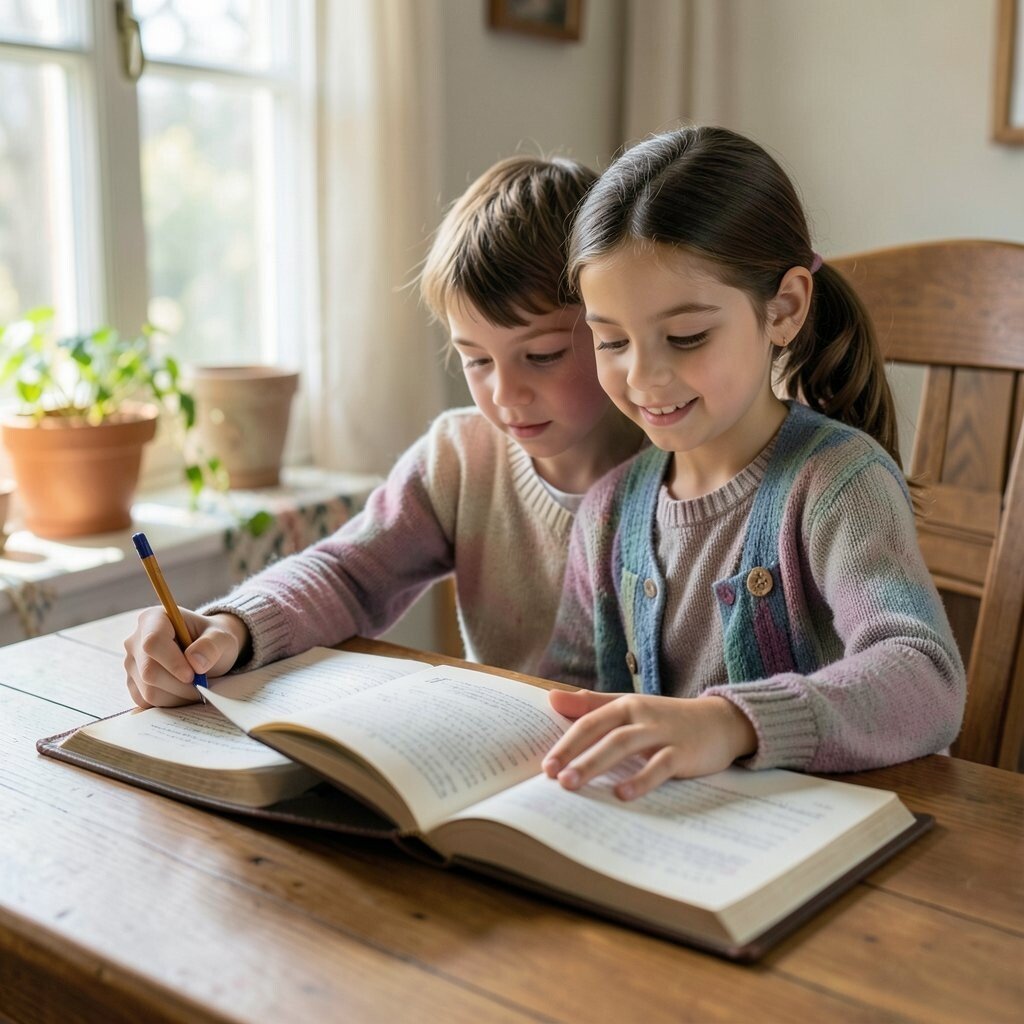
Give the child in your mind moments to choose. A character might pick between a path of brambles or a path of smooth stones, and the choice affects what they learn.
Choice moments make kids feel included and ready to predict outcomes. Keep choices balanced so either one can work, but one may teach patience while the other teaches bravery.
Try adding a small consent-based moment in your storytelling. Let the character ask, “Are you ready?” before they open the mysterious door. It teaches respect and also slows the pace in a safe way.
17. Use Cost Thoughts for Real-Life Storytelling

You can write magic without buying anything fancy. If you want to act out the story, simple paper props, a scarf, or a cardboard crown can do the job.
When you plan a bedtime experience, think about cost like time, effort, and materials. A candle substitute like a flashlight under a bowl can make spooky shadows without spending much.
If you enjoy current trends, short audio storytelling and printable character cards are popular. You can create character badges on regular printer paper, then use them as visual anchors during reading. Even a free template can help kids remember who is speaking and what they stand for.
18. Personalize With Your Child’s Favorite Questions

Kids often tell you what they want through their questions. If your child asks why owls see in the dark, you can build a fairy tale about guidance and calm eyes.
Listen for recurring interests like pets, space, dinosaurs, or trains, then weave them into the magic system. Personalization makes the story feel like it grew from your child’s world.
You can also personalize character traits based on your child’s strengths. If they love drawing, make the hero a map-maker who sketches solutions. If they’re curious, give the hero a habit of asking gentle questions before assuming.
19. Make Themes Clear Through Actions, Not Lectures

Themes show up when characters behave in ways that match their growth. Courage can look like speaking up for a friend, even when your voice shakes.
Kindness can look like repairing something you broke or inviting someone to sit beside you. Instead of saying, “Be kind,” show how kindness changes the next scene.
Try writing one “before and after” moment. In the beginning, a character might run away from a problem; later, they stay and work with a helper. Kids remember what changes, not what you stated.
20. Let Illustrations Guide Your Words
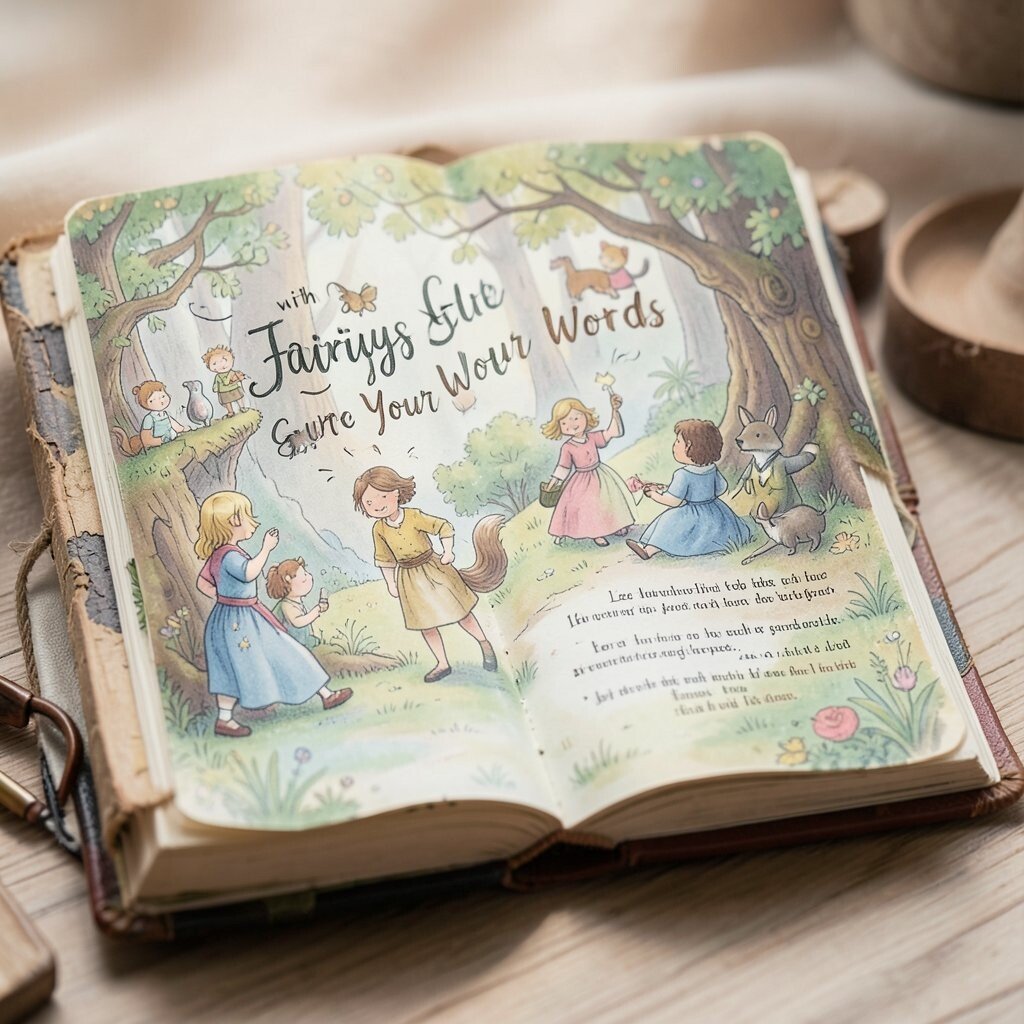
If you plan to include pictures, write with the image in mind. Think about what the page might show: a moonlit staircase, a glowing jar, or a bakery window full of enchanted buns.
When your description is visual, your child can imagine it even without drawings. It also helps you choose meaningful objects to repeat across scenes, like the same lantern or the same peculiar door handle.
Even if you never draw, you can describe like you are holding a picture frame. Ask yourself what color the magic is, what shape it takes, and where the light lands. Those questions naturally sharpen your writing and make scenes pop.
21. Revise by Listening to a Read-Aloud Voice

Revision works best when you hear the story. Read it aloud slowly and notice where you stumble or where your voice feels bored.
Fix sentences that feel too long or unclear, and strengthen the moments that make you smile. When something lands well, keep it, because children often love what hits your heart.
After revisions, personalize one final layer by adding a small family detail. Maybe the hero’s lunch box has the same color as your child’s, or the song in the story matches a tune they already know. That tiny connection makes the fairy tale feel like it belongs to them.