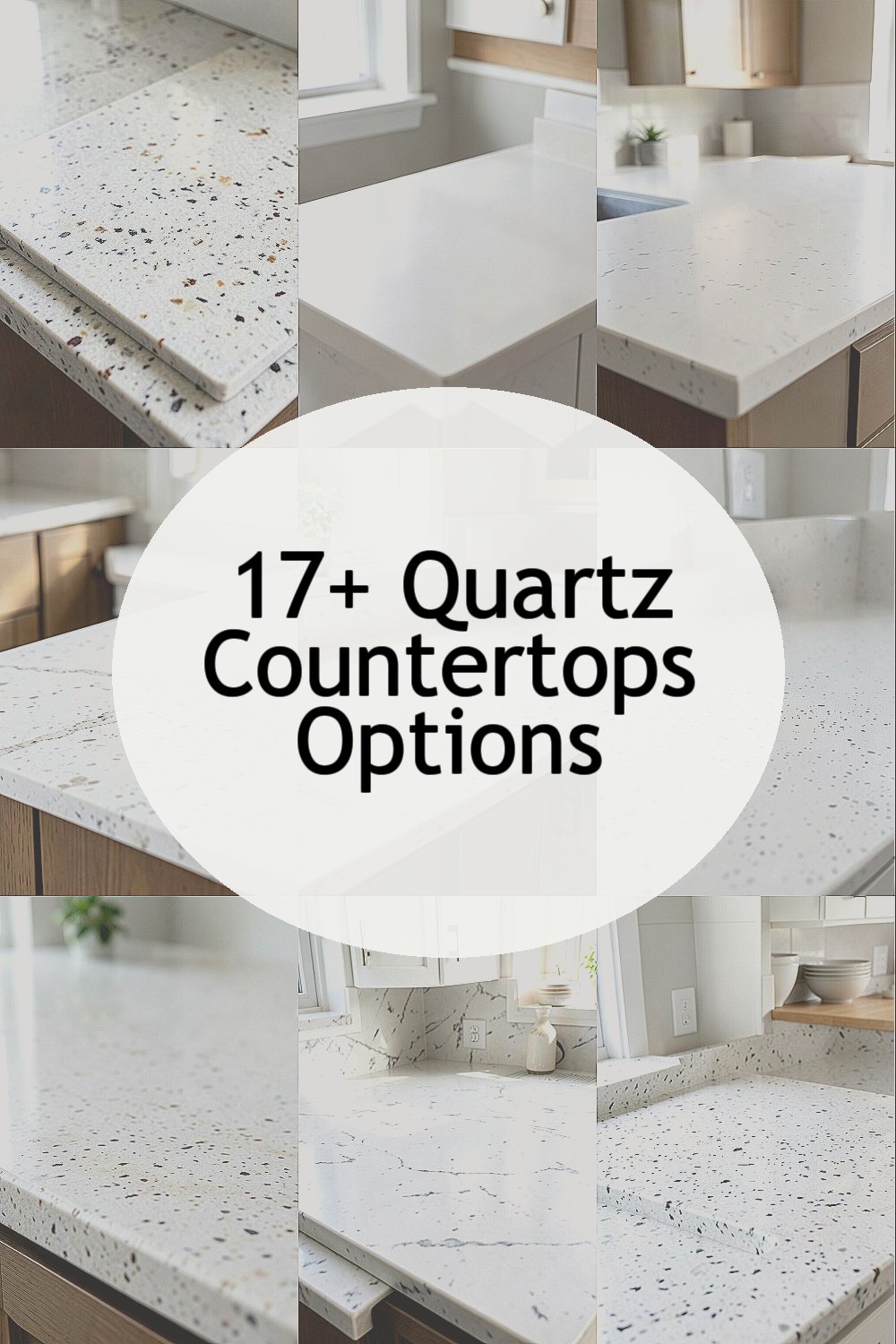
Your kitchen deserves a surface that looks great and keeps up with real life. The best part is you can get that quartz look without paying top-dollar.
1. Stock-Color Quartz Slabs

Stock-color quartz countertops can look surprisingly luxe while staying budget-friendly. You often get fast production because the colors are already common in fabricator catalogs.
In your kitchen, the result is a clean, even surface that catches light and makes the room feel brighter. Choose a quartz pattern that fits your cabinets, like soft whites for airy spaces or warm grays for cozy tones. For practical results, match undertones carefully so the counter color doesn’t clash with your backsplash grout.
2. Low-Gloss or Matte Finishes
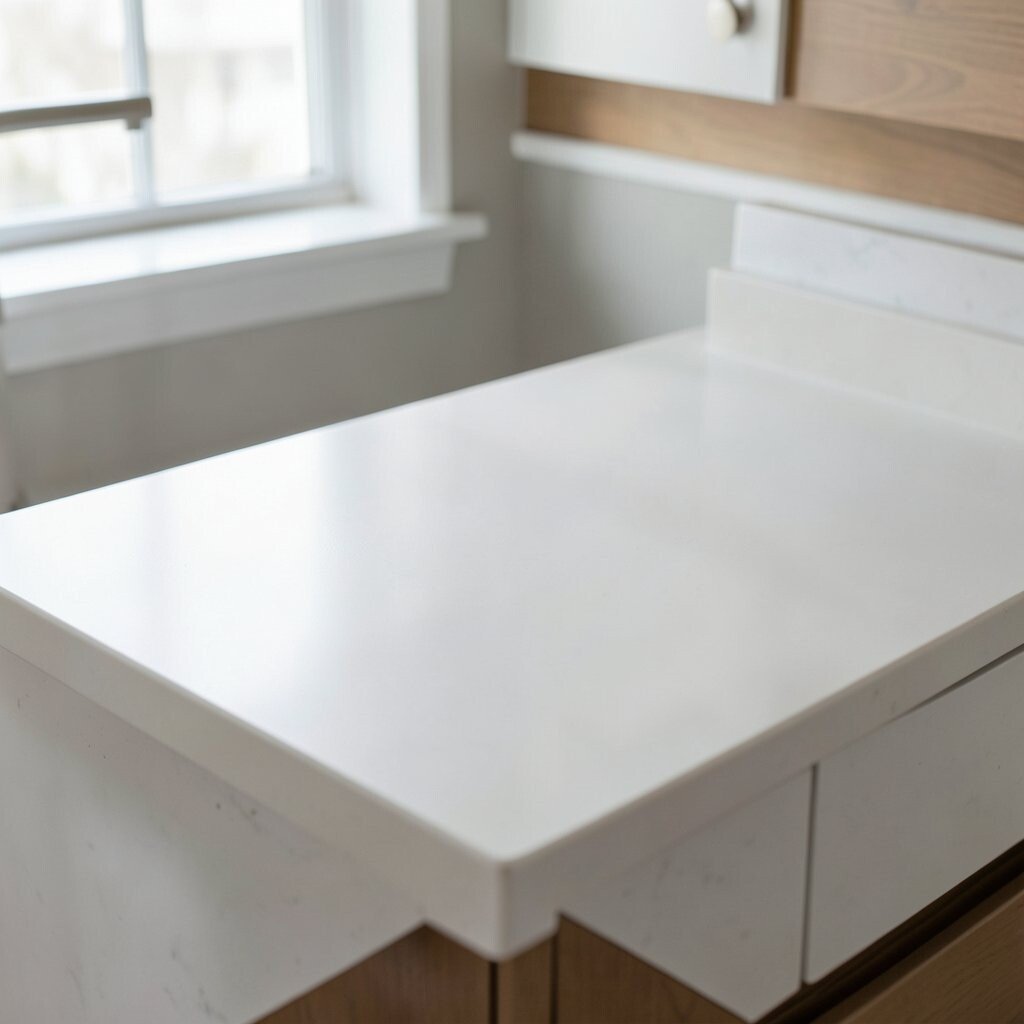
If high shine feels too fancy for your daily routine, matte quartz can be a smart pick. The surface looks smooth and modern, and it hides small streaks better than glossy options.
As you cook and wipe down the counter, you will notice fingerprints are less obvious. To keep it looking fresh, use gentle soap and a soft cloth, and avoid abrasive pads that can dull even durable finishes. For personalization, pair matte counters with brushed metal fixtures or matte black hardware for a neat, consistent look.
Low-gloss also pairs well with current trends toward warm, natural textures. Many kitchens are leaning into calmer surfaces rather than heavy mirror effects, so this finish helps your design feel current without adding cost.
3. Thinner Installation for Same-Day Upgrades
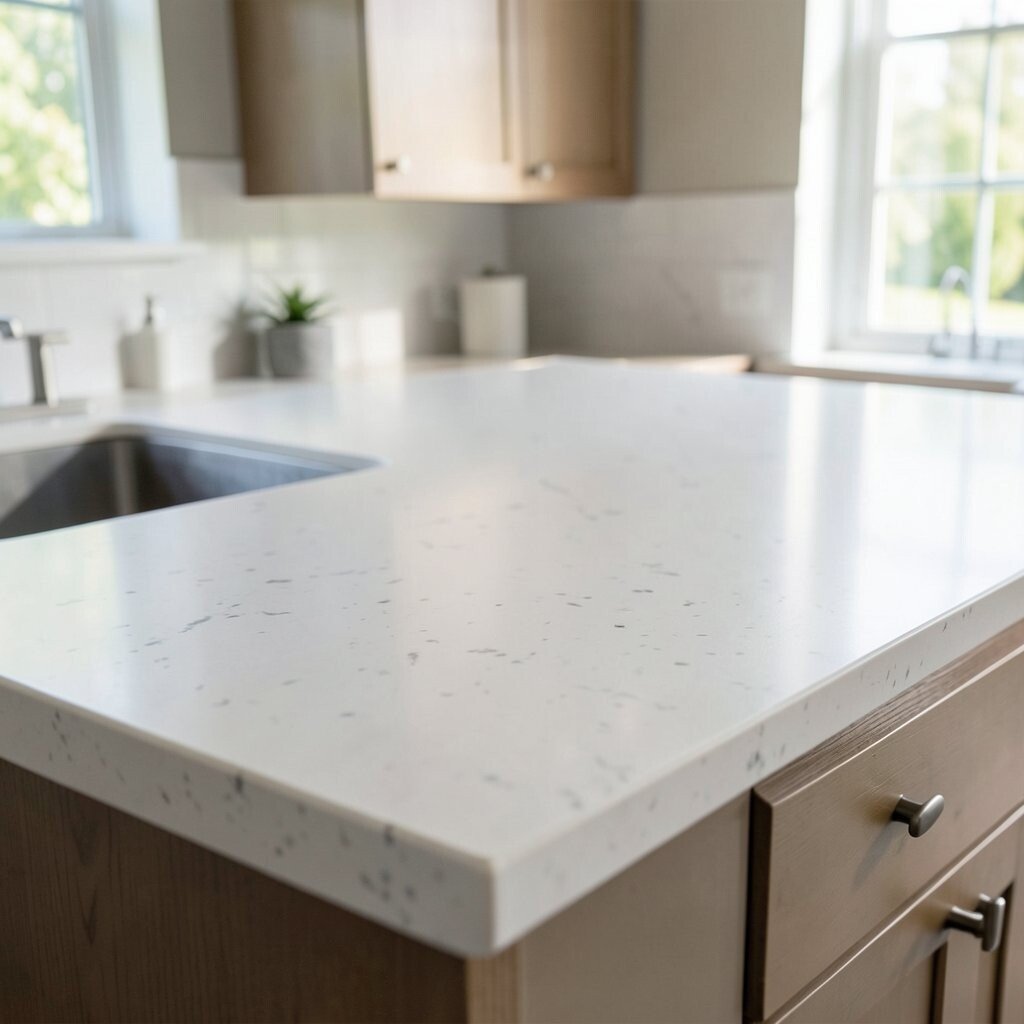
You can sometimes lower the overall project cost by choosing an installation thickness option that fits your layout needs. Some fabricators offer standard thicknesses that reduce material use and ease transport.
The look is still quartz, so you get the bright stone-like patterning across the front edge. Before ordering, ask how thickness affects your sink cutout support and edge strength so everything stays sturdy.
For visual impact, choose a slab with bolder movement on the main run and a simpler pattern on the return. That way, the counter looks like a designed feature even when you are keeping the budget controlled.
4. Pattern-Minimal Quartz That Hides Imperfections

Some quartz designs have subtle speckles or gentle veining, which can make installation seams blend more easily. This is useful when you want a neat, uniform look across multiple countertop segments.
In the space, the pattern reads as calm and tidy, which is great for small kitchens. It also helps fingerprints and everyday marks look less noticeable because the surface texture gives light something to break up. Keep your backsplash simple, such as a soft tile or solid sheet, so the quartz remains the main visual focus.
5. Remnant Slab Pricing for Best Value
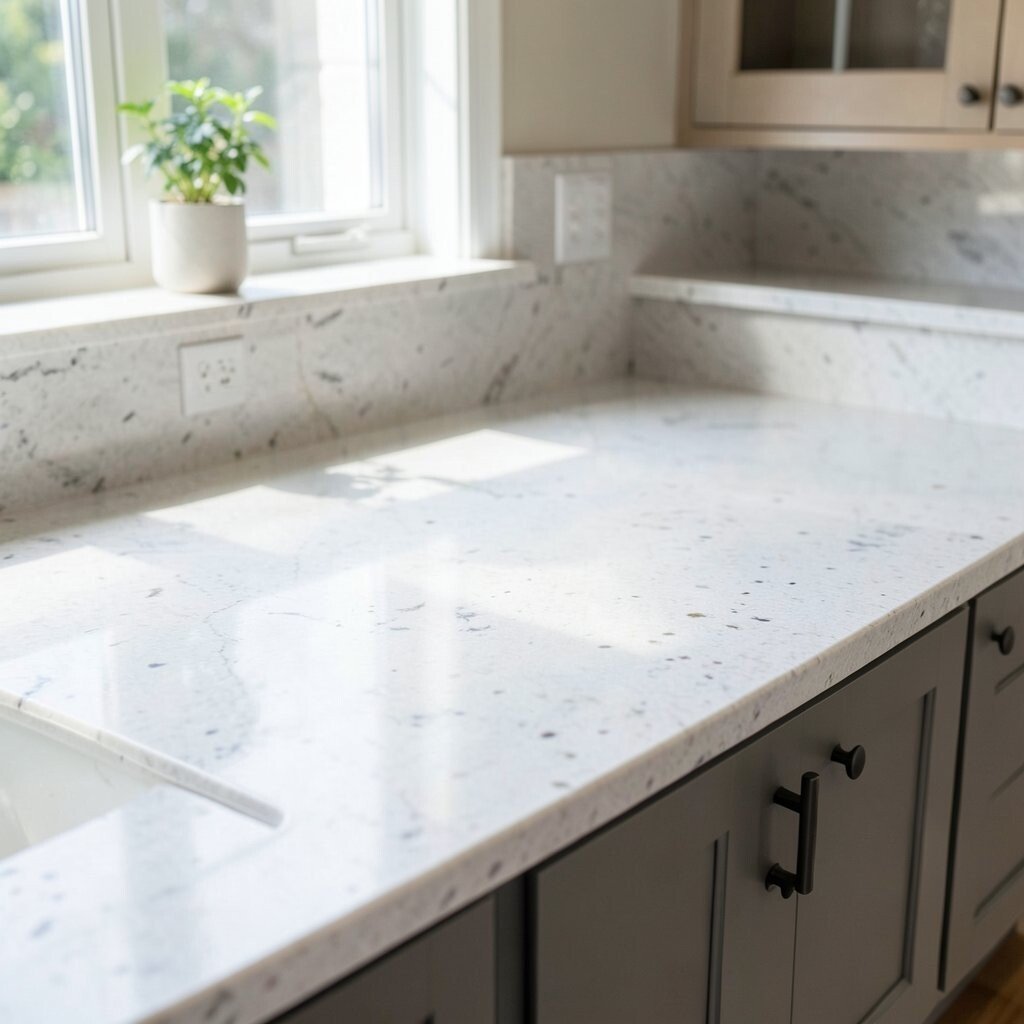
Remnant quartz slabs are leftover pieces that can bring the biggest savings. If your kitchen has smaller runs or you are doing a remodel in phases, remnant stock can fit nicely.
You still get the same strong, stain-resistant surface, and the pattern can be just as dramatic as full slabs. Ask your fabricator to show remnant photos in natural light because patterns can shift from batch to batch.
For practical planning, measure your longest run and consider whether you can reuse parts of the slab for an island skirt or a vanity top. Many people love this route because the “almost custom” feeling comes from choosing a slab that not everyone has.
6. Solid-Color Quartz for a Clean, Modern Face
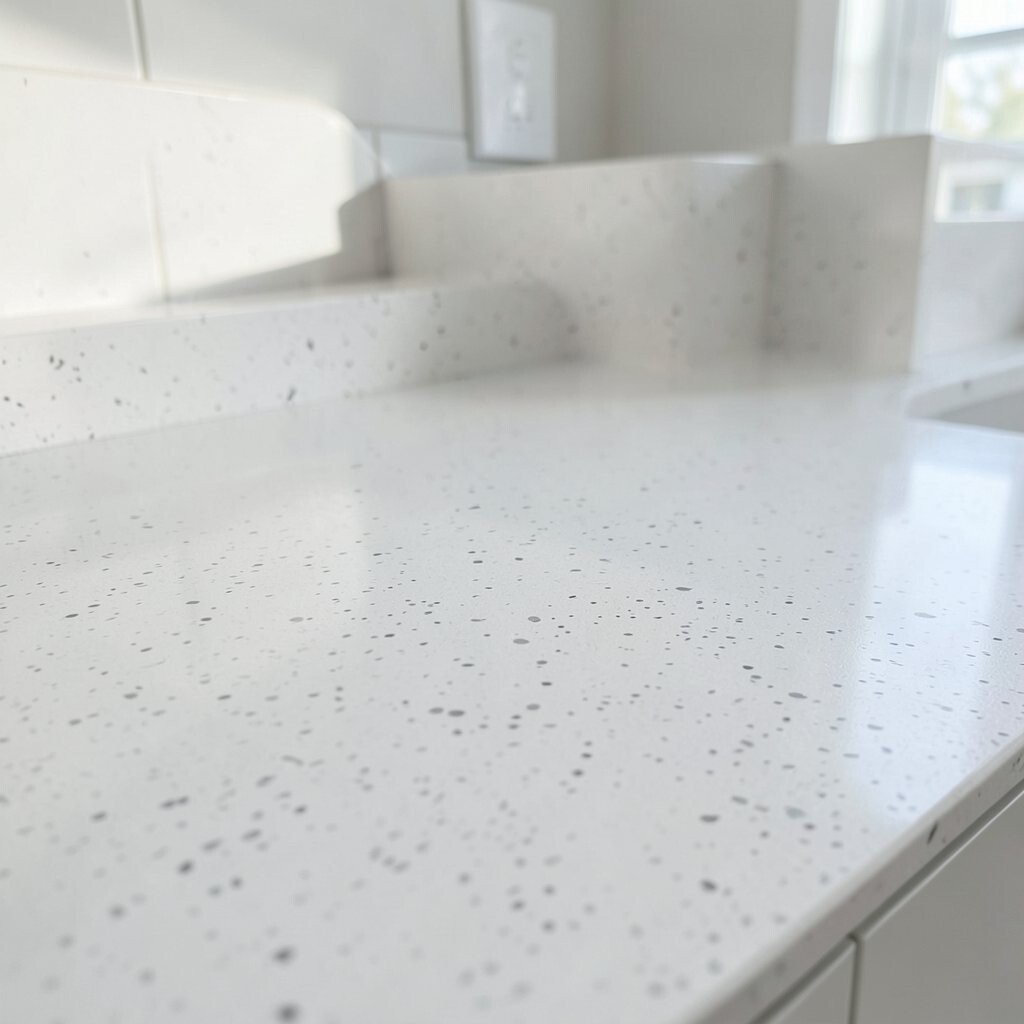
Solid-color quartz is often one of the most affordable ways to get the quartz look. Without busy veining, the surface stays timeless and works with almost any cabinet style.
The visual result is a smooth, consistent plane that makes your kitchen feel organized. If you want a modern look, pick a solid with tiny natural-looking flecks instead of a flat plastic-like finish.
Cost stays calmer because solid designs are easier for fabricators to cut and match, especially around seams and edges. Personalize with a bold faucet, a patterned rug, or warm wood barstools to add character where the counter stays simple.
7. Edge Profile Swaps That Lower Labor Costs
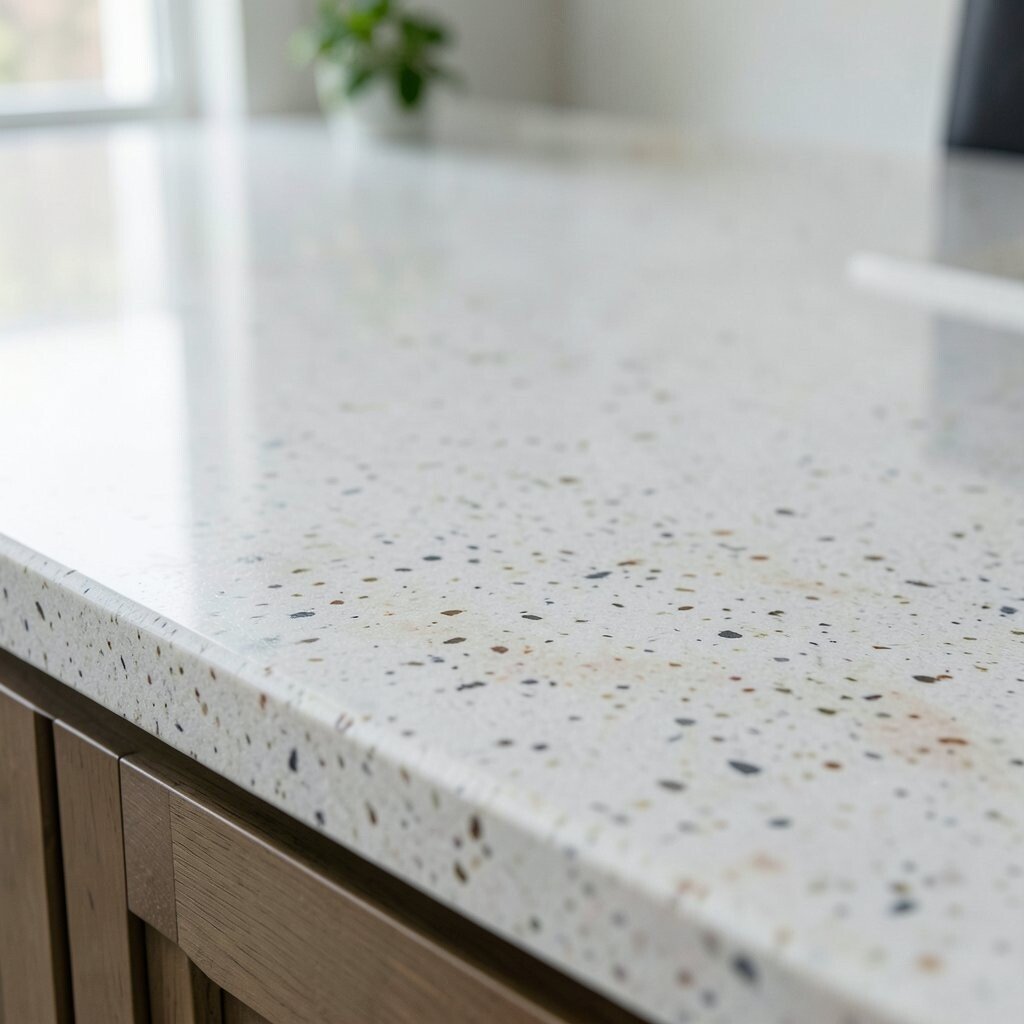
Edge details can quickly add up, so selecting a simpler profile can reduce labor without reducing beauty. A standard eased edge often costs less than fancy sculpted edges.
When you stand at the counter, you will still see a polished stone look, just with less dramatic shaping. Choose a profile that matches the style of your cabinets, such as a softer edge for traditional kitchens and a sharper eased edge for modern spaces.
To keep the counter feeling special, focus on color harmony and a well-fitted seam. You can also add a decorative under-mount sink or a matching backsplash to boost the impact without paying extra for complex edge work.
8. DIY-Friendly Template and Install Planning
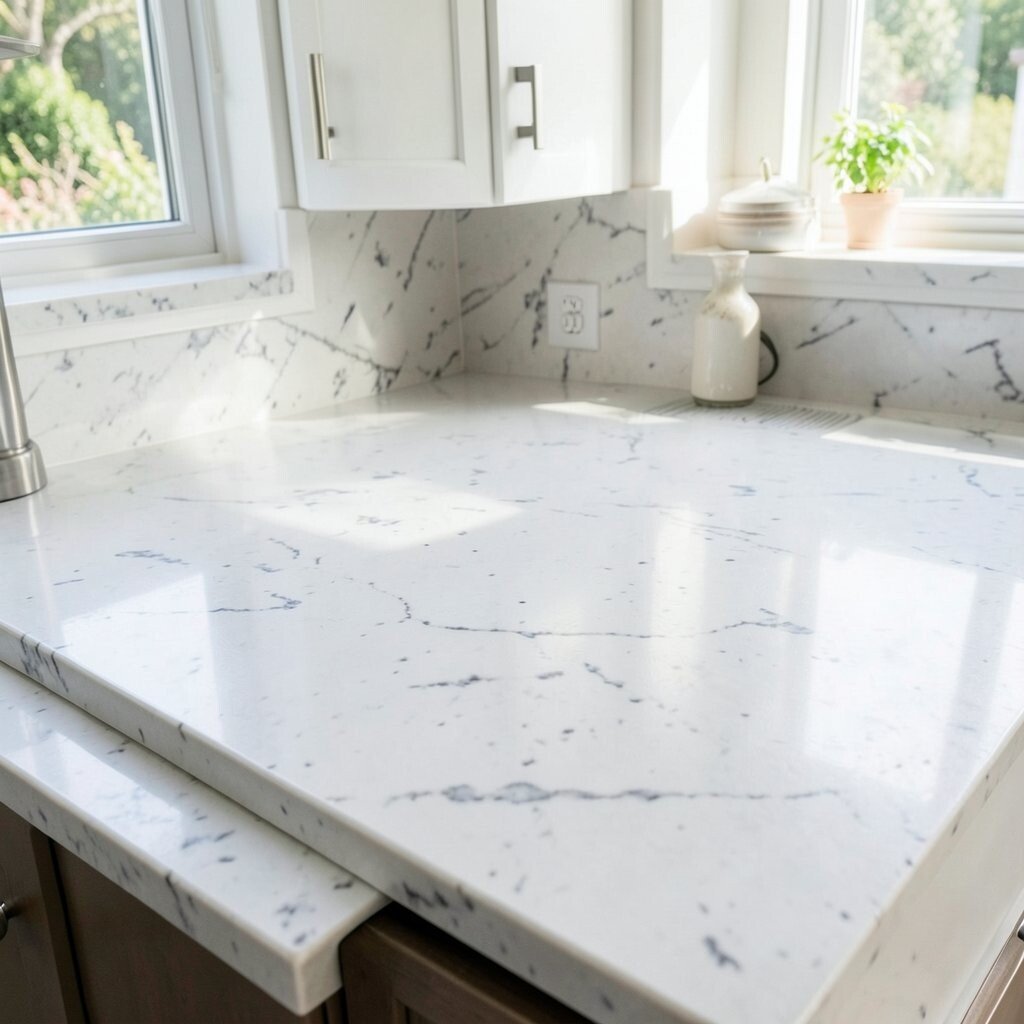
Even if you hire fabrication, you can save money by carefully planning the measurement and template process. Many projects run over budget when measurements are rushed or not double-checked.
Start by confirming cabinet alignment and verifying the exact overhang you want at each end. When your fabricator has accurate measurements, the shop can cut fewer remakes, which helps keep pricing reasonable.
9. Choose a Quartz Line With Seasonal Promotions
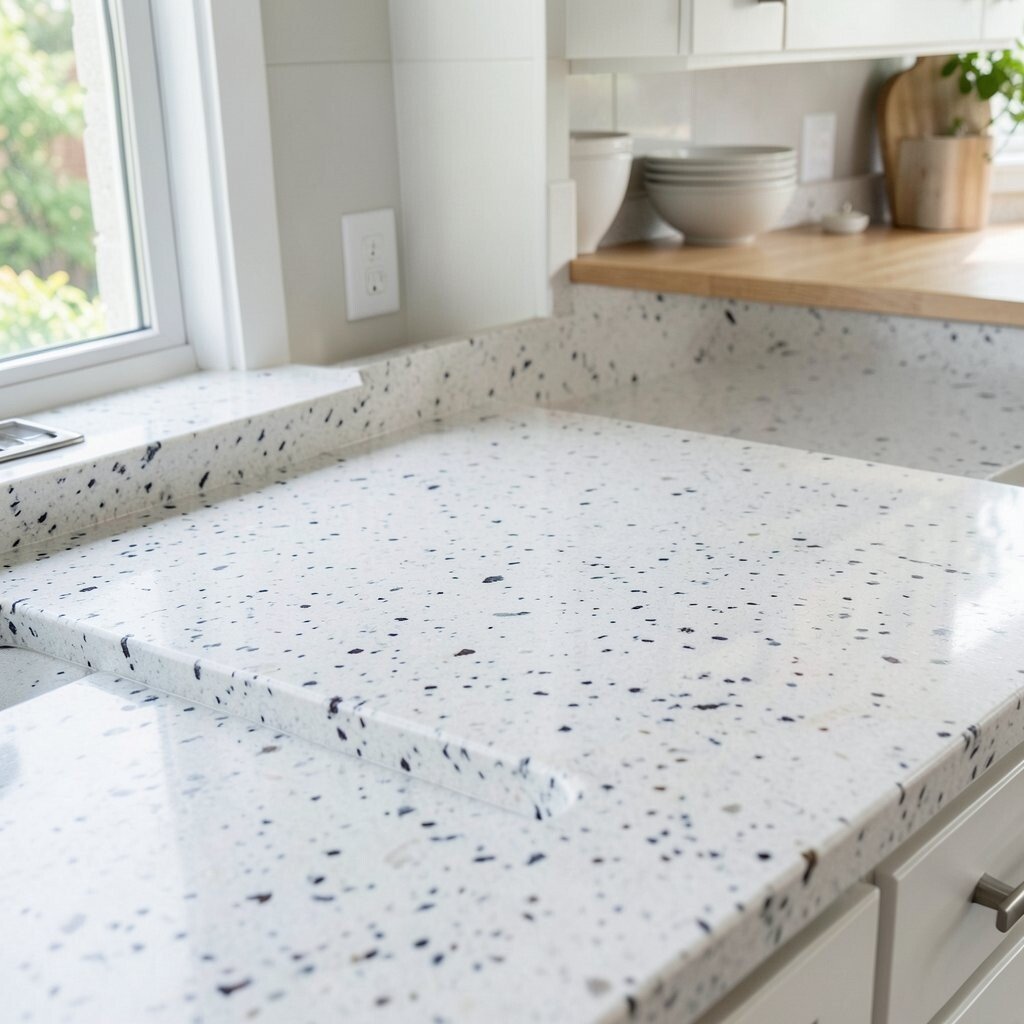
Fabricators sometimes run promotions on specific quartz lines to manage inventory and seasonal demand. Paying attention to local deals can help you land a better slab price.
The kitchen benefit is huge because you can upgrade your look while staying within the same spending comfort zone. Ask about current bundles like sink installation or edge upgrades included during promo periods.
For personalization, compare several sample boards in your home lighting rather than only the showroom lights. Colors can shift, so bringing a small decision tool home helps you avoid costly changes later.
10. Light-Weight Quartz Alternatives for Smaller Projects
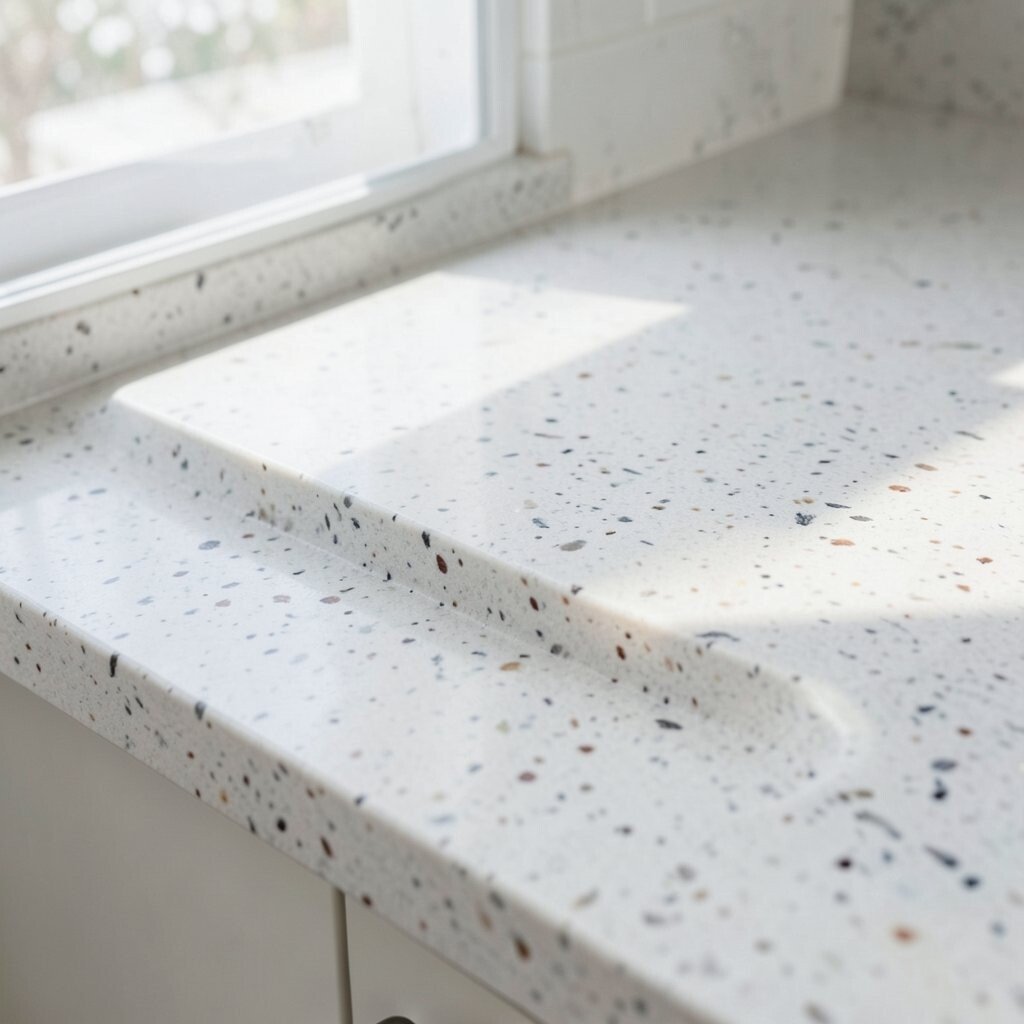
For kitchens with limited access or smaller countertops, some lighter options can reduce handling fees. While it depends on the fabricator, the shop may have more flexible logistics for certain quartz systems.
In day-to-day use, the surface still behaves like quartz, meaning it resists stains and wipes clean fast. Practical planning matters here, so confirm that the system your installer uses supports your sink and faucet openings.
If your project is an update rather than a full remodel, lighter handling can also shorten downtime. It helps you keep cooking and cleaning with fewer days out of commission.
11. Use Budget-Friendly Quartz for Laundry or Bar Areas
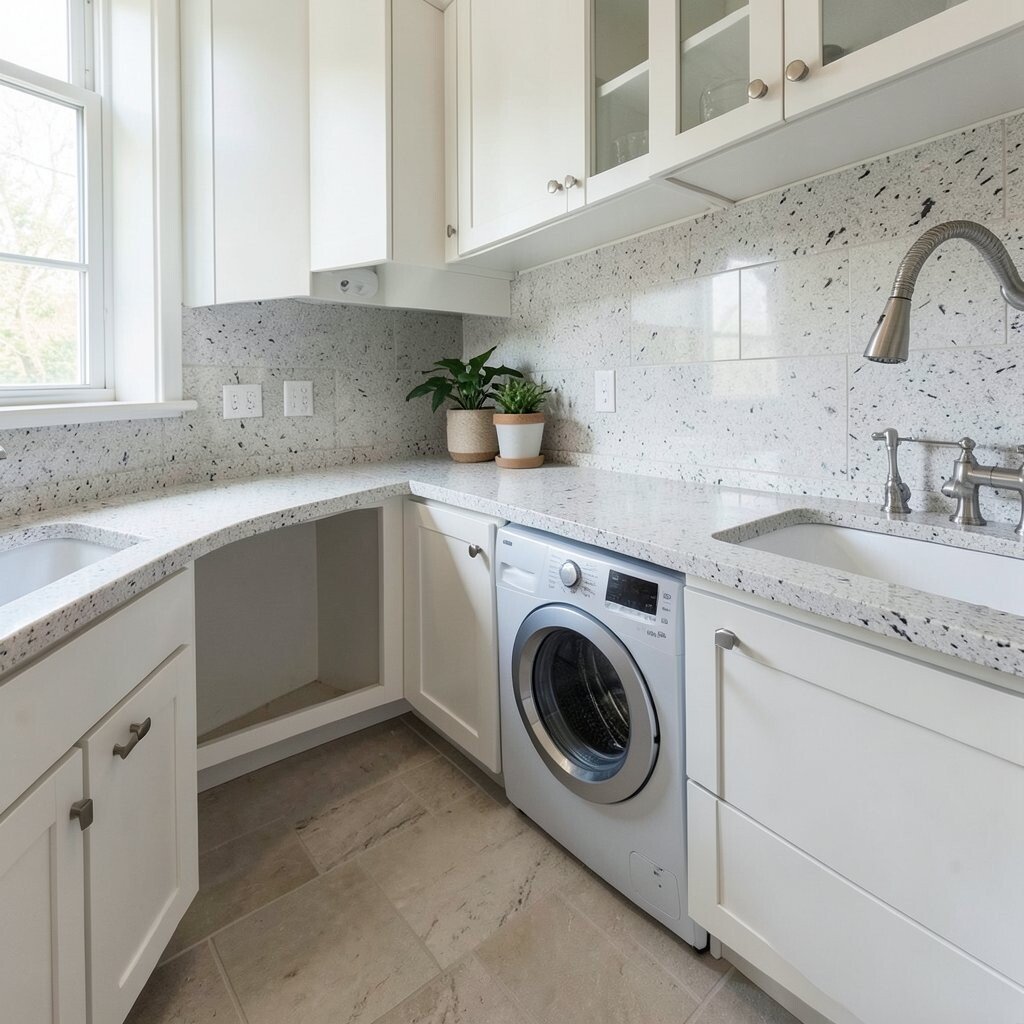
Buying quartz for a supporting space, like a laundry room counter or a home bar, can stretch your budget across the home. These areas often use smaller surfaces, so the per-room cost feels easier.
You get to enjoy the look and durability where you will truly appreciate it. Quartz stands up to spills, splashes, and frequent wiping, which means fewer stressful mess cleanups.
For personalization, coordinate the bar counter with the kitchen through subtle color overlap. Matching undertones between spaces makes the whole home feel designed even when the budgets differ.
12. Match Cabinet Color With Warm Gray Quartz
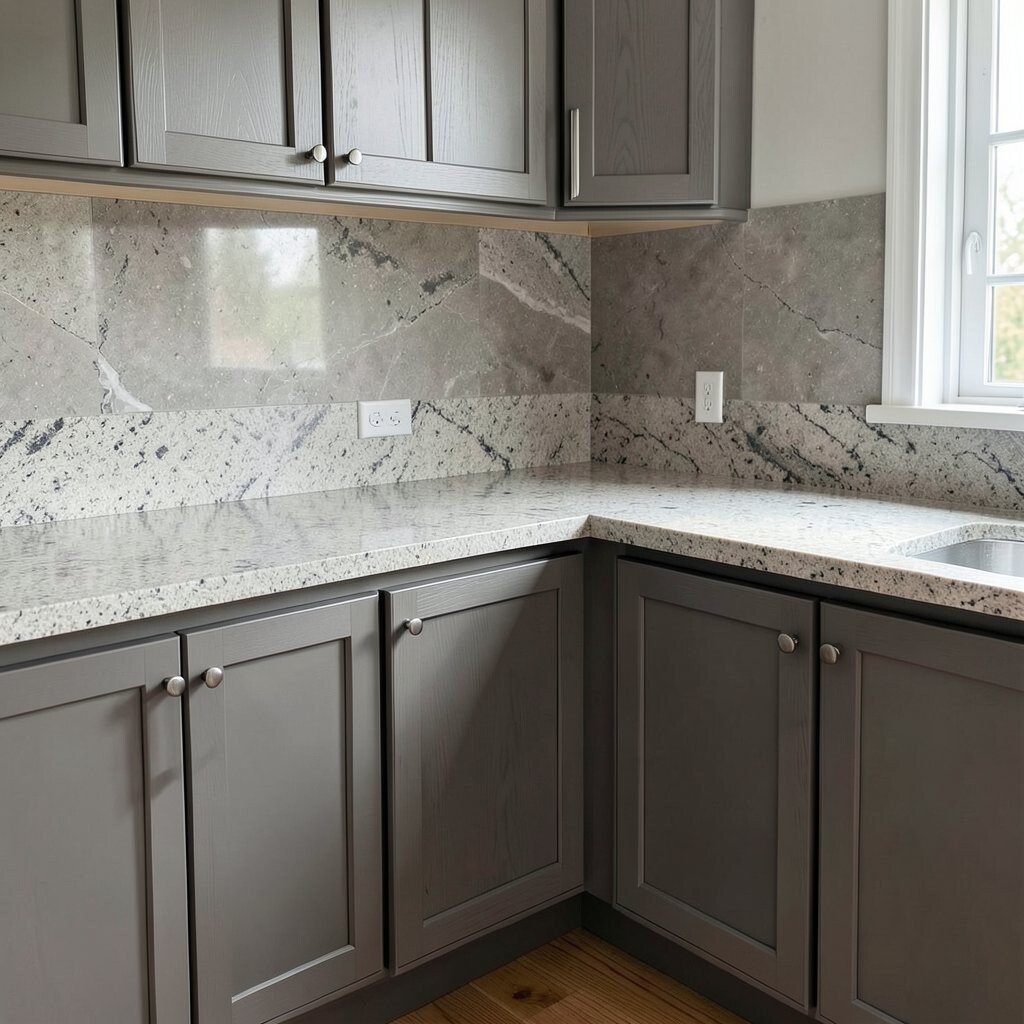
Warm gray quartz often lands in a sweet spot between popular and affordable. It complements wood tones and many cabinet finishes without looking cold or harsh.
When light hits the surface, warm gray can look like soft stone with gentle depth. To make the look work, test a sample under both morning and evening lighting since gray can shift.
Cost considerations are practical here, because many manufacturers keep warm grays in production more often. That steady availability can mean lower remakes and smoother scheduling, which can protect your total price.
13. Go for Versatile White With Subtle Movement

White quartz is a classic choice, and the right version can feel elegant without demanding a premium price. Look for white slabs with soft movement rather than dramatic high-contrast veining.
In your kitchen, it brightens countertops visually and helps dark cabinets feel less heavy. It also pairs well with almost any backsplash style, from simple subway tile to modern slabs of glass.
If you want personalization, choose a quartz sample that includes warm beige flecks for a cozy vibe. That small variation can keep the white from feeling too sterile, especially in kitchens with minimal natural light.
14. Reliable Fabricator With Clear Material Pricing

The best cheap quartz option is sometimes less about the slab and more about the pricing structure you choose. A fabricator who explains material and cut fees clearly helps you avoid surprise add-ons.
When the estimate is transparent, you can decide where to spend and where to save. Ask what is included in the quote, such as edge finishing and sink cutout work, so you can compare apples to apples.
For practical tips, request that they show seam layout on a diagram. Smart seam placement can improve the final look and reduce the chance of costly rework.
15. Choose a Pattern That Limits Waste on Your Layout

Every kitchen layout creates different cutting waste, and that waste can affect your countertop quote. Selecting a pattern that is easier to match across runs may help fabricators use slabs more efficiently.
You can often get a more affordable price when the quartz design requires less precise alignment. In the finished kitchen, the counter still looks cohesive because the pattern is consistent from run to run.
To get this benefit, share your floor plan with the fabricator early and ask about recommended slab choices based on your measurements. Personalizing the pattern placement with a favored visual section can still be possible even in a budget-friendly approach.
16. Pre-Installed Sink Support Packages

Some kitchen upgrades fail when the sink area isn’t planned well, which can add cost later. Using a pre-installed support package can prevent wobble and reduce extra labor.
The benefit is a sturdier countertop around the sink, which matters for daily tasks like loading the dishwasher and rinsing heavy pots. Quartz resists moisture, but proper support still keeps everything feeling solid.
For personalization, align the sink type with your lifestyle, such as choosing a deeper basin for meal prep or a lower divider sink for smaller spaces. When the support plan is right from the start, you get peace of mind without spending more than necessary.
17. Coordinate With Backsplash Colors for a High-End Look
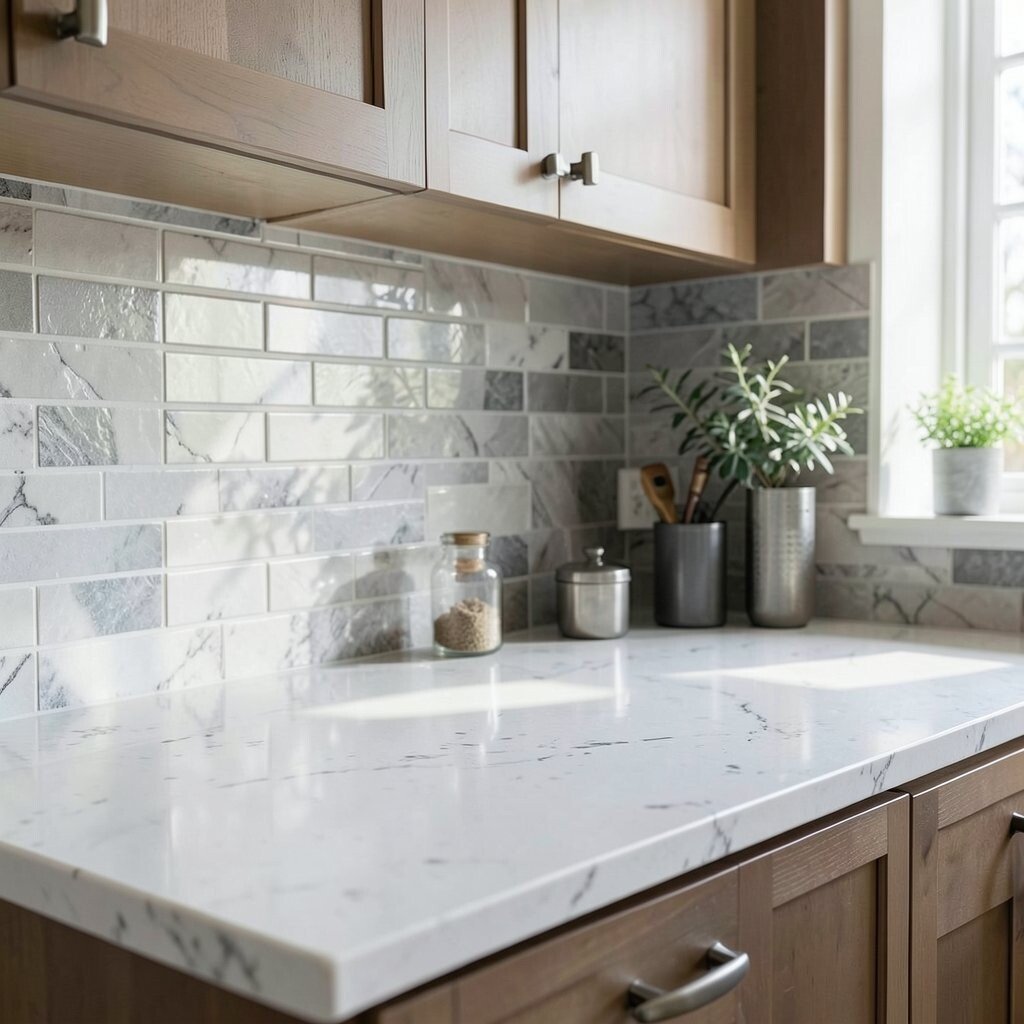
Sometimes a cheap quartz countertop looks expensive simply because the backsplash makes it feel like a designed set. Coordinating colors helps the kitchen read as intentional, even when you saved on the slab.
Pick a backsplash that echoes undertones in the quartz, like soft warm whites for warm gray counters or cool whites for cooler stone looks. This reduces visual friction and makes the counter look smoother and more premium.
For practical planning, choose grout color early, because grout can either enhance the quartz movement or clash with it. A consistent grout tone often makes the whole surface feel cleaner and more expensive.
18. Seasonal Color Trends in Affordable Quartz Lines

Current trends often shift toward warm neutrals, gentle stone veining, and calm tones that blend with open shelving. Many affordable quartz lines can match these trends closely without requiring high-end slab pricing.
When you choose a trendy-but-tame pattern, the kitchen stays stylish longer and feels fresh when you update accessories. Personalize with matching cabinet pulls, tray styling, and lighting that flatters the counter surface.
For cost considerations, trending colors might be more available in local inventory, which can lower wait times and reduce fabrication stress. Talk with your fabricator about the popular colors they expect to restock quickly, so your project stays on schedule and within budget.