The best ideas often show up when your mind has room to breathe. Give yourself a few bright corners and watch your thinking loosen its grip.
1. Sunlit Window Seats

A sunlit window seat turns ordinary light into a daily mood boost. Sit there with a notebook and let the gentle glow make writing feel easy and natural.
Choose a spot where you get at least part of the day’s brightness, even if the view is simple. Add a soft cushion, a small tray for pens, and a mug you like the look of so the space feels inviting. If you’re on a budget, use thrift-store pillows and a clean, bright throw to make it feel new.
2. Quiet Hallway Walking Loops
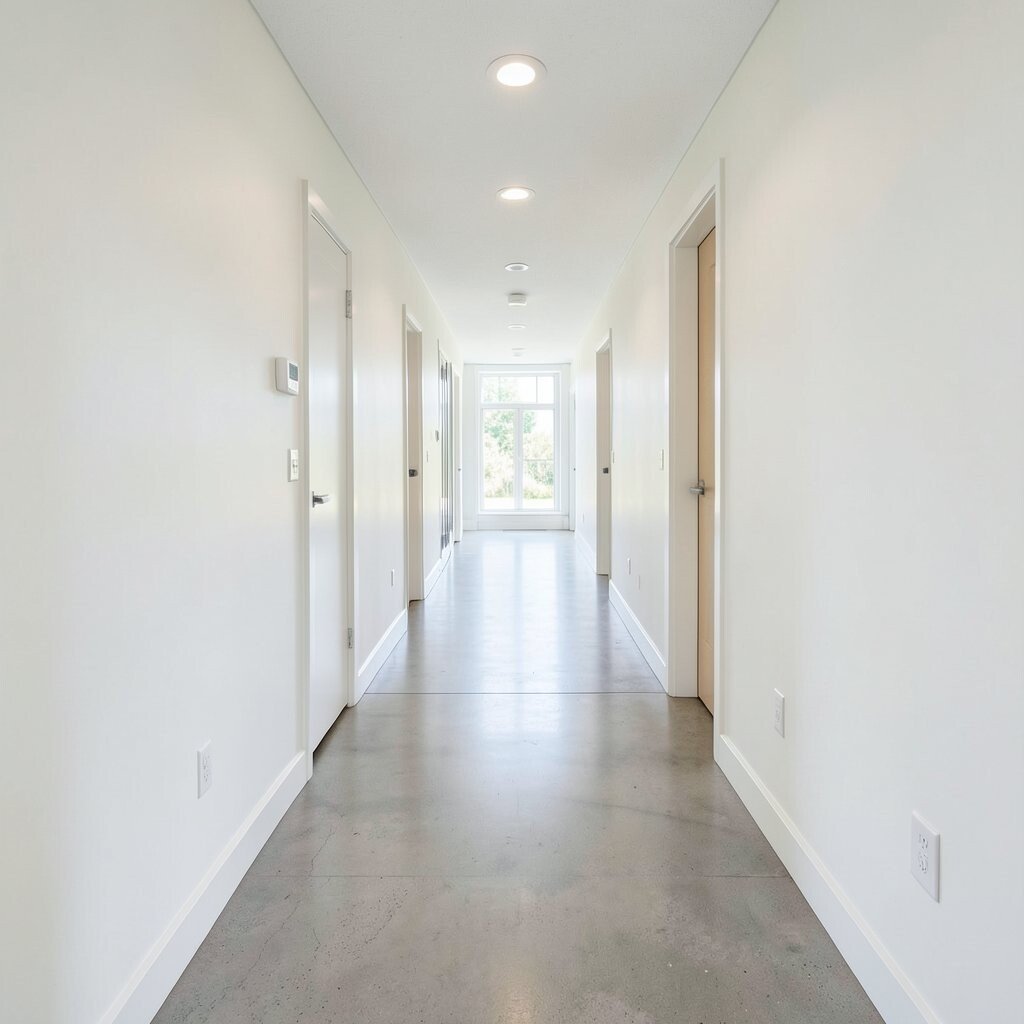
A narrow hallway can become a thinking track when you use it on purpose. A loop with consistent steps helps your mind switch from stressed to steady.
Try a simple rhythm: walk slow for a few minutes, then stop and jot down what came to mind. Keep a tiny pocket notebook nearby so you can capture small sparks before they fade.
For personalization, match the route to your goals by timing different types of thinking, like creative questions on weekdays and problem-solving on weekends. This approach fits modern routines too, since many people now mix movement with focus instead of treating them as separate things.
3. A Whiteboard Wall With Soft Lighting
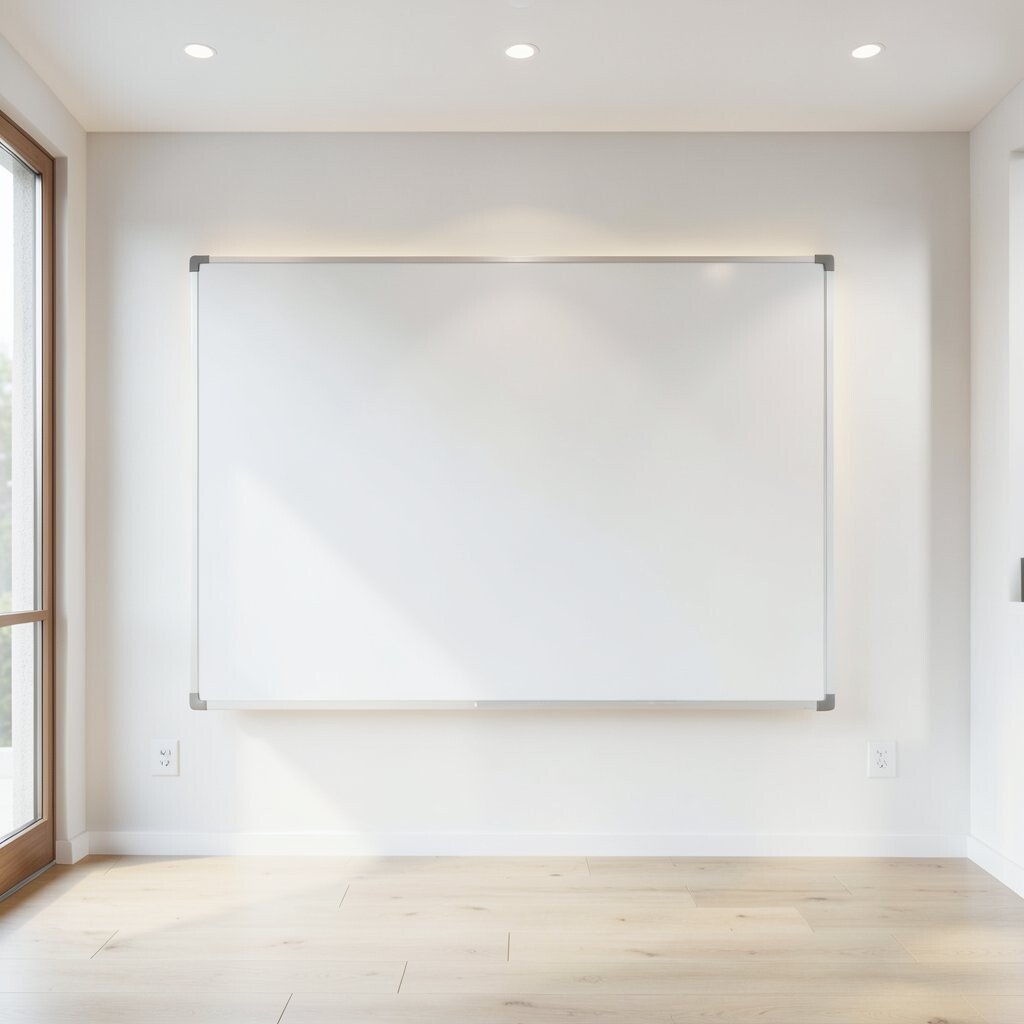
A whiteboard wall feels bold, like a blank page that never goes away. Bright, even lighting makes it easier to read your own ideas and adjust them fast.
Use bold markers in two colors so you can separate themes at a glance. Try adding a small lamp rather than relying only on overhead lights, since glare can ruin your flow.
For uniqueness, sketch simple icons for your projects, like a tiny rocket for goals or a leaf for habits. If you want low cost, buy a used whiteboard and add a magnet strip to keep markers within reach.
Make it practical by setting a daily start question, then write answers as they come. Many teams now use visual thinking boards for quicker clarity, so your home version can feel just as useful.
4. Minimal Desk With One Inspirational Object
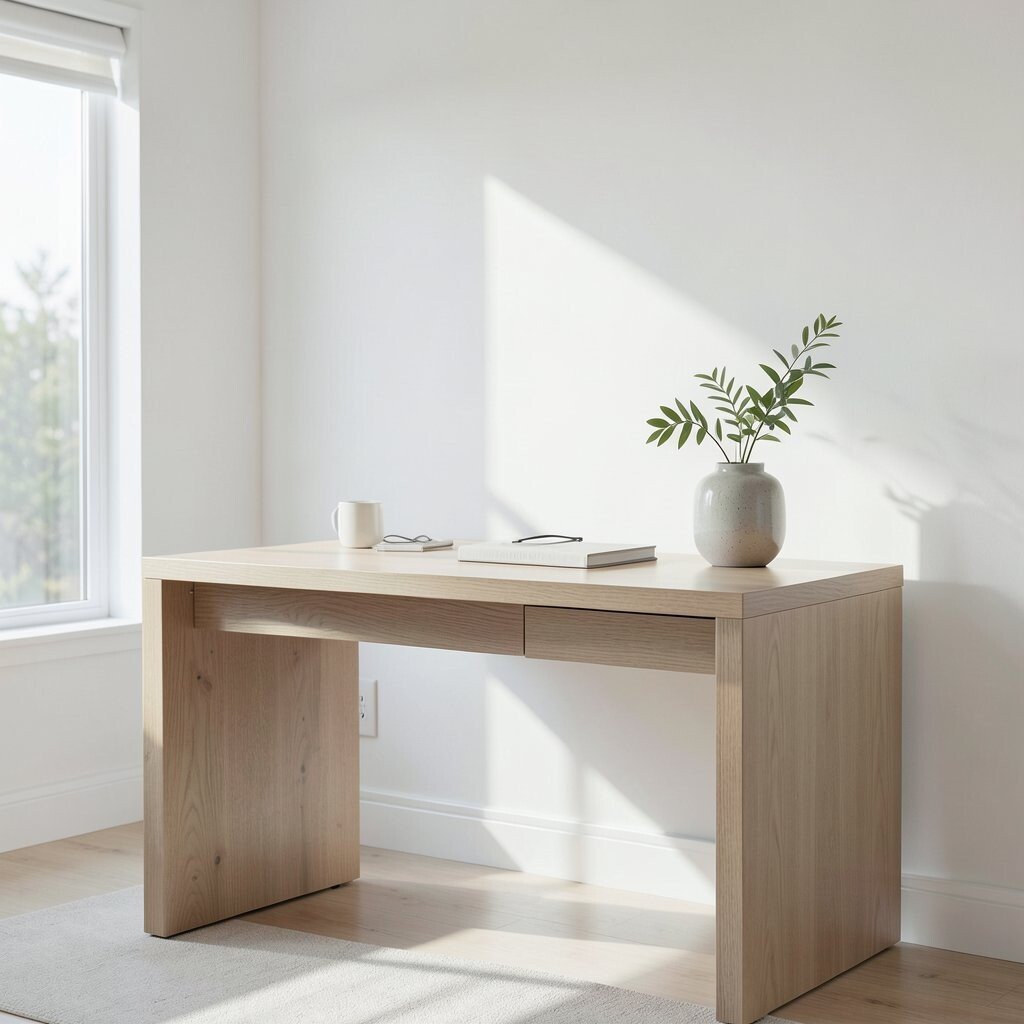
A minimal desk can be more powerful than a cluttered one. When your eyes land on one meaningful object, your brain often remembers what matters.
Pick something that sparks calm, like a polished stone, a plant in a small pot, or a photo with warm colors. Keep everything else off the desktop so your work area stays clear and your attention stays strong.
Consider light upgrades that cost less than you think, such as a basic lamp with a daylight bulb. Pair it with a simple organizer so supplies feel close without taking over the space.
To personalize, rotate the object based on your mood, like switching to a reminder of travel when you need a creative push. This matches today’s trend toward intentional home setups that support focus without harsh distractions.
5. Community Notice Board Corner
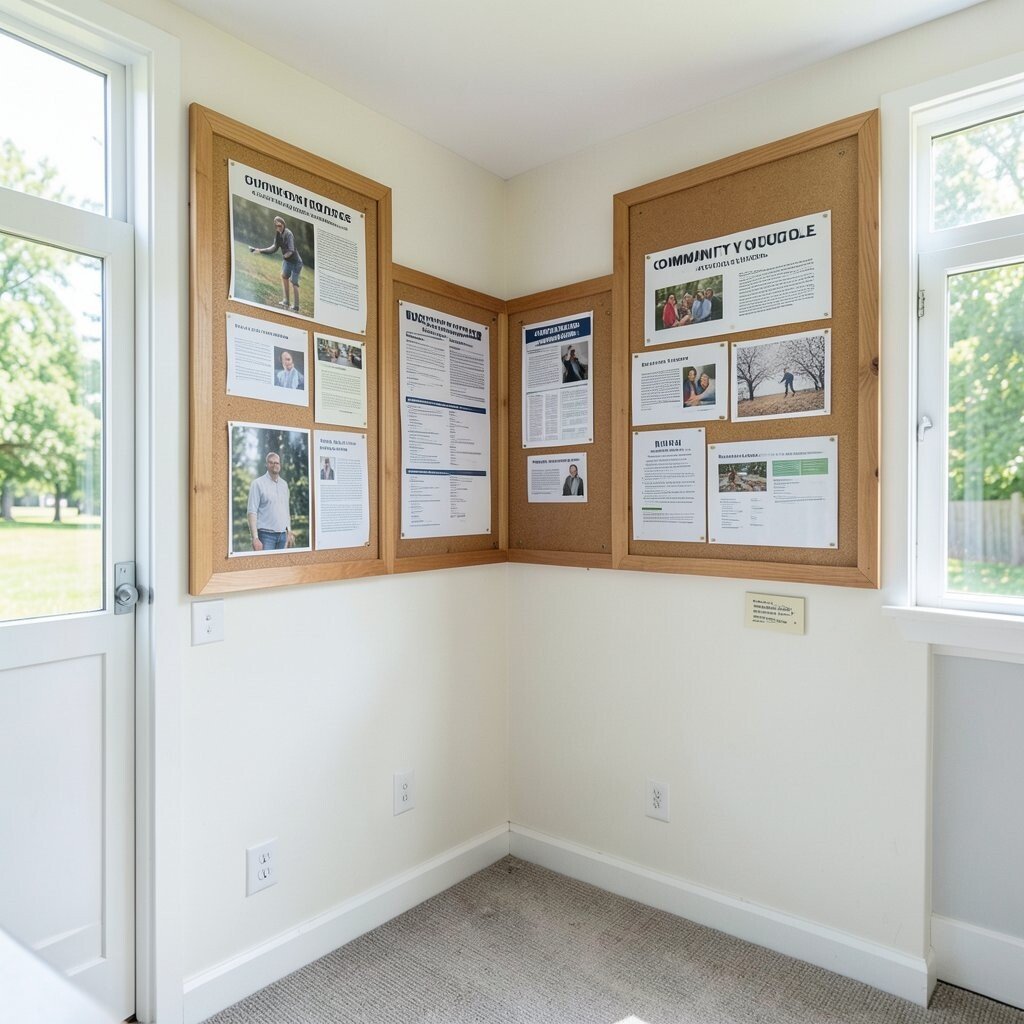
A community notice board corner is like a living scrapbook for your neighborhood. Fresh ideas grow when you see what other people are doing and thinking about.
Pin up a small mix of things you care about, like local events, charity calls, or maker workshops. Add a folder for printed ideas so the board stays tidy and easy to scan.
For personalization, include one monthly theme such as art nights, skill swaps, or book meetups. Even if you don’t post much, just reading flyers can spark conversations and new plans.
6. Elevated Reading Nook Under a Hanging Lamp
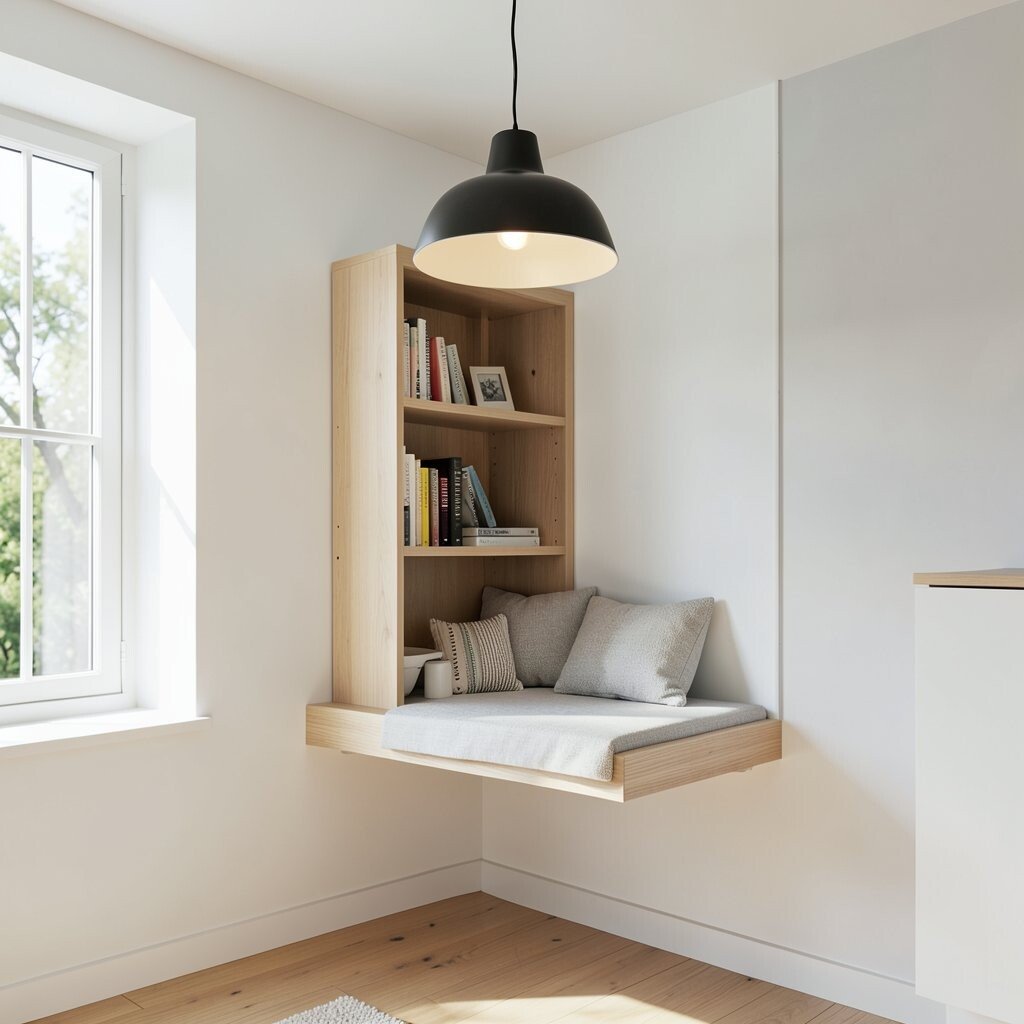
A cozy reading nook makes your home feel like a gentle retreat. When a hanging lamp casts warm light, even busy thoughts soften.
Create the nook with a small chair or a bench and a side table that holds just what you need. Add a lightweight blanket and a bookmark holder so your setup feels ready before you even sit down.
Use cost-smart moves like a thrifted lamp base paired with a new shade, or a simple LED bulb for steady brightness. If you want something unique, hang a few fabric strips or art prints nearby so the nook reflects your style.
For practical use, keep reading goals small, like one chapter or one short article at a time. Current habits show many people are returning to quiet reading for focus and stress relief, and a dedicated nook makes it easier.
7. Open-Top Storage Shelf for Visual Prompting
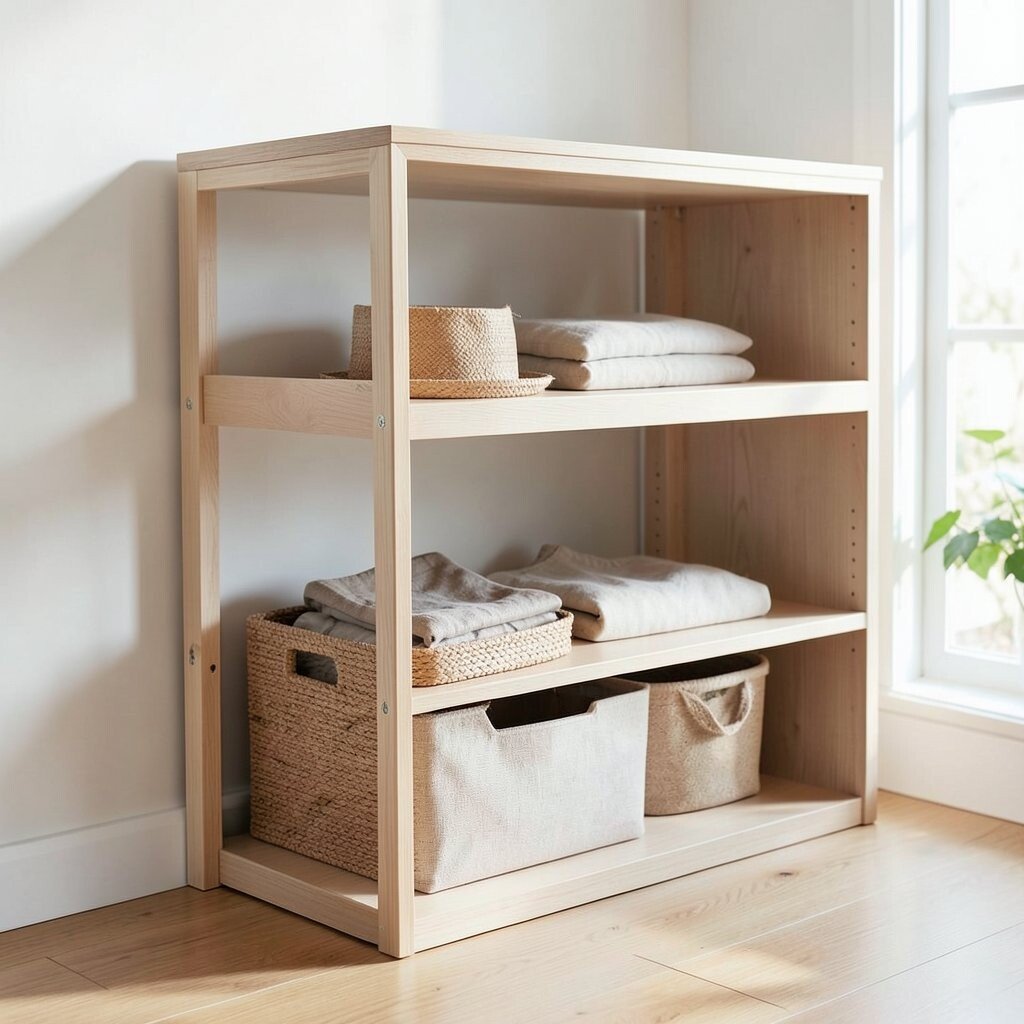
An open-top storage shelf turns your room into a gentle idea station. Instead of hiding everything away, you show the tools your brain may need.
Place items in categories by look, not just by label, like writing supplies together and craft basics together. When the shelf is visible, you waste less time hunting and more time starting.
To make it feel unique, use a color palette that matches your home, like soft creams, muted blues, or natural wood tones. You can keep costs low by using basic shelves and adding simple baskets or boxes that already fit your style.
For personalization, add a small rotating “current project” section so you always know what to pick up next. This fits a current trend toward visible organization, where people build workflows around what they can see in seconds.
8. Bright Kitchen Counter for Rapid Experiments

The kitchen counter is prime territory for fresh ideas because it’s where life happens. A bright, cleared section lets you test recipes, sketch menus, or plan simple projects without delay.
Use one part of the counter like a mini lab where you can place ingredients, paper, or tools. Keep it practical by wiping it clean at the end of the day so it stays inviting instead of messy.
For uniqueness, put a small cutting board and a timer on display, like you’re preparing for creativity. Cost considerations are simple here since you can start with what you already own and add only one upgrade, such as a better light over the counter.
Personalize it by matching your experiments to your interests, like meal prep ideas for health or craft projects with safe, food-friendly materials. Many people now mix hobbies into daily routines, and the kitchen’s natural rhythm makes that feel effortless.
9. Outdoor Porch Zone With Portable Seating

An outdoor porch zone can make your home feel larger than its walls. Fresh air plus bright daylight often helps thoughts line up more clearly.
Choose portable seating like foldable chairs or a small bench that you can move around. Add a small table for a notebook and a drink so your outdoor time feels comfortable, not awkward.
Keep uniqueness by selecting textures and colors you love, like woven cushions or a bright throw that pops in the sun. For cost, look for secondhand outdoor pieces and focus on comfort first, since it’s what keeps you coming back.
Personalize with a simple ritual, such as writing down three wins after a short break outside. Current trends show more people using outdoor space as a work-friendly retreat, even with small setups.
10. Art Cart Near the Work Area
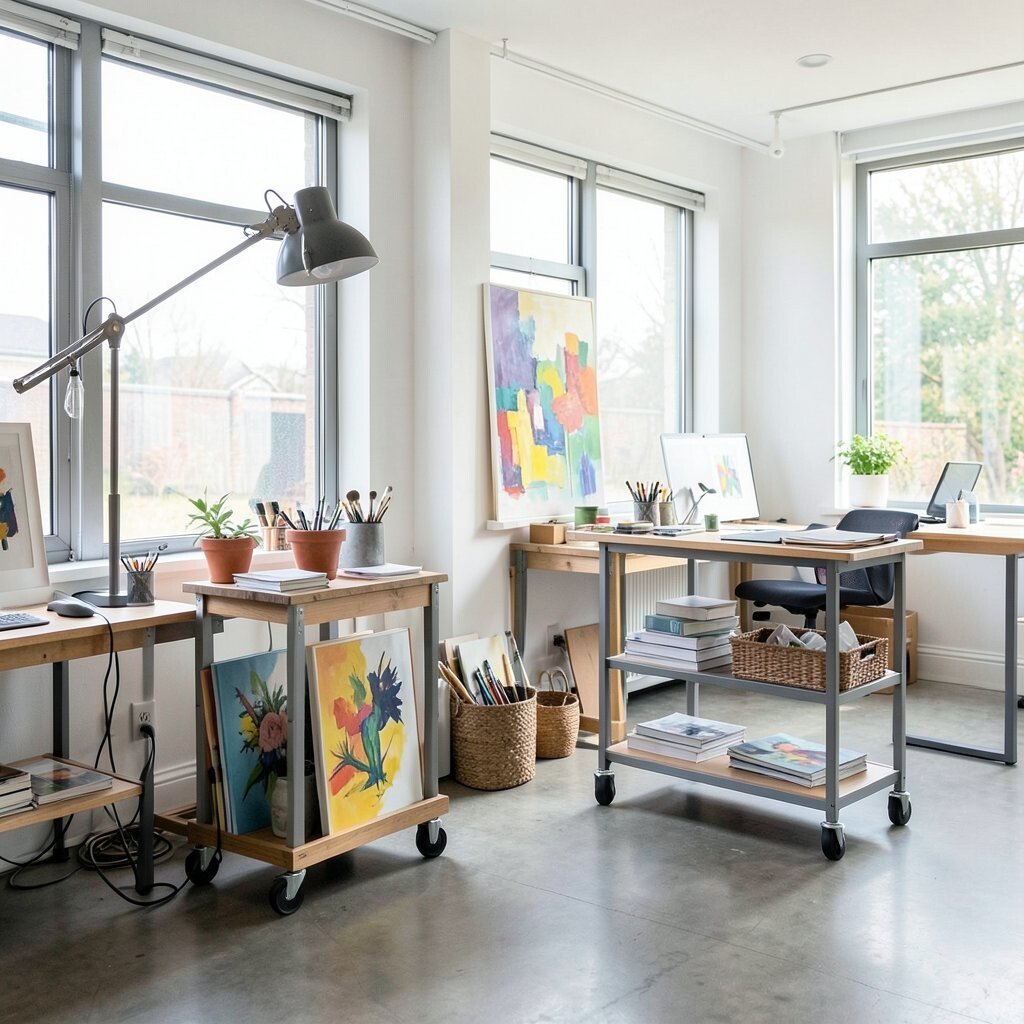
An art cart keeps creative tools close, which helps ideas feel reachable. When your supplies sit on wheels, you can start in seconds instead of planning for hours.
Put brushes, paper, tape, and paint where you can see them, then add a drawer for smaller stuff. A cart with bright lighting or a reflective surface can make colors look vivid and inspiring.
For practical tips, keep one clear goal for each session, like practicing shapes or making a quick cover page. Personalize by adding stickers, labels, or small color tabs that match your current mood.
Cost considerations are manageable because you can build the cart step by step, starting with a simple tray and a few essentials. This fits today’s maker mindset, where people treat creativity as a daily habit instead of a once-in-a-while event.
11. Empty Corner With a Floor Plant and a Small Rug

An empty corner can become a calm launch pad for new ideas. When you add one floor plant and a small rug, the area starts to feel like its own room.
Choose a plant that fits your light, and keep it near the window or a bright lamp. A rug adds warmth and helps you feel grounded when you sit down to sketch, read, or plan.
For uniqueness, pick a plant pot that stands out, like textured clay or a bright glazed finish. If you’re mindful about cost, start with a hardy plant and a rug from a discount store, then upgrade later if you fall in love with the look.
Personalize by placing a small basket next to the rug for things you use often, like pens or sketch pads. Many modern homes focus on “soft structure,” using a few intentional pieces to create comfort without filling every inch.
12. Craft Station With Clear Bins and Visible Steps

A craft station works best when you can see what comes next. Clear bins make materials easy to find, and visible organization lowers the mental effort to begin.
Use bins for paper, tools, and ongoing projects, then keep one extra space for “today’s step.” Arrange items so you can grab everything in one move, which is great when you want quick creative momentum.
For uniqueness, add small signs made from plain cards with handwritten phrases, so the station feels personal. Keep costs in mind by using jars, leftover boxes, or thrift-store organizers rather than buying everything new.
To personalize, set up a “practice pile” for small experiments that don’t need finishing. Current trends in creative productivity suggest building systems that reduce friction, and a craft station is one of the easiest systems to maintain.
13. Personal Project Shelf With Rotating “Now” Cards

A personal project shelf gives your home a sense of direction. When you rotate what’s “now,” your space stays fresh and you avoid feeling stuck.
Place three or four project items where you can see them, like books, kits, or printouts, then keep a clear spot for what you’re currently ready to work on. Use small cards to label each item with your own friendly wording, such as what you want to learn or what you want to finish.
For practical tips, set a short weekly routine where you swap the cards and clean only the top surface so it stays manageable. Personalization matters here, so choose card colors or themes that match the season or your goals.
Cost considerations are flexible since you can use a shelf you already have and add only a few cards or stands. This approach matches a growing trend toward “small batch planning,” where people set up multiple options and then pick one based on energy.