The black circle feels simple, yet it can hold worlds. When you keep it at the center of your page, your creativity starts to behave like a magnet.
1. Orbit Lines That Feel Like Music
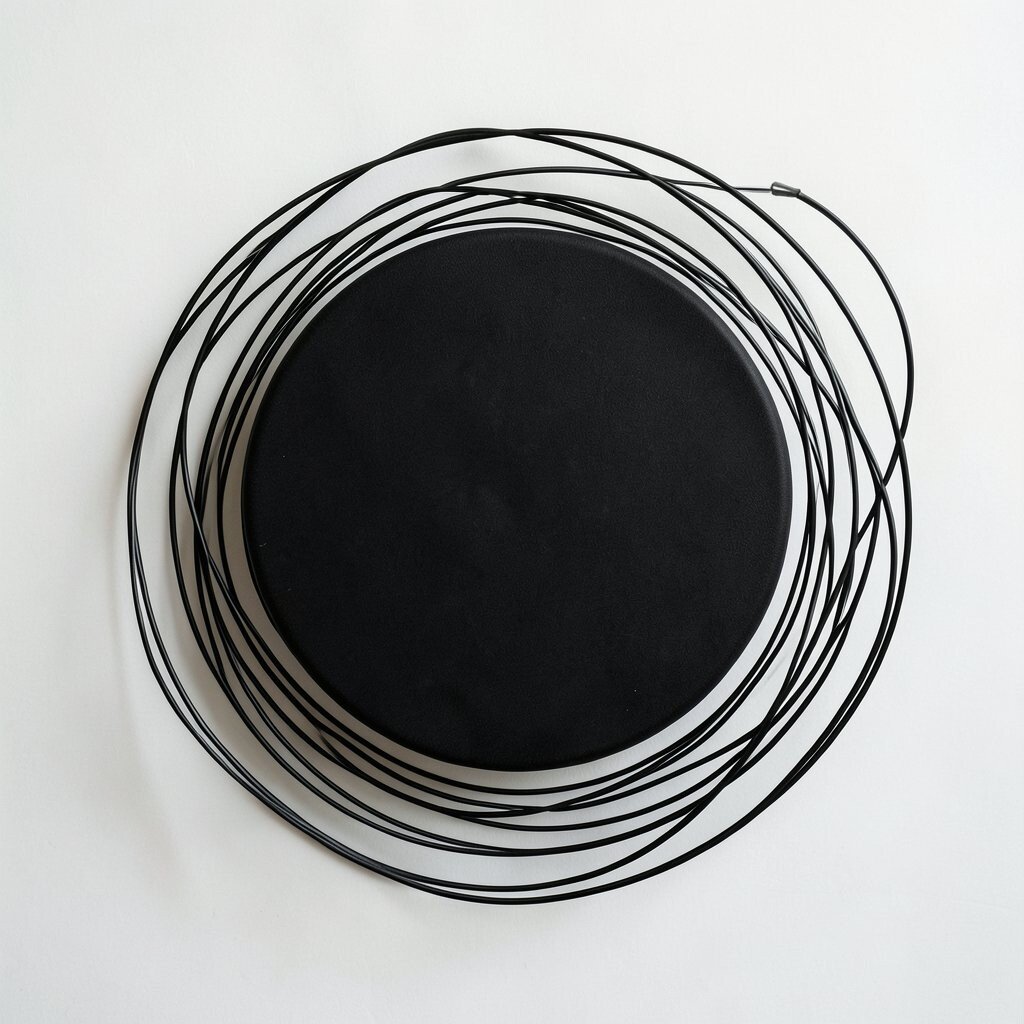
Draw a bold black circle in the middle, then imagine sound waves leaving it. Use thin lines to form orbits that overlap like melodies. Keep turning the direction of each line so the whole piece feels lively.
Try adding little gaps in the line so it looks like notes fading out. Vary line thickness by pressing lightly with your pencil, then harder again, so the motion feels real. This idea is great for learning rhythm in your artwork, and it stays unique because your “music” will never match anyone else’s.
2. Concentric Textures With Everyday Materials
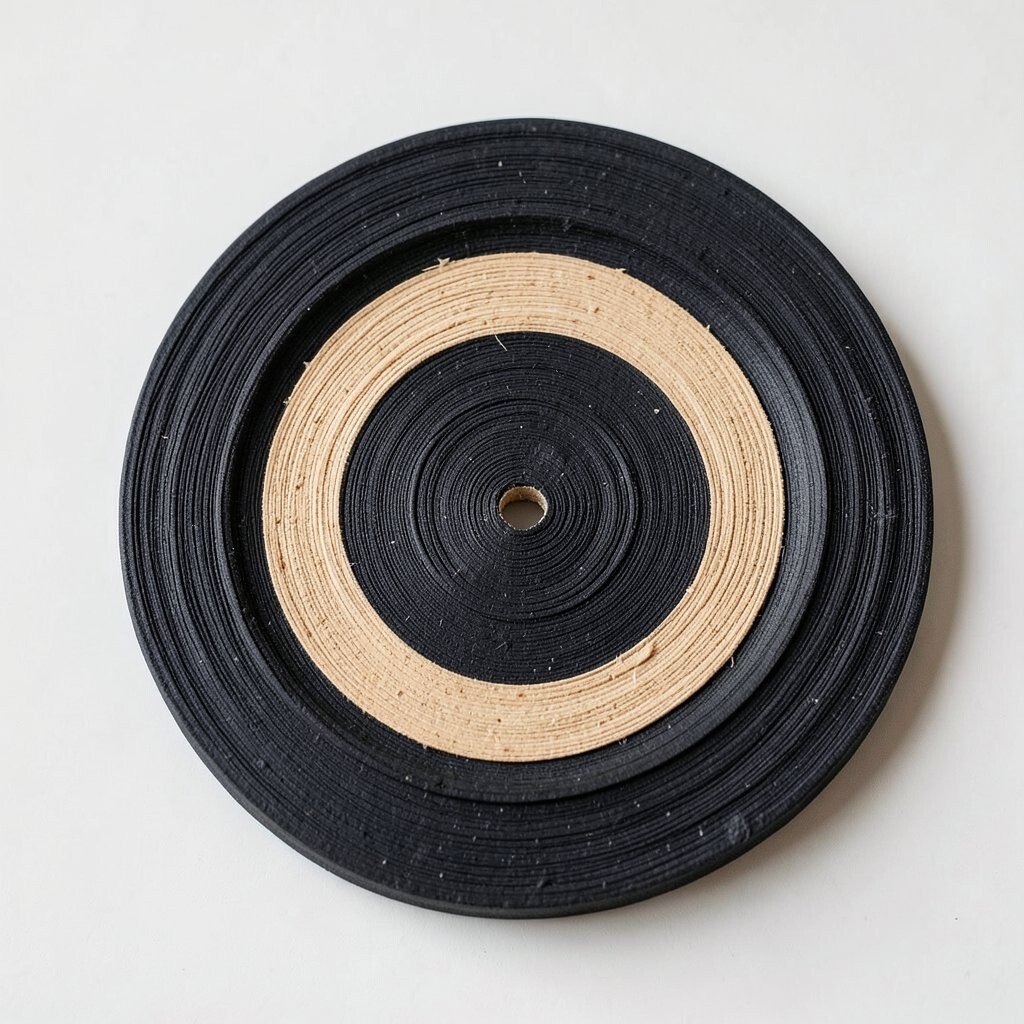
Make the circle, then fill it with many rings that each use a different texture. One ring can be made with a pencil scumble, another with dry brush strokes, and another with crayon rubbings. You will quickly see how texture changes the mood even when the shape stays the same.
Choose materials you already own, like cotton, a used sponge, or the edge of cardboard. Layering textures helps your eye notice small details, which is a real boost for skill-building. For cost, this is usually low because you can use scraps and inexpensive tools, and you get a polished look without expensive supplies.
3. A Quiet Galaxy Inside a Plain Black Ring
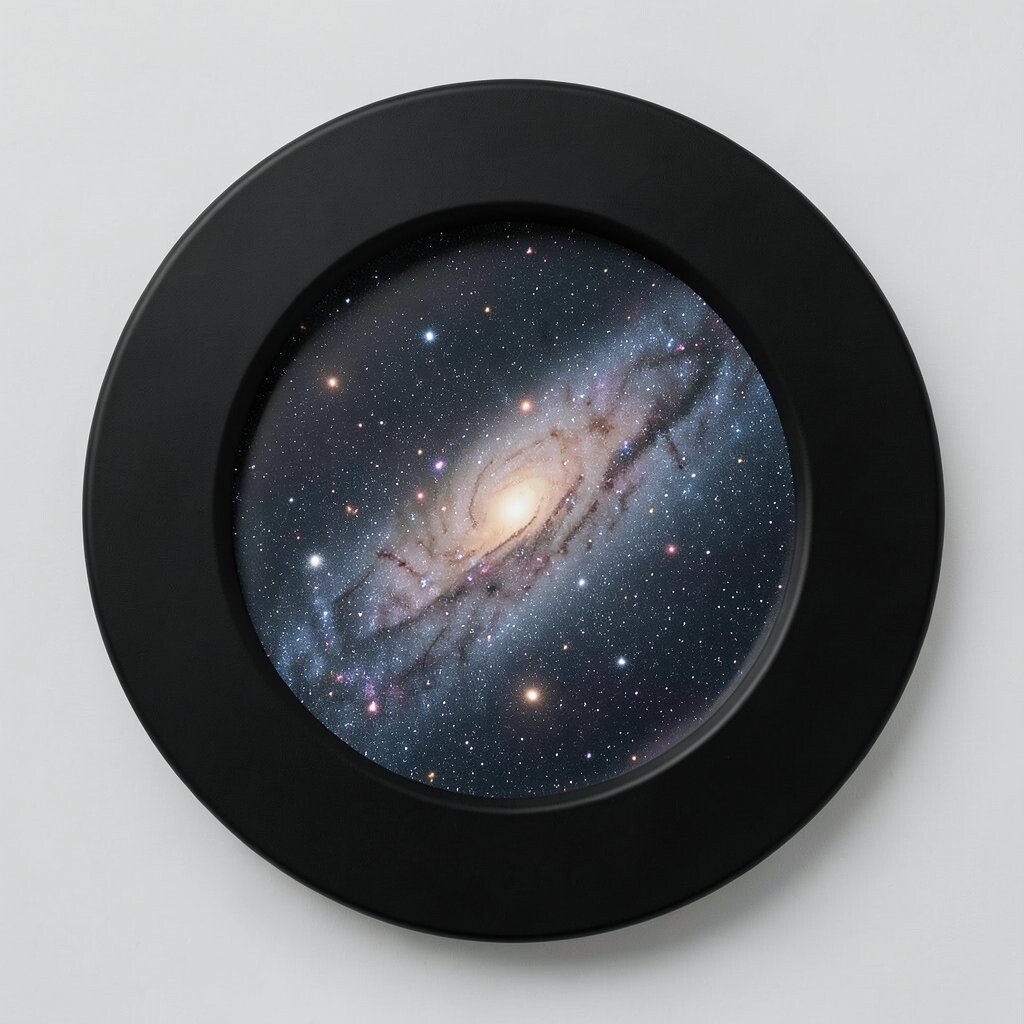
Start with a perfect black circle outline, leaving the inside open like a window. Inside, paint or draw a soft galaxy using tiny dots and gentle swirls. Keep the darkest tone in the center so the space feels deep.
Use a bright accent color such as teal, gold, or magenta only in a few spots so it stands out. You can make stars with a white gel pen or by tapping white paint using a toothbrush. This approach feels fresh because the circle acts like a calm frame while the inside tells the story.
Try a limited color palette to match what is trending right now in many art feeds, where artists often choose a small set of bold colors. When you finish, add a faint shadow around the ring to give it a sticker-like pop. Personalize it by making the “planet” look like something you love, like a heart shape or a tiny spiral eye.
4. Ink Spill Effects That Still Stay Centered
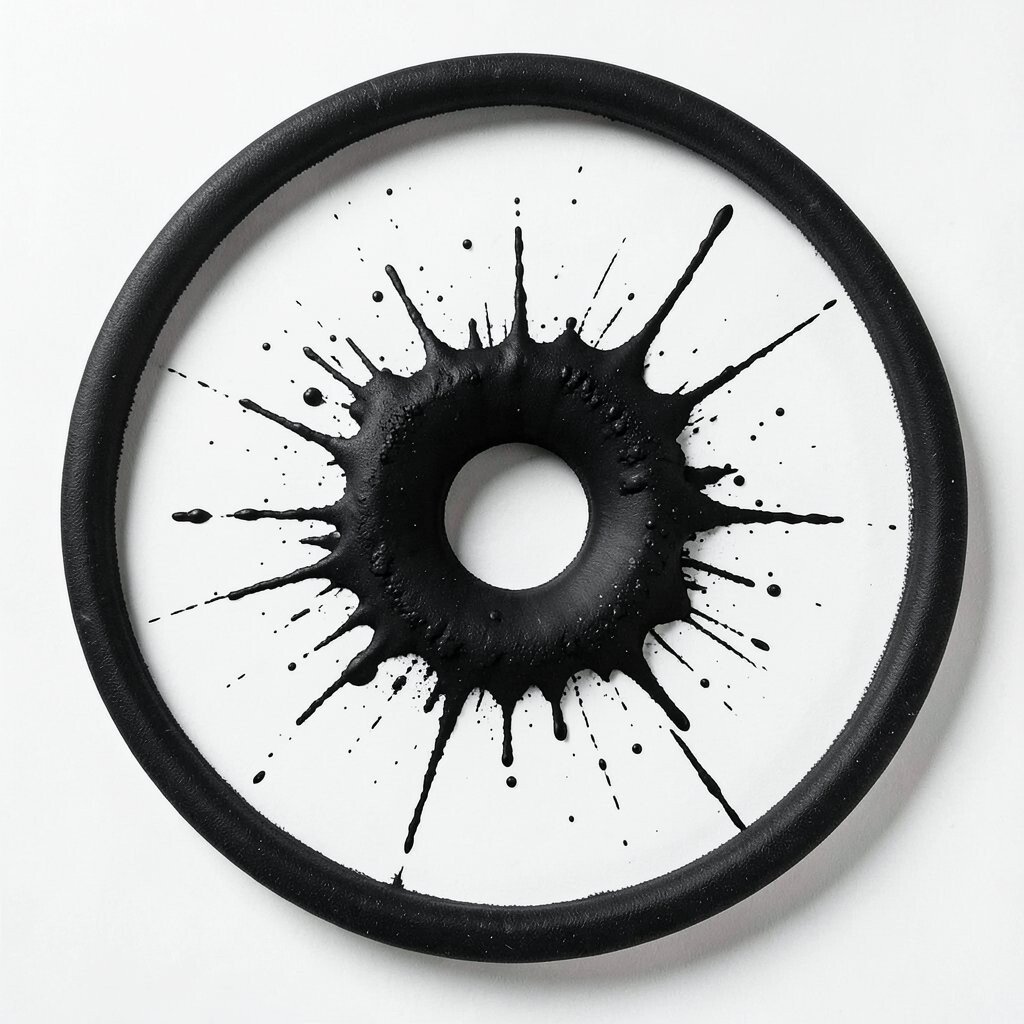
Place a black circle on paper, then let ink or marker “spill” outward while staying mostly controlled. Blow through a straw near wet ink, or tilt the paper so drips curve. The circle acts like an anchor, keeping the chaos from getting lost.
For practical tips, test your ink on scrap first so you know how fast it moves. Use a thicker paper so it holds up to liquid media. This is a good way to practice patience, because the best shapes happen when you let the ink settle slowly.
5. The Circle As a Lens for a Mini Scene
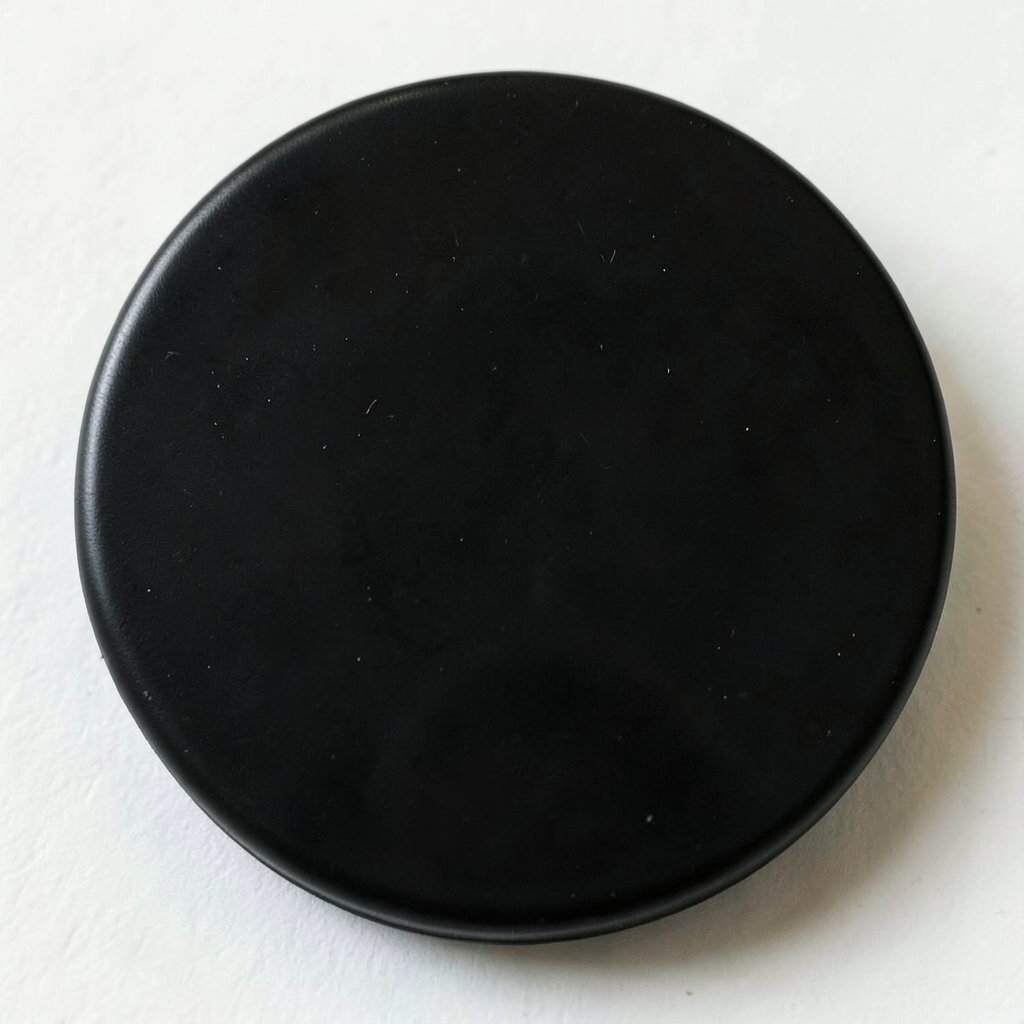
Draw a black circle like a camera lens, then treat the inside as a tiny world. Inside the circle, make a scene such as a street lamp, a cozy room, or a windy hill. Outside the circle, keep the background simple so the lens effect feels clear.
Add subtle reflections by drawing a curved highlight that follows the circle’s curve. Use one main light direction, like light coming from the left, so shadows look consistent. This gives you strong realism without needing a lot of tools.
If you want it to feel current, try using a limited number of shapes with clean edges, a style that many artists share in modern feed-friendly sketches. Personalize it by using a place you know, even if it is just a corner of your room. Cost stays low since you can use basic pen and pencil and still get a vivid result.
6. Collage Circles With Cut Paper Rings
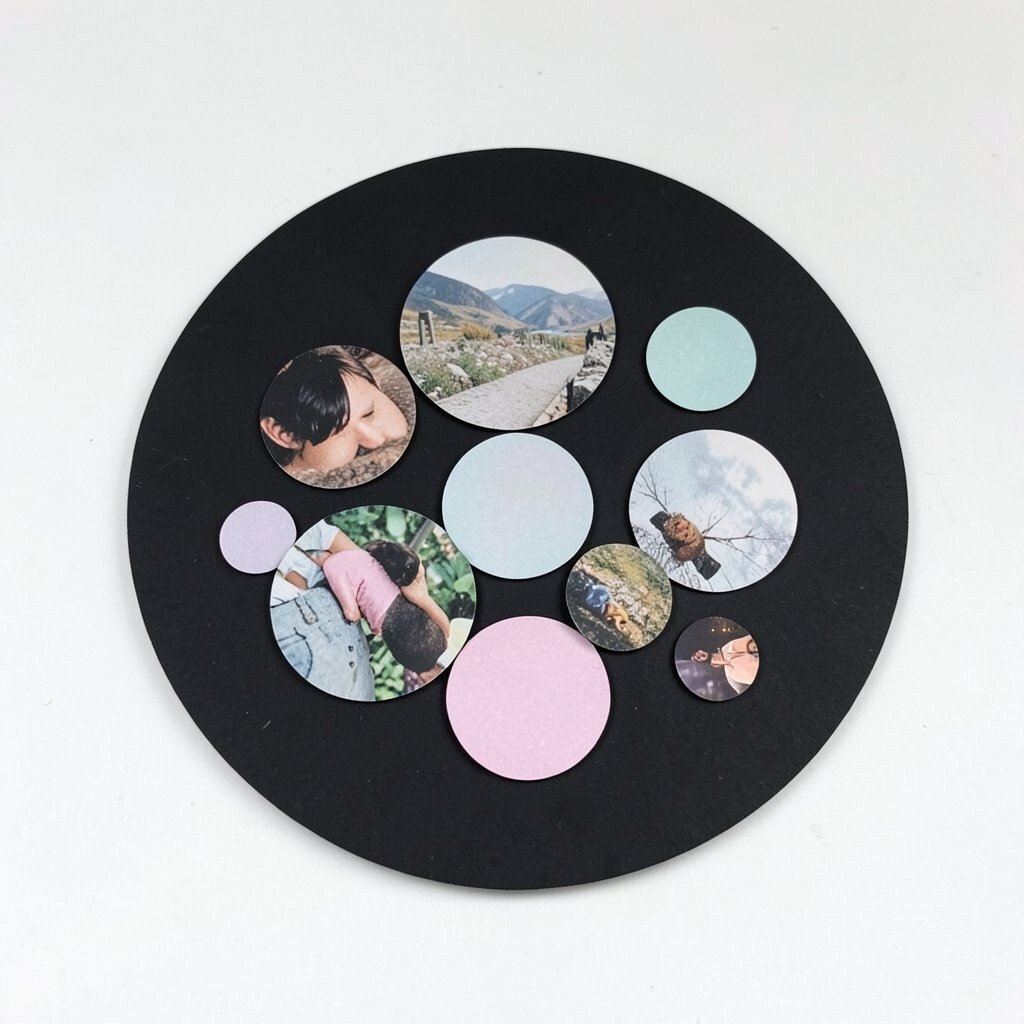
Trace a black circle onto colored paper, then cut it into rings. Glue the rings back together with small gaps so light can show through. The black negative space will make the collage feel crisp and intentional.
Use papers you already have, like old magazines, grocery flyers, or packaging. Switching between matte and glossy textures helps your circle look more dimensional. This also trains your composition skills because you learn how spacing changes the whole piece.
7. Felt or Fabric Circle With Stitched Trails
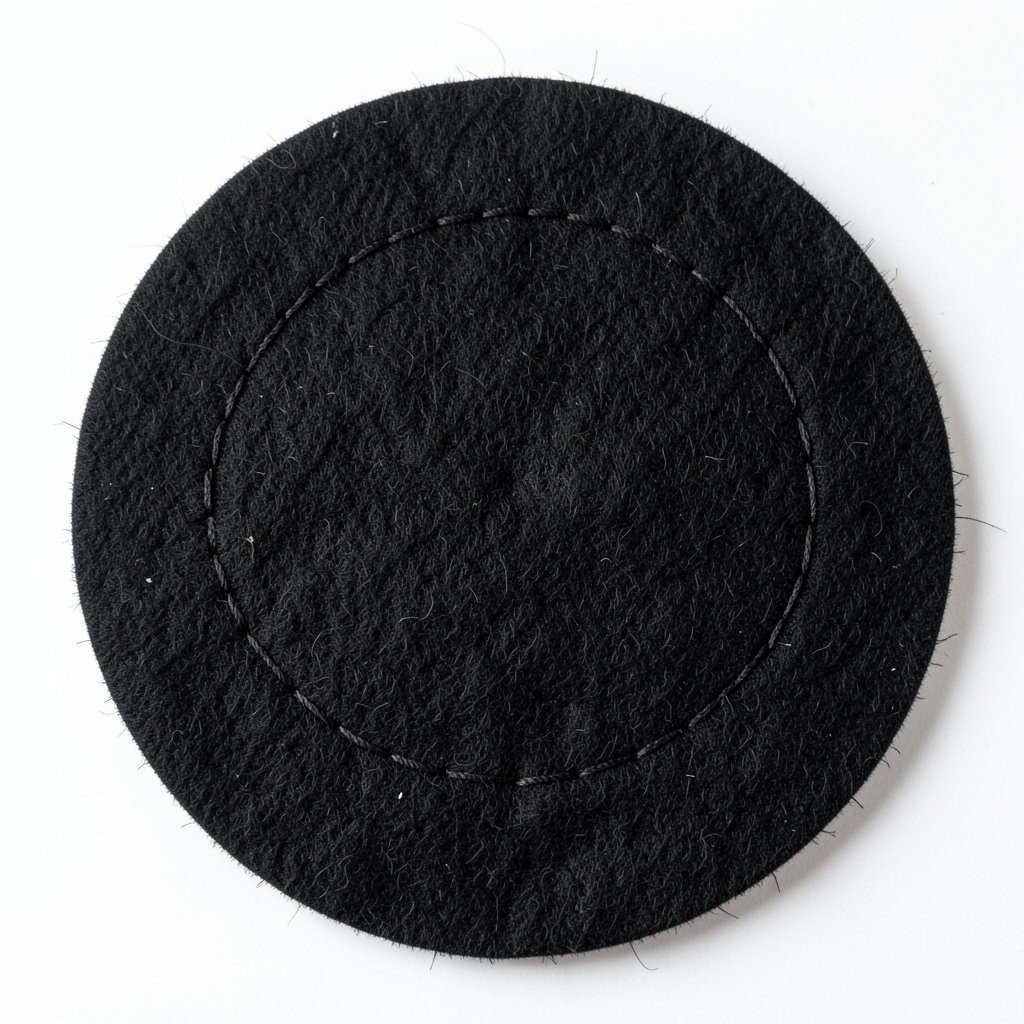
Cover a surface with a black felt circle, then stitch thin trails around it using embroidery thread. Even if your stitches are uneven, the handmade look adds warmth. Add a few tiny fabric pieces that sit like seeds around the center.
Try using leftover fabric scraps and contrasting thread colors such as cream, rust, or bright green. Stitching gives you control over texture, and it can improve fine motor skills. The result feels unique because fabric choices always reflect your personal collection.
If you want a trendy feel, keep the stitched lines minimal and let the black circle do most of the work. Add one bold accent shape, like a small triangle or star, for contrast. Cost can be friendly if you use scraps, thrifted fabric, and basic thread, which many people already have.
8. Black Circle Portraits With Missing Features
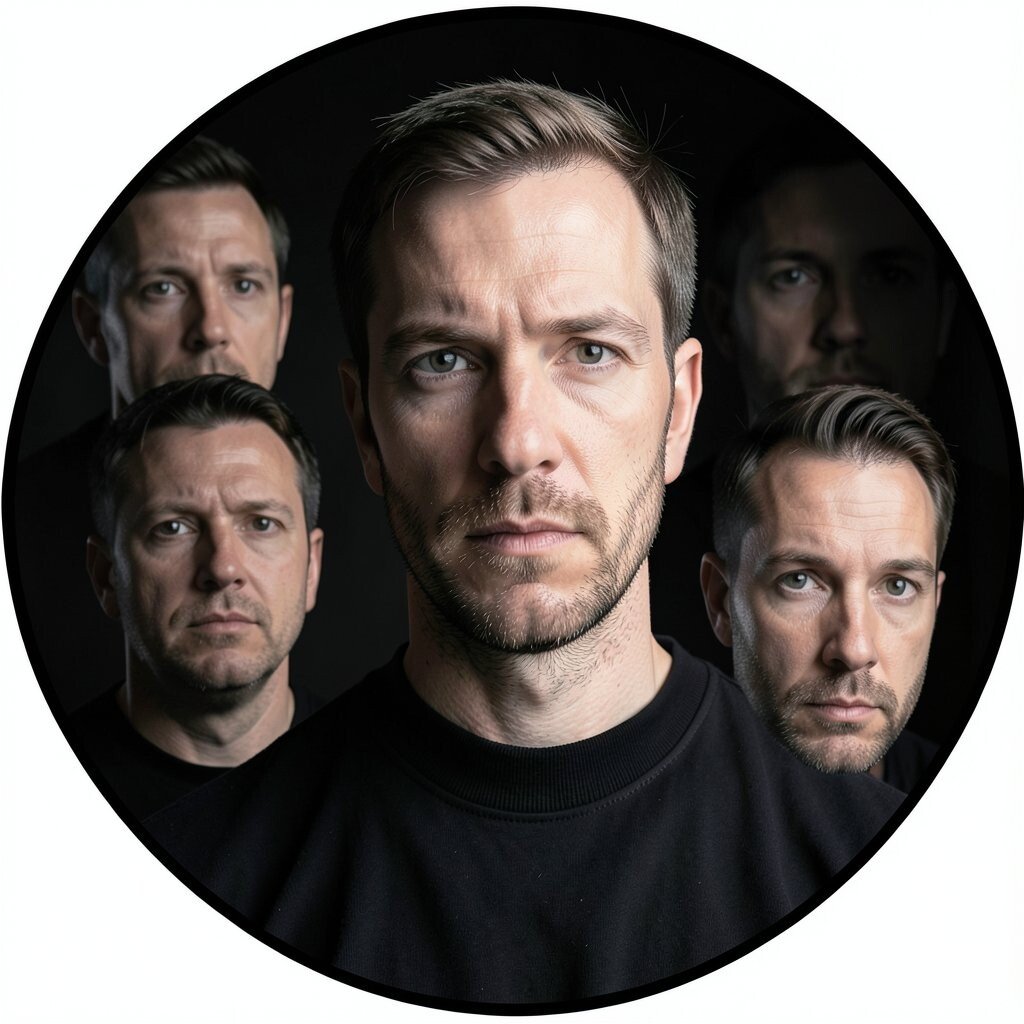
Draw a black circle, then turn it into a face mask by adding eyes, a nose, or a mouth that partly disappears. For example, place one eye inside and the other outside the circle edge. The missing parts create tension, which makes the piece more memorable.
Use pencil first to map where the features should go, then darken carefully with a pen. This style helps you practice balance, because your composition has to work even with broken lines. Personalize it by using a facial expression you like, such as curious, shocked, or calm.
9. The Circle as a Target With Growing Calm
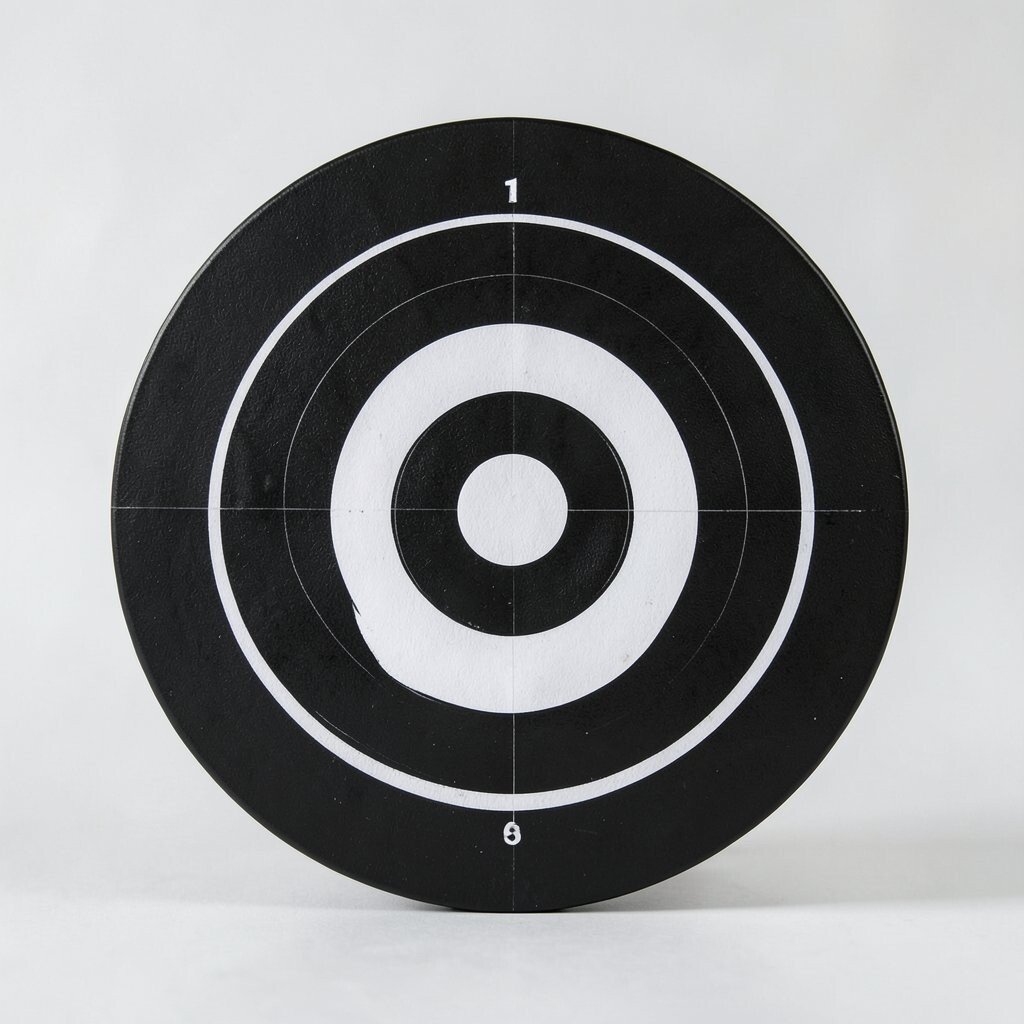
Make a target-style design, but change the feeling as you move outward from the black center. Start with tight rings, then make the next rings wider and softer, as if breathing. Use curved lines instead of sharp ones so the target becomes peaceful.
Choose calming colors like muted blue, soft gray, or warm sand tones around the circle. Add light texture using cross-hatching so the rings look gentle instead of harsh. This benefits your ability to guide emotion using spacing and line weight, not just color.
For practical tips, use a ruler for the first ring if you want accuracy, then freehand the rest. Right now, many artists are sharing “less aggressive” target designs that feel meditative, and you can join that mood. Make it yours by adding a tiny symbol in the outer ring, like a leaf or a feather, that matches your personality.
10. Shadow Play Using Black Circle Cutouts
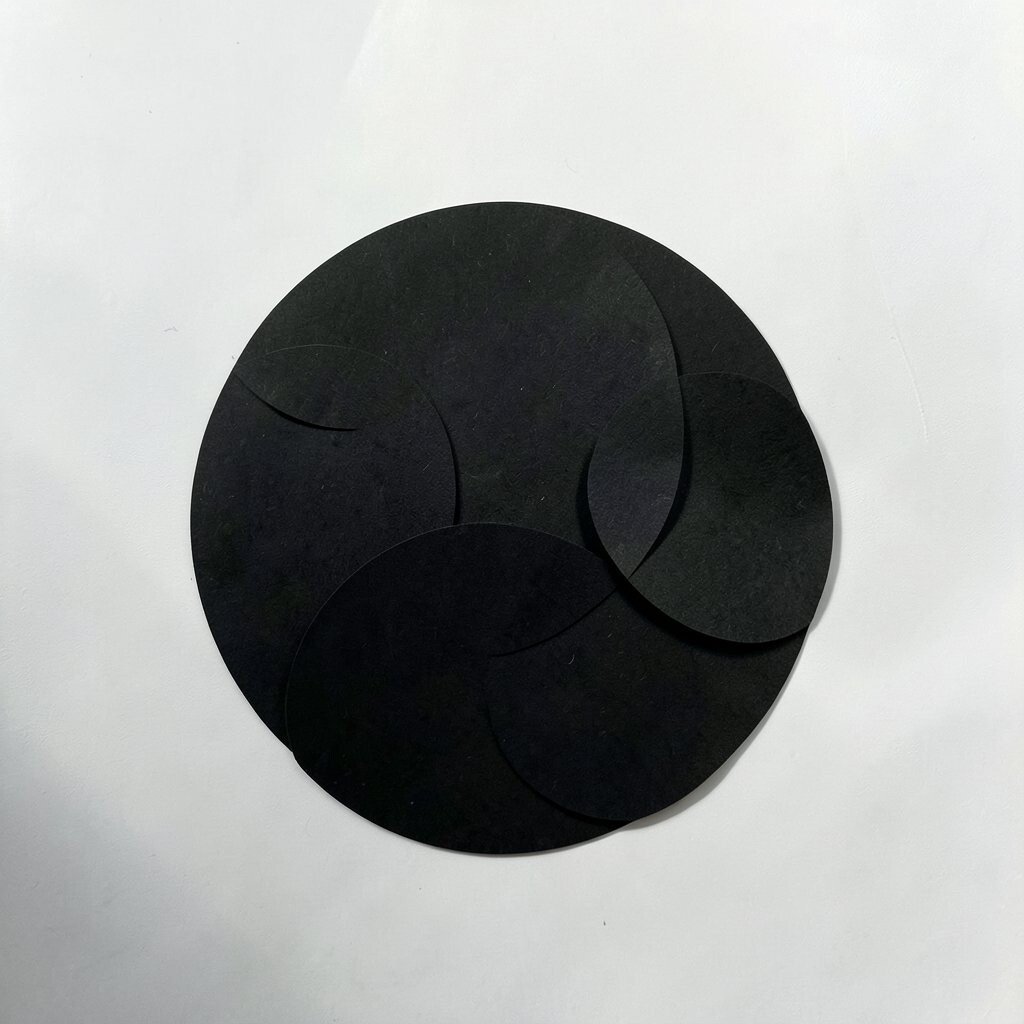
Cut a black circle out of cardstock, then hold it over colored paper. Trace the shape of the shadow, and also trace any weird edges the light creates. Move the cutout slightly and repeat so you get a series of shadow circles.
Try doing it by a window with natural light for a simple setup. This idea benefits you because it teaches how light changes shape and value, even when the object is the same. It is also unique since every shadow depends on the exact angle of the day.
11. Black Circle With Hidden Lines Under a Wash
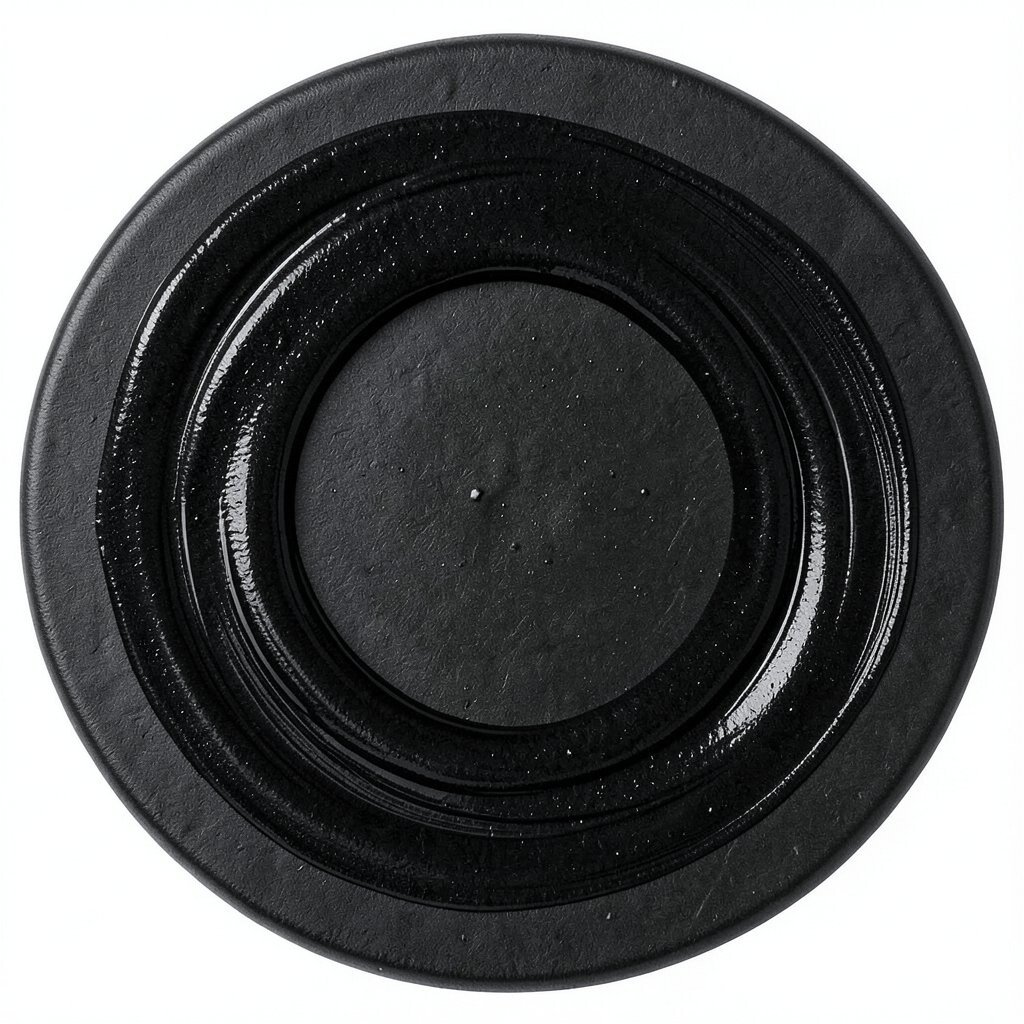
Paint the circle black, then lightly sketch thin hidden lines on top before the paint fully dries. Use a wet brush to drag the paint so the lines peek through like secrets. You can also scribble with a white pencil, then cover it with a translucent wash.
This technique feels like modern “layered” art that lots of people enjoy sharing because it looks complex but is made with simple steps. Keep a small set of colors so the piece looks intentional instead of messy. Personalize by adding a pattern that means something to you, like a favorite doodle repeated in tiny form.
For cost, you only need a basic brush, paper, and a few paints, and you can get a strong effect even with cheap acrylic or watercolor. Let each layer dry fully, and your results will look cleaner. Use steady pressure when you drag the brush so the hidden lines stay visible without turning muddy.
12. Circle Mandala With One Bold Rule
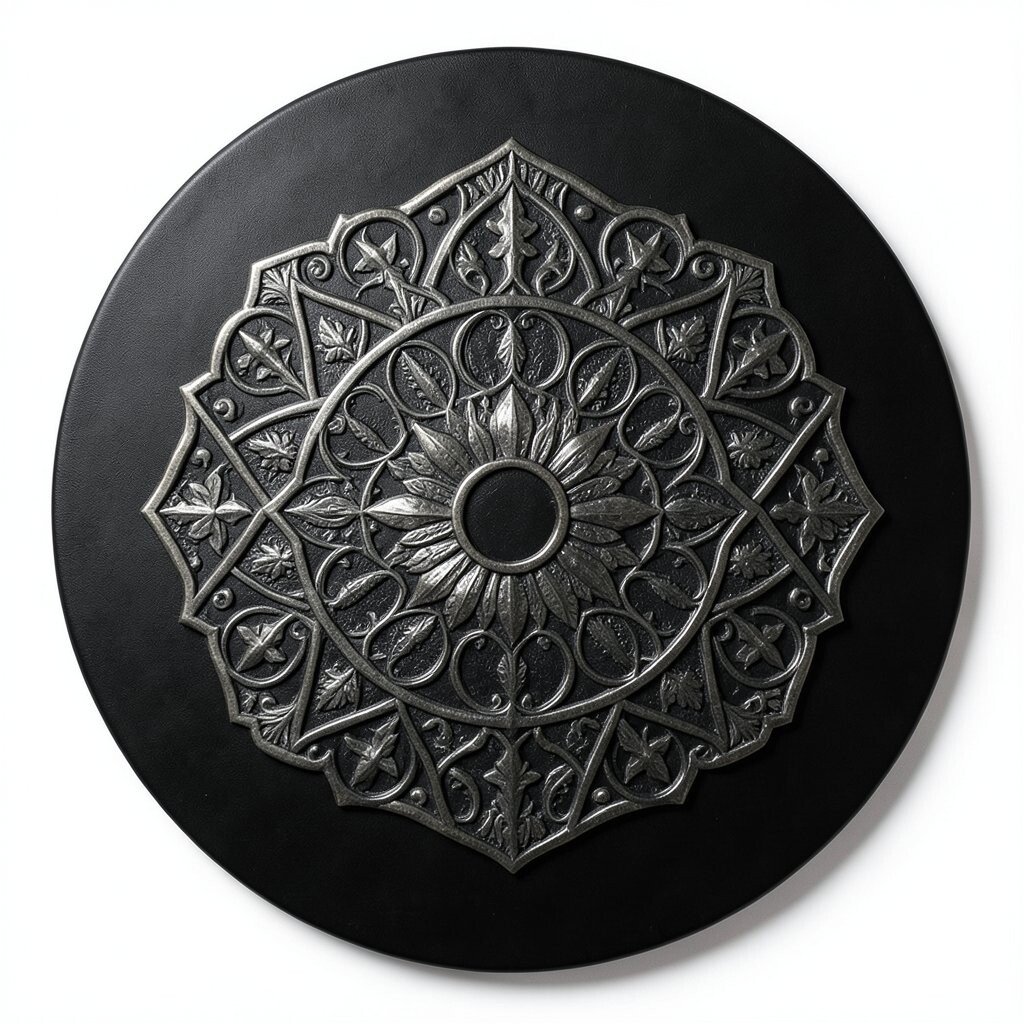
Draw a black circle and build a mandala around it, but decide on one bold rule you will follow. For instance, every petal can be the same shape, or every line can start from the circle edge. When you stick to the rule, your design looks confident and easier to finish.
Use a limited set of colors for the outside decorations, and reserve the strongest color for one small spot. This benefits your composition because it keeps the eye moving in a clear path. The uniqueness comes from your rule, since nobody else will choose the same constraint.
13. Black Circle Storybook Panels Like a Flipbook Mood
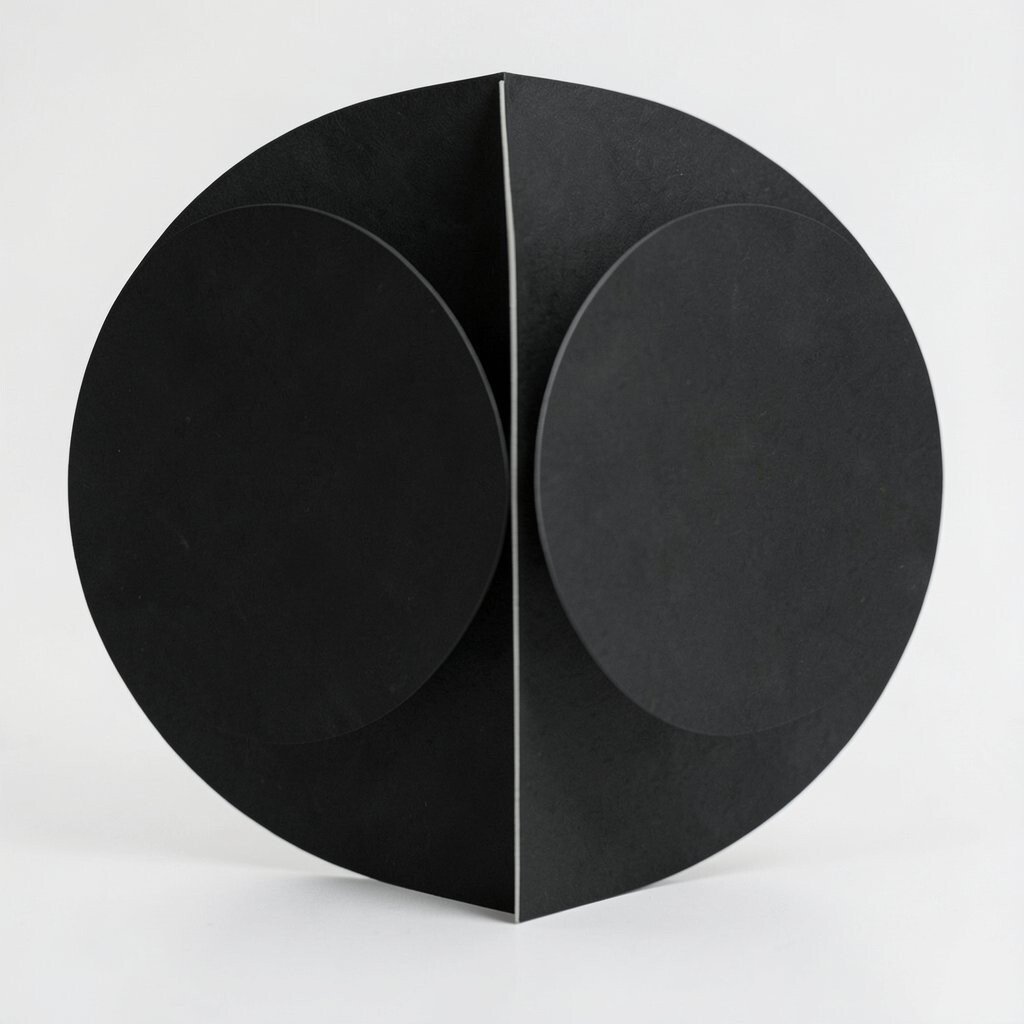
Create a set of mini panels on one page, each panel featuring a black circle in a slightly different position or scale. Draw tiny changes that suggest motion, like a wing, a moving shadow, or a ripple crossing the circle. When you look across the panels, the circles feel like a short story.
For practical tips, keep your black circle consistent in style so the changes feel intentional instead of random. Use light pencil planning first, then darken only after you like the sequence. This is great for building narrative in art, and it feels unique because the “story” is made from your own choices.
If you want it to feel current, consider the trend of small, clean “micro scenes” that fit well on social platforms. Personalize it by turning the story into something you actually remember, like the feeling of a storm, a summer ride, or a calm night in. Cost can stay low since you can use simple pens and a single brush, and the main effort is in planning and spacing.