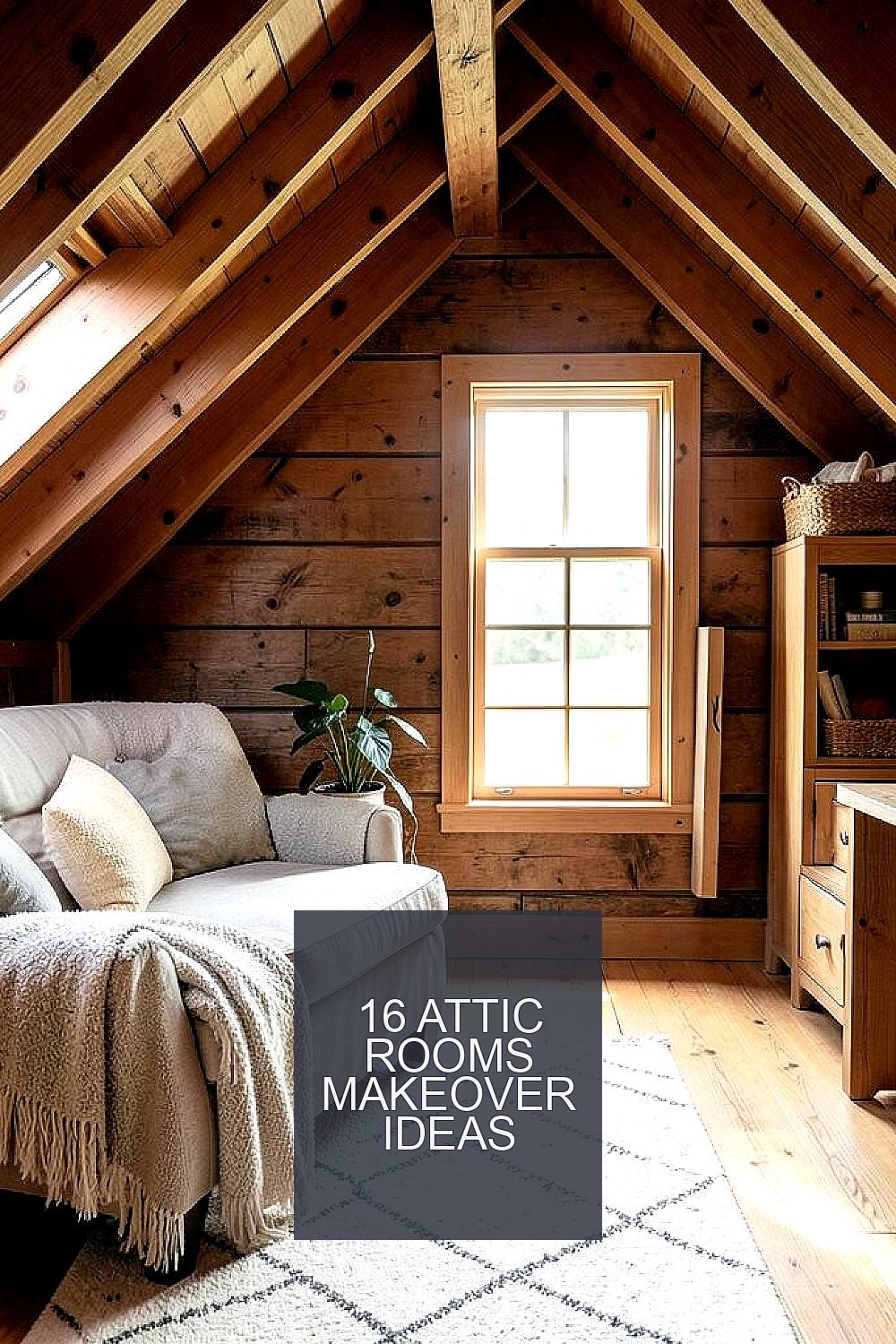
The attic can feel like wasted space until you give it a plan. With the right touches, it can turn into a cozy place that feels made just for you.
Before you start swinging a hammer, these ideas help you decide what to keep, what to fix, and how you want the room to live.
1. Map the Attic’s Hidden Challenges

Before you pick paint colors, take time to notice what the attic is already telling you. Look at where beams fall, where sloped ceilings cut the headroom, and where light actually lands on the floor.
That simple walk-through helps you avoid frustrating surprises and makes planning easier. You can sketch rough zones for sleeping, reading, storage, or play so everything has a home that makes sense.
2. Measure for Light, Air, and Easy Movement
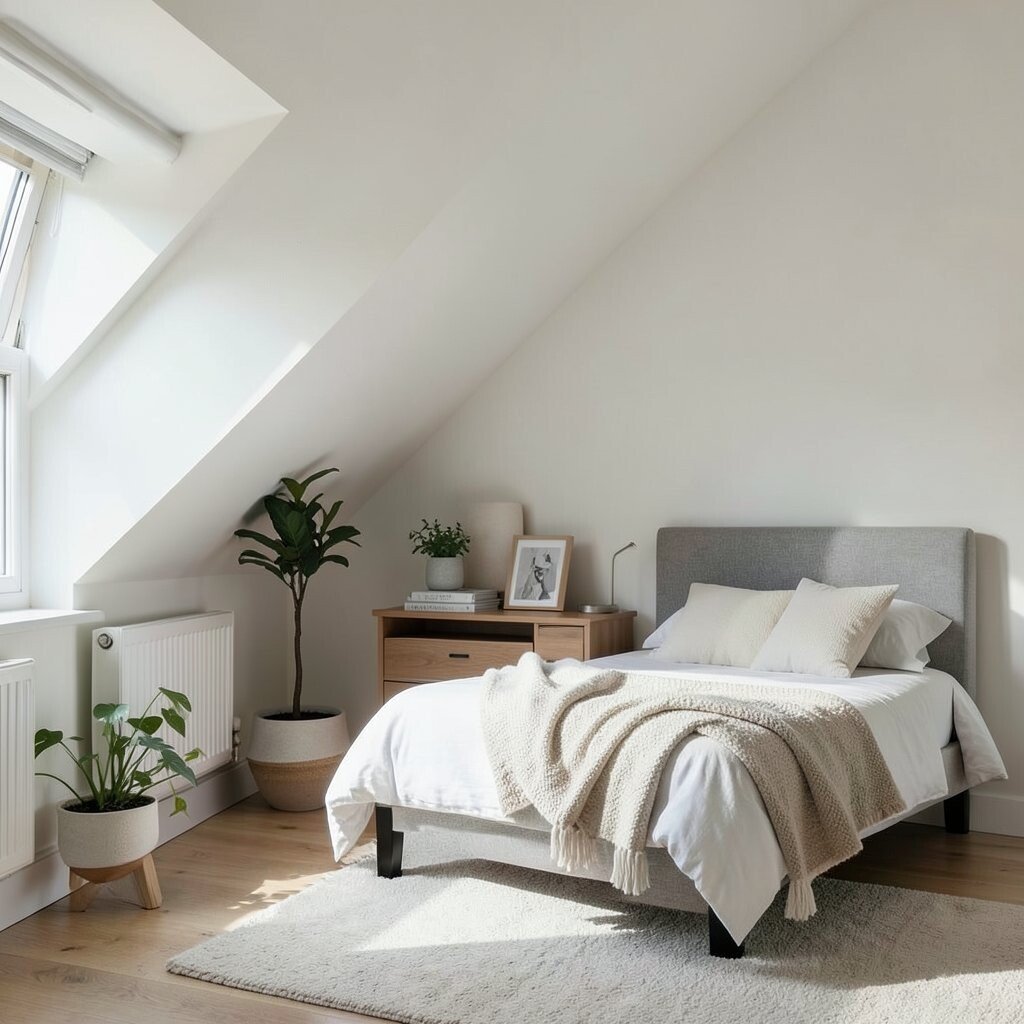
Good attic rooms feel roomy even when the ceiling slopes. Start by measuring clear paths from stairs to the areas you’ll use most, then plan furniture that fits without crowding.
Check where windows sit and how bright the space becomes at different times of day. When you get the layout right, it feels calmer, and you’ll spend less time moving items around during the makeover.
If your attic feels stuffy, think about airflow and ventilation early. Adding or adjusting vents, using fans, and keeping air moving can help your new room stay fresh.
3. Use “Live Here” Priorities to Set the Mood
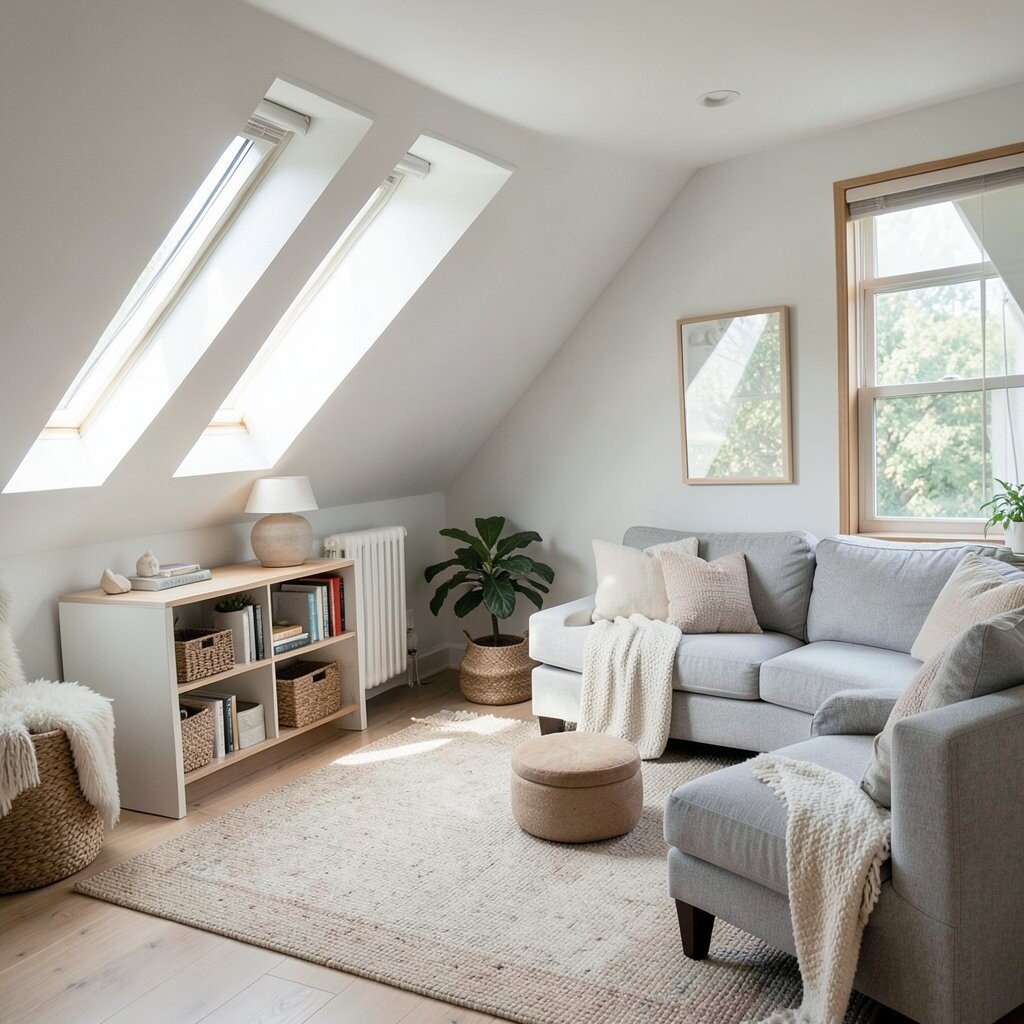
Imagine the attic at the times you’ll actually use it. Will it be a quiet corner for mornings, a game spot for evenings, or a sleep space for guests?
When you match the design to real routines, the room feels right from day one. A sunny reading nook needs different choices than a movie spot with layered lighting.
You can also pick a mood you love and let it guide you. If you like warm and soft, choose textured fabrics and gentle colors; if you like crisp and modern, lean into clean lines and brighter accents.
4. Choose Flooring That Survives Attic Life

Attics can have temperature swings, so flooring choices matter more than people expect. If you want comfort underfoot, consider laminate, vinyl plank, or engineered wood that handles changes better.
For a more budget-friendly approach, vinyl often gives a realistic look without the heavy price. When you add a rug, you get instant warmth, quieter footsteps, and a way to define zones under the sloped ceiling.
5. Make Storage Part of the Design, Not an Afterthought
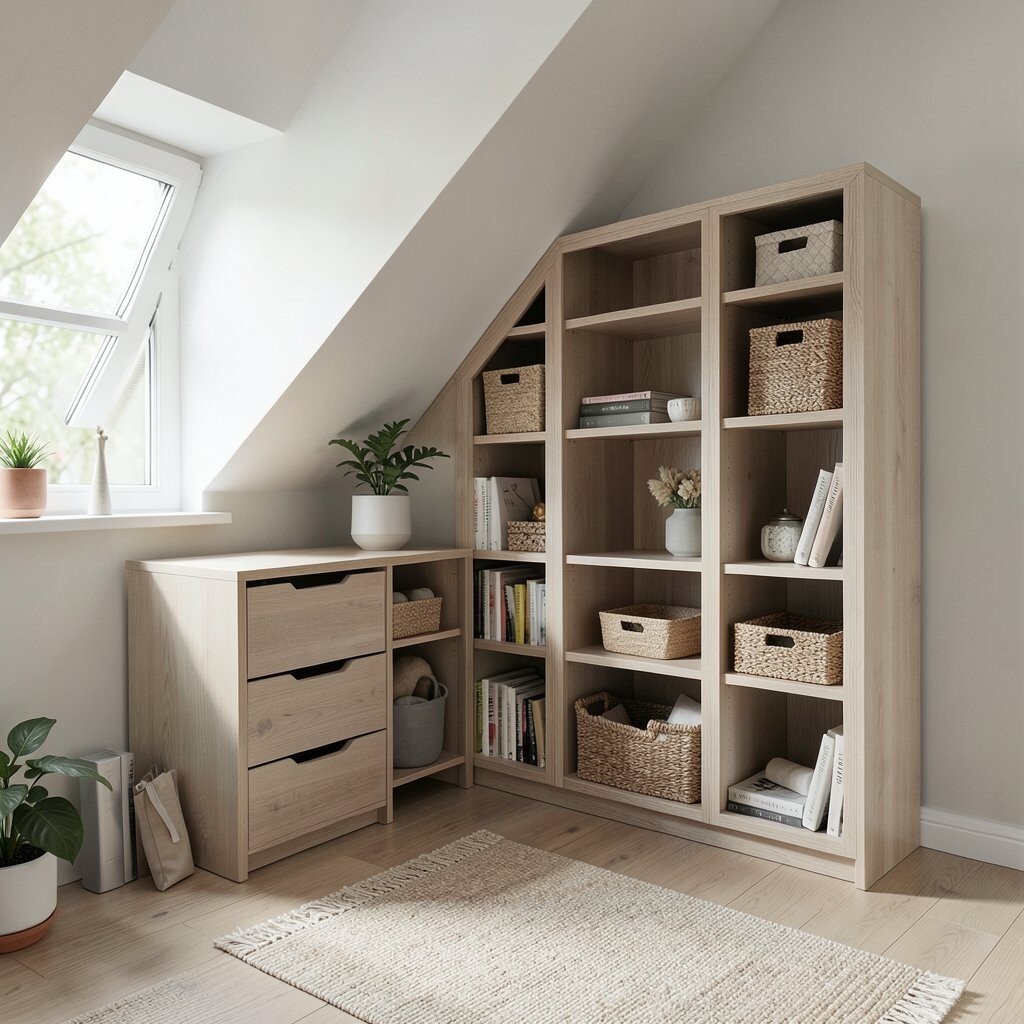
Slanted walls can be tricky, but they’re perfect for storage that fits the shape. You can use built-in cabinets, low bookcases, or drawers under benches to keep the room tidy.
If you hate clutter, plan “landing spots” for everyday items like bags, games, or craft supplies. Hidden bins and lidded baskets can keep visual noise down while still letting you grab things fast.
Storage ideas also help your budget stay steady because you won’t need extra furniture later. When everything has a place, the attic feels orderly and inviting instead of cramped.
6. Plan Electrical for Real Life, Not Just the Ceiling
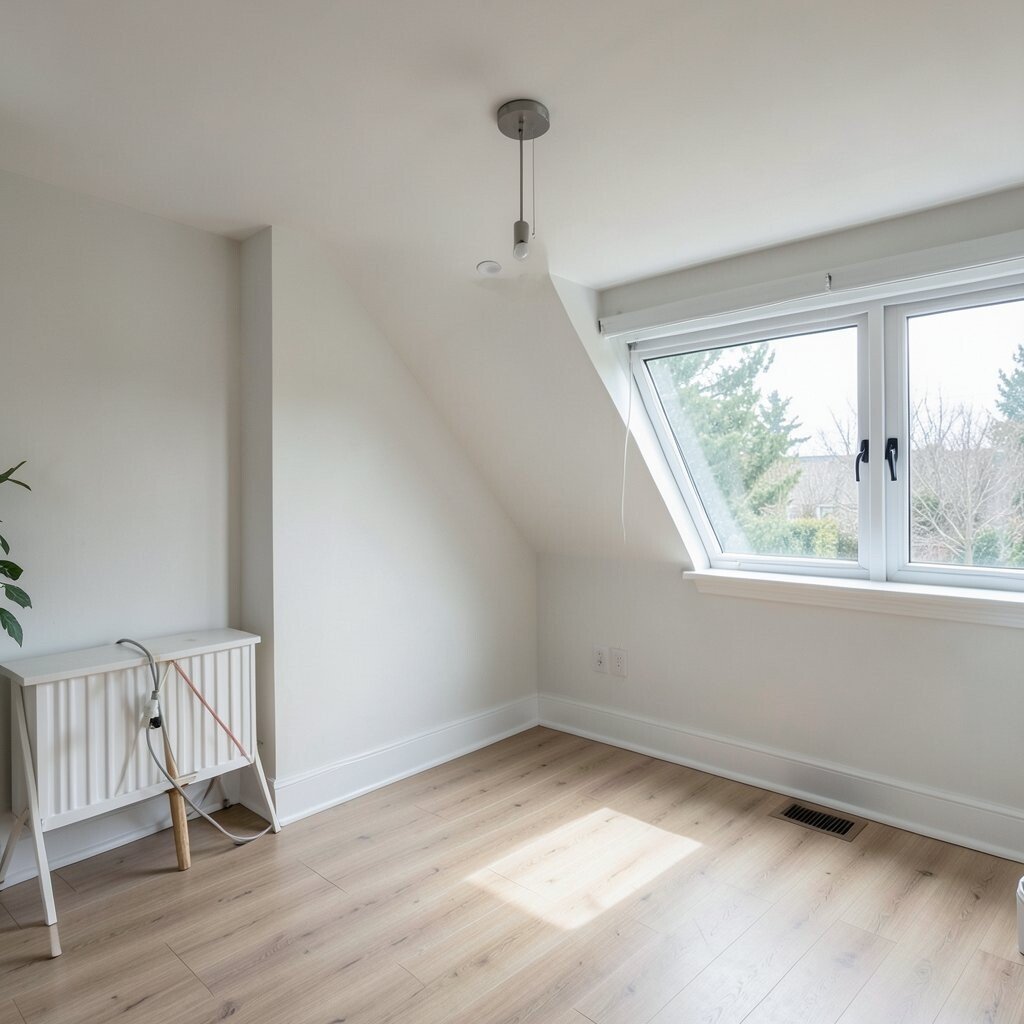
Before finishing walls, check outlets, switches, and the best spots for lamps. Attic rooms often need more lighting than you think because the ceiling angles block light and create shadows.
Adding extra outlets for a desk, a charging station, or a reading lamp makes daily use easier. You can even plan for a wall sconce to add warmth without eating floor space.
7. Add Insulation and Moisture Care to Keep It Cozy

A comfortable attic depends on staying dry and steady in temperature. Look for signs of moisture, check around vents and roof lines, and seal gaps so air doesn’t sneak in.
Good insulation helps the room feel calm and usable year-round. When the air stays more stable, your new finishes last longer and you won’t feel that chilly or overheated mood so often.
If you’re not sure what to do, getting a quick professional check can save money later. Small fixes before the makeover can prevent bigger problems that pop up after you’re done.
8. Decide How Much Wall Height You Want to Expose
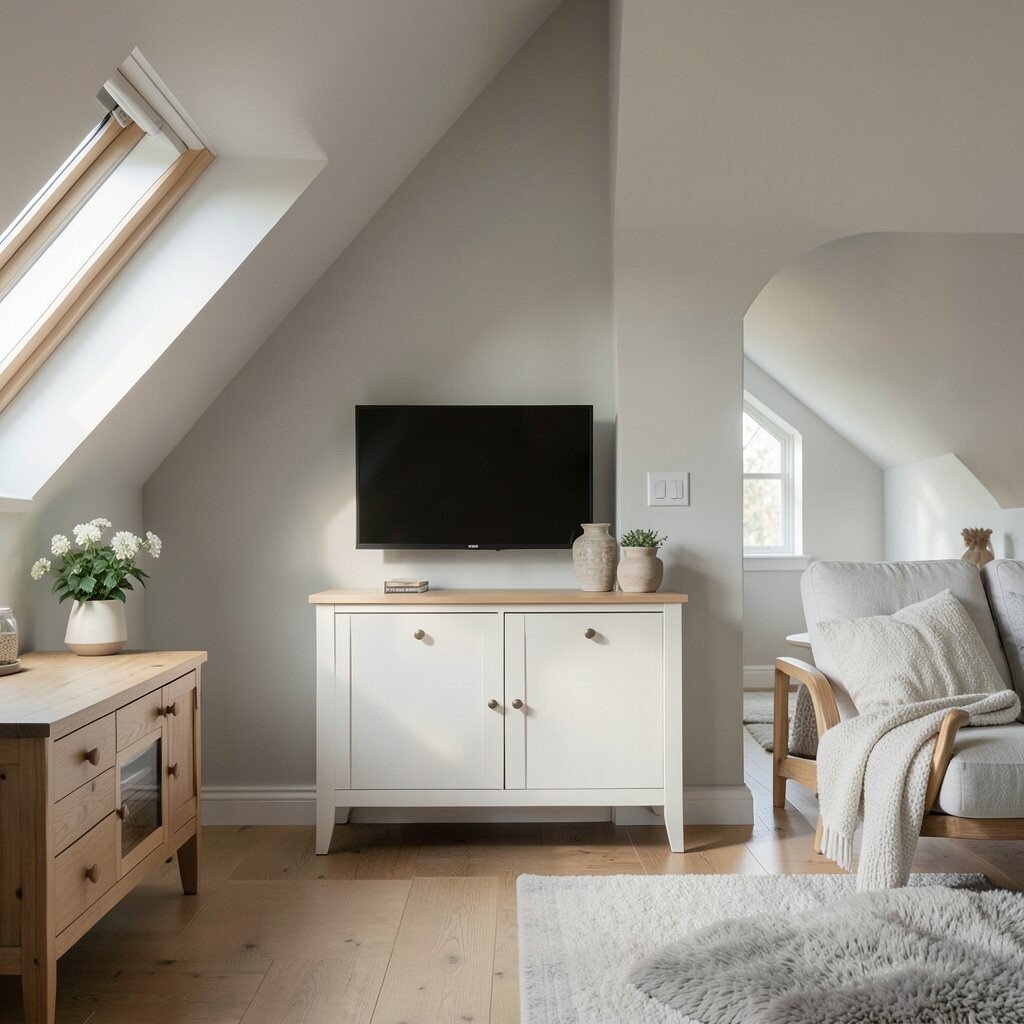
Sloped ceilings can be charming, but you can shape the look in many ways. Leaving some roof structure visible gives character, while drywalling the space creates a smoother, more modern feel.
Consider how you want the room to “read” at first glance when you enter. Exposed beams can feel rustic and cozy, while enclosed walls can make the room feel brighter and cleaner.
9. Pick a Color Story That Works with the Light

Attics often have limited window light, so color should support the brightness you have. Soft whites, warm creams, and light greys can keep shadows gentle and make the room feel bigger.
If you want personality, choose one accent color for trim, built-ins, or a single wall. That way you get uniqueness without turning the whole room darker than you want.
Paint samples help you avoid guesswork, especially under angled light. Colors can shift depending on time of day, so test on the wall you’ll actually see most.
10. Use Layered Lighting for Comfort and Flexibility
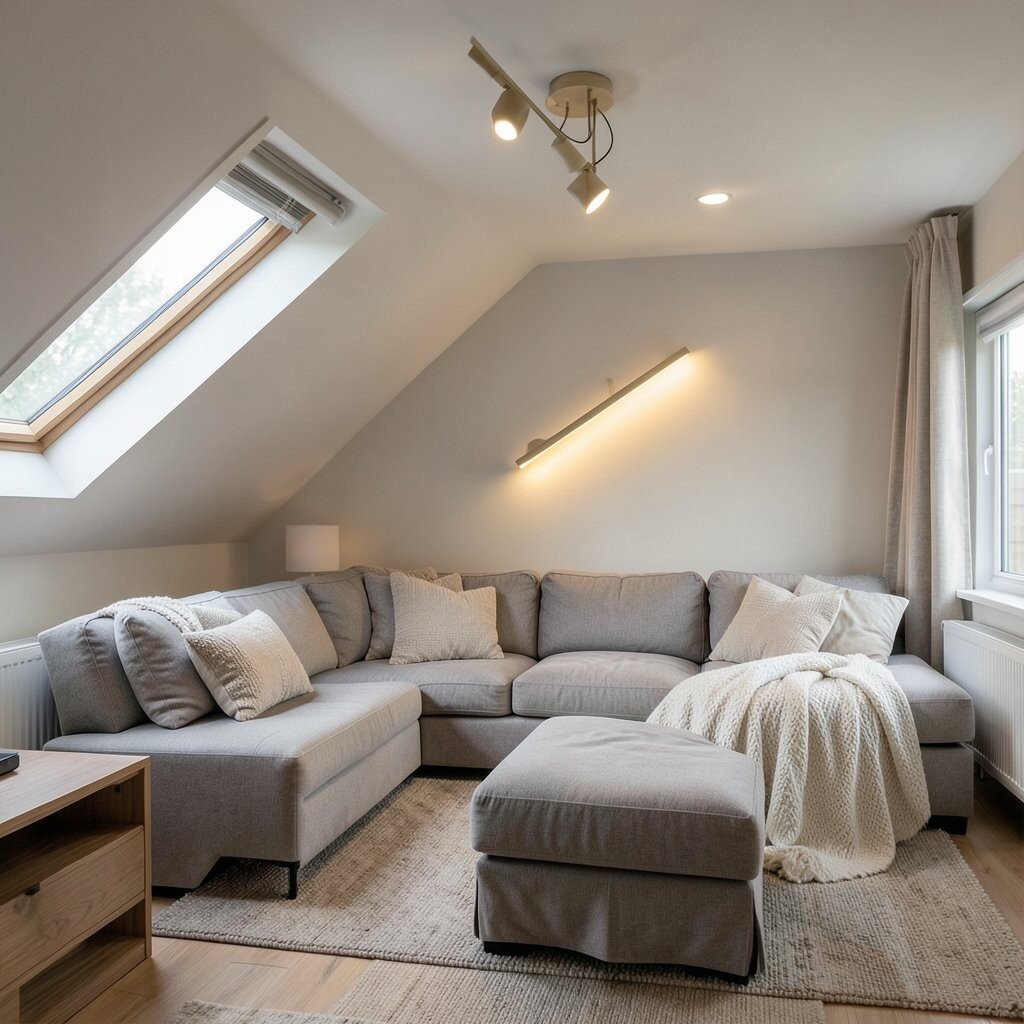
A ceiling light alone usually doesn’t feel right in an attic. Layering lighting helps you create different moods, from bright daytime tasks to cozy evening reading.
Try combining ambient lighting with task lighting like a desk lamp and accent lighting like a small wall sconce. When you can choose the level you need, the room feels useful all day.
Switches matter too, so consider having separate controls for different zones. That simple change makes the room feel smarter and more comfortable.
11. Create a Reading or Craft Corner Under the Slope
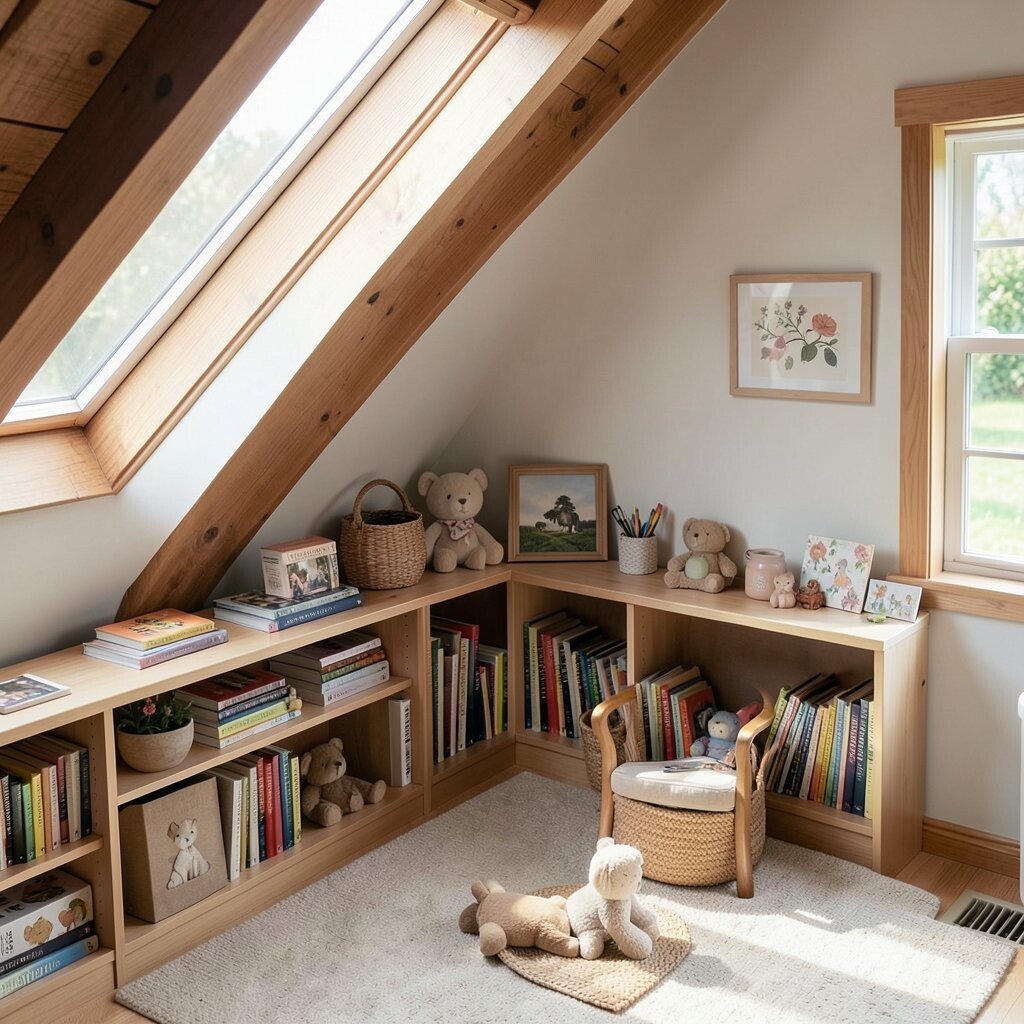
The sloped ceiling can actually guide where you place your favorite activities. A window-side reading nook works especially well because you can tuck a bench or low chair where headroom isn’t needed.
Use a small desk or drop-leaf table for crafts, puzzles, or paper work. Add a shelf nearby for books and supplies so you don’t have to keep walking back and forth.
This corner can become the heart of the room, giving it a personal story. When you surround the spot with your favorite textures and colors, the attic stops feeling like storage and starts feeling like home.
12. Plan Built-In Seating for a Cozy, Efficient Layout
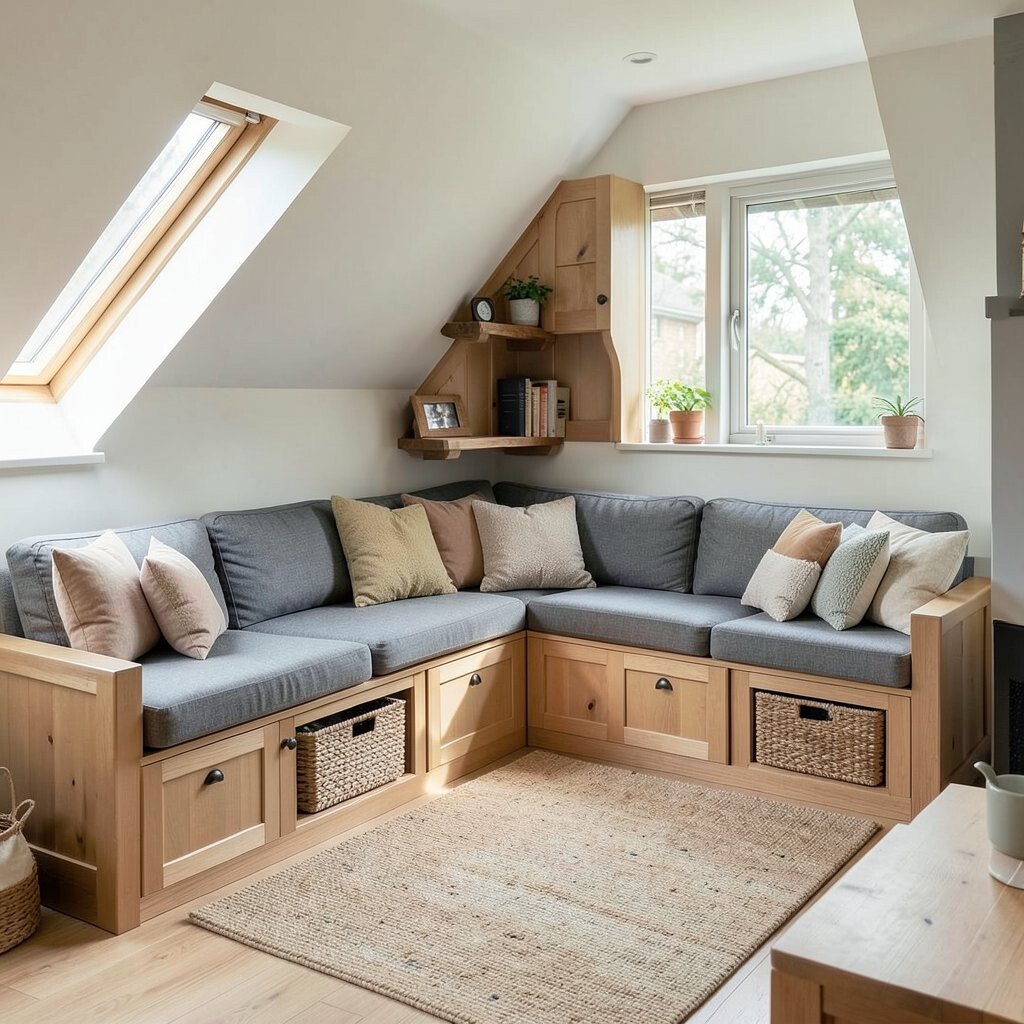
Built-in benches and window seats feel extra special because they blend into the architecture. They also take advantage of odd angles where separate furniture may look awkward.
You can add cushions in a durable fabric so the seating stays comfy for years. Storage underneath can hold blankets, seasonal items, or board games, keeping the room tidy.
13. Choose Decor That Hides Imperfections
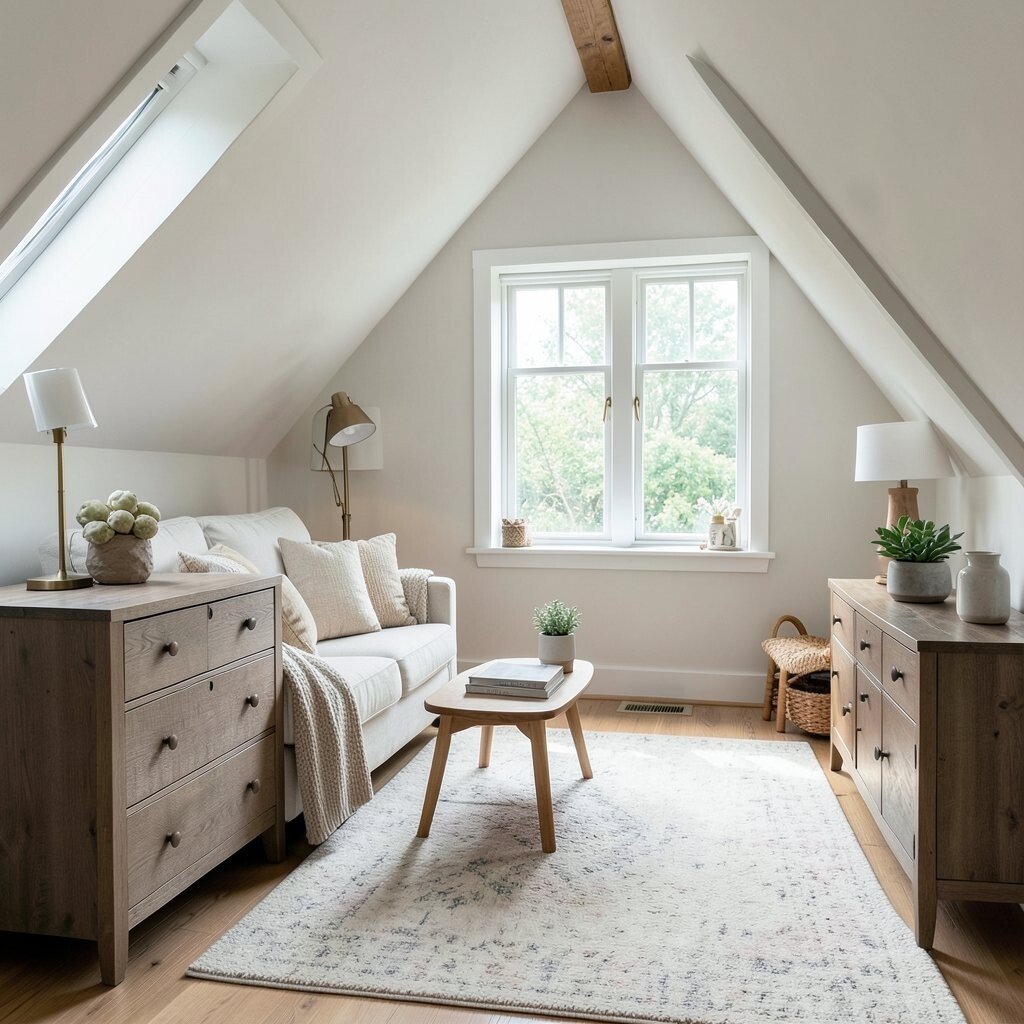
Attics can show the history of the house, like older trims or uneven surfaces. Instead of fighting everything, pick decor that works with the vibe you have.
Textured rugs, woven baskets, and framed art can soften visual bumps and make the space look intentional. Layering materials also brings warmth, which is a big part of making an attic feel welcoming.
14. Mix Styles in a Way That Feels On Purpose
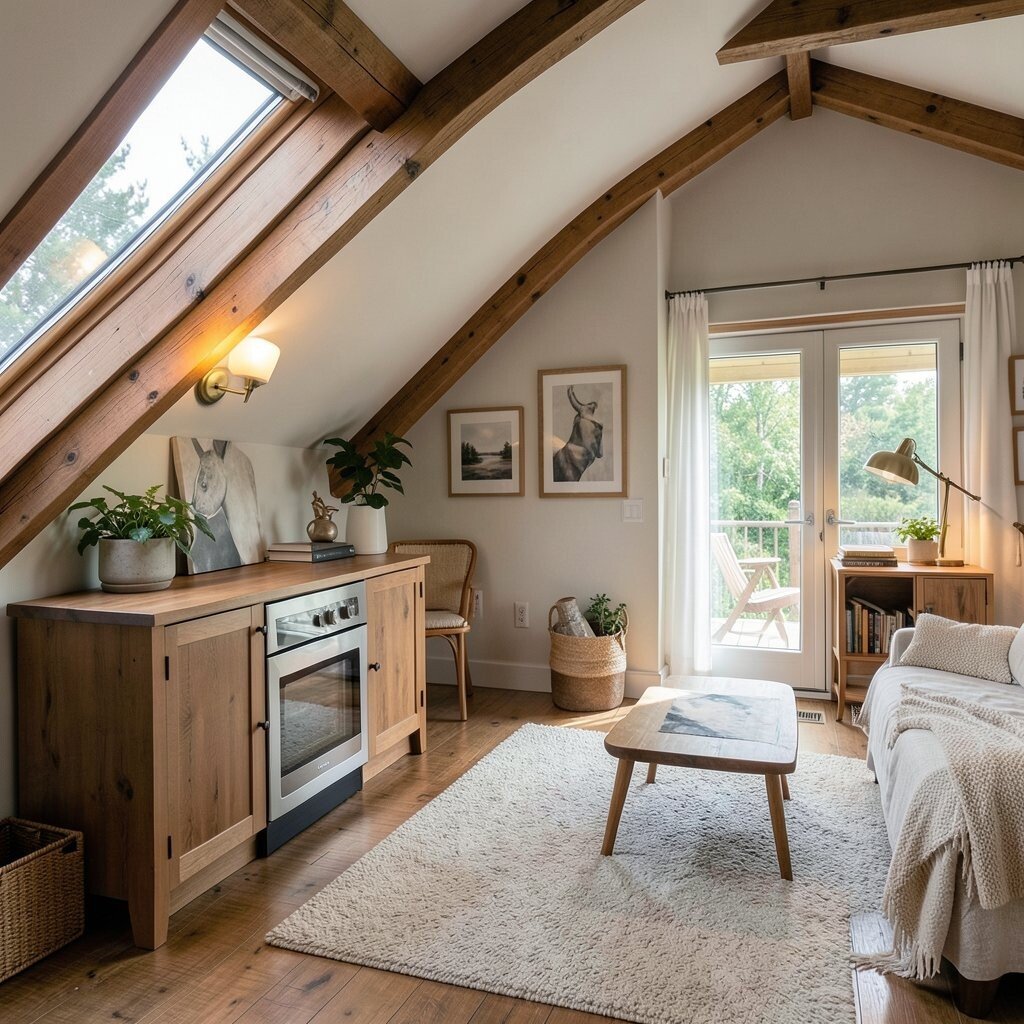
Many attic rooms look best when you blend a few styles instead of copying one exact look. For example, you can pair simple modern furniture with a rustic wood beam or a vintage-style lamp.
This approach keeps the room unique and personal, especially if you use items you already own. It can also help with cost because you can reuse pieces rather than buying everything new.
When mixing styles, try repeating one finish, like black metal or warm wood tones, across several items. That little trick helps the room feel connected, even with different patterns.
15. Budget with a Priority List for the Best Returns
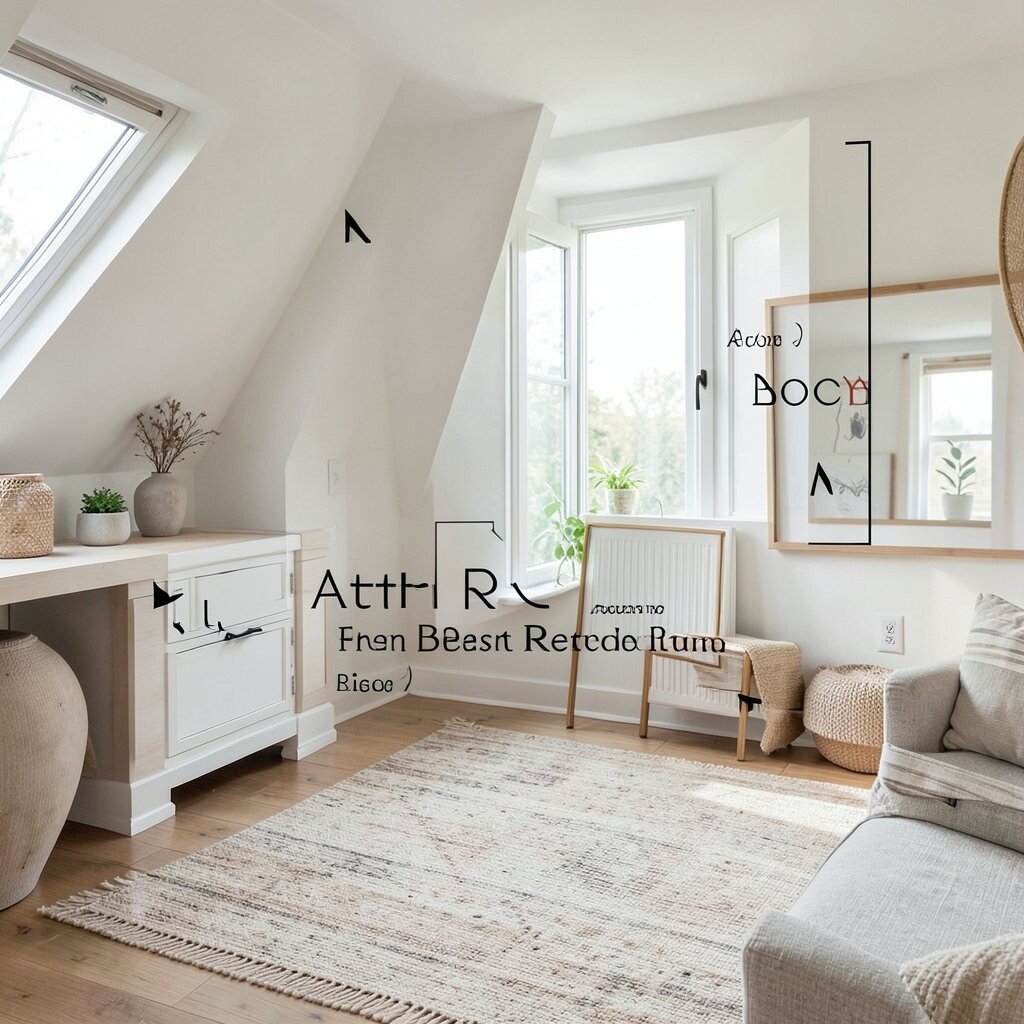
If you want to spend wisely, focus first on comfort and basics. Insulation, ventilation, flooring, and lighting usually give the biggest payoff in how the room feels day to day.
After the essential upgrades, you can shape the look with paint, fabric, and decor. This order helps you avoid paying for pretty changes that won’t matter if the attic still feels damp or uncomfortable.
You can also set aside a small buffer for unexpected fixes, because older attics sometimes have surprises. Planning for that keeps your budget steadier and your stress lower.
16. Personalize with Practical Upgrades You’ll Use Daily

The best attic makeovers feel personal without being complicated. Add built-in charging spots, a peg rail for everyday bags, or a small storage ladder step if the layout supports it.
Make it cozy with lighting controls you can reach easily and textiles that survive real use. Even a few small changes, like matching bins and a comfy chair, can make the space feel like yours.
Current trends also lean into personal, lived-in comfort rather than perfection. Warm layers, flexible furniture, and storage that looks good are popular because they keep the room inviting and easy to maintain.
Start with the upgrades you’ll touch every day, then grow from there as you learn how you move through the space. That way your attic becomes functional first, and style follows naturally.