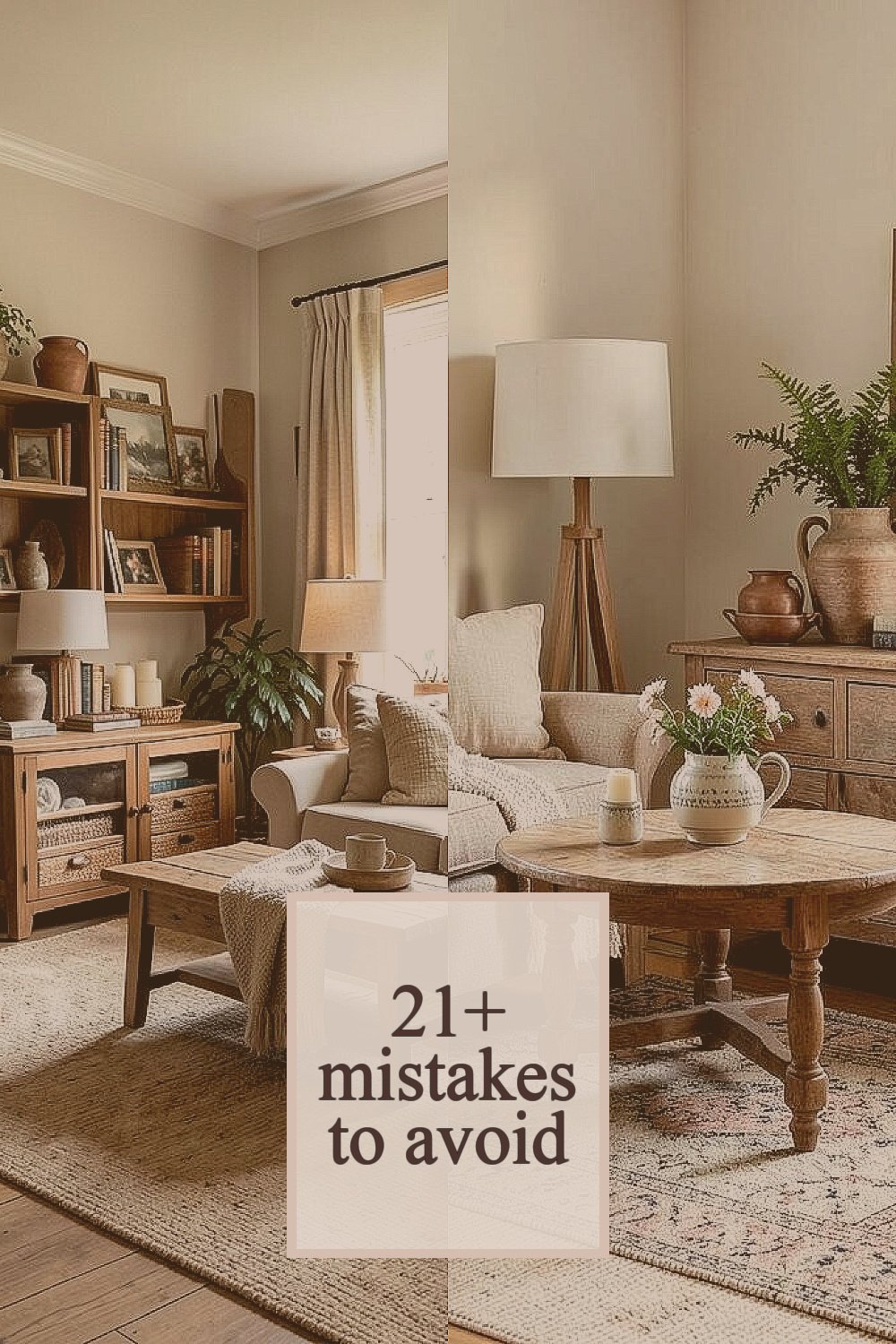
The right rustic vibe can make a room feel like a warm hug. The wrong choices can turn “cozy” into clutter fast.
Rustic style is all about comfort, texture, and lived-in charm. When you keep the details working together, your space feels personal, not random.
1. Overloading the room with everything at once
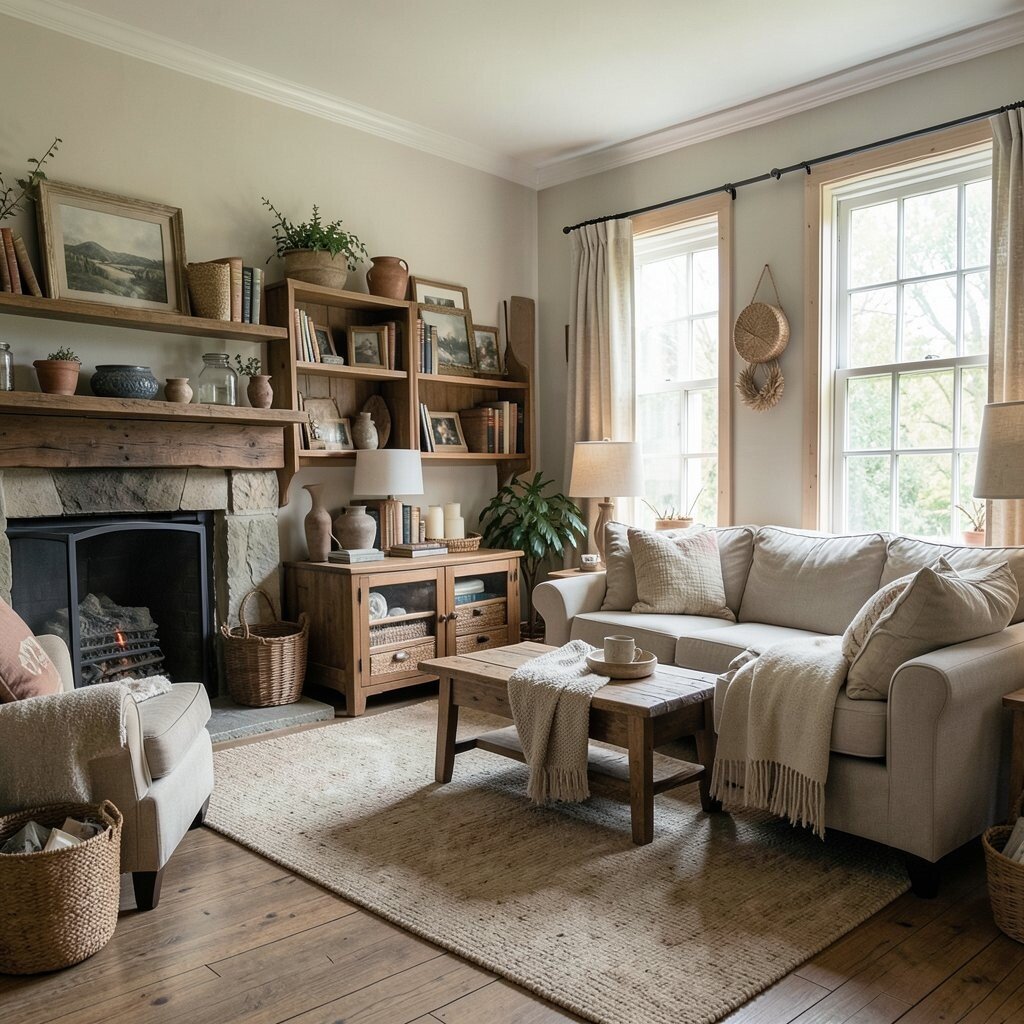
You can feel excited and want to add every rustic thing you love. When too many pieces compete, the room stops looking calm and starts looking crowded.
Start by picking one hero element, like a reclaimed wood coffee table or a thick knit throw. Then build around it with a few supporting textures, such as linen curtains and a simple metal lamp. This keeps the visual rhythm smooth, so the space feels welcoming when you walk in.
2. Choosing the wrong scale for furniture and decor

A tiny chair in a big living room can feel lost, and a huge sofa can squash the cozy feeling. Scale is what makes a space look intentional, even when it’s casual.
Measure the main seating area before you buy. Aim for comfortable walking paths and leave space around key pieces like side tables. When sizing is right, you get better flow, easier cleaning, and a more relaxed mood for everyday living.
For a personalized touch, match your furniture scale to how you actually use the room. If you host often, plan for a wider seating spread; if you read solo, make one corner feel generous and quiet. People notice the comfort immediately, and it also reduces the cost of replacing items that just don’t fit.
3. Ignoring color balance and sticking to only dark browns
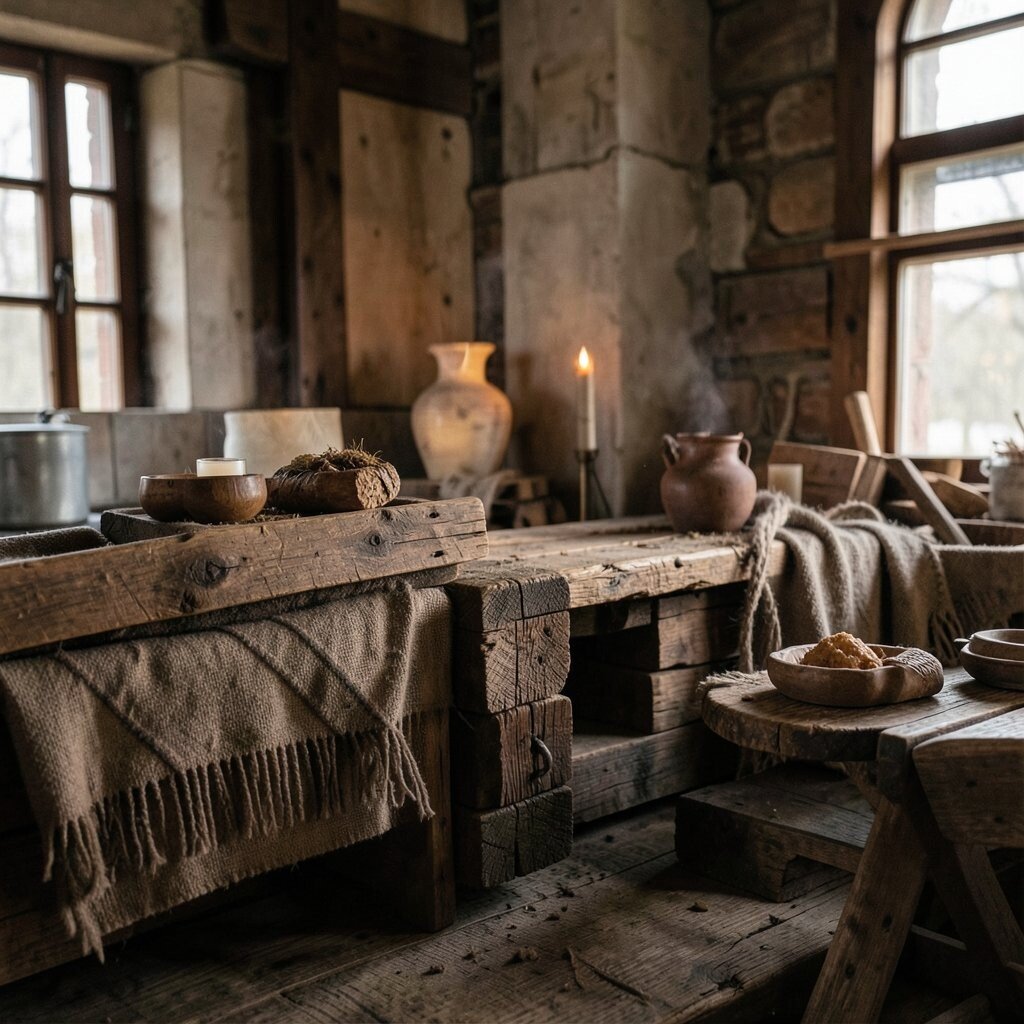
Dark tones can look rich and grounded, but too many can make a room feel heavy. Rustic spaces look best when they mix warm neutrals with a little brightness.
Try balancing deeper wood with lighter fabrics like cream, oatmeal, or warm white. Add a muted accent in sage, dusty blue, or soft rust to keep things lively. The benefit is a cozy warmth that still feels airy, and your decor won’t feel like a permanent cave.
To keep it unique, pull color from something you already own, like a favorite mug or a rug you love. You’ll spend less time shopping and more time styling. Current trends lean toward natural, earthy palettes paired with gentle light, so this approach fits right in.
One practical move is to test color by laying fabric samples near the wall at different times of day. Sunlight shifts everything, and that’s when the right balance becomes clear.
4. Mixing too many different wood tones without a plan
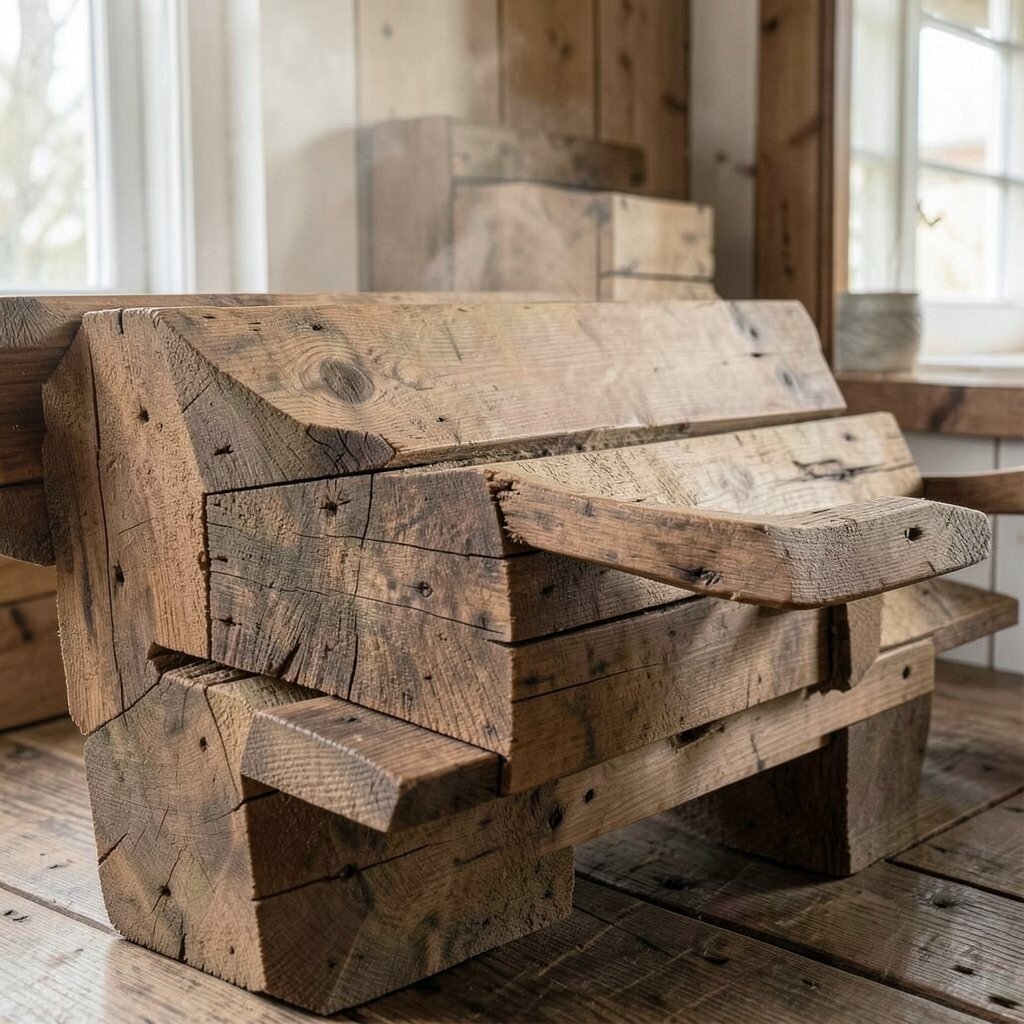
Rustic design often celebrates wood, but random wood shades can make the room look messy. If every piece is a different brown, your eye keeps jumping instead of settling.
Pick two to three wood tones and repeat them in key spots. For example, match the undertone of your coffee table with your shelves or picture frames. This creates unity and makes the space feel designed, not assembled.
5. Skipping texture and relying only on visual clutter
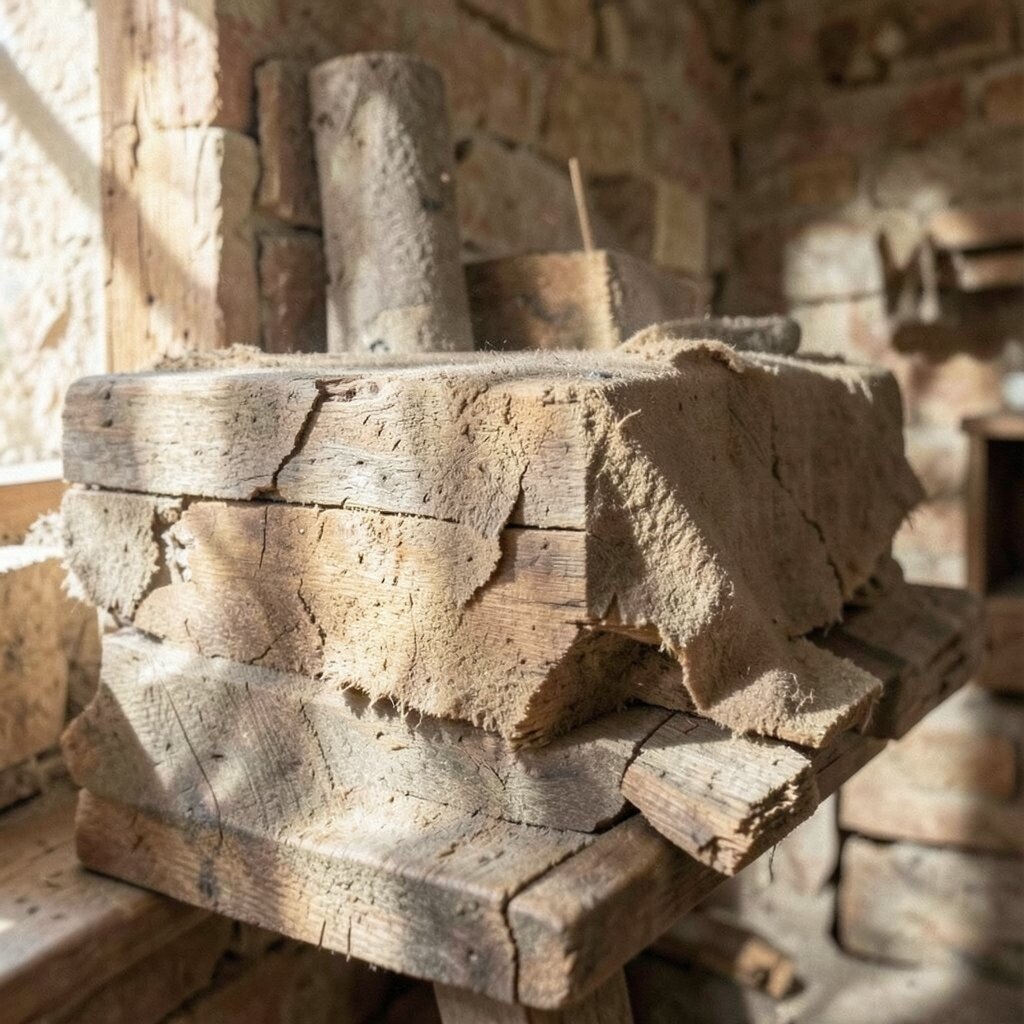
Rustic vibes feel cozy because they’re tactile. If everything looks smooth and flat, the room won’t give you that “stay a while” feeling.
Layer textures using knits, chunky throws, linen curtains, and a rug with visible weave. Mix in matte ceramics and woven baskets for comfort that looks lived-in. The benefit is that your space feels warmer in both style and atmosphere, even without changing your furniture.
For personalization, choose textures that match your daily habits. A heavy wool-style rug underfoot can make mornings feel better, and a soft cushion on the best chair invites you to sit longer. You’ll also get more value because sturdy textiles tend to last and you can wash or rotate them.
6. Using fake “rustic” finishes that look shiny or plastic
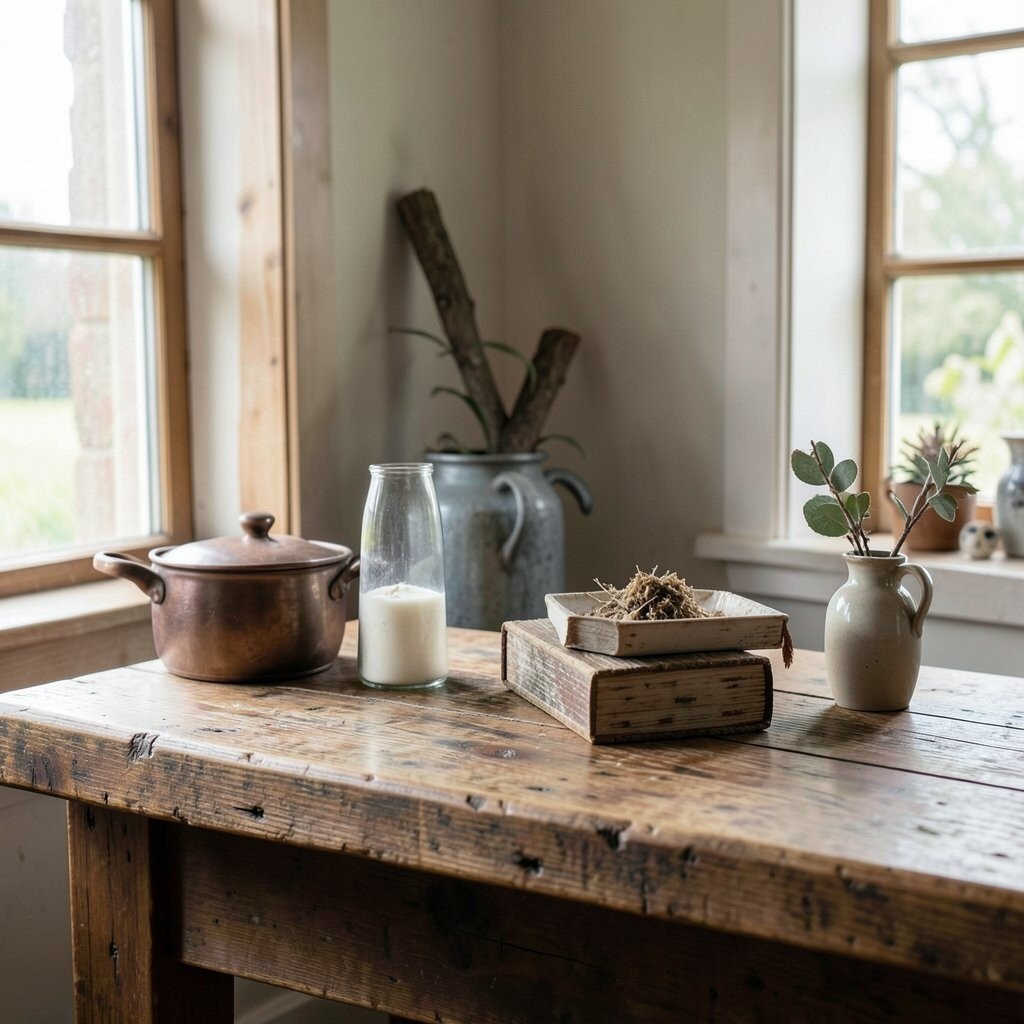
Some faux pieces look like they belong in a costume box, not a cozy home. Shiny varnish, thick plastic cracks, or overly uniform faux knots can stand out in a bad way.
Look for finishes that feel natural and wear-like. Matte stains, lightly distressed edges, and real grain patterns usually read as authentic at a glance. This saves you from the regret of replacing items when the lighting hits them.
To personalize, combine genuine vintage items with a few budget-friendly accents that still look real. Even a simple wooden candle holder or textured tray can help you keep authenticity without overspending. Current home styling trends favor honest materials, like aged metals and natural fibers, over flashy replicas.
7. Forgetting that lighting makes or breaks rustic mood
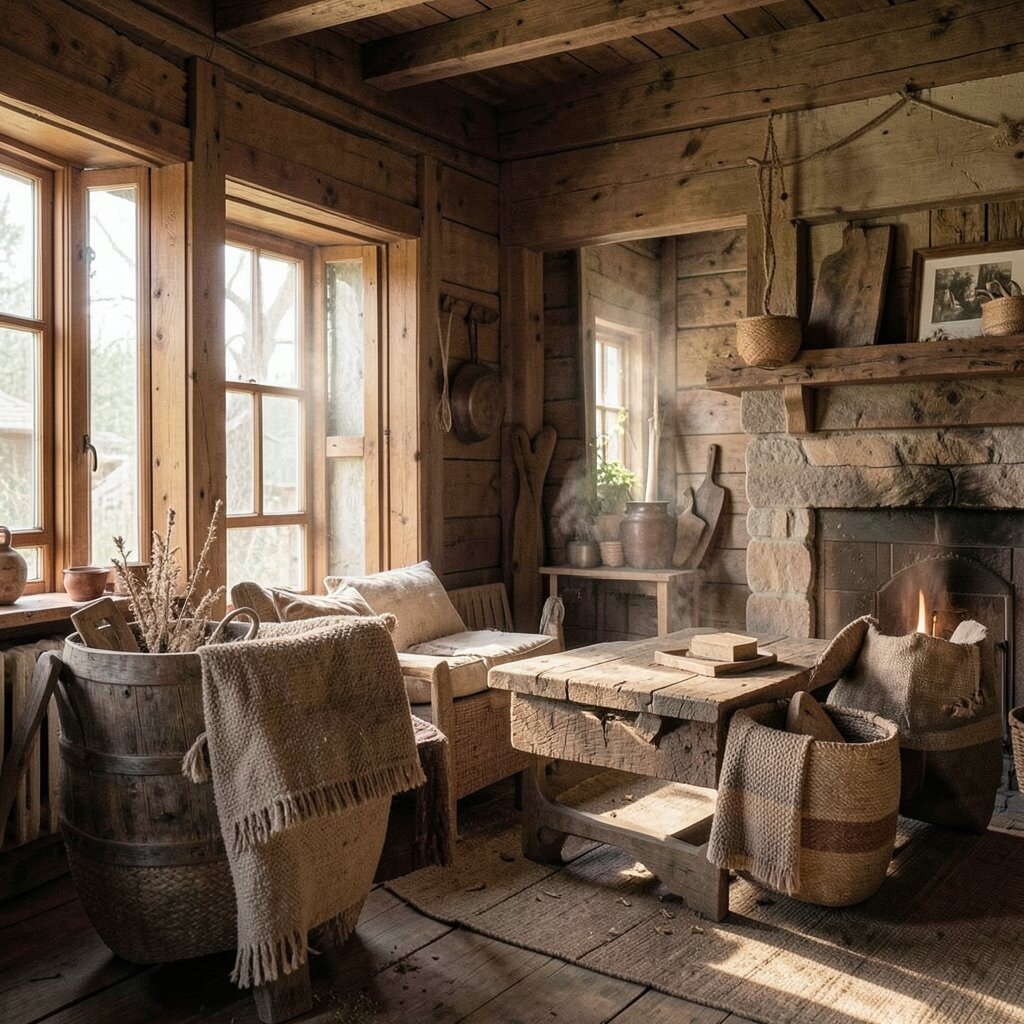
Rustic style often looks best in warm light, not harsh overhead bulbs. If your lighting is too bright or too cool, even beautiful decor can look dull.
Use warm bulbs and add lamps with fabric shades for a softer glow. Layer your lighting with one table lamp, one floor lamp, and maybe a warm wall sconce. This improves comfort and also helps your space feel relaxing at night.
8. Overusing signs, quotes, and themed wall art

Rustic decor can get wordy fast, especially when you add lots of plaques and sayings. When the walls are constantly talking, the room feels busy instead of cozy.
Choose fewer wall pieces, but make them meaningful. A framed vintage map, a simple wooden shelf with plants, or a textured wall hanging often feels more personal. The benefit is that your walls look curated, and you avoid spending money repeatedly on the next “must-have” sign.
To personalize, use items tied to your story, like a family photo in a simple wood frame or a handmade ceramic piece from a local maker. That keeps the room unique and avoids the generic look that can happen when everything is seasonal text. A good trend is mixing personal art with natural textures for a calmer vibe.
9. Choosing curtains that block light instead of adding softness
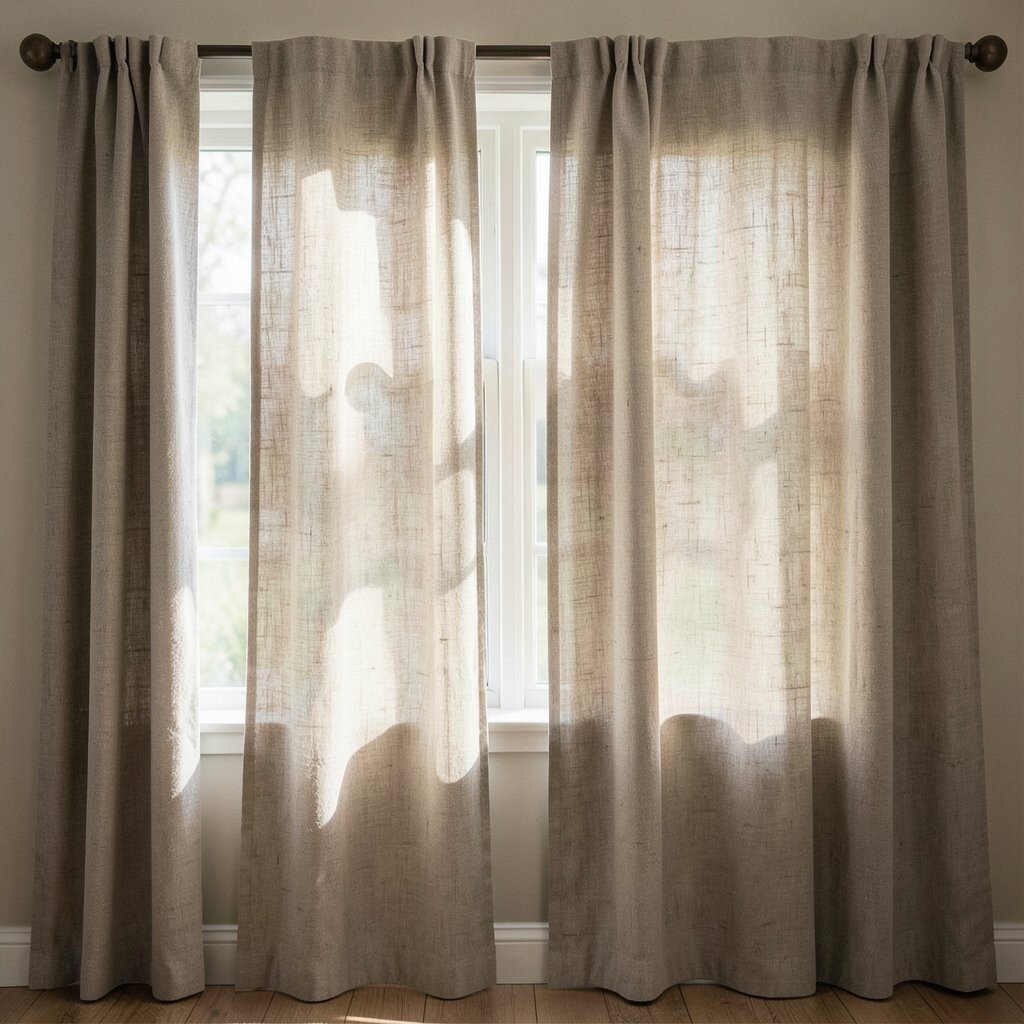
Heavy curtains can feel rustic and cozy, but if they’re too dark or too dense, the room may feel dim. A cozy space still needs breathing room.
Pick curtains with a natural feel, like linen blends or textured cotton. If you love drama, use a deeper color but keep the fabric lighter in weight. This gives you privacy and warmth while still letting daylight brighten the room.
10. Using a rug that’s the wrong size for the room
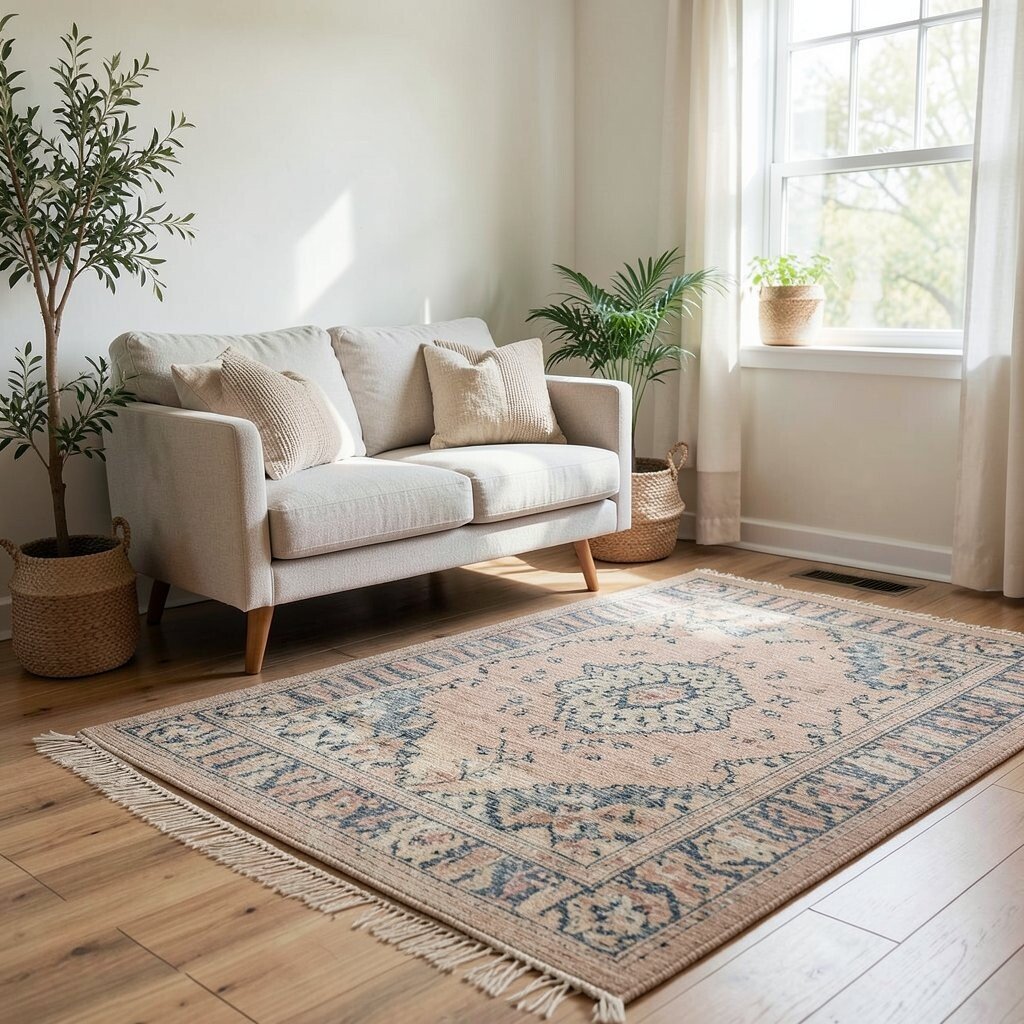
A rug that’s too small can make furniture look like it’s floating. A rug that’s too large can crowd the space and hide the floor you might actually love.
Measure your seating area and aim for the rug to extend under the front legs of major furniture. That small change helps everything look grounded and cozy. It also improves comfort underfoot and can reduce the need for multiple smaller rugs.
For personalization, pick a pattern that echoes your rustic theme without copying it exactly. A muted geometric weave or subtle medallion can feel cozy while staying stylish. Current trends often mix classic textures with simple patterns, so your space can look updated without losing charm.
11. Treating every corner like it needs a centerpiece

Rustic style looks best when it has small moments, not constant focal points. If every surface tries to be “the main thing,” your room can feel exhausting.
Pick one or two surfaces to style, like a coffee table and one console. Then leave other spaces a bit more open with clear negative space. This makes the room feel calmer, and it’s easier to clean too.
Personalize by rotating seasonal items, like a fall wreath or summer greenery, but keep the base decor consistent. That way you get variety without buying a whole new setup each time. It’s a smart cost consideration because you invest in a solid foundation and reuse what you already own.
When you style, step back and look at the room from the doorway. If it feels balanced, you’re on track.
12. Forgetting practical storage in the name of rustic charm
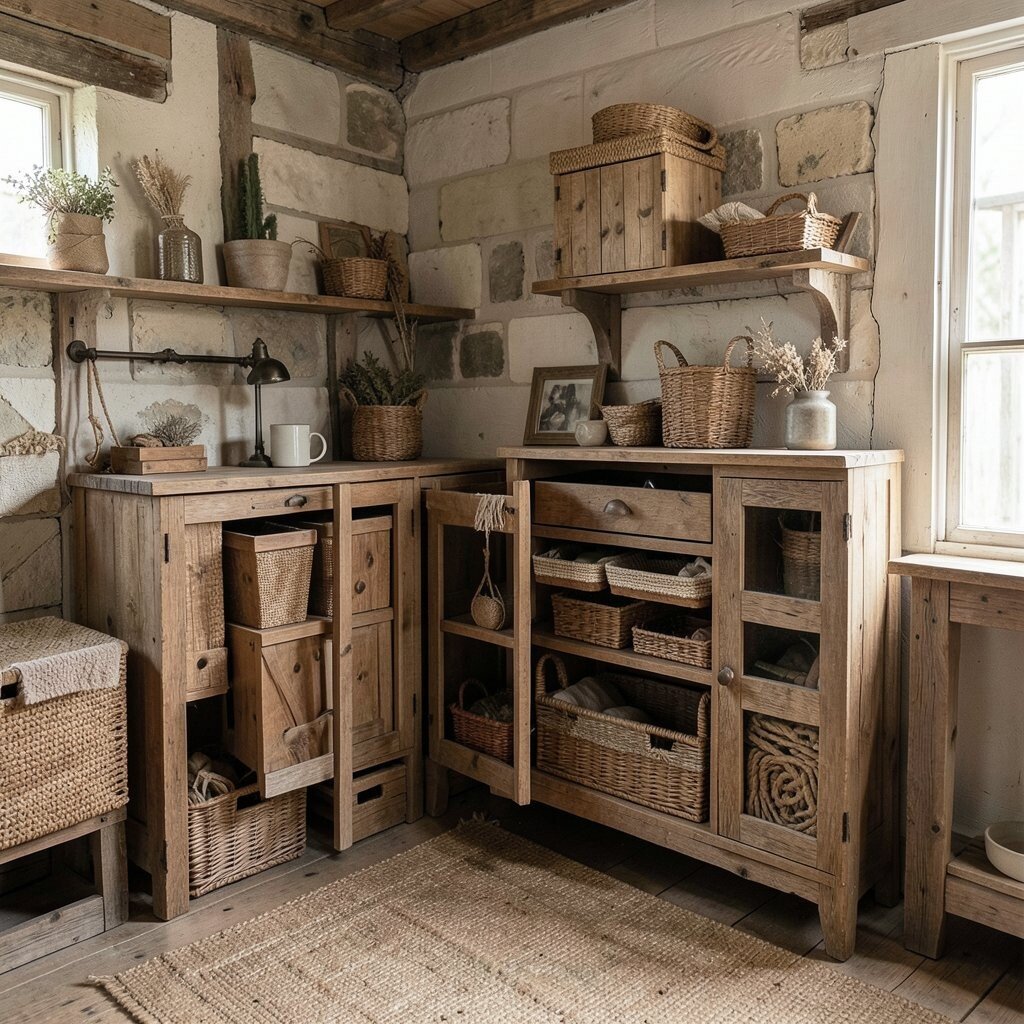
Beautiful baskets and bins are great, but only if you actually use them. If clutter is always hiding in plain sight, the cozy feeling won’t last.
Choose storage that looks rustic and fits your space, like woven baskets, sliding cabinet doors, or a trunk-style coffee table. Keep everyday items in easy spots so the room stays tidy without effort. The benefit is a cozy environment you can maintain, not just admire.
13. Overdoing distressed textures without keeping it cohesive

Distress can add character, but too much can make everything look worn out rather than charming. The line between “aged” and “chaotic” is easy to cross.
Pair distressed pieces with cleaner, simpler items. If your table has heavy distress, balance it with smooth ceramics or a solid-colored cushion. This creates uniqueness while still keeping the overall look calm and cozy.
For practical tips, limit heavy distress to a couple of focal pieces. Then let softer textures handle the rest, like knitted throws and natural fiber rugs. This also helps with cost, because you won’t keep buying replacements to fix a look that feels off.
14. Using modern glossy metals that fight your wood and fabric
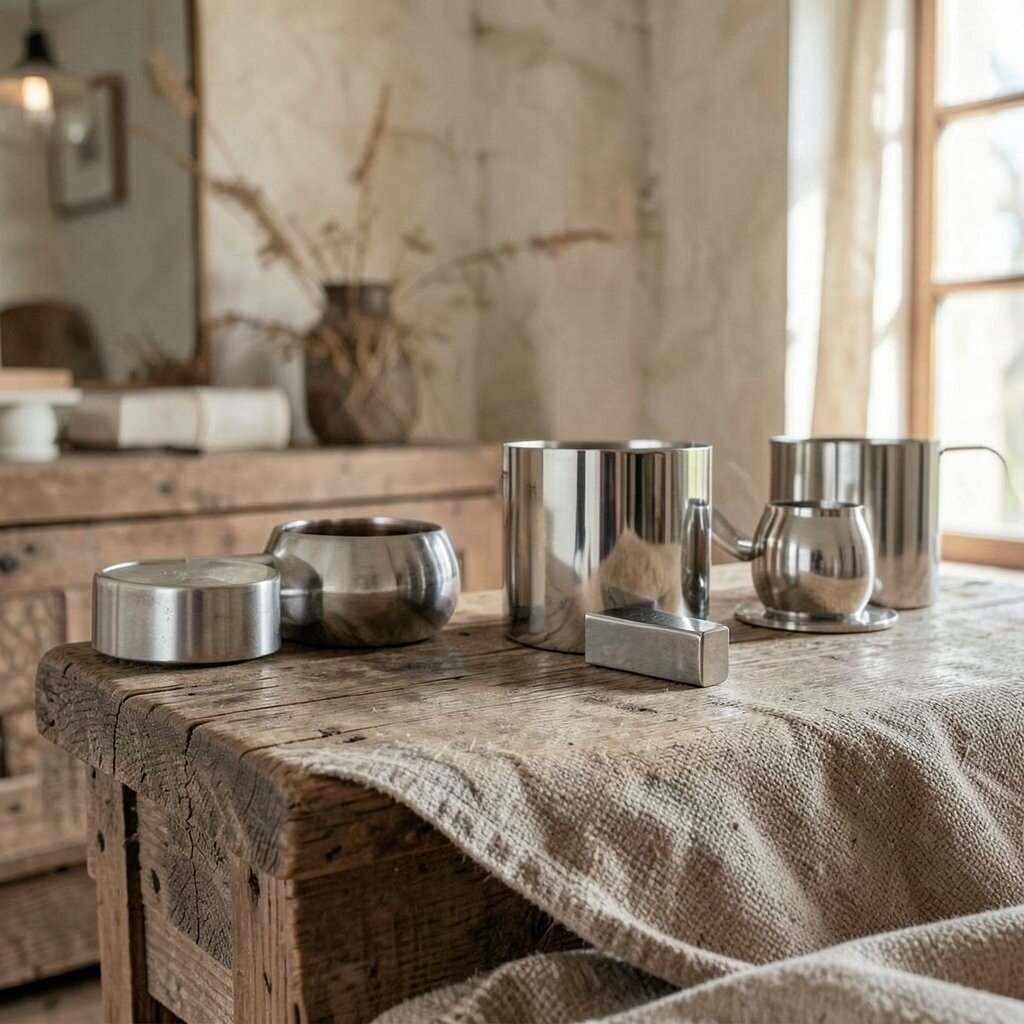
Rustic spaces often rely on metals, but the finish matters. Bright chrome can feel too modern and can interrupt the warm vibe you’re building.
Look for brushed bronze, matte black, or antique brass finishes that blend with wood tones. These metals feel warmer and tie together lamp bases, picture frames, and hardware. The benefit is a more unified look that feels intentional.
15. Skipping plants and greenery because it feels “not rustic enough”
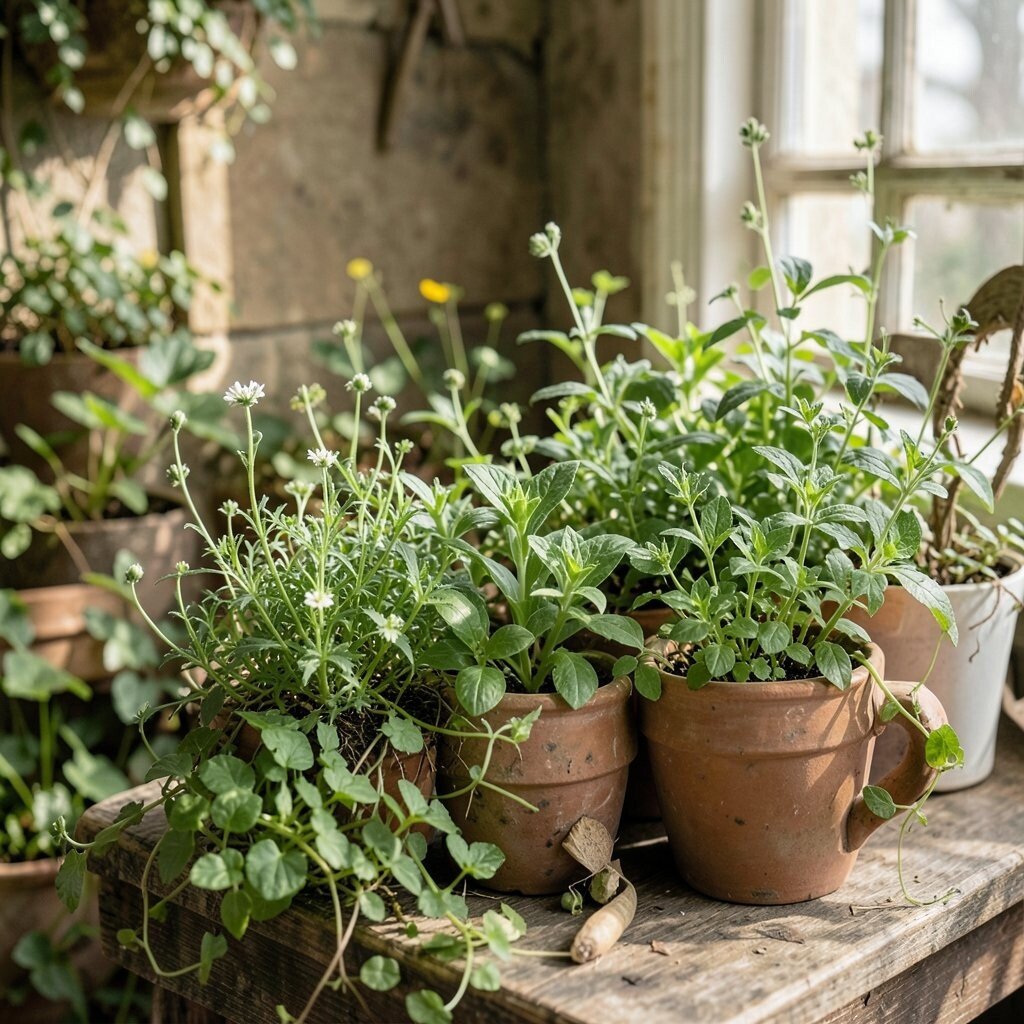
Plants are one of the easiest ways to make a rustic room feel fresh and alive. Even a simple plant in a clay pot can soften hard edges and add color.
Choose easy greenery like pothos, eucalyptus-style stems, or succulents in warm-toned planters. Place plants near natural light and use textured pots for extra charm. This adds uniqueness and makes the space feel cared for, not staged.
Personalize by using planters that match your style, like a weathered ceramic or a woven basket liner. If you’re budget-conscious, start with one plant and expand later. Current trends keep moving toward biophilic design, which is basically letting nature do the decorating for you.
16. Buying “cozy” items that don’t feel good in real life
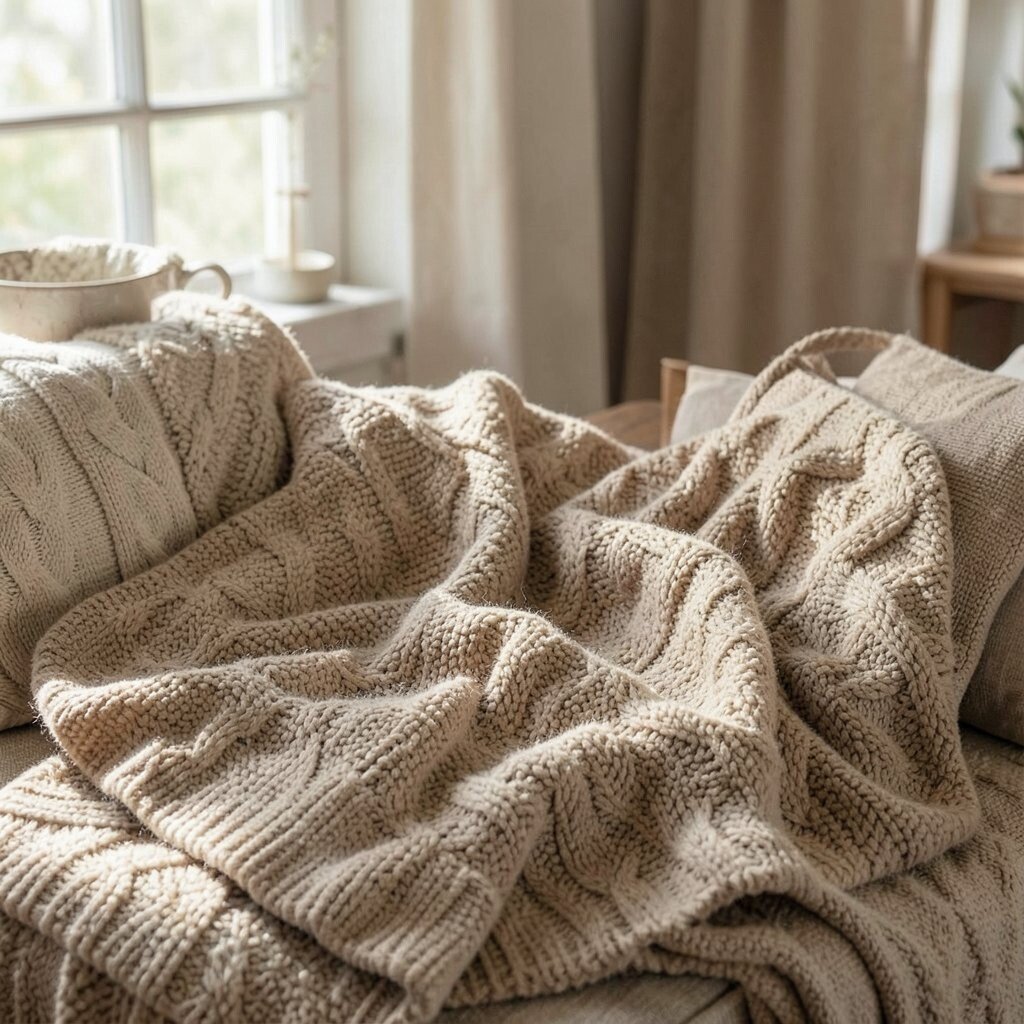
A rustic room should be inviting, but aesthetics can trick you. If cushions are scratchy, throws are itchy, or fabrics don’t breathe, you won’t enjoy the space.
Touch materials before you buy when possible, or check product descriptions for fabric blends. Choose covers that are easy to wash and durable enough for daily use. This is a practical tip that protects your comfort and your budget over time.
To personalize, think about how you relax, whether that’s movie nights, reading, or slow mornings. Select seat cushions and throws that match your comfort needs, like softer knits for lounging and sturdier textiles for high-traffic areas. When you match function to style, the cozy vibe becomes real, not just pretty.
And remember, comfort can be affordable. Secondhand furniture and basic linens often provide the best value.
17. Ignoring wall color and using only decor to do the work
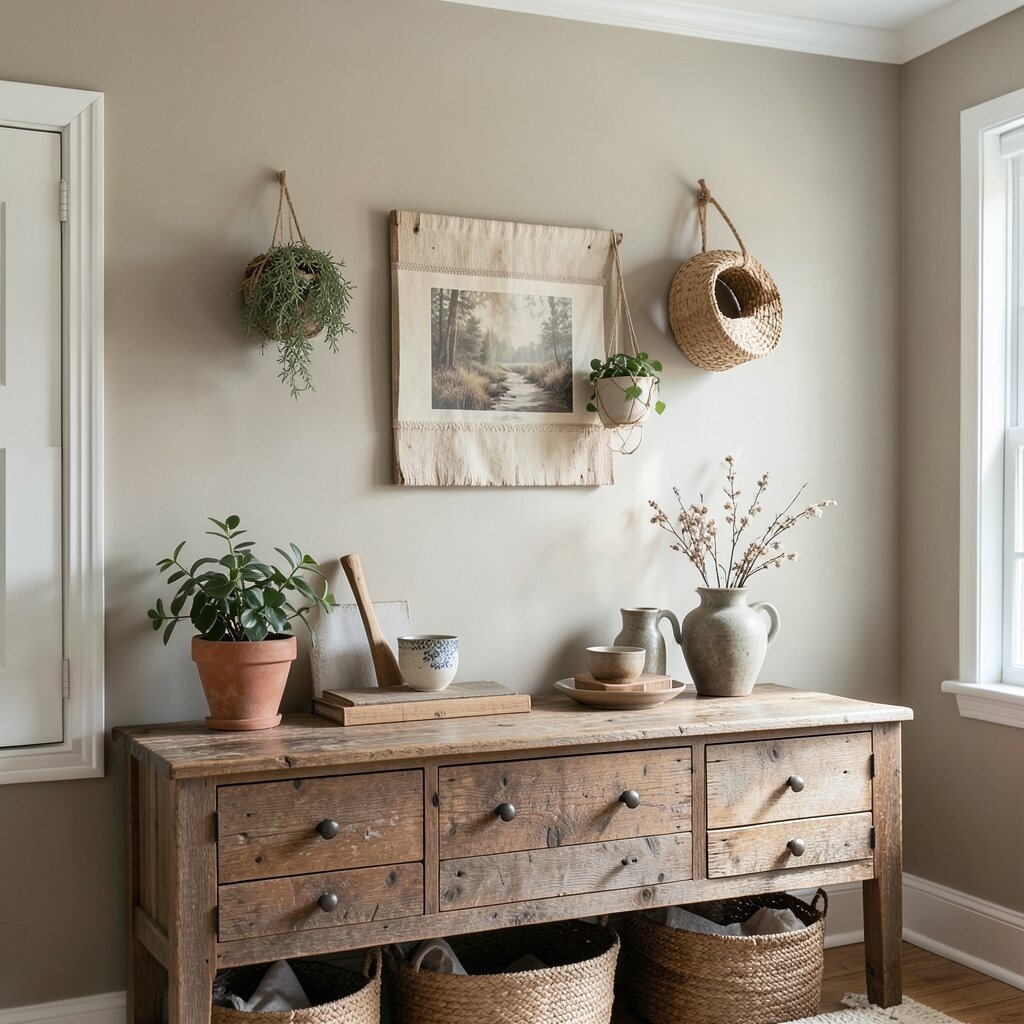
Rustic vibes don’t live only on furniture and shelves. Wall color sets the tone, and it can make everything else look better or worse.
Warm off-whites, creamy beige, or soft greige usually pair well with wood and earthy textiles. If you love drama, try a muted green or a clay tone, but keep it balanced with lighter fabrics. This helps the room feel cozy without making it feel closed in.
18. Cluttering surfaces with small mismatched items

A coffee table full of tiny decor can look cute for a moment, but it quickly becomes messy. Too many small objects also make cleaning feel like a chore.
Use fewer items with more visual impact, like one tray with two candlesticks and a small vase. Keep your palette consistent with wood, cream, and one earthy accent. The benefit is an organized look that still feels warm and personal.
For personalization, vary height and shape, not quantity. A tall candle, a medium ceramic bowl, and a low plant create interest without chaos. This also helps with cost because you buy fewer, better pieces that you’ll enjoy longer.
19. Skipping rug padding and underlay for comfort
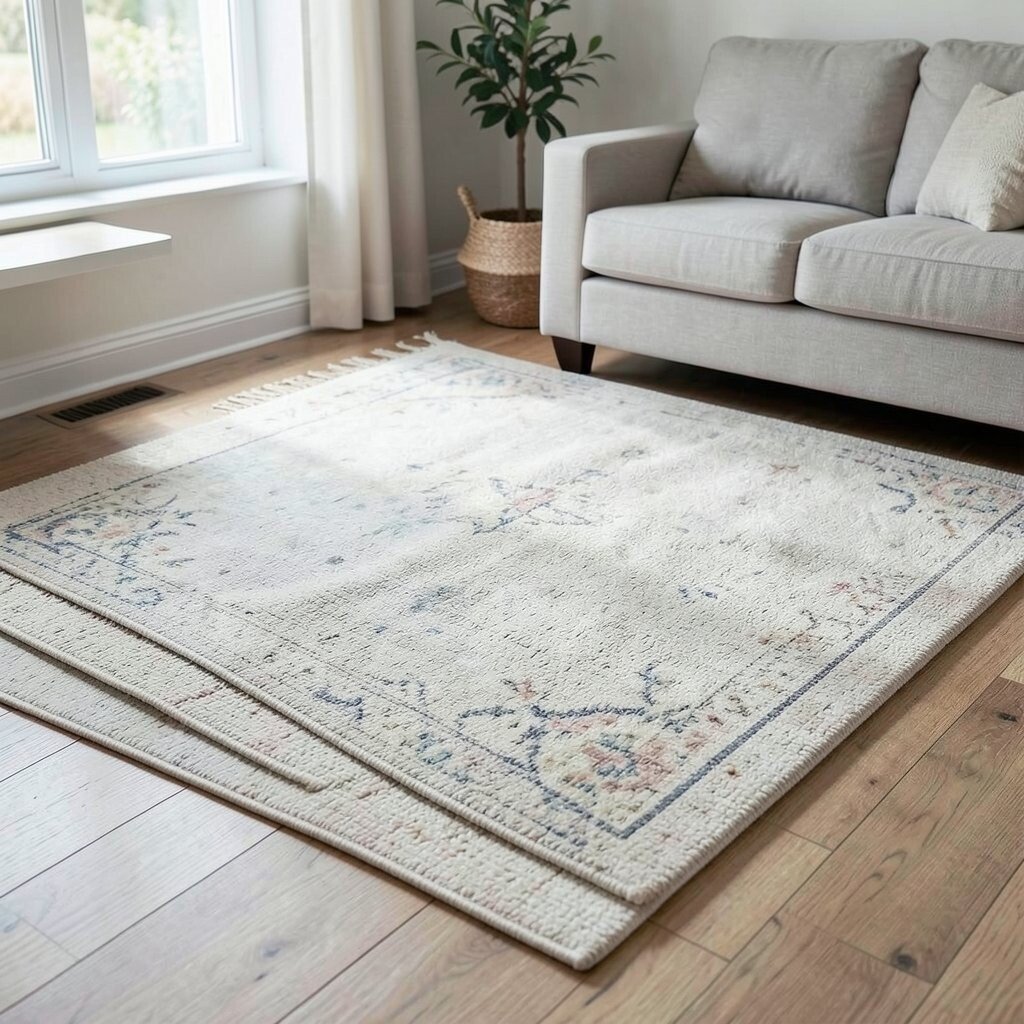
If your rug feels thin or slippery, the room won’t feel as cozy as it looks. Underfoot comfort matters, especially in rooms where you sit and relax often.
Add rug padding to improve cushioning and reduce movement. This simple step can make the entire room feel more comfortable and “finished.” It also helps extend rug life by reducing wear from friction.
To personalize, choose padding that works with your floor type, like hard floors or carpet. You may not see it directly, but you’ll feel it every day. As a cost consideration, padding is usually cheaper than replacing a rug that wears out too fast.
When the room feels stable under you, the rustic vibe becomes more relaxing too.
20. Not planning a clear focal point for the whole room

Rustic rooms can feel charming, but only when you know what you’re looking at first. Without a focal point, decor can feel scattered even if every item is beautiful.
Create a focal area like a fireplace wall, a large artwork piece, or a styled media console. Then arrange furniture to face it and add supporting textures nearby. This improves the way the space “reads,” which helps guests and family feel comfortable right away.
21. Forgetting to repeat materials for a unified look
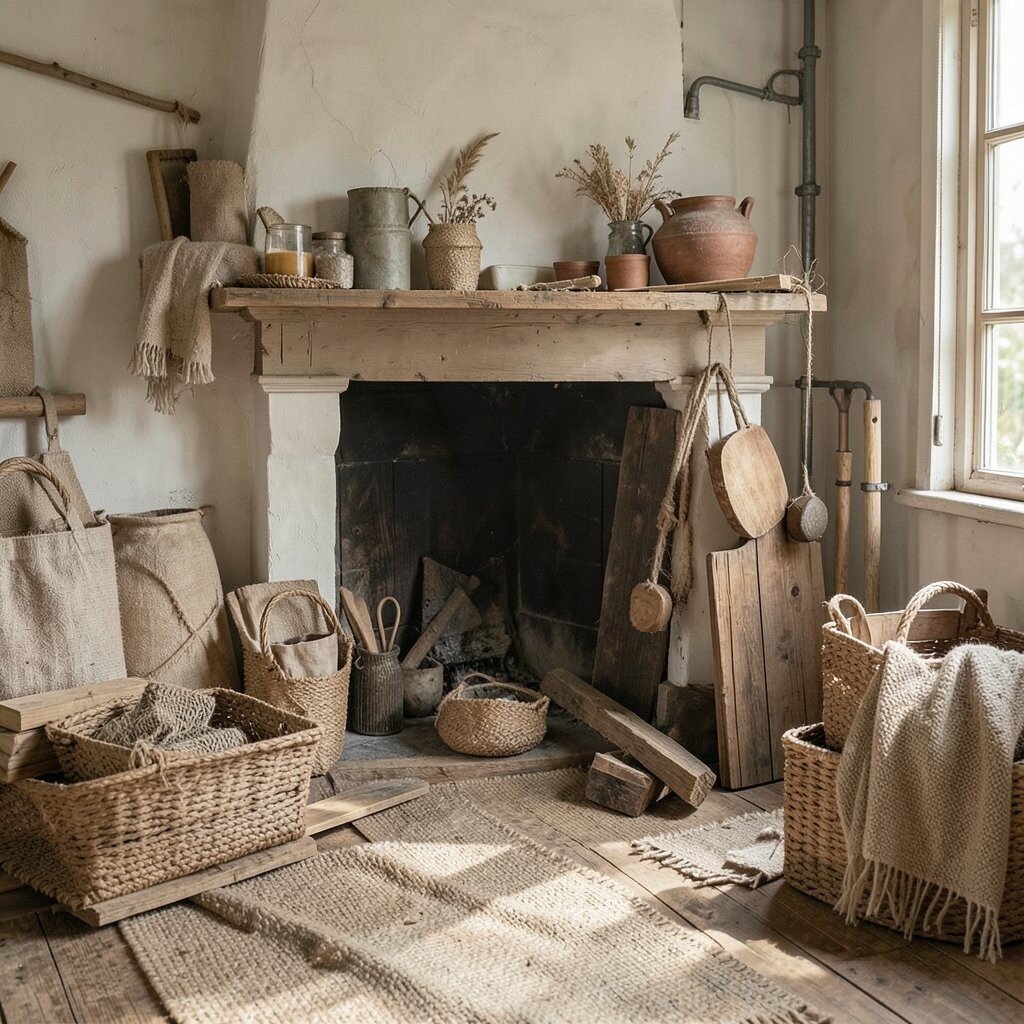
When materials are only used once, the room can feel disconnected. Rustic style shines when certain textures show up again and again in small ways.
Repeat key elements like jute, reclaimed wood, or matte ceramics across the space. For example, match the basket weave on shelves with a woven texture in the rug or a throw. This makes the design feel cohesive, and it’s one of the easiest ways to make a small room feel more intentional.
Personalize by repeating materials you genuinely love instead of copying someone else’s style. If you enjoy the look of dark walnut, bring it into frames, a lamp base, or a serving board. The current trend is all about cohesive natural textures, and this approach keeps your space stylish without constantly shopping.
22. Treating seasonal changes as an excuse to start over
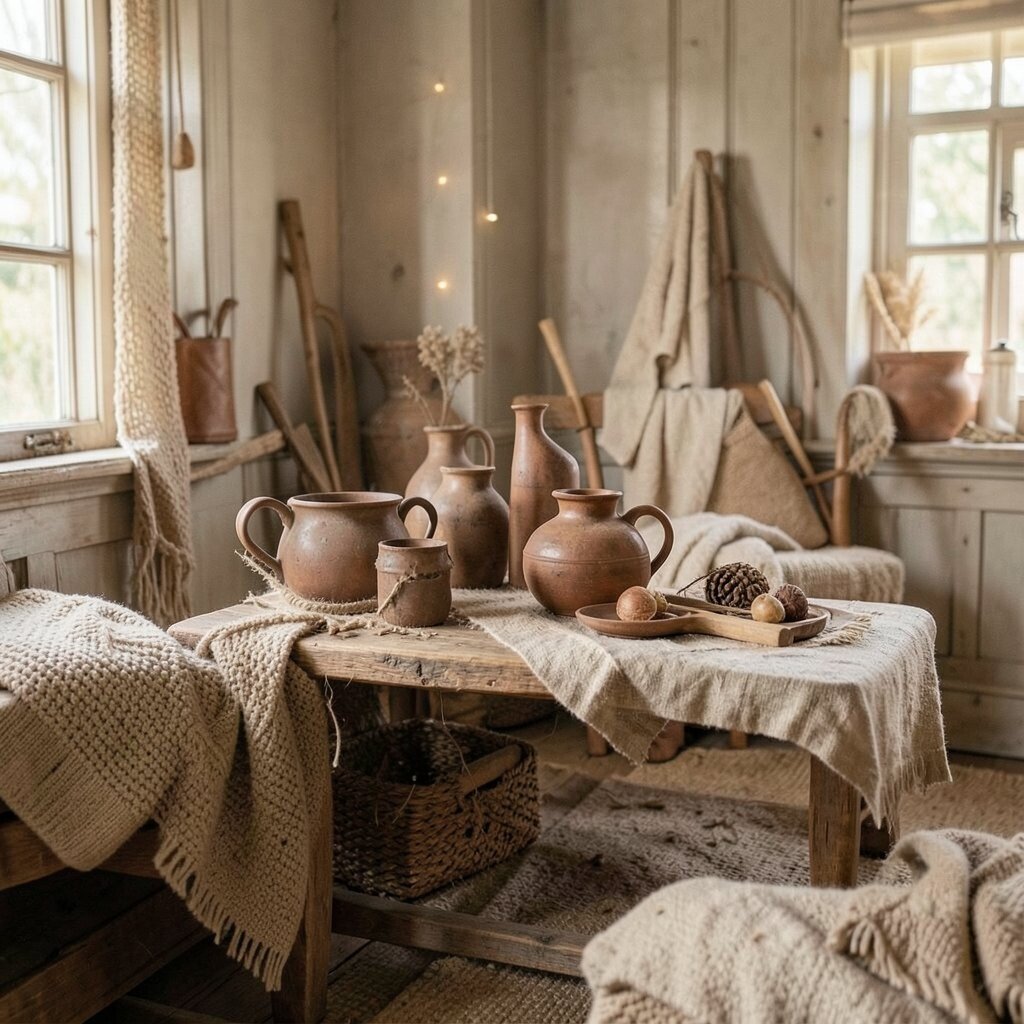
Seasonal decorating can be fun, but rebuilding everything each time can get expensive and stressful. You end up losing the rustic core that made your space cozy in the first place.
Keep a steady foundation with year-round pieces like neutral rugs, wood furniture, and warm lighting. Then swap a few small items, such as pillow covers, a wreath, or a seasonal centerpiece. This gives you variety while protecting your budget and your sanity.
For personalization, store items by theme and color so each season feels coordinated. Choose accents that match your earthy palette, like muted oranges, sage greens, or deep blues. When you keep the changes small and meaningful, your rustic vibe stays consistent and inviting.
And if you’re planning ahead, build a rotation list so you know exactly what you’ll use each season.