
Your hair can look soft, shiny, and full without spending every waking minute on it. The right treatment makes your strands feel cared for, and it shows in every photo.
From salon favorites to at-home rituals, you can build a routine that fits your hair type and your day. Keep an eye on how your hair responds, and treat it like a living thing that loves consistency.
1. Keratin Smoothing for Glossy, Frizz-Free Days
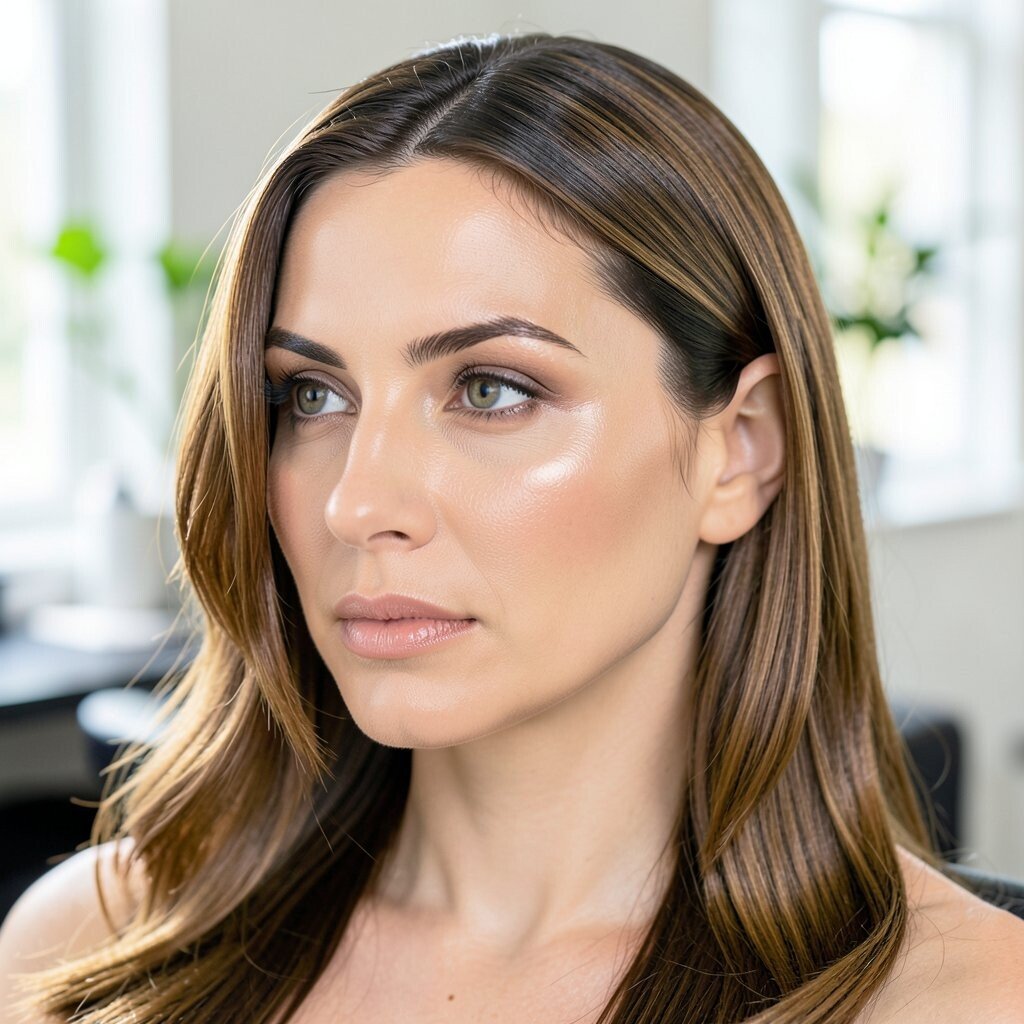
Keratin smoothing is one of those treatments that makes hair look polished in seconds. After it, you may notice flyaways calming down and your ends feeling sleeker when you touch them.
This treatment often works best for people with frizz, humidity issues, or thick, unruly hair. For the most natural look, choose a formula that aims to smooth without turning hair flat, and ask your stylist how long the results typically last for your hair texture. Keep your routine gentle by using sulfate-free shampoo, since harsh cleansing can make the finish fade faster.
2. Scalp Detox to Reset Your Shine
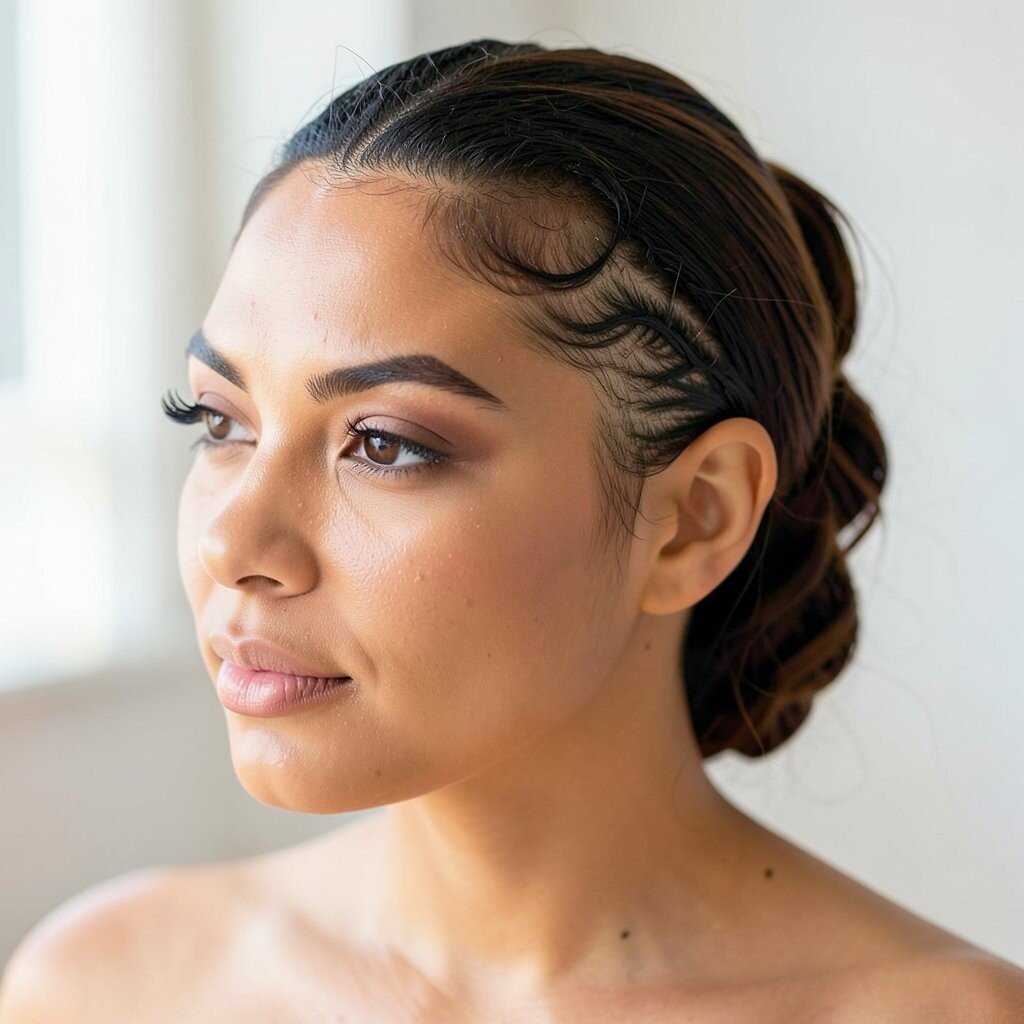
A happy scalp helps hair shine, because it’s the place where everything starts. When buildup clings to roots, hair can look dull and feel heavy even if your lengths are soft.
A scalp detox treatment can loosen product residue, oils, and dead skin so your strands can breathe. For the best effect, do it before a conditioning mask so your hair absorbs moisture more evenly. If you color your hair, choose a detox that is designed to be color-safe and avoid treatments that feel too stripping.
To personalize it, think about your habits: daily dry shampoo use, heavy oils, or frequent styling can mean you need a more regular reset. Many people choose a monthly schedule, but you can adjust based on how your scalp feels and how quickly your roots get greasy. At-home options cost far less than salon sessions, yet professional detoxes can be great if you want stronger results for stubborn buildup.
3. Hot Oil Treatments for Soft Lengths and Healthy Slip
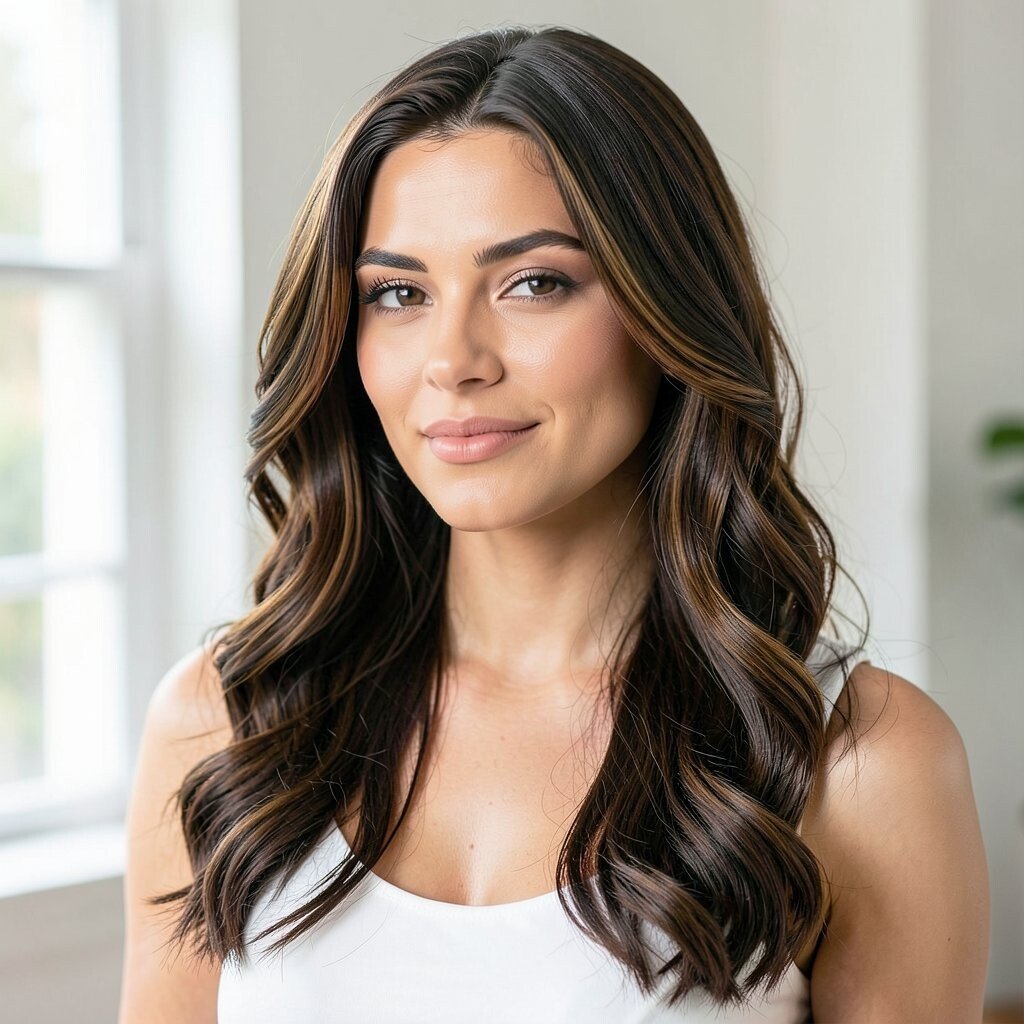
Warm oil treatments make hair feel like silk. The scent, the warmth, and the gentle glide while you rinse can turn a regular wash into a mini ritual.
They’re especially helpful for dry ends, textured hair, and anyone who detangles with struggle. Use the oil that fits your hair, like coconut for deeper nourishment or olive for a heavier, classic feel, then massage it into your scalp lightly if your skin tolerates it. Wrap your hair to hold the heat, because it helps moisture sink in instead of evaporating too quickly.
To make it practical, start with a shorter time and increase only if your hair drinks it up well. If your hair gets weighed down easily, focus the oil on mid-lengths and ends rather than the roots. This kind of treatment is often budget-friendly compared with chemical services, and it lets you tailor strength and timing at home.
One current trend is pairing hot oil with protein-free days, so hair stays soft while still getting nourishment. You can also choose oils that match your mood, like almond for a lighter feel or castor for targeted thickness. Keep an eye on how your hair looks in natural light, since that’s where softness and shine really stand out.
4. Bond Repair Treatments for Breakage That Won’t Quit
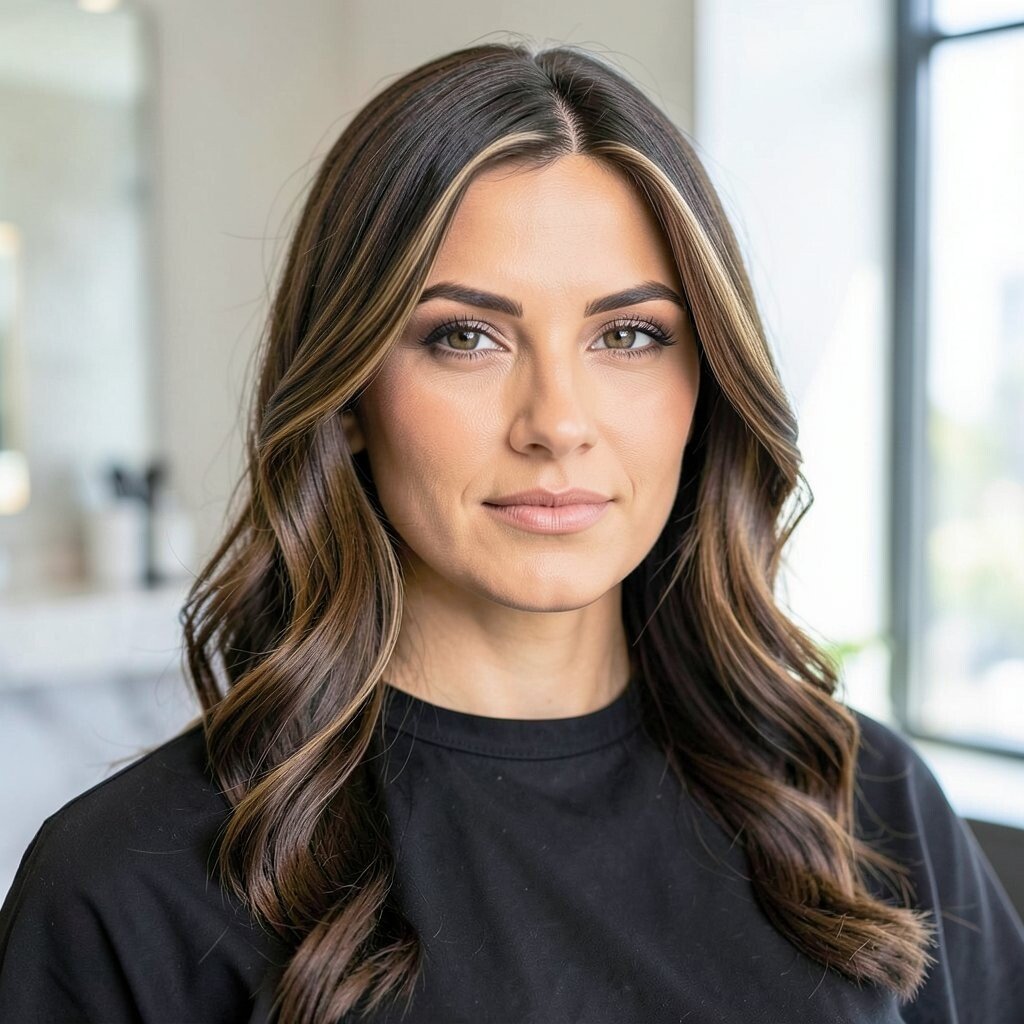
Bond repair treatments are all about strengthening hair from the inside out. If your hair feels rough after coloring or bleaching, you may see frizz rise and ends look thinner.
These treatments work by supporting the structure of damaged strands, giving your hair more resilience when you brush and style. For best results, follow with a conditioner that keeps hair smooth, and avoid overusing heat right after treatment. If you style often, you can ask your stylist how frequently to do bond repair for your specific level of damage.
To personalize, match the treatment to your goals: some products are made for more intense repair while others are gentle enough for regular use. The cost can be higher than basic masks, but many people find it worth it when it reduces breakage and helps hair grow longer. You’ll also notice the difference in how hair stretches during detangling, usually with less snapping and more control.
5. Hydrating Hair Masks for That “Fresh Washed” Feeling
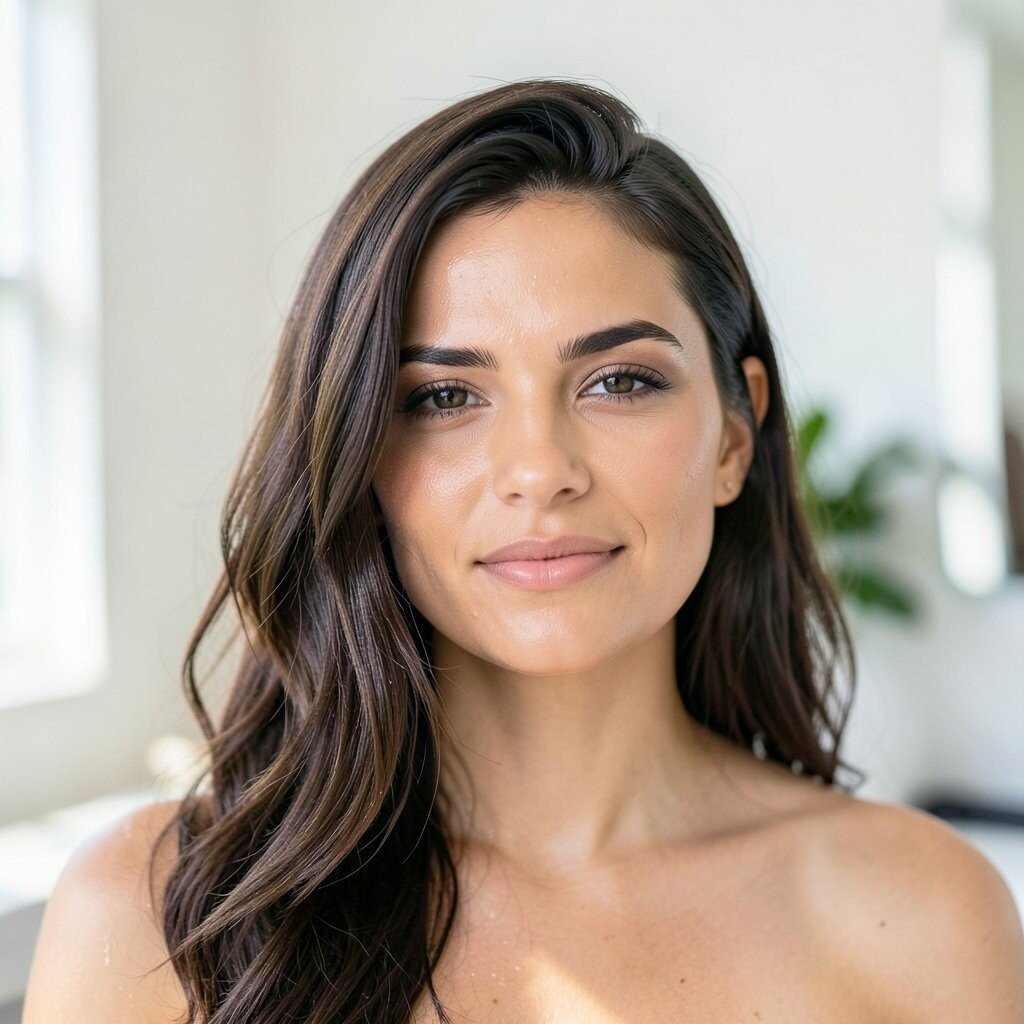
A good hydrating mask can make hair look bouncy and alive. After rinsing, your strands may catch light like satin, especially near the crown.
Look for masks with ingredients that hold moisture, like glycerin, aloe, or panthenol, and choose one that fits your hair’s needs. If your hair feels dry but also fine, keep the mask on lengths only and keep roots light. For thick hair, you can leave it longer, gently comb it through, and wrap it for extra softness.
Try a simple routine tweak: use a mask after clarifying or after any season change that dries hair out. Many people find that consistency beats intensity, so repeating weekly can give a steady glow. Masks are usually mid-range in cost, and you can often buy salon-grade versions for home use.
Right now, lightweight hydrating masks are trending because they nourish without making hair feel heavy. You can also customize by mixing a small amount of your favorite conditioner into the mask for a more personalized texture. Pay attention to your hair’s movement when you swing it; hydration often shows as easier, smoother movement.
6. Deep Conditioning Steam Treatments for Extra Moisture
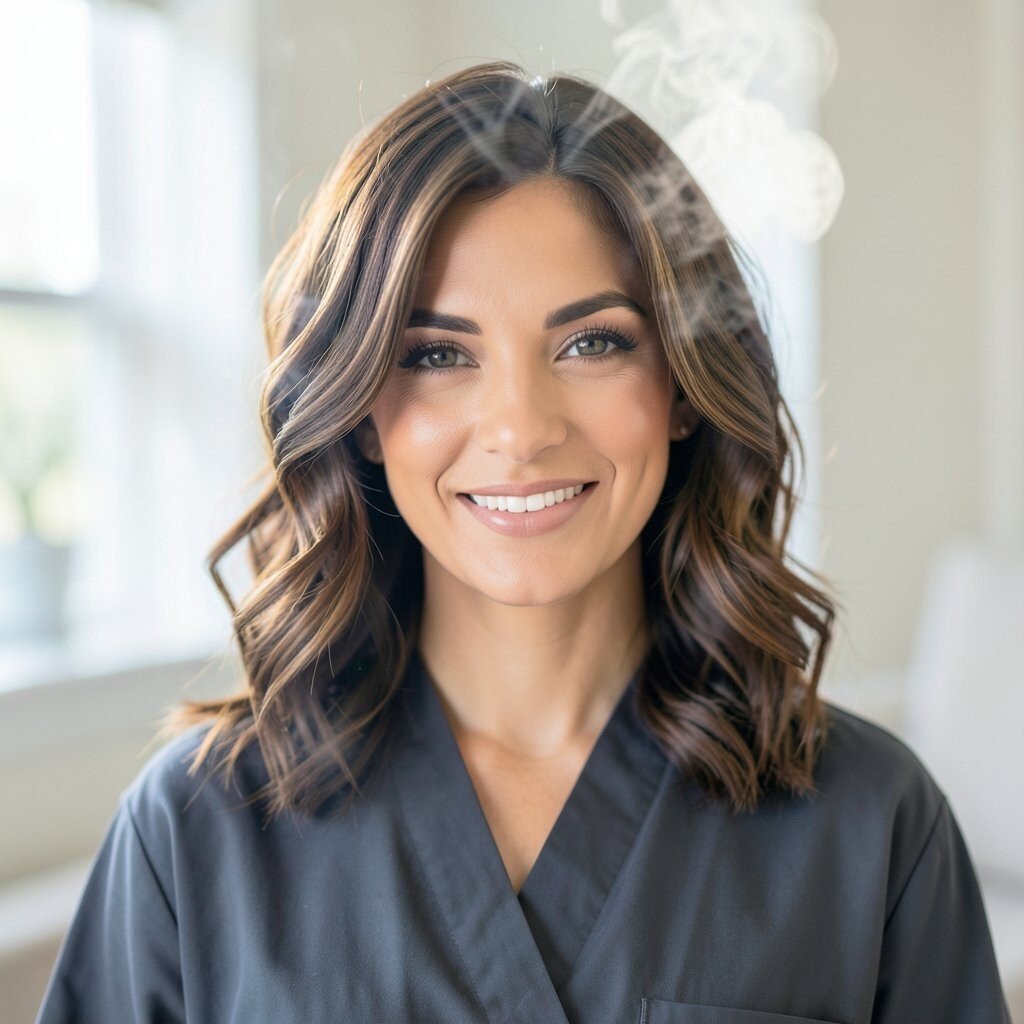
Steam treatments help open up the hair cuticle so moisture can sink in. You may feel the difference right away when you rinse, with hair looking softer and more relaxed.
This kind of treatment is great for anyone whose hair gets dry fast, especially in winter or after frequent heat styling. If you want a glamour finish, follow steam with a smoothing conditioner and a light serum to seal. Ask your stylist about time settings, because too much can make hair limp if it’s naturally fine.
For personalization, pair steam with your hair goals: use it before a gloss or tone service for extra shine. Steam treatments can cost more than regular masks, but the results can last longer when your hair is truly thirsty. Many salons also offer add-ons, so you can combine steam with a trim for a full “back to your best” feeling.
7. Color-Depositing Glosses for Shine and Rich Tones
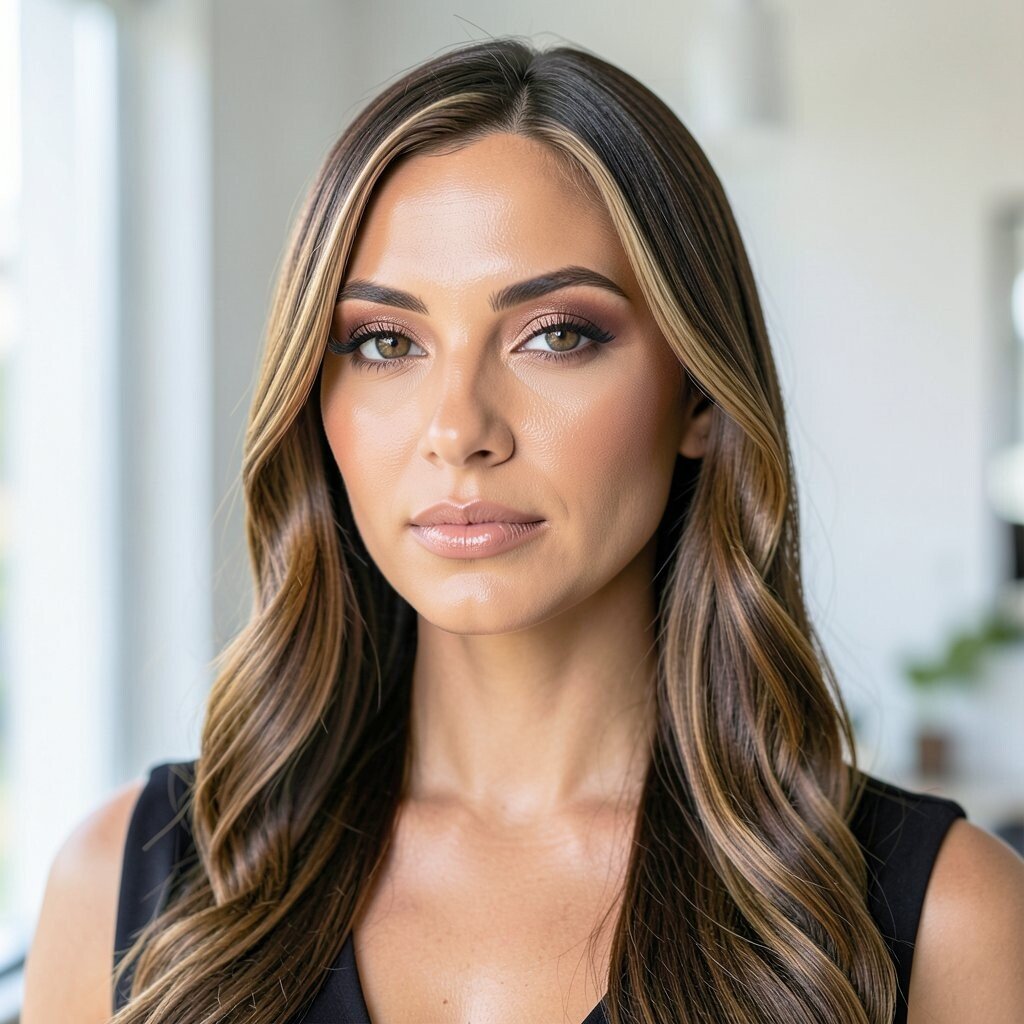
A gloss can make color look richer and more even, like a fresh layer of polish. Even if your base color is weeks old, your hair can look newly done after a gloss treatment.
Glosses work by depositing gentle color and shine, which is why your hair can look more dimensional under sunlight. Choose a tone that matches your wardrobe and skin vibe, like warm caramel for a sunny look or cool ash for a clean finish. For practical care, use color-safe shampoo and keep hot water gentle so the gloss lasts longer.
These treatments are unique because they usually feel low-commitment compared with major color changes. They also help hide slight fading, which is perfect if you like consistent glamour without big drama. Many people choose them every few weeks to keep hair glossy and vibrant, and cost varies based on whether you go salon or at-home.
You can personalize further by asking for a gloss shade that slightly corrects any brassiness. The current trend is “no harsh contrast,” where hair looks softly blended rather than sharply dyed. Watch how the shine moves when you turn your head; a gloss often gives that mirror-like sparkle.
8. Protein Treatments for Strength When Hair Feels Mushy
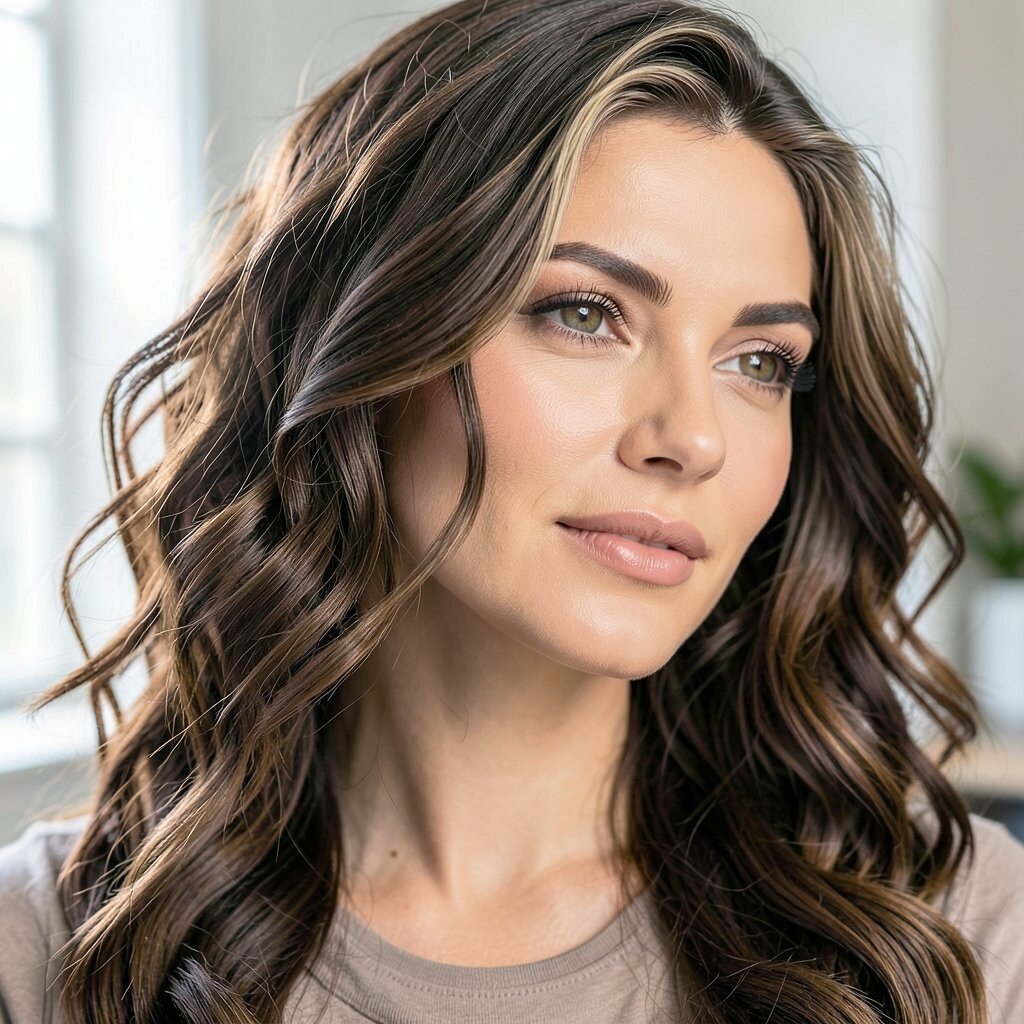
Protein treatments help hair feel firmer and more springy. When your hair looks limp or stretches too far before snapping back, protein can bring it back into balance.
This type of treatment is useful after over-washing, bleaching, or frequent heat styling. Use it with care because too much protein can make hair stiff, so choose a formula based on how your hair reacts. A practical way to personalize is to start with a lighter product and watch how your hair behaves the next wash.
If you are unsure, alternate protein and moisture treatments so hair stays strong and soft. Some people keep protein treatments in their routine seasonally, like in colder months when hair feels weaker. Cost is usually moderate, and you may find that a small amount goes a long way, especially for shoulder-length hair.
One trend is balancing strength with softness using protein-light formulas that still support structure. You can also pair protein with gentle detangling tools, like wide-tooth combs, to reduce stress during styling. Your hair’s “feel test” matters most, so focus on how it bounces and how easily it brushes.
9. Scalp Massage Oil Treatments for Thickness-Friendly Growth Habits
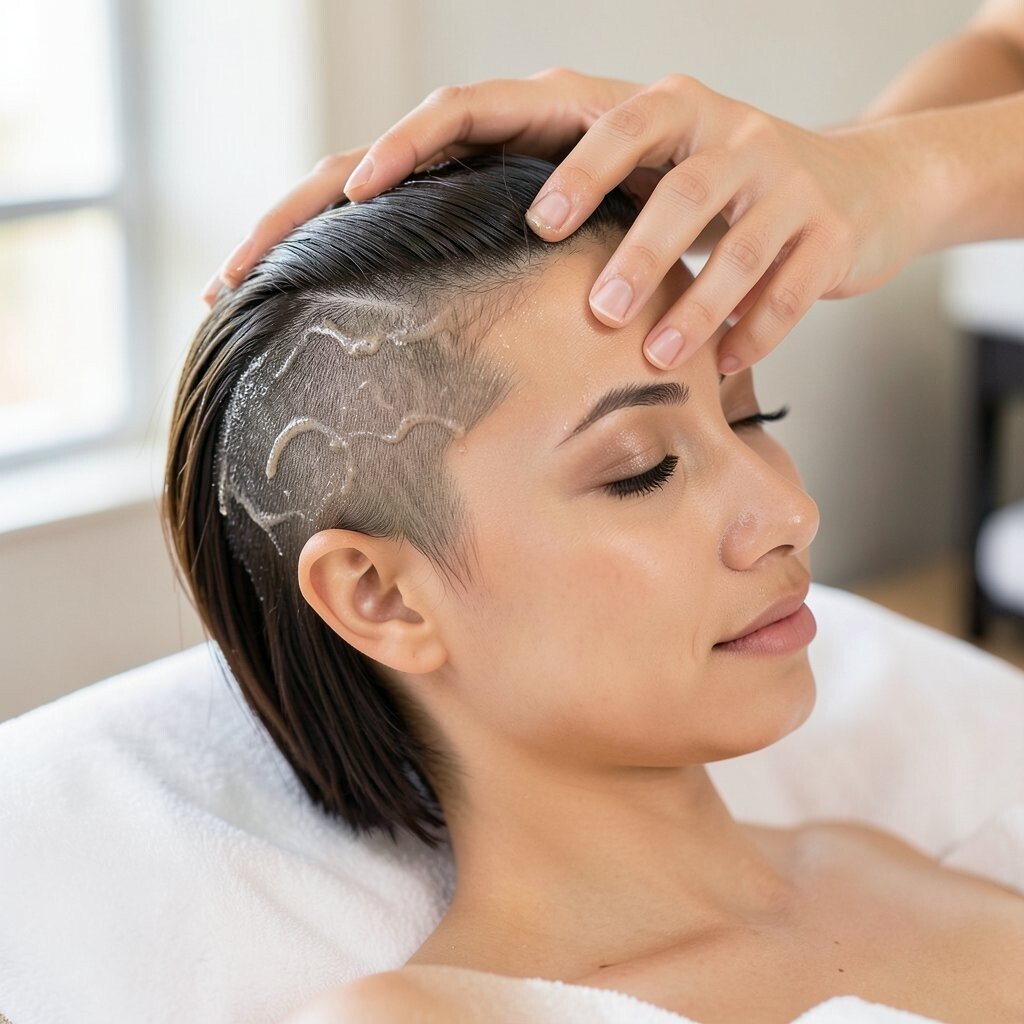
Scalp massage feels relaxing, and it can support healthier-looking hair over time. When you regularly massage with the right oil, your scalp may feel calmer and more comfortable.
This practice can help you build growth-friendly habits because better circulation supports your routine. Use a lightweight oil like jojoba or grapeseed for most scalps, and apply it with gentle pressure using your fingertips. For practical results, do it for a few minutes before washing and avoid aggressive scrubbing that irritates skin.
To personalize, choose oils based on your scalp mood: if you get flakes, look for something that feels soothing rather than heavy. Costs vary, but scalp-friendly oils often fit most budgets, especially compared to frequent salon visits. Keep records in your mind of how quickly your hair feels thicker or more comfortable at the roots.
10. Wrap-and-Set Treatments for Sleek, Glam Waves
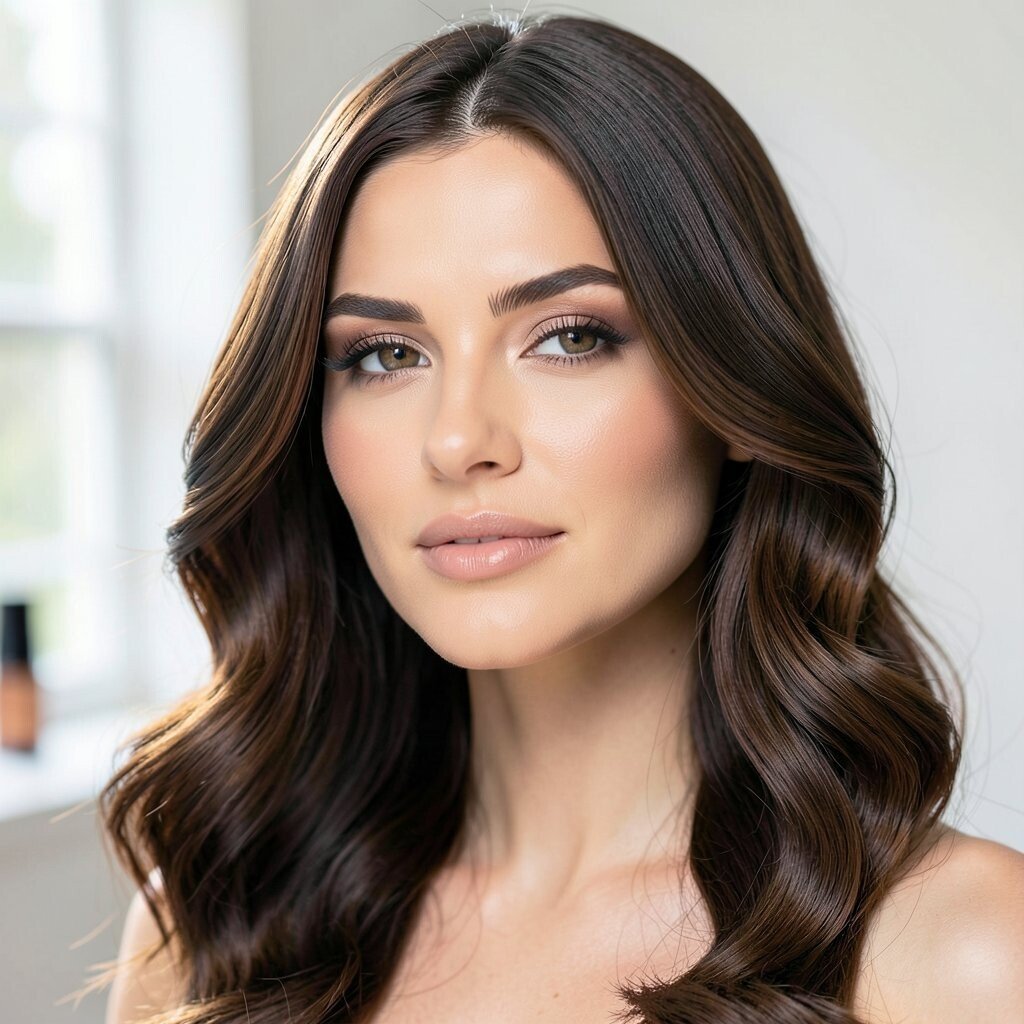
Wrap-and-set methods bring back that old-school glamour feel. Your hair can look smoother and more polished when you reduce friction and set it carefully.
These treatments often pair well with moisturizing products, helping curls and waves hold their shape longer. Use a leave-in conditioner or setting lotion, then wrap hair in a way that feels secure but not tight. In the morning, unwrap gently and finger-comb, so the style stays glossy instead of fluffy.
Personalize this by matching the wrap style to your hair pattern, such as loose wraps for natural waves or tighter wraps for more defined curls. While it’s not always a “paid service,” it can be a low-cost glamour upgrade that saves time on styling. The biggest cost you avoid is heat damage, because the look comes from setting, not from constant hot tools.
Current trends favor heatless and minimal-friction styling, and wrap-and-set fits right in. If you use a satin scarf or bonnet, you’ll likely notice less frizz and better wave definition. Your hair’s shine will look healthier when it moves in consistent, controlled waves.
11. Color-Safe Curl Conditioning for Soft Definition
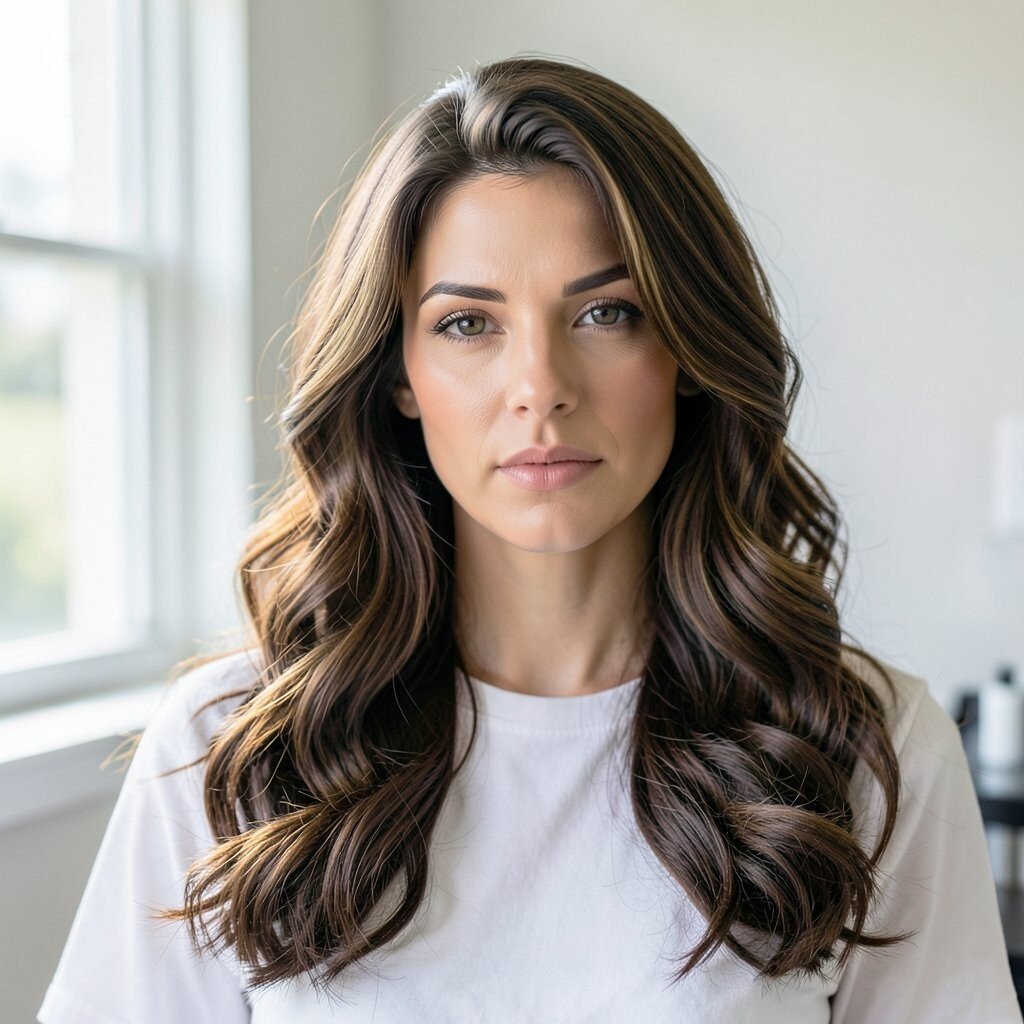
If you have curls, your hair deserves treatments that respect your shape. Curl conditioning makes strands clump nicely, so your hair looks defined and not frizzy.
Look for curl-focused conditioners and masks that help lock in moisture without leaving a crunchy feel. Apply to damp hair and use gentle finger styling so products spread evenly from root to tip. For practical tips, avoid heavy rubbing with a towel, and instead squeeze out water with a soft cloth.
To personalize, adjust product amounts based on porosity, which you can notice by how quickly your hair drinks water. Some curls need more cream, while others thrive with lighter gels. Curl treatments often sit in the mid-range cost range, and the results can last several wash days if you use a diffuser carefully.
12. Scalp and Hair Exfoliation for a Fresh Start
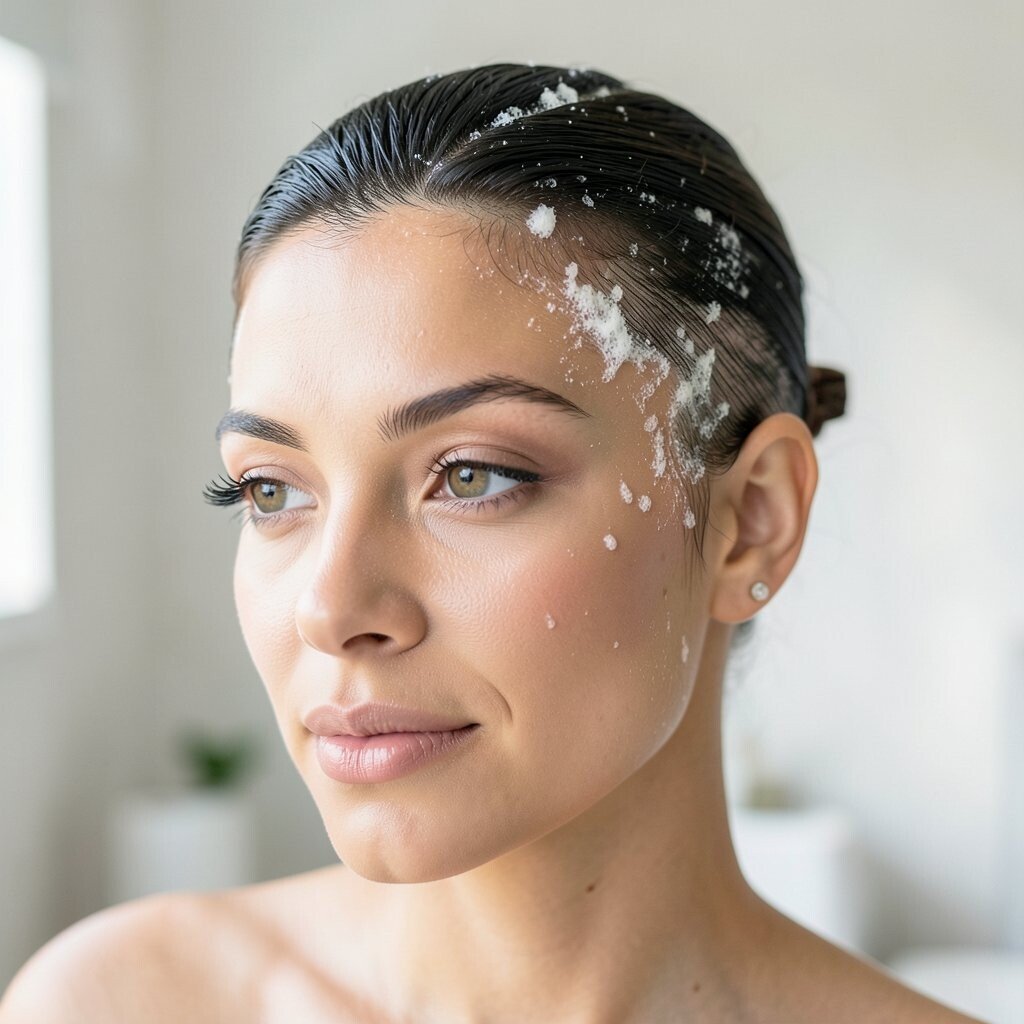
Exfoliating your scalp can make your hair feel lighter and look brighter. When you remove stubborn flakes and buildup, your hair often takes on more movement.
A gentle scalp exfoliation treatment can be especially helpful if you wear protective styles or use thick styling products. Choose a mild exfoliant designed for scalps, and follow it with a soothing conditioner so your skin stays comfortable. If you have sensitive skin, keep it infrequent and watch for redness or itchiness.
Personalize by timing it around your wash schedule and your environment, like hard water or high humidity. Exfoliation is unique because it targets the root issue behind dullness, not just the hair surface. It can be budget-friendly at home, but professional scalp treatments can be worth it if you have persistent irritation that needs careful handling.
Right now, scalp care is a major trend, and many routines focus on balance rather than stripping. When you get it right, your hair looks more vibrant and your styles feel easier to manage. A good sign is when your hair feels smoother from the roots during styling.
13. Silk Press and Heat-Assist Treatments for Glossy Finish
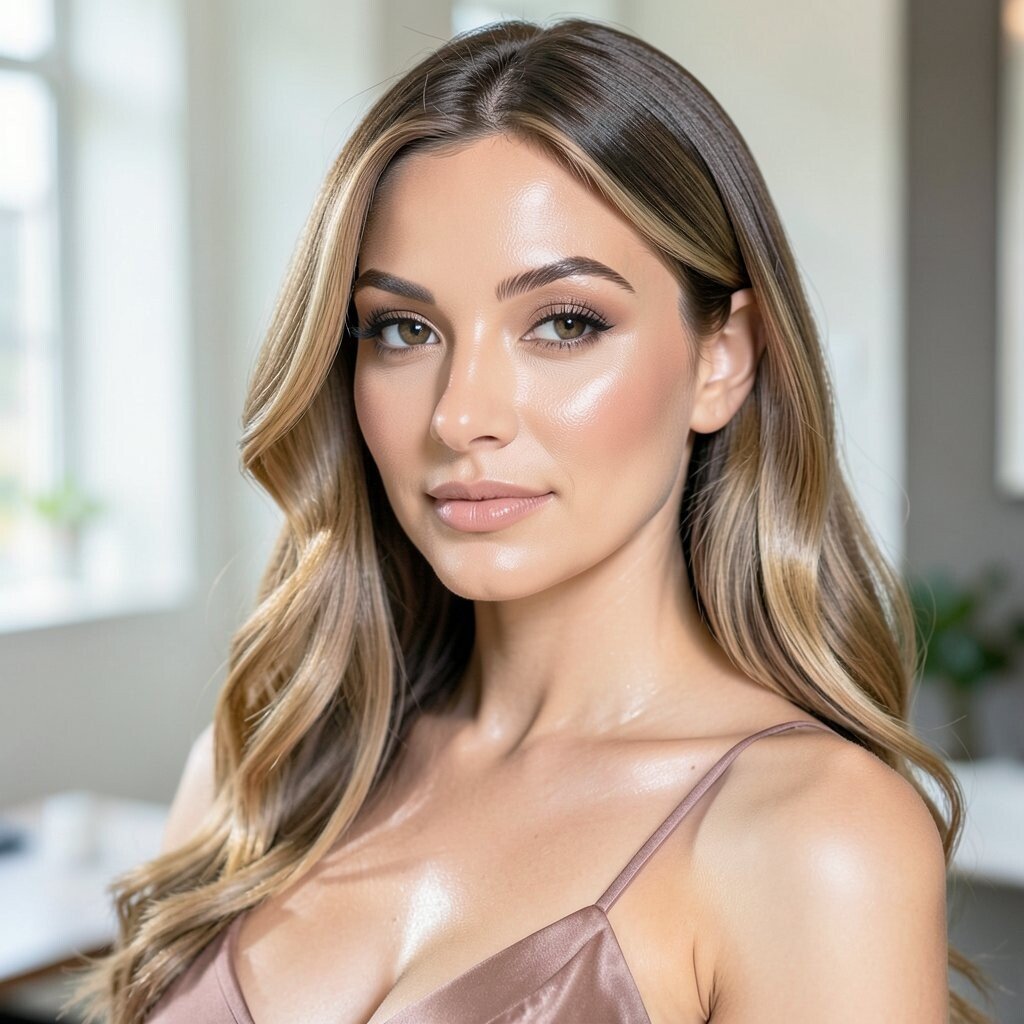
A silk press look is all about smooth, shiny hair with controlled movement. Heat-assist treatments are made to reduce friction and improve how hair behaves under styling tools.
These treatments often include heat protectants and smoothing agents that help hair lay flatter without that dry, rough feeling. If you love the glamorous “sleek and shiny” look, this is a practical way to get there with more care. Always use the right temperature for your hair type, and never skip heat protection even if your tool claims it’s gentle.
To personalize, choose a finish product based on the look you want, like serum for extra shine or cream for more hold. Cost considerations matter here because professional silk press services can add up, but high-quality protectants and smoothers at home can reduce the need for frequent salon visits. Many stylists now recommend lighter, humidity-friendly products to keep hair looking smooth longer between appointments.
14. Nourishing Leave-In and Seal-In Combos for Everyday Glam
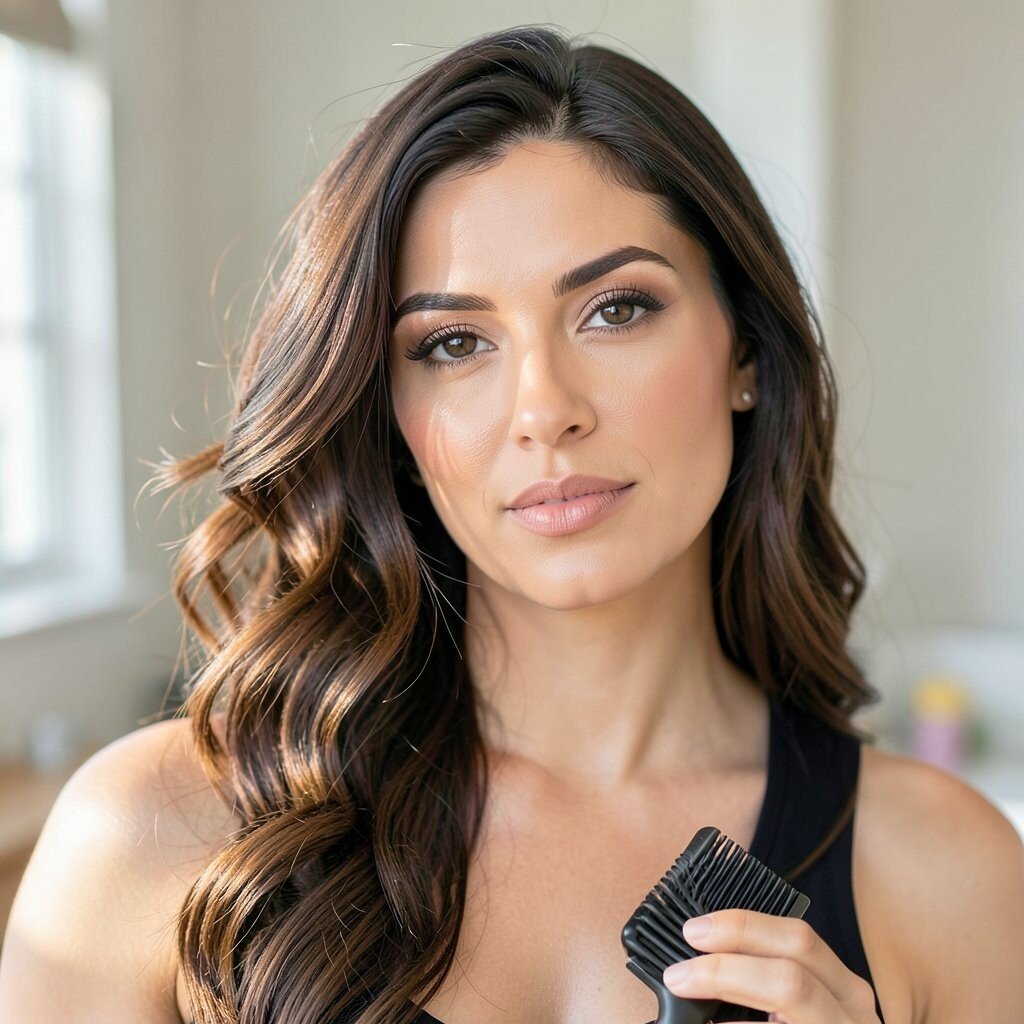
Leave-in and seal-in routines can make your hair look effortlessly polished. You apply them once, then your strands stay soft and shiny as the day goes on.
The benefits are practical, like fewer tangles, less frizz, and smoother styling even on busy mornings. Choose a leave-in that matches your hair’s weight needs, then seal with a tiny amount of oil or serum at the ends. For personalization, adjust your product layering depending on humidity, heat exposure, and how fast your hair gets oily.
This is unique because you build glamour into daily life rather than relying on one big treatment day. It’s also cost-friendly since a single bottle can last a while. Current trends focus on “hair styling systems,” where you pair one product for moisture with another for smoothness.
If you want extra shine, apply your seal-in product to slightly damp hair after washing. Watch your hair in natural daylight, because leave-ins often improve how light reflects across the hair shaft. When your ends look glossy and your roots feel comfortable, you’re doing it right.
15. Overnight Repair Treatments for Waking Up with Better Hair

Overnight repair treatments give your hair time to work while you sleep. In the morning, hair can look smoother and feel more manageable with less effort.
Some treatments are scalp-friendly, while others are made mainly for lengths and ends. Choose a formula that won’t dry out or make hair sticky, and apply it lightly so your pillowcase stays happy. For practical tips, use a satin pillowcase or bonnet, because friction is one of the biggest enemies of glamour hair.
Personalization is easy here, since you can tailor the amount based on how your hair usually reacts to heavy products. If your hair tends to get greasy, focus the treatment on mid-lengths and ends rather than the scalp. Cost can be a little higher for specialty overnight masks, but the payoff is less breakage and smoother mornings.
16. Personalized Treatment Plan with Traceable Results
A personalized treatment plan keeps your routine from feeling random. When you track how your hair looks after each change, you learn what truly suits your strands.
This approach is unique because it turns “random trial” into smart care. Instead of doing everything at once, you can space treatments out, like pairing deep moisture with a gentle protein day when your hair needs strength. Practical planning also helps you manage cost since you can invest where your hair responds best and skip what doesn’t help.
For personalization, match treatments to your hair goals like shine, thickness, softness, or color longevity, and adjust for season changes. Many people follow current trends like scalp-first routines and gloss maintenance, but they still tailor the products to their texture. When you notice your hair feels softer, detangles easier, and holds style better, those are clear signs your plan is working.
Try simple checks after each wash, such as how your hair feels during brushing and how it looks in bright light. If a treatment makes hair overly stiff or too heavy, you can adjust timing, amount, or frequency. Over time, your hair starts to look like you always knew exactly what it needed.