Fall hair color can look stunning, yet it can also go sideways fast. The difference is usually one small choice you didn’t notice.
1. Skipping a Patch Test Before You Go Bold

If your scalp or strands react, it can ruin your whole week, not just your hair day. Even when you’ve used a similar shade before, formulas change and your skin can surprise you.
Try a patch test so you can see how your scalp feels and how the color sits on a small area. That simple step helps you choose a safer timing window and prevents redness from turning into a longer appointment. You’ll also know whether the undertone feels right, like warm honey glinting against your roots or a deeper chestnut that looks dull on the wrong base.
2. Picking a Shade That Ignores Your Natural Undertone

Many fall looks fail because the chosen color fights your base instead of blending with it. If your roots pull too cool and your color pulls too warm, you can end up with a muddy stripe effect.
Look at your natural undertone in daylight and check whether your hair leans more golden, neutral, or ashy. When you match warmth to warmth, the result looks richer, smoother, and more “you,” even from across the room. For 2026, softer transitions are trending, so your fall color should melt into your roots, not sit on top of them.
3. Over-Processing to Chase a Photo-Perfect Result
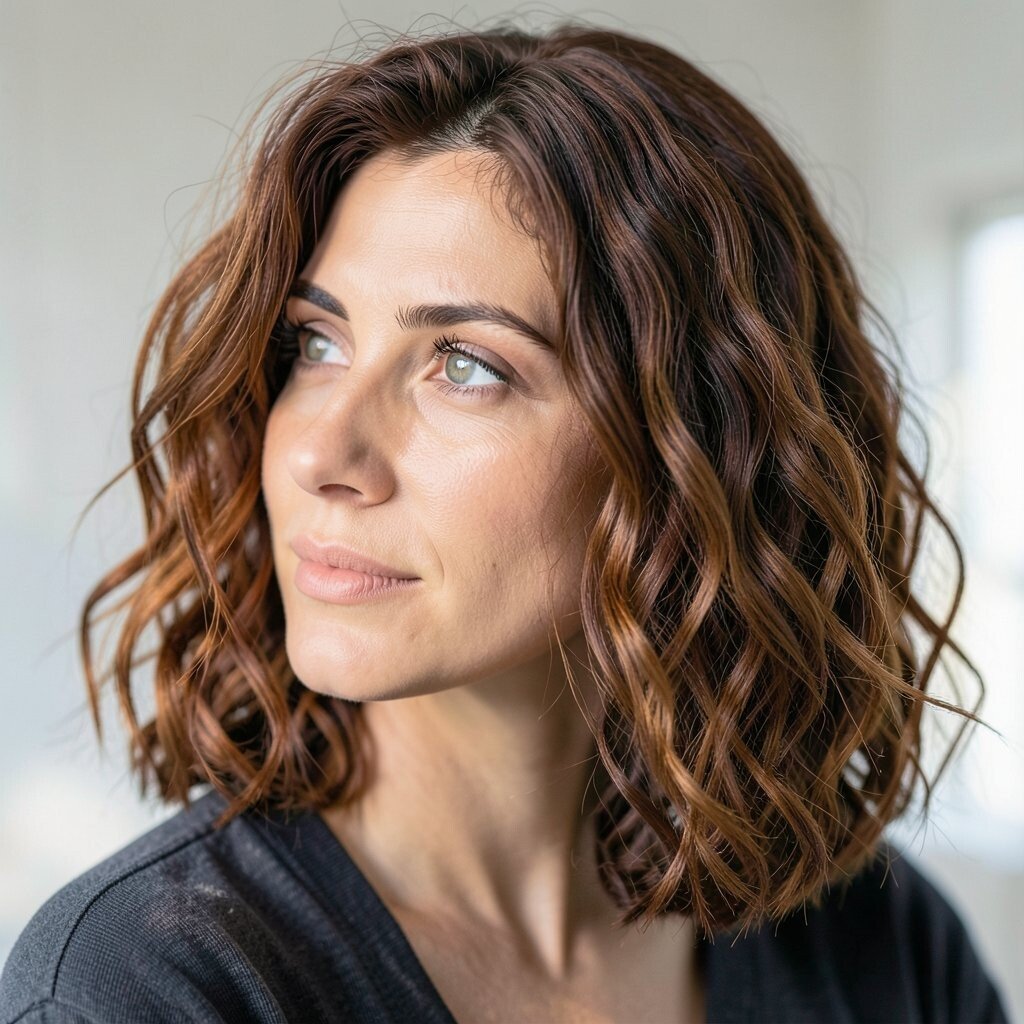
It’s tempting to go lighter or higher contrast right away, especially when you see glamorous close-ups online. But extra lightening can make the hair look dry, frizzy, or flat, even if the color looks gorgeous at first.
Focus on healthier placement instead of extreme lift. A fall palette like caramel ribbons, spiced chestnut depth, and smoky mocha dimension often looks better when the hair still feels springy. You’ll spend less time fixing breakage, and your color will hold longer because your strands stay in better shape.
Consider a plan that uses gentle steps and strategic highlights rather than one big jump. Your stylist can tailor the brightness level to your hair history, so you get the fall vibe without the “oops” texture. If you’re budgeting, less damage usually means fewer repair treatments later, which can save real money.
4. Choosing the Wrong Finish for Your Lifestyle

A glossy finish looks amazing for a party, but a heavy shine can feel too sticky or obvious for everyday wear. On the other hand, a flat finish can make warm browns look dusty, especially when the lighting shifts from home to outside.
Think about how you style and how often you wash. If you wear your hair up often, a dimensional, softly blended finish helps your color stay pretty even when it’s not perfectly styled. If you use heat tools daily, a smoother, more reflective finish can help your color look intentional while protecting your strands with the right routine.
5. Not Accounting for Root Growth Timing

Fall color looks best when it still feels fresh, but root growth doesn’t wait. If your dye schedule and your real life don’t match, you can end up with a harsh line that ruins the seamless vibe.
Choose a technique that grows out gracefully, like shadow roots or blended balayage, so the transition stays soft. That kind of placement also makes your color feel unique because it’s shaped to your face and your part. In 2026, lots of people want low-maintenance dimension, and the right root strategy is what makes that possible.
Check your usual timeline and plan your touch-up window around it. If you know you can’t come in every few weeks, ask for placement that hides regrowth without needing constant covering. You’ll also be less tempted to keep adding product, which helps your hair stay healthy and budget-friendly.
6. Ignoring How Your Grays Actually Show Up

Gray hair isn’t all the same, and the way it appears depends on density and texture. Some grays blend quickly, while others stand out like silver threads and refuse to match.
If you have mixed grays, consider using a more dimensional approach instead of one flat shade. Blending gray with a neutral or slightly warm base can create a natural fall effect that looks intentional rather than covered. It’s also a practical way to avoid repeated full coverage sessions that can cost more over time.
Ask how the color will sit on your gray pattern before you commit. A strand test can show whether you’ll get a soft smoke effect, like steely taupe melting into brown, or a brighter contrast that needs toning. When you plan around your real gray behavior, your fall color looks believable and lasts longer.
7. Forgetting That Box Color and Professional Color Behave Differently
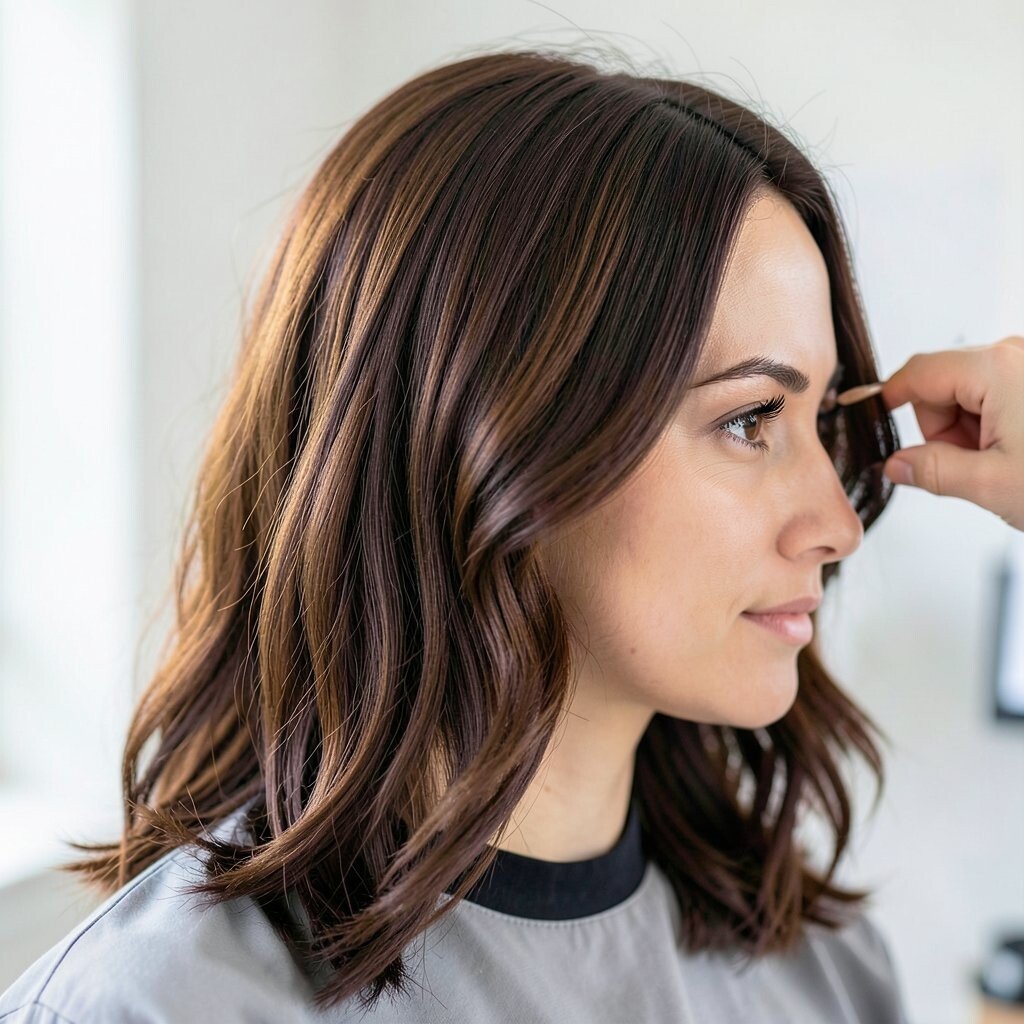
Box color can be convenient, but it often deposits color without the custom placement that makes fall shades look expensive. If your hair is porous or previously dyed, the results can turn unpredictable in a way that’s hard to fix.
Professional color takes into account your history, your base level, and your desired depth. That matters for 2026 trends like soft spice browns and smoky dimensional brunettes, where placement is everything. You’ll usually get a smoother blend, better shine, and less risk of patchiness, even though the service may cost more upfront.
8. Choosing an Ultra-Red Shade That Makes Skin Look Uneven
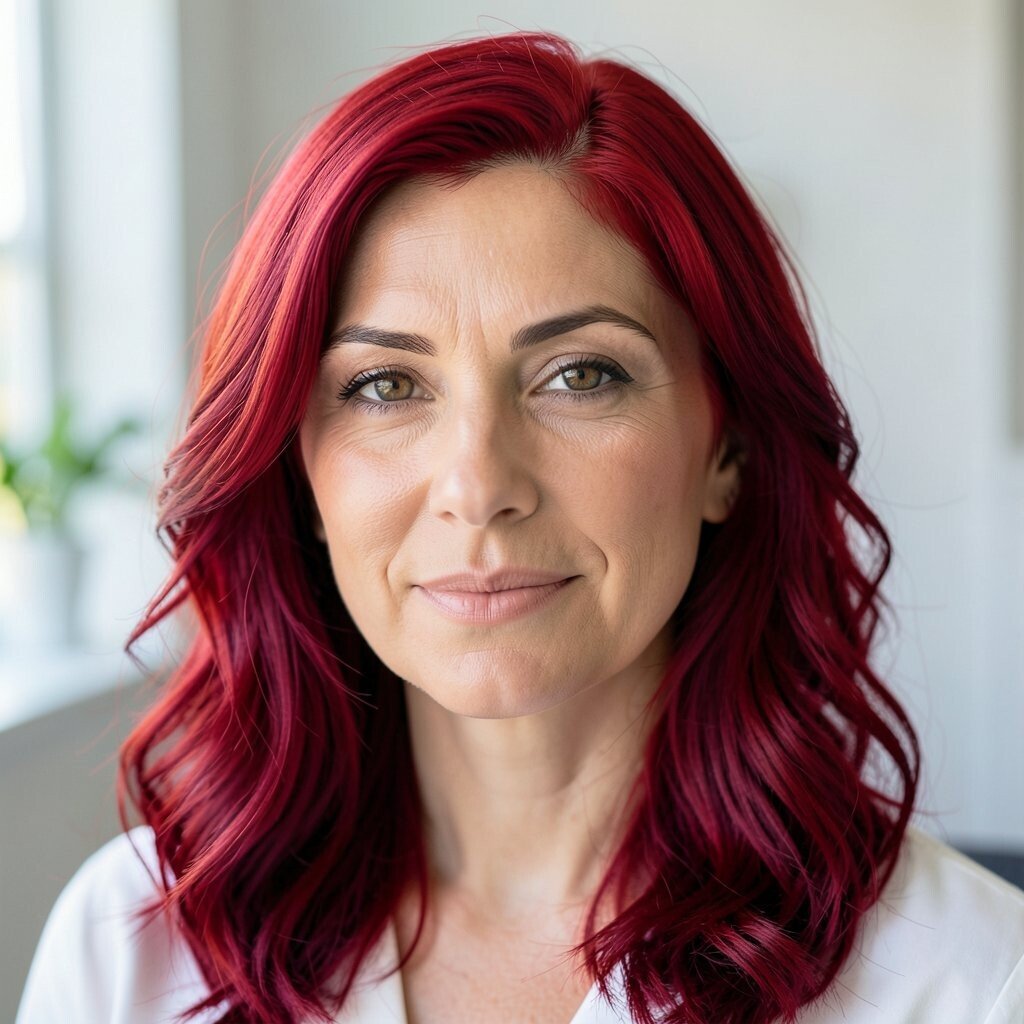
Red can be gorgeous for fall, but the wrong undertone can make redness in your skin stand out more. When the hair is too coppery or too bright, your face can look tired even if you’re feeling great.
Try reading the effect in natural light before you lock it in. A deeper mahogany or toasted auburn often flatters more people because it’s richer and less neon. It also pairs beautifully with caramel highlights, which can add brightness near the face without making everything feel too fiery.
Personalize by mixing in softer neutral tones so your red sits on top of brown rather than taking over. That gives a uniqueness you can’t buy off a shelf, because it’s tailored to your hair’s starting shade. If you’re keeping costs in mind, ask for a color plan that reduces frequent re-dyeing since deep tones tend to fade more gracefully.
9. Overusing Purple or Blue Shampoo Without a Plan
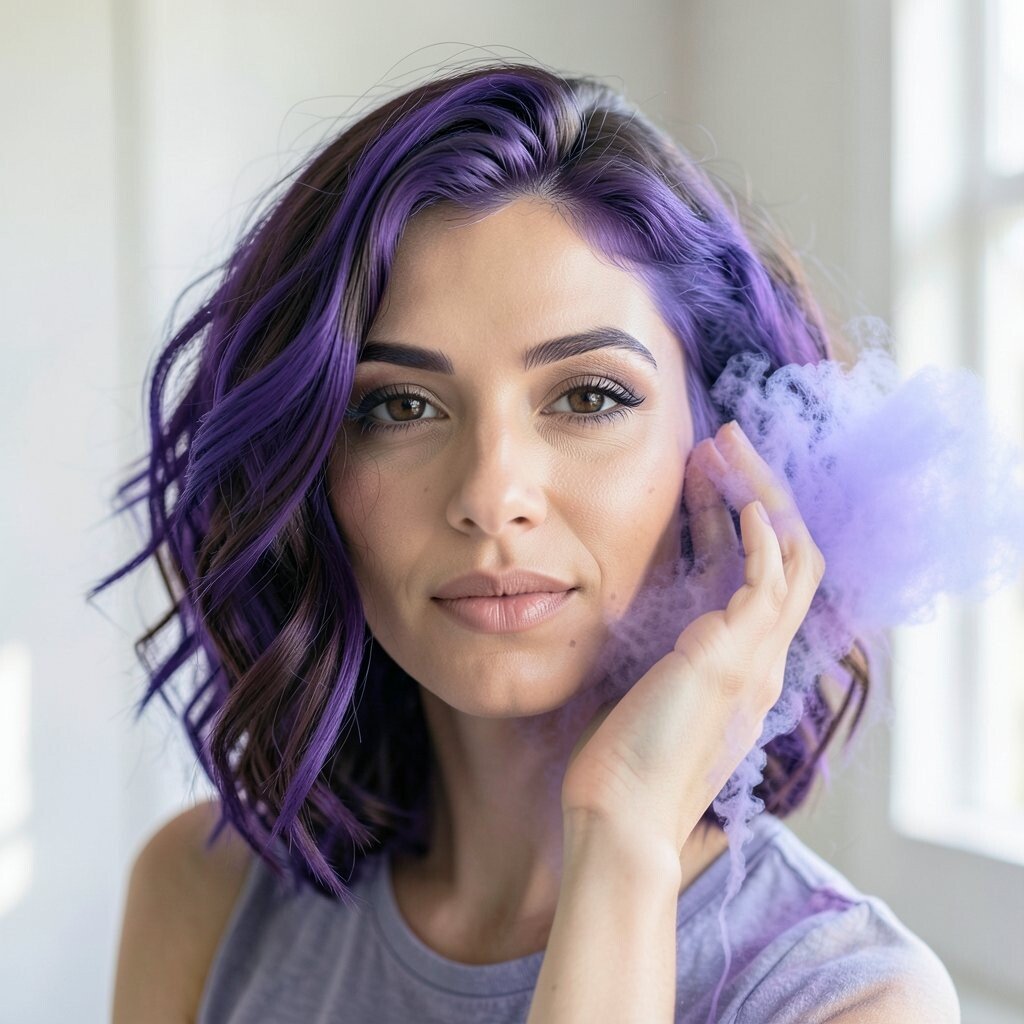
Purple and blue shampoos can help fight brass, but overdoing them can lead to dullness or weird gray patches. You might notice your beautiful warm brown suddenly looking too ashy, like it lost its cozy glow.
Use these shampoos based on how your color is fading, not just because you bought them. If your fall shade is warm, go lighter with these toners and rely more on color-safe masks to keep shine. When you balance your routine, your hair stays soft and your undertones stay where you want them.
10. Washing With Hot Water Like It’s a Scorched Routine
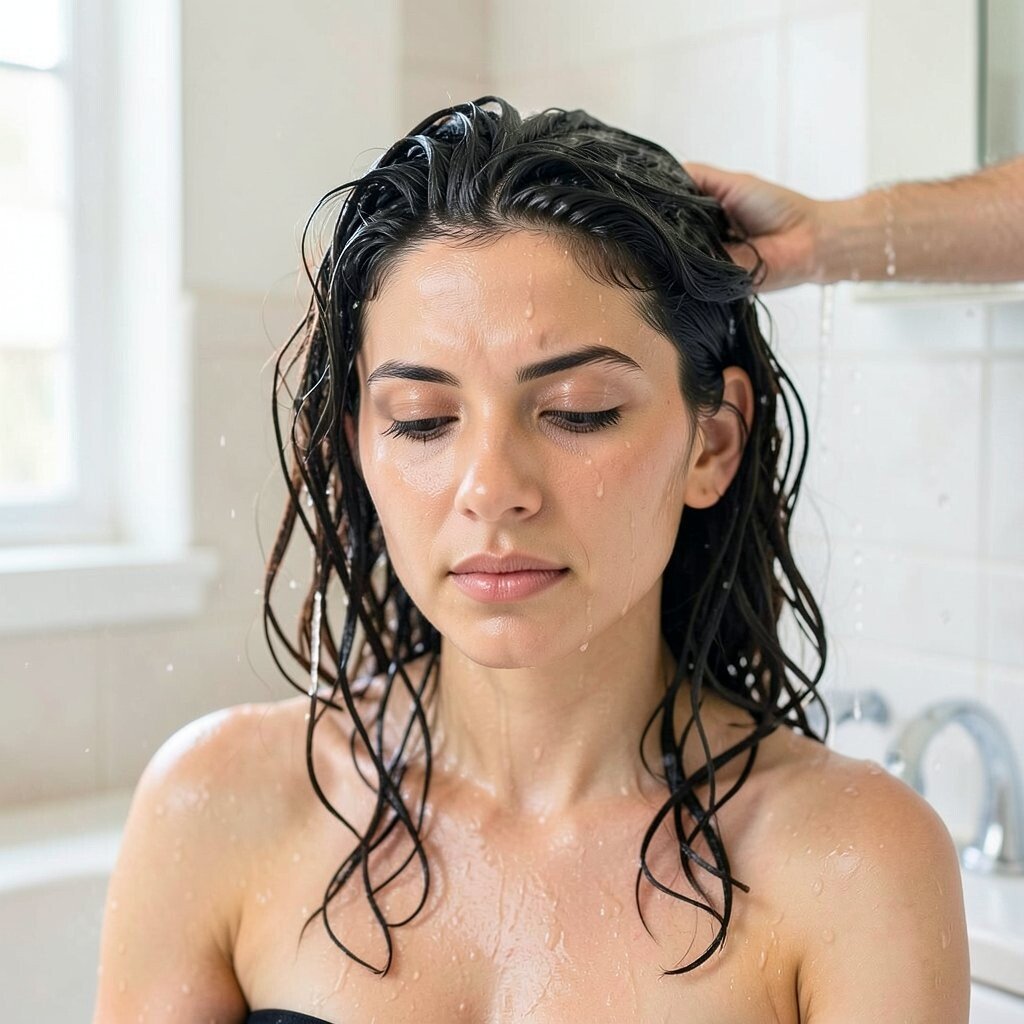
Hot water can strip oils and make your color slip faster than you expect. Even if the shade looks perfect today, heat can pull the vibrancy out sooner.
Switch to warm or cool water and you’ll feel the difference quickly in softness. Your scalp may also calm down, especially during autumn when air gets drier. This small habit helps your color look fresher longer, which is a real cost saver because you won’t chase frequent toning as often.
11. Not Using Heat Protection When You Style
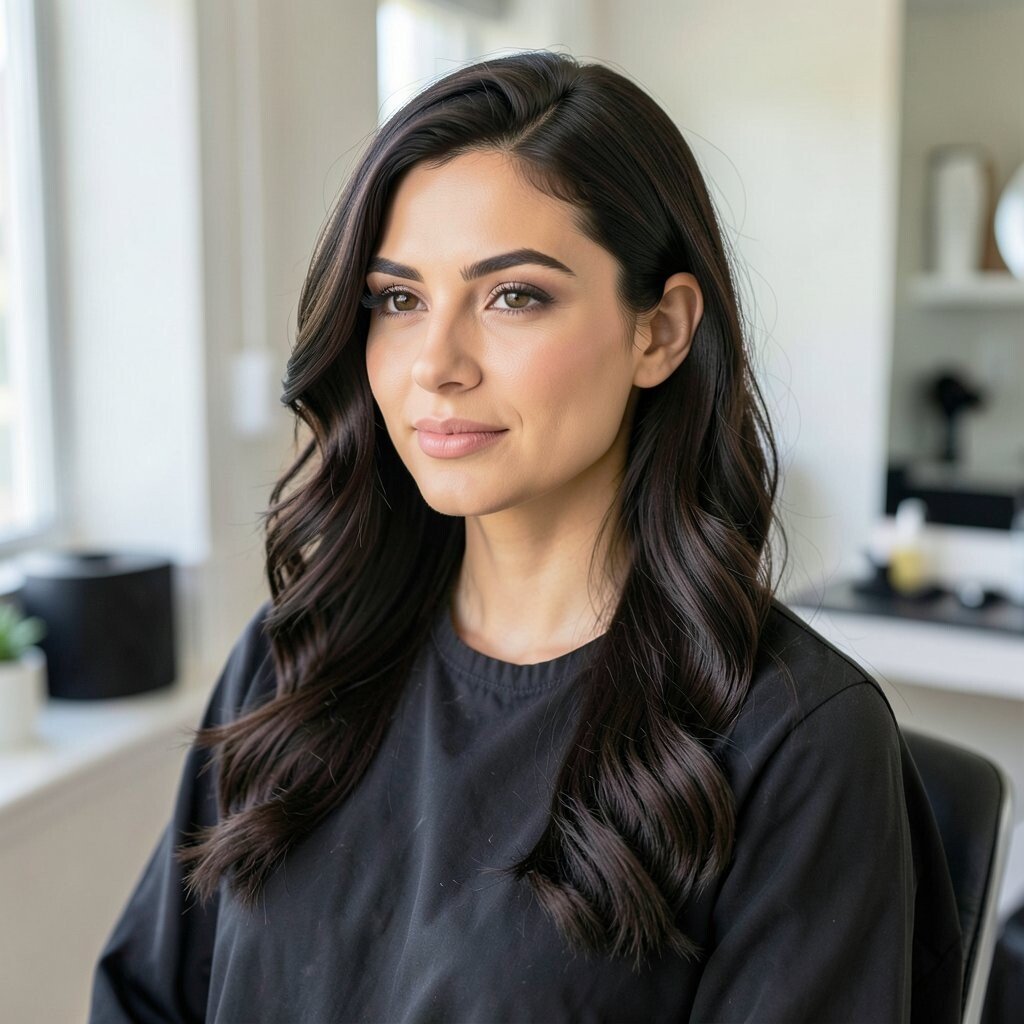
Autumn weather may be cooler, but heat tools don’t care. If you straighten or blow-dry without protection, your hair can feel rough and your color can fade unevenly.
Apply heat protection every time you use a hot tool, especially with layered highlights where some strands are more exposed. Then style on lower settings when you can, because your hair only needs the right amount of heat to look polished. When your strands stay healthier, your fall color looks fuller and more dimensional, not flat or frayed.
For personalization, match your protector to your hair type, like lightweight spray for fine hair and creamier formulas for thick hair. That helps your color look “set” and luxe, even when you’re in a hurry. It’s also a practical choice because fewer repairs and fewer color corrections keep your budget steadier.
12. Picking a Trend Shade Without Matching It to Your Length

Some fall shades look stunning on long, glossy hair, but they can behave differently on shorter cuts. On shorter lengths, undertones show more clearly because there’s less surface area for blending.
For shorter styles, think about contrast placement like lowlights that frame the shape or micro balayage that adds movement. A neat pattern can make your shade feel tailored, not random. If you wear your hair mostly straight, choose a finish that catches light at the angles of your cut.
13. Choosing a Color That’s Too Flat and One-Dimensional

One big color can look nice at first, but fall hair color often shines when it has movement. Flat shades can flatten your face and hide texture, especially if your hair is naturally wavy or curls easily.
Dimension is the secret to that cozy fall vibe, like spiced highlights and deeper roots that create shadow and depth. Techniques such as soft balayage, ribbon highlights, or blended lowlights can make your hair look fuller without feeling heavy. The uniqueness comes from how the highlights are placed around your part and your features.
Ask for a plan that supports your natural pattern, so your highlights move with your hair. You’ll also get a better “wash and go” result because the color won’t disappear as soon as you stop styling. That means fewer rework sessions and more time enjoying your look.
14. Underestimating the Power of a Good Haircut Before Coloring
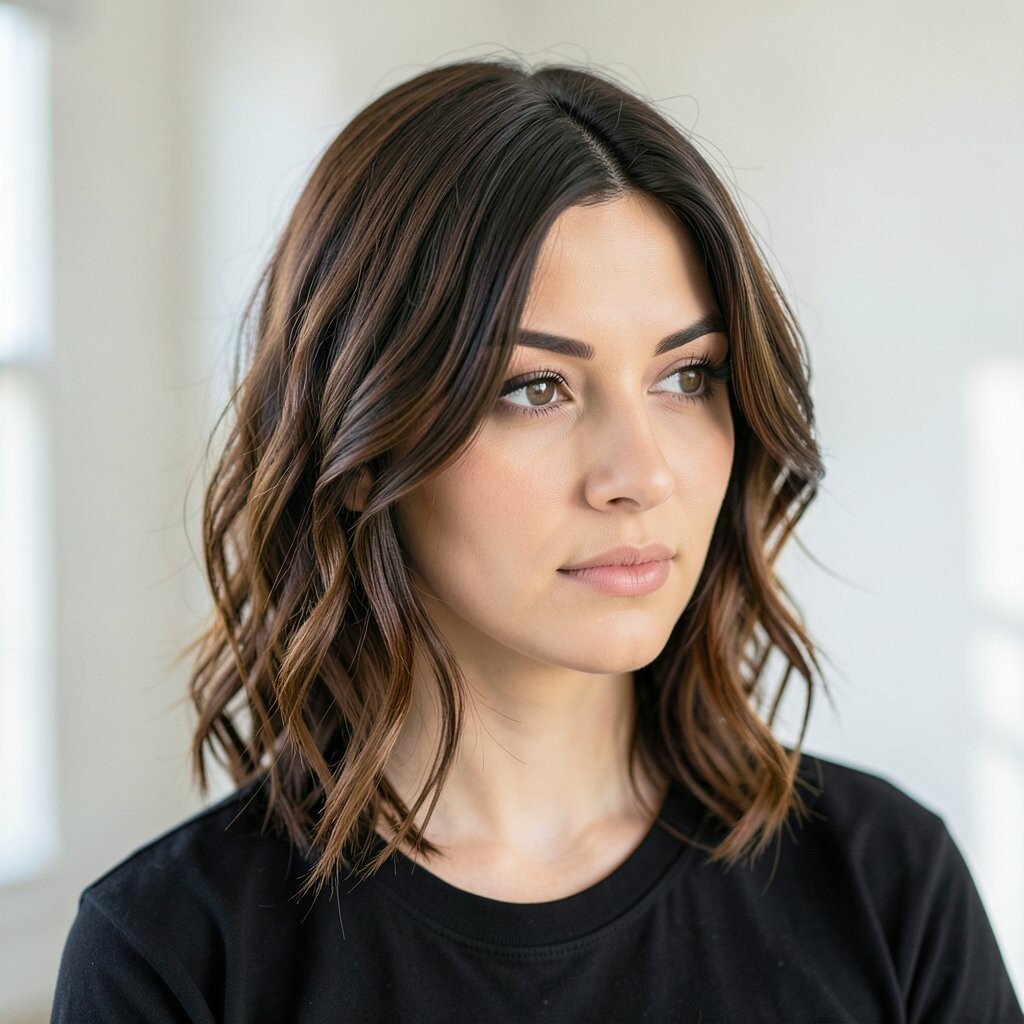
Color can’t fix a haircut that doesn’t match your hair’s growth and texture. If the ends are blunt, over-processed, or uneven, the new shade can look choppy instead of classy.
Schedule the cut before the color appointment when possible, so your stylist can place highlights on freshly shaped hair. This helps the finish look clean and intentional, whether you want face-framing brightness or a darker crown. It also reduces the chance you’ll feel the need to correct the color right after, which can be costly.
15. Not Bringing Photos That Show Your Real Color Goals

It’s easy to show a pretty picture and still end up with the wrong outcome. Photos can hide the undertone, the brightness, and the type of blending that makes a shade work for you.
Bring images that match your hair texture and your desired level of warmth or coolness. Include examples of close roots, soft transitions, and how the color looks in natural light. The more accurate your references, the more your stylist can personalize the fall look to your base.
Also consider your daily life and styling habits when you choose references. If you rarely wear your hair sleek, choose styles that look great with movement and softness. That keeps the result more wearable and helps avoid expensive redo work.
16. Ignoring Product Mismatch After Coloring
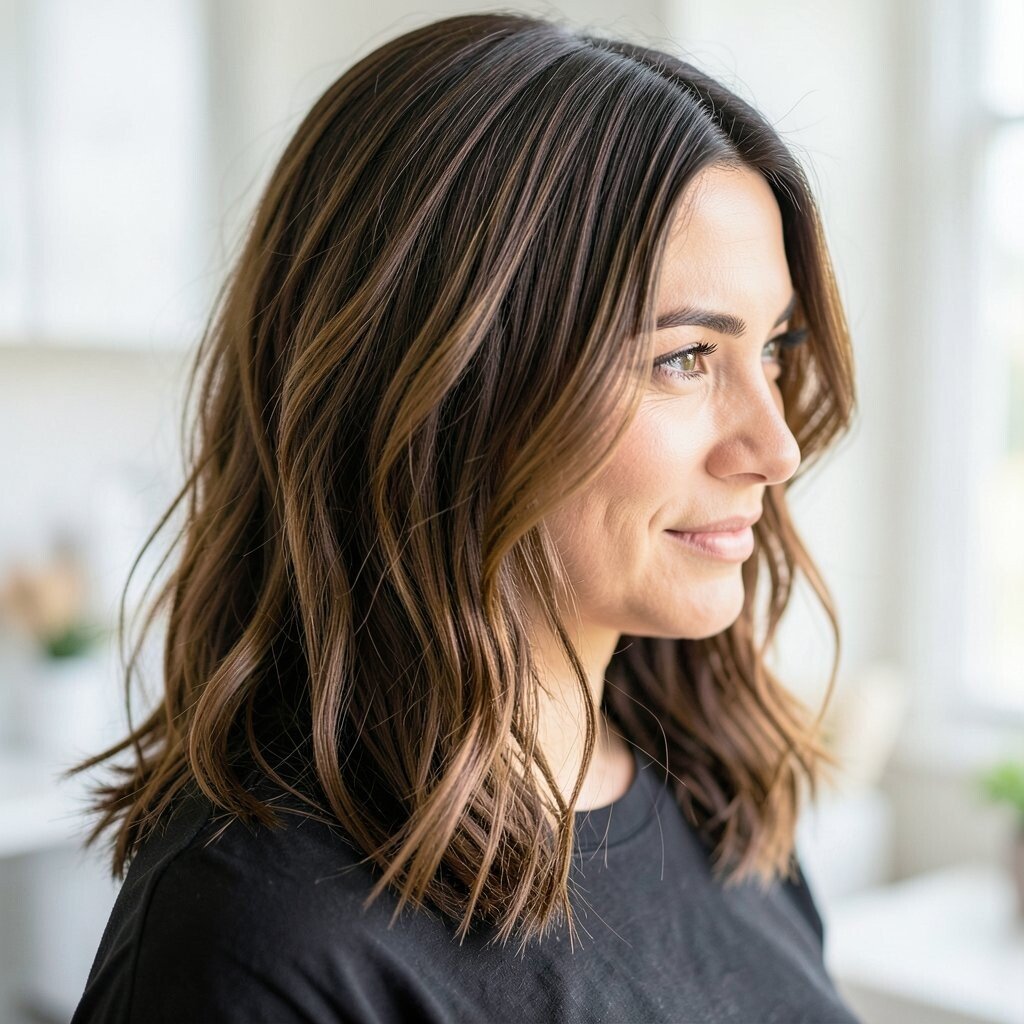
Color changes your hair’s needs, but some people keep using the same routine they used before. That can lead to faster fading, roughness, or a shade that doesn’t look as rich.
Use color-safe shampoo and conditioner, plus a mask that supports hydration without heaviness. If your hair is fine, choose lighter products so your color doesn’t look weighed down. If your hair is thick or porous, aim for deeper conditioning so the shade stays glossy and smooth.
For personalization, adjust how often you use masks based on how your hair feels after washing. When your routine fits your hair, the fall tone stays vibrant longer and looks more expensive. Over time, you can also manage cost by choosing multi-use products and skipping unnecessary add-ons.
17. Forgetting to Consider the Cost of Maintenance and Toning

Fall color isn’t just the appointment, it’s also the upkeep you’ll do afterward. If you only budget for the dye and ignore toning needs, you may end up paying more later in surprise corrections.
Ask how the shade will fade and what kind of maintenance it needs, especially for rich browns and coppery highlights. Some tones need less touch-up because they fade in a flattering way, while others can turn brassy quickly and require frequent adjustments. Planning ahead helps you choose a shade that fits your real schedule.
Think about what you can realistically do, like a monthly gloss or a periodic toning shampoo. Even small maintenance choices can keep the color looking fresh without constant re-dyeing. That balance is what makes a fall look feel fun instead of stressful.
18. Making Sudden Changes When Your Hair Is Already Stressed
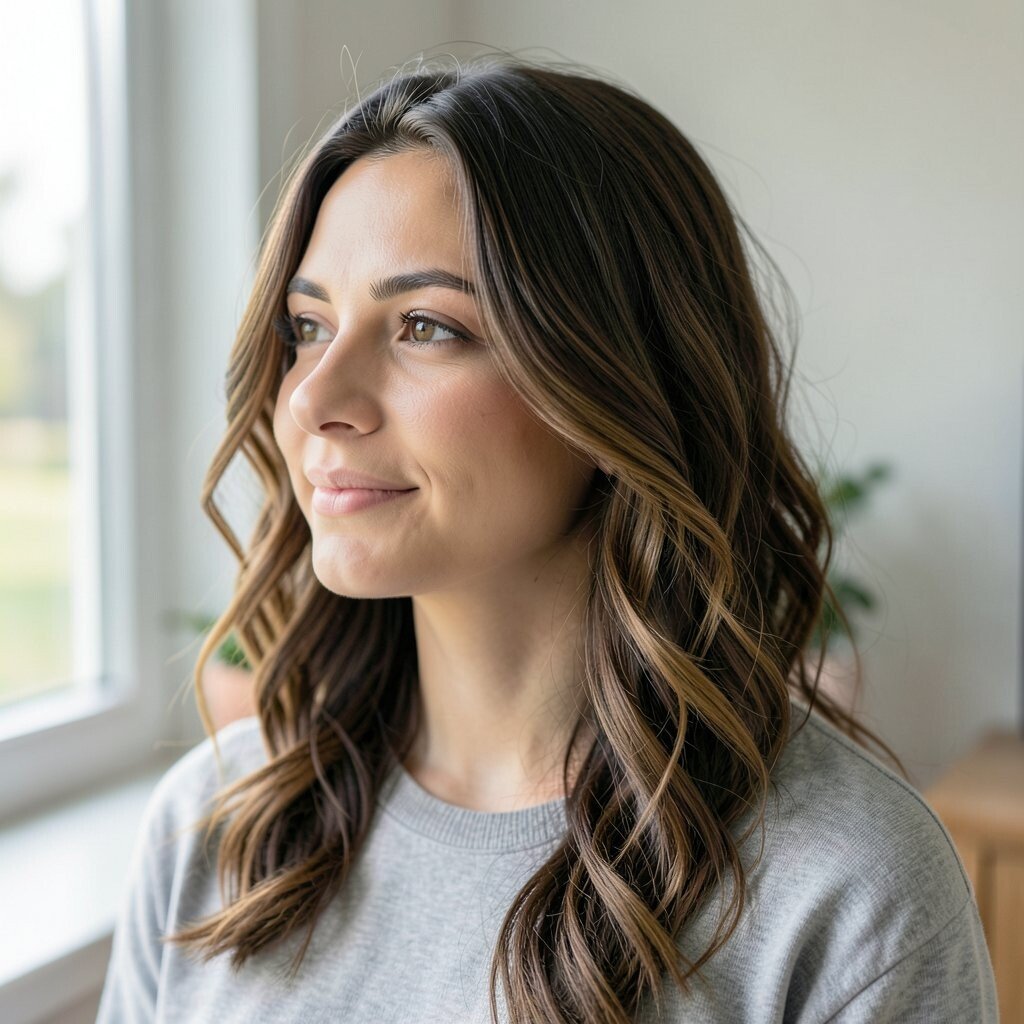
If your hair feels brittle, stretchy, or overly dry, jumping into a major color shift can push it over the edge. Color can reveal damage by making the hair look uneven or dull in certain sections.
Give your hair a recovery window if it needs it, and focus on strengthening and hydration first. Then choose a fall shade that works with your hair condition, like deeper lowlights or gentle caramel dimension that doesn’t require intense lift. Your goal is to keep the hair looking healthy, because healthy hair makes color look better on its own.
Even when you want boldness, you can personalize the plan with softer placement rather than drastic lightness. That way your fall style looks unique while reducing stress. It can also save money because you’re less likely to need emergency repairs.
19. Overlooking Sun and Seasonal Changes as Winter Approaches

As fall moves into colder months, the air gets drier and the sun’s angle changes how your hair looks. Your color can appear slightly different day to day, and if you don’t plan for that, you might blame the dye.
Protect your hair with a hat or a UV-protective spray if you spend time outdoors. Then adjust your routine by adding a little more moisture, since dry hair tends to look less shiny and less dimensional. This helps your fall tones stay cozy and flattering instead of turning flat or crusty at the ends.
Choose personalization by deciding how warm you want the hair to feel as the season cools down. Warmer caramel and spiced browns can stay flattering, while smoky mocha tones can feel chic and modern. When you adapt to seasonal changes, your color stays wearable, beautiful, and worth every bit of effort.