
The appeal of rustic vibes is more than a look. It’s a feeling that makes everyday spaces feel warmer and more lived-in.
When you get the details right, the room starts to breathe, and your guests will notice without knowing why.
1. How Texture Does More Than Decorate
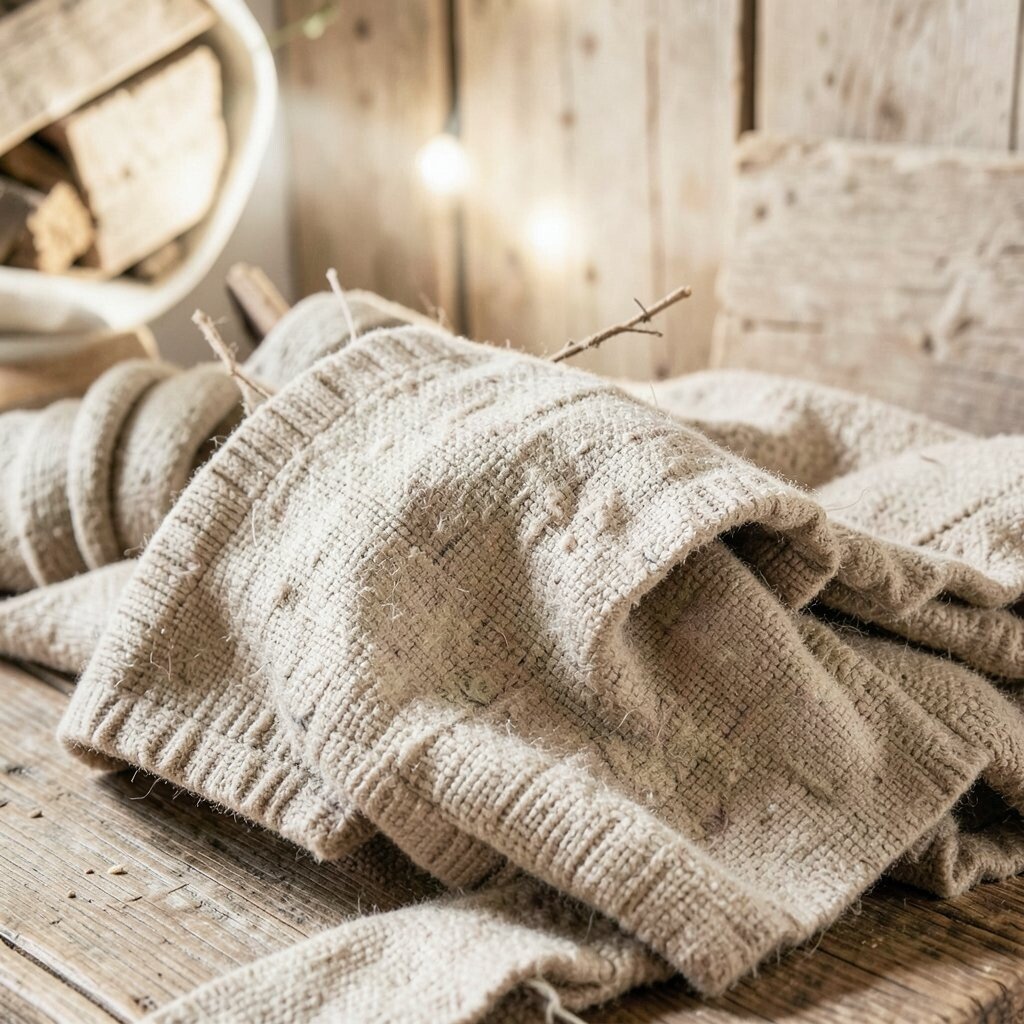
Rustic vibes live in texture, not in perfect matching sets. When you run your hand over rough wood, cool stone, or a soft woven throw, your brain relaxes.
Think about mixing surfaces on purpose, like a reclaimed-wood coffee table with linen curtains and a chunky knit rug. You’ll see better depth in photos too, and it hides small wear spots that new furniture often shows.
2. The Quiet Power of Imperfection
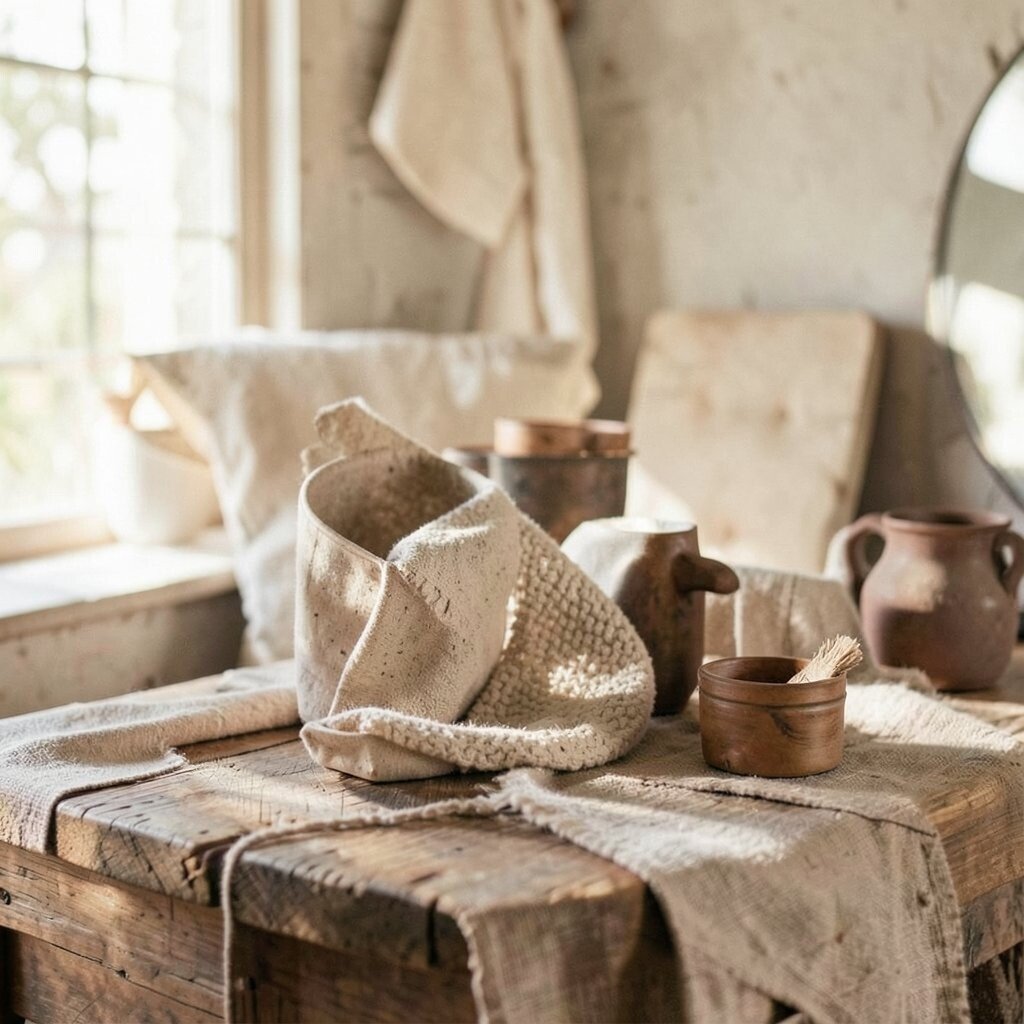
Evenness can feel stiff, while gentle imperfections feel honest. A slightly uneven plank, a knot in the beam, or a patina on metal gives the space a story.
That story matters because rustic style tends to look more comfortable when it’s not overly polished. Try pairing “not perfect” pieces with clean lines so the room stays inviting instead of messy.
Look for items with light dents, natural color shifts, and weathered edges. Those marks can save money because vintage and handmade pieces often cost less than brand-new “distressed” furniture.
3. Lighting Changes Everything Faster Than Paint
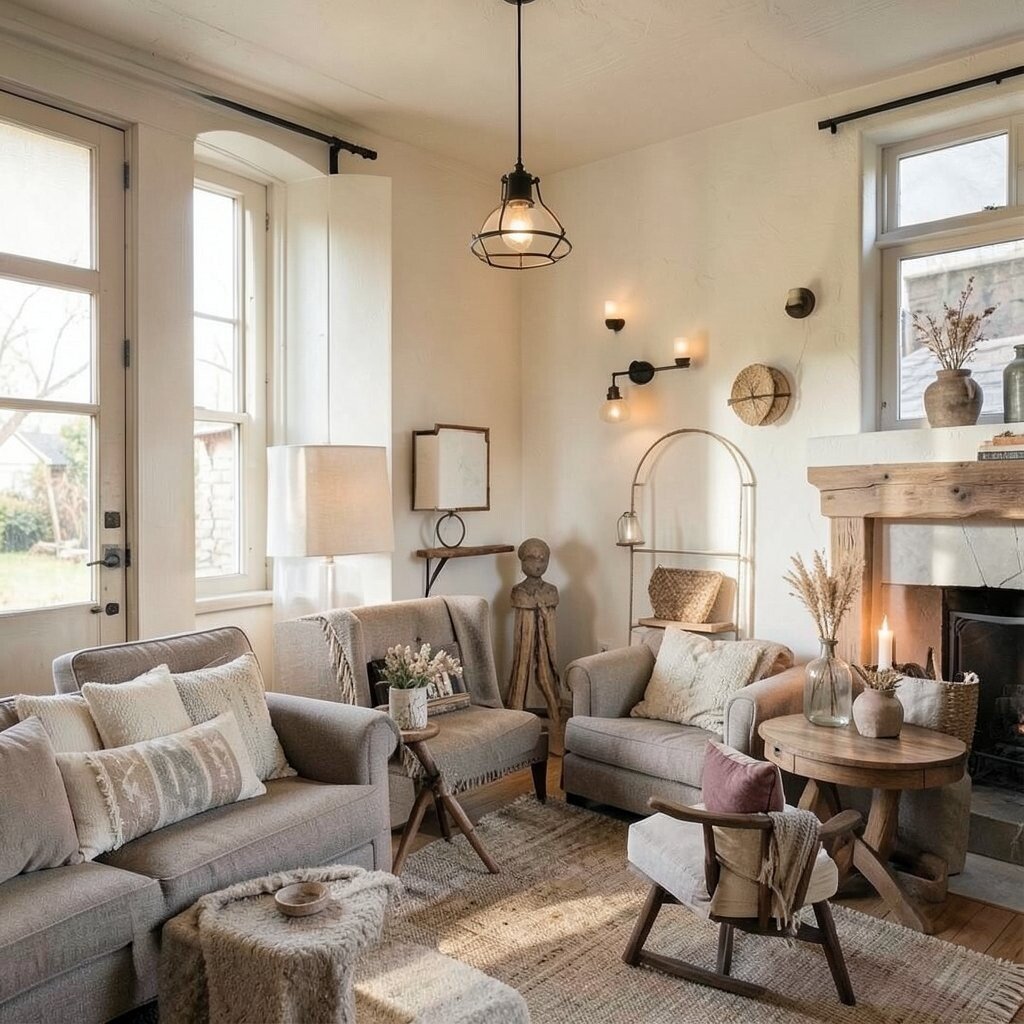
Warm lighting is the shortcut that people forget. Swap harsh overhead bulbs for amber-toned lamps and you’ll feel the room soften within a day.
Rustic vibes shine under layered light, like a floor lamp near a reading chair plus a small light on a sideboard. You can keep walls neutral and still get that cozy glow.
If you want practical tips, start with the easiest upgrades first, like smart bulbs set to warm hues in the evening. For personalization, try shades made from linen, paper, or seeded glass so the light feels gentle and textured.
Current trends also lean toward “warm modern” lighting, which pairs beautifully with farmhouse and cabin accents. The best part is that upgrades are usually cheaper than replacing furniture.
4. Your Scent Is Part of the Style
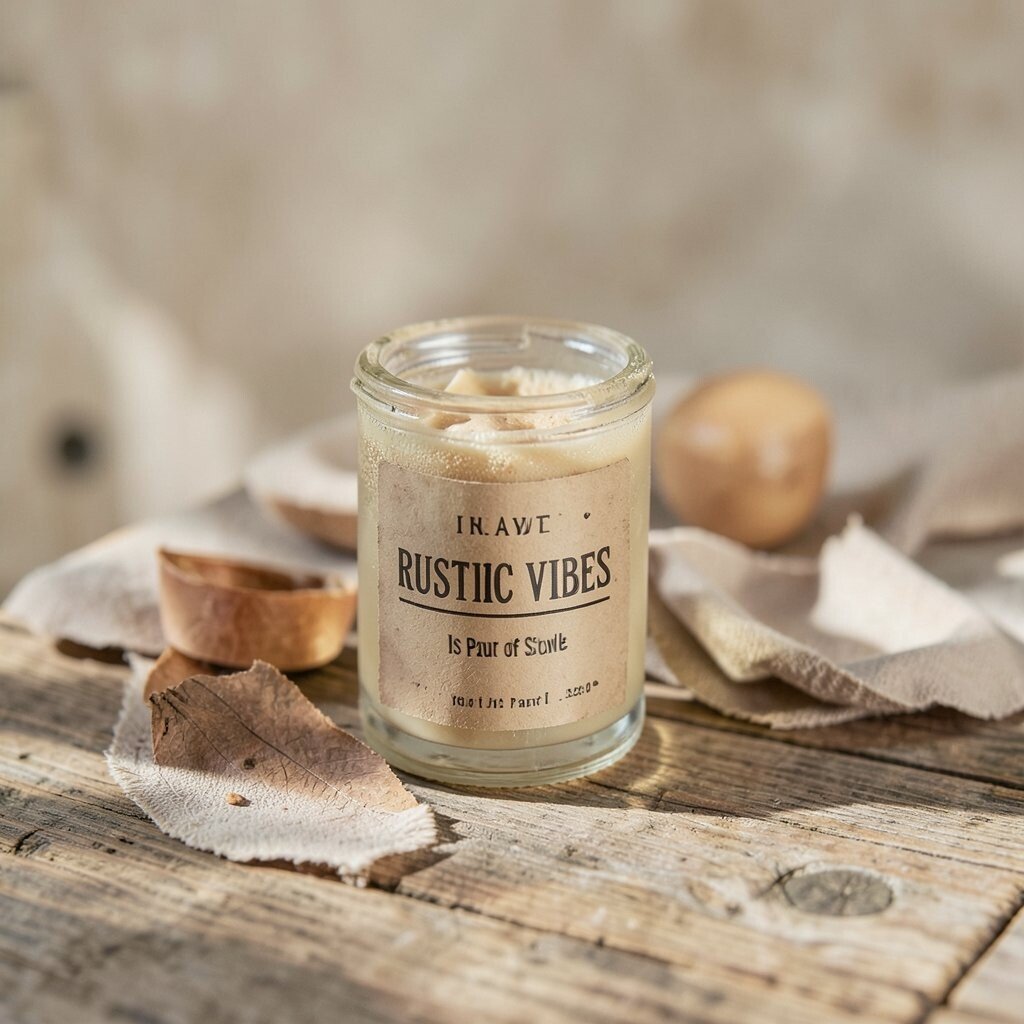
Rustic vibes aren’t only visual; they have a smell. When the air carries cedar, pine, or vanilla, the whole room feels more welcoming.
Small changes make a big difference, like using a woodsy candle in winter and a lighter cotton or citrus scent in spring. You can even add a simmer pot with cinnamon and orange peel for a natural, cozy aroma.
5. Not Every Wood Tone Has to Match
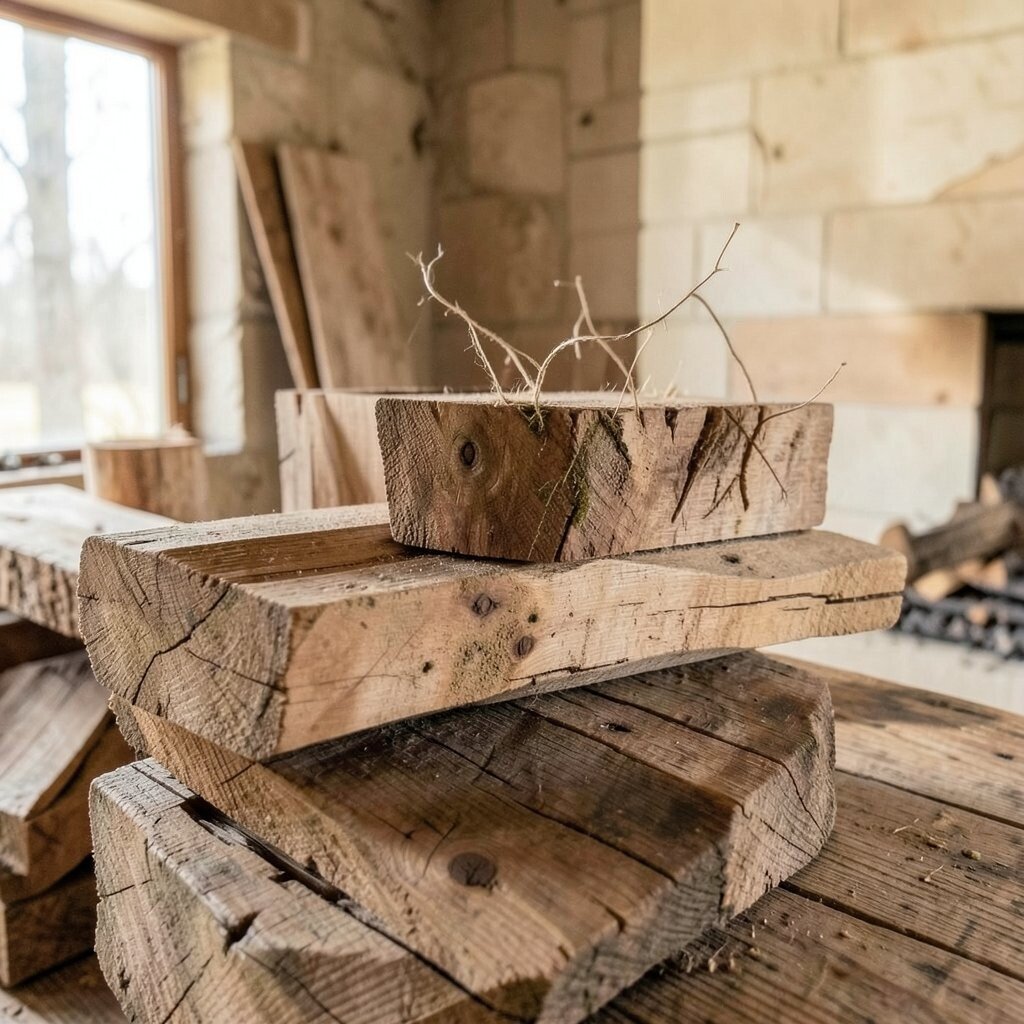
Many people think rustic style means every piece of wood must be the same color. In real life, it looks best when tones vary, like honey, driftwood gray, and deep walnut.
Use contrast carefully by choosing one “anchor” wood that repeats in a few spots, such as the floor or a large table. Then bring in smaller pieces in other tones through picture frames, cutting boards, or shelves.
This approach keeps your space cohesive without forcing a match that can feel fake. If you’re shopping on a budget, mix thrifted wood items with one newer feature so the colors blend instead of fighting.
6. Rug Choices Can Make a Room Feel Finished
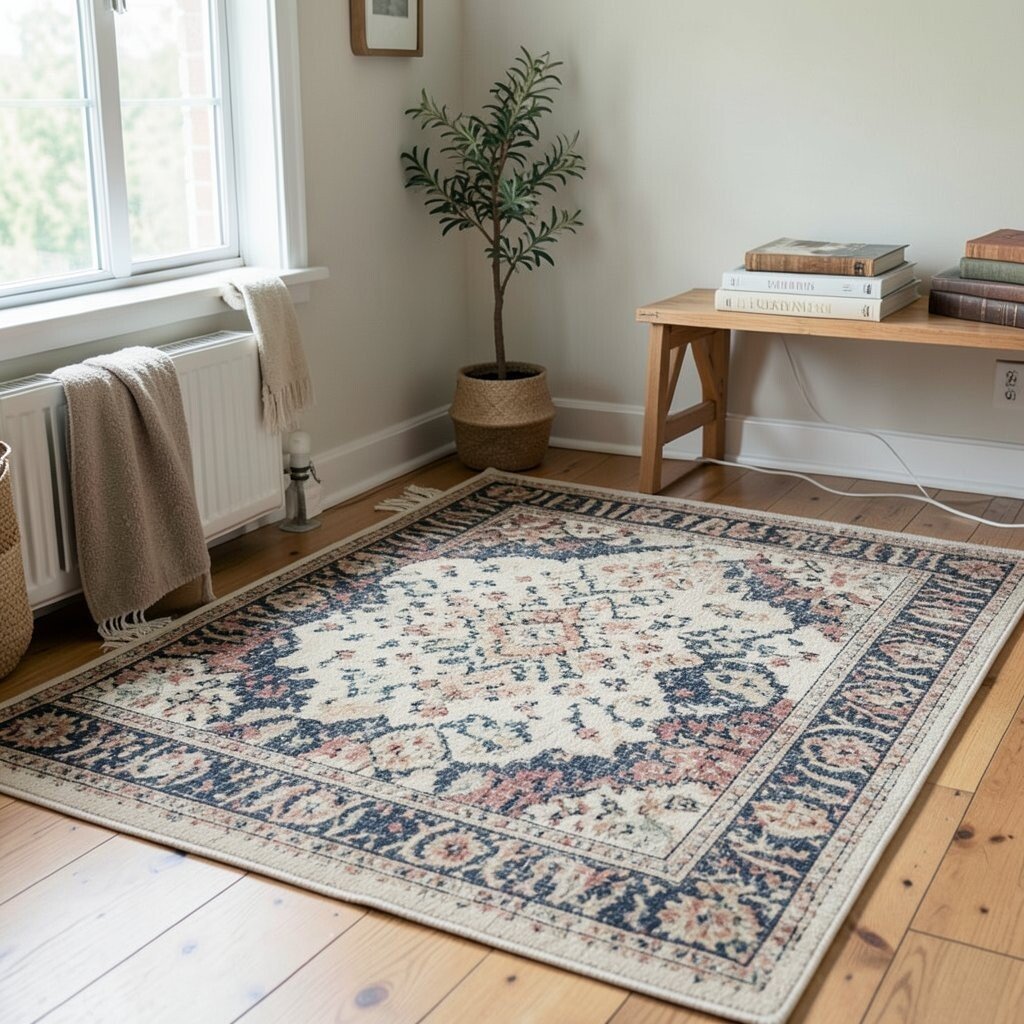
A rug is often the missing piece that turns a house into a home. In rustic vibes, rugs add warmth underfoot and help anchor furniture groups.
Look for patterns that feel natural, like muted stripes, faded medallions, or flatweave textures. Practical tips include choosing a rug size that sits under the front legs of couches and chairs so it holds the layout together.
If you want uniqueness, choose a rug with a slightly worn look rather than bright, brand-new fibers. It feels more lived-in and can be easier to maintain because it doesn’t show every tiny stain as quickly.
7. Storage Can Be Beautiful and Useful
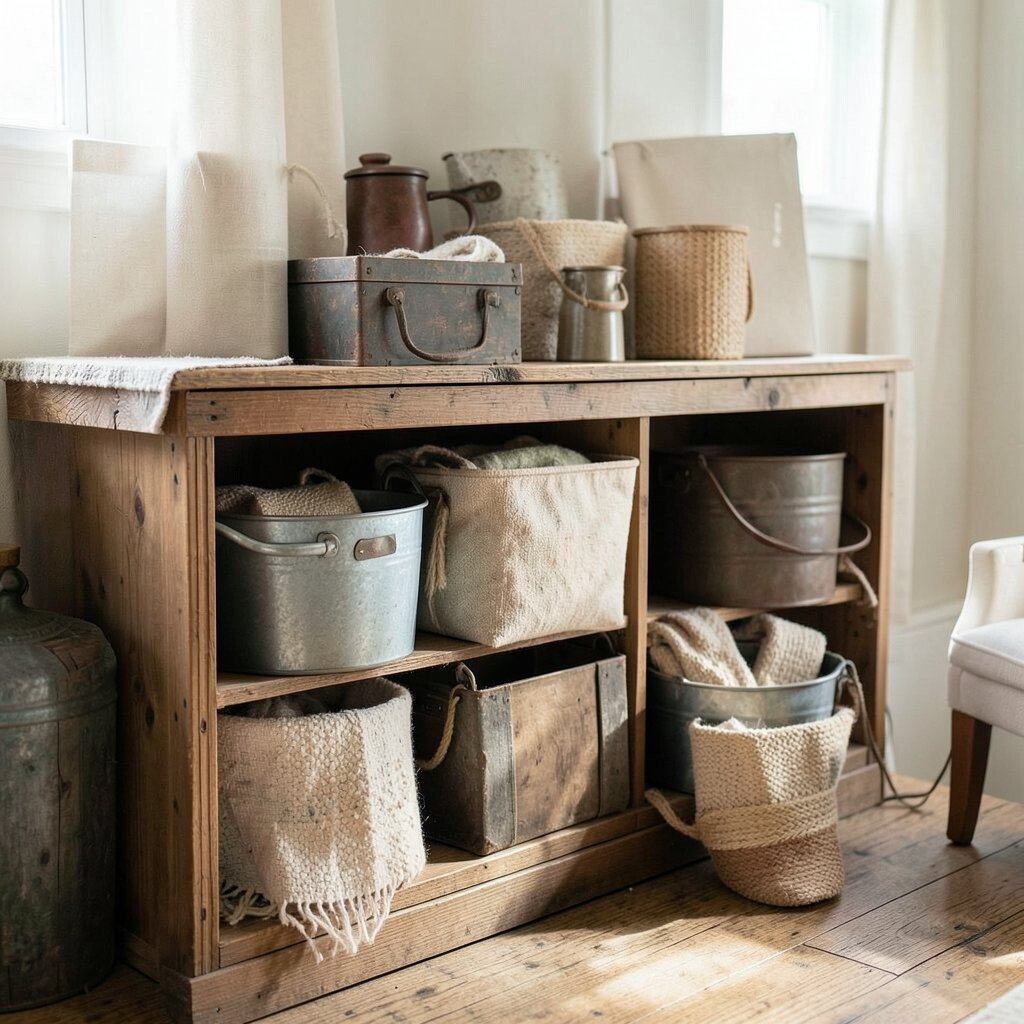
Rustic vibes often look best when items have a home. Open shelves show character, but closed storage keeps the room calm.
Try mixing baskets, old trunks, and lidded jars to hide clutter while still keeping the style visible. You’ll get the benefit of an organized space, and guests will still enjoy the warm, natural visuals.
For personalization, label jars with simple twine tags or use chalk markers for a homemade feel. Cost considerations matter too, and you can often build storage using inexpensive thrifted containers with a little cleaning and new labels.
Right now, many people are leaning into “display storage,” where everyday items like coffee beans or pottery cups look like decor. Rustic setups make that approach feel intentional and cozy.
8. Wall Decor Works Best When It Feels Collected
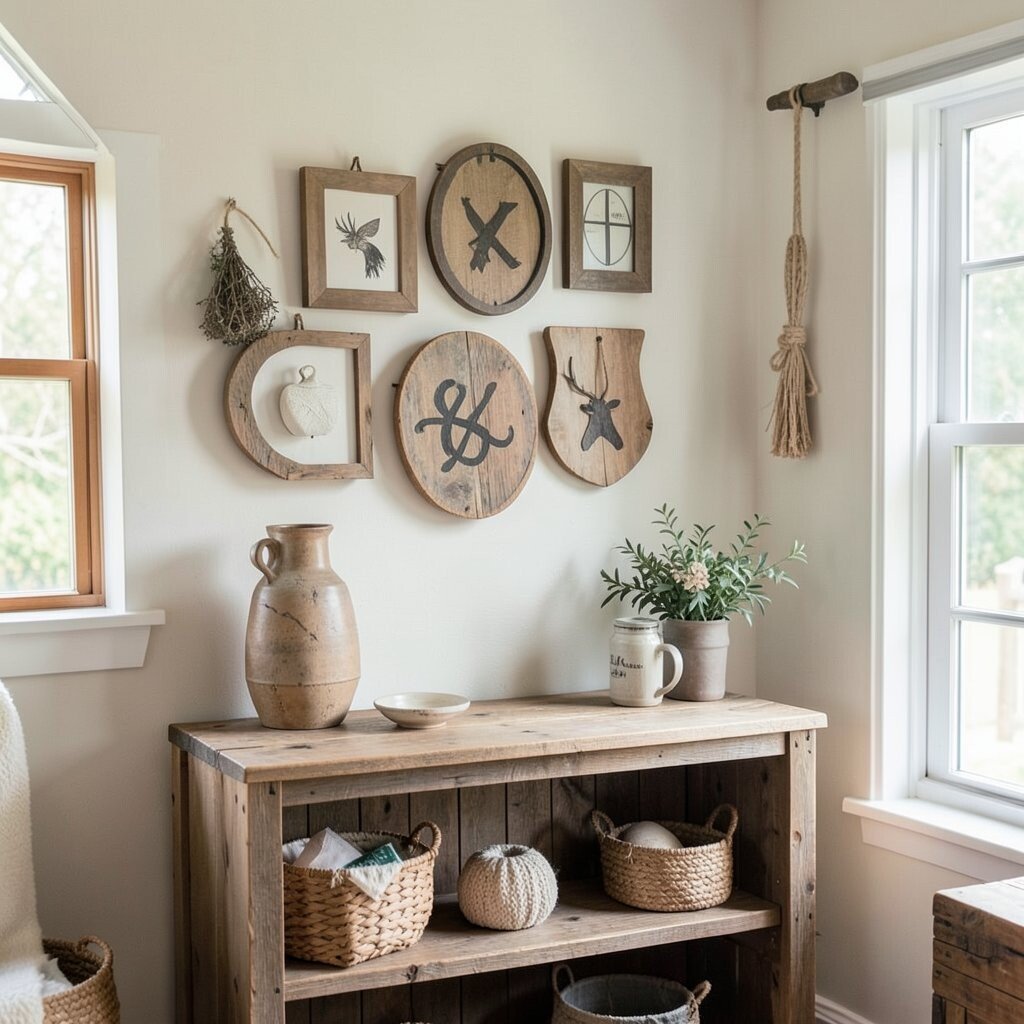
Wall art in rustic vibes shouldn’t look staged like a showroom. It looks better when it feels collected over time, like frames that share a similar theme rather than identical materials.
Use a mix of items such as vintage maps, woven wall hangings, wooden signs, and simple black-and-white photos. Keep frames in a close color family, then add one natural element like a small wreath or a carved piece.
Practical tips help here, like measuring your space and spacing frames consistently before you commit. Personalization ideas include adding a photo of your family cabin moment, a hiking trail print, or a custom sign made from leftover wood.
9. Hardware Is the Hidden Detail People Notice
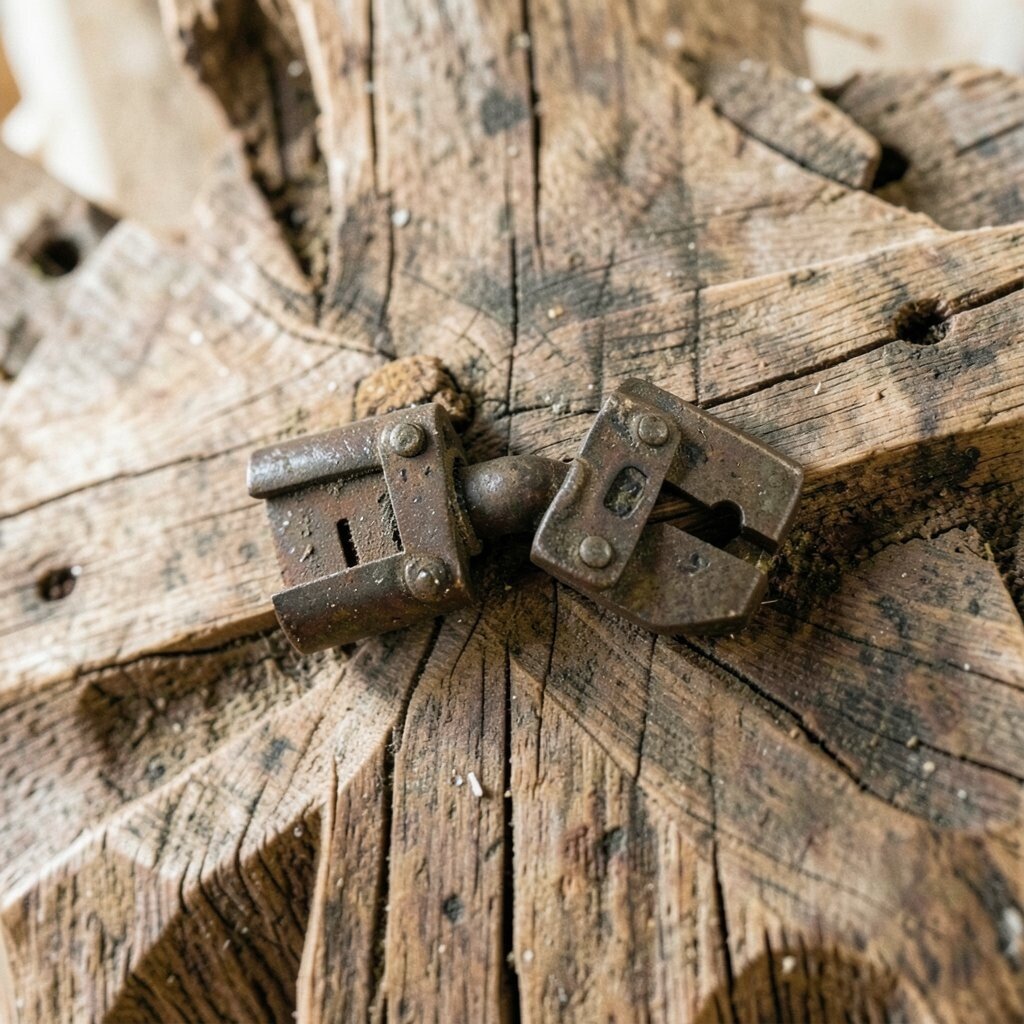
Cabinet knobs, drawer pulls, and light switches quietly set the tone. Rustic vibes often feel more convincing when hardware looks warm and slightly aged.
Swap shiny chrome for brushed brass, dark bronze, or blackened metal finishes. You get the benefit of a high-impact change without buying a whole new kitchen or vanity.
Cost considerations are manageable because hardware updates usually cost less than full renovations. Uniqueness can come from mixing finishes on purpose, like matching one set of knobs to a lamp base while keeping the rest slightly different.
If you’re following current trends, matte hardware and patina looks are popular because they hide fingerprints and blend with natural materials. It’s a small choice that makes the whole room feel more thoughtful.
10. Seasonal Decor Can Stay Subtle
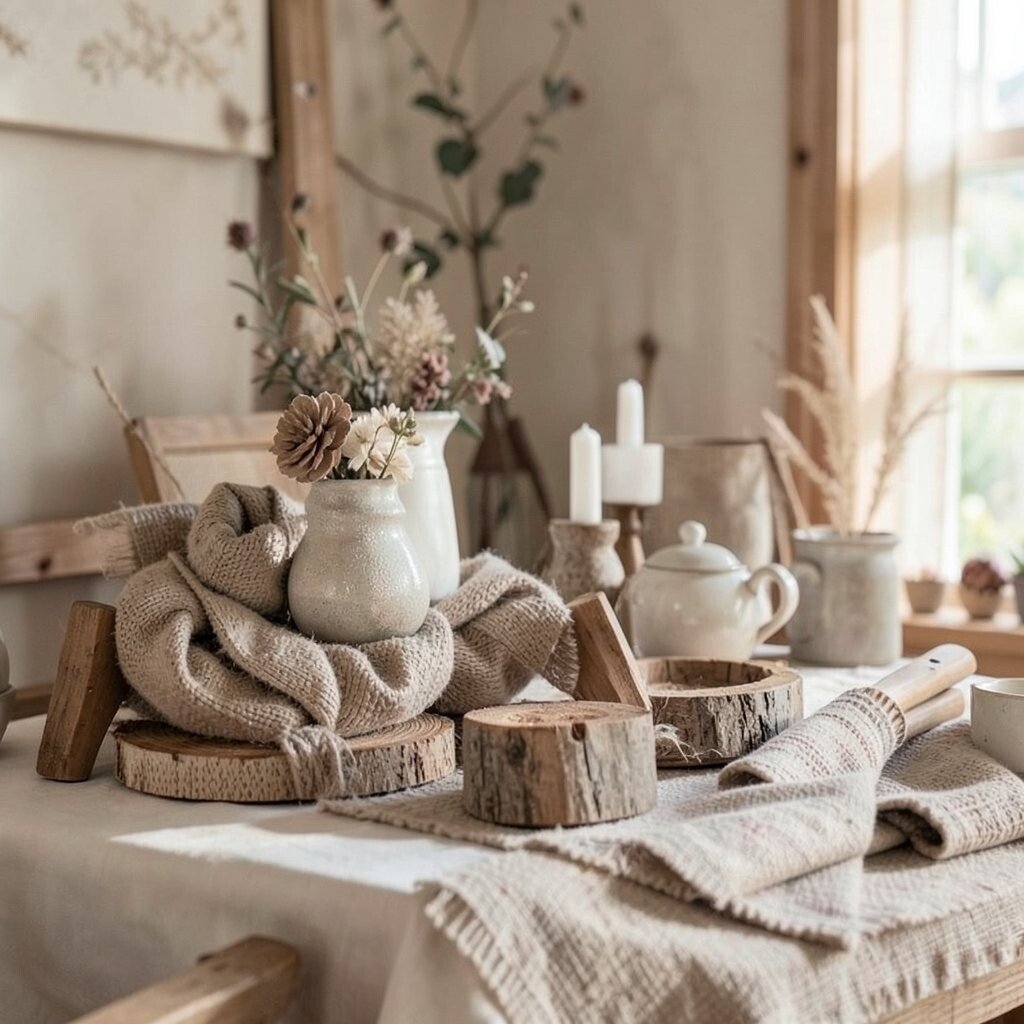
Rustic vibes work best when seasonal decor feels like part of the home, not an all-or-nothing swap. A few changes bring variety without making you buy a brand-new theme each time.
Try simple accents such as a woven runner, a pinecone bowl, or a garland that you can swap based on the season. The benefit is that your space stays cozy year-round and still feels fresh.
For practical tips, choose items that can be reused, like neutral candle holders and natural greenery. Personalization ideas can be as simple as using your favorite mug set for the holidays or adding a handwritten card display on a shelf.
11. Budget Rustic Looks Use the Right “Anchor” Pieces
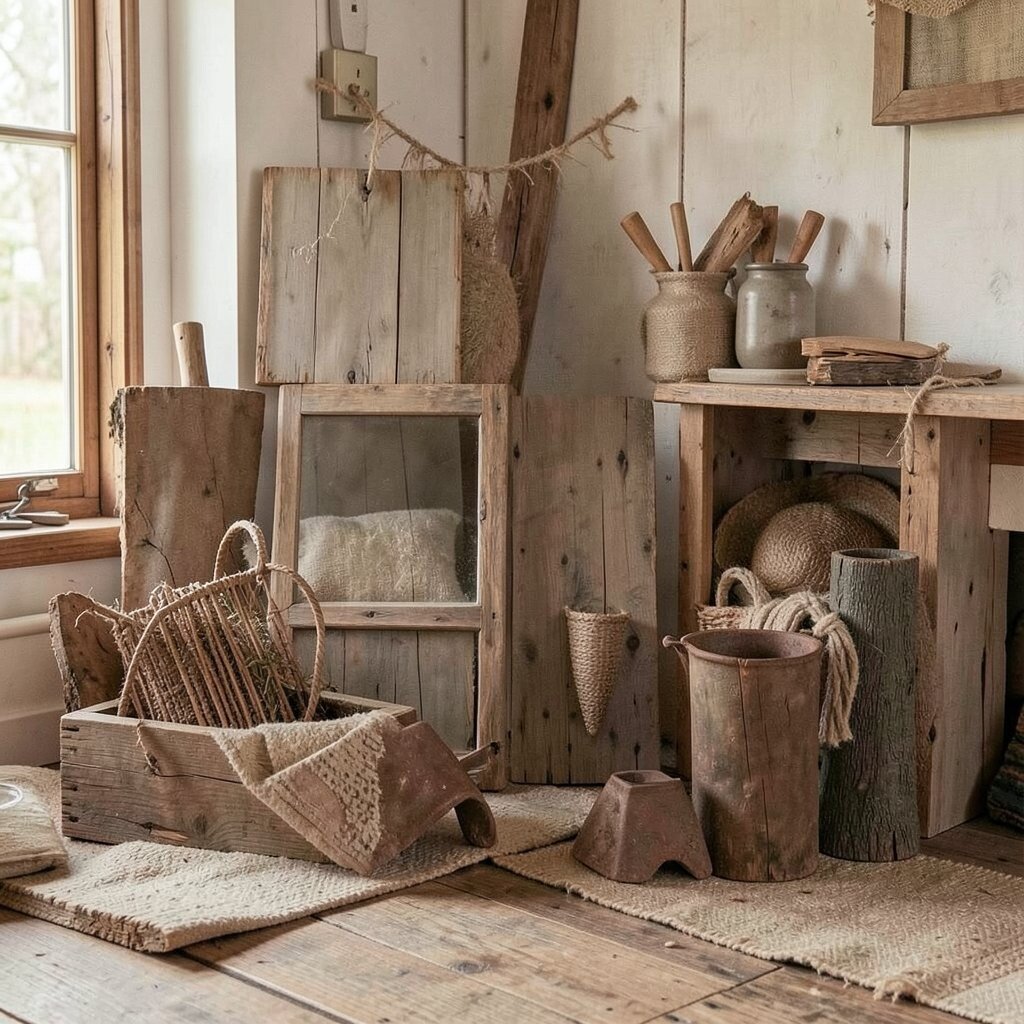
Rustic vibes don’t require expensive furniture, but they do need strong anchors. Pick one or two bigger items that set the mood, like a solid wood table, a comfy sofa with textured fabric, or a barn-style mirror.
Once you have those anchor pieces, the rest can be smaller and cheaper, like thrifted frames, handmade ceramics, and patterned pillows. Uniqueness comes from mixing one meaningful item with lots of small finds that feel personal.
Cost considerations are easier when you focus money on touchable spots, such as the coffee table and seating. Trends also support this approach because many people are buying fewer items but choosing pieces with texture, character, and repairable quality.
If you want practical personalization, scan secondhand stores for matching shapes, then paint only what truly needs it. Keeping finishes simple helps the room feel cohesive even when pieces come from different places.
12. Personal Comfort Is the Real Rustic Luxury
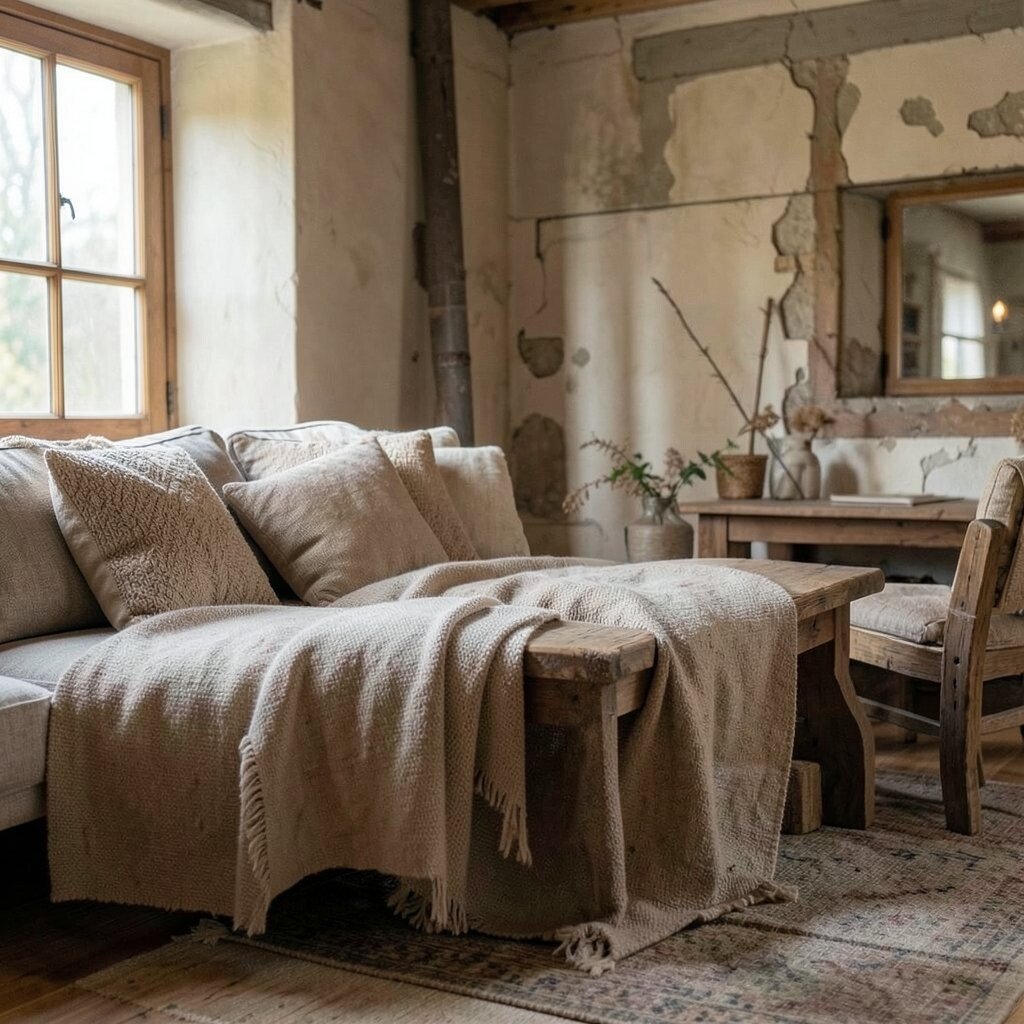
Rustic vibes are at their best when the space feels comfortable for real life. Cozy seating, soft textiles, and good airflow make the home feel calmer than any style trick.
Think about how you actually live, like where you set your keys, how you relax in the evening, and what you reach for during meals. Then design around those moments so the room supports your day.
Try adding layered comfort, such as a throw blanket with a weighty drape and cushions that feel springy. For personalization, choose a color you love from a favorite mug or artwork and repeat it in small ways, like through ceramics or candles.
When current trends talk about “slow living,” they’re really pointing to comfort like this. The benefit is that you’ll enjoy the room more, and it will look even better as it becomes yours over time.