
Your kitchen countertops set the mood the moment you step inside. Quartz can look so polished and inviting that people notice before they even realize why.
With the right planning and careful installation, you can get a surface that feels smooth, looks crisp, and stands up to daily life.
1. Choose the Right Quartz Color for Your Light
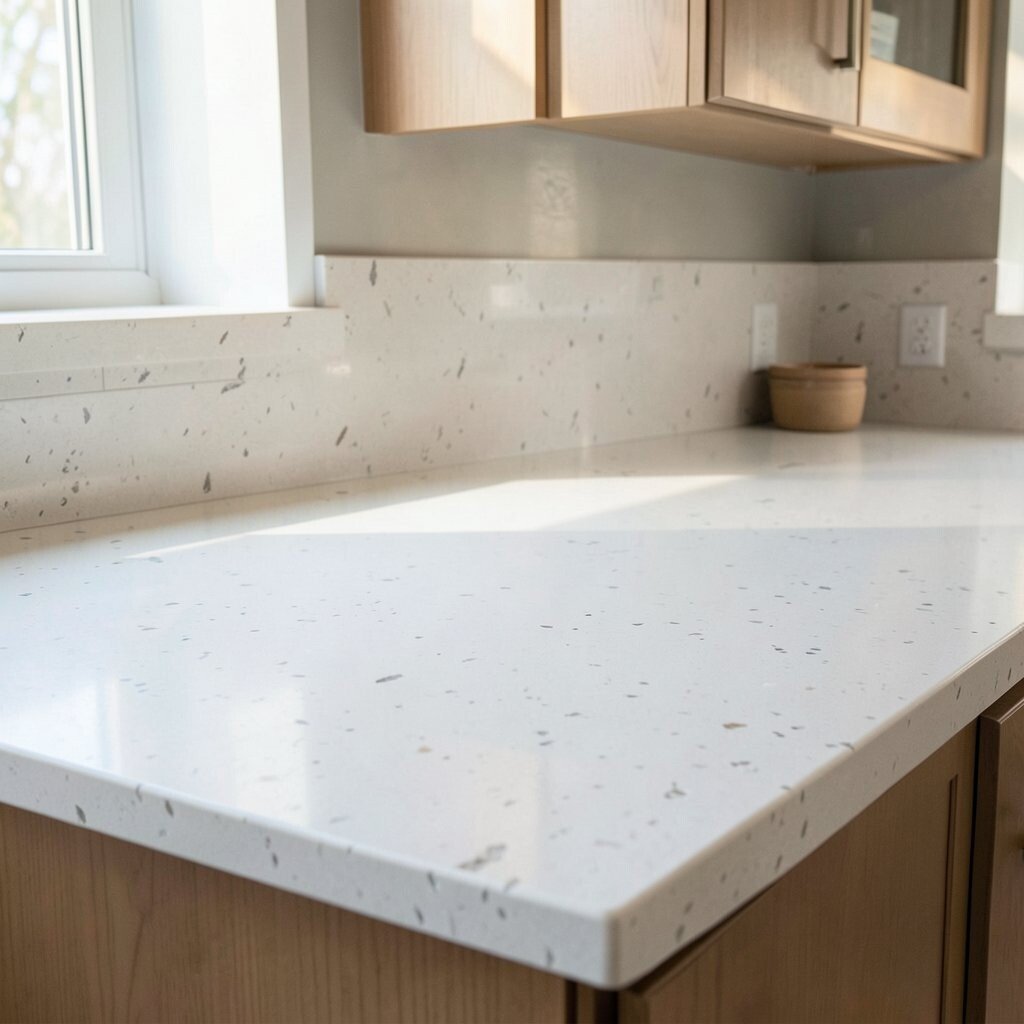
Start by thinking about how your room actually looks throughout the day. A bright quartz like soft white or warm ivory can make small kitchens feel airy, while deeper shades add a cozy, modern vibe.
Bring home samples and hold them near your cabinets and floors in morning and evening lighting. Pay attention to how veining patterns show up on the slab, because natural-looking movement will feel different from one lighting condition to another.
2. Confirm Your Measurements Before Anything Gets Ordered

Measure twice and then measure again, especially around sinks, corners, and appliance cutouts. Even a small mistake can create awkward seams or force expensive adjustments later.
Use a tape measure for length and width, but also double-check with a straightedge for squareness. When countertops meet walls, tiny gaps can look bigger than expected, so plan for a clean, even fit.
Ask your installer or fabricator to review your measurements and templating approach so everyone is working from the same plan. Clear communication at this step helps your timeline stay smooth and your final look feel intentional.
3. Plan Seam Placement for the Cleanest Look

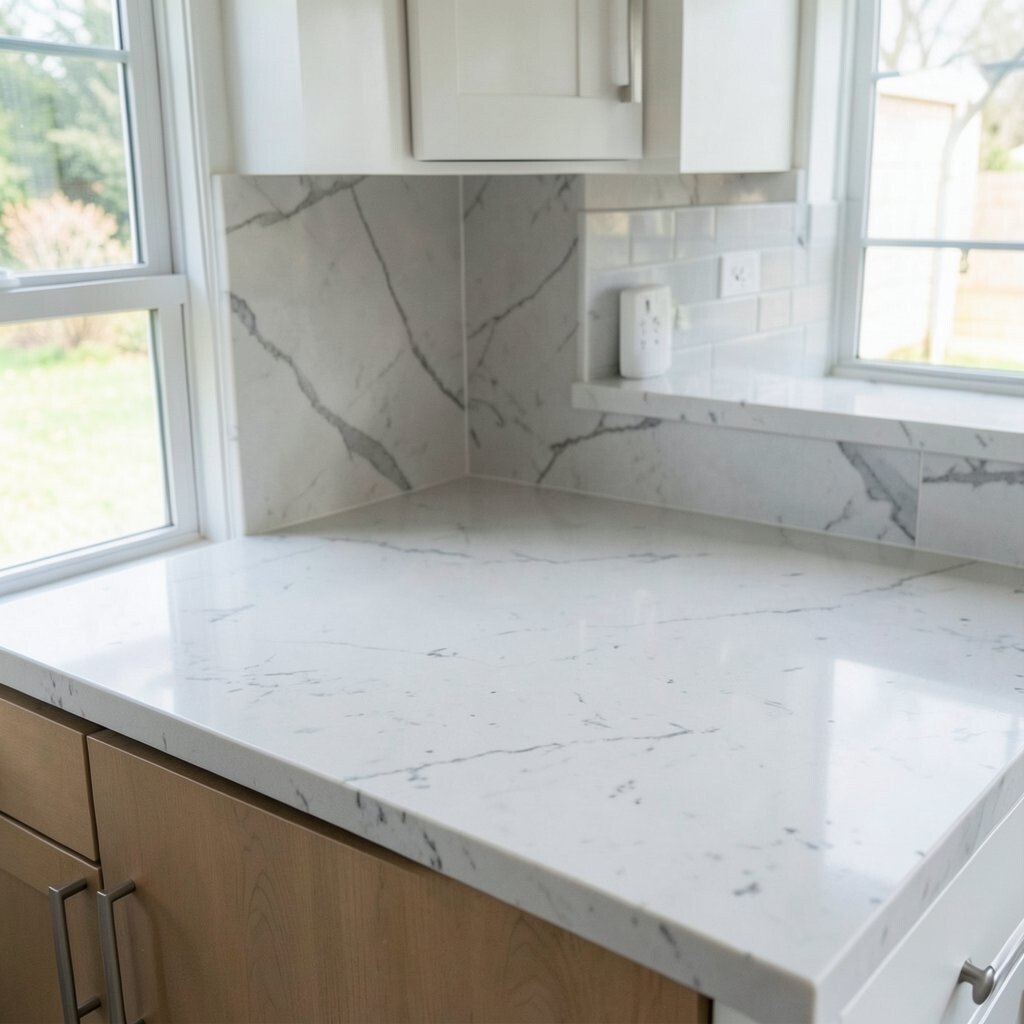
Seams are normal, but their placement can make quartz look either seamless or busy. Try to position seams where you naturally avoid eye lines, like near less-used corners or under upper cabinets.
In open kitchens, seams along the main walkway can catch attention, so it helps to talk about orientation early. Vein direction is also a big deal, and aligning patterns can create a balanced, high-end feel.
If your layout requires multiple pieces, ask about matching and stagger options. You’ll often get a more designer look when the fabricator coordinates seam lines with the overall pattern flow.
Sometimes a slightly different layout can reduce seams and improve symmetry, so consider that before final fabrication. The goal is a surface that looks like it was meant to be there from day one.
4. Make Sure Your Substrate Is Flat and Strong
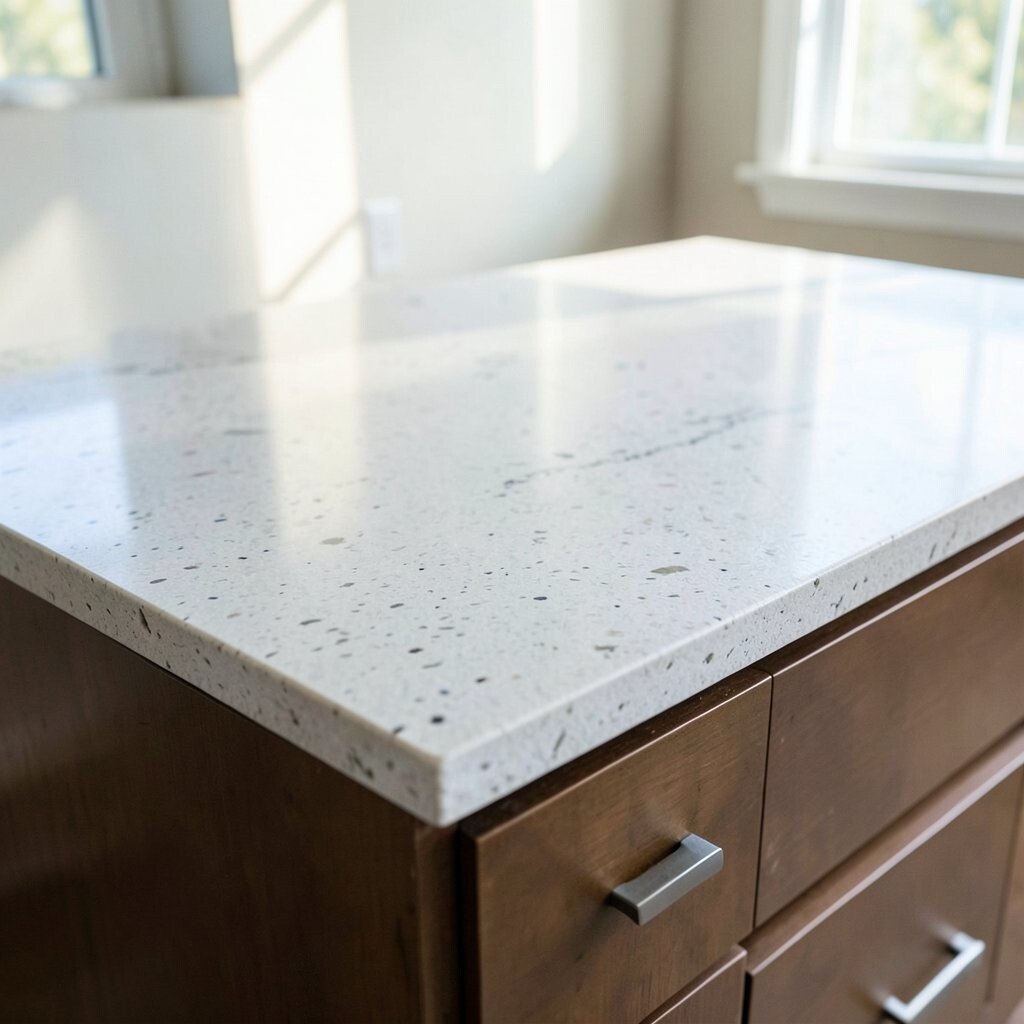
Quartz is heavy, and it will show uneven spots when it’s installed. Your base needs to be solid and level so the stone stays supported the way it should.
If you have old cabinets or wobbly areas, fix them first rather than trusting the countertop to hide issues. Installers often check for dips and gaps so the final result feels sturdy underfoot and under your hands.
5. Understand Overhangs and Support Needs
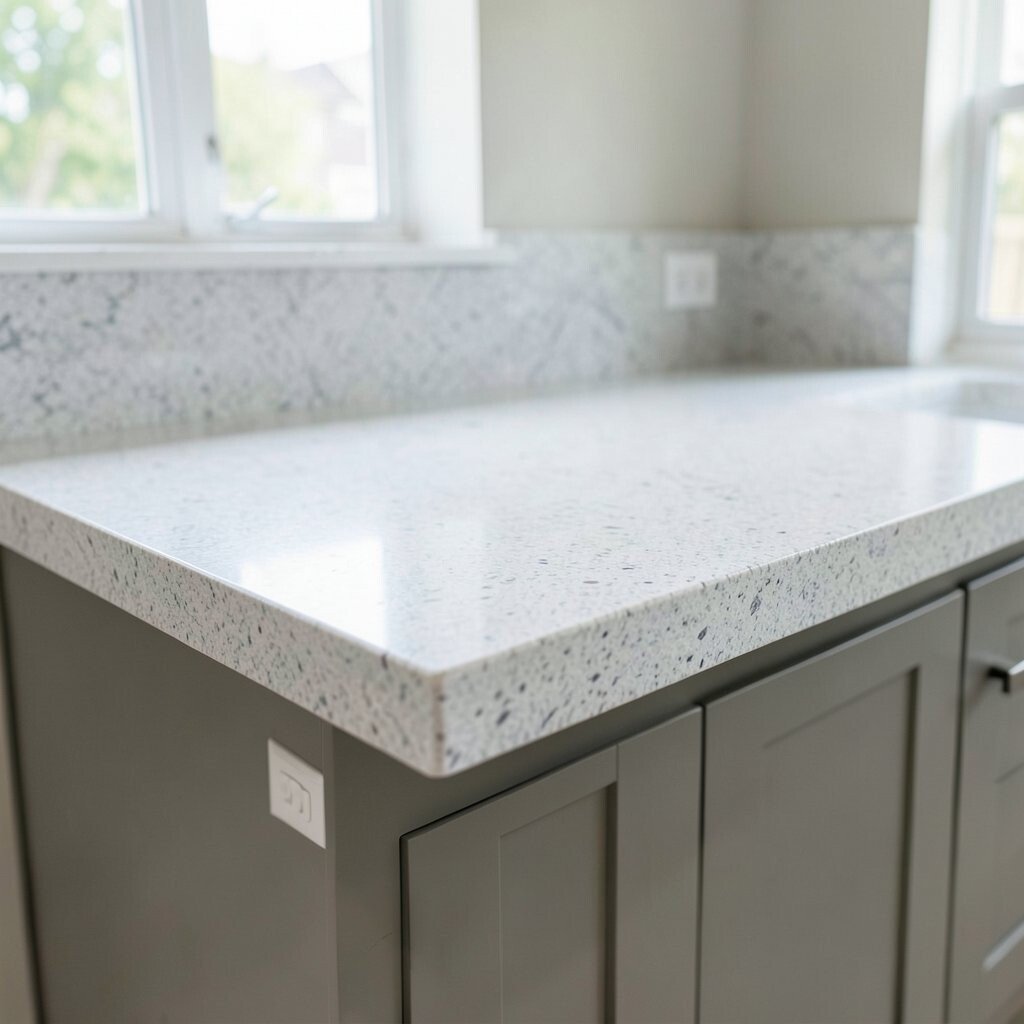
Overhangs can make a kitchen feel elegant, but they must be engineered for support. Too much unsupported length can lead to stress over time, which is not worth the risk.
Measure the distance from cabinet face to finished edge and confirm the recommended support spacing. Practical choices like brackets, corbels, or proper substrate framing help keep the look sharp and the surface stable.
If you plan for bar seating, think about knee clearance and comfort as well as appearance. When people actually use the space, good planning makes the countertop feel as great as it looks.
6. Protect Cabinets and Floors During Installation
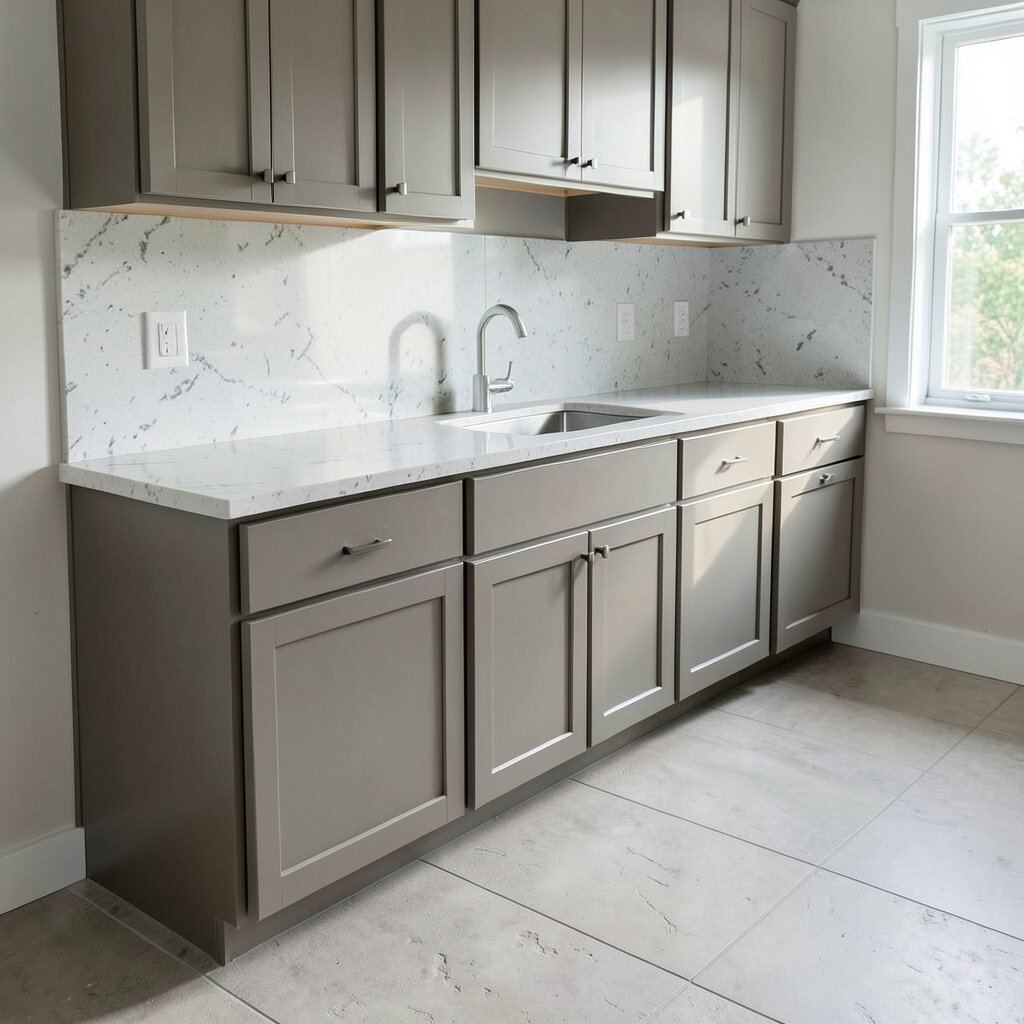
Installation days can get messy, even with careful teams. Cover floors, protect cabinet doors, and clear space so tools and slabs move safely.
Quartz slabs are strong but heavy, and small chips can happen if surfaces are treated casually. A few minutes of prep like taping edges and adding padding can prevent costly rework and delays.
7. Plan for Plumbing and Electrical Cutouts in Advance

Sinks, faucets, soap dispensers, and outlets all need precise cutouts for a smooth, built-in look. If any part is off, you might see gaps or struggle to line fixtures up nicely.
Share your fixture models with the fabricator so the cutout shapes match what you chose. This is especially important with modern faucet styles that require specific spacing.
Also consider how you want hoses and cords to route for dishwashers and small appliances. A well-planned placement keeps daily tasks easy and makes the countertop feel tidy instead of cluttered.
8. Choose the Right Edge Profile for Your Style
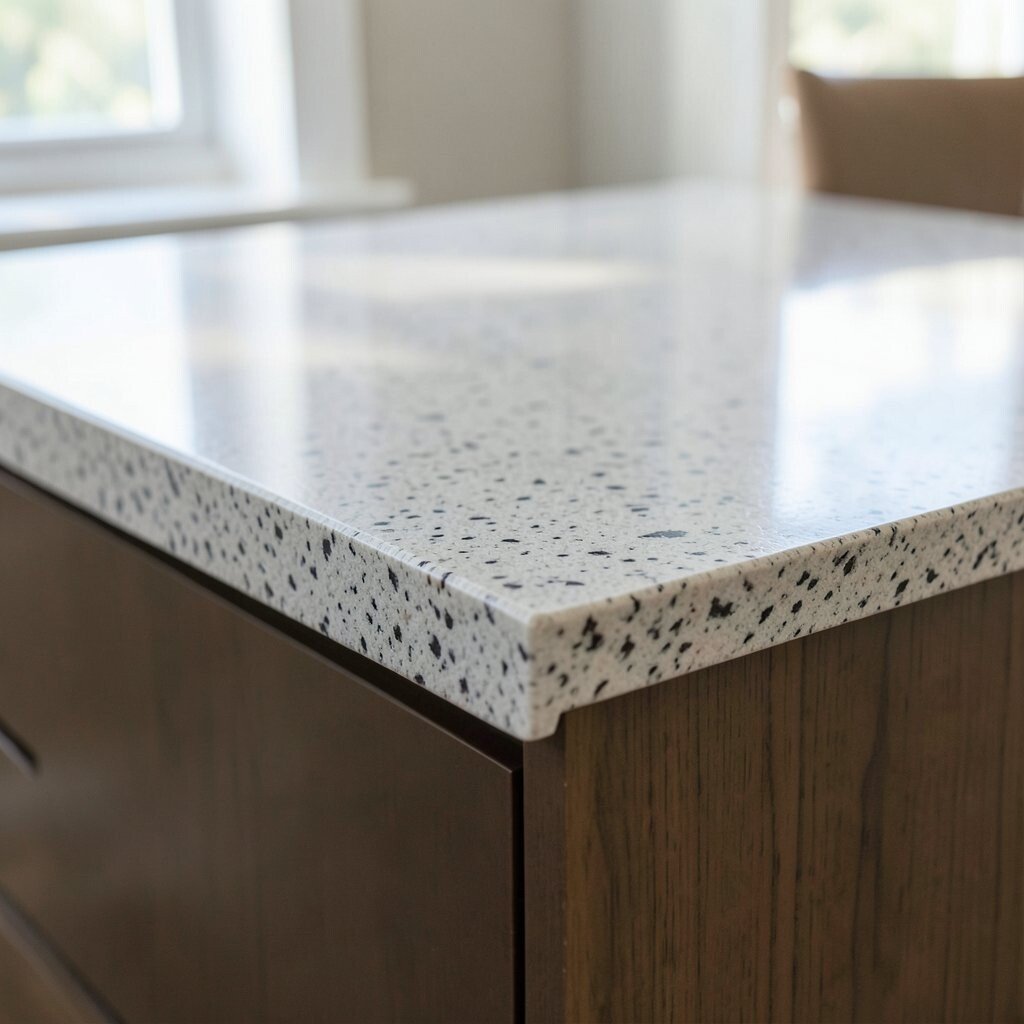
The edge is one of the biggest visual upgrades in a quartz kitchen. A simple eased edge looks crisp and clean, while a beveled or waterfall edge adds a more dramatic, furniture-like feel.
Think about how the edge will look with cabinet hardware and backsplash materials. If you love soft curves, a rounder profile can match that vibe, and if you prefer modern lines, sharper edges can feel sleek.
9. Match Quartz Tones With Backsplash and Flooring
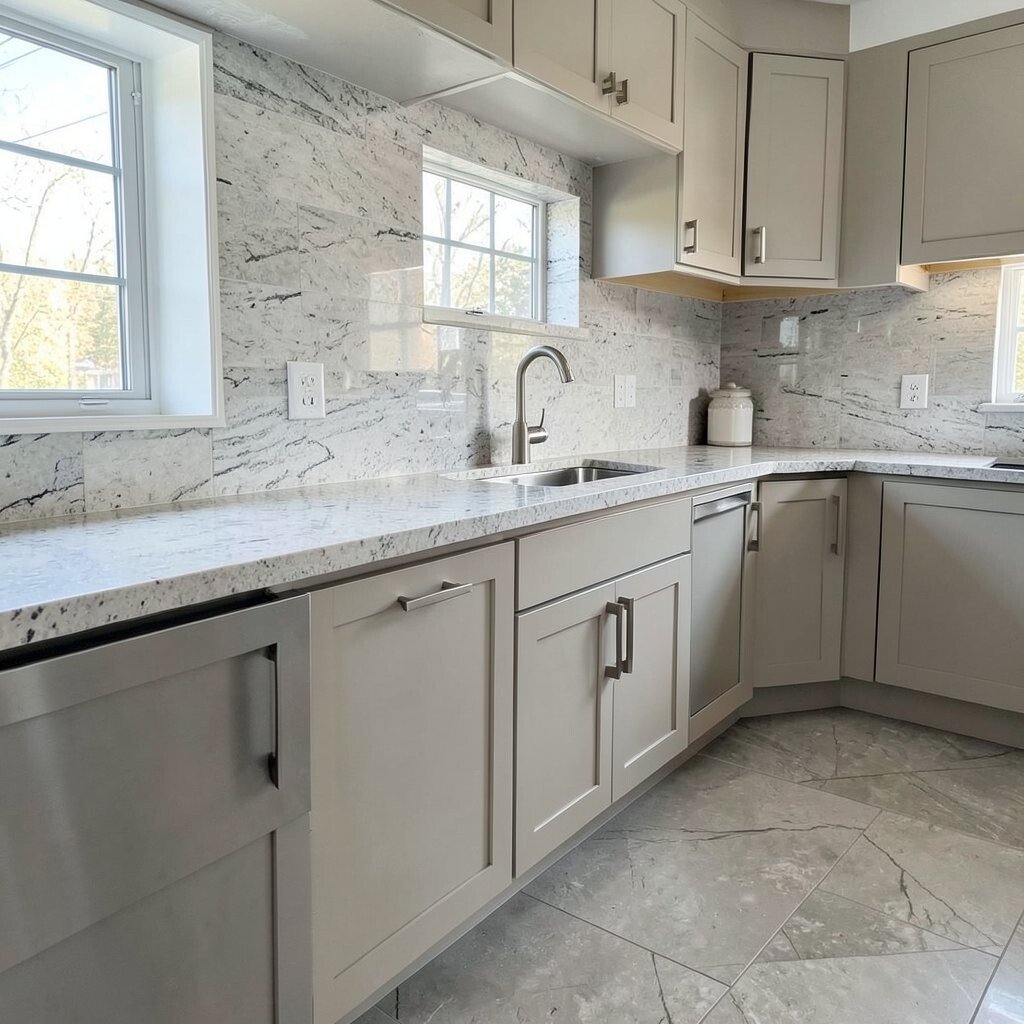
Quartz looks best when the whole kitchen story connects, not when one surface fights with the rest. Warm whites can pair beautifully with creamy tile, while cool grays can look stunning with sleek stone-look backsplashes.
Take a sample of your backsplash or tile and place it next to your quartz sample. Look for harmony in undertones, since warm and cool tones can clash even when the colors seem close on paper.
If you have patterned flooring, consider using a calmer quartz with subtle veining. That balance keeps the kitchen from feeling too busy and makes your counters feel like the calm center.
10. Confirm Subtle Vein Direction and Pattern Consistency

Quartz is engineered, yet it often shows real-looking veining that benefits from intentional matching. Vein direction affects how the kitchen feels, especially across long runs and main viewing areas.
Ask the fabricator how they plan to align pieces and whether they can book-match patterns on visible sections. When the veining flows naturally, the countertops look custom, not assembled.
11. Decide on a Finish That Works With Your Lifestyle
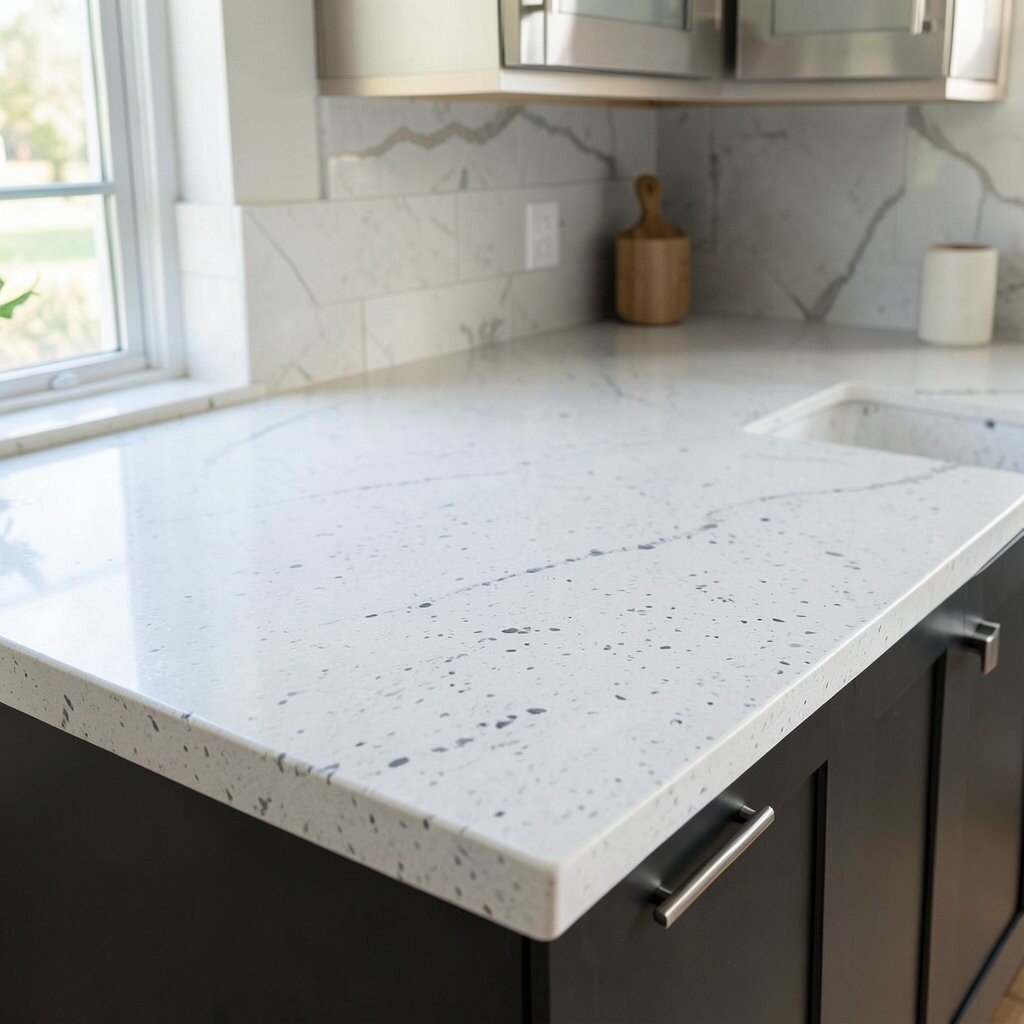
Quartz can come in finishes that range from polished to more natural-looking matte. A glossy surface reflects light and feels very crisp, while a softer finish can hide small marks better.
Consider how often you cook and how your kitchen handles fingerprints, splashes, and frequent wiping. If you want a low-fuss look, a finish that resists smudging can make your routine easier.
You can also think about how finish interacts with lighting fixtures. Under warm bulbs, some finishes look silky and rich, while others can appear brighter and more vibrant.
12. Use Quality Sealant and Adhesives Where They Matter
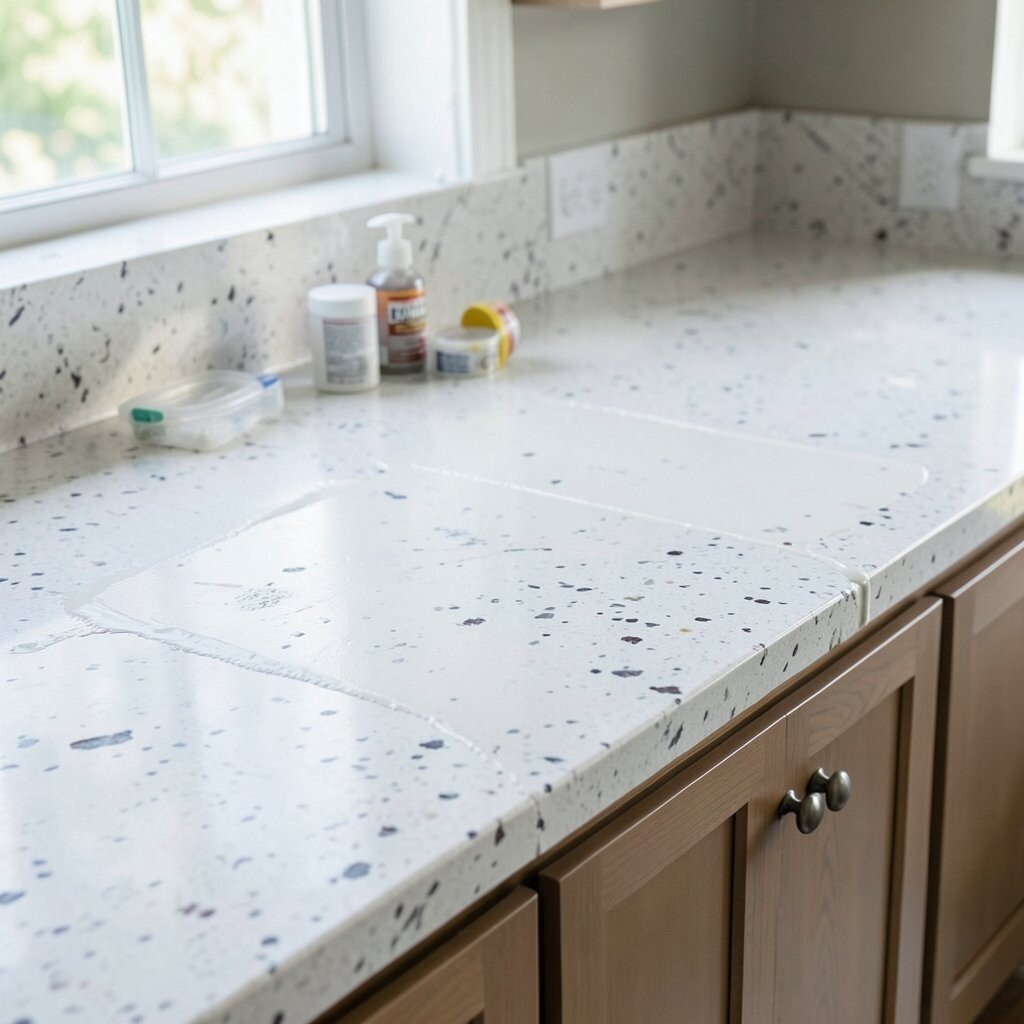
Quartz installation relies on the right adhesives and proper seam setup to create a strong, tidy result. For seams, the correct bonding helps reduce visible lines and supports long-term stability.
Talk through seam treatment and whether any sealing steps are needed for your specific quartz product. Your installer should follow the manufacturer guidance so you get the performance and beauty you’re paying for.
13. Keep Seams Neat With Careful Leveling and Setting
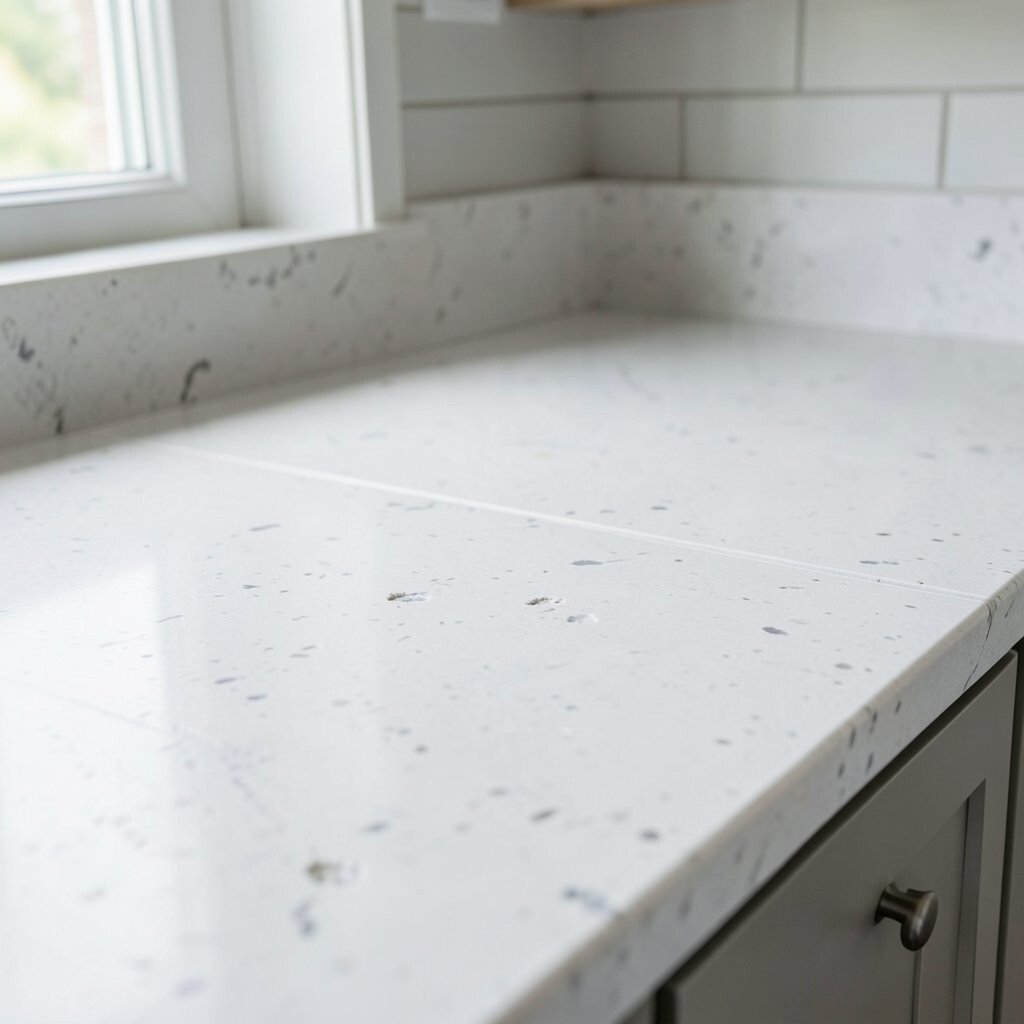
Even small seam gaps can stand out when your kitchen has strong lighting. Clean leveling and careful placement help seams look tight and consistent across the countertop.
Installers often do dry fits and final checks before setting pieces permanently. When the counter lands perfectly and the seam line is controlled, the whole installation feels more refined.
14. Plan for Thermal Safety Around Hot Pots
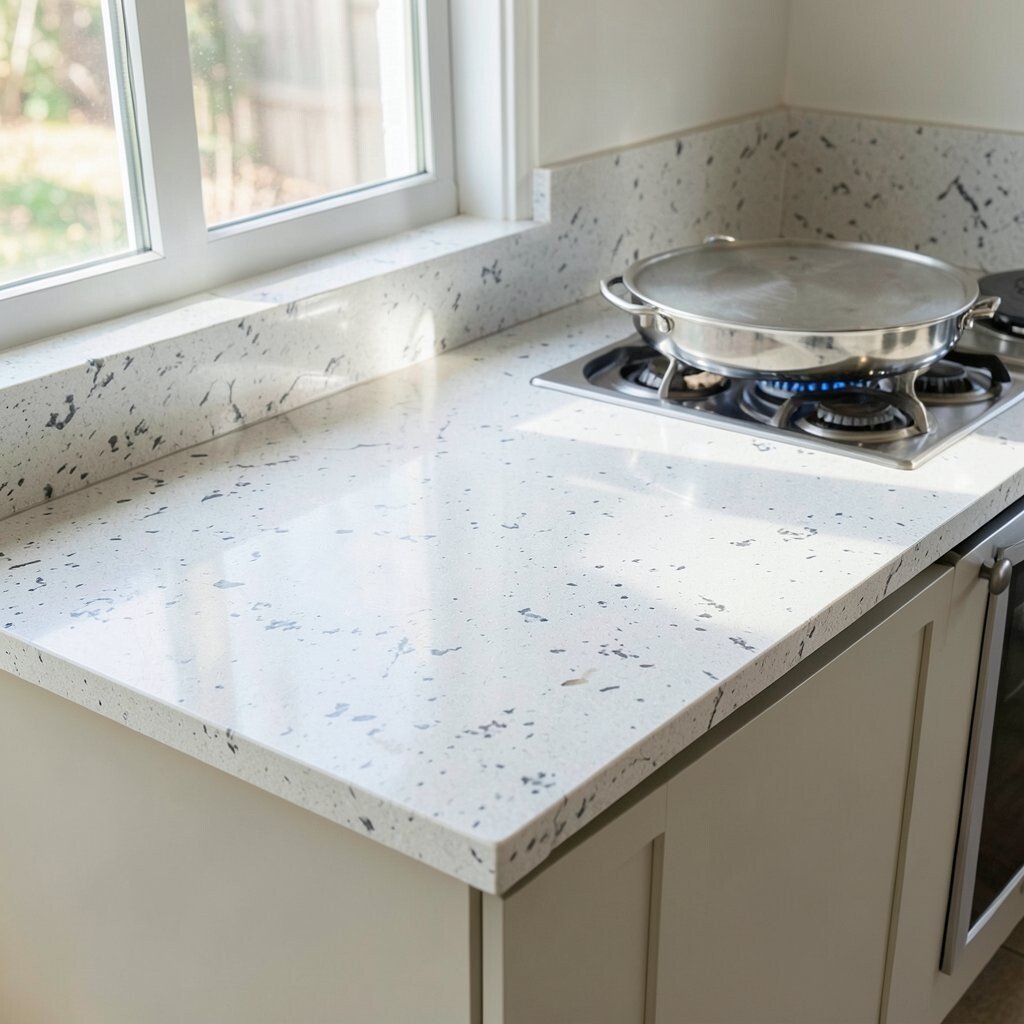
Quartz is durable, but it’s still smart to treat it like a premium surface. Hot cookware, especially directly from the oven, can stress materials, so using trivets protects the finish.
Consider placing a heat-friendly zone near your main cooking area. A small stand or wall-mounted trivet rack can keep habits easy and prevent accidental damage.
15. Maintain Your Counters So They Stay Looking New
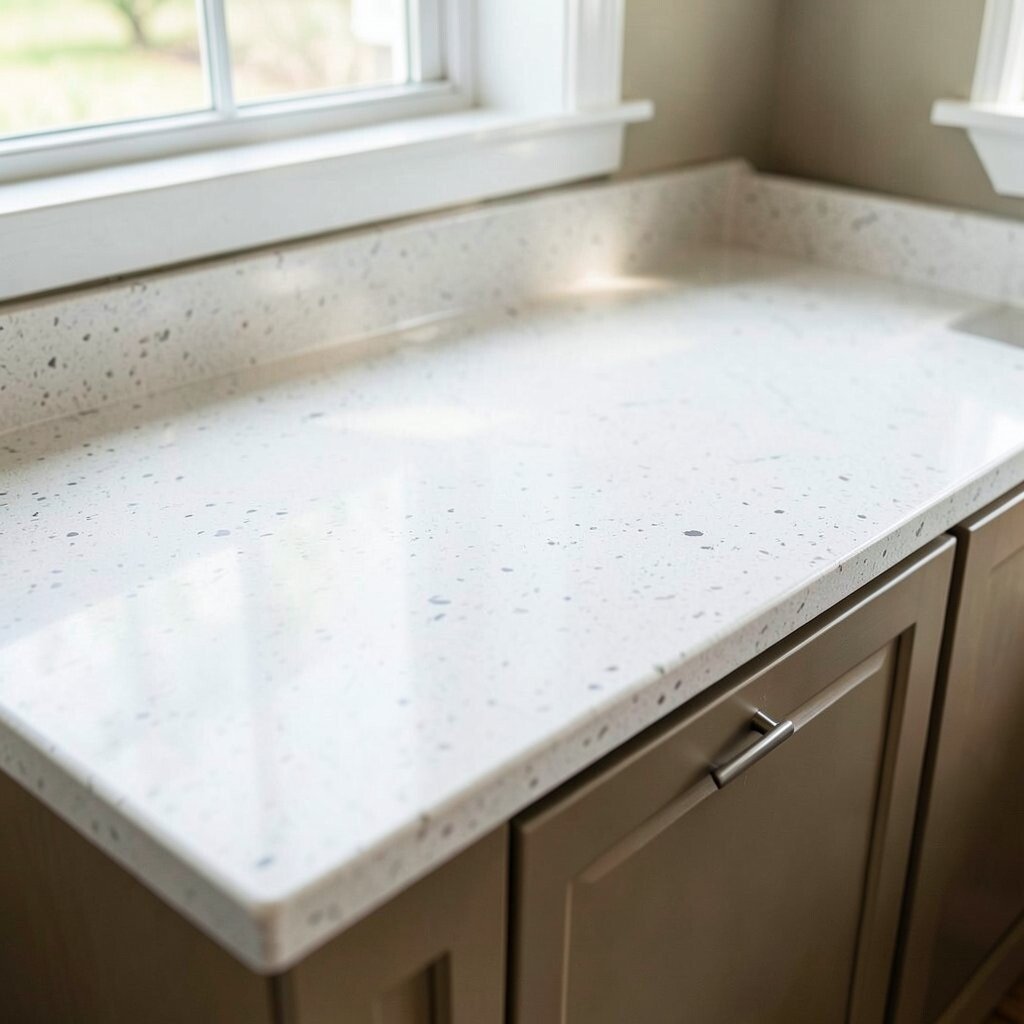
Daily care should feel simple, not complicated. Wipe with a soft cloth and a gentle cleaner, and avoid harsh chemicals that can dull finishes over time.
Quartz resists stains, which is a huge win for busy kitchens, but cleaning routines still matter. If you cook often, prompt cleanup keeps sauces and oils from lingering and helps your counters look bright.
For tougher spots like dried spills, use the approach recommended by your product line. Consistent, gentle maintenance helps your quartz keep its glow without extra effort.
16. Budget for the Real Costs Beyond the Slab
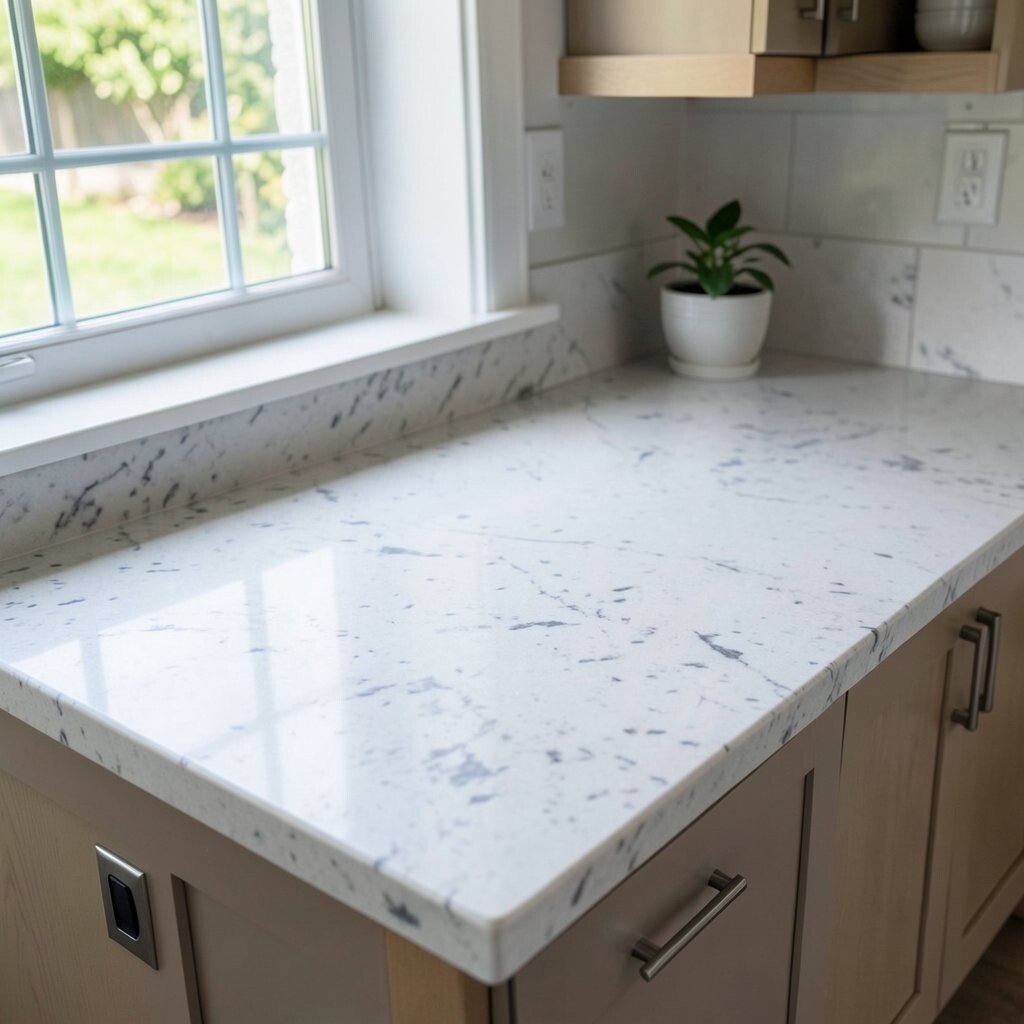
When planning your budget, the slab price is only part of the total. Fabrication, installation labor, cutouts, sink mounting options, and seam work often affect the final cost.
Think about added upgrades like edge profiles, backsplash additions, and special hardware. If you want a waterfall edge or more complex pattern matching, plan for that in your quote so you’re not surprised later.
Comparing quotes is helpful, but make sure you compare the scope of work, not only the bottom-line number. A slightly higher quote can be worth it when it includes better templating, cleaner seam planning, or stronger support strategies.
17. Add Personal Details With Hardware, Lighting, and Styling

Quartz becomes even more beautiful when you personalize the space around it. Hardware finish, cabinet color, and lighting temperature all influence how the quartz appears day to day.
Try styling the countertop with a cutting board that matches your cabinets, or choose a soap dispenser that fits the faucet finish. These small touches make the kitchen feel finished and make your countertops part of a bigger design plan.
18. Choose a Pro Installer Who Communicates Clearly
The best installation feels calm because someone is managing the details. Look for installers who explain their templating process, review seam placement, and confirm cutouts before fabrication.
Good pros also handle scheduling, protect your home, and keep you updated if anything changes. When communication is clear, you’re more likely to get a result that looks polished, fits well, and stays that way.
Ask about how they manage quality checks and whether they’ll walk you through care after the job is done. A team that takes pride in their work will make your kitchen feel confident, not rushed.