Statement hairstyles look bold, but small missteps can make them feel messy instead of magical. The right moves help your hair look intentional, comfortable, and truly you.
When you avoid the common traps, your style stays flattering in real life, not just in photos. Let’s keep your next hair decision easy, wearable, and stunning.
1. Choosing A Style That Ignores Your Face Shape

A statement hairstyle should frame you like a great picture frame. If it clashes with your face shape, even the trendiest cut can look off.
When you picture the front view, notice where your features need balance. Bangs that land at the wrong height can shorten your face, while extra volume at the wrong spot can widen it. Think about your cheekbones, jawline, and forehead, then pick a silhouette that helps them look their best.
2. Going Too Extreme Without a Plan

It is exciting to try something dramatic, like a sharply angled bob or a high-volume updo. But if you jump without a plan, the style can become hard to manage each morning.
A practical approach is to start with one bold element, such as a strong part, vivid color, or a textured fringe. Keep the rest closer to your comfort zone so it grows on you fast. This way, you still get a statement look without spending every day fighting your hair.
If you wear it for events first, you can test how it feels in wind, heat, and different lighting. Then you can adjust the shape, length, or texture little by little. Your future self will thank you for the smoother learning curve.
3. Picking a Trend That Does Not Match Your Lifestyle

Some statement styles look effortless in videos because the models have time, tools, and assistants. If your day includes workouts, commuting, or quick errands, your hair needs to keep up.
Choose a style that fits your routine, like a cut that grows nicely or waves that hold without heavy heat. If you love a sleek look, ask for methods that reduce frizz and help your hair stay smooth longer. When your hairstyle matches your habits, you will actually wear it, not just admire it.
Think about how often you style, how quickly your hair air-dries, and whether you mind using styling cream. Matching the look to your real schedule keeps the statement feeling fresh. Plus, it saves money on extra products you do not end up needing.
4. Skipping Strand and Scalp Health
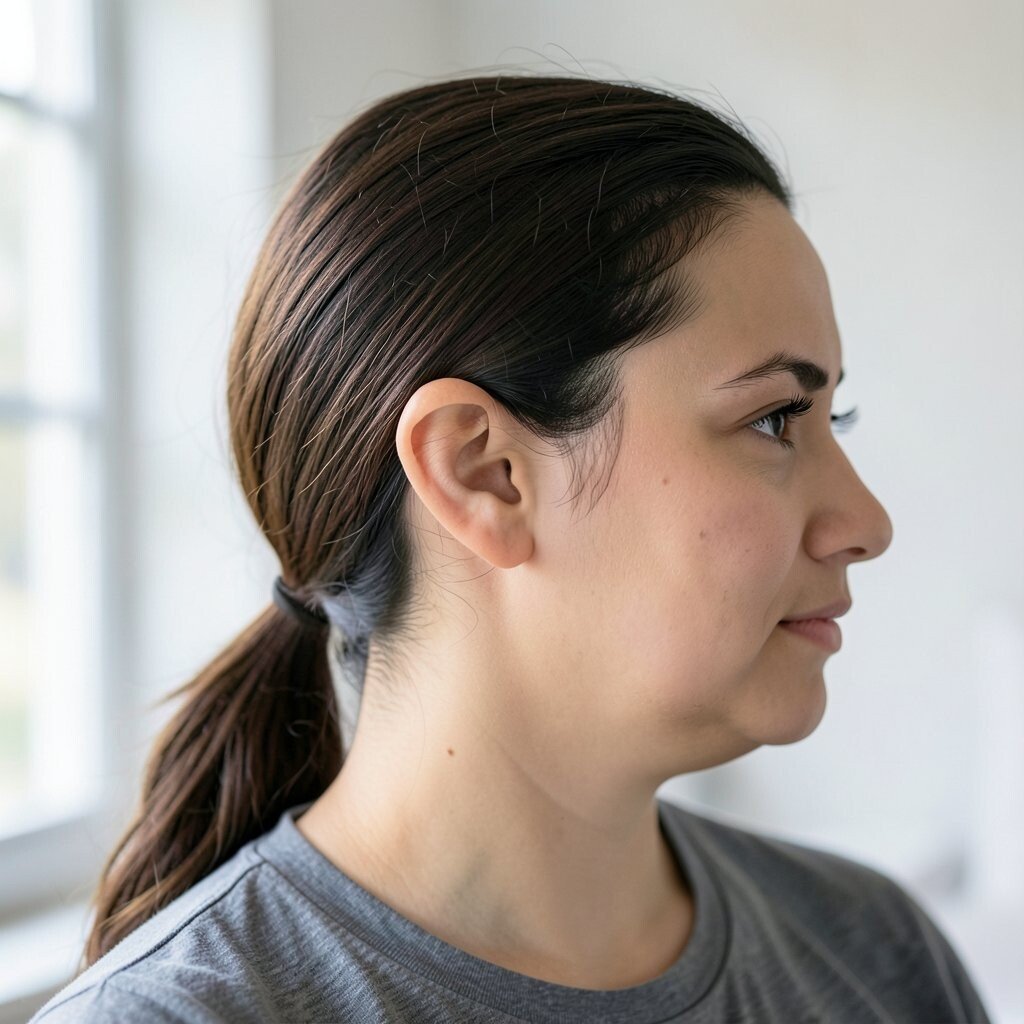
Statement hairstyles often pull attention, so dry ends and dull roots get more visible. If your scalp is irritated or your hair is breaking, the style will not sit right.
Before you chase a bold shape, focus on gentle care, like a moisturizing mask and a conditioner that actually softens. If you color, keep an eye on how your hair feels after the appointment. Healthy hair holds shape, shine, and texture better, and that is the real foundation of any dramatic look.
5. Not Communicating the Exact Look You Want

It is easy to say you want “something bold,” but haircuts need clear details. Your stylist cannot read your mind, and small misunderstandings can change the whole result.
Bring a few photos showing the angle, texture, and movement you love. Mention how you want your hair to fall in the front, how it should look from the sides, and whether you want volume at the crown. When you describe your everyday reality, like your current length and natural wave pattern, you help your stylist tailor the plan.
Also share what you hate, like thick bangs that feel itchy or layers that tangle. Clear communication makes the final style feel more like a personalized statement, not a gamble. You get better results faster, which can reduce repeat salon visits and product waste.
6. Overloading With Product for a Photo-Perfect Finish
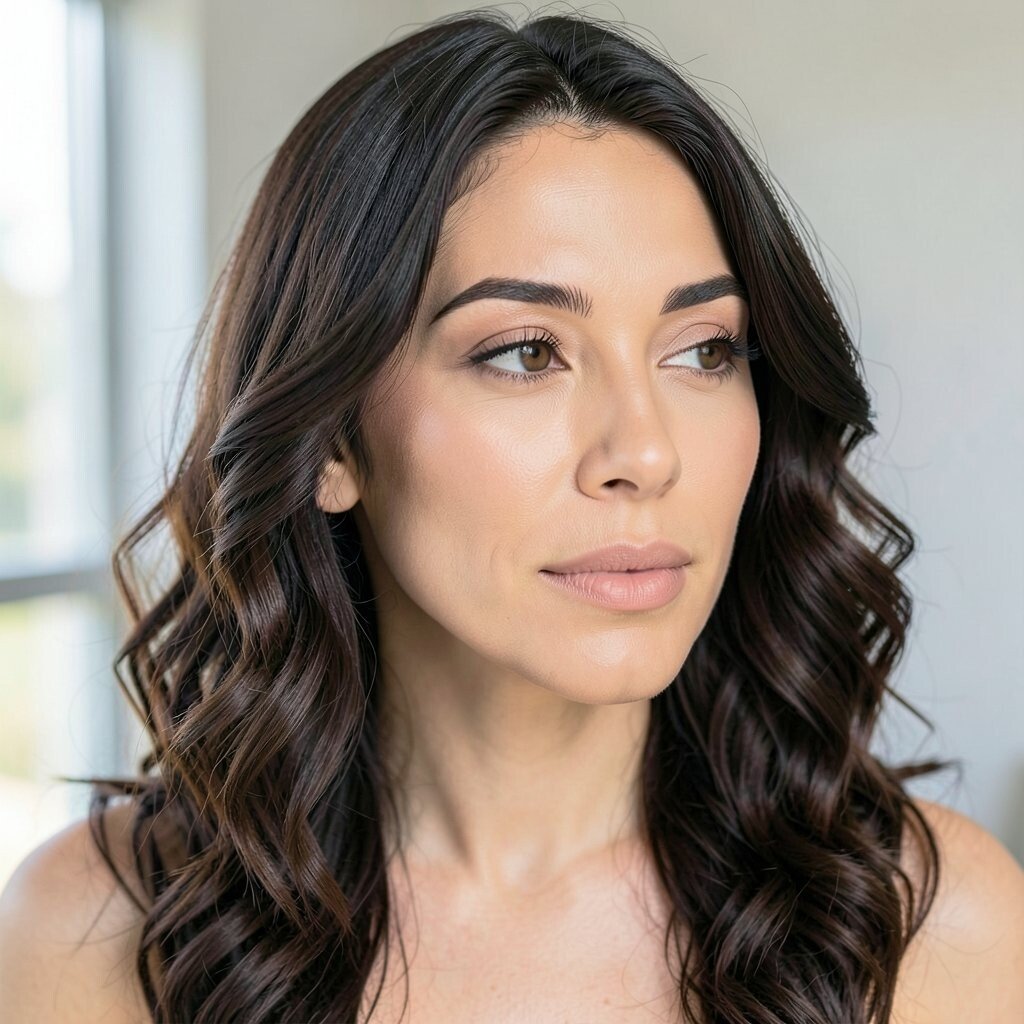
A lot of products can make hair look weighed down, especially in natural light. It can also make your scalp feel greasy, which dulls your shine fast.
Use styling products like you are seasoning food, adding only what helps. Start with a small amount, then add more if you truly need it. For texture, try lightweight creams or sprays instead of heavy wax.
7. Choosing Color Without Considering Undertones

Color is a powerful statement, but undertones decide whether it looks flattering or surprising. A cool shade on warm skin can pull your face dull, while the wrong warmth can fight your natural coloring.
Look at your skin undertone in daylight, then pick tones that harmonize. If you are not sure, ask for a consultation that looks at your hair history and your current color level. Blending techniques like balayage or soft highlights can create dimension without harsh lines.
When your color has depth, your hairstyle looks richer, even when your styling is simple. That is one reason this approach stays popular in current salon trends. It can also cost less over time because softer grows-out phases require fewer emergency touch-ups.
8. Ignoring Hair Density and Texture

Two people can both have “thick hair,” yet one has a lot of density while the other has more volume. Texture matters too, because curly hair reacts differently than straight hair when you cut it.
A statement cut that looks amazing on someone with fine hair can feel bulky on thick hair. On the flip side, a style meant for thick curls might lack presence on fine strands. Ask for a plan based on your actual density and curl pattern, so the shape holds naturally.
9. Making Bangs Without Thinking About Maintenance

Bangs can be a perfect statement, like a blunt fringe that makes your eyes pop. But they also demand regular trimming, especially if your hair grows quickly.
If you choose bangs, decide how you will style them on busy mornings. For some hair types, a light blow-dry and a small round brush keep them smooth. For others, air-drying with curl-friendly products works better, and heat becomes optional.
When you plan for maintenance, your bangs look crisp instead of chaotic. That planning also helps you budget for trims, usually at the same interval you would schedule any regular salon touch-up.
10. Cutting Layers That Create Unwanted Bulk

Layers can add movement and softness, but they can also create puffy edges. When the layers are too heavy or too short, your hair may stick out instead of flowing.
To get flattering movement, ask how your stylist will place layers for your shape and texture. Graduated layers can create a smooth curve, while long face-framing pieces can highlight your features. When you see a layered style that looks controlled, that often means the cuts were planned, not random.
11. Overusing Heat on High-Impact Styles

Ironing, blow-drying, and curling can make a statement hairstyle look sharp at first. But daily heat can also make hair look frizzy, dry, and less vibrant.
If you love sleekness, use heat protectant every time and keep temperatures reasonable. Choose tools that match your hair, like a diffuser for curls or a vented brush for quick blow-outs. Heat-friendly habits help the style keep its shape longer, so you may style less often and save money on replacements.
It also supports healthier ends, so the hairstyle sits clean instead of looking rough. Your statement look should feel bold and alive, not crispy. This is one of the biggest “hidden” mistakes, because the damage shows up gradually.
12. Forgetting Your Part Line and Styling Direction

A statement hairstyle often hinges on where your hair parts and how you move it while styling. A tiny shift in part placement can change your whole vibe.
If you want a dramatic side-swept look, commit to the angle and learn how to set it. If you want volume, style in the direction that lifts at the roots. When you match the part line to your face and hair growth pattern, the style looks intentional rather than accidentally messy.
13. Not Considering Your Hair’s Natural Movement

Your hair has a natural way of falling, curling, or waving. When a statement style fights that movement, you end up styling constantly just to keep it looking right.
Pay attention when your hair air-dries, even if it looks messy at first. Notice where it flips, where it clumps, and where it wants to sit flat. Then ask your stylist to shape the cut to support that natural behavior.
When your hairstyle respects your movement, it looks more unique because it is truly personal. You also get better “wake-up and go” days, which makes the statement feel wearable. That is the kind of confidence that lasts through real life.
14. Underestimating the Cost of Keeping It Looking Sharp

Statement hairstyles can come with ongoing expenses, and ignoring that reality can lead to frustration. If you want crisp lines, vivid color, or frequent trims, you should plan for regular upkeep.
Before you commit, ask how often the style needs refreshes based on your growth rate. Consider whether you will need color toning products, bonding treatments, or special shampoos to keep shade true. Budgeting early helps you maintain the look without panic.
Also remember that some statement styles fade gracefully, while others require faster touch-ups. Choosing a style that fits your budget keeps it enjoyable. When your money and time match your ambition, you are more likely to stick with it happily.
15. Choosing Accessories That Clash With the Hairstyle

Statement hairstyles often already carry bold shape, so accessories should support, not compete. A chunky clip can overpower delicate layers, while thin pins can disappear against heavy volume.
Pick accessories that match the style’s energy, like sleek pins for a polished look or softer barrettes for textured waves. If you use headbands, choose a width that balances your silhouette. When you coordinate metal tones with your color, the whole look feels cohesive and expensive.
For special occasions, try a few options at home in advance. You can test how the accessory sits under different lighting and angles. Small choices like these can make your statement hairstyle look more intentional and unique.
16. Forgetting About Frizz Control and Humidity
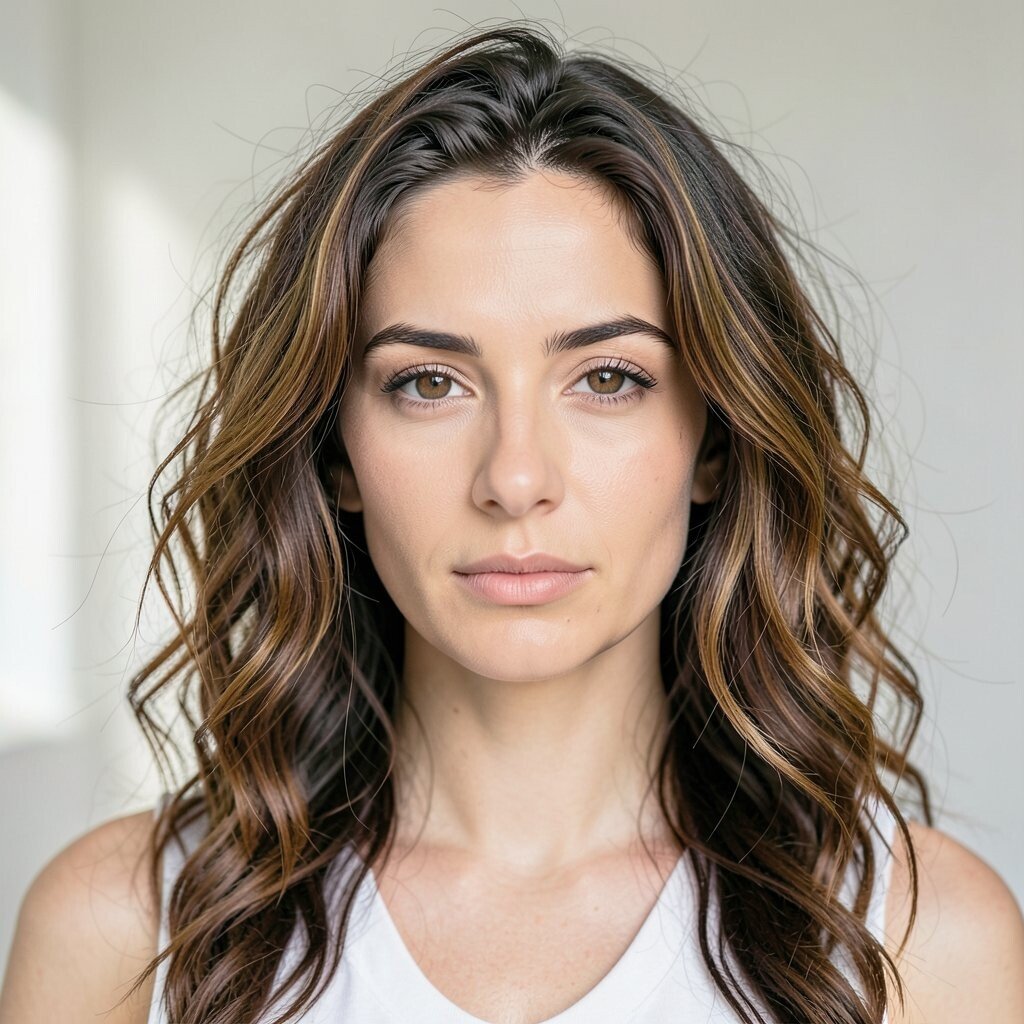
Even a great cut can look messy when frizz takes over in humid weather. A statement style draws attention, so flyaways become more noticeable.
To keep the look clean, use a lightweight anti-frizz product and focus on the mid-lengths and ends. When you dry your hair, avoid harsh rubbing with a towel, since that roughens the cuticle. A microfiber towel or gentle blotting can make a big difference in how smooth your hairstyle looks.
Humidity plans are part of current practical hair trends too, because real weather does not pause for photos. If your hair tends to poof, keep a small styling product in your bag for quick touch-ups. Your statement look stays sharp instead of turning into a mystery cloud.
17. Making Hair Promises Without Considering Grow-Out

Some statement hairstyles look perfect right after the salon, but they can become awkward later. Grow-out matters, especially if you cannot schedule frequent appointments.
When you think about length changes, imagine your hair six to eight weeks later. Ask for design that still looks stylish during the in-between phase, like longer layers or face-framing pieces. Soft transitions can keep the style flattering while you wait for your next refresh.
Many people feel disappointed because they focus only on day one. Planning for grow-out creates confidence, and it also reduces the urge to over-style too often. That means less heat, fewer products, and a calmer routine.
18. Overlooking Your Lifestyle Colors and Wardrobe Compatibility

Your hairstyle does not live alone, it plays with your outfits, makeup, and daily colors. A bold hair shade can look stunning with one wardrobe and distracting with another.
Think about the colors you wear most, like warm browns, cool grays, or bright reds. If you choose a statement hairstyle, pick shades that harmonize with your everyday palette. This makes your look feel natural and boosts the “wow” factor without clashing.
You can also personalize with subtle contrast, such as darker roots or lighter face pieces. That gives dimension without demanding a total wardrobe overhaul. When your hair and clothes connect, the hairstyle feels like part of your style identity.
19. Treating Your Statement Hairstyle Like It Is One-Size-Fits-All

A statement hairstyle should fit you, not the other way around. Two curls, two lengths, and two styling routines can create very different results.
Personalize by adjusting the texture, such as adding softness with feathered edges or boosting structure with blunt ends. You can also choose how dramatic you want it, like a subtle statement in the back with a bold front. Personalization ideas like these help your hairstyle feel like a signature, not a copy.
When you tailor it, you get uniqueness that shows in photos and in real conversations. You also reduce the chances of spending extra time fixing issues after the appointment. That uniqueness is often what people remember when they compliment your style.
20. Skipping Practice Before the Big Moment

Trying a new statement hairstyle for a wedding, job interview, or vacation can feel stressful if you never practiced. Even quick styles need a rhythm, especially when new layers or color change how your hair behaves.
Practice on a normal day first, with the same tools and similar lighting if possible. Take a few photos from the front, sides, and back so you can see how the shape really looks. When something feels off, you can adjust product amount, heat time, or part placement before the important day.
This step also helps you find the easiest method, which can lower styling costs in the long run. You might realize you need fewer tools than you thought or that one product does the job for days. A calm practice run turns your statement hairstyle into a confident, repeatable habit.