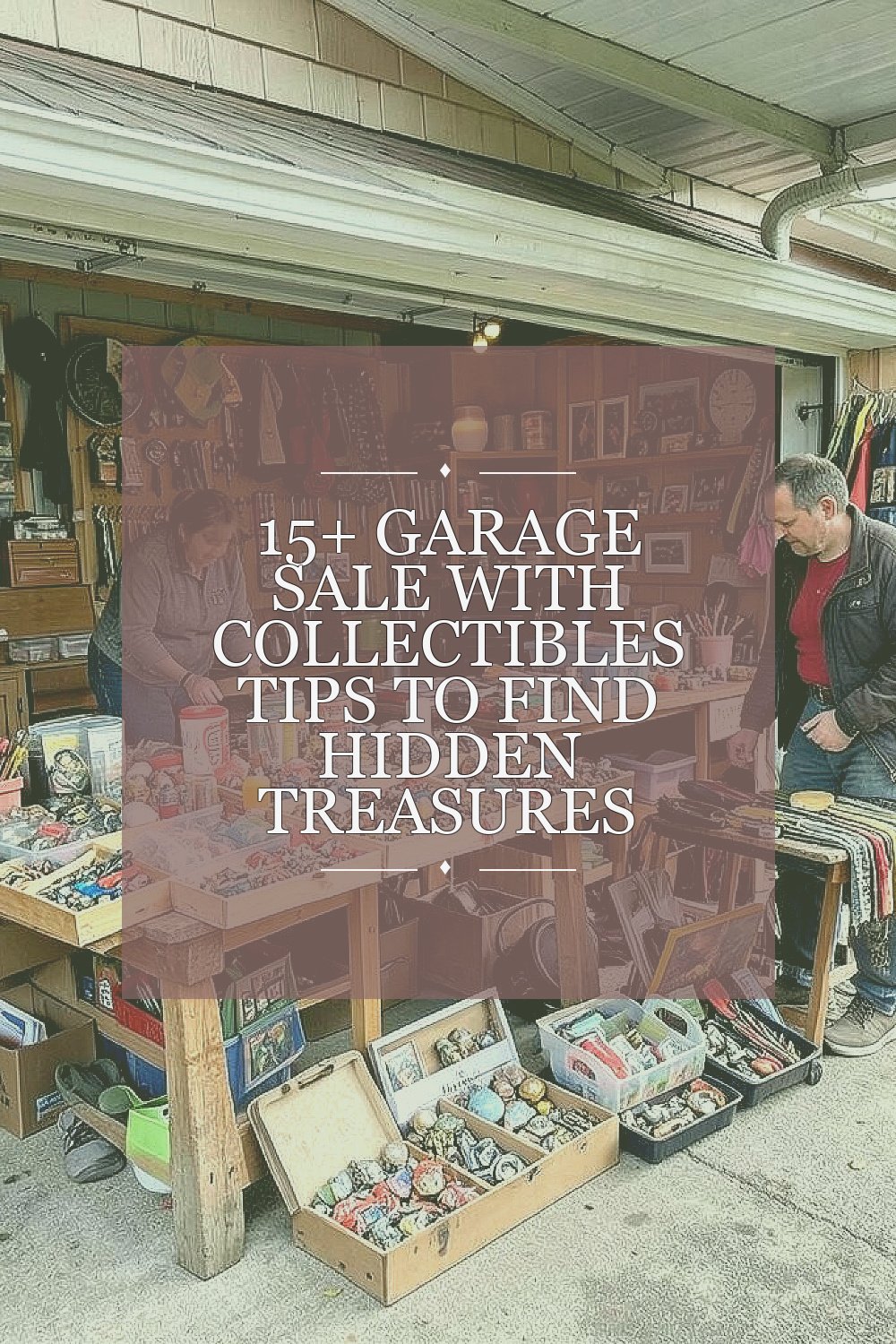
The best finds often show up when you slow down and look closely. Quiet tables of odd items can hold stories, money, and pure joy.
1. Arrive Early and Scout the Setup
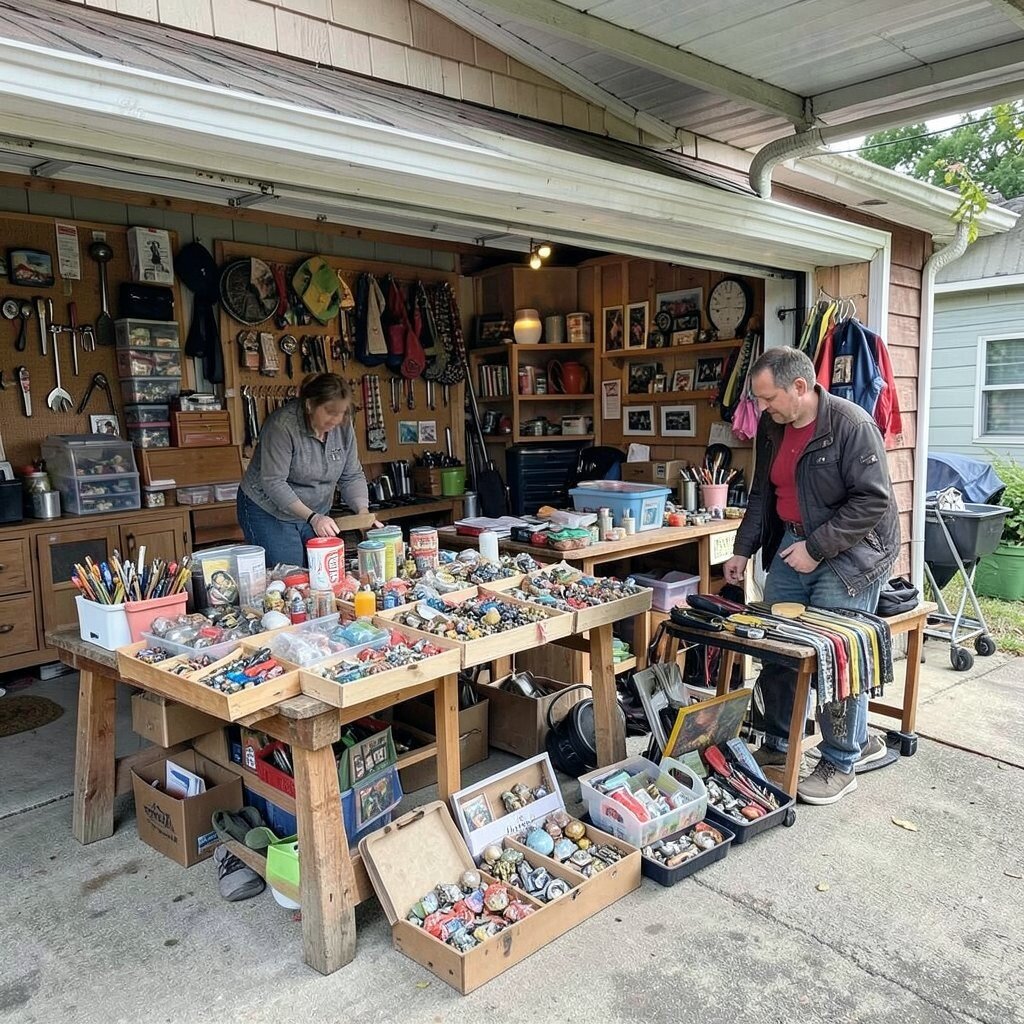
Getting there before the rush helps you see everything before boxes get picked over. You might spot a long table covered in flatware, vintage toys, or framed prints while the seller is still laying out bags and labels.
Bring a small tote so you can move carefully without juggling. If you can, take a quick lap around the yard first, then come back to look at details like maker marks, badges, and serial numbers. Early time also means you can ask calm questions and compare prices without feeling rushed.
2. Learn the “Greasy Hands” Test for Condition
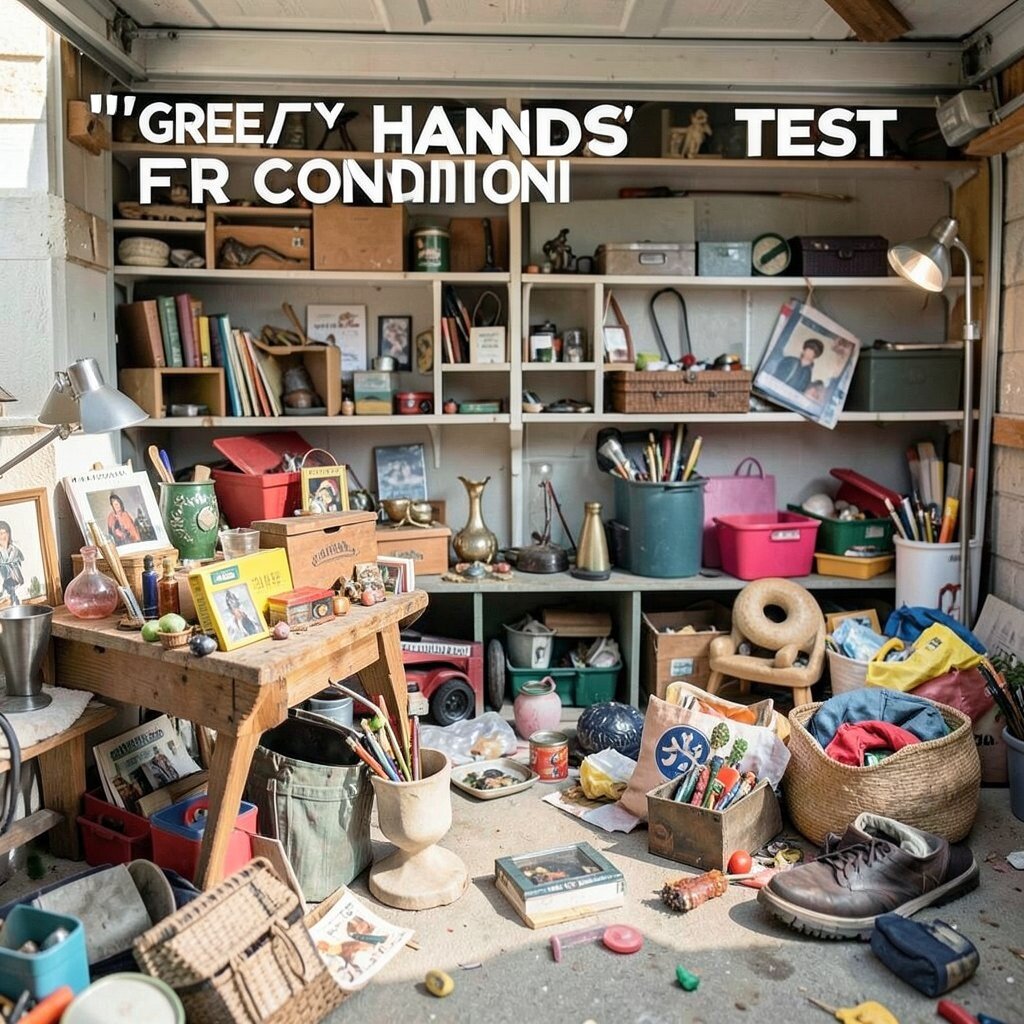
Condition is where collectibles turn from “maybe” into “excellent.” Look for clean surfaces on metal, clear windows on glass, and steady glue lines on cardboard and paper.
Gently check corners, seams, and wear spots where sunlight hits. If an item feels dusty but still shows sharp details, that can mean it was stored well. When you see scratches, missing parts, or bent edges, factor that into what you offer.
For electronics, open the battery compartment and check for corrosion with your eyes. If the seller has the original box, it often signals better care. This kind of quick inspection saves money and helps you pick pieces you’ll enjoy owning.
3. Check for Maker Marks and Brand Clues
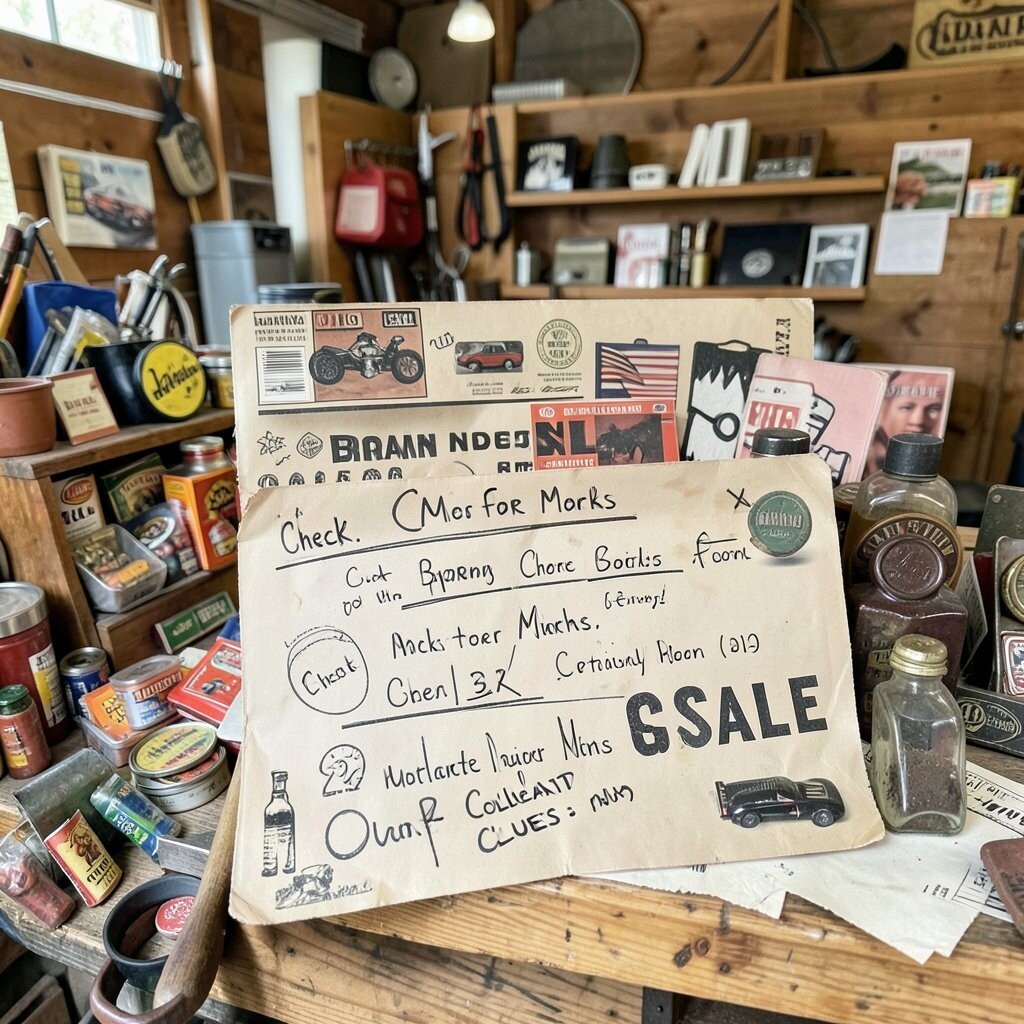
Many hidden treasures wear their identity in tiny places. On ceramics you may find stamps on the bottom, and on toys you might see a name pressed into the plastic or printed on the back.
Look for stamps on frames, signature-style text on artwork, and logos on watches. Even a partial word can guide you when you later compare photos online. You can also notice style patterns, like specific color palettes or repeating motifs that match certain time periods.
Try snapping a few photos with your phone for later reading at home. When you can match a mark to a known brand, your buying decisions get easier. That alone helps you avoid overpaying for items that look similar but aren’t collectible.
Don’t ignore “boring” brands either, because niche items can still be worth something. Some collectors care more about a particular model than a famous name. Follow your curiosity, then confirm details before handing over cash.
4. Price Carefully by Comparing What’s Comparable
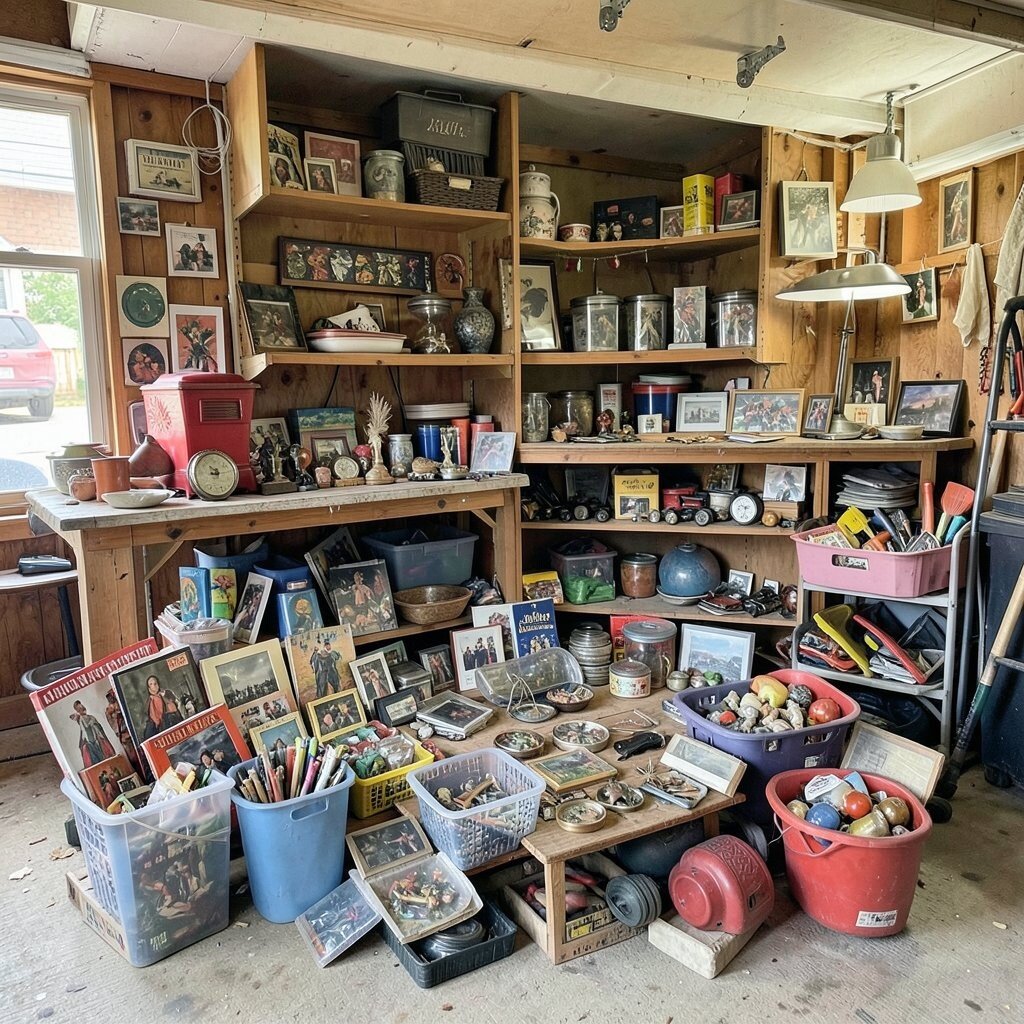
At garage sales, prices can swing wildly based on what the seller remembers. You might see a fair tag on a vintage camera, then suddenly a high number on a box of random coins.
Use your phone to search for matching photos and note the range you find. Focus on similar condition, not just similar names. If something is missing parts or shows heavy wear, adjust your offer to match the real-world value.
It helps to ask how long the seller owned the piece. Stories about repairs or where it came from can reveal extra facts that affect value. If you feel unsure, start with a lower bid and keep it friendly and respectful.
5. Bundle Small Finds for Better Deals
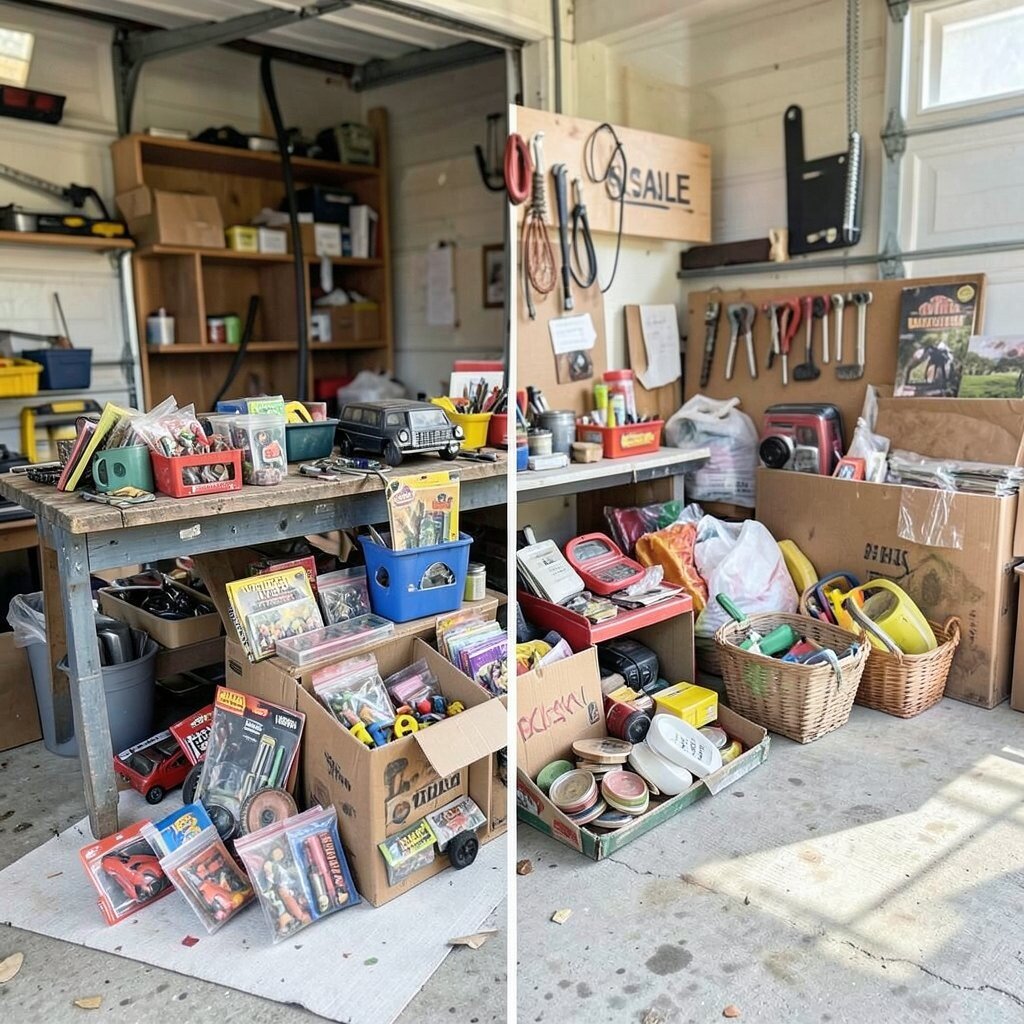
Small collectibles add up fast, but you can often lower the total by buying as a bundle. A box of trading cards, a set of keychains, or mixed pins might come with extra discounts when you pick multiple pieces.
Look for grouping opportunities, like a theme in a drawer or matching items in a jar. Sellers may not price each tiny piece separately, which gives you room to negotiate. You can also create a personal set that makes the purchase feel meaningful instead of random.
When you bundle, protect fragile items by using the tote and asking for a separate bag. This keeps items from rubbing together and reduces the chance of damage. Many collectors love creating a mini collection, like themed badges or a line of character mugs.
6. Spot Quality in Glassware and Ceramics
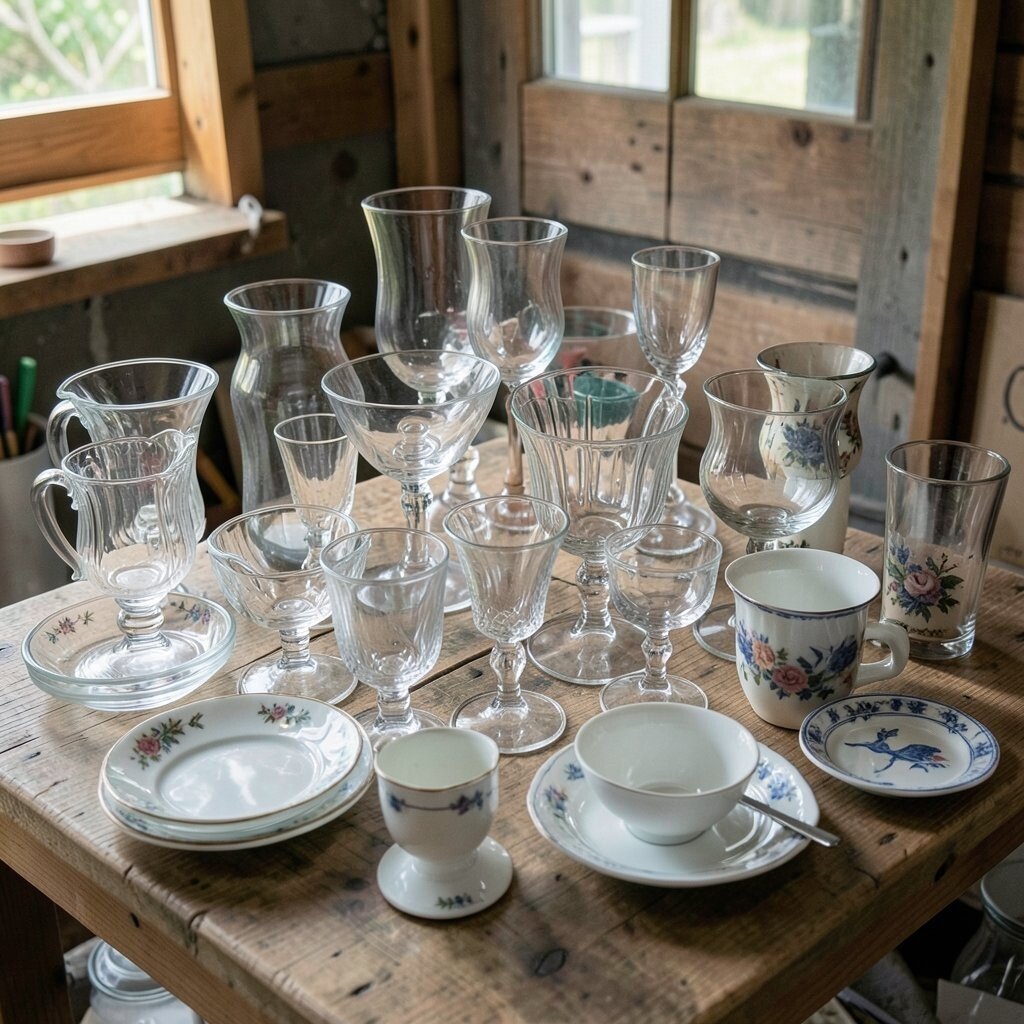
Glassy shine can hide a lot of detail, like etched patterns, colored rims, or tiny imperfections that tell you how it was made. When you hold a piece near the light, you can see clarity and thickness differences that cheap reproductions often lack.
Check for chips on the lip, hairline cracks in the base, and wobble in tumblers. If it sits flat and looks even, that’s a good sign. For ceramic plates and figurines, inspect the glaze for crazing and the paint for fading.
If the seller includes a box, you may be looking at better storage history. Keep in mind that some older pieces are delicate, so factor in packing costs if you plan to ship or move later. Buying with care means you’ll enjoy displaying the piece long after the sale day is over.
For personalization, try building a shelf display around a color theme, like sea greens or warm earth tones. You can mix vintage glass with modern frames to make a stylish look. This also gives you a practical use for your finds, not just a pile of “someday” items.
7. Browse the Box of “Random Paper” With Purpose
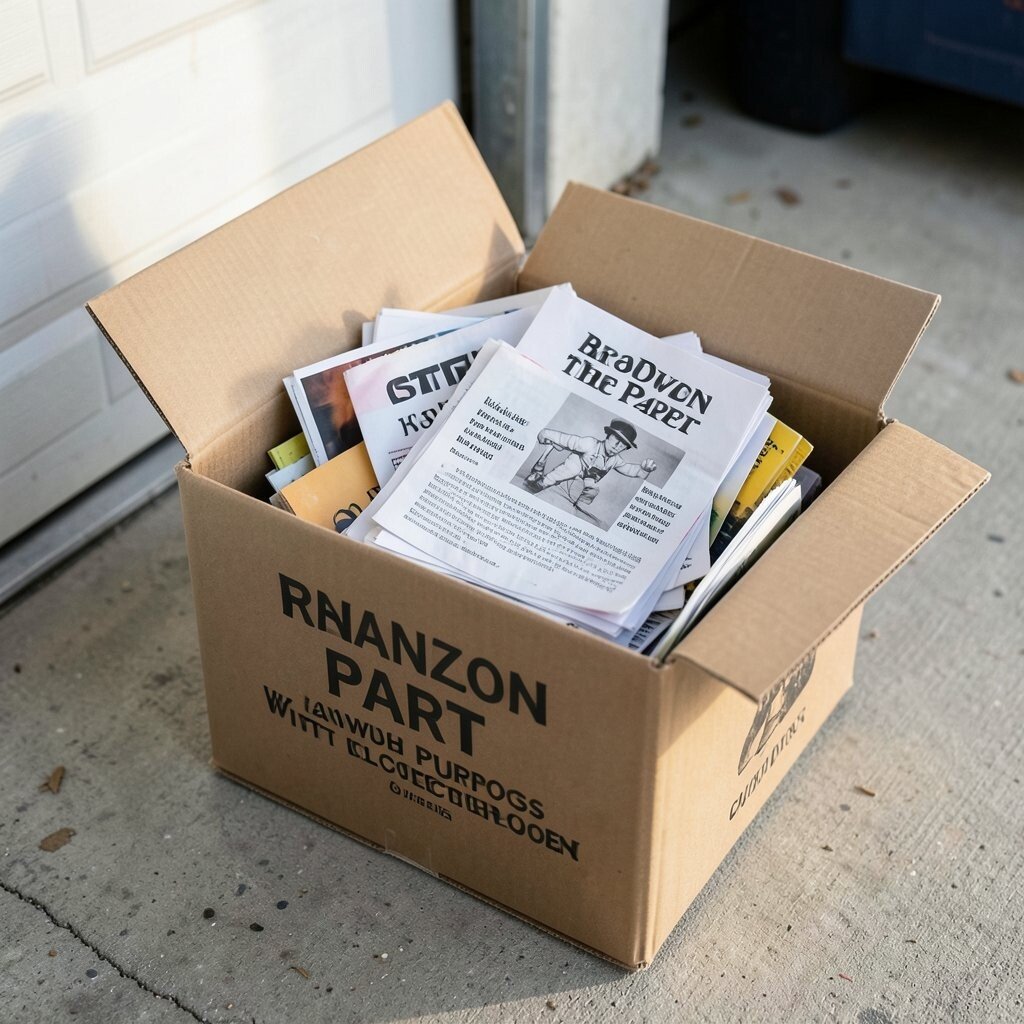
Paper items are often overlooked, but they can be full of gems. Old magazines, sheet music, postcards, brochures, and maps can carry real interest for collectors.
Look for clean covers, readable titles, and whether pages are loose or missing. Postcards with clear writing areas and sharp images can sell well, especially when the scene is unique. For sheet music, focus on original covers, not photocopies, and check the binding and edges.
These items can also fit different budgets, because smaller paper pieces can be less expensive than big collectibles. You might collect travel themes, local history, or vintage art styles, then arrange them into frames or albums. That turns a garage sale find into a personal display you can enjoy at home.
8. Use Your Eyes for Star Patterns in Jewelry
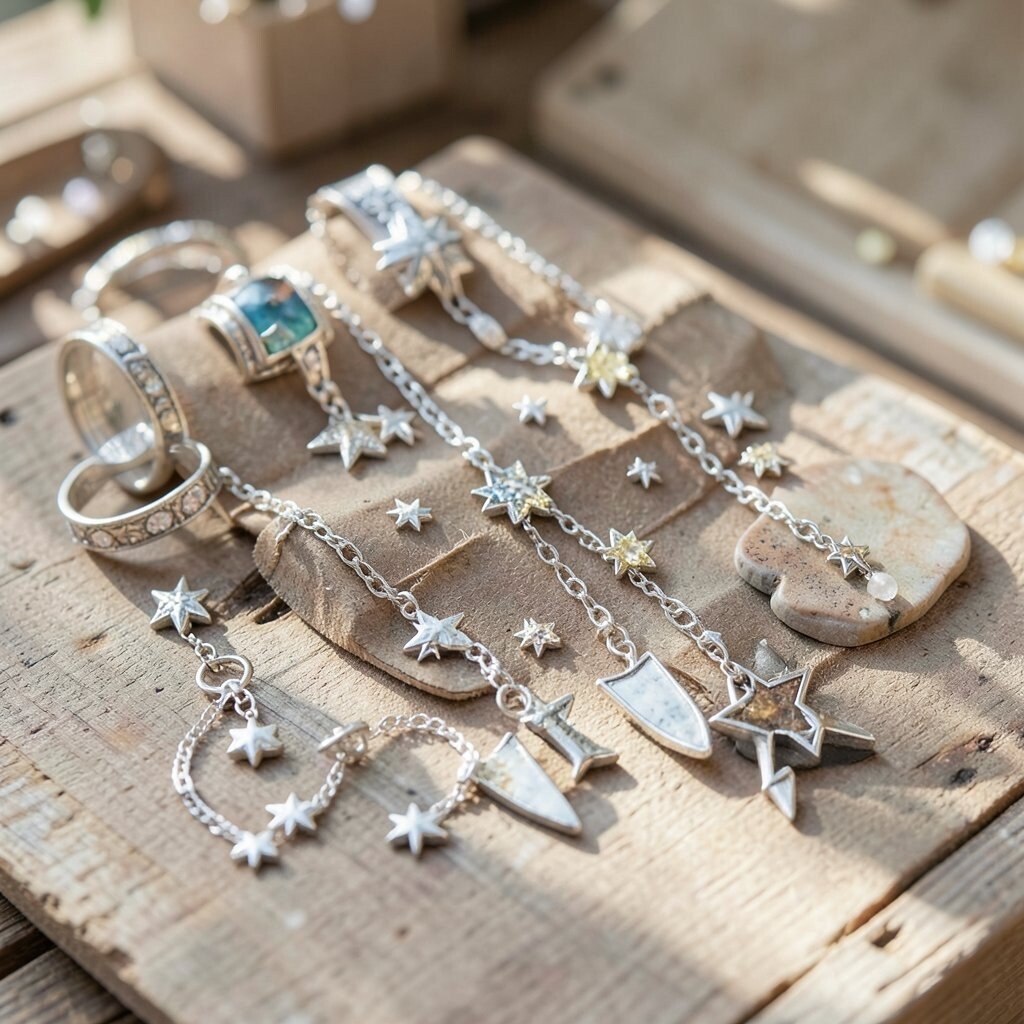
Jewelry at garage sales can range from costume pieces to real treasures. When you scan a pile, look for stones that catch light, clean metal surfaces, and clasps that work smoothly.
Check for stamps on rings, bracelets, and pendants, like markings that indicate metal purity. If you can see solder seams, missing stones, or bent prongs, that doesn’t automatically mean it’s bad, but it should affect your offer. Even for costume jewelry, matching sets can be more valuable than one-off pieces.
Try gently comparing weights in your hand if the seller has several similar items. Sometimes “looks right” isn’t the same as “is right.” If you wear it often, practical comfort matters too, so choose pieces with secure clasps and smooth edges.
For personalization, think about building a “favorite era” style. Vintage-inspired earrings and matching brooches can make everyday outfits feel special. Keep an eye on current trends too, because fashion resale often cycles back to classic shapes like pearls and art-deco angles.
9. Test Watches and Small Electronics the Smart Way
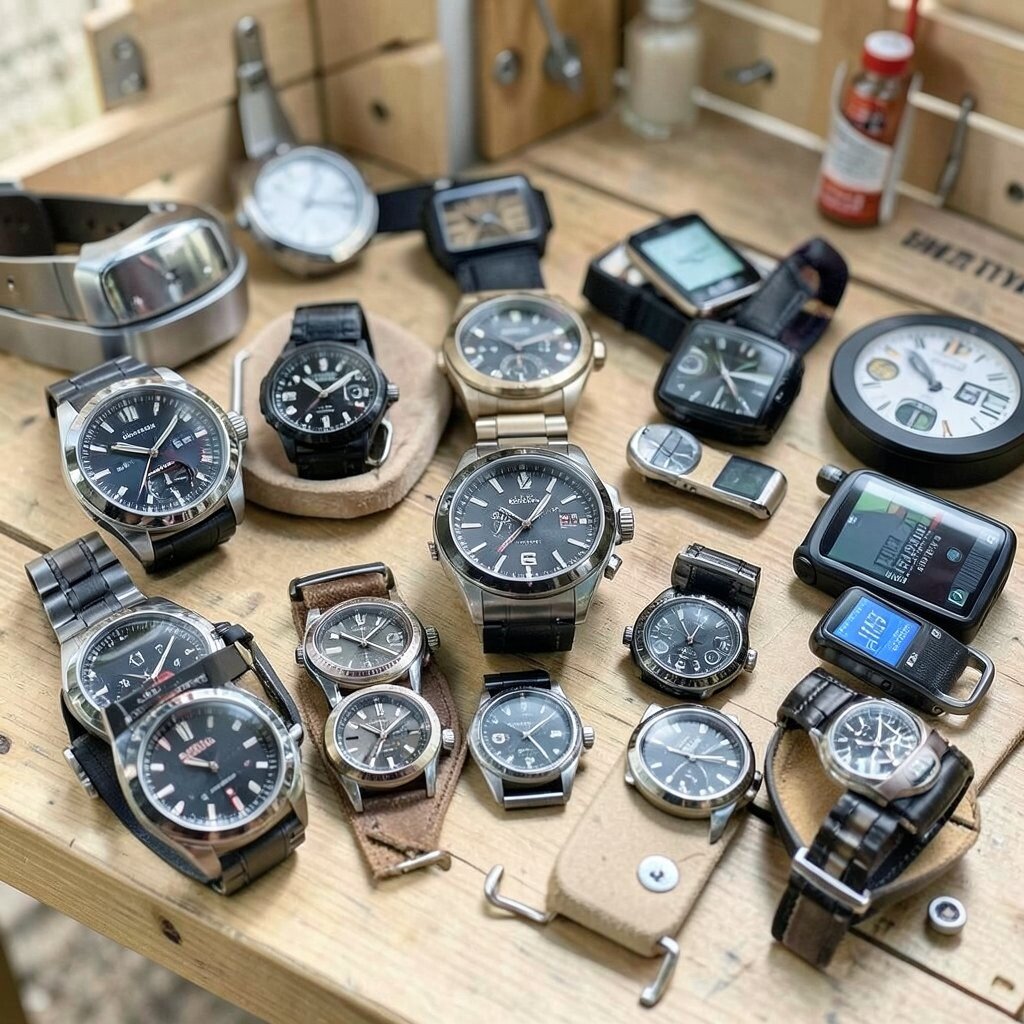
Small electronics can be exciting when you’re ready to check carefully. You might find vintage radios, handheld games, old camera chargers, or a desk fan with an original switch.
Ask whether the item was working when stored, then request that you see the battery compartment. For watches, look for scratches on the face and check if the band is included. For cameras, confirm the film door closes and the lens moves smoothly.
Even if it doesn’t turn on, you can buy for parts only if the price fits your goal. Many collectors love restoring items, but restoration tools and supplies can add cost. Factor in battery replacement, cleaning, and possible repairs before you commit.
10. Focus on Sports Memorabilia With Proven Provenance
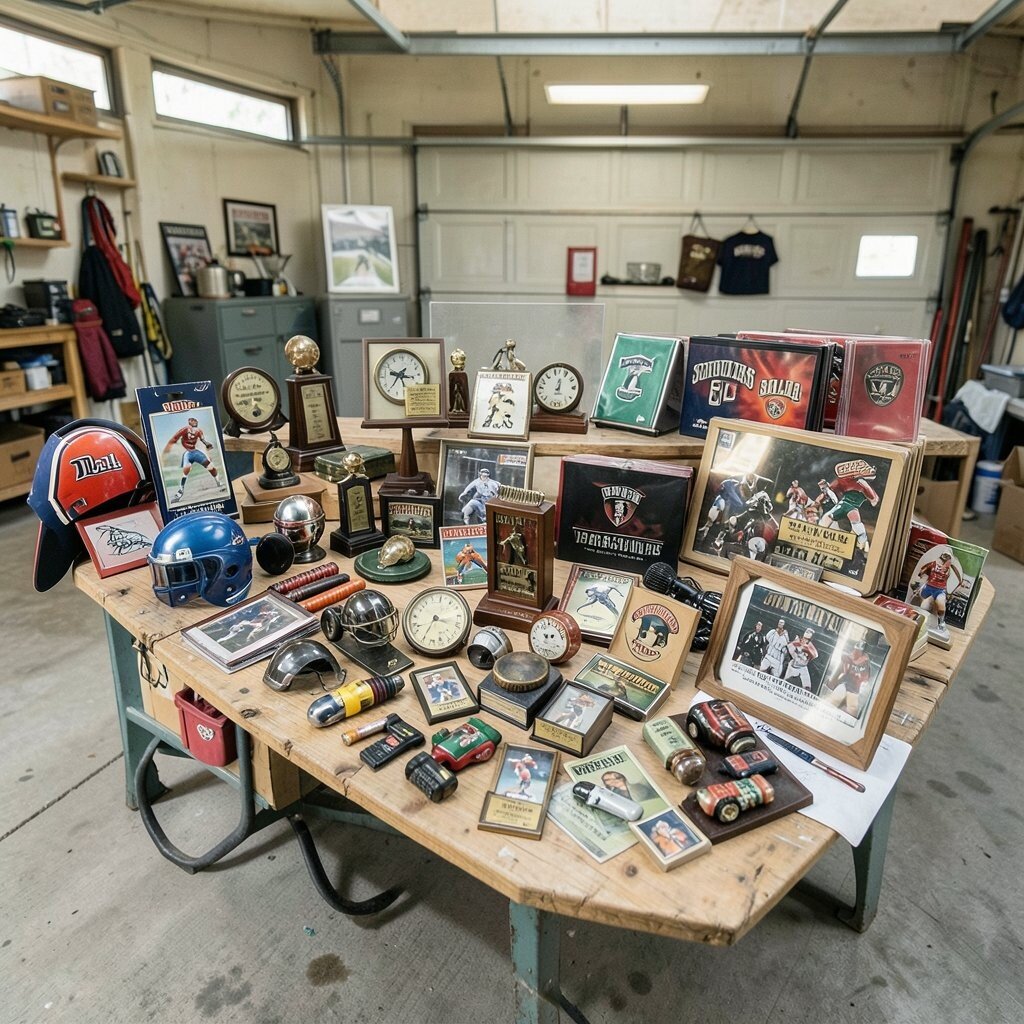
Sports collectibles can have strong demand when the story is clear. You might see signed photos, old trading cards, or team pennants packed in a box, and the best value often comes from authenticity.
Check whether autographs look consistent and whether items include any proof like certificates or clear documentation. If the seller has been around for a long time, they may know who gave the item and when. That personal background can be more helpful than you think.
Examine card edges for bending, check for creases on jerseys, and look for frame wear on photos. Condition matters a lot because collectors want pieces that look sharp. If you care about long-term value, avoid items with heavy damage unless the price is very low.
For personalization, build a themed display like “your hometown team” or “favorite player era.” That gives you a reason to hang items where you can see them. It also turns a purchase into a memory you can share.
11. Watch for Rare Books, Manuals, and Catalogs
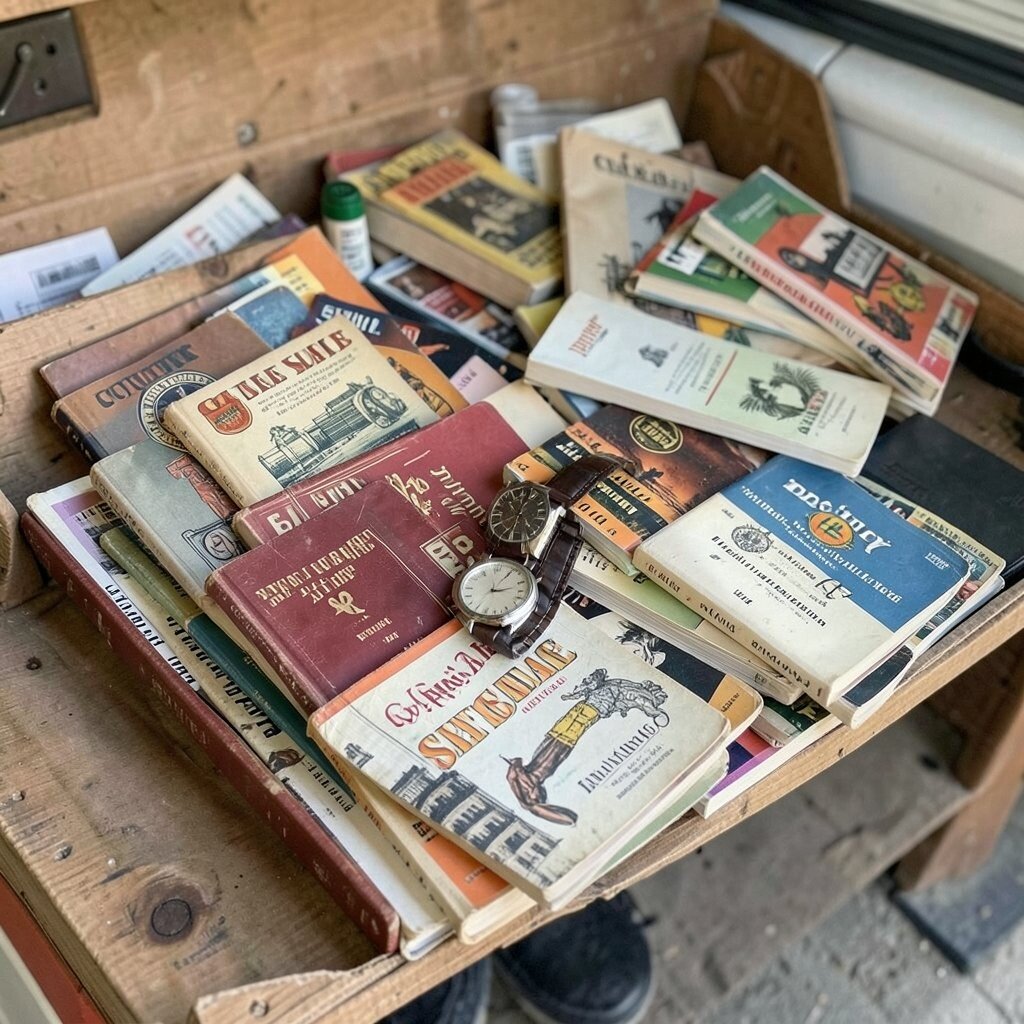
Books and manuals can be hidden treasure because they appeal to collectors and also to people who fix things. Look for vintage cookbooks, old car repair guides, photography manuals, and tool catalogs.
Check that pages are present, covers are attached, and the spine is intact. Dust jackets can matter, but even without one, a clean cover and tight binding can signal good condition. Titles tied to specific brands or regions can stand out to the right buyer.
These items can be a smart cost decision because a small book can still bring big satisfaction. If you enjoy crafting or learning, you may use the information long after you buy it. Many buyers also love the aesthetic, since vintage covers look great on shelves.
Current interest often grows around practical hobbies, like woodworking and classic car restoration, which can raise demand for relevant manuals. If a manual matches your interests, you may enjoy it more while still holding collectible value. That makes it a win-win.
12. Hunt for Vintage Toys With Parts and Details
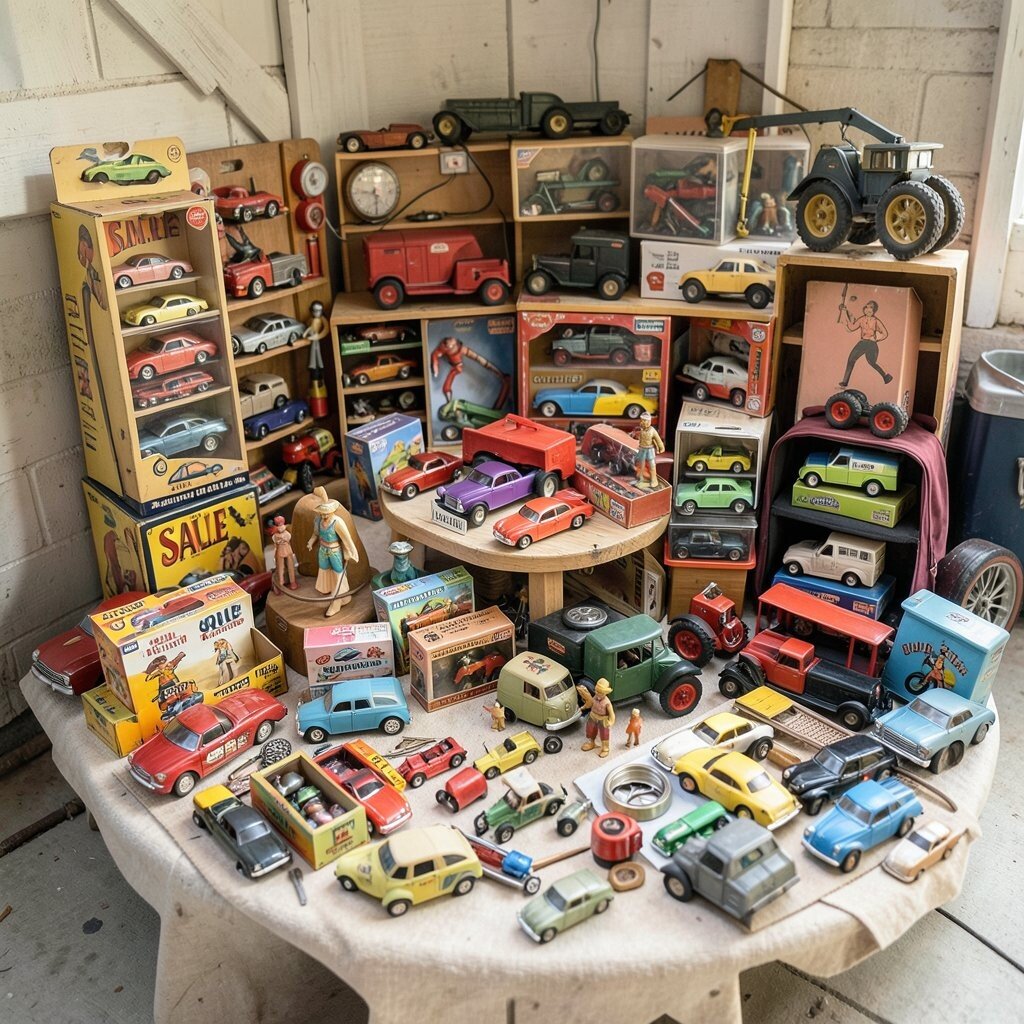
Toys bring instant happiness, and some can be collectible even when they’re not famous. Look for wind-up mechanisms, original accessories, and clear labels on boxes or bottoms.
Check joints and moving parts for smooth action. If a toy is missing eyes, wheels, or key pieces, value drops, so plan your offer accordingly. Still, incomplete sets can be perfect if you love the toy enough to restore it.
Garage sale toys often include small accessories like extra cups, hats, or tool bits that belong to a larger set. When you ask about the original collection, you may uncover more pieces in a closet. That personal connection can turn a single find into a complete display.
For personalization, group toys by theme like space, farm life, or classic characters. Arrange them on a shelf with small props to make a scene. This not only makes your home feel creative, it also helps you remember why you bought each item.
13. Spot Antique Furniture Through Hardware and Surface Clues
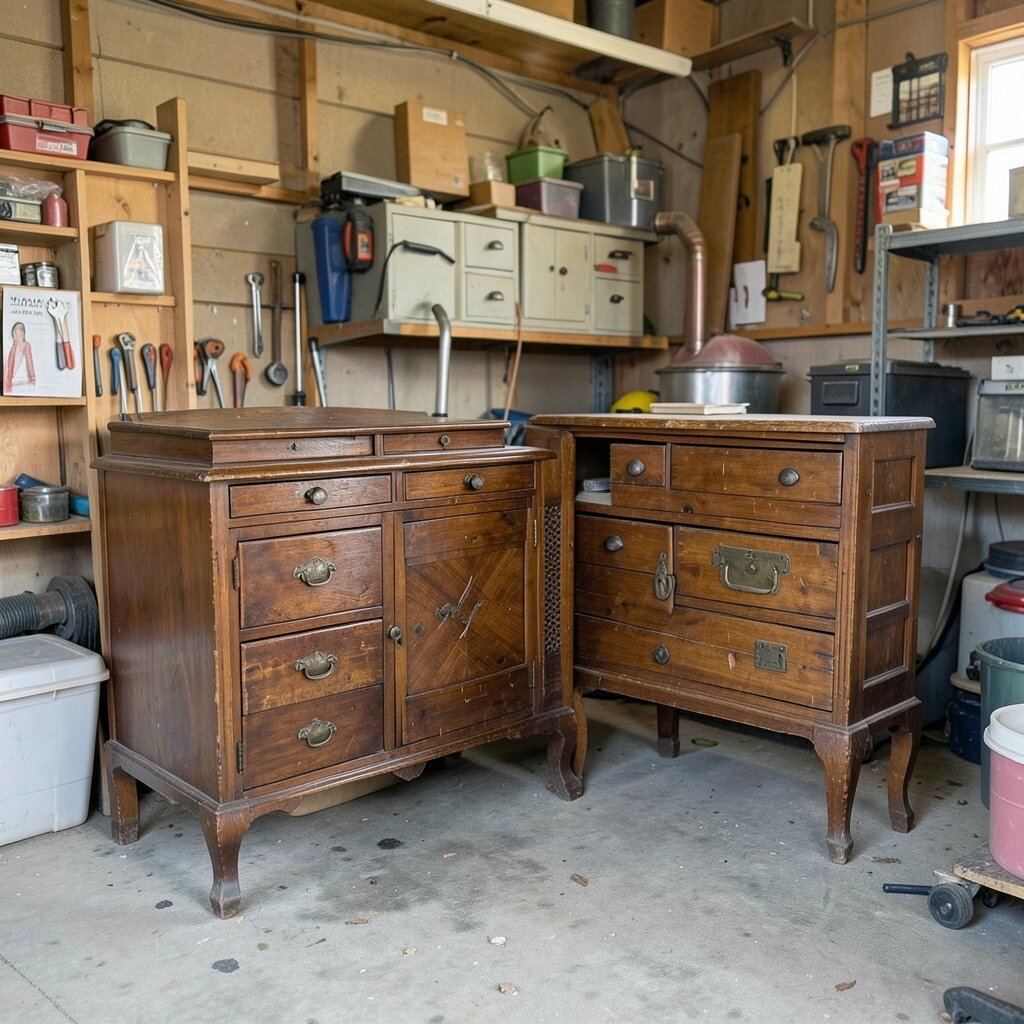
Furniture can be tricky, but the clues are there if you look at hardware and surface quality. Even when the wood has wear, quality hinges, nice drawer slides, and solid craftsmanship can still shine through.
Check drawer alignment, test the movement, and listen for smooth motion. Examine the finish for deep scratches, peeling veneer, or water stains. If the furniture is heavy and well built, that’s often a good sign, even when it looks tired.
Cost considerations matter here because hauling and repairs can add up. Measure doorways and stairs before you buy, and plan how you’ll move it safely. If you can, ask whether you can test stability and whether any parts have been replaced.
Uniqueness can show up in details like carved legs, knob shapes, and hardware styles that match certain time periods. Trends also favor practical vintage pieces, like entryway organizers and mid-century style tables, so these can be useful. If you enjoy DIY, refinishing can make an old piece feel brand new.
14. Negotiate Kindly Using the “Friendly Bundle” Approach
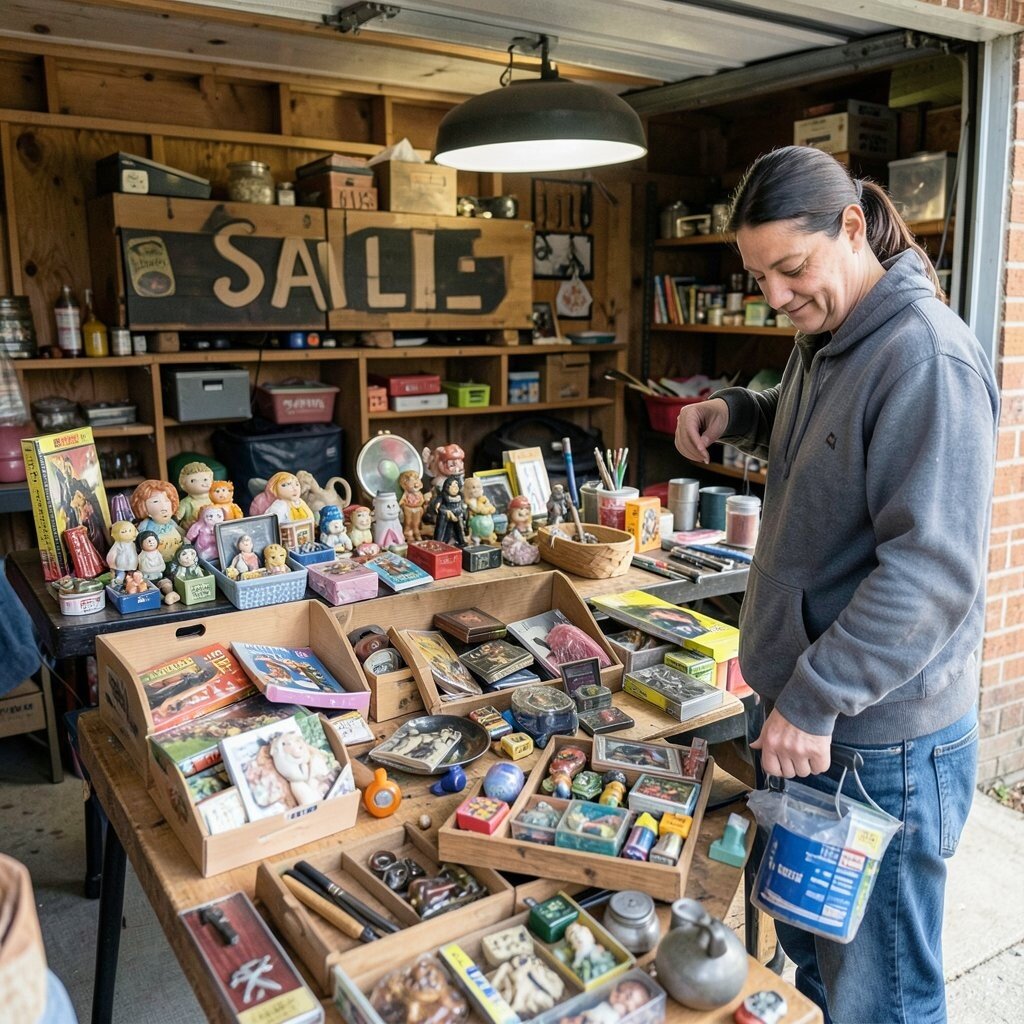
Negotiating at a garage sale is easier when you keep it warm and casual. Smile, ask questions, and explain what you like about an item before you talk price.
If you’re interested in several collectibles, mention that you plan to take more than one. A seller may be more open to a deal when they see you’re paying attention. It can also help to point out a small issue, like a missing piece or a scratch, using calm words.
Remember that garage sales are often about clearing space, not running a store. You can make an offer, then stop talking and let the seller respond. That pause keeps the energy respectful and can lead to better prices.
For personalization, you can say how you plan to use the item at home, like framing artwork or stacking books on display. When someone hears your plan, the sale often feels more meaningful. You might even get a better price because your enthusiasm is contagious.
15. Follow Local Trends by Looking at What People Want Now
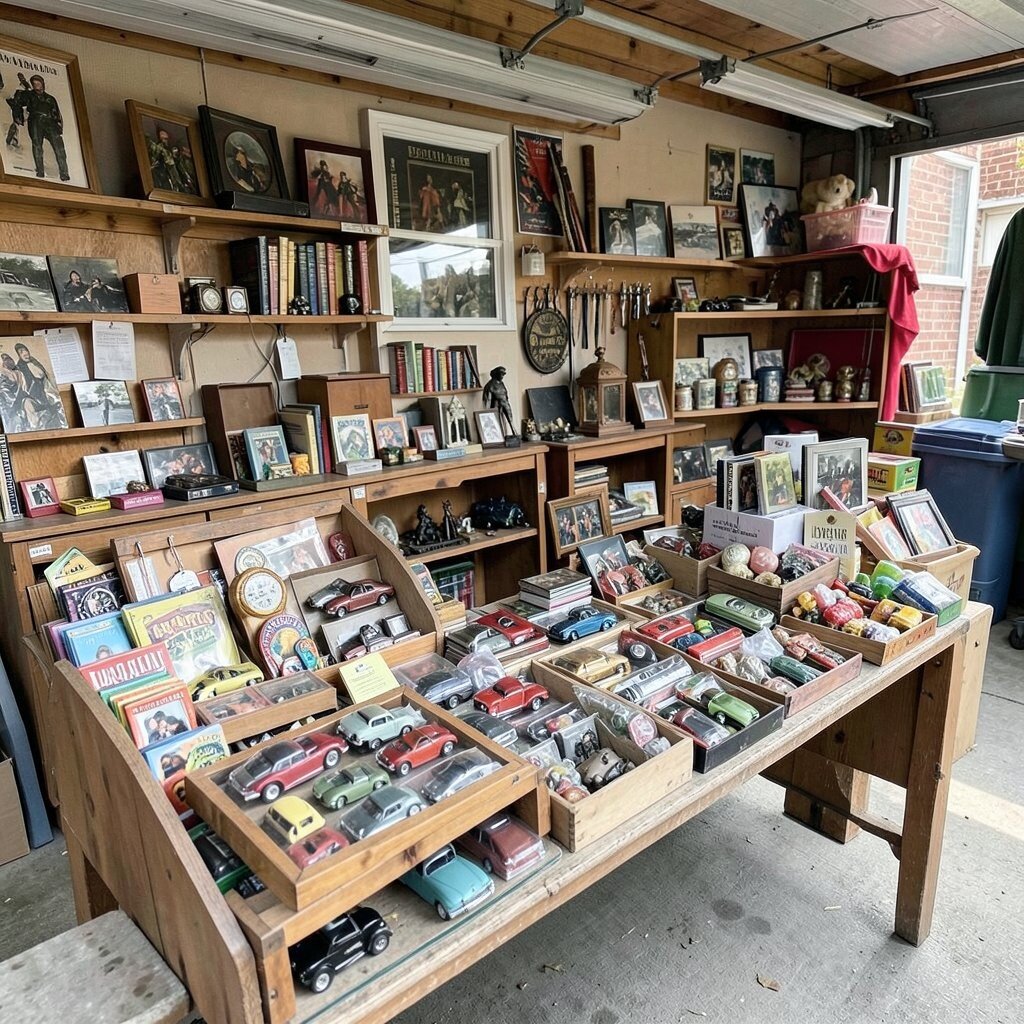
Collectible demand changes over time, and garage sales can reflect those shifts. Lately, many collectors focus on mid-century style decor, retro tech, and vintage hobby materials that connect to current interests.
Watch for what sellers mention without prompting, like “my dad had this” or “everyone asked about these.” If a table has lots of similar items, it may be a sign that a trend is pulling interest from those categories. Still, use your own judgment and verify condition and authenticity.
When a trend matches your taste, you get the best of both worlds: joy and potential resale value. For example, classic board games, vinyl records, and vintage cameras often stay popular because they look great and feel fun. Trends don’t guarantee value, but they can guide you toward pieces that more people will want later.
It also helps to keep an eye on how you’ll store items. If you buy heavier items like books or glass, plan shelving and protective supplies. Storage costs can quietly affect your budget, so be smart about what you bring home.
16. Record Finds and Keep a Personal Inventory
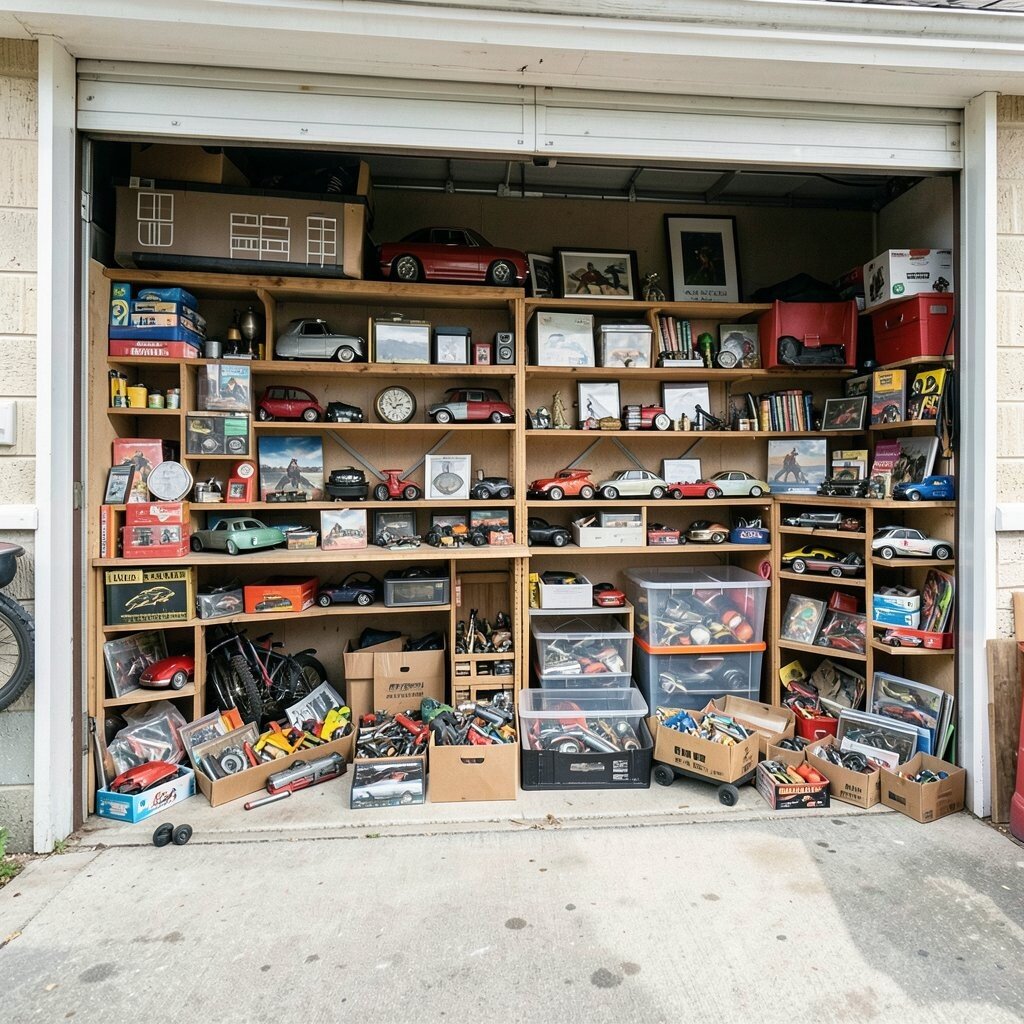
After the sale, a simple inventory can help you remember what you bought and why it mattered. Write down key details like maker marks, condition notes, and any flaws you noticed.
Use photos to capture the item from multiple angles, including close-ups of stamps and labels. This makes it easier to price later or to share with friends if you decide to sell. It also helps you track missing pieces in sets and decide whether restoration is worth it.
Personalization goes beyond decorating when you connect each collectible to your own story. Maybe you love local history, or you collect designs from a certain color era. Recording that makes your collection feel intentional instead of random.
Cost considerations matter too, because you may need supplies like sleeves, protective boxes, or display frames. Current collectors often keep items safe and clean, which protects long-term value. A small habit of organization can turn a lucky outing into a collection you’re proud to grow.