One smart change can make your driveway feel like a busy market. When people sense good energy and clear choices, they stay longer and buy more.
Your garage sale doesn’t have to be random. With the right setup, pricing, and small touches, you can sell faster while feeling proud of how it all looks.
1. Stage Your Entry Like a Mini Store

Start by making the first ten steps count. Clear a path, sweep the area, and show your best items right away so shoppers know what to expect.
Use simple visual grouping like “kitchen stuff,” “kids clothes,” and “books” so people can scan quickly. Turn on bright lights or use sunlight to highlight colors and shine, especially for glassware and small appliances. Add a sign by the door that tells people where to look first, such as a “today’s best deals” display.
2. Price With Confidence Using Smart Anchors

Pick a pricing approach that feels fair and consistent. When everything has a neat tag, shoppers trust you more and spend more time browsing.
Try setting a main price for a pile and then offering a small discount for bundles like a matching set or a stack of items. Make sure your tags are easy to read from a few feet away, using bold numbers on plain labels or masking tape. If you have electronics, test them and price based on working condition, not just brand or size.
Consider using “anchor pricing” by placing one slightly higher priced item near several lower priced ones. That contrast can make the better deals feel even better without confusing anyone. Keep a small stack of change and a calculator app ready so fast sales don’t slow down.
3. Make Clear Signs That Answer Real Questions
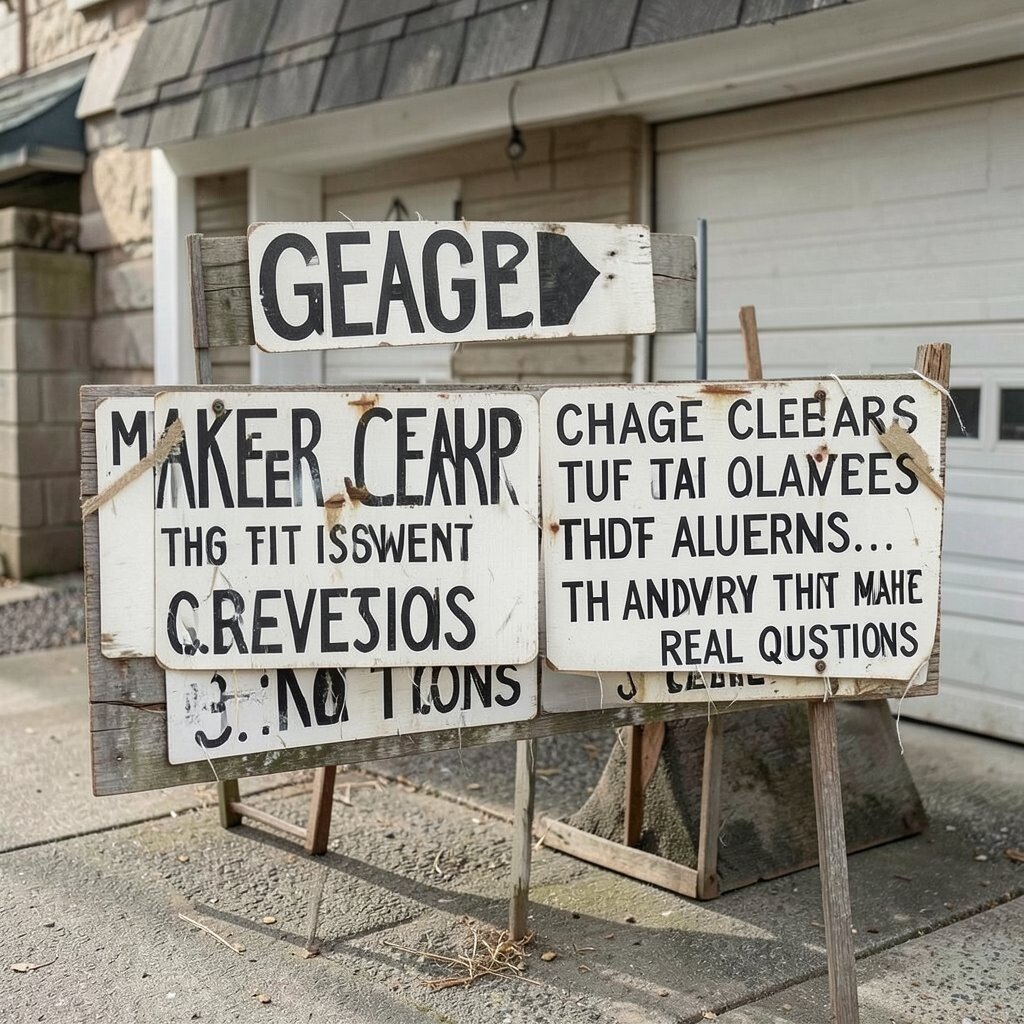
Shoppers often arrive with quick questions in their heads. They want to know what’s for sale, how pricing works, and how to pay.
Place signs at key points like by the table, the clothing rack, and the checkout spot. Use short, friendly messages such as “cash or card,” “bundle deals on books,” and “ask for a discount on multiple items.” Print or write them neatly so your driveway looks organized, not rushed.
If you use categories, keep them consistent all day. When the labels match what you’ve arranged, people move through your sale with less stress. That calm browsing can turn into extra purchases.
For small items like jewelry or board games, add a “single or set” sign so customers can choose how to spend. If you’re okay with offers, say so in plain language without bargaining games. A clear policy makes shoppers feel safe spending money.
4. Sort Like You’re Helping a Friend Shop
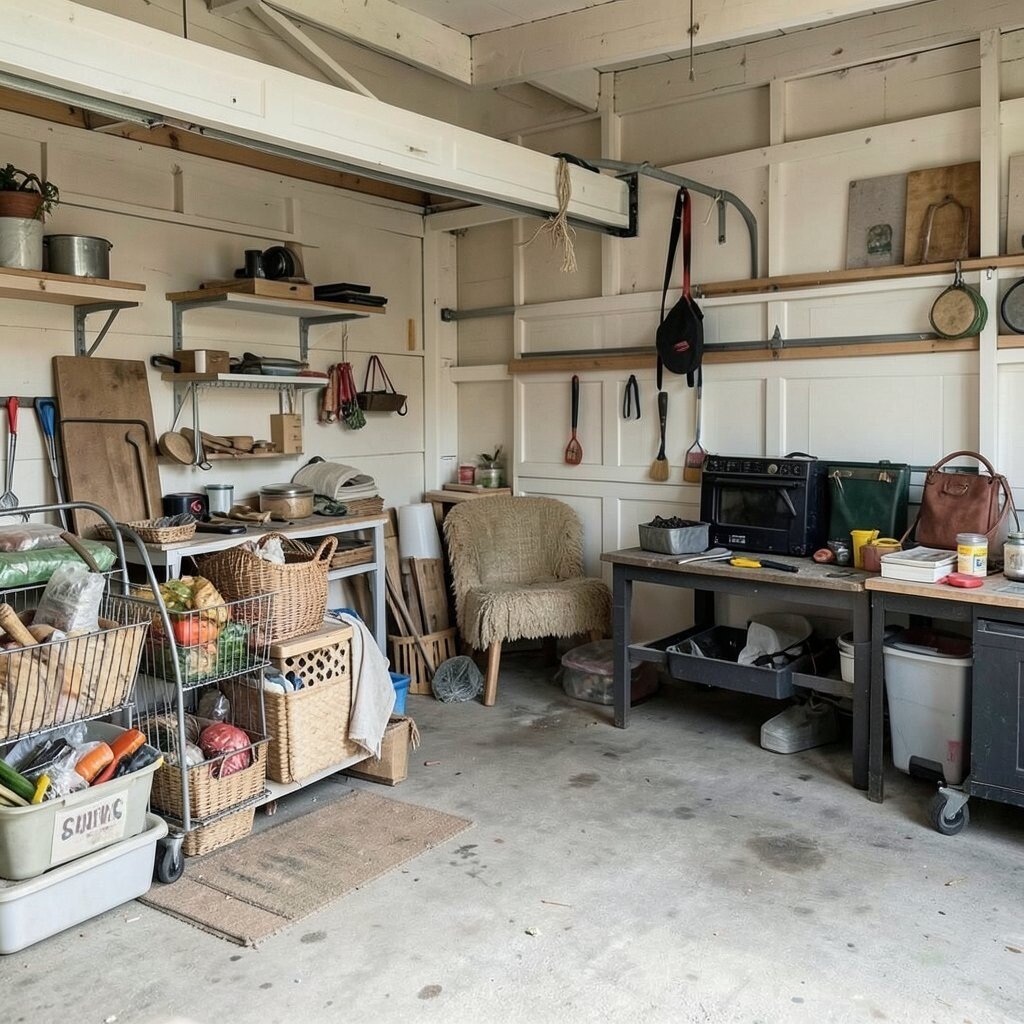
Sorting is the quiet secret behind fast sales. When items look intentional, people feel more comfortable picking them up.
Use flat tables for small stuff and hang clothing by size or color. Keep similar items near each other, like chargers with devices, game pieces with the board, and mugs with mugs. Even a simple “three zones” setup helps shoppers find what they want quickly.
For collectibles, keep them in tidy rows and group by theme. Put the most eye-catching piece at the top so the display feels like a spotlight. If you have fragile items, wrap and label them so you reduce handling stress and protect quality.
5. Use Bundles That Feel Like a Win

People love deals, but they also love feeling like they chose well. Bundle offers can make customers feel like they got more value without doing math.
Create bundles that match how people actually shop. For example, pair matching kitchen tools, group children’s books by age range, and offer a “movie night” set with DVDs and popcorn accessories. Make it easy to buy by placing bundles in a visible stack with a clear price.
Try “mix and match” for items like socks, holiday décor, or travel-size toiletries. Put a note near the bundle showing how many items fit in a single price, then let customers choose. When bundling reduces decision time, buyers move faster.
6. Offer a Small “Try It Out” Moment

If you sell anything that can be tested, testing makes your sale feel real. A working item is easier to trust than a “maybe it works” promise.
Set up a quick testing station for devices, like a charging area for small electronics. Have a couple of batteries ready for remote controls, and keep a charger handy if possible. For bikes or sports gear, wipe them down and show key parts like brakes and wheels.
When people see something run, they often stop worrying and start buying. This is especially helpful for newer-looking items and gently used gadgets. Just remember to keep everything powered and plugged safely so you don’t create hazards.
7. Turn Clothing Into a Clean, Colorful Rack Show
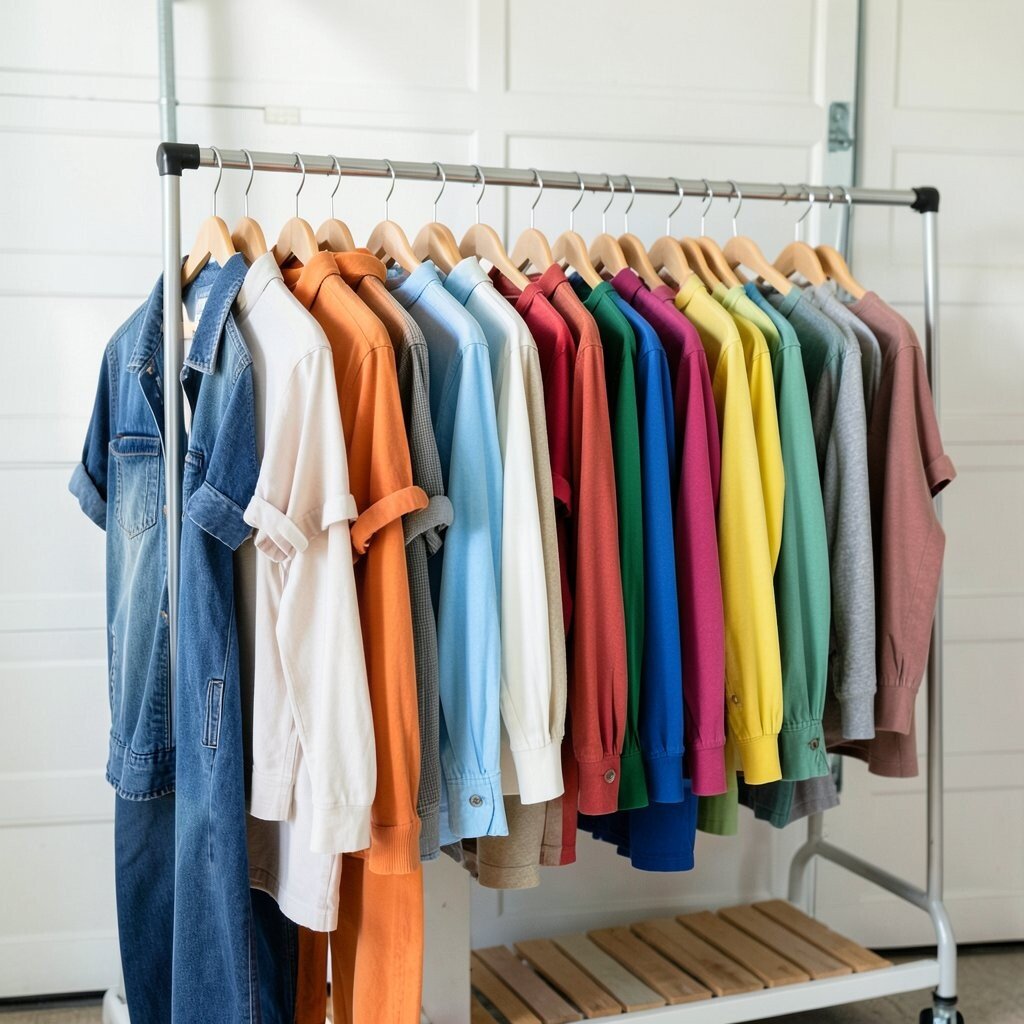
Clothes sell when shoppers can picture themselves wearing them. A neat rack with good lighting can make even ordinary items look special.
Hang outfits by size and keep hangers consistent so everything looks tidy. Use a gentle sorting system, like “tops together, bottoms together,” then group by color inside each section. Add a small stool or chair near the rack so customers can try on comfortably.
For shoes, arrange by size in pairs and wipe them so the shine stands out. Put the best pairs facing forward and tuck extra details like shoe bags nearby. If you have a range of styles, mix casual and dressy items so customers can build outfits.
8. Create a “Best Stuff” Table That Glows

Most shoppers gravitate toward a highlight. When you place your best items front and center, people feel invited to see more.
Choose a table or two and place your most attractive items there. Use clean cloths or trays to keep small items from looking messy. Put items with strong visual appeal, like framed art, high-quality cookware, and sturdy bags, at eye level.
Keep the rest of the sale organized behind it so the “glow” keeps drawing people forward. This setup works especially well during peak weekend hours when people arrive excited and ready to browse. If you have seasonal items, like summer décor, put them on display early so shoppers snap them up while they’re relevant.
9. Post Day-of Promos Without Being Pushy

Simple promos can make your sale feel lively. A gentle offer gives shoppers a reason to stay and dig deeper.
Try a small same-day deal like “bundle discounts after a certain time,” or a “buy two, save a little” offer for certain categories. Keep it short and clear on a sign so people can decide quickly. When you focus on one or two categories, it stays easy and fair.
Use a warm tone and treat it like a friendly house rule. People respond well when the promo feels simple and honest, not complicated. If you track what’s selling, adjust the promo near the end of the day to move remaining items faster.
10. Use Social Media for Local Reach Before the Sale

A quick post can bring the right crowd. Even a few photos shared ahead of time can raise interest and help people plan their route.
Take bright pictures of your top items and post them to local community pages. Mention the date, general address area, and what categories people will find. Use natural lighting and clean backgrounds so your items look crisp, not dusty.
Consider making a short story or photo album that updates as you arrange your sale. People love seeing progress, like clothes neatly hung or a display table coming together. If you’re open to messages, answer quickly so serious buyers don’t lose interest.
11. Make Payments Easy and Visible

Friction kills sales, even when the price is good. When checkout feels smooth, shoppers relax and complete the purchase.
Set up a small payment zone near the front. Keep your cash box organized, and if you accept cards, make that clear. Store bags, tape, and a couple of pens nearby so wrapping small items takes seconds.
If you use an app for payments, have it ready before the rush starts. Keep receipts or a quick way to confirm totals so customers feel safe. When the checkout line moves quickly, you can handle more customers without stress.
12. Add Small Upgrades Like Clean Packaging and Extra Bags

Shoppers love items that feel cared for. When your goods look protected, it signals quality and makes people want to take them home.
Wrap fragile items in paper, bubble wrap, or clean towels, and tuck small pieces into labeled bags. Put screws, chargers, and accessories in a small container with a simple label. This small step helps buyers trust that nothing important is missing.
Have extra bags, tissue, or sturdy boxes available, especially for glass, electronics, and books. If you sell kitchen items, offer a bag for each bundle so they stay organized during transport. People often add one more purchase when they don’t have to scramble at the end.
13. Lean Into Current Trends With Smart Themes
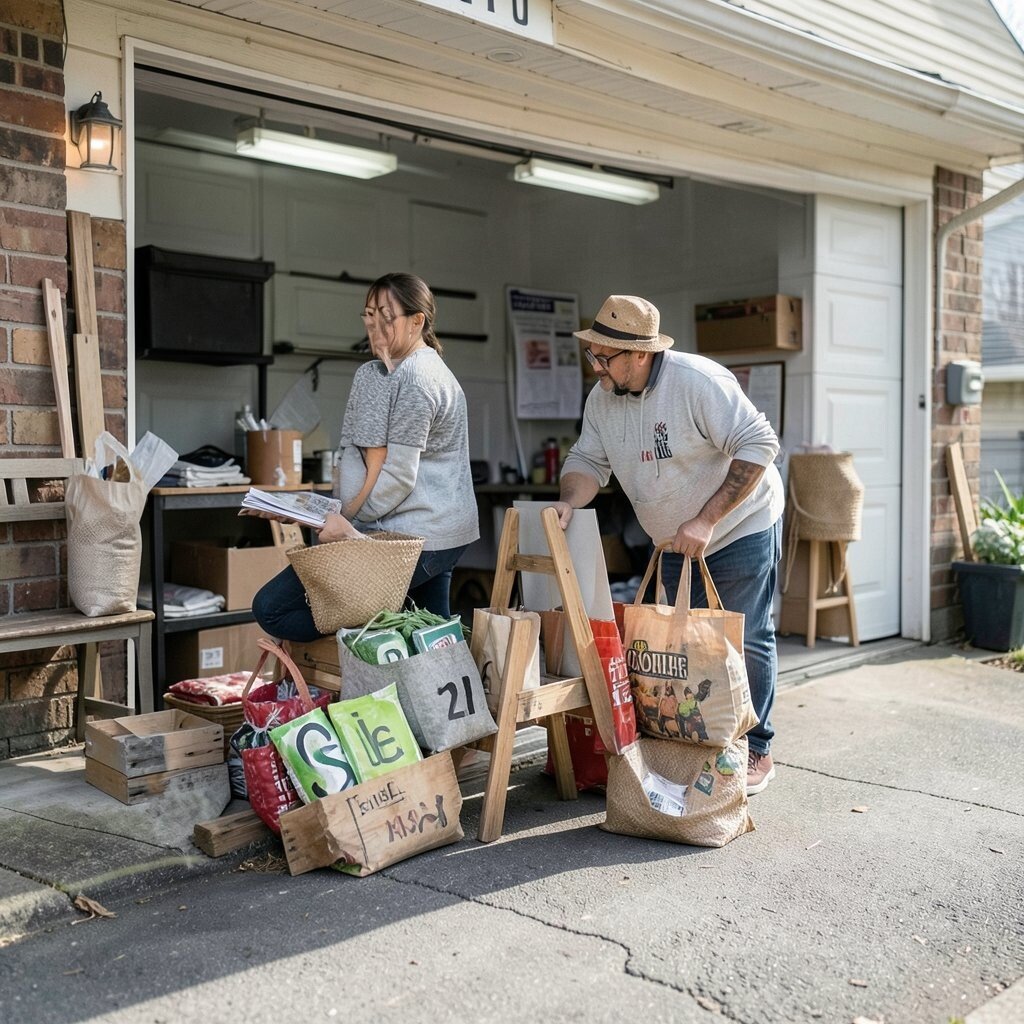
Trends can help you sell faster because buyers already want those styles. When your sale matches what people are searching for, your items feel more relevant.
Look for popular categories like mid-century style décor, vintage-inspired cookware, or hobby tools for arts and crafts. If you have items that fit those vibes, highlight them with a themed grouping on the best table. Even simple visual pairing, like matching colors or eras, can create instant appeal.
For tech and media, notice what’s trending in your community. Families often look for gently used kids tech, board games, and streaming-friendly gadgets. If you bundle items that pair naturally, like a game with the right accessories, you increase the odds of a quick sale.
14. Offer a Fair, Friendly Bargain Method

Bargaining doesn’t have to feel awkward. When you set a friendly approach, you can handle offers confidently and keep relationships positive.
Decide in advance what you’re willing to accept and what you’ll hold firm on. You might be flexible on bundles, but firm on rare or high-demand pieces. When someone offers, respond calmly and focus on the overall deal, not just one item.
Use a “bundle beats single” strategy so shoppers learn what moves the needle. If someone wants a single item, suggest adding a second similar item for a small discount. This keeps your prices fair while still letting customers feel like they gained something.
15. Make Your Displays Personal, Not Generic

Personal displays feel more memorable. When shoppers see your story in the arrangement, they pause longer and often buy more.
Show items as they might have been used in real life. For example, arrange décor like it belongs in a living room corner or set up a mini shelf with books and picture frames. Put a few photo frames together so customers can imagine the final look in their own space.
If you’re selling baby items, group them by “new parent essentials” style so it looks comforting and practical. For hobby gear, make a small station that suggests how the items work together. These touches create uniqueness without extra spending, because the magic is in the arrangement.
16. Create a Clear Plan for Leftovers

The best sales end with smart next steps. When you know what happens after the final hour, you make pricing and setup decisions with confidence.
Set aside a “last chance” area and keep your most stubborn items there. As the day moves on, reduce prices on that section so the sale stays exciting. This method helps you avoid carrying items home while still giving shoppers one more chance.
If you plan to donate or recycle, sort those items into separate bins ahead of time. It saves energy and reduces stress when the driveway gets messy. Keeping a tidy plan also helps you decide what to keep for another sale and what to let go.
17. Recruit Help and Assign Simple Roles

Even a well-planned sale can feel chaotic without enough hands. When someone supports you, you can stay focused on customers and quality.
Assign roles like one person handling checkout, another answering questions, and a third organizing bags and restocking displays. Keep a schedule in your head so restocking doesn’t interrupt busy moments. When your helpers stay cheerful, the whole sale feels welcoming.
Try rotating roles so no one gets stuck for hours. A fresh set of eyes can catch pricing mistakes, misplaced items, or empty display spots. Plus, it’s easier to keep your area clean when someone is specifically watching over the flow of shoppers.
18. Follow Up With Buyers So Items Don’t Sit

Your sale can keep working even after people leave. A simple follow-up can help you sell items you didn’t move or answer questions you couldn’t handle in the rush.
If someone shows interest but can’t buy right then, collect a way to contact them and confirm you’re holding the item briefly. If your policy allows it, mention that the item can be reserved for a short time window. This builds trust and gives serious buyers another chance.
You can also post a quick update after the sale with what remains and where it’s being moved, like donating or listing online. Many shoppers missed your timing and would still like the chance to buy. When you stay organized and responsive, you turn one sale into a smoother selling cycle.
For items that didn’t sell, consider whether you can re-photograph and re-list locally. If something looks outdated, adjust the presentation with cleaner staging next time. The best part is that every sale teaches you what your community wants most.