The clutter in your home feels loud even when the rooms are quiet. A good garage sale prep can make space feel like a fresh start.
Get your home ready in a way that matches minimalist living, keeps things practical, and still feels fun.
1. Start With a “Use It or Sell It” Sweep
Walk through your home with a simple rule: if you haven’t used it lately, it can earn its way out. Notice how many objects blend into the background until you finally look closely.
Pick a small zone, like a hallway shelf or a kitchen counter corner, and gather items into one staging spot. As you sort, keep a visual rhythm by grouping similar things together, like books with books and mugs with mugs. The benefit is instant clarity, because you’ll see what you truly keep and what you’re simply storing.
2. Create a Clean Sorting System With Three Piles
Set up three clear piles on the floor or in labeled bins so you don’t have to keep thinking. You can use everyday labels on masking tape, like keep, donate, and sell, to stay simple and quick.
One pile can hold items ready for a garage sale table, another can hold items for friends or local donation, and the last pile can include trash or items that need repair. You’ll reduce decision fatigue, which makes the work feel lighter and faster.
To keep things personal, choose categories that match your life, such as “work from home” or “craft supplies.” This approach fits current minimalist trends because it centers on mindful choices instead of endless organizing.
3. Measure Your Sale Space Before You Buy Anything
Before you bring out new supplies, take a quick look at your garage or driveway and imagine a layout. Place a measuring tape near your tables so you can picture the flow of people walking past your items.
Write down the length and width of each area, then plan where the smallest items will go, where larger items will sit, and where you will stand to manage cash or sales. The visual result is calmer because everything has a spot, and you won’t end up with last-minute clutter.
Cost stays under control when you decide sizes first, since you can borrow folding tables from a neighbor or use sturdy old shelves. You can also personalize your setup by making a dedicated corner for “like new” electronics or a cozy section for home decor.
4. Stage Items Like a Mini Store, Not a Dump
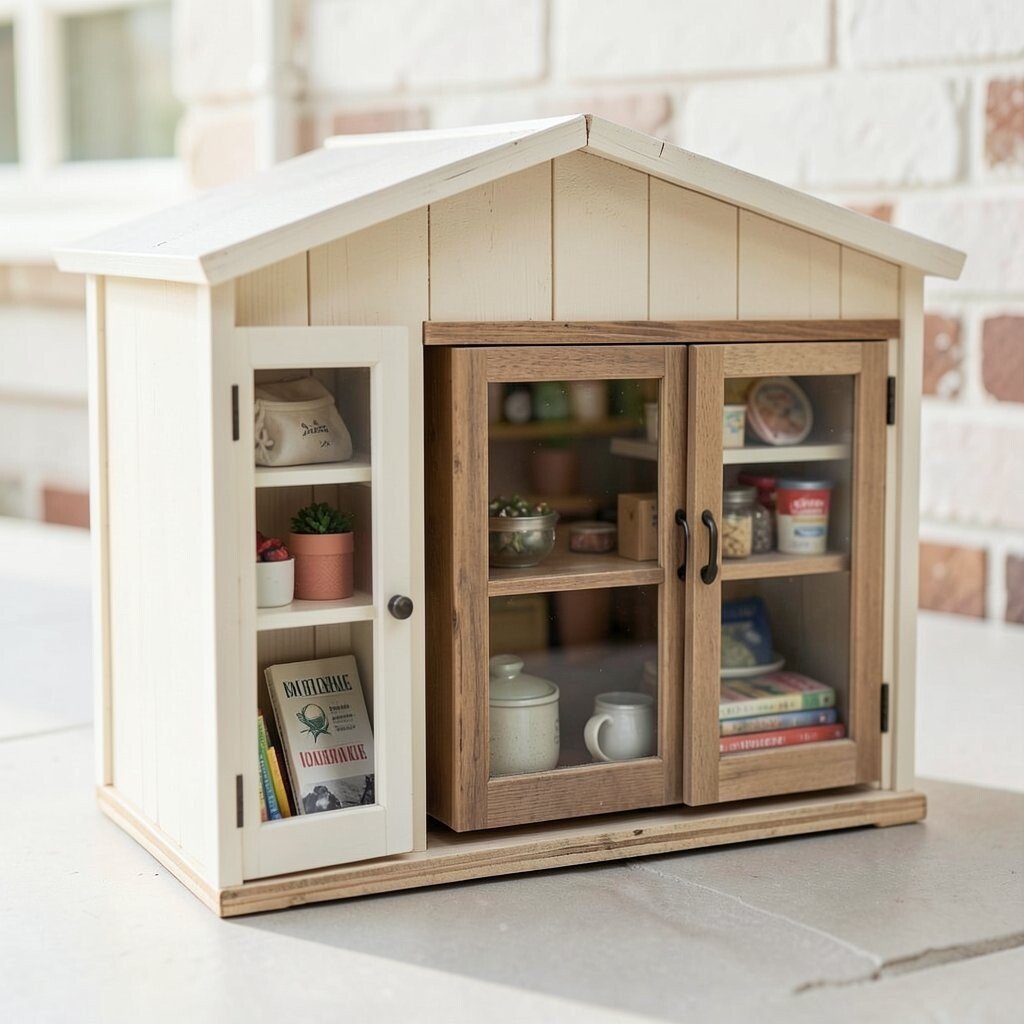
People buy with their eyes, so give each item a clean, intentional presentation. Spread small items in rows so shoppers can scan quickly, and keep larger items facing forward like they’re in a showroom.
Wipe dusty surfaces and straighten wrinkled clothing hangers so your table looks cared for. Minimalist living benefits from this too, because it reduces the urge to over-display and helps you highlight the real treasures.
5. Price by Pleasant Ranges, Not Exact Perfection
Pick simple price ranges that feel fair and easy to remember. Using round numbers keeps customers moving, and it keeps you from constantly recalculating totals.
Try grouping items by type and condition, such as “gently used,” “like new,” and “needs a minor cleaning.” When you set prices this way, you reduce stress and increase the chance of quick sales.
For personalization, build pricing around what your community seems to love, like lower prices for kids items or slightly higher prices for brand-name kitchen tools. This also matches a common trend in local selling, where shoppers want clear value without complicated math.
6. Test Electronics and Photograph Everything That Matters

Gather chargers, remotes, and batteries so you can test devices before sale day. When an item turns on or prints a quick page, you’ll have proof that makes buyers trust you.
Take photos in good daylight and keep them in one folder, even if you’re only selling in person. The visual evidence helps you describe items confidently, and it can support online posts later if you choose.
7. Make “Pairs” and “Bundles” to Sell Faster
Look for items that naturally work together, like matching dinner plates, a set of glassware, or books from the same series. Bundles create an easy story for shoppers and make it feel like a helpful upgrade to their home.
When you bundle, you also reduce table chaos because fewer groups take less space. Minimalist benefits show up when your items leave as neat packages rather than as scattered singles.
Personalize bundles around real life, like “coffee morning set” or “Sunday baking stack.” This trend is popular because people love the convenience of ready-made collections, and they often spend more when the theme feels thoughtful.
8. Decide What You Will Not Bring Back Home
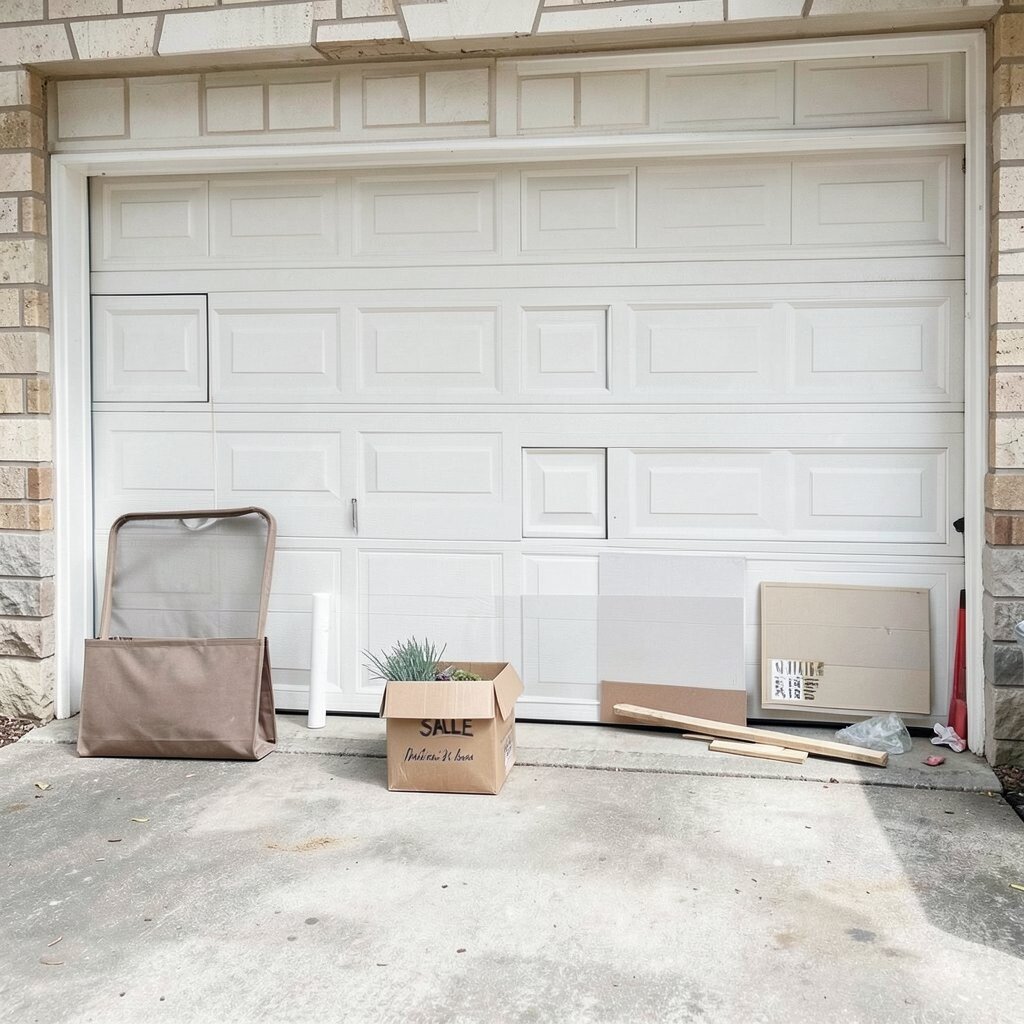
Before you start placing items on tables, decide the outcome for each category. If something doesn’t sell, you’ll donate it, recycle it, or pass it on rather than letting it linger around your garage.
That decision creates a clean boundary, and it stops the clutter from creeping back inside. It also supports minimalist living because you’re choosing closure, not temporary storage.
9. Clean in Layers So You Don’t Get Stuck

Start with quick wins like wiping surfaces, checking pockets, and removing dust. Then move to deeper cleaning for things that will get handled a lot, such as kitchen tools and toys.
Work in layers by item type, so you can keep your cleaning supplies nearby and avoid bouncing around. The benefit is that your sale items look fresh and your home stays usable while prep continues.
If you want personalization, choose a cleaning ritual that feels good to you, like a relaxing music playlist during table-wiping. Current trends focus on “ready-to-use” condition, and buyers notice when items feel cared for.
10. Use Simple Displays Like Trays and Sturdy Bins
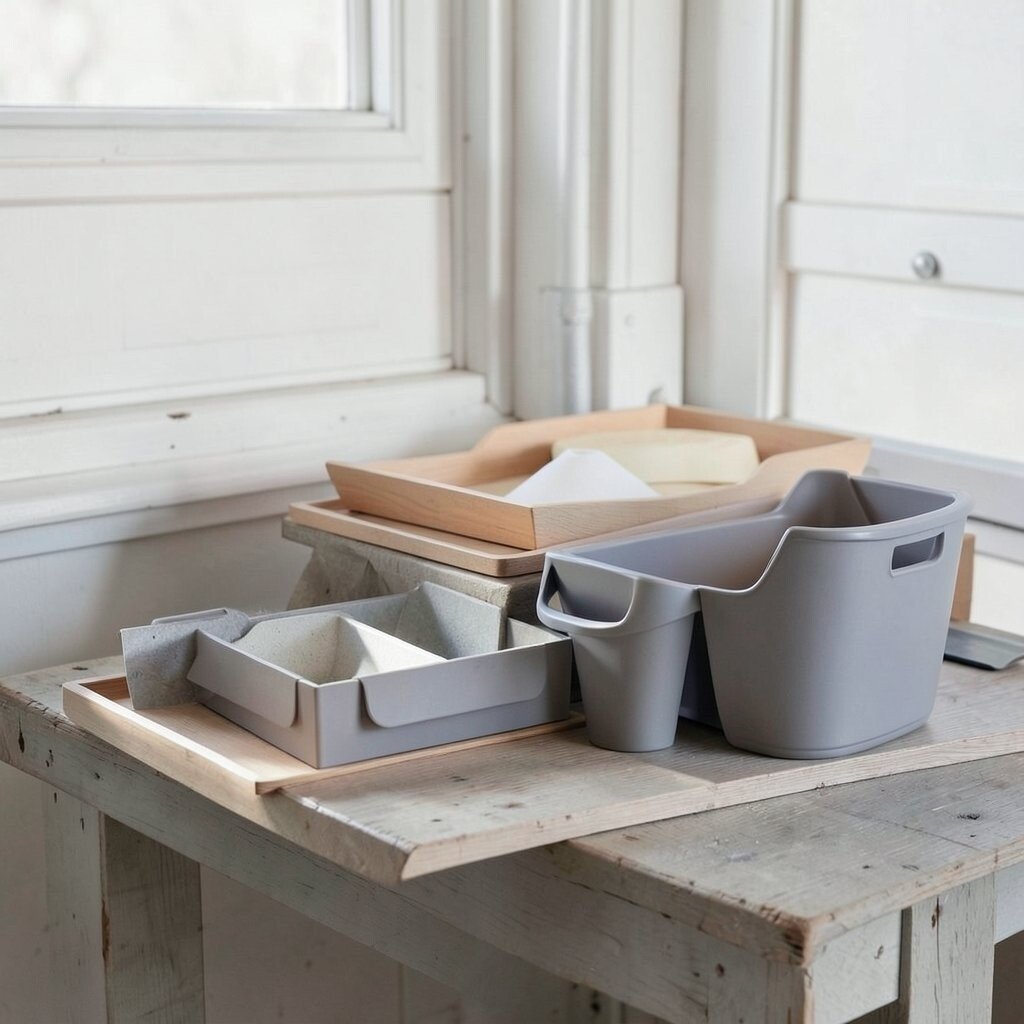
Place small items in trays so they don’t scatter when shoppers move around. Use bins for sorting by size, color, or category, and keep each bin at eye level when possible.
These displays add a tidy look without requiring fancy materials, and that helps keep your cost low. It’s also a great minimalist practice because the display system doubles as storage after the sale.
11. Prepare a Repair Corner for the “Almost There” Items
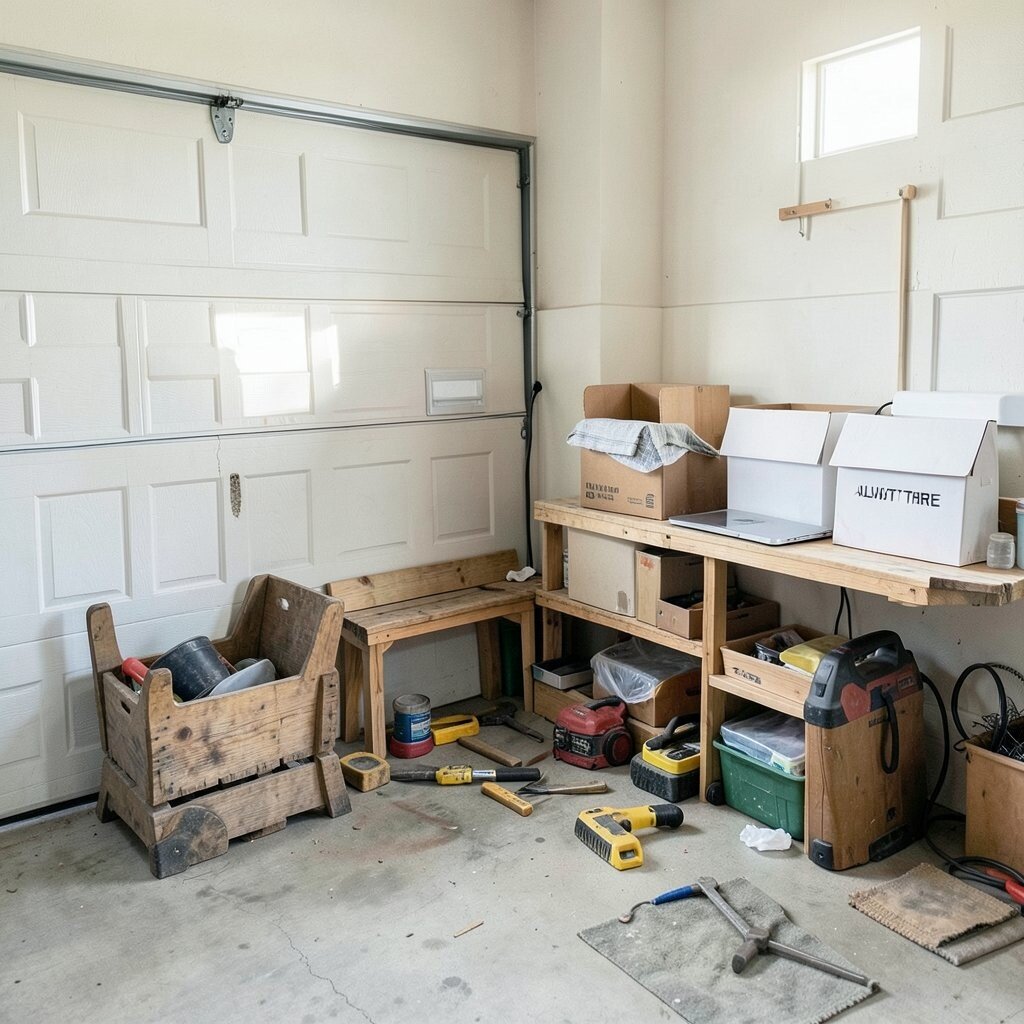
Set aside items that need tiny fixes, like missing buttons, short cords, or a broken latch that can be replaced. A repair corner helps you keep the best items in the “sell” pile instead of letting them drift away.
Keep the repairs small and realistic, using what you already have like spare batteries, tape, or basic sewing tools. The visual difference is huge, and buyers trust items that work.
This is unique because you’re not just selling objects, you’re offering reliability. Minimalist living becomes easier when fewer broken things remain in your space to remind you of tasks.
12. Set Up a Clear “Buyer Path” in Your Garage
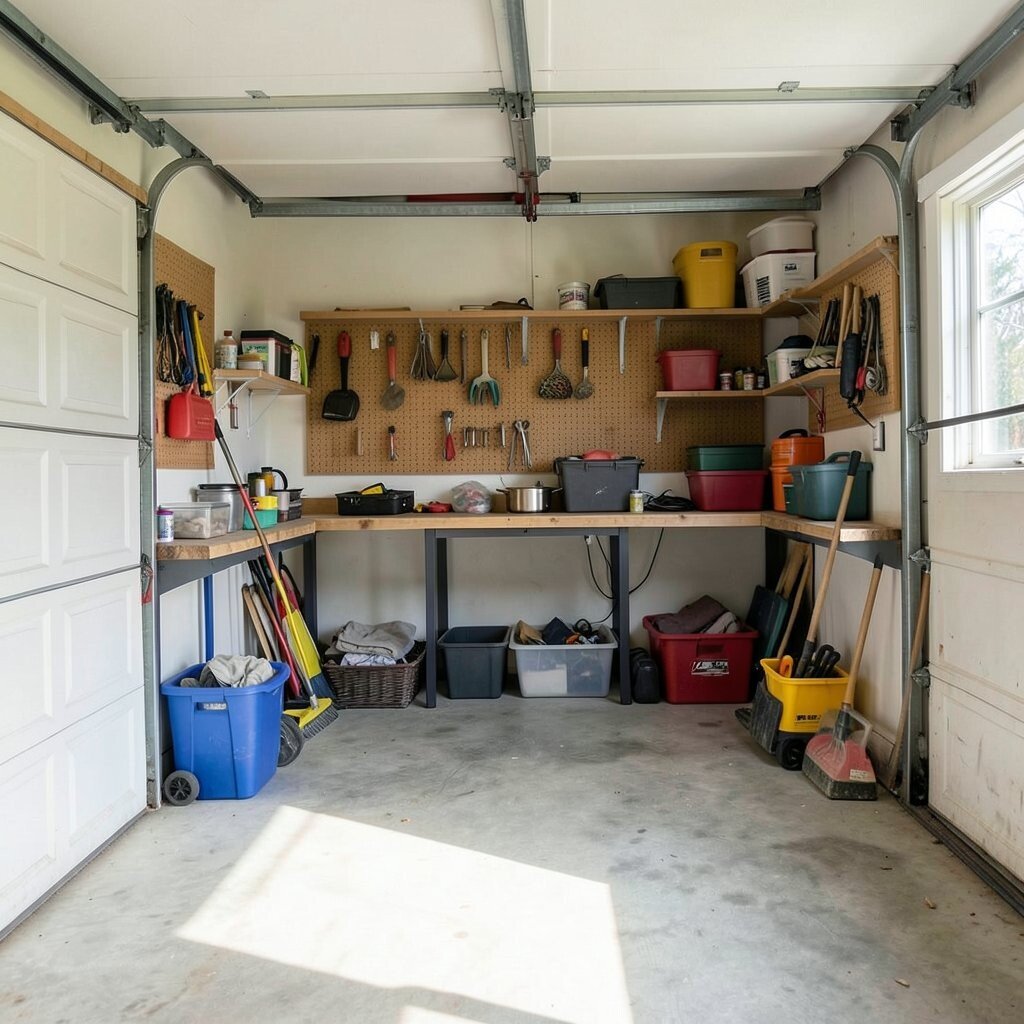
Walk the route a shopper would take, from the entrance to the tables to the checkout spot. Keep the path wide enough for people to move without squeezing around chairs or boxes.
Place your most attractive items where people naturally look first, like near the main walkway. That visual strategy improves sales because attention stays on your best pieces rather than getting lost in clutter.
13. Use Gentle Signage That Matches Minimalist Style

Create signs with simple words and bold print, so you’re easy to find and easy to read. You can keep the style clean by using one color and one font, even if you’re using poster board.
Make your signs clear about accepted payment and simple rules, but keep them short and friendly. The benefit is a smooth experience for everyone, and the calmer flow reduces the stress that can come with selling.
14. Sort Clothing With Fast Checks and Realistic Pricing
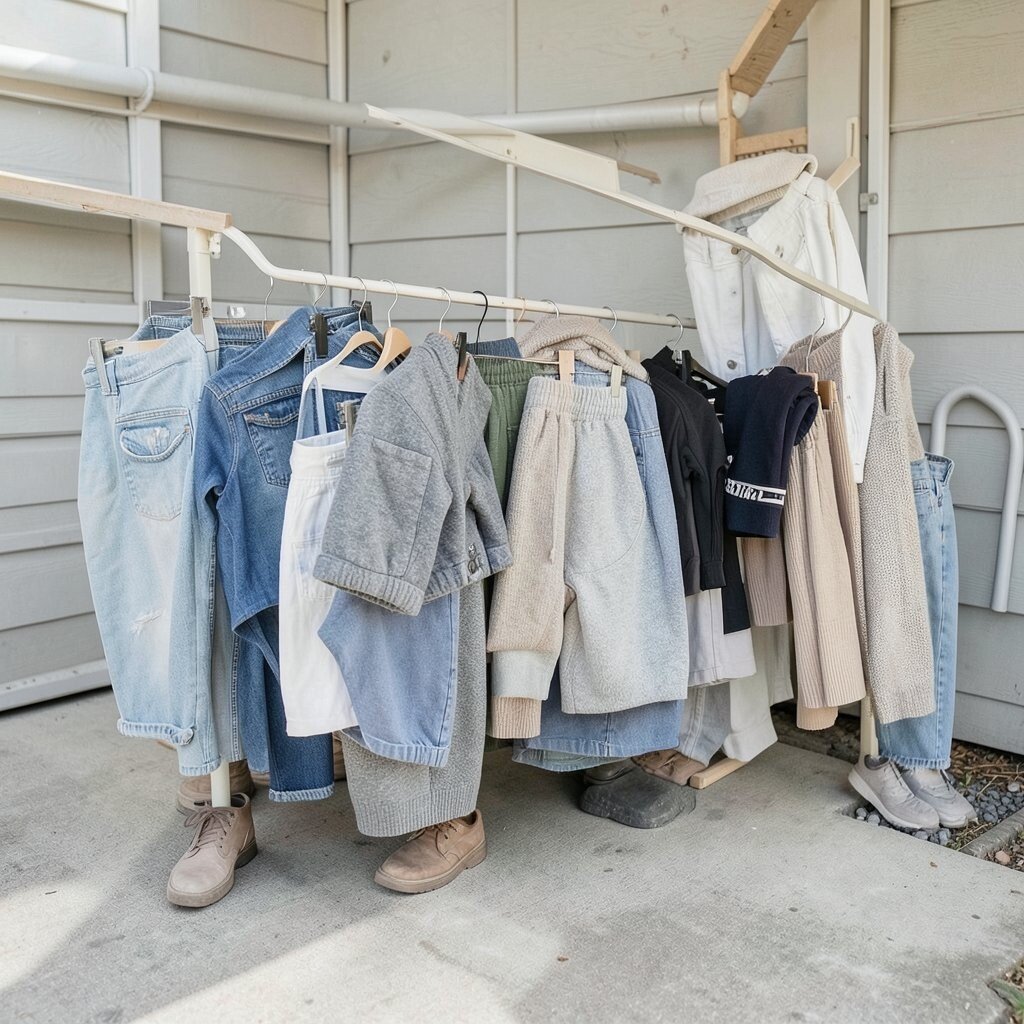
For clothes, do a quick check for stains, missing buttons, and odor, then hang or fold neatly. Place items by type, like shirts together and pants together, so shoppers can browse without digging.
Price based on condition and brand, but also consider your time. Current trends show people prefer “honest condition” listings, and in person you can match that by describing what you see.
Personalize your rack by featuring a “season swap” shelf, like summer tops or holiday sweaters. That theme helps shoppers picture their own wardrobe updates.
15. Keep Home Smells Fresh by Ventilating and Handling Carefully
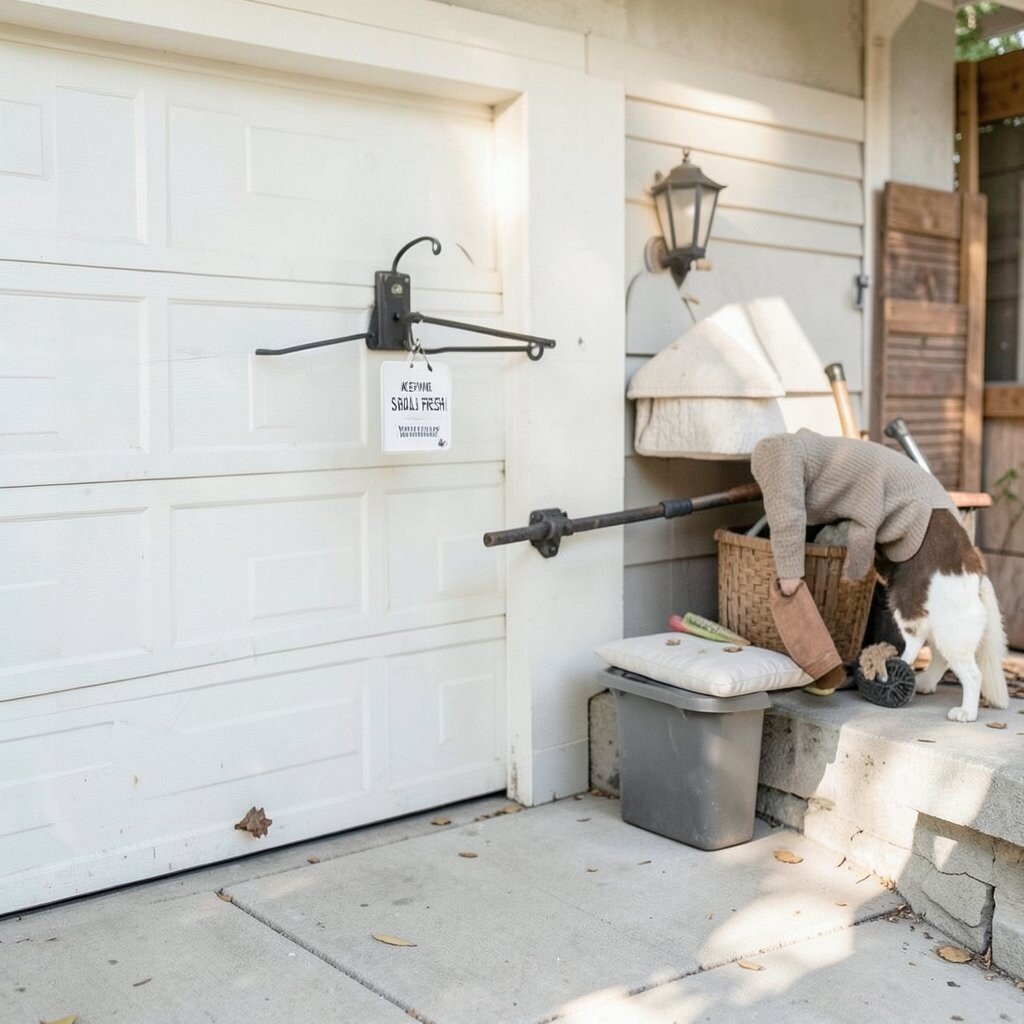
Garage sale prep can bring up smells if items sit in closed spaces, so ventilate the garage before you set tables. Open doors or windows and give fabrics and shoes a quick fresh-air moment.
Handle items gently so you don’t transfer strong odors or dirt to clean surfaces. This matters because buyers often make quick judgments based on the first impressions they feel.
16. Create a “Last Chance” Box for Near-Misses
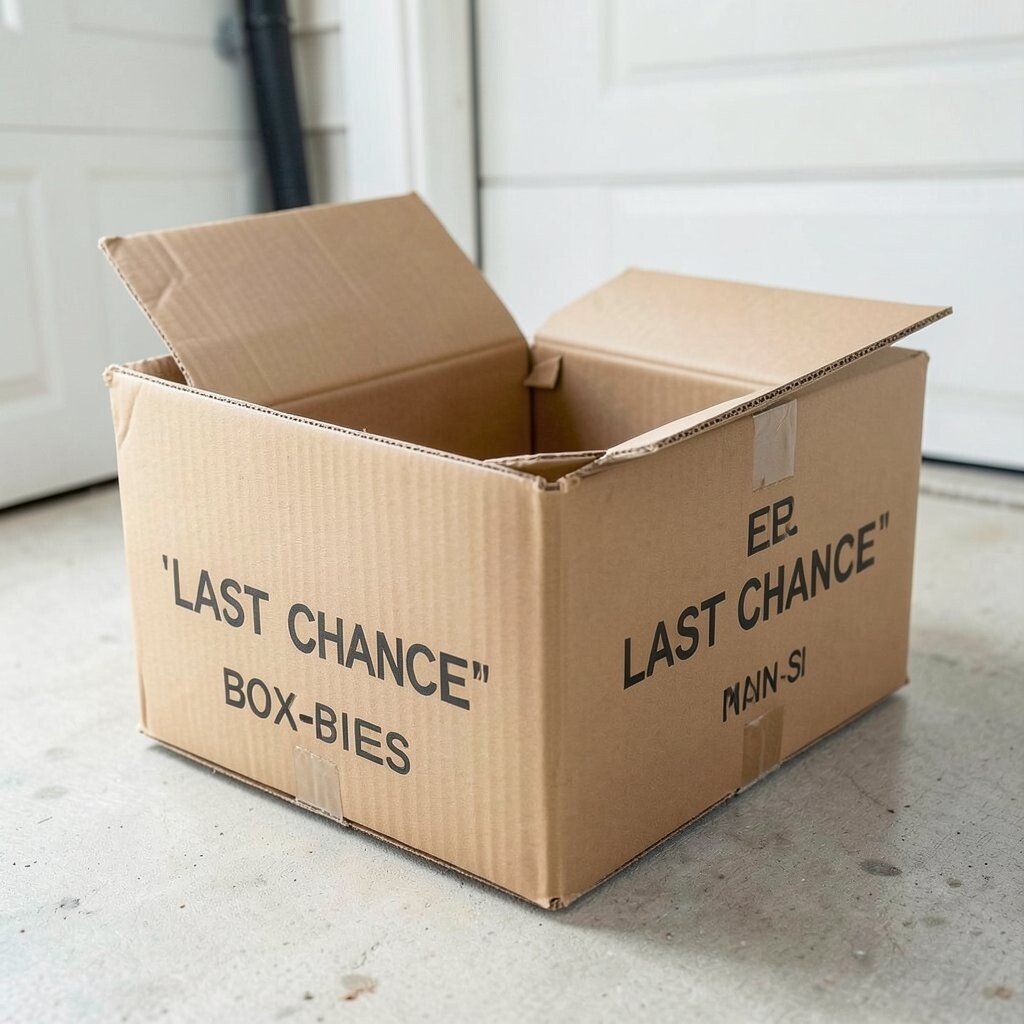
Make a small box for items that didn’t sell in your first round or seem less exciting at first glance. Add a note on the box using simple wording so shoppers see it as an opportunity, not a leftover pile.
Place these items at the end of the buyer path so curious shoppers can browse without blocking the main tables. The benefit is that you stay intentional, and you avoid storing unsold items for weeks.
For personalization, fill the box with items that match a theme like “camping weekend” or “small kitchen tools.” It’s unique because it turns “almost gone” into a curated second chance.
17. Plan Your Staffing With a Flexible Time Window
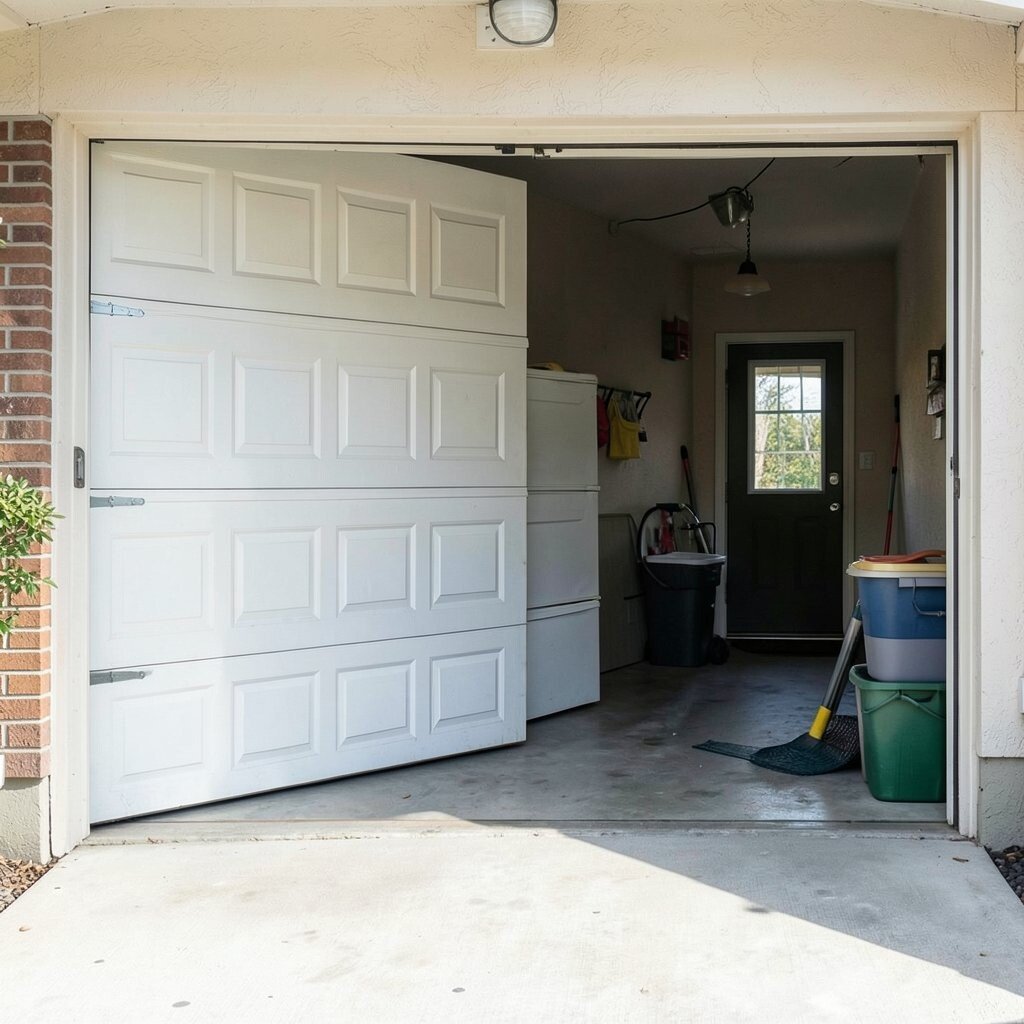
Garage sales can feel busy, so plan a time window that fits your energy. If someone else can help, decide who handles greetings and who handles checkout so you don’t overlap too much.
If you’re working solo, keep tasks grouped, like checking customers for questions, then returning to staging. That strategy reduces interruptions, and it keeps your home from turning into a busy workshop.
18. Bring Reusables Like Bags and Change to Reduce Waste
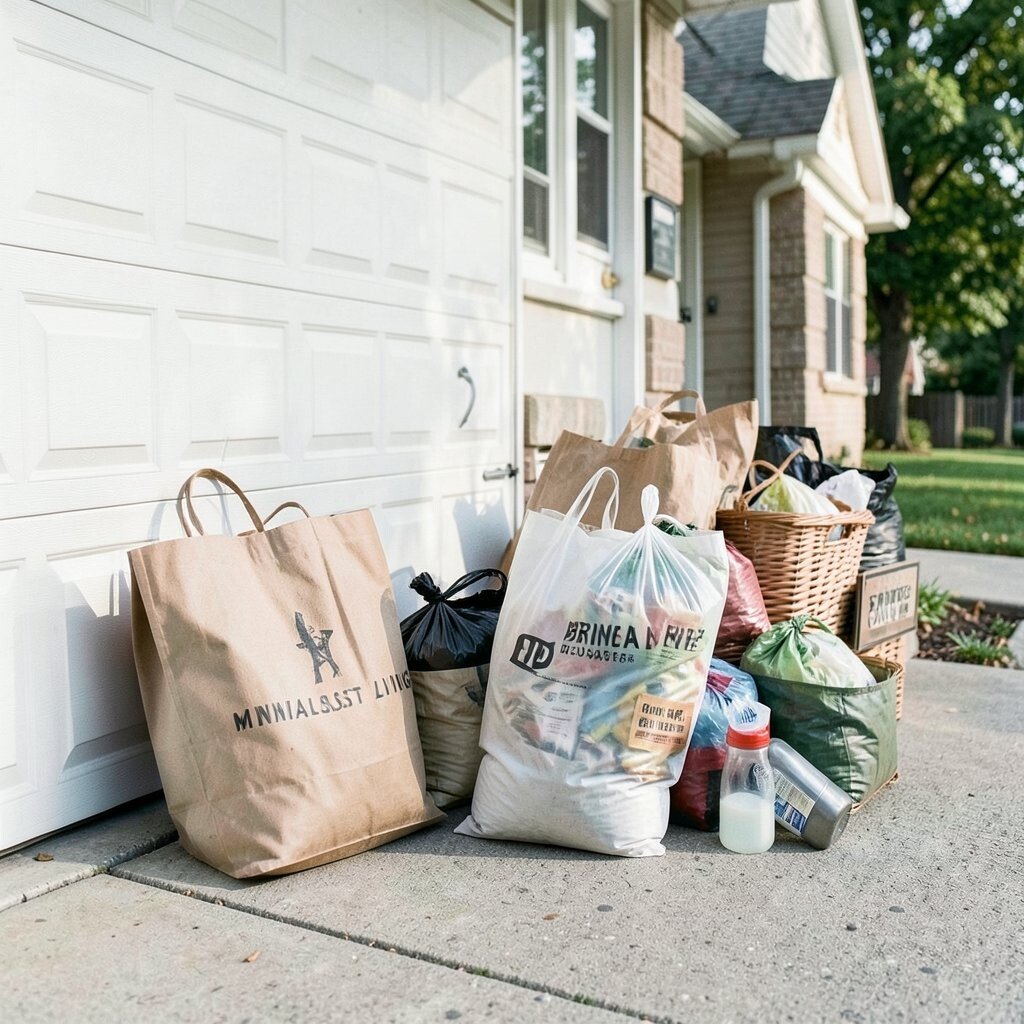
Use reusable bags and keep a small stack of them near checkout so you’re ready for customers. Bring a secure way to carry change, and use a few clearly labeled containers to reduce spills.
Costs can stay low when you avoid last-minute purchases by using what you already have. This also fits modern minimalist values because it supports less waste and more reuse instead of adding more stuff.
19. Decide on a Post-Sale Plan Before Sale Day Begins
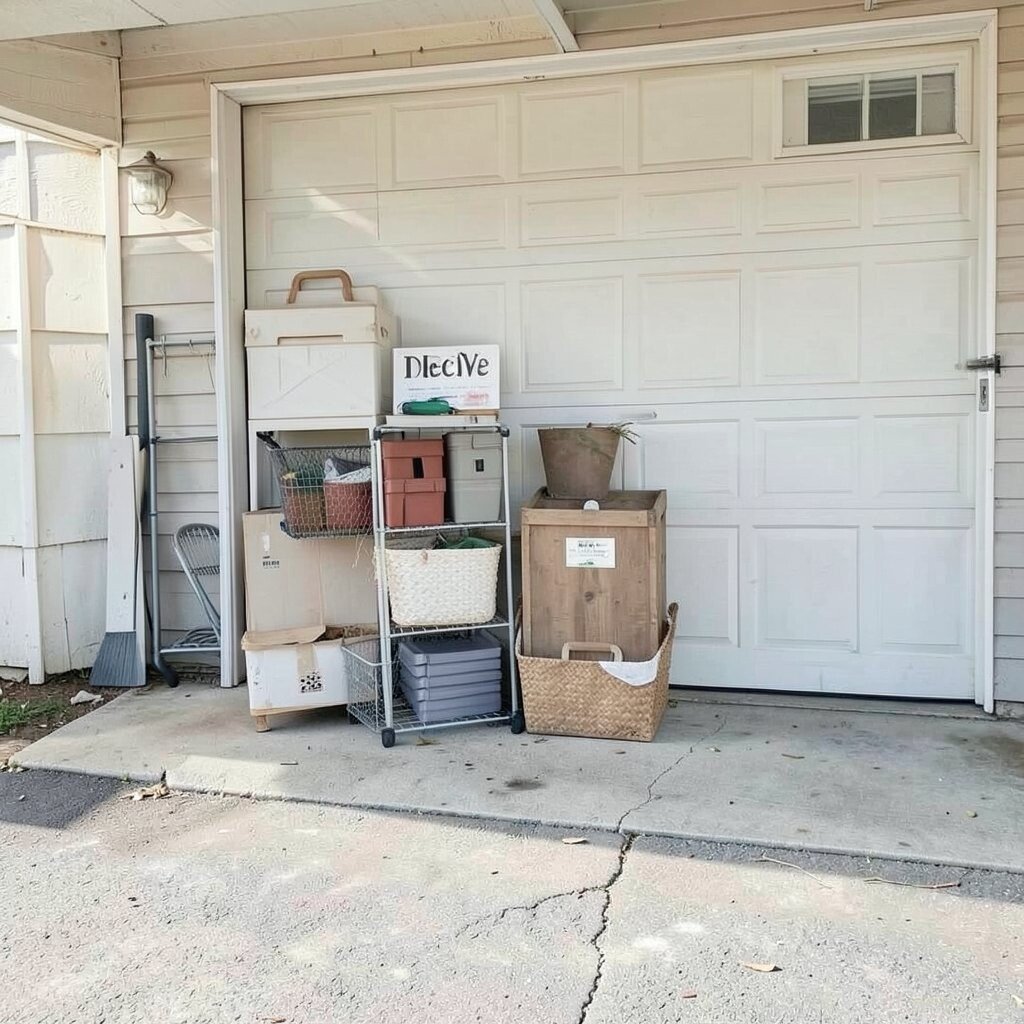
Plan what happens after the last hour, not just during the sale. If items remain, you can schedule donation pickups, list leftovers online, or transport them to a local resale spot.
Having a post-sale plan keeps your home from turning into storage overflow. It also makes the day feel complete, which is a big part of minimalist living.
20. Keep a Simple Inventory of What Sold and What Stayed

After the sale, take a quick look at your remaining items and record what moved out. A simple list helps you notice patterns, like which categories always sell faster or which sizes didn’t attract buyers.
This small habit brings clarity for future prep and helps you personalize your next sorting session. You’ll also save money by avoiding repeat overbuying, since you learn what actually leaves your space.
Make it feel modern by using a notes app or a plain notebook, whichever you already enjoy. This is unique because it turns a one-day event into a long-term minimalist tool for calmer living.