That old driveway can turn into a kid-sized market with big imagination. The best part is making it feel like their own idea from the very first sign.
With a little planning, kids can learn how to talk to customers, price items fairly, and stay proud of their work.
1. Shoe Box Treasure Auction
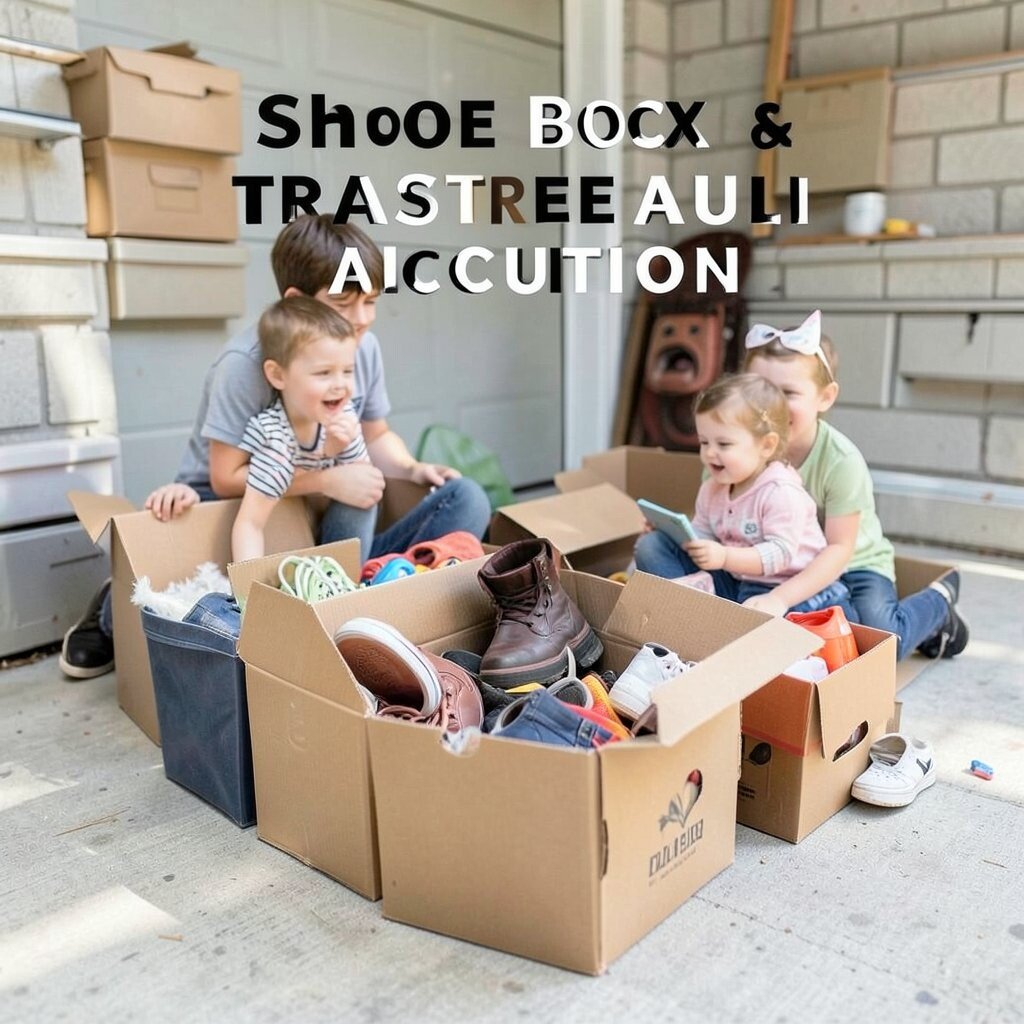
Grab a stack of small boxes, each one holding a mystery treasure. Kids love the suspense, and the table looks fun with labels drawn in bright marker.
Set simple rules like one box per customer and gentle trading of coins or points. Help them write clear descriptions on the outside, like “mix of stickers” or “tiny robot parts.” Keep it playful by letting kids choose the “theme” for each box, such as space, ocean, or sports.
2. Build-Your-Own Story Zine Table
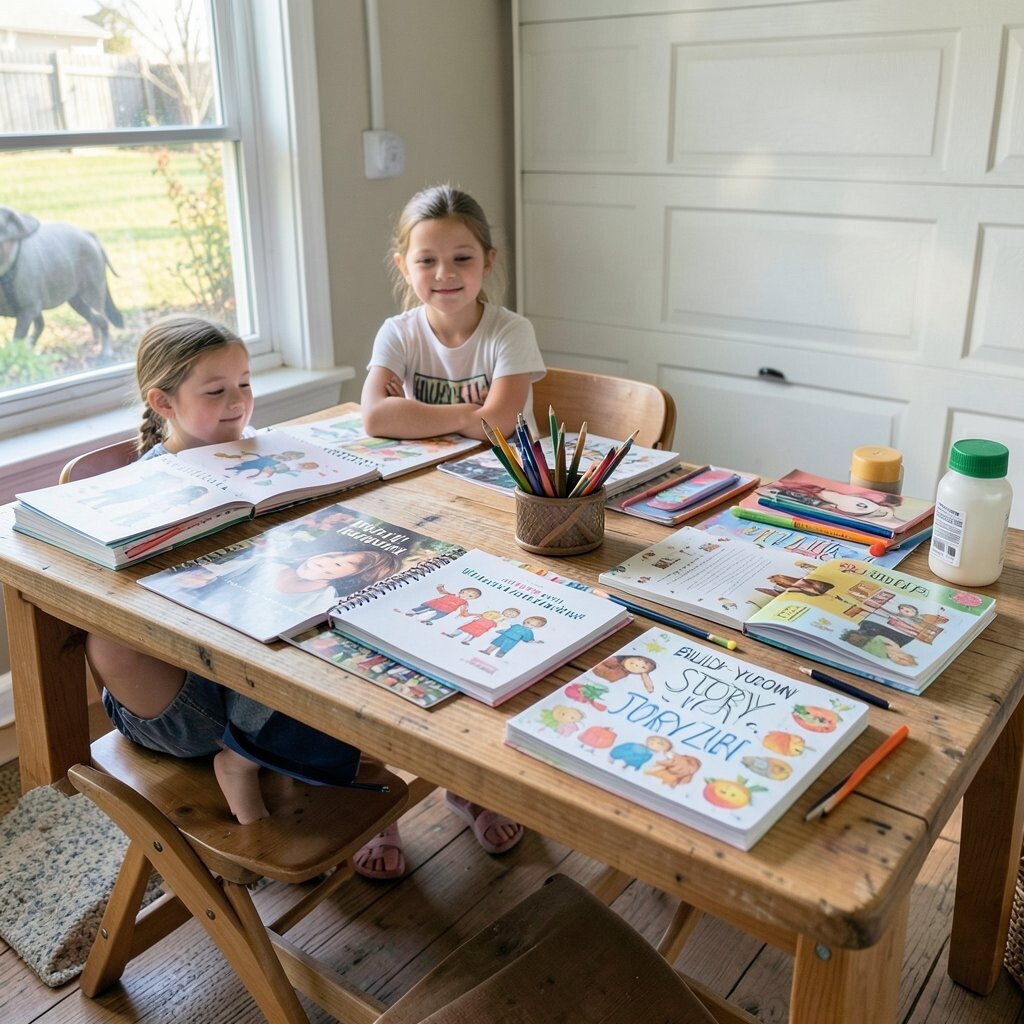
Create mini story booklets from paper, folded pages, and a stapler. Guests will notice the colorful covers and the neat marker art on each zine.
Kids can sell each zine for a small price and include a short “what’s inside” preview. Encourage personalization by letting buyers pick a theme for the next edition, like mystery, animals, or cooking.
For practical setup, lay out crayons, stickers, and a few example pages so kids can show what to make. To keep costs low, reuse scrap paper and print simple cover templates at home.
3. Lemonade-Style “Garden Water” Stand
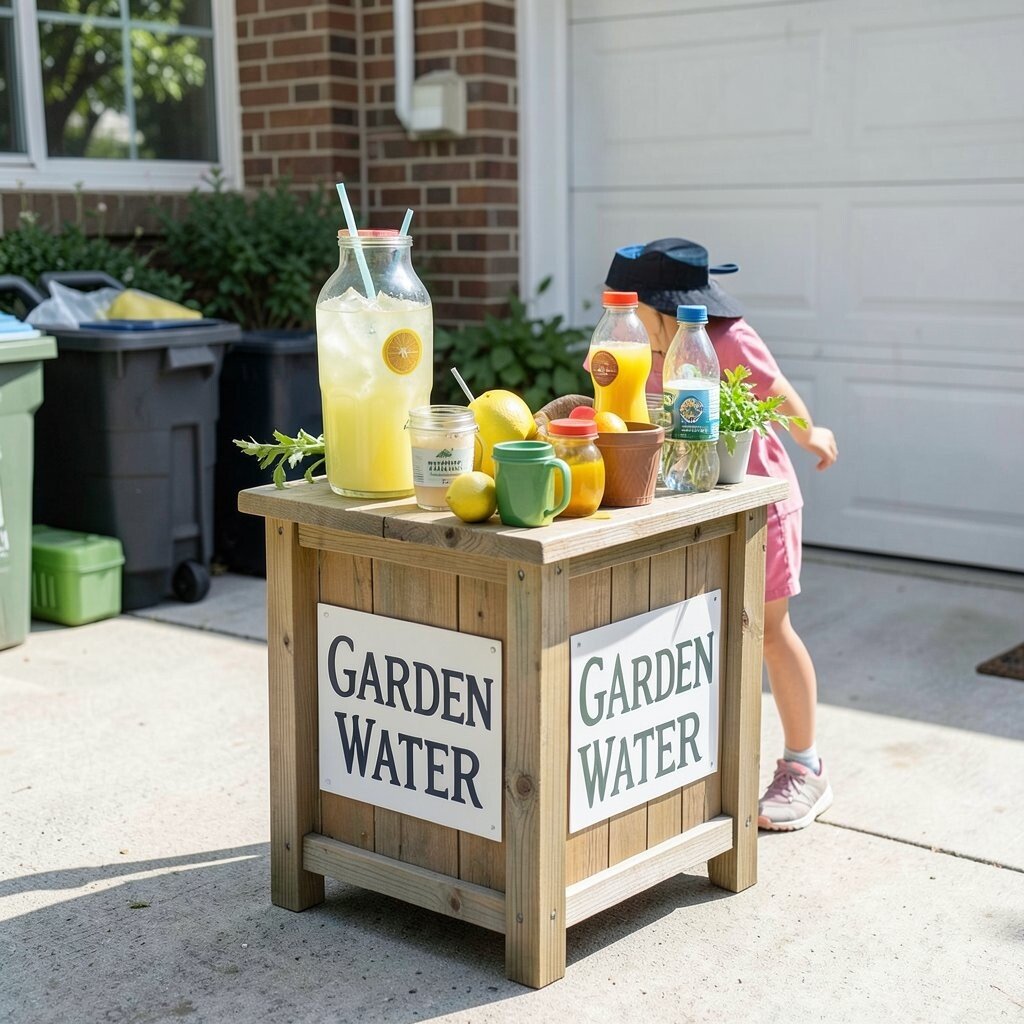
Mix plain water with cucumber slices, mint leaves, or a splash of fruit juice for a refreshing twist. The jars look especially bright when kids line them up like a colorful rainbow.
Explain to customers what makes each flavor different, using kid-friendly words and friendly smiles. Add benefits like practicing math for counting cups and learning how to stay polite during busy moments.
For uniqueness, name flavors with fun phrases kids invent, such as “Sunny Mint” or “Cool Cucumber.” Keep it practical by using clear cups, a simple pitcher system, and ice packs to slow down melting on hot days.
If you want to spend less, ask family for unused bottles or buy fruit in bulk during sales. This kind of stand matches current trends toward “fresh” and “real ingredients,” so it feels modern without being complicated.
4. Sticker Swap and Trade Wall
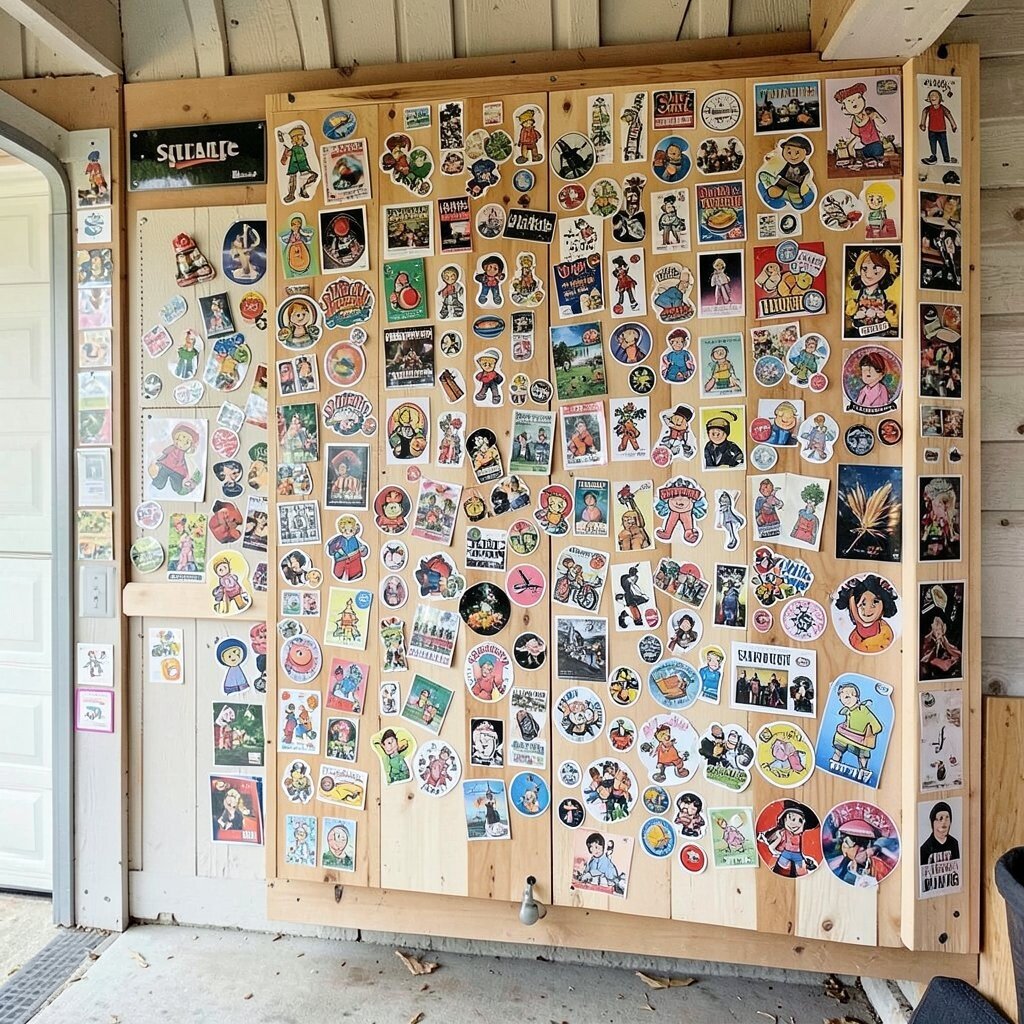
Turn a poster board into a sticker swap display with small envelopes for each kid seller. Visitors will be drawn to the shiny pile of stickers and the colorful categories made with tape.
Kids can learn fairness by setting trade rules like “one sticker for one sticker” or “three small stickers for one big one.” Personalize the wall with themes such as pets, video game characters, or princess-style doodles, and add a sign that explains how trades work.
Keep costs in check by using duplicates from school supplies and last year’s sticker collections. For a practical flow, keep a basket for unwanted duplicates and another basket for “popular” ones so kids can restock quickly.
5. Mini Plant Rescue Kits
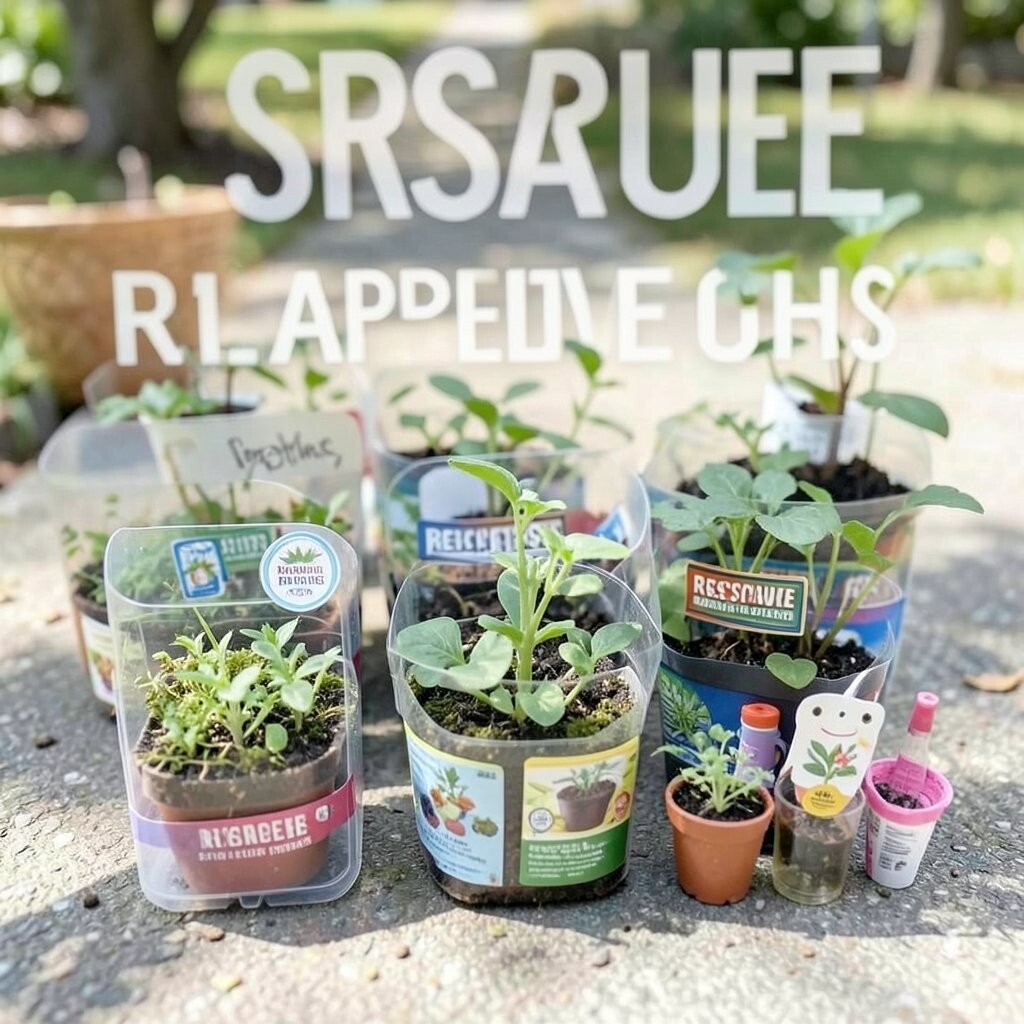
Collect tiny seedlings, cuttings, or small starter pots and let kids assemble “rescue kits.” The visuals are sweet when each kit includes a label, a little soil scoop, and a bright watering tool.
Kids can earn money while learning care routines, because each kit needs watering guidance. Add benefits like building responsibility and patience as they check moisture daily with grown-up support.
For uniqueness, offer kits with names kids choose, like “Brave Sprout” or “Star Garden.” Keep it affordable by starting plants from seeds, reusing jars, and using leftover potting mix from home.
6. DIY Slime Lab Samples
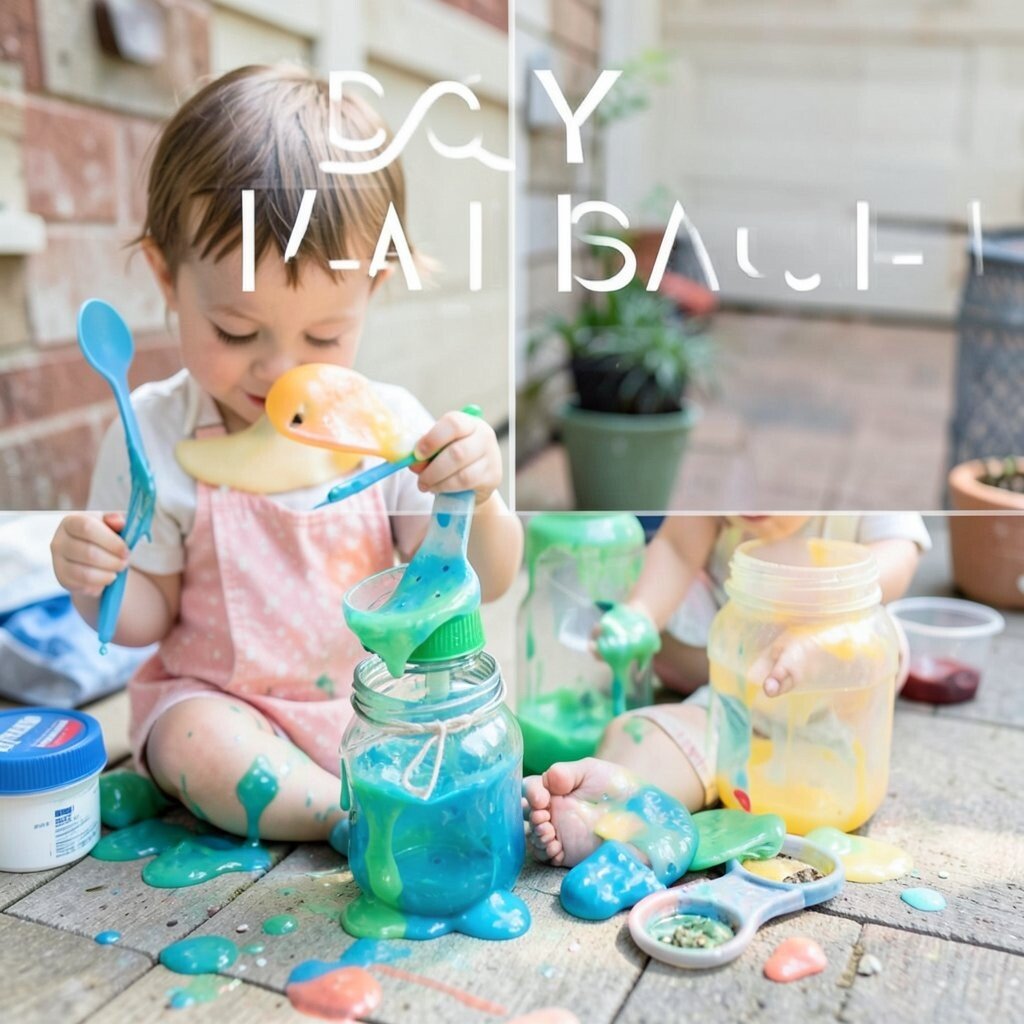
Set up small, sealed sample cups for slime mixes kids make with safe ingredients and supervision. The table will look like a rainbow workshop, with swirls, glitter, and color names written big.
Let kids practice explaining textures to customers, like “cloudy,” “stretchy,” or “sparkly.” This helps them speak clearly, and it makes the sale feel like a friendly science demo.
To keep it practical, make batches ahead of time and store them in cool containers. For personalization, let each buyer choose a color or add-ins like foam beads, but keep options limited to prevent mess.
7. Recycled Craft Keychains
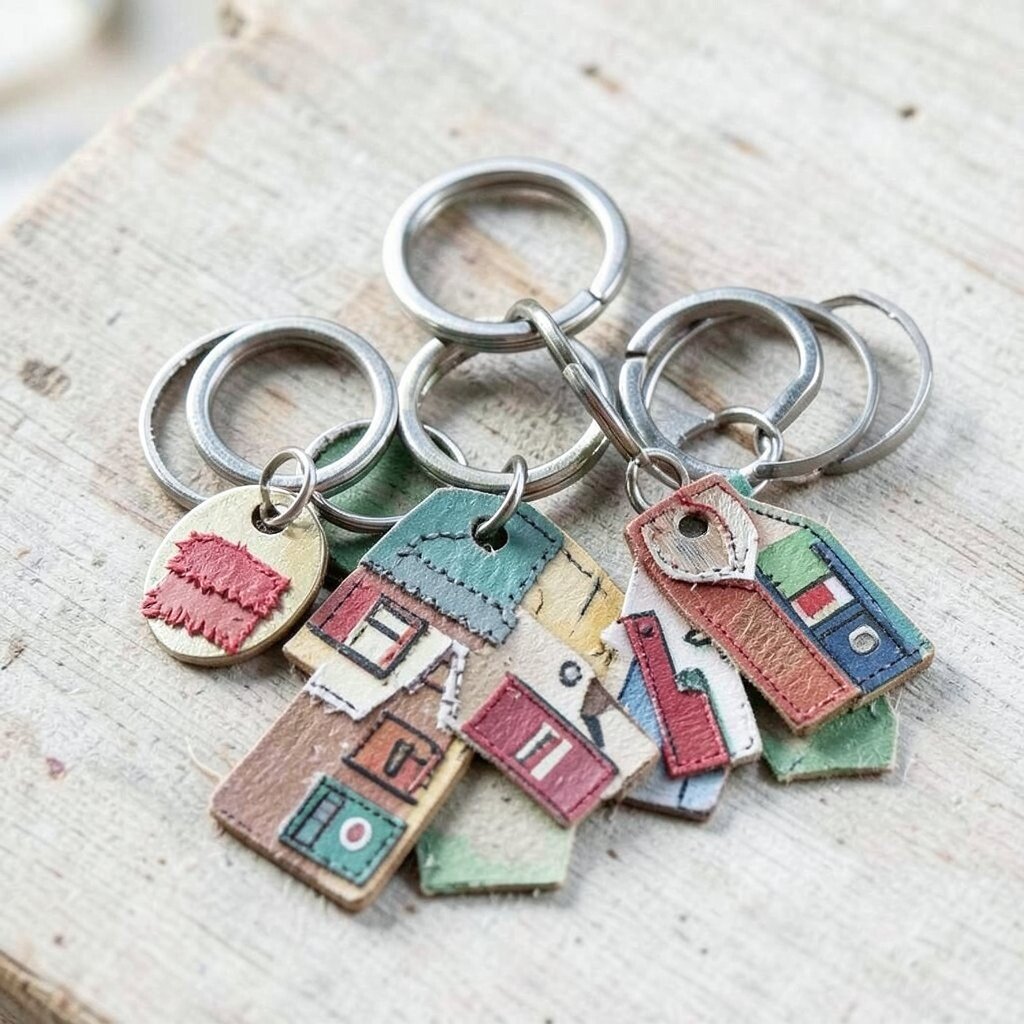
Use bottle caps, cardboard scraps, and leftover yarn to make keychains that look clever and sturdy. Visitors notice the sparkle of shiny caps and the homemade tassels swinging from each display hook.
Kids can sell them while learning how to measure pieces and budget supplies. You can tailor the designs to what kids like, such as superhero badges, music notes, or tiny animal faces.
To manage costs, raid recycling bins, use old buttons, and borrow hot glue from a parent. A current trend is “upcycling,” and these keychains feel like that in action without needing fancy tools.
8. Custom “Name Stamp” Sticker Packs
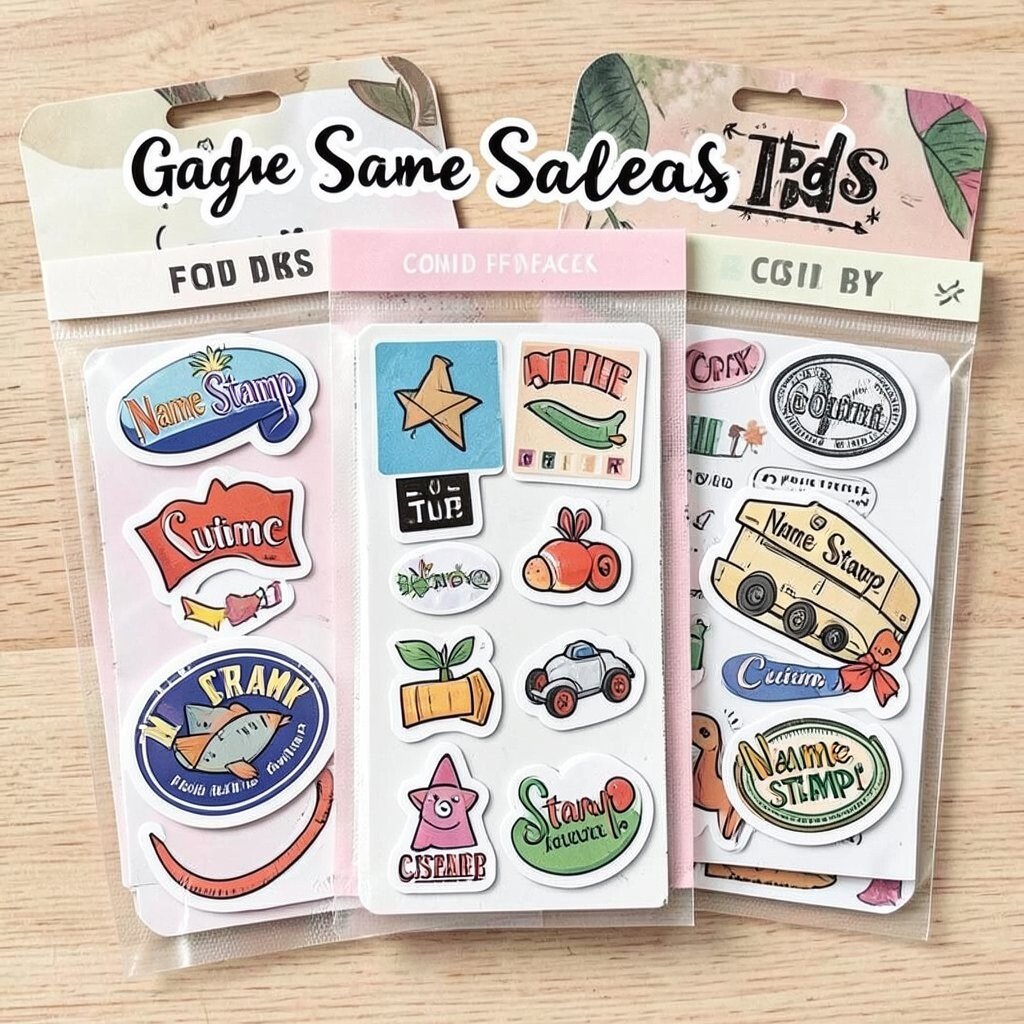
Kids can make simple name stamps using foam sheets or purchased stamp blocks and then apply them onto sticker labels. The table looks neat when each pack is arranged by color and alphabet themes.
They can sell sticker packs for school lunches, notebooks, or water bottles, and it feels useful right away. Help them write consistent pricing and keep a simple list of “popular names,” so orders move smoothly.
For personalization, let customers choose font styles kids draw or pick themed ink colors like pastel or neon. If you want lower cost, use scrap cardstock, reuse old sticker paper, and keep the stamp design reusable.
9. The “Guess the Weight” Coin Toss Jar
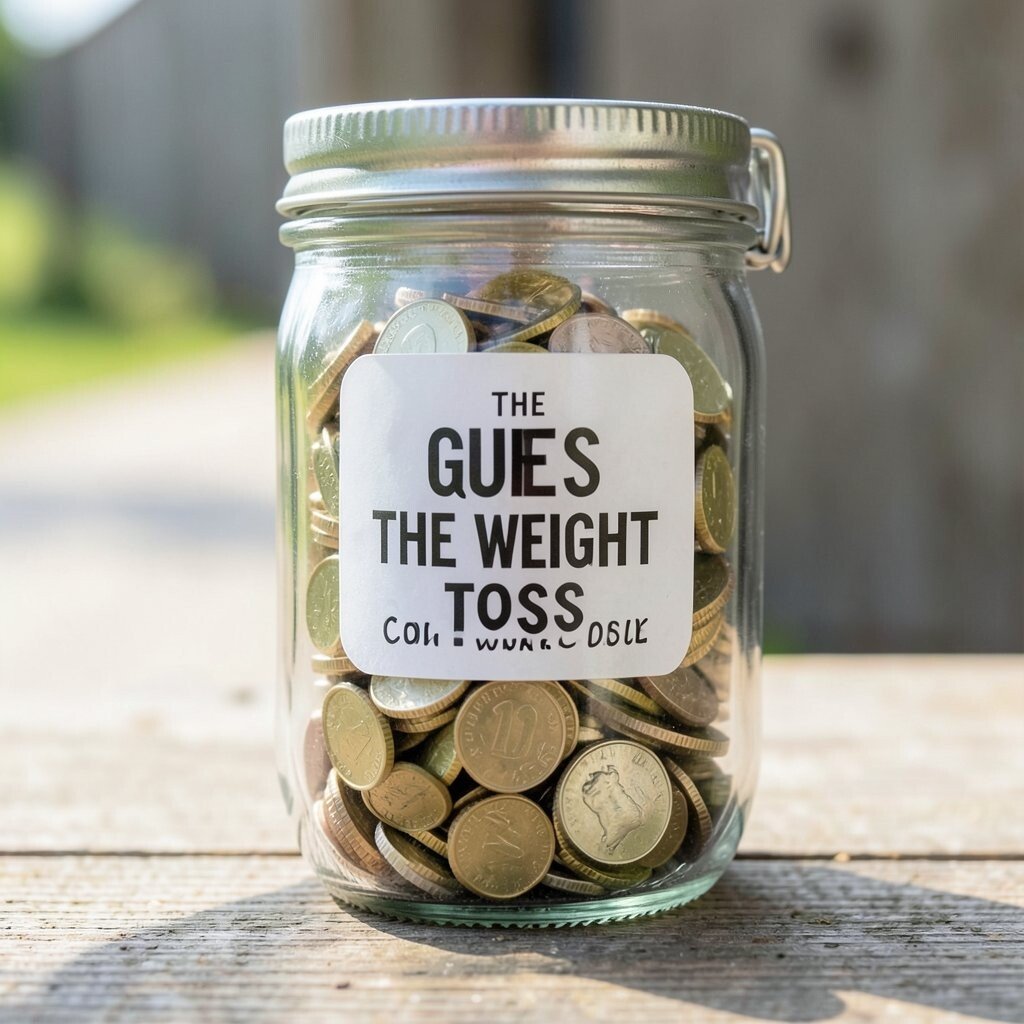
Build a clear jar challenge where kids try to estimate weights using small coins or paper tokens. People will enjoy leaning in to guess, and the jar display creates instant attention.
Kids can explain the rules and practice counting points, which is great for confidence. For uniqueness, set up different jar sizes, each tied to a theme like “jungle coins” or “space tokens.”
Keep it practical by using identical containers, so results are fair, and by writing rules in simple kid language. Costs stay low because many items come from spare change, craft beads, or leftover tokens.
Make it trend-friendly by leaning into “games that feel like challenges,” a style many families already enjoy at fairs and events.
10. Toy Museum Guided Tours
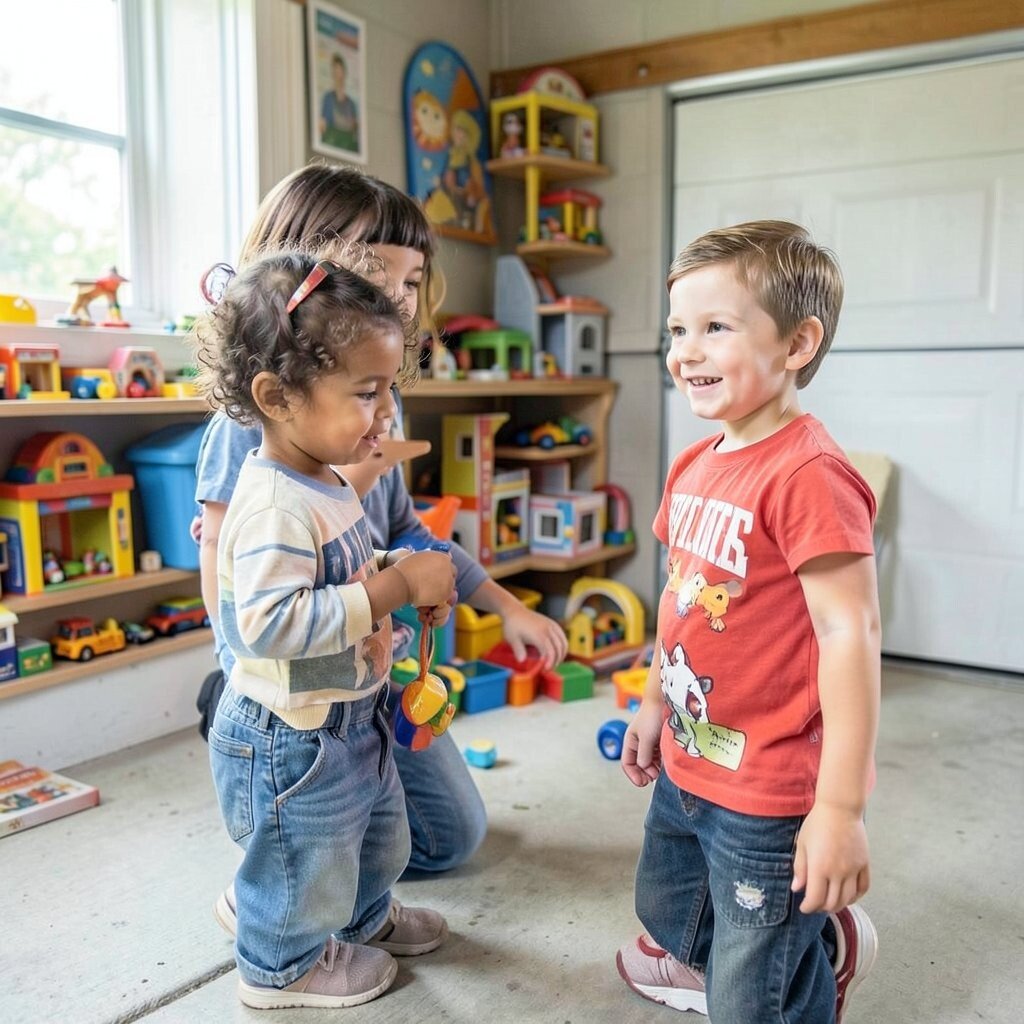
Kids can choose a small set of toys and create “exhibit cards” with simple facts they make up. The museum vibe feels special when toys are arranged by categories on a blanket or small table.
Charge a tiny entry fee for a short guided tour where kids explain what each item is and why it is cool. This boosts public speaking and turns the garage sale into an experience, not just a transaction.
Personalize the museum with themes like “building world,” “pretend kitchen,” or “mini sports.” Keep it practical by setting a timed tour plan, like two to three stops per tour, so kids aren’t overwhelmed.
For cost considerations, most supplies come from index cards, markers, and tape, all already at home for many families.
11. Kids-Only “Bake-Off” Snack Bags
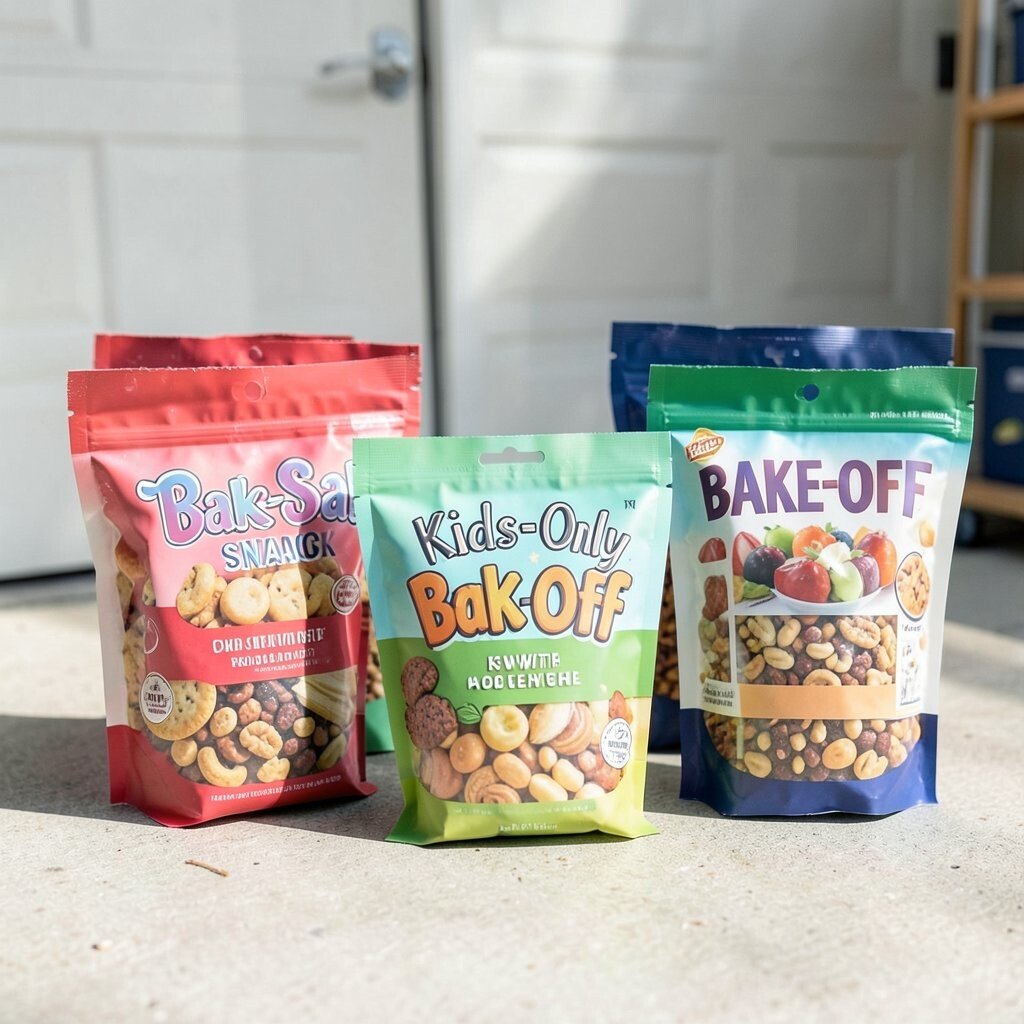
Offer pre-portioned snack bags made by kids with kitchen help, like trail mix, popcorn toppings, or small fruit cups. The visuals are bright when labels show the mix names in bold handwriting.
Customers get something tasty, and kids get to practice teamwork, measuring, and friendly conversation. Add practical tips like using sealed bags, writing allergy reminders clearly, and keeping everything at safe temperatures with grown-up care.
For personalization, let kids pick flavor styles like “sweet and crunchy” or “tangy and tropical.” This kind of snack sale matches current fun trends for small shareable bites.
12. “Memory Lane” Photo Collage Sales
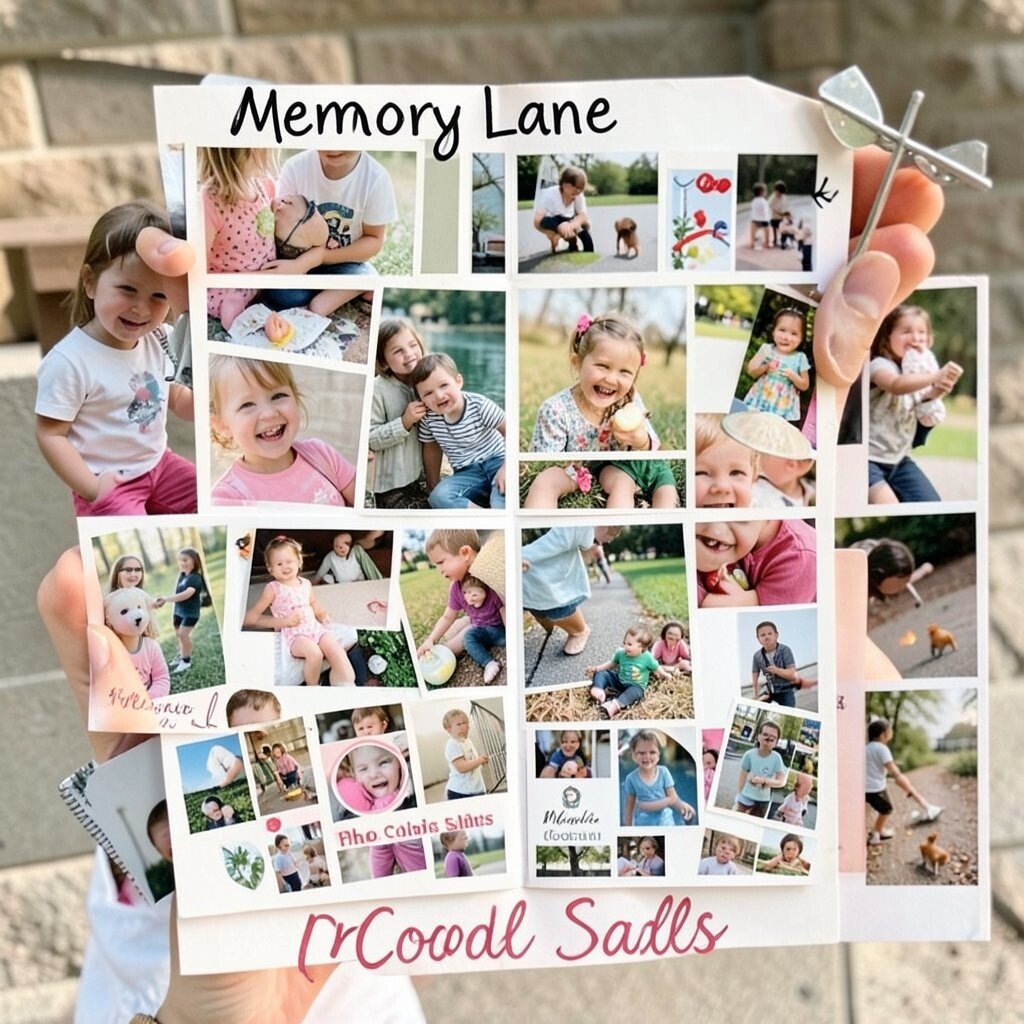
Kids can print or draw small photo grids and sell them as keepsakes for relatives and friends. The display looks warm when collages are stacked with cute frames and bright sticky-note details.
They benefit by sharing their own stories, which helps them connect with customers and speak confidently. Uniqueness comes from choosing special events like birthdays, pets, vacations, or team days and turning them into a neat collage layout.
Keep it practical by using affordable printing or drawing simple mini pictures instead of expensive photos. For personalization, ask each kid to include one sentence that explains why that moment matters.
13. Crafting With Found Objects: “Build a Robot” Station
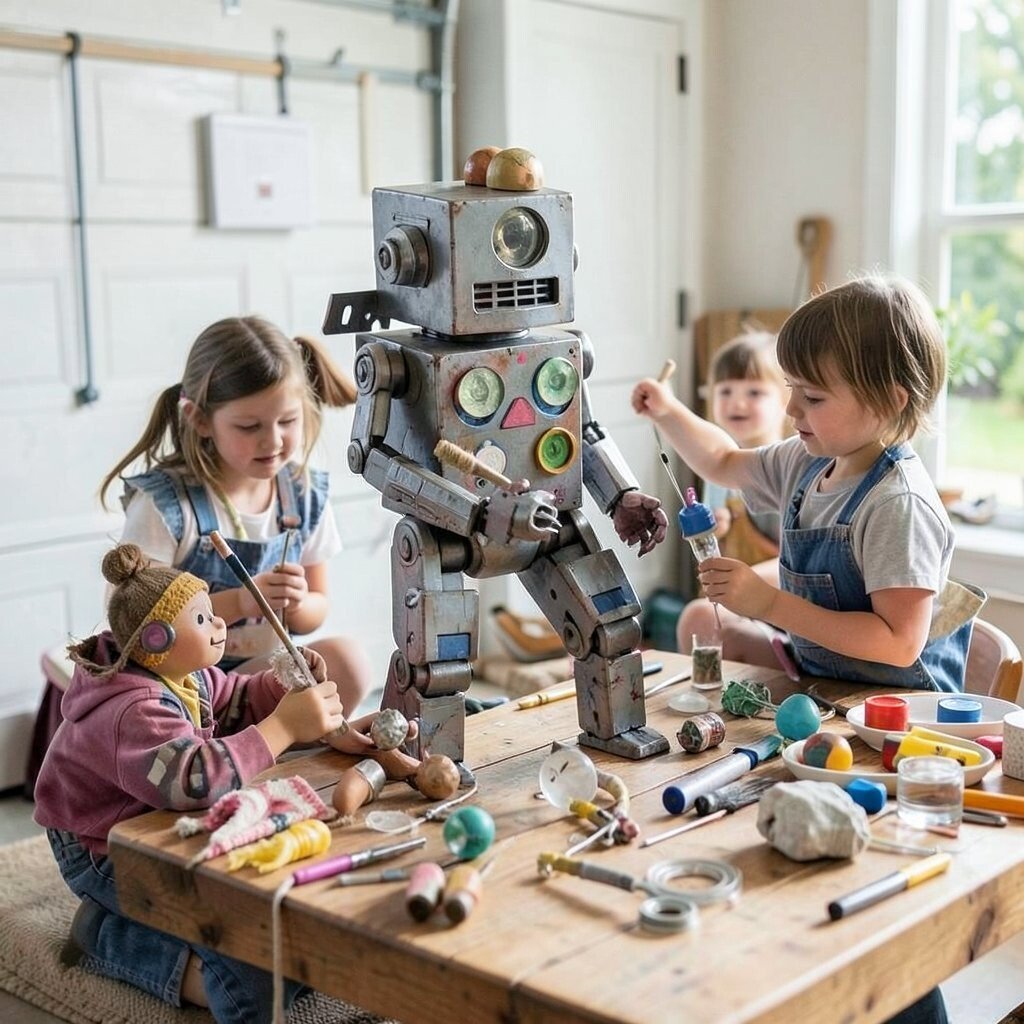
Set up a small station with safe parts like cardboard tubes, bottle caps, and paper clips for kids to build tiny robots. People will stop to watch because the station feels like a creative playground in the middle of the sale.
Kids running the station can charge for a “robot kit” or a tiny build session, while practicing instructions and patience. Make it unique by letting builders name their robots and create a mini backstory on a card.
For practical tips, pre-sort parts into labeled containers and keep tape, glue, and scissors in a supervised area. Keep costs low by using household leftovers and accepting donated craft scraps from relatives.
14. Kids’ Clothing Sorting “Mystery Bundle”
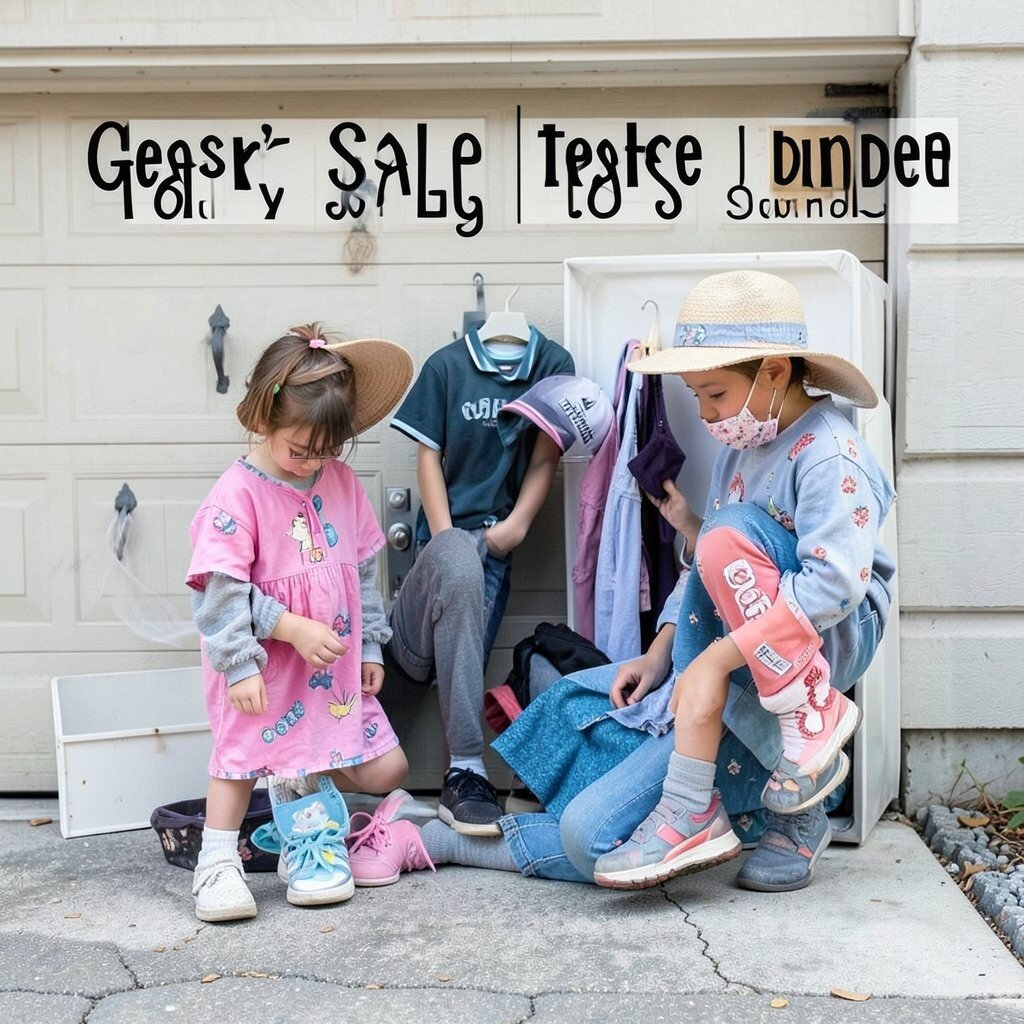
Create bundles of gently used items where kids choose themes like “cozy weather,” “art day,” or “sports fan.” Shoppers love the element of surprise, and the table looks clean when bundles are tied with ribbon.
Kids learn about caring for possessions and how to judge condition, while also practicing honest descriptions to avoid unhappy returns. Personalize bundles by letting kids decide sizes, colors, and favorite styles, so the sale feels like a curated collection.
To keep costs low, use items already in their closet and set clear price tiers based on quality. If you want a current feel, you can frame bundles as “ready-to-go style” for people who like quick shopping.
15. Handmade “Coupon Cards” For Services
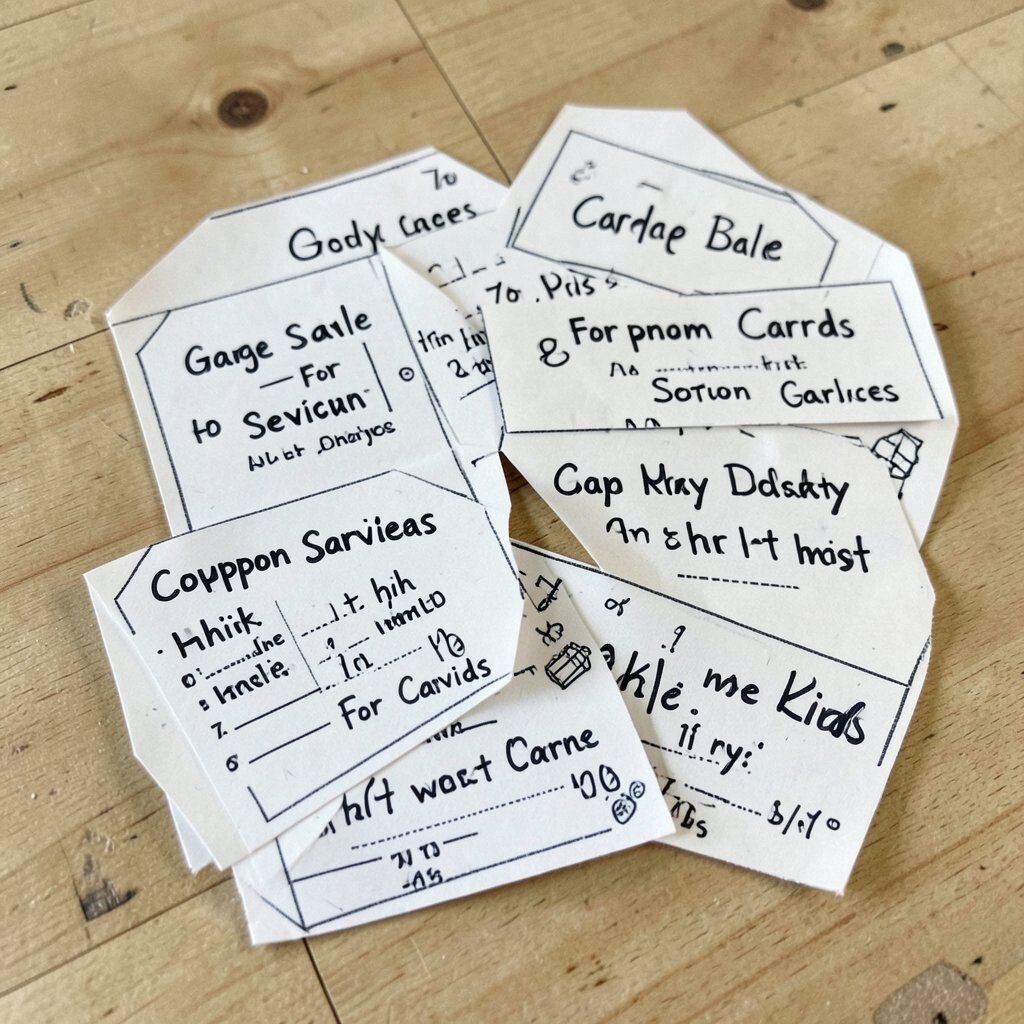
Kids can offer coupon cards for small at-home services like helping water plants, reading out loud, or doing a chore checklist. The colorful cards look charming when kids decorate envelopes or clipboards as counters.
Customers might include parents, grandparents, or neighbors who enjoy the idea of a kid-made deal. Benefits include learning responsibility and budgeting, because kids decide how many services to offer and when to deliver them.
Personalize each card with a time window and a cheerful promise written in the kid’s own words. Costs are minimal since paper, markers, and stickers are usually already available.
16. Treasure Map “Find the Deal” Game
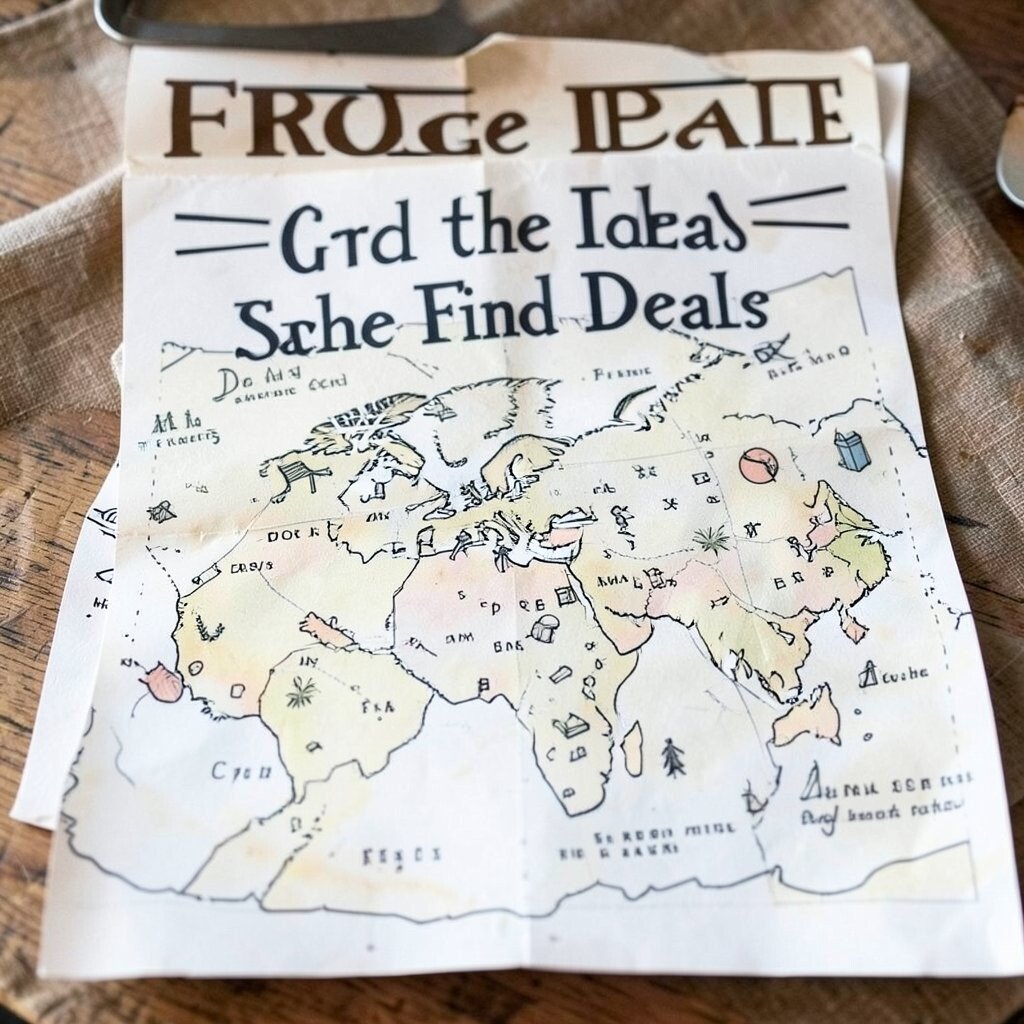
Make a simple treasure map that leads to discount spots around the sale area. The visuals are exciting when kids draw landmarks, arrows, and secret symbols on thick paper.
Kids can run the game by handing out maps and watching where people look for items. This adds uniqueness because customers feel like they’re playing, not just browsing.
For practical tips, keep the map short and place answers in safe, easy-to-reach areas. Costs stay low if you use scrap paper, and you can reuse the same map style by switching the items each round.
It also fits current trends where families enjoy gamified shopping experiences with a playful twist.
17. Pet Paw Print Art Using Sponges
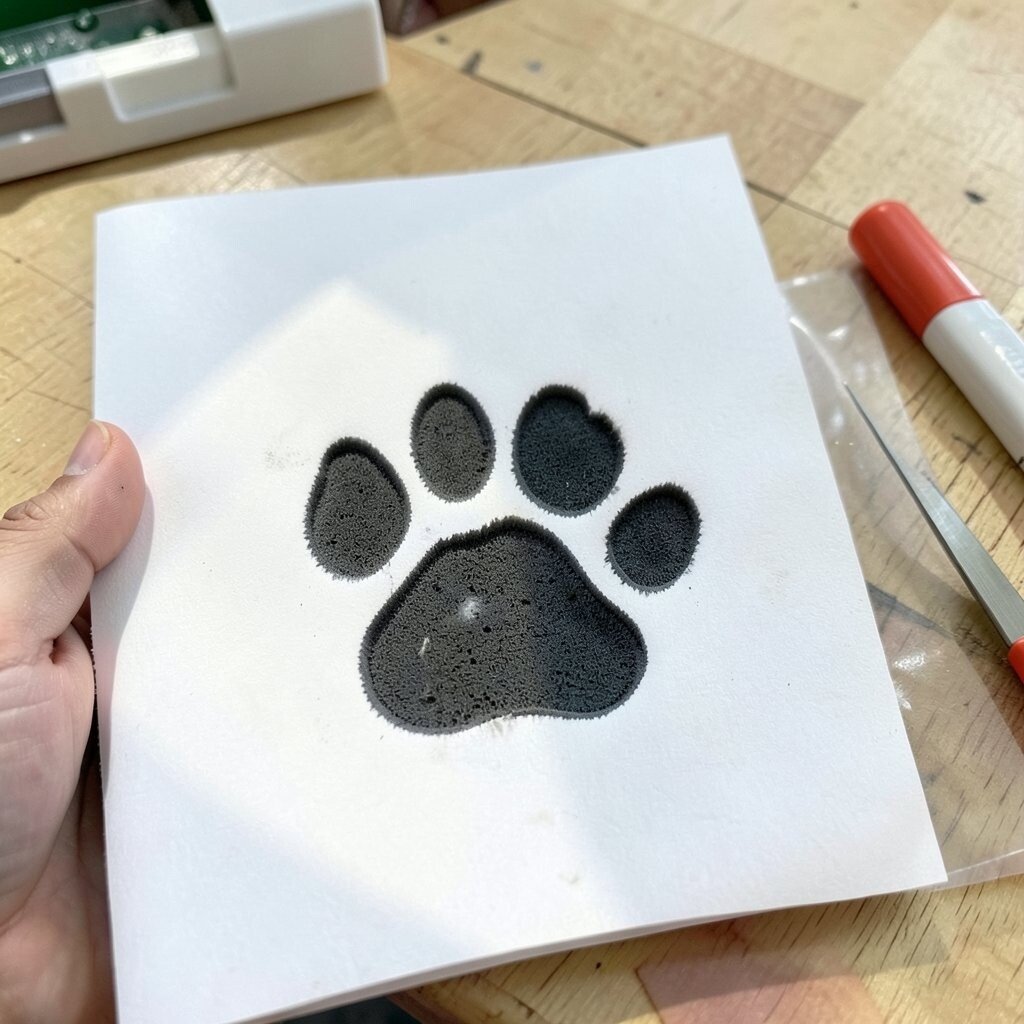
Kids can create paw print art by stamping sponge shapes with non-toxic paint on thick paper. The table will look adorable when each print varies in color and size like a little paw parade.
They can sell prints individually or as small sets, which helps them practice pricing and explaining what makes each one different. For personalization, let buyers choose a color palette and ask kids to write a pet name on the border.
Keep costs in mind by using washable paint, scrap paper, and old newspapers to protect surfaces. Make the process practical by doing the paint portion before the sale so kids can focus on customer talk during the busiest time.
18. Reusable “Wrap and Label” Gift Set Corner
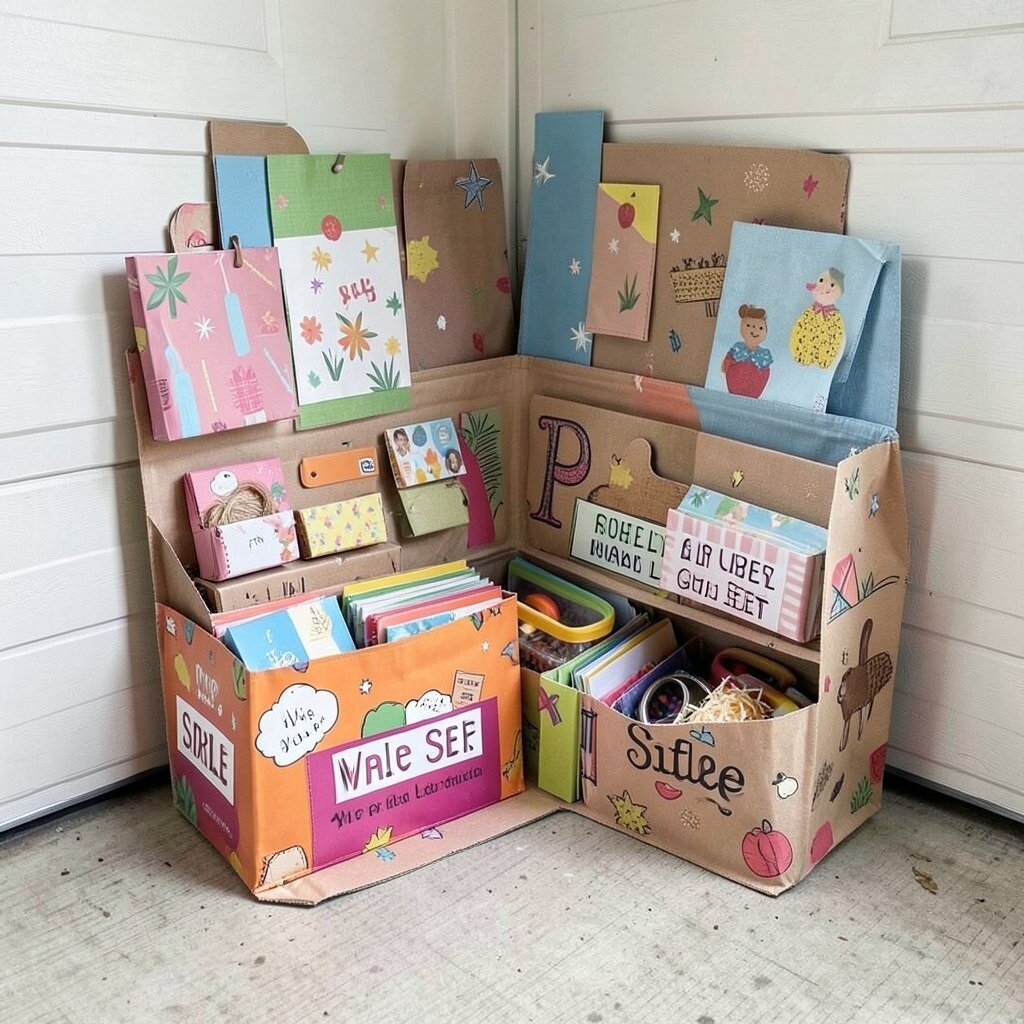
Create a mini corner where kids help customers wrap small items in paper and label them with care instructions. The visuals feel tidy when gift labels are bright and the wrapping station has scissors and tape neatly arranged.
Kids benefit by learning customer service habits, like asking what recipient likes and confirming the right item before finishing. For uniqueness, kids can offer themed wrapping styles such as “space wrapping” or “garden notes” using simple sticker accents.
Cost considerations are manageable because wrapping paper can come from old gift bags and recyclable paper. To keep it practical, offer a few standard label templates so the work stays fast and consistent.
19. “Build-a-Bag” Art Supplies Lot
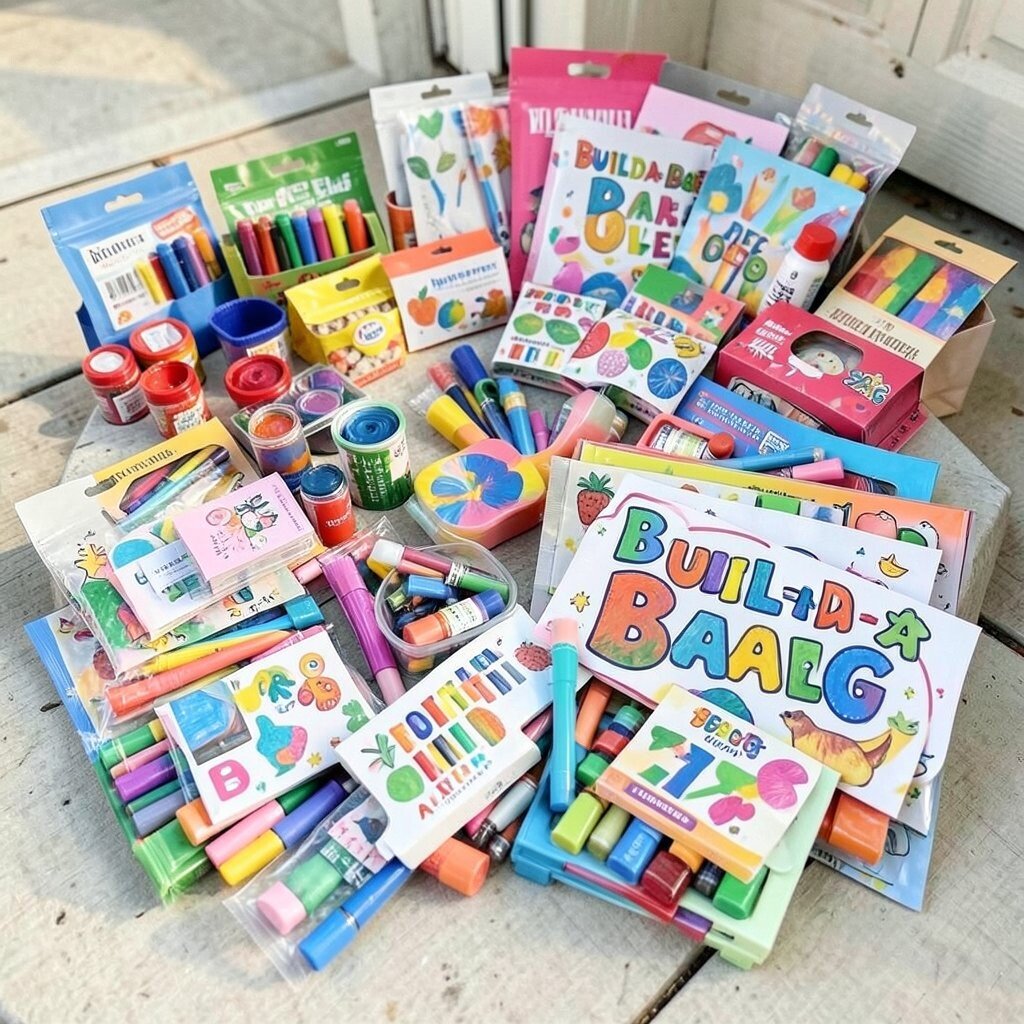
Kids can gather small art supplies into grab bags, like mini sketch pads, crayons, stickers, and paper cutouts. Shoppers love the choice, and the bag display looks fun when each bag is sealed and sorted by theme.
They learn how to bundle items fairly and communicate what is included in each bag. Personalization ideas include letting customers pick a theme such as “drawing,” “crafting,” or “coloring,” and then the kid assembles the right mix.
To keep costs low, use leftover supplies, school extras, and donations from family. This matches a current trend toward curated sets, where buyers want a simple package instead of hunting through everything.
20. Mini “How It Works” Science Demo Tickets
Kids can host tiny science demonstrations with safe household materials, like baking soda reactions or static balloon tricks, and sell “tickets” for short showings. The display gets attention when jars, balloons, and simple props are arranged like a show stage.
They gain public speaking confidence by guiding each audience through steps in kid-friendly language. For uniqueness, let each demo include a kid-made question for the crowd, such as “What do you think will happen next?”
Keep practical tips in mind by rehearsing timing, using safety steps with adult help, and limiting each show to a quick set so kids stay energized. Costs can be kept down with pantry ingredients and reusable materials, and the modern trend of hands-on STEM makes the experience feel fresh.
Personalize tickets by adding the child’s name and the demo title, so it feels like a real mini event with real ownership.