A great garage sale feels like a neighborhood story you can hold in your hands. The trick is making it organized, friendly, and full of little surprises.
When neighbors set up their tables with care, shoppers show up curious and leave feeling happy.
1. Curated “Room-by-Room” Mini Booths
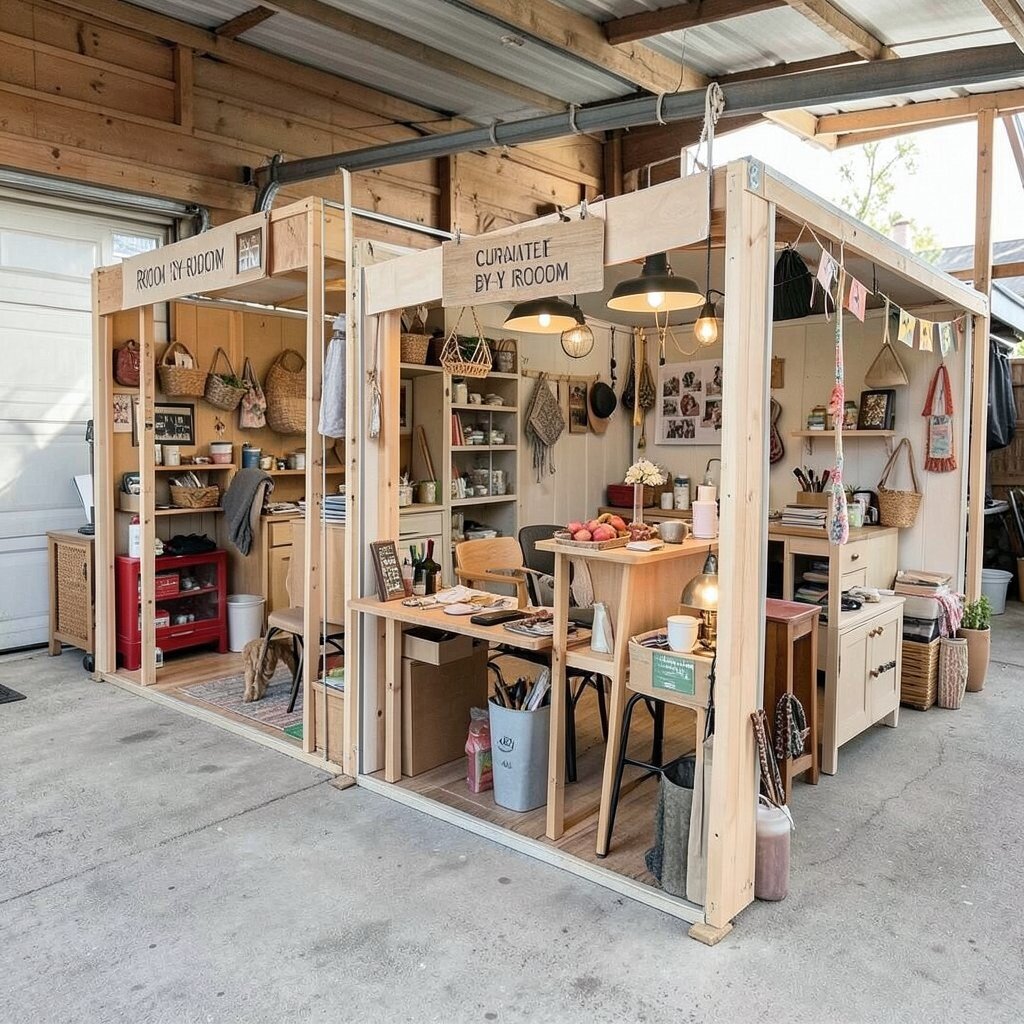
Instead of throwing everything onto one table, group items by the room they belong in. You’ll see kitchens sparkle with utensils, bedrooms glow with linens, and living rooms feel cozy with décor.
Shoppers can scan fast because each section looks planned, not messy. Add a small sign with a simple theme like “kitchen calm” or “cozy reading corner” to guide people without confusion. If you sell items like dishes or lamps, try arranging them by color so the booth looks extra neat from the sidewalk.
2. Neighbor-Run “Swap Together” Bundles

Ask several neighbors to bundle items into themed sets that feel fun to try. Picture a “movie night kit” made from popcorn bowls, DVD stacks, and a small string light.
This approach builds community and makes the sale feel bigger than one driveway. It also helps shoppers buy fewer pieces at once, which is great for busy families.
Keep bundles affordable by mixing one pricier item with several everyday ones. If you’re not sure what to pair, match items by color or by activity, like gardening, school supplies, or crafts for kids.
3. Vintage-Look Price Tags and Labels
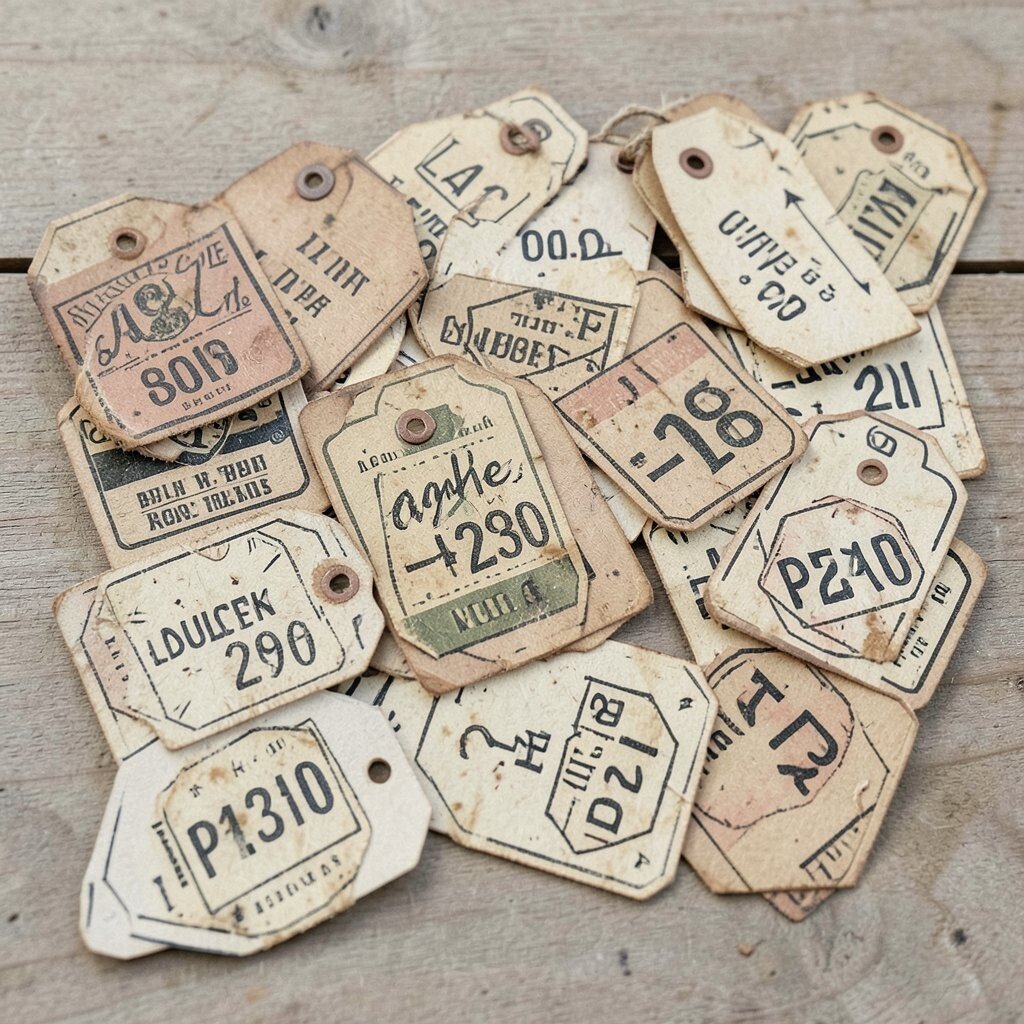
Use charming, old-fashioned price tags to make everyday items feel special. Think creamy paper, dark ink, and tidy handwriting that looks friendly, not strict.
Clear pricing is a benefit that prevents awkward bargaining and saves time for both sides. When tags are easy to read, shoppers feel confident grabbing items and moving on to browse more.
For personalization, cut tags into neat shapes or add tiny icons like a heart for décor or a sun for summer gear. Keep tags consistent across tables so the whole yard looks organized and current.
If you want a fresh trend, use minimal colors and lots of white space, because clean setups photograph well for people posting online.
4. “Try It in the Yard” Demo Corners
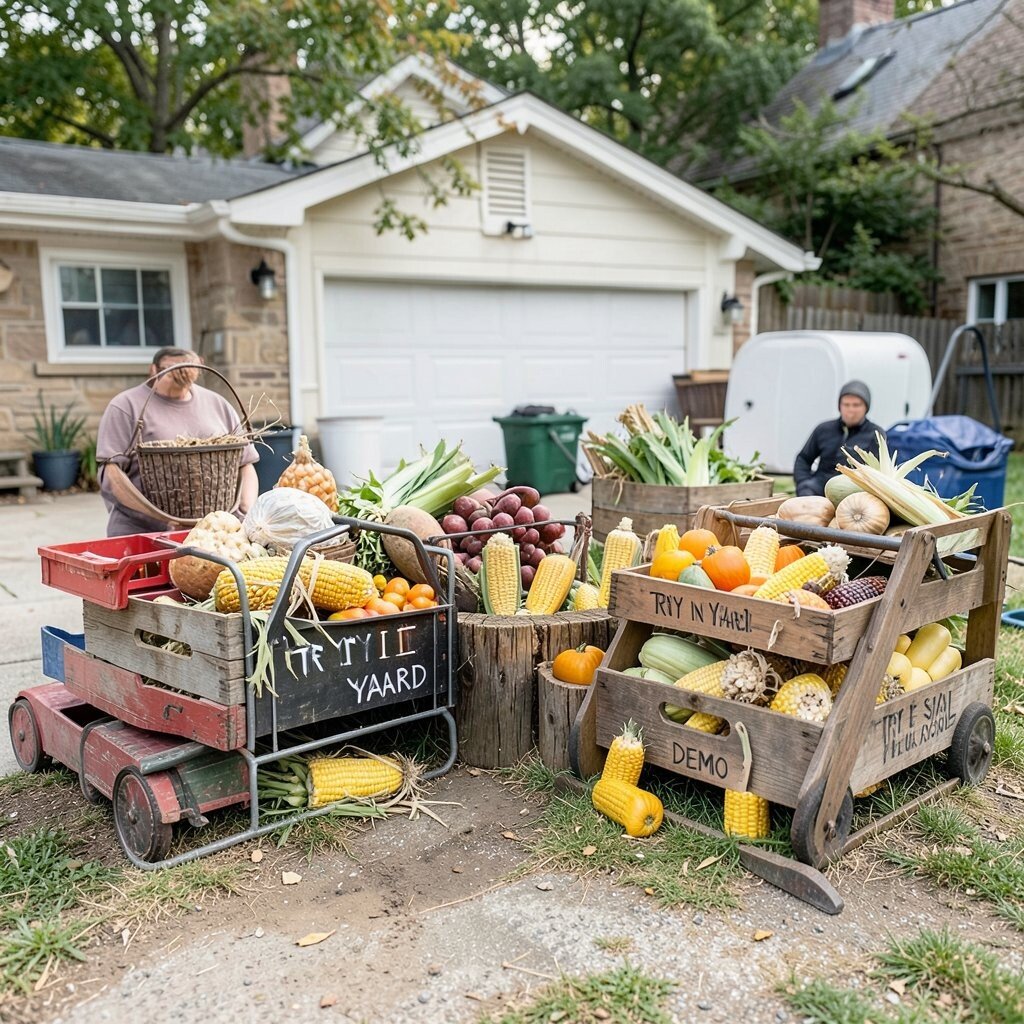
Choose a few categories where people can test before they buy. A bicycle pump station, a tool-cleaning setup, or a blanket-spread area for measuring comfort can make a huge difference.
Hands-on browsing builds trust and helps buyers picture using the item at home. It also makes your table stand out because most garage sales are just looking, not testing.
5. Donation-First Table With a Quick Give-Away
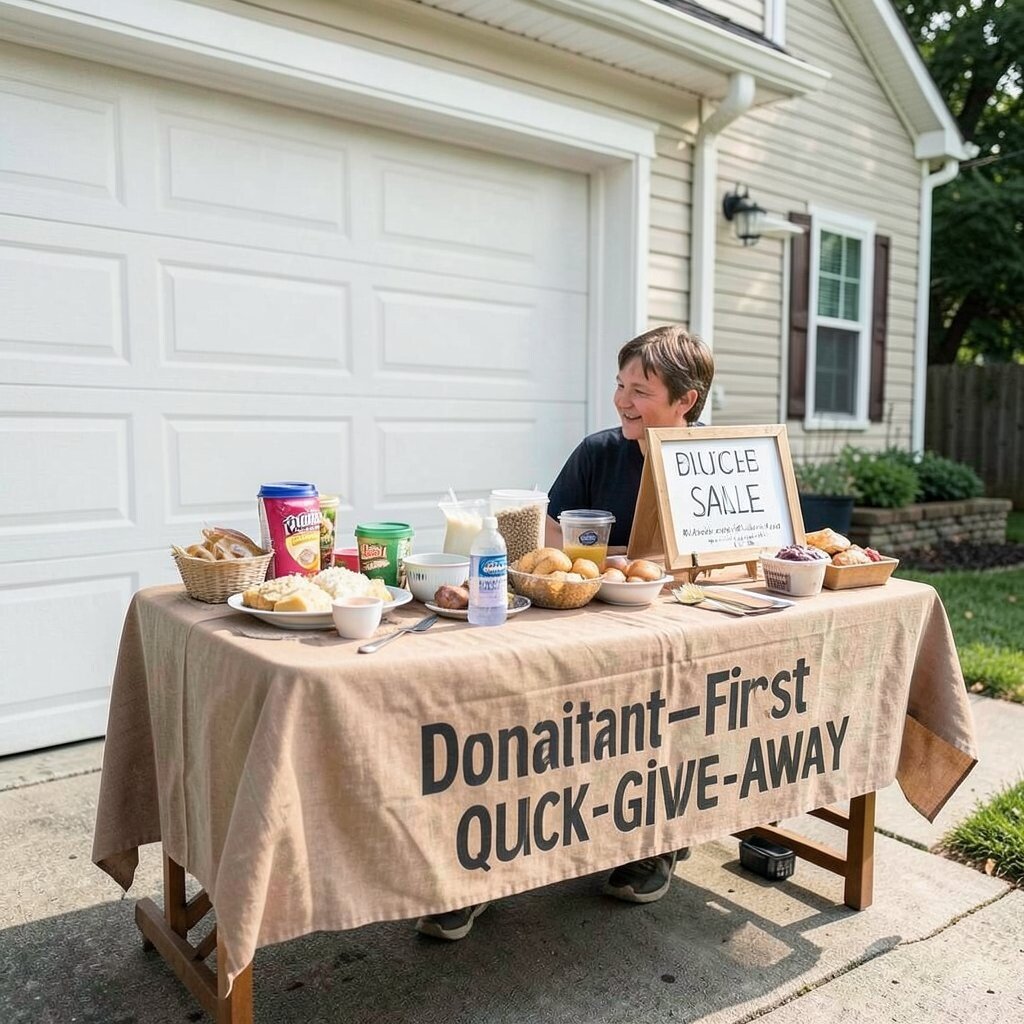
Place a small table for items you’re happy to move fast, like mismatched mugs or extra frames. Put them in grouped piles so shoppers can flip through without digging.
This creates a friendly vibe and encourages people to keep shopping instead of leaving after one quick look. A give-away table also signals that neighbors are welcoming, not demanding.
To keep control, set a clear rule for limits like “take one” or “take two” using simple language on a tag. For cost considerations, use reusable baskets and boxes instead of new storage, since the whole point is to use what you already own.
6. Board-Game and Puzzle “Community Match” Displays
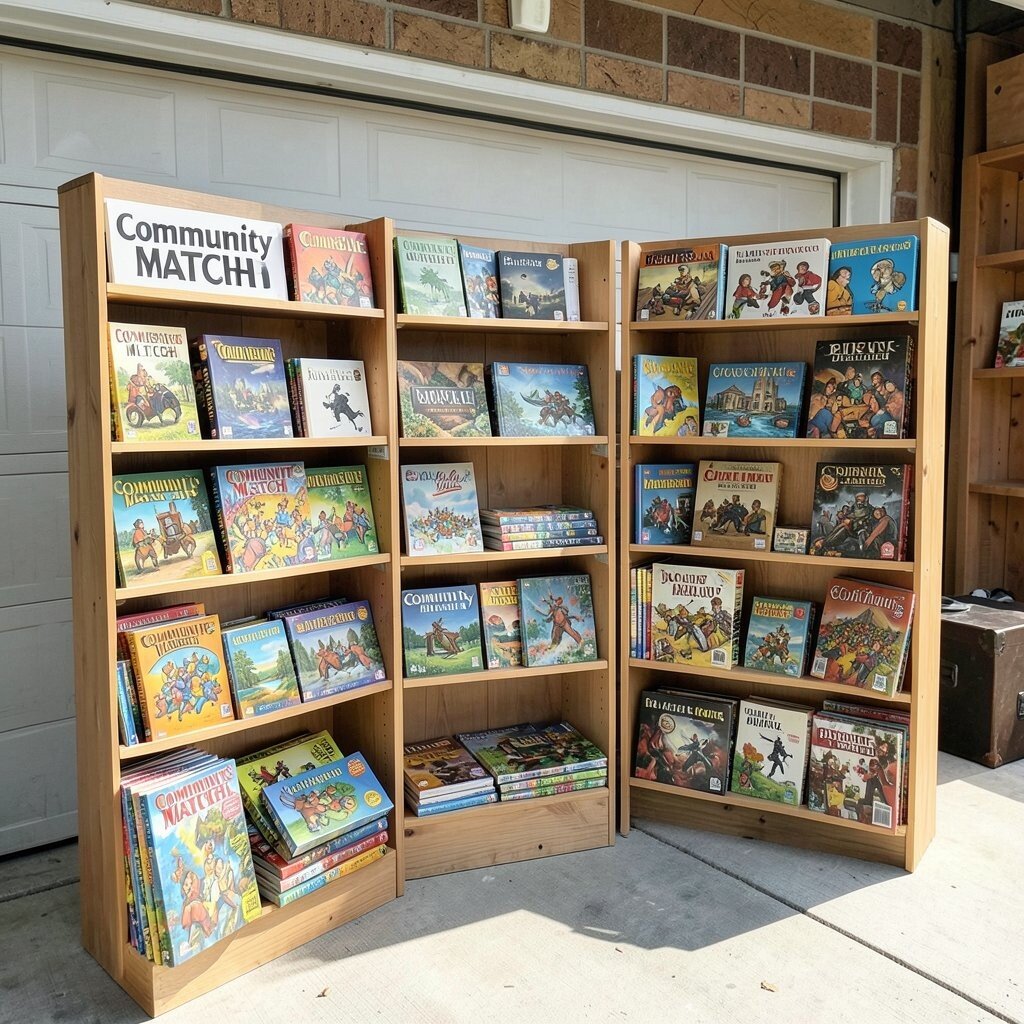
Show games and puzzles like they’re part of a club, not random boxes. Arrange titles upright, stack pieces neatly, and place completed puzzle frames or a finished board as a visual anchor.
This makes shoppers imagine game night right away, which is a big benefit for families. When everything looks complete and cared for, people take the leap faster.
Personalize by adding mini notes about best features, like “great for beginners” or “excellent party game.” Keep current trends in mind by highlighting strategy games and two-player favorites, which are popular with new players.
7. Themed Clothing Racks With Easy Sorting

Sort clothes by type and season, and hang them on simple racks or sturdy hangers on a line. Create sections for workwear, kids, and comfy lounge pieces so shoppers can browse without rummaging.
Clean sorting helps people find sizes quickly, which saves everyone time. It also lets you charge confidently because items look cared for and ready to wear.
For uniqueness, add a small “outfit idea” pairing with two items, like a jacket with a matching scarf. Consider cost by using what you already have, like shower curtain rings to hang lightweight pieces and reusable bins for folded extras.
8. “Scent-Safe” Home Goods With Sample Options
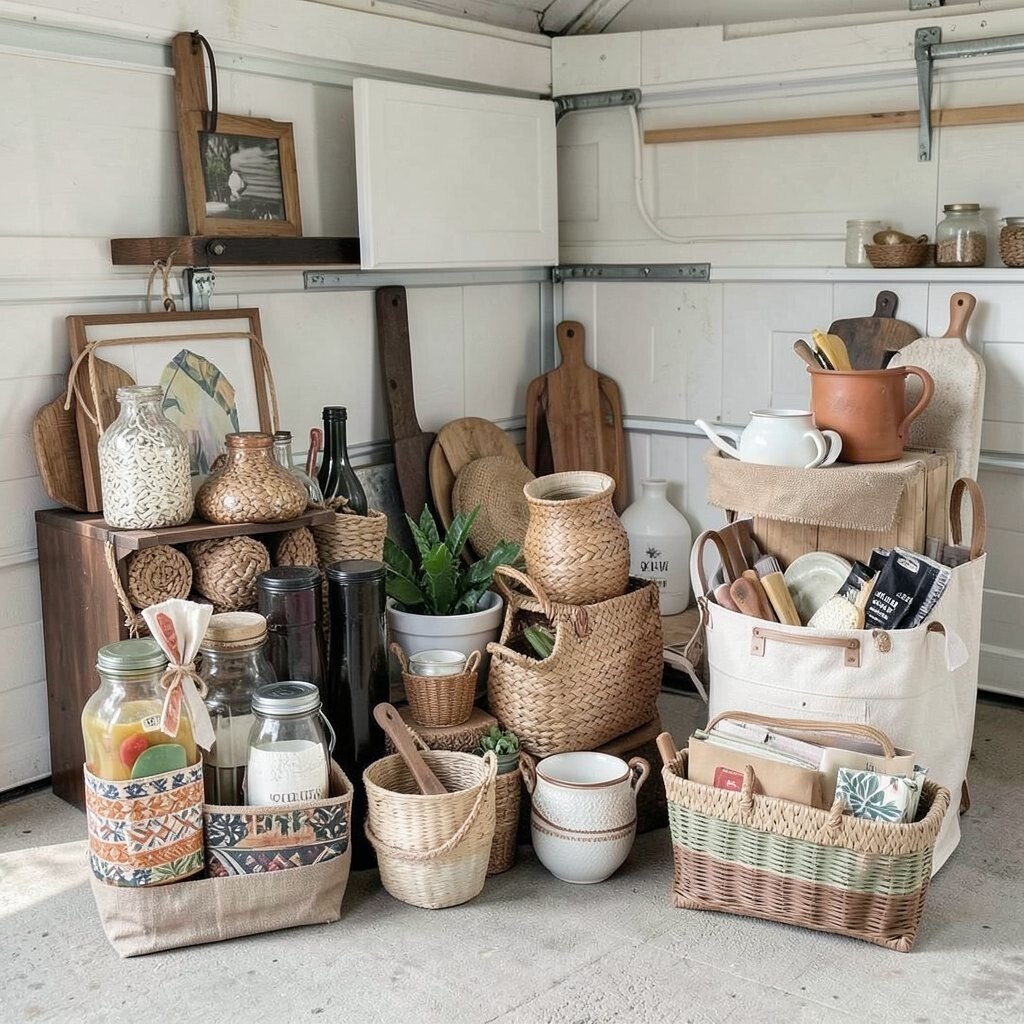
Home fragrance items, candles, and linens sell better when they look clean and the labels are easy to spot. Display them in rows, group by scent family, and keep lids closed so everything looks fresh.
People love the visual glow of candles and the tidy stack of folded bedding, so arrange them by height for a nice look. A scent-safe setup also helps buyers feel comfortable making a choice in a shared outdoor space.
Try offering a small sample approach by placing a sealed scent card or a wrapped tester with each fragrance. If you want to match current trends, lean into soft and simple smells like linen, vanilla, and citrus instead of overpowering blends.
9. Kids’ Corner With Marked Age Ranges
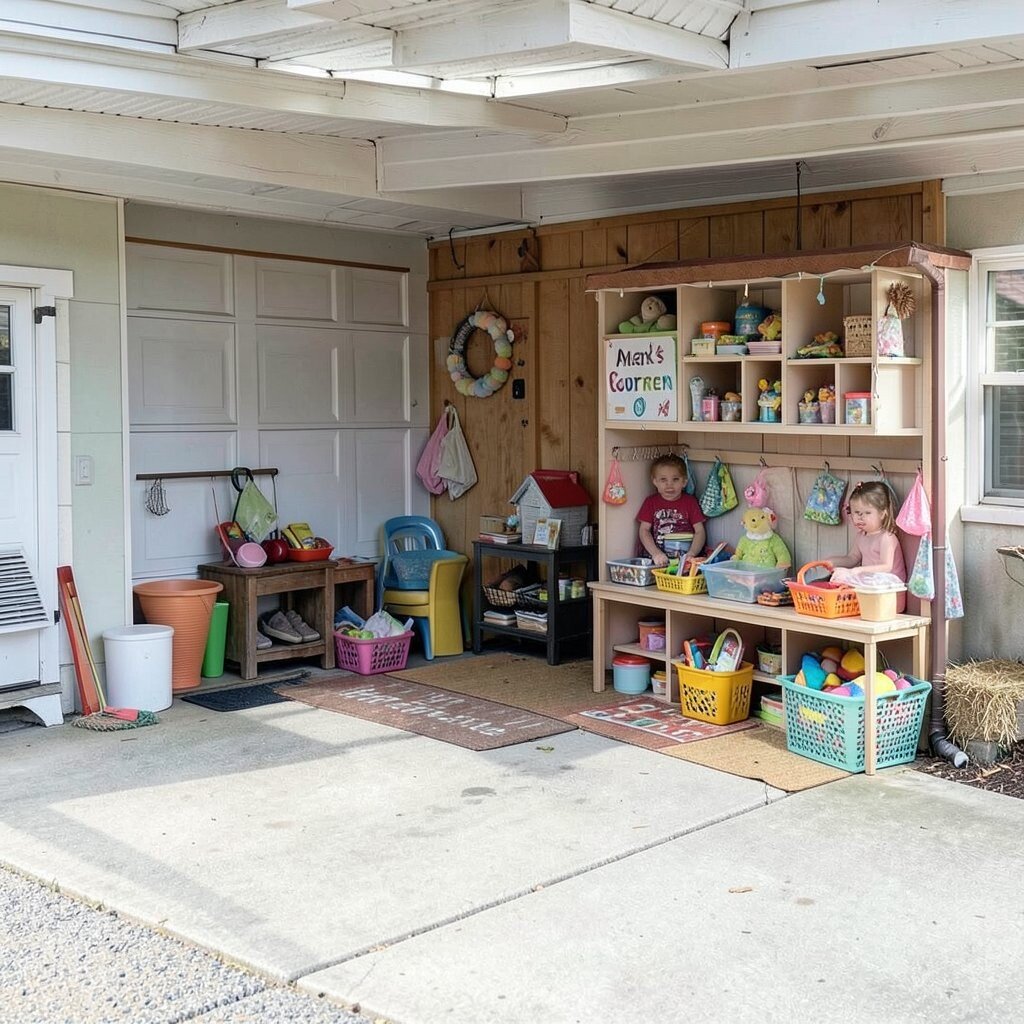
Create a bright kids’ area with a blanket on the ground and toys sorted into bins. A clear layout makes it easy for parents to see what’s available without pulling out every item.
This setup increases sales because parents can shop while their kids browse safely. It also reduces confusion, since items are grouped by age and type.
For personalization, label bins with playful icons instead of lots of text. Keep cost low by using sturdy boxes, laundry baskets, or thrifted bins, and by cleaning toys right before the sale so everything looks cared for.
If you can, add a small handwashing station with sanitizer for quick peace of mind.
10. Electronics With Clear Power and Condition Notes
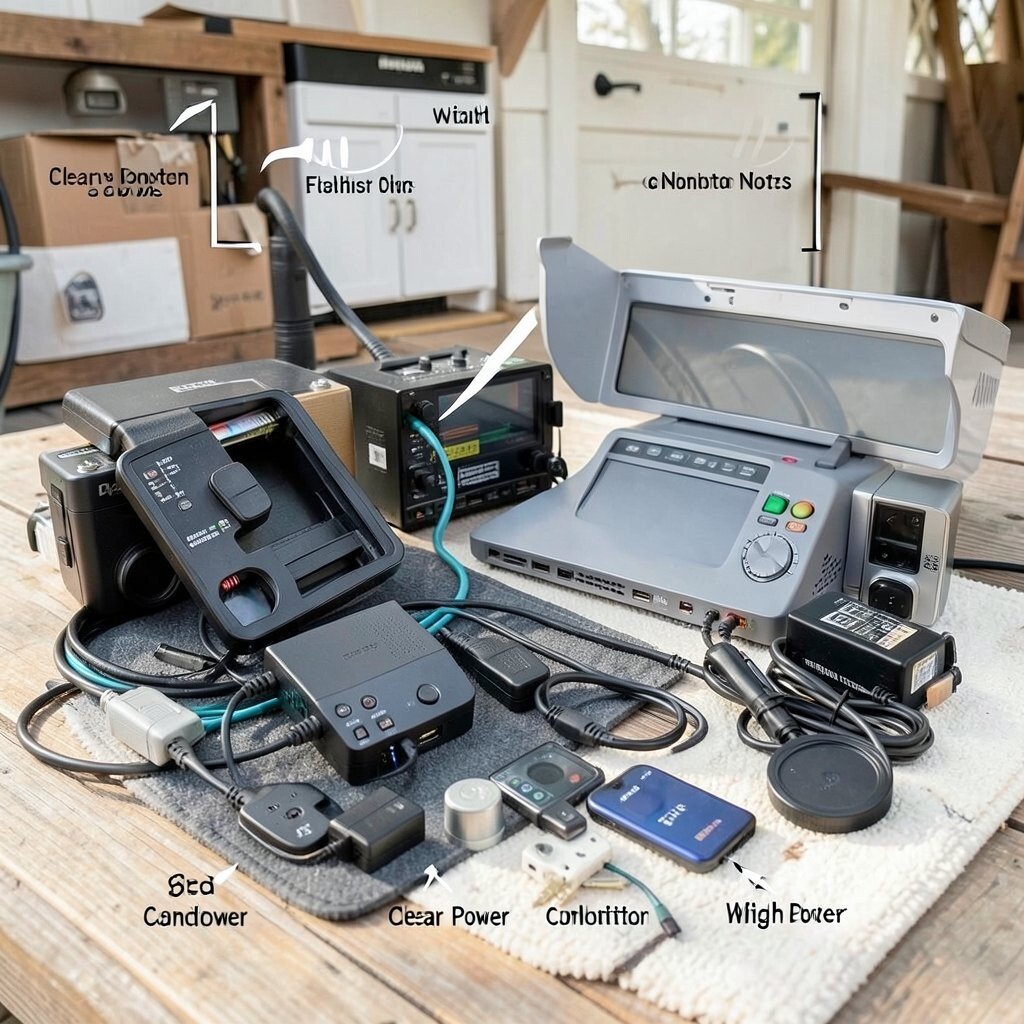
Handle electronics with honesty and care so they don’t become frustrating for buyers. Test devices before the sale, wipe them down, and place chargers in bags so everything stays together.
Shoppers benefit from clear condition pictures because it reduces last-minute surprises. A well-presented setup also signals that you’re responsible and easy to work with.
For uniqueness, group electronics by use, like “school helpers,” “home music,” or “gaming basics.” Include small cues like “works great” using simple language on a tag, and keep cords visible so people trust what they’re buying.
11. Furniture “Staging” for Sidewalk Curb Appeal
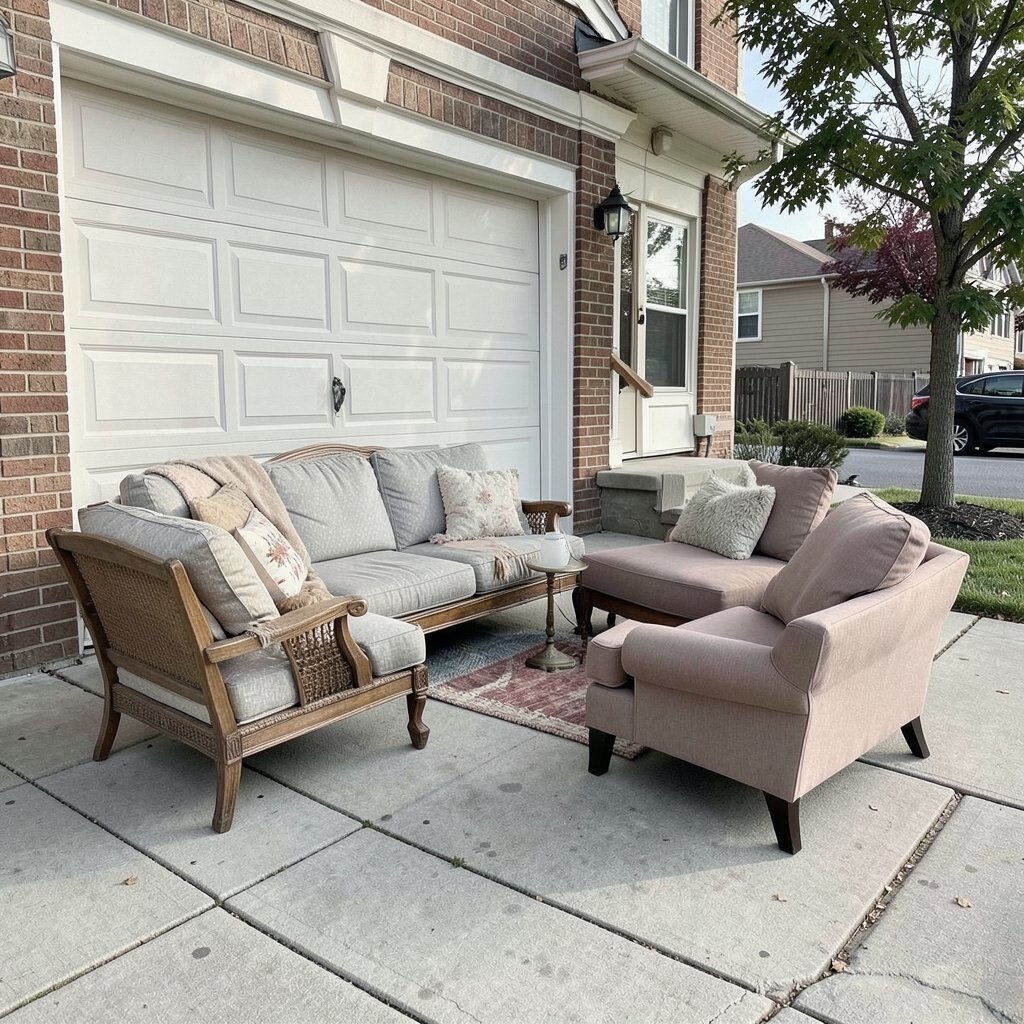
Even small furniture items can look high-end when staged the right way. Try placing a lamp on a chair, draping a blanket over a couch cushion, or adding a framed photo behind a nightstand.
That visual styling helps shoppers picture the item in their own home, which is a real selling advantage. When furniture looks like it belongs in a space, people feel less hesitant about buying it.
Personalize with color accents like matching pillow covers or a seasonal wreath on a table. For cost considerations, use what you already own and avoid buying décor just for the sale, because the point is to sell, not spend.
If you’re dealing with larger pieces, measure key dimensions and keep tape nearby so buyers can confirm fit quickly.
12. Tools and Hardware “Sorted in Trays” Setup
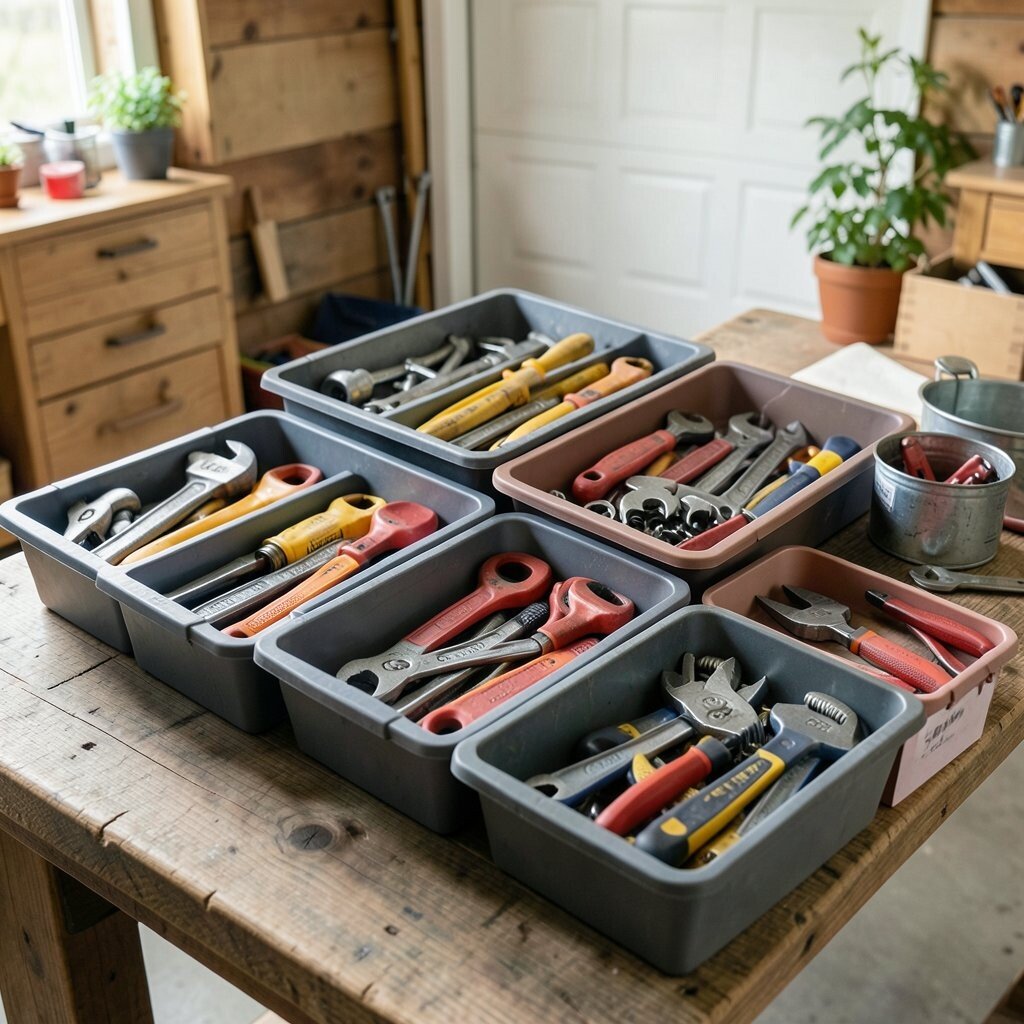
Tools sell best when they look organized, not buried under loose clutter. Use shallow trays, egg cartons, or compartment boxes to keep screws, bits, and small pieces separated.
This creates a practical benefit because buyers can see exactly what’s included. It also helps you count inventory and reduces the chance you’ll forget something important.
For personalization, label trays with simple categories like nails, drill bits, or hooks using handwriting that’s easy to read. Keep current trends in mind by highlighting home-improvement favorites, like basic repair kits and beginner-friendly tools that many people want for weekend projects.
13. Bookshelf Favorites With “Reading Mood” Themes
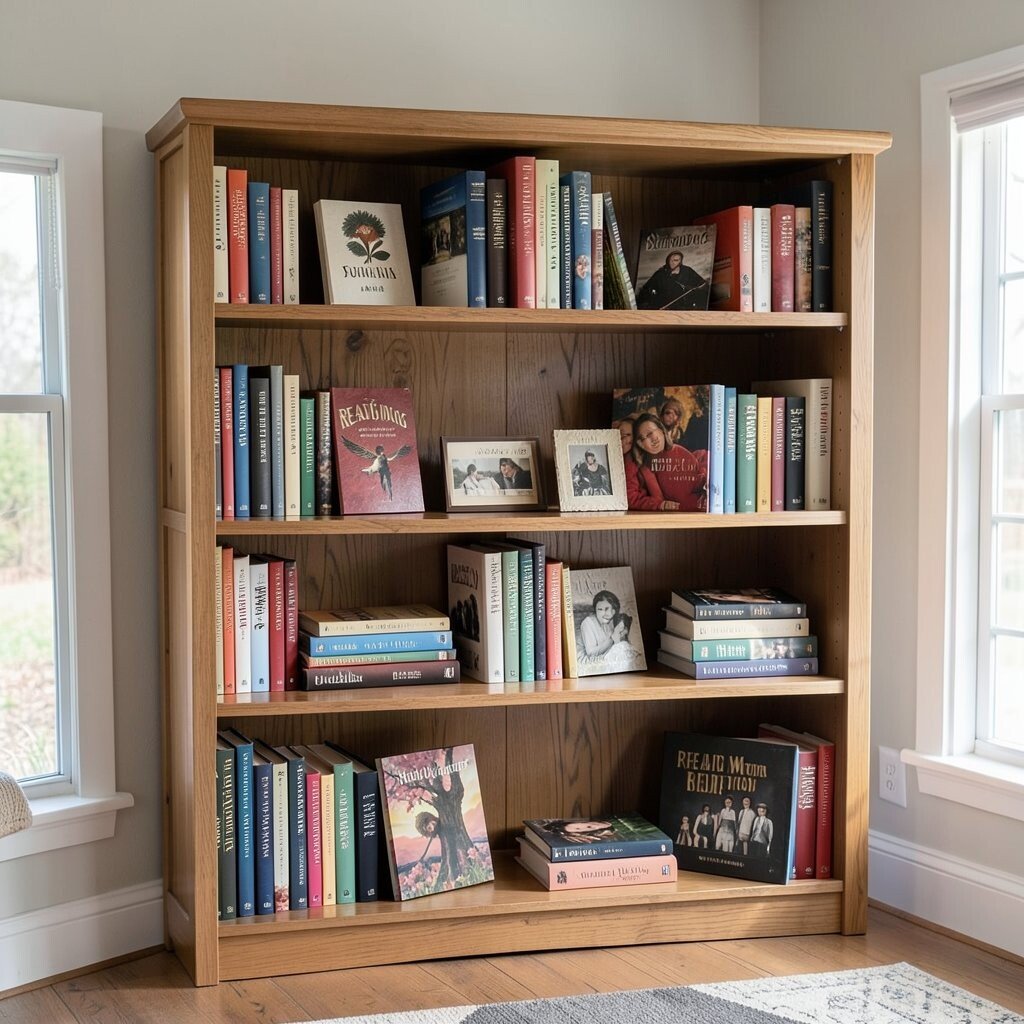
Books feel extra inviting when they’re arranged by mood, not only by genre. Stack favorites into sections like “cozy stories,” “quick adventures,” or “mysteries for rainy days” and show a few spines outward.
This helps shoppers choose faster because they can match the vibe they want at home. It also adds uniqueness since most garage sales just show mixed stacks with no guidance.
Personalize by adding small handwritten notes on bookmarks or index cards about why you liked a book. Cost considerations are easy here since books are usually low-cost to display and you can use thrifted display racks if you already have them.
14. Artwork, Prints, and Craft Supplies With Clean Branding
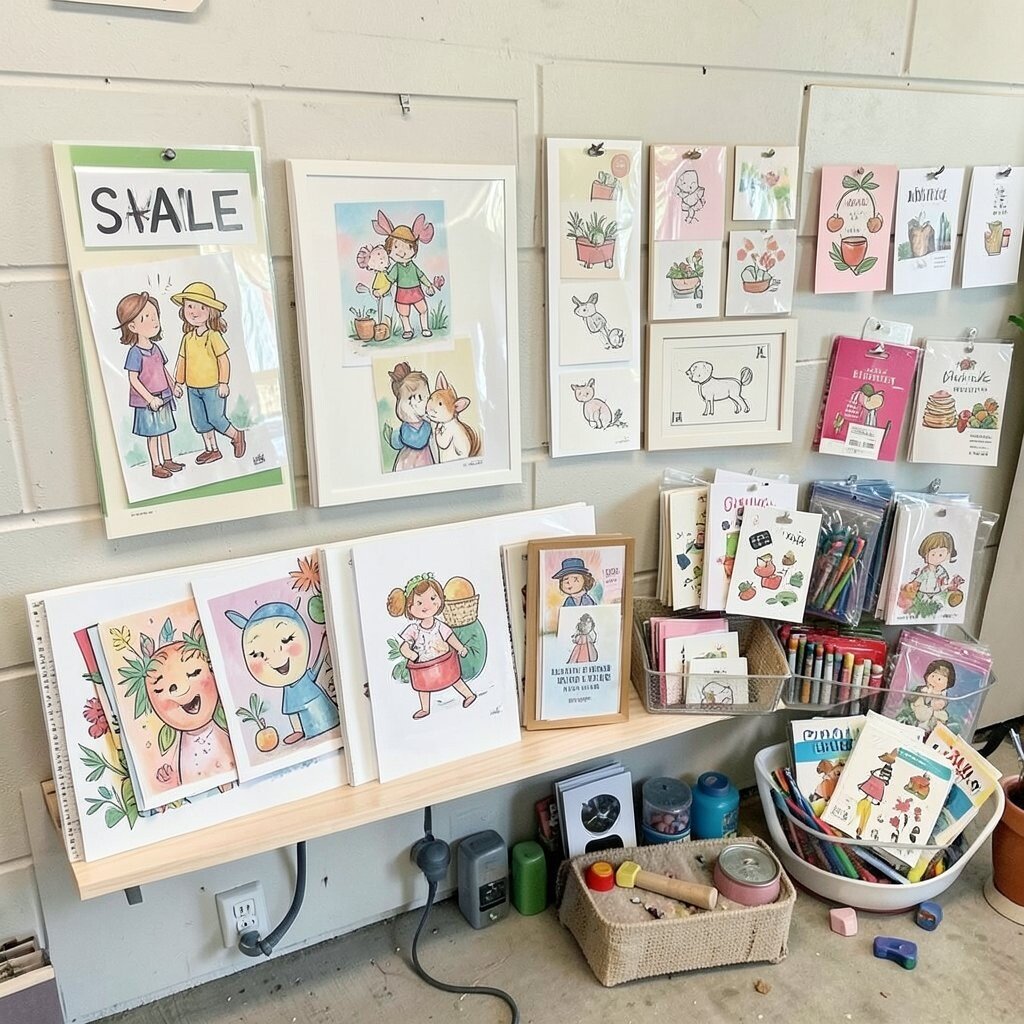
For art lovers, neat displays and clear presentation matter a lot. Hang prints or small frames where the light hits them gently, and keep craft supplies in sealed bags so they look complete.
This benefits buyers because they can see quality quickly, and they feel safe purchasing something delicate. A tidy brand-like approach across multiple tables makes the whole sale look intentional and modern.
To personalize, group items by style such as “bright modern,” “coastal calm,” or “simple line art.” If you want to match what’s trending, lean into popular craft kits and watercolor supplies, since many people enjoy making small projects at home.
Even without fancy storefront tools, simple backgrounds like clean cardboard or a sheet can make items pop visually.
15. Pet-Friendly Finds With a “For Your Buddy” Angle

Pet items sell quickly when they’re displayed like they were chosen for comfort. Arrange leashes, collars, pet beds, and grooming tools so everything looks tidy and in good shape.
This setup is beneficial because pet owners browse with confidence when they can quickly tell size and condition. It also feels unique and warm, which makes neighbors want to stop and chat.
Personalize by including small notes about what your pet liked, like “no tangles” for grooming brushes or “soft for naps” for blankets. Keep costs in mind by using laundry baskets as display trays and by reusing old pet toy bags for clean storage.
16. Seasonal Yard Decor and Outdoor Living Sets

Outdoor items are great for garage sales because they stand out from the street. Display garden gloves, planters, wind chimes, and small stepping stones in a neat row so shoppers can picture their yard instantly.
When items match the season, they feel timely, which helps sales move faster. Buyers also benefit because they can bundle related outdoor pieces easily.
For uniqueness, pair “outdoor living sets” like a bird-feeding kit with a decorative stake and a small planter. If you want to align with current trends, highlight low-maintenance décor, like faux greenery bundles and simple lantern styles that are easy to reuse.
Remember cost considerations by using existing shelves, small tarps, or folding tables instead of buying new outdoor displays.
17. Mystery Boxes With a Transparent Value Promise
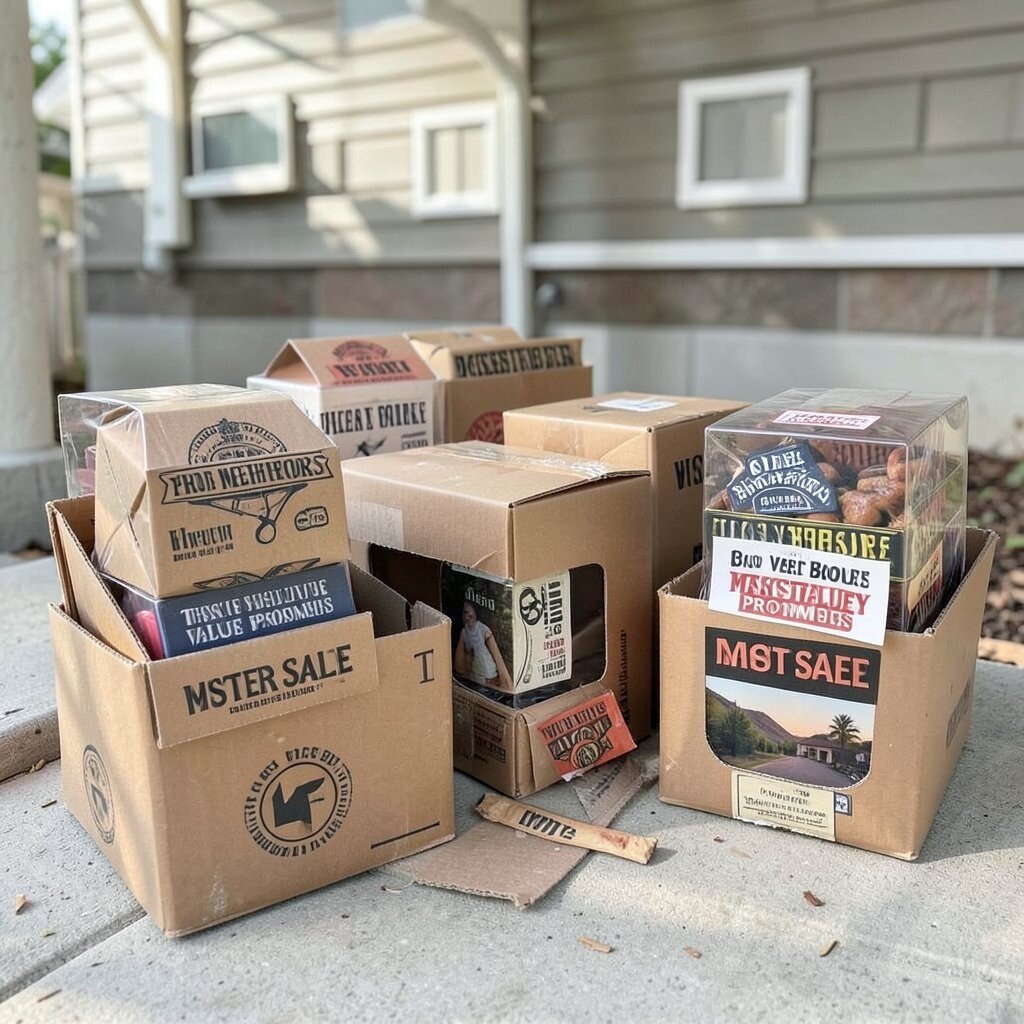
Mystery boxes can be fun when you make them fair and clear. Pick a theme like “kitchen surprise,” “movie night extras,” or “school organizer bundle” and show the range of item types.
This idea boosts excitement and helps shoppers who don’t want to decide one item at a time. It also adds uniqueness because it turns browsing into a game.
To keep trust, include a visible checklist of categories so buyers know what they’ll likely find. Keep cost low by using clean containers and by building boxes from items you want to move, like small décor pieces or matching odds and ends.
Personalize by adding a small note about why each bundle fits the theme, written in your own casual voice.
18. Neighbor “Service Tickets” for Repairs and Help
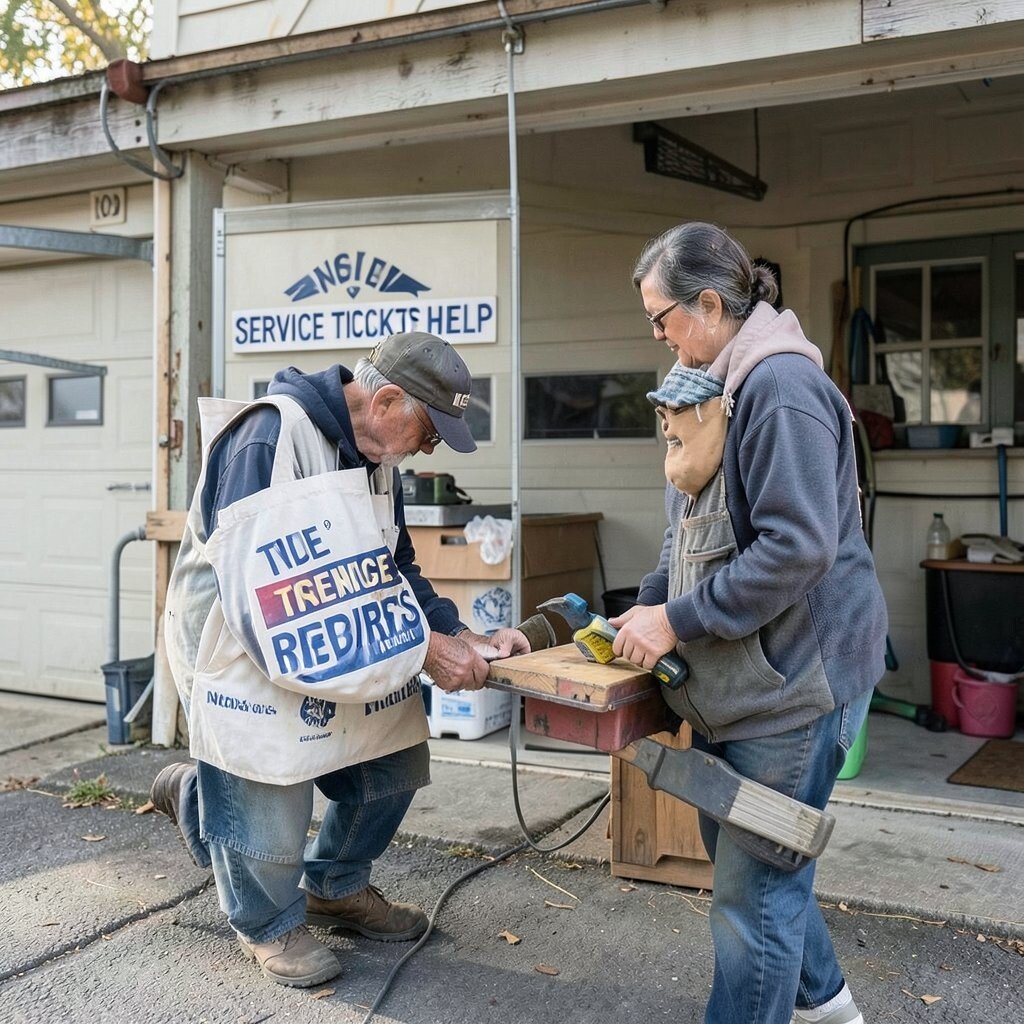
Not every great sale item is physical, and a few services can sell just as well. If you and other neighbors offer simple help like lawn cleanup, minor assembly, or tech setup, you can package those into service tickets.
This creates benefits beyond money by building relationships and keeping the neighborhood strong. It also brings uniqueness since most garage sales focus only on objects.
For personalization, tie tickets to seasonal needs like “summer yard touch-up” or “back-to-school organizing.” Consider cost by offering a fair, low-effort price structure and using scheduling slips or a shared sign-up sheet kept near your table.
Keep the current trend of community-based support in mind, because people enjoy buying local help as much as they enjoy buying items.