Some stories feel like they were painted just for you. Others carry old magic that keeps growing stronger with every retelling.
Here are fairy tale inspired stories through time, each with vivid details, practical ways to enjoy them, and ideas you can shape to fit your life.
1. Cinderella Through Many Mirrors
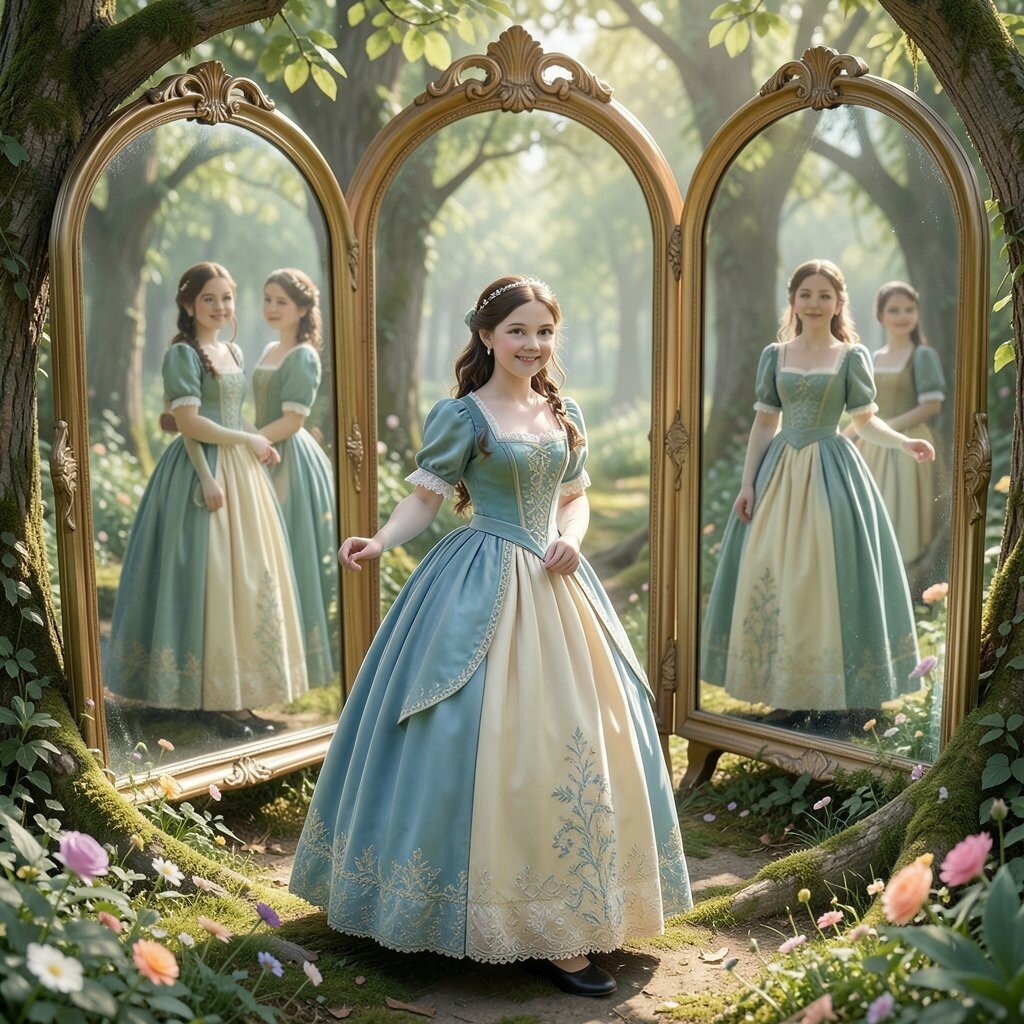
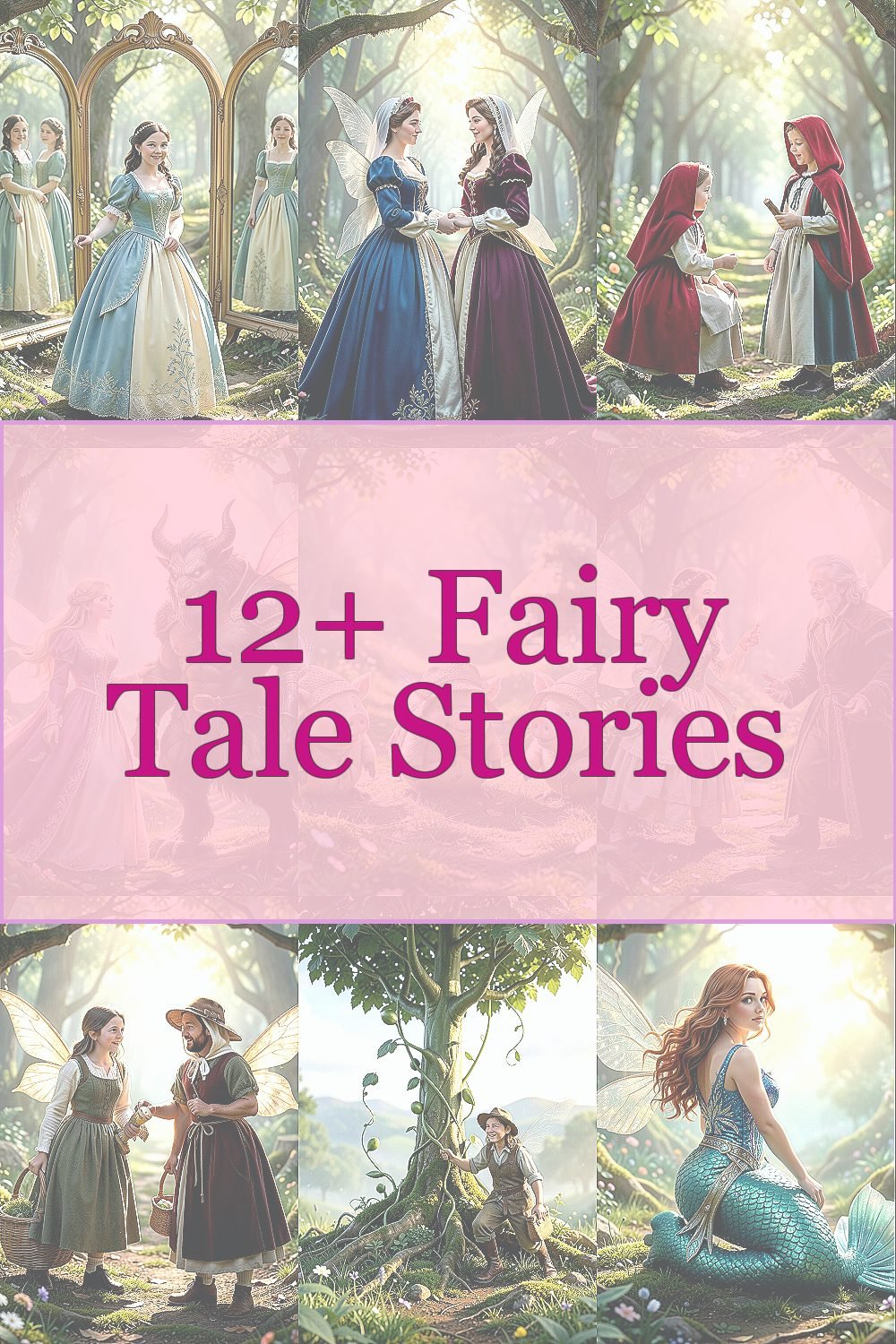
Cinders, ash, and moonlight have always made people picture a hopeful glow after hard days. The moment a glass slipper catches the light feels like a small promise you can hold in your hand.
Try reading versions from different cultures, then notice how the setting changes the mood, like a palace garden versus a cramped room with posters and dust. A practical benefit of this story is its steady focus on kindness, which can help you plan your own next steps when things feel unfair. For something personal, write a short scene where you are the helper instead of the hunted, and give your character one realistic tool, like a calendar, a budget note, or a new routine.
2. Snow White and the Many Faces of Jealousy

A forest that looks soft and silent can still feel sharp when danger hides between tree trunks. You can almost hear the apple crack, and that simple sound sticks in your memory like a warning bell.
When you compare tellings, you may notice how the “wicked” character is described with different feelings, from coldness to fear. That variety helps you practice healthier thinking, because it encourages you to separate appearance from intention. Keep it actionable by making a “myth vs. real” journal entry after you read, where you list one jealousy trigger you recognize and one gentle action you take instead. For cost, you can start with a library book or free online audiobooks, then spend a little on a pretty notebook that makes writing feel inviting.
If you want a modern trend, many readers now love retellings with stronger character agency, where the story centers on choices rather than punishment. Personalize it by swapping the mirror’s role to a phone app that tracks moods, then turning the plot into a lesson about boundaries.
3. Little Red Riding Hood and the Art of Boundaries
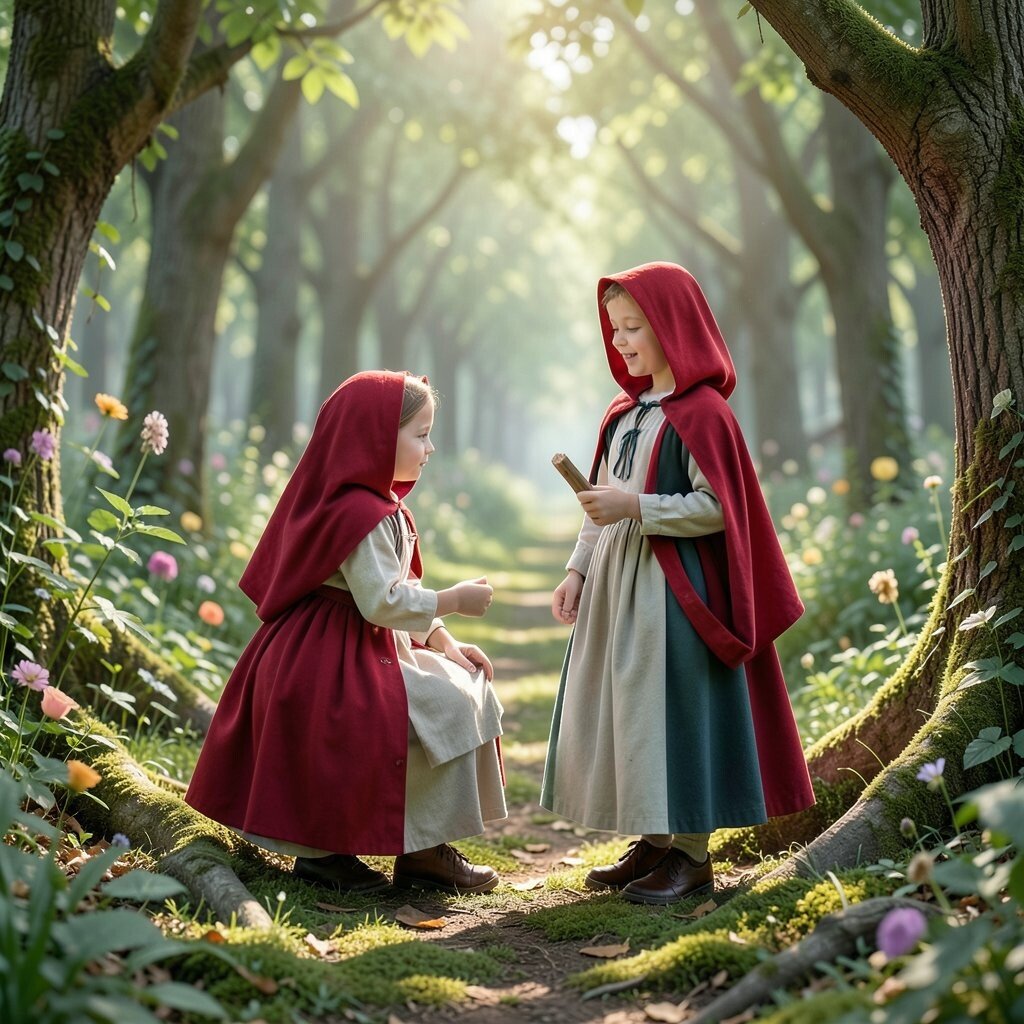
The path through the woods can look warm and cozy, until you notice the way shadows stretch too far. That hood, bright as a ribbon, makes the whole story feel like a careful costume with a hidden risk.
This tale is great for building real life confidence because it asks you to think about safety before you act. You can get a practical benefit by preparing a “who can I trust” list for different situations, like school, online chats, or walking home. For uniqueness, choose a version where the message leans toward smart choices, then rewrite the ending so the main character asks for help early. A low cost way to personalize is to draw a map of your own route with checkpoints, then add one encouraging sentence near each spot.
Right now, boundary focused retellings are popular, and many readers like how the story shifts from fear to empowerment. Try adding a short role play with a friend, where you practice a calm phrase for leaving a conversation that feels wrong.
That makes the magic feel usable, not just scary. And when you keep the focus on careful decisions, the story becomes a gentle guide you can carry.
4. Beauty and the Beast as a Story of Growth

There’s something wonderfully strange about a candlelit room where every object seems to wait for your next breath. The beast’s temper can feel like thunder, but the quiet kindness in the transformation moments glows like soft fabric.
What makes this tale so inspiring is how it rewards patience, since love grows through repeated choices. A practical tip is to pause during reading and write one sentence about the character’s “next kind step,” then decide how you can copy that step in a real situation, like apologizing, listening, or starting over. For cost considerations, you can watch one adaptation for free through a streaming service trial, then compare it with a book from your library to see what each medium adds. If you want personalization, turn the enchanted setting into your own, like a shared apartment where a study corner slowly becomes a safe place.
Many current retellings emphasize mental health and emotional repair, which makes the story feel modern and honest. That focus can help you talk about change in a way that feels respectful, not perfect.
5. The Three Little Pigs and Clever Planning
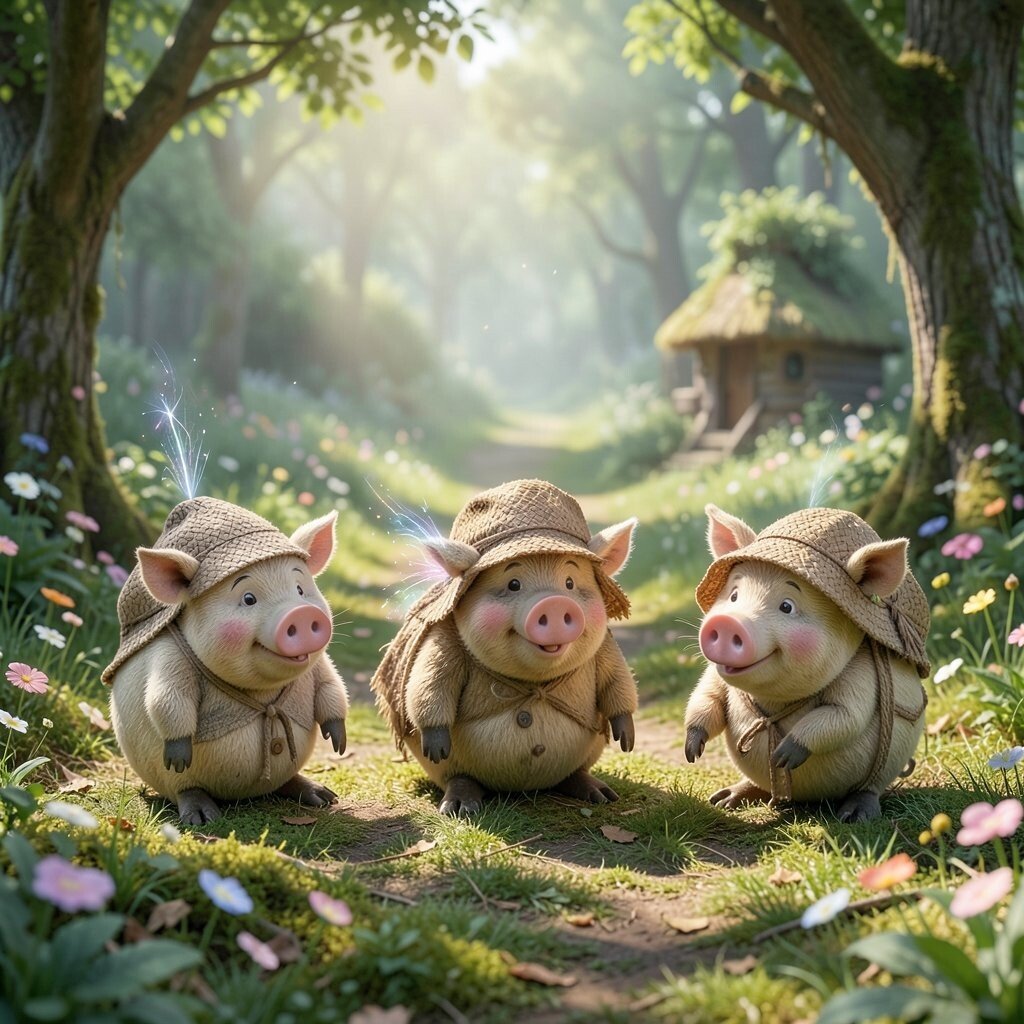
A pile of straw looks cheerful at first, but in your mind you can almost smell it burning when the wind rises. Brick walls feel solid, and that contrast makes the story easy to picture from start to finish.
This classic teaches a practical lesson about planning, because the choices made early decide what happens later. For a benefit you can feel right away, try listing one goal and three small steps you can do this week, then ask what materials you will use to support it. To keep it unique, choose a version where the pigs debate resources, then write a tiny “risk plan” for your own day, like what you’ll do if you miss homework or if a project takes longer than expected. Personalize it by turning each pig into a different habit, such as one character representing sleep, one representing practice, and one representing asking for help.
Cost can be simple here since you can make a hands-on model using craft sticks, paper, or a small cardboard box. A fun trend is story-based learning, and this tale fits perfectly into goal setting, especially when you use short visual reminders.
6. Rumpelstiltskin and the Power of Promises
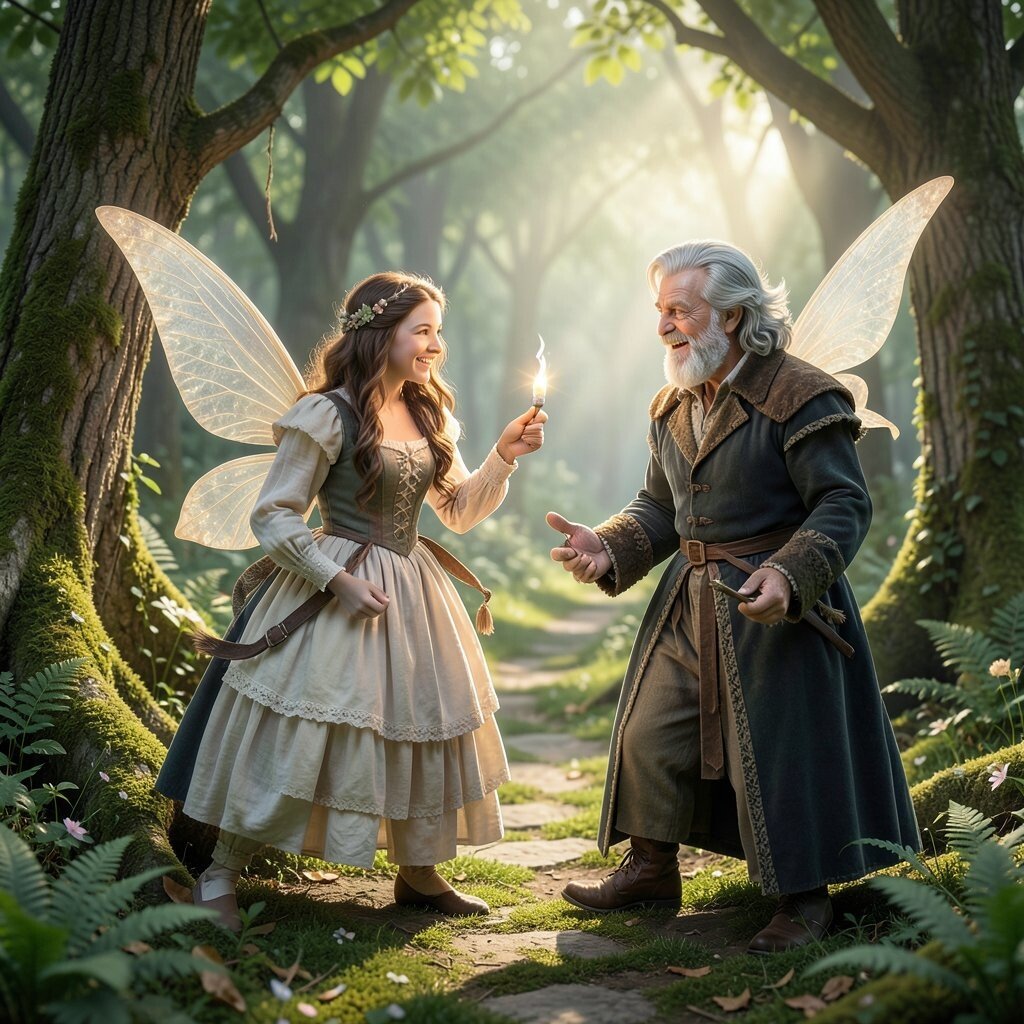
Flour swirls like ghost dust, and the room seems to hold its breath as the bargain tightens. In many tellings, the strange little figure feels both playful and dangerous, like a trick you can’t quite untangle.
This story is inspiring because it shows how words can carry real weight, even when they sound magical. A practical tip is to notice promises in your own day, then rewrite them in a kinder, clearer way, like “I’ll try” instead of “I guarantee.” The uniqueness comes from how each version changes the cost of bargaining, so compare tellings and see what each culture warns against most.
7. Hansel and Gretel as a Reminder to Keep Thinking
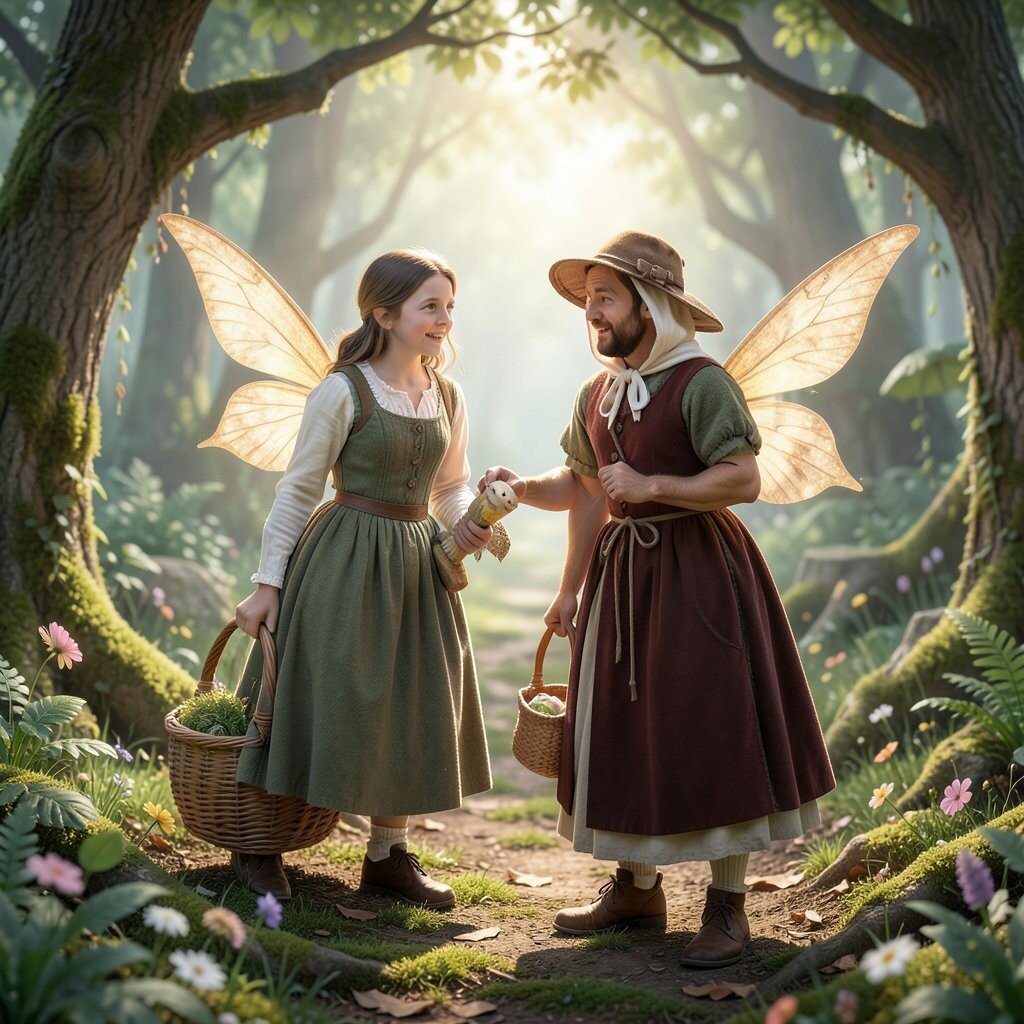
You can almost taste the sweet trail of breadcrumbs, even though it should feel comforting and risky at once. The dark forest looks endless, and that feeling makes every choice feel urgent.
This tale offers a benefit that feels surprisingly calm, because it teaches problem solving under stress. When you read, pick one moment where the children take action, then ask how you would do something similar if you felt lost or overwhelmed. For practical tips, try a simple three-step routine for hard days, like slow breathing, checking your surroundings, and asking a trusted adult for help. Personalize it by turning the breadcrumbs into real supports, such as sticky notes with instructions or a list of safe places you can reach quickly.
Cost considerations are low if you make your own “trail” with paper cards at home, each card holding one helpful step you can follow. A current trend is journaling for resilience, and this story pairs well with short reflections that focus on next actions.
8. Jack and the Beanstalk as a Lesson in Risk

Green vines climb like handwriting on a giant page, and suddenly your world feels too small for your ambition. The sky at the top of the beanstalk looks wide enough to hold both dreams and danger.
This story is uniquely exciting because it mixes daring with consequences in a way that feels real. A practical tip is to separate bold goals into two parts, planning and timing, so you don’t charge ahead without checking details. For benefits, this can help you practice smart risk, like trying a new hobby with a friend or setting a budget before you buy supplies. Personalize it by turning the giant’s world into a metaphor for a tough problem, then writing the “magic beans” as the first steps you can actually do this week.
As for costs, start with low-price resources, like library books on gardening or simple building projects, then grow your interest as your confidence grows. Many modern retellings also emphasize teamwork, so you can reframe the hero’s journey as “we try together” instead of “I do it alone.”
9. The Little Mermaid and Choosing Your Voice

Underwater scenes can look like stained glass, with shimmering light and the echo of a distant song. The sea feels beautiful, yet the longing in the story makes that beauty bittersweet.
This tale inspires reflection because it asks you what you would trade to feel understood. A practical benefit is building self confidence through values, so after reading, write three things you want that no one can take away, like time, respect, or creativity. For uniqueness, find a version where the mermaid’s choices are emphasized more than the punishment, then focus on how her feelings guide her. Personalize it by creating a “voice list” of phrases you can use when you want your opinion heard, even if your voice shakes.
If you want a current trend, many readers now prefer retellings that center consent and emotional honesty. Cost is manageable too, since you can listen to free podcasts or library audio versions while you sketch sea creatures in a cheap pencil set.
When art meets story, the message sticks longer. And the more you connect it to your own voice, the more magical it becomes.
10. The Pied Piper and What Community Means
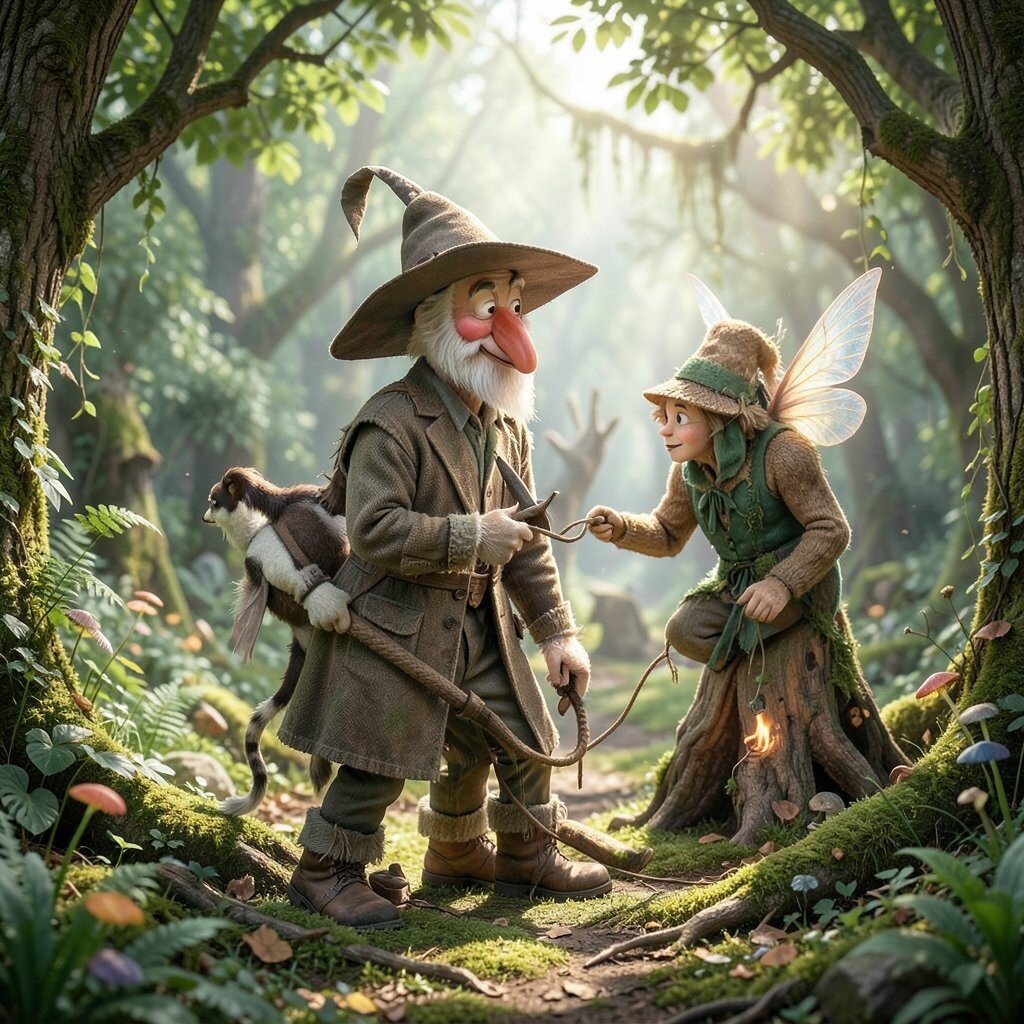
Streets can look ordinary until you imagine rats flowing like a moving river through alleys. The music feels cheerful at first, then it pulls like a tide, and suddenly the whole town seems to change shape.
This story is useful because it highlights responsibility, especially how communities handle problems together. A practical tip is to reflect on your own circle, then think about how you can contribute, like helping classmates, volunteering, or speaking up respectfully when something feels off. For benefits, this builds civic courage in small steps, which can make you feel less helpless. To personalize, set the “piper” as a person who trains animals for good deeds, then write a happier ending where the community works with the guide instead of blaming after the fact.
Uniqueness shows up when you read different versions, because some focus on greed and others on misunderstanding. If you want cost-friendly creativity, make a simple sound collage at home using household items, then match it to the story’s mood.
11. Aladdin and the Trap of Easy Power

The palace lamps can glow like gold fireflies, and the marketplace feels loud in your imagination. When wishes appear, everything seems possible, but the story also warns you about what “fast” can cost.
This tale can be inspiring because it teaches you to think before you accept shortcuts. A practical tip is to make a “wish checklist” for decisions, where you ask what you gain, what you lose, and what kind of person you become by choosing that path. The benefit is clearer thinking, especially for school projects, friendships, and money choices. Personalize it by rewriting the wish as something realistic, like “I wish I had practice time,” and then turn it into a daily schedule you can follow.
Current trends often enjoy darker, smarter retellings that keep the magic but sharpen the morals. For cost considerations, you can enjoy visuals by watching one adaptation for free through a library digital service, then creating your own “lamp” jar using recycled glass and a note card.
12. The Wizard of Oz as a Modern Fairy Tale

A road of yellow bricks can look like a dream, but the fences and warnings make it feel like a test too. The bright color makes the danger stand out, as if the story wants you to notice every step you take.
This story is uniquely inspiring because it turns fairy tale logic into everyday courage. For practical benefits, it encourages you to name what you truly need, like “I need help,” “I need rest,” or “I need a plan.” Try making a “brain, heart, courage” worksheet for yourself after you read, then pick one action for each part of your day. Personalize it by choosing a current fear, like public speaking or starting a new class, and writing your own “yellow brick route” with realistic milestones.
13. Little Women as Fairy Tale Values in Real Life
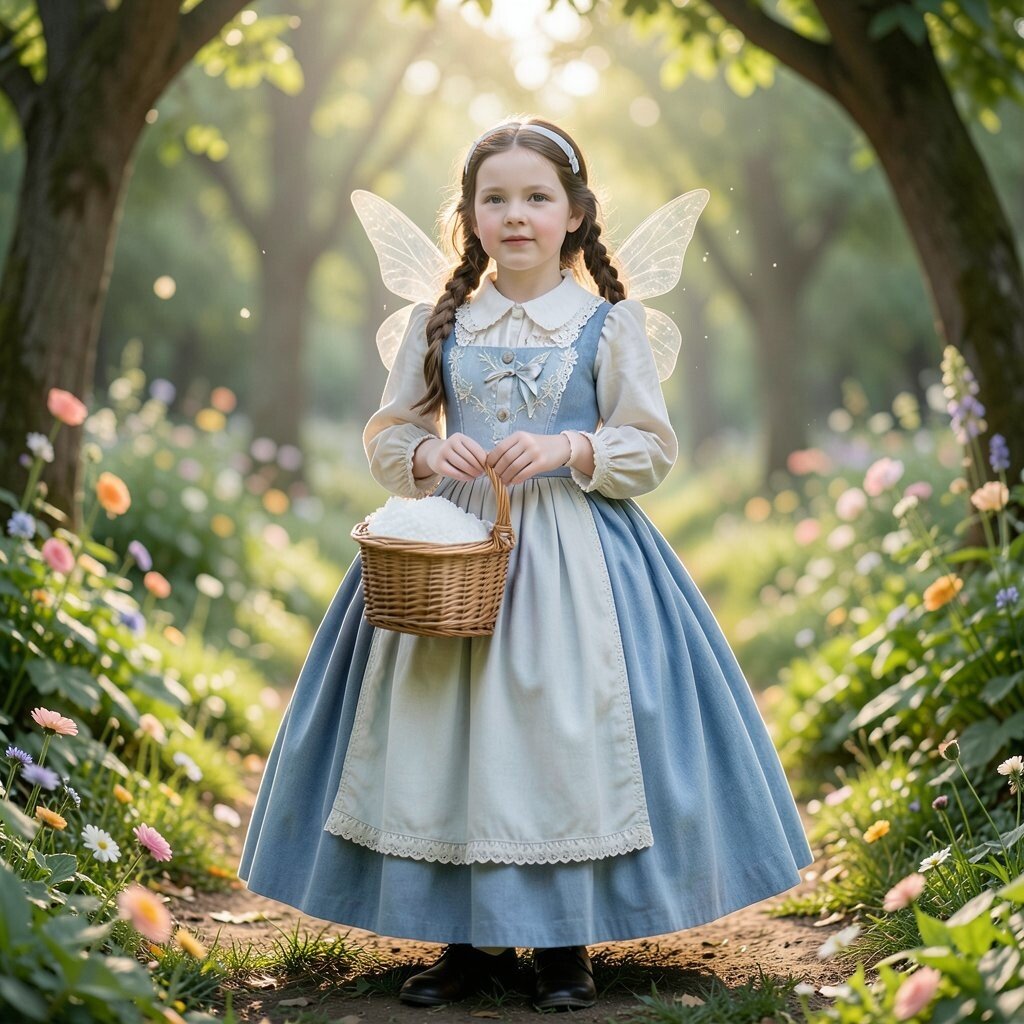
Home can feel like a storybook when curtains flutter and laughter mixes with quiet study. Even without magic spells, the characters’ hopes move like glowing embers in a hearth.
This isn’t a fairy tale about castles, but it still carries the same heart that makes fairy tales endure. The benefit is a grounded kind of wonder, where perseverance, creativity, and family bonds act like enchantment. A practical tip is to pick one character trait you admire, then practice it in a small routine, like writing daily, apologizing fast, or sewing a simple project as a focus exercise. Personalize it by mapping the sisters’ journeys onto your own seasons of life, then giving each season one gentle goal and one kind reward.
For cost considerations, you can often find used copies cheaply or borrow from a library, and you can pair reading with a free hobby like journaling or sketching. A current trend is “cozy reading,” and this story fits it perfectly, especially when you read slowly and keep a bookmark note about what you’re learning from character choices.
When you treat everyday moments like meaningful scenes, the inspiration feels close enough to touch. And that is where fairy tale energy becomes real life guidance.