A great dress starts with the cloth, not just the pattern. The right fabric can make even a simple design look like a favorite.
Let your closet feel smarter and more personal with choices that look good, feel good, and wear well.
1. Cotton Poplin That Always Looks Crisp
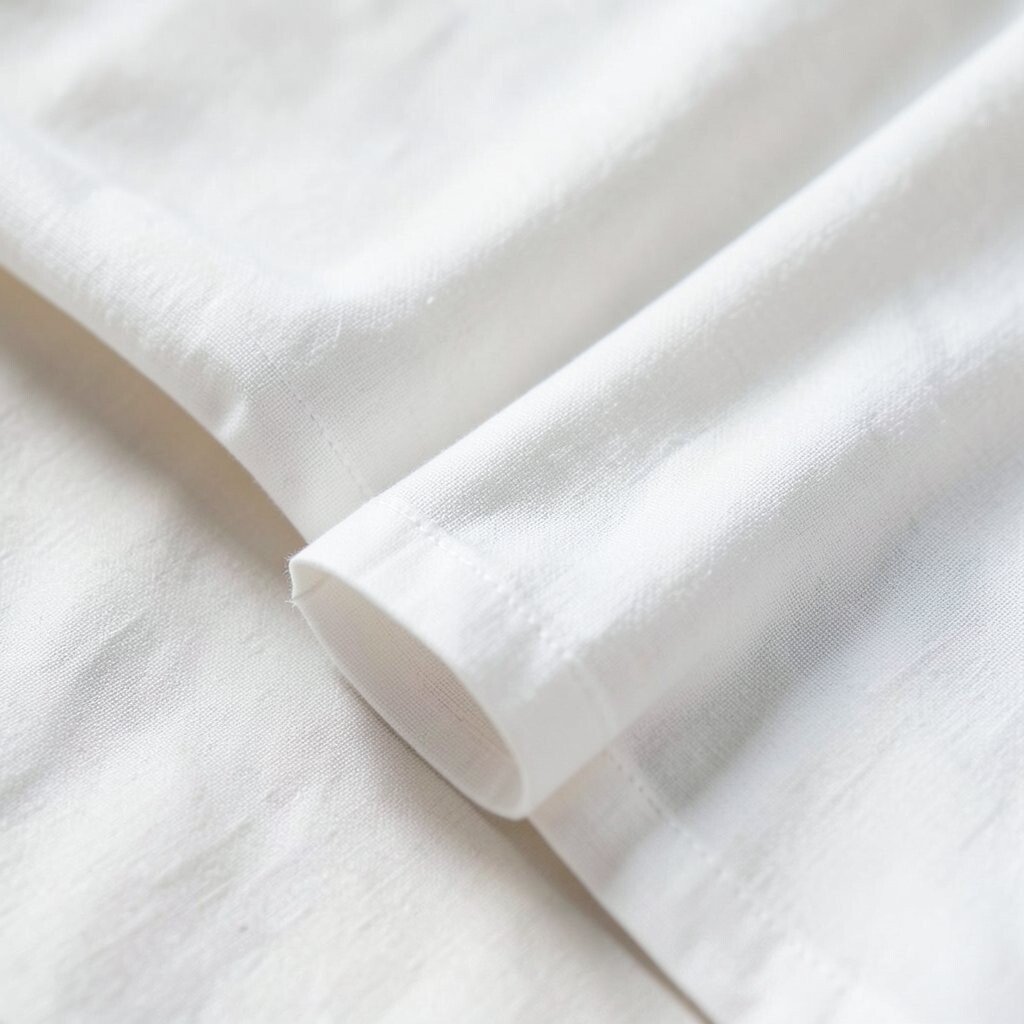
Picture a lightweight cotton fabric that holds its shape and looks neat in daylight. It has a smooth, slightly matte surface that makes collars, buttons, and pleats look sharp.
Choose poplin when you want easy everyday styling that still feels polished. It breathes well, so it works nicely for warm days and long wear. For practicality, press it well before sewing and plan to prewash to prevent shrinkage.
2. Linen for Effortless Summer Texture

Think of linen as a relaxed fabric with natural slubs that catch the light in an imperfect, beautiful way. A linen dress can look airy even when it’s structured, like the fabric is made to move with you.
Linen stays breathable and comfortable, which is why it shows up in current warm-weather wardrobes. It also offers uniqueness, because no two pieces show the same texture pattern. To keep it looking stylish, choose a blend for extra softness or embrace the wrinkled charm and use a steamer before wearing.
If you want personalization, add contrast stitching or sew subtle pintucks for extra detail. For cost considerations, linen can range from budget-friendly to more premium options, so pick based on how often you’ll wear it and how dressed up you want the finish.
3. Tencel Lyocell for Silky Comfort With a Clean Drape
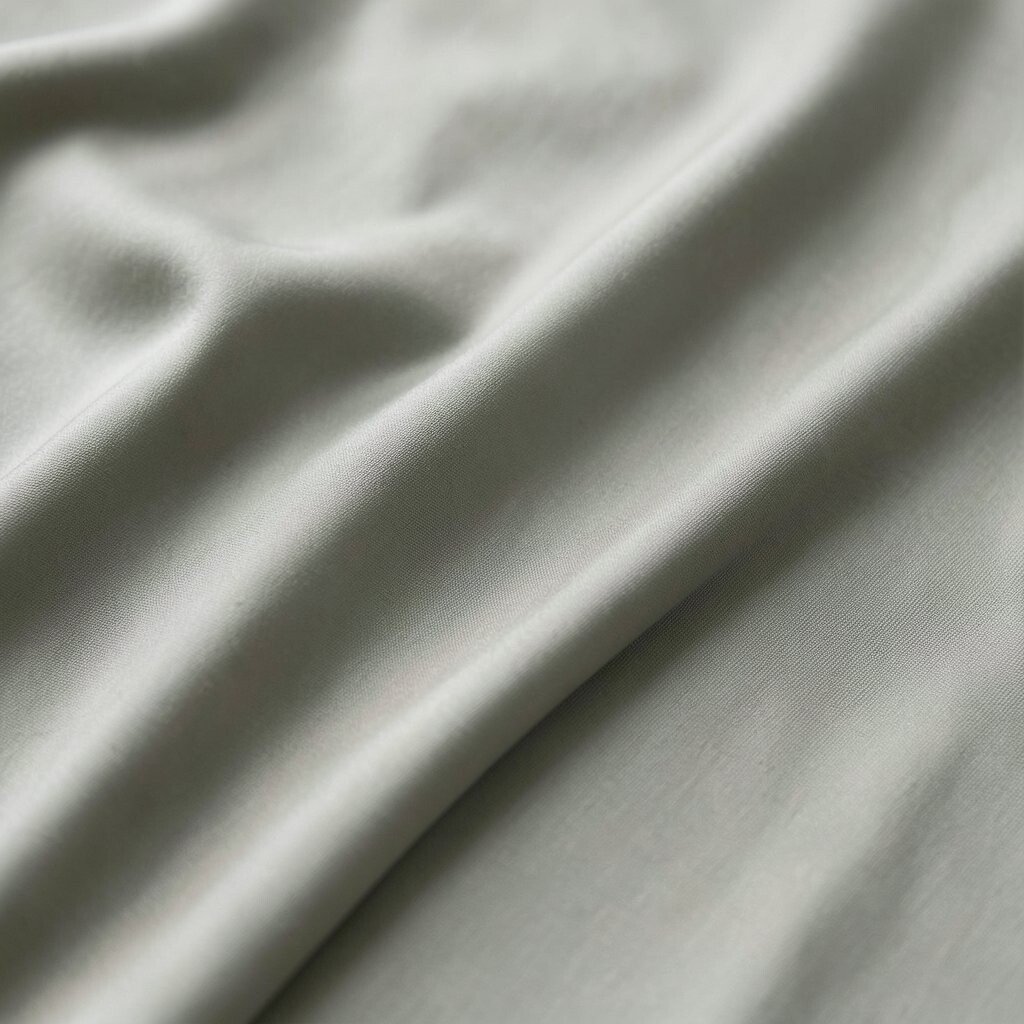
Imagine fabric that feels like satin but behaves like everyday ease. Tencel lyocell falls smoothly and softly, creating a calm, elegant shape from neckline to hem.
This choice brings benefits for anyone who wants comfort without the heavy feel. It often feels cool against the skin, and it tends to resist wrinkles better than many natural fibers. To tailor your build, consider adding a lining if your fabric is on the lighter side, so your seams stay neat and your outfit looks complete.
For trends, tencel is popular in modern minimalist dresses because it looks refined with fewer decorations. Personalize with a slight bias cut for extra fluid movement or add a slim belt to define the waist.
If you’re watching cost, compare yard prices and look for mid-weight blends that give the look of luxury without going over budget.
4. Silk Charmeuse for a Slip-Dress Glow
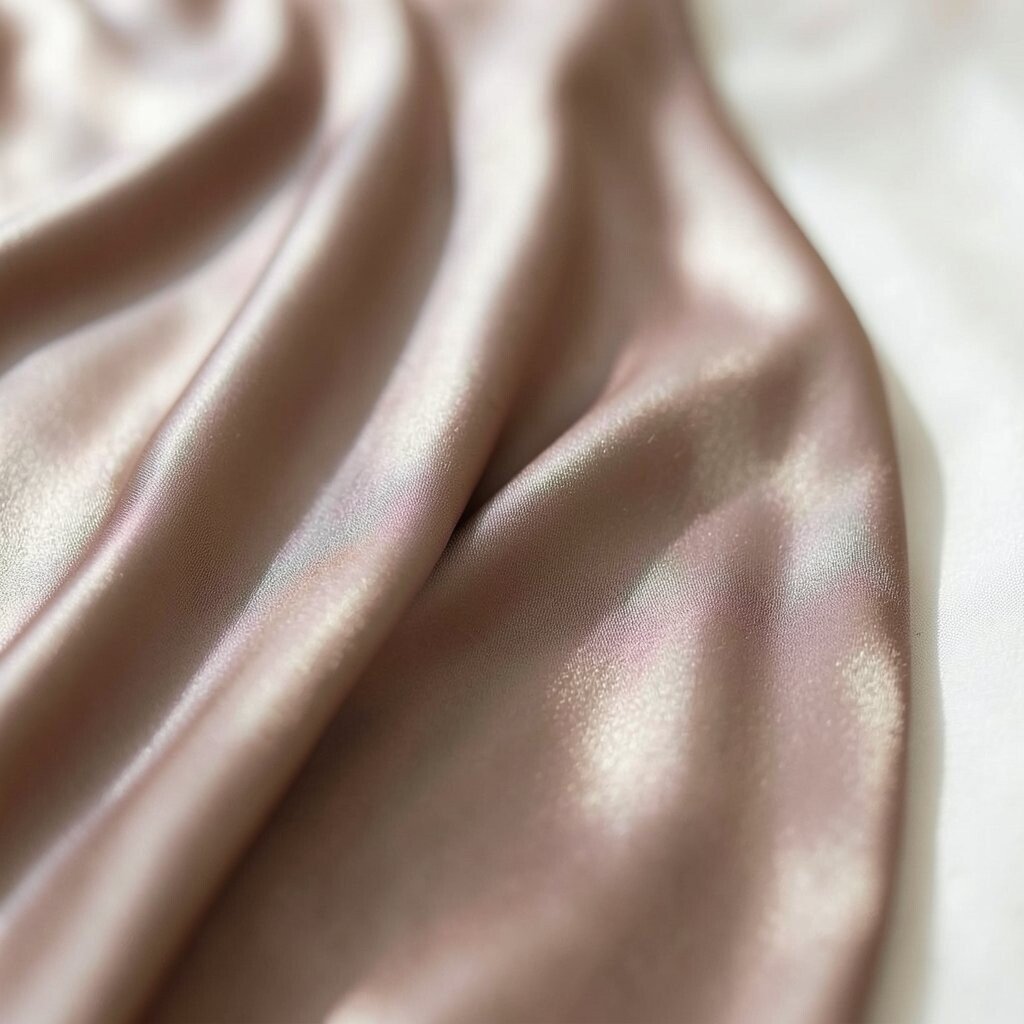
Visualize silk charmeuse with a gentle shine that moves when you step. Its surface is smooth and fluid, so it naturally creates a sleek silhouette.
This fabric is ideal for special evenings, but you can also make a day-to-night dress by pairing it with a cardigan or denim jacket. One practical tip is to cut carefully and use the right needle, since silk can shift during sewing. You’ll also want to handle it with care when laundering to keep that glow intact.
5. Satin Back Crepe for Structured Elegance

Picture crepe with a subtle sheen, where the front looks refined and the back feels beautifully textured. The drape is steady, so your dress looks elegant without clinging too tightly.
Crepe is great for benefits like hiding lumps and smoothing the look of seams. It also gives uniqueness because the texture helps the light fall in a flattering way, especially in photos. For practical sewing, use a polyester lining if you want extra comfort and make sure you finish edges cleanly to avoid fraying.
If you want personalization, try a square neckline or add statement sleeves for a modern vibe. Cost can vary, so look for mid-range fabric with a comfortable weight that won’t feel stiff when worn.
6. Velvet for Dramatic Depth and Cozy Warmth
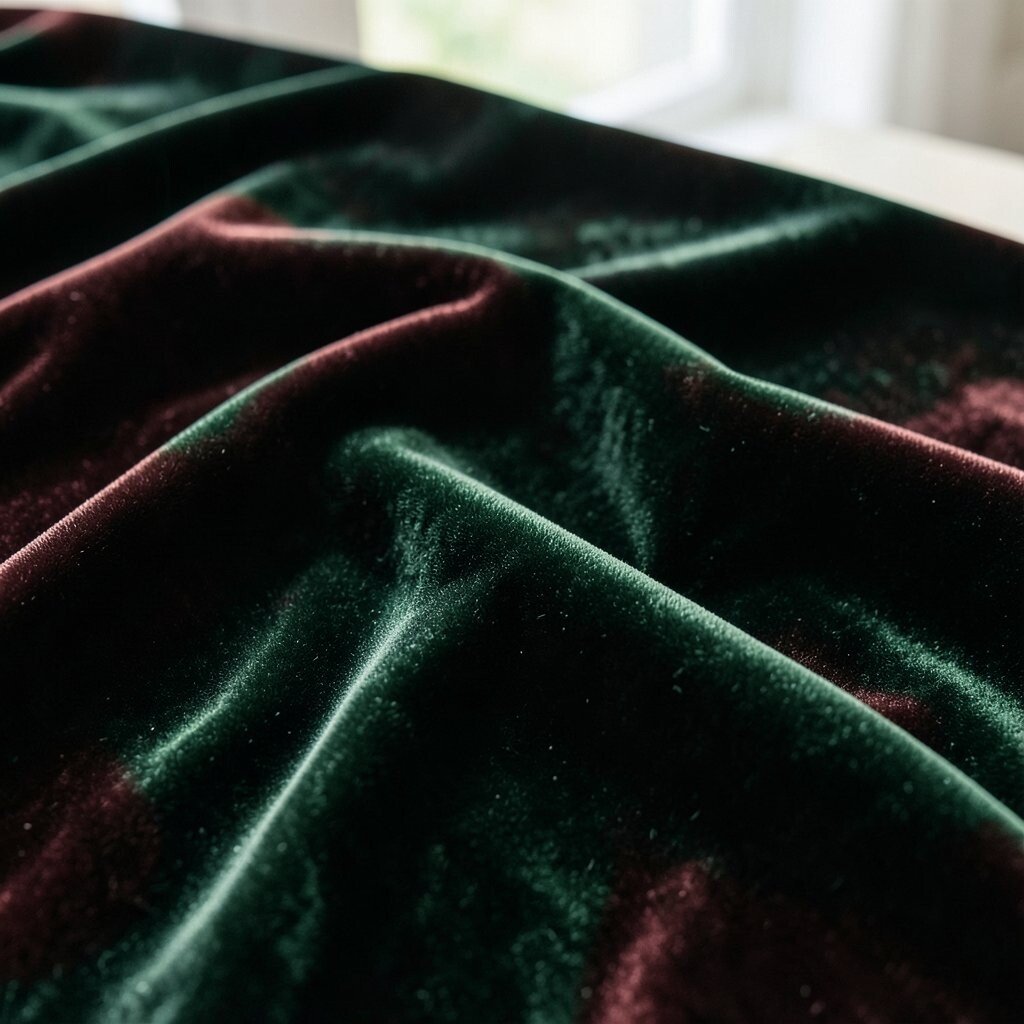
Imagine velvet that looks soft and rich, with a pile that changes color slightly as it moves. It adds instant drama, like your dress belongs in a candlelit room.
Velvet brings comfort and warmth, which is why it shows up in seasonal looks and holiday wardrobes. It’s also uniquely suited for rich jewel tones and evening silhouettes. A practical tip is to cut velvet with patience, keeping the nap direction consistent so the fabric lays the same way across the dress.
To personalize, choose a crushed velvet look for a more playful texture, or use a solid velvet for classic elegance. If cost matters, consider shorter pieces like a dress with simpler seams, since velvet can be pricier by the yard.
7. Jersey Knit for Stretchy Everyday Ease
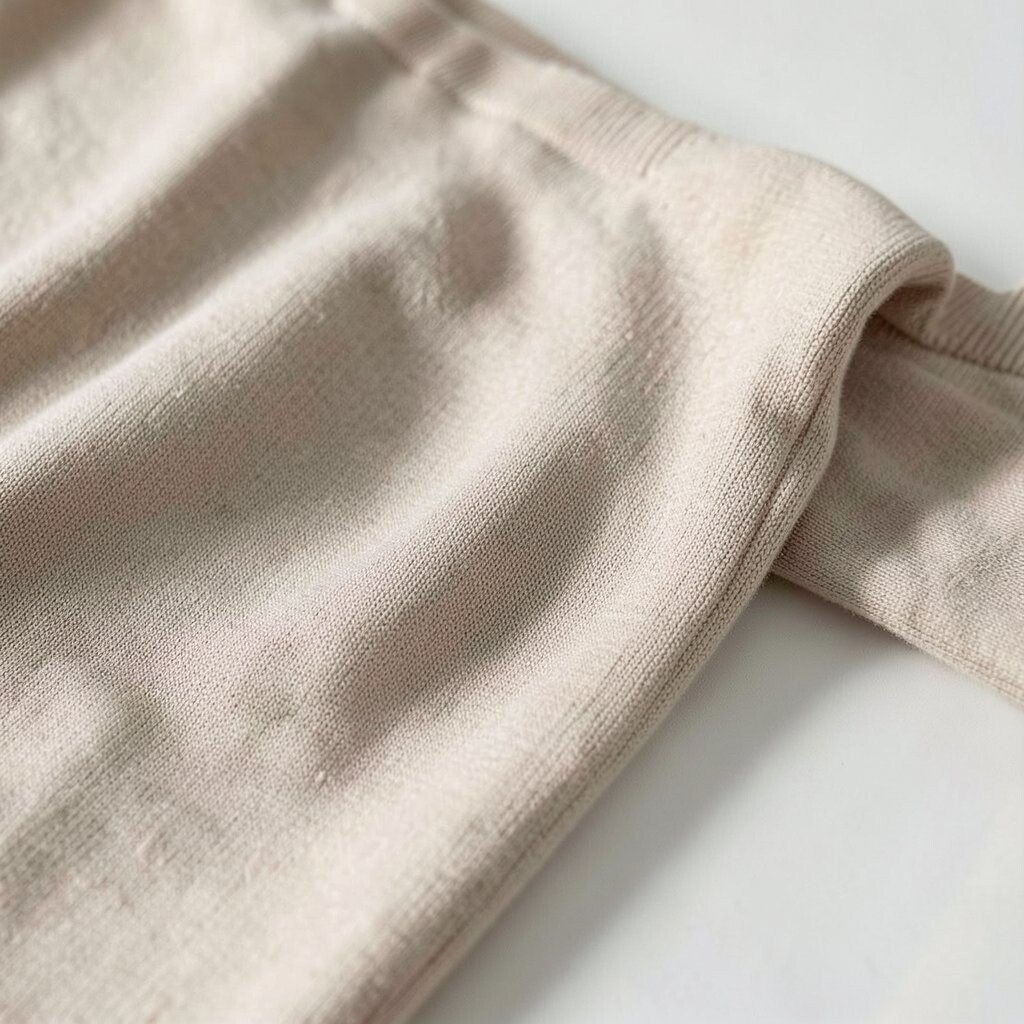
Think of jersey knit as a comfortable fabric with stretch that hugs in a gentle, wearable way. It feels soft and forgiving, and it works especially well for fitted or easy slip-on dresses.
This is a smart pick for benefits like comfort and quick styling, because you can move freely and still look put together. Jersey also lets you personalize easily with color-block panels or added ruching. For practical tips, use a ballpoint needle and a stretch-friendly thread so your seams stay strong.
In current trends, knit dresses are popular for effortless outfits that still look stylish, especially with simple silhouettes. For cost, jersey is often budget-friendly, and you can make multiple dresses from one fabric collection.
8. Chiffon for Floaty Layers That Feel Light

Picture chiffon as a sheer, airy fabric that skims the body and creates soft movement. It looks delicate in motion, like the dress is made of light.
Chiffon brings visual magic for overlays, sleeves, and layered skirts, and it can add a graceful touch to simple bodices. It also offers uniqueness because it creates a subtle texture that feels modern when paired with solid fabrics. For practical sewing, plan to line it or use a slip layer so the final dress feels comfortable and opaque where you want it to be.
If you want personalization, add flutter sleeves or sew a slightly longer hem for extra drama. Cost considerations are helpful too, since chiffon can be affordable, but you may need more yardage for fullness.
9. Denim Chambray for Casual Cool With Structure

Imagine chambray as a softer cousin to denim, with a light, breathable feel and a tidy look. It has that familiar blue tone and a classic vibe that never feels too formal.
Chambray offers benefits like durability and easy styling, so it works well for daytime dresses and practical errands. It also brings uniqueness through subtle color variation and a sturdy texture that holds its shape. For practical tips, prewash to prevent shrinkage and consider reinforcing areas like pockets and button bands.
You can personalize by adding contrast buttons, stitching details, or a gathered skirt for extra shape. In terms of cost, chambray often sits in the mid-range, so it’s a good balance between quality and affordability.
For current trends, denim-inspired dresses pair nicely with sneakers or sleek boots, so design with versatile shoes in mind.
10. Georgette for Soft Movement and Modern Sheerness

Picture georgette as a light fabric with a gentle crinkle texture that makes it look lively. It drapes with a whispery feel, and it can create elegant, flowing lines.
This fabric is great for benefits like breathable comfort and a flattering, non-structured look. It’s also uniquely suited for airy skirts, delicate blouses, and dress panels. A practical tip is to use lightweight lining and fine finishing methods, since georgette can be a little slippery while sewing.
11. Brocade for Rich Patterned Statements

Imagine brocade with raised motifs that catch the light like tiny sculptures. It looks bold and festive, even when the dress is simple.
Brocade brings uniqueness because the pattern is built into the cloth, so your dress feels special without extra decorations. It also offers a practical benefit for photos and events since the fabric texture holds up beautifully in different lighting. For sewing tips, use a sharp needle and plan your seams carefully so the pattern aligns neatly where it matters.
If you want personalization, keep the silhouette classic and let the fabric shine, then add a clean neckline or minimal trim. Cost considerations are important, since brocade can be pricier, so you might use it for a shorter dress or accent panels to stay within budget.
12. Knit Ponte for Clean Lines and Polished Shape
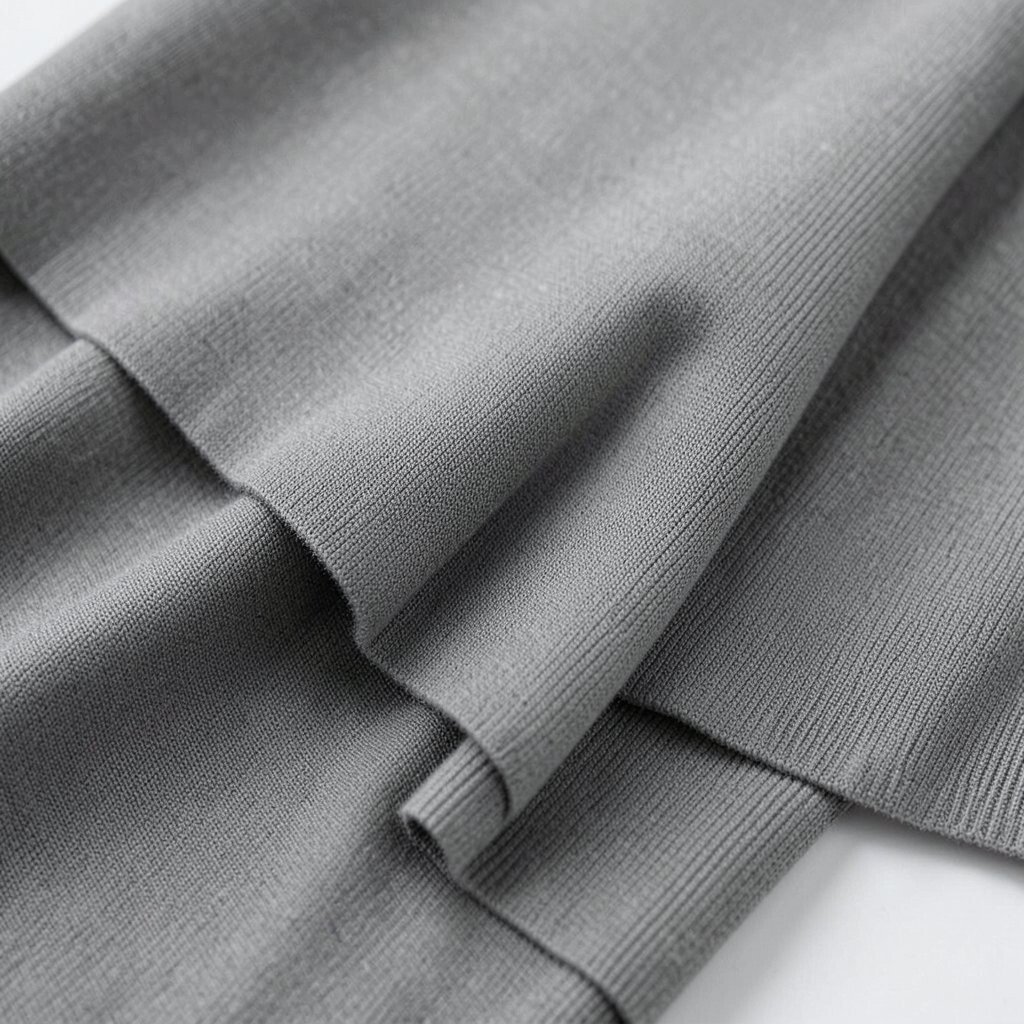
Visualize ponte knit as a thicker jersey-like fabric with structure. It smooths and holds its shape, so your dress can look tailored even when it’s comfy.
Ponte offers benefits like comfort with a flattering drape that doesn’t cling too much. It’s also a popular choice in modern office and everyday stylish wear because it looks neat. For practical tips, choose a ponte with the right stretch and test how it behaves at the waist before committing to a fit-heavy pattern.
Personalize with seam placement, like adding paneling that highlights your favorite shape. For cost, ponte is often worth it because it lasts well, and one good piece can become more than one wearable dress.
Current trends favor simple silhouettes with strong lines, and ponte supports that look beautifully.
13. Taffeta for Crisp Volume and Bold Skirt Shapes

Picture taffeta as a crisp, slightly rustling fabric that stands out from the body. When you move, it holds shape and creates a lively swirl.
This choice brings benefits for structured skirts, full pleats, and dramatic silhouettes that keep their form. It’s also unique because the fabric surface can show shine without turning into heavy satin. For practical tips, sew with care since taffeta can fray, so finish edges and use precise measuring for clean lines.
To personalize, choose a color that matches your style, then add a classic waistband or a bow detail for a vintage feel. Cost considerations are helpful too, because taffeta can be mid-range, and using it for a skirt-only design can stretch your budget.
14. Cotton Voile for Light Airy Layers and Easy Charm
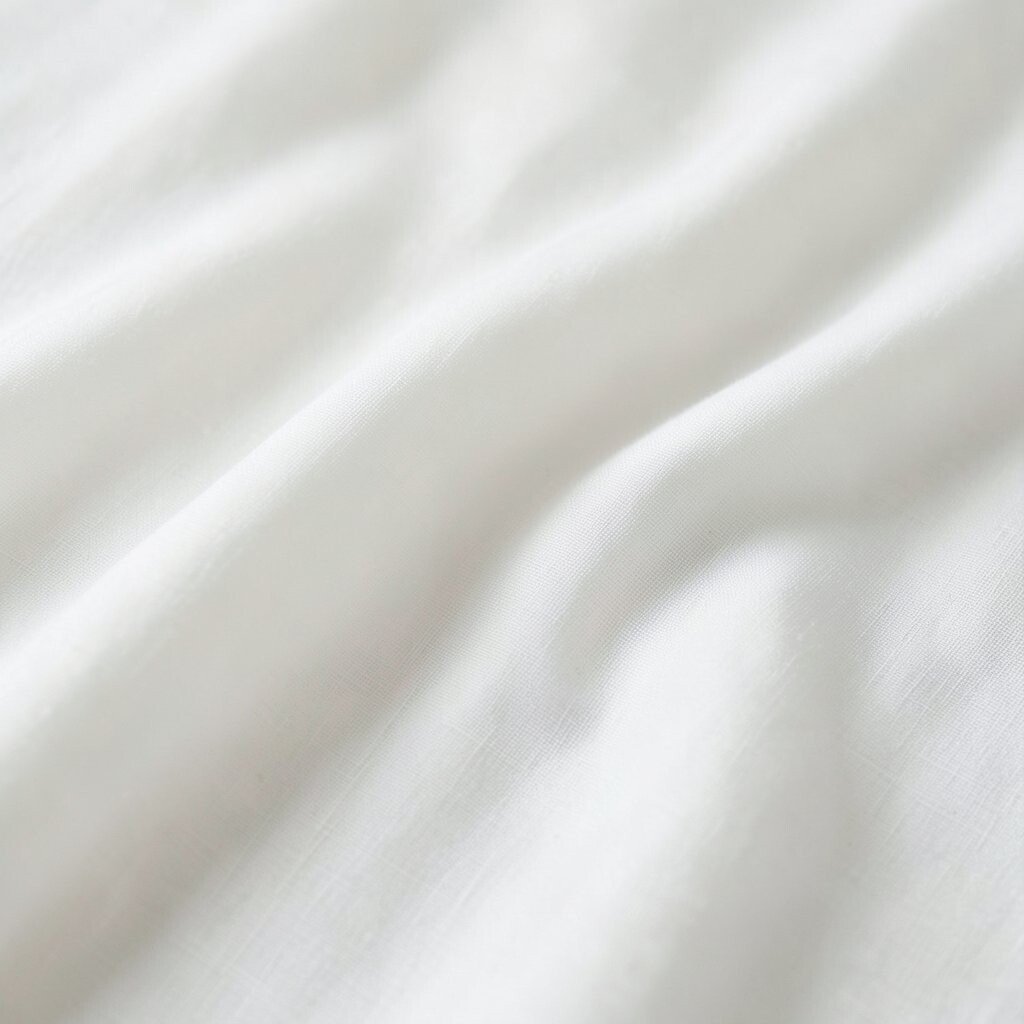
Imagine voile as a sheer-ish, soft cotton fabric that feels breezy and delicate. It gives your dress a gentle, romantic look, especially with airy tiers or soft gathers.
Voile offers benefits like breathability and comfort while still giving visual charm. It’s uniquely suited for vintage-inspired designs and playful details like puff sleeves. For practical tips, plan for lining if you want full coverage and prewash to avoid shrink surprises.
If you want personalization, try embroidery accents or contrast piping, since voile loves small decorative touches. For cost, voile can be affordable, making it a nice choice if you like to sew multiple casual dresses.
In current trends, airy cottage-inspired textures are popular, and voile fits right into that mood.
15. Jacquard for Designer-Like Texture Without Extra Embroidery
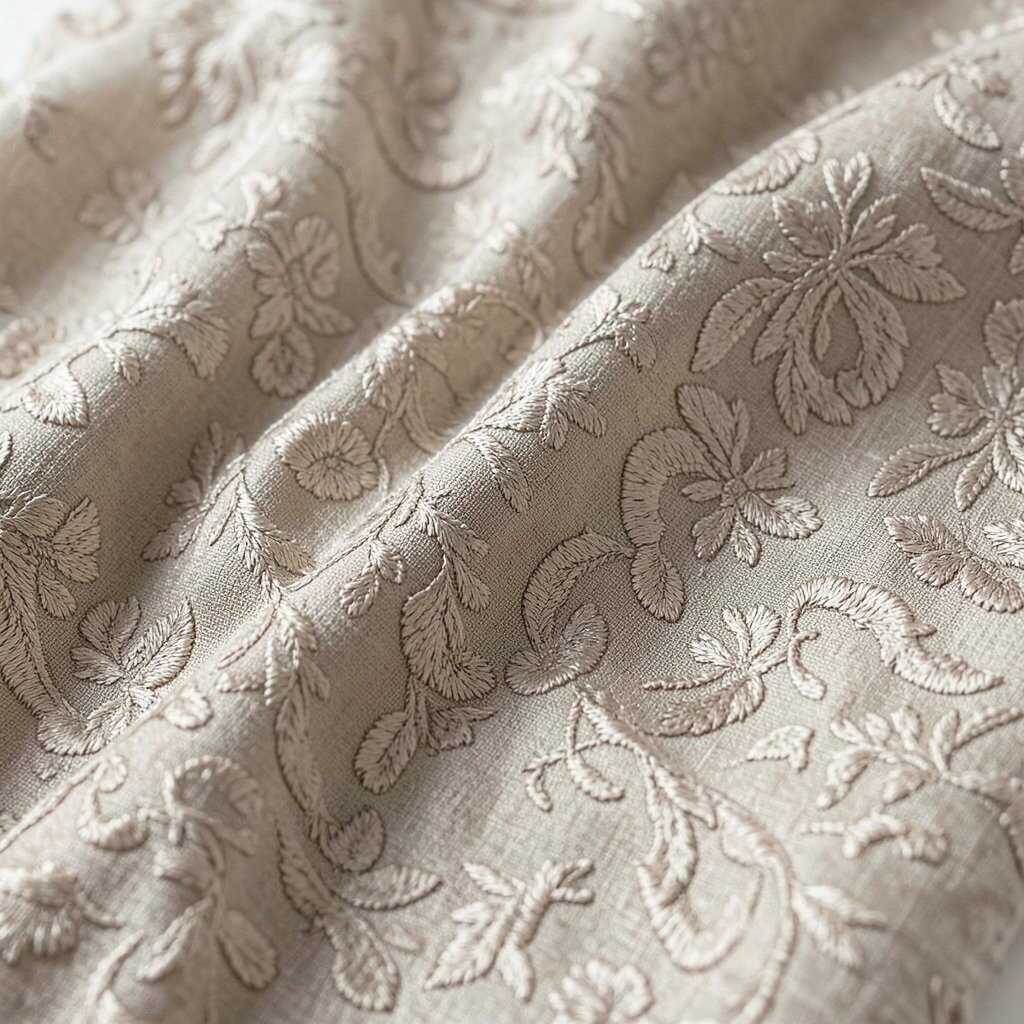
Picture jacquard as fabric with woven patterns that show depth, even when you skip extra embellishments. It can look like you paid for design details, because the pattern is built right in.
Jacquard brings uniqueness through its raised or textured motifs, and it often gives a dress a high-end feel. It also offers practical benefits like less need for separate trim, so you can focus on clean construction. For practical sewing, use stable interfacing and plan for pattern matching so the fabric’s design lines up on the bodice.
Personalize by pairing jacquard with simple shapes, then add a flattering neckline or understated belt. Cost considerations matter here since jacquard can be more expensive, but the look is often worth it when you make one statement dress.
16. Wool Crepe for Year-Round Sophistication
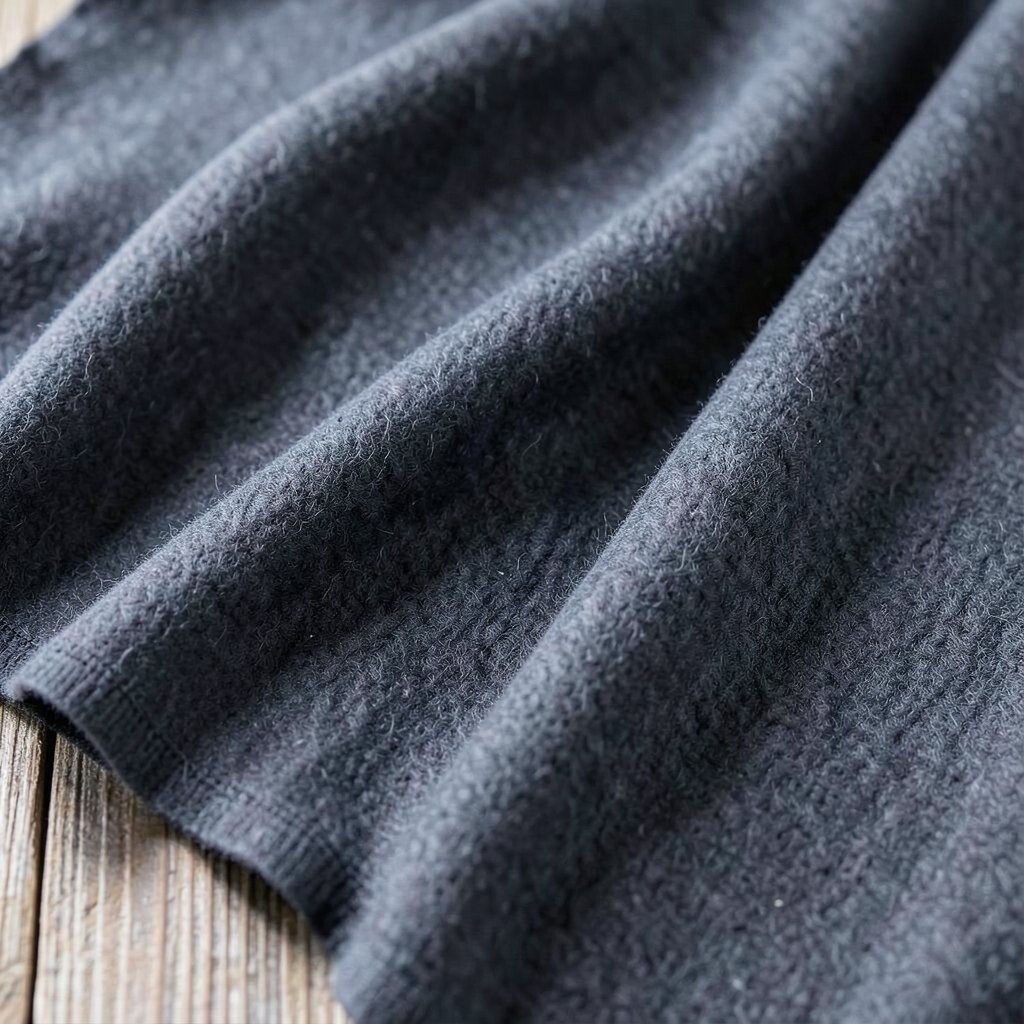
Imagine wool crepe with a smooth surface and subtle structure that looks refined without being stiff. It falls cleanly and gives a mature, polished finish that works in many seasons.
Wool crepe offers benefits like natural warmth, easy drape, and a dress that looks sharp from day to night. It’s also unique because the fabric’s texture feels elegant while staying practical for everyday wear. For practical tips, choose a good lining for comfort and consider dry-cleaning or gentle care based on the fiber blend.
To personalize, try a midi length with long sleeves or add a scarf-friendly neckline, since crepe looks great styled with layers. Cost considerations are important since wool can be pricey, but buying a high-quality piece often pays off in durability and timeless style.