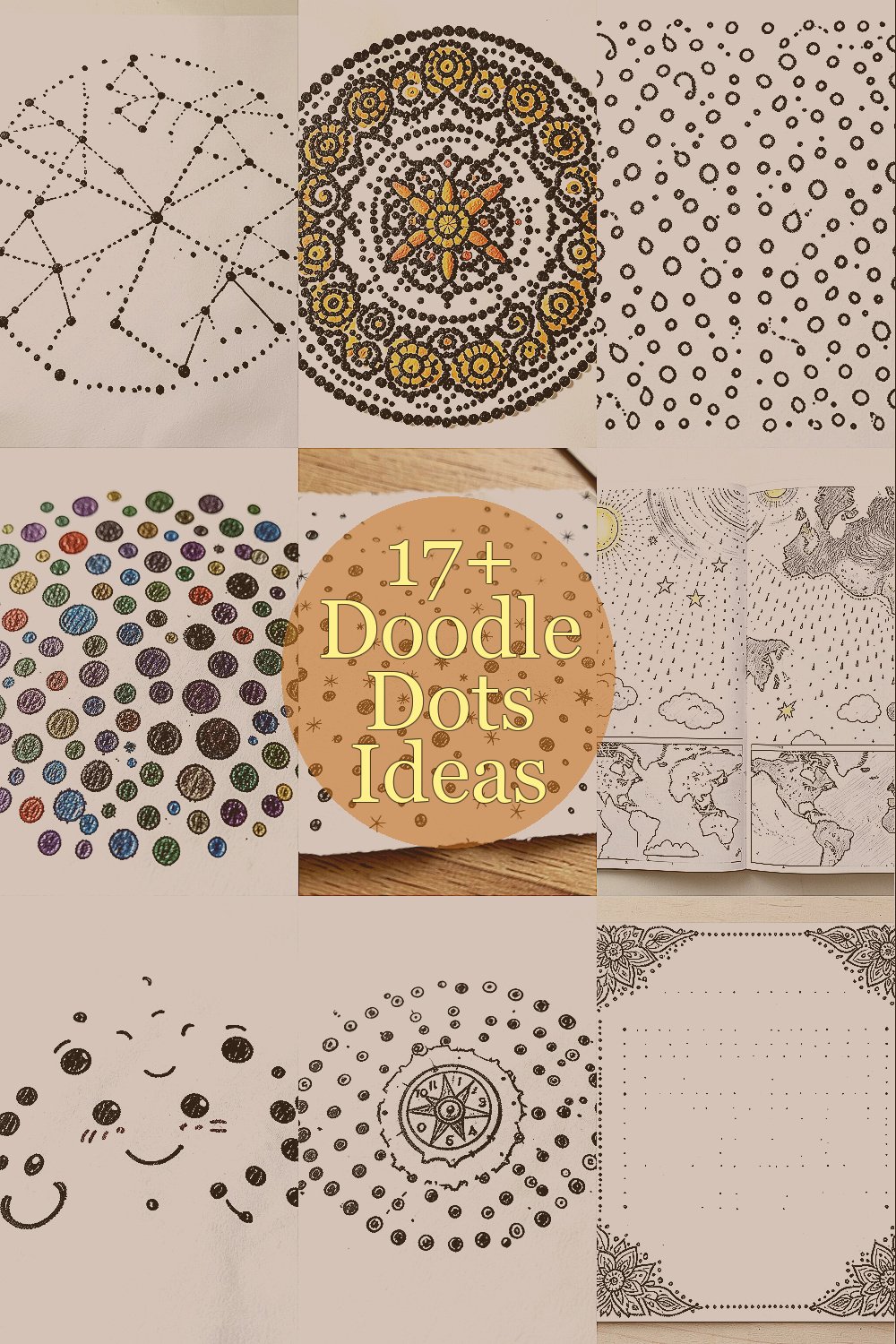
Sometimes a tiny mark can steer your whole day. Doodle dots are small, playful, and surprisingly powerful.
1. Dot Constellations From Ordinary Objects
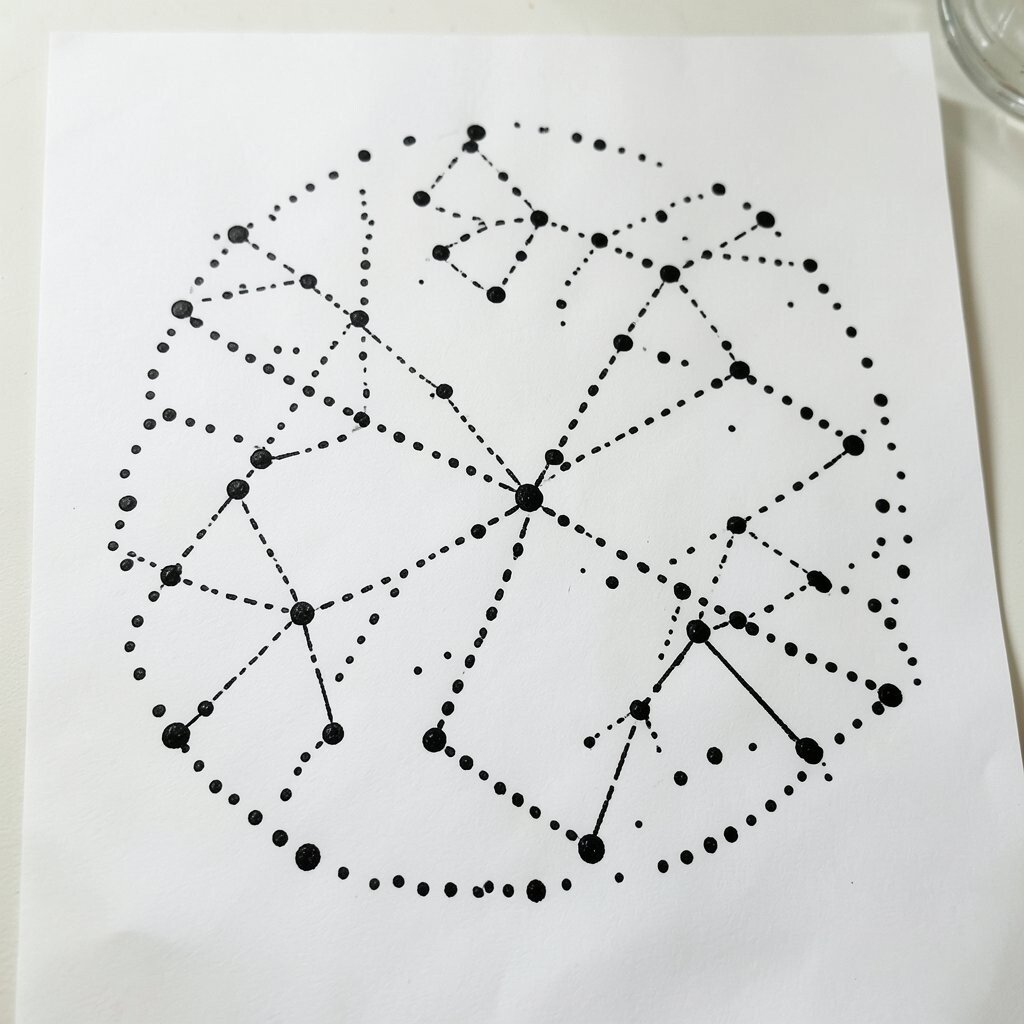
Look around your room and pick everyday items like a mug, a keychain, or a stapler. Place dots on the page as if each object has its own little sky of stars.
Use different dot sizes to suggest shine, shadow, and distance. This helps your brain practice seeing shape and space in a friendly way, without needing perfect drawing. Try tracing nothing; just use your eye and let the placement feel casual.
2. Dot Mandalas With Uneven Rhythm
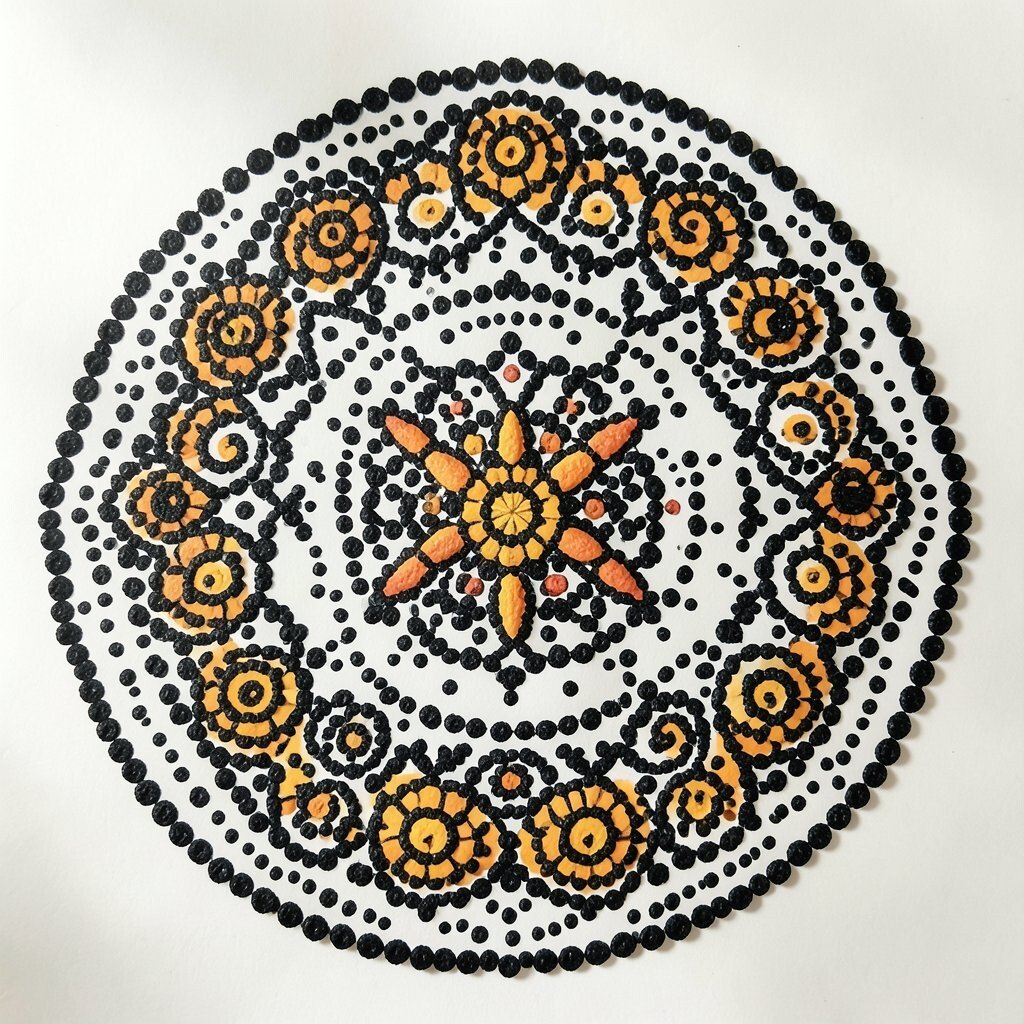
Start with a center point and work outward in rings of dots. Keep the spacing slightly irregular so the pattern feels alive, not stamped.
As you repeat, add tiny gaps like breaths between clusters. Your hand learns smooth pacing, and your mind settles while you choose where to place the next dot. Personalize it by using your favorite colors in small accents, even if the rest is simple black ink.
If you want a budget-friendly setup, use a pen, a pencil with a light touch, or a ballpoint you already own. A current trend is mixing neat symmetry with messy texture, so don’t worry if the dots wander a little.
3. Pattern Path Dots for Story Scenes
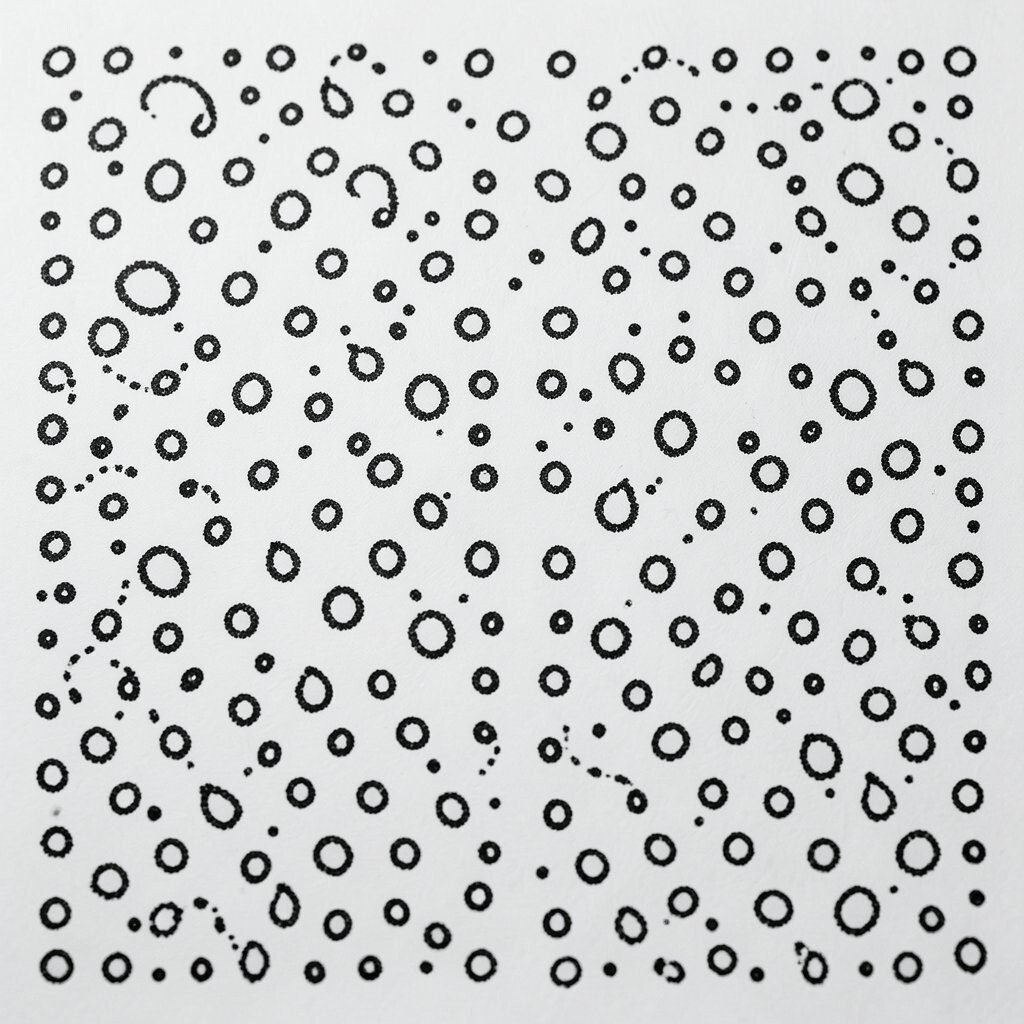
Draw a winding line across paper, then dot along it like footsteps. Turn those dots into a mini journey that hints at a scene, like a walk through rain or a trip to the beach.
Add a few dots that cluster close together to show excitement, and spread them out for calm moments. This gives your drawing a narrative feel without needing characters or big backgrounds. Try personalizing by matching dot patterns to your mood that day.
For instance, quick dense dots can suggest music, while slow spaced dots can suggest quiet. If you love journaling, place the dot path next to a short memory to make the page feel personal. Current creative circles often share quick “micro stories,” and dot paths fit that style perfectly.
Use inexpensive supplies like gel pens or a fine marker, and keep a spare sheet ready for faster practice. The more you try, the more naturally scenes appear from simple choices.
4. The Texture Zoo: Dots That Imitate Surfaces
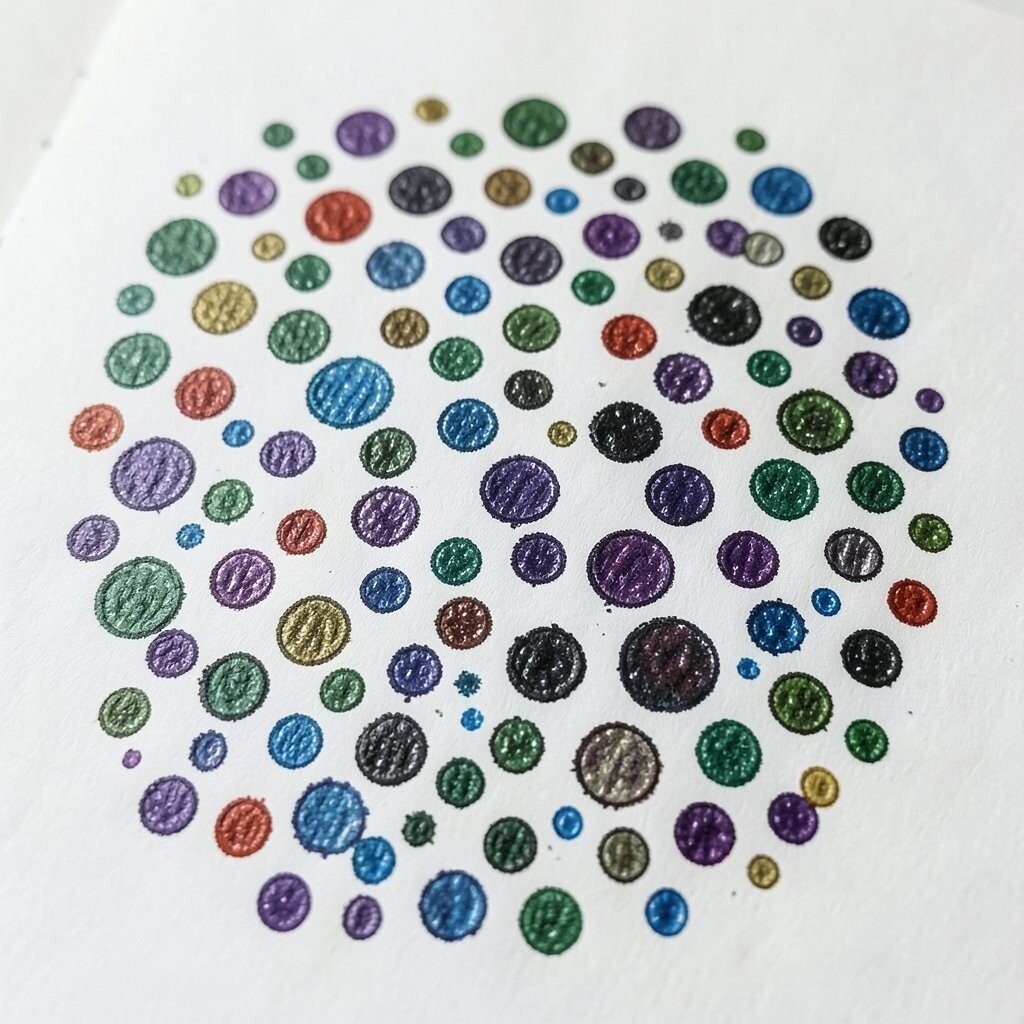
Pick one surface to copy, like fabric, brick, or tree bark. Then cover the area with dots that vary in size and spacing to mimic how texture actually feels.
This boosts observation skills and improves how you shade with little marks. It’s also a relaxing way to practice without erasing or redrawing major parts. Make it yours by choosing textures from your own home, like the grain on a wooden desk.
5. Holiday Spark Dots on Scrap Paper
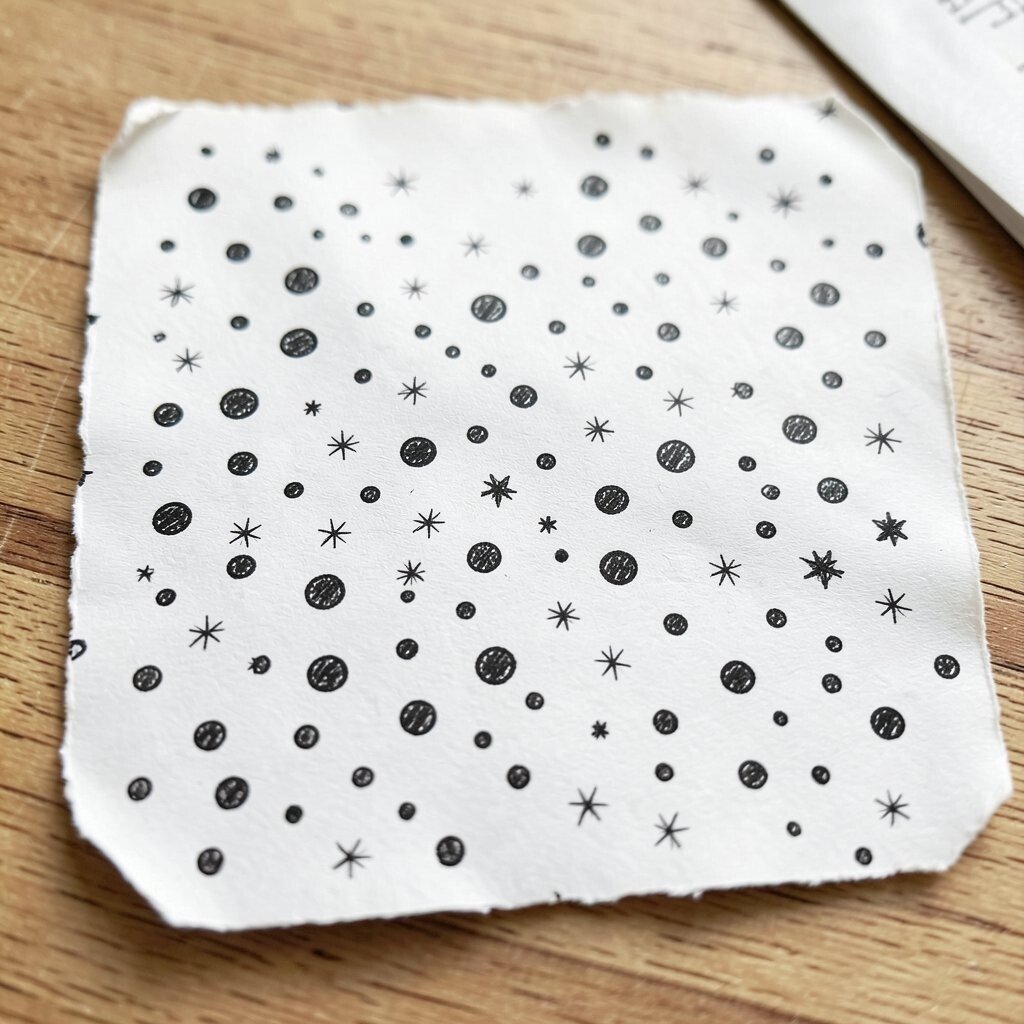
Cut or tear scrap paper into small shapes, then dot a simple border around the edges. Use a few brighter dots in the center to suggest lights, ornaments, or tiny fireworks.
These quick pieces can become gift tags, mini cards, or part of a collage. You get instant satisfaction because each dot cluster creates a clear visual effect fast. Personalize with symbols you love, like stars, hearts, or your hometown landmark.
For cost control, use what you already have, such as leftover colored pens or even pencil dots. A fun trend is “slow craft,” where people share simple handmade details that don’t need expensive materials.
6. Dot Rain and Weather Maps
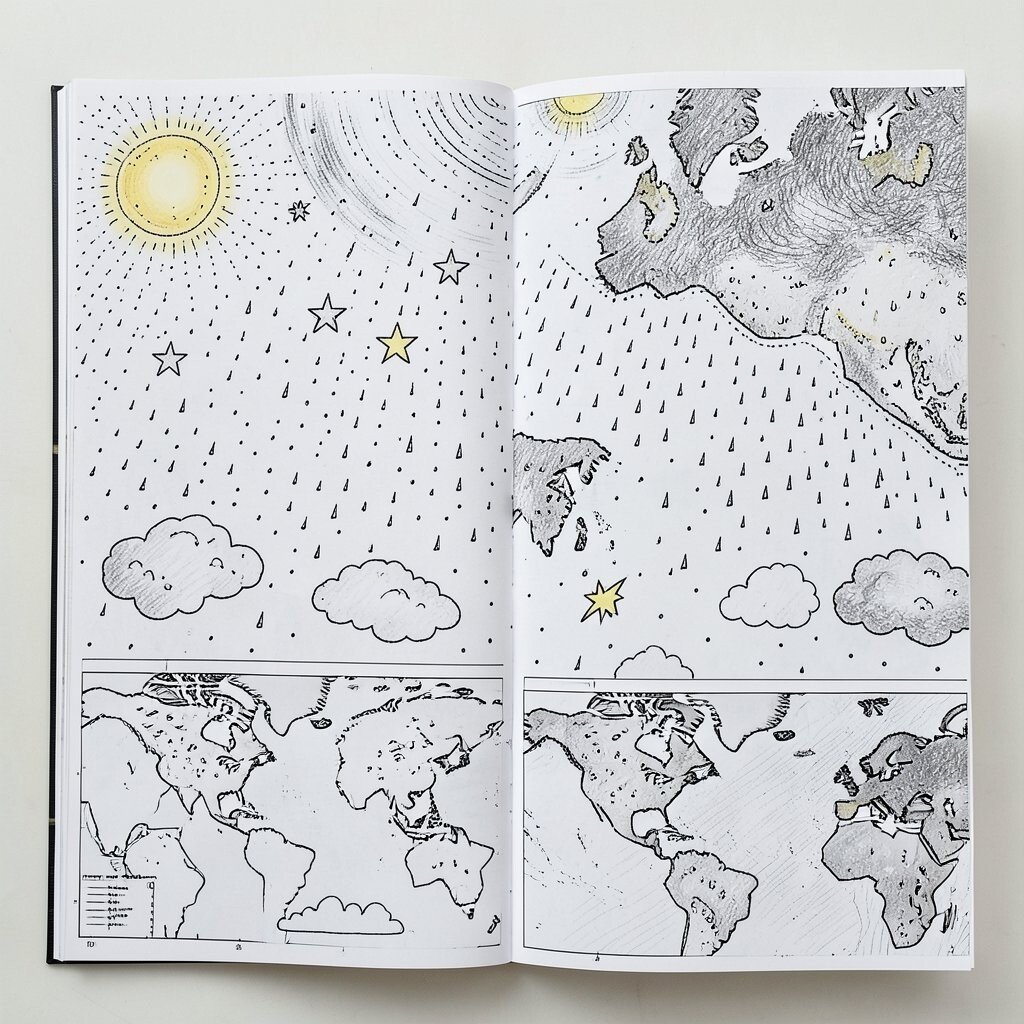
Draw a simple outline of clouds and then fill the sky with falling dots. Use longer vertical lines made of dots for heavier rain, and tiny specks for light drizzle.
Even a basic weather sketch looks expressive and gives you practice with motion. The benefit is that your dots can show energy, direction, and intensity without using complex drawings. Personalize by creating a forecast for your day, like sunny thoughts or windy feelings.
If you want to keep it low cost, use a single pen color for the background and one accent color for rain. This kind of playful “data on paper” matches a modern interest in visual journaling and mood tracking.
7. Dots as Characters With Simple Expressions
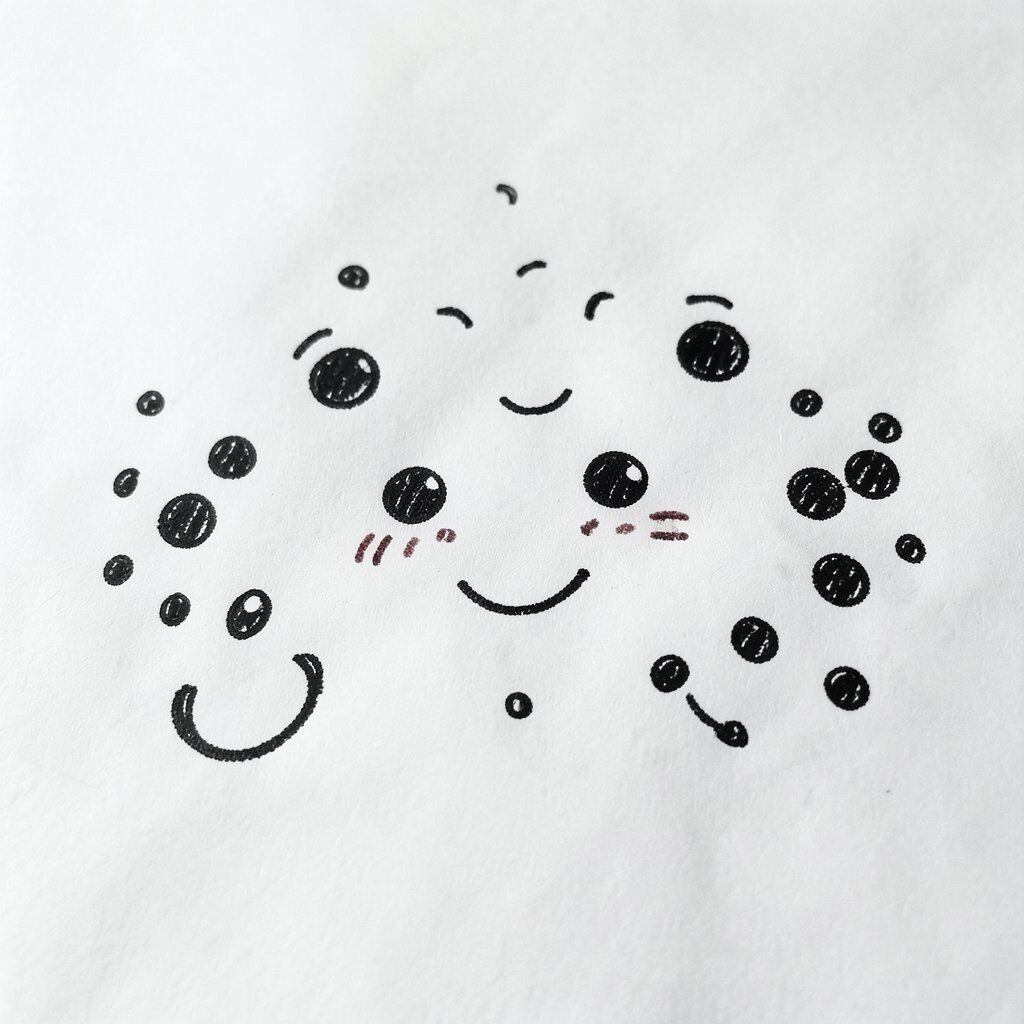
Create a face using only dots for eyes, nose, and cheeks. Then vary spacing to change the emotion from curious to surprised to calm.
You’ll notice how tiny changes make the character feel different. That skill helps with more advanced drawing later, because expression often comes from proportion and placement. Personalize by giving each dot-face a name and using recurring dot patterns for different moods.
8. Clockwork Dots for Time-Based Art
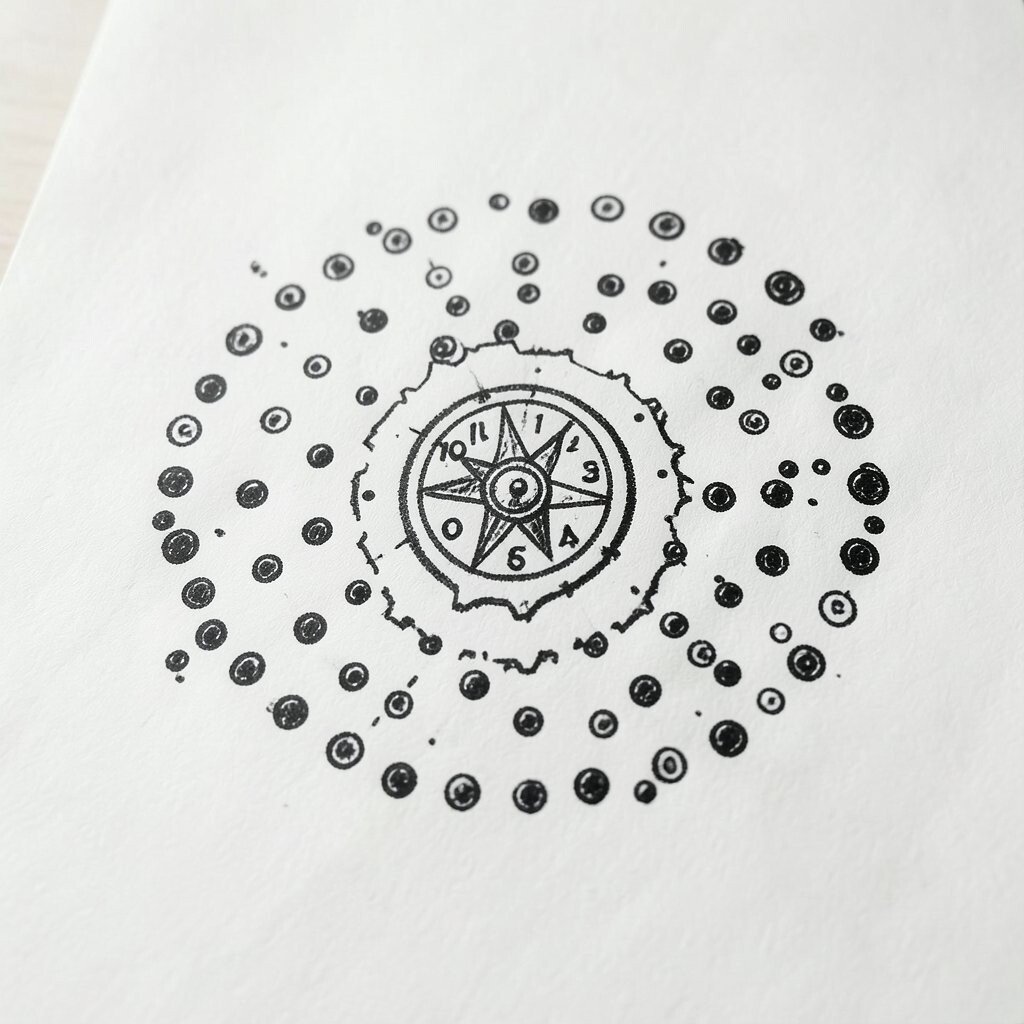
Draw a circle like a clock, then place dots around it to mark time passing. Make some dots tight and bold, then let other dots fade with lighter pressure.
This makes time visual and teaches you how to build gradual emphasis. The benefit is a clearer sense of rhythm, especially if you follow your day in segments. Try adding small dot groups that represent your habits, like study time or walking breaks.
For supplies, a basic compass or a reused plate can help you get the circle shape. This fits current trend themes about routines, planners, and art that feels connected to real life.
9. Mandala Corners and Page Border Dots
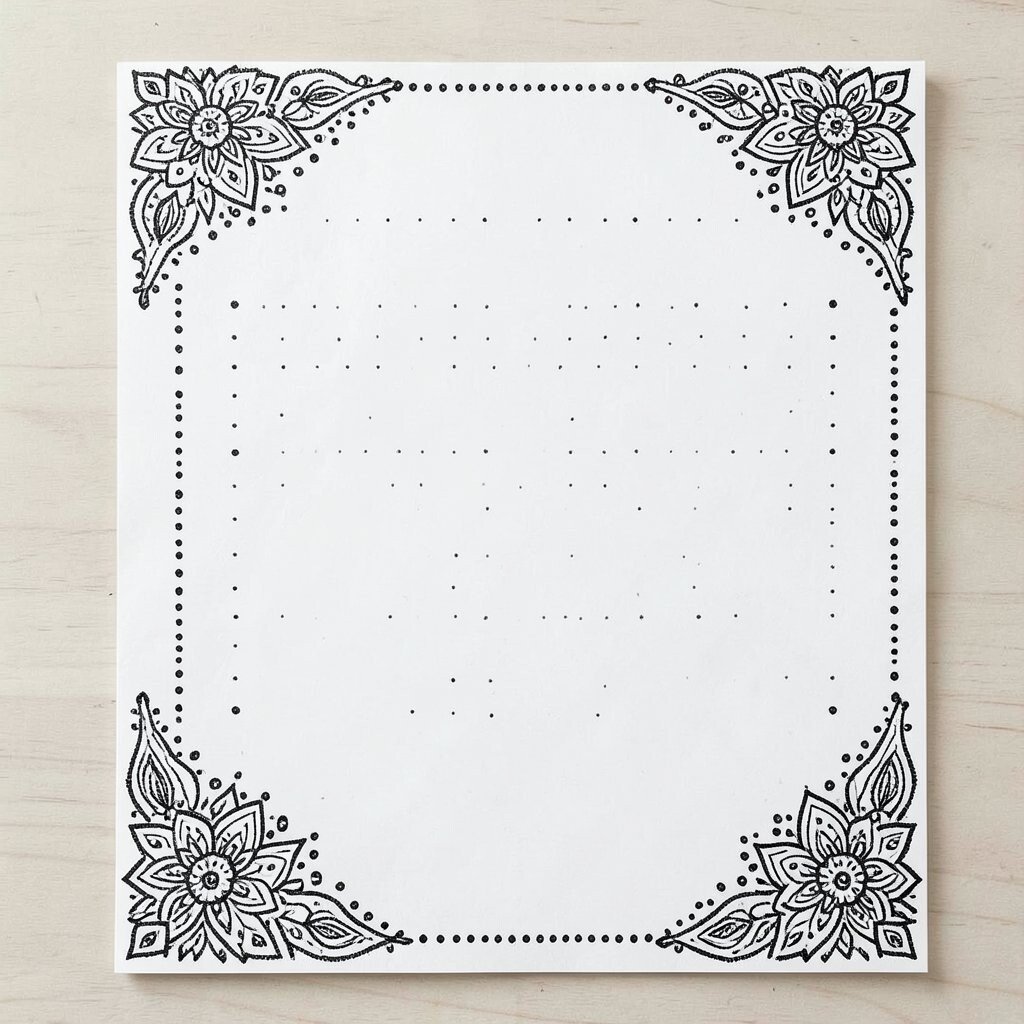
Pick one corner of your page and decorate it with a burst of dots. Build outward with arcs, spirals, or mini clusters so the corner feels framed.
Page borders like this can make your notes more enjoyable to read later. It also trains your hand to keep patterns steady, which is useful for lettering and illustrations too. Personalize by matching the style to your personality, such as calm spaced dots or energetic dense swirls.
10. Dot Typography for Words You Love
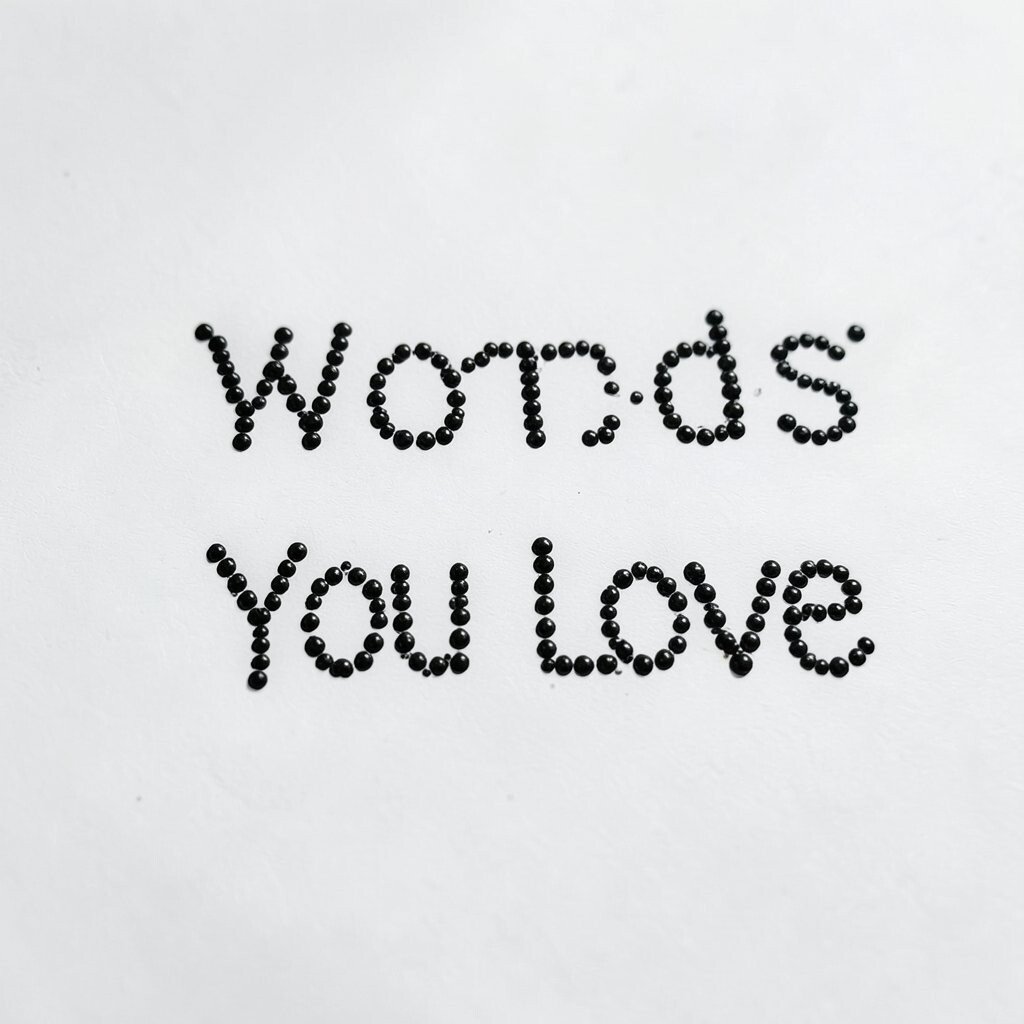
Choose a short word, then form each letter using dots rather than lines. Keep the dots consistent, or let them vary to create a handmade feel.
This is a great way to practice letter shape while staying playful. The benefit is that you learn spacing and alignment without worrying about perfect straight strokes. Personalize by writing a word that matters, like a favorite hobby or a goal for the week.
If you’re using digital tools, many people now create “dot type” effects with simple brushes. If you’re on paper, try a dot sticker or a paint marker to speed things up.
11. Cookie-Cutter Collage With Dot Centers
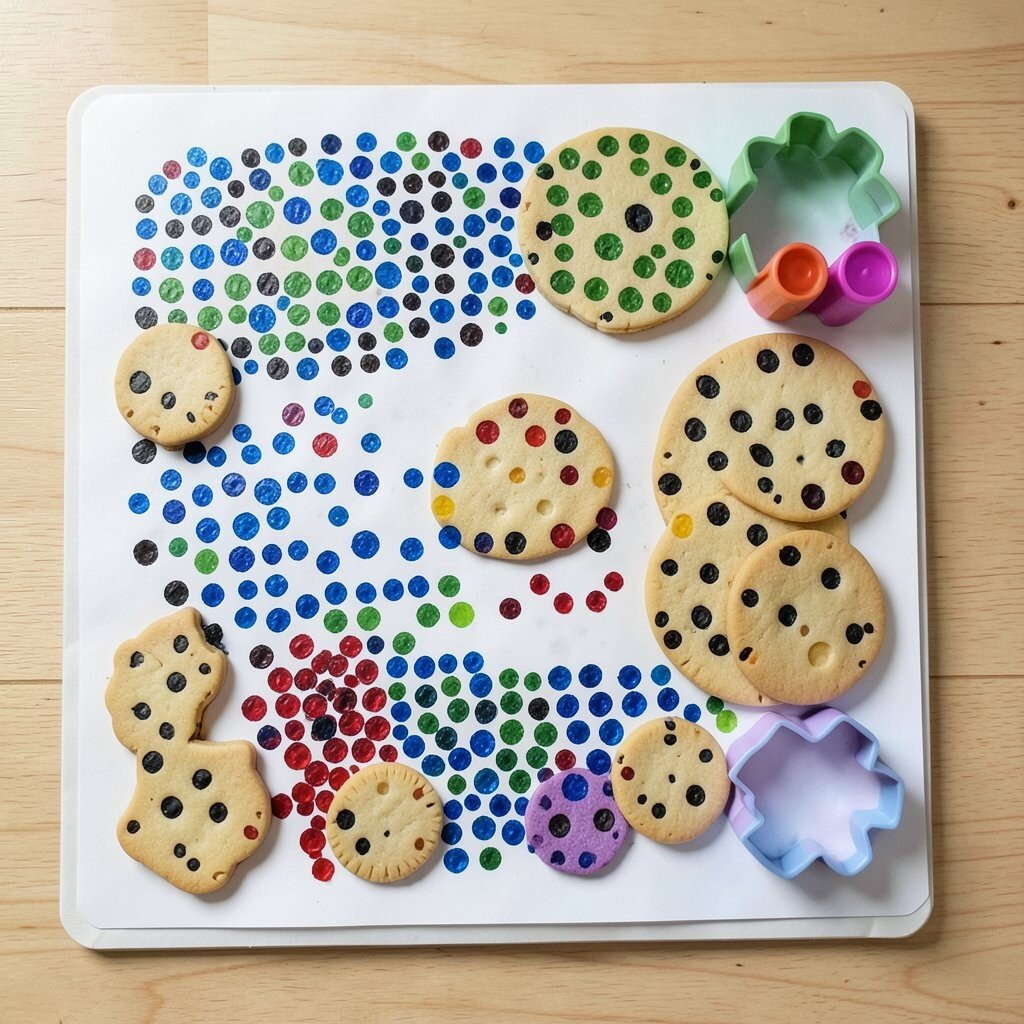
Trace or cut simple shapes from paper scraps, then glue or arrange them on a page. Add dot centers inside each shape to make them feel like stamped treats.
This collage style makes your art look organized while still playful. The benefit is that you get structure without losing creativity, because dot choices carry the personality. Personalize by using color palettes tied to seasons, like warm autumn tones or bright summer pastels.
12. Dots for Map Routes and Hidden Destinations
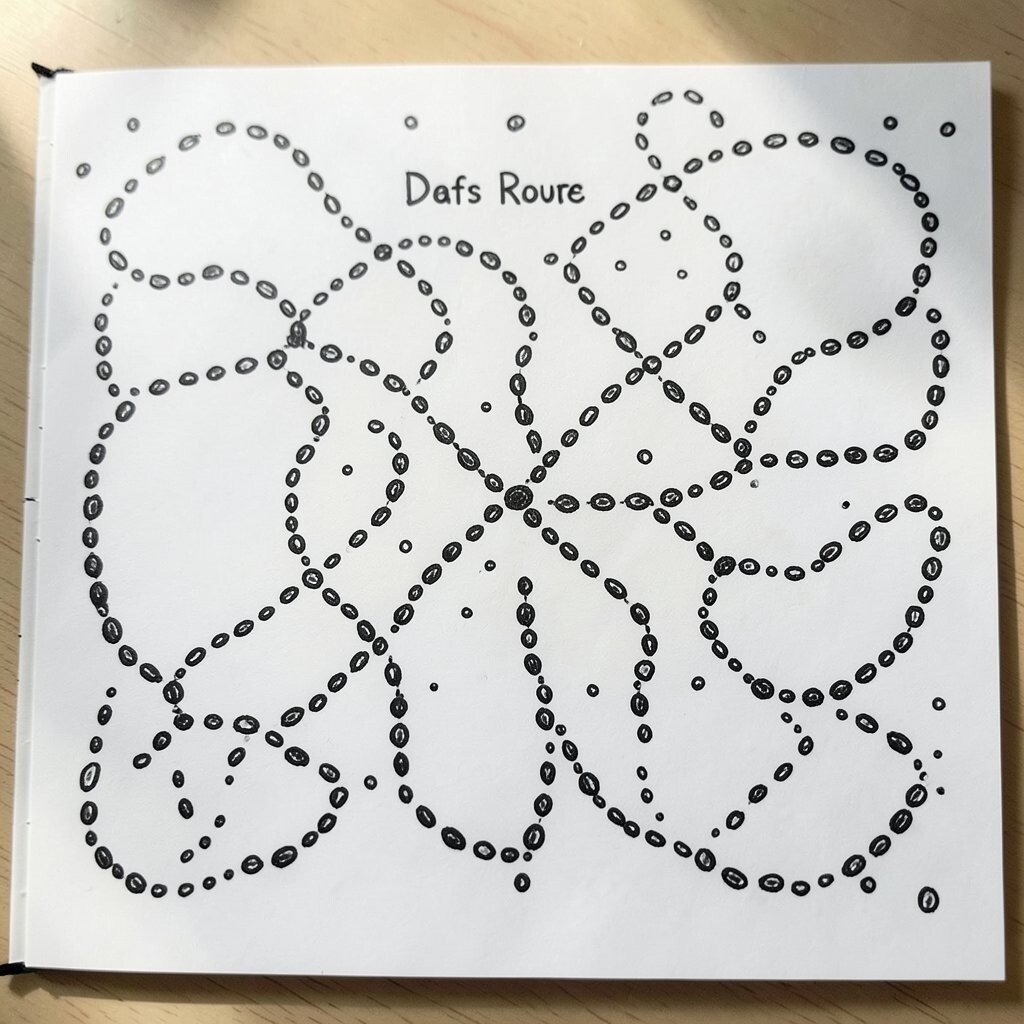
Sketch a rough map with a few simple roads, then mark the route using dots. Add extra clusters where you imagine stops, like cafés, parks, or secret little shops.
Dot routes help you tell a story of movement and planning. This improves spatial thinking and makes your page feel more like a personal world. Personalize by using places you’ve visited or by drawing a dream route you want someday.
For cost considerations, you can draw the map in pencil and use one pen color for dots. A current trend is “vision travel” and adventure planning, and dot maps match that vibe without needing fancy gear.
13. Pixel Feel: Dots That Look Like Tiny Screens
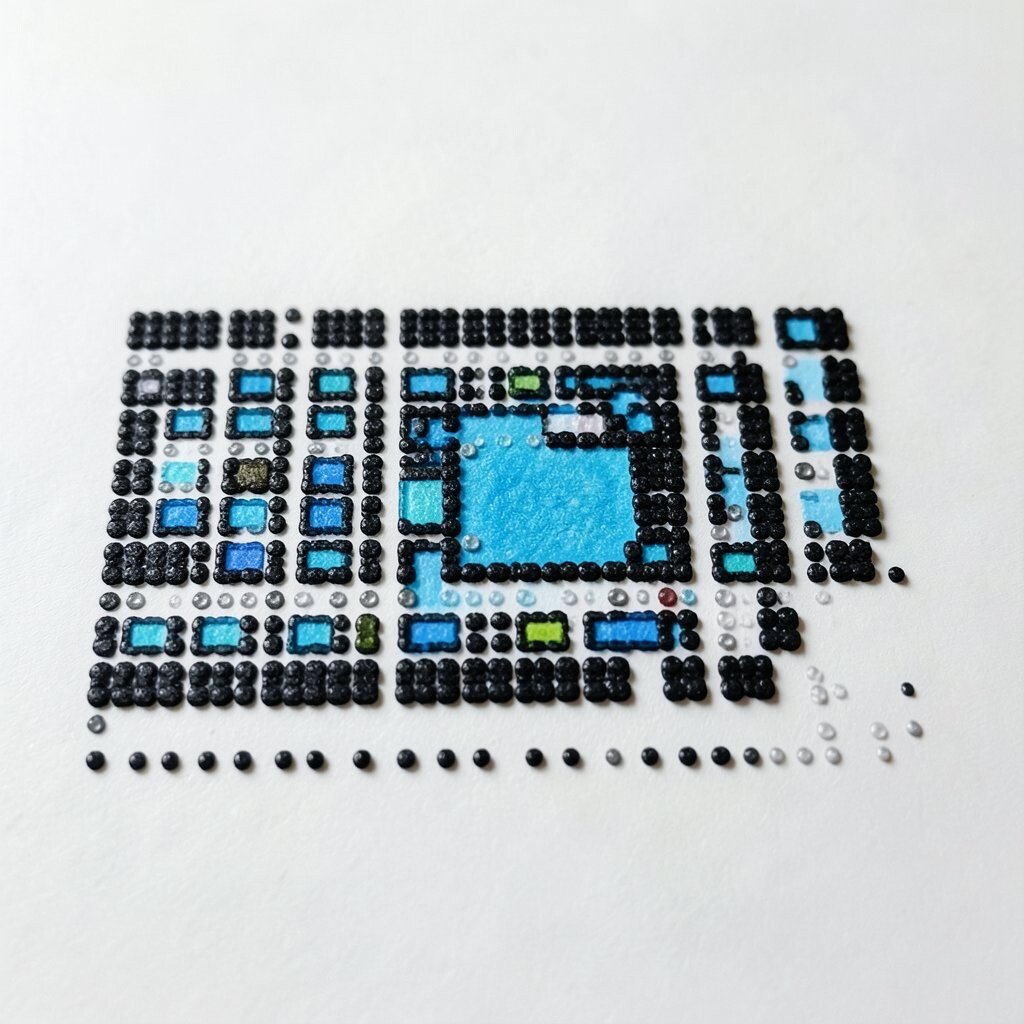
Create a small grid on paper, then fill squares with dots like pixel art. Keep the image simple at first, such as a heart, a sun, or a little smiley face.
This helps you practice control and repetition, which can be satisfying. It also gives you a clear way to personalize, because you can choose any theme that fits your screen-like style. If you enjoy modern aesthetics, pixel dots connect well to current digital-inspired art trends.
Use a fineliner or a dotting tool to keep circles similar in size. For an easy budget option, use the eraser end of a pencil to tap consistent dots.
14. Dots With Light and Shadow for Depth
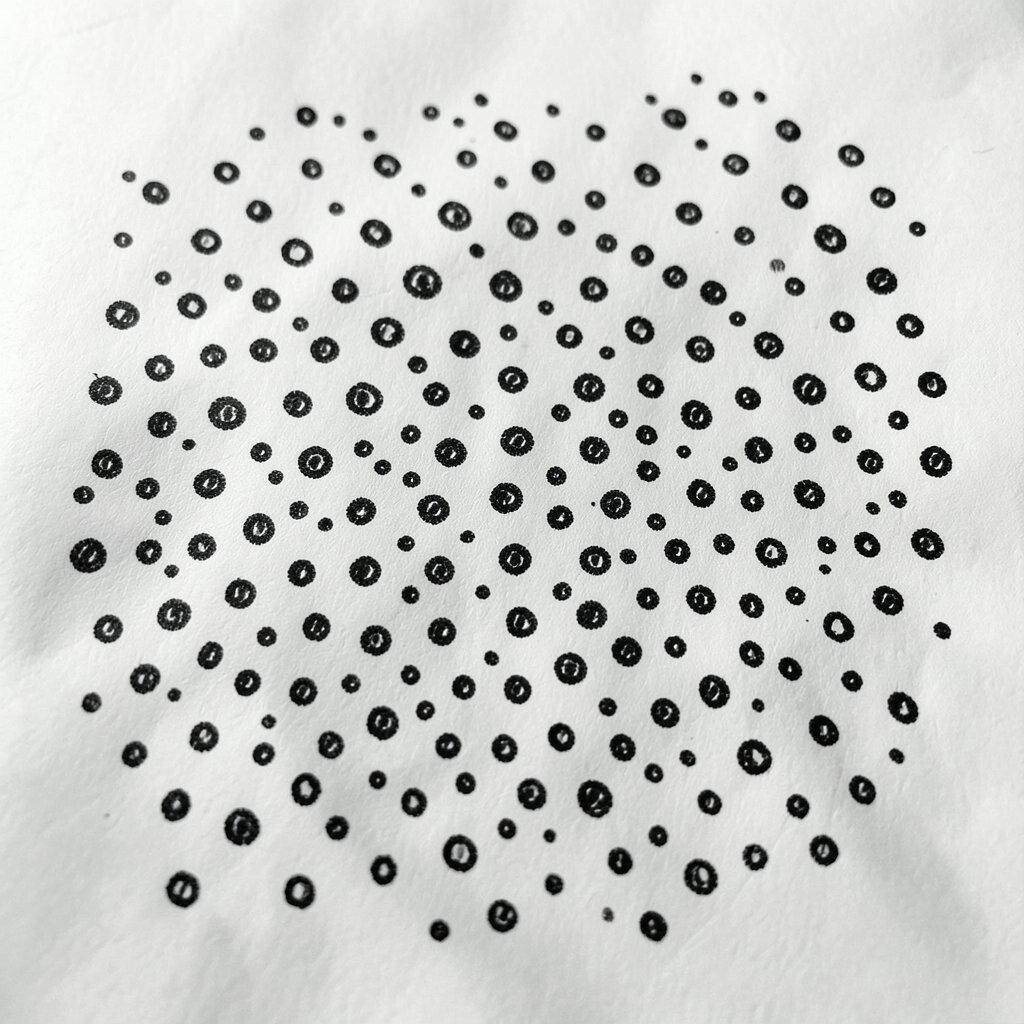
Pick a simple object shape, like a circle or a cube, and imagine a light source. Place dots closer together in the shadow areas and spread them out where light hits.
This teaches shading basics through a fun method you can repeat anytime. The benefit is that your drawings start looking less flat, even if you keep the forms simple. Personalize by choosing a light direction that matches your imagination, like moonlight from the side or a warm lamp from above.
15. Dot Flowers and Stem Scribbles
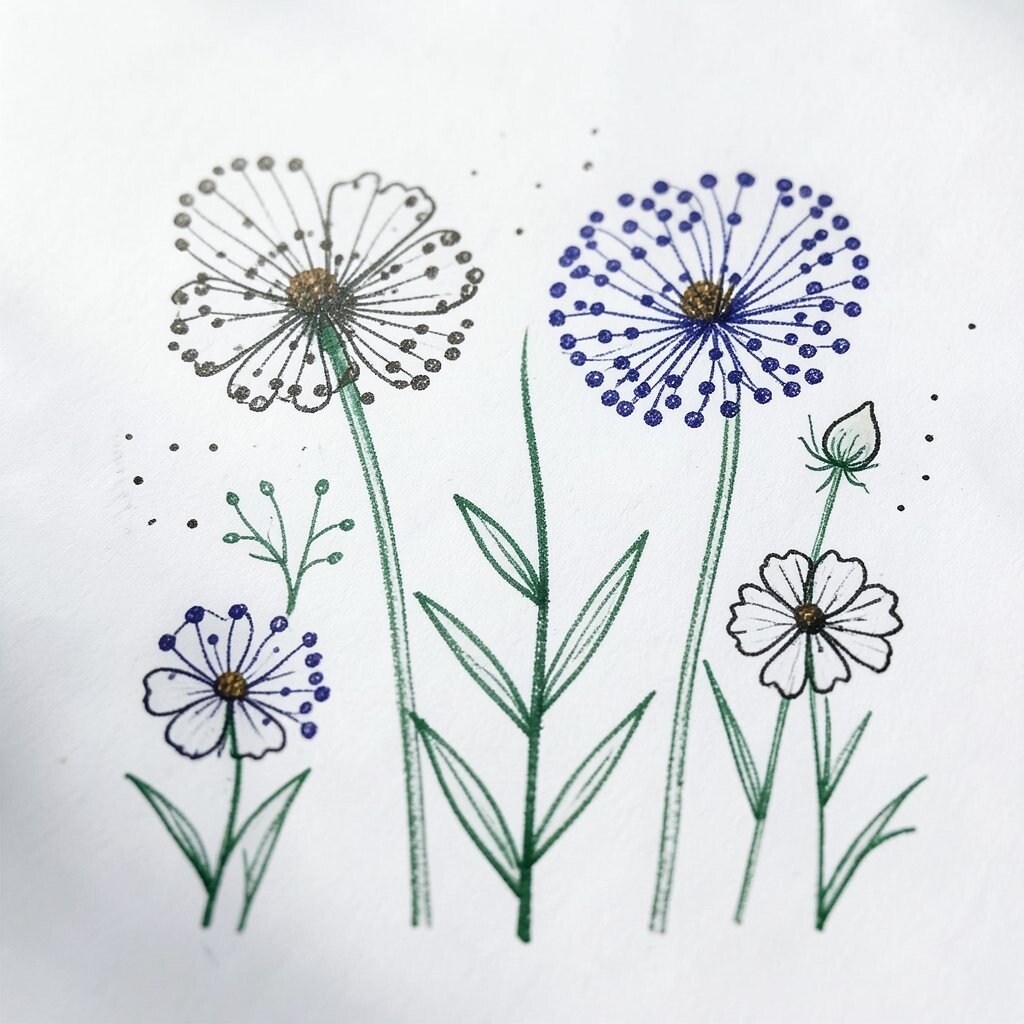
Draw a stem with a simple curve, then make the flower heads from clustered dots. Add a ring of larger dots around smaller dots for a layered look.
Flowers made from dots feel cheerful and can brighten up plain notebook pages. This is an easy practice for pattern building and spacing, which supports more complex doodles later. Personalize by making your flower style match real blooms you like, or invent a new flower that feels like you.
If you want cost-friendly color, use one marker color for petals and another for leaves. A trend in craft communities is “dot florals,” because they look cute on greeting cards and journaling spreads.
16. Secret Codes With Dot Messages

Write a message using dot patterns instead of letters. For example, you can use dot rows to stand for different sounds or words, then keep the key on a separate page.
This makes your doodles feel like a private language and adds meaning beyond decoration. The benefit is that you practice consistency and planning, because codes rely on reliable placement. Personalize by making codes that connect to your life, like a nickname system for friends or a way to remember goals.
17. Dots Around Photos for Memory Frames
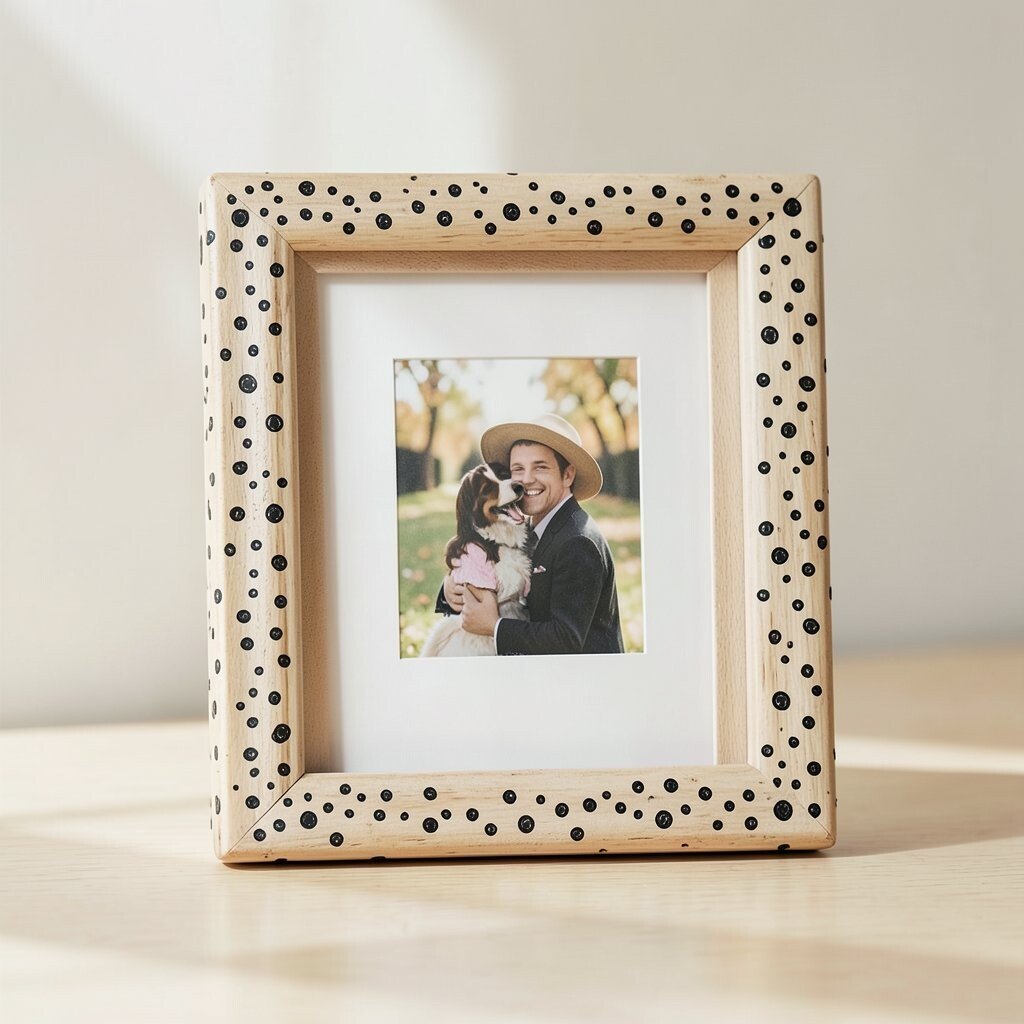
Take a printed photo, a ticket, or a postcard and leave a border blank. Then surround it with dots like confetti, scribbles made from dots, or soft fading clusters.
This helps your memories stand out on the page without covering the image. The benefit is that you create an instant frame and a visual mood, whether it’s calm and minimal or bright and energetic. Personalize by using dots that match the dominant colors in the photo.
Cost considerations are simple because you can do it with pencil or black pen and add color only where you want it. Current scrapbook and journaling trends keep leaning toward mixed textures, and dot borders add just enough detail to feel special.
Try placing a few larger “hero” dots near the corners for a polished look. Once you start, you’ll find it easy to maintain a consistent style across pages.
18. Dot Exercises for Hands and Mood Reset
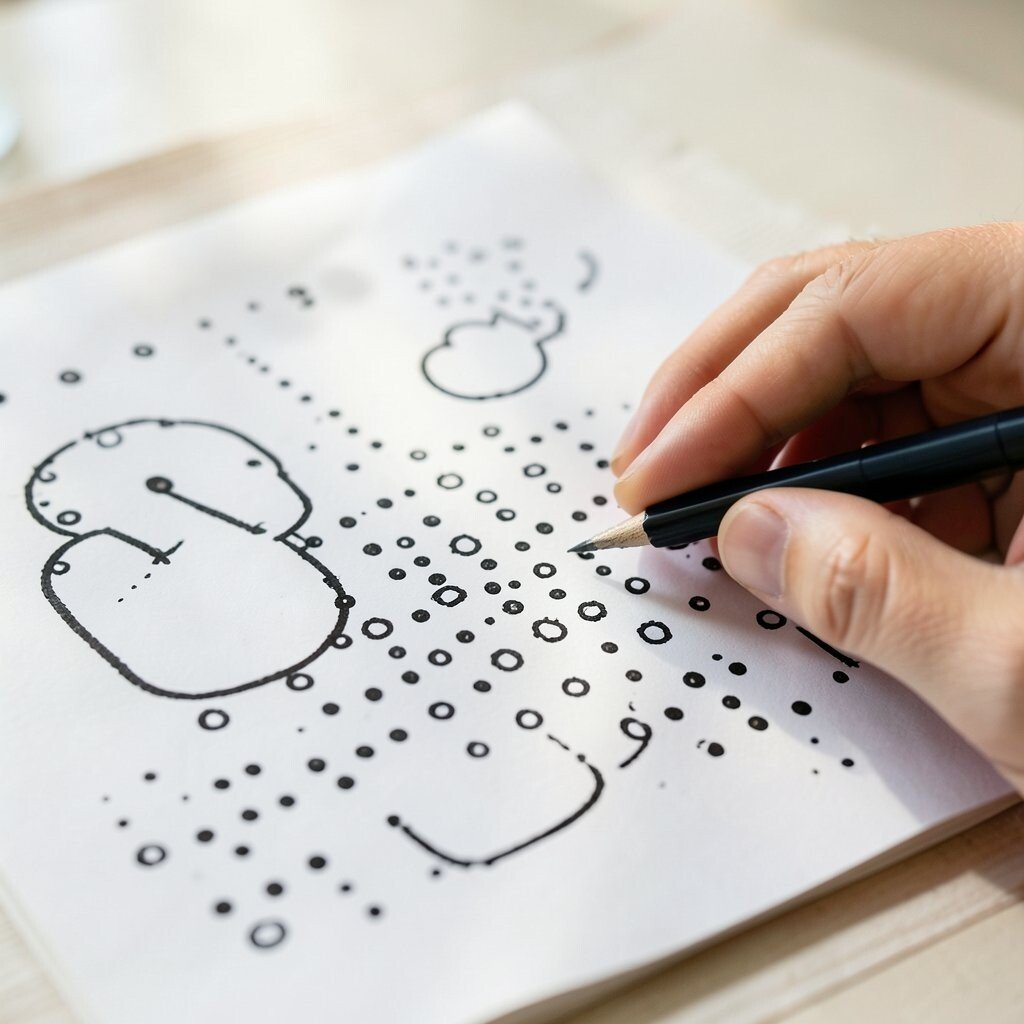
Set a small goal like filling a circle with dots until it looks fully textured. Focus on pressure control, spacing, and how your breathing changes as you repeat.
This is like a mini reset that can calm your mind when you feel scattered. The benefit is that you practice steady motion and reduce the urge to rush, which improves your overall drawing confidence. Personalize by choosing a pattern that matches your mood, like slow sparse dots for quiet days or dense sprinkles for energetic ones.
For a very low cost approach, use a single pen and one sheet, and stop when your circle feels complete. Many artists now share short “hand warmups,” and dot exercises fit perfectly into that casual practice culture.