Your next great idea might be waiting on the page you already own. Small notebook habits can make your thoughts feel clearer and more playful.
When your notebook feels friendly, you write more often and notice more details in everyday life. That attention is where fresh ideas start to grow.
1. Doodle-First Morning Pages
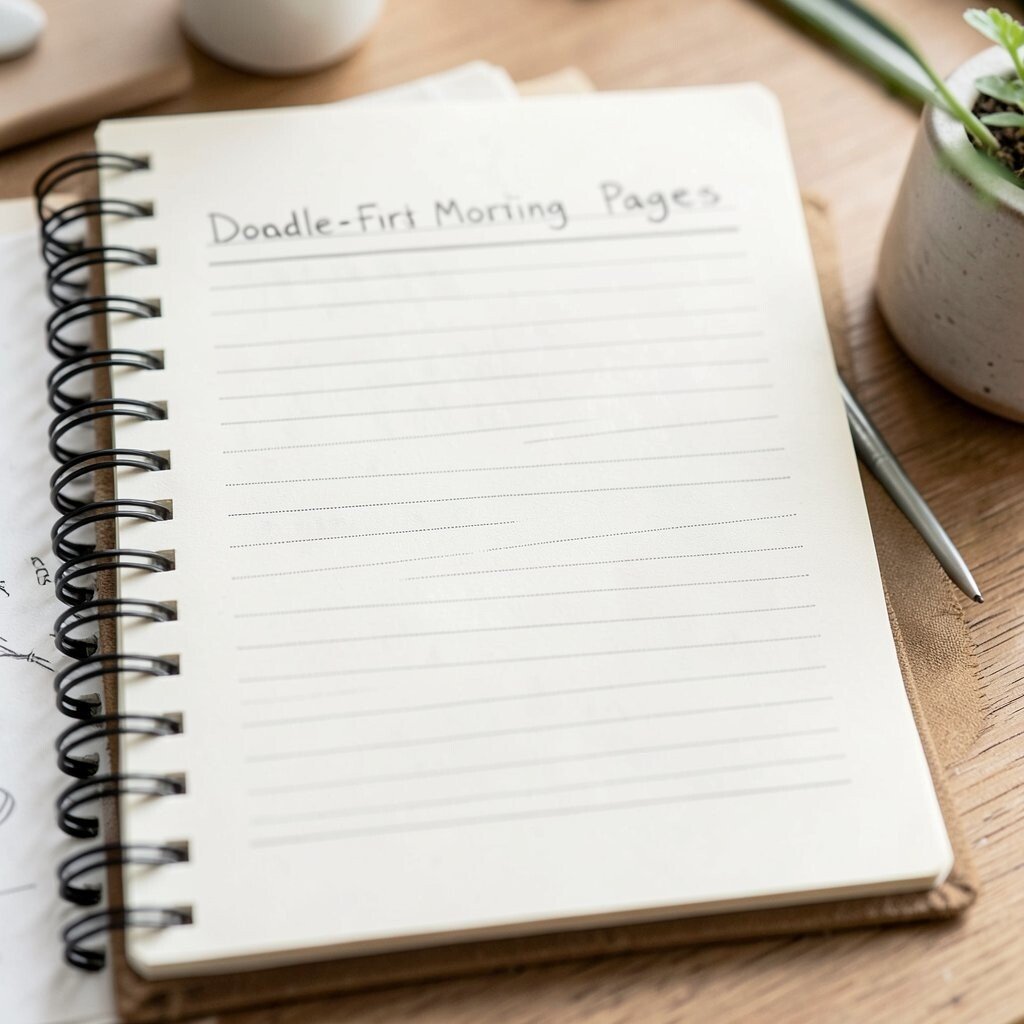
Before you write a single sentence, cover the first page with loose doodles. Let your pen move freely, drawing swirls, tiny faces, arrows, or shapes that match your mood.
Use a simple set of prompts by choosing one theme each day, like “morning light” or “busy thoughts.” Keep the drawings big and imperfect so your hand warms up quickly and your mind follows.
2. Texture Map for Your Surroundings
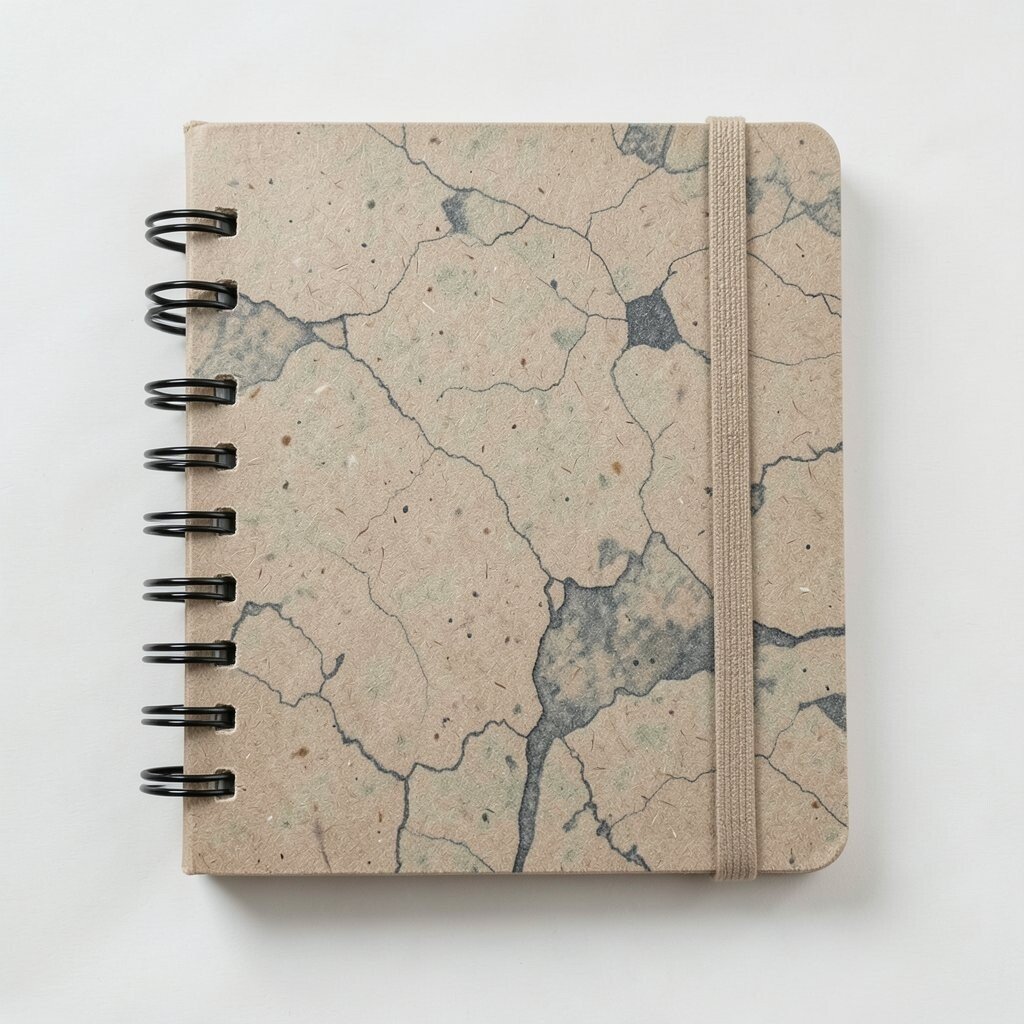
Pick a place you know well, like your desk, a sidewalk, or a kitchen counter. Record it with quick sketches that focus on texture: rough wood, smooth glass, or peeling paint.
Write short notes on how each surface feels to your eyes, not your fingers. The visual contrast makes your notebook more vivid and helps you notice details you usually skip.
Try a cheap trick by bringing one small fabric scrap or a coin and comparing it to what you see. This builds a personal library of textures you can use later for art, writing, or design ideas.
3. One-Word Story Relay
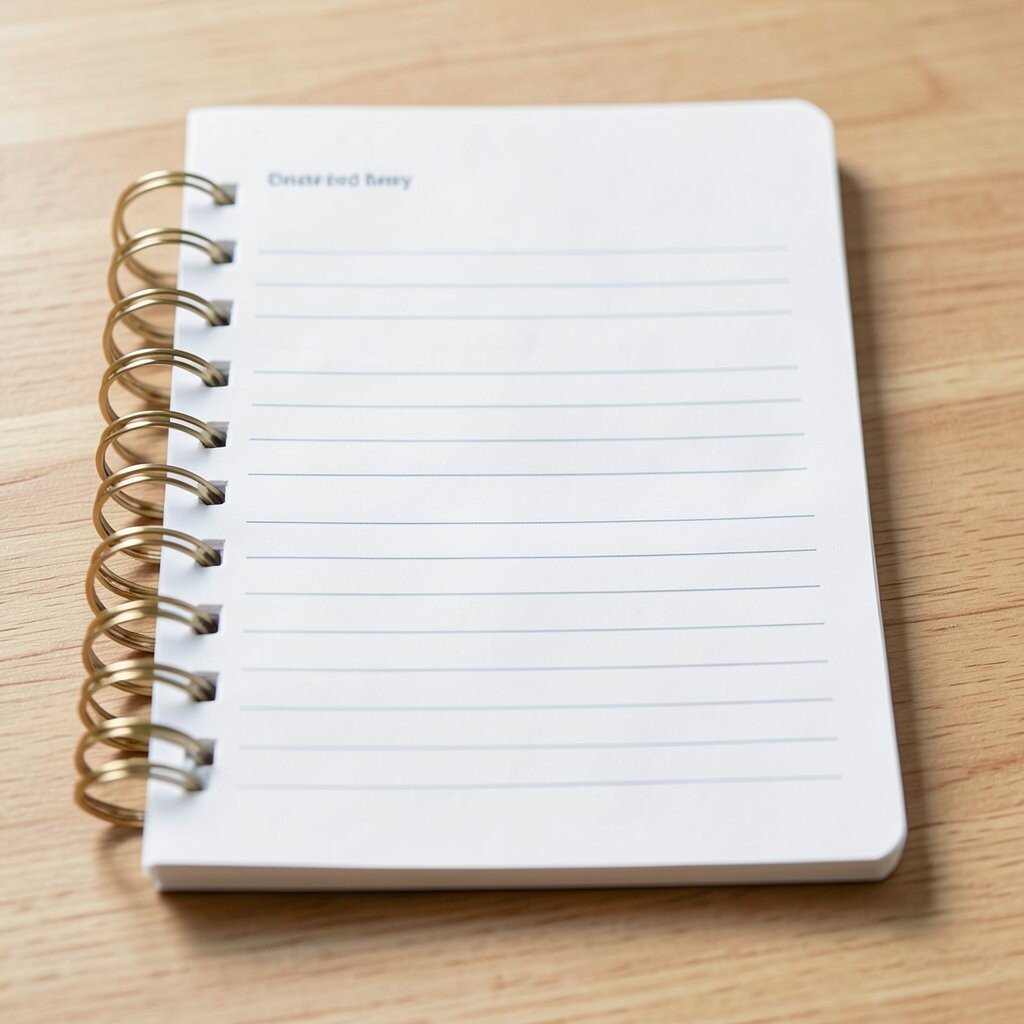
Choose a single word and write it at the top of the page. Then start a tiny chain of micro-stories where each line adds one new meaning.
Keep the lines short and let your imagination do the heavy lifting. You can write “storm,” then “quiet,” then “rebuild,” and watch how the scene changes in your head.
Use different ink colors to mark turns in the story, like where danger appears or where hope shows up. The result feels like a mini movie you can replay whenever you need inspiration.
To make it practical, set a time limit and stop right after the chain ends. That ending teaches you to trust good ideas even when they are unfinished.
4. Swatches and Scene Capsules
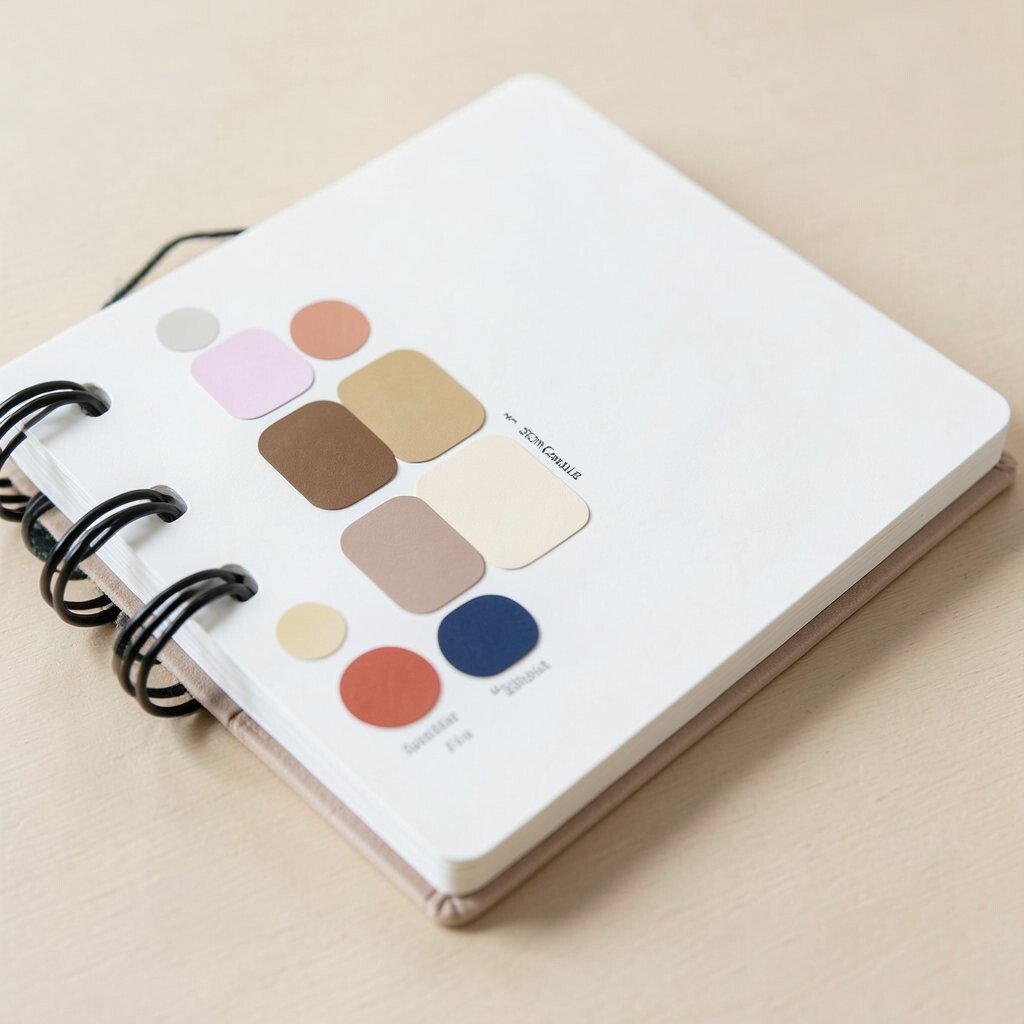
Dedicate a page to visual samples by gluing or taping tiny pieces of paper, fabric, or wrappers. Add a quick sketch of a scene that matches each swatch, like a cozy corner or a street at night.
Write one sentence about how the scene makes you feel. This keeps your notebook grounded in real materials while still making room for big feelings.
5. Habit Tracker That Becomes Art
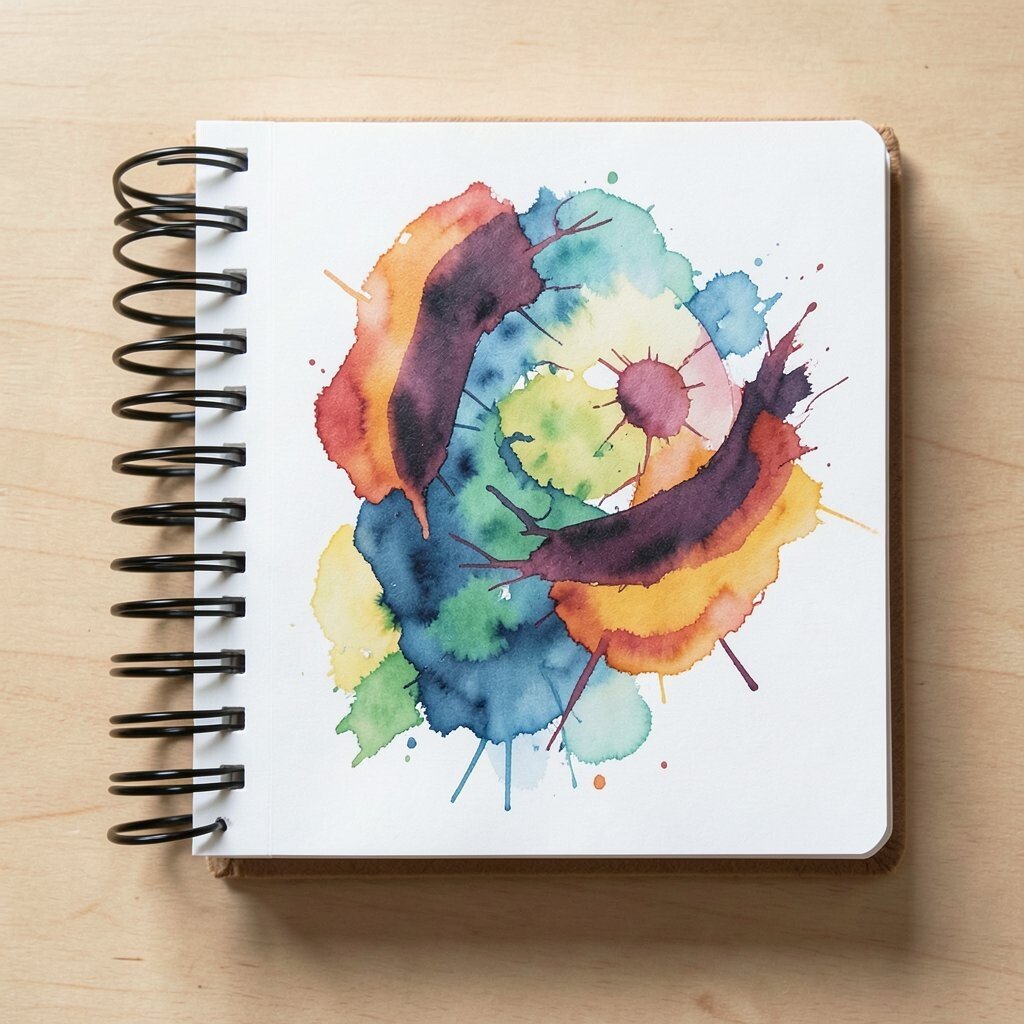
Instead of a plain checklist, draw a small chart that turns actions into patterns. If you want to track reading, sleep, or stretching, represent each success with a simple icon you enjoy.
Try creating a “sticker sheet” style page where each day becomes a tile in a colorful mosaic. You’ll get visual proof of your progress and a fun page you actually want to revisit.
Personalize it by matching colors to your favorite moods, like greens for calm and reds for energy. If you’re cost-conscious, use colored pens, pencil shading, or cut-out magazine scraps instead of buying stickers.
6. The Conversation Corner
Write down one memorable phrase you heard today, then add your own response under it. It can be a quote from a friend, a line from a show, or something you overheard.
Next, write what you think the person meant, even if you guess wrong. That stretch of empathy improves your writing voice and gives you new angles for stories.
Keep a small box beside the page for “follow-up questions” you want to ask later. Over time, those questions become prompts for sketches, poems, or dialogue practice.
To stay practical, limit yourself to a few lines so you never feel stuck. Consistency beats perfection, especially when you want creativity to feel easy.
7. Mapping Your Mood With Colors
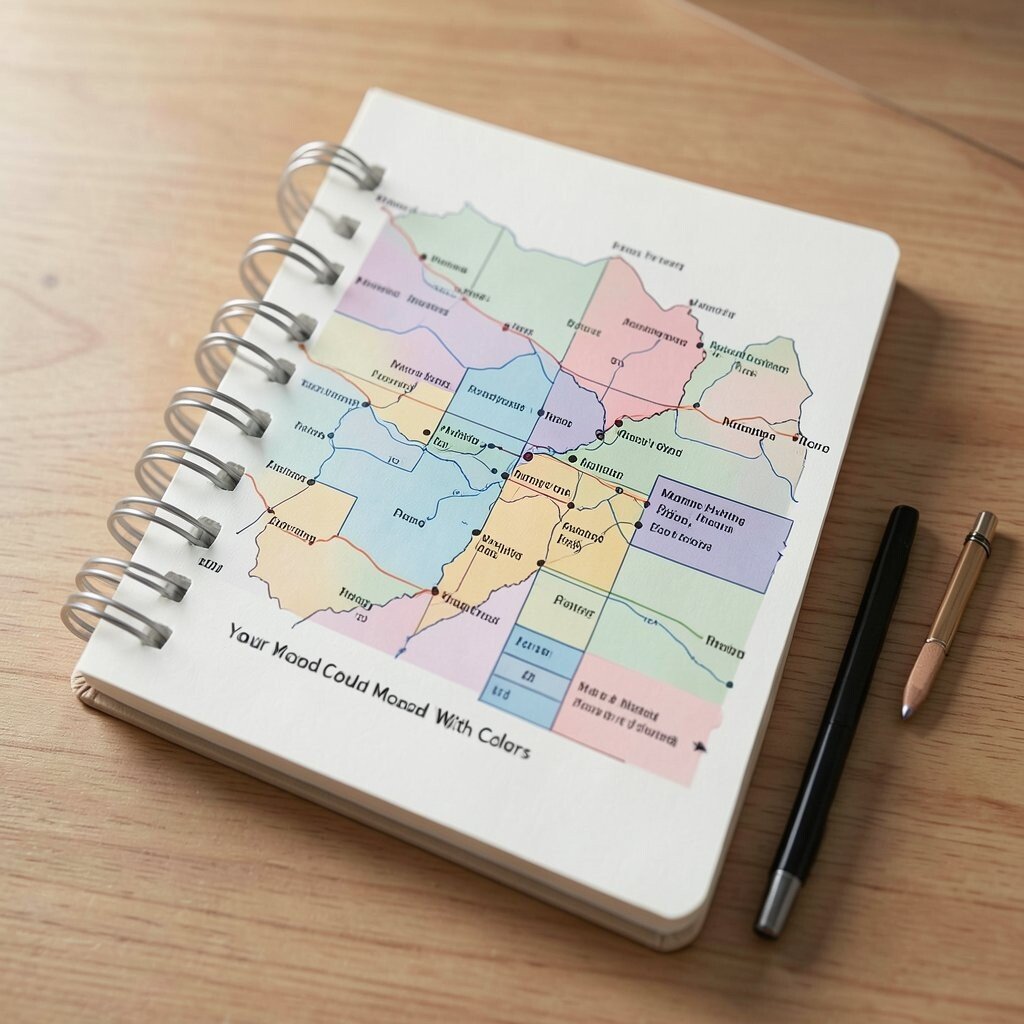
At the start of a day, draw a simple circle or square and color it like a weather report for your feelings. Use one color for calm, another for tension, and so on.
As the day goes on, shade the shape in small steps to show changes. This visual method makes your mood easier to understand and helps you spot patterns you didn’t realize were happening.
Make it unique by adding a tiny symbol to each color, like a star for excitement or a wave for stress. You’ll remember the meaning faster and your notebook stays playful.
8. Character Files From Real People
Pick someone you know, or someone you see often, like a barista or bus driver. Write three traits you notice, then turn each trait into a character habit.
Describe them with visual details, like the way they hold a cup or how their eyebrows move. Those observations become building blocks for stories, roleplay, or even comic panels.
For personalization, adjust the traits to fit a theme you love, such as fantasy roles, detective work, or space adventures. This keeps your notebook connected to real life while still letting you invent boldly.
Consider cost by using a single pocket notebook for these notes and carrying it in your bag. You can also use cheap page tabs to find character pages quickly.
9. The “Five-Minute Museum” Page
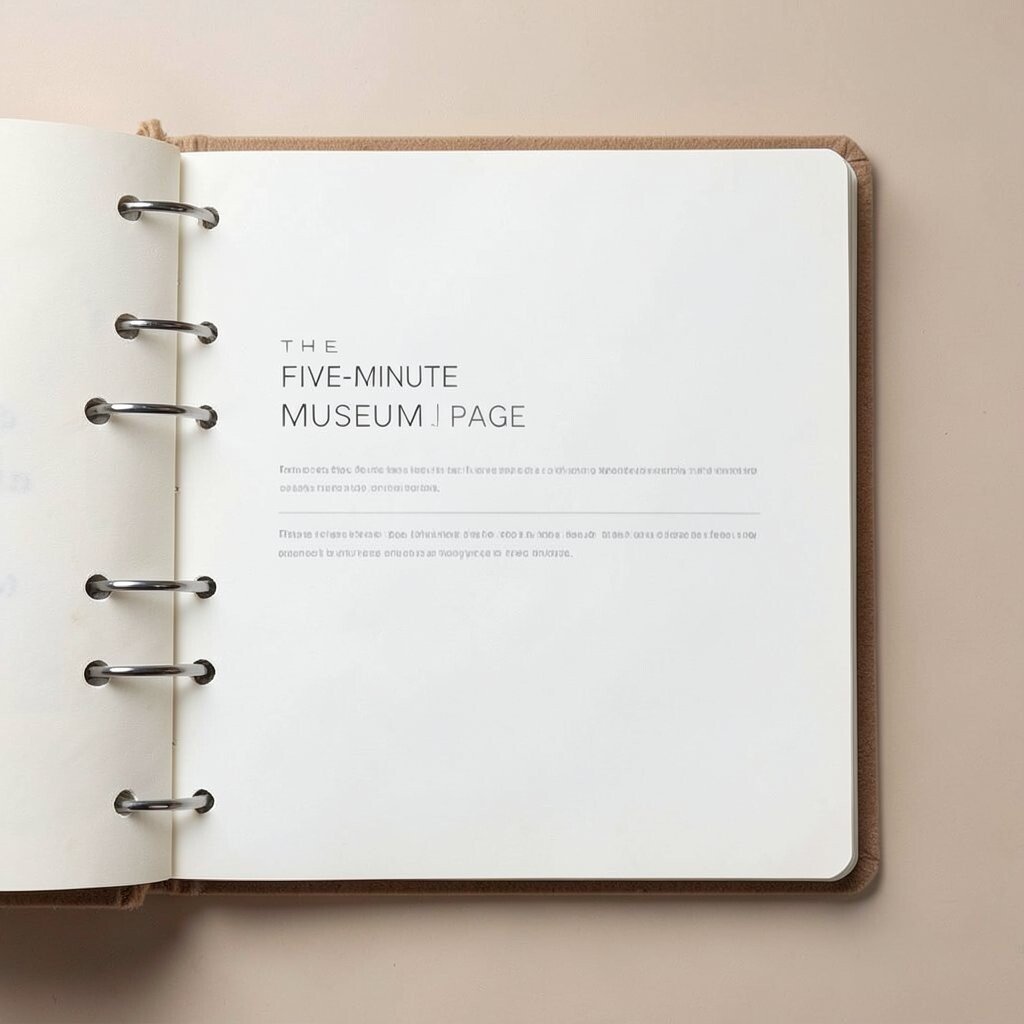
Choose an object near you, like a keychain, mug, or houseplant. Treat it like a museum exhibit and describe it as if visitors are standing in front of it.
Write what it looks like, what details stand out, and what history you imagine it might have. The exercise trains your observation skills and turns ordinary items into story fuel.
Try adding one tiny sketch from three angles, like top, side, and close-up. It’s simple, but it makes the page feel like a real display.
10. Reverse Brainstorming for Better Ideas
Start by writing what you do not want, like “a boring plan” or “a messy drawing.” Then flip it around by listing what would prevent the problem from happening.
You might write that you want clearer steps, nicer pacing, or more interesting settings. When you work backward, creativity often finds a path quickly because you know what to avoid.
To make it practical, pick one small project and use the reverse list as your plan. Keep your lines short so you can return to them while you work.
For current trends, many people now use “constraint creativity,” where limits help you finish. Your reverse list naturally creates constraints and pushes your ideas into action.
11. Scrapbook Notes With Micro-Collages
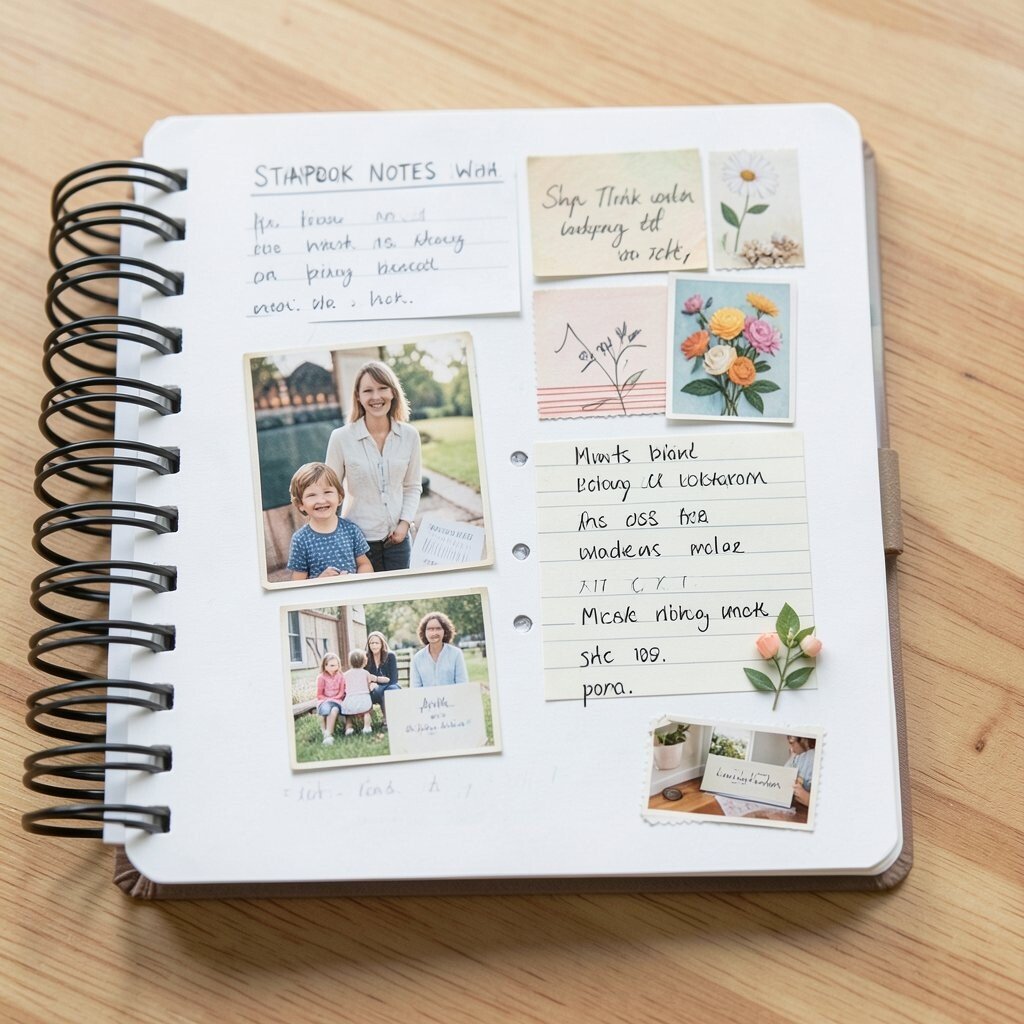
Collect tiny bits of paper, like ticket stubs, torn corners, or printed textures. Tape them into a notebook page and write one sentence that connects them to a memory.
Don’t aim for perfection; aim for mood. The collage gives you a visual anchor, and the memory gives your imagination something to build on.
If you want a cost-friendly setup, use old mail, flyers, and packaging you already have at home. A glue stick and scissors are enough to make each page feel special.
12. Prompt Chain in a Single Color
Pick one color pen for the whole page and write prompts that keep pointing forward. You can start with “What if…” then add “Who would…,” then add “How would it…” as your lines change.
Stay consistent with the color so your thoughts feel like one flowing stream. This also makes it easy to scan your notebook later when you want ideas fast.
Personalize the prompts by tailoring them to your interests, like cooking, science, sports, or romance. Your notebook becomes a habit you enjoy, not a chore you avoid.
For extra motivation, set a goal of filling only half the page and stopping. Leaving space helps you return with fresh energy tomorrow.
13. “If This Were a Song” Lyrics Pages
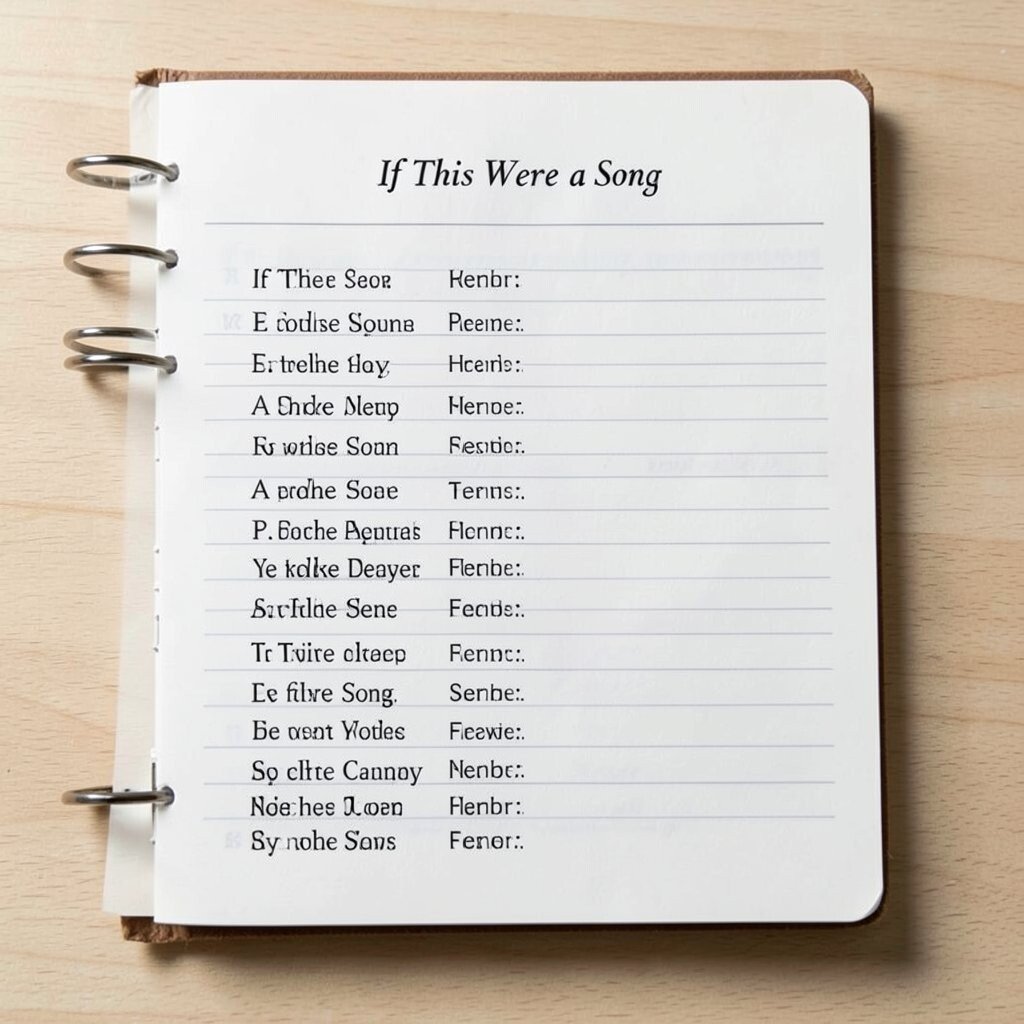
Take a feeling or event and write it as if it were lyrics. Describe it with images and simple phrases, and let the rhythm guide your word choices.
Try writing two versions of the same idea, one bright and one quiet. You’ll see how the same experience can become different songs depending on the tone.
Include tiny notations like “fast” or “soft” as you go, even if you are not a musician. That makes the page actionable because you can sing or speak it out loud.
To keep costs low, use a single notebook for lyrics across months. When you flip back later, you’ll notice recurring themes that can shape bigger projects.
14. Inspiration Photos as Thumbnails With Notes
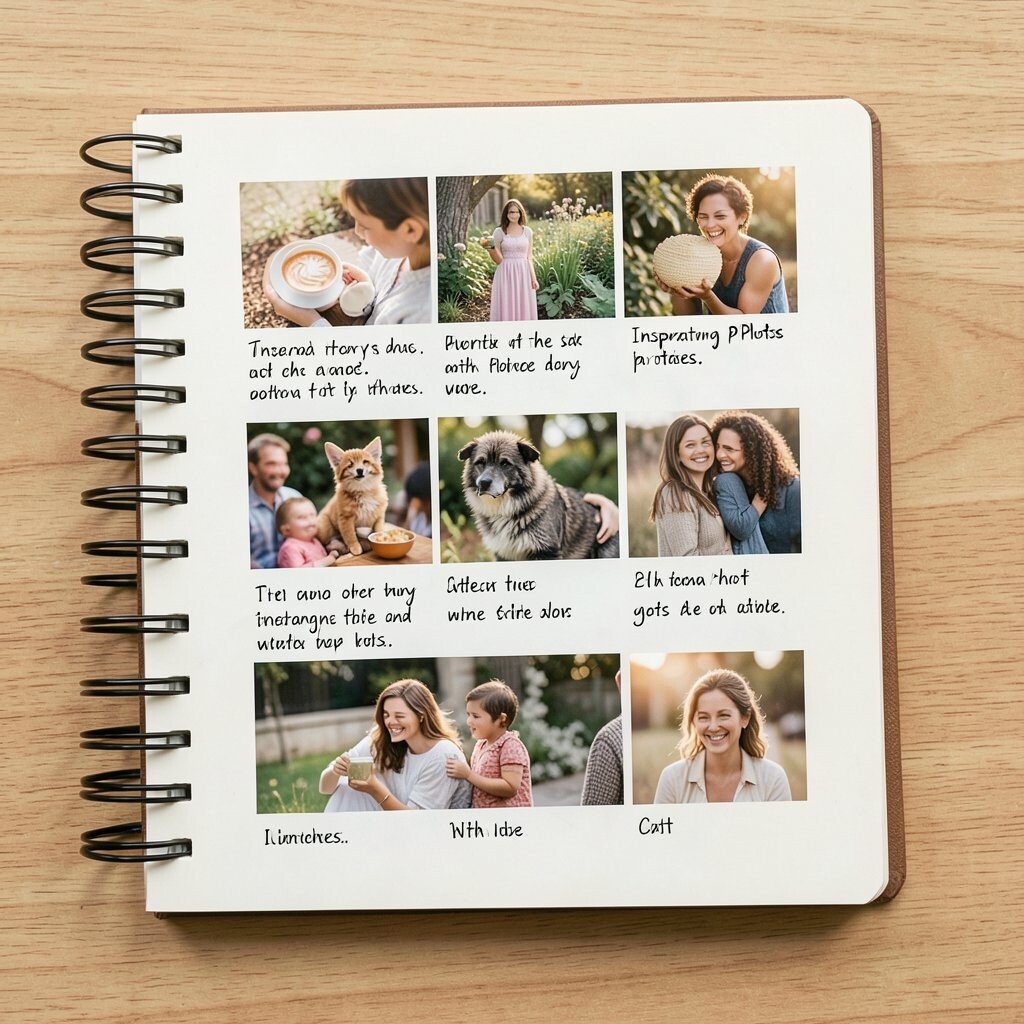
Take a few photos on your phone, then print them at home if you can or keep them as references. Copy the idea into your notebook using thumbnail sketches, not exact copies.
Add a short note about what you loved, like the lighting, the angle, or the mood. This helps you remember the creative choices behind the image, not just the image itself.
Make it unique by pairing each thumbnail with a “what I would change” sentence. That turns inspiration into a personal exercise that builds your own style.
If you want a practical routine, do this after walks, errands, or even a quick look out a window. Small sessions keep your inspiration steady without needing big plans.
15. The Future Page With Cost-Smart Goals
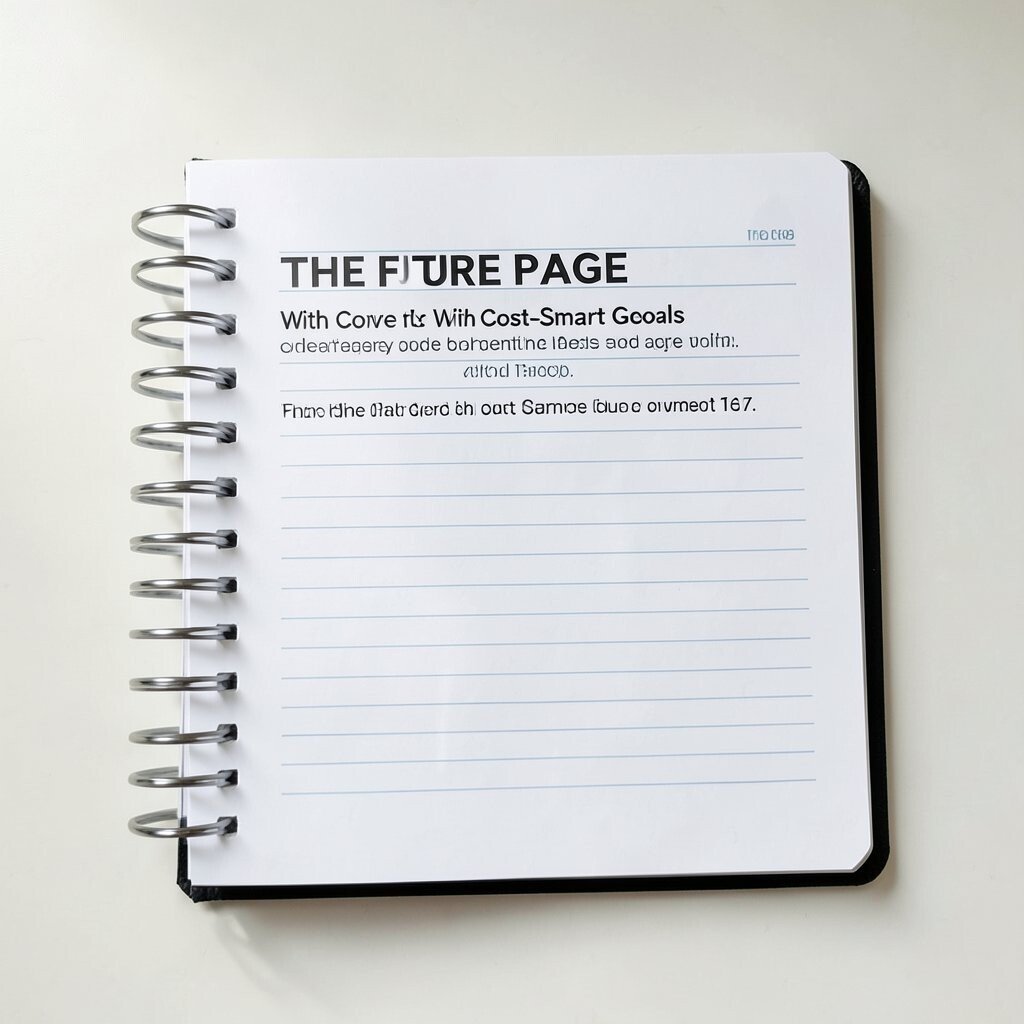
Write a page that starts in the future, like a moment you want to reach. Describe what you are doing, what you have learned, and how your days feel more satisfying.
Then connect it to today with a simple list of steps you can afford. Creativity grows faster when goals match your real budget, like using free prompts online, practicing with cheap materials, or borrowing tools from friends.
Personalize it by adding a “materials I need” circle with options for low-cost versions. You can draw the tools you already own and give them a role in your plan.
Keep the page actionable by choosing one tiny action you will do within a week. When that action becomes real, your future page stops being a dream and turns into momentum.