
Dots can turn ordinary scenes into patterns you can feel. Grab your camera and start noticing the world in pinprick detail.
1. Polka-Dot Reflections in Puddles
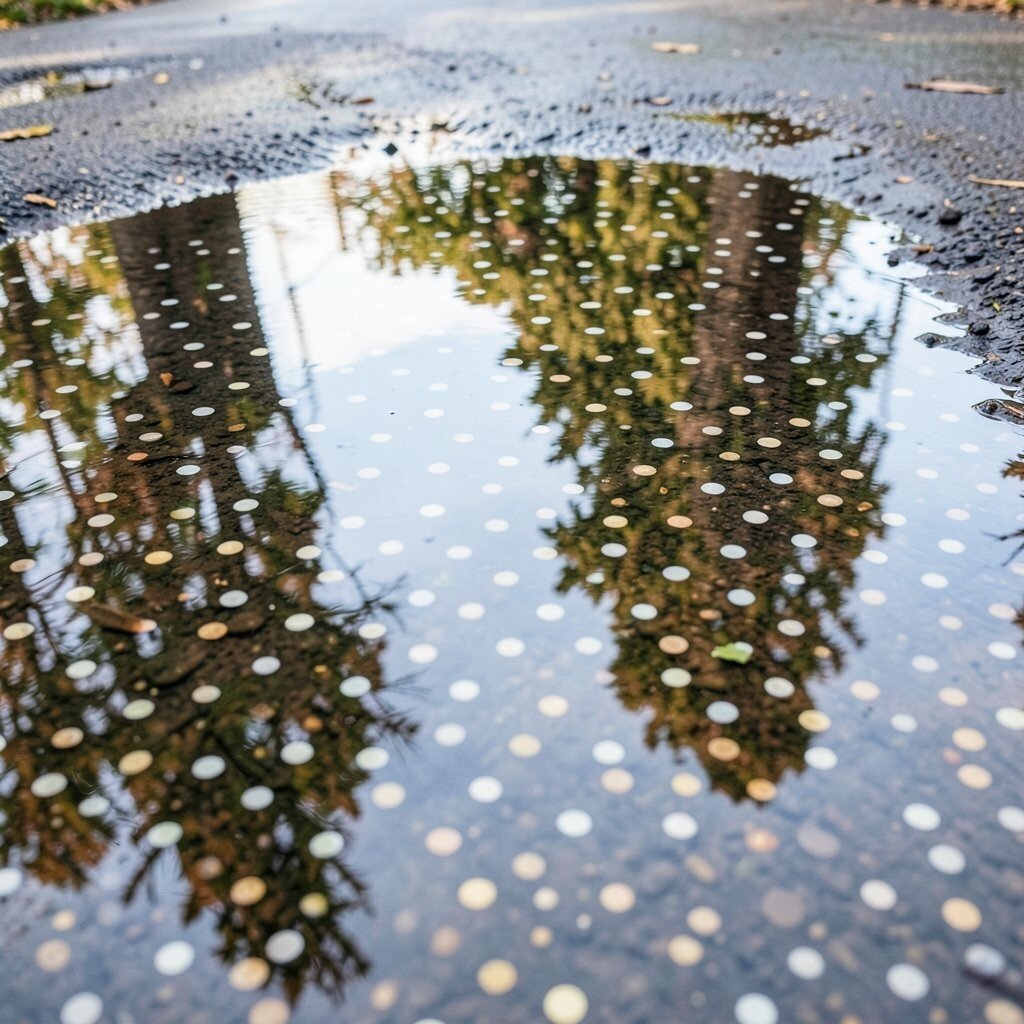
Look for puddles that mirror streetlights, signs, or leaves. Move your camera low to the ground so the water turns bright spots into soft circles.
Try using a slow shutter or a slightly longer exposure so tiny highlights bloom into dot clusters. Shoot at different angles and distances because puddles stretch shapes when you change your viewpoint.
2. Laser-Spot Portraits With Moving Light
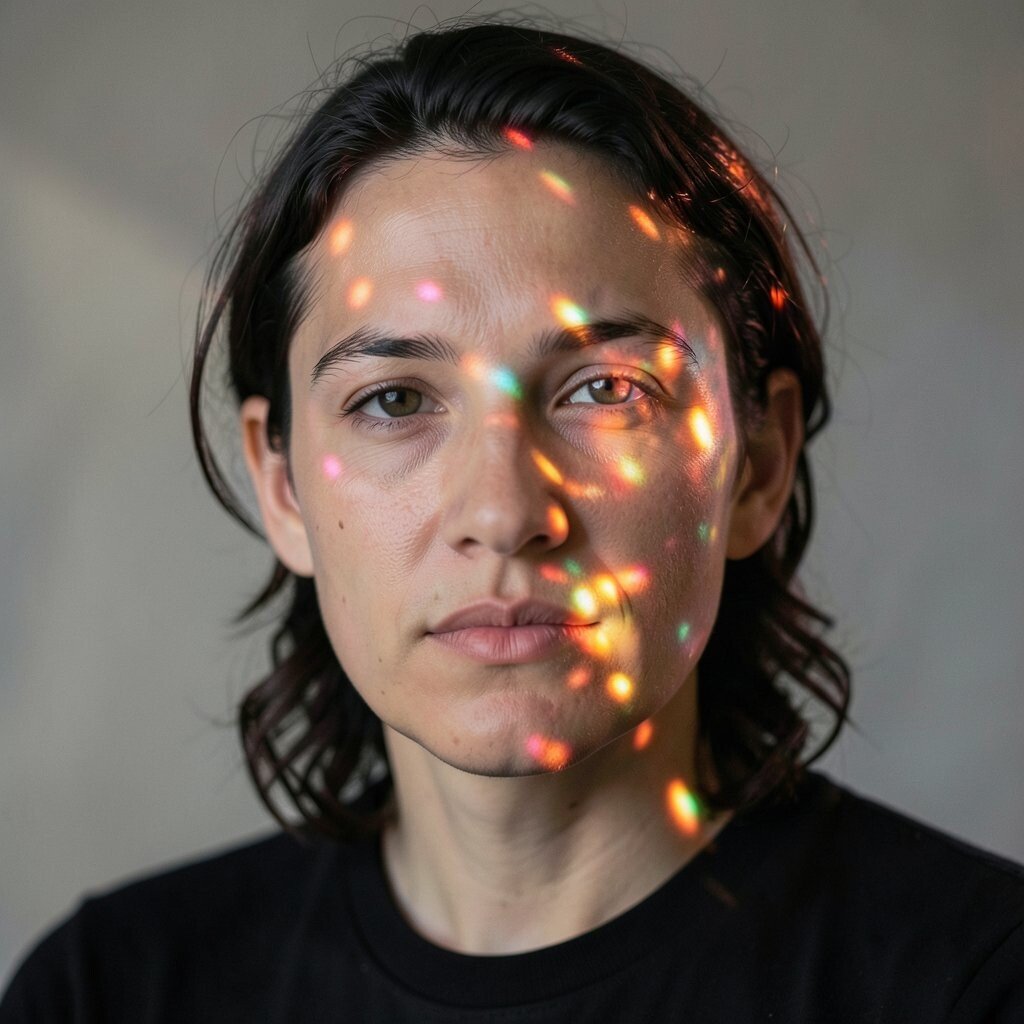
Set up a wall or curtain and let a laser projector or bright pointer create moving dot patterns. Place your subject facing the light so the spots land on cheeks, hair, and clothing.
Use manual focus to keep the dot edges sharp while you adjust your exposure for skin tones. Keep the light at a safe level and avoid shining directly into anyone’s eyes, especially during longer sessions.
For personalization, ask your subject to wear a color that pops against the dots, like teal, mustard, or deep red. If you don’t have a laser, use a small flashlight with a textured cap to cast simple circular highlights.
3. Dot Macro Still Life With Household Objects

Arrange objects that already have dots, like button tins, spice jars, or pepper shakers. Bring your camera close and focus on only one area so the pattern fills the frame.
Try adding a single small prop like a cloth napkin, a coin, or a leaf to create contrast. Use steady hands or a cheap tripod so the background turns into smooth blur that makes the dots stand out.
For cost considerations, you can build a great setup with items from your kitchen drawer and a plain tabletop. Personalize by matching the color of dots to a theme like summer picnic, cozy winter, or school supplies.
4. Ceiling-Light Dot Clouds From Window Screens
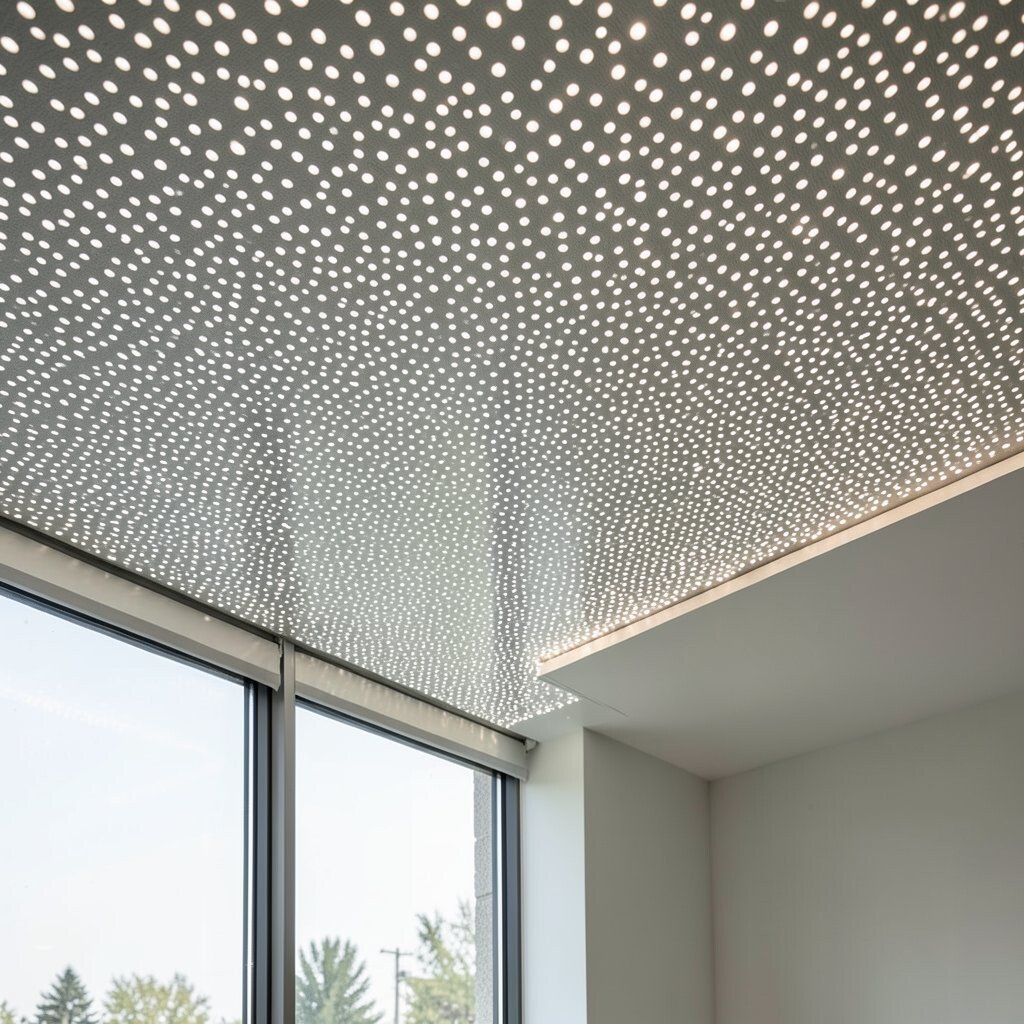
Place a window screen, mesh curtain, or lace fabric between the light source and your camera. When sunlight or indoor lamps hit the texture, the dots form a gentle cloud across your wall.
Position your camera at an angle and adjust the focus until the dots look round instead of smeared. This is a great way to make clean, dreamy images without needing fancy gear.
5. Street Sign Dots and Safety Markers
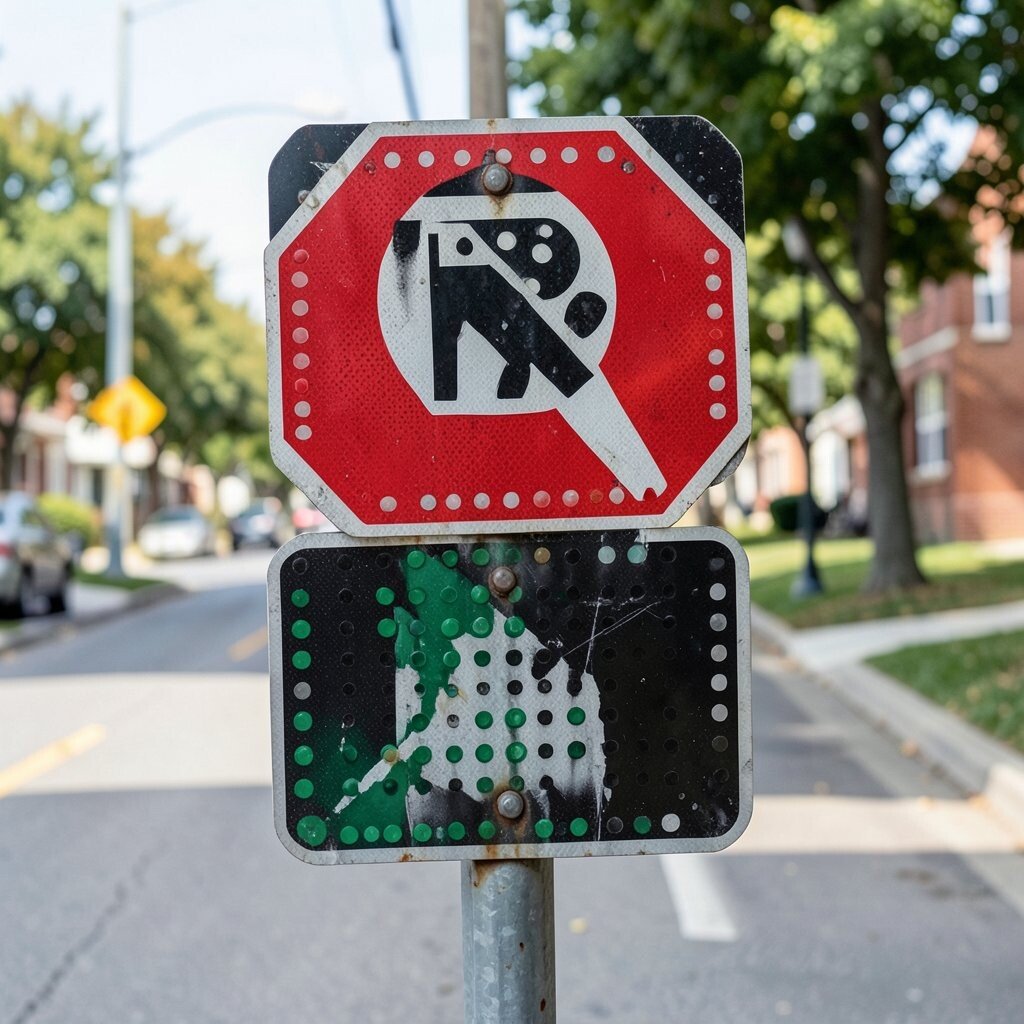
Walk around looking for traffic signs, lane markings, and warning symbols that break into dot-like elements. Zoom in so only parts of the sign are visible, turning text and shapes into a field of circles.
Use natural light and avoid the brightest glare, which can wash out the dot pattern. If your camera has a burst mode, take several frames while you slowly pan for more variety.
To personalize, pick a specific color palette, like red-and-white hazards or blue-and-white parking signs. Keeping costs low is easy because you can shoot with your phone in daylight and edit later for contrast.
6. Shadow Dots Under Trees and Leaves
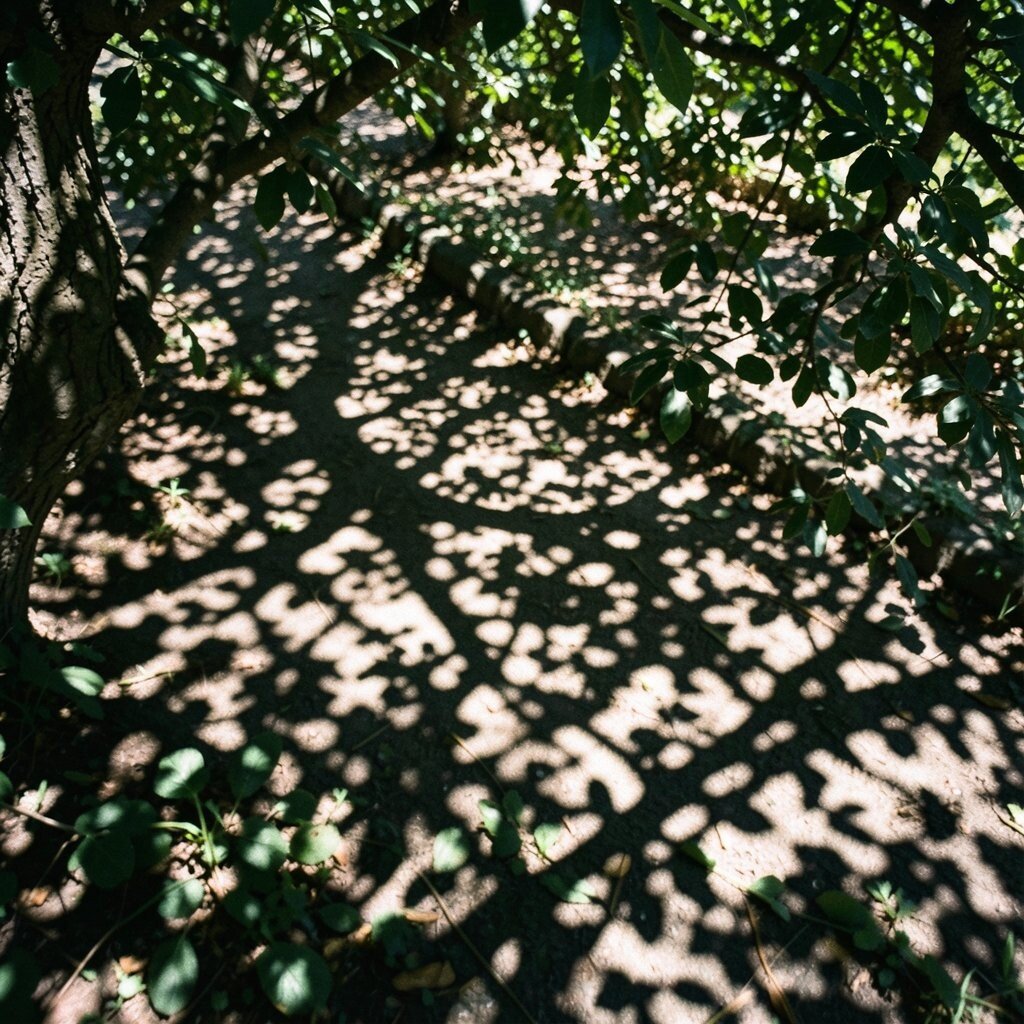
Find a sunny patch under trees where leaves cast tiny bright circles on the ground. Wait for a breeze and let the dot pattern shift across your subject like moving confetti.
Frame your shot so the dots lead into the scene, such as toward a shoe, a backpack, or a small plant. A simple rule helps many people, place your subject slightly off-center and let the dots create the motion.
7. Halftone-Style Dot Portraits Using Color Filters

Compose a portrait and then use simple editing to turn highlights into dot clusters. If your app includes a halftone effect, start mild so skin stays natural and dots don’t swallow details.
For a fun twist, try applying a warm filter for golden dots or a cool filter for blue-gray dots. You can also shoot in portrait mode and then edit to keep the background smooth while the face becomes a dot map.
To keep things practical, work with whatever software you already use and adjust strength gradually. Personalize your look by choosing a signature color for dots that matches your style or your favorite background.
8. Dot Patterns on Fabric: Clothing, Tarps, and Curtains

Photograph dotted fabric up close, especially seams, folds, and stitched edges. When fabric curves, the dots distort in a pleasing way that feels hand-made.
Try side lighting from a window so the texture and thread shadow become visible. This approach is useful because it works indoors, even when the weather is not great.
9. City Night Dots From Headlights and Neon
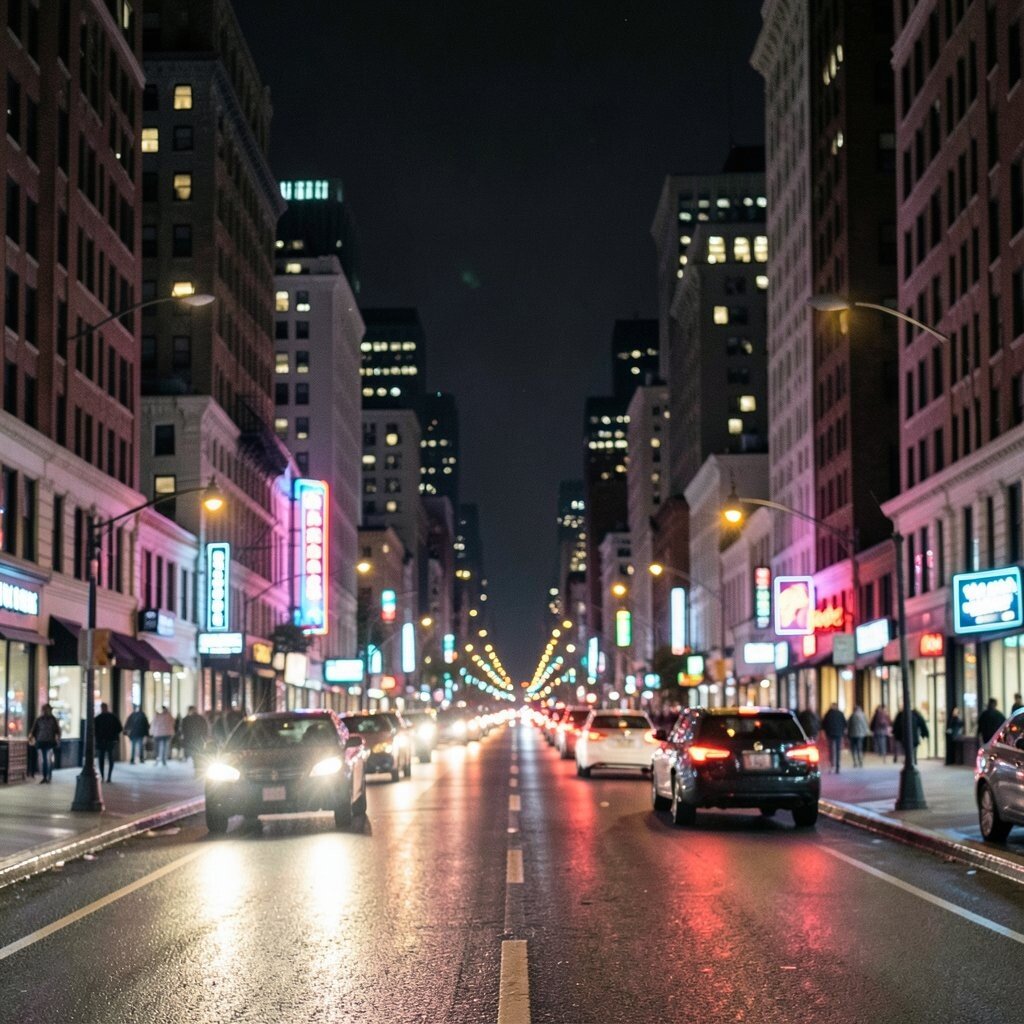
At night, headlights and neon signs create bright circular highlights. Hold your camera steady and use a longer exposure to turn moving lights into dot trails.
Look for reflections on wet pavement, since puddles multiply the pattern. For practical tips, choose a lower ISO to keep noise down and take a few test shots so you can balance brightness.
Cost stays friendly because you can use a phone with a night mode feature. Personalize your series by picking one street you love and returning at the same time each night to build a consistent look.
10. Soap Bubble Dot Universes

Blow bubbles and watch how their surfaces catch light, producing tiny dot-like sparkles. Catch a bubble near a dark background so the highlights look crisp and magical.
Use a shallow depth of field and focus on the nearest bubble highlight. This makes the rest of the bubble field soften while one sparkle becomes the star of the frame.
11. Snowy Dot Fields With Falling Light Flakes
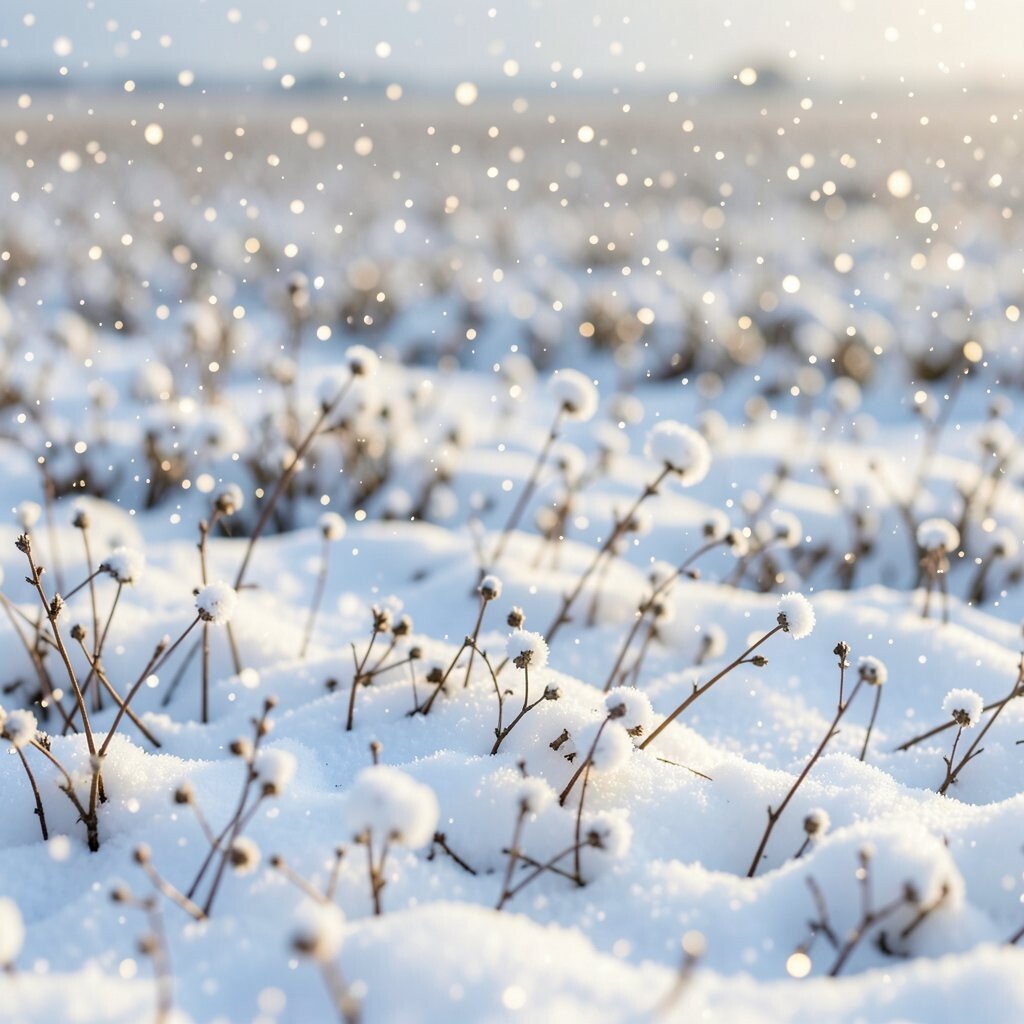
On a light snowfall or even a dusty day, you can photograph dots created by drifting particles. Position a bright lamp or streetlight in the background and keep your subject slightly darker.
Try a fast shutter to freeze snowflakes, or try a slower shutter to make them become soft glowing spots. Make sure your focus locks on a point in front so the dots form a layered look rather than a flat haze.
For personalization, choose a cozy outfit or a simple silhouette and let the dots surround it. Cost is minimal since you mainly need to time your shoot and keep your lens clean.
12. Dot Geometry With Window Blinds and Bars
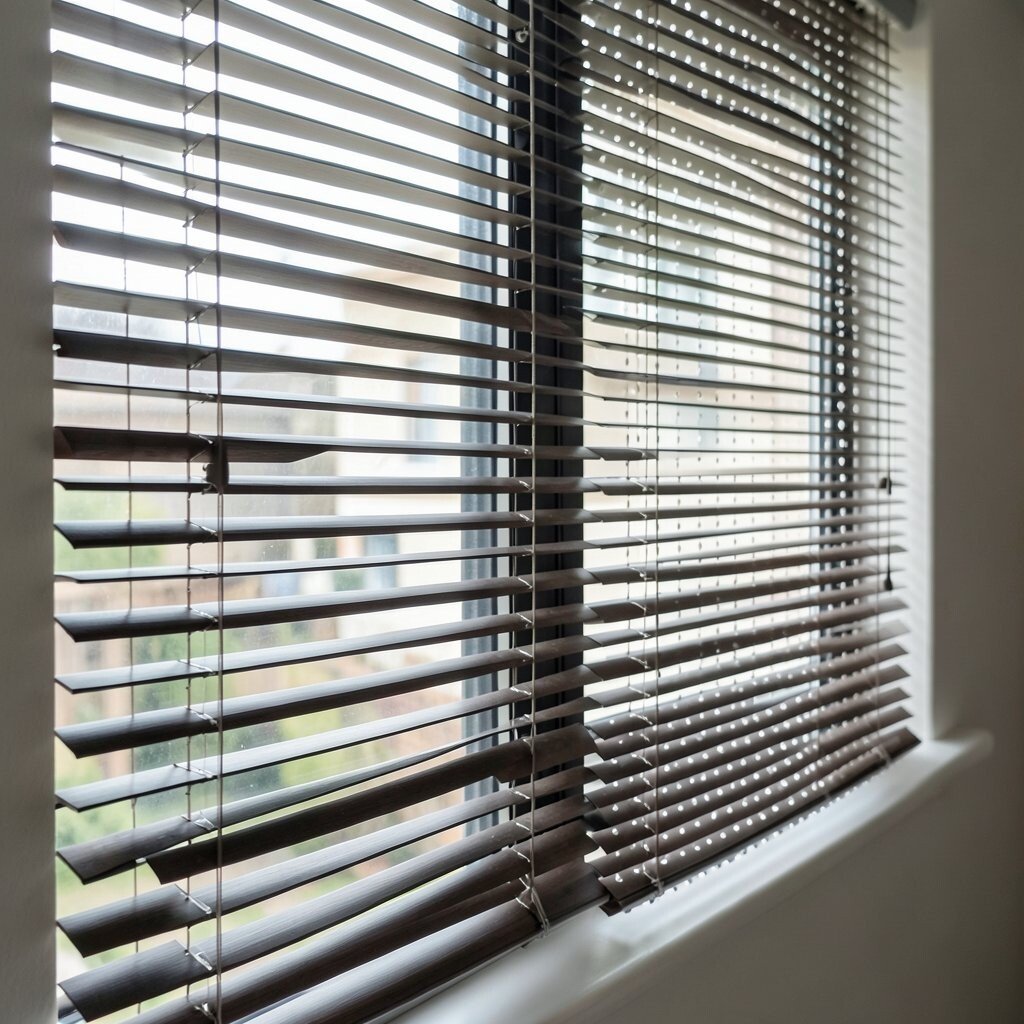
Photograph through window blinds so the slats create stripes while the light reveals tiny dot-like highlights. If your blinds have small holes or patterned gaps, the dots become even more playful.
Adjust your angle until the dot pattern becomes symmetrical or deliberately off-balance. Try composing with strong lines so the dots feel controlled, like a modern poster.
13. Dot Light Experiments With a Shower of Confetti

Throw confetti in front of a dark backdrop and use a flash or bright light to make each piece sparkle. Even if the confetti is tiny, the captured highlights can become distinct dot points.
Use a fast shutter to freeze motion, then take a few frames with different throws. This gives you options, from crisp dot clusters to a gentle scatter effect.
For practical considerations, confetti is cheap and easy to clean if you lay down a sheet on the floor. Personalize by matching the confetti colors to your mood, like bright party dots or calm pastel dots.
14. Dot Texture in Food Photography: Seeds, Berries, and Spices

Capture close-ups of berries, pepper flakes, sesame seeds, or coffee grounds. The tiny surfaces create repeating dot patterns that look rich and detailed.
Arrange a small portion on a plate, then tilt the plate slightly so the light skims across the texture. This helps the dots look three-dimensional instead of flat.
To keep costs low, use food you already have and shoot early before it dries out. Personalize your images by choosing a background color that matches the food, like deep slate for berries or warm wood for spices.
15. Dot Sports Moments With Footsteps and Dribble Trails
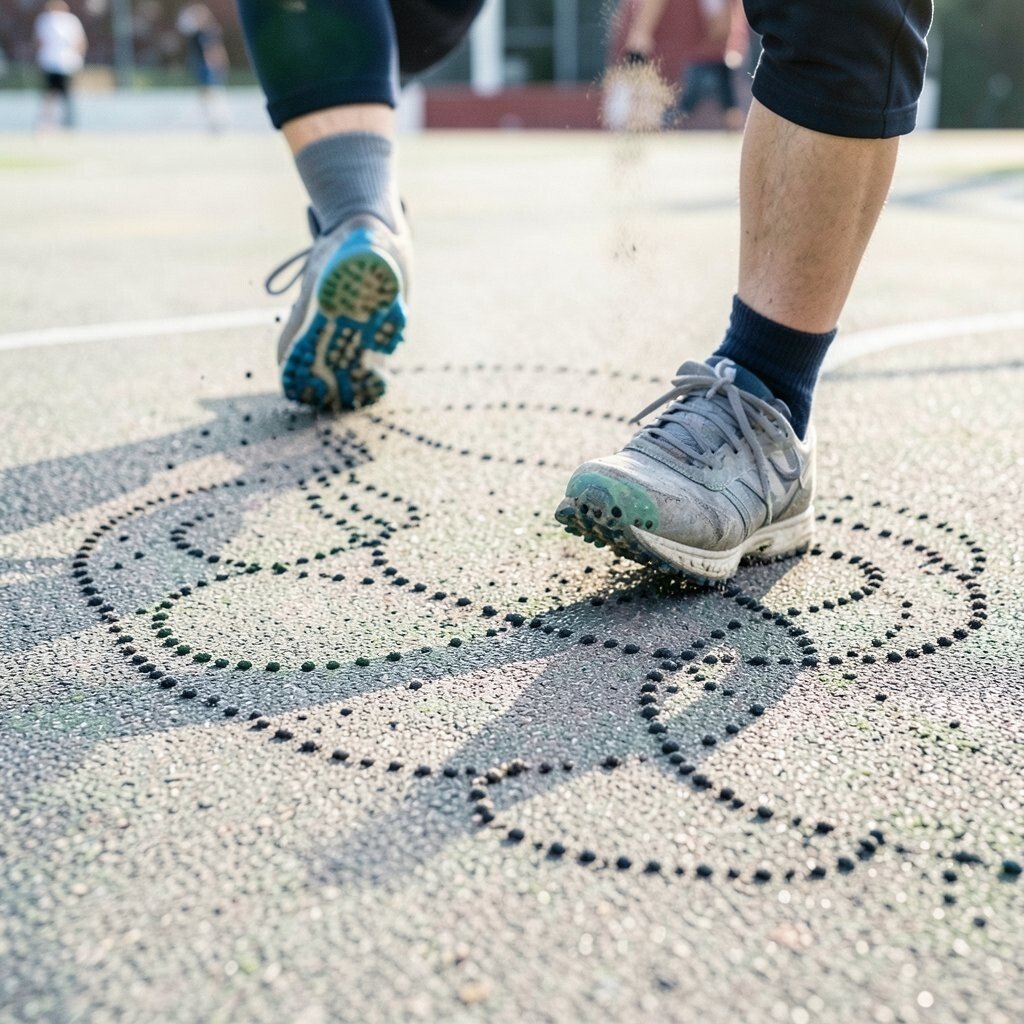
Photograph sports with a dot mindset, focusing on repetitive action like a bouncing ball, repeated footsteps, or rhythmic dribbles. Use a burst mode so you can select frames where the ball’s highlights form circular dots across the sequence.
Try panning smoothly to create a sense of speed while the ball stays sharper than the background. This gives a dynamic look where dots feel like motion energy.
Uniqueness comes from your viewpoint, so crouch low or shoot from behind a fence or goal net. If you want a budget option, any local park game can work, and your editing can enhance dot clarity by boosting contrast slightly.
16. Dot Collage Using Multiple Exposures in One Frame
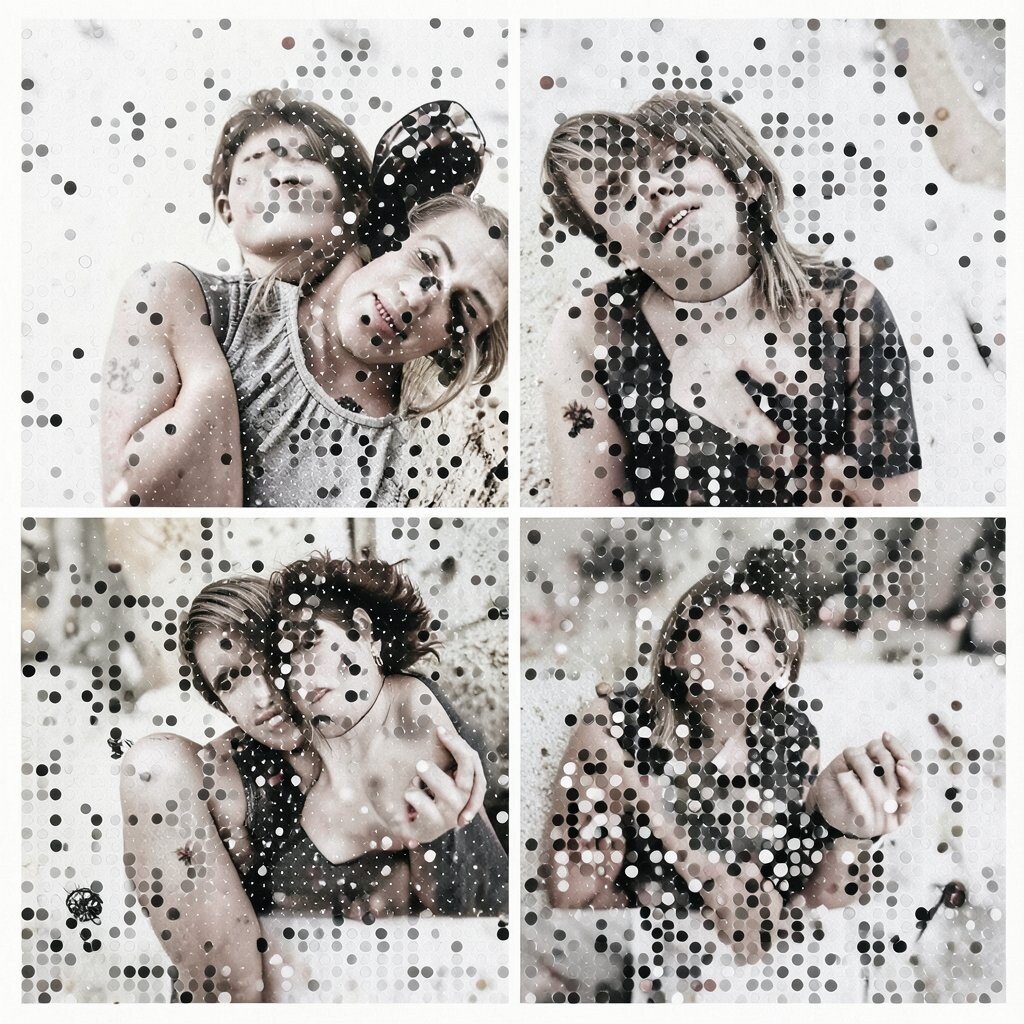
Take several quick shots of the same scene and then combine them in editing to create a layered dot collage. Each exposure can show different dot clusters from the same light source, building a pattern that feels designed.
Choose one consistent background, like a wall, a tree trunk, or a window, so the final image reads as one idea. For personalization, mix dot sizes by changing distance or focus, so some dots are crisp and others softly blended.
If you’re cost-conscious, this method relies on software and patience more than special equipment. Keep it simple by starting with a small number of layers and saving a few versions so you can pick the one that looks most like your style.