Every garage sale has a story, and great advertising gives that story a street-level audience. A few smart, low-cost moves can pull in early shoppers and steady foot traffic.
From eye-catching signs to neighborhood buzz, you can market without burning your budget. The goal is simple: make it easy for people to notice you, believe you, and show up.
1. Yard Sign With a “Treasure Trail” Map

Place a bold yard sign at the end of your driveway and near the street corner where cars naturally slow down. Add a small hand-drawn map that shows the path from your home to your sale area, even if it’s just “front porch to garage.”
Use thick marker lettering and a high-contrast color combo like black and neon green for quick reading. Keep the message friendly and specific by listing a few categories people love, like “tools, kids books, and vintage decor,” so shoppers can picture what they’ll find when they arrive.
For personalization, sketch simple icons such as a hammer, a book, or a star near each category. This kind of visual detail feels unique and gives your sign a mini experience that people want to follow.
2. Post Short Flyers on Community Boards With Photo Staples

Print small flyers and include one clear photo of a standout item, like a tidy bookshelf, a set of matching chairs, or a vintage lamp. Use bright staples or binder clips to attach the flyer so it looks neat and stays flat on the board.
Choose places that match your sale, such as apartment hall boards, laundromats, libraries, and community centers. People notice what’s relevant to them, and a strong image helps your flyer stand out among typical text-only postings.
To keep costs low, focus on printing just enough copies for nearby areas you can walk to. Add a personal detail like “cash and card welcome” if you can handle it, which can reduce questions and increase show-ups.
3. Create a “One-Sentence” Listing for Fast Social Sharing

Write a single punchy line that fits on a phone screen, like “Household bargains plus garage treasures on Saturday morning.” Pair it with a photo that shows organization, such as neatly stacked boxes or color-grouped items.
Share it on your neighborhood group and local community pages, then repost a day before. Short messages travel quickly, and people respond better when they can scan and understand your sale instantly.
Personalize the sentence with one signature theme, such as “collectibles and crafty finds” or “starter kitchen upgrades.” This makes your listing feel intentional and helps your items sound like a curated stop, not random stuff.
4. Offer a “First-Hour Early Peek” for Serious Buyers

Set a special early window for people who arrive right when you open, and keep the best items placed where they’re easy to grab. It should feel welcoming, not stressful, so you can greet early shoppers with a quick smile and a simple “come on in.”
Advertise that early peek in plain language so it feels fair and clear, like “best picks available first thing.” When buyers feel they might be the first to see top items, they’re more likely to plan their morning around your sale.
To keep things practical, stage your “featured” items at eye level and group them by type. That way early visitors get quick wins, and late visitors still find plenty.
5. Put Contact Info on Everything, Including Bags and Wristbands

Even if you think people will remember, include clear contact info on more than one surface. Add a small sticker with your phone number to the back of a sign, and place another one on a stack of sale tags near the cash area.
If you’re using wristbands for order or bundles, use a tiny label strip with the sale date and location. This is a low-cost trick that helps buyers share the details with friends after they leave.
Personalize by adding a simple brand feel, like matching sticker colors that match your yard sign. Consistent visuals make your sale look more trustworthy and easier to find again.
6. Make a “Before You Arrive” Photo Reel With Text Overlays

Create a short clip or a photo slideshow showing your garage setup, with captions that highlight categories and the order items are displayed. Show the entrance, the best table, and a close-up of a popular item so people can judge quality quickly.
Keep it casual, like filming while you’re arranging, and post it to social media and messaging apps. This matches a current trend where shoppers decide based on visual cues rather than long descriptions.
Cost stays low because phone cameras are already in your pocket. Personalize the overlays with simple words and arrows so viewers know where to look when they get there.
7. Partner With Nearby Sellers for a Shared Neighborhood Ad
If you have a neighbor planning a sale, team up for one shared flyer and a coordinated sign plan. Put both addresses on a single sheet and print just enough so each household can distribute it easily.
This helps you share advertising costs while also giving buyers more variety in one stop. People love multi-location routes, and it increases the chance that someone who misses one sale catches another nearby.
For uniqueness, add a shared theme like “garage sale route day” and include a simple map with arrows. Keep practical details clear, such as exact start times and parking notes, so visitors don’t waste time hunting.
8. Use Neighborhood Hashtags and Tag Your City Pages

Post your sale on social platforms and include local hashtags that people already follow. Tag your city’s official community page or popular neighborhood accounts, if they allow it.
Visual posts with location tags often perform better because they reach people already interested in nearby events. This is especially helpful when your sale is on a weekend when many shoppers are scanning for something nearby.
Personalize by writing a line about why your items are ready to go, like “everything is staged and priced for quick browsing.” Buyers appreciate clarity, and it can reduce back-and-forth messages.
9. Create a Window Sign for Passersby Who Almost Miss You
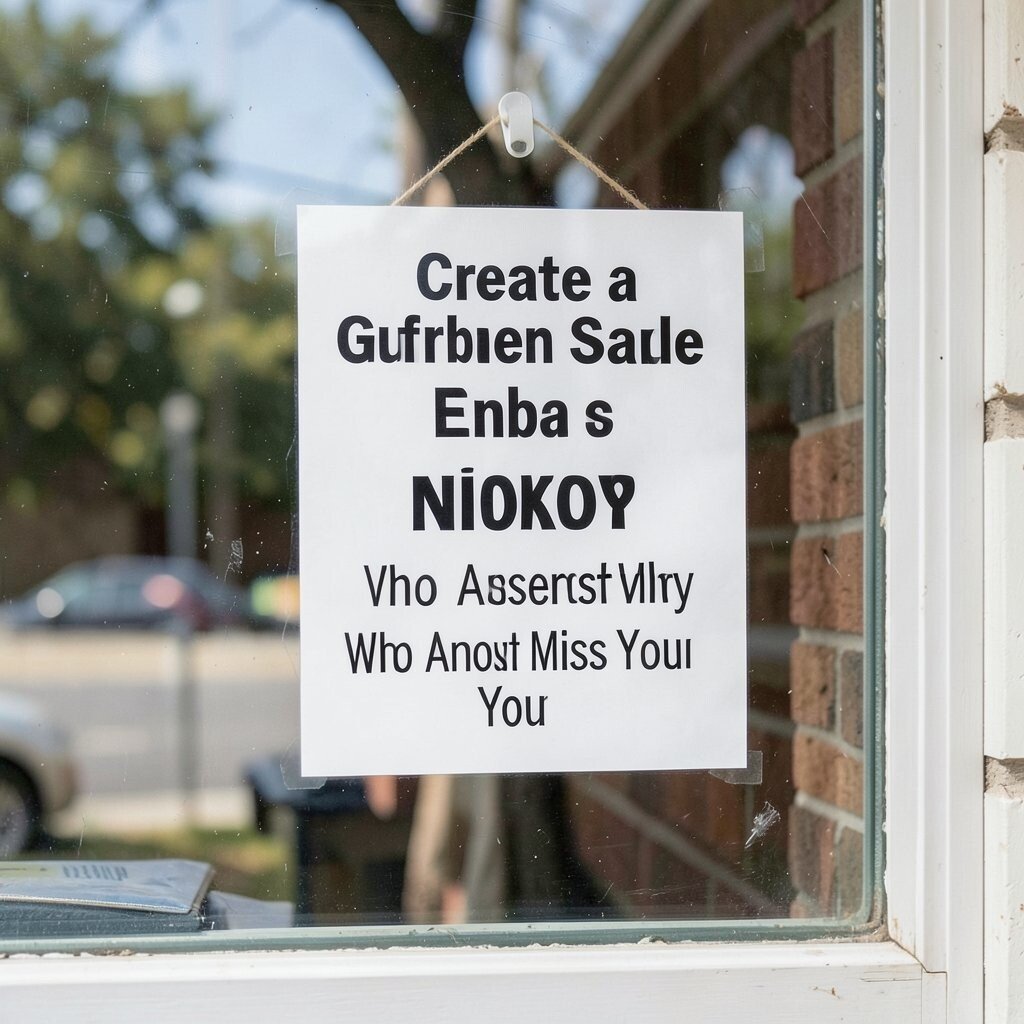
Make a large sign and place it in a visible window so it catches eyes from cars and pedestrians. Use thick lettering that can be read in seconds, and keep the background bright to pop against indoor shadows.
This works well for homes with sidewalks or busy drive-by traffic, because people may not turn their heads toward a yard sign. When the message appears through a window, it feels immediate and close, which increases the chance they pull in.
For cost considerations, use poster board you already have or cheap foam board from a craft store. Personalize by adding a small arrow showing where to park or where the sale tables begin.
10. Turn Your Best Items Into “Mini Window Displays”
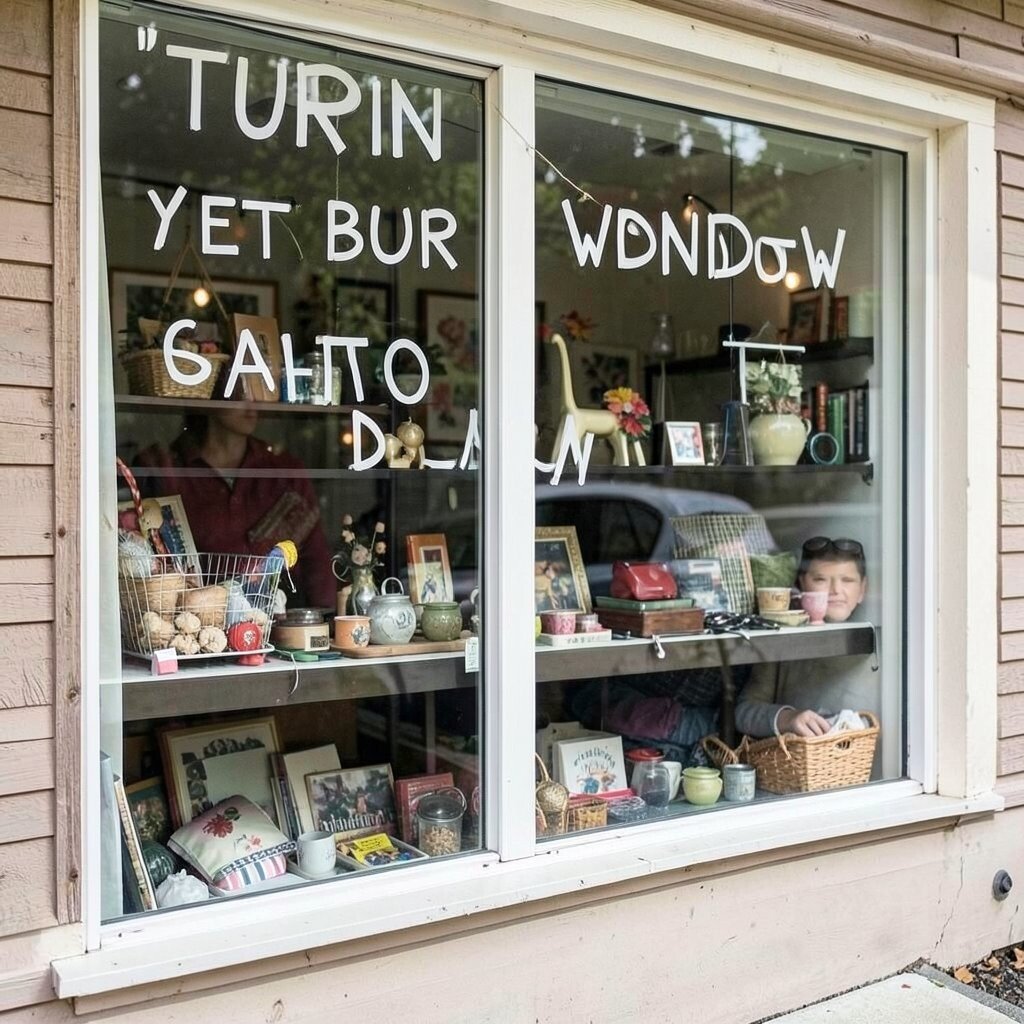
Arrange a few high-interest items at the front so shoppers can see quality before walking up. Use small stacking platforms like sturdy boxes or a flat piece of plywood to lift items to eye level.
People love a visual preview, and it helps them feel confident about what’s worth stopping for. When your display looks tidy, buyers assume you’ve cared about the items inside, which builds trust quickly.
Uniqueness comes from creating a mini “scene,” like a tidy kitchen corner with a toaster and utensils or a reading corner with chairs and books. Practical placement also saves your time because shoppers can browse while you stay near the checkout area.
11. Price-Tag Bundles That Advertise The Value Without Explaining

Use large tag cards that show bundle themes right where items are displayed. Examples include “school start kit,” “movie night set,” or “toolbox refresh,” paired with clear prices.
This makes your sale feel organized and easy to shop, which is a big benefit for busy buyers. When customers can spot deals instantly, they spend less time asking questions and more time deciding to buy.
Personalize by using your own handwriting style and color-coding for different categories. Keep costs low by using scrap cardboard for tag backings and printing only a few label sheets.
12. Run a “Live Pricing” Update in a Group Chat

If you already use a neighborhood group chat, send quick updates during the days leading up to the sale. Post one photo and one sentence about pricing changes or featured categories, then add a friendly reminder of when you open.
This approach fits current trends where shoppers respond to real-time posts rather than static listings. It also reduces confusion when buyers ask about items that might sell quickly.
Keep practical expectations by being honest about availability and updating only when you truly change something. Personalize by highlighting a different section each message, like “kids toys today” or “holiday decor this afternoon.”
13. Host a “Theme Day” and Market That Story

Choose a simple theme for your sale, such as “cozy home upgrades,” “retro tech and media,” or “outdoor weekend gear.” Then organize items so they visually match the theme from the street to the back table.
A themed setup feels unique because it’s curated, not chaotic, and buyers love walking into a story. When you advertise the theme, shoppers instantly know what mood and categories you’re offering.
For practical tips, keep related items together and label a single starting point, like “cozy corner near the entry.” Cost stays reasonable because you’re using what you already have, just arranged in a way that makes people see value faster.
14. Use “Neighbors Help Neighbors” Messaging on Flyers

Write your flyer copy in a warm, community-first tone so it feels personal rather than purely sales-focused. Mention that you’re clearing space and that buyers can find good items at fair prices.
This builds goodwill and often attracts repeat local shoppers who prefer supporting people nearby. It also makes your ad stand out because many flyers read like generic announcements.
Personalize by including a small note about who your items come from, such as “books from our kid’s classroom” or “tools we’re replacing with a newer kit.” Even one sentence like that helps buyers connect and can boost attendance.
15. Place a Simple QR Code That Links to a Photo Album

Print a QR code on a sign and link it to a photo album with pictures of your most interesting items. People can scan with their phones and quickly preview what you’re offering before they head over.
This is budget-friendly because you only pay for simple printing and you can build the album with tools you already have. It’s also helpful for people who want a visual confirmation, which is a modern buying habit.
To keep it practical, include only a handful of clear photos so loading stays fast. Personalize the album title with your theme and date so it matches the feel of your yard sign and social posts.
16. Create a “Trade Corner” for Small Swaps
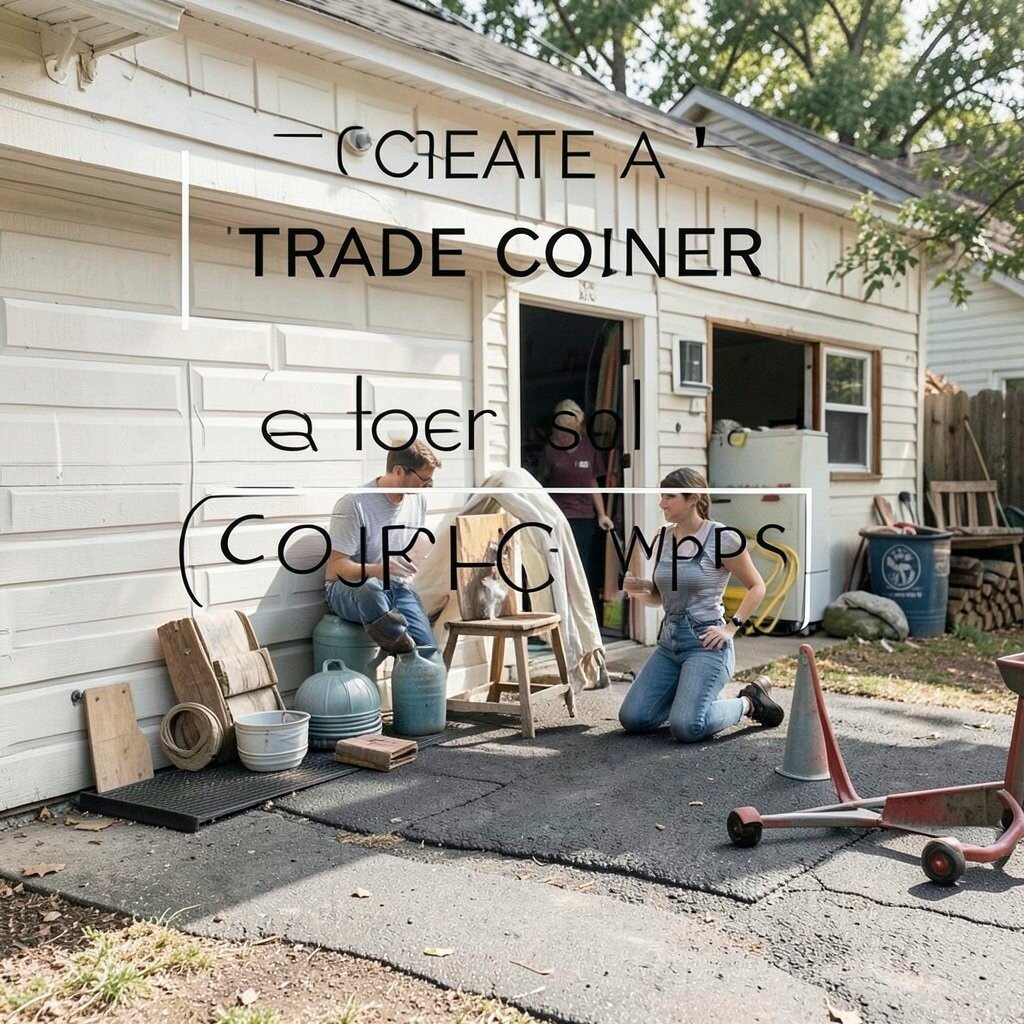
Set aside a small table where shoppers can trade items of similar value, like puzzle pieces, board game expansions, or like-new craft supplies. This can be advertised as a fun swap area that makes your sale feel interactive.
The benefit is that it turns passive browsing into participation, which encourages more people to stop and talk. When visitors start conversations, they also tend to discover extra items they didn’t plan to buy.
Uniqueness comes from the experience, not just the merchandise, and it fits the current trend of community-based buying. Keep practical rules simple so it doesn’t slow you down, like allowing only small, clearly labeled items for the swap.
17. Time Your Ads Around Local Events and Traffic Patterns

Check what’s happening nearby on your sale day, like a farmers market, school events, or a sports game. If your timing lines up, you can attract visitors already in “out and about” mode.
Update your posts to mention the day’s activity in a natural way, such as “great timing for errands near downtown.” Shoppers who are already nearby are more likely to swing by because the effort feels small.
For cost considerations, you’re not spending more money, just using smart timing and clear messaging. Personalize by mentioning parking convenience or walkable directions that match the local traffic flow you expect.