The shoreline has a way of turning ordinary moments into inspiration. Hold a handful of beach rocks and you’ll start seeing forms, patterns, and possibilities everywhere.
From smooth pebbles to jagged stone fragments, each piece carries its own story made by wind, water, and time. Use that feeling as your creative spark for crafts, design, and everyday problem-solving.
1. Sun-Smudged Smooth Pebbles
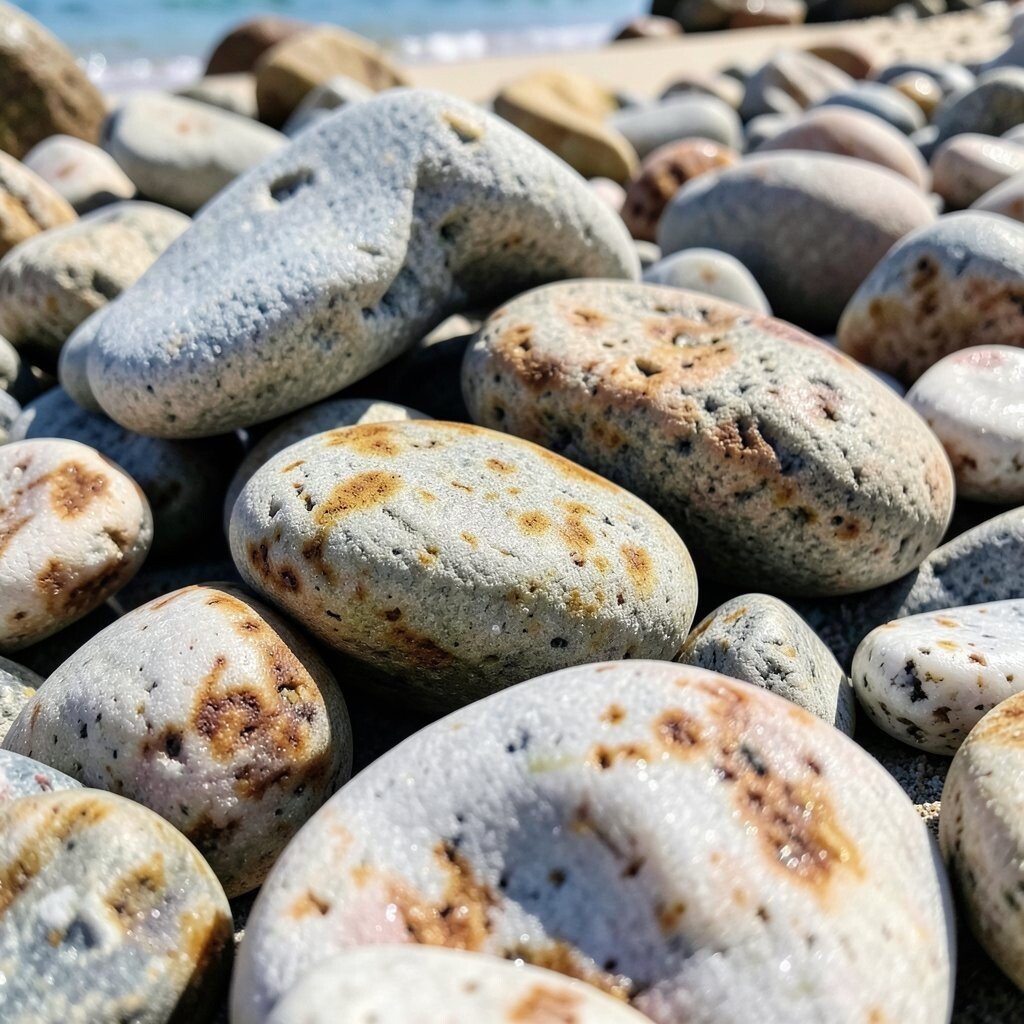
These stones look like tiny mirrors warmed by the sun. Pick ones with soft curves and a dull shine that catches light when you tilt them.
They’re great for quick projects because they’re easy to clean and handle. Use them to spell names on a tray, press them into a small grout mat, or glue them into coasters that feel calm and natural. For personalization, choose a color story like sea-glass green, sandy beige, or smoky gray and group the pebbles by tone. If you want a budget-friendly start, collect a few varieties first, then buy only clear sealant and basic glue.
2. Chalky White Limestone Slabs
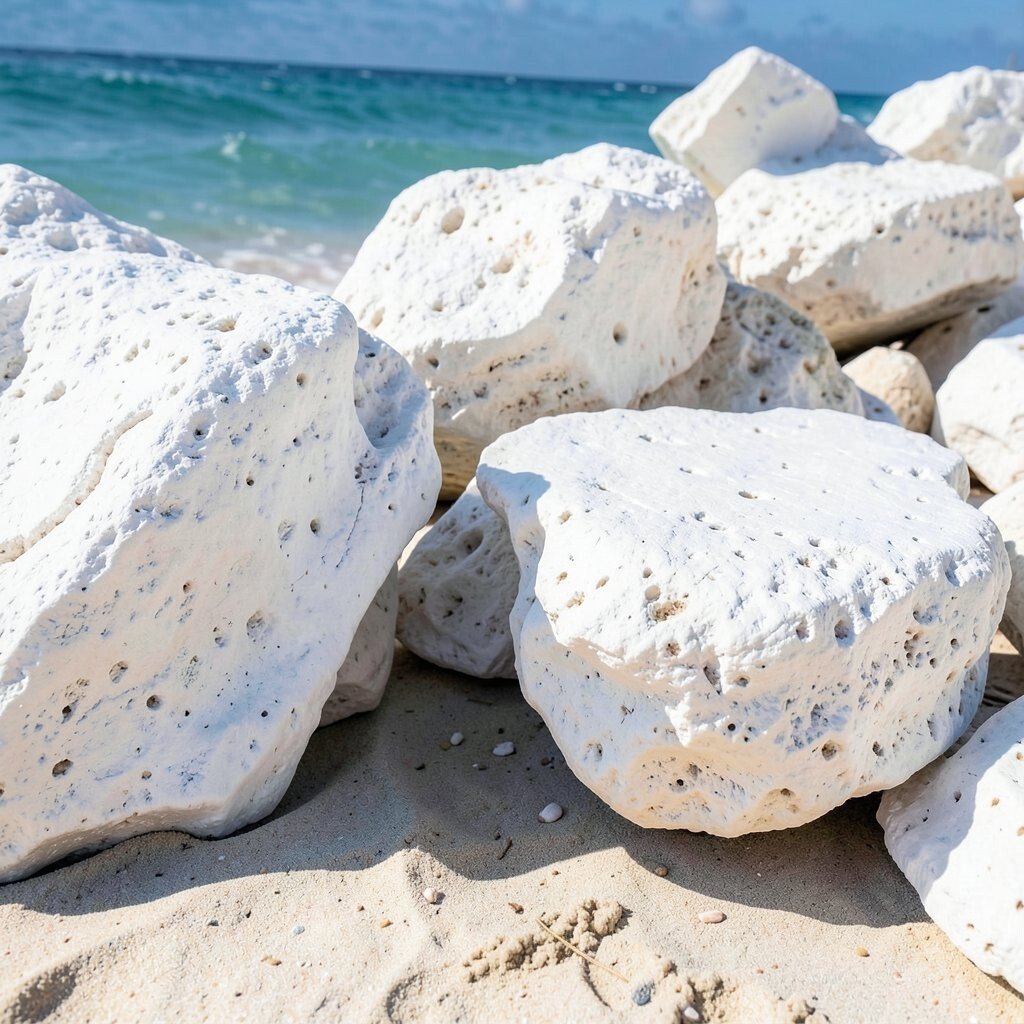
Chalky limestone has a powdery look that feels almost like coastal paper. Find flat pieces and notice how the surface holds tiny pits and speckles.
This rock can inspire texture-led projects because it accepts paint and marker nicely when sealed. Try using it as a mini stencil plate by rubbing pigment across raised spots, or make wall art by painting thin lines that mimic tide marks. Keep them practical by sealing the surface with a matte clear coat so your artwork doesn’t rub off. For current style, matte finishes and soft neutrals are popular, and limestone fits right in with that modern, airy vibe.
If you’re working on a budget, use it for small accents instead of large canvases. Pair it with thrifted frames or inexpensive wood slices to keep the cost low while still looking intentional.
3. Swirled Agate Like Bands
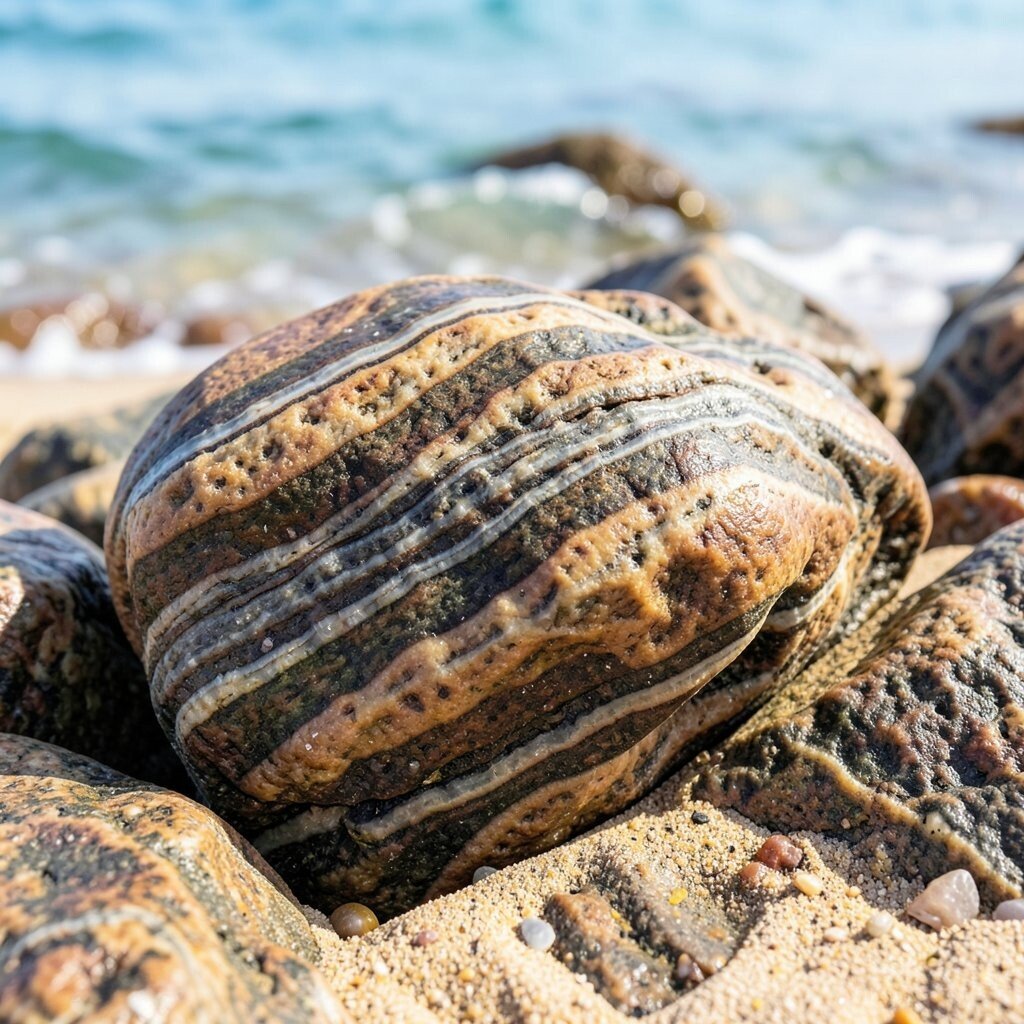
Some beach rocks show ribboned bands that look like swirling ocean currents. Look for stones where colors stack in stripes, such as honey, caramel, and gray.
These are perfect for jewelry and display pieces because the pattern does the heavy lifting for you. Try turning one into a pendant by drilling carefully, or glue two flat stones together into a weighty paperweight that looks like a tiny artifact. A useful approach is to photograph the stone from several angles first, then design your project so the strongest banding stays front and center.
For personalization, match the band colors to your outfit palette or your home decor mood. Even with a bit of sparkle in the rock, you can keep it simple by using a neutral cord or a plain metal bezel. Since some agate-like rocks can be rarer, consider keeping your project small and letting one standout stone shine.
4. Fossil Flecked Stone Bits
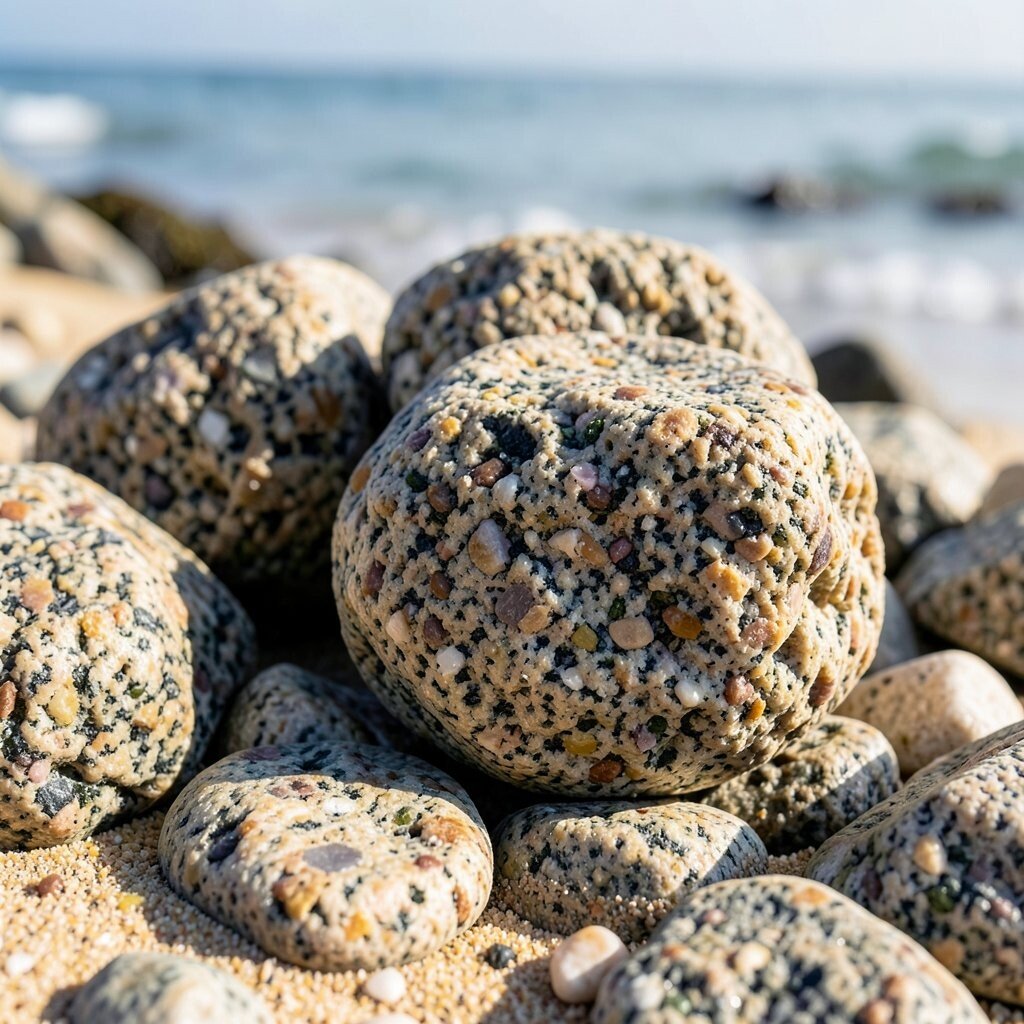
Beach stones sometimes carry faint fossil shapes or mineral dots. When you find one, hold it close and notice the little “maps” hidden in the surface.
These pieces are unique because they feel like time captured in stone. Use them for thoughtful gifts by turning a small, interesting fragment into a keepsake charm or by embedding it in resin alongside sand-colored pigment. A practical tip is to lightly brush the stone first, then test paint or epoxy on a spare piece so it bonds well.
To personalize, write a short date or memory on the back of a charm card that matches the rock’s pattern. If you’re trying to watch costs, resin can add up, so consider using a low-cost clear epoxy in small batches or limiting resin to the top surface only.
5. Sea Glass Green Windows
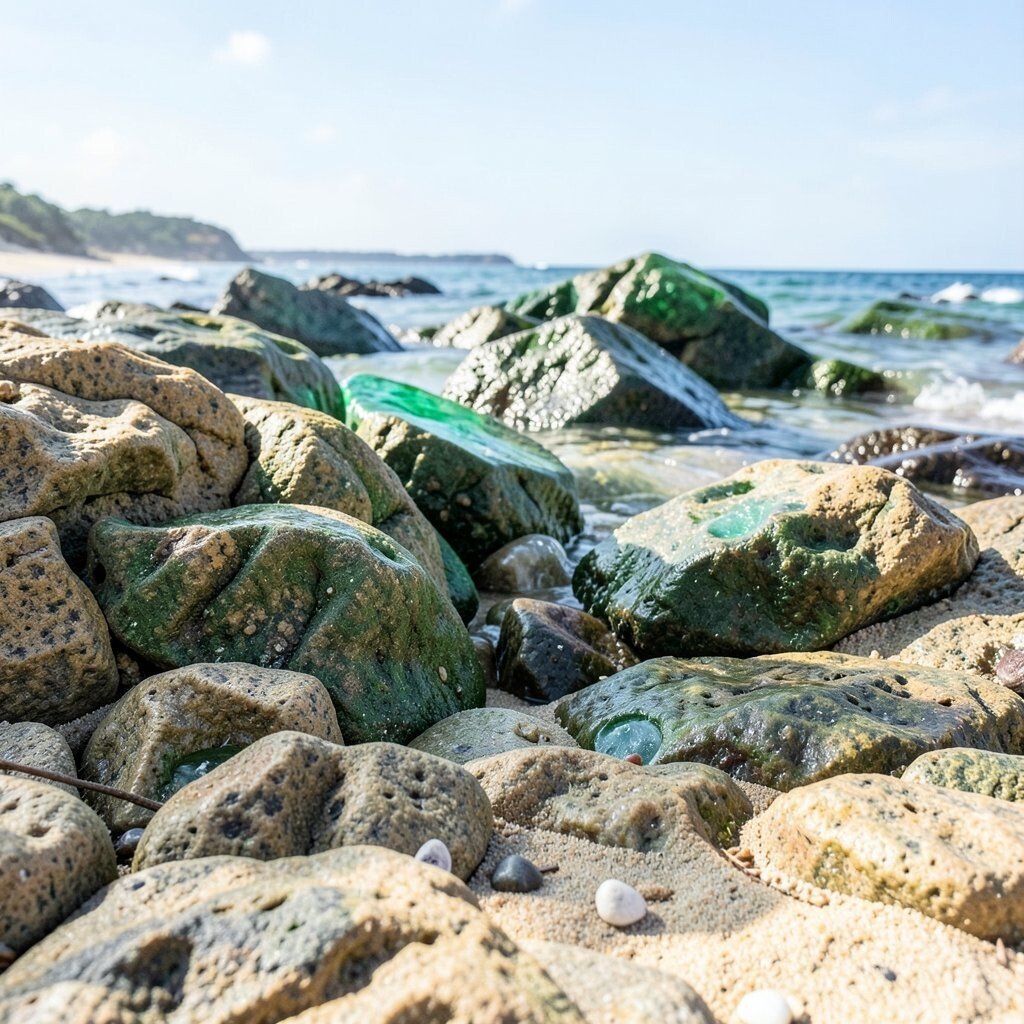
Even though sea glass is often called “glass,” the beach-smooth pieces inspire the same kind of calm creativity. Choose shards with a gentle tint of green and notice how light makes them glow.
These pieces are wonderful for mosaics because they’re colorful without needing much extra decoration. Try a small frame, a jar lid, or a simple plant marker where each glass piece adds a pop of ocean color. For personalization, arrange them in a gradient from pale mint to deeper green so the piece feels smooth and intentional.
If you want to keep it affordable, start with a single small object like a cheap wooden coaster base and add glass sparingly. Add a current-trending touch by using clean lines and minimal grout so the colors look modern and crisp.
6. Iron Rust Orange Nodules
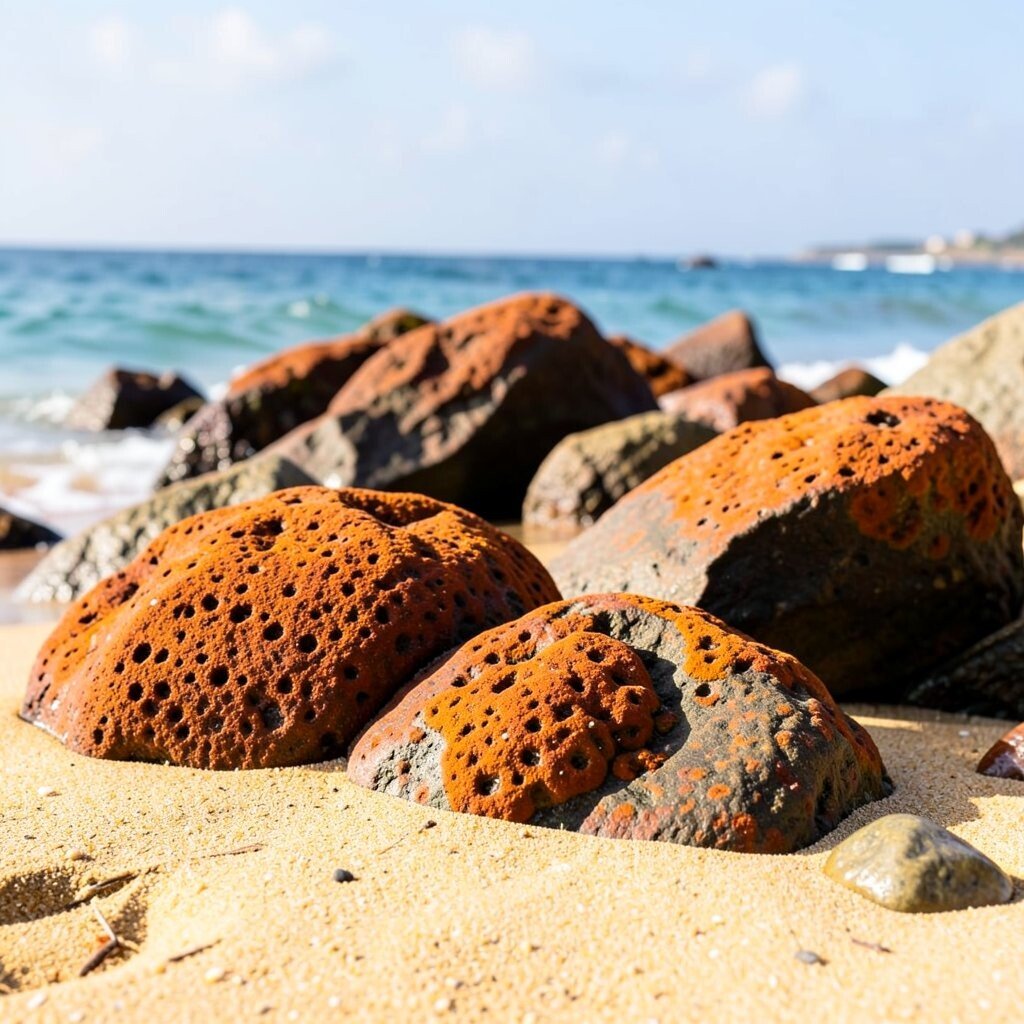
Some rocks show rusty orange streaks that look like tiny sunsets trapped in stone. The contrast can be dramatic against pale sand and white pebbles.
They’re unique because the color comes from minerals, not paint, so the look is naturally textured. Use them to inspire color palettes and mixed-media art by scanning the stone for matching paint shades. A practical tip is to handle with gloves if the surface is gritty, then seal it before you glue or coat anything.
For personalization, turn those orange notes into a theme by adding small metallic accents like copper or brass near the rock. Cost considerations are mostly about materials, so you can keep spending low by using rust-inspired color palettes with inexpensive craft paint rather than buying premium supplies.
7. Tide Line Layered Strata
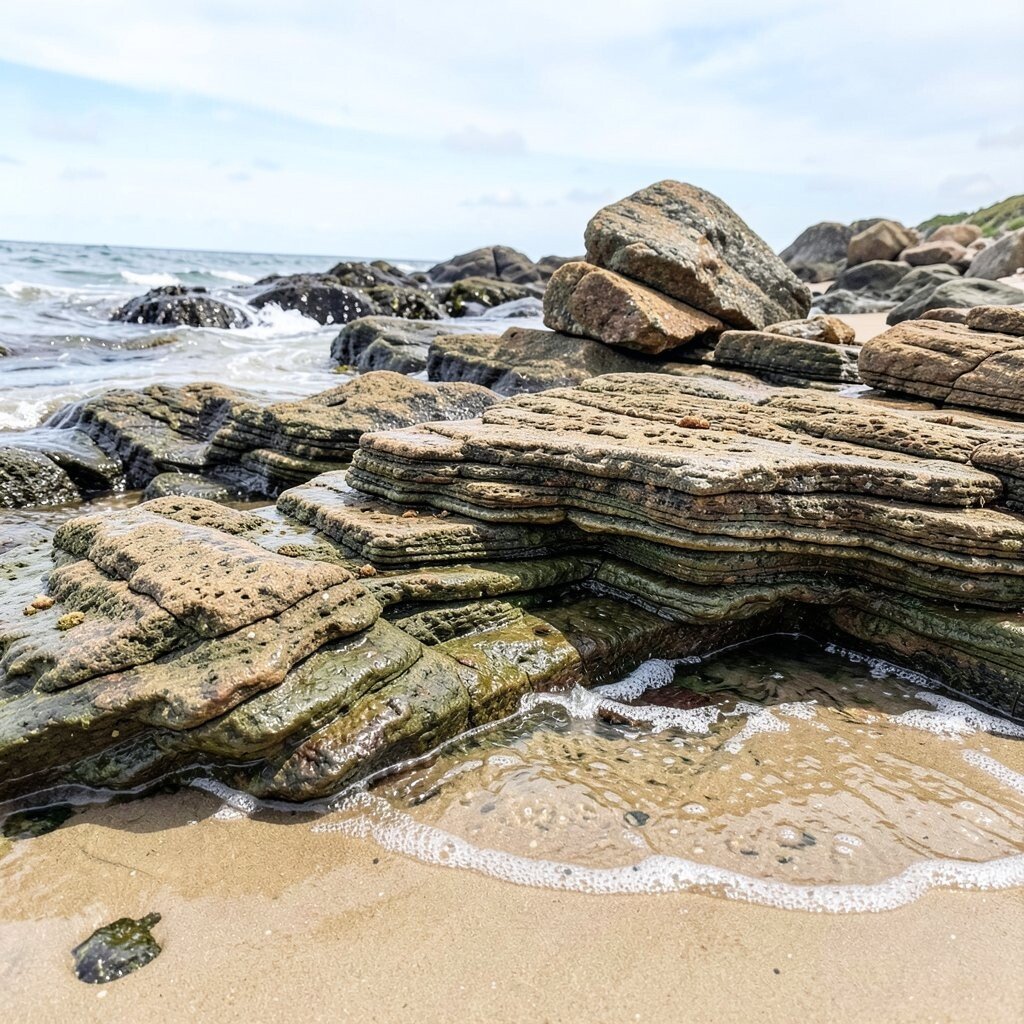
Layered stones can show thin bands like stacked pages, formed by repeated waves and pressure. Find pieces where the strata are clearly separated.
This look is great for design because it encourages rhythm and repetition. Use stratified rocks to make a wall collage, glue layers onto a board, or paint lines that echo the rock’s natural pattern. If you want it practical and durable, seal both the stone and the backing surface so nothing flakes over time.
For personalization, choose a background color that makes the layers pop, like soft cream, charcoal, or sky blue. If you’re following current trends, layered textures and “earthy minimal” styling are in, and strata stones give you that vibe with almost no extra work.
8. Rounded Pebble Animal Shapes
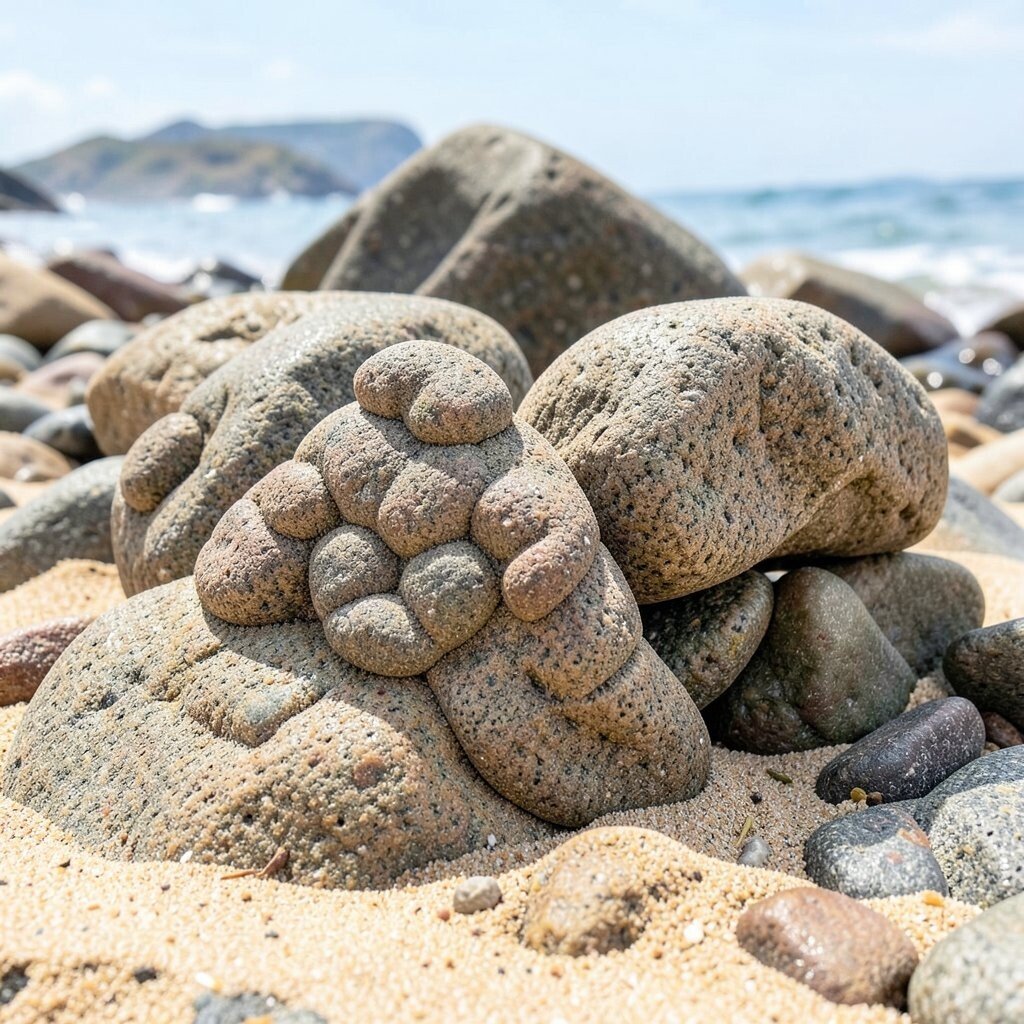
Sometimes a simple pebble already looks like an eye, a tail, or a tiny head. That’s when your beach collection turns into character.
These are actionable because you can transform them with basic paint and a steady hand. Make a small set of “rock friends” by using dot eyes and gentle shading, then place them on a shelf near your plants. A useful tip is to plan lighting before you paint by holding the pebble under bright light so you see bumps and dips that guide your marks.
Personalization can be as simple as matching each character to a mood, like calm rocks for a bathroom, or bold ones for a kids’ desk. Cost stays friendly because most of the budget goes to paint and a clear sealer, which you can use for many future projects.
9. Smooth Slate Gray Tiles
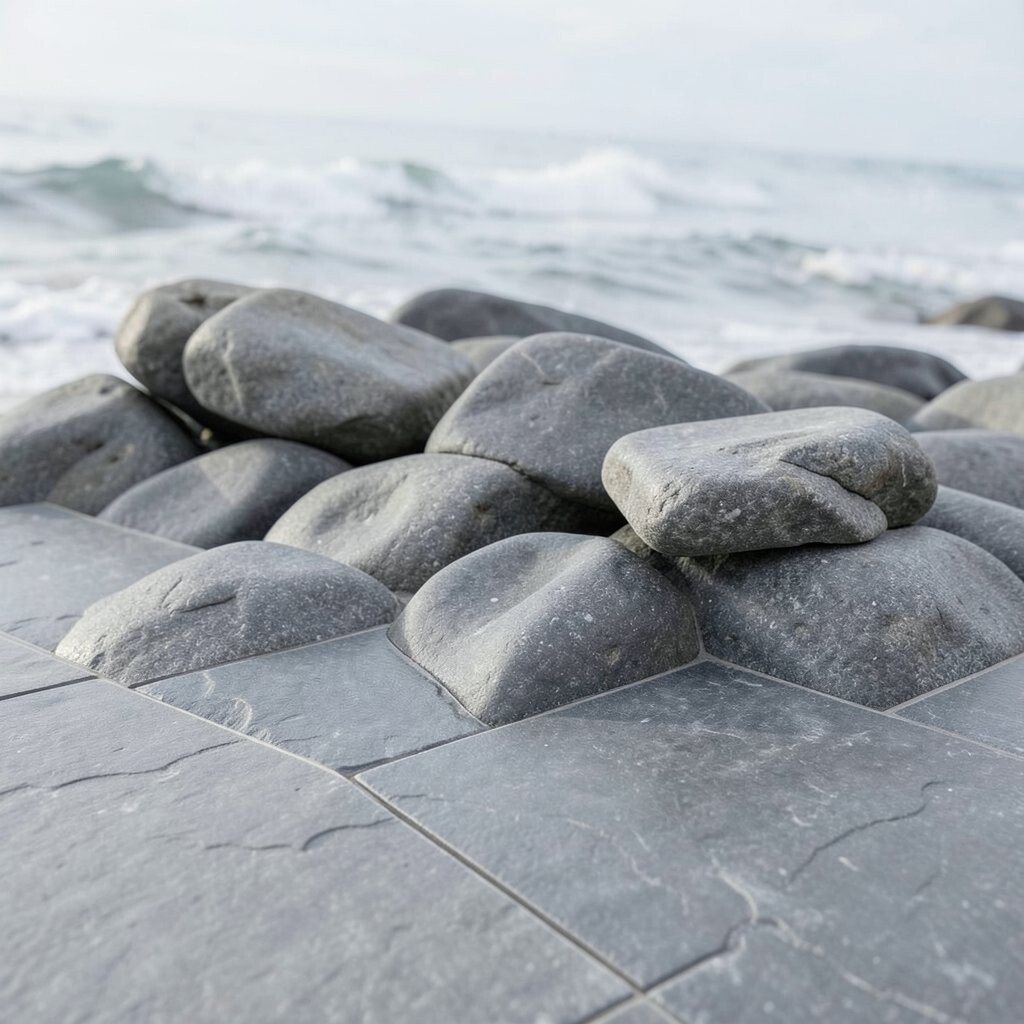
Slate-like stones often come in dark gray sheets or flakes. Their surface can look calm and modern, like a tiny floor tile.
They’re great for organized projects because the flat shapes help you get clean layouts. Try making a set of step-stone coasters, a small tray accent, or a desk paperweight display. For a practical approach, measure first and sand any sharp edges lightly so the final piece feels safe to handle.
Personalization ideas include adding a thin line of gold paint along the edge or stamping a simple symbol that matches your room’s theme. If you want to stay aligned with current trends, the popularity of slate textures in modern decor makes these stones feel trendy without trying too hard.
10. Barnacle Textured Clingstones
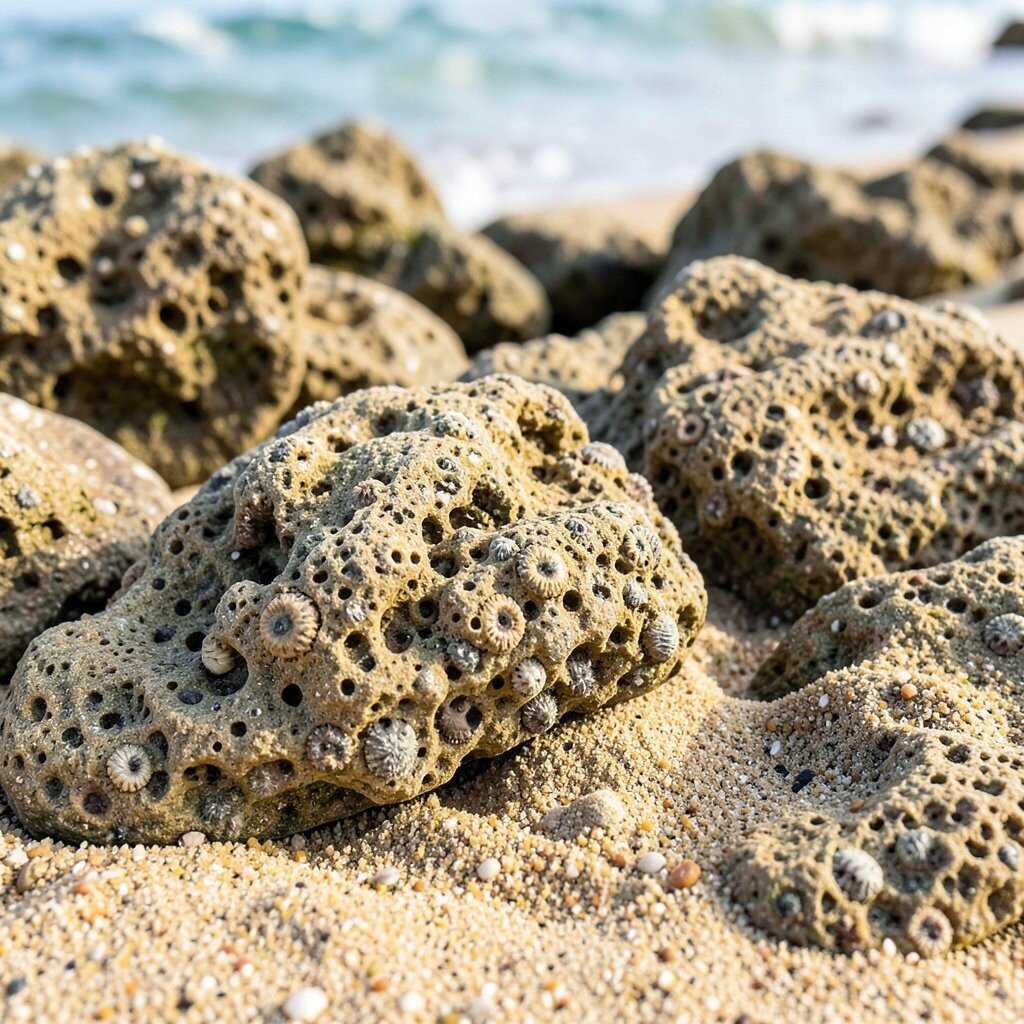
Some rocks carry tiny barnacles or bumpy growths that create a rough, pitted pattern. Run your fingers over the surface and you’ll feel the ocean’s details.
This texture is unique and perfect for tactile art. Use a bumpy stone as a stamp by pressing it into clay or plaster, then make repeating patterns for coasters, labels, or small wrapping accents. A practical tip is to test the pressure on scrap material so you don’t crush the first layer.
If you’re personalizing, match the pattern to a theme like nautical, garden, or coastal minimal by keeping the rest of the design simple. Cost considerations are usually low because your main tool can be basic craft clay or air-dry plaster, plus a sealant to protect the finished piece.
11. Beach Sand Embedded Gem Pieces
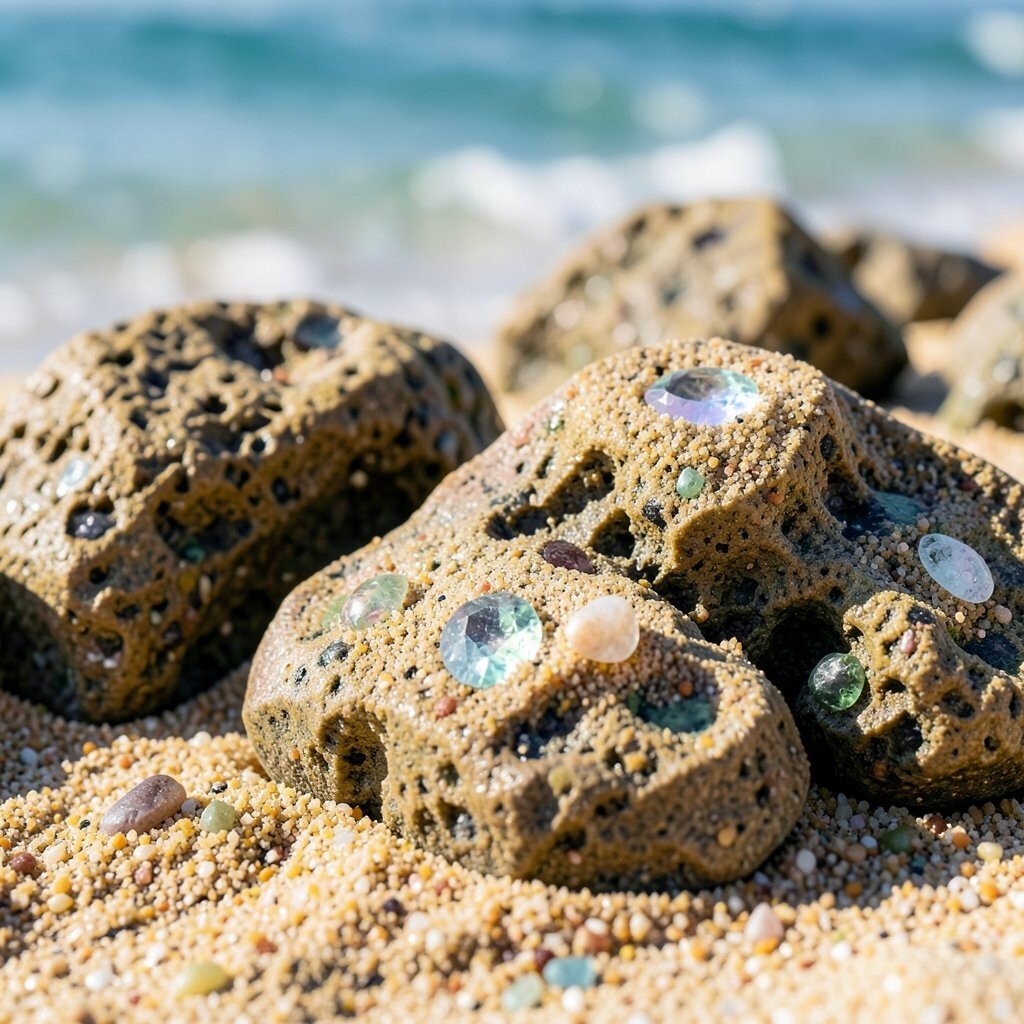
Occasionally you’ll spot a rock that holds sand in a way that looks sparkly and magical. The tiny grains can trap light like micro glitter.
These make beautiful jewelry beads or small decorative cabochons because the texture adds depth even with minimal paint. Try pressing them into resin domes, then add a thin chain or use them as focal points in a keychain. For practical handling, clean them gently and dry them fully before sealing so you don’t trap moisture.
Personalization can be as simple as choosing a matching metal color like silver or bronze to echo the sand tones. If you’re controlling costs, resin can be expensive, so buy only the smallest amount and plan to make a few pieces rather than a big batch.
12. Zigzag Ridge River Rock
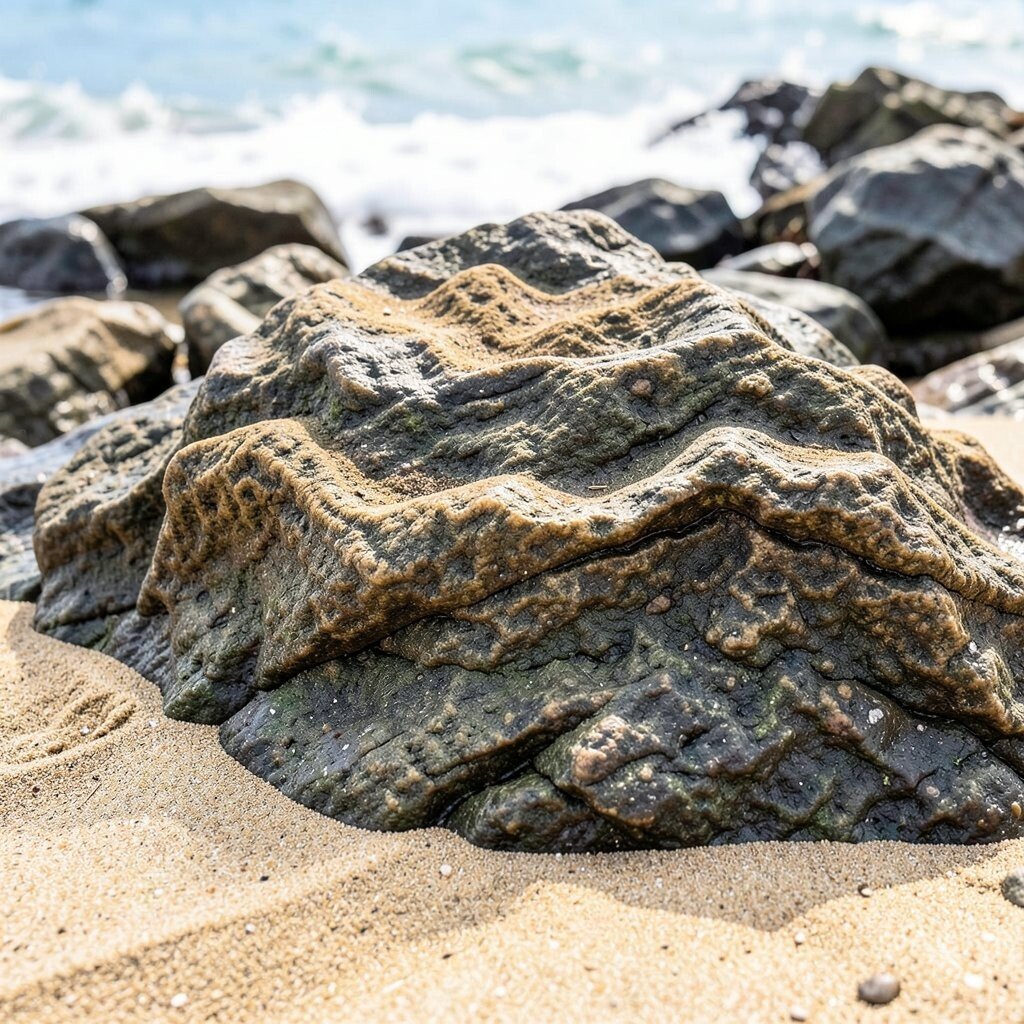
Some stones have ridges that form natural zigzags and sharp turns. When you look at them from the side, the shapes feel like little mountain paths.
These are perfect for projects that need structure, like labeling, pattern practice, or ergonomic grips. You can glue ridge rocks into a fabric or rubber mat base for a textured handle, or arrange them in a zigzag line across a wooden board for wall decor. A practical tip is to test glue types first because ridge surfaces may need a stronger adhesive than flat stones.
For personalization, paint small dots at each ridge peak and create a “path” theme for a child’s room. Cost considerations are easy to manage by using a base you already have, like a plain thrifted wood slice or an old tray with a fresh coat of paint.
13. Smooth Coral Imitation Forms
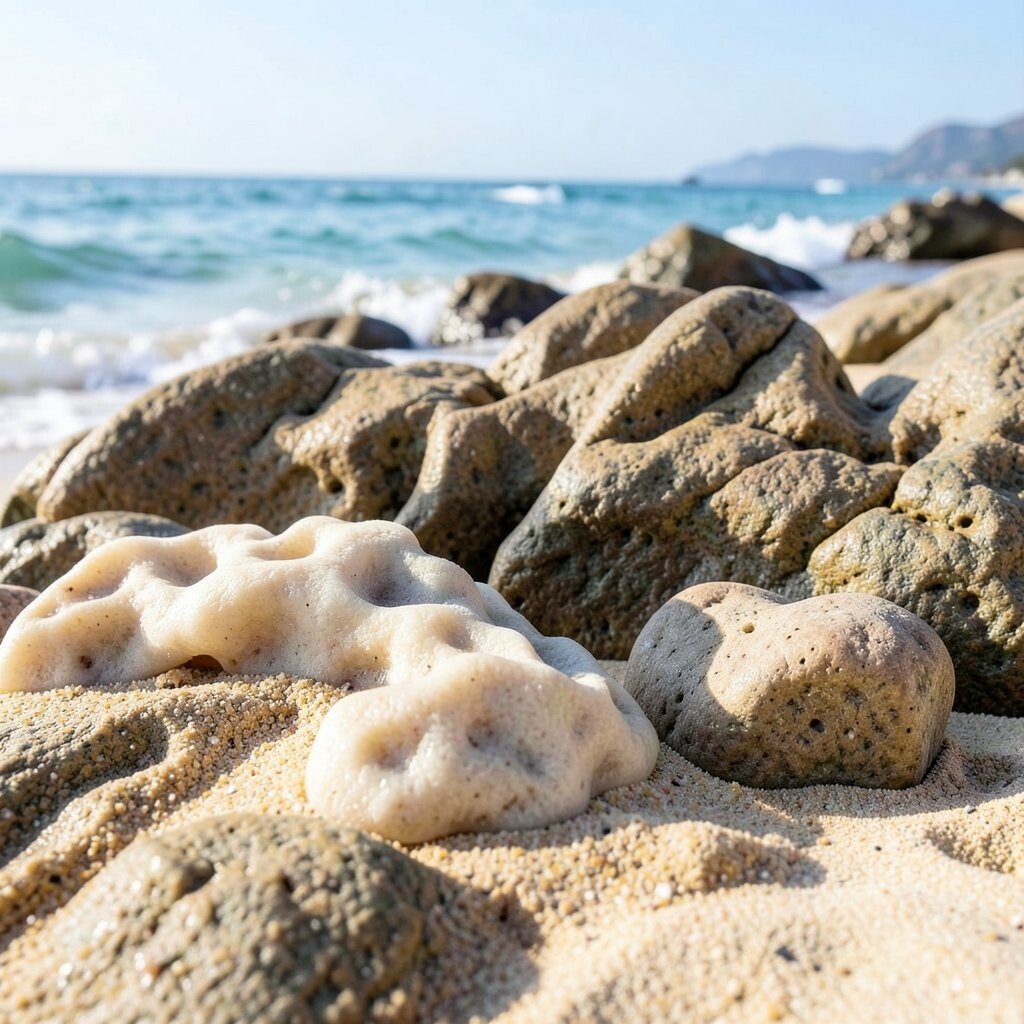
Pieces that resemble coral can form branching shapes even after they’re tumbled. Look for rock fragments with small curves and repeated bumps.
They offer a wonderful way to bring ocean energy indoors without needing complicated materials. Try making a decorative centerpiece by placing branching stones in a shallow bowl of sand, or wire-wrap them as part of a hanging mobile. For a practical tip, measure your bowl or frame first so the stone sits securely and doesn’t tip.
Personalization ideas include matching the colors to your room, like warm sand tones for a cozy space or cooler grays for a calm, modern look. Trend-wise, natural sculptural decor keeps showing up in home design, and coral-like stones deliver that feel quickly.
14. Smooth Black Basalt Buttons
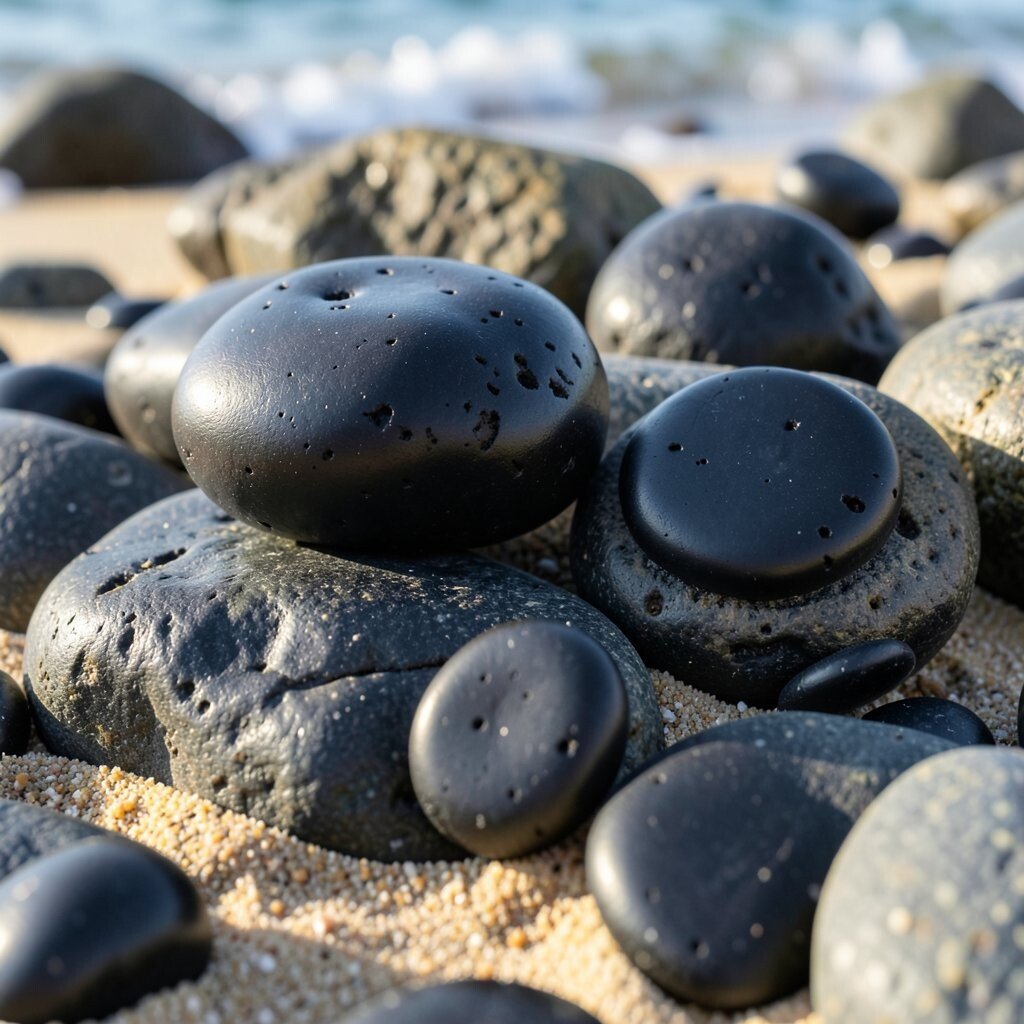
Black basalt stones look sleek, like tiny buttons picked up from a dark shore. They often have a polished, steady surface that feels strong.
They’re unique because black rock adds contrast, making lighter colors in your project stand out. Use them for minimal jewelry, simple stress-relief worry stones, or accents on a painted pebble tray. A practical approach is to group black stones by size so your final layout looks intentional instead of random.
For personalization, pair black rocks with sea-foam paint, cream thread, or silver hardware. Cost stays reasonable because basalt is typically affordable to source and you can make many projects with a single small bag, plus basic supplies like cord or varnish.
15. Polished White River Pebble Lines
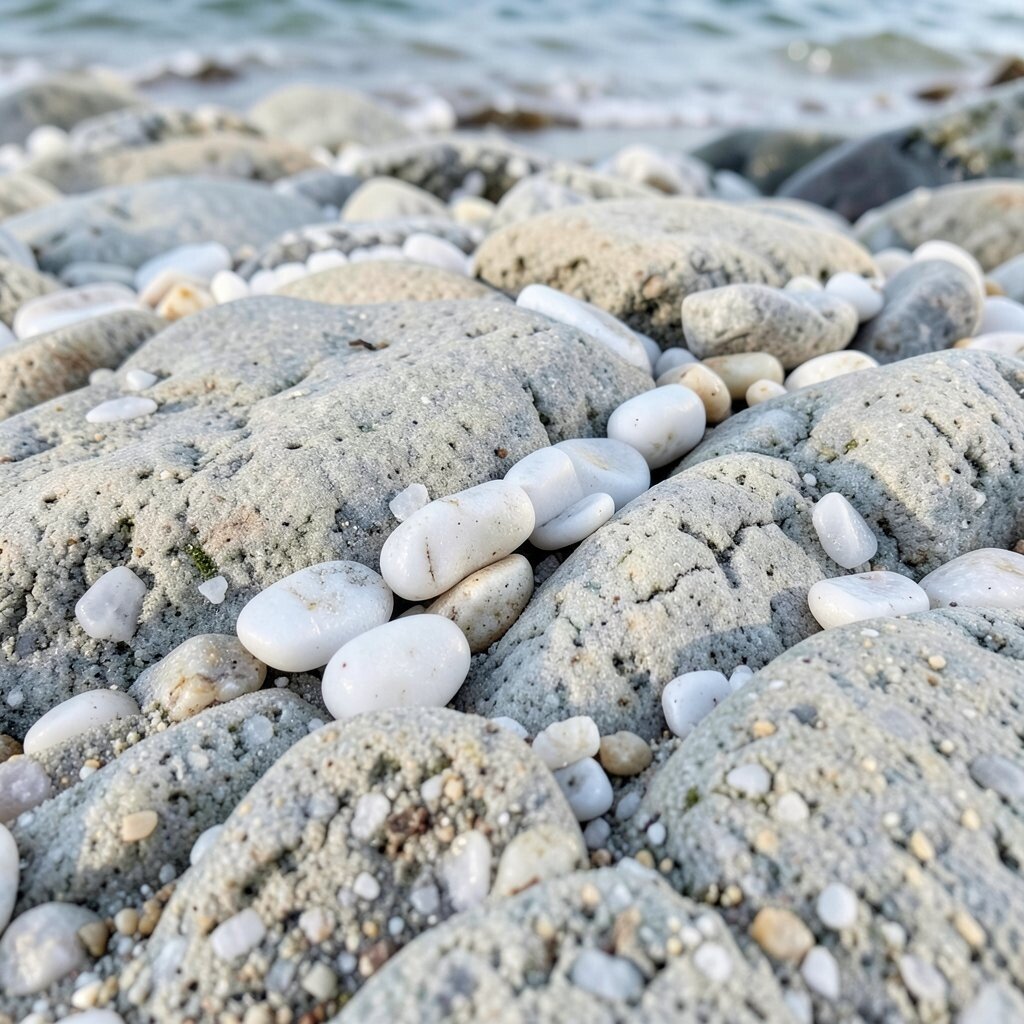
Some pebbles arrive with a clean, bright look that reminds you of river beds. Their surfaces can be smooth enough to reflect light like tiny eggs.
They’re great for projects that need crisp visuals, like numberless counting stones, sorting puzzles, or tidy pathway patterns on a board. Try making a “coast line” art piece where you glue pebbles into a gentle curve and leave breathing space so the design feels light. For personalization, add small marks to each pebble such as dots, short strokes, or simple symbols that match your family’s favorite things.
If you want to keep it budget-friendly, use inexpensive clear acrylic sealer instead of costly varnish. Also, consider a current trend toward handmade organization by making functional pieces that still look pretty on a shelf.
16. Layered Sand Dune Mosaic Bits
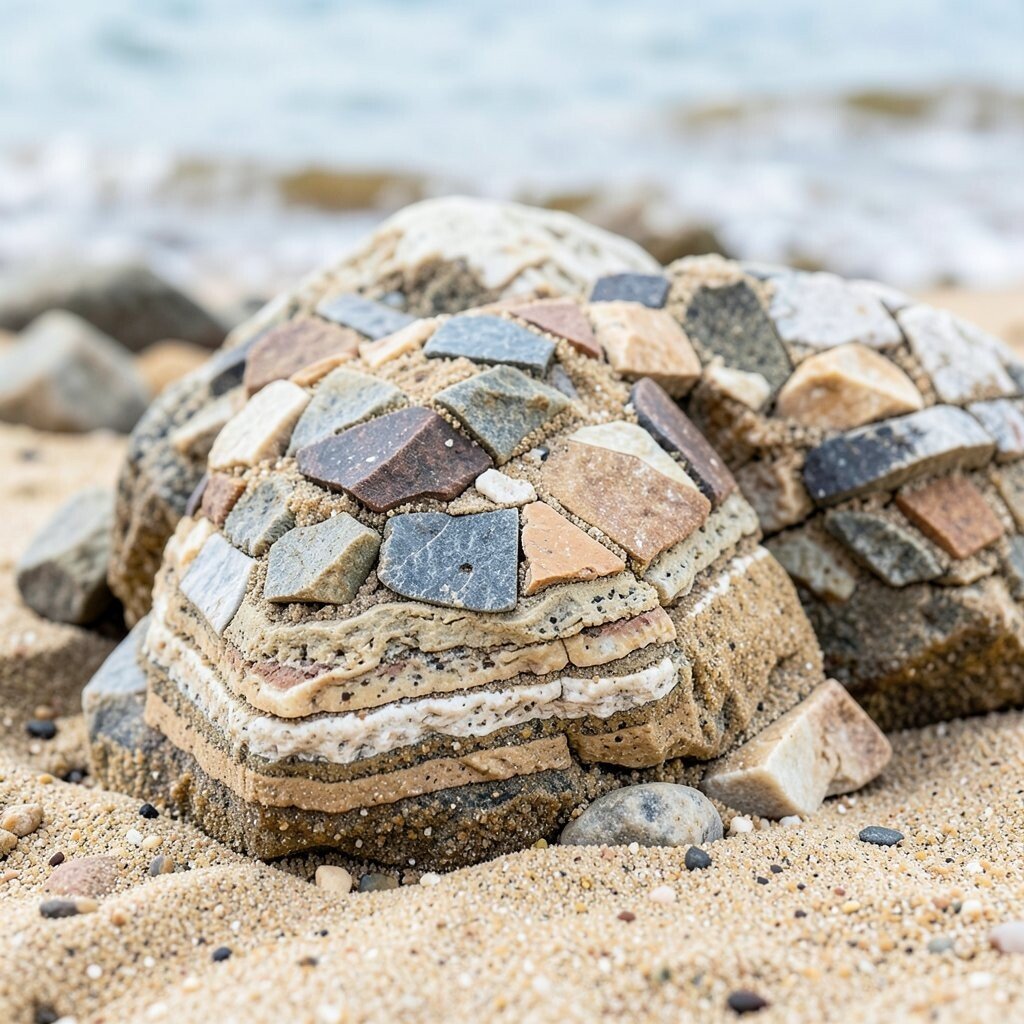
When sand and small stones combine, you can get mosaic-like fragments with mixed textures. The shapes look messy at first, but that mess becomes charm in the final design.
This material is unique because it’s naturally blended, so your finished piece won’t look copied or manufactured. Use fragments to cover a small wooden box, a picture frame border, or the rim of a plant pot. A practical tip is to plan your layout on a flat surface first, then glue from the center outward so the pattern stays balanced.
Personalization ideas include creating a beach color story that matches your decor, like warm tans, cool grays, and hints of green. Cost considerations are manageable because mosaics can use small amounts of glue and grout paste, and the rock pieces are free if you collect responsibly from allowed areas.
17. Storm-Scuffed Edge Stone Finds
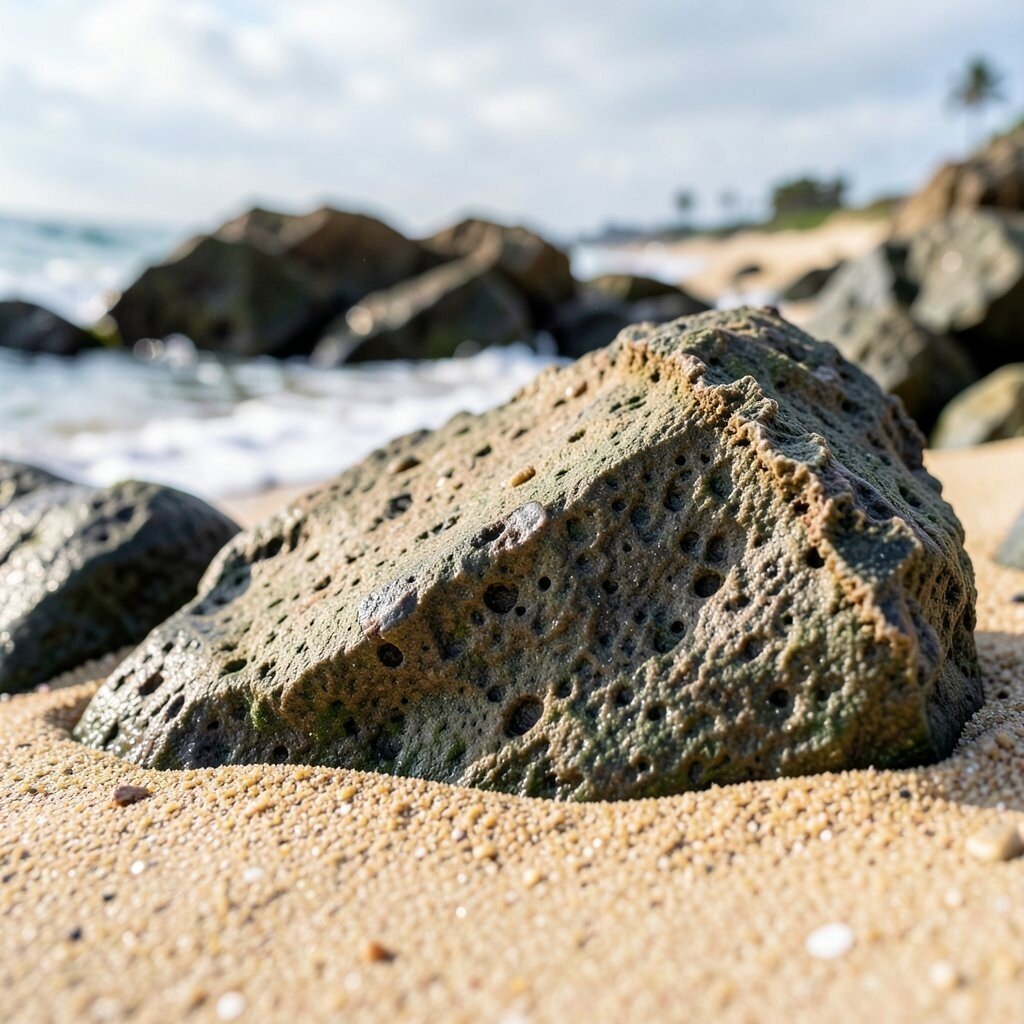
Storm-tumbled rocks often have rough edges and bold marks where waves hit and scraped. They may look imperfect, but that’s exactly what makes them memorable.
They can inspire projects that celebrate character instead of hiding it. Use them as paperweights, bookends, or anchor pieces in a larger shelf arrangement, and let the scuffs show rather than covering everything. For practical tips, sand only the contact points so you keep the rough texture while making handling easier.
To personalize, pair each storm-scuffed stone with a written note that matches its “weather mood,” such as calm, brave, or playful. If you’re thinking about costs, you can keep spending low by focusing on placement and sealant rather than heavy fabrication, which still delivers a bold, artistic result.