Your vintage jewelry has a story in every curve. With a little steady care, it can keep sparkling like it did the first day you wore it.
The secret is gentle habits that respect age, materials, and the small details that make artisan pieces special.
1. Treat Each Piece Like It’s One-of-a-Kind

Before you do anything, look closely at the piece in bright light. Notice the maker’s style in the setting, the clasp, and the tiny handmade texture.
That careful look helps you choose the right cleaning method and avoid surprises. You’ll protect the finish while keeping the look truly vintage, not “new.”
2. Store Jewelry Where It Can Breathe
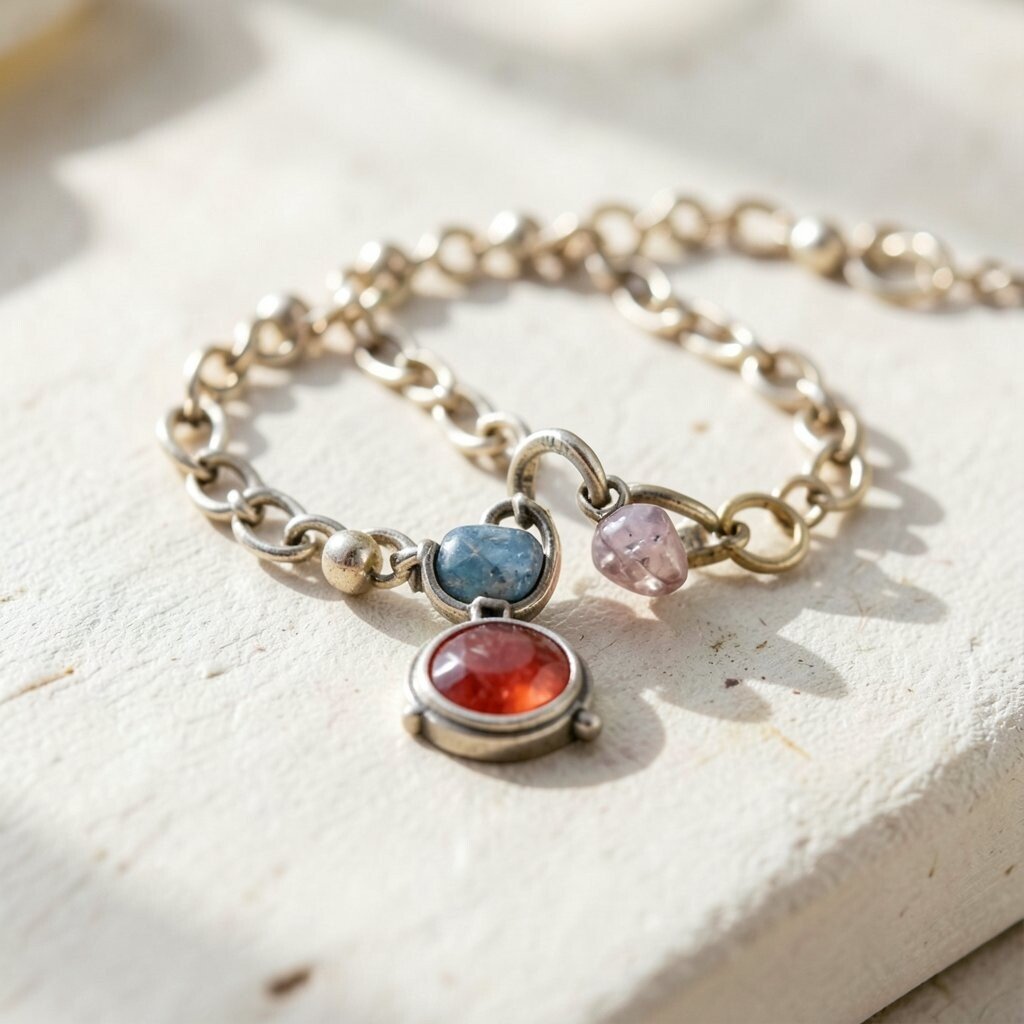
Keep vintage pieces separated so they do not rub against each other. A soft cloth pouch or a lined compartment works well because it reduces scratches.
Give each item enough space to stay flat and calm. This helps gemstones stay secure and keeps delicate chains from tangling into knots.
Gentle storage also supports the natural patina on metals that mature over time. When items rest without friction, they can shine brighter when you finally wear them.
3. Wash Hands Before Touching Fine Details
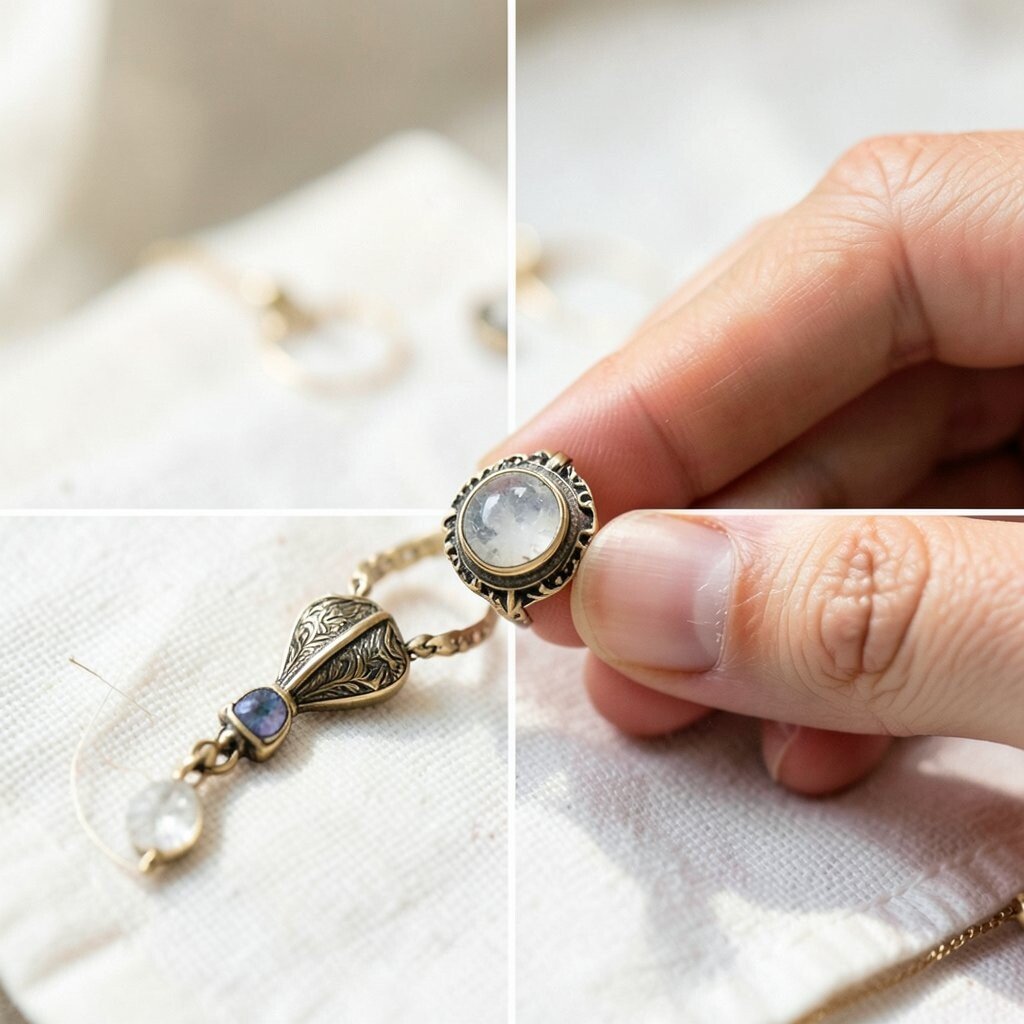
Try putting on the “clean touch” habit every time you handle your jewelry. Soap, lotion, and hair products can leave a film that dulls sparkle.
When you touch a ring or earrings with clean hands, less residue clings to the metal. Your artisan surfaces stay crisp and your stones look clearer.
This small routine also prevents oils from building up in tiny crevices. Over time, that means fewer deep cleanings and less wear.
It’s also an easy way to personalize your care by pairing it with your daily skincare routine. You can make it feel like part of getting ready, not extra work.
4. Wipe After Wear With a Soft, Dry Cloth
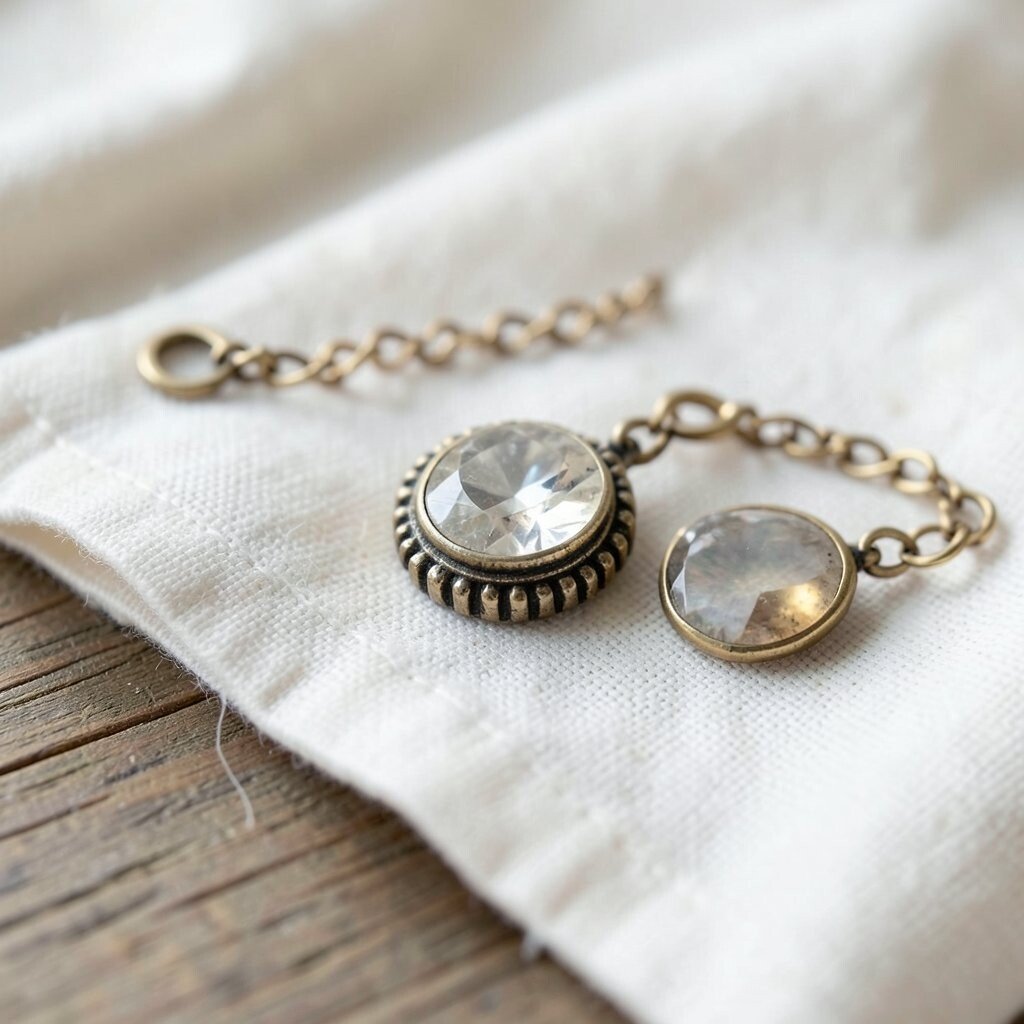
After you take off your jewelry, gently buff it with a microfiber cloth. Focus on areas where skin meets metal, like bands and earring backs.
This quick wipe removes sweat and everyday dust before it can settle. The result is a brighter look and less dull buildup.
5. Skip Harsh Cleaners That Steam Away Character
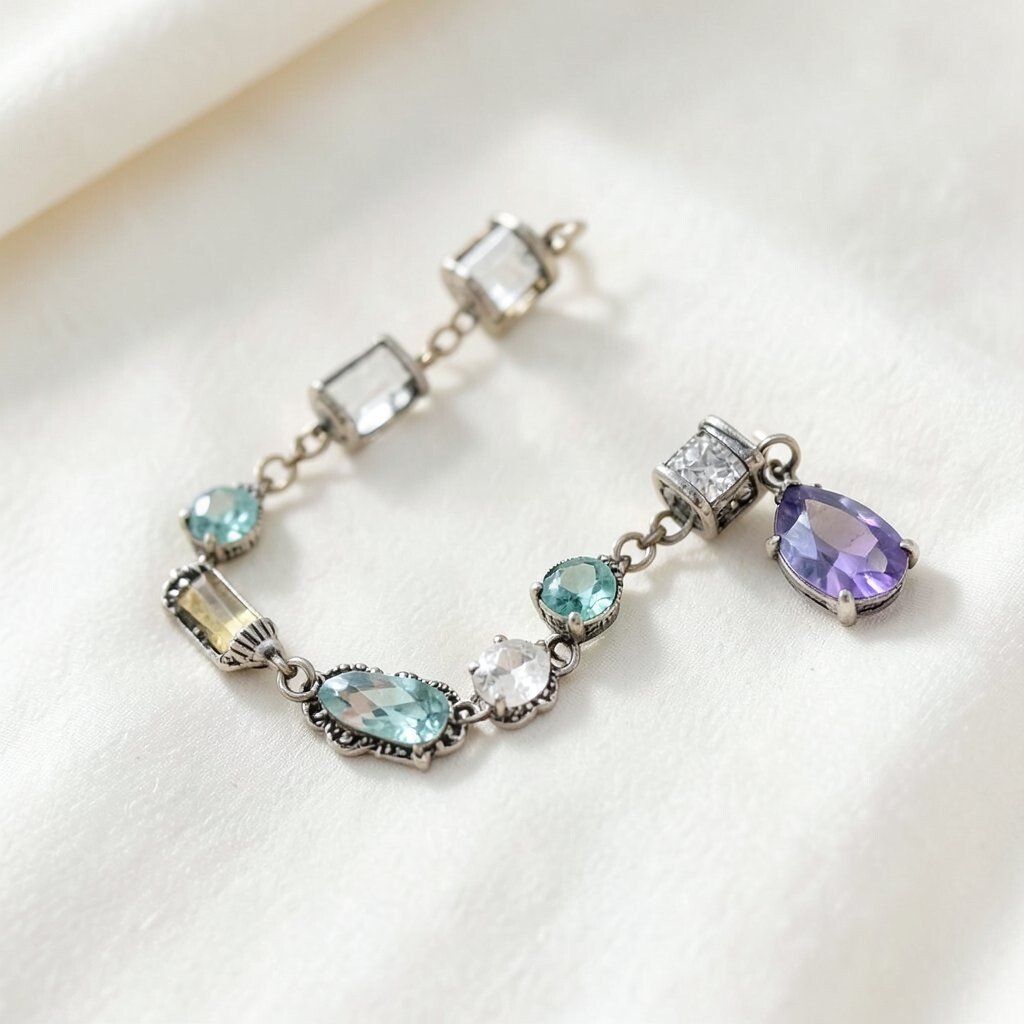
Vintage pieces often have older finishes, soft solder points, or fragile settings. Strong cleaners can strip patina or weaken details you love.
Instead, use gentle methods and mild, jewelry-safe products when you need them. If you are unsure, test on a small, hidden spot first.
This protects the “lived-in” beauty that makes artisan jewelry feel special. You’re keeping its personality, not erasing it.
6. Keep Water Away From Porous Stones and Antique Settings
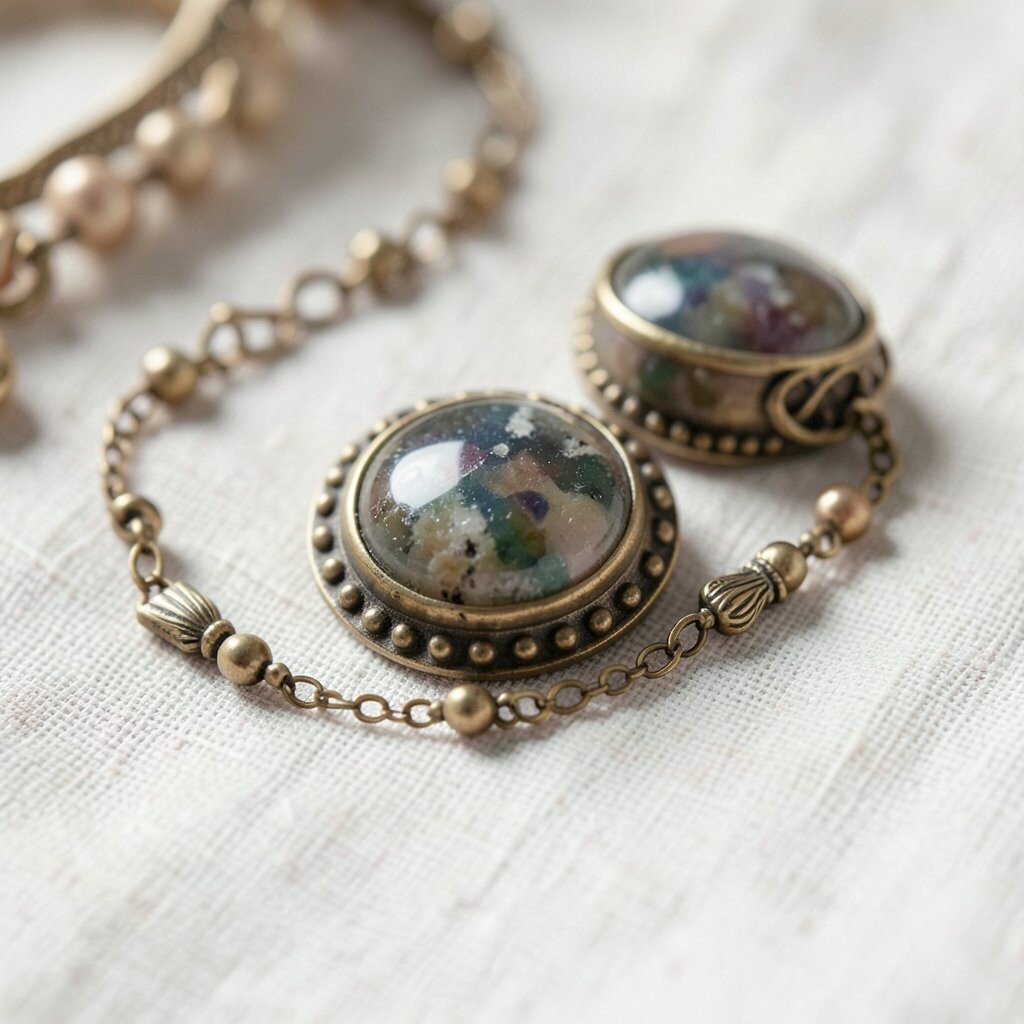
Some gemstones and pearls are happier away from soaking. If the piece includes porous stones, beads, or glued elements, moisture can cause dull spots.
When you shower or wash dishes, remove jewelry to prevent accidental exposure. That habit keeps stones from absorbing residue and helps settings stay firm.
Even a quick rinse can loosen older adhesives over time. Dry your piece carefully and let it fully air before storing.
7. Use Warm Not Hot For Gentle Cleaning
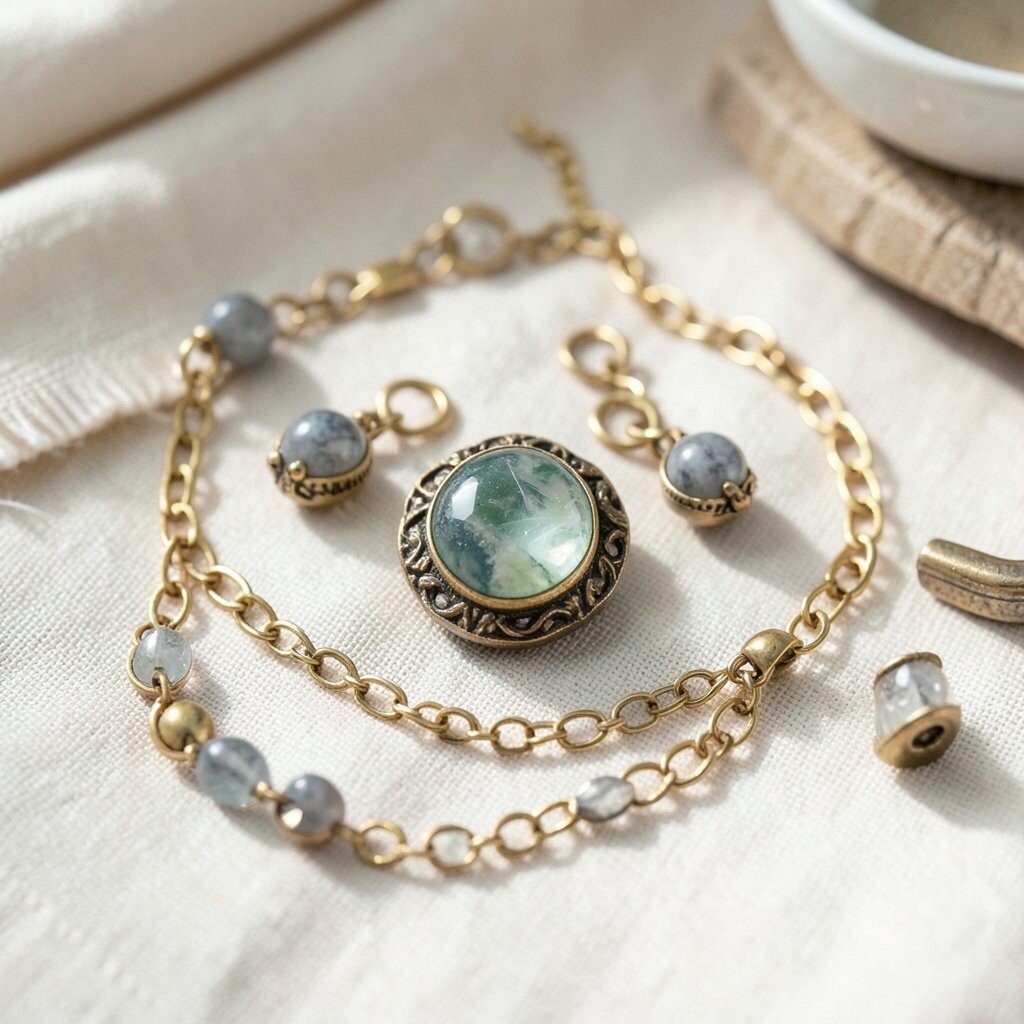
If you do clean, aim for mild warmth rather than heat. Warm water helps loosen grime without stressing metal or stones.
Pair it with a very soft brush for crevices, like a clean makeup brush. Light pressure is enough for most handmade textures.
This approach keeps the shine without risking cracks or loosened components. You’ll also avoid the surprise of a finish that looks different after treatment.
Because every artisan piece varies, you can personalize the process by matching the cleaning intensity to how often you wear it. Daily wear might need faster wipe-downs, while special occasions can use deeper care less often.
8. Clean Metal, Then Let It Dry Fully

After cleaning, pat the jewelry gently with a soft cloth. Make sure every nook and cranny is dry before putting it away.
Trapped moisture can dull shine and create spotting over time. Full drying helps your vintage look stay crisp and polished.
9. Avoid Ultrasonic Cleaners for Most Vintage Styles

Many vintage settings include stones, filigree, or handmade parts that can be sensitive. Ultrasonic cleaning may loosen them even if the metal seems sturdy.
That means less confidence and more risk of chips you cannot unsee. If you want a safer refresh, start with gentle wiping and mild cleaning only.
For heirloom-grade pieces, consider professional cleaning by someone who understands antiques. It costs less than repairing a broken prong.
10. Handle Clasps With Patience, Not Force
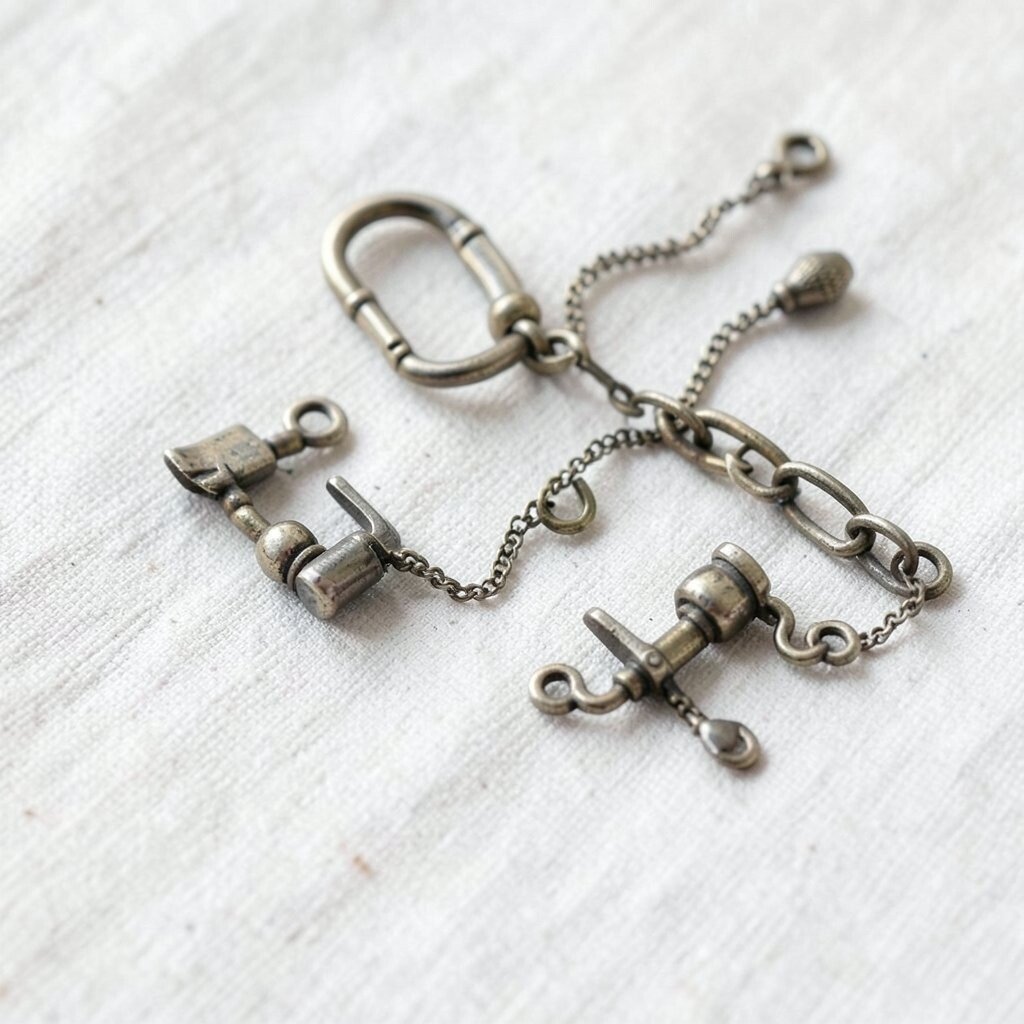
Clasp stress is one of the fastest ways to damage vintage jewelry. When you close it, do it slowly and guide the parts into place.
If a clasp feels stiff, stop and check what is catching. Forcing it can bend metal or strain tiny hardware.
Gentle handling keeps your jewelry wearable and comfortable. It also helps you avoid extra repair costs later.
11. Protect Pearls and Soft Stones From Friction
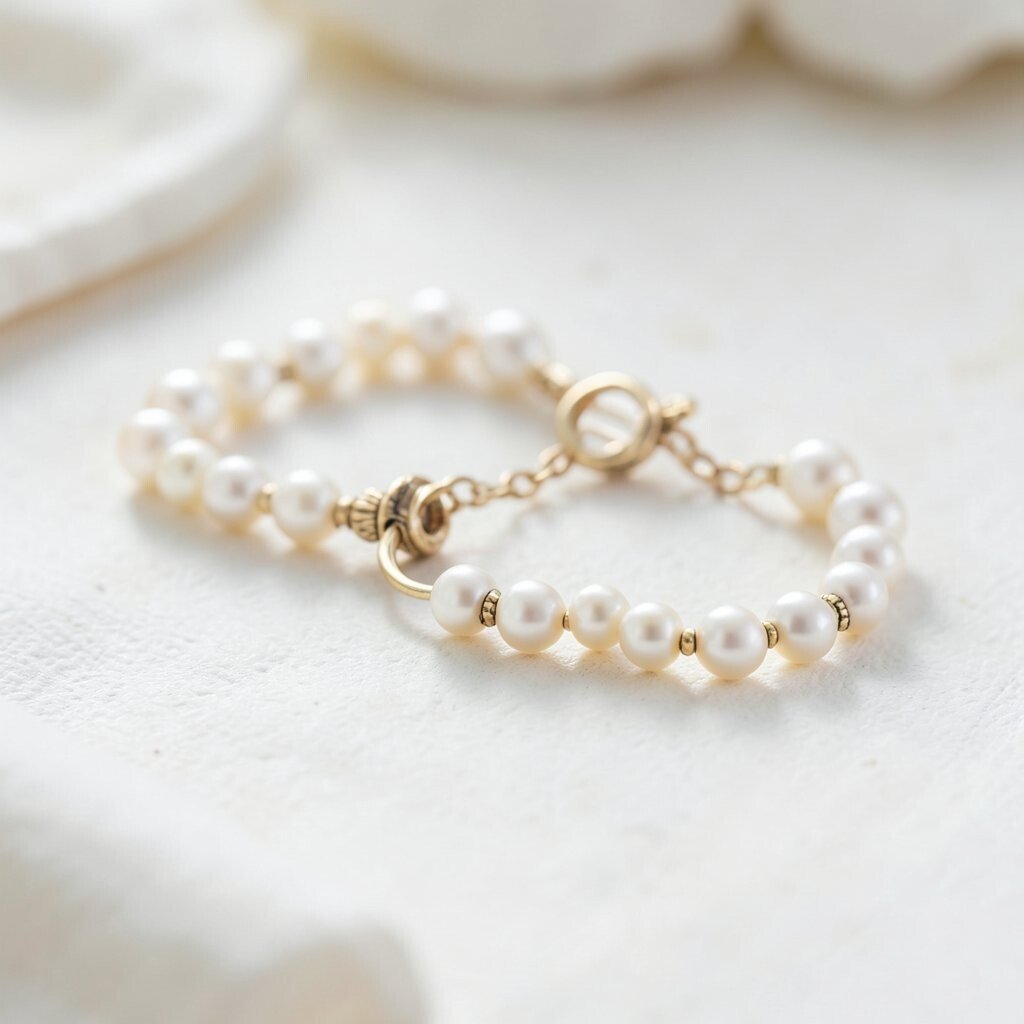
Pearls and opals can lose their glow if they rub against harder surfaces. When you wear them, keep them from bumping bracelets, belts, or heavy bags.
For storage, lay them separately with soft padding. This prevents micro-scratches that add up quietly over time.
12. Manage Tarnish With Gentle, Time-Smart Care
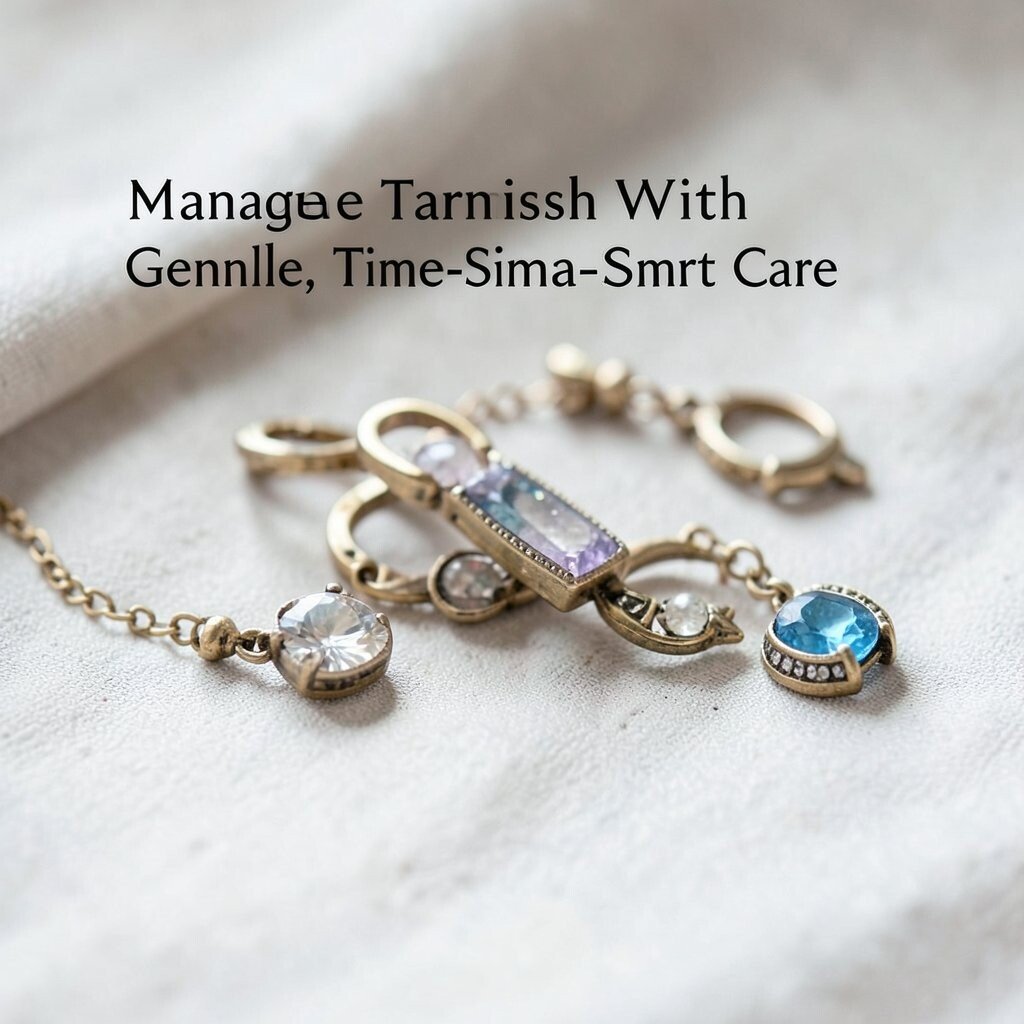
Tarnish is normal on many vintage metals, and it can actually look lovely. Still, heavy buildup can hide sparkle and make details look dull.
Use a soft cloth to remove light tarnish, and repeat gently. This is kinder than aggressive scrubbing and helps preserve aged character.
If the tarnish is stubborn, choose a vintage-friendly cleaner made for the specific metal. Matching the metal matters, because the “best” cleaner for one finish may harm another.
13. Keep Jewelry Away From Sprays and Perfume Mists

Perfume, hairspray, and body sprays can coat jewelry with residue. That film traps dust and dulls the metal and stones you want to shine.
Put on fragrance after you dress, and let it settle before you add jewelry. This simple timing reduces buildup without making your routine complicated.
You’ll also notice that earrings and necklaces keep their brightness longer. It’s a small habit that saves time on cleaning later.
14. Watch for Loose Settings and Worn Prongs

Check rings and pendants regularly for signs of looseness. If a stone wobbles or the prong looks thinner than before, it needs attention.
Catching a small issue early can prevent a bigger repair. Repairs cost less when they are handled before a stone goes missing.
This care also protects the design quality that makes artisan pieces unique. A secure setting helps the piece keep its original shape and sparkle.
15. Use Anti-Tarnish Storage for Metals That React Easily
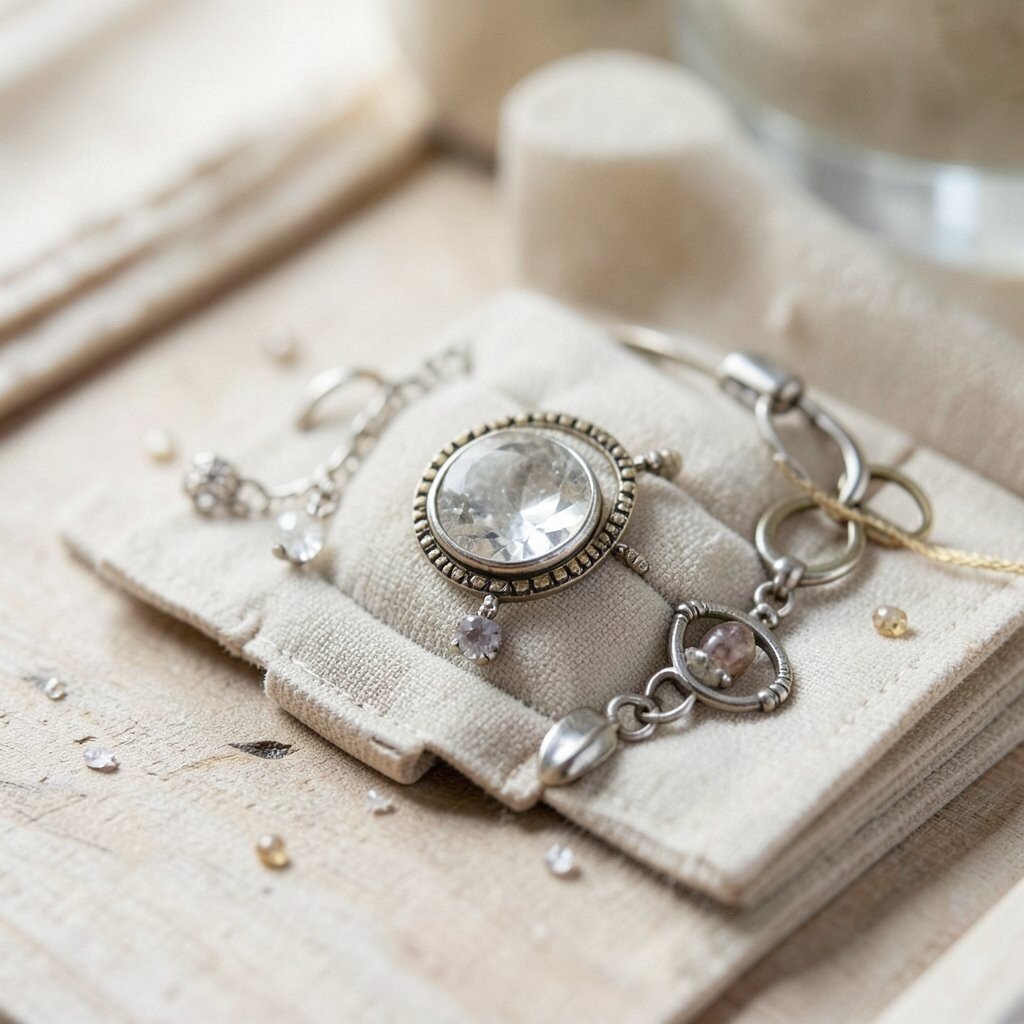
Some metals tarnish faster, especially in humid air. Anti-tarnish strips or carefully chosen lined pouches can slow down that process.
Keep the jewelry dry and stored in a cool place, not near bathrooms or sinks. When conditions stay steady, your vintage shine lasts longer.
This approach can feel modern while still protecting older materials. It also gives you peace of mind because you can store pieces with less worry.
16. Clean Chains With Soft Moves Along the Links
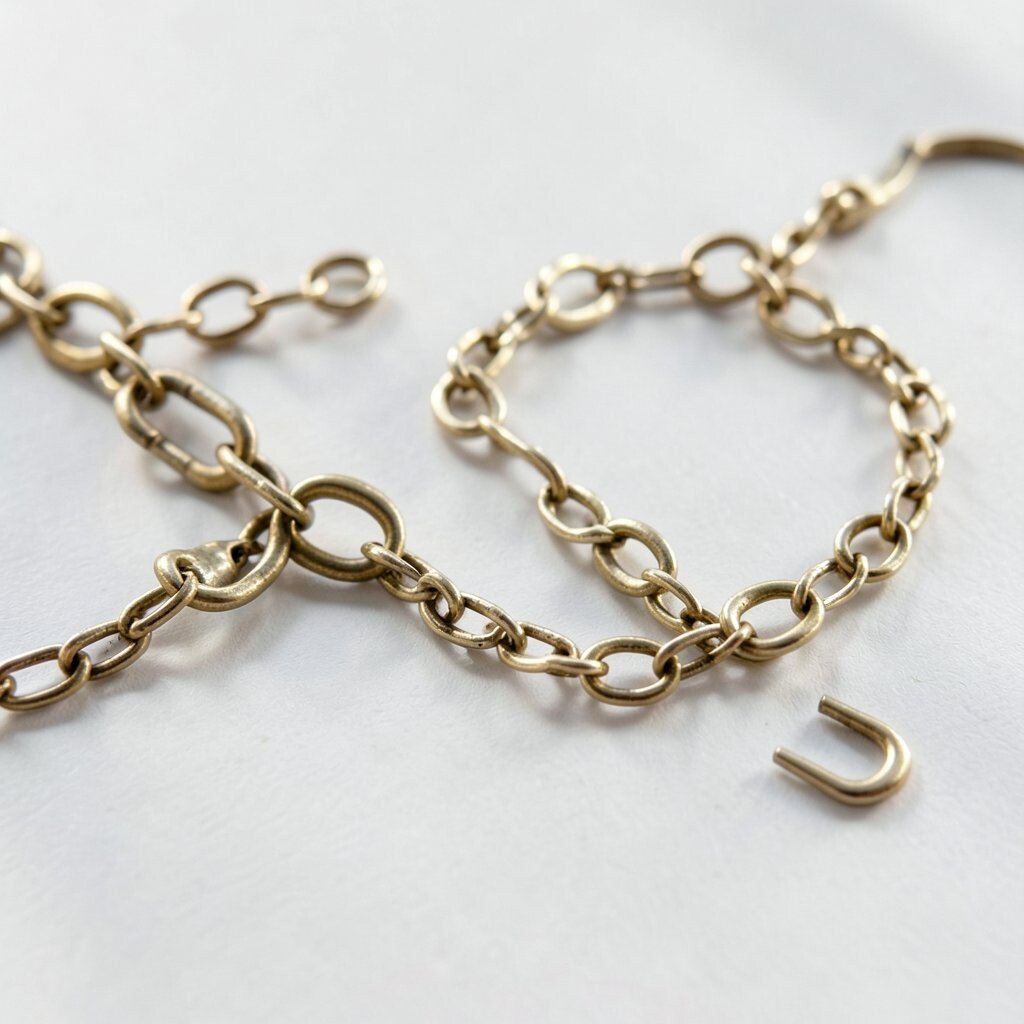
Chains can collect dust in the tiny spaces between links. When you clean, move slowly along the chain instead of twisting hard.
Use a soft brush and a gentle rinse if needed, then dry thoroughly. That careful handling keeps the chain flexible and prevents tangles.
A chain that stays smooth makes pendants sit better and sparkle more evenly. It also helps your necklace feel nicer against your skin.
If your vintage chain has delicate details, you can personalize the routine by cleaning it more often when it is a daily-wear piece. Special occasion chains may only need quick wiping most weeks.
17. Keep Rings Flat So Bands Don’t Warp

Rings can pick up scratches when they rest against rough surfaces. They can also get bent if they are packed too tightly or stored incorrectly.
Store rings on a ring holder or soft pad so they lie flat and separate. This keeps surfaces smooth and preserves the original artisan shape.
When a ring stays true, gemstones catch light better. That means more sparkle with less effort.
18. Refresh Your Shine With a Gentle Polishing Cloth

For small brightness boosts, use a polishing cloth designed for jewelry metals. Buff gently and stop once you see the shine return.
Polishing in moderation helps maintain the finish without wearing it down. Over-polishing can change the look, especially on older artisan surfaces.
This method is great for regular upkeep when you do not want full cleaning. You keep the vintage vibe while still giving it a bright, cared-for glow.
19. Know When to Seek Professional Care
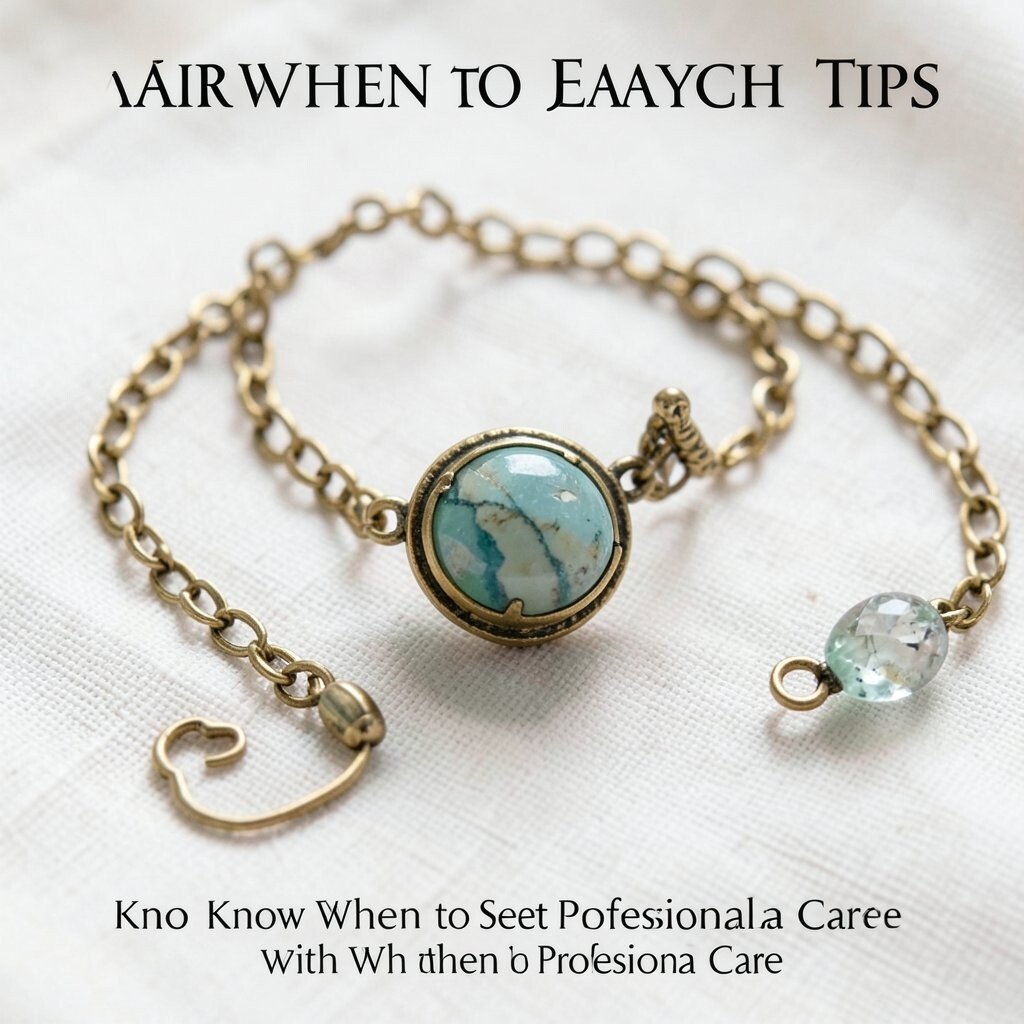
Some issues are too delicate for home handling, like complex solder repairs or fragile antique settings. If a piece is very valuable or sentimental, professional care is worth it.
Look for jewelers who handle vintage and antique work, not only brand-new items. They can use the right materials and techniques to match the piece.
This decision can save money over time because it prevents repeated fixes. It also protects the craftsmanship that makes artisan jewelry feel irreplaceable.
20. Make Care Part of Your Style Routine
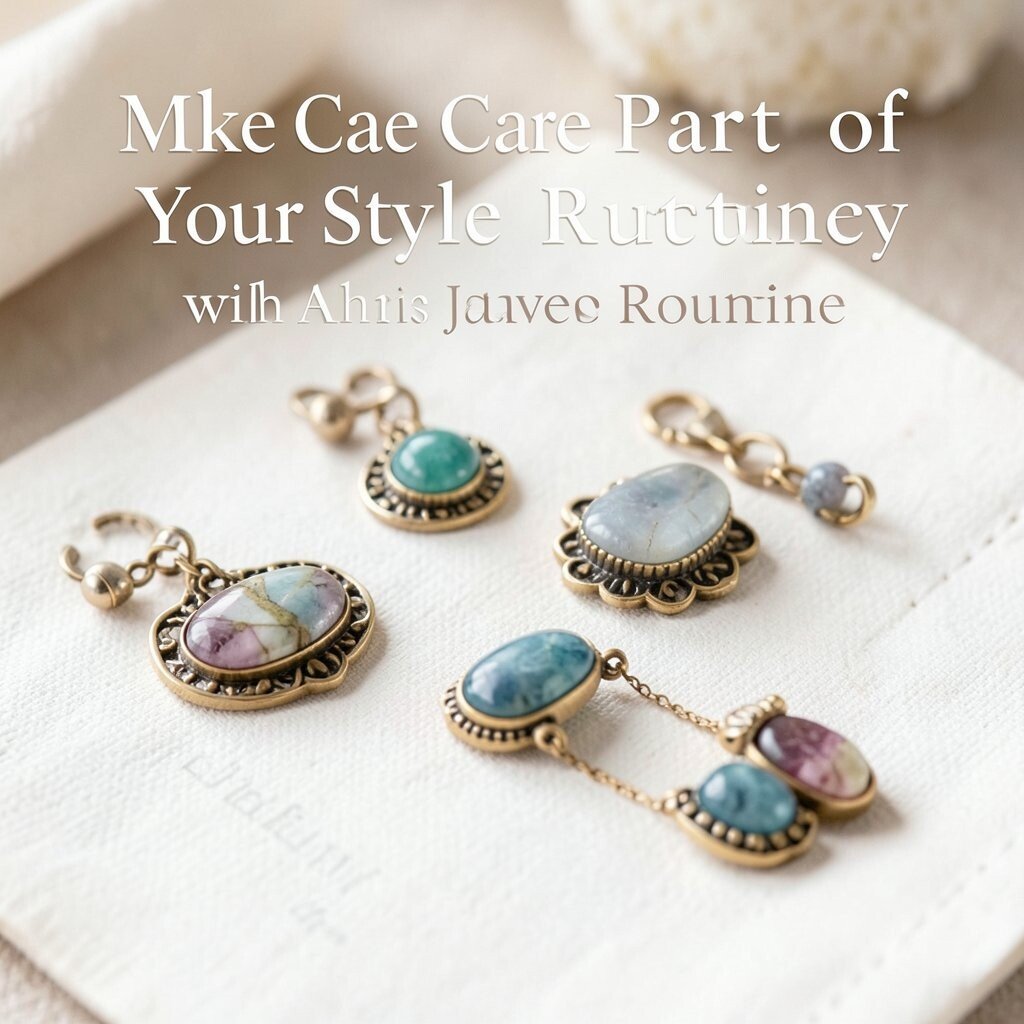
Vintage jewelry looks best when it matches your lifestyle, so your care should fit too. Choose a small routine you enjoy, like wiping after every wear and storing right away.
Personalize it by setting care moments around your outfit planning. When you think about which piece you want to wear, you also give it a quick shine before it goes out the door.
Current trends often celebrate “quiet sparkle,” meaning less harsh polishing and more natural shine. With gentle care, your vintage pieces can keep that soft, confident glow.
This is how your jewelry stays ready, unique, and comfortably yours. And the cost stays lower because small upkeep prevents big repairs.