The first snow can feel magical, yet winter travel can turn stressful fast. A little planning now helps your trip feel calm, cozy, and fun from the start.
1. Underestimating Winter Weather
Winter conditions can change quickly, and that swing can affect roads, flights, and even how long outdoor plans last. When you picture your days, also picture the wind, the ice, and the bright cold light that can make distances feel longer than they are.
Check forecasts regularly instead of trusting one snapshot. Plan a flexible day so you can swap a long outing for a warm café stop if visibility drops. Pack layers you can adjust easily, because temperature indoors and outdoors often feels like two different worlds.
2. Choosing the Wrong Base for Your Schedule

Picking where to stay shapes your whole trip, sometimes more than any attraction. A place that looks charming on a map may be far from the buses, lifts, or main streets you will actually use.
Choose a base that matches your routine, like being close to transit if you plan to hop around. If you want early ski sessions or winter markets, stay near the action so you lose less time to rides. When your lodging is convenient, you get extra energy for shopping, sightseeing, and relaxed dinners.
Try matching your neighborhood vibe to your mood. Some travelers love lively streets with lights and late snacks, while others prefer quiet lanes with cozy lobbies. Either way, you’ll save money by avoiding repeated rides and last-minute taxi rushes.
3. Forgetting Essential Cold-Weather Gear
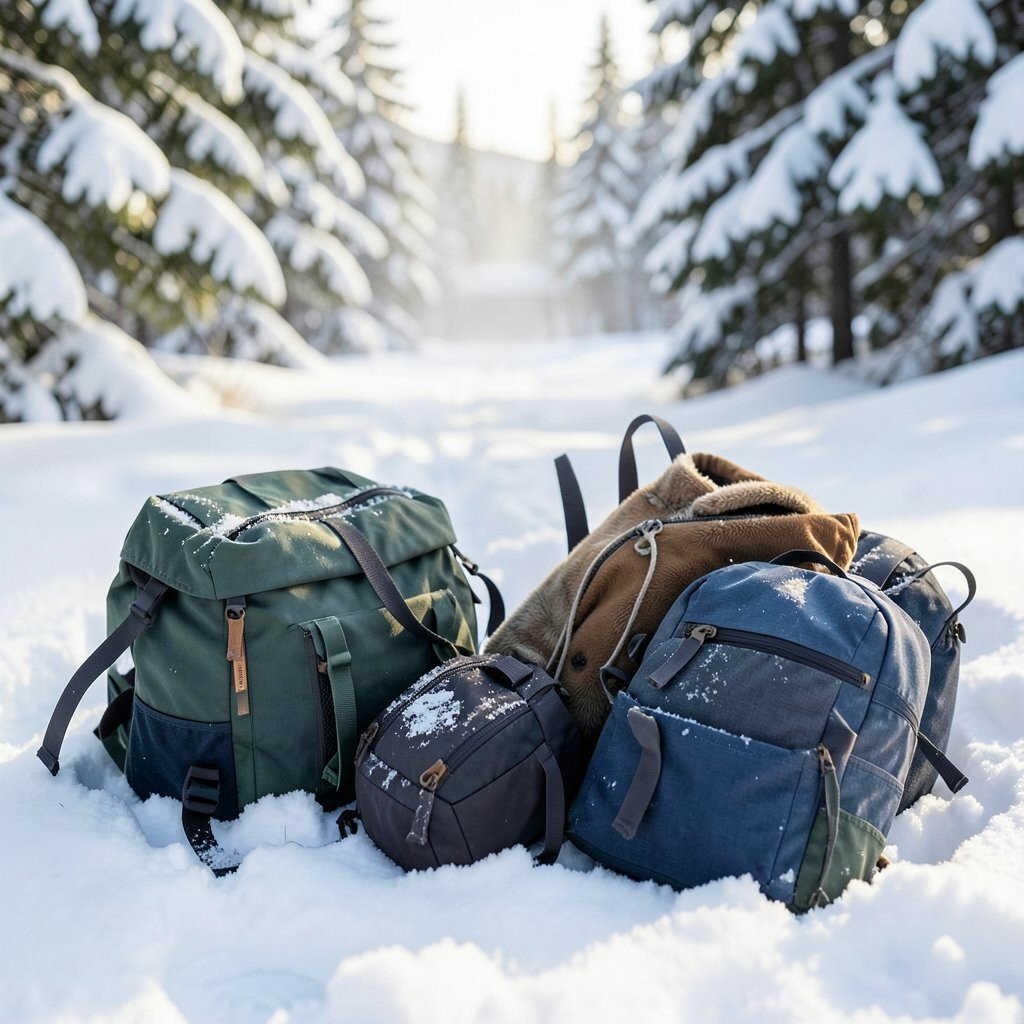
Many people pack for cold, but they forget the small pieces that matter most on day one. Gloves that are too thin, boots that lack traction, or a hat you leave behind can turn one windy walk into a miserable evening.
Bring waterproof or water-resistant footwear and plan for traction on slick sidewalks. Pack a warm hat and scarf that cover your neck, since that area holds heat. Don’t ignore hand and foot comfort, because warm hands help you take photos, hold railings, and enjoy winter sights.
Plan your outfits around easy mixing so you can swap layers without overpacking. You can keep a spare pair of socks in your day bag for a simple comfort boost later. This small move often feels like a luxury when everyone else is searching for a pharmacy open late.
4. Relying on One Transportation Option
When winter hits, a single route can vanish in a hurry due to delays or road closures. If you only plan for one way to get around, you can feel trapped even when alternatives exist.
Build a backup plan by checking the local transit schedule, ride-share availability, and walkable routes. Learn how your airport or station connects to your neighborhood, and note the last service times. Having a second option keeps you calm when the weather gets loud.
5. Booking Without Checking Hidden Timing Issues

Winter travel has sneaky timing challenges, like early sunsets and limited service hours. A plan that feels simple in summer can suddenly involve dark streets, shorter train gaps, and earlier closing times.
Look up check-in windows, lift hours, museum schedules, and market days so you don’t arrive too late. If you’re visiting popular areas, aim to start activities earlier to enjoy daylight. Night views can be stunning too, but planning helps you avoid stress when you only have a few bright hours.
Consider travel time in cold traffic, since roads often move slower. A “quick hop” can become a longer sit, so keep buffers in your plan. When you build extra breathing room, the trip feels smoother and more enjoyable.
6. Packing Too Much or Too Little

Packing is where comfort is either built or broken, especially in winter. Overpacking makes bags heavy and harder to manage on snowy stairs, while underpacking leaves you shopping under pressure.
Choose a packing strategy based on how you travel, whether you drive, take trains, or shuttle between neighborhoods. Use layering so one jacket can work across different plans and temperatures. If you expect laundry options, you can pack lighter and keep your wardrobe fresh.
Bring a compact bag for day trips so you can carry water, snacks, and a spare layer. Many travelers also forget chargers and charging cables, which feel extra annoying when you are cold and tired. When your essentials are easy to grab, you spend more time enjoying winter scenes and less time searching.
7. Ignoring Travel Insurance and Policies
Winter weather can change plans, and that’s not your fault. Still, the costs from cancellations, delays, or missed connections can pile up faster than you expect.
Review travel insurance details with your real trip in mind, including coverage for weather disruptions. Check baggage rules, trip interruption terms, and any age or activity limits if you plan skiing or snow sports. Knowing what is covered gives peace of mind, and peace of mind helps you enjoy the moment instead of worrying.
8. Not Planning for Food and Warm Breaks

Cold weather makes people hungry, and being hungry makes people cranky. If your days are packed with long walks or outdoor activities, you’ll need warmth built into your rhythm.
Plan breaks around local spots like bakeries, dumpling shops, or cozy tea houses. Warm drinks can reset you quickly and turn a stressful delay into a pleasant pause. When you time meals well, you avoid the scramble of finding a restaurant while everyone else is also searching.
9. Forgetting Phone Power and Offline Maps

Winter nights can drain phone battery faster, especially if you use GPS and stay outdoors in cold air. Cold temperatures reduce battery life, and low power can mean lost directions when streets are snowy and signs are hard to read.
Bring a power bank and keep it warm by storing it inside your coat pocket. Download offline maps and key bookings before you leave, so you can navigate even if data slows down. This makes you feel confident walking through bright winter streets without constantly checking signal strength.
10. Skipping Currency and Payment Readiness

In some places, winter markets, small cafés, and transport kiosks may not accept every payment method. When cash or cards are not ready, you might miss out on that warm treat or quick ride at the moment you need it.
Check your destination’s payment options ahead of time and carry a small amount of local currency. Notify your bank about travel so your card works smoothly, especially for online reservations and contactless taps. Keeping a simple backup payment method can save you from last-minute stress when lines are long.
If you plan to buy souvenirs, consider how prices are displayed and how taxes or fees work. Small cost checks help you budget without feeling surprised at checkout. When you know what to expect, shopping feels fun instead of confusing.
11. Underplanning Accessibility and Mobility Needs

Winter can be extra tough for mobility because sidewalks may be uneven and entrances might have steps. Even if you are normally fine walking, fatigue can show up faster when you are layering, bundling, and staying alert for ice.
Look for accessible routes, elevators, and lodging with easy entry points. If you rent a vehicle or use shuttles, ask about assistance options and pickup locations. Planning for comfort helps everyone, including kids, older travelers, or anyone managing an injury.
Use slower pacing and realistic walking distances, then match your day to how you feel. Many travelers enjoy the winter scenery more when they take their time. When movement is easier, you get more photo moments and fewer rushing moments.
12. Overpacking the Itinerary With Too Many “Must-Dos”

A winter holiday can feel like a checklist, and that pressure steals the joy. When every hour is planned, bad weather or a long line can break the whole day.
Pick a few highlights and leave space for spontaneity, like a surprise view point or an unexpected festival. If you like winter markets, schedule them with buffers so you can wander without rushing. The best days often include unplanned warmth, like a cozy indoor show or a sweet treat after a snowy walk.
13. Choosing Activities Without Considering Skill Level
Winter sports can be exciting, yet mixing skill levels can lead to frustration. If you sign up for something too advanced, you may spend the day worried instead of enjoying it.
Match activities to your comfort, whether it’s gentle sledding, beginner slopes, or a scenic snowshoe route. If you are new to skiing or riding, choose a lesson or guided start so you learn safety basics. Booking early can also reduce cost, because popular time slots can sell out in peak weeks.
Read reviews for equipment quality and lesson style, not just location. When the instruction feels supportive, you’ll build confidence quickly. That confidence turns the experience into a memory you will actually want to repeat.
14. Ignoring Local Winter Customs and Current Trends
Every winter place has its own rhythm, from how people dress to when they gather for night lights. If you ignore local habits, you might feel out of place even when your outfit is perfect.
Pay attention to how locals spend evenings, because that helps you plan your own dinner and stroll time. In many destinations, late-night markets, glowing street events, and cozy indoor performances are trending right now. You can lean into these trends by choosing one “local night” each trip, which often offers the best atmosphere for photos and smiles.
Learn a few simple etiquette habits, like tipping norms, quiet hours in certain buildings, or how to queue at popular attractions. Personalize your travel by adding one activity that matches your interests, such as a craft workshop, a winter cooking class, or a guided photo walk. When your plans fit local life, your trip feels more authentic and less like you are just passing through.