Mixed curly hair can look different every day, and that’s the fun part. With a few smart choices, your curls can look bouncier, shinier, and easier to manage.
When your hair has multiple curl patterns, you need styling ideas that respect both waves and coils. The right routine can make your strands work together instead of fighting each other.
1. Butter-Smooth Leave-In Underlight Layers
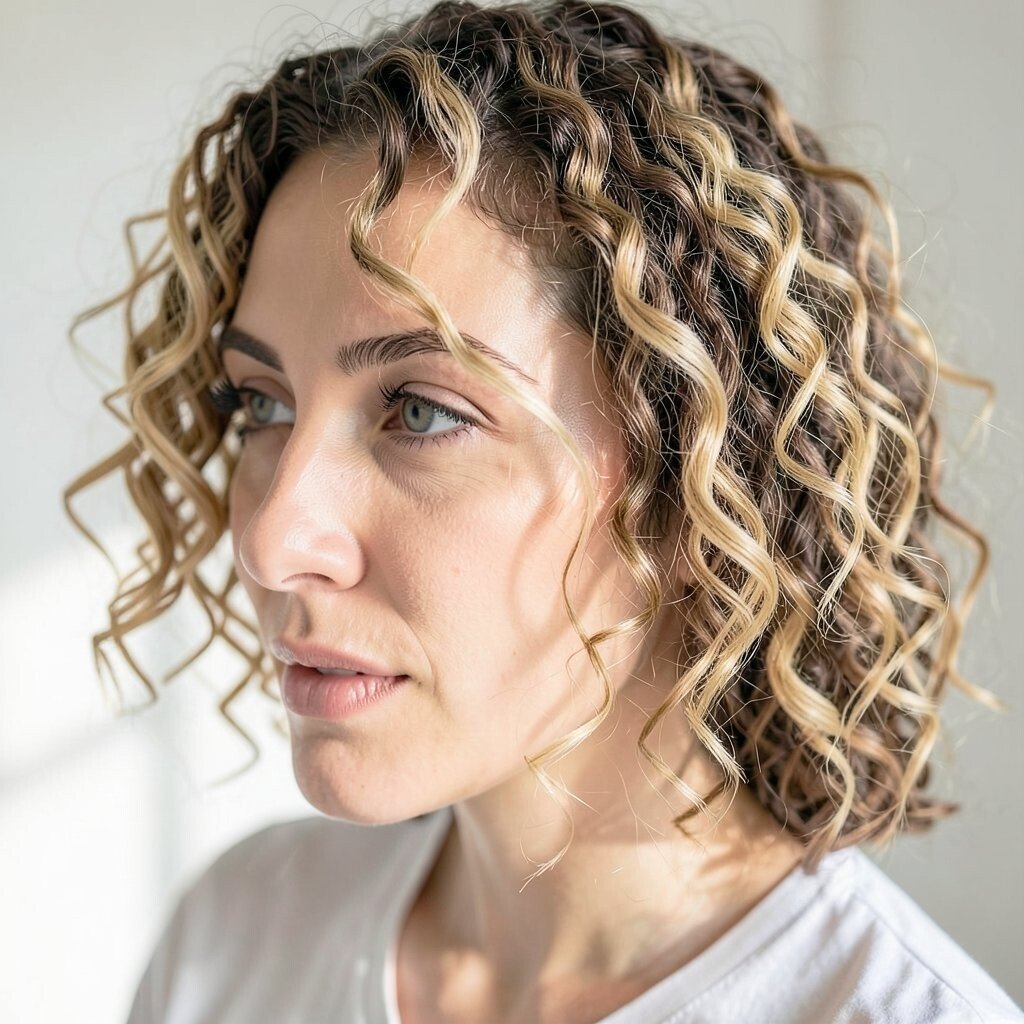
You can make mixed curls feel softer without losing shape. Start with a lightweight leave-in that spreads like lotion through damp hair.
Work it in by sections, then gently scrunch to help clumps form where your hair naturally wants to curl. You’ll usually see more shine and less frizz by the end of drying. For personalization, choose a leave-in with extra slip if your strands tangle easily, or pick a protein-friendly one if your curls feel weak.
2. Coil-Plus-Wave Styling With Two-Texture Gel
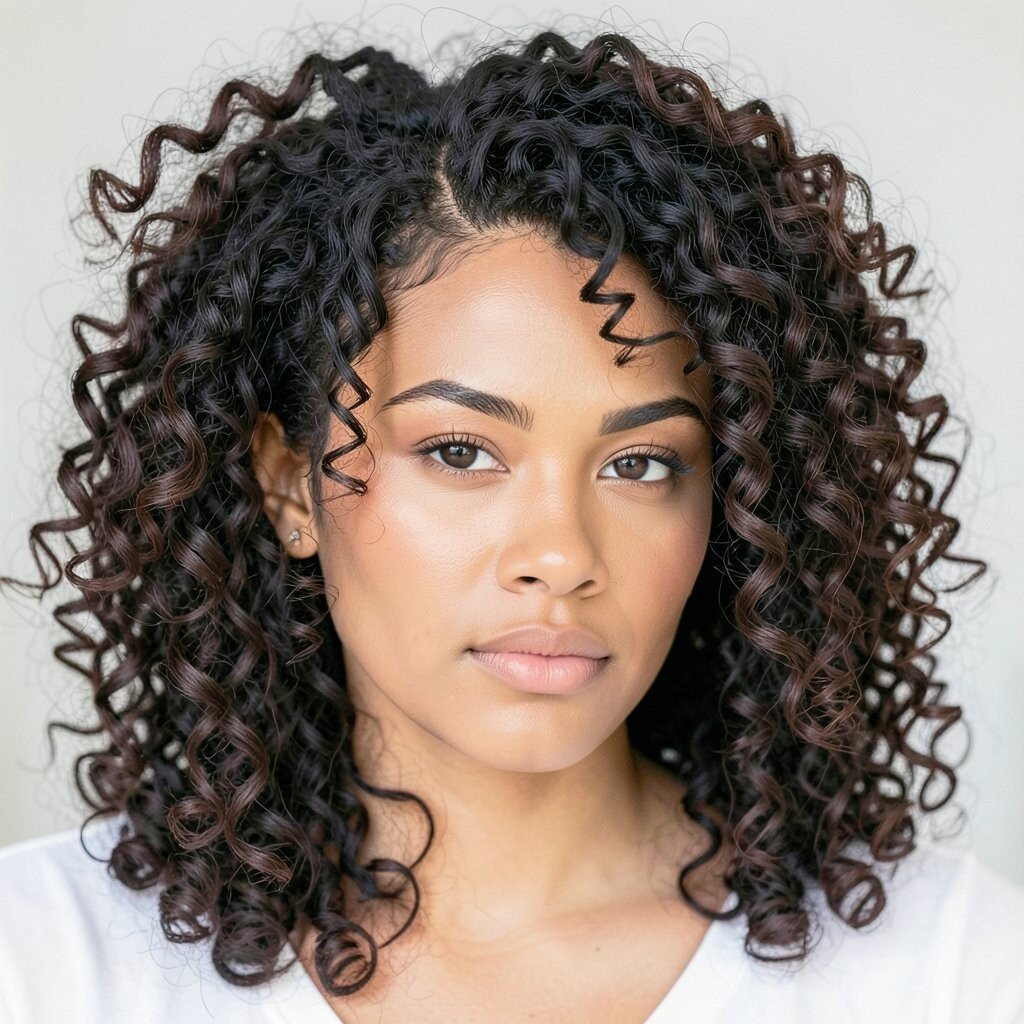
When some parts of your hair are wavier and others are curlier, a single product can feel too heavy for the waves. Try using gel in a targeted way so each texture gets what it needs.
Apply a small amount of gel to the curlier sections and use a thinner, watery layer on the wave sections. Your visual payoff is clear clumps on the tighter areas with light definition on the looser parts.
To keep everything balanced, dry with a light hover or a diffuser on low heat, then avoid touching while it cools. This is a great practical option for cost too, because you can use less product by focusing where it matters. If you’re in a trend mood, look for “brushed out curl” styles that keep definition while still feeling touchable.
3. Mid-Length Shape With Curly-Only Layers
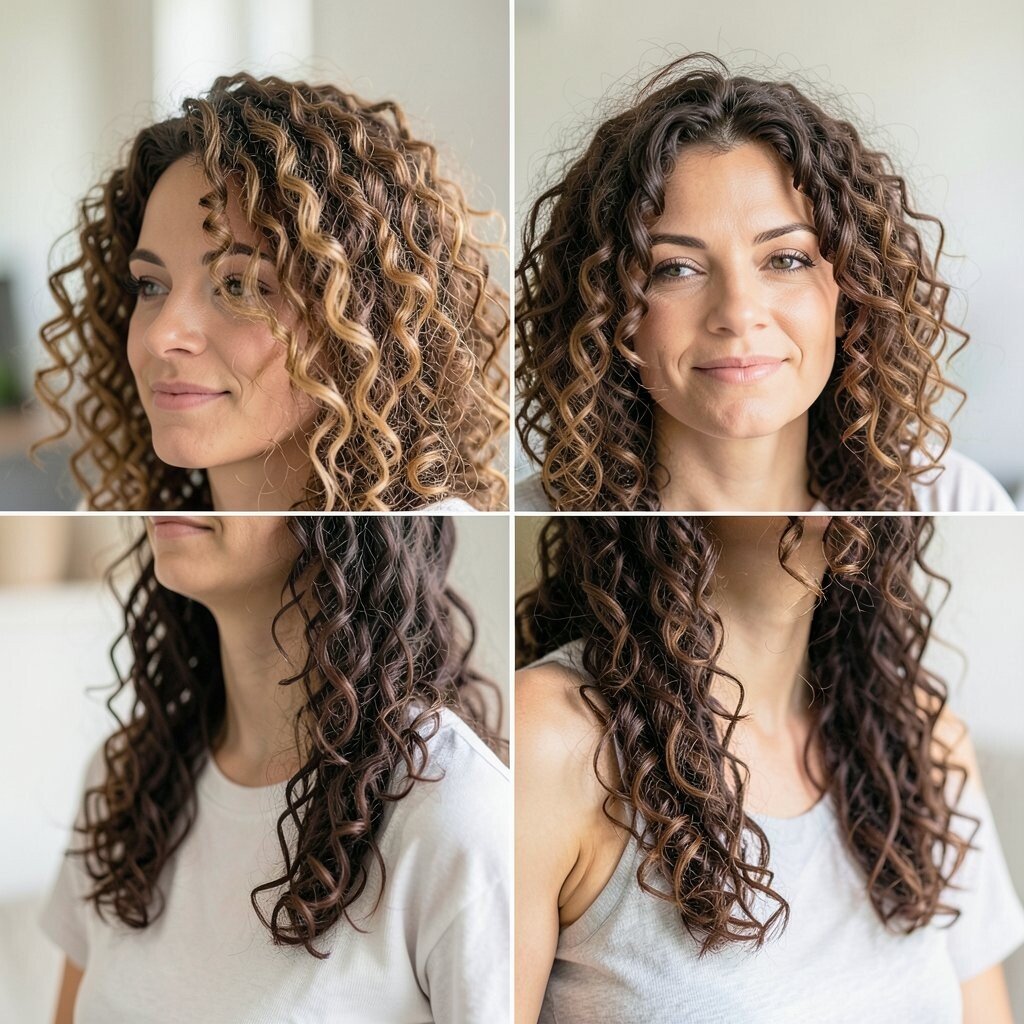
A mid-length cut can make mixed curls look intentional. Ask for layers that are longer and softer in the wavier zones, while the curlier zones get slightly shorter shaping.
That balance helps the whole head fall into a natural swirl instead of puffing out in only one area. You’ll feel the benefit in everyday styling because your hair sits closer to the shape you want.
Bring pictures to your stylist that show your two main curl patterns, and note how each one behaves when it dries. For cost considerations, a cut with the right pattern mapping often reduces the need for heavy styling products. Try rotating your part slightly from week to week so the layers show off in different ways.
4. Scrunch, Then Micro-Clip Lift at the Roots
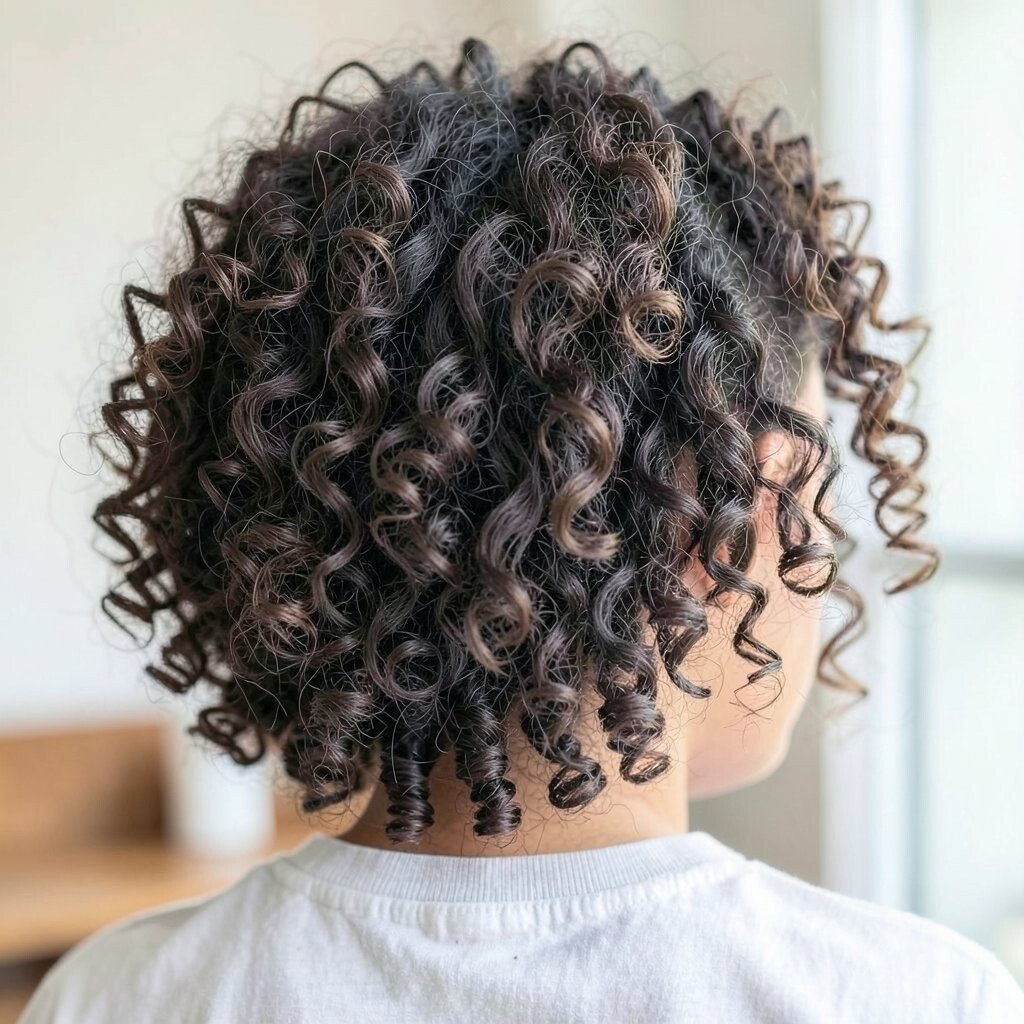
Root lift can make mixed curls look fuller without making them crunchy. After applying your curl cream and gel, scrunch the ends, then use small clips near the roots.
Keep the clips in while you finish drying, then remove them once your hair feels fully set. The result is a rounder shape with volume that doesn’t collapse right away. If your crown area tends to flatten, clip just that section and leave the rest alone.
5. Satin Scarf Tuck for Back-of-Neck Frizz
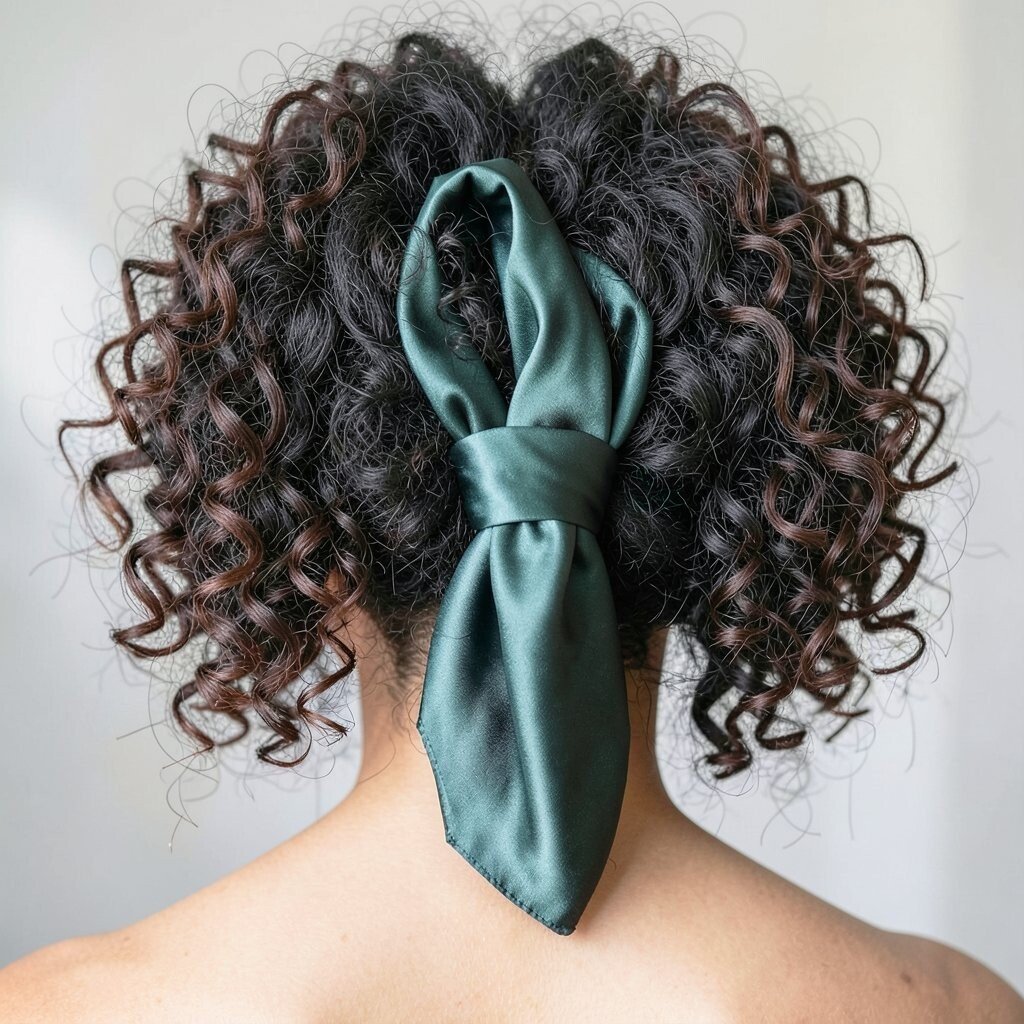
You can tame mixed hair in the most simple way at night. Use a satin scarf to tuck your ends and cover the back of your neck while you sleep.
Visually, you’ll notice less fuzzy halo around the hairline and smoother ends when you wake up. This also helps curls last longer between wash days, especially if you have frizz-prone waves.
For personalization, try a loose wrap if your hair gets flat, or a more secure tuck if your curls snag easily. It’s usually a low-cost habit compared with buying new styling products. People often keep sharing “sleek sleep” routines online, and this one fits right in.
6. “Rake and Tap” Moisture Technique
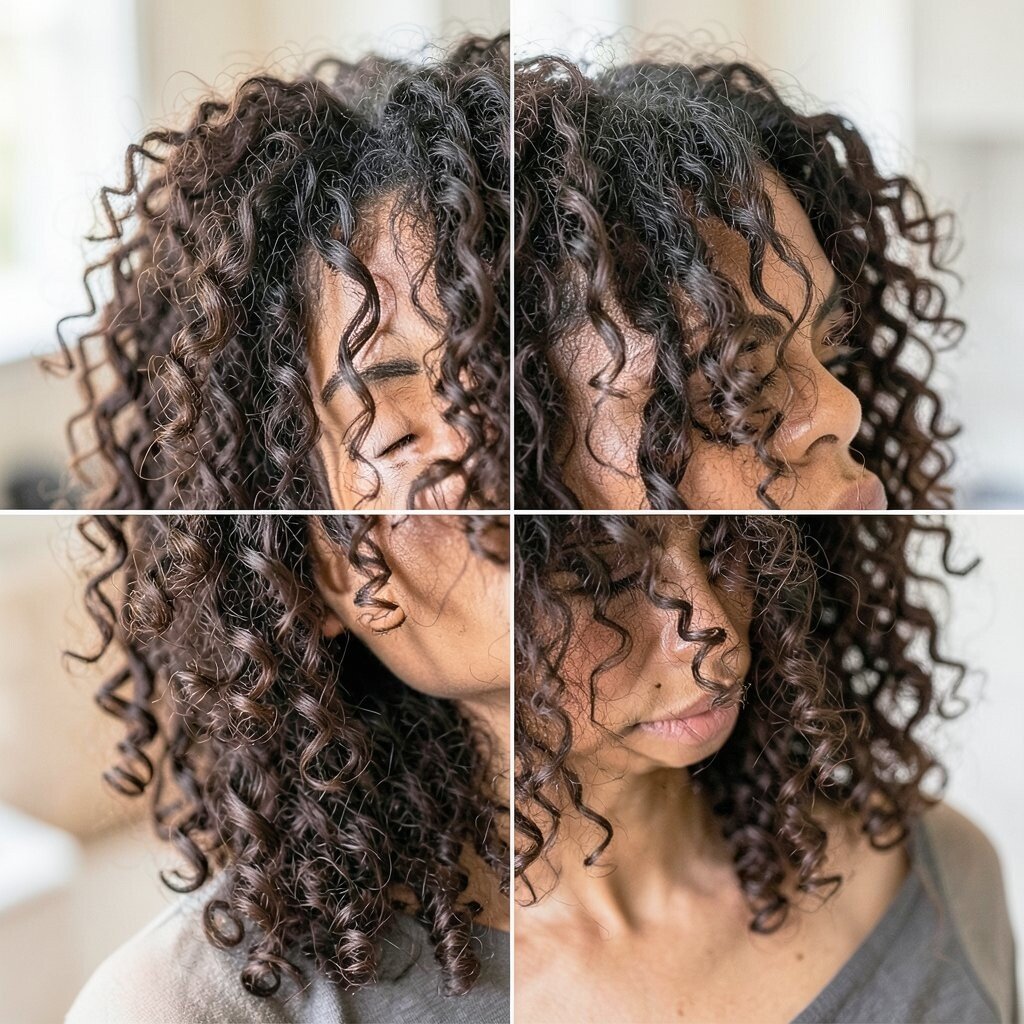
Mixed curls benefit from a method that doesn’t overwork the hair. On damp hair, rake a small amount of conditioner or leave-in through, then tap the curls together with your hands.
This avoids pulling on delicate wave areas while still helping curl clumps form. The shine you see is often smoother than what you get from heavy rubbing. If you have a mix of tight coils and looser S-shapes, keep the raking gentle and stop as soon as your hair feels evenly coated.
7. Side-Part Twist-Out for Wave-Friendly Definition
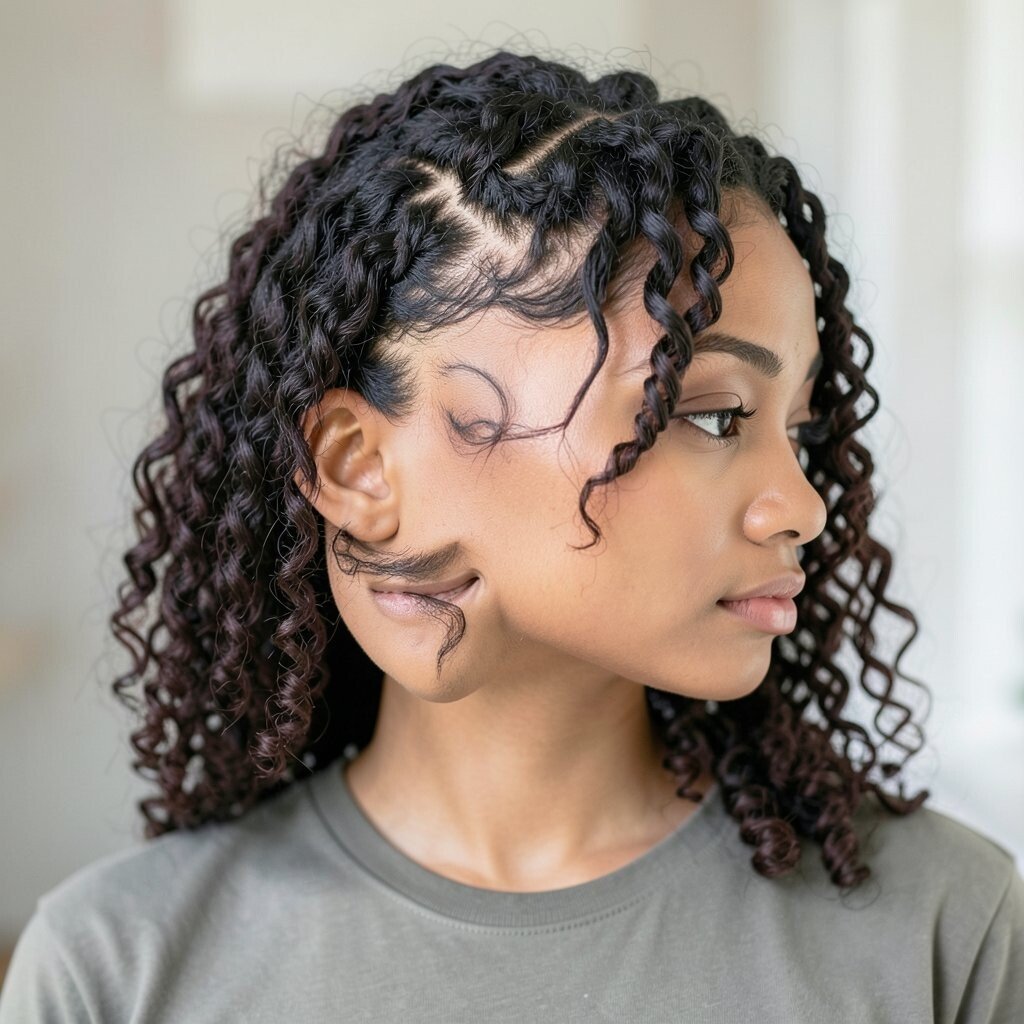
A twist-out can make wavier sections look defined instead of just puffy. After applying styling product, twist small sections on the looser wave areas while leaving the tighter curls to keep their natural texture.
When you unwind, you’ll get a soft spiral pattern that blends into the curlier parts. Use your fingers to separate lightly so the hair doesn’t form one big mass.
To personalize, twist bigger pieces for a relaxed look or smaller pieces for more uniform rings. Consider budget too, because you can use the same products you already own and just change the technique. Many current curl routines favor “flexi-style” definition, and twist-outs fit that vibe.
8. Layered Finger Coils With Size Adjustments
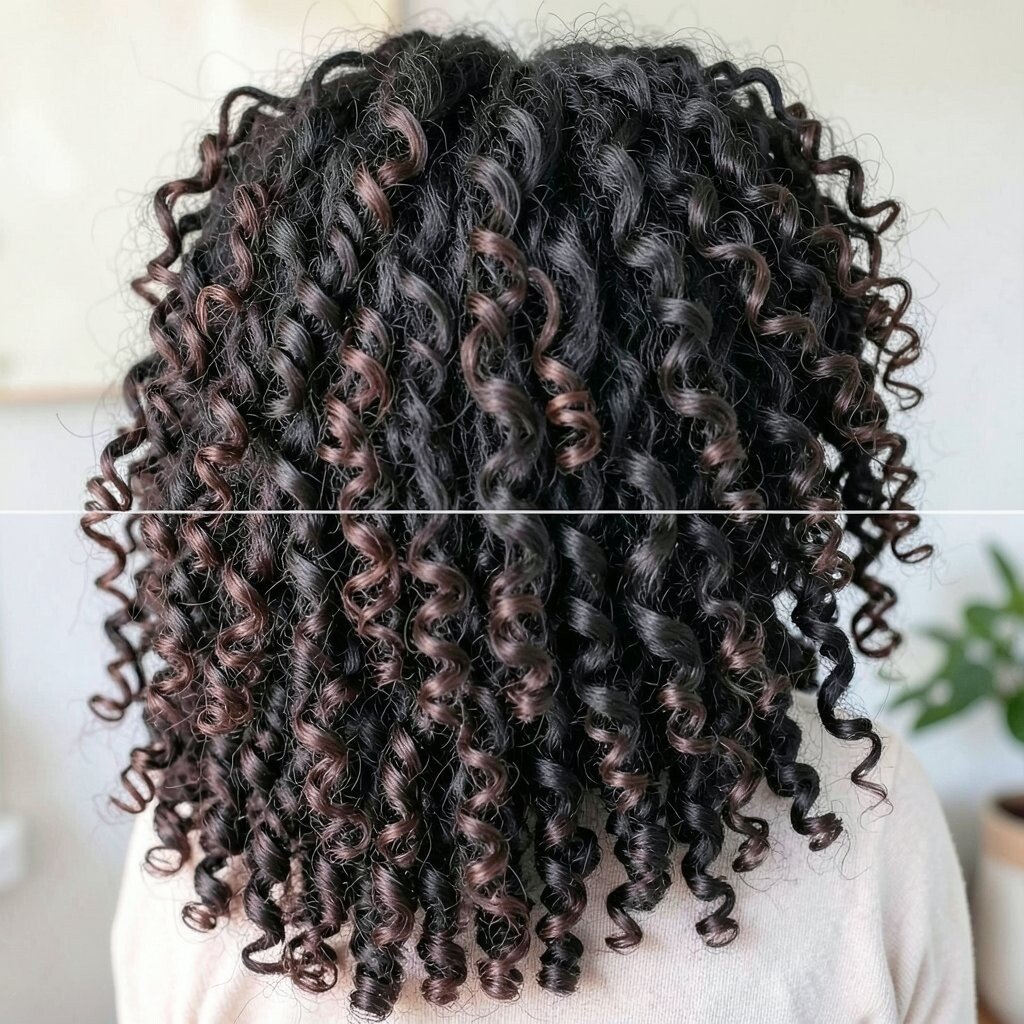
Finger coils look gorgeous on mixed hair, especially if you adjust the size by curl type. Use larger finger wraps on the wave sections and smaller wraps on the tighter curls.
This helps every area show a texture story instead of competing for attention. You’ll also avoid the common mistake of making looser hair feel stiff or overly styled.
Let the coils set fully before separating, and use a little oil on your fingertips for less frizz. For a cost-friendly approach, you can do finger coils only on the top and front pieces that show most. If you love current trends, think “mixed texture moments” where the blend looks intentional and artistic.
9. Clear Texture Contrast With a Glossy Top Section
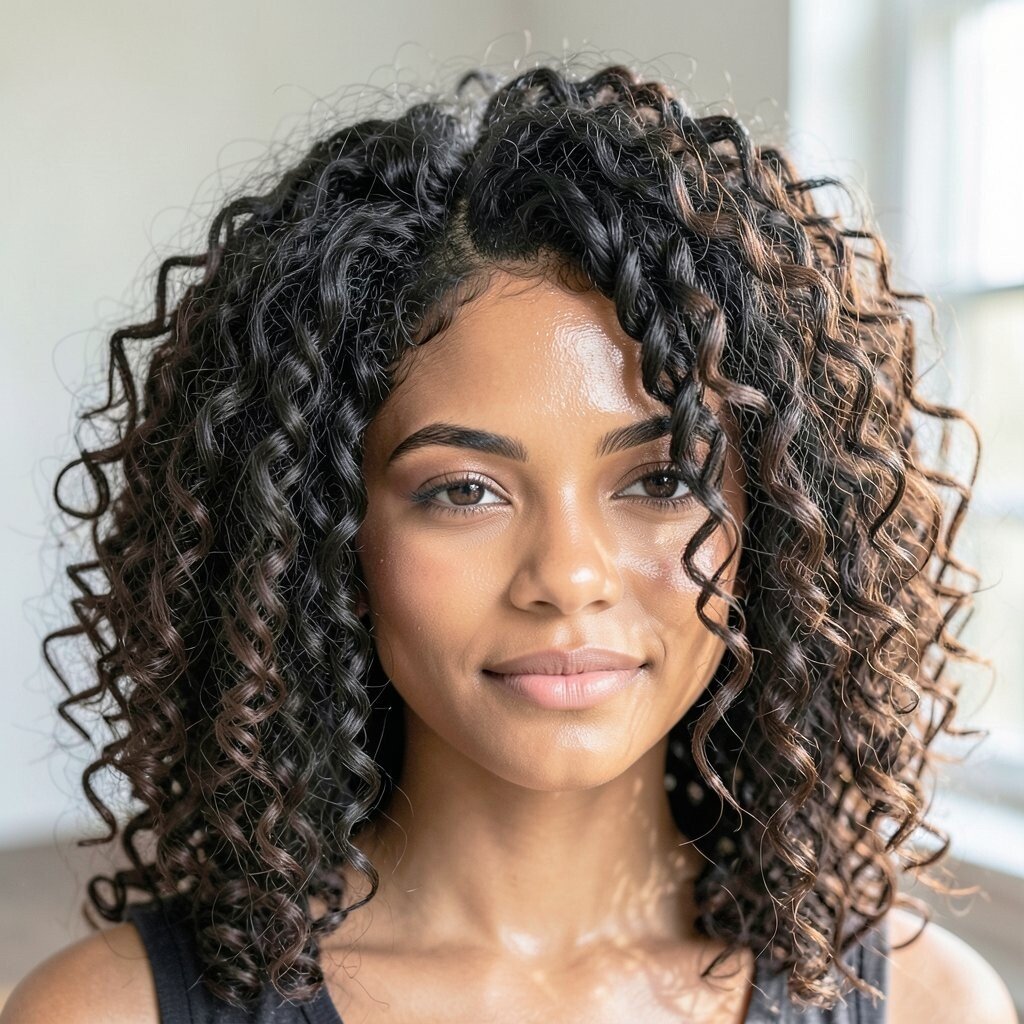
If your curls sometimes look dull, a targeted gloss effect can brighten them fast. Apply a tiny amount of lightweight serum or shine spray only to the curlier top section, not the whole head.
Visually, you’ll get a shiny highlight on the tighter curls while the wave area stays more matte and natural. That contrast makes your mixed curl patterns easy to see.
Choose a product that feels light so the waves don’t lose bounce. This is a smart cost consideration because you use far less by applying to just one zone. For personalization, adjust the amount based on humidity, since shine products can soften frizz differently in different weather.
10. Halo Fringe With Defined Face-Frame Curls
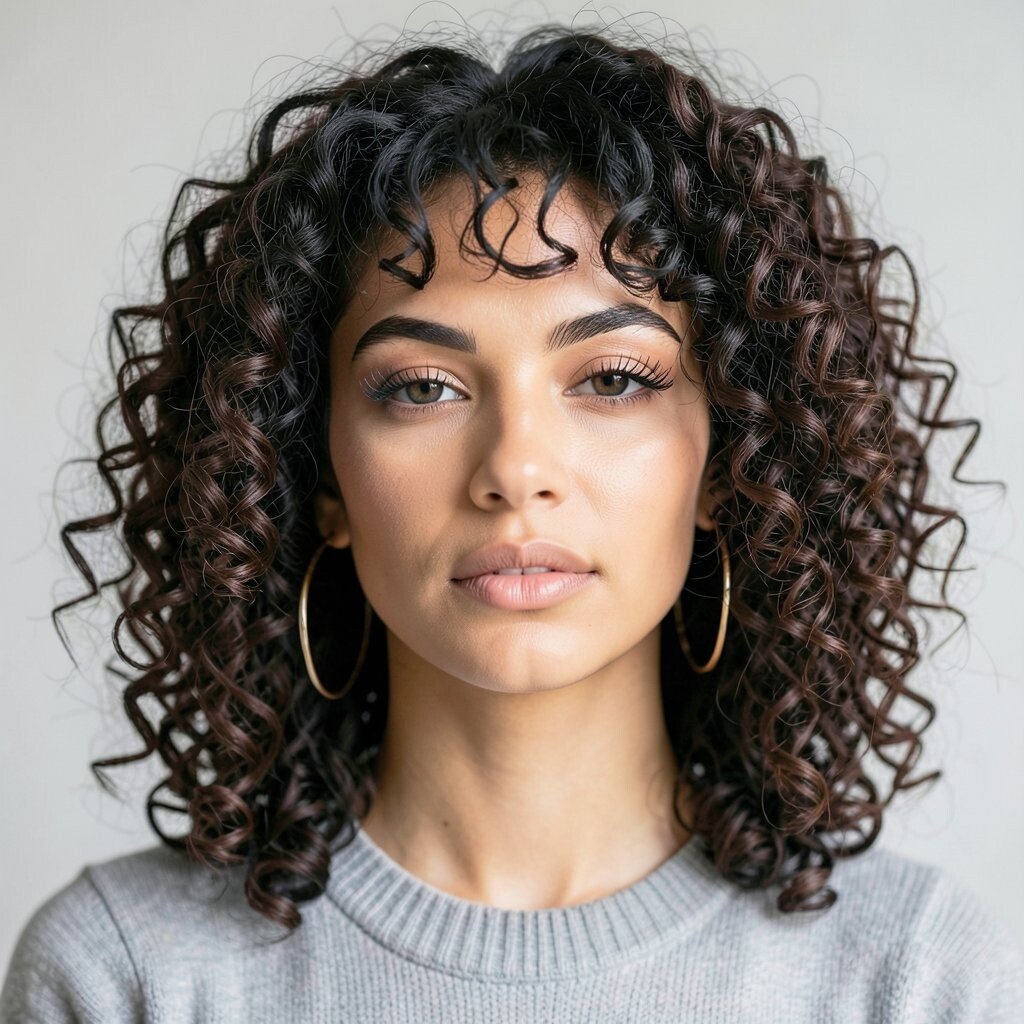
A face-framing fringe can make mixed curls look styled even on low-effort days. Keep the front slightly shorter and shape the face curls with gentle product placement.
Use a small amount of curl cream and scrunch only the fringe so it forms visible clumps. The benefit is that your hairline looks neat, and you don’t need extra flat styling to control flyaways.
To personalize, match the fringe to your curl pattern by making the outer pieces wavier and the inner pieces more coil-like. This can be a cost-saving idea because you may need fewer styling tools to tame the front. Trends right now often lean toward soft face framing, and mixed hair looks especially good with that look.
11. Plopping With a T-Shirt, Then Air-Finish
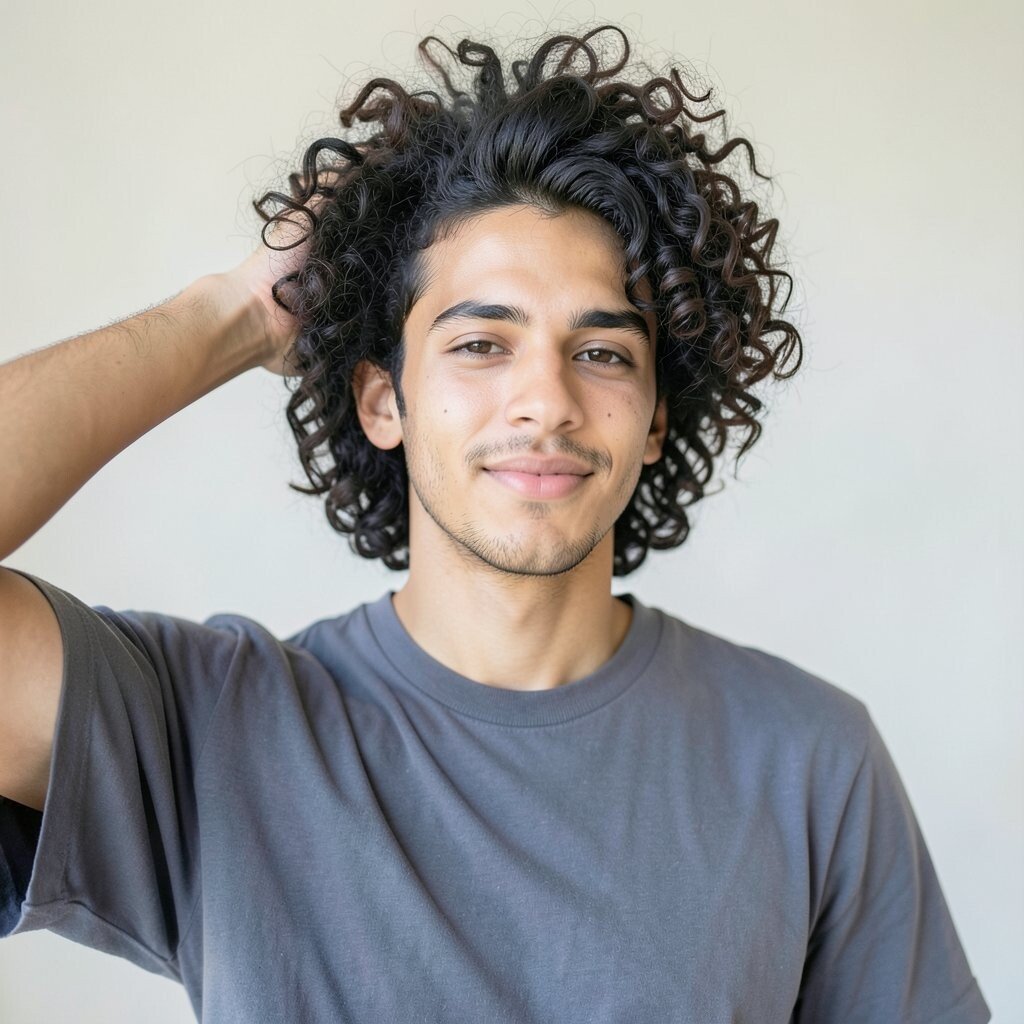
Plopping can cut down on frizz and help mixed curls keep their shape. After applying your leave-in and gel, squeeze with a microfiber or a clean cotton t-shirt, then wrap and hold for a short time.
Let your curls finish drying in the air instead of blasting hot air everywhere. You’ll likely see better clumping on the tighter sections and less puff on the wavier areas.
For personalization, try a longer plop if your hair dries slow, or a shorter one if you want more volume. It’s also budget friendly since you’re using clothing instead of buying extra gear. Many curl routines online keep using this low-heat method because it’s gentle and effective.
12. Curl-Pattern Diffuser With Zone Rotation
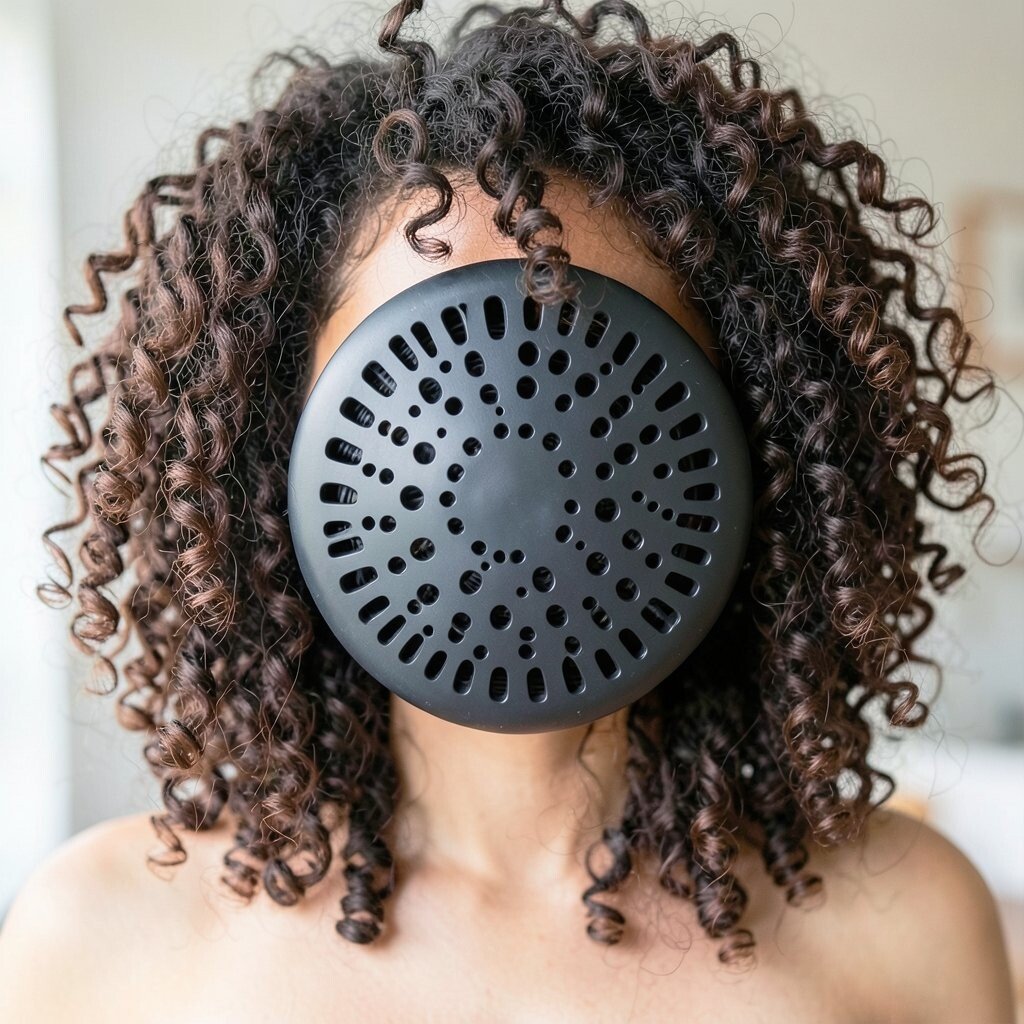
A diffuser can help mixed hair dry evenly, but only if you move it the right way. Dry by zones and rotate your head so each curl pattern sits with airflow coming from different angles.
You’ll see the tighter curls pop with definition while the waves look smoother instead of stretched. Keep the diffuser on low heat and medium airflow so you don’t create a frizzy halo.
To personalize, hold the diffuser close for the curlier sections and a little farther for the wave sections. This technique can save money because even drying often means you use less product to fix frizz later. If you’re into current styling trends, this is a good way to get “soft volume” that still looks touchable.
13. Pineapple for the Top, Loose Bun for the Back
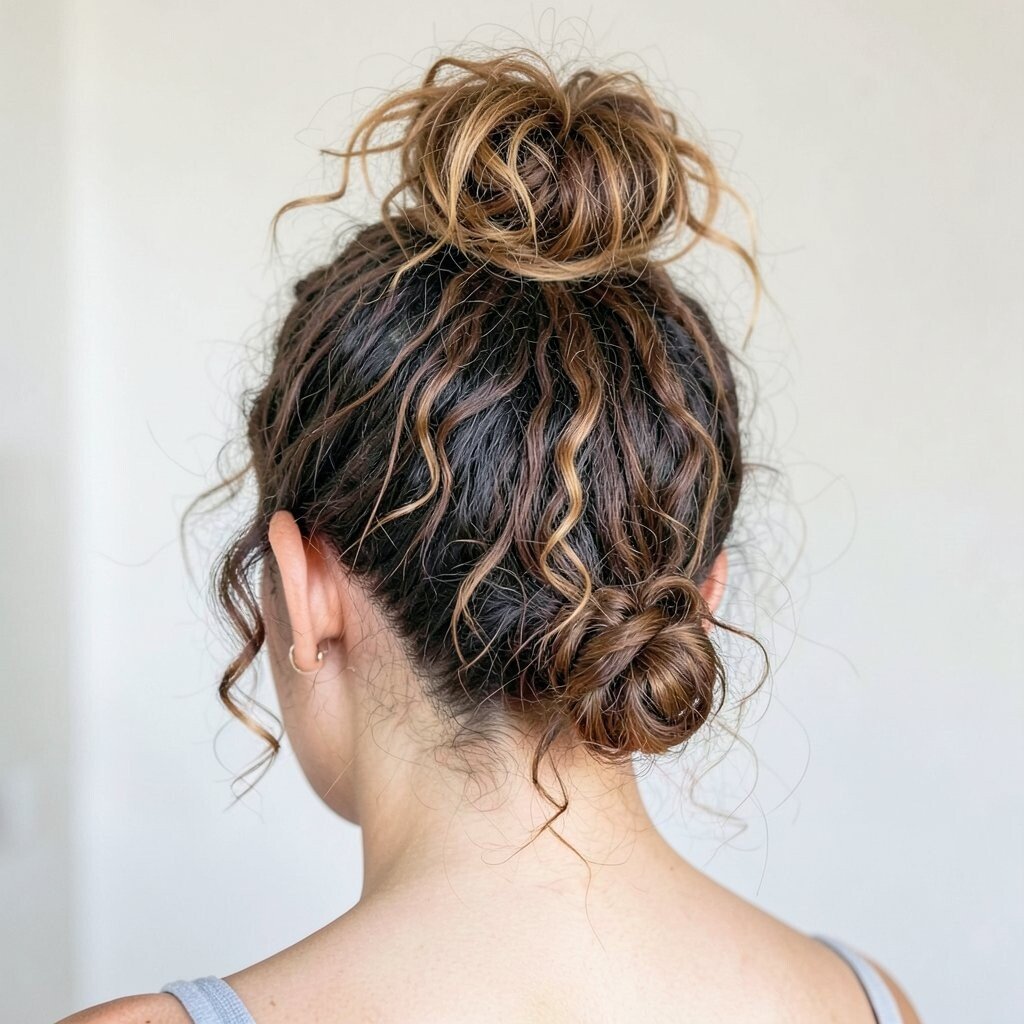
Mixed curls need sleep protection that fits how your hair sits. Try a pineapple up top using a soft scrunchie, then gather the back loosely with another tie so it doesn’t press the wave pattern flat.
When you wake up, the crown will have lift while the back stays springy and light. This reduces the morning battle of re-wetting everything and restyling.
For personalization, adjust the height of the pineapple based on where you like volume and how your tighter curls behave. Cost-wise, soft scrunchies are usually inexpensive and can last a long time if you treat them gently. It also matches the trend of “style longevity,” where people aim for curls that hold shape for days.
14. Rehydrating Spray + Light Gel Refresh
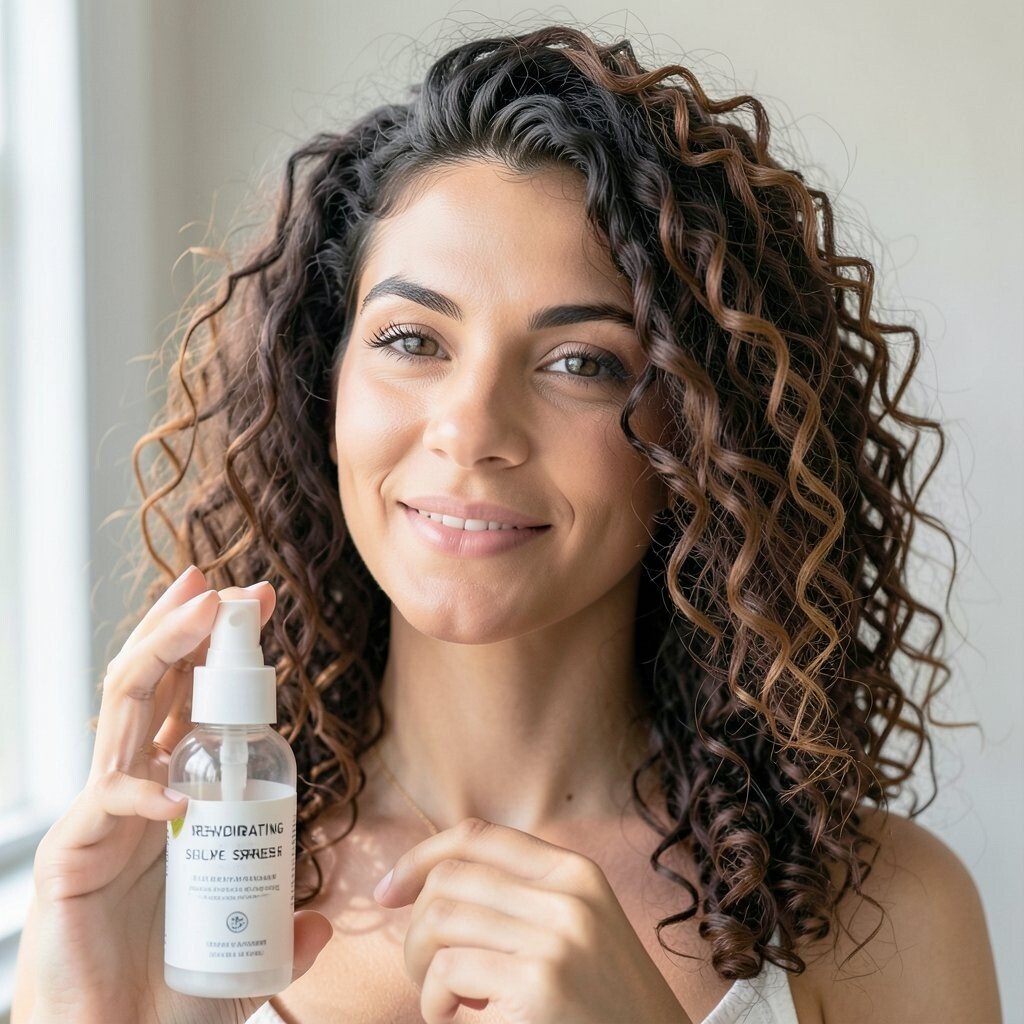
On second or third day hair, mixed curls can feel crunchy or flat. Use a fine mist spray to re-wet only the areas that need help, then add a tiny amount of gel on damp fingers.
This makes the curls clump back up without fully resetting your style. You’ll notice less frizz and more consistent curl pattern blend across your head.
For personalization, choose a spray with glycerin if your hair loves moisture, or use a simpler water-based spray if buildup makes you feel heavy. Cost considerations matter here because refresh routines let you skip extra product buying and reduce full wash cycles. Current routines often recommend “reactivate and go,” and this is the easiest version for mixed hair.
15. Satin Blow-Dry Brush Alternative for Mixed Ends
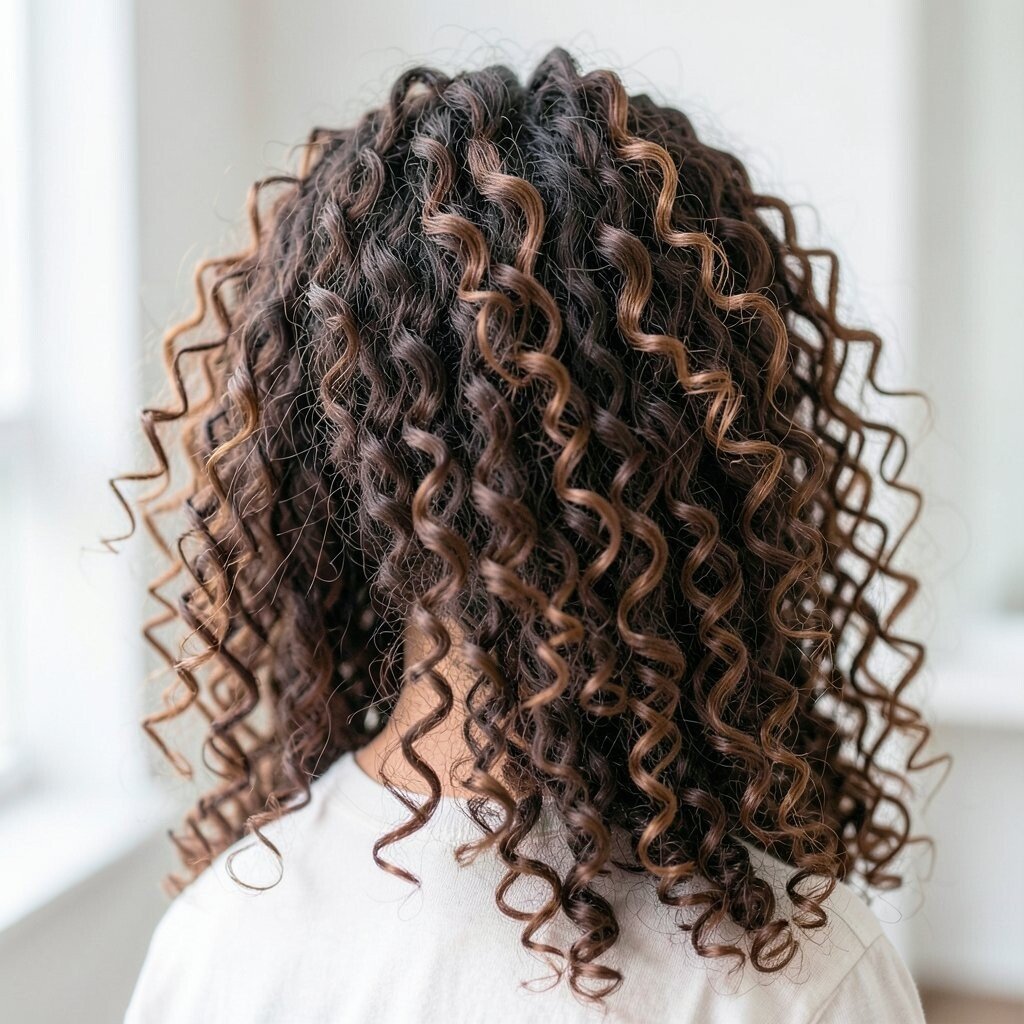
If you want smoother ends without changing your curl pattern, try a gentle brushing approach with a satin glide. Work only on the ends and mid-lengths, using light tension as your hair dries slightly damp.
This creates a sleek, polished look that still leaves the roots curly. The benefit is that mixed curls can appear more uniform, especially if your tighter curls puff while your wavier ends look looser.
For personalization, keep the brush strokes in one direction so the waves lay down and the curls keep their shape. This can be a cost consideration too, because you’re using minimal heat and fewer tools than full blowouts. It fits the current trend of “curl-friendly shine” where softness and definition both get attention.