The classroom feeling can start at home. A few small changes can make mornings calmer and brighter.
When your space looks ready for school, your brain does too. These budget-friendly ideas bring personality, order, and cozy focus to desks, walls, and backpacks.
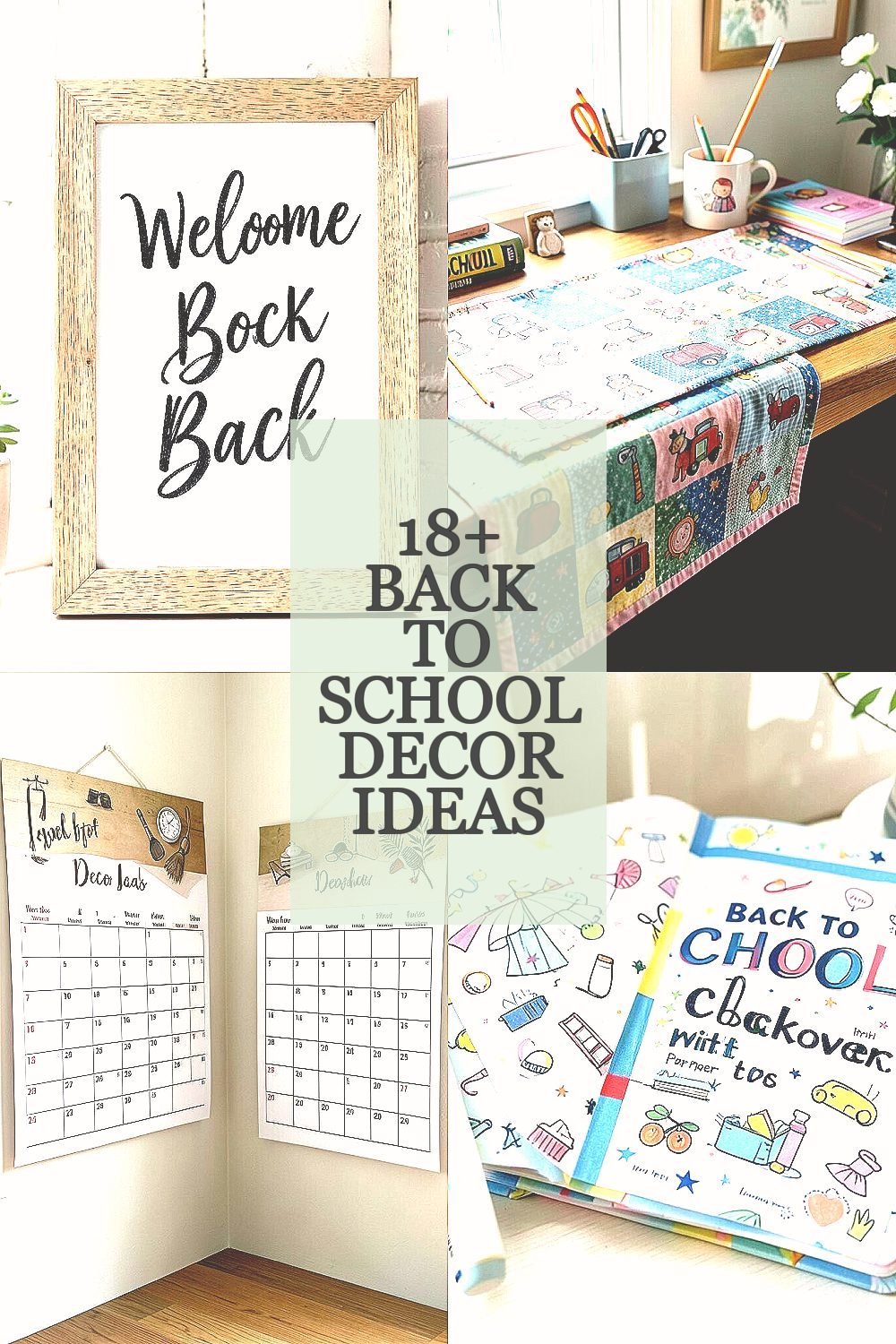
1. Framed “Welcome Back” Paper Banner
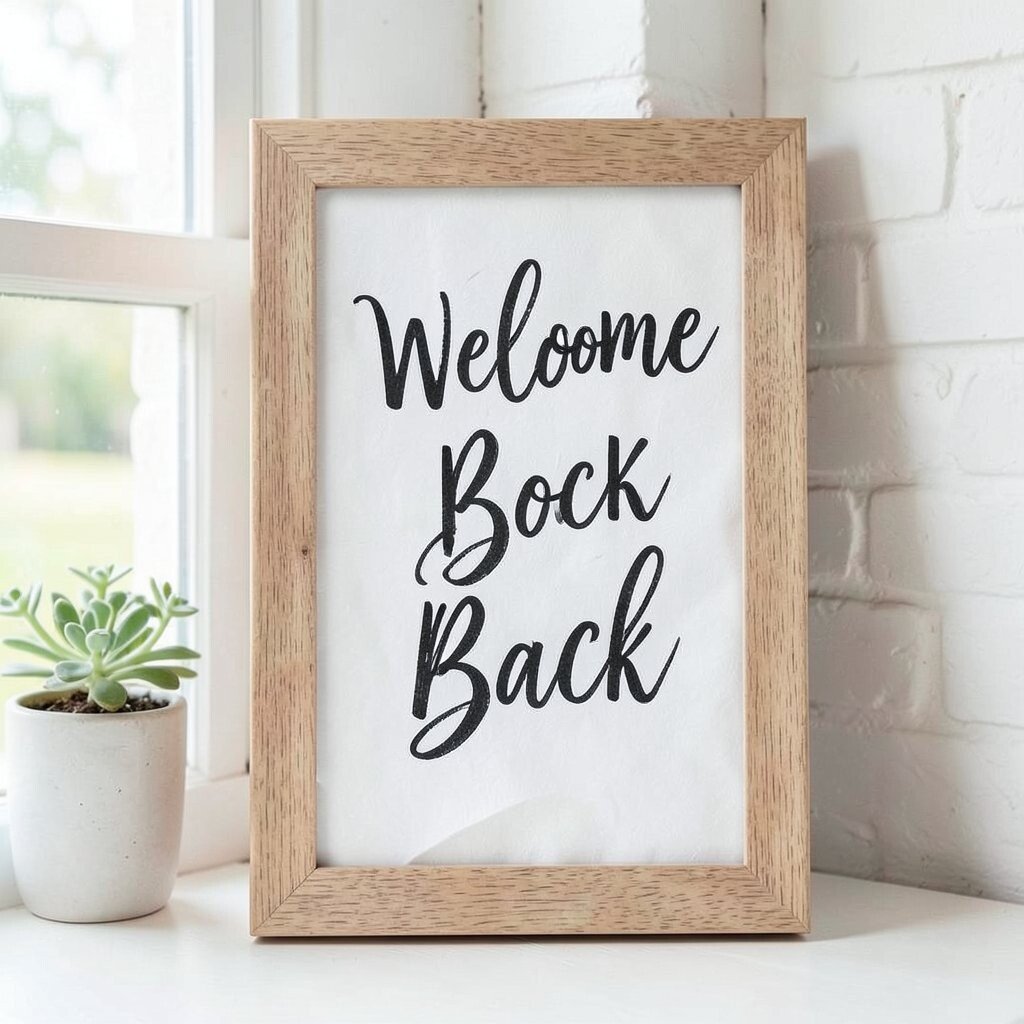
Cut colorful paper into simple rectangles and arrange them like a neat ribbon. Use old cardstock, scrapbooking paper, or even the back of unused notebooks for a playful look.
Slide the banner into a cheap frame or hang it with clear tape so it looks clean and finished. Add one small message like “Welcome Back” using sticker letters or thick marker. Keep the colors tied to your favorite school supplies, since matching tones instantly look more put-together. For personalization, swap the message for your student’s name or a short motto they like. Choose lighter paper if you want a fresh seasonal feel without extra cost.
2. DIY Desk Mat From Fabric and a Dollar Store Runner
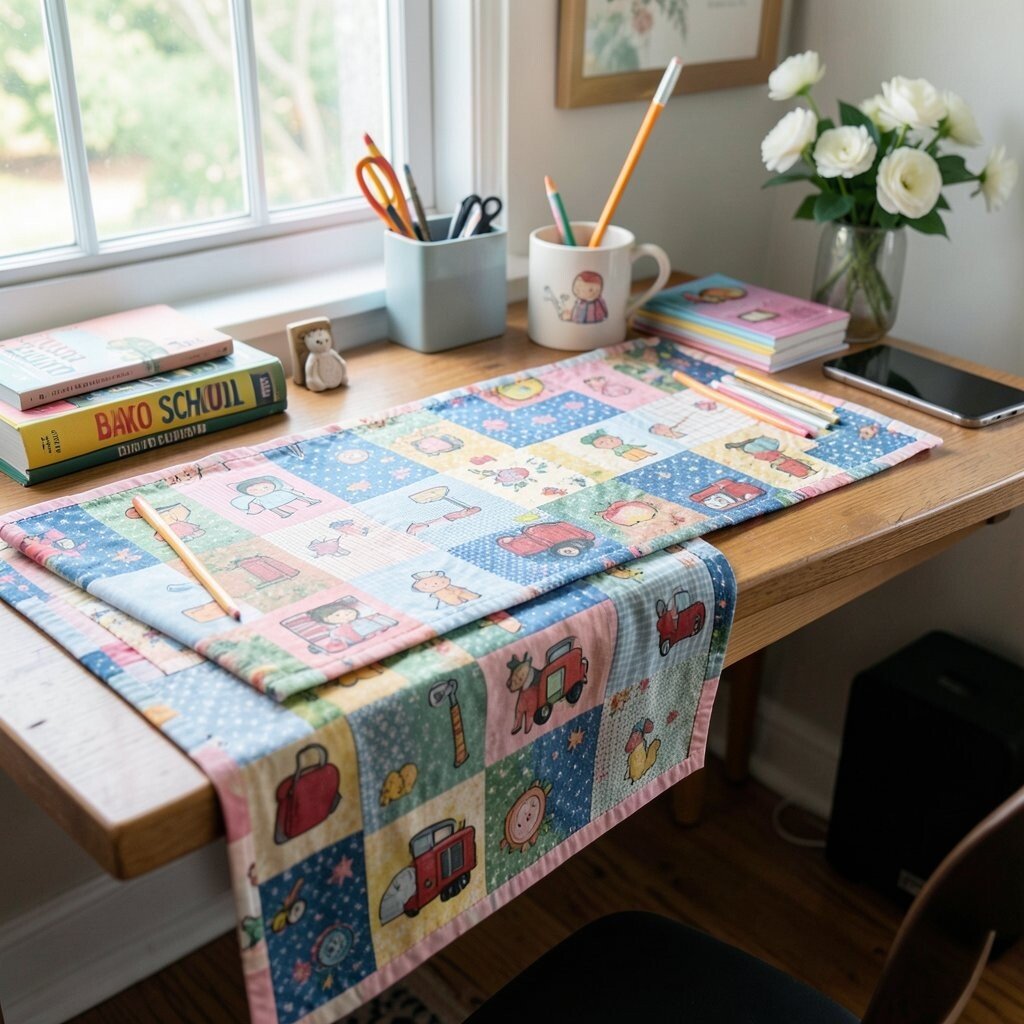
Lay a washable fabric piece or felt down on top of a large plastic table runner. Trim to fit a desk footprint, then secure edges with fabric glue or double-sided tape. The result looks like a custom desk mat even if it cost very little.
For a practical upgrade, add a small section where pencils can rest, using a narrow fabric strip. Roll up the mat after homework so your desk stays tidy. Choose a pattern that hides smudges, which helps daily messes feel less stressful. This idea also fits current trends like soft neutrals, subtle texture, and cozy “workstation” vibes.
If you want it to last longer, seal the edges with clear nail polish or heat-set adhesive. Personalize it with a tiny stitched heart or a name tag made from iron-on letters. Store spare markers in a matching small pouch so everything feels intentional.
3. Washi Tape Calendar Wall Corner
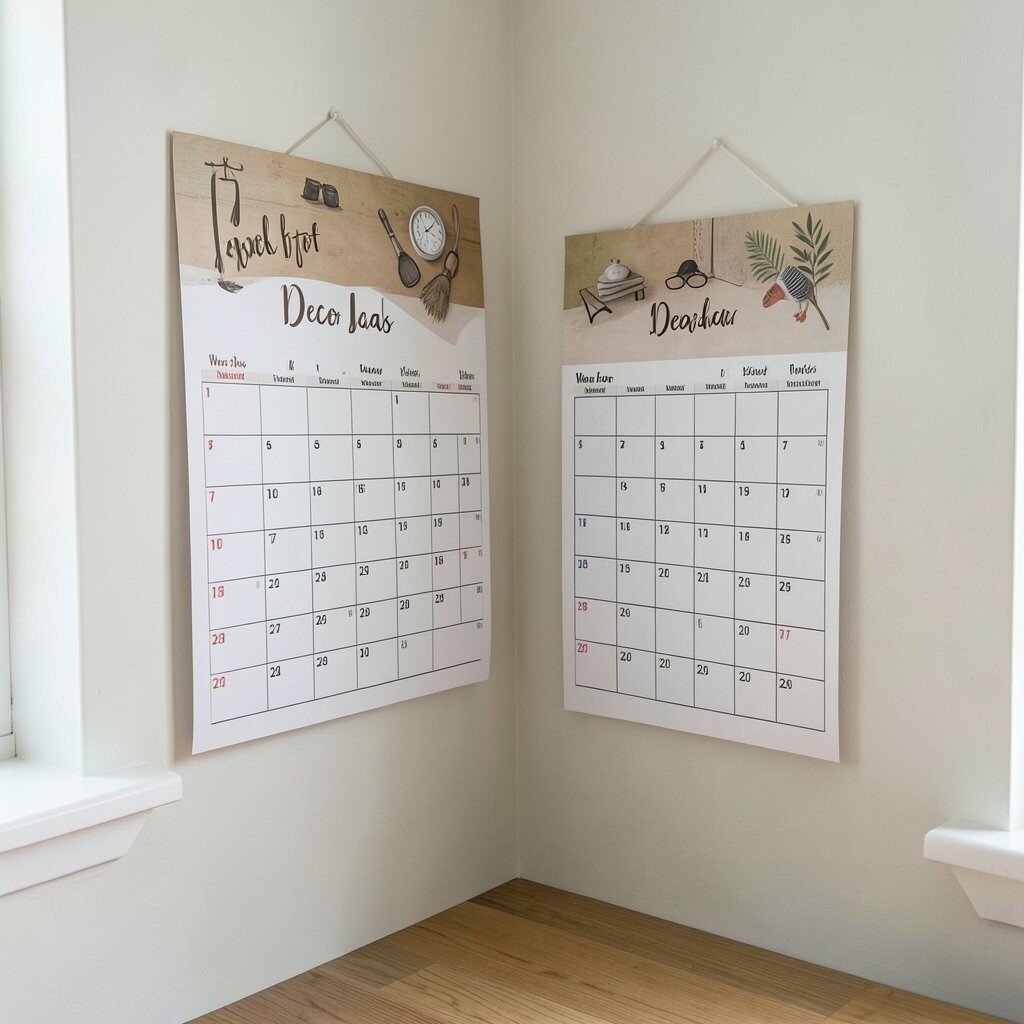
Pick a blank corner of a wall and mark a simple grid using washi tape. Add small date labels made from sticky notes or paper cutouts. The tape grid gives a clean layout without needing paint or special tools.
Write weekly reminders for homework, chores, and practice sessions so your family can see the plan at a glance. To keep it cheap, reuse the same notes each week and just swap the dates. Use two tape colors max for a tidy look, since too many shades can feel busy.
Make it unique by adding mini doodles in the blank spots like stars, buses, or book icons. This setup supports better routines because it turns reminders into a visual habit. You can also add a small “check off” area with tiny labels for completed tasks.
4. Book Cover Makeover With Contact Paper

Cover textbooks and notebooks with clear contact paper or removable shelf liner. Smooth it gently to avoid bubbles, then trim edges with care. The shine makes even plain covers look newer and more polished.
For personalization, add a strip of patterned tape or a name label right on the front. This helps teachers and family spot the right notebook fast, which saves time. Choose matte contact paper if you want a less glossy trend that looks modern. If you use removable liner, you can change designs each grading period without wasting money.
5. Classroom-Style Supply Caddies in Matching Colors

Grab a few inexpensive bins and group supplies by use, like pens, paper, and glue. Paint or wrap them in craft paper so everything looks coordinated. A matching set makes your room feel like a mini learning station.
Label with simple tags made from cardstock and a marker, then store them where your student works. This is practical because it keeps the desk surface clear and reduces morning searching. To personalize, choose colors that match your student’s backpack or favorite school theme. You can even add a small icon per bin, like a pencil for writing tasks.
If you want cost control, use what you already have and only buy missing items. Thrift shops often have bins and trays for a few dollars. Choose bins with lids if clutter is your biggest problem.
6. Hanging Pocket Organizer for Homework Routines
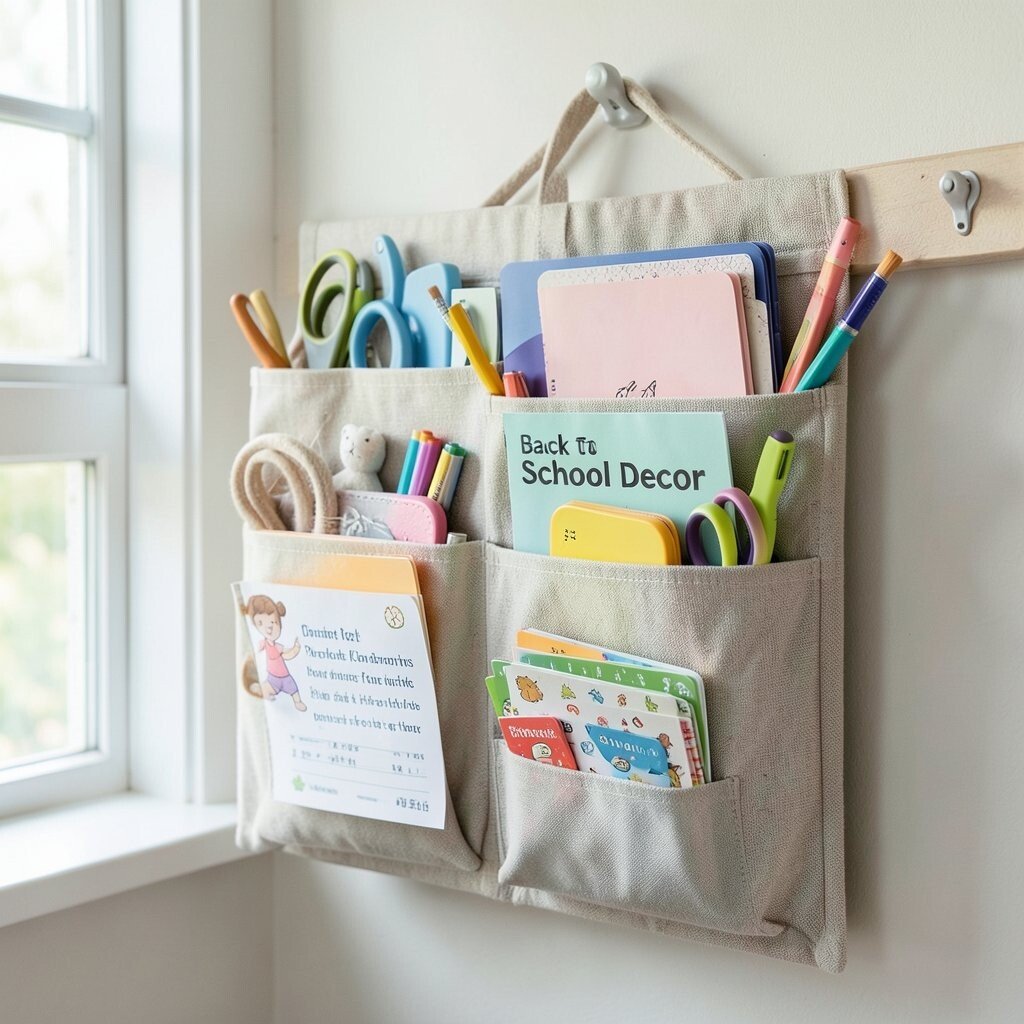
Use an inexpensive door organizer or sew simple pockets from felt and fabric scraps. Hang it near the place where homework happens so materials stay ready. The pockets make it easy to sort “now,” “next,” and “return to school” items.
Make it unique by adding a tiny themed sticker to each pocket, like a rocket for science work. This keeps the routine fun, especially during busy weeks. For personalization, write each pocket’s purpose in your student’s handwriting. It also supports organization benefits because lost papers become less common when everything has a home.
7. Photo Strip “Memory Board” With Clips

String a line of twine across a small wall area and attach mini clothespins. Clip recent photos, silly ticket stubs, or school-related pictures to create a rotating display. It instantly makes the space feel lived-in and cheerful.
Keep the board practical by pinning one note per week, like upcoming events or a “remind me” message. This helps families communicate without extra apps or printed pages. Use frames or colored twine if you want a current look that feels intentional. For personalization, add a mini collage theme, like sports, animals, or favorite colors. You can also swap images for each month so the decor stays fresh.
8. Paper Lanterns Over the Study Spot

Fold tissue paper or lightweight craft paper and hang small lanterns above the desk area. Choose colors that feel happy but not too loud, like soft yellow, mint, or pastel blue. The warm look makes homework time feel friendlier.
To keep it budget-friendly, reuse wrapping paper scraps or old party supplies. Use string lights inside only if they fit safely, and keep cords away from paper edges. This adds a cozy vibe that matches current trends for warm lighting and calm spaces. Personalize the lanterns by using school-themed stickers on the outside. It’s also a quick way to bring joy without buying a full room makeover.
9. DIY “Rules” Wall Cards With Markers and Scrap Paper

Cut small cards from old paper stacks and write a few simple rules in bold marker. Focus on habits like “bring supplies,” “check backpack,” and “start small.” The look is clean, and the messages feel encouraging.
Arrange the cards in a neat grid and tape them lightly, so you can update them during the year. This is practical because it creates a visual reminder that doesn’t require reminders from an adult. Personalize the words so they match your student’s personality, like adding a funny line in friendly handwriting. If you want uniqueness, use different colored cards for each subject, like blue for reading and green for math.
For cost considerations, avoid buying new paper by using scrap envelopes, printer paper, or cardboard from old boxes. Thick cardstock makes the cards last longer when you handle them often.
10. Seasonal Door Sign Using a Reused Frame

Take an old frame or a cheap thrift-store find and fill it with a simple seasonal design. Use a printed word, a fabric scrap, or a hand-drawn school icon in the center. The frame makes everything look more finished than hanging plain paper.
Choose a message that feels realistic for your household, like “School Days” or “Ready to Learn.” Swap the design each season so the decor evolves without replacing the whole setup. Personalize it with your student’s name or a class color theme. This also helps with routine because the door sign becomes a cue to get ready before leaving.
11. Sticky Note “Goal Ladder” on a Wall Panel
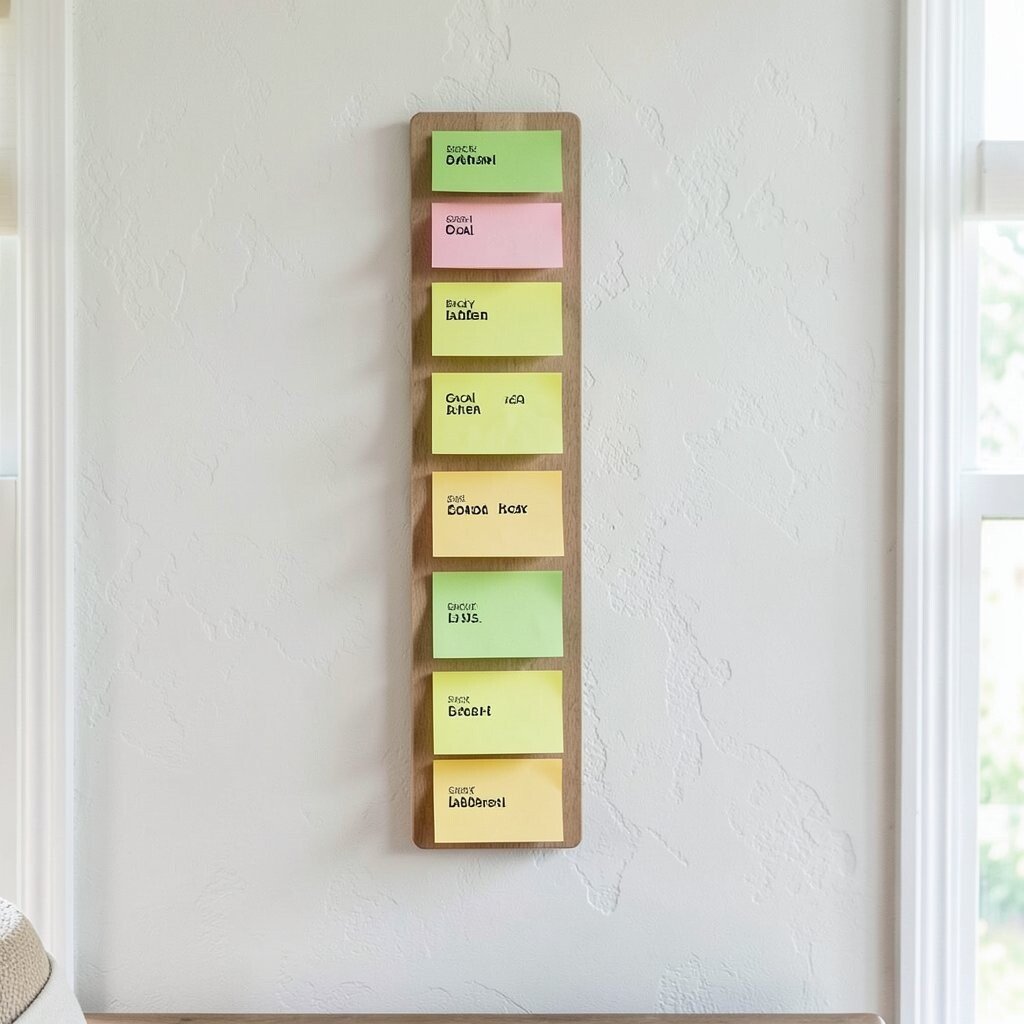
Place a cork board or even a small cardboard panel on a wall and add a ladder-like layout with tape. Stick small notes as steps, like “read for ten minutes” or “finish math practice.” The visual steps make goals feel achievable.
Rotate the notes weekly so the board stays current instead of becoming clutter. Use bright note colors for the top steps and calmer colors for the earlier ones. This fits modern decor trends that use small color blocks and neat layouts. For personalization, let your student pick one goal each week so they feel ownership. The benefit is clear motivation, and it also builds a habit of checking progress.
If you’re cost-conscious, use sticky notes you already have and just add one new sheet when needed. Keep the board small so it doesn’t take over the room.
12. Pencil Garland With Old Paper Tubes

Wrap thin paper tubes or cardboard pieces in bright wrapping paper so they resemble mini pencil shapes. Add small cutouts of erasers and tape them to look like a cute garland. It looks whimsical over a desk, shelf, or reading nook.
String the pencil shapes together with twine and hang them where your student can enjoy them daily. Personalize by writing tiny names on each “pencil,” or by using subject colors like red for reading and blue for science. This idea is unique because it turns scraps into decor that still feels useful. For practical tips, keep the garland low and out of reach if pets or little siblings bump it. It’s also a good way to recycle leftover tube packaging.
13. Chalkboard-Style Notes Using a Reusable Sheet
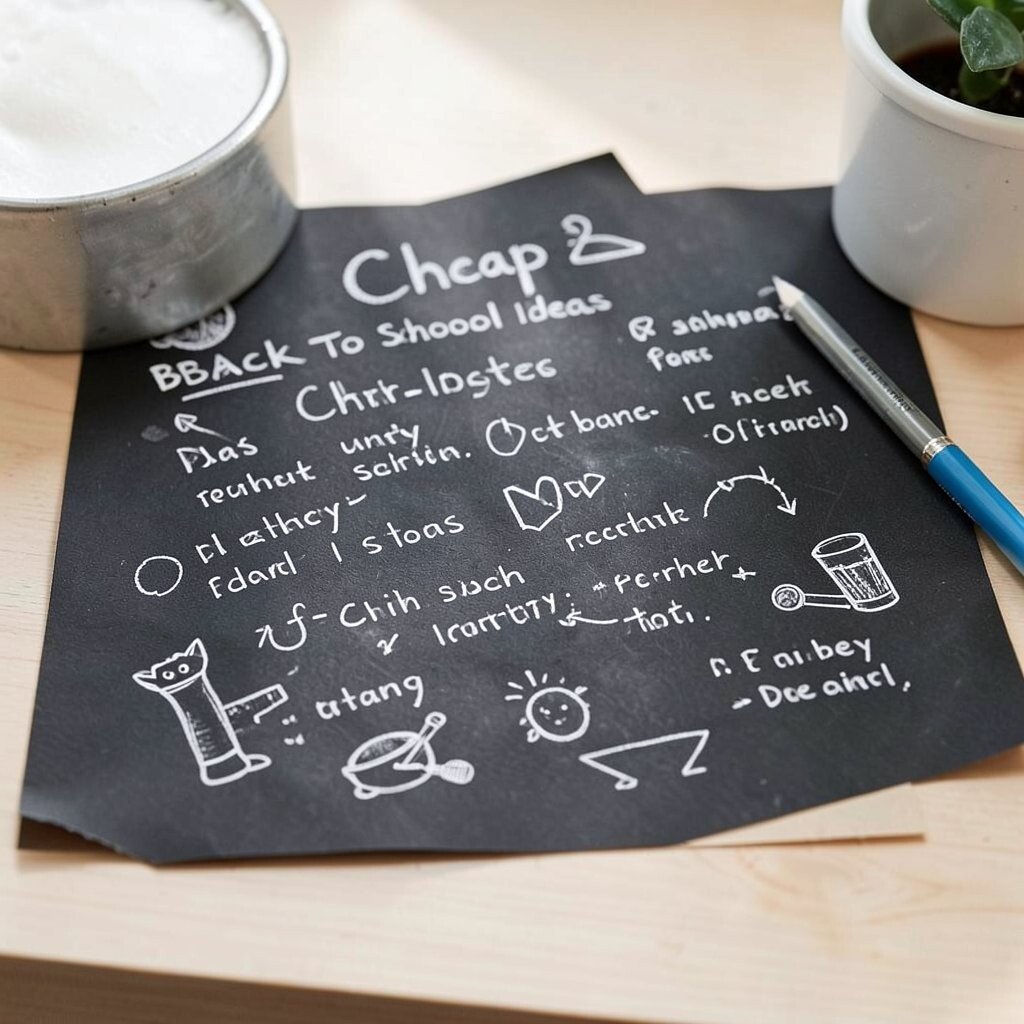
Create a chalkboard look by using a magnetic sheet, a reusable writing surface, or chalkboard-look contact paper. Write reminders in erasable markers so you can wipe and reuse the surface. The visual feels current and fun, like a mini classroom wall.
Use the board for a short list of daily tasks, like “charge device,” “pack snack,” and “set backpack by door.” This improves routine because it reduces the chance of forgetting key items. Personalize with handwriting that matches your student’s style and add simple doodles around the edges. Cost stays low because reusable surfaces last for years and prevent constant printing. If you can’t buy supplies, paint a cardboard sheet with chalkboard paint and swap messages as needed.
14. DIY “Subject Tabs” for Binders and Folders

Make tabs using scrap cardstock and tape them onto binder dividers. Write subject names in neat marker and add a small icon so each tab feels easy to spot. The look is tidy, and it saves time when finding papers.
To keep it budget-friendly, use the same tab style across everything so you don’t need new tools each year. Personalize the icons to match your student’s interests, like a star for art or a globe for geography. This supports practical benefits because sorting becomes faster and less stressful. It also fits current trends like simple labels and clean organization systems. If you want extra uniqueness, add a colored dot near each tab to create a quick visual map.
15. Layered Wall Shelf With Books and Small Planters

Style a small shelf or ledge with a few books standing upright and one tiny plant. Use thrifted bookends or stacked boxes wrapped in paper to hold everything in place. The display makes the area feel like a calm reading corner, not just storage.
Add a small handmade sign in front, like “My Reading List,” using scrap paper and a binder clip. For personalization, rotate one book each week to match what your student is excited about. The benefit is motivation because seeing books daily makes reading feel normal. Cost remains low when you use existing books and only add minimal decor. Keep the shelf tidy by using matching containers, even if they’re simple jars or cups.
Current trends often favor natural textures, so choose a small plant or even a faux leaf if you want easy upkeep. Tie the decor colors to the shelf so everything feels calm and not chaotic.
16. Fabric Remnants for a “Backpack Buddy” Zone
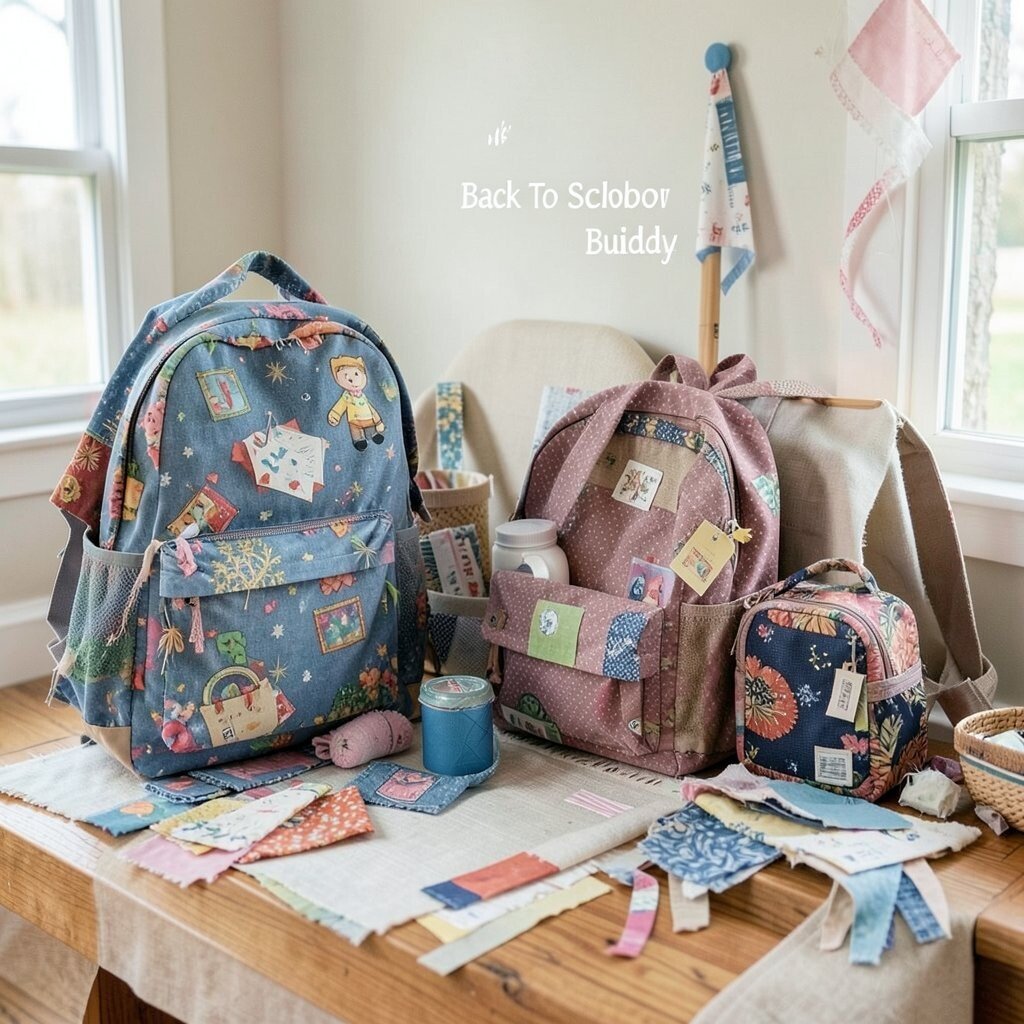
Create a small fabric drop spot near the door using a folded mat or a hanging cloth pouch. Use fabric scraps, an old towel, or a no-sew approach with safety pins. The area becomes a clear destination for backpacks, shoes, and lunch boxes.
This decor idea is practical because it keeps clutter off floors and reduces last-minute searching. Personalize it by adding a patch with your student’s favorite color or a simple stitched shape. Uniqueness comes from using textures your household already loves, like denim, flannel, or soft fleece. For cost considerations, aim to use leftovers and buy only missing pieces like binder clips or a small hook.
If you want extra organization, label pocket sections for keys, water bottle, and permission slips. That tiny system helps mornings stay smoother for everyone.
17. Color-Blocking Storage Using Paint Chips

Grab leftover paint samples or paint chips and cut them into neat shapes. Attach them to plain storage boxes, pencil holders, or drawer fronts using glue or removable tape. The color-block look feels artsy and modern without needing expensive paint.
For practical tips, use one consistent color family for a unified look, then add a single bright accent color. Personalize by placing the favorite color on the items your student uses most. This idea is unique because it uses tiny pieces of color that would otherwise be thrown away. It also supports organization since labeling and matching become easier when everything has a color cue.
Keep cost low by asking friends or local stores for free sample pages. If you prefer a safer approach, use removable adhesive so you can change designs later.
18. “Reward Wall” With Reusable Growth Stickers

Create a small wall area with a simple grid and reward stickers that can be reused when possible. Use removable sticker sheets or cut out shapes from thicker paper and attach them with reusable dots. The visual feels exciting, especially for students who love collecting progress.
Use the grid for goals like reading time, finishing projects, or helping at home. The benefit is motivation that feels positive and personal, not stressful. Personalize the sticker choices with your student’s interests like space, animals, or sports icons. For cost considerations, pick sticker styles you can reuse and store carefully in a folder so they last longer than one school year.
This also matches a current trend of growth mindset visuals and small celebrations. When rewards feel meaningful, students often put more effort into routines.
19. Classroom-Themed Window Clings and Light Catchers
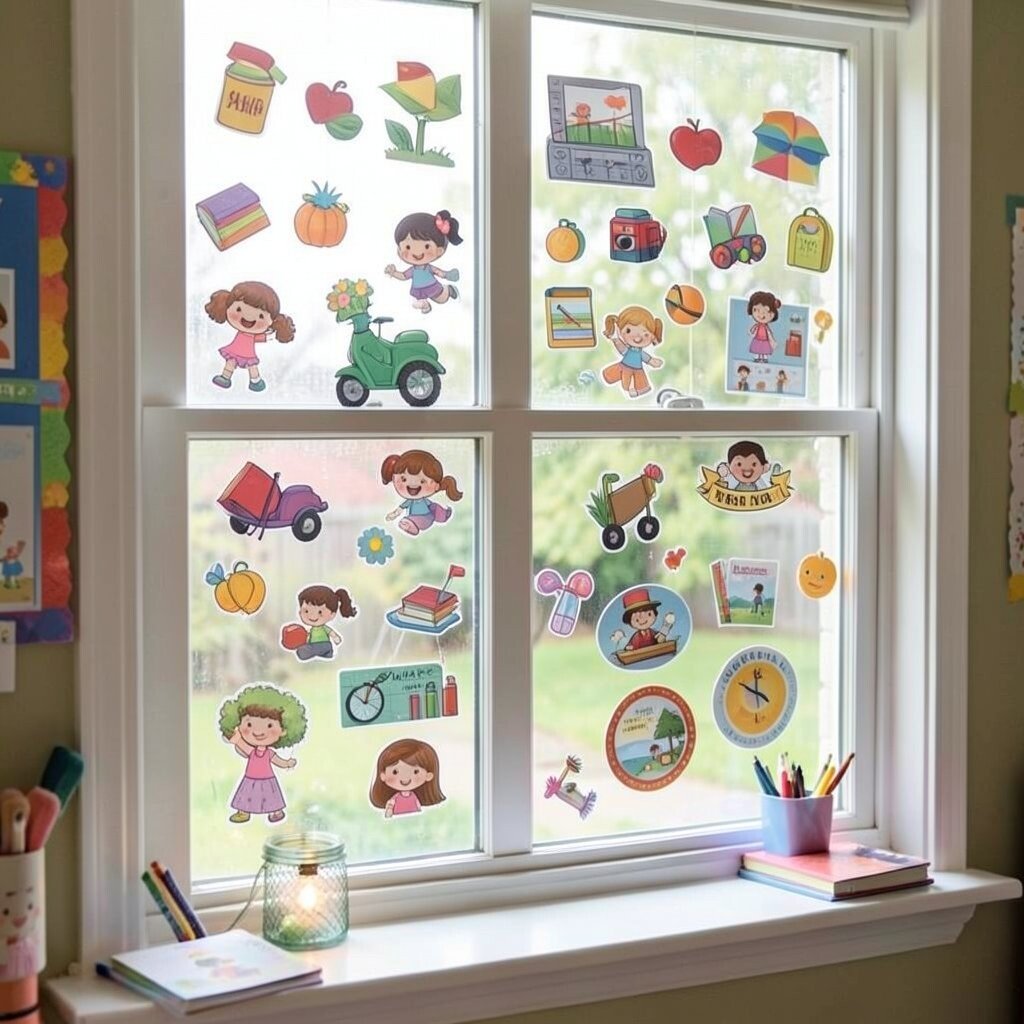
Use cheap window clings, colored paper stars, or light catchers made with clear plastic and craft film. Arrange them near the study spot so they catch daylight and create tiny sparkles. The effect makes the room feel brighter and more inviting right away.
For a practical touch, keep clings simple so they won’t peel off too easily and make a mess. Personalize by picking themes your student likes, like planets for science or flowers for art. Uniqueness comes from how light changes the colors during different times of day, so the decor feels alive. Cost stays low when you use craft supplies you already own and reuse clear packaging pieces when possible. This approach also keeps focus friendly because the room looks cheerful without cluttering the desk.
If you want to tie it together, choose cling colors that match the rest of your decor palette. A consistent color story makes even inexpensive items look like a planned design.