The world feels bigger when you give it a small quest. These ideas turn ordinary days into memorable journeys.
1. Night Market Magic With Your Own Curated Trail
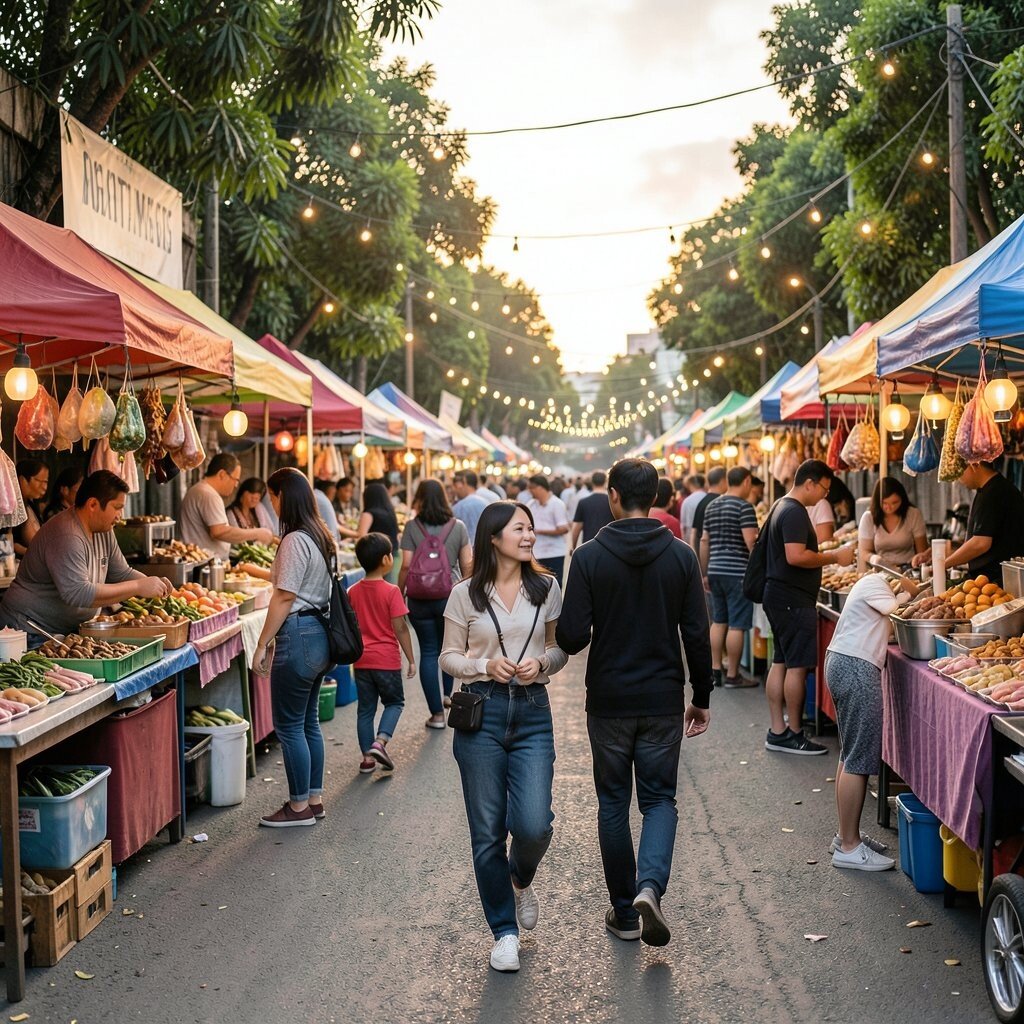
Picture a street glowing with warm lights, with steam rising from bowls and music drifting between stalls. Grab a small list in your notes and make each stop feel like a mini checkpoint you chose on purpose.
Start with one sensory goal, like sweet snacks, spicy bites, or street-style drinks, and stick to it for a satisfying theme. Bring cash in small amounts so you can buy without awkward math, and keep a reusable bag for leftovers. For personalization, pick a color palette for what you photograph, such as neon signs or gold utensils, so the walk becomes a creative hunt.
2. Sunrise Walk With a “Sound Map” of the Neighborhood

Early morning air can feel cool and clean, and the sidewalks look softer under the first light. Instead of only watching, listen closely and imagine you’re drawing a map with sound.
Walk a familiar route but pay attention to layers, like birds, bikes, distant traffic, and the hum of power lines. Try recording the calmest spot and the loudest spot on your phone, then return later to see how it changes. To keep costs low, wear comfy shoes you already own, and choose public paths that are easy to reach.
For uniqueness, give each sound a silly name and try to match it to an image in your mind, like “drum rain” for a passing shower or “candy whistle” for someone’s music. If you want a current trend, share a short clip of your “sound map” with friends and compare what they heard, since many people now enjoy audio-first storytelling.
3. Indoor Obstacle Challenge Using Household Objects
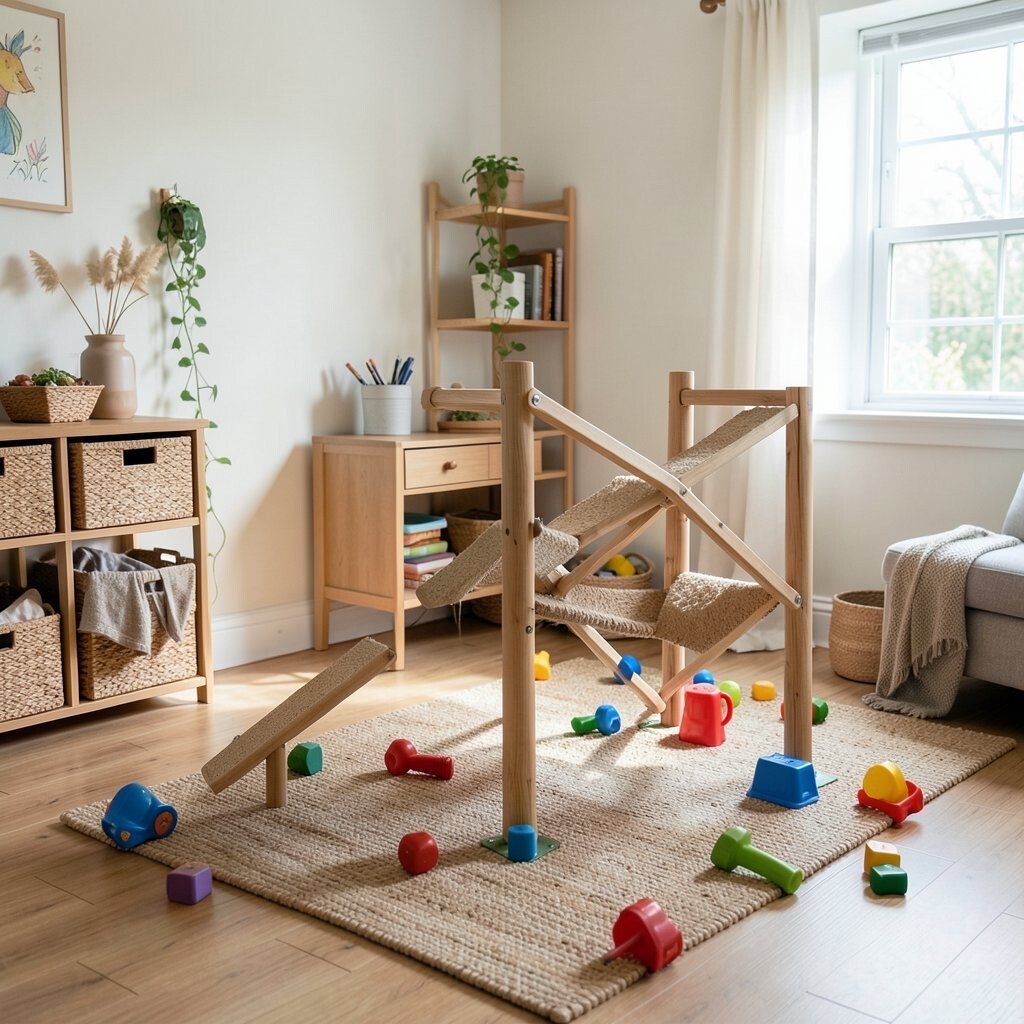
Think of your living room as a backyard in disguise, with blankets, chairs, and hallway shadows ready for play. You can feel silly in the best way when you build a tiny course and race yourself through it.
Set up a path using safe items like pillows for stepping stones, tape lines on the floor for boundaries, and a timer for quick rounds. Keep it practical by starting slow, checking for loose rugs, and clearing anything fragile nearby. Personalize it by choosing a theme such as “jungle gym,” “spaceship corridors,” or “detective hallway,” based on how the room looks.
To add benefits, you’ll wake up your coordination and break up screen time without spending money. If you enjoy trends, many people are sharing at-home challenge videos that encourage short, fun movement sessions that fit busy schedules. End each round with a quick stretch, so the adventure leaves you feeling better, not sore.
4. Self-Guided City Photo Quest With a Budget Bound
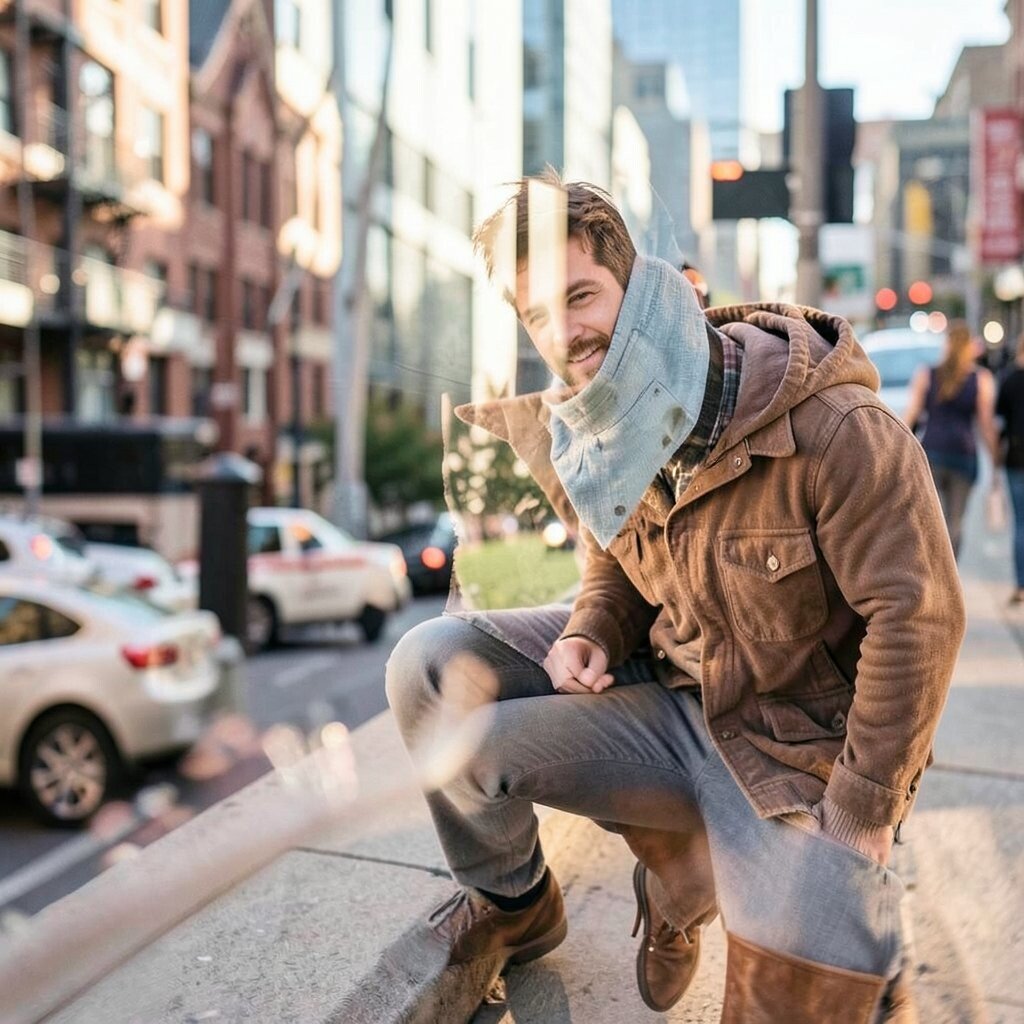
Urban scenery can look like a movie set when you aim your camera at small details. Curbs, windows, and bus stop signs offer colors and shapes that feel fresh when you hunt for them on purpose.
Pick a limited theme such as doors, reflections, street art, or old storefront letters, then plan a walking loop that keeps transit costs minimal. Set a spending cap so you can afford a small snack along the way, and bring a water bottle to avoid surprise purchases. For personalization, assign each photo a mood word like “cozy,” “bold,” or “mysterious,” then choose the best one at the end.
5. Park Bench Picnic With a “Pairing Experiment” Menu
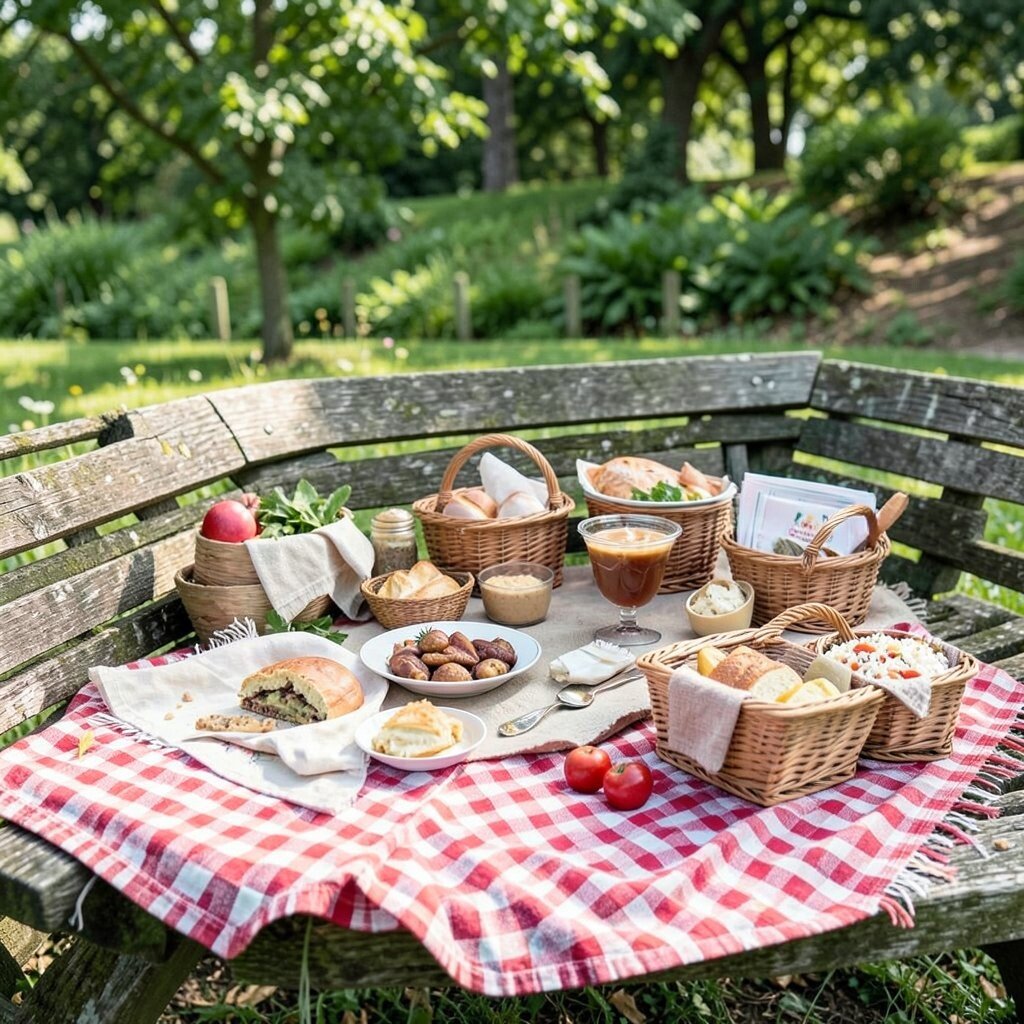
Imagine a simple blanket, a breeze moving through nearby trees, and the sound of other families laughing in the distance. A picnic can feel special even when it’s made from easy items you already know and love.
Choose two flavors that usually don’t meet, like fruit with cheese or crunchy chips with a sweet dip, and test your own pairings. Keep costs in check by shopping at a local store for budget-friendly staples, or using leftovers that wouldn’t be exciting at home. Make it unique by adding a small “mystery ingredient” like a single spice mix or a flavored yogurt, then guess what it changes about the meal.
For personalization, tailor the picnic to your mood, such as comfort foods for rainy days or refreshing bites for hot afternoons. A current trend is leaning into themed food, like tiny tasting menus, so you can label servings in your mind and try each bite like a mini review.
6. Map-Reading Mini Adventure Using Only Landmarks
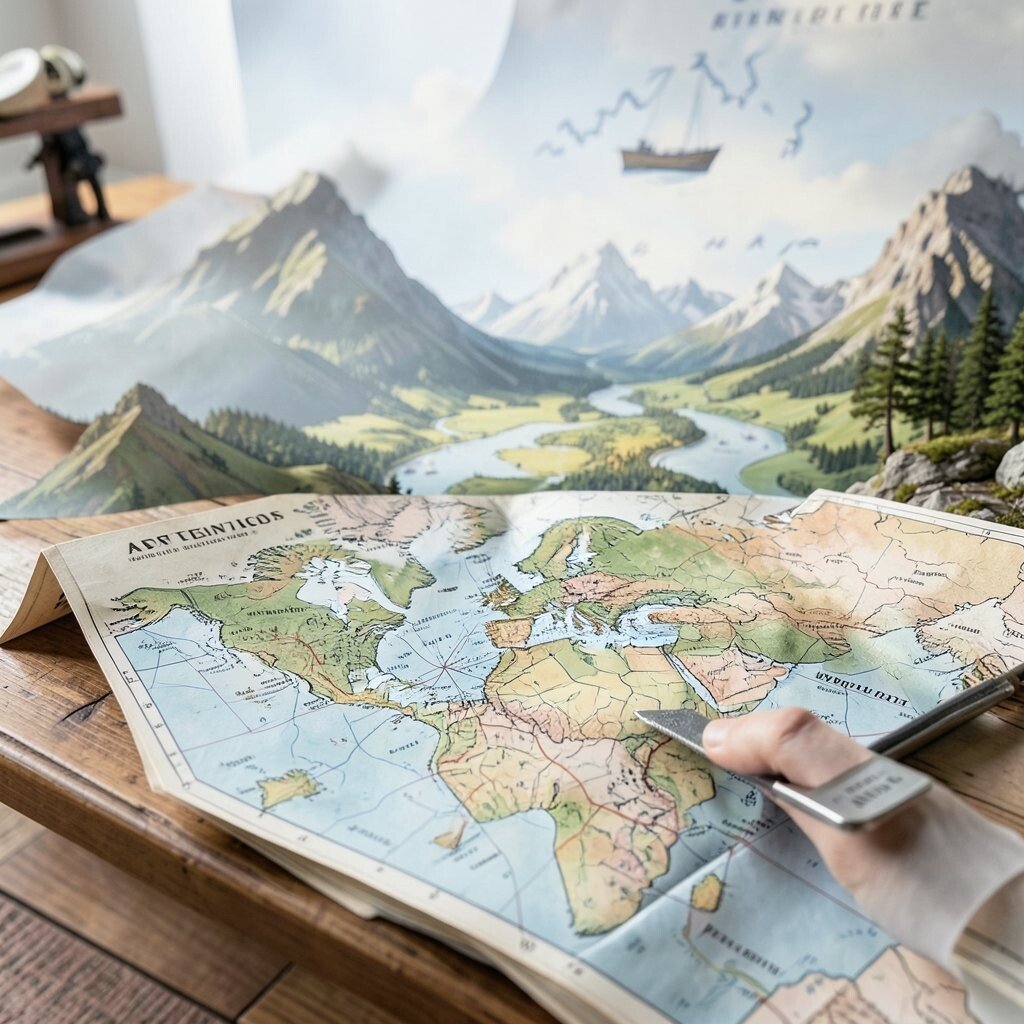
There’s something thrilling about navigating by real, solid features instead of relying on every turn-by-turn instruction. Tall buildings, hill outlines, and distinctive trees become your “signposts,” and the route feels more personal.
Walk from point to point using landmarks you can actually see, like a bridge, a museum dome, or a station entrance, and estimate distances with your own sense of time. This helps you build confidence, improves spatial awareness, and turns a casual errand into a satisfying puzzle. To stay practical, use a printed map or an offline map downloaded at home to avoid data issues.
For uniqueness, switch roles with a friend where one person reads the route and the other checks the choices, then trade. If you enjoy trends, many travelers now practice “slow navigation,” focusing on the scenery between destinations rather than rushing to the finish.
7. “Litter-to-Legend” Cleanup Walk With a Reward Ritual
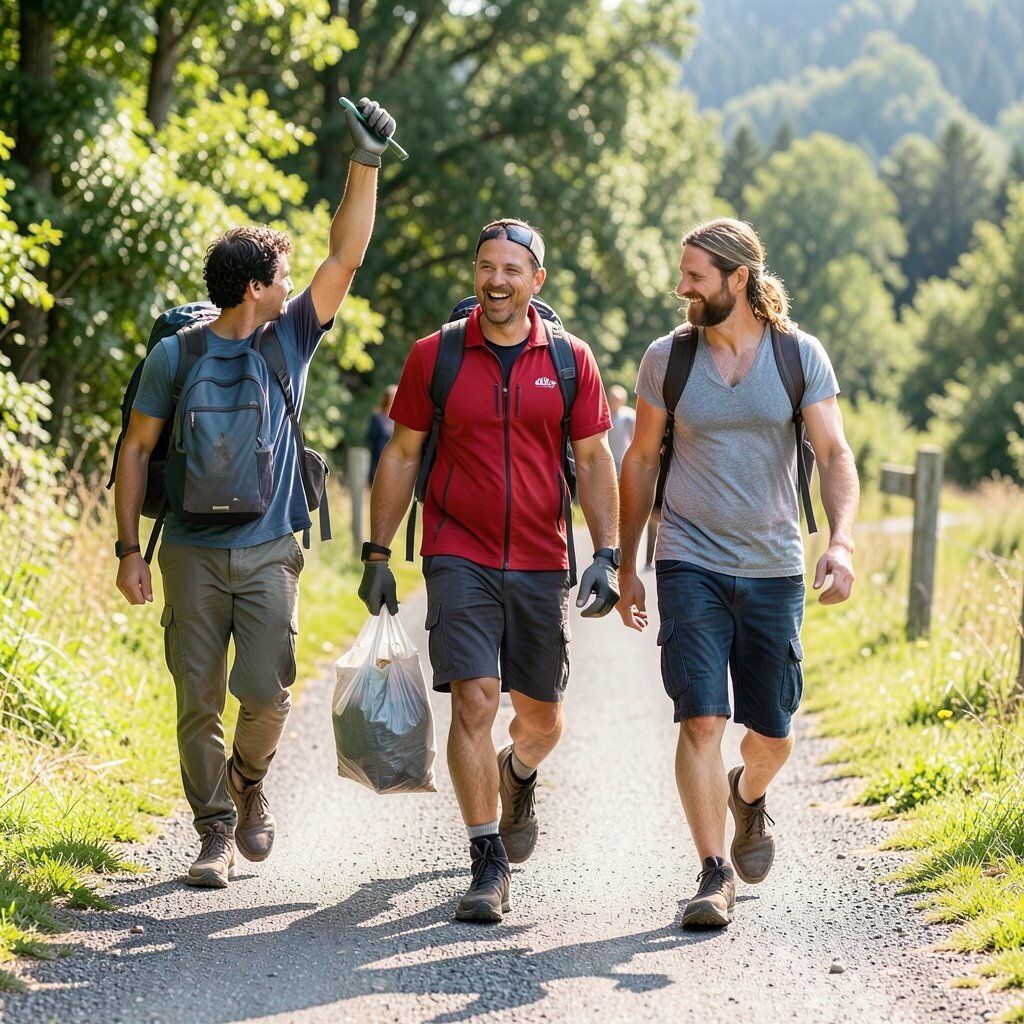
When you carry a small bag and spot trash on the sidewalk, the area can look instantly cared for. It feels empowering to turn a messy stretch into something bright and welcoming.
Pick a route you pass often and commit to gathering whatever you notice, even if it’s just a little. Bring gloves if you have them, and keep it safe by using grabbers or sticking to light items you can manage comfortably. Personalize the cleanup by choosing a reward ritual afterward, like a special drink, a new bookmark, or a short art stop.
For benefits, you’ll improve your surroundings, get light movement, and enjoy the kind of satisfaction that lingers. Cost is usually minimal since basic gloves and a bag can be reused, and you can organize around what you already own. A nice modern touch is sharing a before-and-after photo with friends to inspire others without making it feel dramatic.
8. Kitchen Camp: Build a Recipe Using One “Secret Ingredient”
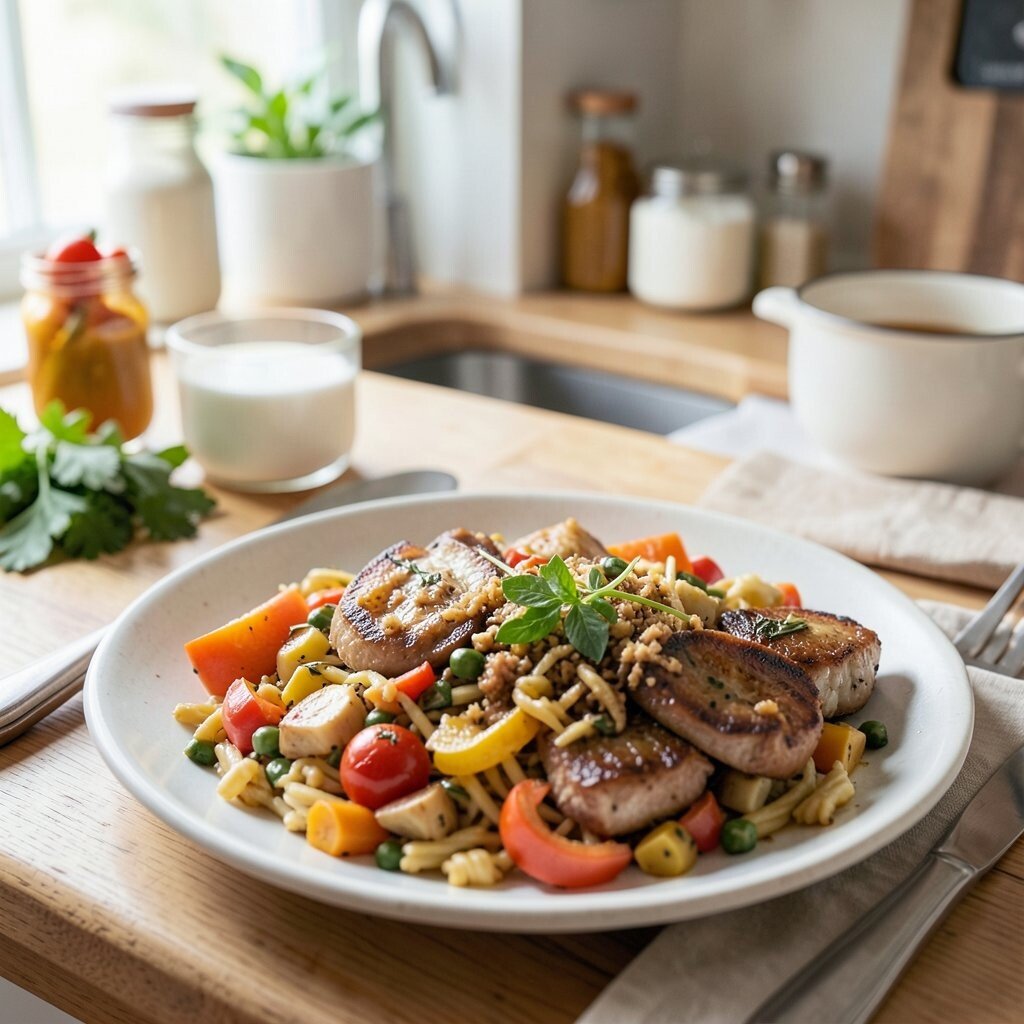
The kitchen can feel like a campsite when you treat dinner like a creative project. The smell of something toasting can make even a normal evening feel like a tiny celebration.
Choose one secret ingredient, like citrus peel, peanut butter, or a spoon of miso, then build around it with simple staples. Start practical by selecting recipes you can make with what’s in your cupboard, then adjust amounts slowly to avoid wasting food. For personalization, match the dish to a theme, like “cozy rainy night” or “crunchy summer mood,” based on how you want it to taste.
If you’re watching current trends, more home cooks are using “ingredient challenges,” where the focus is on one flavor that changes everything. This kind of game helps you learn cooking confidently, and it keeps cost reasonable because you’re working with a small set of ingredients. Serve it with a playful plating style, like a swirl of sauce or a sprinkle of herbs, so your adventure feels complete.
9. Backyard Astronomy With a Simple Constellation Playlist
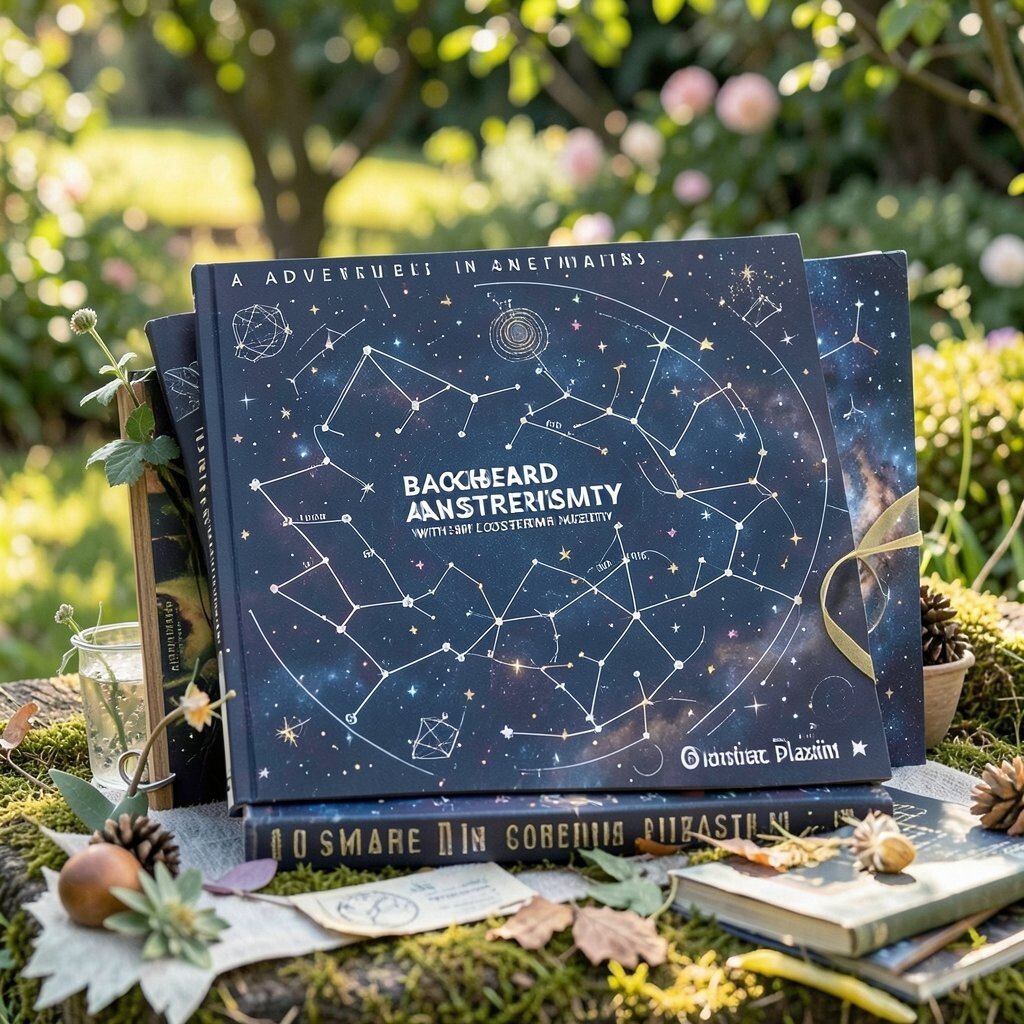
Stargazing doesn’t need a fancy setup to feel magical, especially when the sky looks deeper than you remember. Even a short session can make you notice how quiet the night can be.
Pick a few constellations you can find, then pair them with songs that match the mood of each one. Turn off bright lights, give your eyes time to adjust, and use binoculars if you want a clearer view without a big expense. For practical planning, check the sky conditions on your phone before you go outside, and choose a safe spot away from traffic.
To personalize, write a tiny “story” for each constellation, like a hero, a boat, or a wandering dream, then share it with a friend later. Many people now enjoy themed stargazing nights using short audio sets, which can make the experience feel shared and modern while still being calm and simple.
10. Museum Day With a “One Room Only” Rule and a Sticky Note Goal
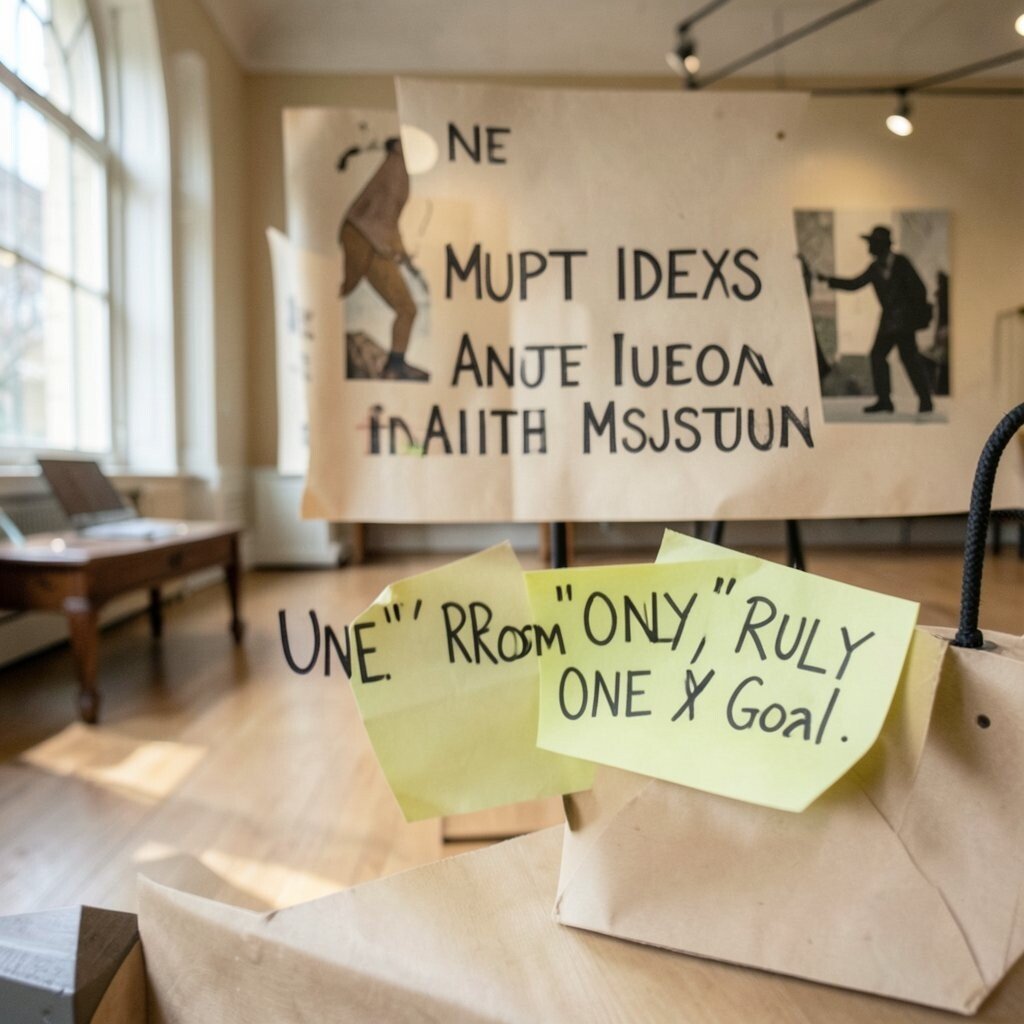
Museums can be overwhelming, but focusing on one room turns it into a cozy adventure. You’ll slow down enough to notice textures, colors, and small details you’d normally miss.
Choose one gallery and set a sticky-note goal, such as finding two objects that share a theme or sketching one sculpture you like. The benefits are big even from one small section, since careful attention improves memory and makes the visit feel meaningful. Keep costs low by looking for free days, using student discounts, or picking a smaller local venue.
For personalization, write your reactions as tiny lines on your note card, like “this looks like wind” or “this feels brave,” so the experience becomes yours. Current trends include “micro-museum” visits where people post short highlights and encourage others to enjoy small, focused stops rather than trying to see everything.
11. Bike Ride With a “Three Texture” Focus

On a bike ride, the world slides by in a fun blur, and your hands feel the road through the handlebars. It becomes more interesting when you choose what to pay attention to, like the feel of wind, the sound of tires, and the look of shadows.
Plan a route that includes varied surfaces, such as a shaded path, a sidewalk with patterns, and a smooth section by a park. As you ride, aim to notice three textures that stand out, like gravel crunch, smooth pavement hum, or leafy shade dappling. Benefits include building awareness, boosting confidence with handling, and adding gentle exercise without feeling like a workout.
To keep it practical, wear a helmet if you have one, check your tire pressure if possible, and bring a small patch kit or a basic tool set. Personalize the quest by taking one photo for each texture or writing quick notes afterward so you can compare rides later. If you want a trend, many riders now share “texture diaries” that pair sensations with short captions for a creative, low-effort style.
12. Community Craft Swap With a “One Useful Thing” Mission
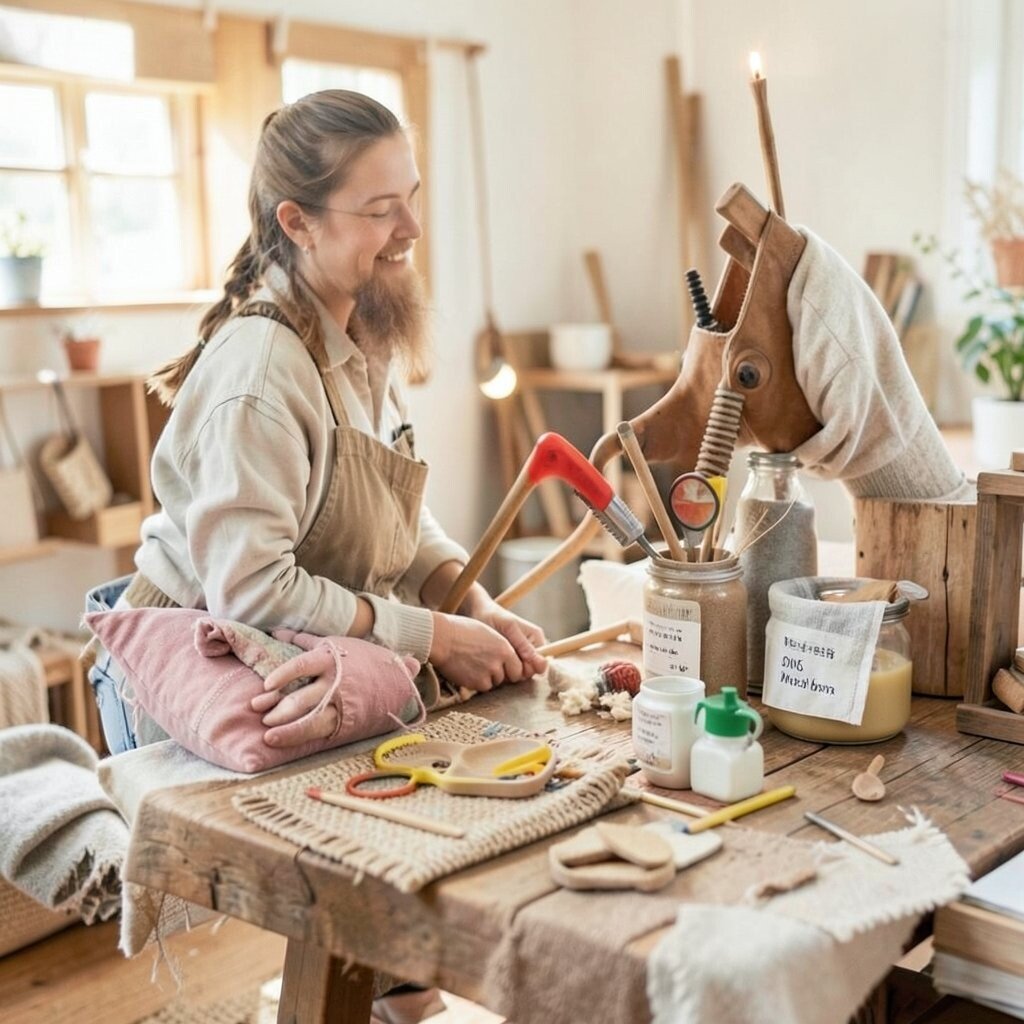
There’s a special excitement in seeing familiar items get a second life at a swap table. You can trade quietly, chat about what you made, and walk away with supplies that feel like treasure.
Bring one useful item you’re happy to share, like yarn, buttons, a small paint set, or a book of patterns, and swap for something that supports your own hobbies. This makes the day social and creative, and it also helps you declutter without spending much money. For cost considerations, swaps often rely on what people donate, so you can participate with a small budget for snacks only.
Personalize it by setting your mission around your current interests, like “make something for my desk” or “learn a new stitch.” Uniqueness comes from the story behind each item, since you’ll remember who donated it and why it mattered to them. A current trend is “slow making,” where people enjoy small crafts more than large projects, so this kind of swap fits perfectly into that mindset.
13. Trail Snacks Challenge on a Local Path Loop

A trail can turn into an adventure when you treat snacks like part of the route. Warm light on the path and the crunch of something tasty can make the distance feel shorter.
Choose a loop trail and plan a snack lineup with variety, like one crunchy bite, one sweet bite, and one savory bite. Keep it practical by packing in reusable containers and checking for food rules if the area has restrictions. Personalize your list around your preferences, whether you love fruit, nuts, or cozy baked treats.
For benefits, you’ll stay energized, avoid overhunger, and make walking feel more rewarding. Cost considerations are easy to manage since you can buy store brands, portion snacks from bulk bins, or use homemade items like roasted chickpeas. If you’re following current trends, “taste trails” are popular on social media, where people share snack ideas linked to different environments for inspiration.
14. Street Music Listening Session With a Mini Interview
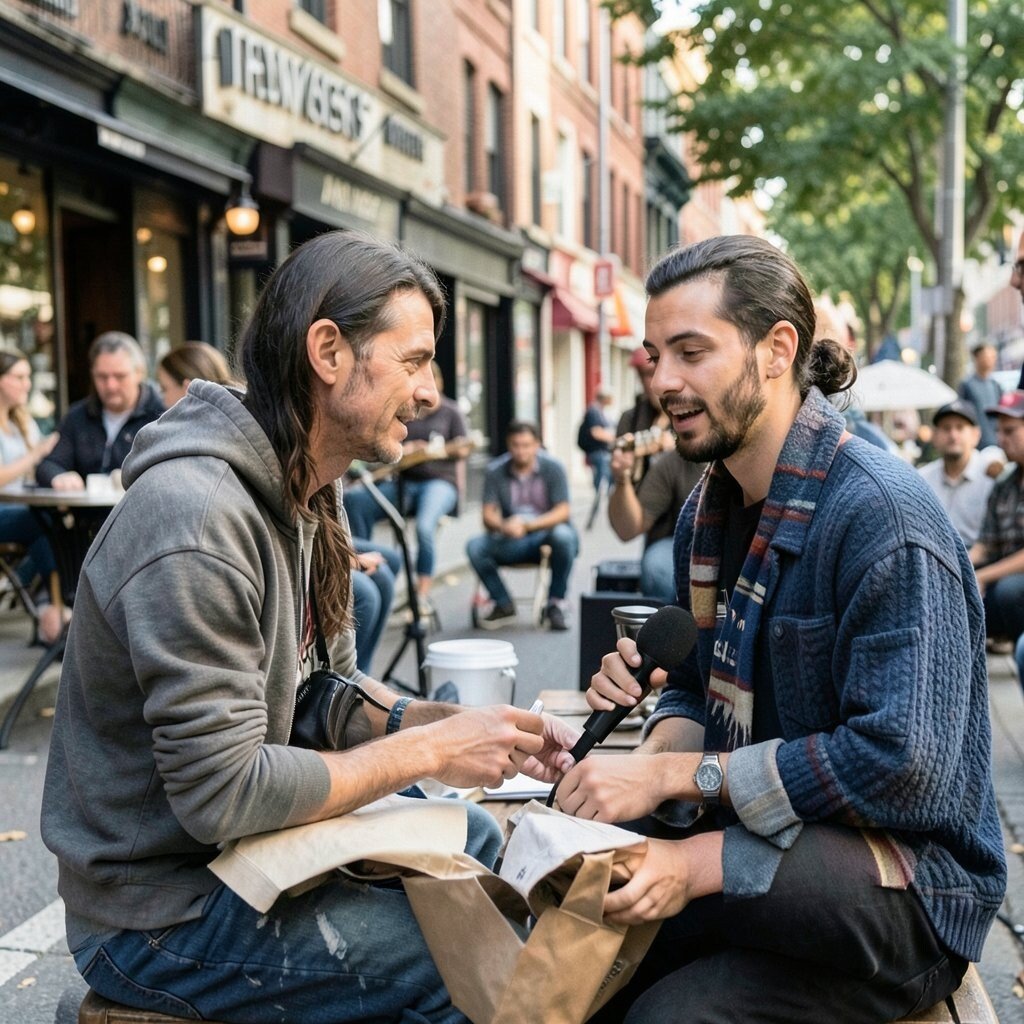
Sometimes the best moments happen when you pause to listen, not just walk past. A nearby musician can make the air feel alive, and your imagination starts filling in the story behind the song.
Pick a busy spot with regular performances and spend a set amount of time listening while you notice the instruments, crowd reactions, and the way melodies move through the space. If it feels friendly and safe, ask a simple question like what the song is about or what their next performance will be, then write the answer in your phone. This gives you connection, boosts your attention, and turns a casual stop into a human-centered adventure.
For practical planning, bring headphones only if you truly need them, otherwise be present with the sounds around you. Personalize the session by ranking songs by mood, like “happy,” “focused,” or “dreamy,” so you create a small playlist in your mind. Cost is usually zero if you simply listen, and a tip for uniqueness is to save one short recording for your own memory if the musician allows it.