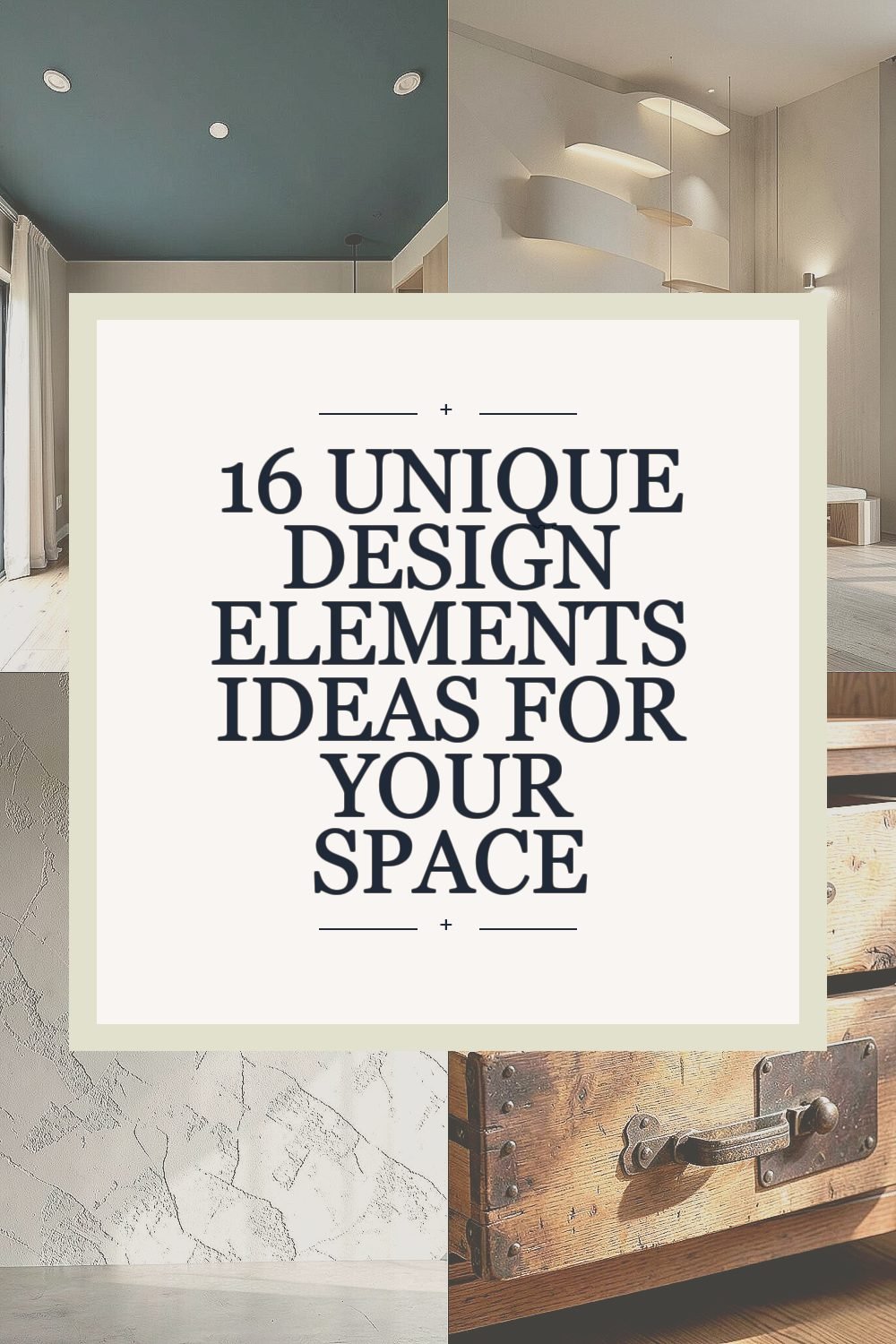
Your space can feel boring when every surface looks the same. With a few smart design moves, it can feel like it has a personality.
Small details can guide the eye, make routines easier, and turn everyday rooms into places you actually enjoy.
1. Statement Ceiling Color That Draws the Eye
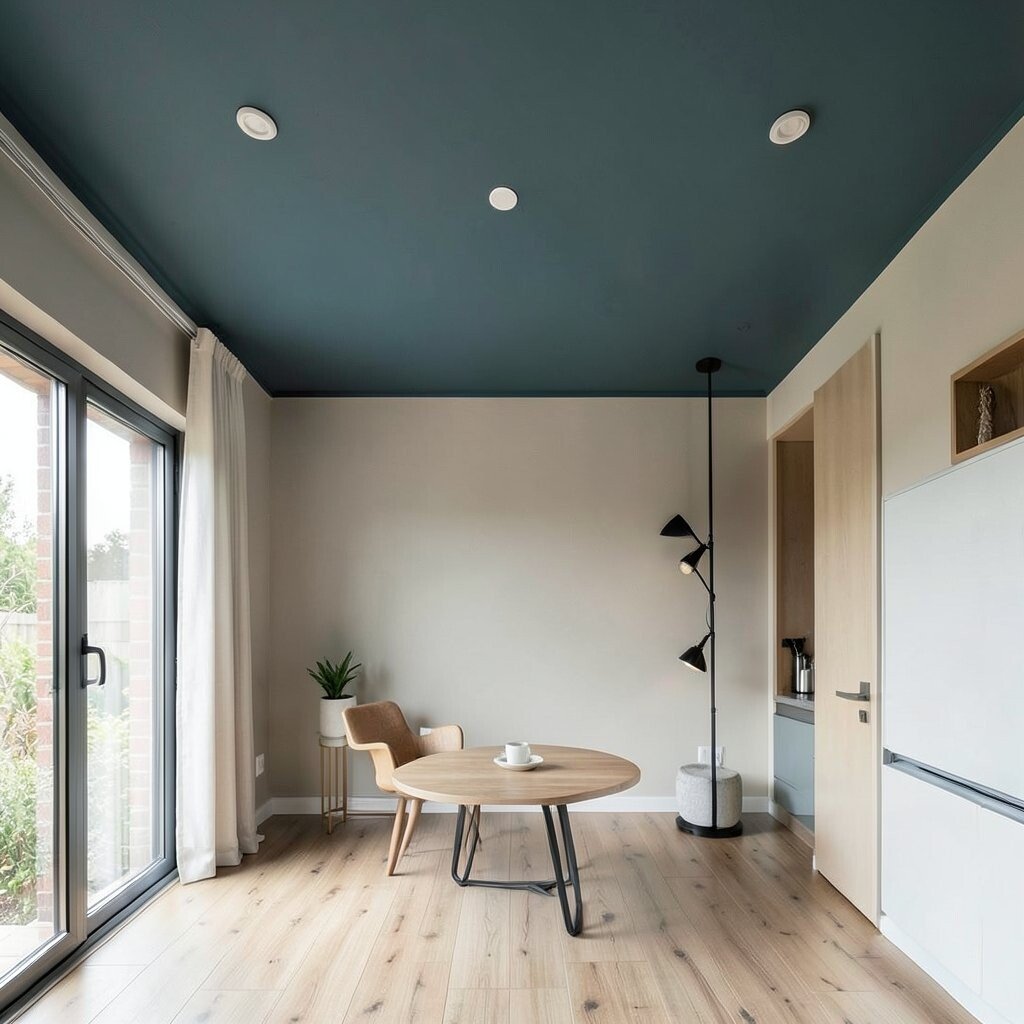
A ceiling is often ignored, but it can instantly change the mood. Painting it a rich tone makes the room feel warmer and more finished.
Try a soft clay, deep green, or even a gentle blue-gray for a calm vibe. If you like bold choices, pick a dramatic color and keep the walls lighter. For practical results, test a sample on a section near the main light source, then check it at morning and evening.
2. Layered Lighting With Mixed Heights
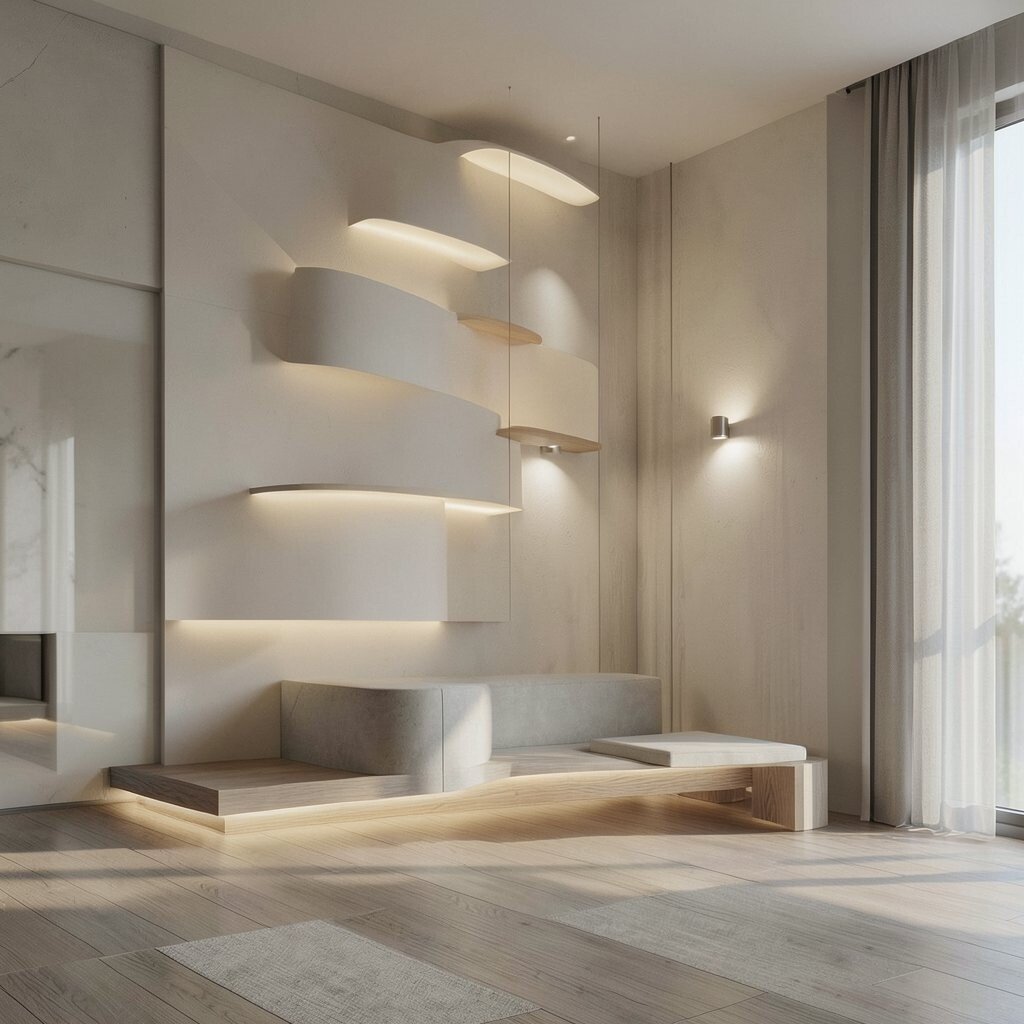
Lighting that comes from different heights feels richer than one bright fixture. A standing lamp near a chair and a small sconce by the bed create a cozy glow.
Mix warm bulbs with dimmers so you can shift the mood without changing anything else. Choose shades that match your style, like linen for softness or metal for a crisp look. For personalization, aim for a “story” layout where each corner has its own light, and use fixtures that share a common finish.
Current trends favor layered setups over single-ceiling reliance, especially in living rooms and bedrooms. If you want to keep costs in check, update bulbs, add a second lamp, and swap shades before replacing whole fixtures.
3. Textured Accent Wall With Plaster-Like Finish
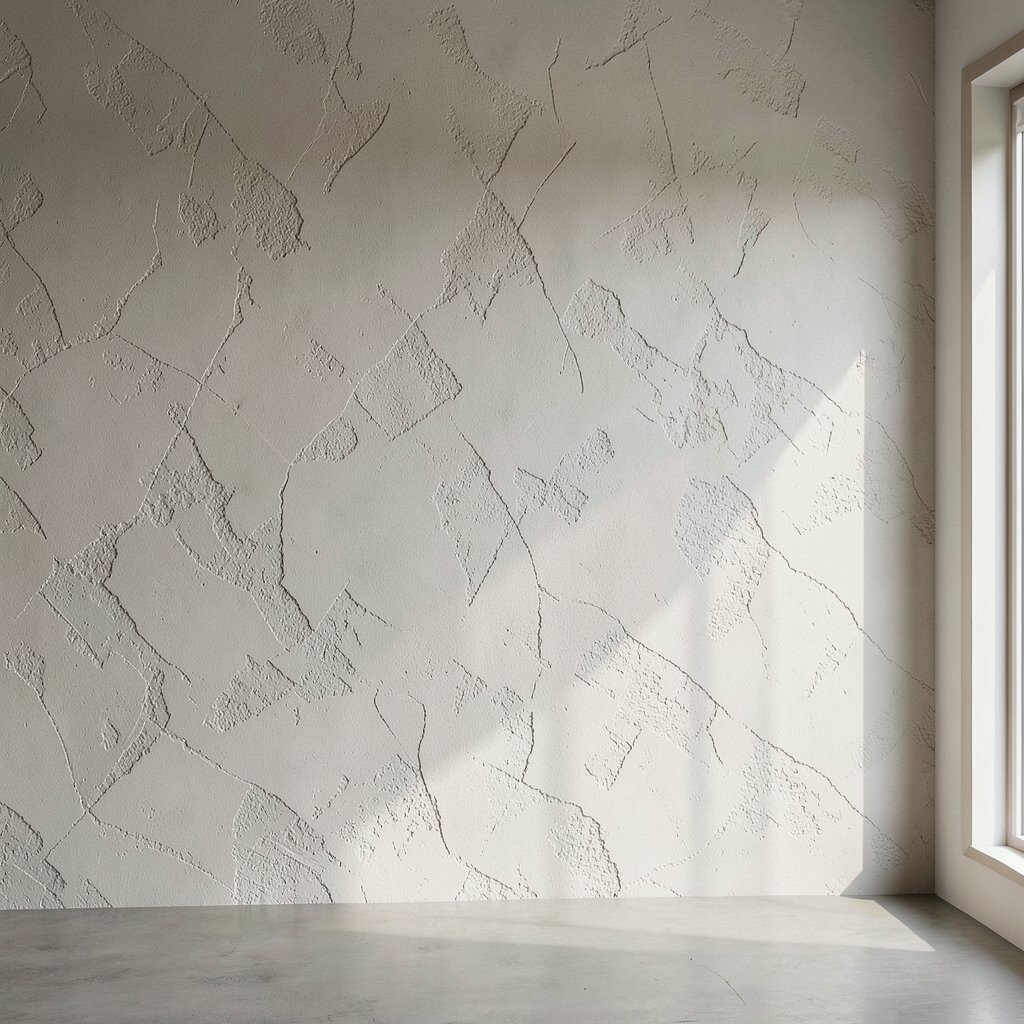
A textured wall adds depth even when the decor is simple. You can choose a subtle, plaster-like effect that catches light and hides small imperfections.
Look for finishes that feel smooth to the touch but show tiny variations up close. This creates a unique look without heavy furniture. To personalize, match the texture to your room’s style by pairing it with either clean-lined frames or rustic wood pieces.
For cost considerations, an accent wall is usually cheaper than redoing every wall. If you want the effect without major work, consider removable textured wallpaper panels in a similar plaster pattern.
4. Vintage Hardware That Upgrades Everyday Storage
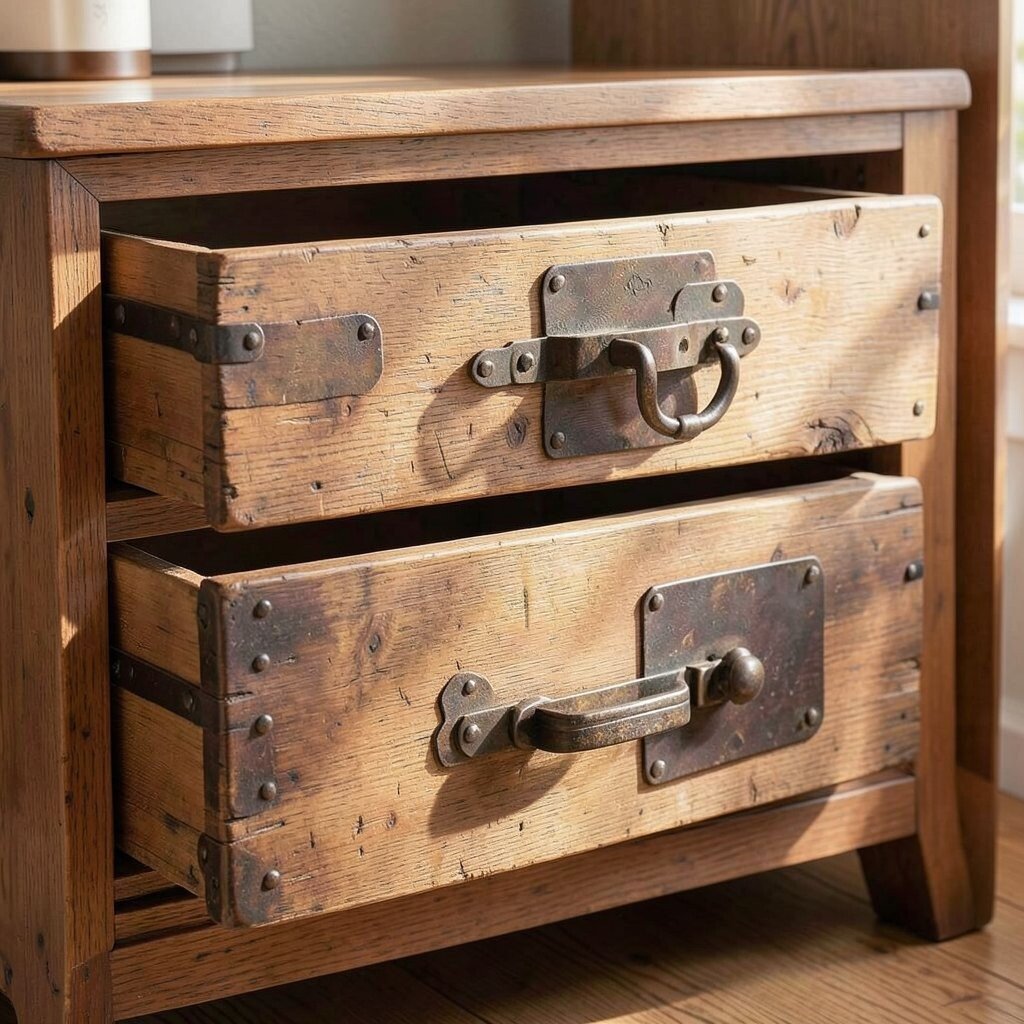
Small hardware changes can make drawers and cabinets feel special. New knobs and pulls catch the light and give your space a more collected look.
Choose finishes that connect with other elements, like brushed brass near door handles or matte black for a modern edge. This is a great way to personalize without repainting the whole room. Measure carefully so you buy the right size, and swap one piece at a time to avoid mistakes.
5. Oversized Mirror With a Sculptural Frame
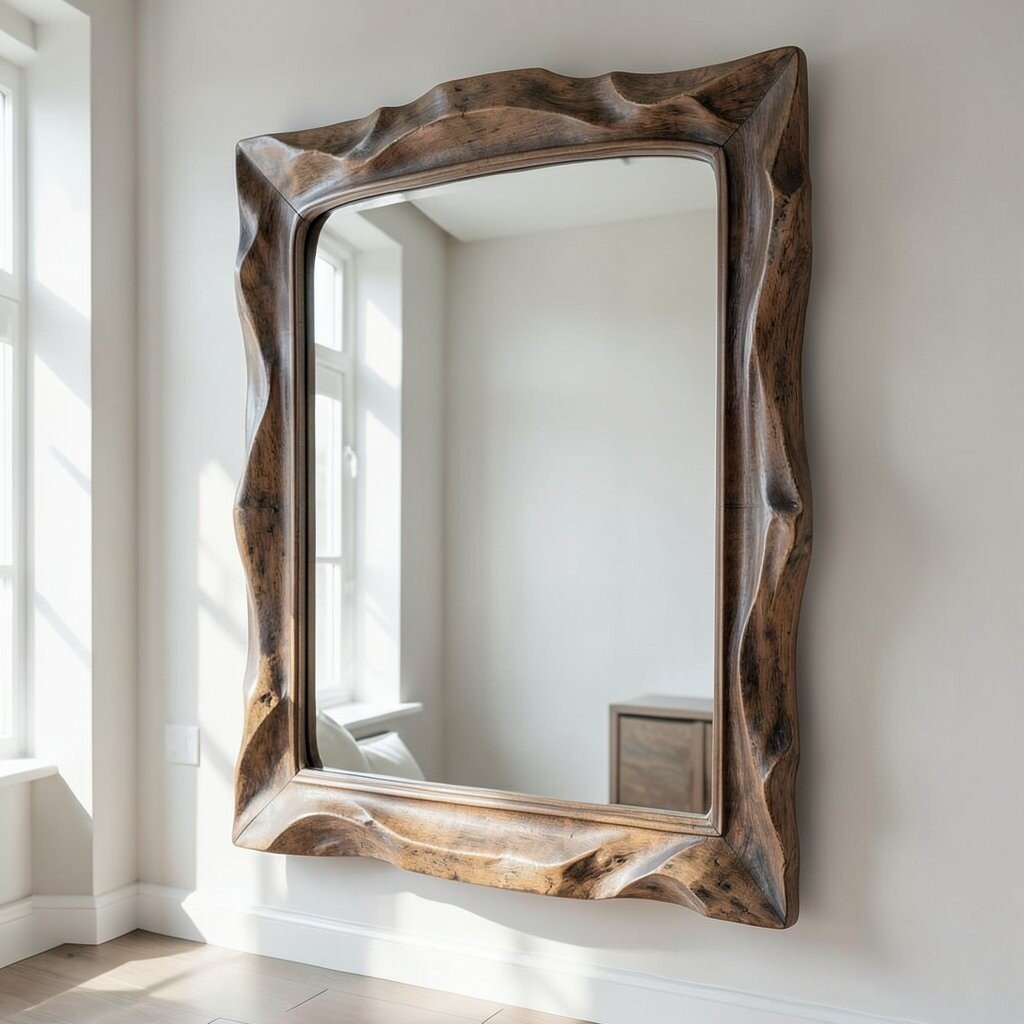
A large mirror can make a room feel bigger and brighter in an instant. When the frame has a shape you can’t ignore, it also becomes art.
Try an oval frame, a wavy edge, or a simple geometric border for a stylish contrast. Place it where it reflects natural light, like near a window or across from it, so the glow spreads through the room. For practical tips, secure the mirror properly to wall studs and keep the bottom edge at a comfortable sightline.
To manage cost, hunt for a mirror with good glass and invest more in the frame if needed. Current trends often mix mirrors with soft curves, so consider a shape that feels friendly, not harsh.
6. Custom Built-In Niche for Display and Calm Storage
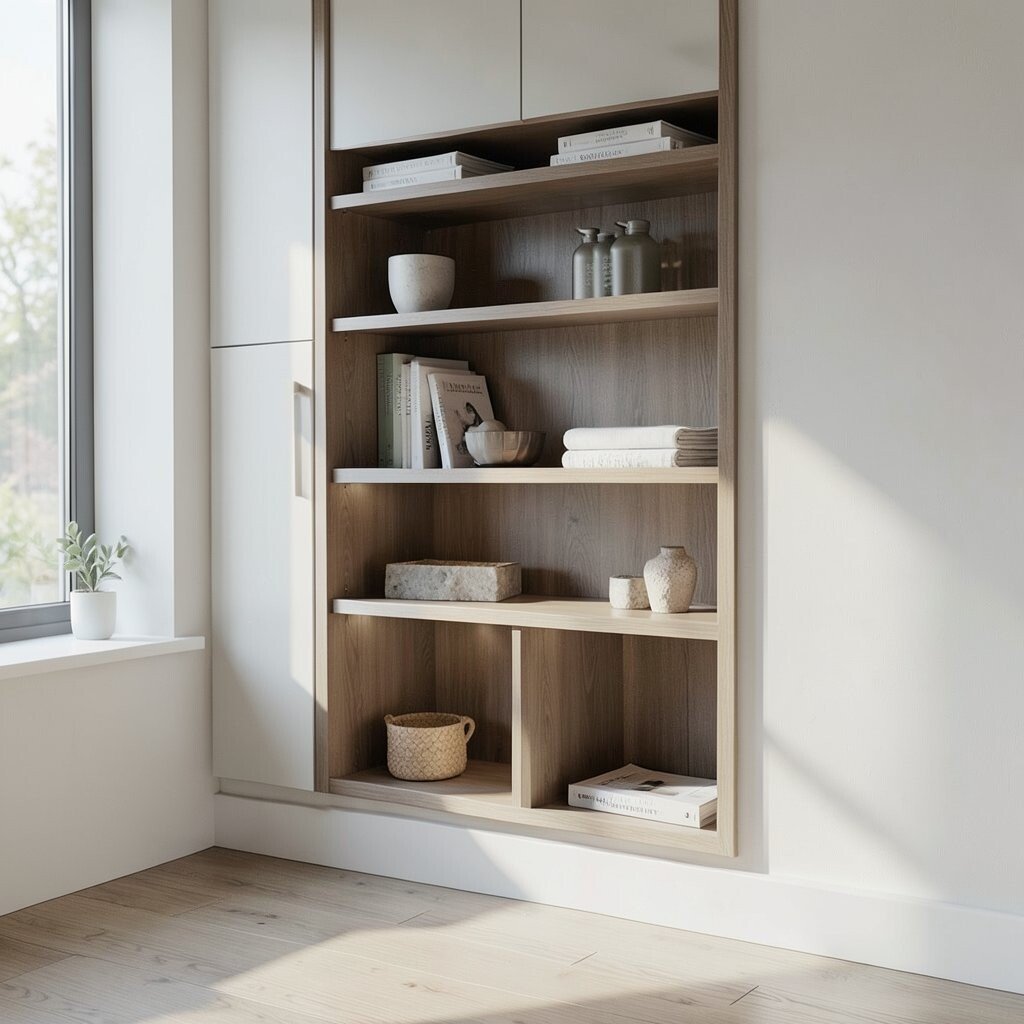
Niches built into walls make everything feel intentional. They create a small stage for books, bowls, or a favorite plant.
Built-ins can also reduce clutter by giving storage a home that doesn’t interrupt the room’s flow. Consider a niche with adjustable shelving so you can change what you display over time. For personalization, style the back panel with a color that matches your overall palette.
7. Patterned Runner Rug to Guide Foot Traffic
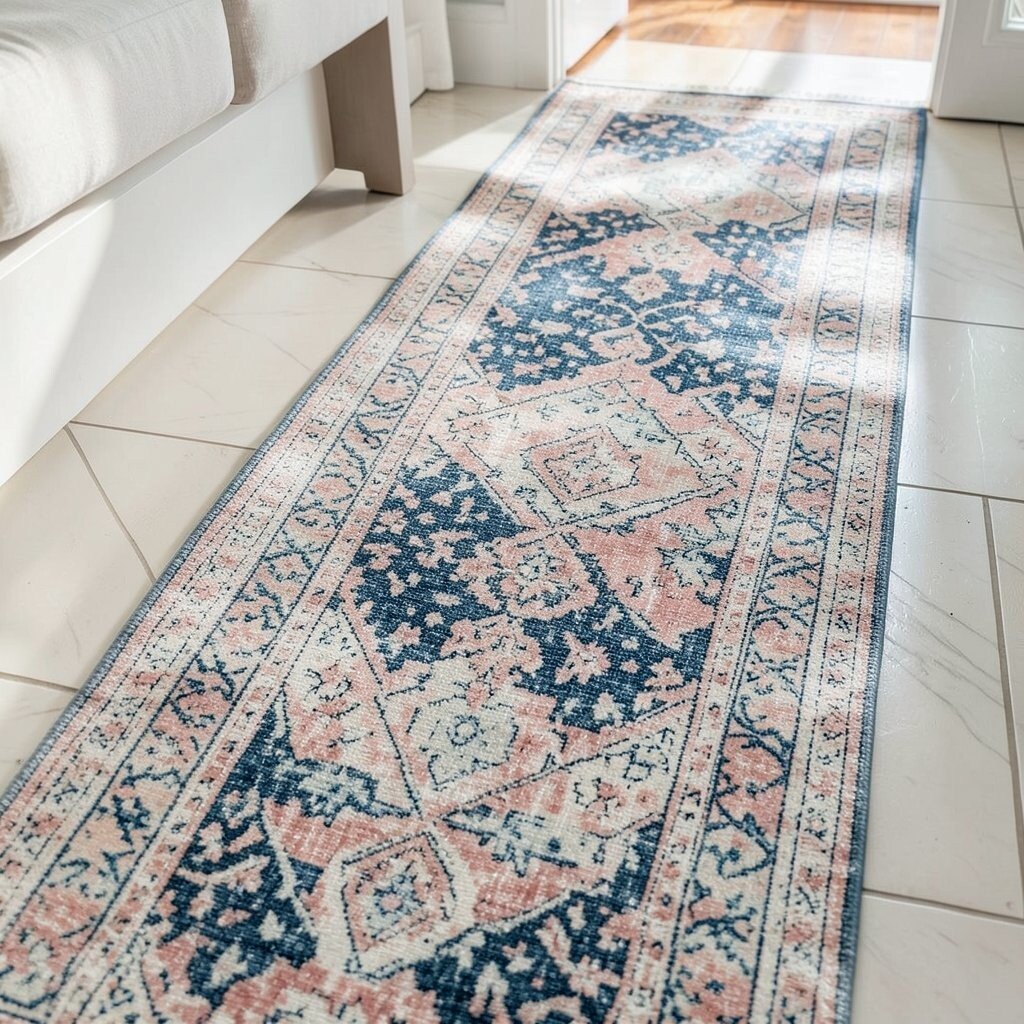
A runner rug can bring structure to hallways and open layouts. When it has a bold pattern, it also makes the path feel inviting.
Look for patterns that echo other design choices, like repeating shapes in artwork or similar tones in curtains. This helps the room feel connected rather than random. For practical tips, choose a rug size that extends far enough to create a comfortable walking zone, and use a good underlay to prevent slipping.
If you want a unique look without huge cost, consider swapping a neutral rug for a patterned runner and keeping the rest simple. Current trends favor graphic, high-contrast patterns that add energy without needing a full renovation.
8. Color-Blocked Storage Pieces for Quick Personality
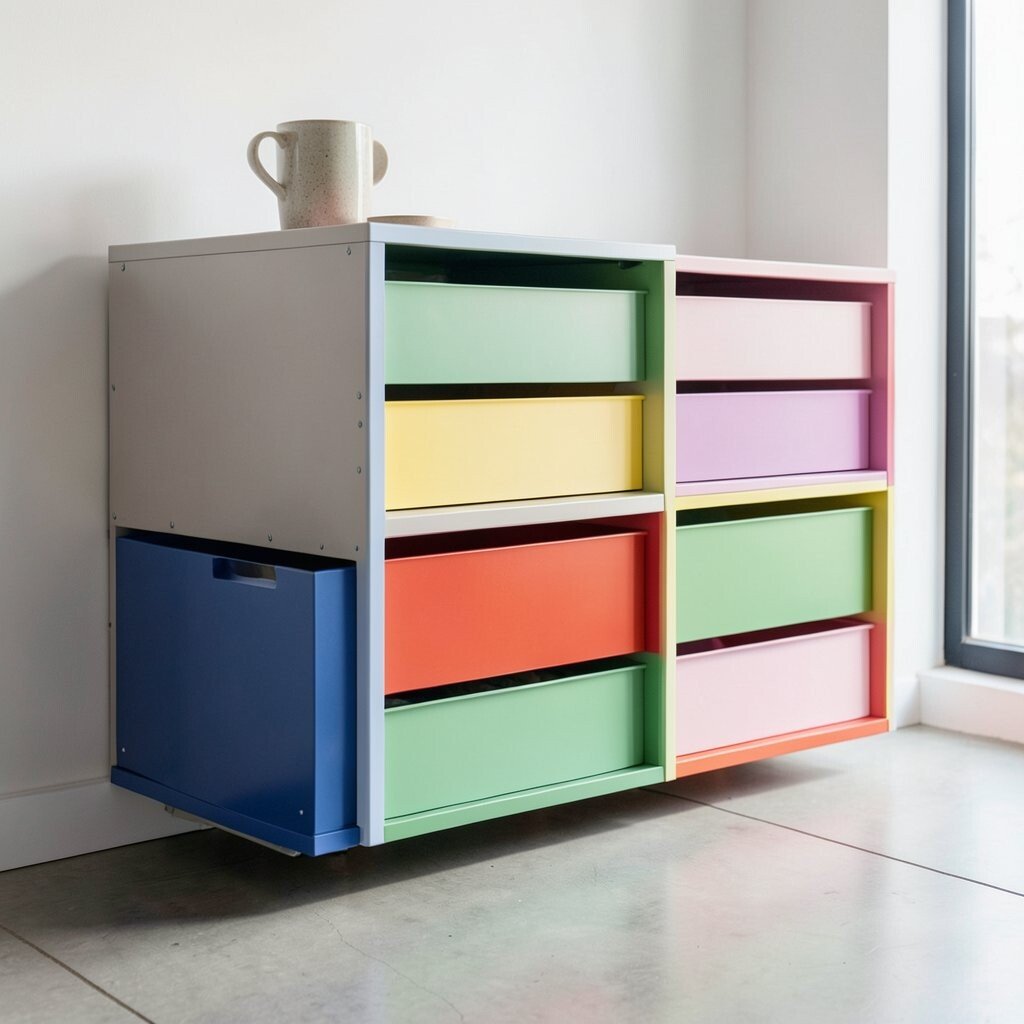
Furniture with color blocks adds playfulness and makes a room feel less cookie-cutter. A cabinet or bookshelf with two or three tones becomes a focal point without needing extra decor.
Pick colors that already exist in the room, like a curtain shade or the warmth of your wood floor. If you want a calmer vibe, use muted tones and keep the blocks subtle. For personalization, label-free styling works well, so group items by color or texture rather than by type.
9. Ceiling and Trim Contrast for a Crisp, Tailored Feel
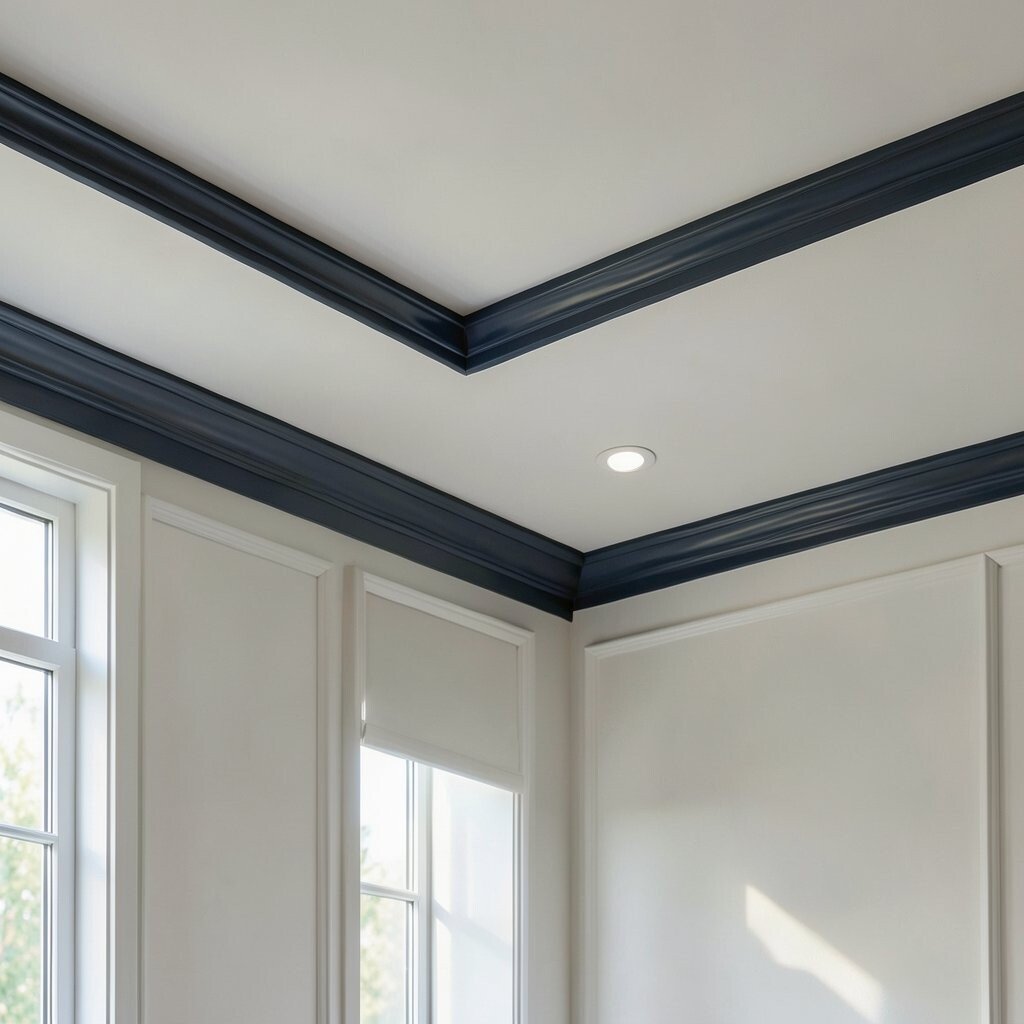
When trim and ceiling colors differ, the room looks tailored and polished. Even a small contrast can make walls seem higher and corners sharper.
Try crisp white trim with a soft warm wall color, or go darker for a dramatic, modern vibe. This design element is unique because it adds structure without clutter. For practical tips, use painter’s tape cleanly, and choose a paint finish that matches where light lands most, like satin on trim.
Costs vary, but this is often cheaper than replacing furniture, since paint and tape are usually budget-friendly. Current trends include warm whites and gentle off-blacks that feel modern but not harsh.
10. Art-Led Gallery Wall With a Consistent Theme
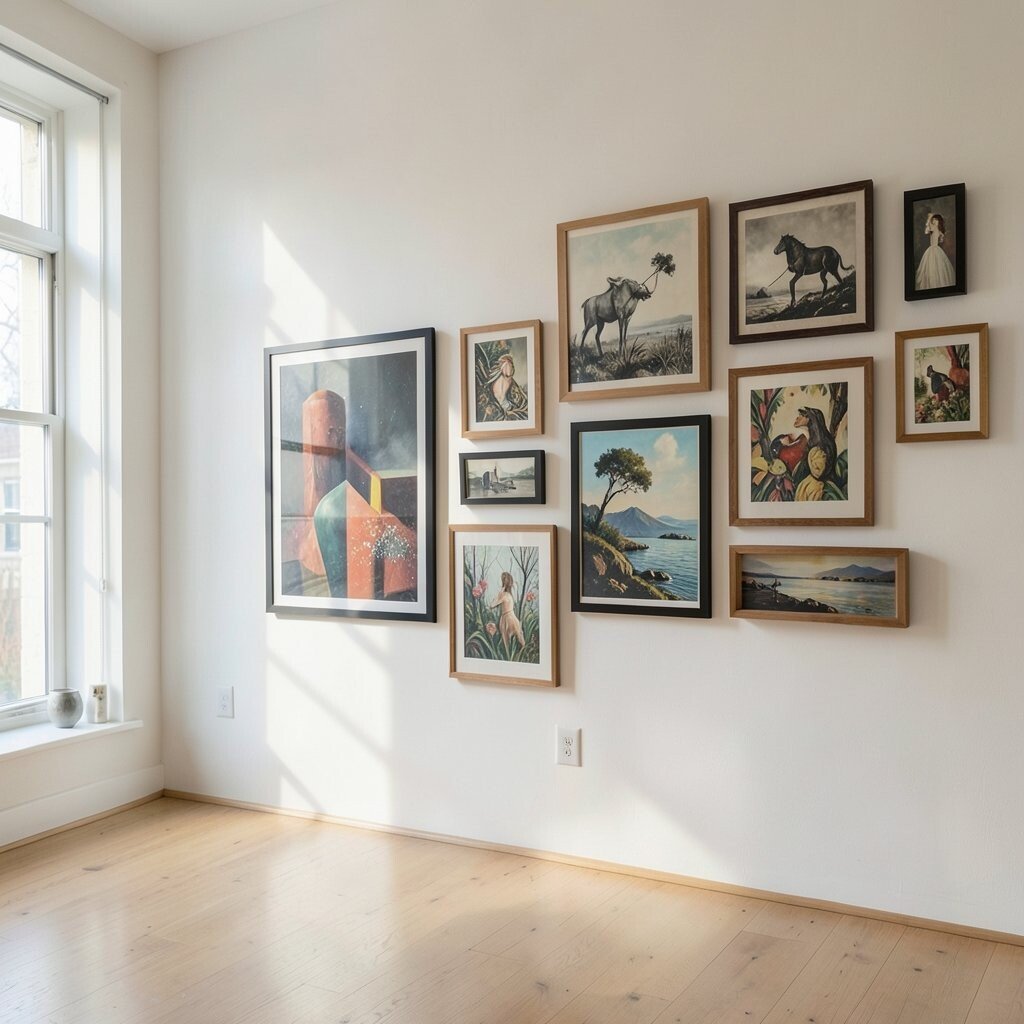
A gallery wall can be more than a random mix of frames. When it shares a theme, it feels intentional and calming.
Pick one idea, like botanical prints, black-and-white photography, or small landscapes in the same frame style. Arrange the pieces on a floor first so you can see the flow before mounting anything. For personalization, include one piece made by you or a family photo that holds meaning.
11. Unique Window Treatments With Layered Fabrics
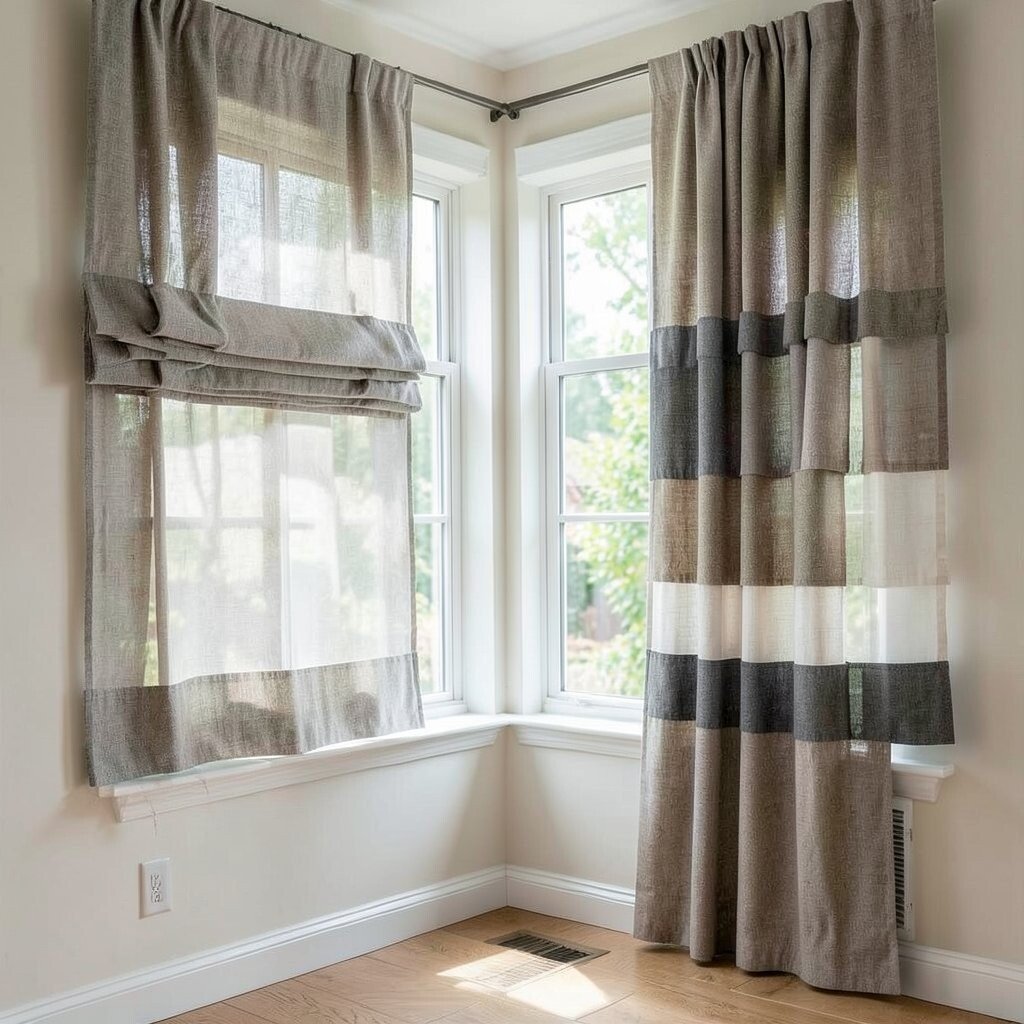
Window coverings set the tone every time the sun moves across the room. Layering sheer fabric under heavier curtains creates a soft, glowing effect.
Choose textures that feel good in your space, like linen blends for a natural look or velvet for a richer vibe. This makes the room feel unique even when your furniture stays simple. For practical tips, hang curtains high and wide so the window appears taller, and use rings or tracks that glide smoothly.
12. Floating Shelves Styled Like Small Stories
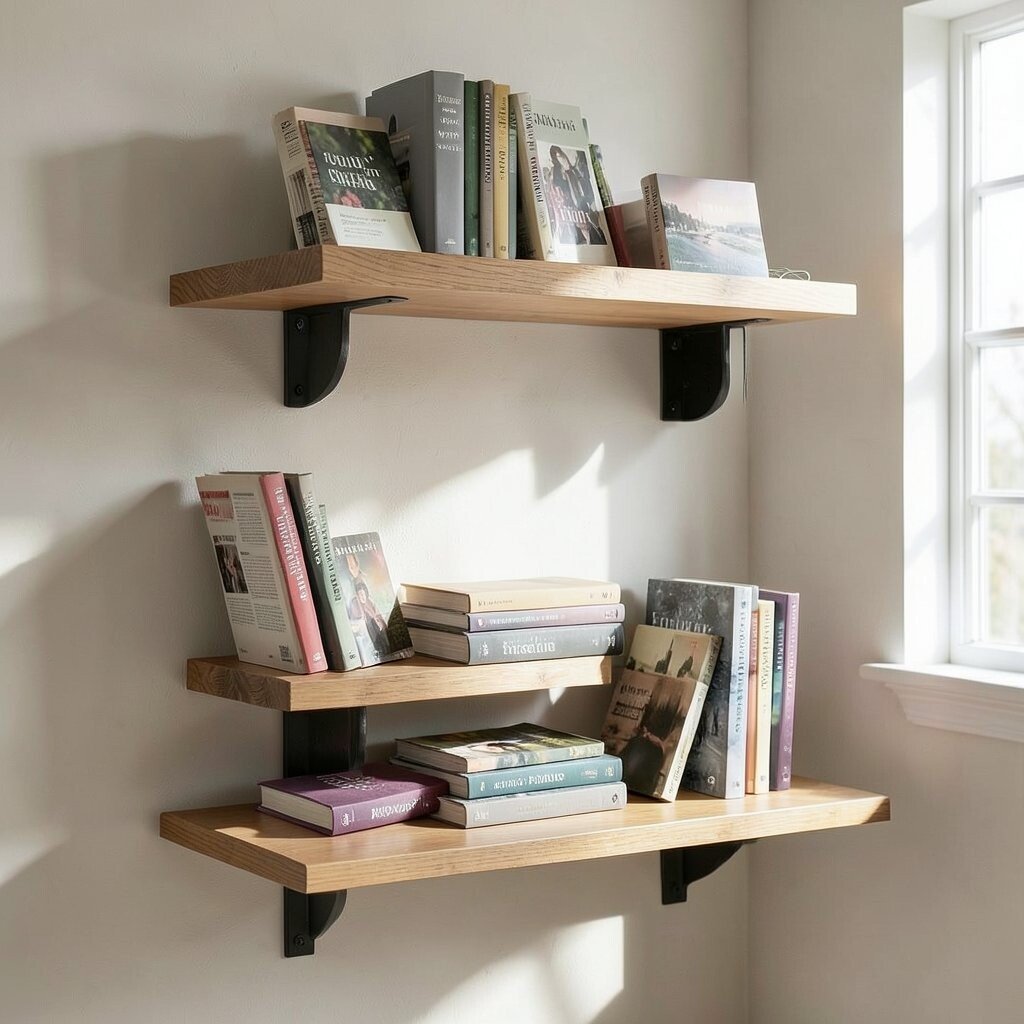
Floating shelves give you vertical space without bulky furniture. They also let you change the look whenever you want.
Keep your styling simple by mixing one larger piece, a few smaller items, and a plant for life. This design element feels unique because it turns everyday objects into a curated display. For practical tips, use a level for installation and keep shelves evenly spaced so the visual rhythm stays smooth.
If costs are a concern, start with two shelves and upgrade later. Current trends favor warm wood shelves paired with subtle black brackets, which look modern yet cozy.
13. Statement Floor Tile or Vinyl Pattern in a Small Zone
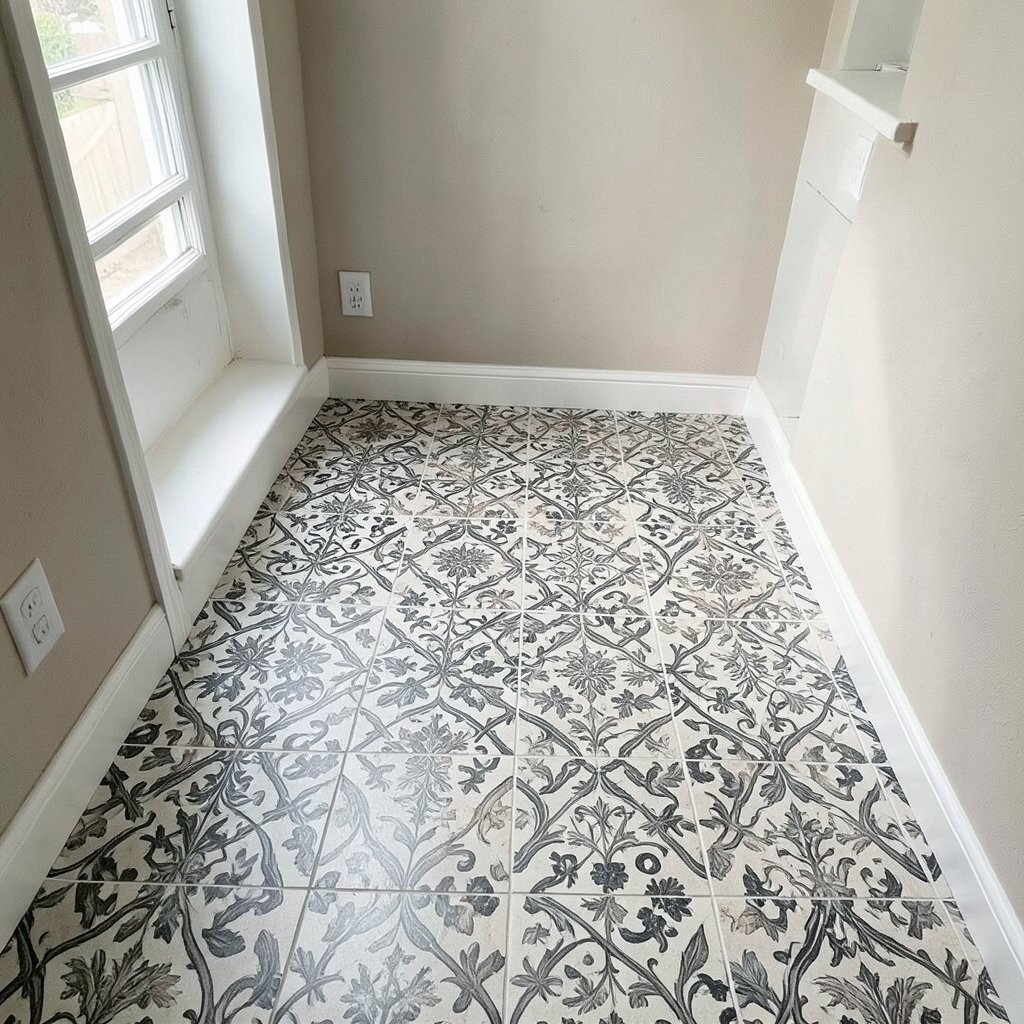
Your floor can be a design canvas even if you rent or have limited budget. A patterned tile or vinyl treatment in a small entry zone adds big character.
Choose a pattern that matches your style, like Moroccan-inspired shapes for drama or simple geometric lines for a clean look. This element feels unique because it creates a “welcome moment” that you notice every day. For practical tips, select materials that handle foot traffic and consider a clear topcoat for added durability.
14. Color-Managed Wall Paint With a Soft Accent Corner
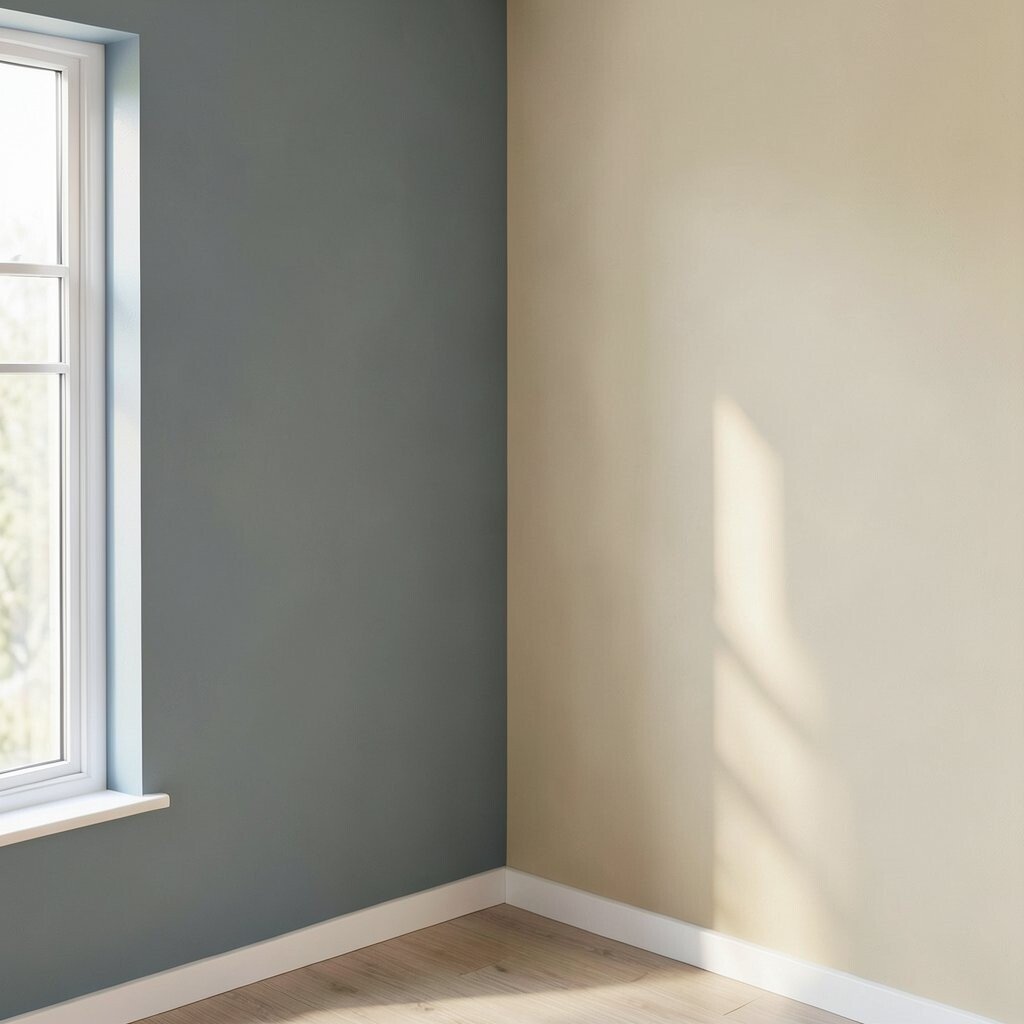
Instead of painting every wall, try a single accent corner that you love. A corner in a warm tone can make the whole room feel more layered and inviting.
Use a color that complements your existing elements, like a gentle mustard with natural wood or a dusty rose with neutral fabrics. This is an easy way to personalize since you can pick a shade that matches your mood. For practical tips, paint a small test patch first and observe how it looks near your main light source.
Cost is usually manageable because this focuses on one area rather than an entire room. Current trends often lean toward soft, earthy accent colors that feel modern and calm.
15. Built-In Bench or Window Seat With Storage
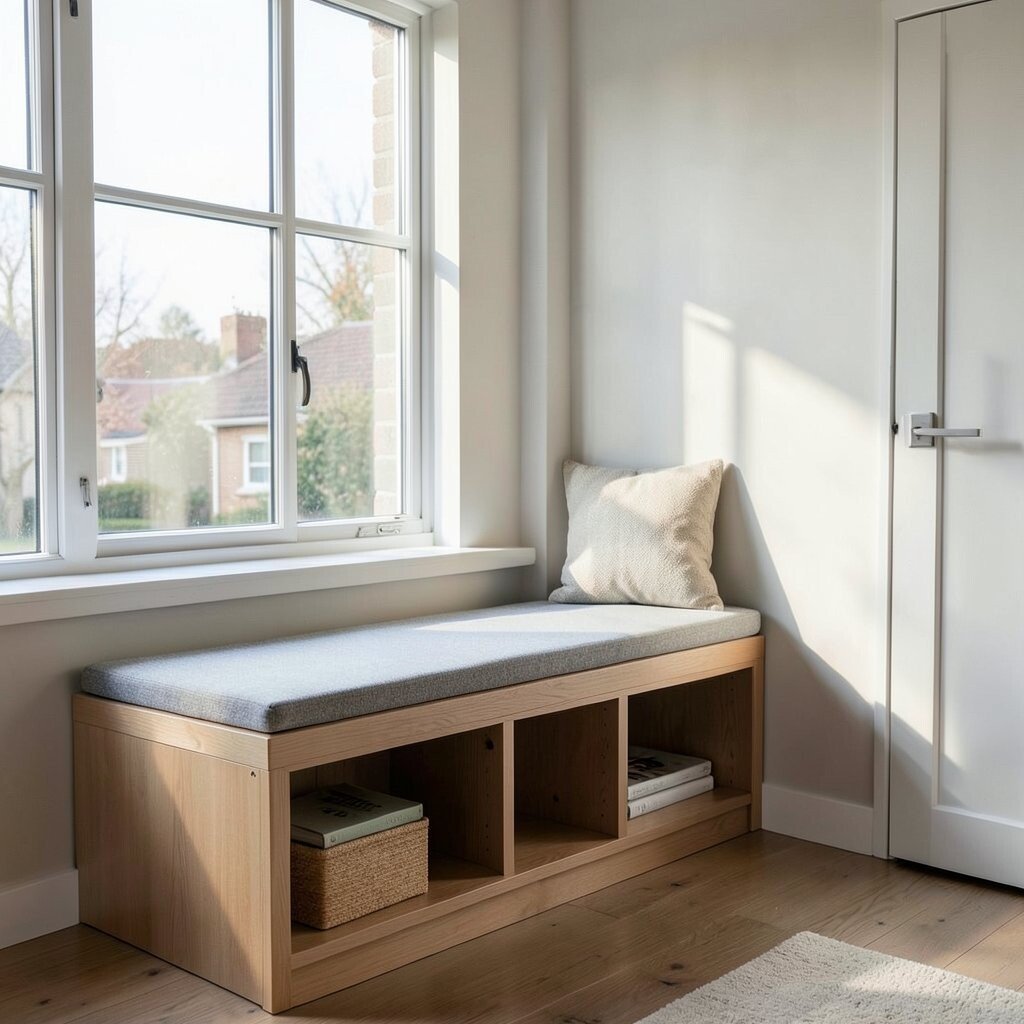
A bench or window seat turns a plain corner into a daily comfort spot. It also makes the room feel thoughtfully designed, not just decorated.
Choose cushions in durable fabrics and add storage underneath for blankets, games, or seasonal items. This benefits your space by reducing clutter while keeping everyday essentials easy to reach. For personalization, add a throw blanket that matches your accent color and a small tray for tea or books.
To manage costs, consider using ready-made seating units and customizing the cushion covers. Current trends favor cozy, functional seating with soft textures and clean lines that look stylish but stay practical.
16. Artful Plant Arrangement With a Design-Friendly Plant Stand
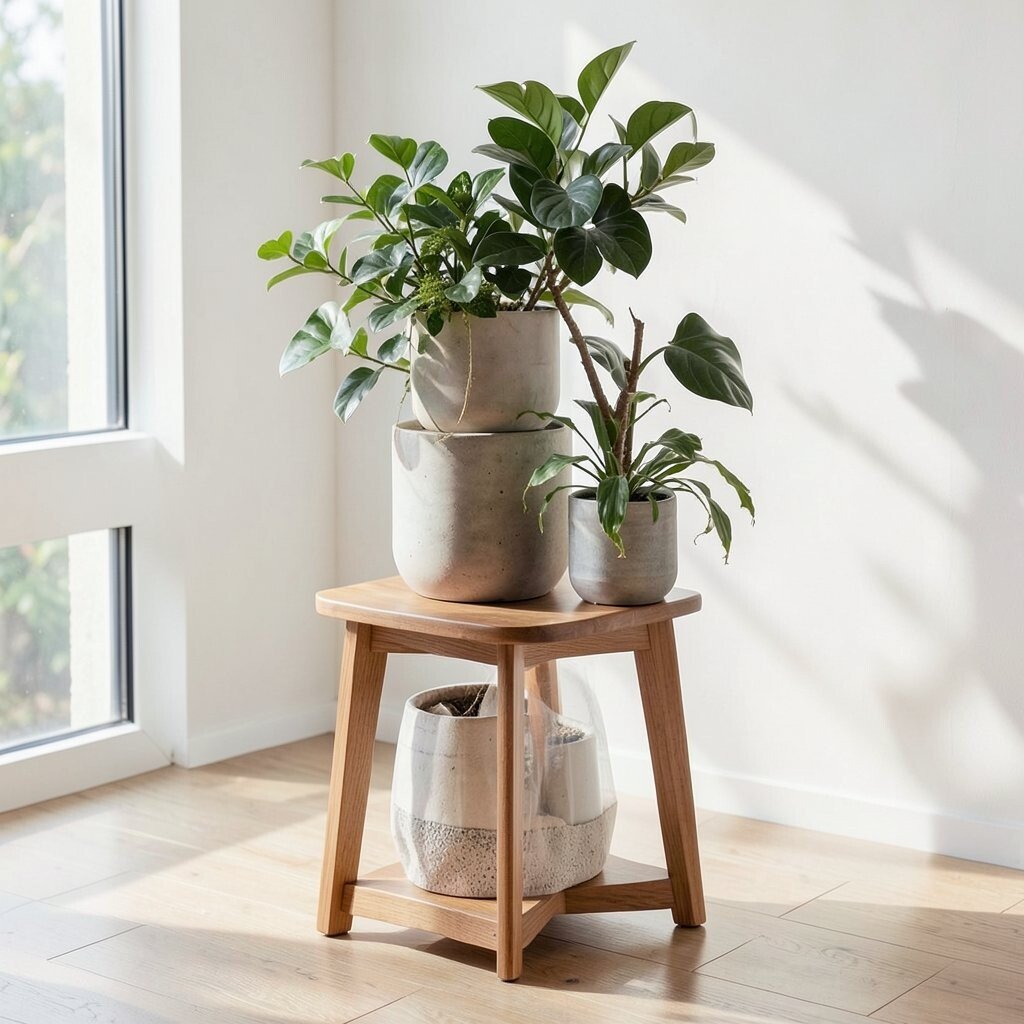
Plants can make a room feel alive, but the arrangement matters. A plant stand with a unique shape gives your greenery a designed look instead of a scattered feel.
Group plants by size and leaf texture so the shapes feel balanced, like tall forms with smaller trailing ones. This design element is unique because it turns living decor into a visual centerpiece. For practical tips, check the light needs of each plant and rotate them regularly so they grow evenly.
Cost considerations are simple since you can start with a single stand and add one plant at a time. Current trends include airy stands in woven materials and modern metal frames, which pair nicely with neutral interiors.