
The 1920s feel like a breath of glamour and calm at the same time. Old-school style can still live comfortably in today’s home.
These ideas mix beautiful looks with real-life practicality, so you can enjoy the vibe without making your space feel fussy.
1. Velvet-Soft Color Schemes
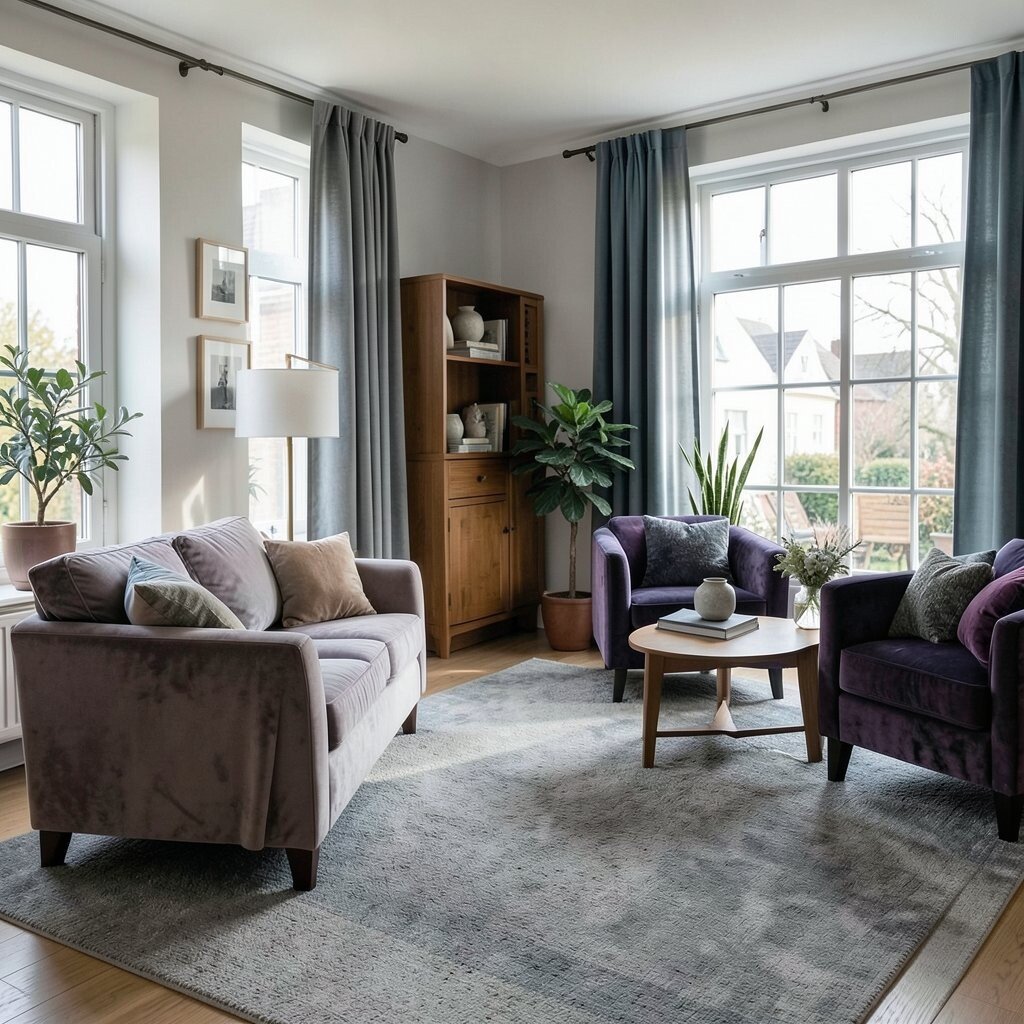
Choose paint and fabric tones that look like velvet in candlelight. Deep teal, warm taupe, and soft ivory can make rooms feel cozy while still feeling special.
To keep it practical, pick one base color for walls and use the others in curtains, throw pillows, and a small rug. Test swatches in the morning and at night, because the lighting can change the mood more than you expect. If you rent, use removable wallpaper panels or fabric instead of committing to full-wall paint.
2. Art Deco Mirror Moments
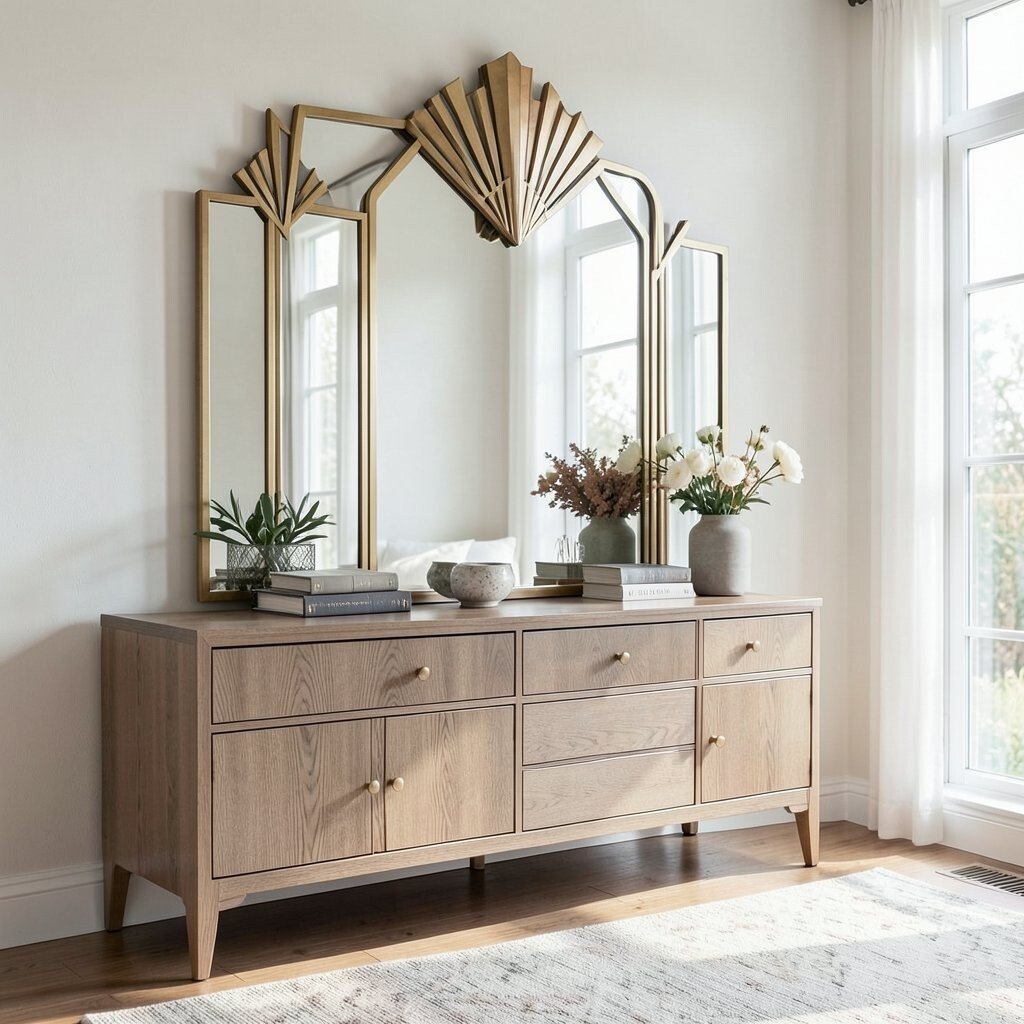
Bring in a mirror with strong geometric edges to bounce light around your room. A round mirror framed with fan-like details can make a hallway feel wider and brighter.
Place it across from a lamp so it catches light even when the room is dim. For personalization, match the metal finish to your hardware, such as brass for warm spaces or matte black for a crisp look. If you want to try this on a budget, search for a vintage-style mirror at thrift stores and repaint the frame carefully.
Try a larger scale in entry areas, then add a smaller one above a console later if you love the effect. This style feels unique because the mirror becomes a focal point, not just a reflection tool.
3. Brass and Black Hardware Pairing
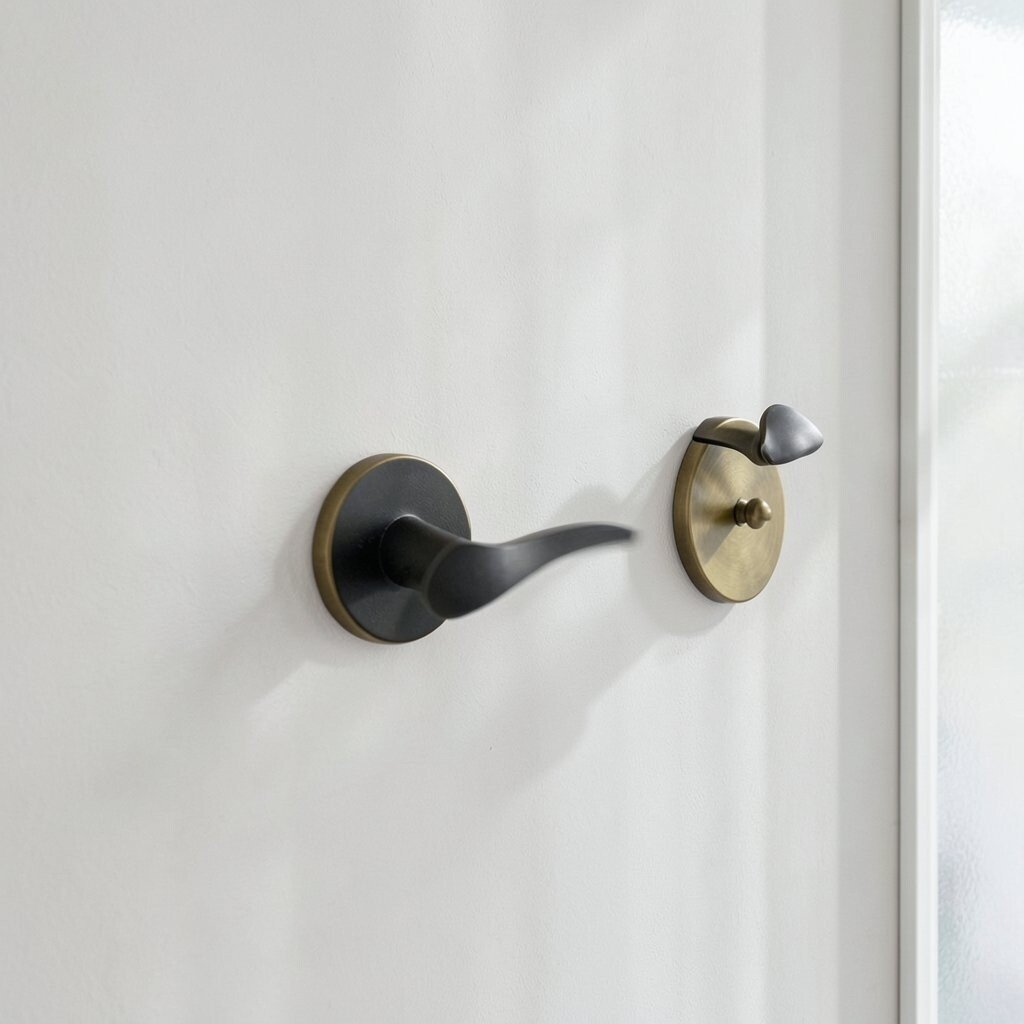
Small upgrades can add big 1920s energy when you lean into brass and black together. Think cabinet pulls, drawer knobs, and even curtain rod ends that look sleek and confident.
This combination gives your home contrast without looking harsh. Choose one finish to lead and one to support, so the look stays cohesive and not cluttered. Measure your existing hardware before buying so updates fit smoothly with minimal effort.
If you’re updating kitchens or bathrooms, consider replacing just a few pieces first, like handles on open shelving cabinets. It’s also a great way to modernize an older space while keeping a vintage spirit.
4. Patterned Wallpaper With Measured Confidence
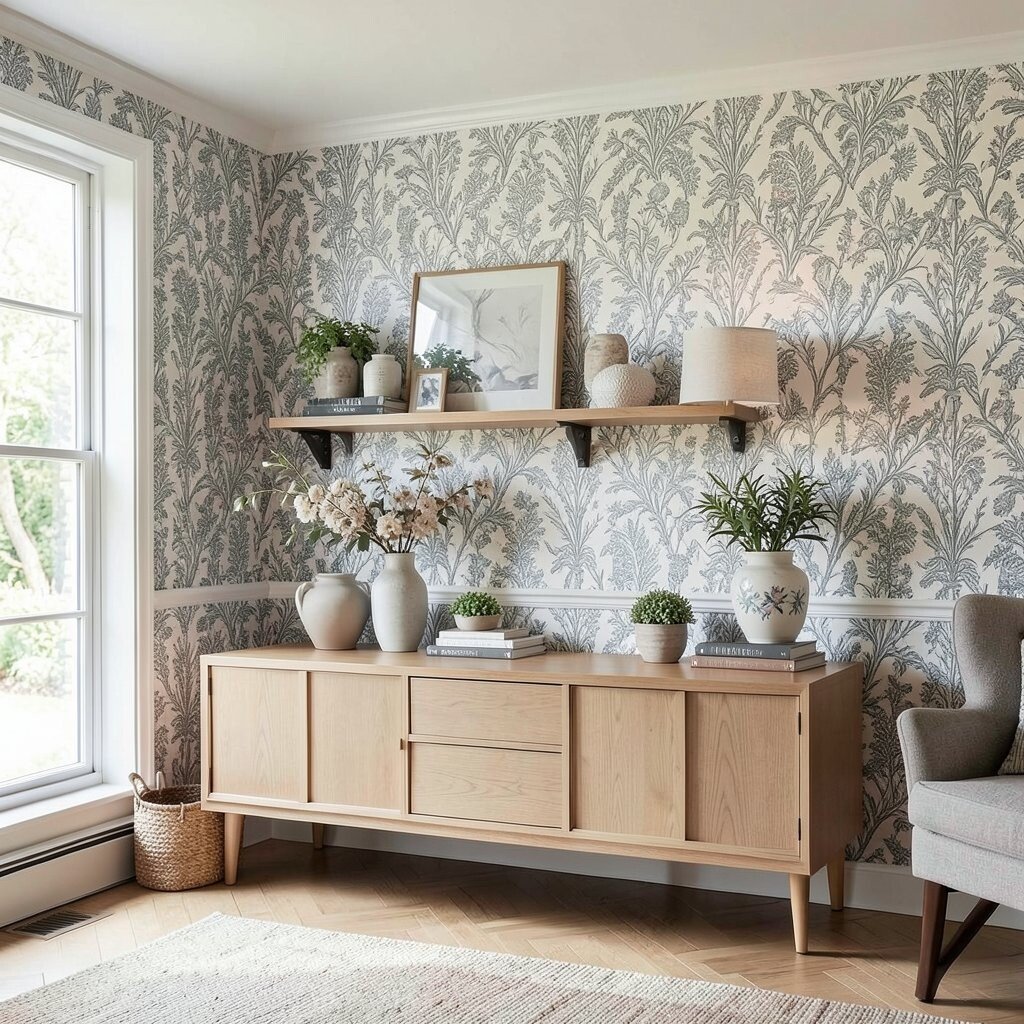
Wallpaper in 1920s style often uses bold shapes, soft florals, or repeating bands that feel rhythmic. You can get that glamour without covering every wall.
Try it behind a bed, inside a dining nook, or on the back of a bookshelf. Use it thoughtfully so the room still feels easy to live in, especially if you have busy furniture. If you use removable wallpaper, check the brand’s repeat and whether it peels cleanly, since that affects how stress-free the project feels.
5. Geometric Rug Designs That Ground the Room
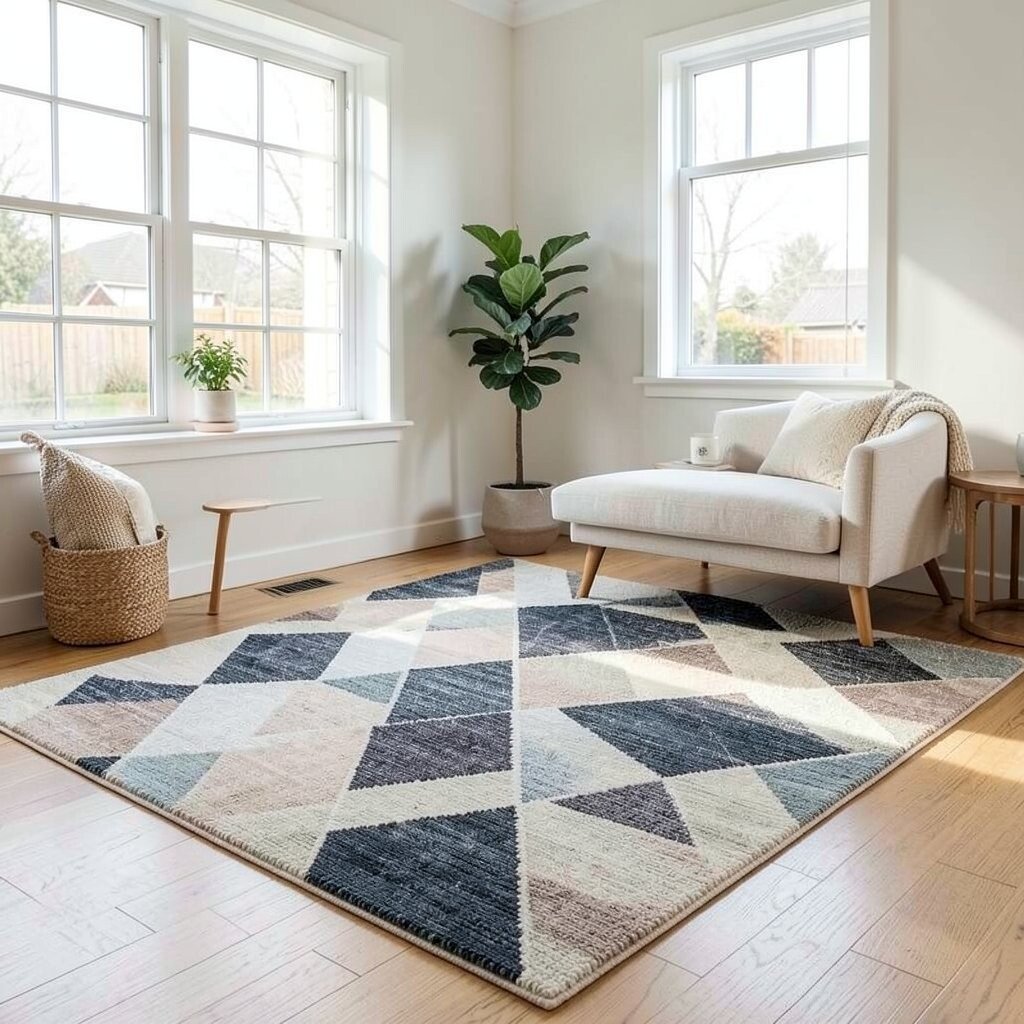
A rug with clean patterns can make everything feel more organized and intentional. Look for repeating lines, sunburst motifs, or fan-shaped details that echo art deco style.
Place it so the front legs of your furniture sit on it, which helps your layout feel anchored and comfortable. If you have a smaller space, a medium-size rug can define a seating area without blocking pathways.
For personalization, pick colors that match your velvet tones or mirror frame metals. If buying a new rug is too much, consider adding a patterned runner in a hallway or covering an older rug with a complementary top layer.
6. Wainscoting With a Modern Edge
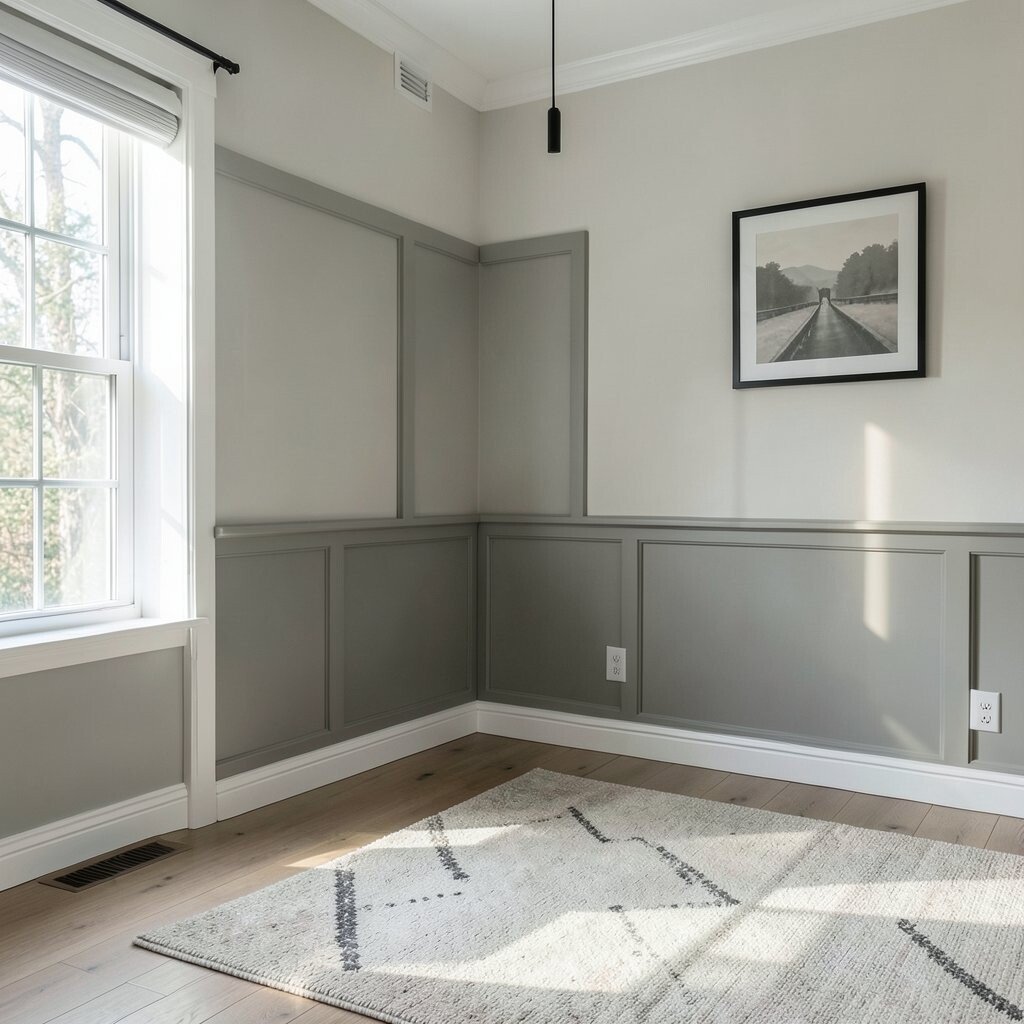
Paneling along the lower half of a wall gives instant structure and vintage charm. In a 1920s-inspired home, it often looks crisp, warm, and quietly elegant.
Install it in a living room, hallway, or dining space where it can catch light and add depth. Keep the height consistent so the lines look clean, and paint it in a soft white or warm cream to avoid feeling dark. If full installation sounds like too much, use board-and-batten style panels designed for easier DIY.
This choice also helps hide scuffs and marks, which is a real benefit in high-traffic areas. It feels unique because it creates a period look while still working with modern furniture.
7. Velvet Curtains and Layered Window Light
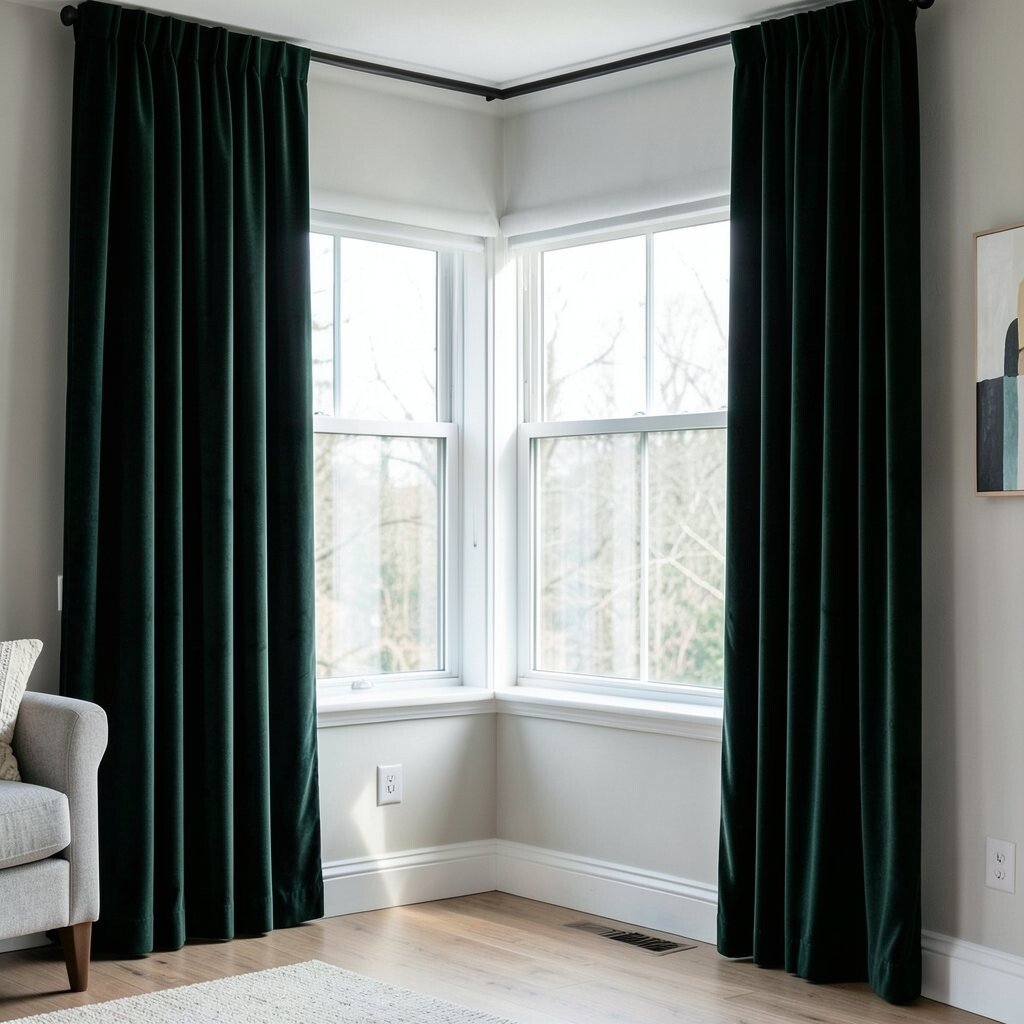
Rich curtains made with velvet or a velvet-like fabric can add warmth and drama. They make windows feel dressed, even when your blinds are simple.
Hang them with longer lengths so the fabric pools slightly at the floor for that old-meets-luxury effect. For practical comfort, use a lining that blocks some light so mornings feel calmer. If you live in a bright climate, choose a heavier fabric to help reduce glare.
8. Tall Plant Stands and Elegant Green Corners
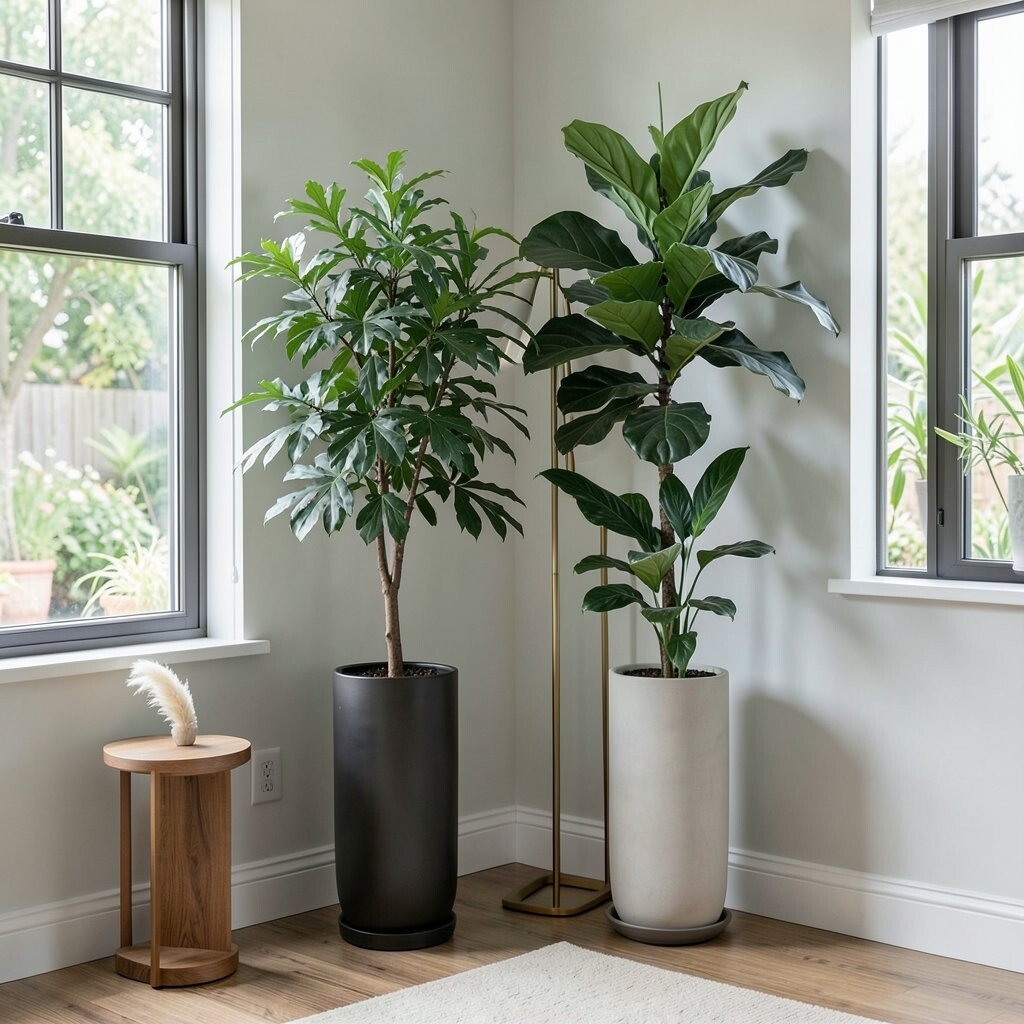
1920s interiors often feel styled with objects that look curated but still feel lived-in. A tall plant stand can turn everyday greenery into an eye-catching feature.
Place a plant near a mirror or lamp so it gains extra sparkle from reflected light. Choose pots in brass, ceramic, or dark tones to match your palette and keep the look grounded. This is a great personalization idea because you can rotate plants by season without changing the whole room.
If you’re watching costs, start with one strong plant and one stand, then add a smaller trailing plant later. The result feels unique because the corner becomes a mini “moment” without needing expensive artwork.
9. Fluted Glass and Decorative Bottles
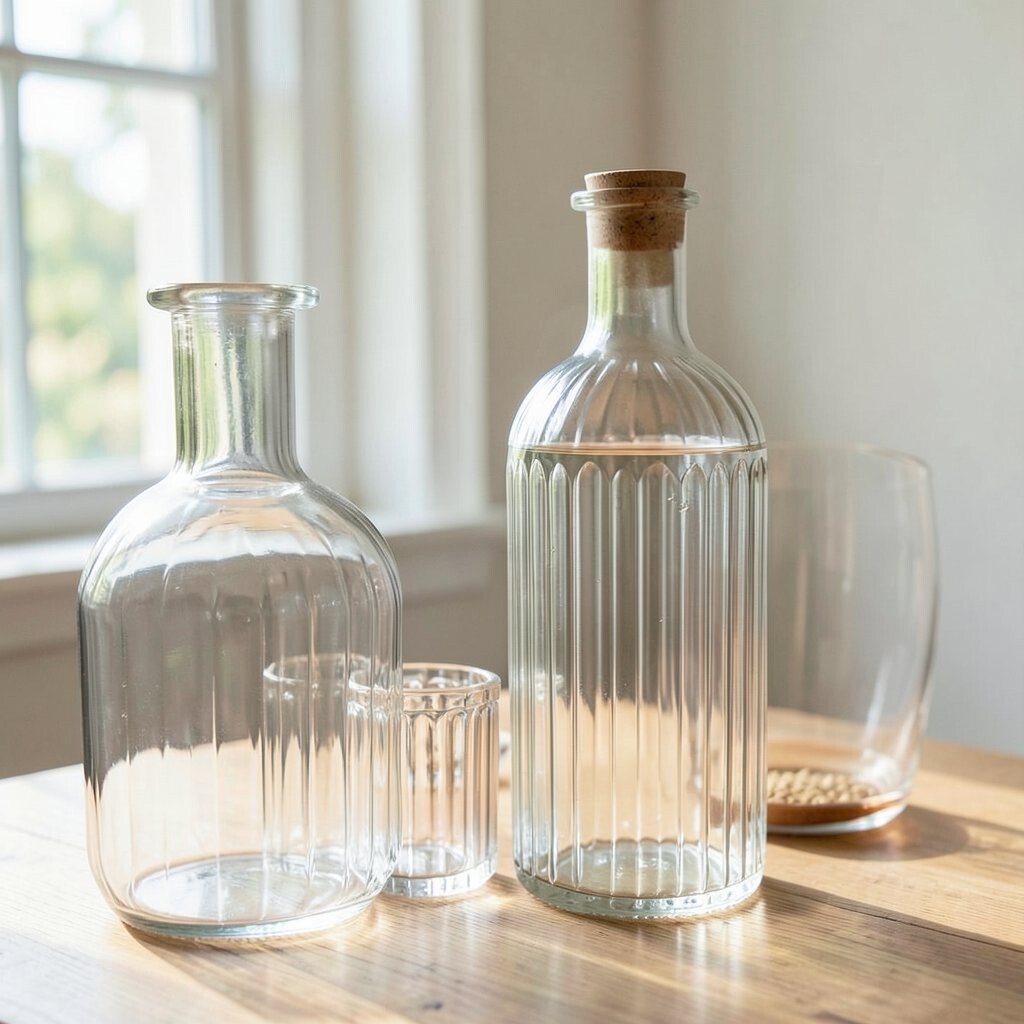
Use fluted glass vases or decorative bottles to bring that vintage shine into daily life. Even a small set on a console can look like it belongs in a stylish magazine.
Group items in odd numbers for a balanced look, and vary heights so the arrangement feels lively. Fill glass pieces with fresh stems, dried grass, or even plain water for simple upkeep. Keep your color theme consistent by using clear glass with brass accents or dark glass with warm metals.
10. Fireplace Styling With Symmetry
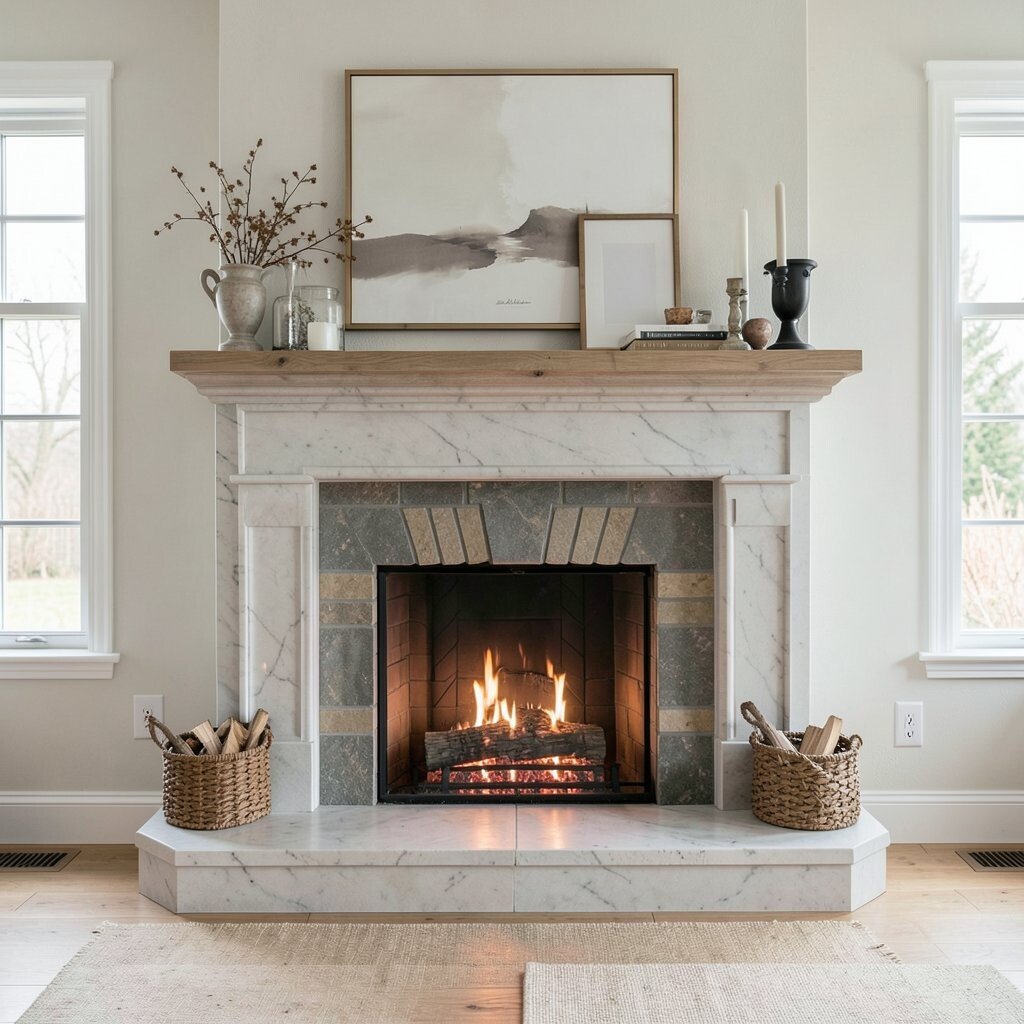
If you have a fireplace, styling it in a symmetrical way makes it feel instantly grand. In a 1920s look, mantels often include matching objects and clean lines.
Try placing a pair of candlesticks or lanterns on either side, then add one larger statement piece in the center. Keep the colors tied to your room so the display feels calm, not busy. For practical use, choose candle holders that can be used year-round or swap to LED candles when you want low maintenance.
This kind of styling is unique because it creates a focal point that still feels inviting, not formal. It also helps your room look finished without adding more furniture.
11. Bedroom Headboards With Statement Lines
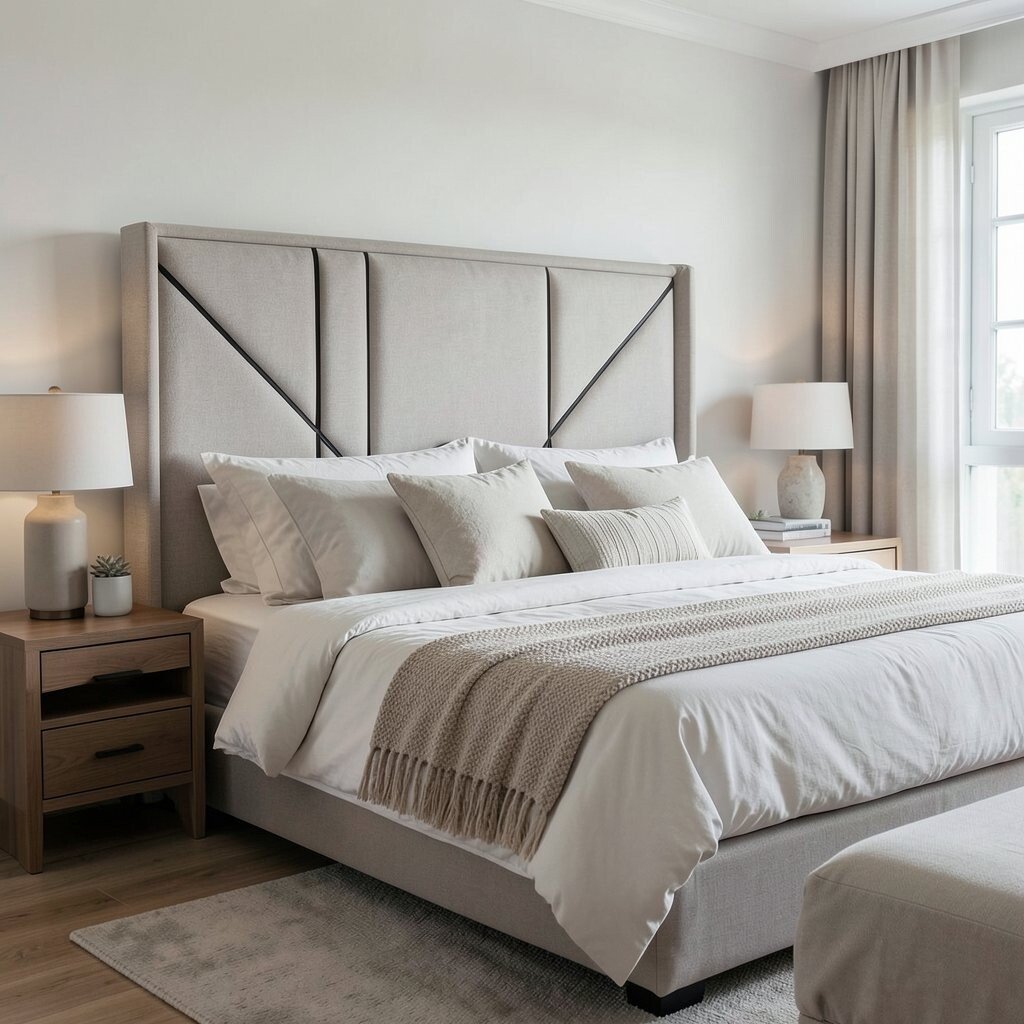
A headboard with strong shape can set the tone for the entire room. Look for designs with arched edges, paneling, or subtle geometric stitching that feels vintage-inspired.
Select neutral upholstery if you want flexibility, then add a bold pillow or throw to personalize the look. Keeping the bed as the anchor helps the room feel cohesive, even if you switch decor over time. For cost considerations, reupholstering an older headboard can be cheaper than buying brand-new, and you can match your velvet or patterned palette.
If you don’t want to replace the bed frame, try adding a board-style headboard behind it with removable brackets. That keeps the project manageable and still gives you the 1920s drama.
12. Step-Back Shelving and Open Storage Displays
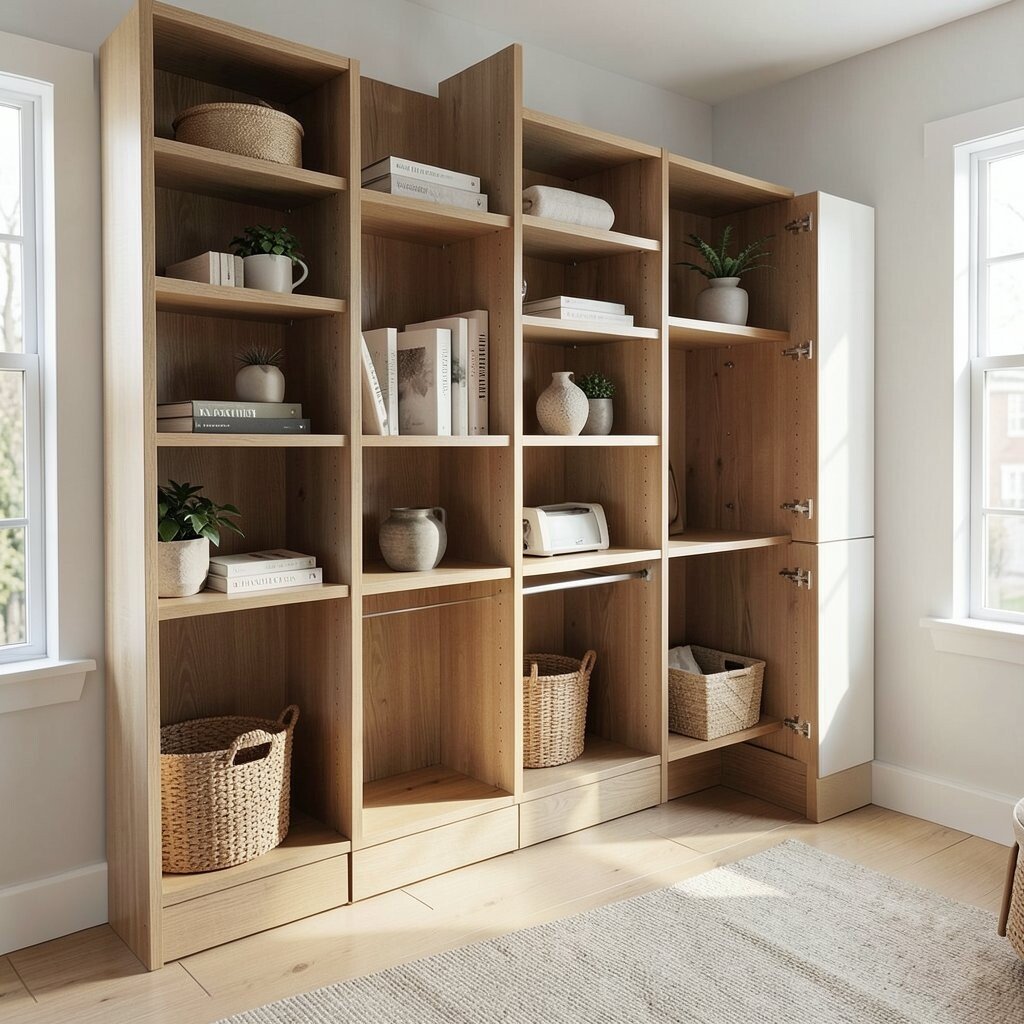
Open shelving in a 1920s style often looks like a display case rather than messy storage. Step-back shelves create depth and make small decor pieces look intentional.
Use them for framed photos, stacked books, and decorative jars with matching lids. Keep items grouped in sets so the shelves don’t look random, and leave small empty spaces for breathing room. This is a personalization idea that works well because you can curate the shelf as your tastes change.
13. Marble-Look Surfaces and Easy Counter Upgrades
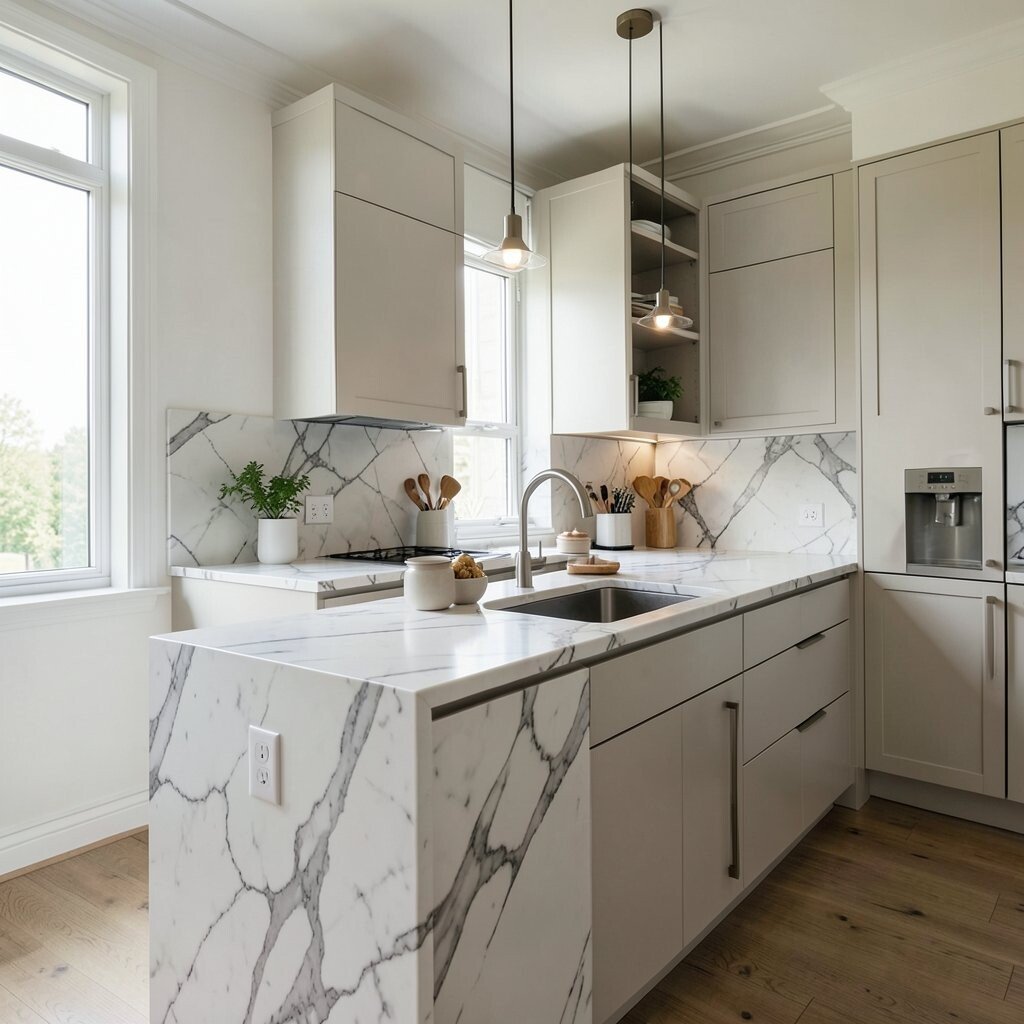
1920s homes loved polished, bright surfaces that felt clean and refined. You don’t need real marble to get the look.
Consider marble-look contact paper for a small dresser top, bathroom vanity, or bar cart. It’s a practical choice because you can try it first in a small area and see if you like the effect. Choose a pattern with fewer busy veins if your room already has lots of texture.
If you’re updating kitchen counters, compare budget options like laminate with a marble pattern and proper seal edges for easy cleaning. This keeps costs under control while still delivering a luxe visual payoff.
14. Antique-Style Lighting With Warm Bulbs
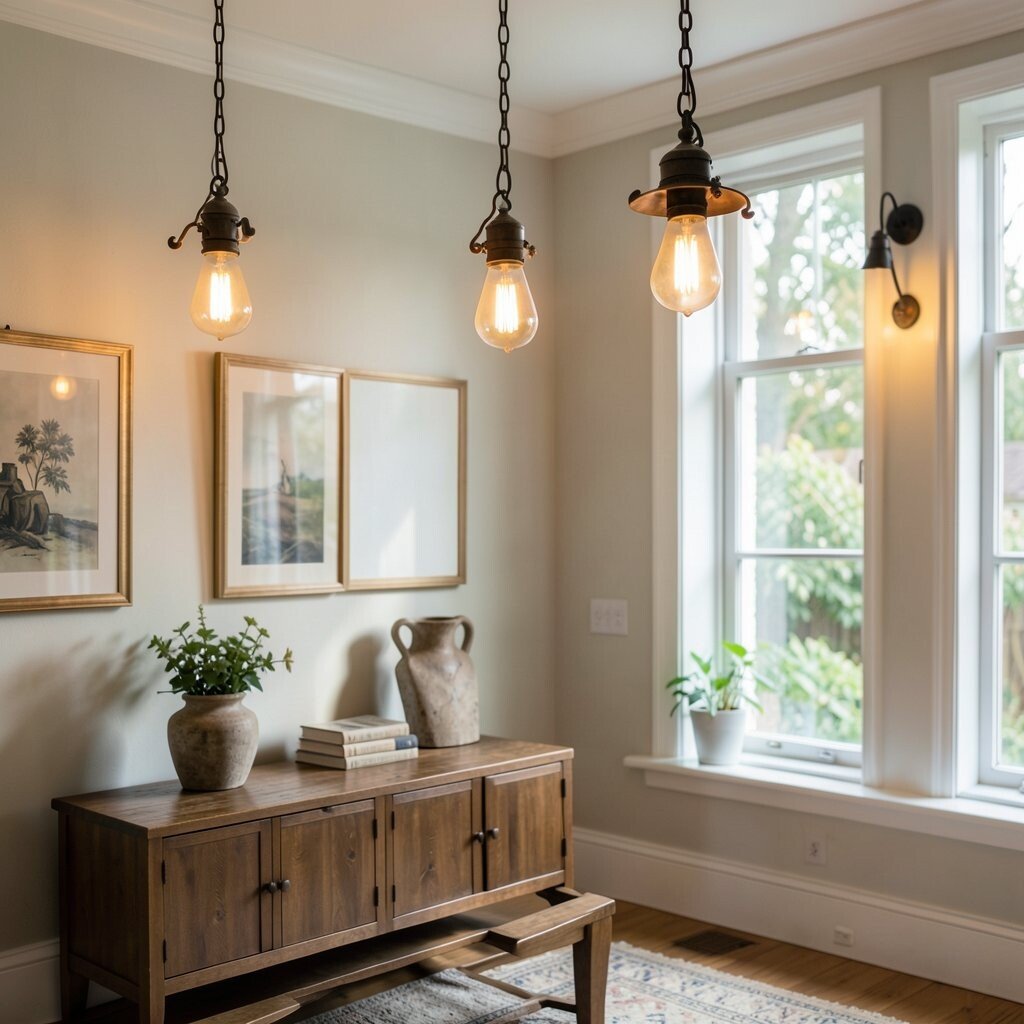
The right lamp can make any room feel like it belongs to a different era. Go for lamps with ornate bases, stained glass shades, or fabric shades that glow warmly.
Use warm white bulbs to keep the color of your walls and textiles looking rich. Place one main light near a seating area and one smaller lamp near a reading spot so the room feels layered. If you like a DIY route, you can rewire vintage-style lamps or update shades for a lighter, fresher feel.
15. Mirrored Side Tables and Reflective Surfaces
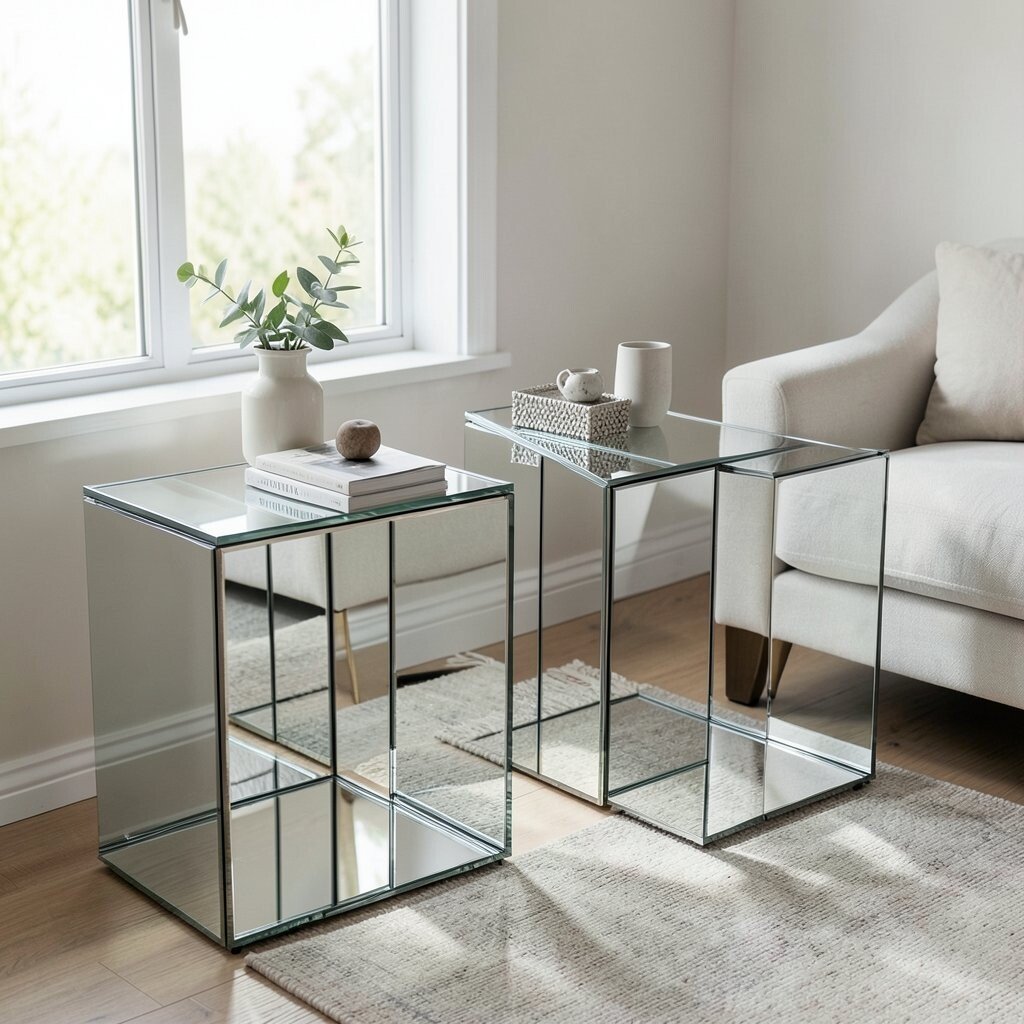
Mirrored furniture can bring that art deco sparkle without needing constant styling. A mirrored side table bounces light and makes small rooms feel more open.
Pair it with darker wood or a velvet chair so the shine feels balanced rather than cold. To personalize the look, add a tray with a patterned runner or a small collection of objects you truly love. If budget matters, thrift a table and refinish it, or choose a mirrored top insert for an existing piece.
This idea is unique because it adds glamour in everyday moments, like when you set down your keys or a book. The reflective surface also helps your room look brighter in the evening.
16. Vintage-Inspired Color Blocking in Small Areas
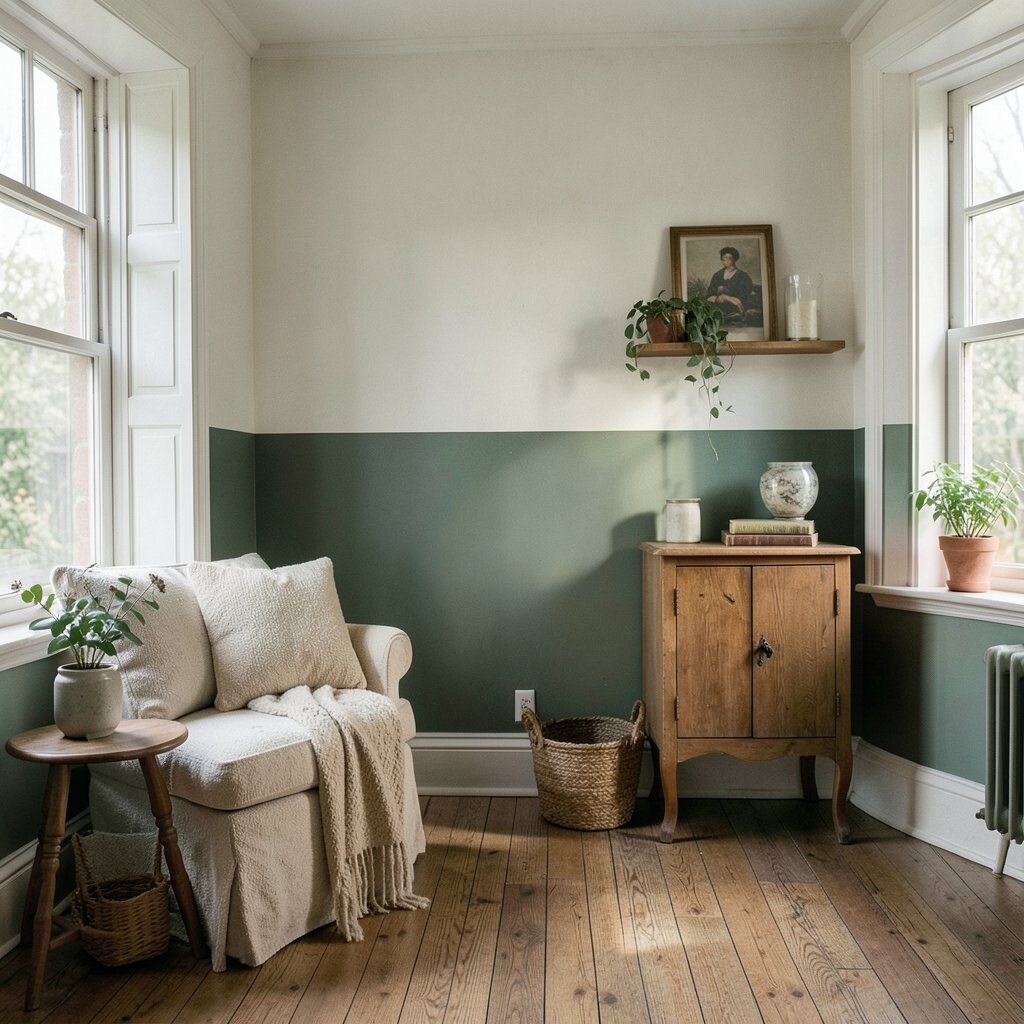
Color blocking can give you a 1920s “designed” feel even if you’re not changing everything. Try it in a small space like an entry bench, a closet interior, or a corner wall.
Use two or three complementary tones and keep the edges crisp with painter’s tape. For practical tips, choose paint finishes that match the use area, like a more durable finish for hallways. Personalize the look with a subtle pattern panel, such as a narrow stripe or a small geometric section, so it feels like your own style.
Cost-wise, small areas are easier on the wallet and easier to redo later if your taste shifts. Even with minimal effort, the result feels distinctive because the color becomes part of the room’s personality.