The moment you see Craftsman details side by side, you can feel the room breathe. These before-and-after ideas show how small choices build big comfort.
They focus on warm woods, smart proportions, and practical upgrades that still look timeless. Grab a few that fit your home and your budget, then make them your own.
1. Entryway Wainscoting With a Softer Welcome
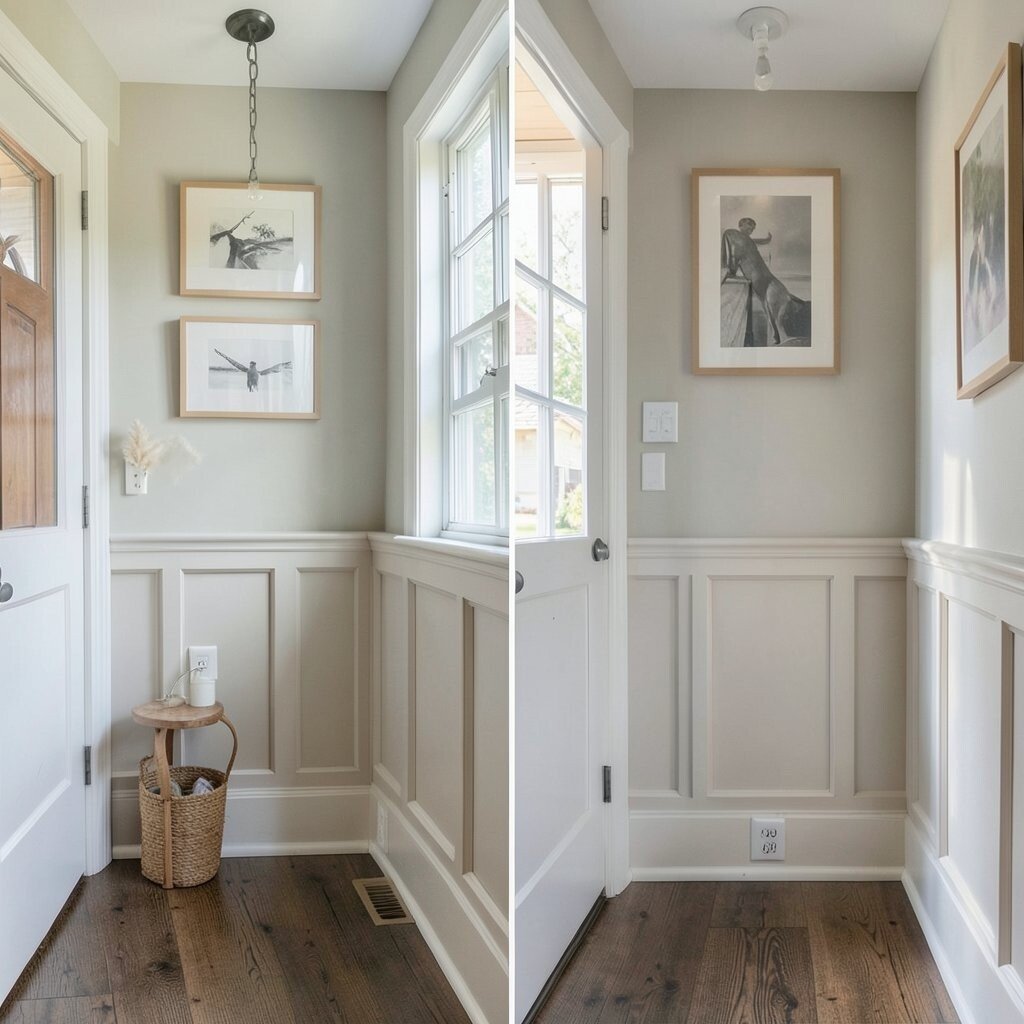
On the “before” side, the entry felt flat and echoey, with paint that didn’t help the space. After adding Craftsman-style wainscoting, the hallway gained a steady rhythm and a cozy, grounded look.
The lower panels hide scuffs and give walls a finish that looks intentional. Pick a stain that matches your floors or go with a warm medium oak for an easy blend. For a practical touch, install a bench rail or small wall cubby below eye level so daily items stay tidy.
2. Fireplace Mantel Refresh With New Molding Lines
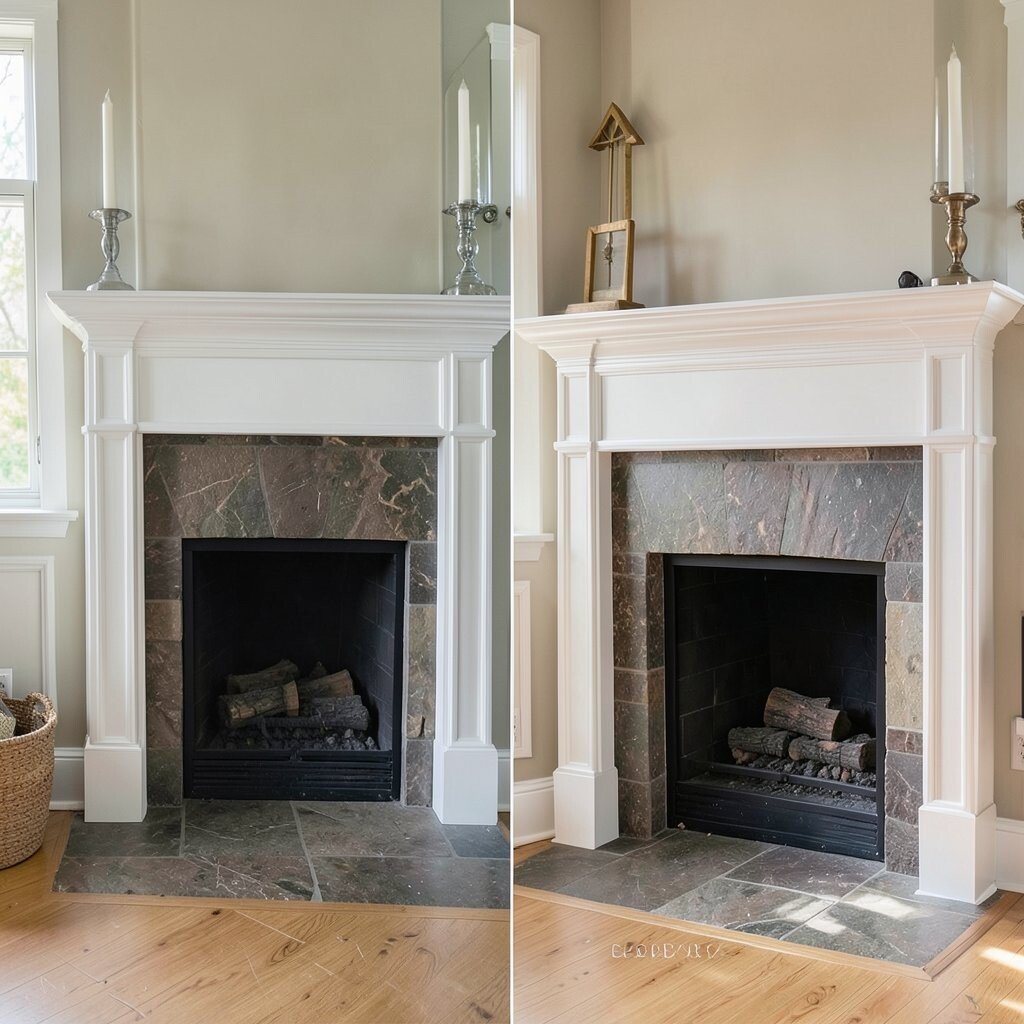
The original fireplace looked sturdy but plain, like it was waiting for decoration to do its job. Upgrading the mantel with Craftsman molding changed the whole focal point in one go.
After the makeover, the mantel frames the room with clean edges and a little extra height. Use matching trim on the hearth for balance, and keep the finish in a similar family to your window trim.
If you want the look without major demolition, refinish the existing mantel and add layered trim pieces. Current home styling favors warm, slightly weathered wood tones, so a light stain with a satin topcoat can feel fresh. Plan for moderate costs if you buy pre-primed trim and stain it yourself, and budget more if you need custom lengths for an older surround.
3. Built-In Bookshelves With Display-Friendly Lighting
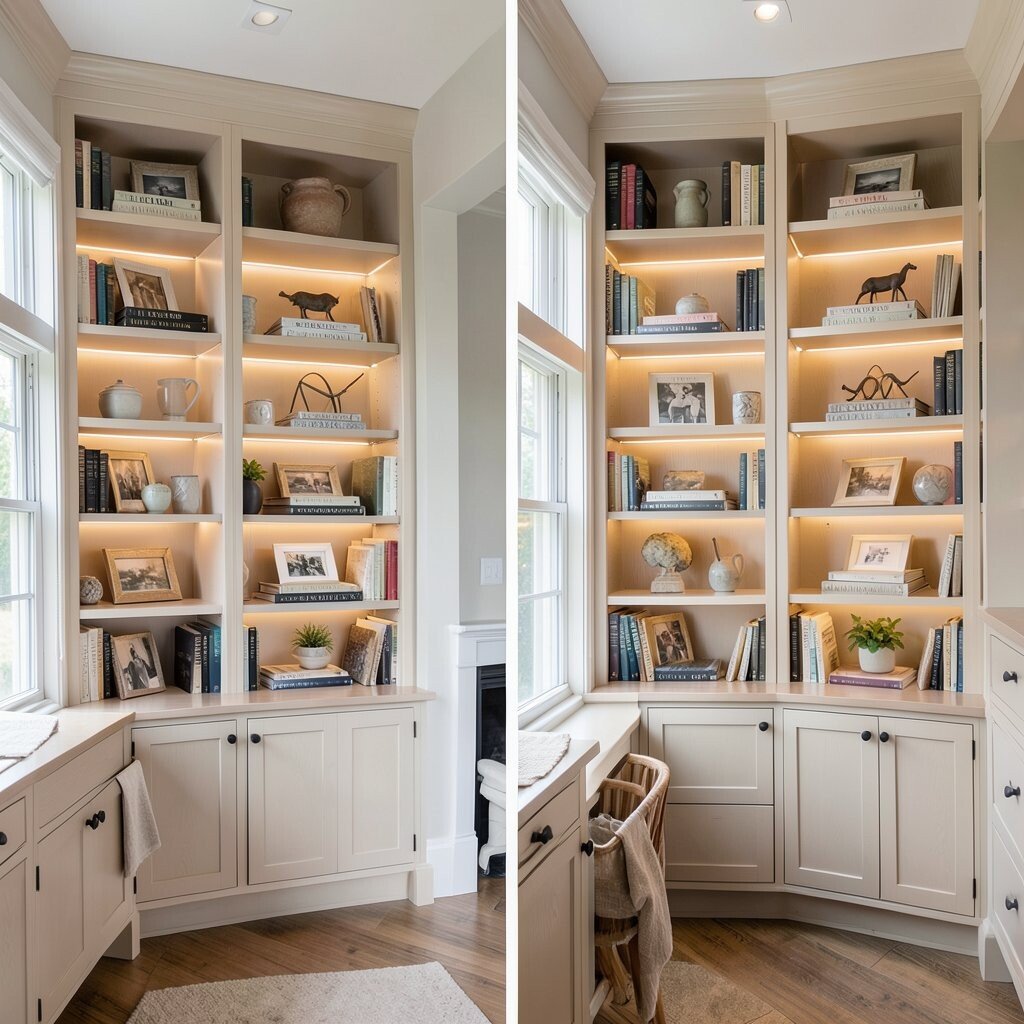
Before, the living room had tall walls that felt underused and a cluttered bookshelf that didn’t match the architecture. After installing built-in Craftsman shelves, the room looked calmer and more “designed.”
Wood dividers and back panels make the shelves feel built-in, not added. Add a simple plug-in LED strip under the top shelf or inside the case to highlight books and small decor without harsh glare.
To personalize, vary the shelf heights for favorite items like cookbooks, framed photos, or heirloom mugs. Many homeowners today like mixing book spines with small art pieces and natural textures like woven baskets. Keep in mind that true built-ins cost more, but you can get close with a pre-made cabinet system plus custom trim to match your baseboards.
4. Window Trim Makeover for a Real Craftsman Frame
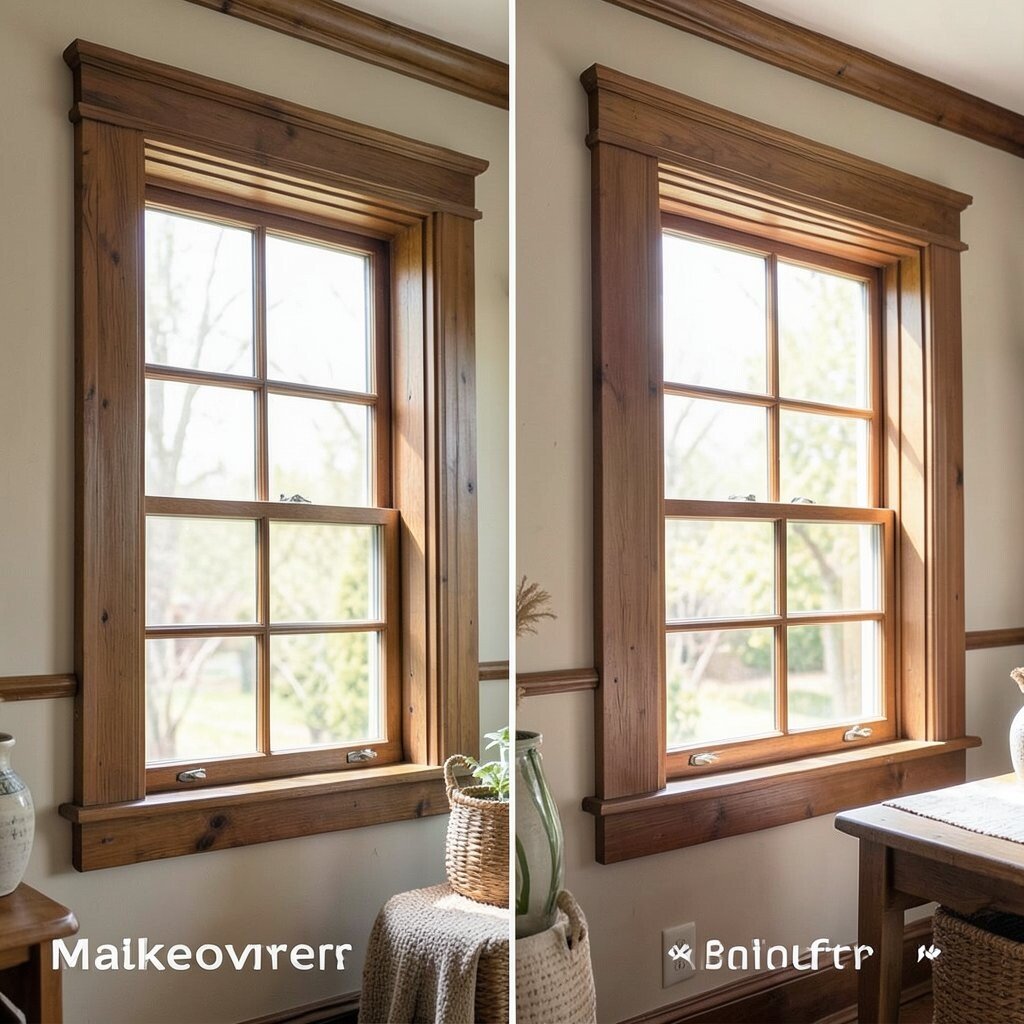
In the “before” room, windows looked like cutouts because the trim was thin and uneven. After, thicker Craftsman trim gave each window a confident frame and made the walls feel more finished.
Choose a profile with a simple crown or stepped reveal so the light shifts beautifully during the day. Matching trim around doors is an easy way to tie the whole space together without changing anything else.
5. Dining Room Ceiling Medallion and Beam Accent
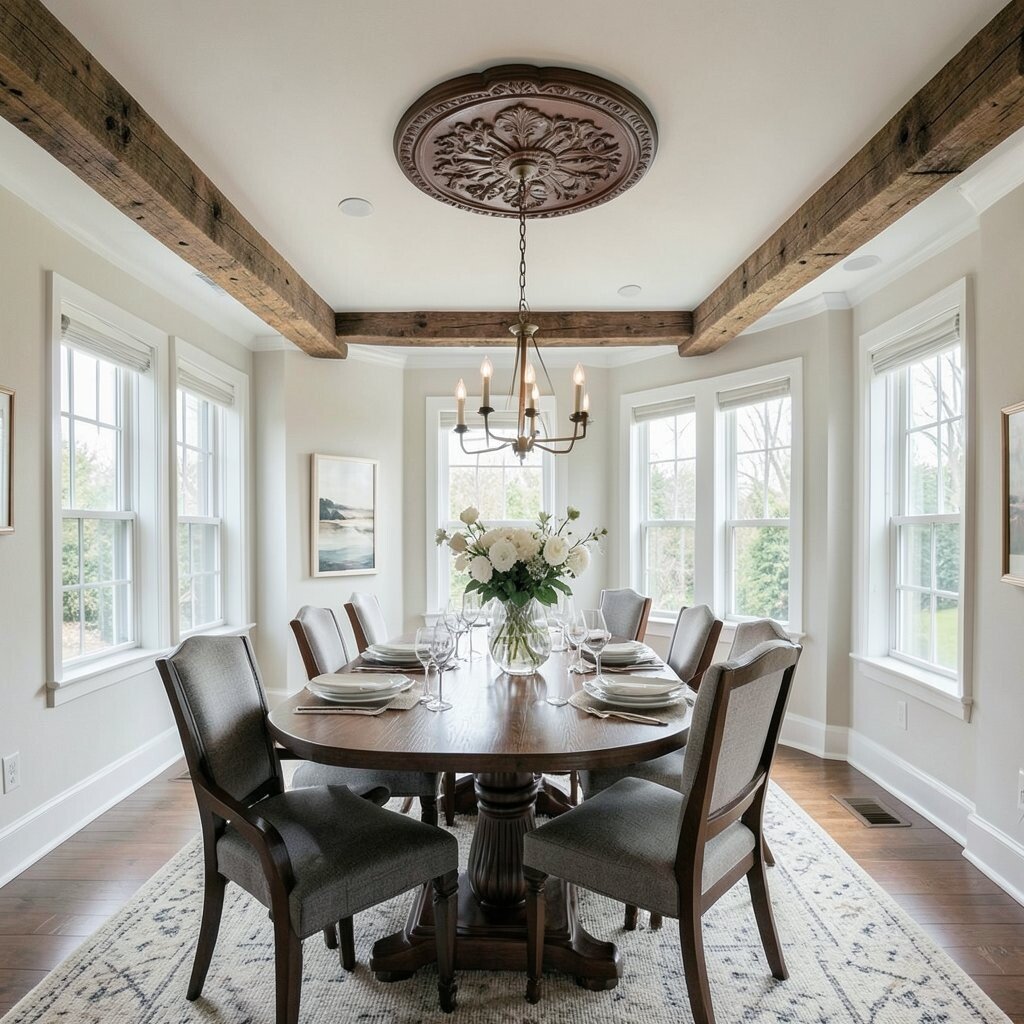
Before, the dining room ceiling felt mostly blank, so the room lacked a clear visual anchor. After adding a centered ceiling medallion and subtle beam-style trim, the ceiling began to carry the style.
The room now feels warmer and more intentional, especially when you dim the lights for dinner. Keep the shapes moderate so they complement your ceiling height rather than crowd it.
Personalize by choosing a medallion that matches your existing metal finishes, like brushed nickel or oil-rubbed bronze. A common trend is pairing classic detailing with simple furniture lines, so let the ceiling do the talking and keep tables and chairs clean. Costs vary depending on whether you use lightweight trim kits, but DIY-friendly kits can save money while still looking high-end.
6. Staircase Balusters Replaced With a Craftsman Pattern
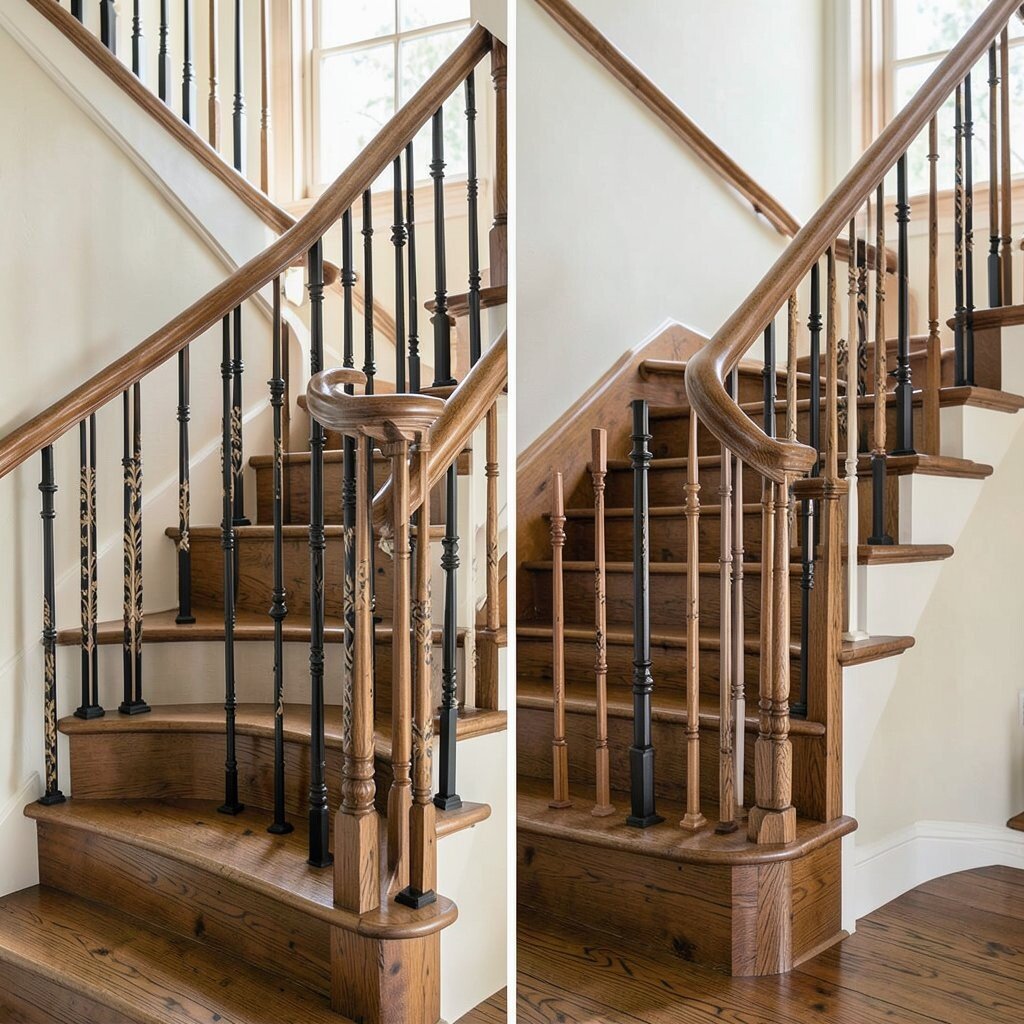
Before, the staircase had bulky rails and balusters that didn’t match the style of the rest of the home. After swapping in Craftsman-inspired balusters, the entry and second floor look more cohesive.
The updated lines create a smoother visual flow from floor to floor. If you want it to feel extra personal, coordinate the baluster finish with your door hardware and cabinet pulls.
7. Kitchen Cabinet Doors With Simple Raised Panels
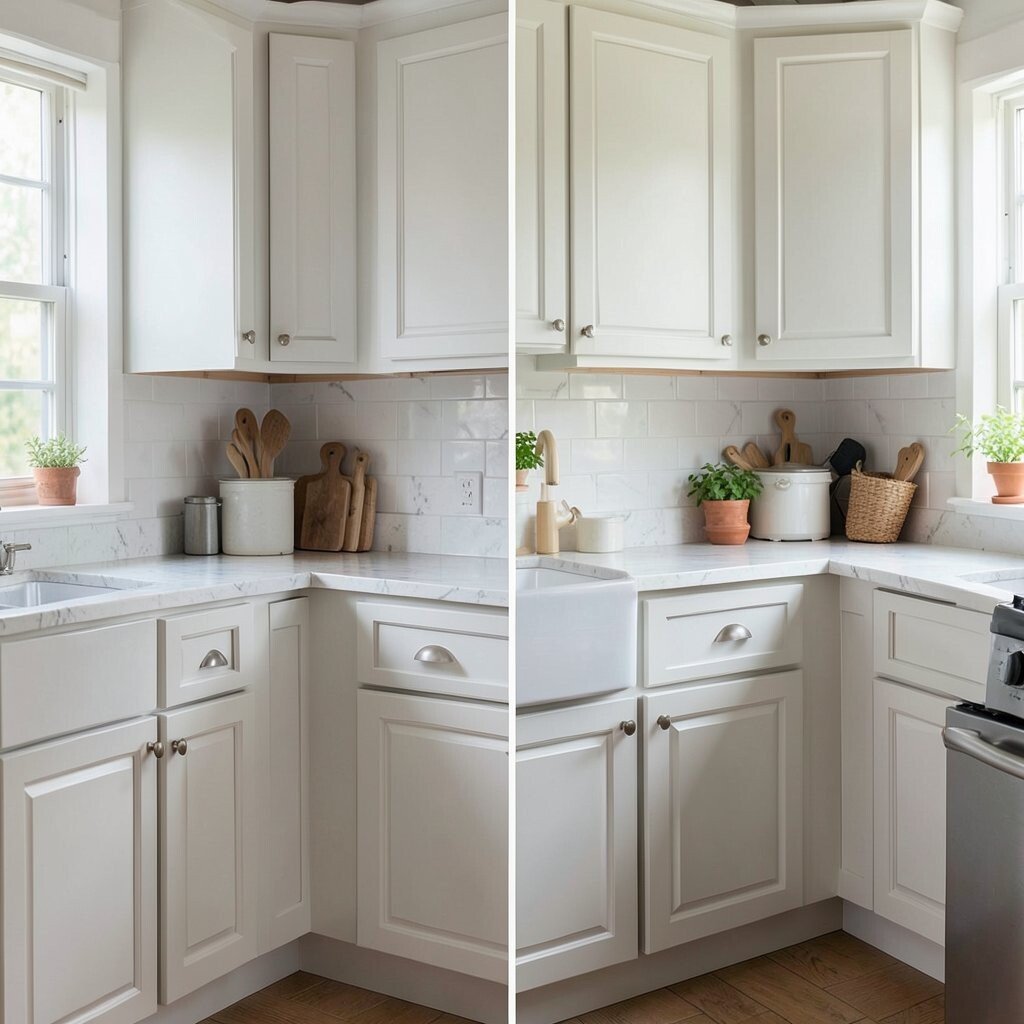
In the “before” kitchen, the cabinets looked flat and dated, which made the whole room feel less inviting. After replacing doors with raised-panel Craftsman styles, the kitchen gained texture and warmth.
Raised panels catch light differently, so even a plain backsplash feels more interesting. For a practical upgrade, update the hardware to slightly heavier knobs or bar pulls that feel solid in your hand.
To personalize, choose a stain that either blends with your floors or creates a gentle contrast with your countertops. Many current kitchens lean toward natural woods and matte finishes, so a satin clear coat looks modern without losing the old-school vibe. Budget depends on whether you keep the boxes and replace only doors, which is often a smarter plan than full cabinet replacements.
8. Backsplash With Craftsman Tile Layouts
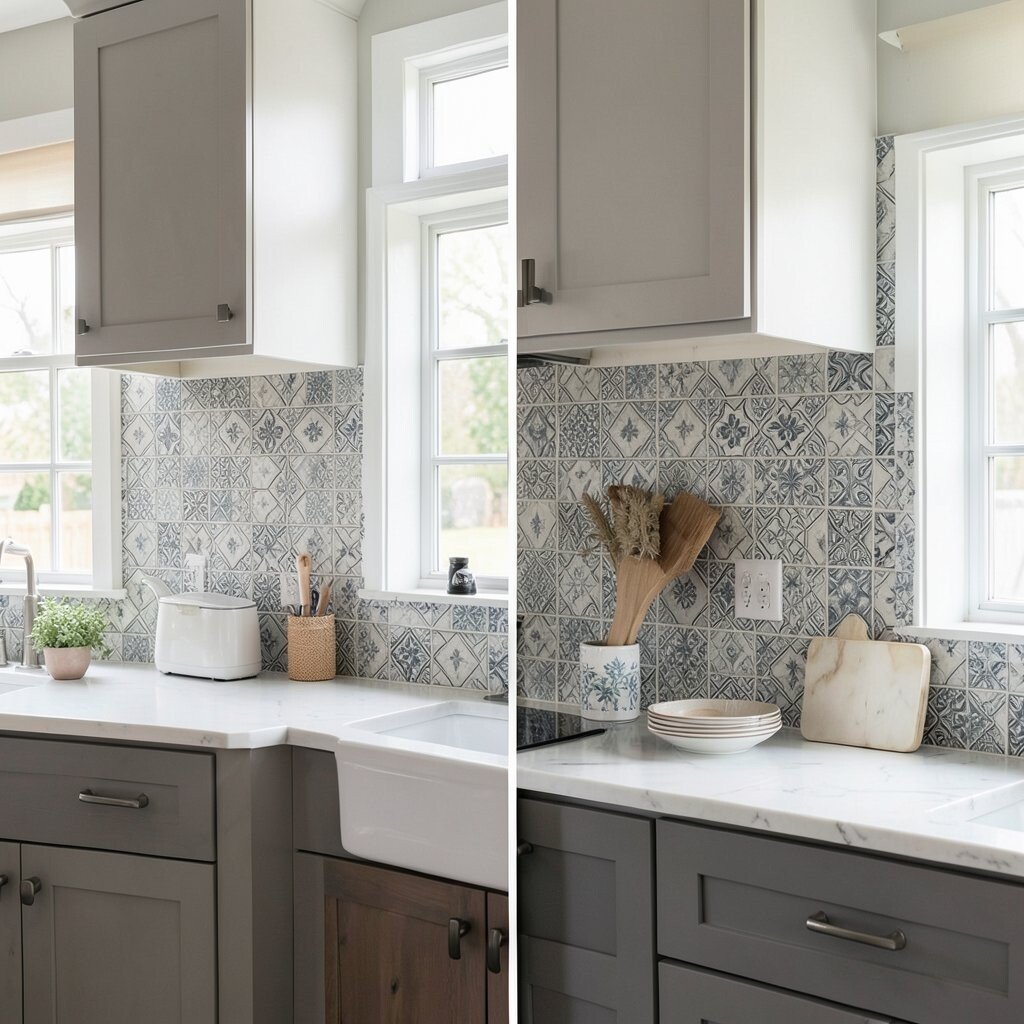
Before, the backsplash was either too busy or too plain, and it didn’t connect to the room’s wood tones. After selecting a Craftsman-friendly tile layout, the kitchen started to feel balanced and cohesive.
Go for warm stone colors, simple geometric patterns, or a classic subway layout with thicker grout lines for character. Keep the grout color on the warmer side so it complements oak and walnut tones instead of fighting them.
9. Bathroom Vanity Refresh With Shiplap-Style Wall Texture
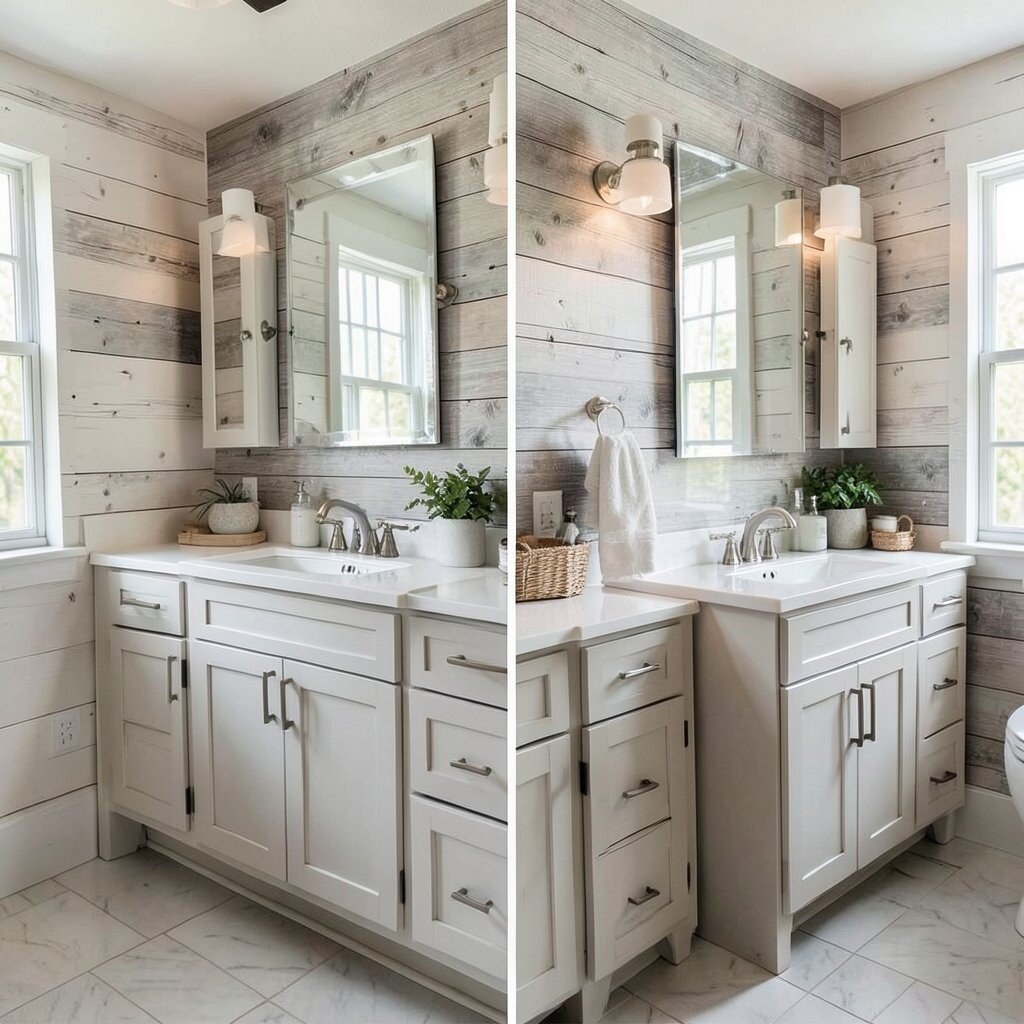
Before, the bathroom looked neat but sterile, with smooth walls that felt cold. After adding a shiplap-style wood texture behind the vanity, the space felt softer and more welcoming.
The wood adds depth without taking over, and it looks great with Craftsman lighting. Choose moisture-friendly materials and seal them well so the texture stays beautiful even in steam and humidity.
For personalization, paint the board texture a warm off-white or keep it stained to match trim in the home. Current trends favor natural textures and warm neutrals, so this upgrade fits right in. Costs can stay reasonable if you use thinner boards and do the prep yourself, and you’ll save by focusing on the vanity wall rather than every surface.
10. Bedroom Built-In Window Seat for Cozy Storage
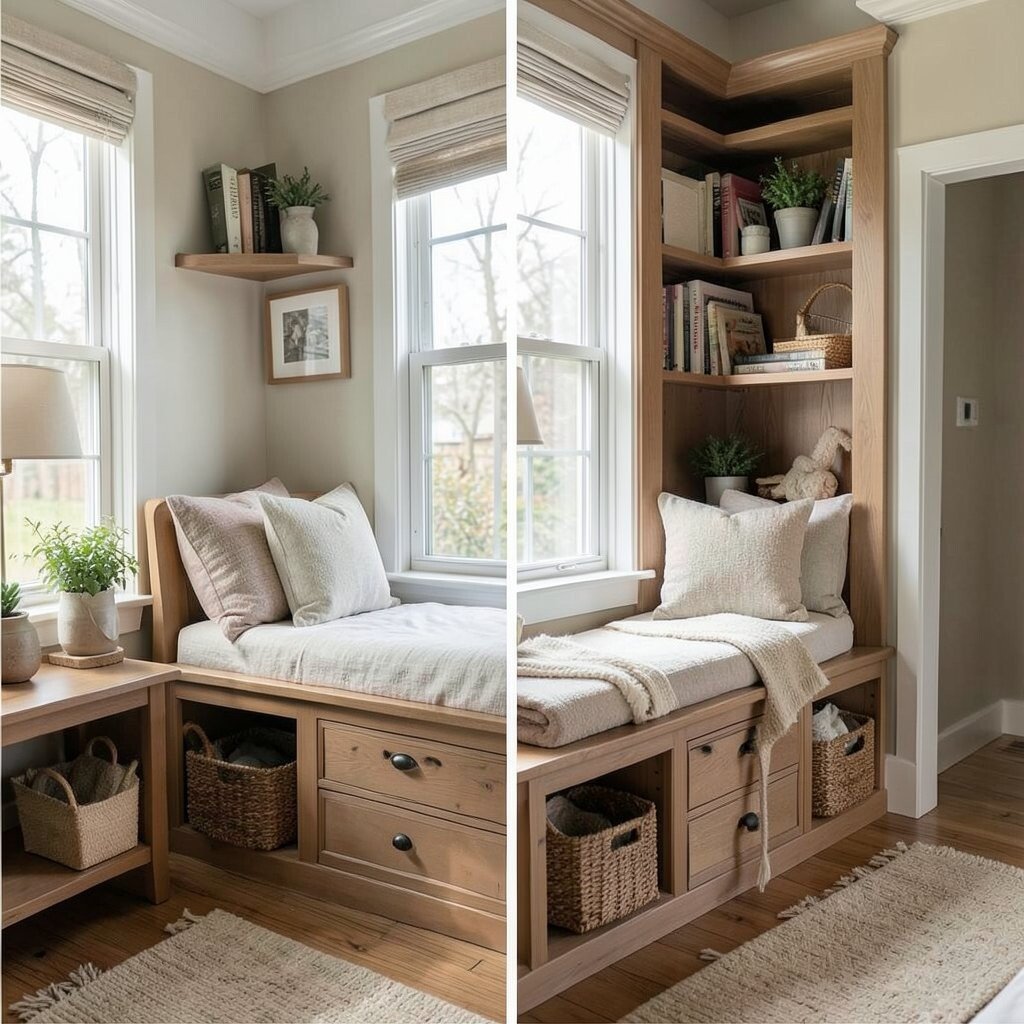
Before, the bedroom had a window area that felt wasted, with little storage and no seating. After creating a Craftsman window seat, the corner turned into a reading nook that feels custom.
The built-in bench also adds hidden storage, which helps keep bedtime clutter from taking over. Add a cushion in a durable fabric and tie it to bedding colors for a personal, lived-in feel.
11. Closet Organization With Craftsman-Style Doors
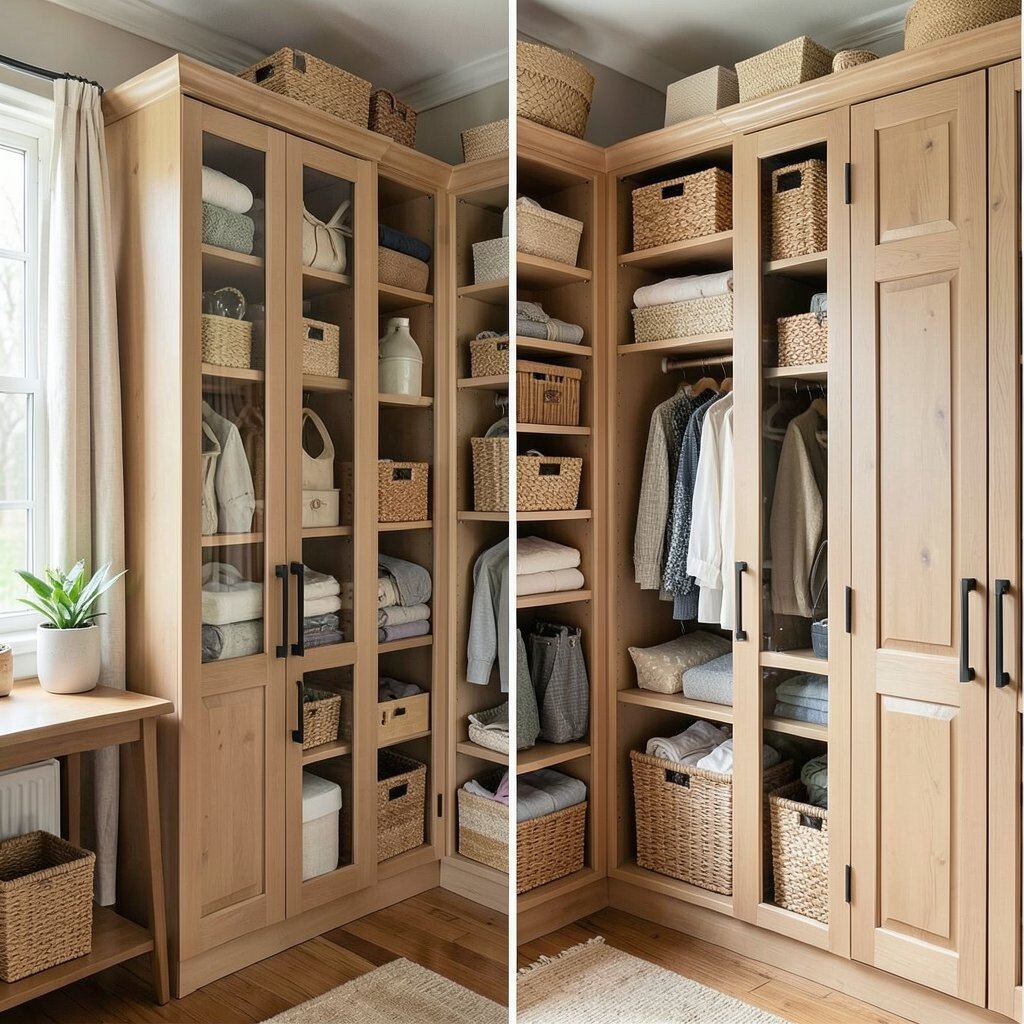
Before, the closet was functional but messy, and the door looked plain compared to the rest of the room. After installing Craftsman-style doors and adding shelving, your closet becomes part of the decor, not an afterthought.
When you align shelf levels and use matching trim, the storage looks neat and intentional. For practicality, include a section for shoes near the bottom and a hanging zone for everyday clothing at a comfortable height.
Personalize with labeled bins, fabric dividers, or a small bench for putting on shoes. A lot of modern organizing plans focus on keeping everything visible and easy to grab, and this makeover supports that style. Costs can be manageable if you keep the closet footprint and only change the door style plus interior shelves.
12. Living Room Paneling on an Accent Wall for Depth
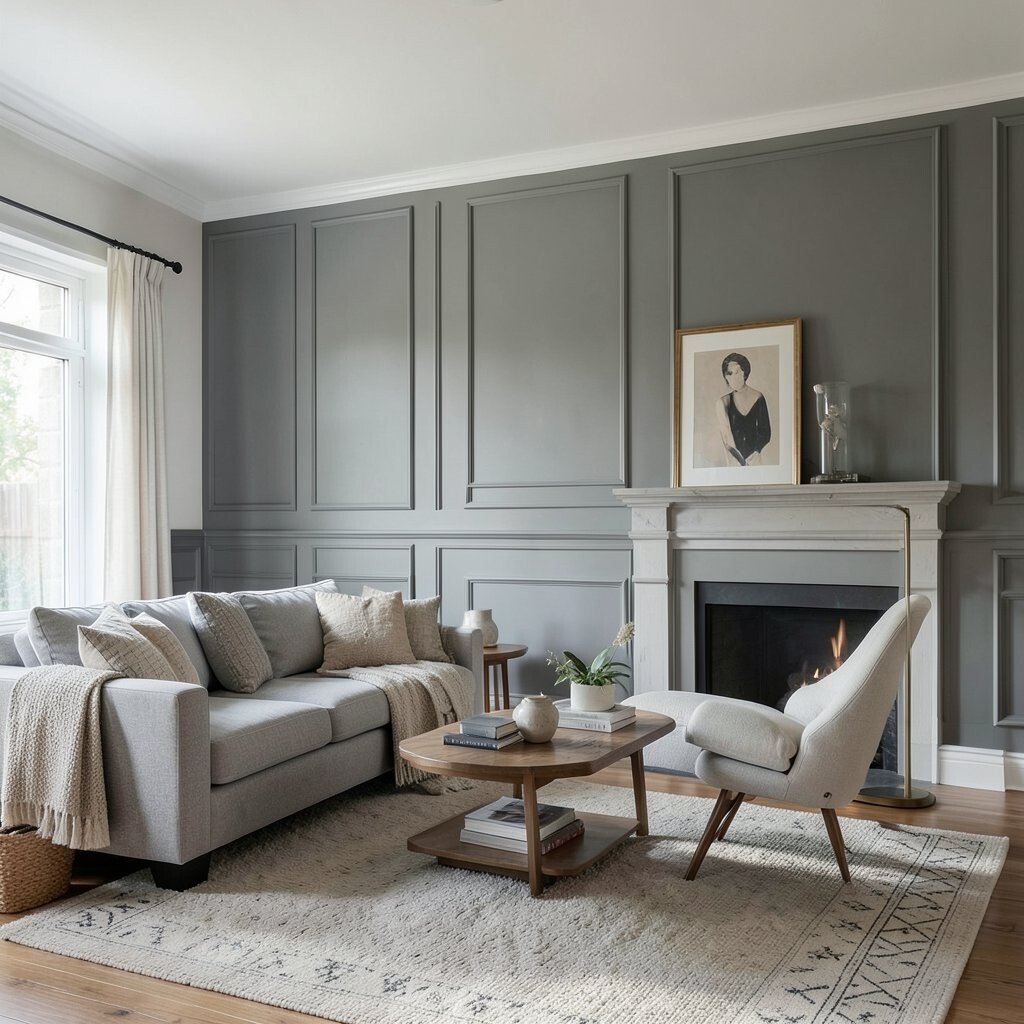
Before, the living room relied on furniture alone for style, so the walls felt flat. After adding a single Craftsman paneling accent wall, the room gained depth and a clear place for artwork.
Use panel spacing that matches the width of your wall so it looks balanced and not cramped. Paint the panels in a warm neutral or leave wood tones if you want a richer, more classic feel.
13. Hanging Light Fixtures With Arts-and-Crafts Character
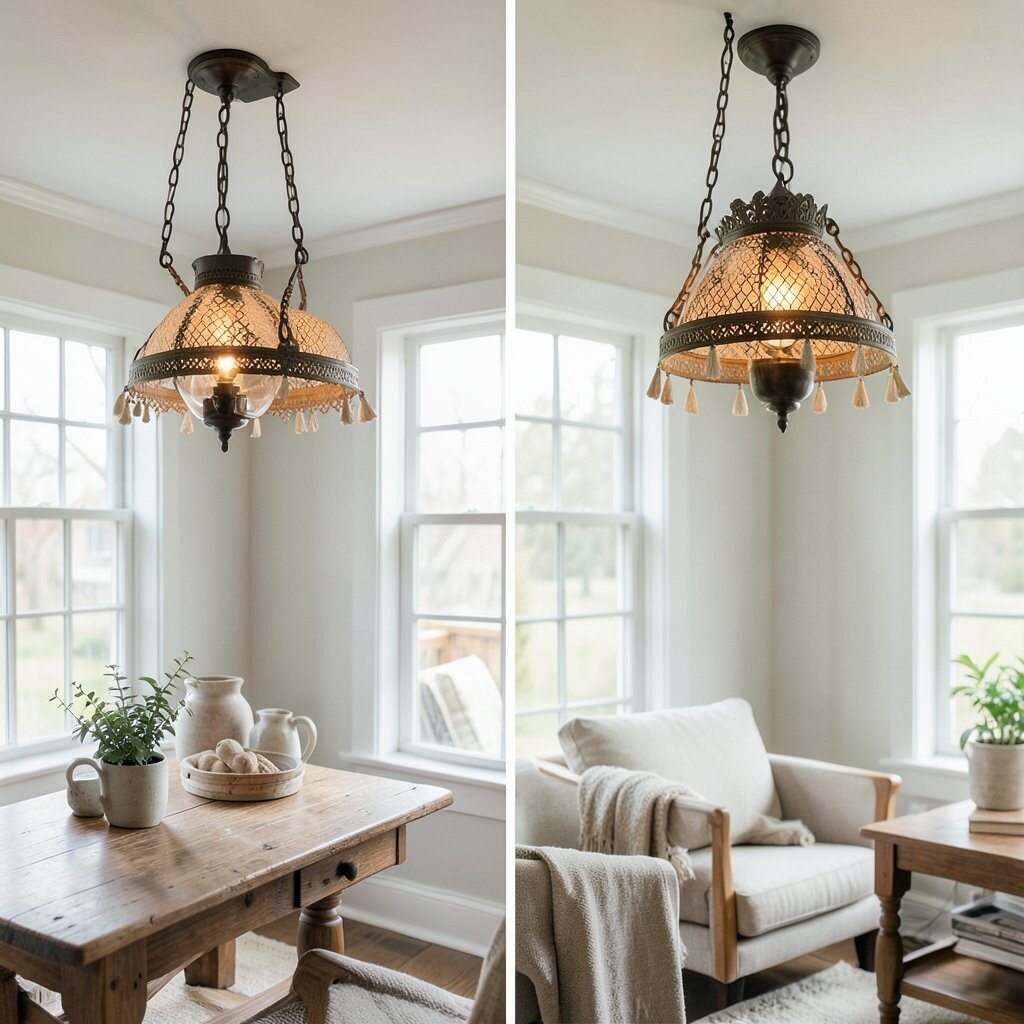
Before, lighting was either too bright or too basic, and the room didn’t feel layered. After swapping in Craftsman-inspired fixtures, the glow softened and the space looked more dressed up.
Look for warm shades, simple metalwork, and curved glass that feels timeless. This kind of lighting also helps you highlight textures like paneling and wood trim, making the whole room look more inviting.
14. Basement or Den Flooring Upgrade With Warm Wood-Look
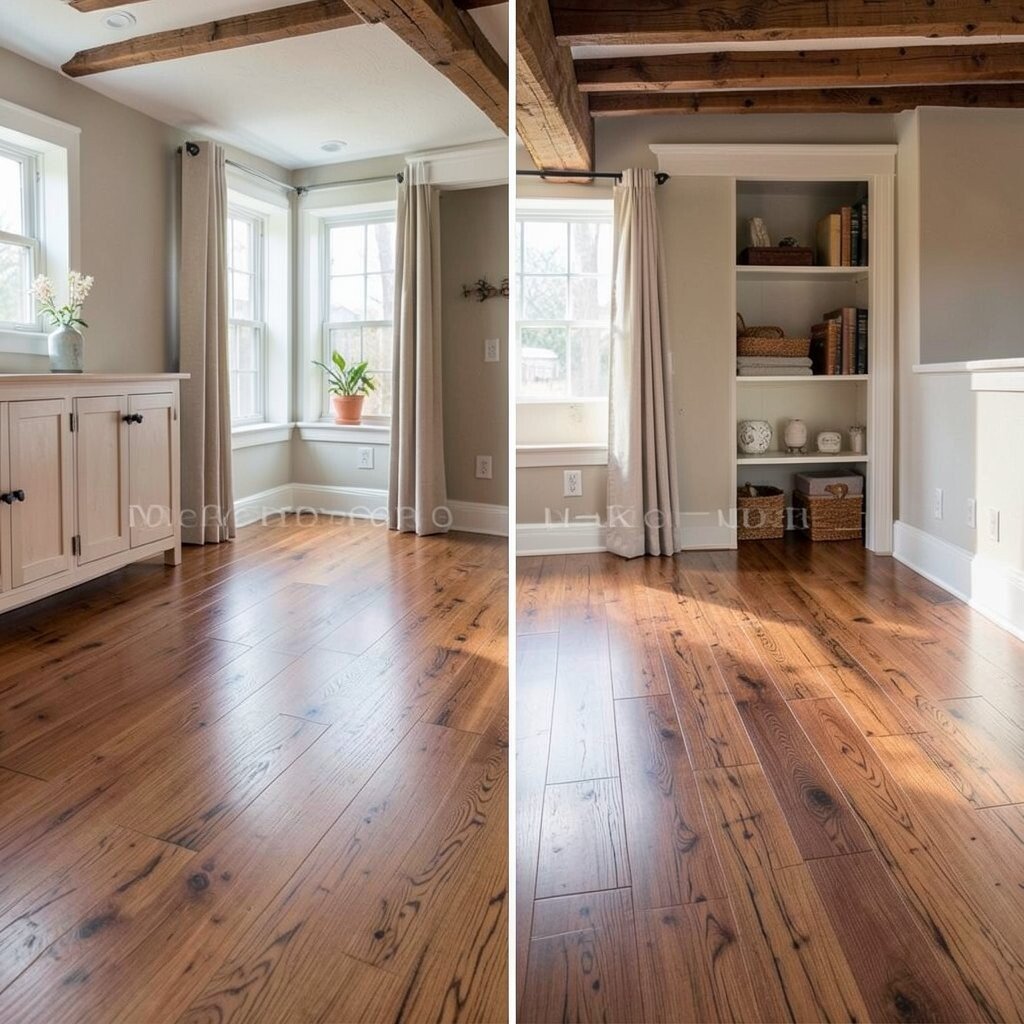
Before, the den felt unfinished because the flooring looked mismatched and cold underfoot. After installing a warm wood-look surface or a refinished hardwood, the room instantly felt more usable.
Choose a finish that handles everyday traffic and pairs well with your existing trim colors. For a practical touch, add a sturdy rug with a pattern that echoes Craftsman motifs like stripes or subtle geometric lines.
Personalize with side tables that carry wood and iron details, so the floor upgrade doesn’t look isolated. Today’s trend favors durable, easy-care flooring that still feels natural, so picking a resilient option helps you enjoy it longer. Costs depend on whether you refinish existing hardwood or install a new material, but planning for underlayment and leveling can prevent surprise expenses.
15. Kitchen Island Reface With a Craftsman Edge Detail
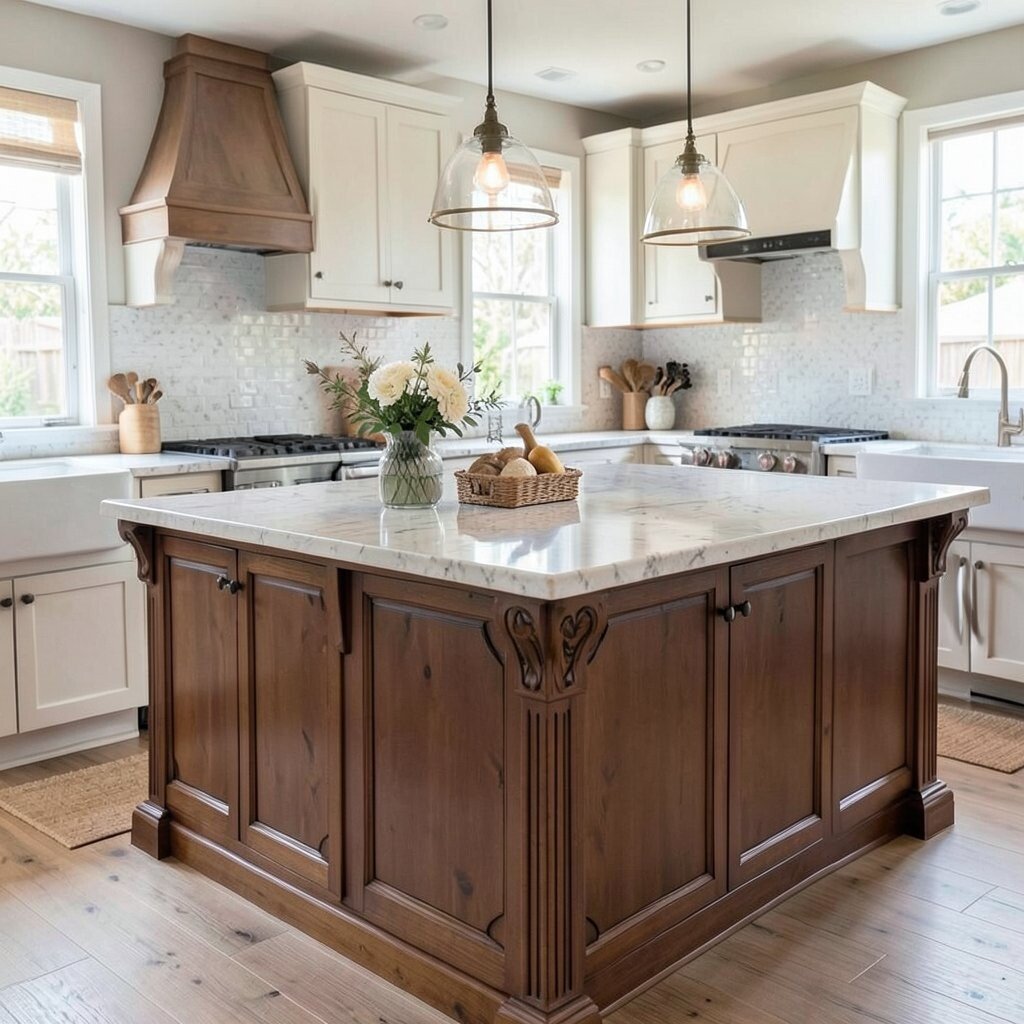
Before, the kitchen island was serviceable but lacked the Craftsman charm that shows up elsewhere in the home. After adding a reface with an angled or grooved edge, the island looked like it belonged.
The added detail gives your kitchen a stronger focal point, especially when paired with a coordinating faucet and lighting. If you want a smart functional upgrade, add open cubbies for cookbooks or mugs on the side guests see most.
For personalization, paint the base in a warm tone and keep wood around the top for contrast. A current favorite is mixing warm paint colors with natural wood, so this plan feels fresh. Keep costs in mind by reusing the existing island frame and updating only the face pieces, which keeps the project budget under control.
16. Entry Door and Surround Trim for a More Welcoming Front
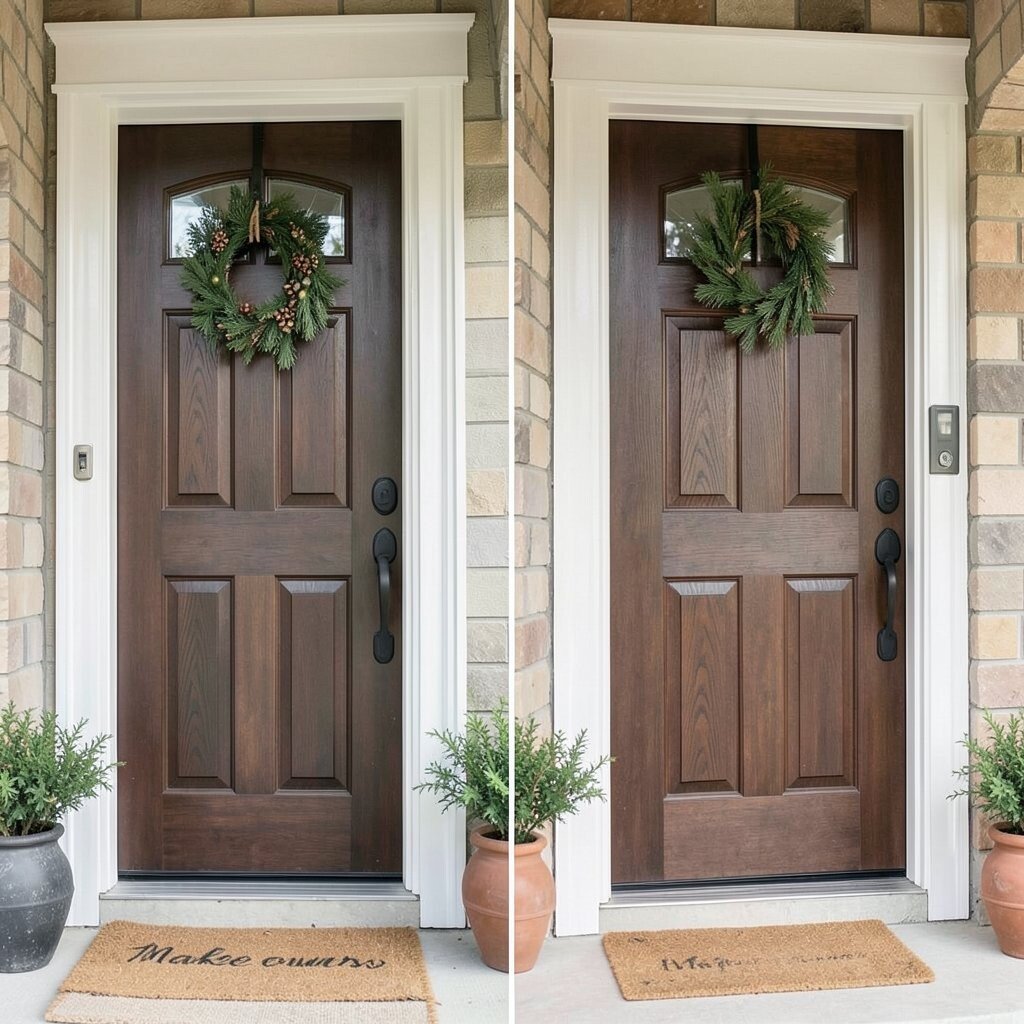
Before, the entry door area felt plain and a bit disconnected from the rest of the interior. After upgrading the door surround with Craftsman trim, the entry gained a warm, built-in look.
The framing detail makes the whole hallway feel intentional, even when you keep furniture simple. Choose a stain or paint that matches your interior trim so the home feels consistent from the first step inside.
17. Garage Conversion Room With Craftsman Textured Walls
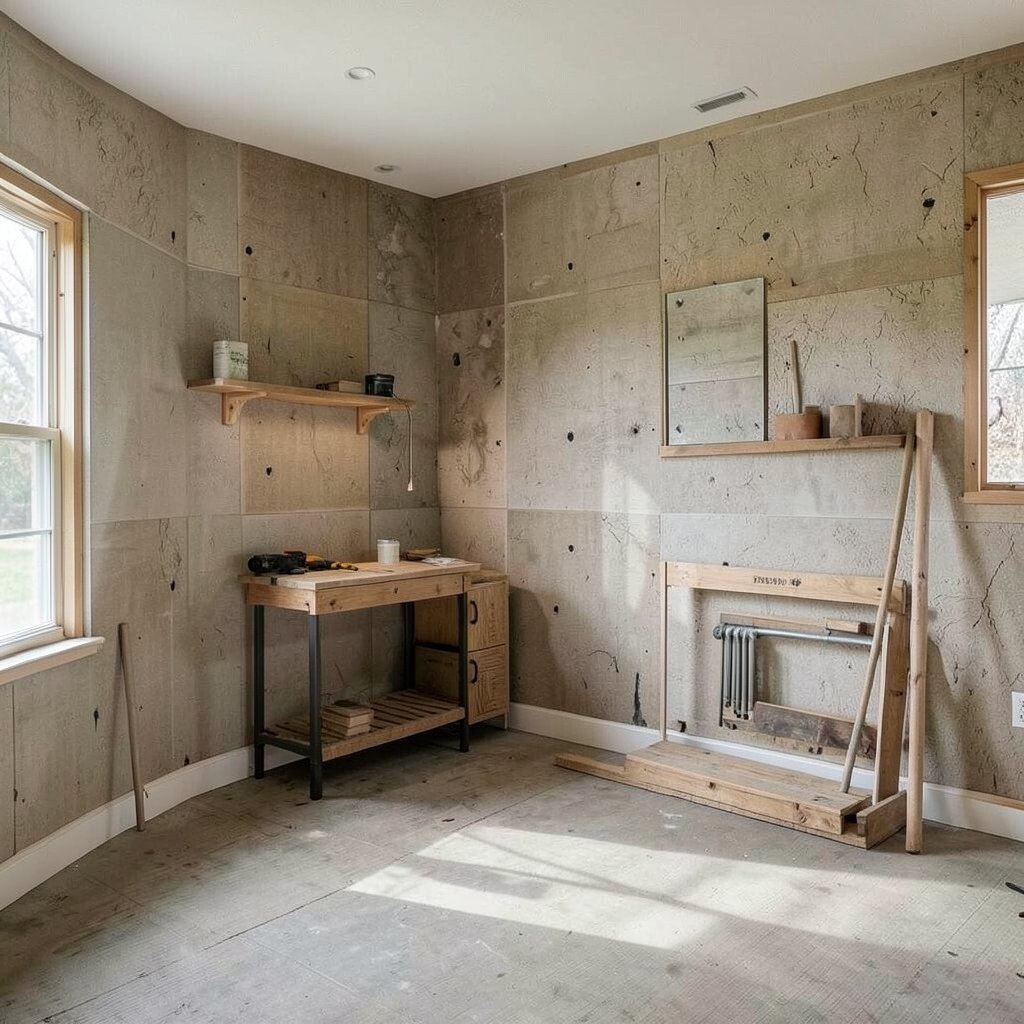
Before, the converted space felt temporary because the walls were smooth drywall with little texture. After adding Craftsman-inspired paneling or a subtle beadboard look, the room feels cozy and finished.
The texture also helps hide everyday scuffs and fingerprints, which matters in high-traffic rooms. For personalization, pick a paint color that stays warm in both daylight and evening light, like a creamy sand tone.
Current trends like natural texture and earthy neutrals work perfectly in flex spaces like home offices and hobby rooms. Costs can be controlled by focusing texture on one or two walls instead of doing the entire room. Plan for safe prep and primer so the finish lasts, especially if the room has temperature swings.
18. Outdoor-Looking Sunroom Refresh With Interior Craftsman Details
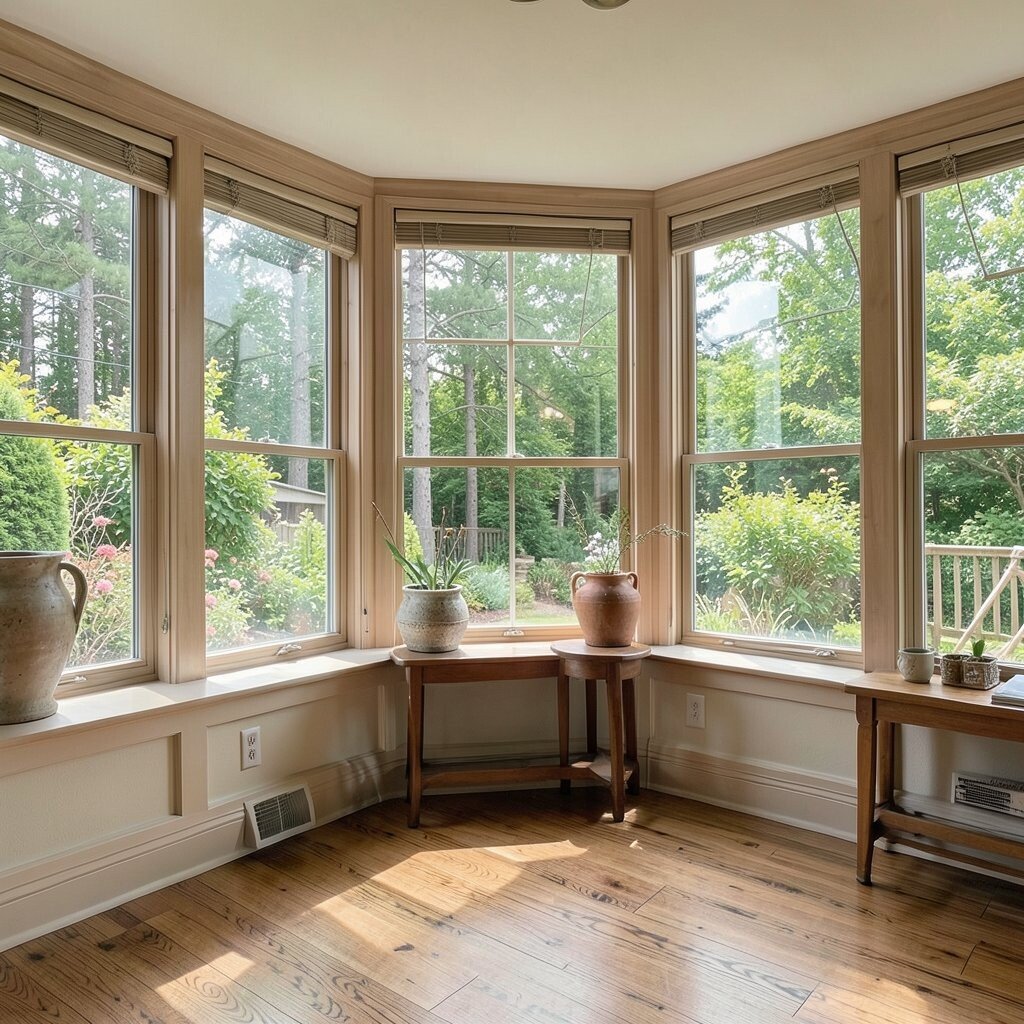
Before, the sunroom looked bright but unfinished because interior details didn’t match the architecture. After adding Craftsman trim accents, the room feels like it belongs with the rest of the house.
Use trim around window sections and add built-in storage where you need it most. If your sunroom sees a lot of light, choose finishes that won’t turn yellow and fabrics that can handle sun exposure.
Personalize by adding a daybed with storage underneath and a pattern that nods to craftsman design without overwhelming the space. Many people now blend indoor comfort with outdoor durability, so pick materials that feel good and clean easily. Costs vary based on whether you’re installing new trim or adding it over existing trim, but smart use of pre-cut pieces can reduce expenses.
19. Whole-Room Color Shift With Stain Matching and Paint Harmony
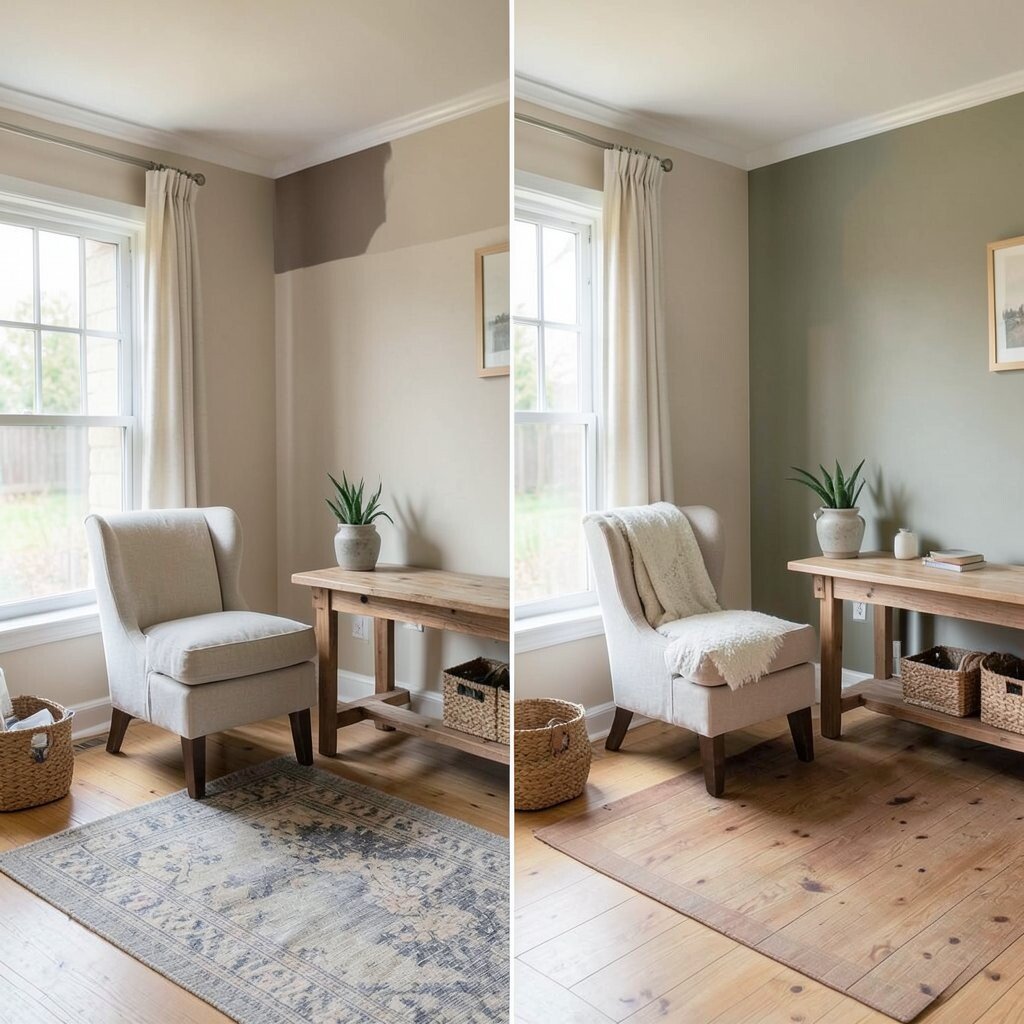
Before, every surface seemed to compete, and the home style didn’t feel consistent from room to room. After choosing a clear paint and stain harmony plan, the Craftsman look feels unified and calm.
Pick one warm wood tone and echo it with trim colors, door hardware finishes, and even lighter accents like ceiling paint. This makes the makeover feel intentional instead of random, and it helps the room look bigger because colors stop fighting.
For personalization, add a bold Craftsman accent in one place, like a feature wall, a rug border, or a cabinet color that still works with the rest. Current trends often lean toward warm whites, muted earthy greens, and rich browns, so you can stay modern while honoring classic woodwork. Cost planning is easier when you focus on paint, hardware, and a few key wood elements instead of changing everything at once.