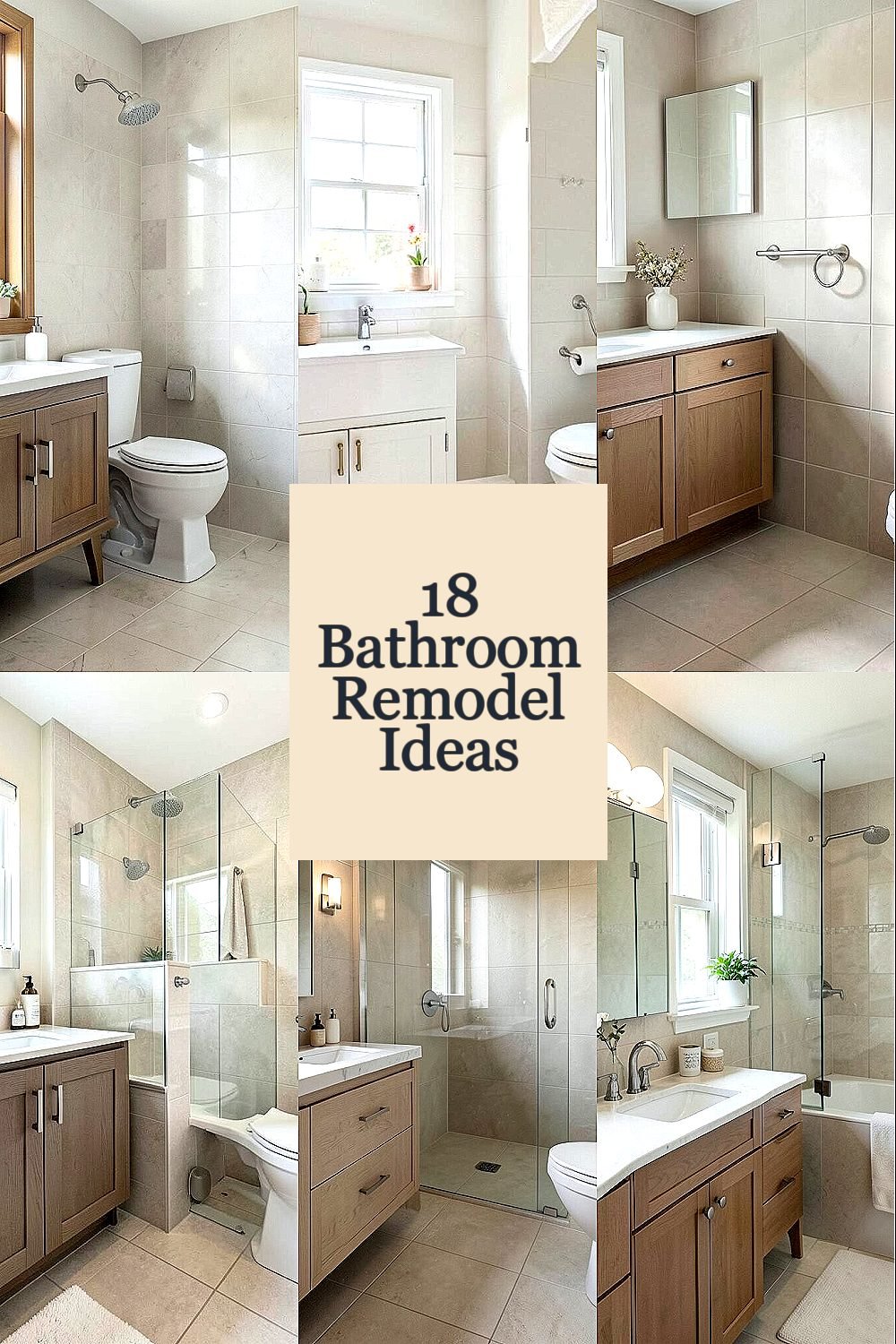
Your bathroom remodel can feel exciting and a little overwhelming at the same time. With the right plan, every decision starts lining up like puzzle pieces.
Good timing, smart choices, and careful budgeting help you avoid stress and get the look you want. You can make the space safer, more comfortable, and genuinely beautiful.
1. Start With Your Must-Haves

Write down what you truly want the bathroom to do for you every day. Think about comfort, storage, cleaning ease, and how the room should feel in the morning.
Picture yourself stepping into the space after a shower, seeing calming colors, and reaching items without climbing or bending too much. When your must-haves are clear, the rest of the choices like vanity size, lighting style, and shower layout become easier. A simple list also helps you explain your vision to a contractor without getting lost in details.
2. Measure Like You Mean It

Grab a tape measure and write down every key measurement before you buy anything. Measure the room length and width, but also note door swing space, window placement, and where plumbing lines sit.
Then sketch the layout on paper and mark where you want the toilet, vanity, and shower. This visual plan helps you avoid surprises like a door hitting a towel bar or a vanity that crowds the walkway. If you want a more modern look, it is especially important to confirm wall space for sleek fixtures and mirror placement.
Include a quick check for clearances so drawers open smoothly and the shower door doesn’t block movement. When the numbers are right, your remodel feels calm instead of chaotic. Even small changes in placement can make the room feel larger and more comfortable.
3. Set a Realistic Budget and Guard It

Decide how much you can spend and then plan for the extras that always show up. Old bathrooms often hide surprises like uneven floors, weak sublayers, or hidden water damage.
Look at line items such as demolition, plumbing updates, electrical work, tile, fixtures, and ventilation. If you keep a buffer for unexpected costs, you can still finish strong even when something goes wrong. Many people feel happier when they choose one or two “nice” upgrades and stay practical on the rest.
To keep costs under control, compare options that look high-end but are budget-friendly. For example, consider large-format tiles for fewer grout lines, or choose a durable laminate or water-resistant board for certain areas. You can also ask suppliers about package deals for vanity, faucet, and mirror lighting, which can reduce overall spending.
4. Choose a Style That Fits Your Lifestyle

Pick a bathroom style that matches how you live, not just what looks cool in photos. If you like quiet mornings, soft neutral tones and warm lighting can feel welcoming right away.
If you prefer bold energy, consider a statement tile pattern behind the vanity or a deeper vanity color. Style choices can still be practical, like selecting non-slip flooring for safety and choosing finishes that resist fingerprints. When the style supports daily routines, you will enjoy the space for years.
5. Plan the Layout for Flow and Comfort

Decide how you move through the bathroom and keep the main path clear. A comfortable layout means you can step in, reach essentials, and get ready without bumping into doors or fixtures.
Think about where you store things and how often you use them. Putting everyday items near the sink or shower can reduce clutter and make the room feel organized. For a more premium feel, you can plan for a larger mirror that also helps the room feel brighter.
It helps to consider family routines too, like whether multiple people get ready at once. If mornings are busy, a double-sink vanity can reduce waiting, while smart shelving can keep towels and toiletries easy to grab. Even without major changes, small spacing choices make the bathroom feel smoother.
6. Upgrade Ventilation Early

Strong ventilation is one of the best ways to protect your new bathroom. Moisture can cause odors, peeling paint, and long-term damage if air doesn’t move well.
Choose an exhaust fan sized for your room, and plan the duct route before walls close up. A well-placed fan keeps the space dry and makes cleaning easier because surfaces stay less likely to develop buildup. If you like a spa vibe, quieter fan models also help the bathroom feel calmer during showers.
7. Select Fixtures With Smart Finish Choices

Fixtures set the tone for the whole room, so pick finishes that work together. Matching faucets, shower hardware, and towel bars can make the space look designed instead of random.
Consider finishes that handle everyday life well, like brushed nickel, matte black, or warm brass tones. Visualize how each finish will look in your lighting, because bright lights can make some metals look cooler and others look warmer. When you choose coordinated finishes, you get a neat look without extra effort.
If you want a timeless design, mix only within the same family of tones. You can also reduce maintenance by choosing finishes known for resisting water spots and fingerprints. Small hardware details, like a clean drain design and modern shower controls, can bring uniqueness without huge remodeling costs.
8. Think Through Lighting Layers

Plan lighting in layers so the room works for both quick tasks and relaxing time. Bright overhead lighting alone can feel harsh, especially when you are applying makeup or shaving.
Use a mix of vanity lights, ambient lighting, and optional accent lights for a softer glow. Adding a lighted mirror or well-placed sconces can make the bathroom look more expensive without changing the layout. When lighting is right, the color of your tile and paint looks more true and inviting.
Choose bulbs with the right color temperature so you don’t end up with strange skin tones in the mirror. If you like a cozy evening feel, consider dimmable switches so you can adjust the mood. This upgrade can be a cost-smart move because it often requires less material than changing tile or plumbing.
9. Pick Materials That Handle Real Life

Choose materials based on how the bathroom actually gets used, not just how they look on day one. Water resistance matters for flooring, grout, and surfaces around the shower and tub.
For flooring, look at options that feel good underfoot and offer grip when wet. Tile can look timeless, but you can also choose water-resistant vinyl for a warmer feel and easier installation. When materials match your lifestyle, you avoid constant repairs and keep the room looking fresh.
Durable countertops and easy-to-clean vanities help you stay organized. If you love the look of stone, explore engineered options that offer beauty with practical performance. You can also select sealed surfaces that resist stains, which supports a cleaner daily routine.
10. Make the Shower a Feature

Your shower is often the main visual moment in the bathroom, so make it count. Even simple upgrades like a better showerhead and matching fixtures can feel like a big win.
Plan the shower surround with careful attention to waterproofing and grout choices. A clean, consistent tile layout can look high-end, while a thoughtful niche for shampoo and soap helps keep everything tidy. If you want a modern feel, consider a frameless glass panel that opens the space and improves sight lines.
11. Build Storage Into the Plan

Storage keeps your bathroom looking calm, even on busy days. If you can’t hide products, the room tends to feel messy no matter how pretty it is.
Think about where towels go, where toiletries live, and how often you use each item. A vanity with drawers can organize small things, while a recessed medicine cabinet keeps the counter clear. If your bathroom is smaller, vertical shelving or a tall cabinet can add storage without stealing floor space.
For a personalized touch, design storage around your routine. You might add a makeup tray, a pull-out hamper, or a niche near the shower where you actually reach. These small details make daily life easier and keep your unique style on display.
12. Don’t Ignore Plumbing and Water Pressure

Plumbing work is where comfort gets real, so plan it early. If you want better water flow, you may need updates to supply lines or valve upgrades.
Check the current water pressure and discuss goals with your plumber. Better shower performance, consistent hot water, and reliable temperature control can make the remodel feel worth every decision. When plumbing is handled well, the rest of the finish choices feel smooth and dependable.
While you are planning, consider where shutoff valves and access panels should be placed. Access matters if you want easier repairs later, and it can reduce future headaches. Even if your budget is tight, prioritizing key plumbing updates often saves money long-term.
13. Use Tile Strategically for Big Impact

Tile can make the bathroom look custom, even when your budget is limited. The right layout style can create a larger-feeling room and a more polished look.
Choose a focal area like the shower wall or a backsplash behind the vanity. Keep the tile pattern simple in smaller spaces, or use a feature border to add uniqueness without overwhelming the room. If you love bold design, try a subtle pattern on one wall and keep the rest neutral for balance.
Pay attention to grout color, since it can either highlight tile lines or blend them for a smoother look. Large-format tile often reduces grout, making cleaning easier and giving a cleaner visual finish. When you plan the tile layout before installation, you can prevent awkward cuts and ensure the edges look intentional.
14. Personalize With Color and Textures

Color is one of the easiest ways to personalize your bathroom. Soft whites, warm creams, and light greys can feel bright and modern without feeling cold.
Add texture with wood-look accents, matte surfaces, or natural stone-inspired finishes. Visualize how color will appear at different times of day, because morning light and evening light can change everything. If you want a unique twist, use a patterned runner area or a statement mirror frame.
Consider how you want the room to feel when you step in. Calm and spa-like bathrooms often use gentle tones and fewer visual interruptions, while lively bathrooms can handle deeper colors and stronger contrast. Personalization should support your comfort, not create constant stress about keeping everything perfect.
15. Plan for Flooring Transitions and Subfloor Health

Flooring choices are more than style; they depend on the condition of your subfloor. If the base is uneven, new flooring may not sit right or can wear out faster.
Check for moisture issues, especially near the shower and tub. A good underlayment system can help protect your investment and keep the floor feeling steady underfoot. When you think ahead, you avoid squeaks, dips, and early wear that can turn into costly repairs.
Plan transitions between rooms too, so the change feels smooth and safe. If your bathroom connects to a hallway, matching flooring height or using a clean threshold detail can look tidy. Choosing slip-resistant flooring is also a practical move for everyday safety.
16. Hire the Right Help and Communicate Clearly

A successful remodel depends on the people handling the work and how well you communicate. Look for a contractor who listens, explains options clearly, and shows past work you can relate to your taste.
Set expectations early about timelines, materials, and how decisions will be made. When you keep communication consistent, fewer mistakes happen and you can stay confident. Ask how changes are handled if you decide to adjust tile, lighting, or plumbing fixtures during the process.
17. Plan a Smooth Demo-to-Finish Schedule

Remodeling can feel messy, so it helps to plan the order of tasks. A clear schedule reduces downtime and helps you avoid waiting for materials that arrive late.
Demolition should be followed by plumbing and electrical work before the walls get closed. Waterproofing and tile installation usually come later, because they need clean, solid surfaces to work well. When you time everything correctly, you reduce the chance of rework and protect your budget.
To keep life practical during the build, think about how you will handle routines like showering and getting ready. Planning a temporary setup, even if it is basic, can reduce frustration. You can also protect nearby rooms by using containment and planning debris removal so your home stays livable.
18. Add Finishing Touches That Feel Worth It

The final details make the bathroom feel complete and truly yours. Small upgrades like a towel warmer, a sleek toilet paper holder, or a well-designed robe hook can create a “wow” moment every day.
Choose accessories that match your finish style so everything looks coordinated. A curated set of canister sets, a soap dispenser that fits the sink, and a trash solution that doesn’t stand out can improve daily routines. When you pick finishing touches that are both pretty and useful, you get uniqueness without unnecessary complexity.
Consider cost-smart ways to elevate the look, like adding a custom-sized mirror, improving hardware, or upgrading the shower trim. Current trends often lean toward warm metals, layered lighting, and large-format tile that feels clean and modern. When your finishing touches follow those trends while still reflecting your own preferences, the end result looks timeless and fresh.