These design moments can feel magical in photos. In real homes, a few classic traps show up fast.
With a little care, you can keep the mood while avoiding the usual mess. Your space can still look polished, cozy, and totally yours.
1. Chasing the Look Without a Real Plan
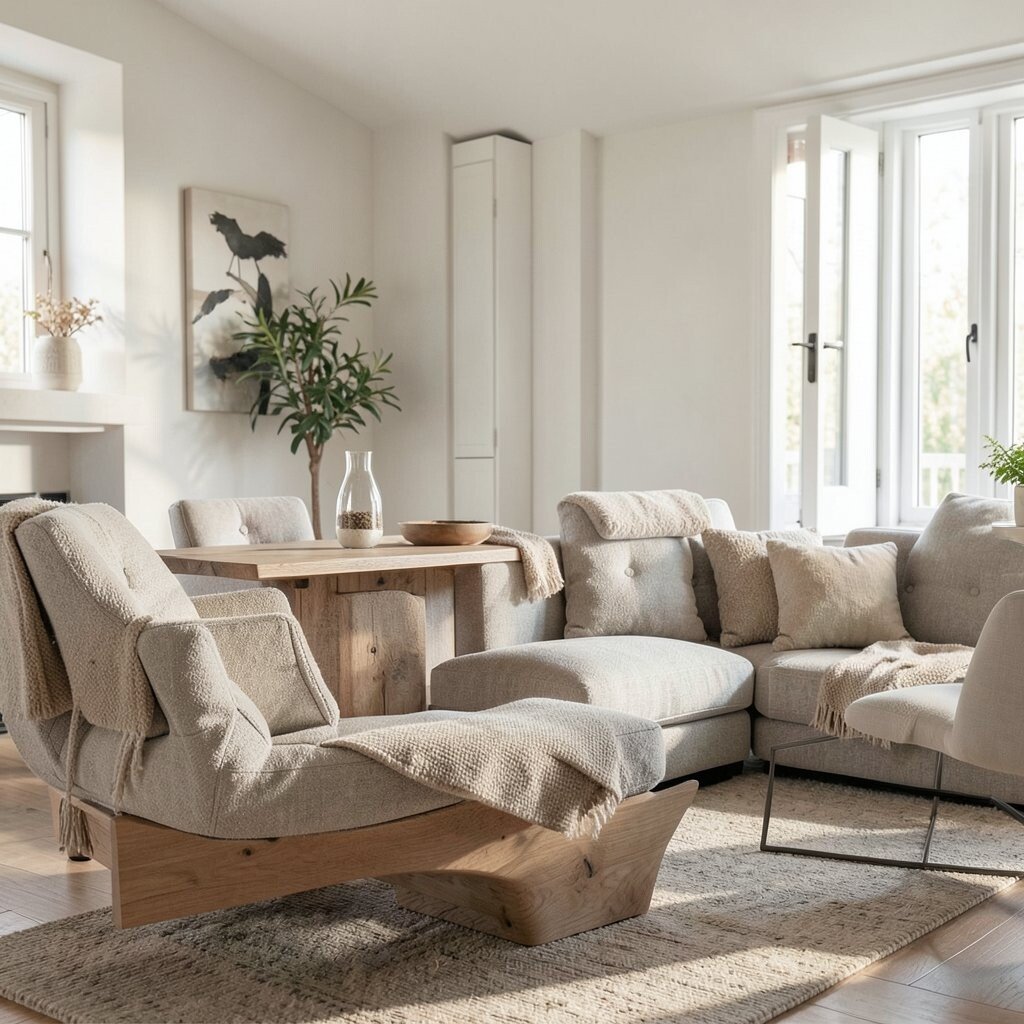
It is easy to collect little bits of 1920s style and end up with a room that feels scattered. A living room might have a glamorous mirror, but the rest of the space could look like different decades collided.
Start by thinking about how you want the room to feel when you walk in. Write down a few words like “warm,” “grand,” or “relaxed jazz-night,” then choose items that support that mood. When everything shares the same vibe, the whole room looks intentional instead of crowded.
2. Overdoing the Art Deco Pattern Mix

Geometric wallpaper, fan motifs, and patterned rugs can look incredible when they are used with calm control. Too much busy design, though, can make the eyes feel tired, especially in spaces with natural light.
Pick one bold pattern as the hero and keep the rest simpler. Use solid curtains, a plain upholstery fabric, or a mostly neutral wall color so the geometry can stand out. This approach keeps the look crisp while still feeling comfortable to live with.
3. Picking the Wrong Metallics for Your Space

Gold, brass, chrome, and blackened metal all fit the era, but they do not all play nicely together. If every surface is shiny in a different way, the room can look chaotic rather than elegant.
Choose a main metal tone and repeat it in at least a few places, like a lamp base, a mirror frame, or cabinet hardware. Warm brass looks especially good with honey woods and creamy paint colors. Sleek chrome can feel sharper in modern homes, so pairing it with warmer textiles helps it feel less cold.
Check how the metals look in your lighting at different times of day. Then you can decide whether to keep that “wow” finish or soften it with matte accents. This small choice often saves the biggest amount of money and disappointment.
4. Ignoring Scale, Especially With Furniture
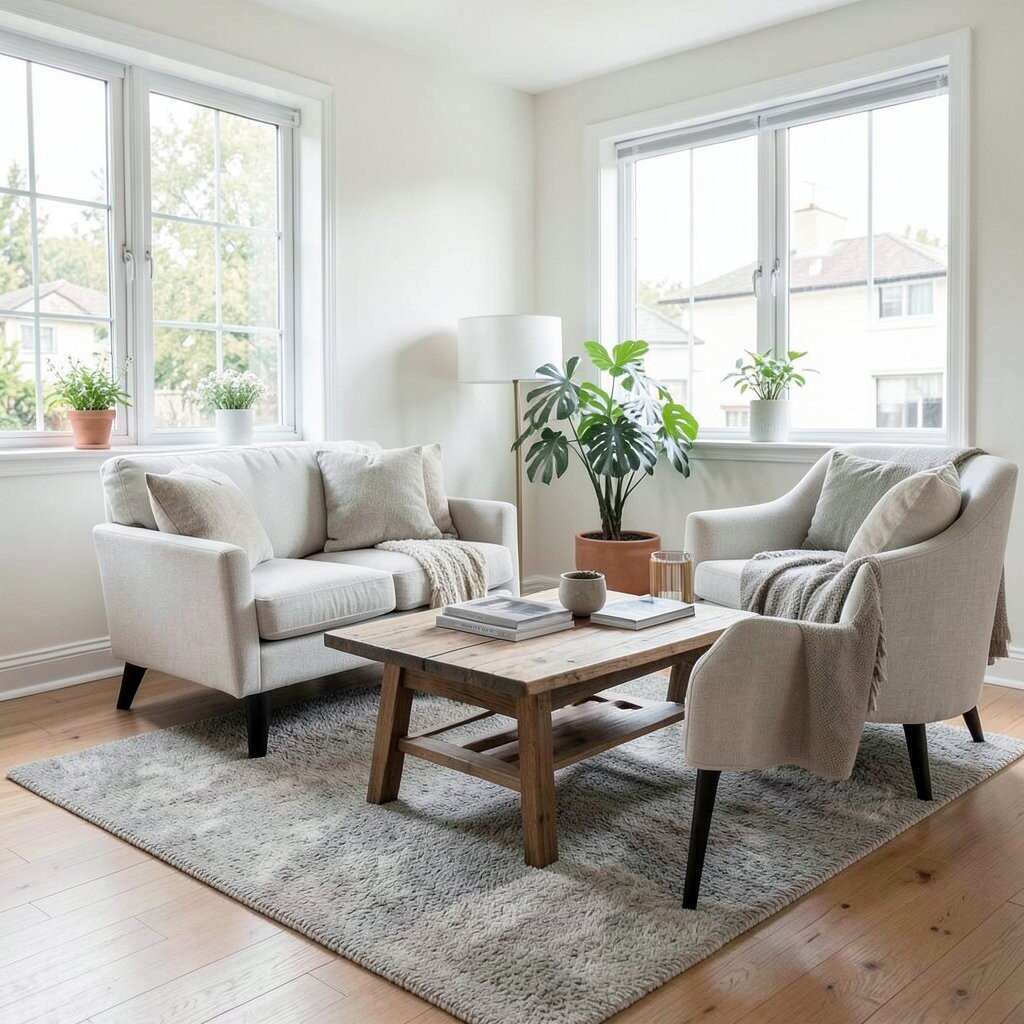
1920s decor often feels grand, but “grand” is not the same as oversized. A huge sideboard can dwarf a small dining area, while a tiny sofa can make a larger living room feel bare.
Measure your space before you fall in love with a shape. Leave breathing room for walkways, and keep at least comfortable clearance near doors. When the furniture fits well, the styling feels like it belongs, not like it is just placed there.
5. Buying Decorative Pieces That Do Nothing
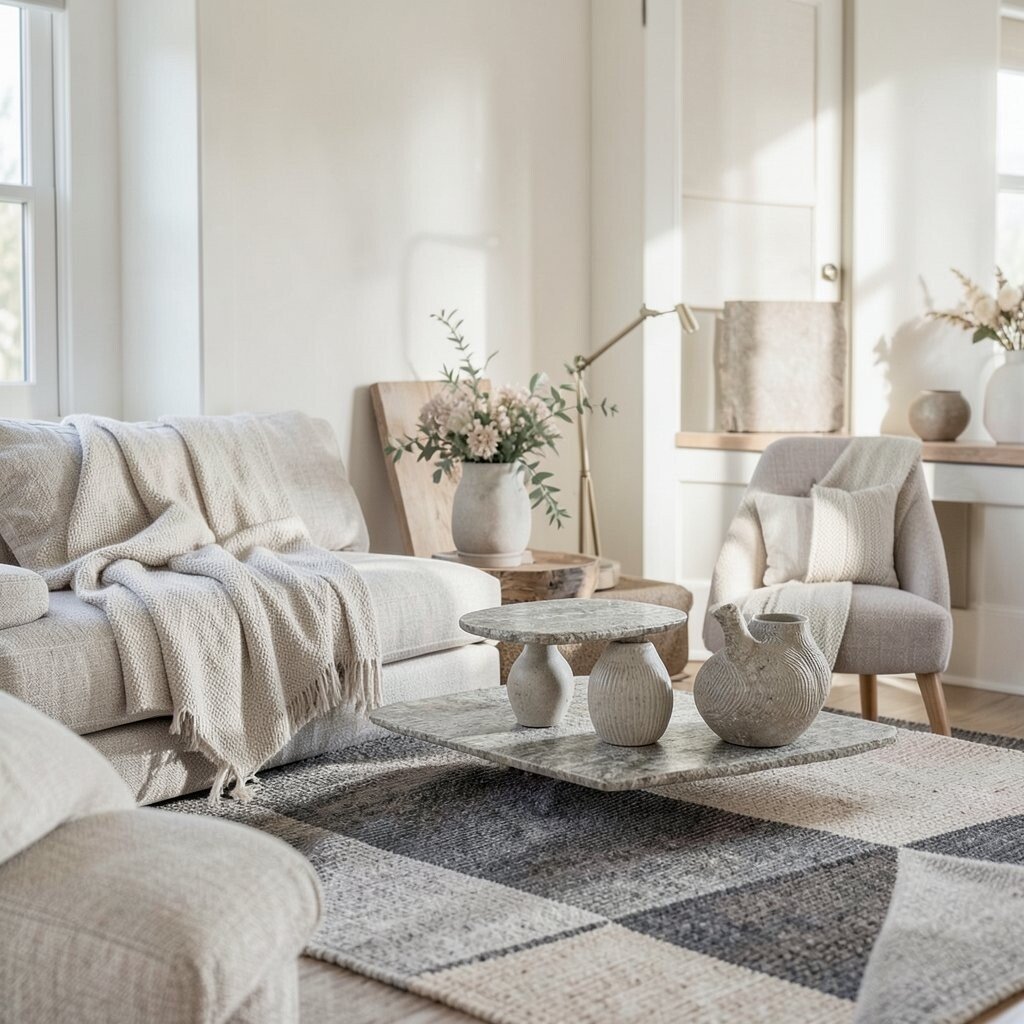
Some vintage-inspired items look pretty in a store photo but fail the everyday test. A glass lantern that is difficult to place, or a fragile decorative tray that no one uses, can become clutter quickly.
Choose statement pieces that also serve a real purpose. A patterned side table can hold lamps and keys, and a stylish cabinet can store board games or linens. This keeps the room from turning into a museum you avoid touching.
If you love something delicate, balance it with sturdy basics. You can display one or two show pieces while still giving daily life a comfortable home base. That mix creates the “lived-in elegance” people always admire.
6. Forgetting Color Balance and Letting Walls Become Too Loud

Deep jewel tones, bold wallpaper, and dramatic trim are common in 1920s looks. When they cover every wall, the room can feel dark, especially at night.
Pick one wall for extra drama, then keep the other walls calmer. Cream, warm gray, or pale blue can still feel vintage without shrinking the space. Add color with artwork, cushions, and a rug so you get the mood without overpowering the room.
7. Skipping the Right Lighting for the “Glam” Effect

Lighting can make or break the era. If your room depends only on a bright overhead bulb, the fancy details can disappear and shadows can look harsh.
Use layered lighting like table lamps, a floor lamp, and a statement fixture. Warm bulbs help metals glow and make fabrics look richer. Try placing lighting near corners and seating so the room feels inviting, not flat.
Dimmer switches are a simple upgrade if you can. They let you match the light to the time of day and keep the room feeling comfortable when you want to relax. The result looks more expensive while you spend the least effort.
8. Using the Wrong Rug Style or Size

A rug anchors the room, and a mismatched one can quietly ruin the flow. A tiny rug can make furniture look like it is floating, while an overly large one can smother a smaller space.
Look for rugs with artful geometry, subtle stripes, or vintage-inspired motifs that feel crisp. Then choose a size that fits the room layout, usually with front legs of key furniture sitting on the rug. When your rug and furniture align, the whole space feels styled, even with minimal decor.
9. Letting Clutter Pretend to Be “Vintage Character”

Some people think more objects equal more charm, but clutter can hide the clean lines that make the look special. Piles of random items can also make patterns clash and reduce the glam feel.
Keep surfaces mostly curated, like a tray on a coffee table and a few meaningful objects on a shelf. Rotate items seasonally so the room stays fresh without constant shopping. Storage that looks nice, like woven bins or styled cabinets, can keep your decor calm and intentional.
When you can see the wall and floor details, the era cues feel stronger. Clean counter space and neatly arranged items often create a more upscale look than adding more things.
10. Ignoring Window Treatments and Their Impact

Windows can change the whole vibe, and the wrong treatment can ruin the vintage rhythm. Thin blinds or plain curtains might not match the boldness of the rest of the room.
Choose curtains that add weight and structure, like silky panels or lined drapes. Bring in a touch of pattern with subtle geometry or keep it solid if your wallpaper is already busy. Tiebacks can add a more finished, old-world feel without spending a lot.
11. Mixing Too Many Eras Without a Unifying Thread

Pairing 1920s elements with random styles can turn a room into a jumble. A modern couch, farmhouse lighting, and an art deco mirror might each seem great alone, but together they can feel confusing.
Pick one unifying thread like color harmony, metal finish, or overall form. If your couch is modern, make it softer with vintage-style rug patterns and warm lamps. If your walls are classic, add just a few art deco shapes through mirrors and frames. This keeps the room unique without losing coherence.
12. Choosing Vintage-Sounding Pieces With No Quality Backing
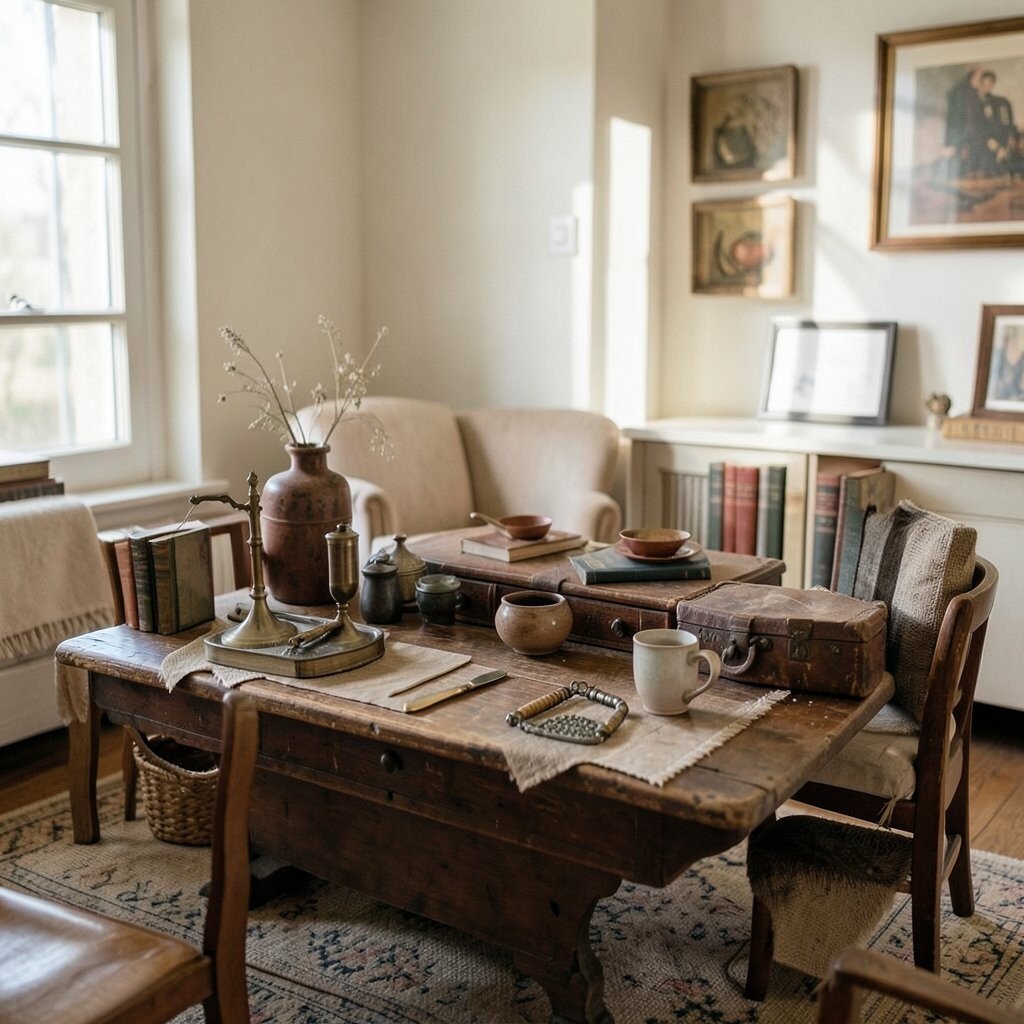
“Inspired by” can still be charming, but it can also lead to poor materials and quick wear. A flimsy screen, a wobbly chair, or a cheap mirror can ruin the look in a short time.
Focus on craftsmanship where it matters most, like furniture frames, cabinet doors, and lamp bases. If you are shopping secondhand, inspect joints, check how the mirror hangs straight, and test cushion comfort. Paying a little more for fewer, better pieces often saves money later.
When you find a piece that feels solid, it becomes a foundation for styling. Then you can spend less on extra decor because the key elements already look great. That strategy helps you keep the budget realistic.
13. Forgetting the Power of Wood Tones and Warm Materials

Some 1920s decor ideas lean too hard into cold metal and pale surfaces. The room can feel like it belongs to a showroom, not a place where you want to unwind.
Bring in warm woods like walnut, oak, or mahogany tones through furniture, picture frames, and shelving. Even small touches like a wooden serving tray or a patterned wooden side table can soften the vibe. Pair warm wood with creamy textiles to keep the glam feeling cozy, not severe.
14. Not Personalizing the Theme to Your Life

When decor is only about the trend, it can feel stiff and hard to live with. A beautifully styled dining room can still feel wrong if it does not fit how you actually use the space.
Add personal elements like family photos in period-friendly frames, a favorite record player stand, or books arranged neatly on an artful shelf. Use a runner at the entry or a framed print in colors you love. Personalizing turns a theme into home, and it also reduces the urge to keep buying more.
Try setting aside a small budget for “you” items that have meaning. You will end up with a space that feels both vintage and familiar, which is the best kind of uniqueness.
15. Overlooking Maintenance, Especially With Statement Surfaces

Bold materials like mirrored panels, glossy finishes, and intricate surfaces can look stunning. They can also show fingerprints, smudges, and dust more easily than you expect.
Think about how often you want to clean and how busy your household is. Choose washable textiles for cushions and covers, and plan for easy wipe-down surfaces where you can. For mirrors, use gentle cleaners and microfiber cloths so they stay clear without scratches.
Maintaining the statement features is part of keeping the glam alive. When you pick materials that match your routine, the decor stays beautiful with less stress.
16. Treating the Budget Like It Is One Big Pot

It is common to spend first on the flashiest piece, then run out when you still need basics like curtains, light bulbs, or storage. That can lead to last-minute purchases that do not match the intended look.
Create a simple priority order in your mind so the “wow” elements and the everyday essentials both fit. If you invest in a standout mirror or lamp, balance it with budget-friendly upgrades like a great rug, coordinated cushions, or affordable wall art in the right tones. Watching costs at each step helps you keep the room high style without turning it into a financial scramble.
Shop in a way that supports personalization too, like saving for one or two signature finds while using practical items to fill gaps. When you plan around cost and function, your 1920s decor stays elegant, unique, and realistic for daily life.