Blue walls can feel calm, bright, and full of character. When the color comes from natural materials, the room gains warmth and depth.
These ideas use real textures, gentle tones, and materials that wear beautifully over time. You can copy them as they are, or adjust them so they match your space and your budget.
1. Indigo Clay Wash With Lime Plaster
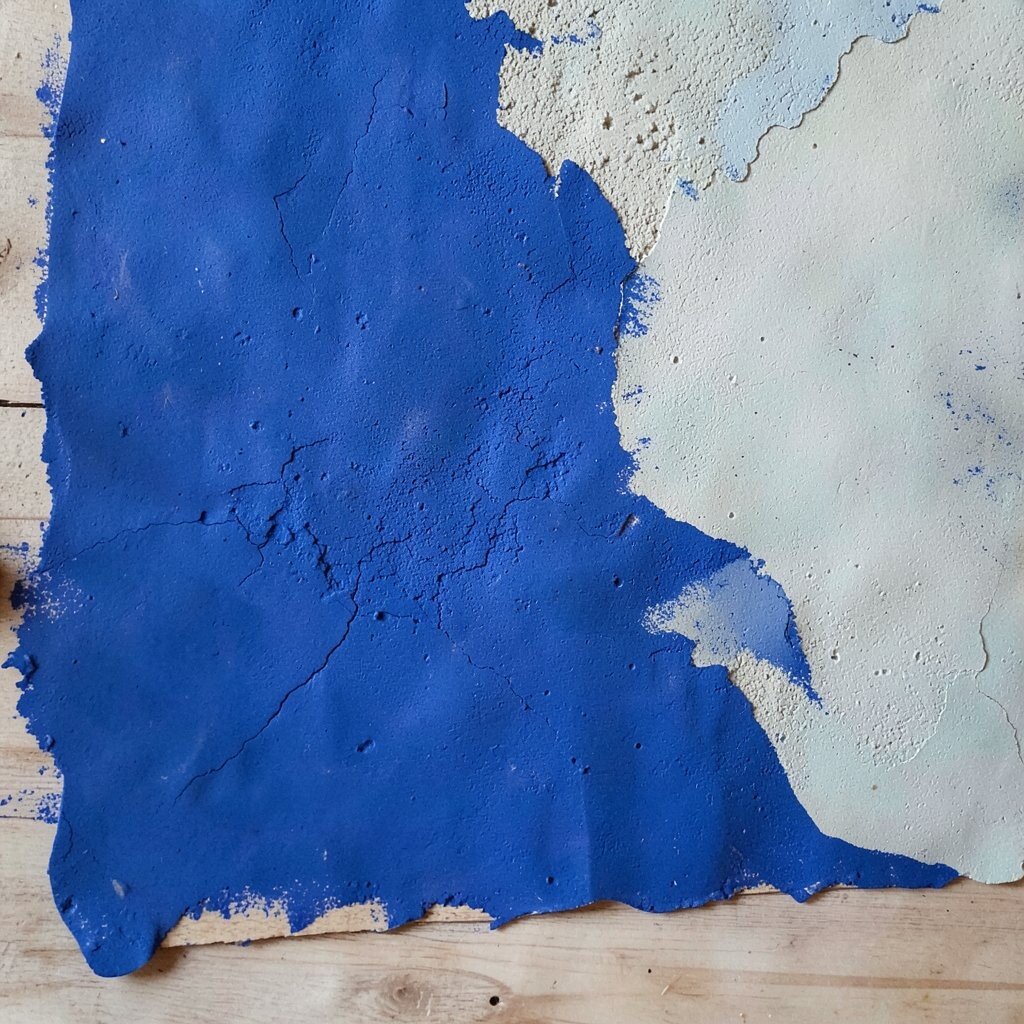
Picture a soft blue that looks like sky reflected in water, spread across a wall with a slightly cloudy finish. A lime plaster base helps the surface stay breathable and forgiving, so it feels good in older homes and newer ones too.
You can mix indigo pigment into a thin clay wash for a cool, natural blue that never looks completely flat. For practical results, apply multiple light coats rather than one heavy layer, and keep your drying time consistent to avoid streaks. This approach is unique because indigo can deepen subtly as it cures, giving your wall a living quality.
2. Blue Slate Accent Wall With Hand-Tumbled Edges
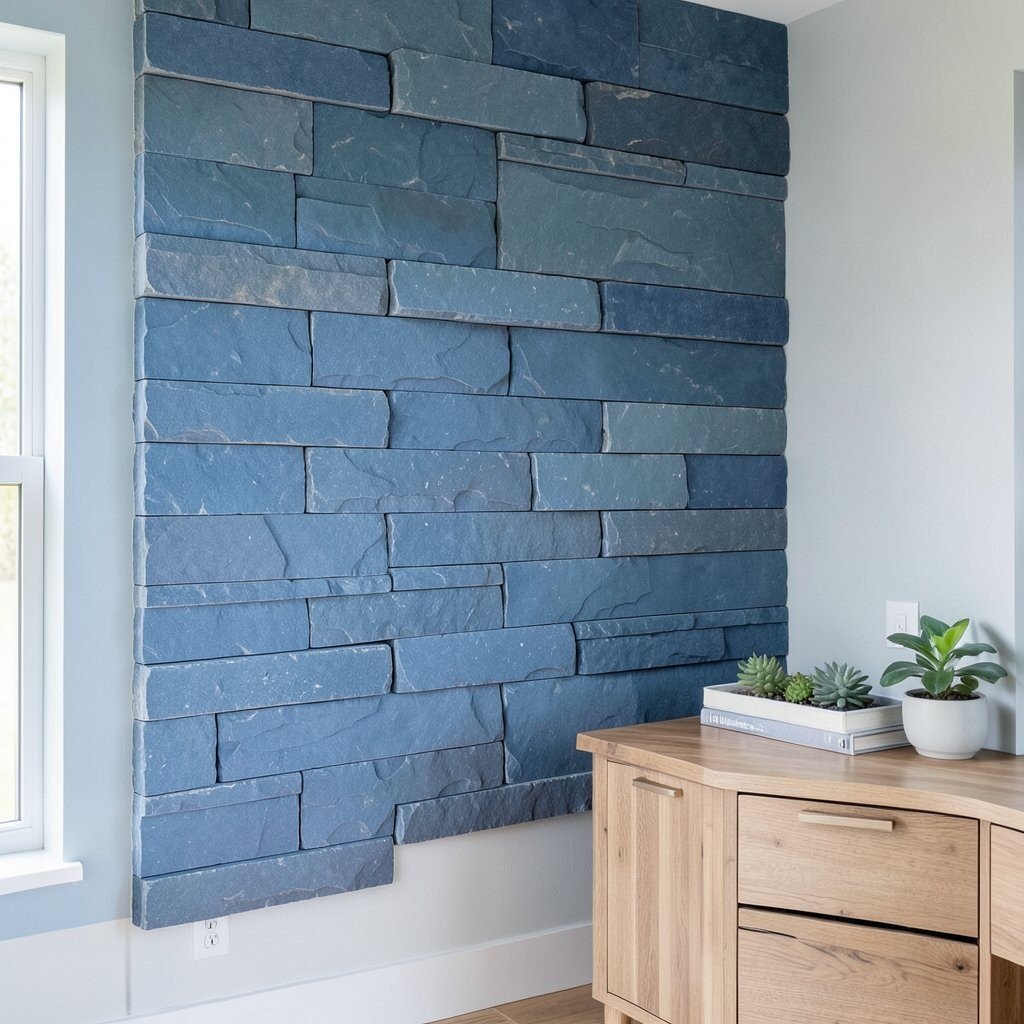
Imagine walking into a room and seeing blue stone tiles that catch light like tiny windows. Blue slate often shows natural flecks, soft veins, and quiet variation that makes every section feel one-of-a-kind.
Slate adds a sturdy, grounded feel and can make a space feel more upscale without needing flashy colors. For practical tips, plan your layout before you stick anything, and use spacers so lines stay even. If you want a calmer look, choose a mostly uniform slate grade and keep the grout tone neutral.
This wall can suit modern or rustic styles, especially when paired with warm wood and creamy textiles. While slate can cost more than paint, you can save money by using it only on one wall or behind a headboard.
3. Shibori-Style Blue Natural Dyes on Woven Linen
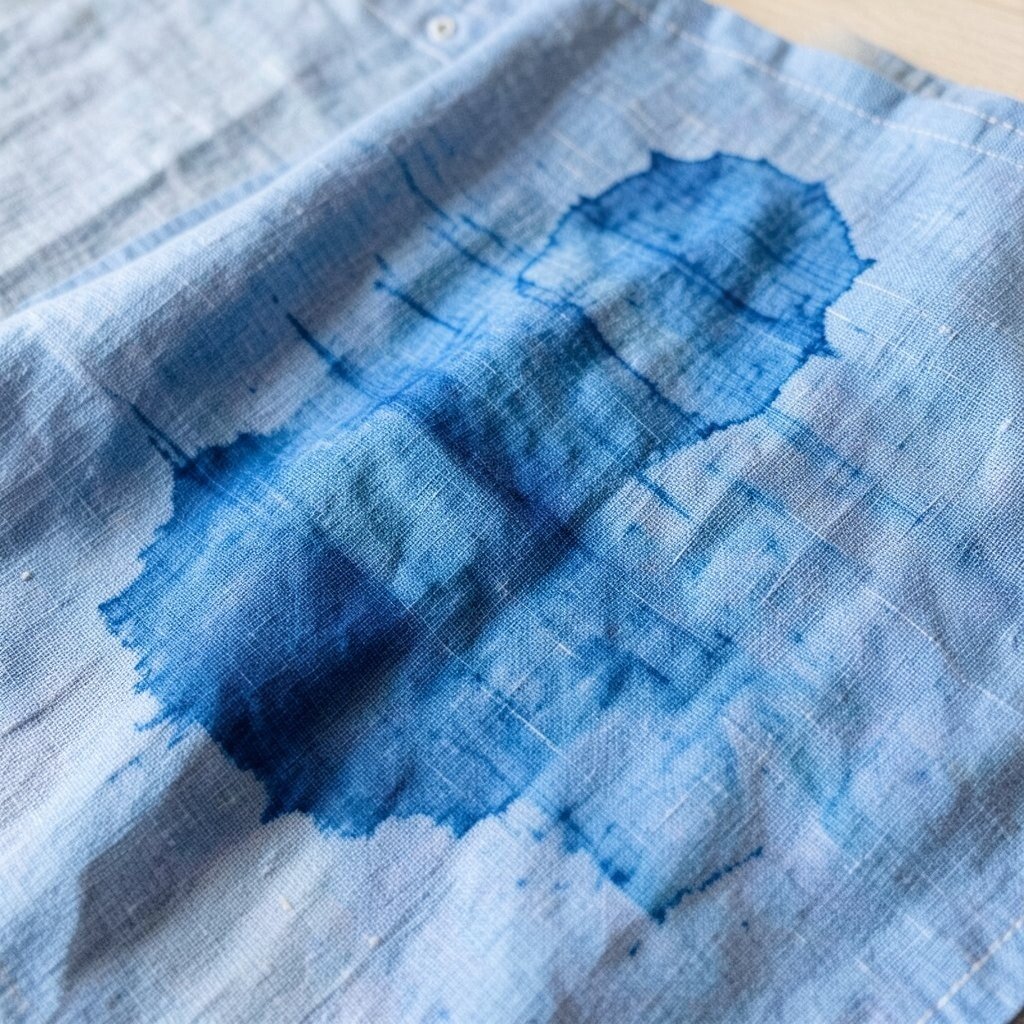
Think of linen stretched tight like a canvas, with blue marks that swirl and fade like tide patterns. The texture of woven fabric makes the blue feel softer and more personal than hard paint.
You can dye linen using plant-based dyes or natural indigo-based processes, then mount it as panels. This idea is wonderfully unique because the pattern changes with every batch, so no two walls will match.
For personalization, vary the intensity by mixing dye strengths, and layer shapes with different wrapping methods. Costs can stay friendly if you buy linen in larger sheets and reuse a simple mounting frame, then you spend more on dye or on the finishing seal.
If you follow current trends, this kind of textile wall art is popular because it adds tactile comfort and quiet color. It also helps absorb a little sound, which is handy in busy homes.
4. Blue Ceramic Mosaic From Reclaimed Tiles
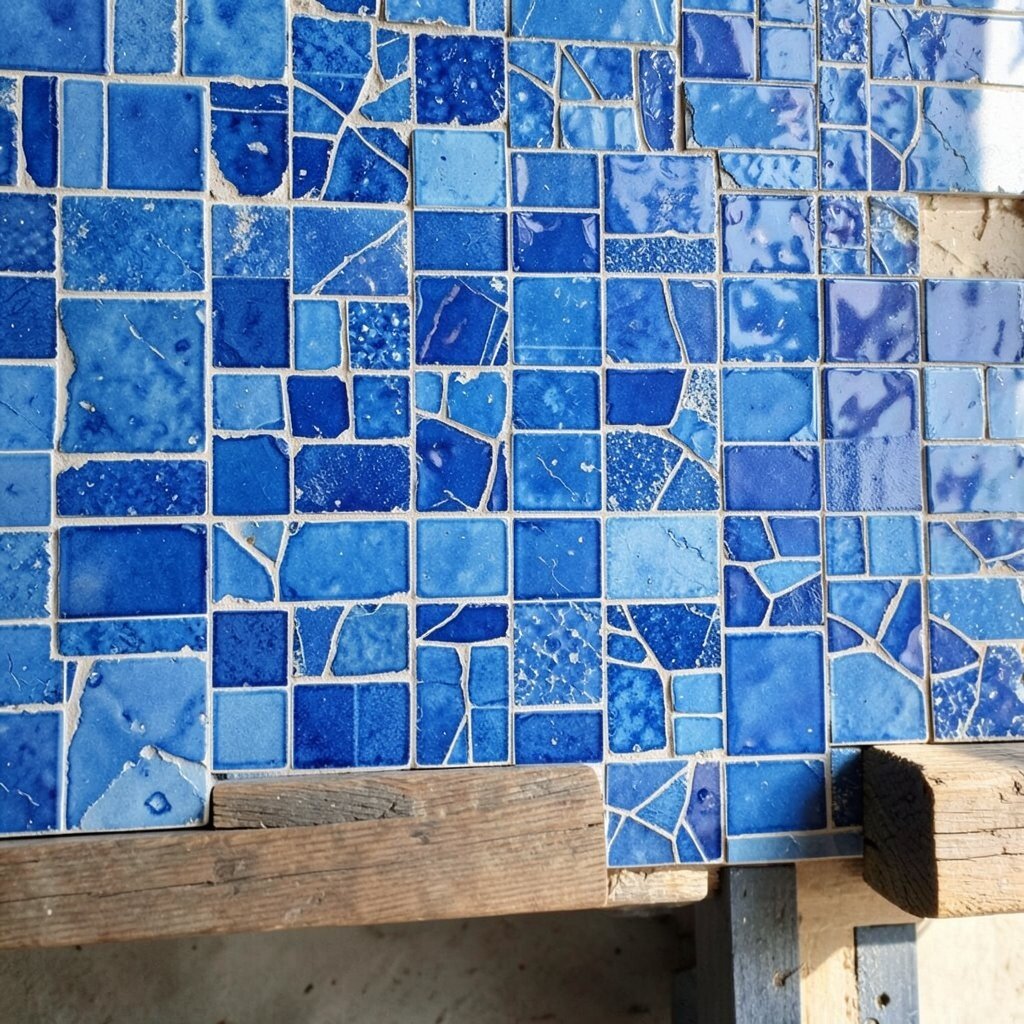
Picture a mosaic wall that glows with small pieces of blue ceramic, each one slightly different in shade and glaze. Reclaimed tiles bring history into your room and keep the wall from looking mass-produced.
When you choose smaller tile bits, you get a rich texture that hides minor wall imperfections. A practical approach is to sort tiles by shade before you set them, then plan a gentle gradient or scattered pattern so the wall looks intentional.
To personalize, mix blues with a few warm accents like sand, seafoam, or muted teal. Costs can be surprisingly manageable because reclaimed tiles often cost less than new, and you only need to buy grout and adhesive.
5. Indigo-Soy Plaster Blend Over Lime Base
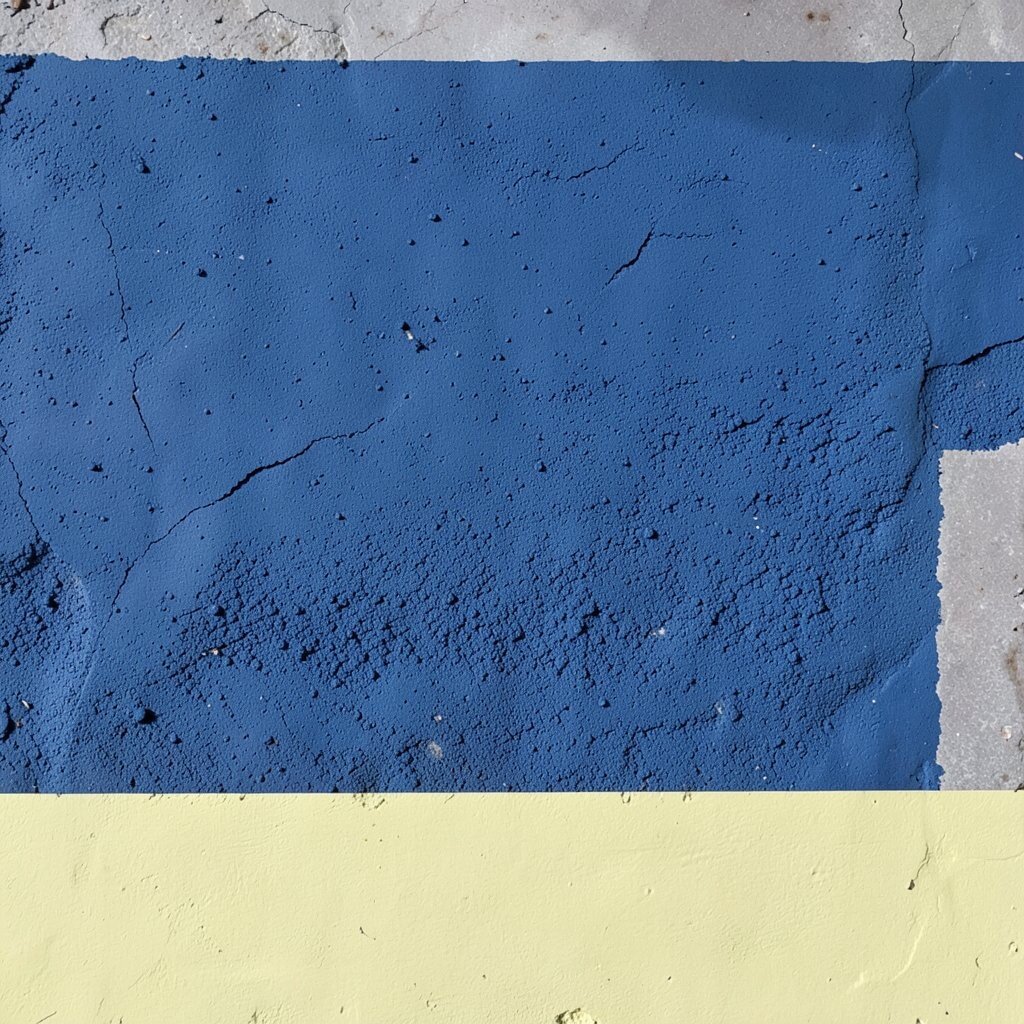
Envision a matte blue plaster that looks smooth but never sterile, like painted clay after rain. A lime base gives structure while a natural plaster blend can create a gentle, earthy sheen.
Using indigo pigment with a soy-based binder or natural-friendly additive can help the color adhere well and stay flexible. For practical tips, test your mixture on a small scrap and adjust the pigment until the shade feels right in your lighting.
This material combo is unique because the finish feels velvety, and the blue can shift slightly from cool to deeper tones across the day. Keep cost in mind by mixing small batches and using only as much pigment as needed for your desired depth.
6. Blue Terracotta Pigment Wash With Sponged Texture
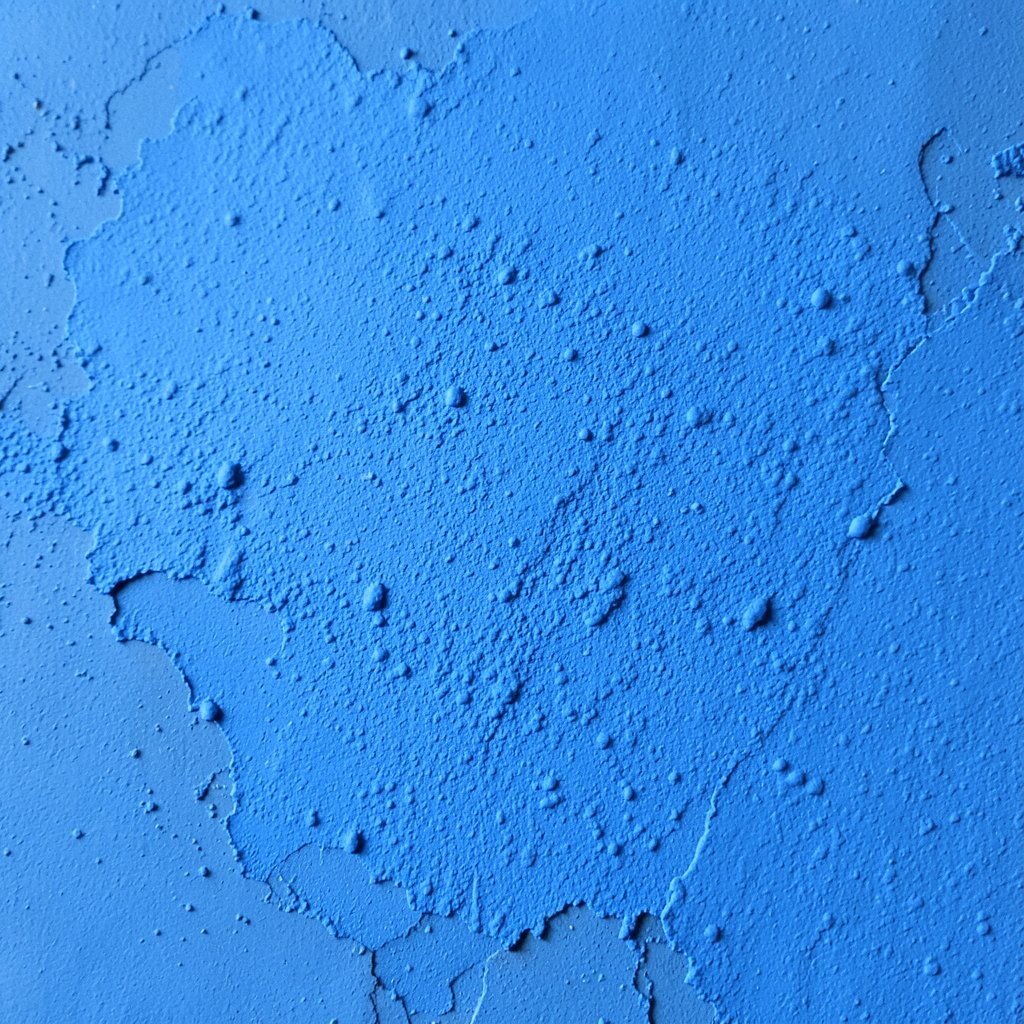
Imagine a warm wall under a cool wash, where the blue looks breathable because it sits on top of earthy texture. Terracotta pigment can create a blue that feels vintage instead of flat.
A sponge-applied wash hides brush marks and adds a soft, tactile look you can feel with your eyes. For practical tips, use a damp sponge and keep strokes light so the wall keeps its natural movement.
This is a great option if you want uniqueness without committing to full stone or expensive tile. It also tends to cost less than many decorative finishes because it uses common materials and simple tools.
7. Ocean-Blue Denim Wallpaper Made From Upcycled Fabric
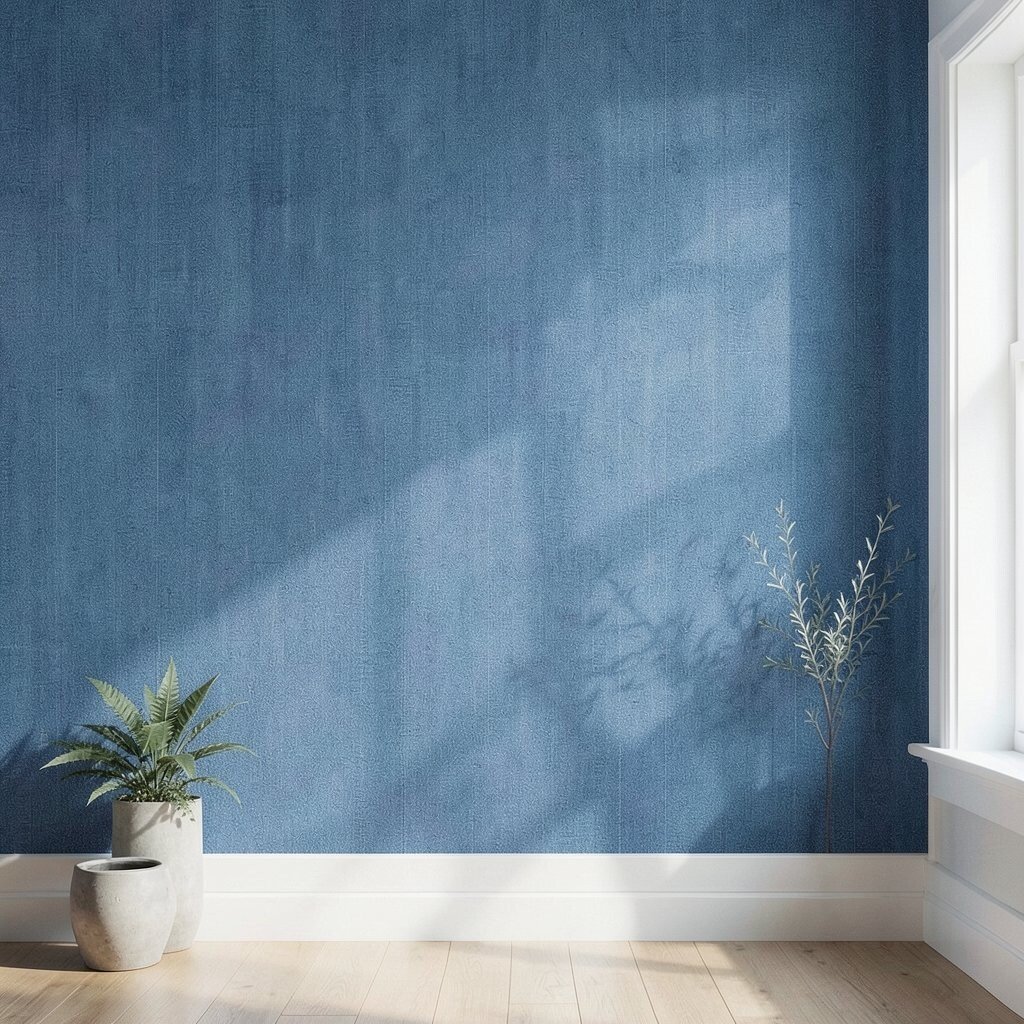
Picture denim strips or fabric panels arranged with a casual rhythm, creating a wall that looks like a calm shoreline. The blue tone is instantly warm, and the texture feels grounded and friendly.
Upcycled fabric wall covering is unique because it carries small variations, seams, and fading that make the whole surface feel real. For practical tips, stretch fabric smoothly, secure edges well, and seal any areas that might get touched frequently.
You can personalize by mixing shades from deep indigo to light washed blues, then add small fabric patches for a handmade accent. Costs can be kept down if you source denim from thrift stores and focus your budget on the mounting system and sealant.
This idea matches current trends toward eco-friendly home style and tactile design. It also works beautifully behind a reading chair or in a cozy corner where texture matters.
8. Blue Sand Lime Paint With Natural Sea Salt Effects
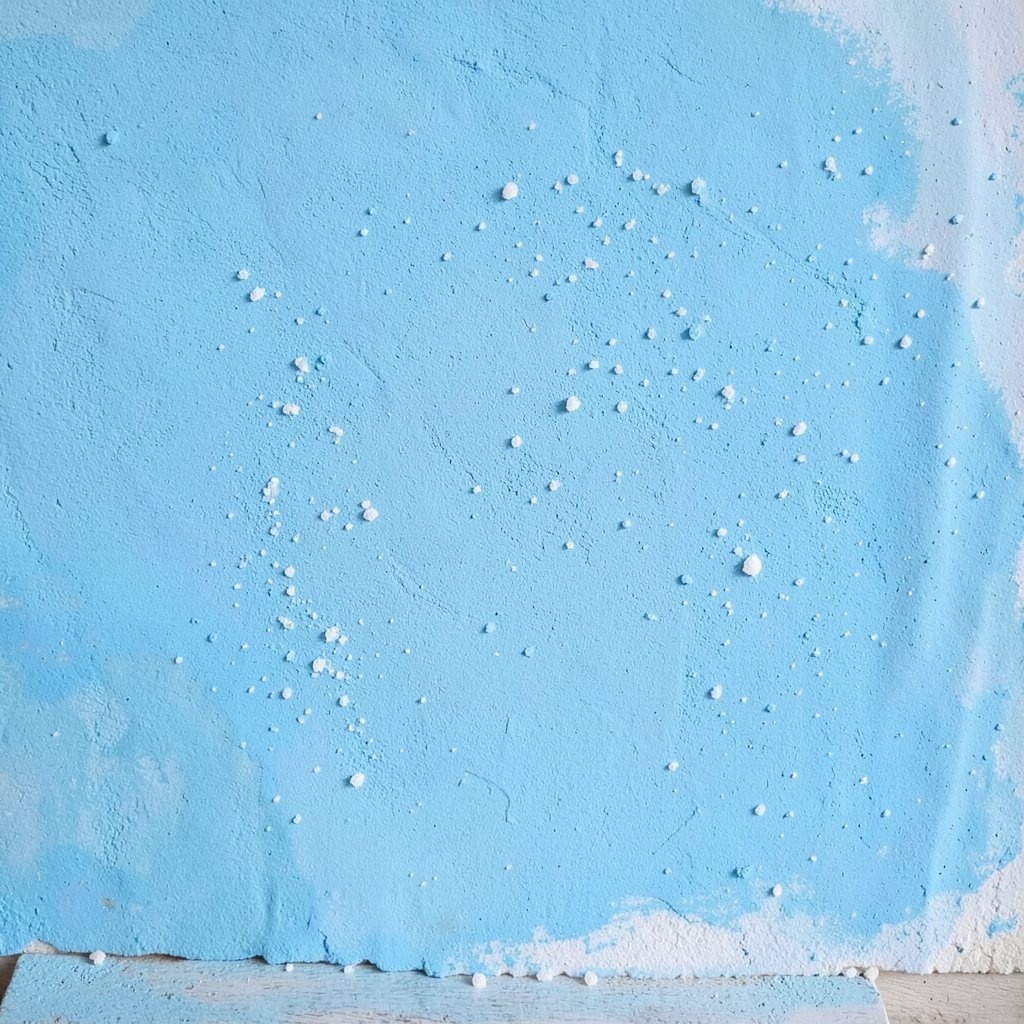
Think of a pale blue wall with tiny speckles that look like sea spray captured in plaster. Sand lime paint combined with natural salt crystals can create subtle texture that feels airy and fresh.
The benefit is a finish that blends color and texture, so scratches and small imperfections look less obvious. For practical tips, apply in thin layers and avoid rushing drying, because the speckling effect depends on how the surface sets.
This approach is unique because the texture is partly unpredictable, which is exactly what makes it beautiful. It’s often cost-friendly compared to specialty stones since you can use sand, lime, pigment, and basic tools.
9. Painted Driftwood Panels in Shades of Blue
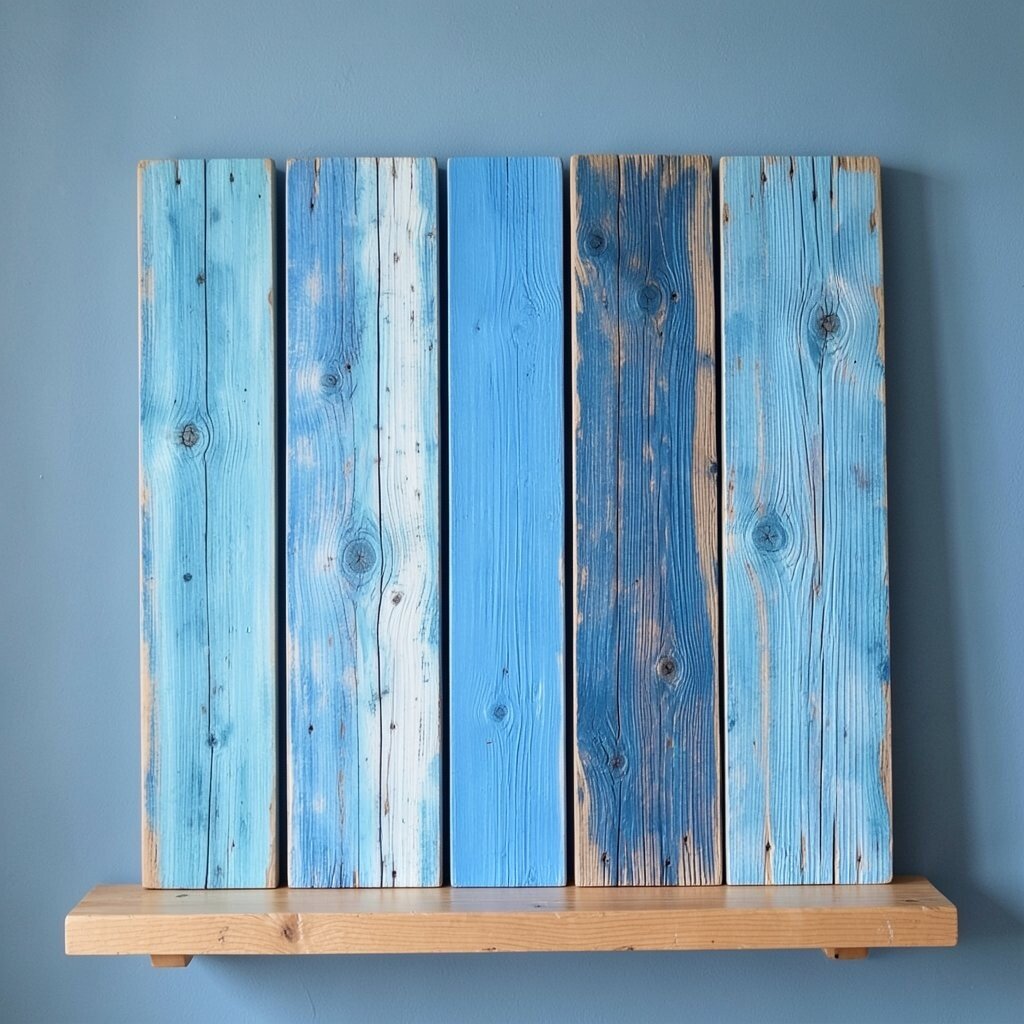
Imagine a wall lined with driftwood boards, each piece cleaned and painted in gentle blues that resemble weathered waves. The wood grain still shows through, so the blue looks like it belongs to the material rather than covering it up.
Driftwood or reclaimed wood gives the wall instant character and a lived-in look. For practical tips, make sure boards are sealed properly, pre-sort lengths for a balanced pattern, and attach securely to studs.
Personalize by using different blue tones across the boards, like slate, powder, and mist, then keep the spacing consistent so it looks calm. This can be budget-aware if you source reclaimed wood and only pay for paint and sealant.
Because natural textures are trending again, this option fits well in modern coastal, boho, and farmhouse rooms. It also adds depth that looks great in both daylight and warm evening lighting.
10. Blue Clay Planks With Handmade Ceramic Buttons
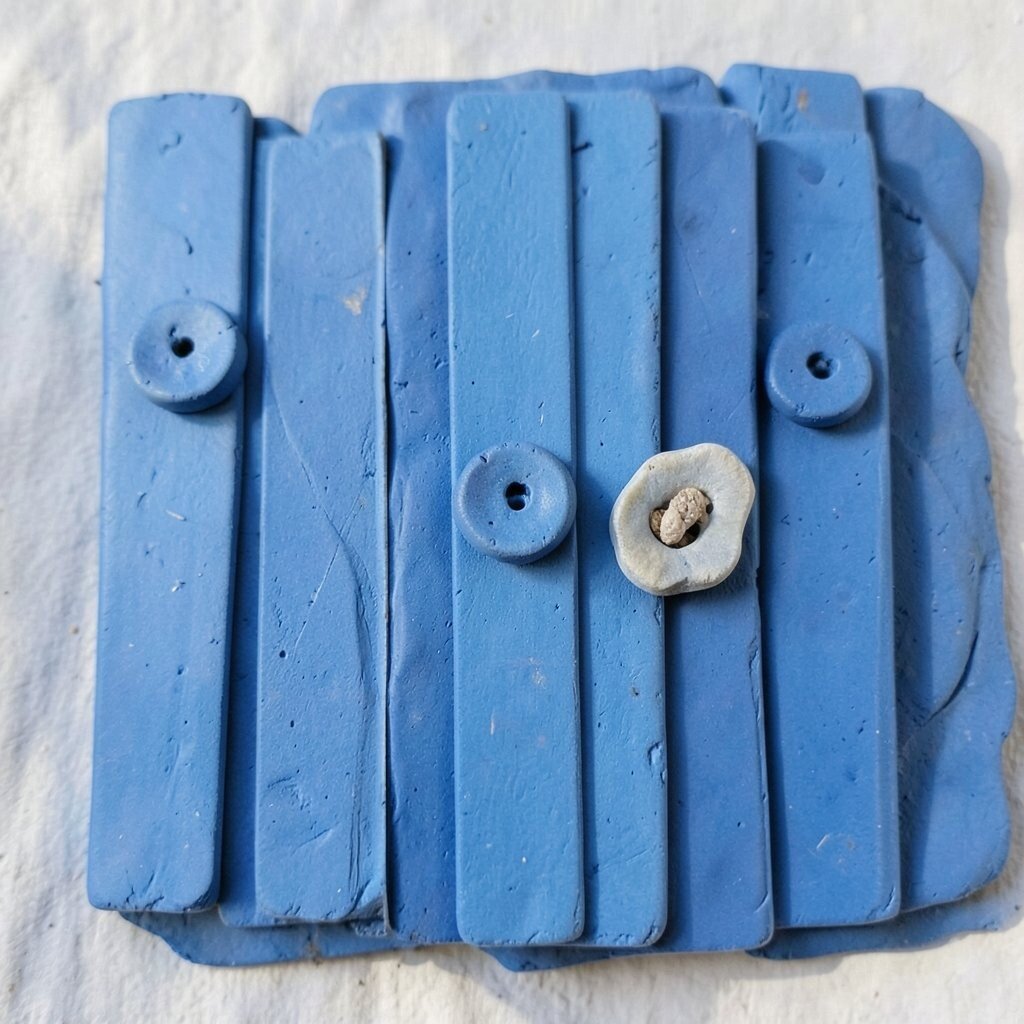
Picture horizontal clay planks tinted a soft blue, with small raised ceramic buttons catching light like tiny beads. This style feels playful but still earthy, so it’s not overly serious.
Clay planks bring warmth and breathability, and the raised details make the wall feel dimensional. For practical tips, mount planks carefully so they sit level, and use ceramic buttons sparingly so the wall doesn’t feel cluttered.
The uniqueness comes from the mix of matte clay and small glossy accents, which creates a natural rhythm. Costs vary depending on how many custom pieces you make, but you can keep it affordable by using fewer buttons and simpler plank shapes.
11. Blue Copper Patina Over Plant-Based Sealant
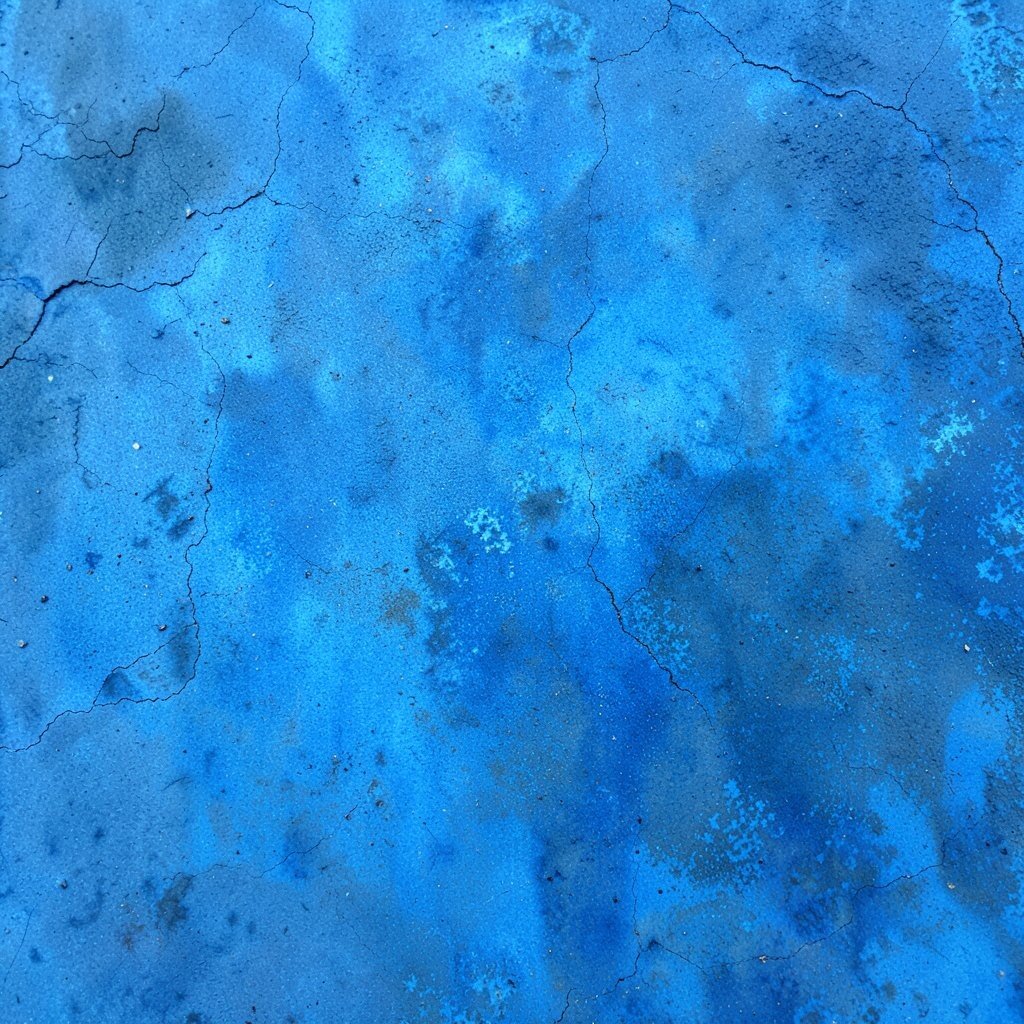
Imagine a blue-green glow on a wall that looks like aged metal found near the sea. A copper patina finish can shift with time, giving your wall a gradual story rather than a fixed color.
This look is unique because it isn’t only about blue, it’s also about movement in the surface where light hits differently. For practical tips, follow safe handling for metal finishes and test a small area first since humidity and application method change the results.
If you want personalization, layer shades by sanding lightly between coats and then add a clear plant-based seal to control shine. Copper patina can cost more than paint, but it can last a long time, and you can apply it as an accent wall to stay within budget.
Current trends favor natural aging effects, and this style fits perfectly with earthy palettes and warm wood details.
12. Blue Chalk Paint With Whisker Brush From Natural Fibers

Picture a soft blue wall with faint streaks that look like hand-finished plaster. Using brushes made with natural fibers can create a gentle, irregular texture that feels crafted.
This approach is beneficial because chalky finishes often help hide small imperfections and can be touch-friendly. For practical tips, work in smaller sections, use consistent brush pressure, and let each coat dry fully for an even color.
Personalize by sanding lightly at edges to make the blue look aged, or by blending two blue tones for a subtle gradient. Costs are usually lower than stones and mosaics, since you can buy paint supplies and use a simple brush.
13. Blue Terracotta Paneling With Lime Whitewash Veins
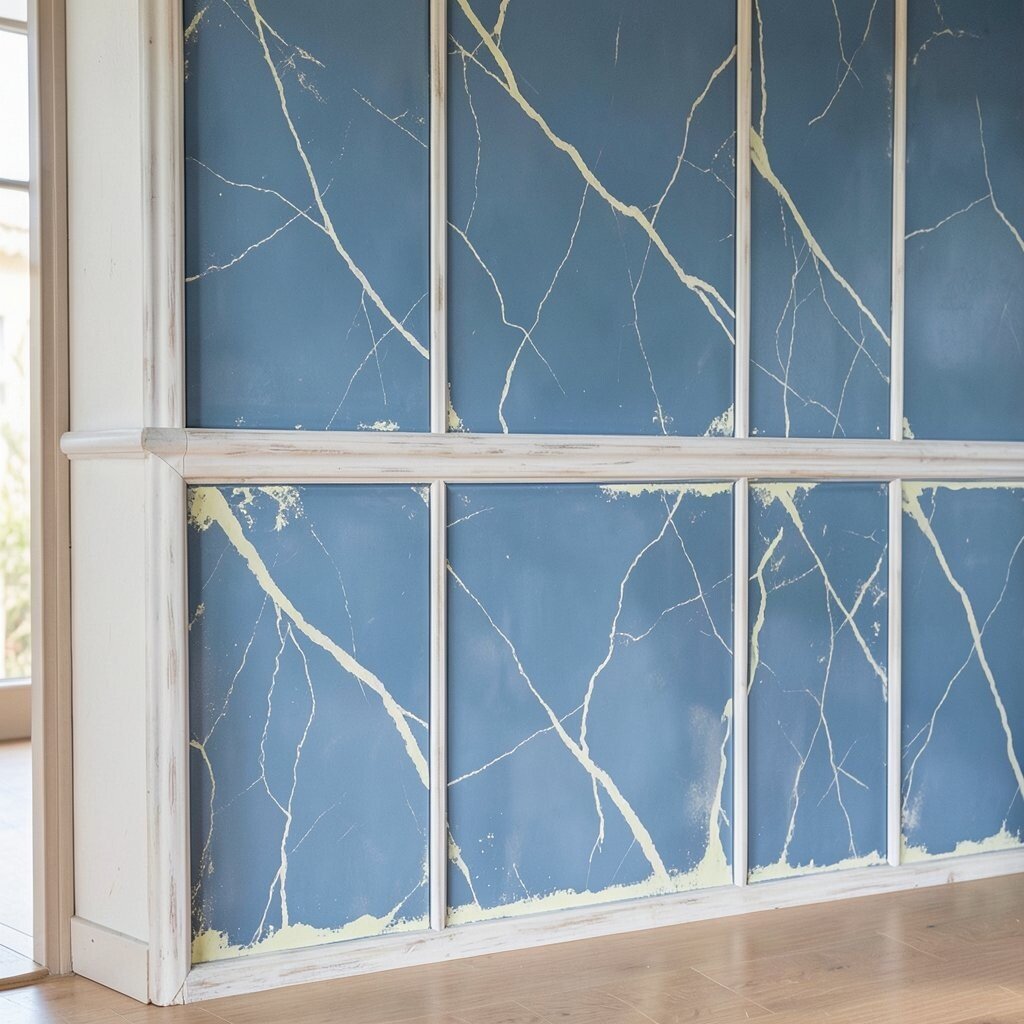
Imagine terracotta panels tinted blue, then washed with a thin lime layer so white veins appear like natural cracks. The result looks like the wall is inspired by sun-baked pottery and coastal rock.
This style is unique because it combines warm baked clay energy with cool blue color, giving a balanced mood. For practical tips, apply whitewash sparingly so it creates vein-like lines without turning the whole surface chalky.
Personalization is easy by choosing how strong the blue goes on each panel, and by spacing panels to match your room proportions. Cost considerations are usually fair because terracotta panels and lime wash can be less expensive than full tile work, especially when used on one feature wall.
This kind of earthy, artisanal wall treatment fits current tastes for Mediterranean-inspired interiors and handmade textures.
14. Blue Glass Bottles Embedded in Clay Mortar for a Sparkle Wall
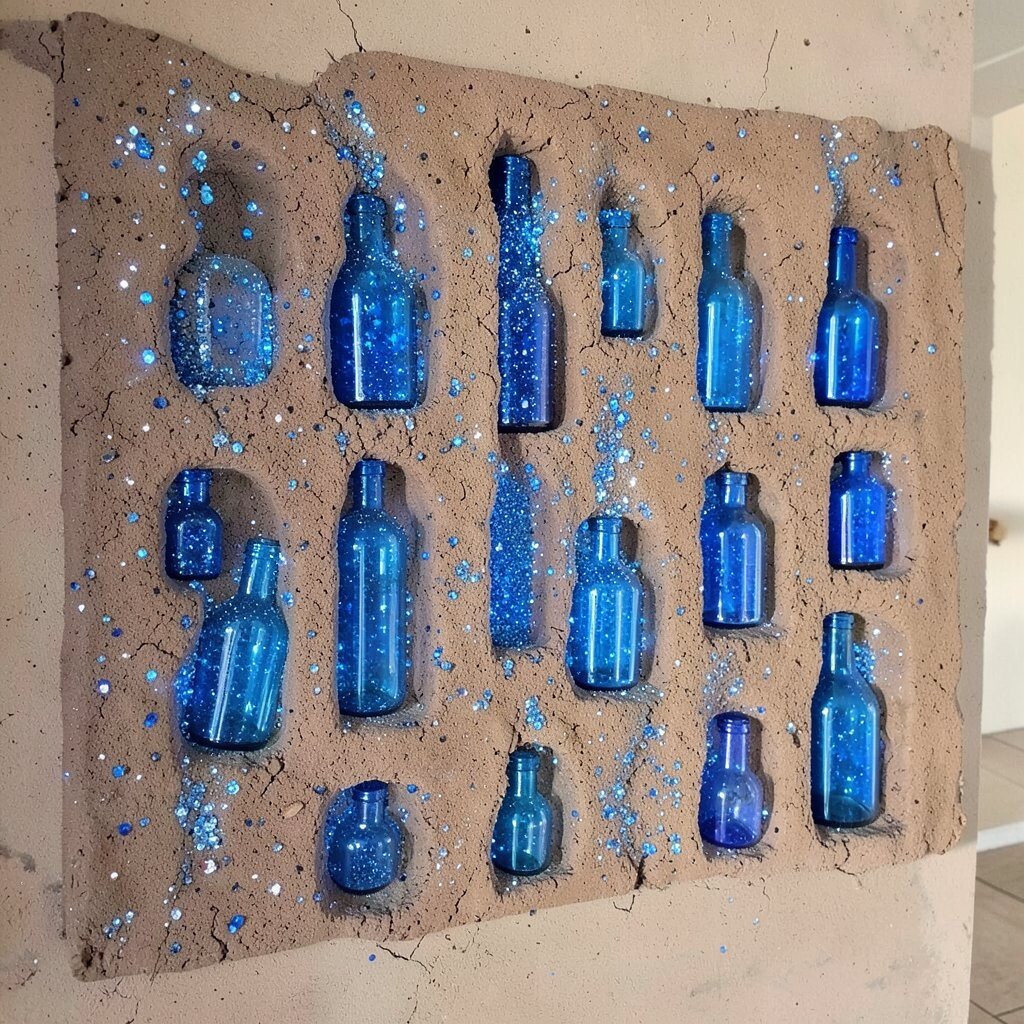
Picture a wall where blue glass bottles are set into clay mortar, creating a gentle sparkle when light passes through. The blue highlights feel like tiny water reflections across the surface.
The benefit is both visual and functional, since the embedded glass adds texture and depth that hides subtle wall flaws. For practical tips, plan your bottle placement, use a stable backing, and protect cut edges properly so the wall stays safe.
This idea is uniquely expressive because you can choose bottle shapes, sizes, and shade depths to match your taste. Costs can stay reasonable if you source bottles from thrift shops or recycling centers, and then invest mainly in mortar, adhesives, and sealing.
If you want a trend that feels fresh, this upcycled, light-catching feature wall gives strong artisan vibes without needing expensive custom artwork.