Your closet holds more than clothes, and it quietly shapes your mornings. A few smart moves first can make everything feel calmer and more you.
Try these ideas before you start sorting, and you’ll save time, reduce stress, and get better results.
1. Do a fast “grab and look” reality check
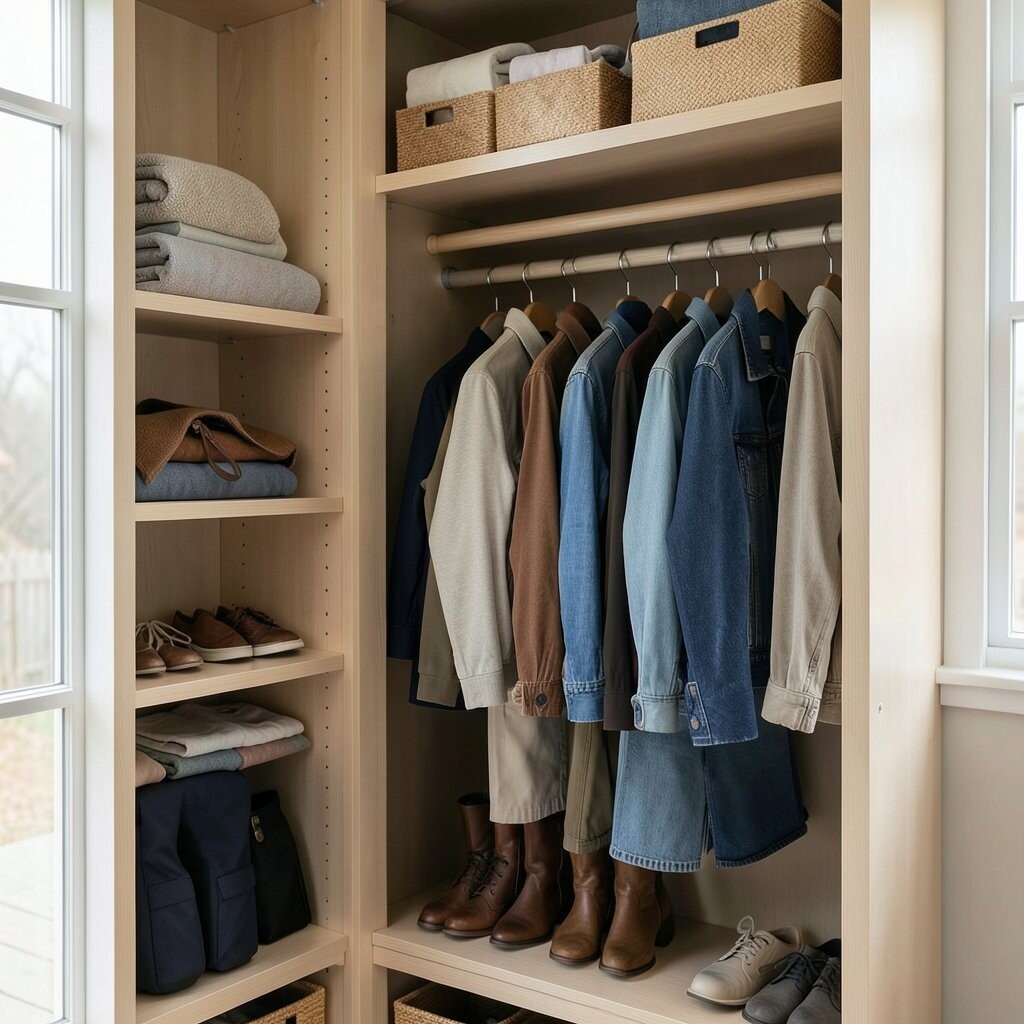
Pick one clothing category and pull it out like you’re searching for a missing item. As you lay pieces on the bed, notice how they actually look in daylight, not just in your closet mirror.
Do the same for a couple more categories so you can see patterns. You’ll spot what you reach for, what feels tight or dated, and what’s just taking up space. This quick look helps you plan without second-guessing every decision later.
2. Sort by how often you truly wear each piece
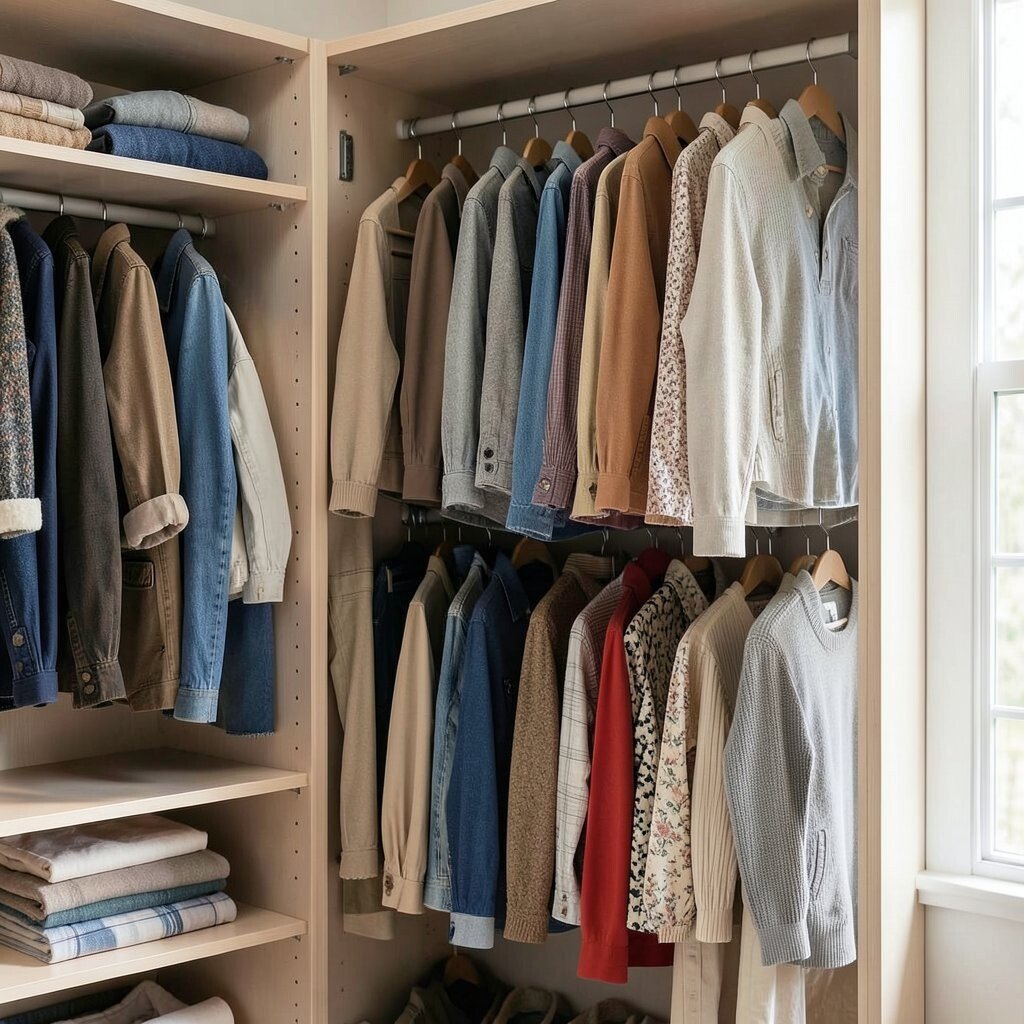
Instead of sorting by type right away, focus on frequency. Hold each item and ask yourself if it’s a weekly go-to or a rare treat.
Group your most worn items where your hand naturally reaches. Put occasional pieces a little higher or farther back, so everyday choices stay effortless. You’ll feel the benefit fast because getting dressed becomes smoother, not slower.
To personalize, try a “three-week test” where you note what you wear and let that guide where items live. This also helps you decide what to move, donate, or store long-term without overthinking. If you have tight budget limits, this method still works because it uses what you already own.
3. Measure your space with a simple tape pass
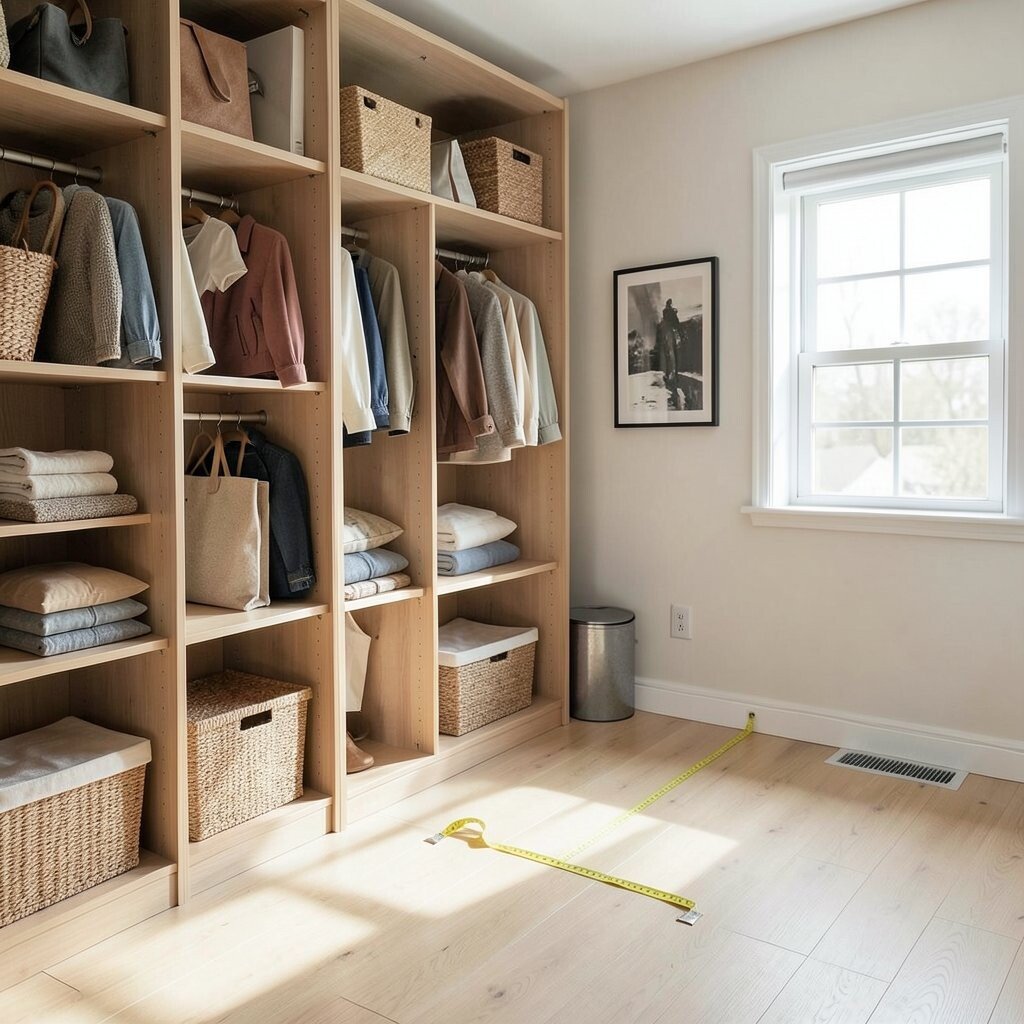
Before buying bins or organizers, check what your closet can really handle. Use a tape measure and quickly note shelf depth, hanging height, and the width between doors or walls.
When you see the exact space on paper, it becomes easier to choose sizes that fit. You can prevent the frustrating moment of bringing home a storage box that won’t slide in. A practical measuring pass saves money and avoids extra returns.
For personalization, compare your closet to how you style. If you like stacking sweaters, note shelf height and decide how many layers look neat. If you hang lots of dresses, plan for enough hanging space so hems don’t drag.
Current trends often lean toward built-in-looking organization, but you can still get that vibe with smart sizing. Even small closets can feel curated when every inch is used well.
4. Clear only one zone at a time
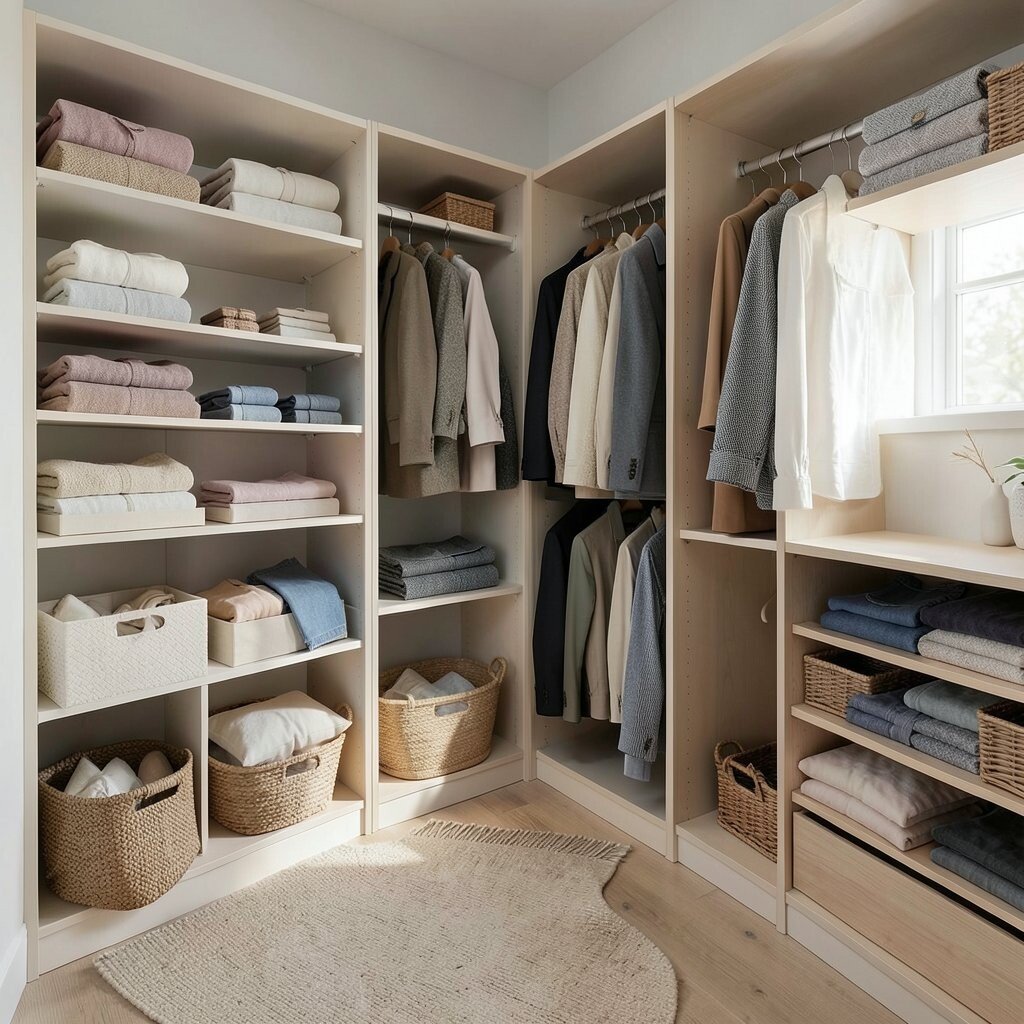
Instead of emptying the whole closet, start with one zone like the top shelf or one hanging section. Lay out what belongs there and ignore everything else for now.
This keeps momentum while you make decisions. It also lowers the chance you’ll end up with a big pile that turns into a weekend project you don’t finish. A calm pace helps you keep clothing organized in a way that actually sticks.
To keep things unique, treat each zone like its own mini experience. Your everyday zone can look bright and easy to see, while rarely worn items can be grouped for practicality. If you’re cost-conscious, you can make huge changes using just a few bags and hangers, not new furniture.
5. Decide what “season-ready” means for your life
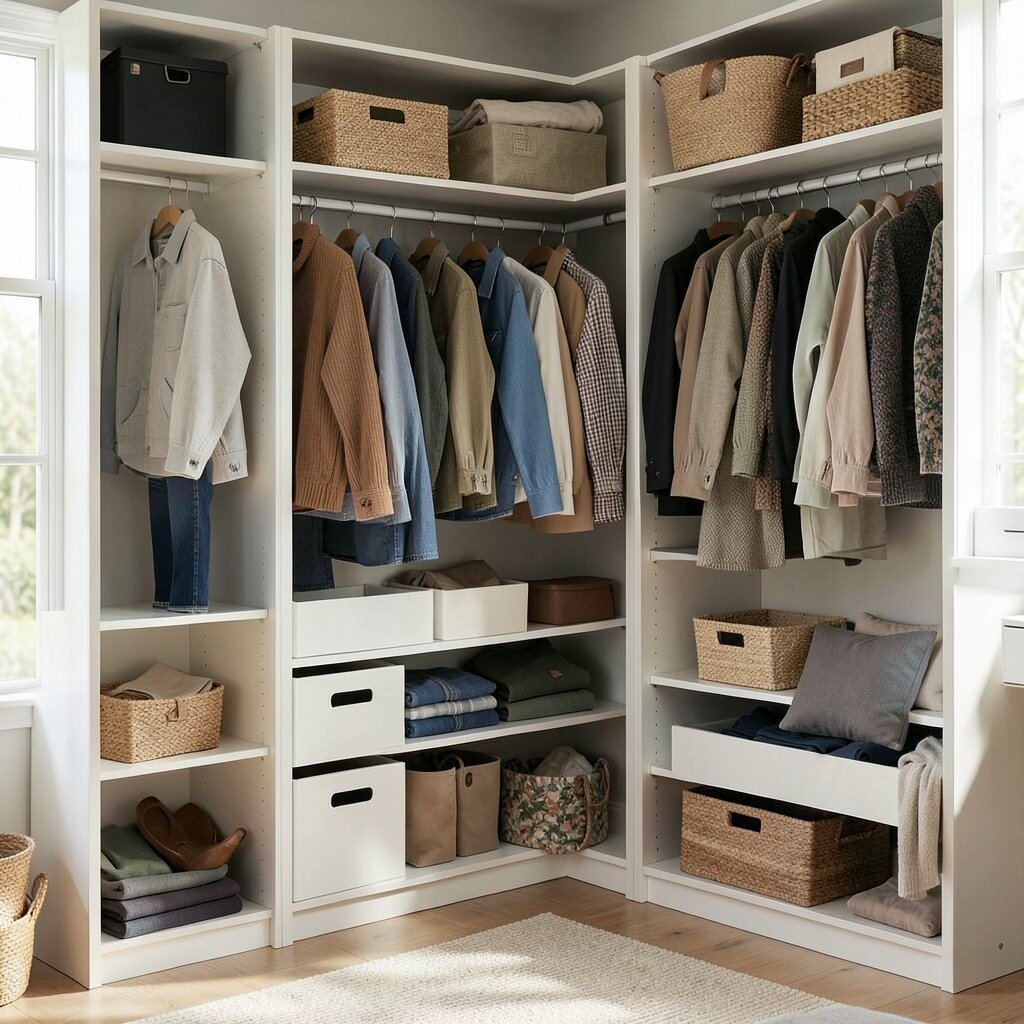
Before you reorganize, think about how your weather really works for you. Some people wear layers in mornings but switch quickly midday, so a strict seasonal setup may not fit.
Make a plan for what stays in reach and what goes into seasonal storage. When you define this, you stop shuffling coats and boots every few weeks. The benefit is a closet that feels steady and predictable.
For personalization, try a “rotation rhythm” based on your routine rather than the calendar. You might store swimwear until you see repeated warm days, then swap in pieces you’ll actually wear. This approach keeps you from buying duplicates, which is a nice cost win.
6. Test a hanger style swap without buying everything at once
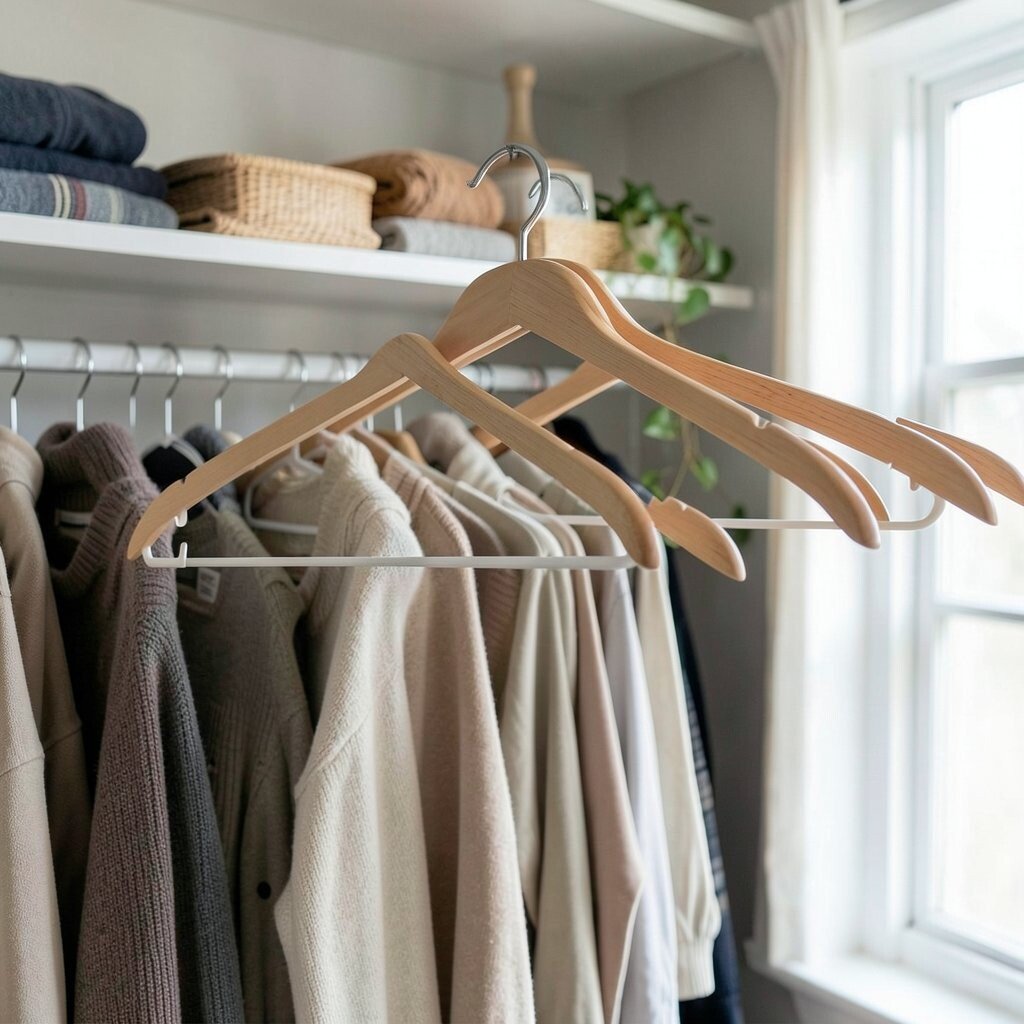
Take a look at your hangers, and consider how they affect how your clothes behave. If you notice slipping shoulders or stretched straps, the hanger might be part of the problem.
You can test a small swap by using only a few matching hangers first. Once you see how shirts and jackets hang neatly, you’ll know what style you want. It’s a small change with a big visual payoff.
Uniqueness matters here, too, because you can pick hangers that match your closet’s mood. Smooth, slim hangers make a closet look tidy, while wider ones help protect heavier items. If budget is tight, focus on hangers for the most worn clothes rather than everything at once.
7. Make a “future me” box for uncertain pieces
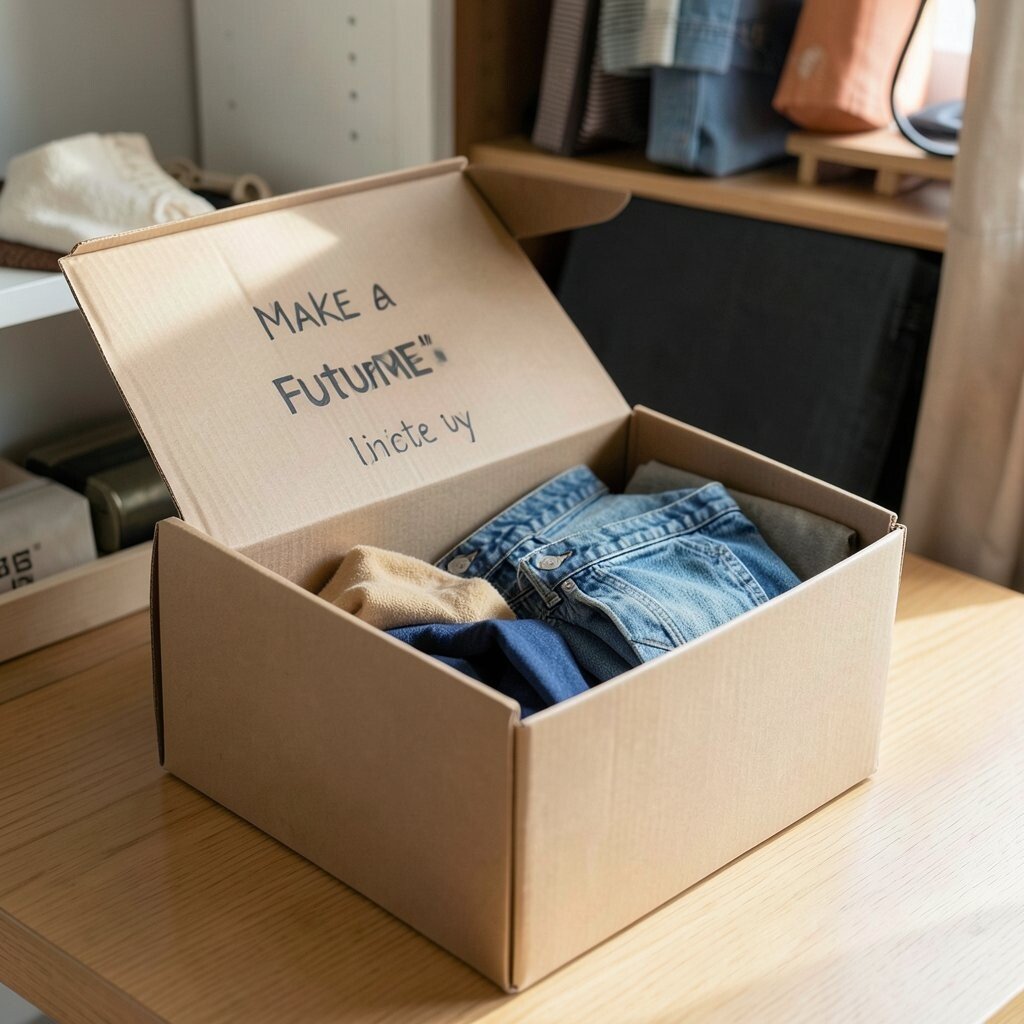
When you’re not sure about an item, don’t force an instant yes or no. Put it in a clearly set-aside box labeled with your own simple timeline idea in your mind.
This gives you permission to pause while your choices get clearer. Later, when you revisit the box, you’ll often find that many pieces don’t match your current style needs. The benefit is fewer regret decisions and less clutter growth.
Personalize the process by choosing a time period that fits your life, like after a trip or after a work season. You’ll also avoid spending money on new storage for items you might remove soon. This method is gentle and practical, not dramatic.
8. Check for fit issues before you reorganize
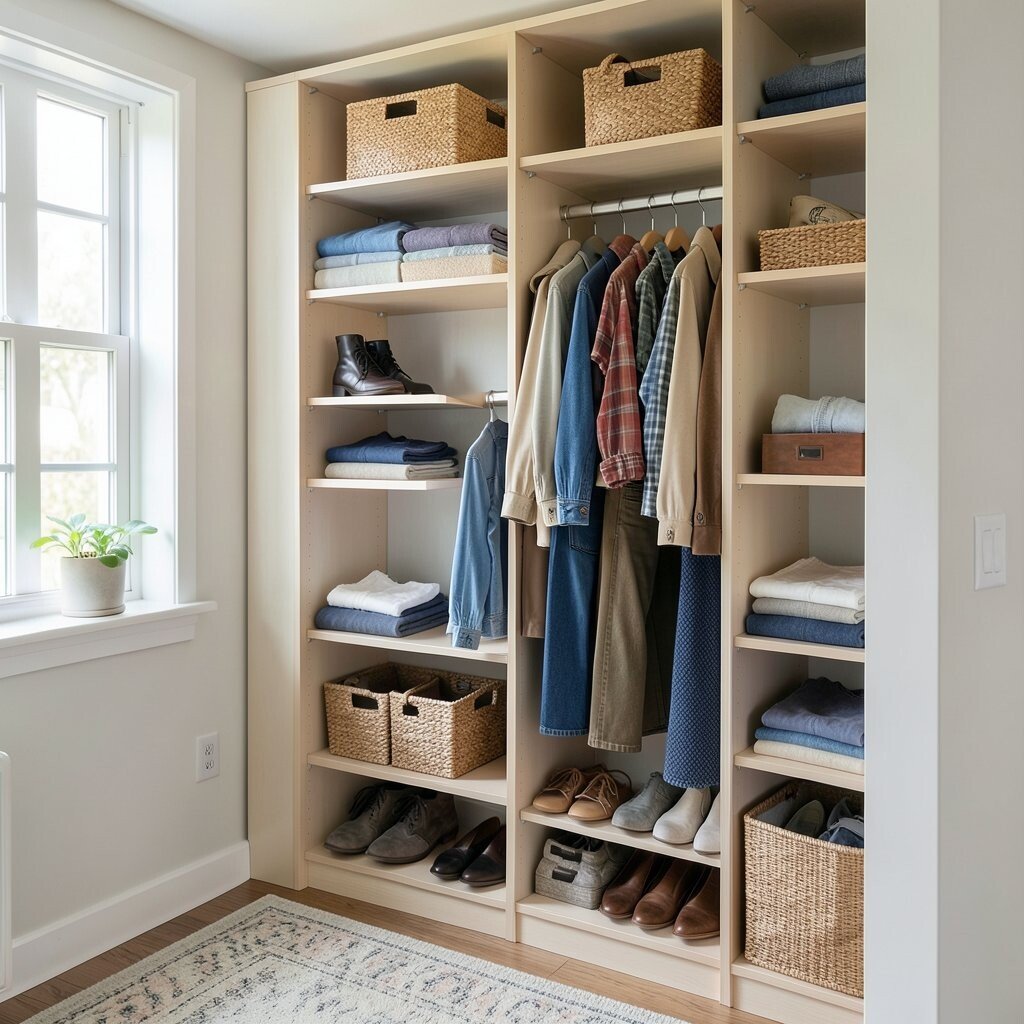
Look closely at the clothing you wear most and pay attention to fit. If sleeves ride up, waistbands gap, or collars curl, your closet may feel like it’s fighting you daily.
Decide what needs simple fixes like steaming, mending, or tailoring before storage changes. When clothes sit correctly, they look nicer and you spend less time adjusting outfits. It’s a small effort that makes the whole closet feel more polished.
9. Build an easy outfit shortcut with a small “wear now” area
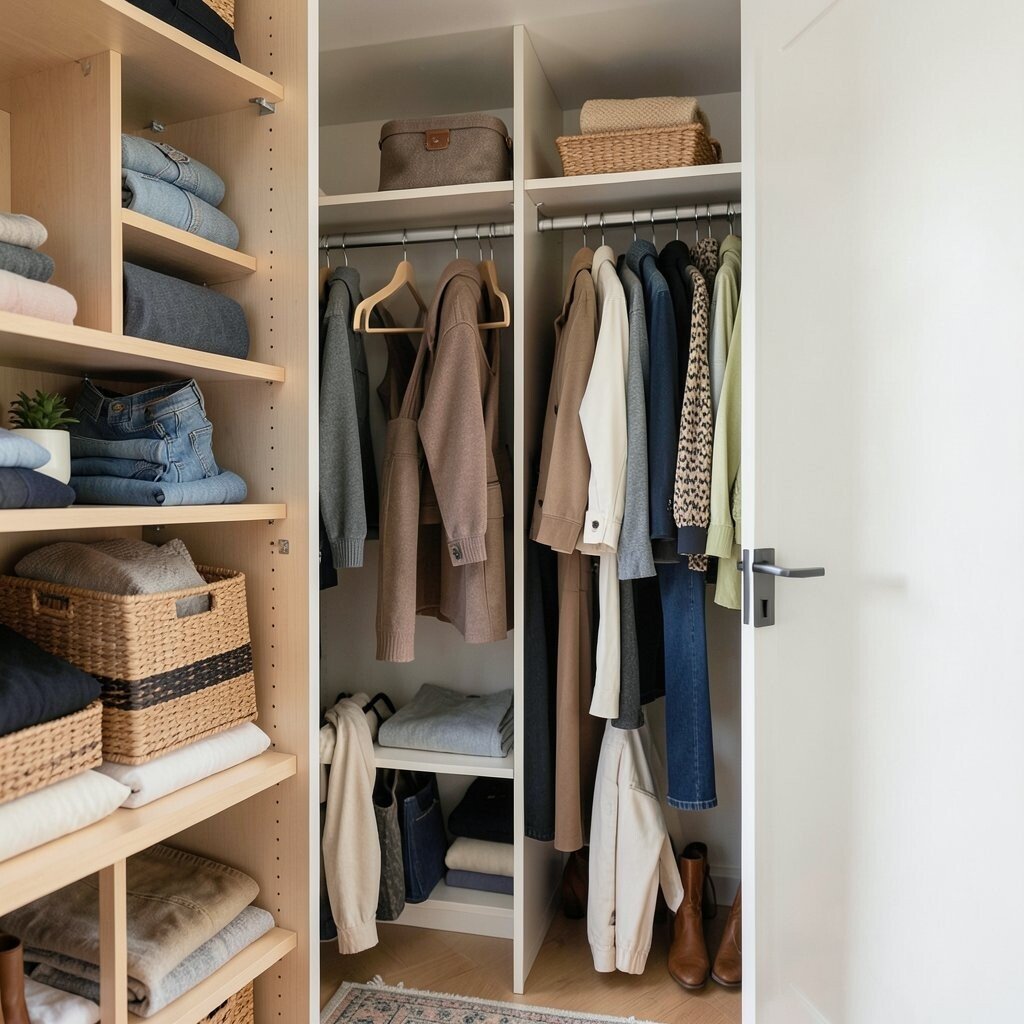
Choose a spot near eye level for your go-to pieces. This can be a section of hanging clothes or a small stack of folded favorites.
Keep it light enough that you can scan quickly. When you can see options without digging, mornings feel less chaotic and more friendly. That’s a real benefit you’ll notice immediately.
To personalize, choose pieces that match your current routine, like work staples, gym gear, or weekend layers. Add a few accessories you love so the area becomes a mini outfit station. Cost stays low because you’re using what you already own and placing it smarter.
10. Use color in a way that matches your brain
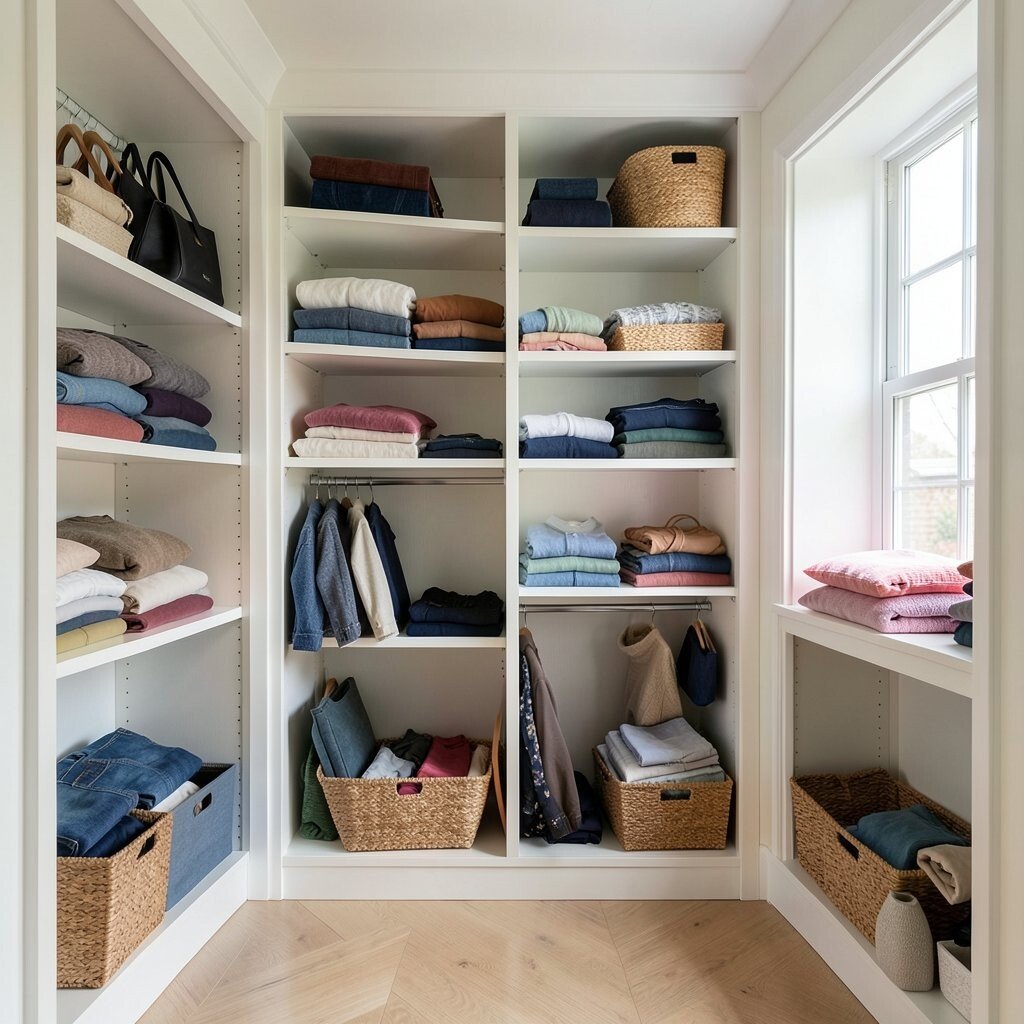
Some people think best in rainbow order, while others prefer a simpler system. Pay attention to what helps you pick an outfit quickly without overthinking.
You can group by color for a visually calm look, or group by shade family so it’s easier to mix and match. Either way, your closet starts to feel like a wardrobe gallery instead of a storage space. It also supports personalization because your color preferences become the organizing guide.
Current trends often show neutral-toned closets, but bold color accents still look stylish. If you love bright pieces, place them where you’ll actually see them and wear them. This reduces the chance that colorful items get forgotten in the back.
11. Treat shoes like a display, not a pile
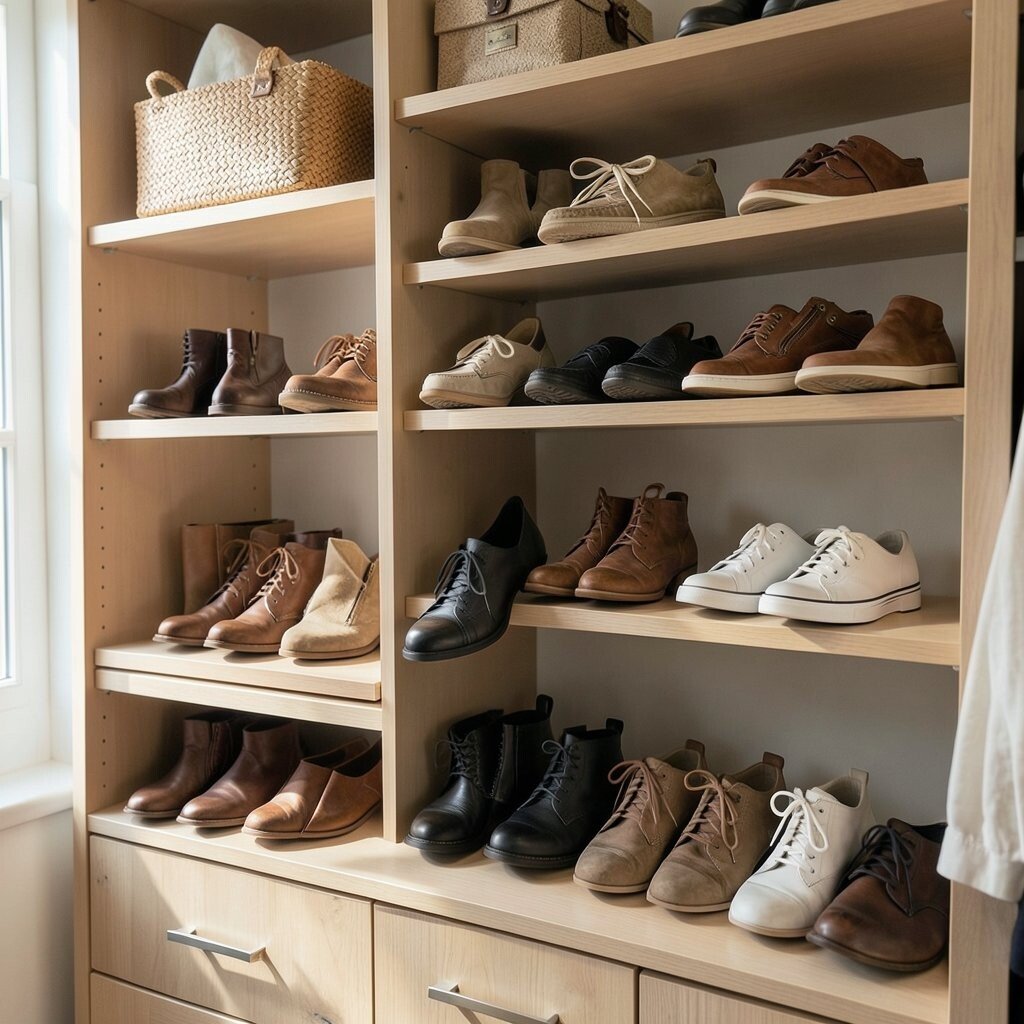
Look at your shoe setup and notice how it affects choosing. If shoes tumble into each other, you lose time and you may end up wearing the same pairs again and again.
Give shoes their own clear home, like a row in a tray, cubbies, or even a tidy rack. When each pair has a spot, your closet looks neater and your brain gets a quick win. It also protects your shoes so they last longer, which is a smart cost consideration.
To personalize, arrange by use rather than by style alone. Put everyday shoes near the entrance side of the closet and keep special occasion pairs slightly farther back. If you’re budget-friendly, start with one method for your most worn shoes first and expand later.
12. Add texture control with simple fabric rules
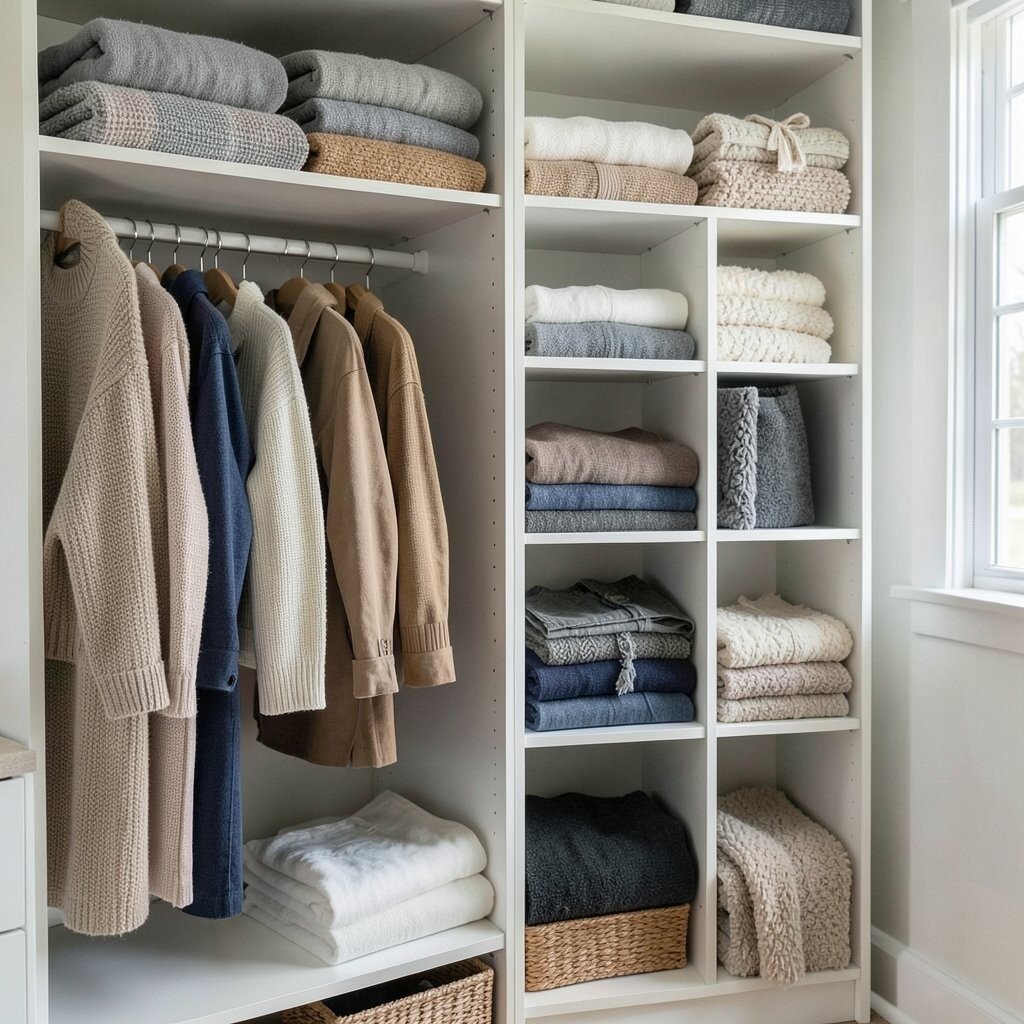
Before organizing, pay attention to fabric types and how they behave. Wool can hold shape, knits stretch, and delicate items need gentler handling.
Fold or hang accordingly so your closet stays tidy longer. When you match storage to fabric, you reduce wrinkles, stretching, and that “why does this look weird now” feeling. This practical approach makes your system feel worth it.
Uniqueness can come from your own personal fabric habits. If you love crisp shirts, create a designated fold method for them. If you live in soft loungewear, keep it where it stays easy to grab without wrangling. It’s a personalized setup that saves time every week.
13. Create a quick access spot for everyday accessories
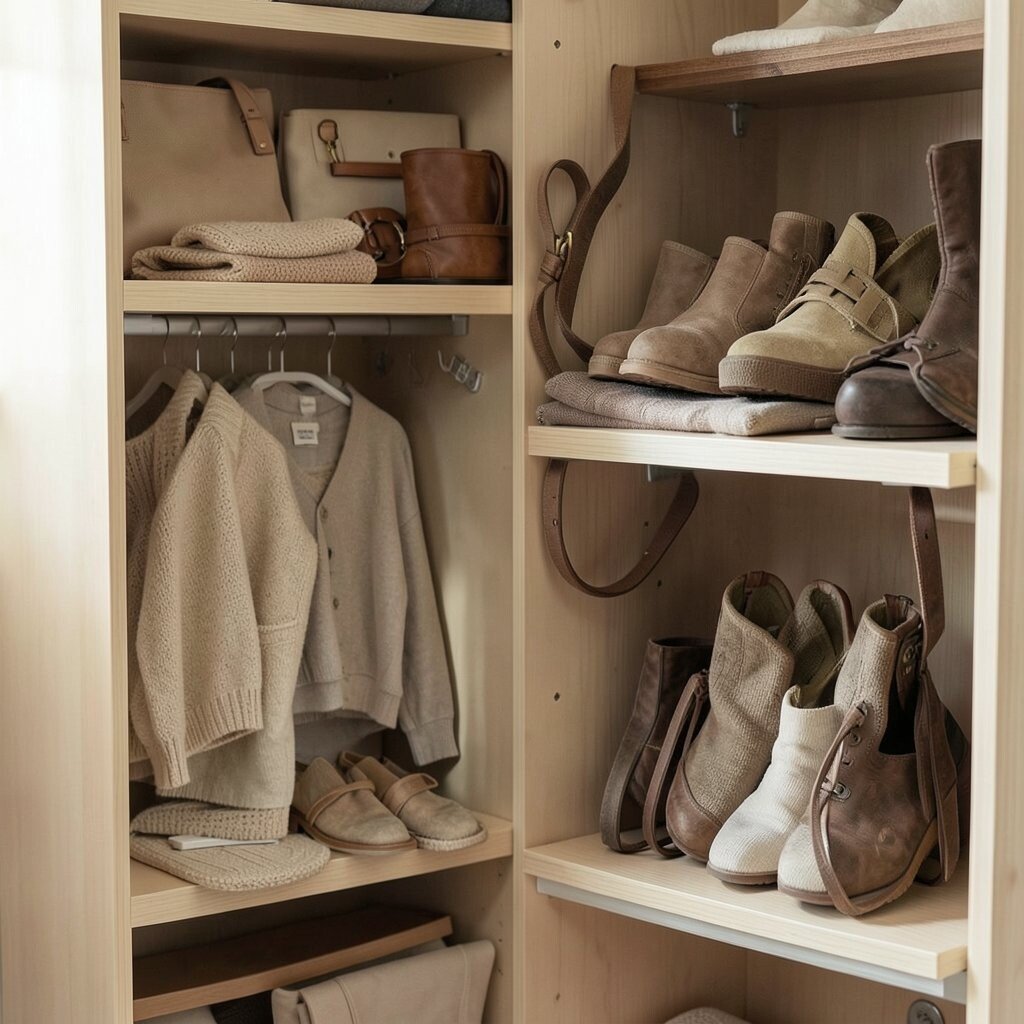
Think about what you hunt for constantly, like belts, scarves, hats, or bags. If those items are buried, your closet can feel messy even when clothing is neat.
Place accessories where you can grab them with one reach. A small organizer, a hook, or a simple divider can make a huge difference. The benefit is that your outfits feel finished because accessories stop being an afterthought.
For personalization, group accessories by outfit vibe, such as “work polish” or “weekend comfort.” This also helps you see what you already own before buying anything new. If cost is a concern, you can start with a few inexpensive hooks and a tray you already have.
14. Use “visual breathing room” for a calmer look
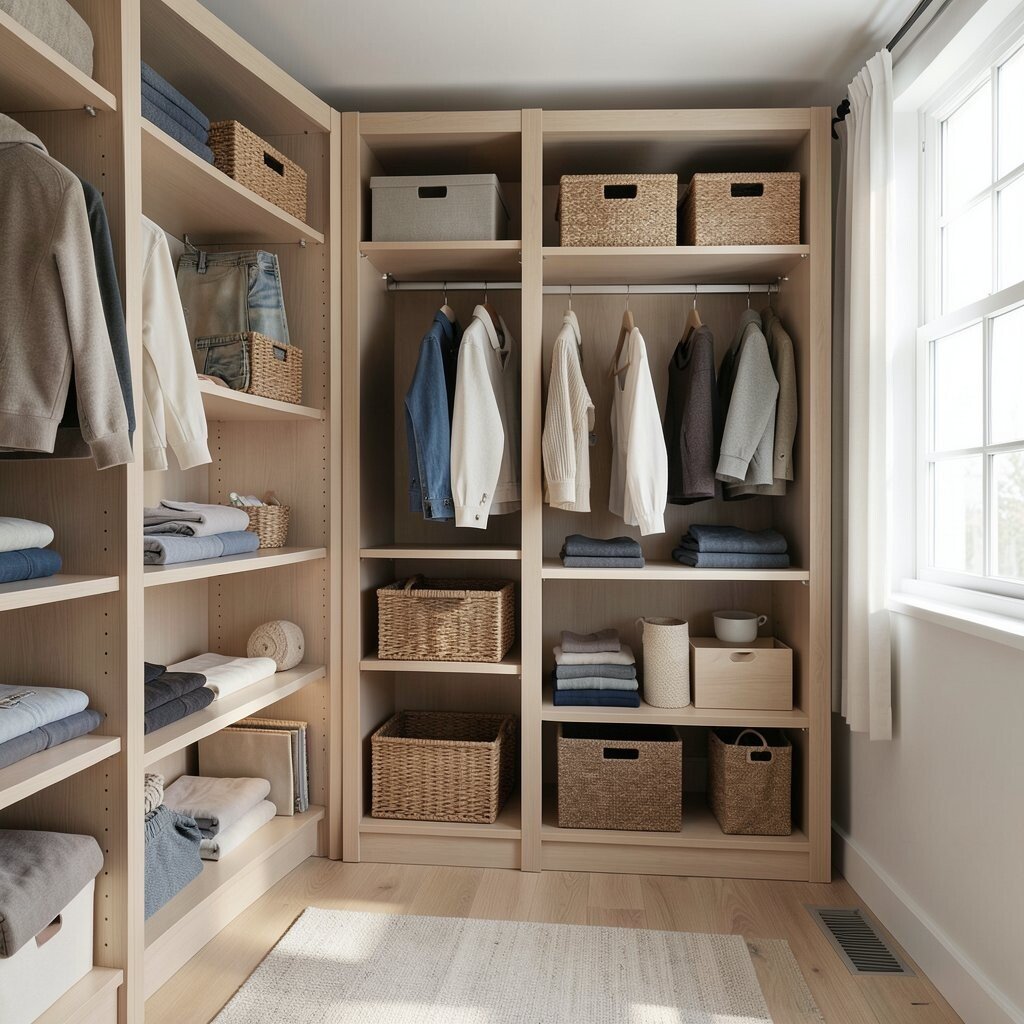
When a closet is crammed, it becomes harder to see what you own. Notice where clutter blocks your view, like crowded shelves or tightly packed hangers.
Create breathing room by leaving small gaps or using fewer items per spot. Your closet will feel more peaceful, and that peace makes organizing feel rewarding. This is a practical trick that doesn’t require fancy products.
Current trends often favor simple, styled storage where items look intentional. You can achieve that by spacing items so the closet looks like it was curated. Personalize the look by choosing a consistent folding style or using similar containers for similar categories.
15. Set a “decision rule” for donations and returns
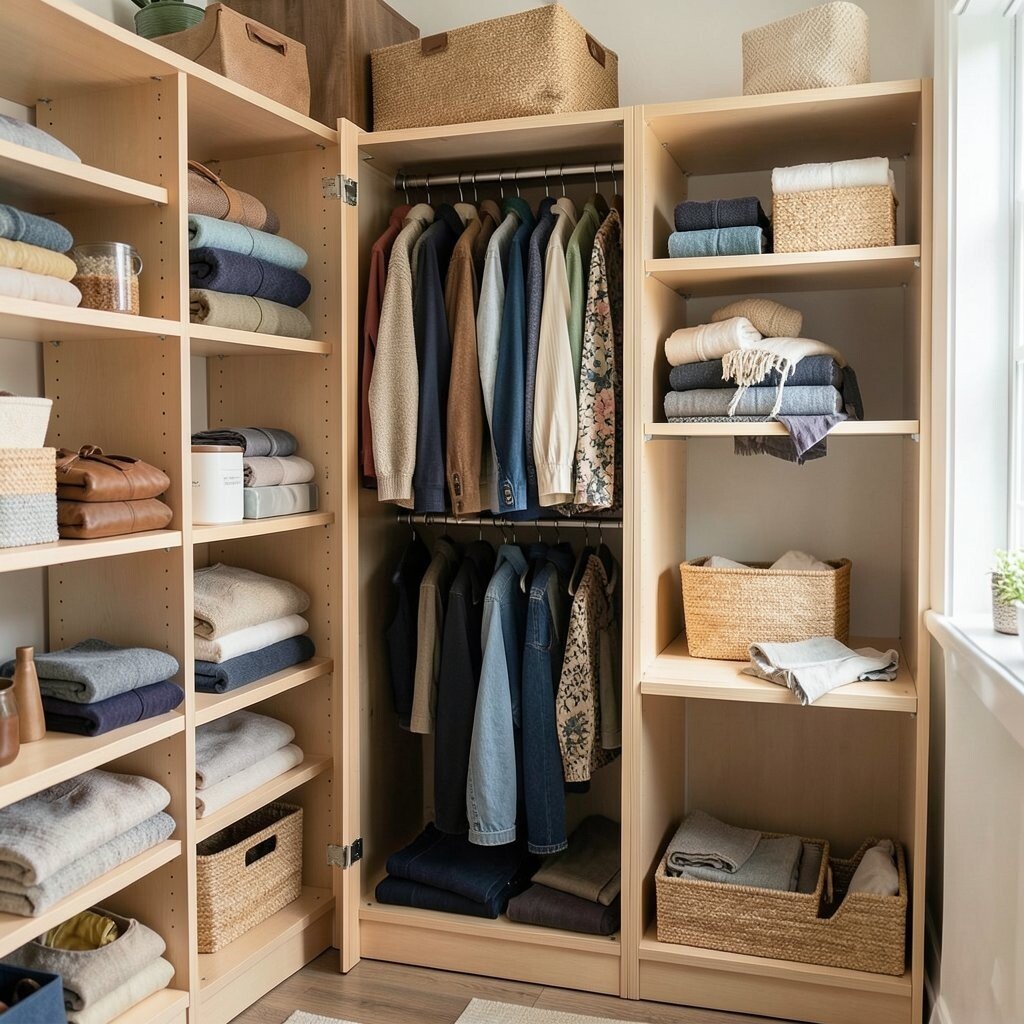
Before you start moving items around, choose how you’ll handle pieces you don’t want. A decision rule keeps you from getting stuck, especially when emotions kick in.
For example, you can donate items that don’t fit and don’t match your current style, and return anything still within a sensible window. When you stick to the rule, the closet becomes easier to maintain. It also protects your budget because you won’t keep buying replacements for things you already have.
Uniqueness comes from choosing a rule that reflects your life. Maybe you keep a few sentimental pieces, but they live in a specific storage area instead of taking up daily space. When your rule feels fair, you’ll follow it without stress.
Practical tip time means testing the rule on a small pile first, so you feel confident before you commit to bigger changes. That confidence helps you finish the project instead of leaving it half done.
16. Plan your next move before you buy anything
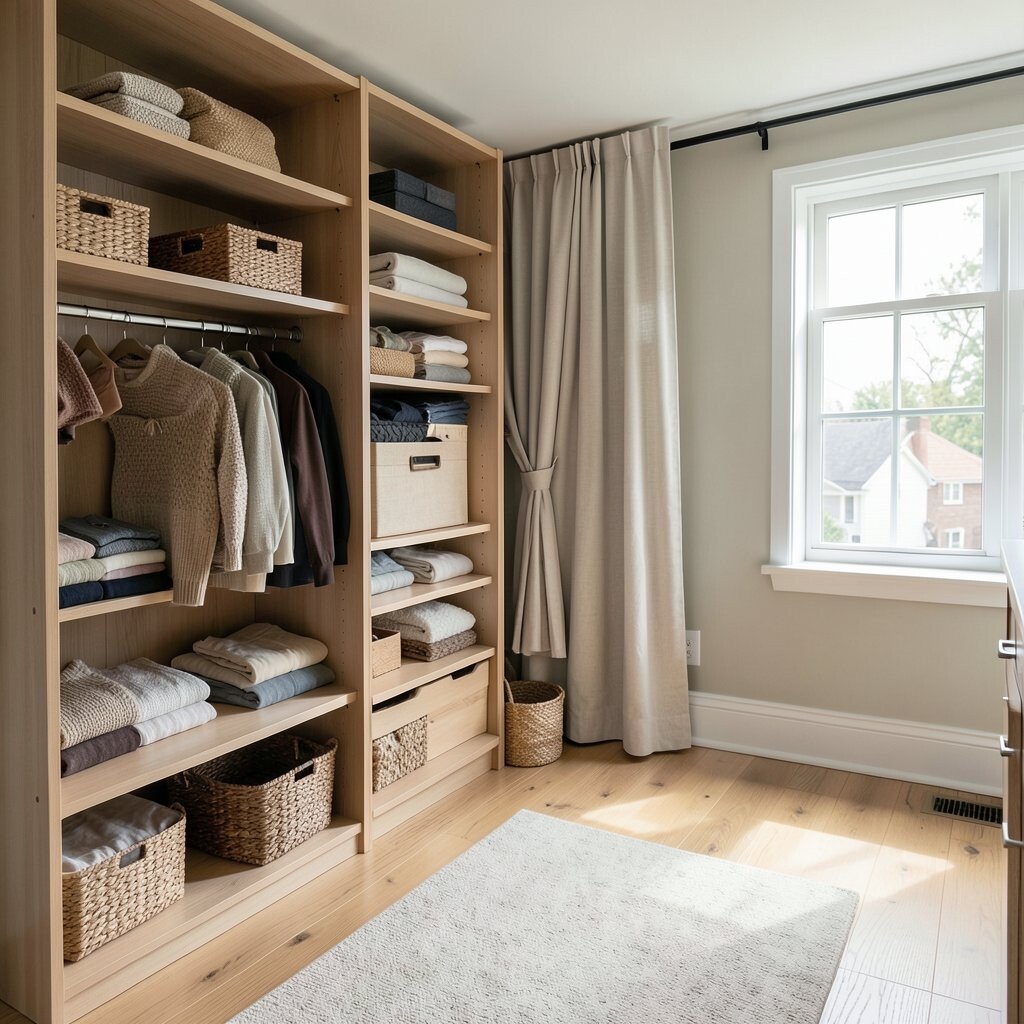
Organization gets expensive when you purchase items before you know your real needs. Take a moment to picture the final flow of your closet in your head.
Think about what you want to grab quickly, what you can store higher, and what should stay near the door. When you plan the flow, every purchase feels purposeful instead of random. This is the kind of practical thinking that saves money and time.
Personalize your plan by matching it to your routine, like morning outfits, workwear needs, or weekend priorities. Current trends often show mix-and-match storage, but you can keep it cohesive by repeating a small style choice, like matching bins or consistent labels in your mind. If you keep costs controlled, start with one area that causes the most frustration and upgrade only that first.
When you’re ready, your closet will look less like a project and more like a system you enjoy using every day.