Cold air can sneak in through the smallest gaps on a balcony. With a few smart steps, your outdoor space can feel cozy even on icy days.
Winter-ready balconies look better, protect plants and gear, and make you want to step outside with a warm drink. These ideas are practical, budget-friendly in many cases, and easy to tailor to your space.
1. Seal Drafty Doors and Gaps
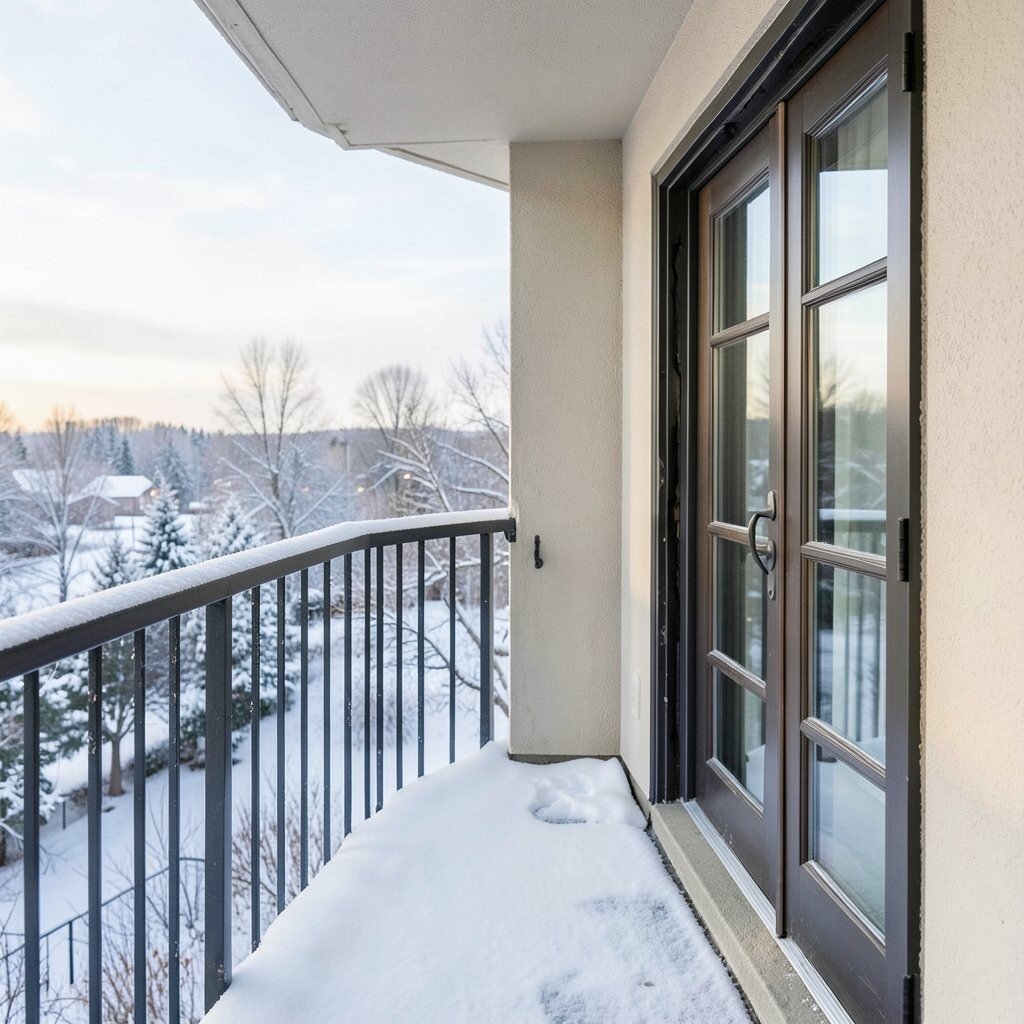
You will feel the difference when wind can’t slip in from the balcony door. Run your hand along the frame and notice any spots where air moves.
Use weatherstripping or draft tape to close small gaps around the door. Add a door sweep if the bottom edge lets in chilly air, and keep the area around hinges clean so the seal stays snug. When the balcony feels less drafty, your indoor comfort improves and your balcony time becomes more inviting.
2. Upgrade to Windproof Planters and Anchors
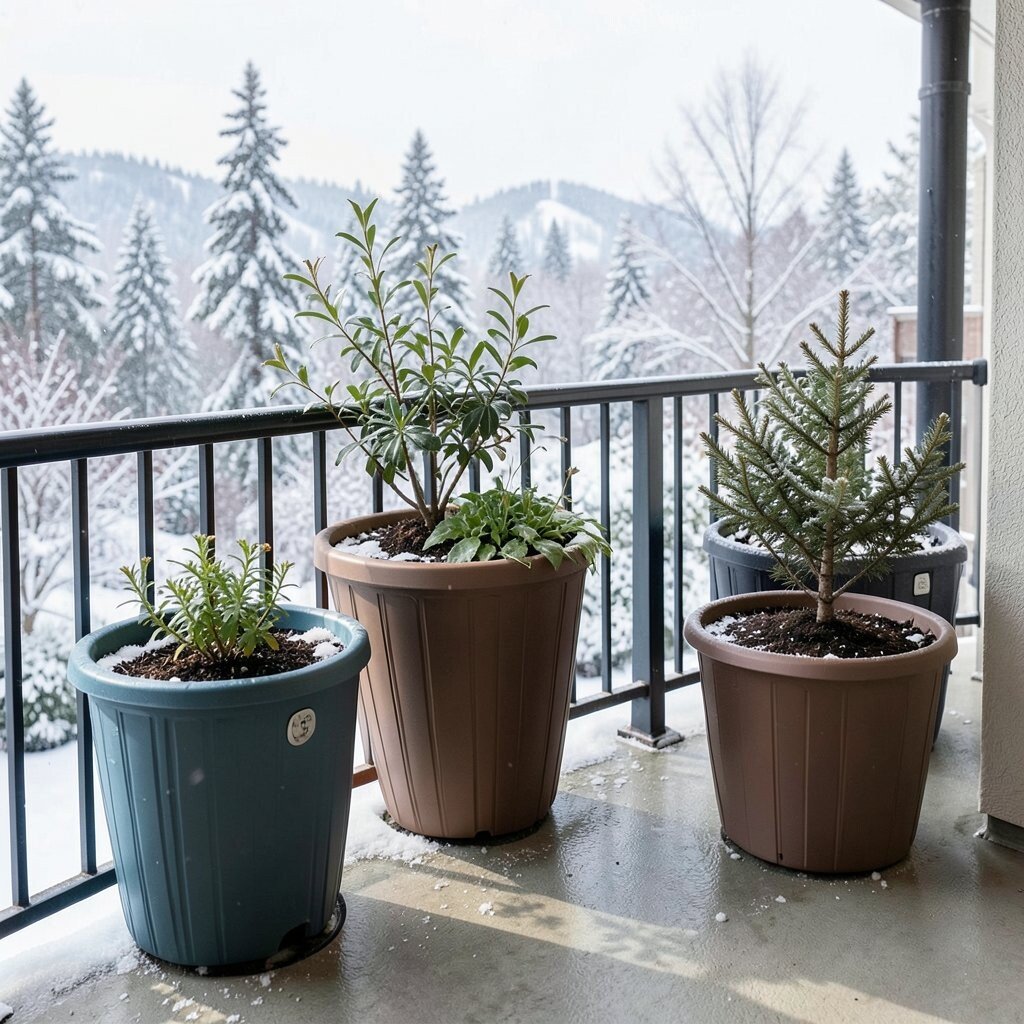
Lightweight pots can tip over fast in gusty winter weather, especially on higher floors. Swap to heavier containers or add built-in saucers that hold steady on railing edges.
For extra safety, anchor planters with straps or weight blocks designed for outdoor use. This keeps your soil from spilling, protects roots from sudden movement, and reduces mess when storms roll through. You can still keep a stylish look by choosing planters in matte black, terracotta tones, or weathered finishes that hide grime.
Choose options that match your budget, since many outdoor anchors cost less than a replacement plant. Today’s trend is using sleek, modern planters paired with visible anchor systems, so the safety looks intentional instead of hidden.
3. Add a Layered Insulation Floor Cover
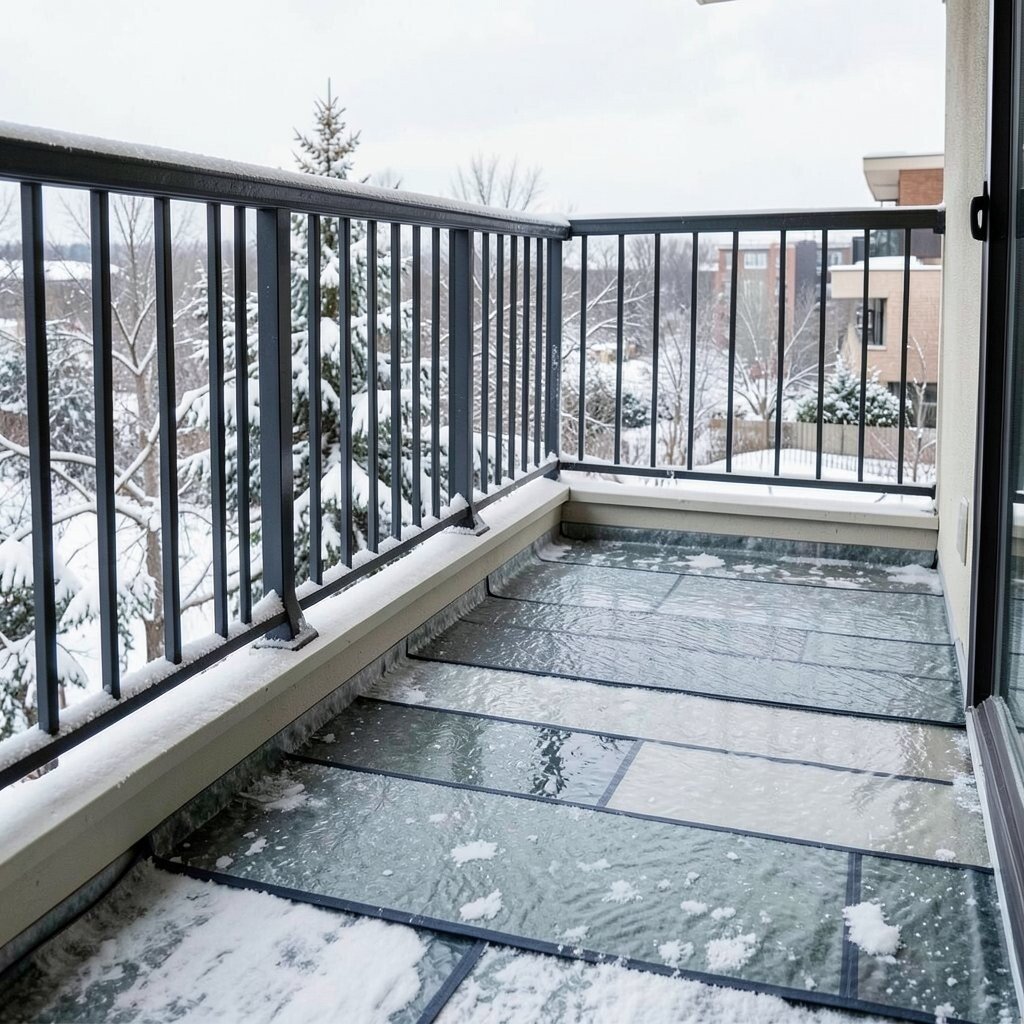
Your feet feel it first, so start with the balcony floor. Even if you cannot insulate the whole space, a warm layer underfoot makes winter evenings feel friendlier.
Use interlocking outdoor mats, foam tiles rated for outdoor use, or a thick outdoor rug with non-slip backing. Lay a breathable mat on top of a base that drains well, so moisture does not build up. This small upgrade improves comfort, prevents slippery spots, and helps protect plant stands from cold conduction.
Personalize the look by picking colors that match your winter decor, like deep navy, evergreen green, or soft gray. If cost matters, start with one zone near a chair or small table, then add more once you see how you use the space.
You will notice how the balcony feels like a real room when it looks and feels warmer.
4. Wrap Railing Planters for Root Protection
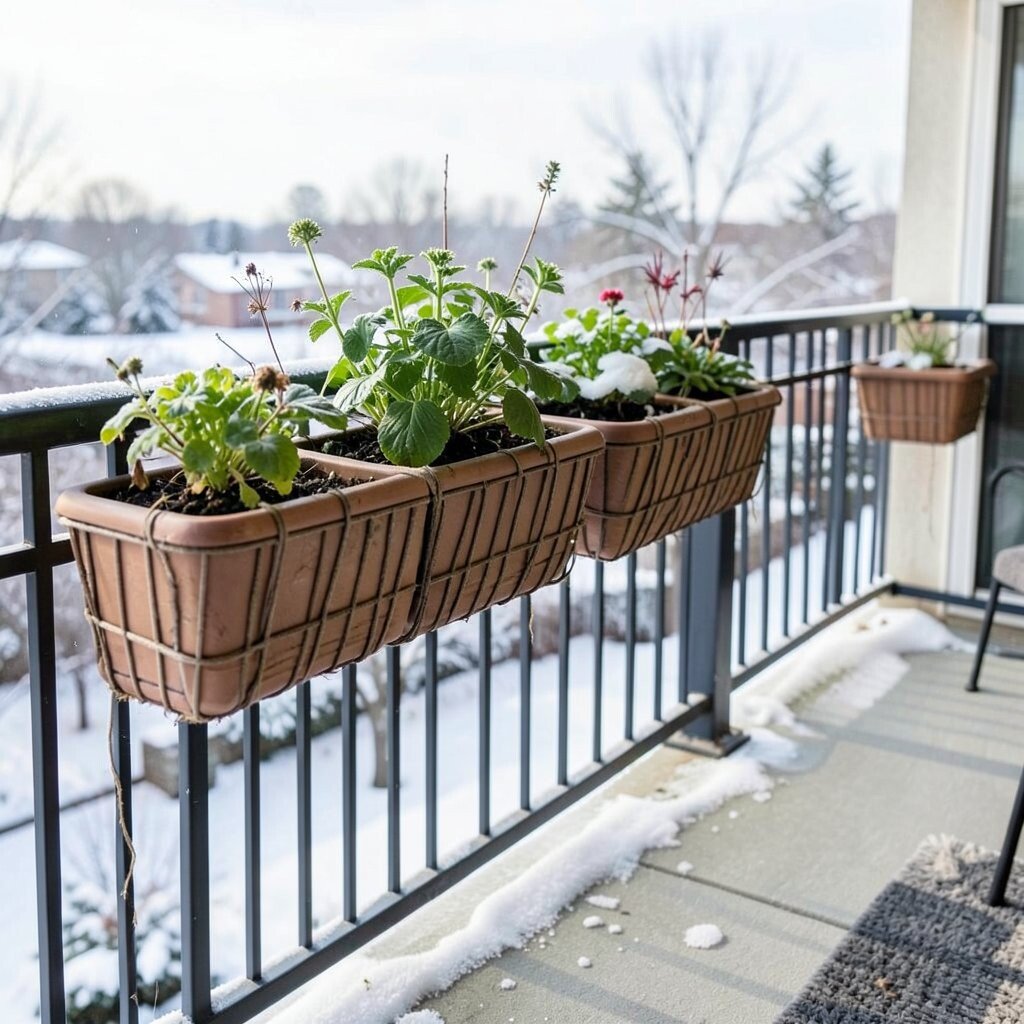
Railing planters face the harshest wind, so roots need extra protection. Before the coldest stretches, wrap the outside of planters with insulating material.
Use burlap plus bubble wrap, or a weatherproof plant insulation sleeve if you want a cleaner look. Secure the wrap with twine or Velcro so it stays in place during storms. This reduces sudden temperature swings, which helps plants keep moisture longer and slows frost damage.
5. Choose Cold-Tolerant Greens and Hardy Herbs
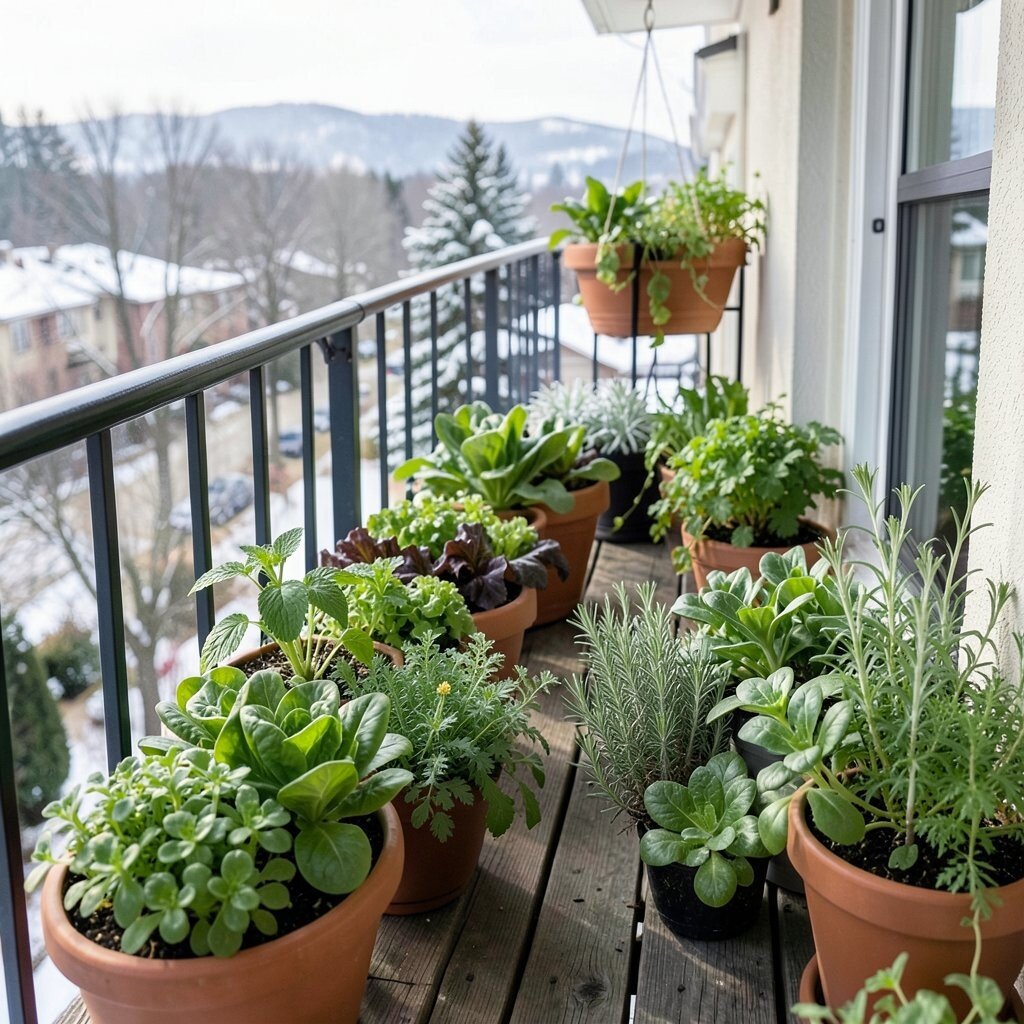
Winter does not mean you have to stop growing. Pick plants that naturally handle cold air better than delicate summer varieties.
Great options often include hardy kale, ornamental cabbage, pansies, and winter herbs like thyme or rosemary if your climate suits them. Arrange plants where they get some daylight, but protect them from direct harsh wind. This keeps your balcony looking alive, and it can even cut down on indoor grocery runs for fresh herbs.
To personalize, mix texture with spiky greens, rounded blooms, and trailing growth that spills over the edge. Many gardeners now plan winter containers like mini landscapes, using repeated colors and shapes for a more polished look.
6. Create a Mini Microclimate With a Simple Windbreak
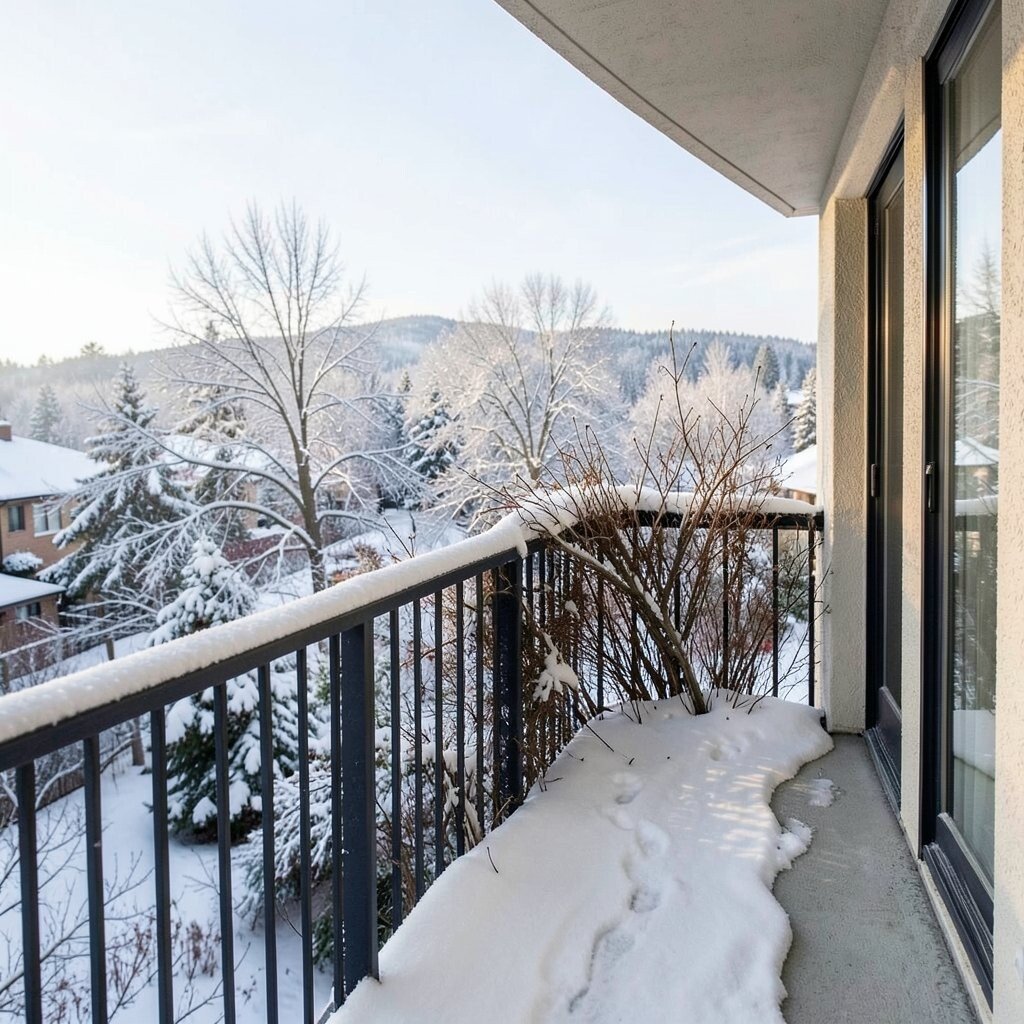
A clear barrier can change everything when winter wind attacks from one direction. Place a windbreak near your seating area or around the densest part of your plants.
Use a frost-safe panel, a heavy outdoor screen, or even a tall, sturdy curtain designed for weather. Leave room for airflow, because trapped moisture can lead to problems. When the wind drops, you get steadier temperatures, fewer plant losses, and a more comfortable spot for reading or sipping tea.
If you want it to look good, choose neutral shades or a pattern that matches your balcony style. Budget-friendly options include repurposed panels or outdoor privacy fabric installed on sturdy hardware.
Think of it as giving your balcony a calmer pocket of air to live in.
7. Water With Timing, Not Just More Water
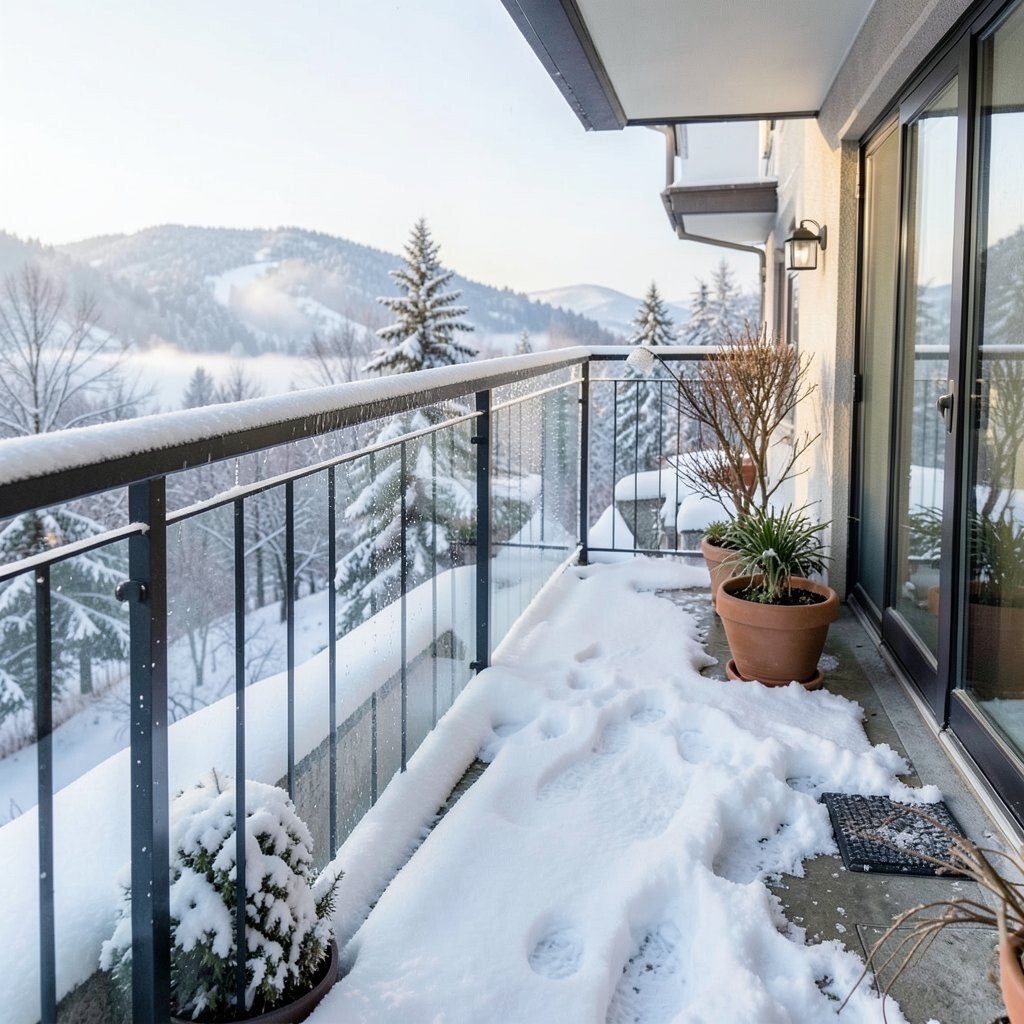
In cold weather, watering mistakes feel extra costly because water can freeze in the wrong places. Check soil moisture by pressing a finger an inch down, then water only when the top layer feels dry.
Water in the daytime when temperatures are higher, so plants have time to absorb moisture before night hits. Avoid deep watering right before freezing nights, and use saucers to catch runoff instead of letting it sit for too long. This helps roots stay healthy and prevents damage caused by freeze-thaw cycles.
8. Insulate Plant Shelves and Stands
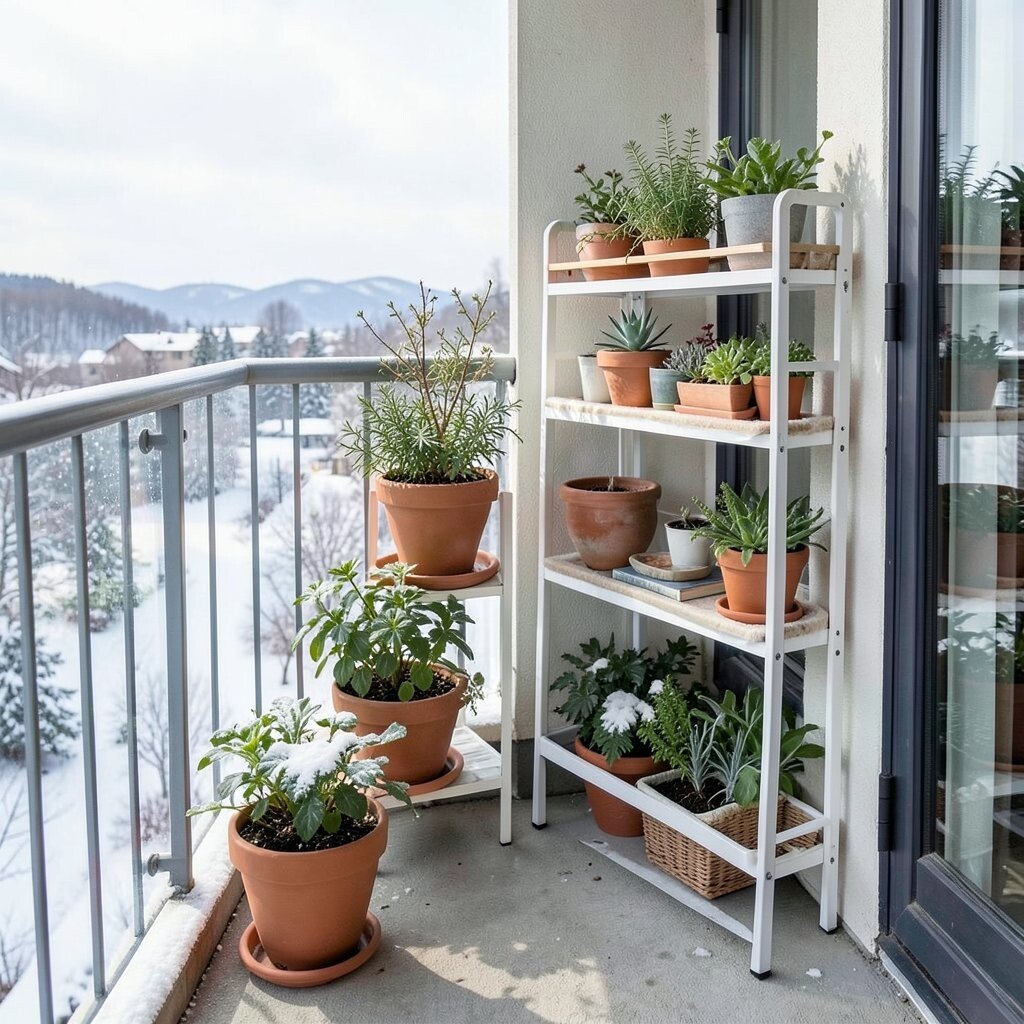
Plants placed directly on cold surfaces can struggle, even with warm pot material. If you use plant stands, insulate the shelf level where pots rest.
Add a thin foam board layer, a folded outdoor blanket under a waterproof mat, or insulated pads made for gardening. Keep airflow in mind by not sealing everything airtight, especially in damp weather. This small step improves stability and helps containers hold moisture longer, which cuts down on rushed winter care.
You can personalize stands with color accents like a matching outer mat or a dark backing that hides water spots. Costs vary, but low-priced foam boards often work well when covered with a weather-resistant layer.
9. Use Heat-Safe Covers for Frost Nights
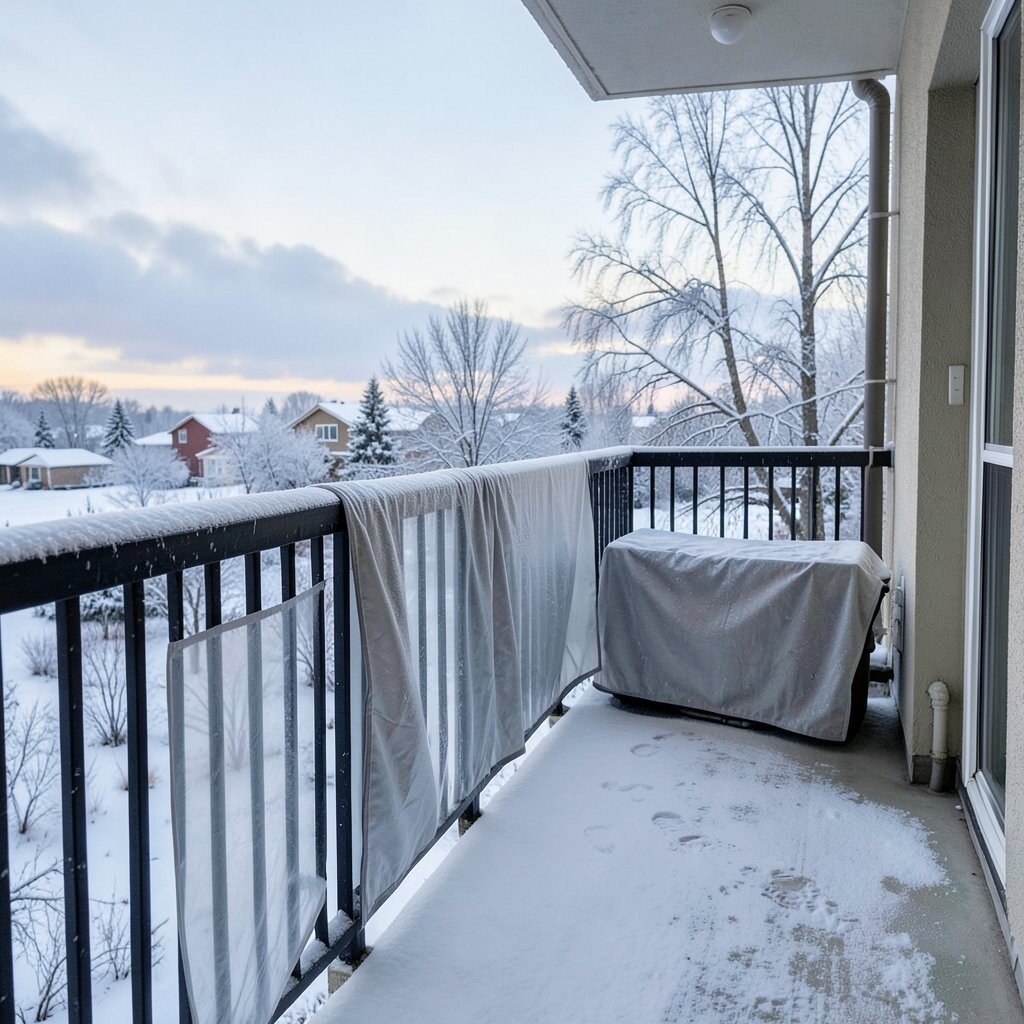
When forecasts call for frost, cover plants like you would cover a sleeping child. A little protection keeps leaves from freezing and reduces stress.
Use breathable frost cloth, a row cover, or lightweight plant blankets that let in some air while blocking harsh cold. Secure edges gently so wind cannot whip the cover loose, and remove it during mild daylight to prevent overheating. This method is unique because it uses light materials that are easy to store and quick to set up.
For personalization, choose covers in simple colors that match your balcony decor, or coordinate them with your winter textiles. Many people now keep compact covers folded in labeled storage bins, which makes last-minute coverage feel simple.
10. Upgrade to a Snow-Resistant Storage Zone
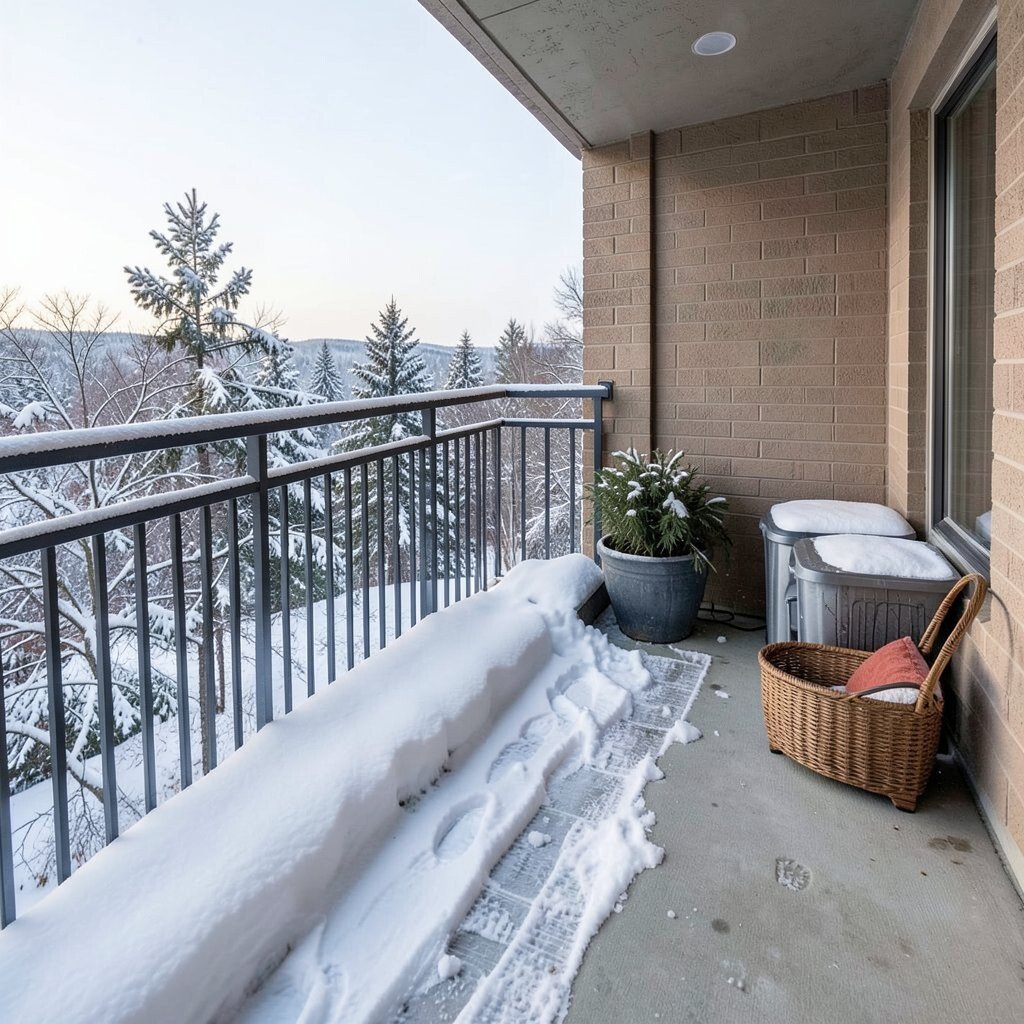
Winter gear disappears fast when storage is messy. Build a dedicated spot where gloves, tools, covers, and plant food stay protected.
Use a weatherproof bin with a tight lid, a bench with sealed storage, or a wall cabinet made for outdoor use. Keep items off the floor and away from direct meltwater so everything stays dry. This protects your tools from rust and saves time when storms hit.
For cost considerations, you can start with a single sealed container and expand later as you learn what you use most. Trends right now lean toward tidy vertical storage and modular bins that stack neatly, so your balcony looks organized even in gray months.
11. Add Winter Lighting for Safety and Charm
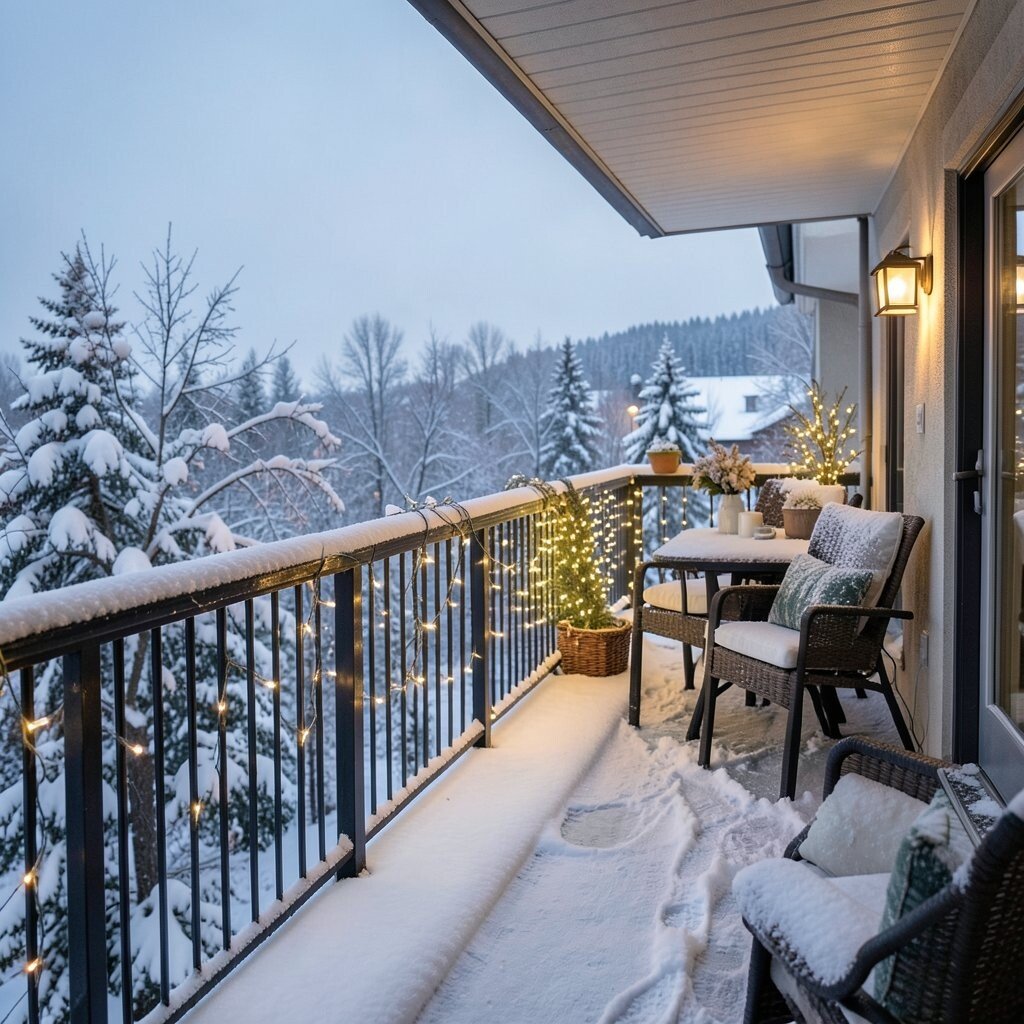
Dark evenings can make a balcony feel uninviting, but lighting changes the mood quickly. Choose warm lights that help you see steps, planters, and trip hazards.
Use outdoor string lights, battery lanterns, or motion-activated path lights near doorways. Keep cords secured and use weather-rated plugs, especially during icy rain. Lighting boosts safety, makes your balcony feel welcoming, and highlights your plant arrangements like living decor.
Personalize with soft warm white bulbs or colored accents that match your seasonal style. This is also a trend because many people now treat outdoor lighting like part of holiday decor, not an afterthought.
12. Build a Simple Compost-Friendly Leaf Mulch Routine
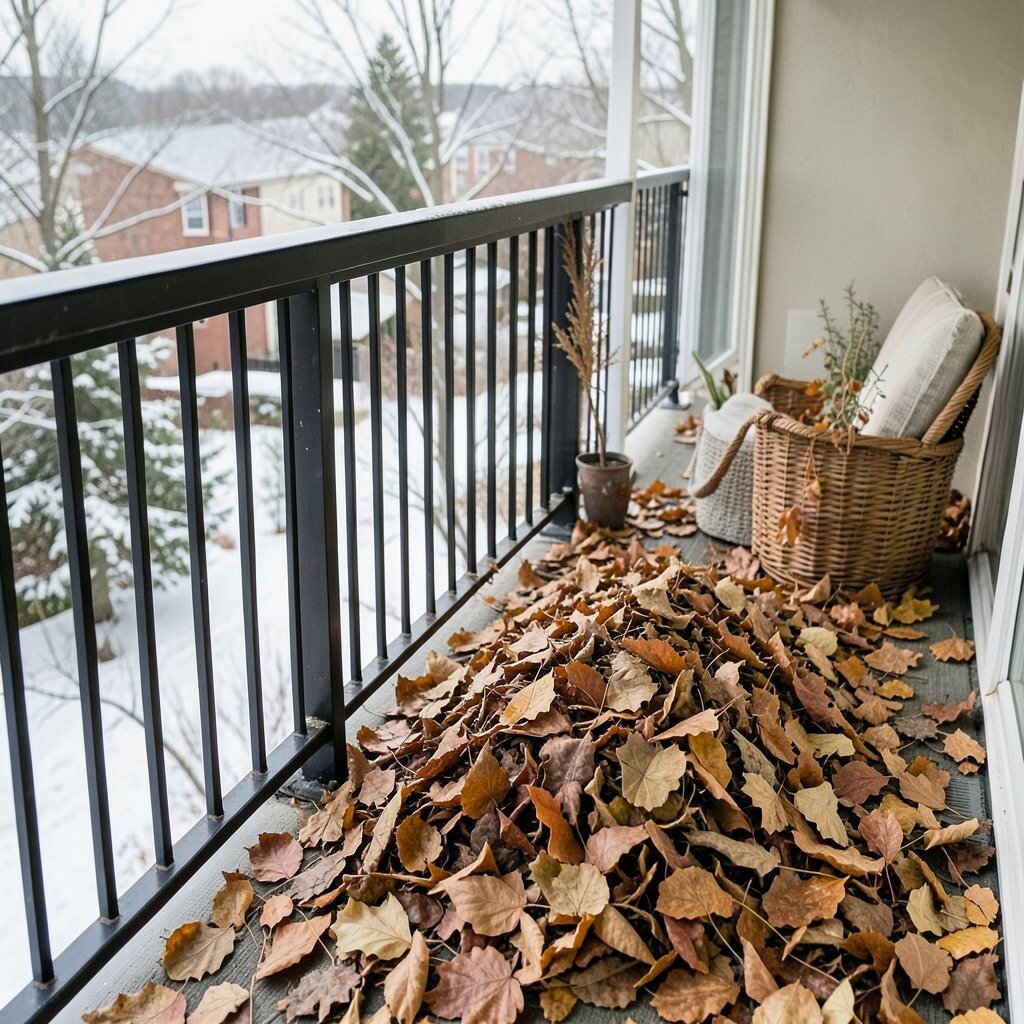
Dead leaves and fallen plant bits can become a protective mulch layer instead of a messy pile. Mulching helps insulate soil and keeps moisture from swinging wildly during freeze and thaw.
Collect dry leaves, then use them as a blanket around plant bases, under containers, or along the soil surface when appropriate for your plants. Keep mulch away from plant crowns when stems are sensitive, so rot does not start. This routine is practical, reduces waste, and can save money on store-bought mulch.
13. Protect Pots From Freeze-Thaw With Air and Space
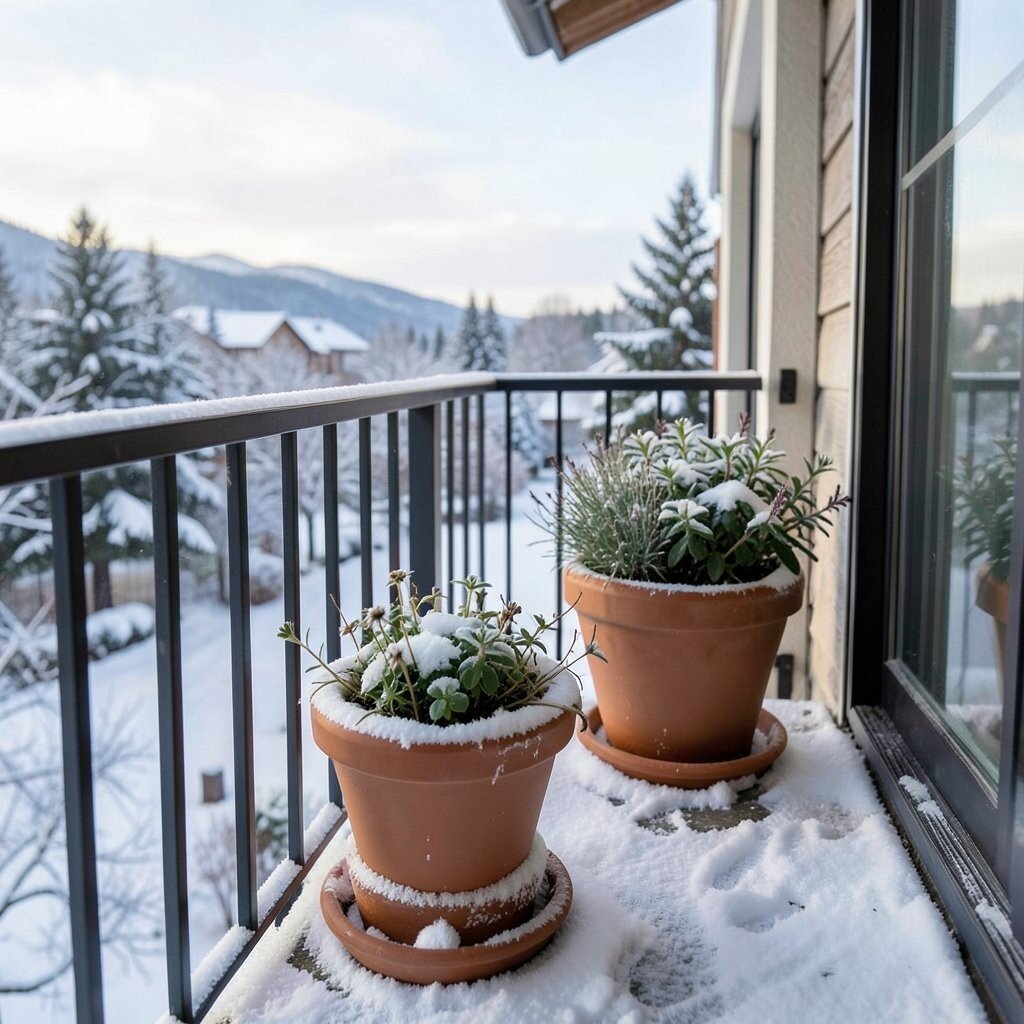
Freezing often happens when moisture expands and contracts repeatedly in cramped, exposed conditions. Give containers space and protect the soil from direct blasts of cold.
Place pots on pot feet or small blocks to allow air under them, and avoid setting them directly on metal rails or icy concrete if possible. Surround containers with insulating sleeves or wrap the sides, then add a top layer like straw or dried leaves for added buffering. The result is less cracking, fewer root stresses, and a balcony that stays visually neat even when it looks wintery outside.
To fit your style, wrap pots in fabric that matches your outdoor textiles or add decorative twine patterns. Many gardeners love the look of layered materials, which has become more popular as people move toward natural, cozy balcony aesthetics.
14. Keep a Small First-Aid Kit for Winter Plant Emergencies
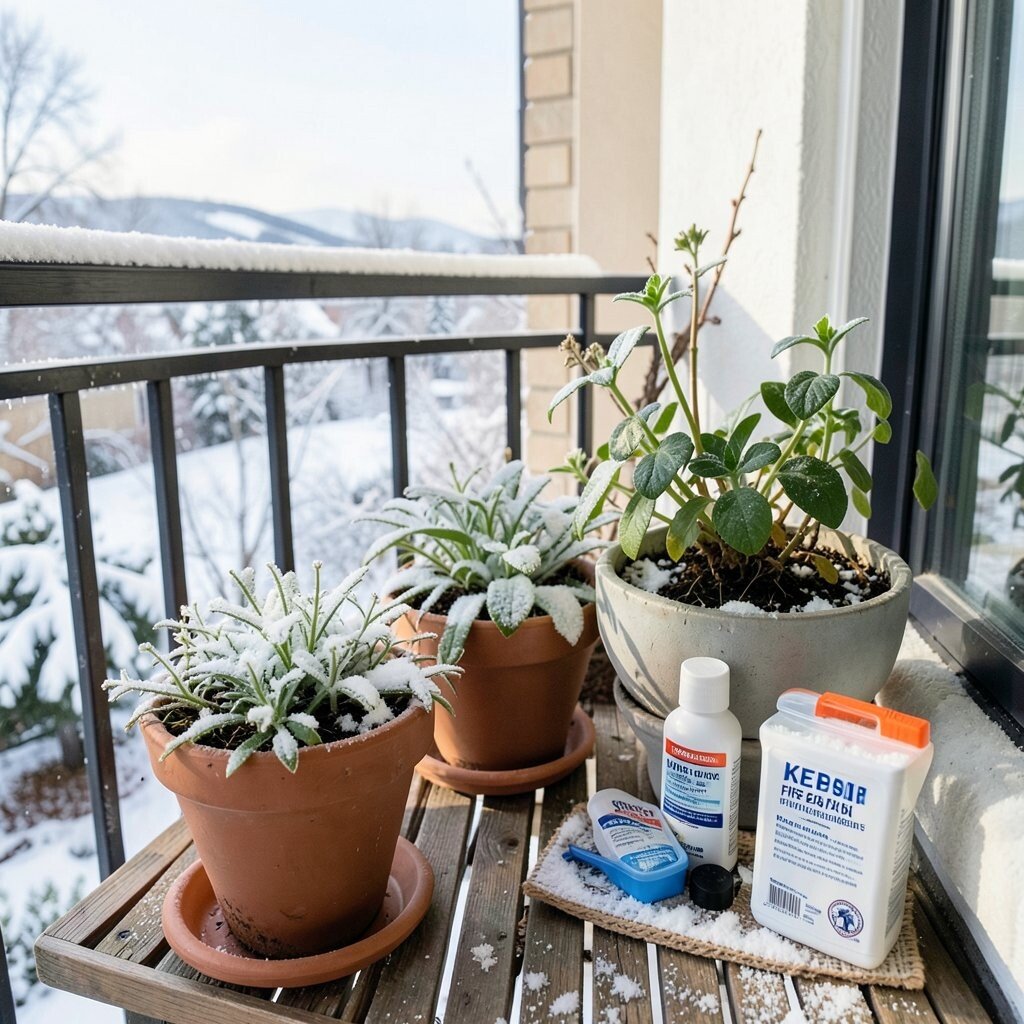
When something goes wrong in winter, you want to respond fast. Small issues like pests in sheltered corners or a sudden leaf slump can worsen when you wait.
Create a compact kit with pruners, gloves, a spray bottle for gentle rinses, and a basic soil check tool. Add some insecticidal soap if that fits your plant type and local guidance, and keep spare plant ties or stakes for quick fixes. This improves outcomes because you can act early, and it also reduces stress when the weather feels chaotic.
Personalize the kit by storing it in a clear box so you can see supplies at a glance. Cost-wise, buying one small set now is often cheaper than replacing plants after winter damage.
15. Make Your Seating Cozy With Weather-Ready Textiles
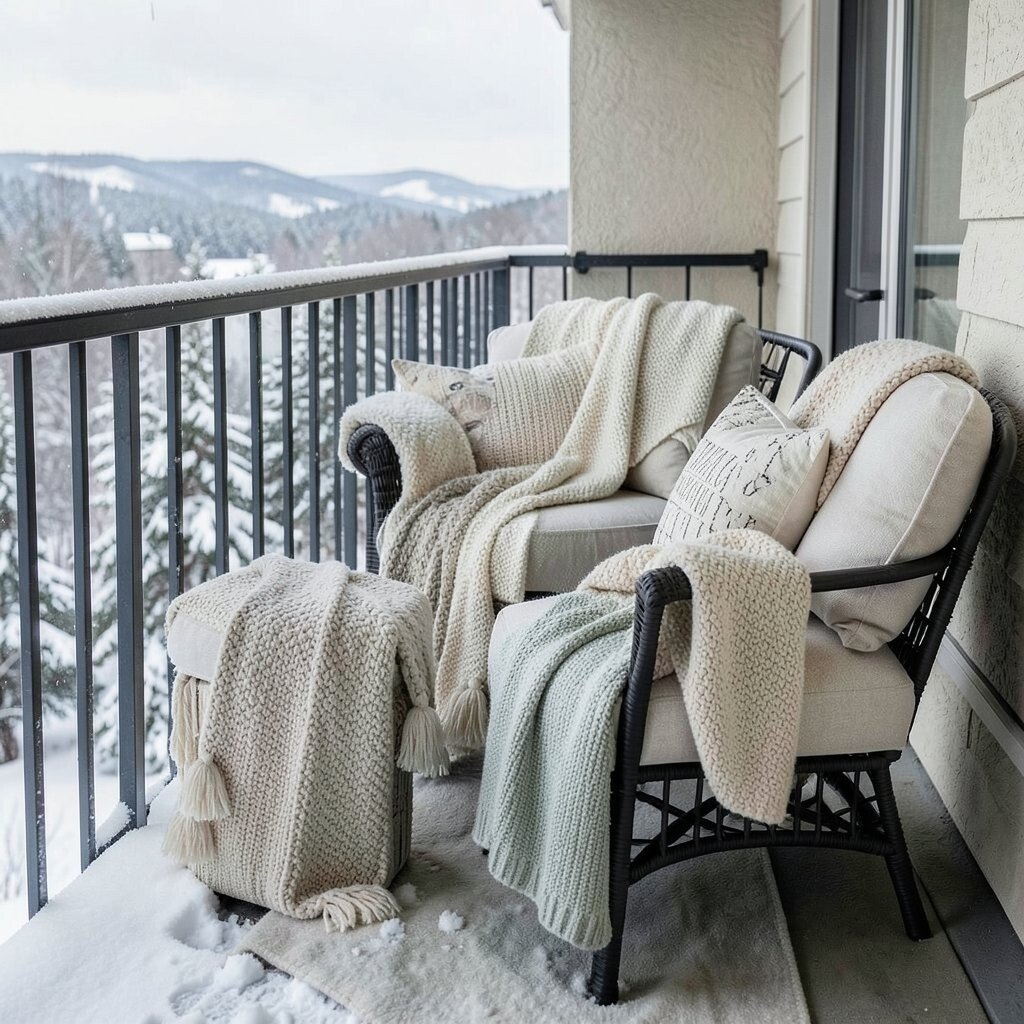
A balcony chair can be more uncomfortable than it looks when cold air leaks in. Choose weather-ready textiles that keep you warm and help you actually use the space.
Add an outdoor cushion with a removable cover, then pair it with a warm throw blanket stored in a sealed bag when storms arrive. Use a small, covered side table so hot drinks stay safe, and place it where wind cannot blow the heat away. This creates a cozy winter scene, boosts comfort, and helps your balcony feel like a favorite spot instead of a place you avoid.
For a modern look, many people mix muted neutrals with one deeper accent color, like burgundy or pine green. If you want to stay within budget, pick one standout cushion and one quality throw first, then build the rest as the season unfolds.
Once you feel the warmth in your hands and the comfort underfoot, winter prep starts to feel worthwhile.