
Your hairstyle can tell a whole story before you say a word.
With the right care, it can stay bold, neat, and full of life.
1. Skipping Moisture for Too Long
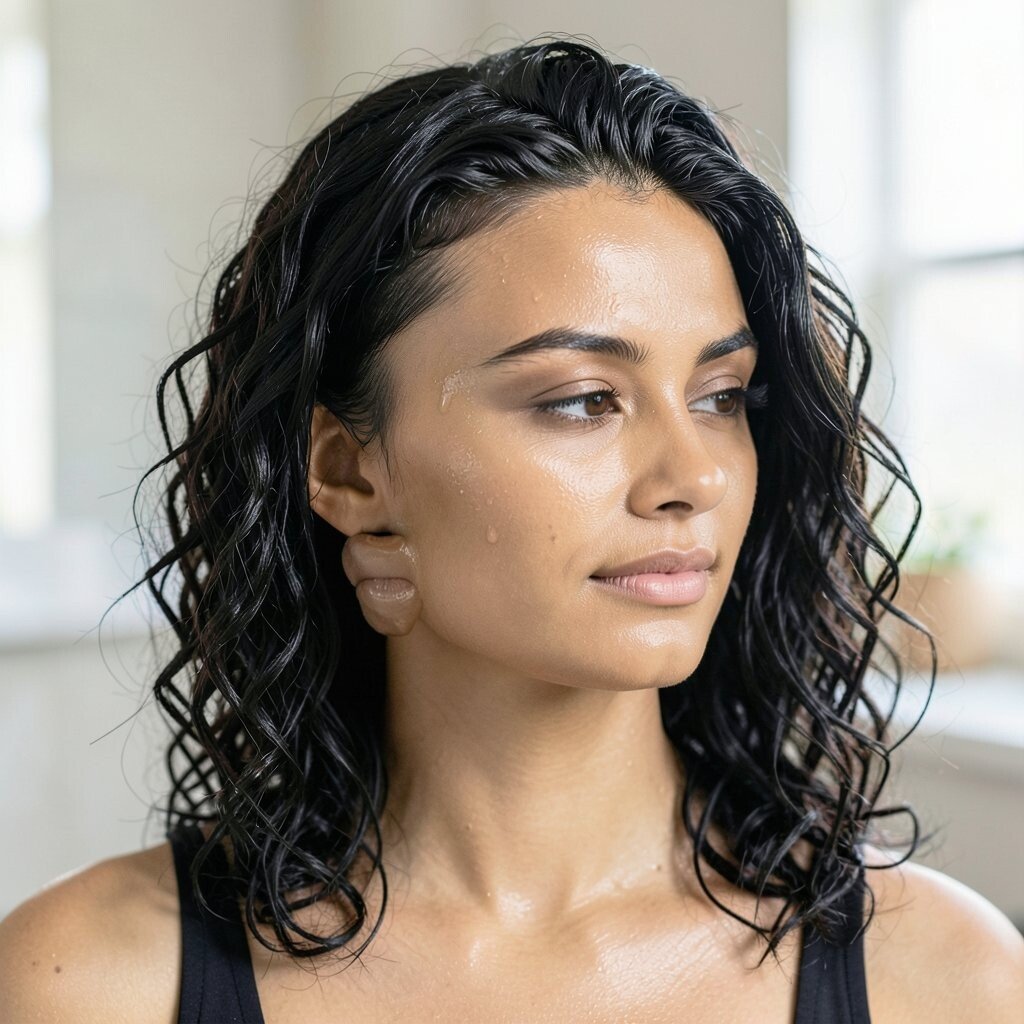
Dry hair can look dull, frizzy, and hard to manage, especially when curls or coils start to feel rough. A soft, shiny style often begins with steady moisture from water-based leave-ins, creams, and light oils.
One smart habit is to set a simple moisture routine that fits your week and your budget. Some people like mist bottles for quick touch-ups, while others prefer richer products for thicker textures, and both can work well with the right amount. The best choice is the one that keeps your hair soft without making it greasy or heavy.
2. Wearing Protective Styles Too Long
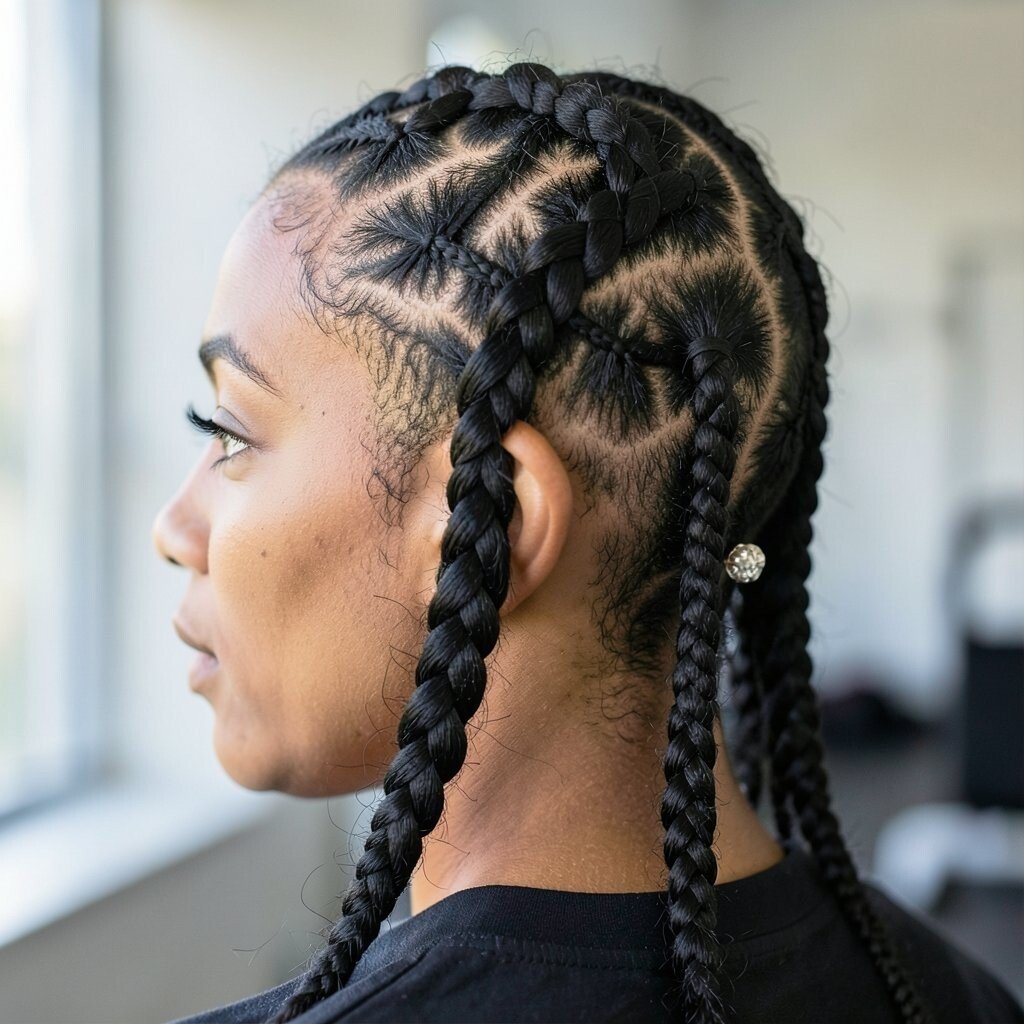
A neat braid, twist, or wig can look polished for days, but keeping it in past its safe time can cause stress at the roots and edges. Fresh parts and clean lines are part of what makes these styles look so sharp and unique.
Protective styles work best when they protect, not pull. If your scalp feels sore or your hair starts to shed more than usual, it may be time for a change or a light reset. A style with a good install and a planned takedown can save money later by helping you avoid breakage and repair products.
Many people now choose styles that are easy to refresh, like knotless braids, soft twists, or simple cornrows with accessories. You can also plan ahead by picking a style length that matches your daily life, workout habits, and hair goals. That little bit of planning makes the style feel personal instead of copied from someone else.
3. Ignoring the Scalp

A healthy scalp is the base of a healthy style, and it should not be left out of the care plan. When the scalp looks flaky, itchy, or oily, the whole hairstyle can lose its clean finish.
Gentle cleansing, light oiling, and a careful part-line check can make a big difference. Some people like scalp sprays for quick care, while others use diluted oils or soothing tonics, depending on how sensitive their skin feels.
This habit also helps you spot problems early, like buildup or tight tension around the hairline. A scalp-friendly routine can be low-cost if you use simple items and avoid piling on too many products. It is a small step that can protect both your comfort and your style.
4. Using Too Much Heat

Flat irons, blow dryers, and hot tools can make hair look sleek, but too much heat can leave it weak and thirsty. Over time, strands may lose their bounce and stop holding styles as well.
A lower heat setting and a heat protectant can make styling safer. You can also try air-drying, hooded drying, or stretching methods that do not depend on high heat. These options may take longer, yet they can save you money on repair treatments and keep your hair looking fuller.
5. Not Sleeping with Protection

Hair that meets rough pillowcases all night can wake up messy, frizzy, and dry. A silk scarf, satin bonnet, or satin pillowcase can help keep the style smooth and fresh.
This small habit is easy to make your own. Some people like bright bonnets, while others choose fitted wraps, and many now match their nighttime gear to their outfits for a fun, personal touch.
Protected sleep also helps styles last longer, which means fewer morning fixes and less product use. That can be a big help for both time and cost. The result is a hairstyle that keeps its shape and still feels soft to the touch.
6. Washing Too Little or Too Much
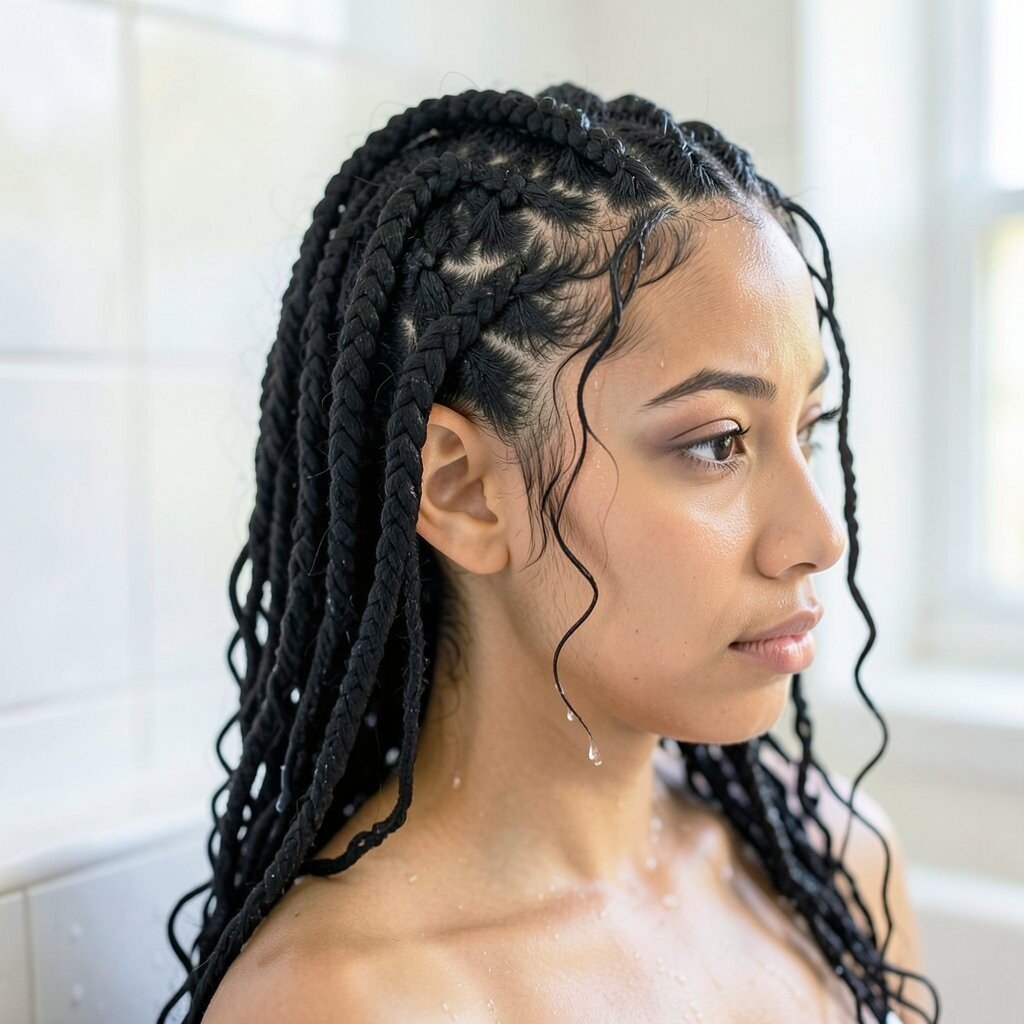
Hair needs cleaning, but the wrong schedule can cause trouble. Too little washing can lead to buildup, while too much washing can strip away the natural oils that help curls stay healthy.
A balanced wash day depends on your style, your scalp, and your daily routine. If your hair is in braids or twists, a gentle rinse or diluted cleanser may be enough; loose styles may need a fuller wash cycle. The key is paying attention to how your hair looks and feels instead of following a strict rule.
Many people now use co-washes, scalp cleansers, and lightweight shampoos to fit their needs. These choices can be gentle on the hair and easy on the wallet when used the right way. Clean hair often looks brighter, smells fresher, and responds better to styling products.
7. Pulling Styles Too Tight
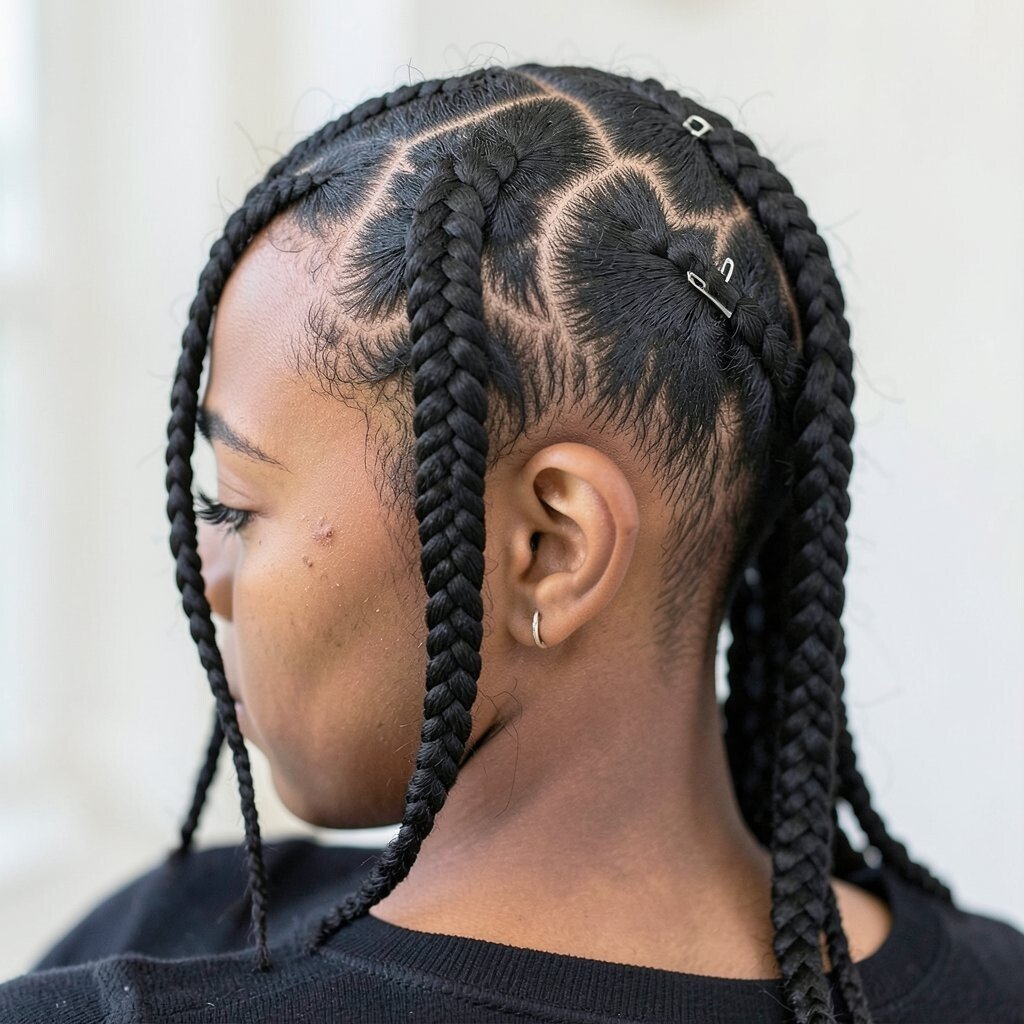
Snatched edges may look sharp at first, but a style that pulls too hard can hurt the scalp and thin the hairline. Tight braids, ponytails, and buns can leave behind bumps, headaches, and stress on the roots.
A better fit keeps the style neat without that heavy tugging feeling. If you notice pain, redness, or tiny bumps, ask for a looser install or switch to a softer style. Comfort should always matter more than a super-tight finish.
There are many ways to make a style look polished without strain, such as using neat parting, soft extensions, or pretty clips. This makes the hair more personal and less forced. It can also reduce the need for expensive fixes later if the edges begin to thin.
8. Forgetting to Detangle Gently
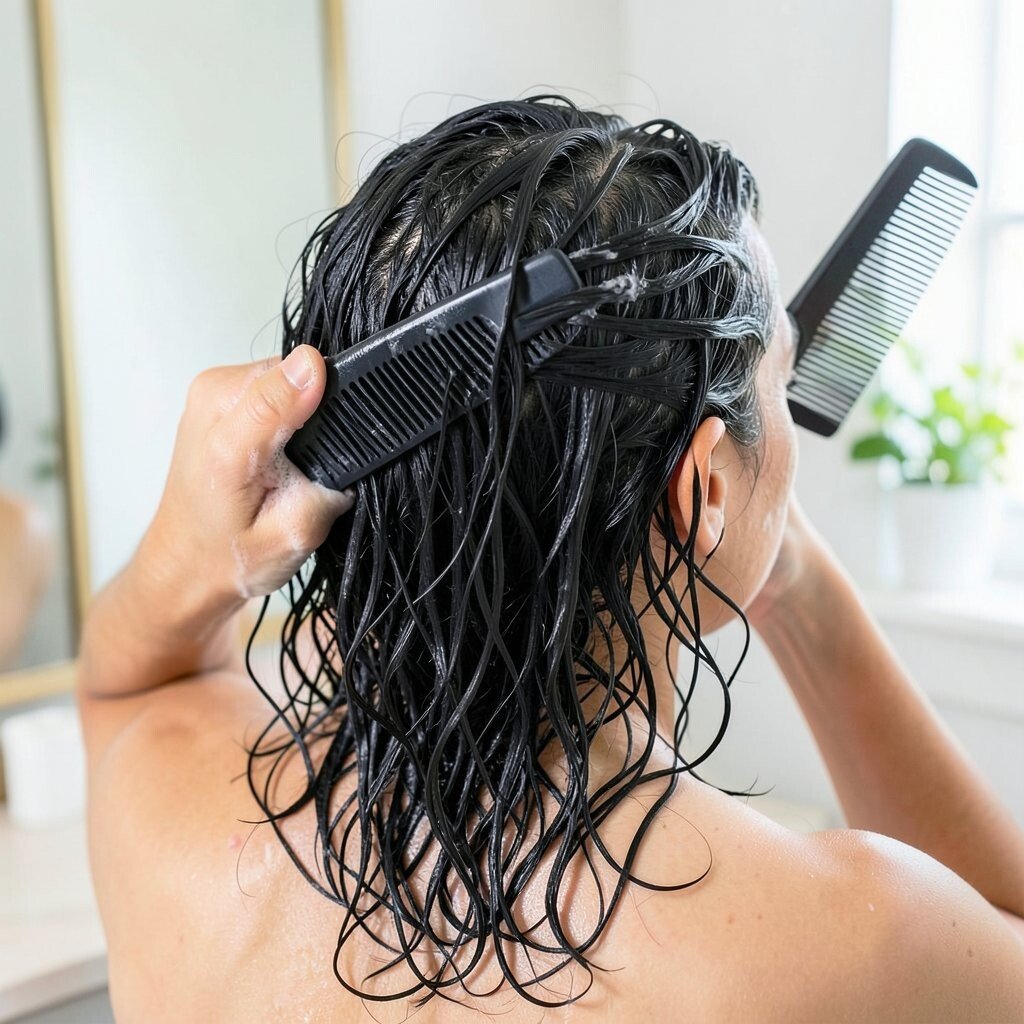
Tangled hair can turn into a big knot if it is rushed through with a rough brush. Gentle detangling helps curls stay defined and cuts down on breakage.
Start with damp hair, a slippery conditioner, and a wide-tooth comb or fingers. Work from the ends upward so you do not yank at sensitive spots. Taking your time may feel slow, but it usually saves more hair than it costs in minutes.
This process can be made easier with section clips and a simple mirror setup. Some people even make detangling part of a self-care routine with music, a show, or a warm towel. When the hair is treated kindly, it often looks smoother, fuller, and easier to style the next day.
9. Using the Wrong Products for Your Texture
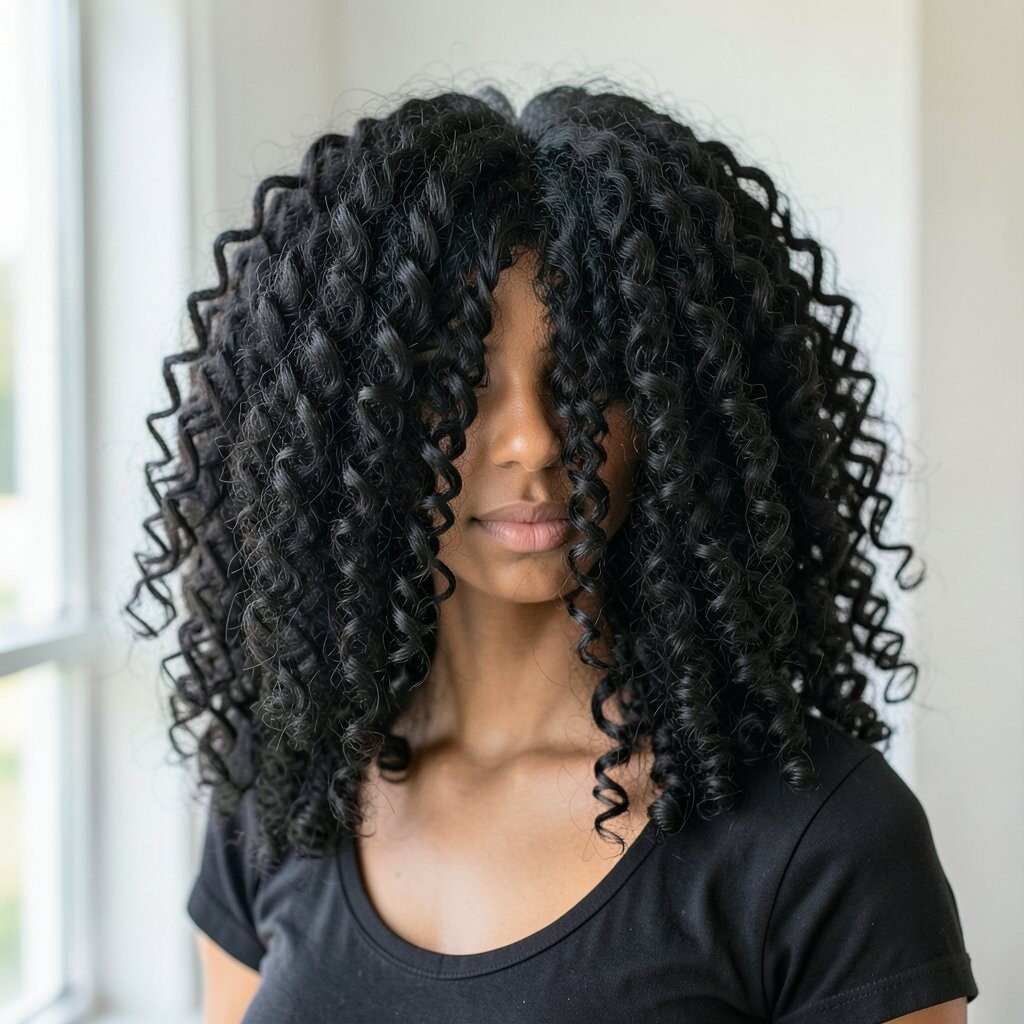
Not every cream, gel, or oil works for every curl pattern, and the wrong match can leave hair sticky, stiff, or dry. Black hairstyles often shine best when the product fits the texture and the style goal.
Thick curls may love richer creams, while finer textures may do better with light foams or sprays. A product that works on one head may weigh down another, so personal testing matters. Trial packs and small bottles can be smart for the budget because they help you avoid spending too much on a full-size miss.
Reading labels can also help you spot ingredients that support shine, hold, or softness. Current trends lean toward clean formulas, light gels, and products that do more than one job. A good match can make the hairstyle look polished without making it feel stiff or coated.
10. Neglecting Edge Care

The hairline frames the whole face, so rough handling there can change the entire look. When edges are brushed too hard or pulled too often, they may thin out and stop laying smoothly.
Use a soft brush, a light touch, and edge products only when needed. You can also give your edges breaks between styles so they do not stay under stress all the time. Small changes like these protect the look and keep the front of the style neat and healthy.
Many people like to personalize this area with baby hairs, swoops, or simple smooth lines, but less can still look very nice. A soft finish can be just as stylish as a fancy one. It may also cost less because you will not need a lot of extra product or frequent touch-ups.
11. Relying on Heavy Buildup

When too many creams, gels, and oils stack up, the hair can start looking dull and feeling sticky. That heavy coat can hide the beauty of curls, coils, and twists instead of helping them shine.
A light hand often gives better results than a thick layer. Try using only what your hair needs, then add more if it still feels dry. Clarifying cleansers, warm water rinses, and careful product choices can help reset the hair without a big salon bill.
Clear, bouncy styles are very much in style right now, especially looks that show texture instead of masking it. A cleaner routine can make the hair feel lighter and easier to refresh. That means less waste, less buildup, and more room for your natural pattern to stand out.
12. Skipping Regular Trims
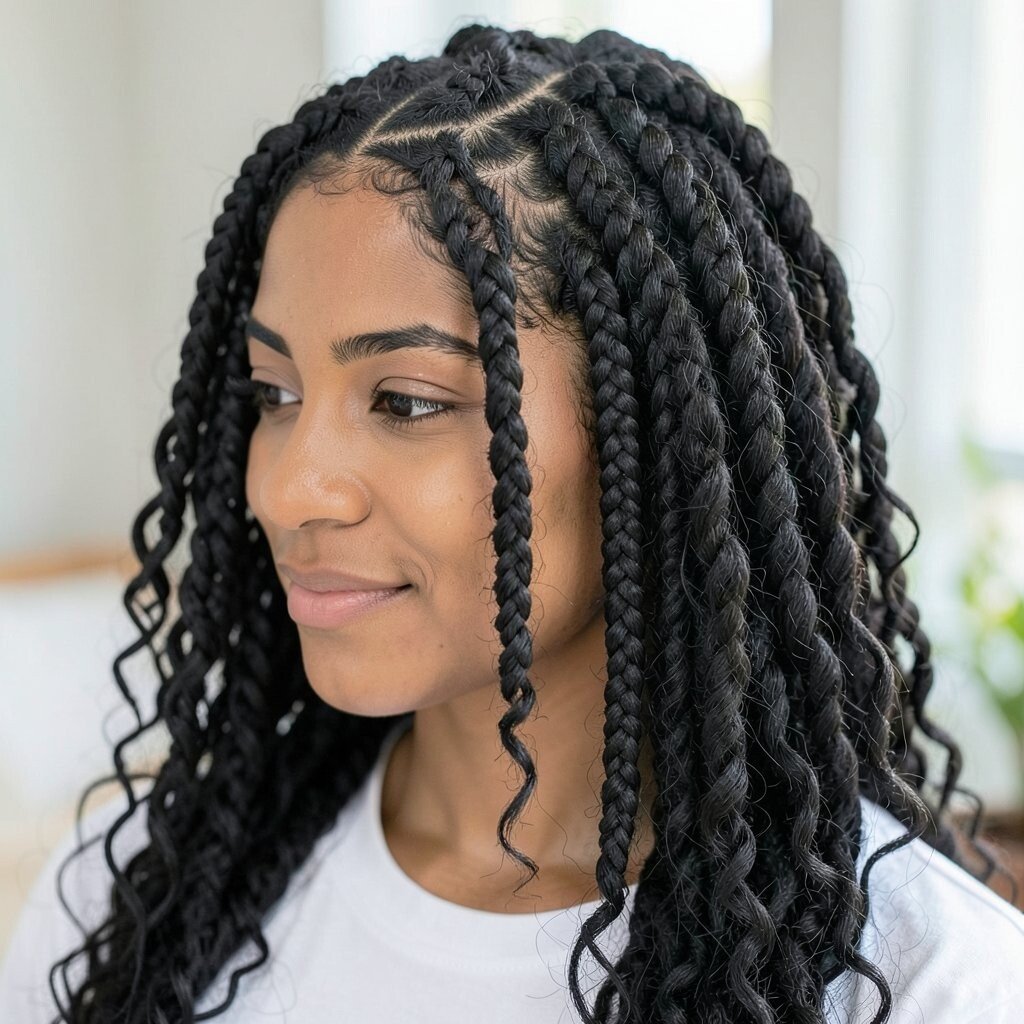
Split ends can climb up the hair shaft and make the whole style look rough. Even if the hair is worn in braids, twists, or curls, tiny damaged ends can still spoil the clean finish.
Trims help the hair keep its shape and stay easier to manage. You do not need a big cut every time; sometimes a small dusting is enough to remove weak ends. This can keep styling time shorter and help the hair hold moisture better, which is helpful for both time and cost.
Some people like to schedule trims around seasons, while others do them after protective styles come out. Either way, the result is a fresher look and a softer feel. Healthy ends also make every style look more refined and cared for.
13. Choosing Style Trends Without Hair Health in Mind

Bold looks are fun, and social media is full of braids, colors, and quick style ideas. Still, a trending style can be a bad choice if it does not match your hair needs or daily routine.
It is better to ask a few simple questions before trying a new look. Will it stress your scalp, take too much time, or need products you do not use already? A style that fits your life will usually last longer and feel better than one chosen only for photos.
You can make a trend your own by adjusting the size, color, or length to suit your face and hair goals. That personal touch can make the style feel fresh without going too far. It can also help you avoid wasting money on a look that does not suit you after all.
14. Not Giving Hair a Break Between Styles
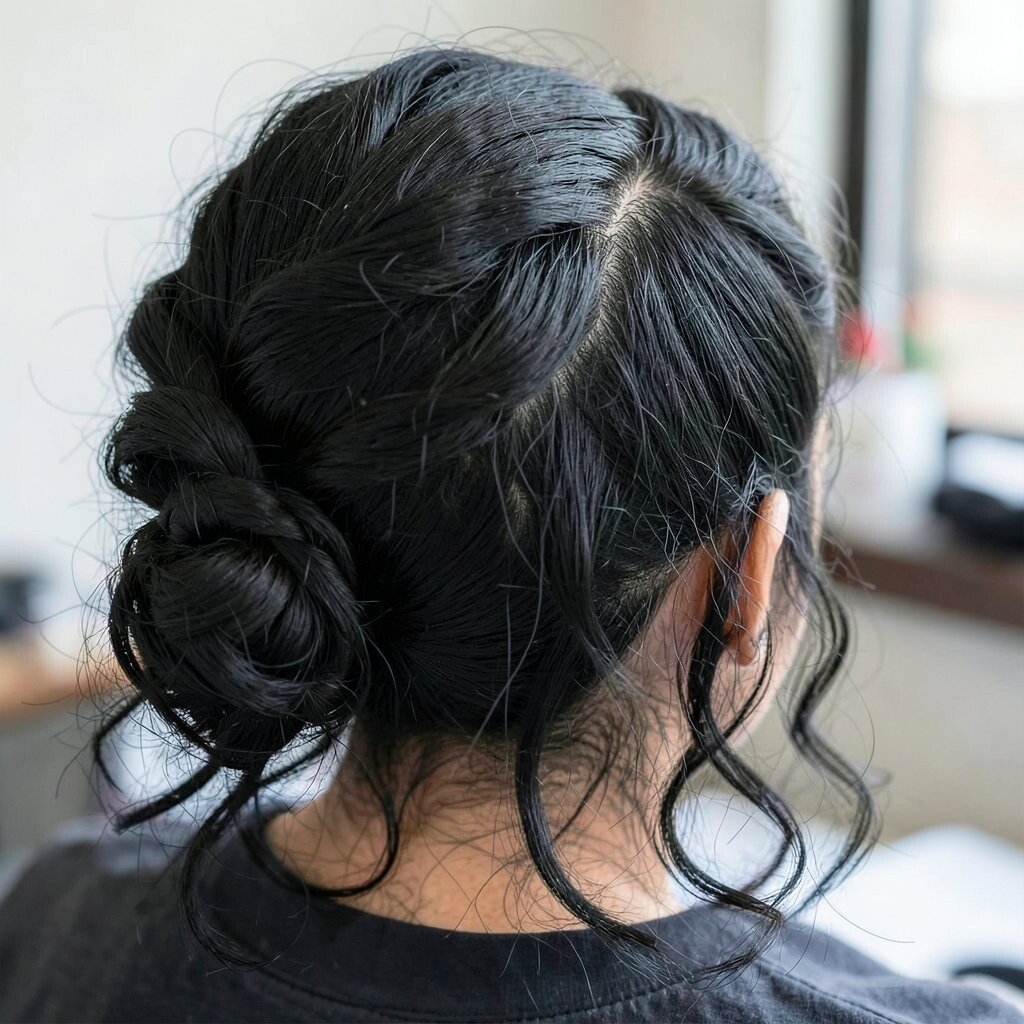
Constant styling can leave hair tired, even if each look seems neat at first. When one style follows another with no rest, the strands and scalp may not get the recovery time they need.
A short break can mean loose buns, simple twists, or even a wash-and-go day. During that time, moisture, gentle brushing, and soft handling can help the hair bounce back. This pause can also make future styles sit better and feel less stressful.
Break time is a good chance to check for any damage and plan the next look with more care. It may also save money because you can use fewer salon visits and fewer emergency products. Hair often looks its best when it gets both style and rest.
15. Ignoring Weather and Humidity

Rain, heat, and humidity can change how a hairstyle behaves before the day is over. A smooth look in the mirror may puff up, shrink, or frizz once the weather steps in.
Choosing the right style for the season can make a big difference. In humid weather, some people prefer twists, braids, or styles with strong hold, while dry weather may call for more moisture and lighter layers. Planning ahead helps the style stay neat and reduces the need for constant fixing.
Accessories like scarves, wraps, and caps can add both protection and style. They are also a nice way to make a look more personal and fun. When the weather is part of the plan, the hairstyle often lasts longer and looks better from morning to night.
16. Forgetting That Every Head Is Different

What works for one person may not work for another, even if the hairstyle looks similar. Hair thickness, porosity, scalp sensitivity, and daily habits all shape how a style behaves.
That is why copying someone else exactly can lead to frustration. A smart routine is built around your own needs, your own budget, and your own goals. If a product feels wrong or a style causes pain, it is okay to change course and make it fit you better.
The best part of hair care is the freedom to personalize it. You can mix classic methods with fresh trends, choose low-cost tools, or try fancy extras when they make sense for you. When the routine feels like yours, the hairstyle tends to look more natural, more unique, and much easier to maintain.