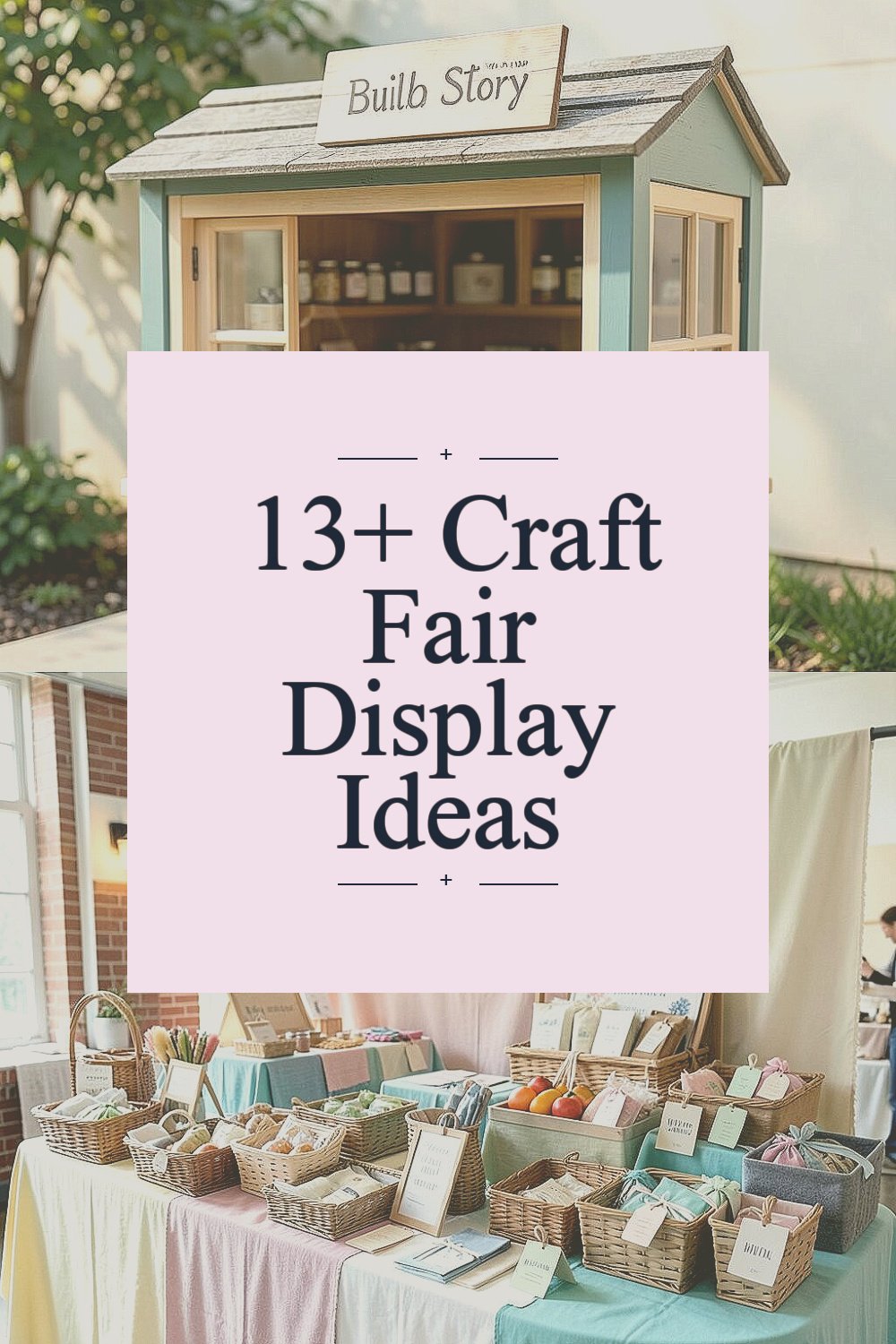
Your booth speaks before you do. Every shelf, sign, and color choice sends a message.
That message can feel warm, bold, playful, or calm. The best displays make shoppers stop, smile, and remember your name.
1. Build a Mini Shopfront
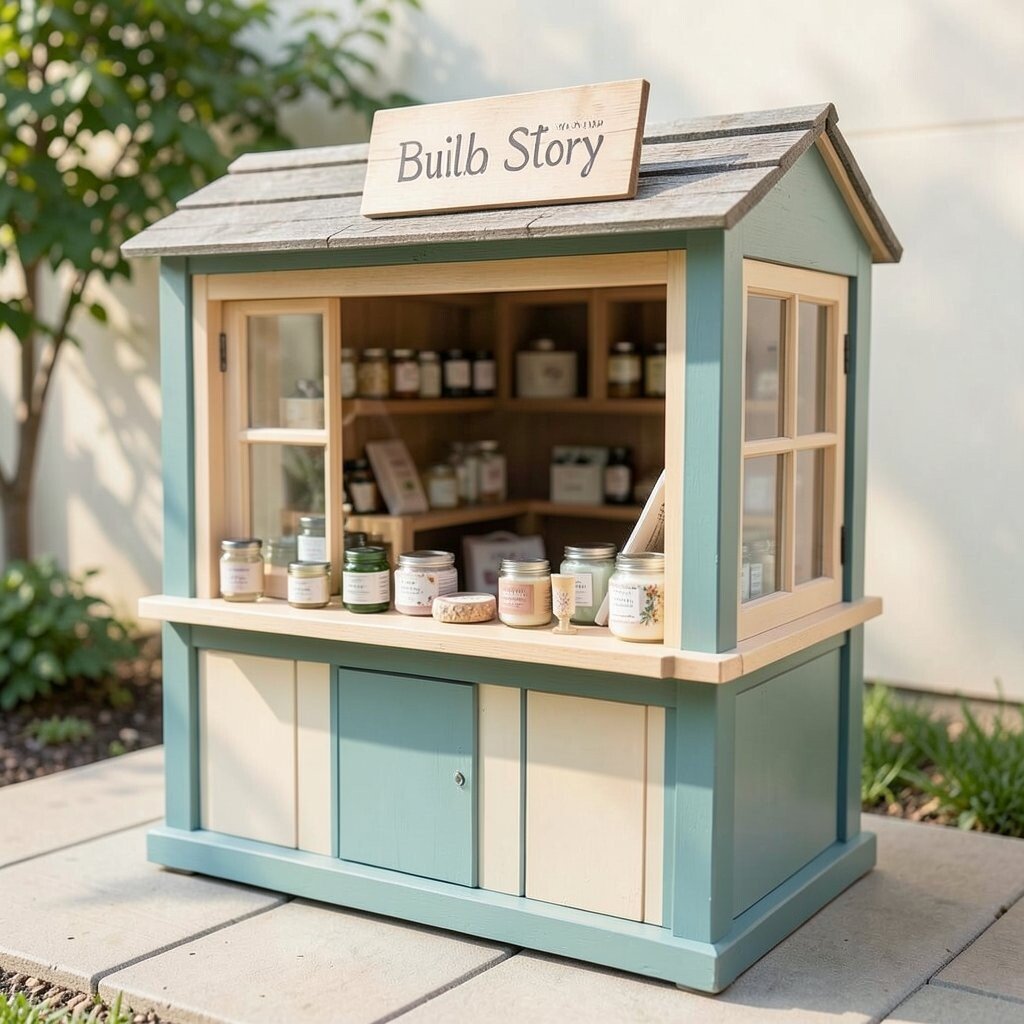
A tiny storefront look gives your booth a clear and cozy shape. Think painted trim, a faux window, or a small sign above the table.
This setup helps shoppers feel like they are stepping into your world, not just passing a table. It works well for soaps, candles, prints, and other items with a strong style, and it can be made with low-cost wood, fabric, and paint.
2. Use a Signature Color Story
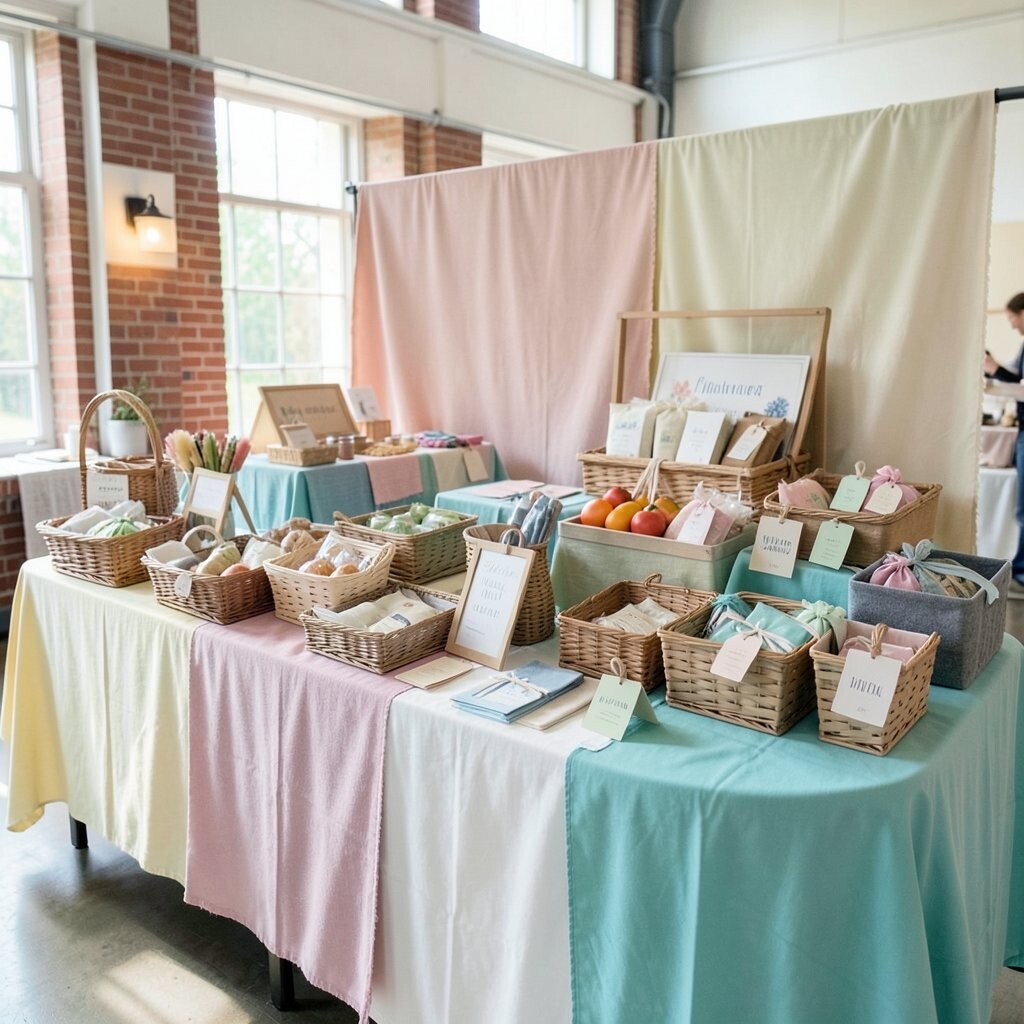
A strong color plan can make your booth feel neat and easy to spot from far away. Pick shades that match your products and the mood of your brand.
Soft tones can feel calm and handmade, while bright colors can feel lively and fun. You can use colored tablecloths, bins, tags, and backdrops to keep the look tied together without spending a lot.
Shoppers often remember color faster than words, so this can help them find you again later. If you sell on social media too, the same colors can make your photos look more polished and fresh.
3. Create a Story Wall
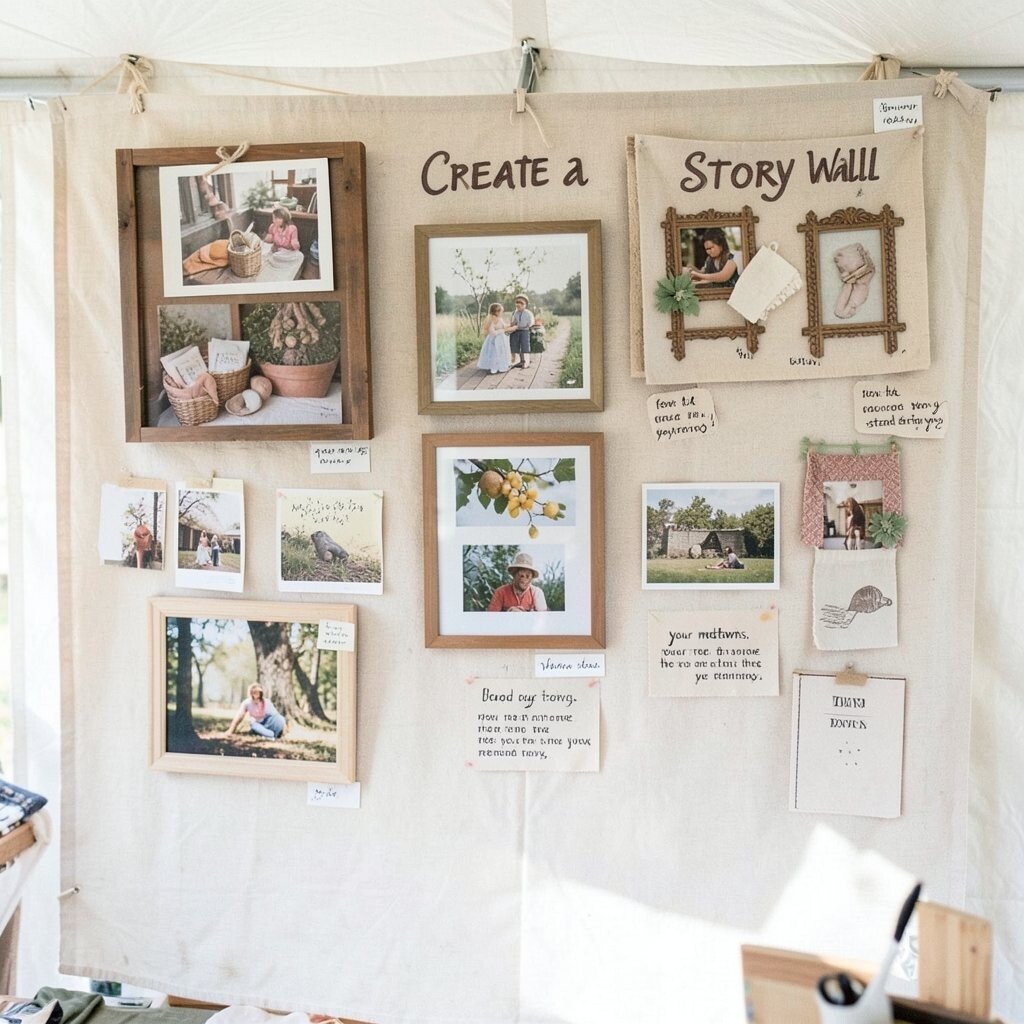
A story wall gives people a quick peek at who you are and why you make what you make. Use photos, short notes, and simple words to show your process or family roots.
This kind of display feels personal and honest, which can build trust fast. A few framed prints, cloth banners, or clipped cards can turn a plain tent wall into something warm and full of meaning.
You do not need a fancy print budget to make this work, since many makers use home printers and thrifted frames. Add a short line about your materials, your town, or the reason you started creating.
When shoppers feel a human story behind the product, they are more likely to buy and remember you. This idea also works well with current trends that favor small-batch goods and maker-led brands.
4. Use Layered Tables and Risers
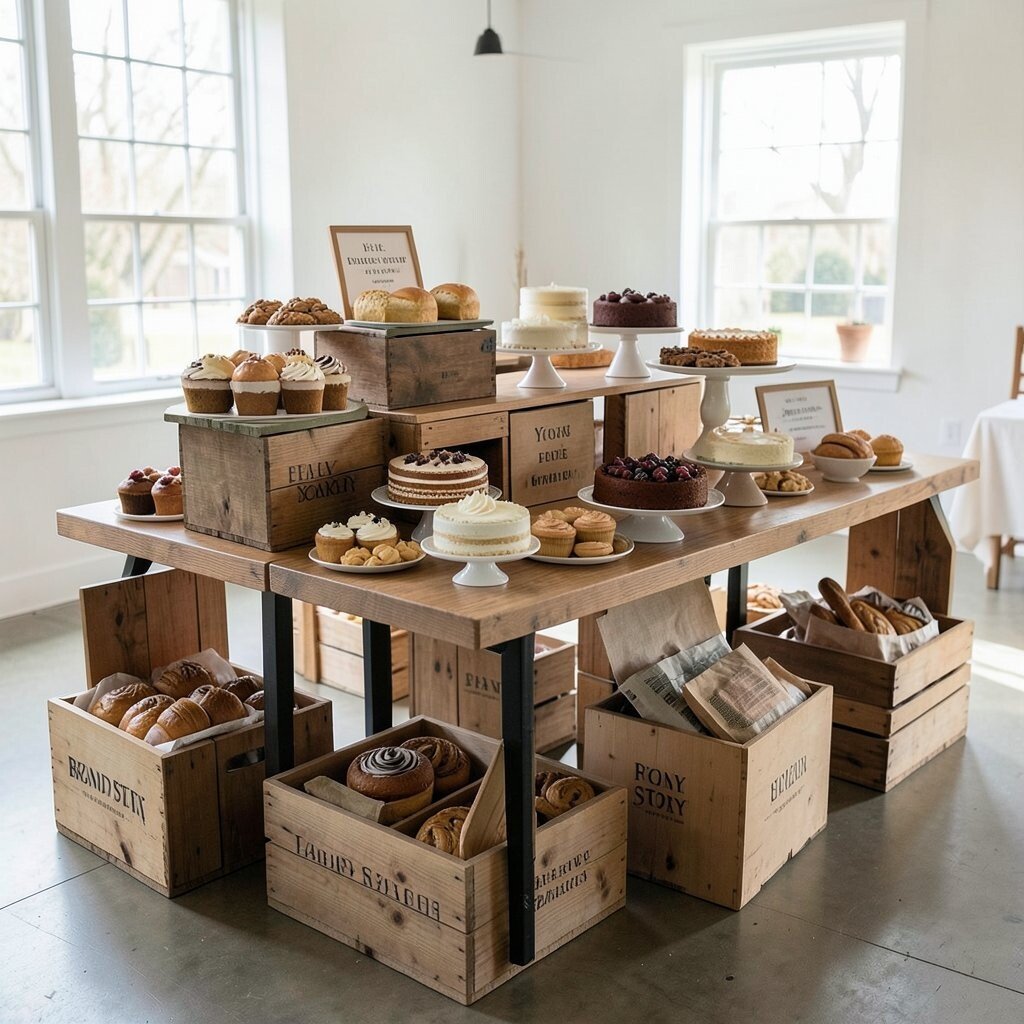
Flat tables can make goods blend together, but levels bring them to life. Use boxes, crates, small stands, and cake risers to build height and shape.
This layout helps people see more items at once, which can boost sales and make browsing easier. It can also give your display a polished look without needing expensive fixtures.
5. Add Hands-On Sample Stations
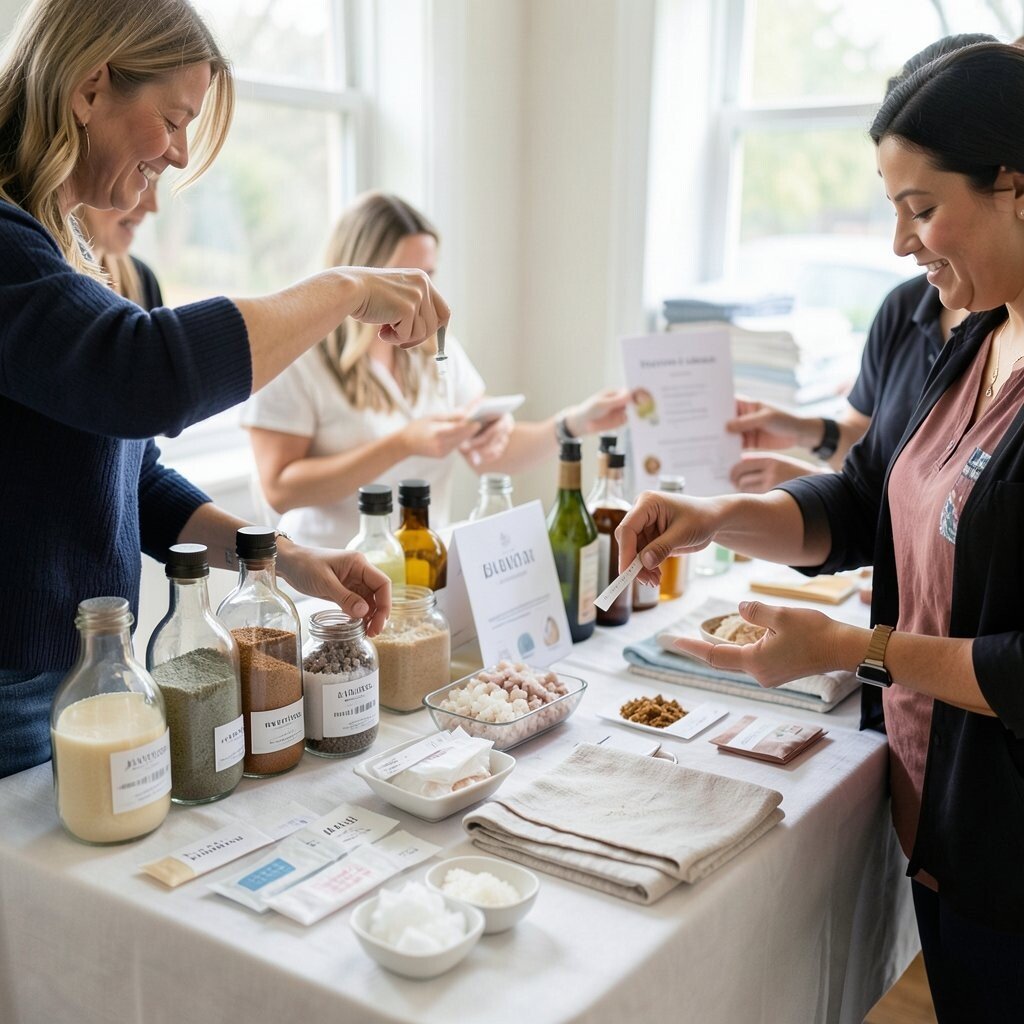
People love to touch, smell, or test things before they buy. A sample area makes your booth feel open and friendly.
This works well for lotions, spices, bath salts, fabrics, or paper goods with texture. Keep wipes, labels, and tiny dishes nearby so the area stays clean and simple.
Sample stations can also make shy shoppers feel more comfortable because they have a reason to pause. If your product is delicate, offer a sample card, scent strip, or small demo item instead of free-for-all handling.
6. Use Handmade Signs with a Clear Voice
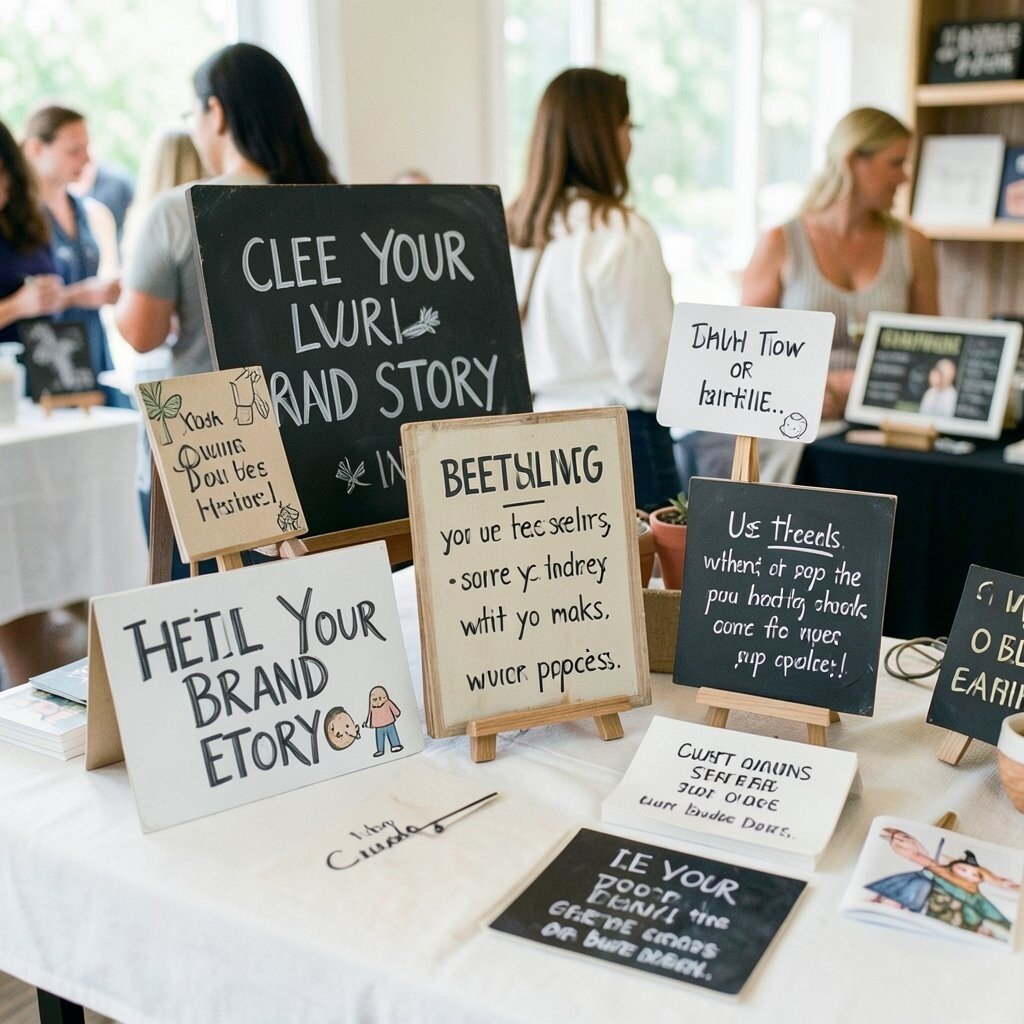
Signs can do more than share prices. They can sound like your brand, with words that feel sweet, bold, funny, or earthy.
Try hand lettering, chalkboard paint, or printed cards with short lines about your materials or process. This adds personality at a low cost and helps shoppers understand what makes your work special.
Simple signs are best when the booth is busy, since people can read them fast. If your brand is playful, use little jokes or clever phrases that match your style without crowding the space.
Trendy booths often mix clean type with one or two handmade touches, and that balance feels fresh. A good sign can also guide people to bestsellers, custom orders, or bundle deals.
7. Bring in Natural Materials
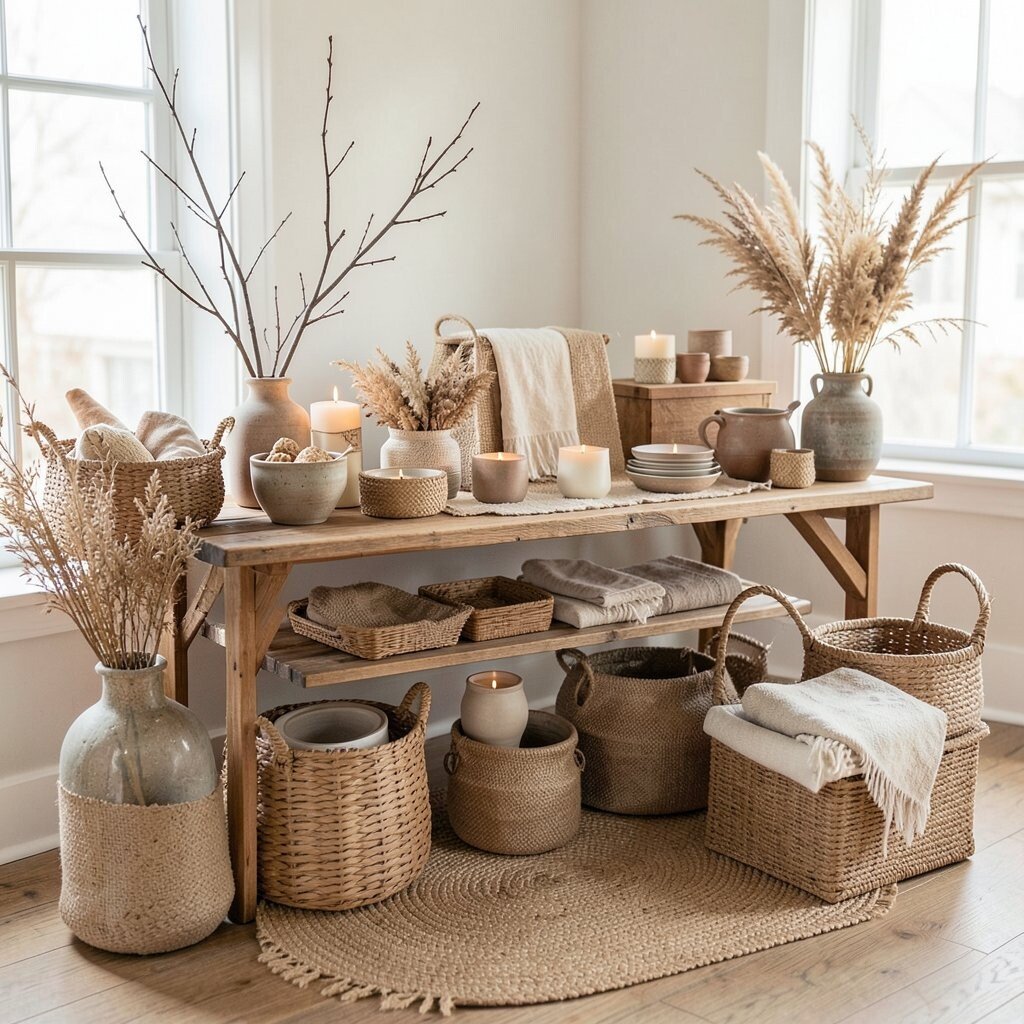
Wood, cotton, burlap, baskets, and dried plants can make a booth feel warm and grounded. These materials work well for makers who want a handmade or earthy look.
They add texture, which keeps the booth from feeling flat or plain. You can often find these pieces at thrift shops, craft stores, or even in your own home, which helps keep costs under control.
A few branches in a vase or a woven mat under your products can change the whole mood. This style pairs well with candles, pottery, bath items, and other goods that suggest comfort and care.
For a more personal touch, use materials that connect to your craft, like scrap wood from a workshop or fabric from your sewing room. That tiny detail can make your brand feel more real and memorable.
8. Set Up a Theme-Based Display
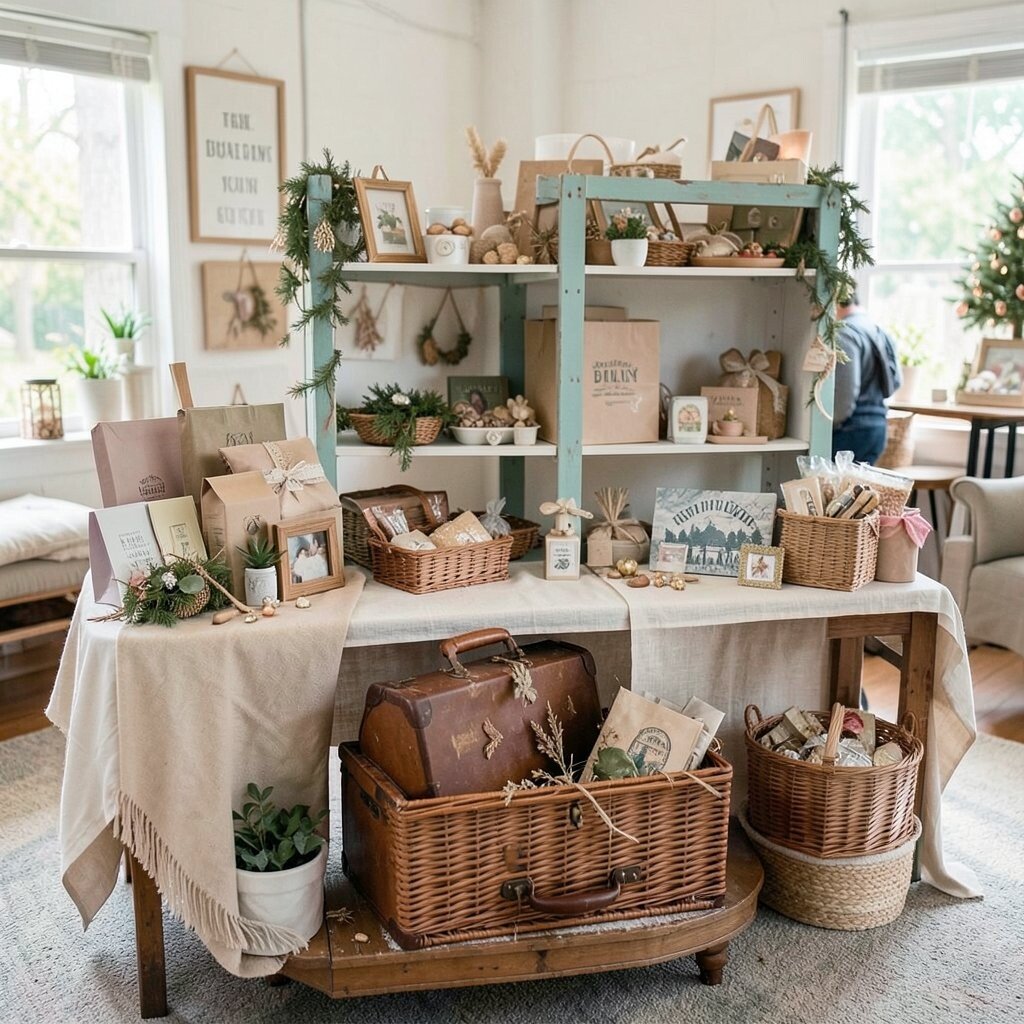
A theme gives your booth a clear idea, like garden, travel, kitchen, holiday, or cozy home. When everything points to one mood, shoppers understand your brand faster.
This style can make small displays feel bigger because each item supports the same story. It also gives you a fun way to choose props, signs, and packaging that all work together.
If you sell seasonal goods, a theme can help your booth stay current without a full redesign. Keep the theme simple so the products still shine and the setup stays easy to pack and reset.
Try using one hero prop, such as an old suitcase, a picnic basket, or a painted shelf, to anchor the look. That one piece can make your booth feel thoughtful without adding too much cost.
9. Display the Making Process
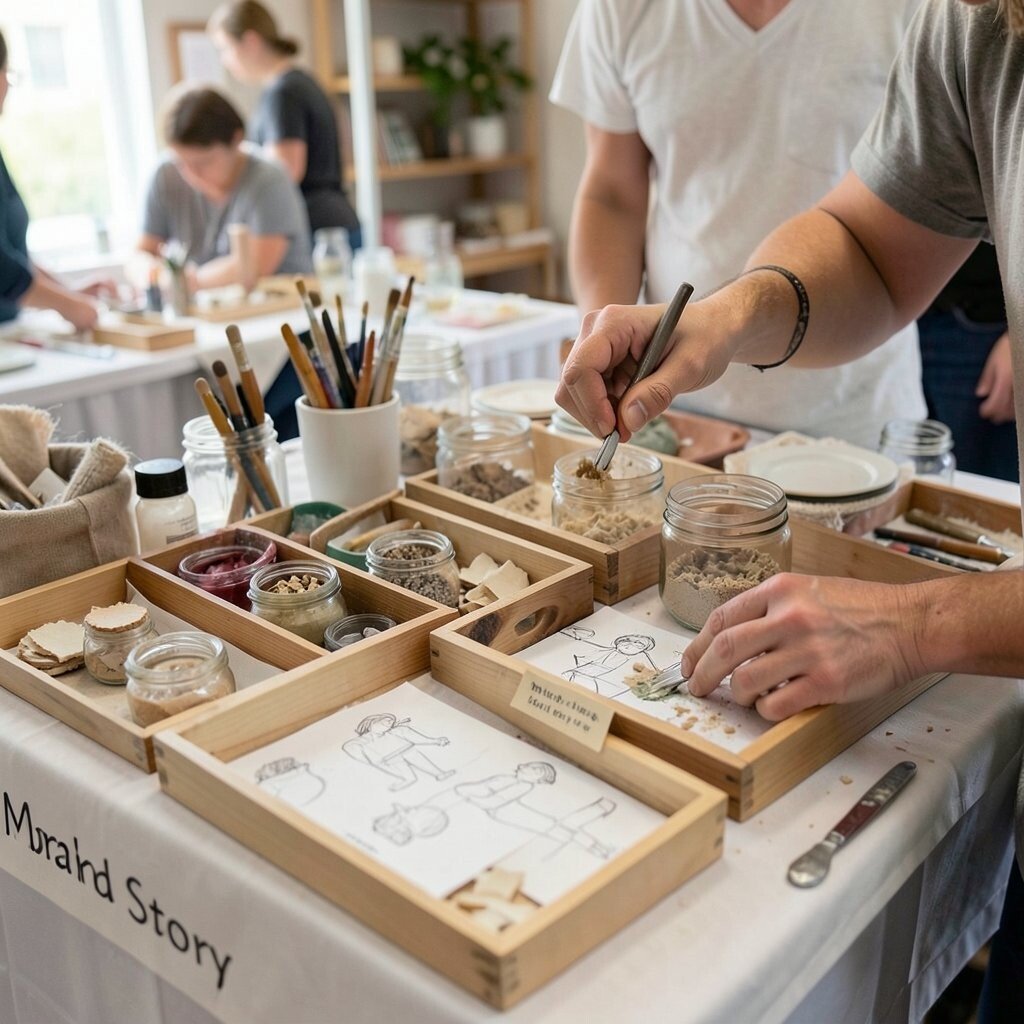
Showing tools, scraps, sketches, or work-in-progress pieces can make your booth feel alive. It tells shoppers that real hands and real time go into every item.
This kind of display builds trust because people can see the care behind the finished product. Use neat trays, jars, or little bins so the process feels interesting instead of messy.
You can also add a small note about how long an item takes or what steps are involved. That helps shoppers understand value, which can support higher prices for detailed handmade work.
10. Use Open Shelving for a Curated Look
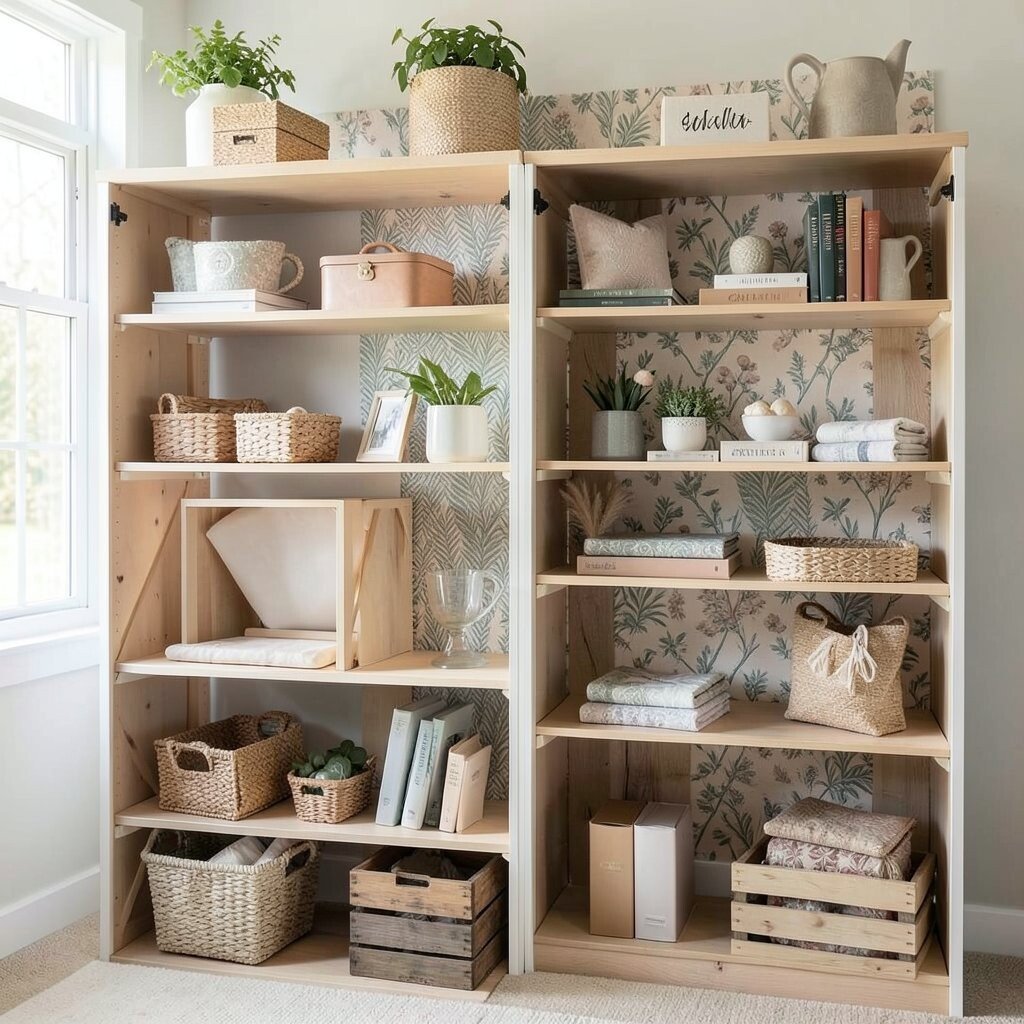
Open shelves can make a booth feel calm, tidy, and easy to browse. They let you show more products without piling everything on one table.
This look works well for brands that want a clean, modern feel. Use only a few items on each shelf so the display does not look crowded, and keep similar colors close together for a soft visual flow.
Open shelving can be made from folding units, thrifted bookcases, or simple crates stacked with care. If you want a more personal feel, line the back with fabric or wallpaper that matches your brand colors.
Current trends often lean toward tidy, airy displays that feel easy on the eyes, and shelves fit that style nicely. They also help shoppers spot bestsellers and matching sets from across the aisle.
11. Create a Cozy Seating Nook
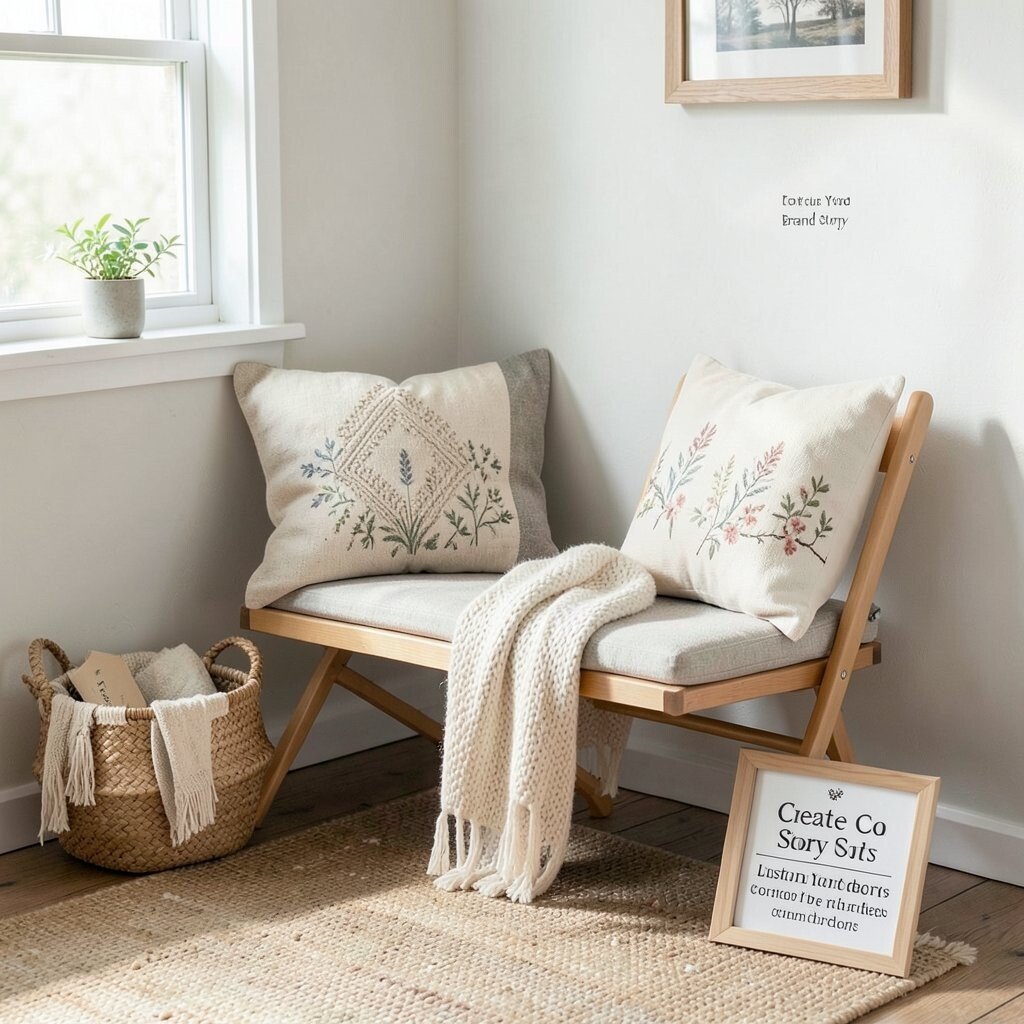
A small seat or bench can make your booth feel welcoming and relaxed. It gives tired shoppers a place to pause and look longer.
This setup works well for makers who want a homey or lifestyle-based brand feel. Add a cushion, a throw blanket, or a rug to soften the space and make it look inviting.
The seating area can also be a smart spot for a story card, a lookbook, or a sign that explains custom orders. You do not need costly furniture, since a folding chair with a nice cover can work just fine.
People often stay longer in booths that feel comfortable, and longer visits can lead to more sales. If your brand is about rest, comfort, or care, this idea fits very naturally.
12. Use Packaging as Part of the Display
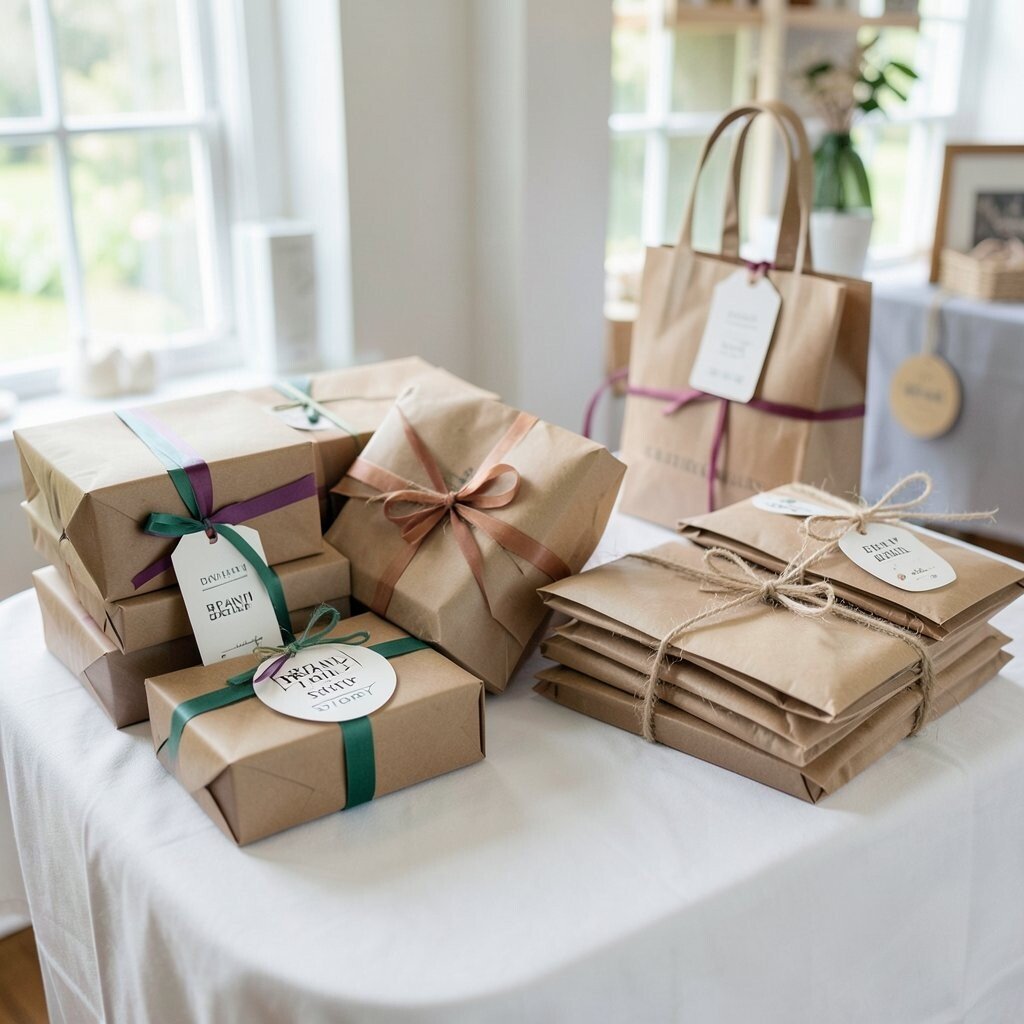
Your bags, boxes, and tags can do double duty as decor. When packaging looks good on the table, it helps tell your brand story before the sale even happens.
Choose wraps, ribbons, stickers, or tissue paper that match your booth colors and product style. A neat stack of branded bags or tied bundles can add charm without taking much space.
This is a smart way to build a polished look on a smaller budget, especially if you start with simple supplies and upgrade little by little. It also helps shoppers imagine the item as a gift, which can be a big plus at craft fairs.
If your brand is eco-friendly, reuse paper, twine, or compostable materials to show that value clearly. Small details like this can make your booth feel thoughtful and current.
13. Add Movement with Hanging Pieces
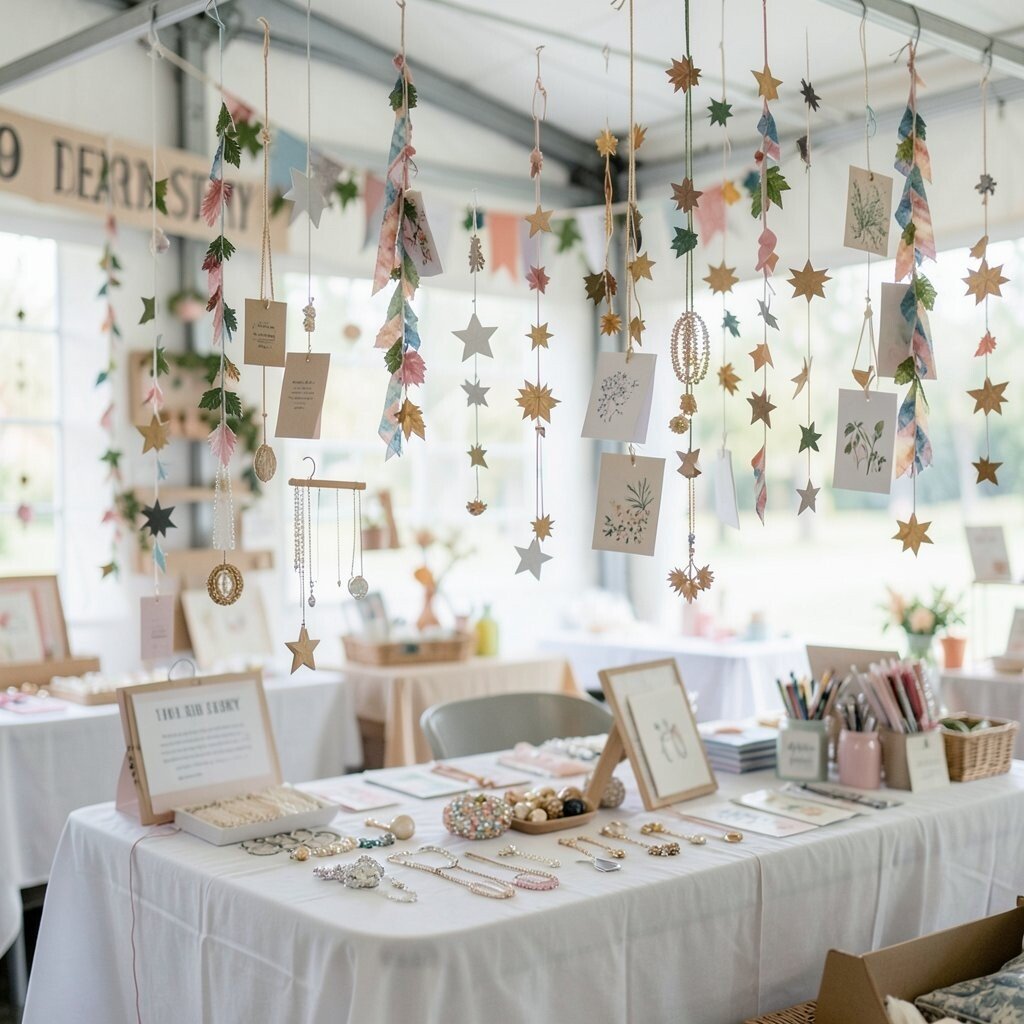
Hanging displays can make a booth feel light, lively, and full of energy. Think banners, garlands, mobiles, hanging cards, or products suspended on hooks.
This approach helps pull the eye upward, which is useful when your table space is limited. It can also give your booth a playful feel that stands out from flat, quiet setups.
Use lightweight items so setup stays simple and safe, and keep cords or hooks neat and secure. Hanging pieces are a good match for jewelry, paper goods, ornaments, and art prints.
To make the look yours, choose shapes or materials that connect to your work, like stars, leaves, or fabric strips cut from your own scraps. The result feels custom, creative, and easy to remember.
14. Design a Photo-Friendly Corner
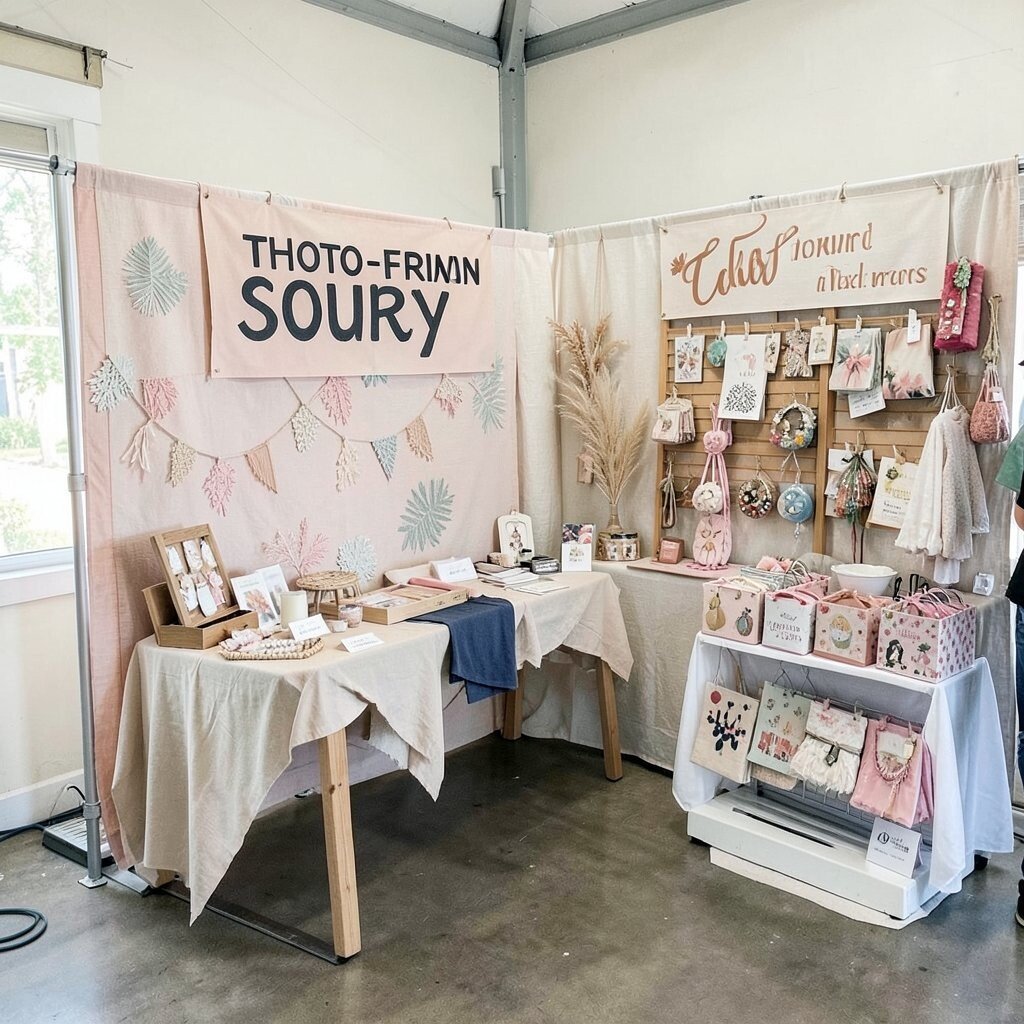
A photo-friendly spot gives shoppers a place to snap and share your booth. That can help your brand reach more people after the fair is over.
Use a pretty backdrop, a bold sign, a fun prop, or a neat product wall that looks great in pictures. Keep the area simple and clear so people can step in, take a shot, and move on without blocking others.
This idea is great for modern shoppers who love posting their finds and tagging makers online. If you add a branded hashtag or a short social handle, people can find you again with ease.
You do not need a huge budget for this, since a fabric panel, painted board, or decorated corner can do the job well. Make it feel like a small scene from your brand world, and shoppers will want to share it.