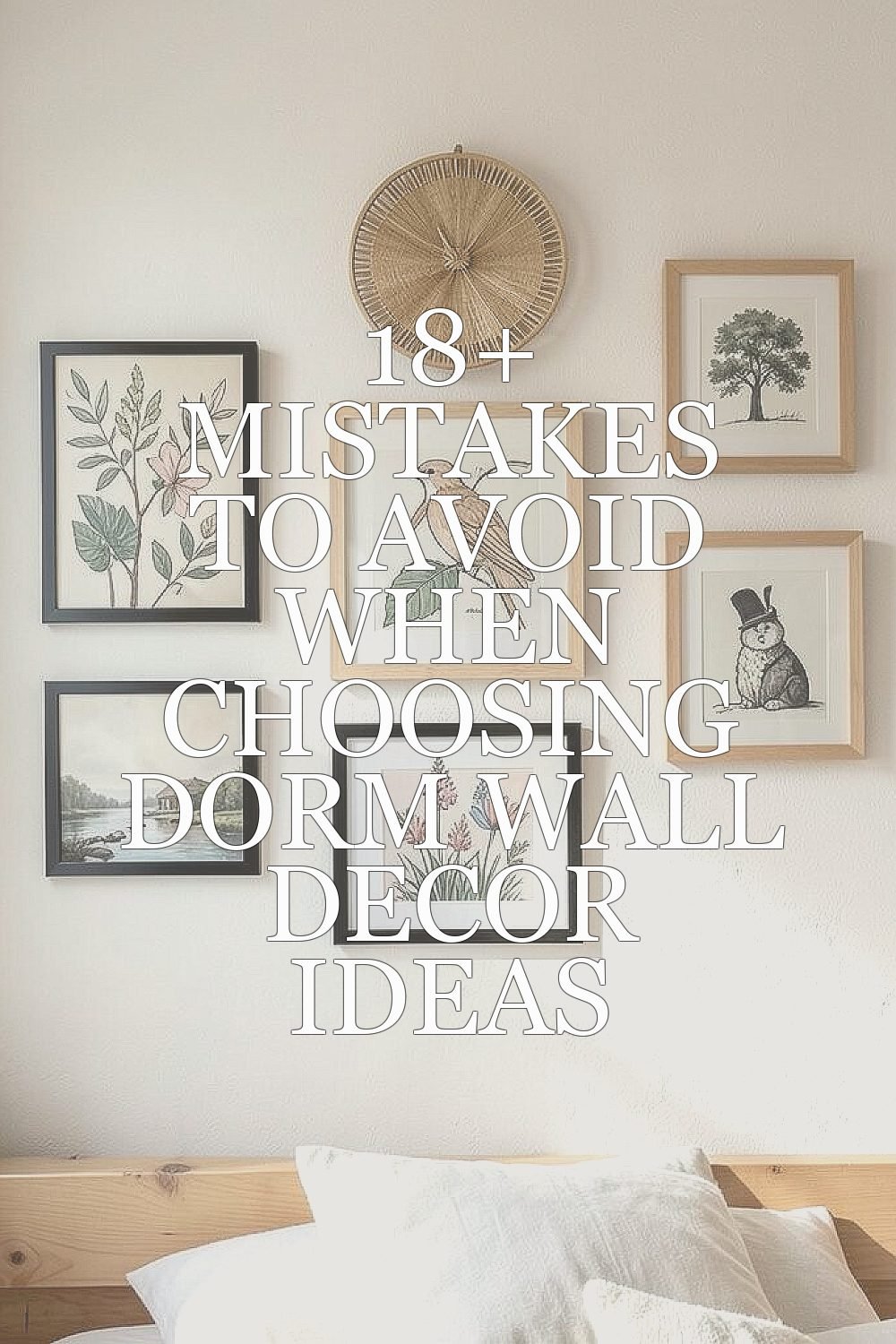
Wall decor can change the mood of your dorm fast. Choose wisely and your space will feel like yours from day one.
1. Picking Decor Without Thinking About Your Dorm’s Layout
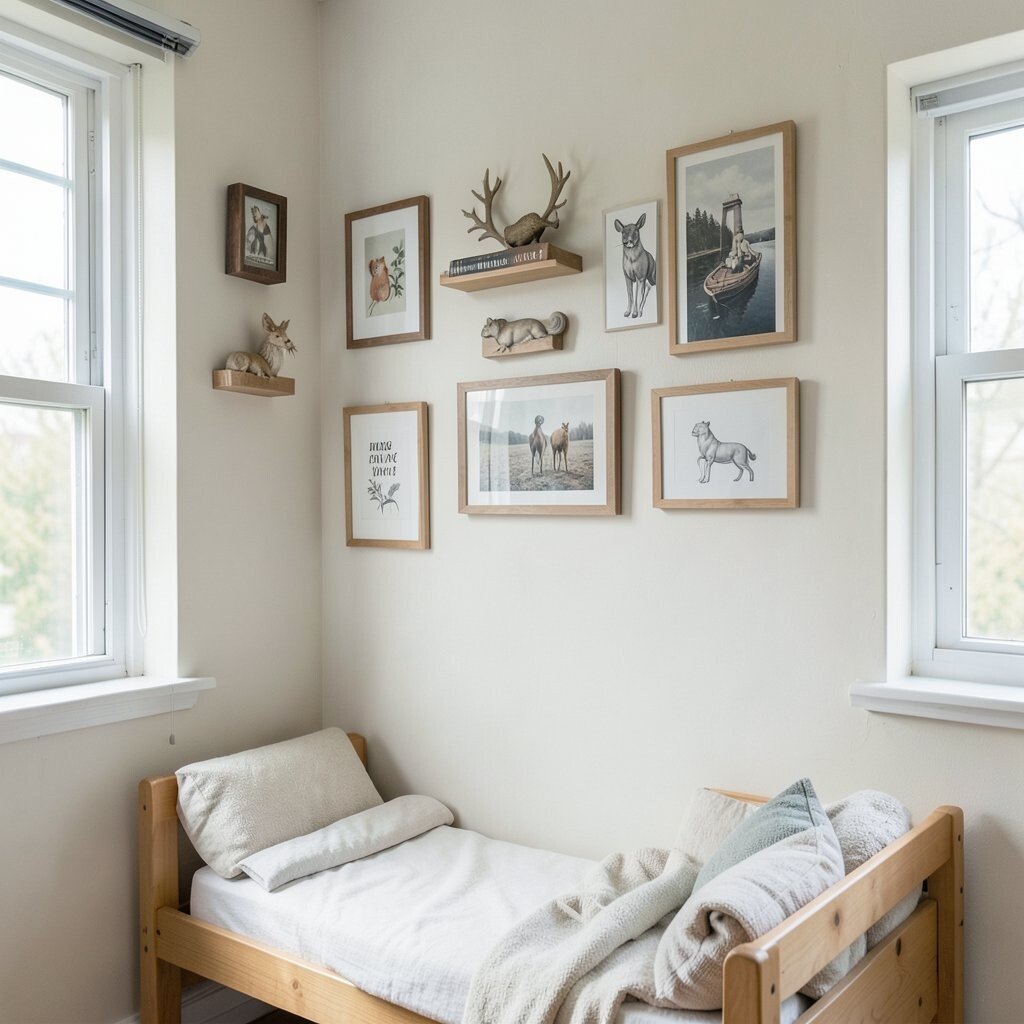
Many students buy cute prints but forget how they will fit on the actual wall. Before you hang anything, look at where your bed, desk, window, and storage already sit.
Measure the wall space and notice where sightlines go when you enter the room. If you place decor too high, it can feel distant, and if it’s too low, it can bump into shelves or hang over your desk. Try a quick mock-up by using painter’s tape to outline the size so the wall feels balanced.
2. Choosing Only One Type of Decor and Calling It a Theme
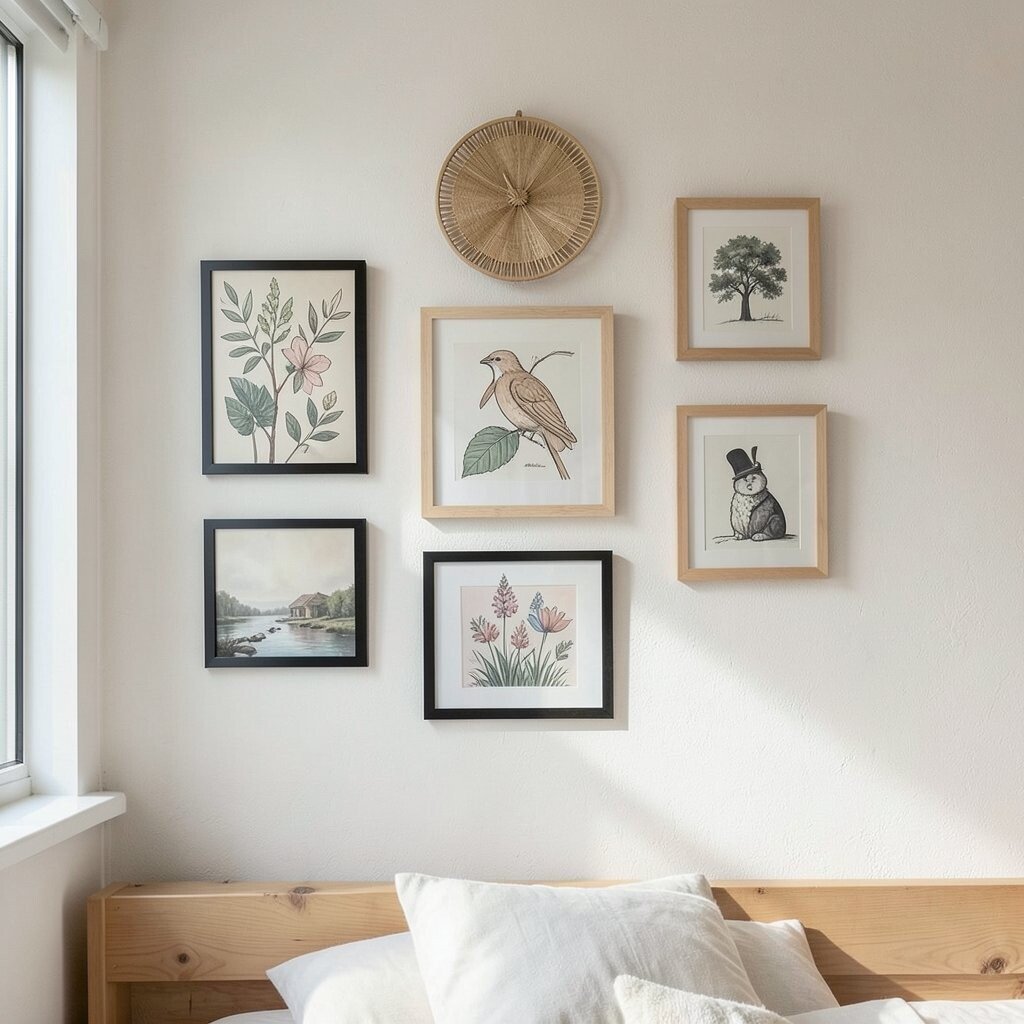
One poster can look great, but a whole wall often needs variety. A dorm room usually feels better with mixed textures like art prints, fabric hangings, and small items that add depth.
Think about combining framed photos, a tapestry, and a few small shelves for a layered look. This helps your space feel curated rather than random.
When you mix styles, pick a shared color or vibe so everything still matches. For example, warm tones with nature scenes can blend nicely even when the pieces are different sizes.
3. Ignoring Lighting and Buying Decor That Looks Flat
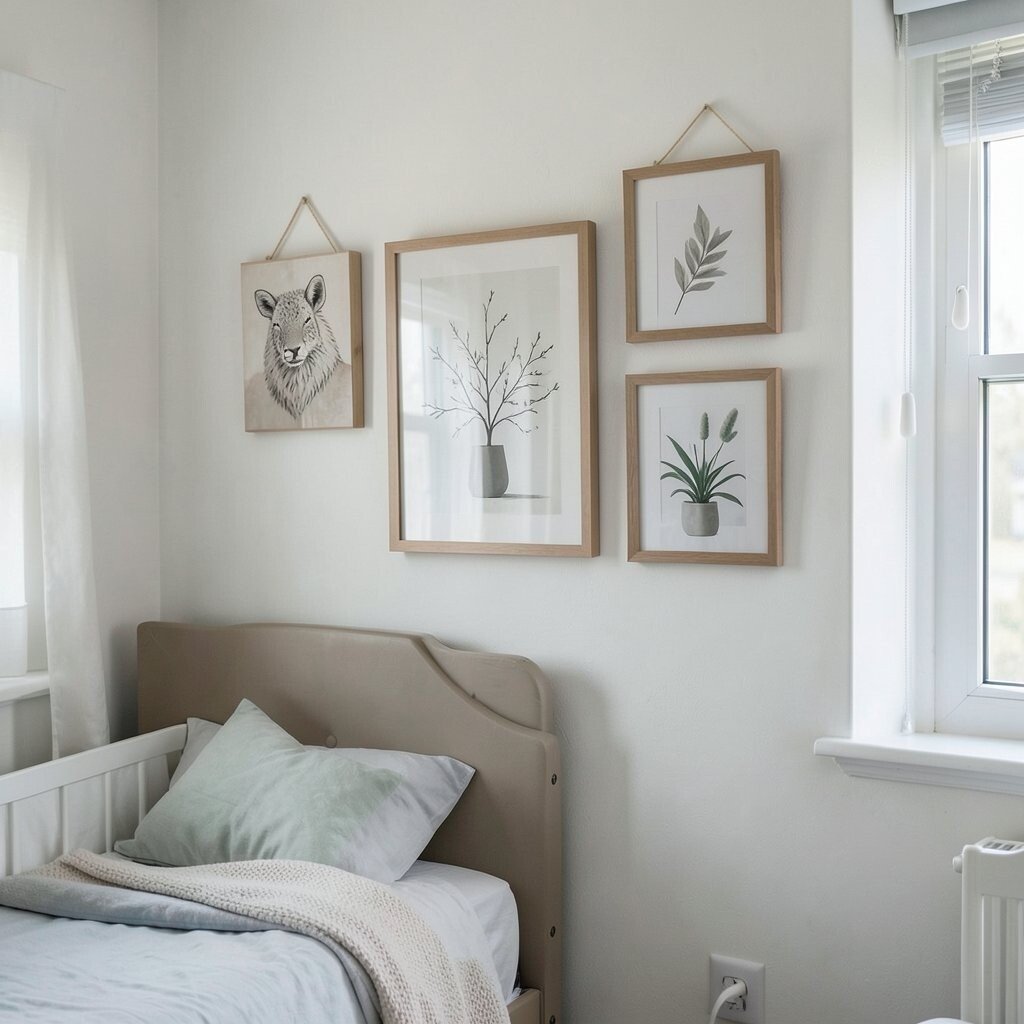
Your wall art might look amazing online but dull under dorm lighting. Fluorescent overhead lights can wash out colors, so you should check how your decor looks in your room’s actual glow.
Notice whether your room gets warm light from a lamp or cooler light from the ceiling. Shiny frames, metallic accents, and high-contrast prints often pop more than soft gray images.
If you love pastel art, consider adding a light behind it, like a small LED strip near a frame or a lamp nearby. The benefit is that your decor feels lively at night, not just during the day.
4. Buying Too Much Too Fast and Filling Every Empty Space
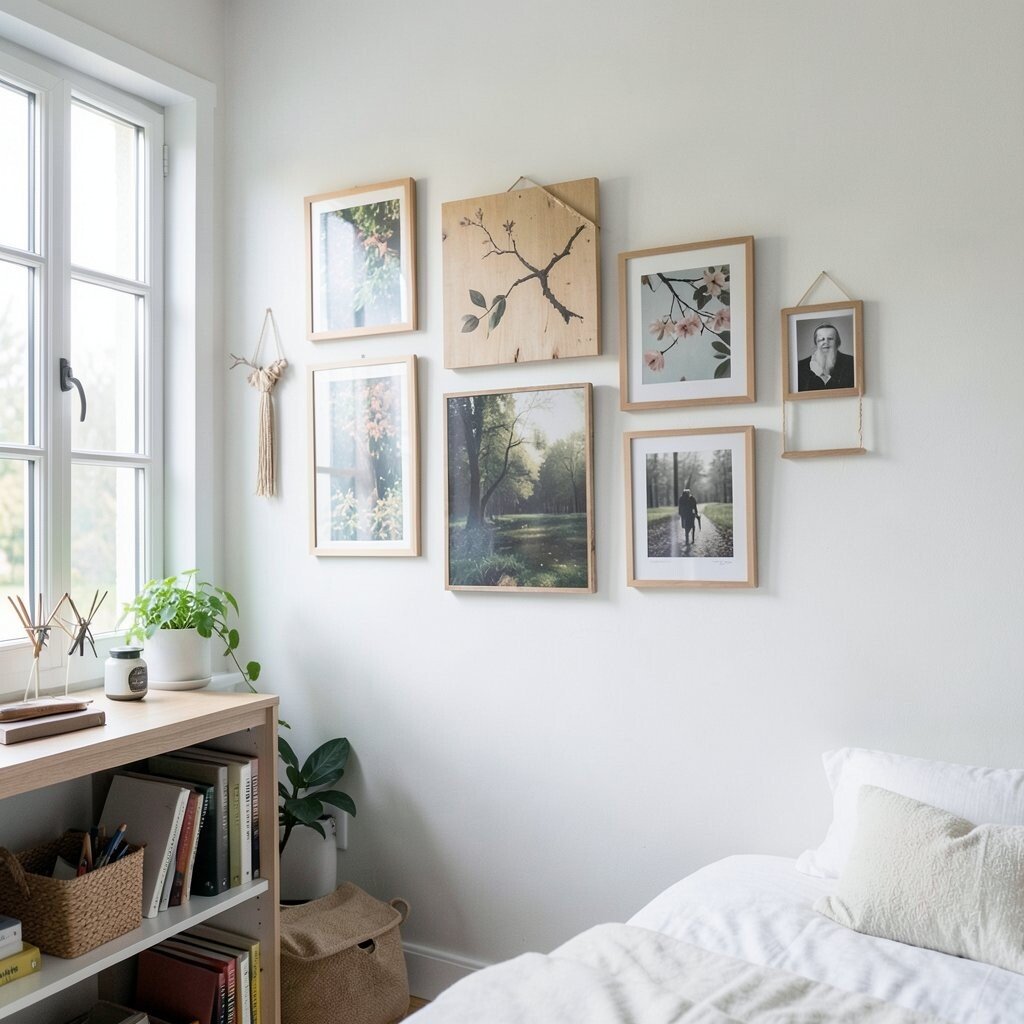
It’s tempting to order several items at once, especially when your feed is full of pretty rooms. But when you fill every inch, your wall can look crowded and stressful to look at.
Start with one or two statement pieces and then add smaller items over time. This approach makes it easier to spot what your room truly needs.
5. Using Heavy Frames Without Considering Wall Safety
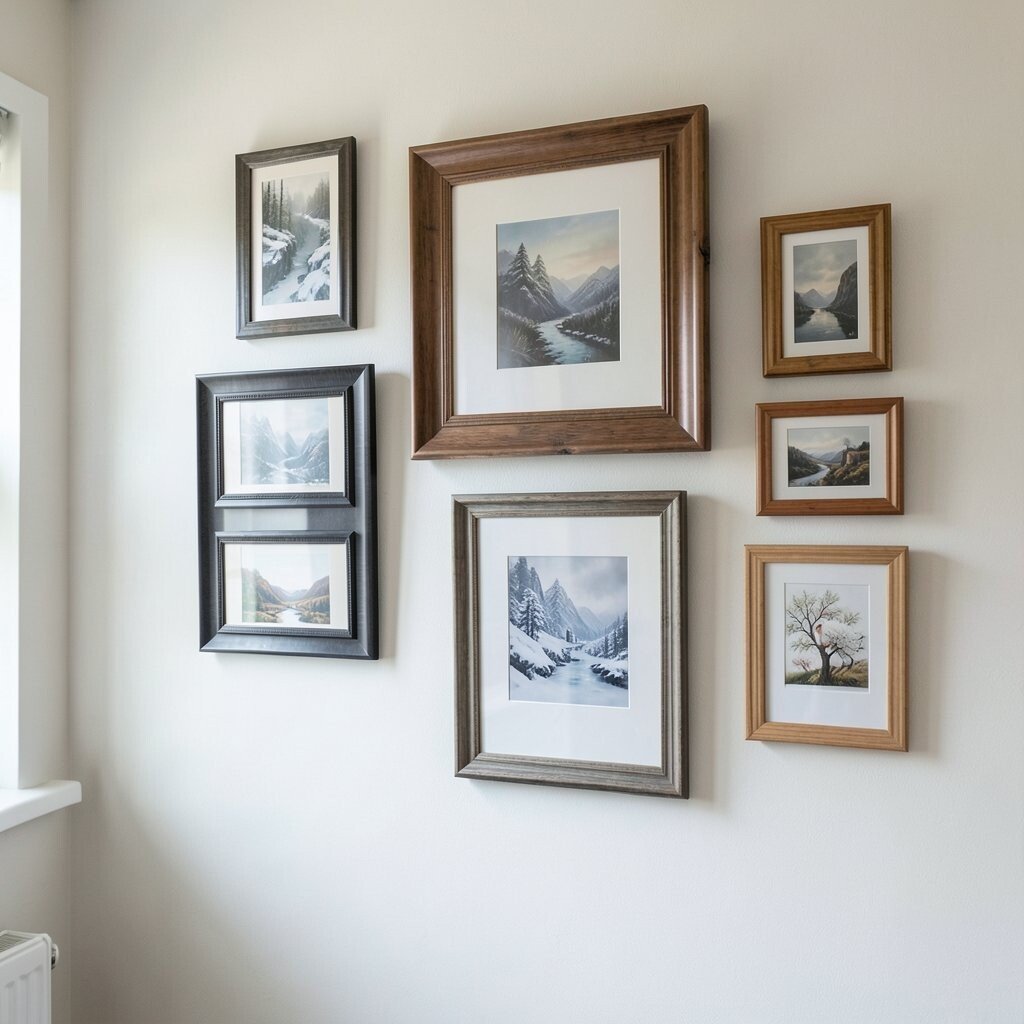
Some dorm walls are easy to hang things on, and others are not. If you use heavy frames without the right hooks, you can damage the wall or risk items falling.
Choose lightweight frames, acrylic art, or prints that are easier to mount. Even better, use command-style hooks or removable mounting putty that won’t leave big marks.
When you pick a larger piece, distribute the weight with proper anchors if your dorm allows it. A safe setup keeps your decor looking neat and helps you avoid repair headaches later.
6. Avoiding Personal Photos Because They Feel “Too Simple”
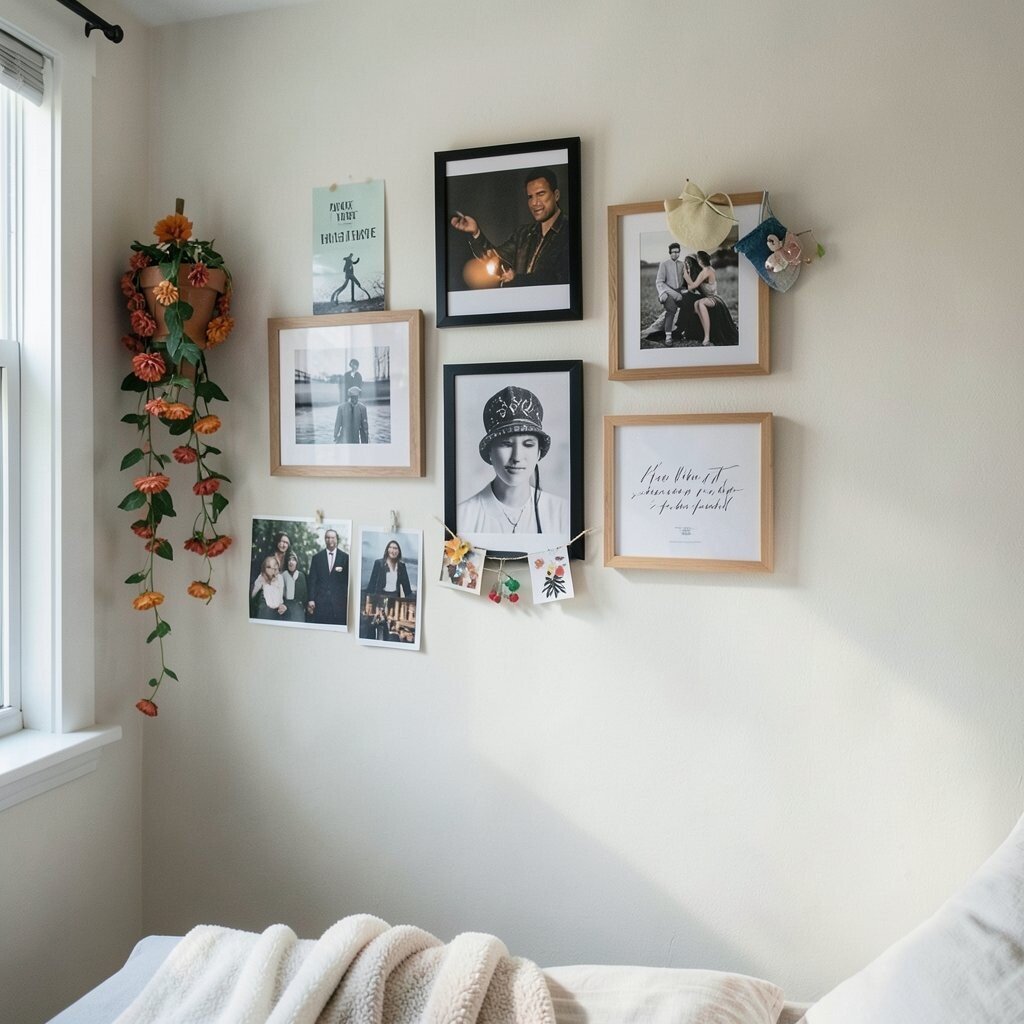
Personal photos can be some of the best decor you own. They add real warmth, and your wall becomes a place that reminds you of people and moments.
Try a small gallery grid with printed photos, or use a simple frame with one favorite picture. You can also rotate prints with mini clips so your wall stays fresh.
Even if you don’t want lots of photos, one meaningful print can make the whole room feel calmer. Plus, you can make them on a budget, which is great when student life gets expensive.
7. Picking Only Trends Instead of Choosing a Style You’ll Keep
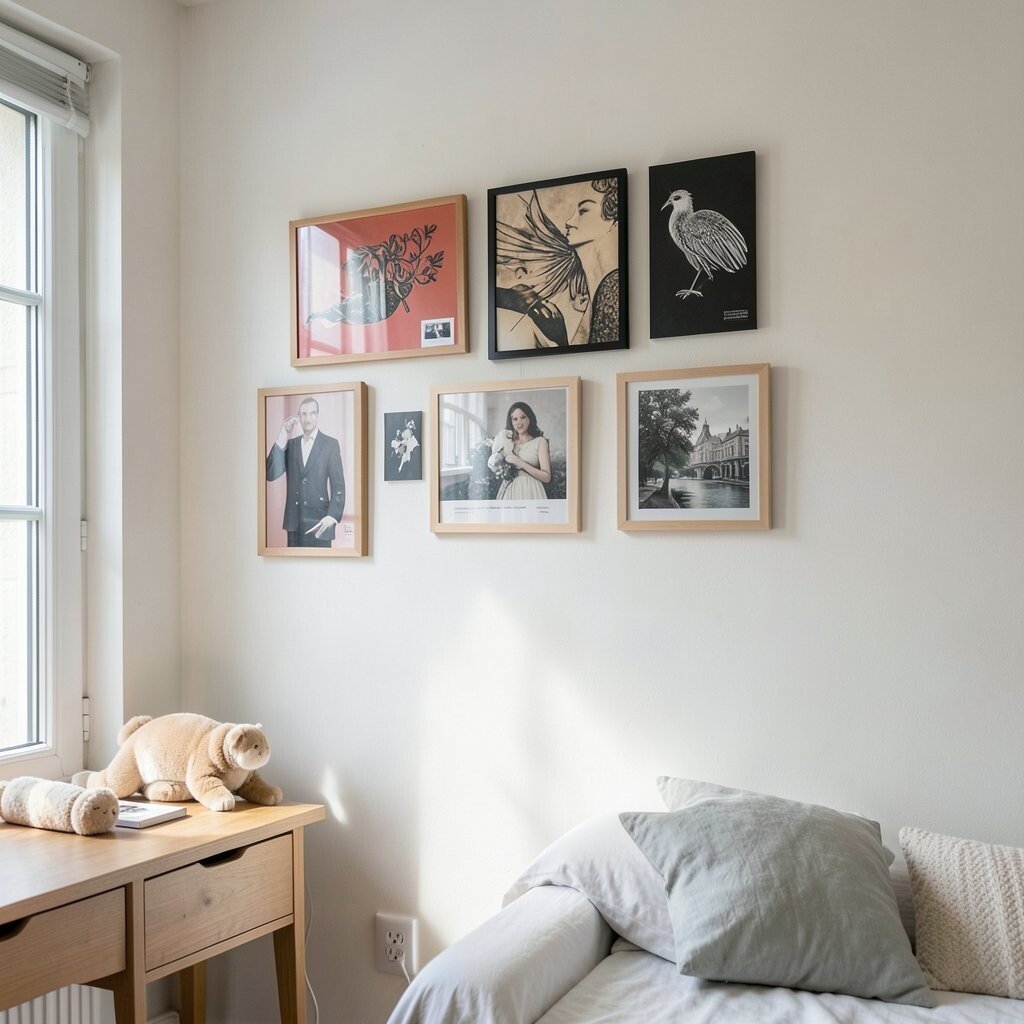
Trendy decor looks fun right now, but it can also feel outdated fast. If you only chase what’s popular, you might get tired of it before the semester ends.
Pick a style that matches how you live, like cozy textures, clean modern lines, or playful color pops. Your benefit is simple: your wall will still feel right months from now.
If you want trend ideas, keep them in the smaller parts like a poster swap or a seasonal banner. That way you can update without replacing everything.
8. Overlooking How Your Decor Works With Your Storage
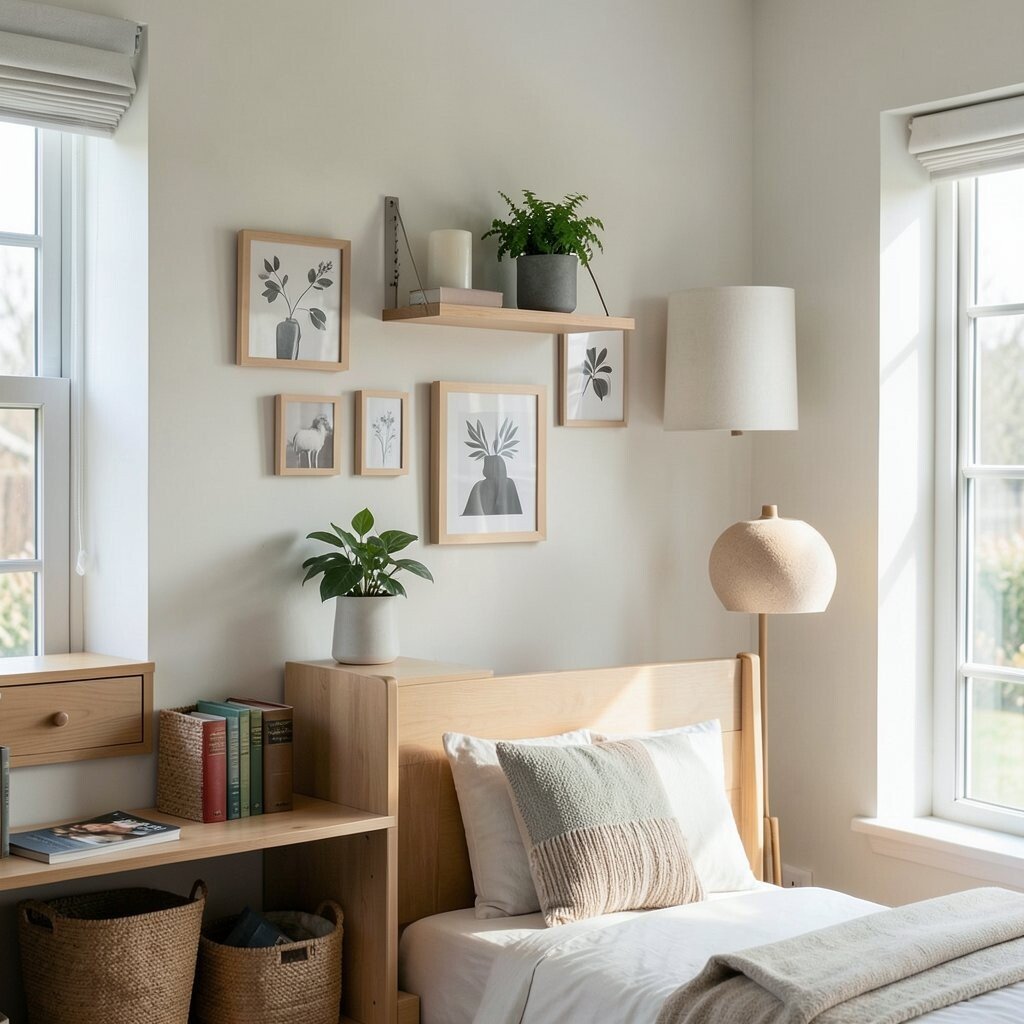
A dorm wall is often connected to your desk, books, and storage bins. If decor sits where you need to hang bags or reach shelves, it can get annoying quickly.
Check what you use daily, like your cork board, calendar space, or hoodie hooks. Your decor should support your routine, not fight it.
9. Choosing Colors That Fight With Your Bedding and Rug
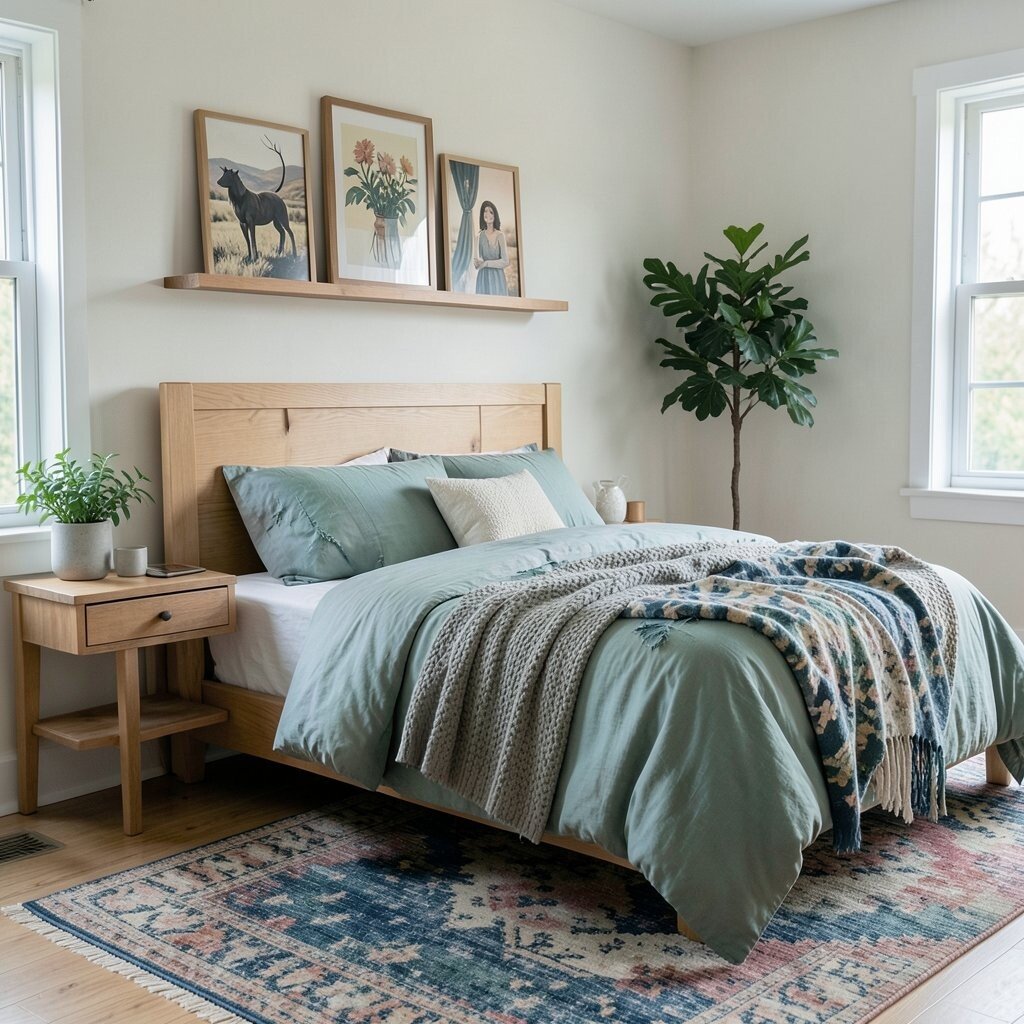
Color mismatch is one of the most common reasons wall decor feels “off.” If your bedding is loud, your wall art should usually calm it down, or repeat one of the bedding colors.
Pull a color from your rug or comforter and use it in your frames or prints. When colors match, the room looks intentional even if the pieces are different styles.
You can also balance bold colors with neutrals like cream frames, black typography, or natural wood. The practical tip is to create a small color palette before you shop so you don’t guess each time.
10. Buying Art That Doesn’t Match Your Interests
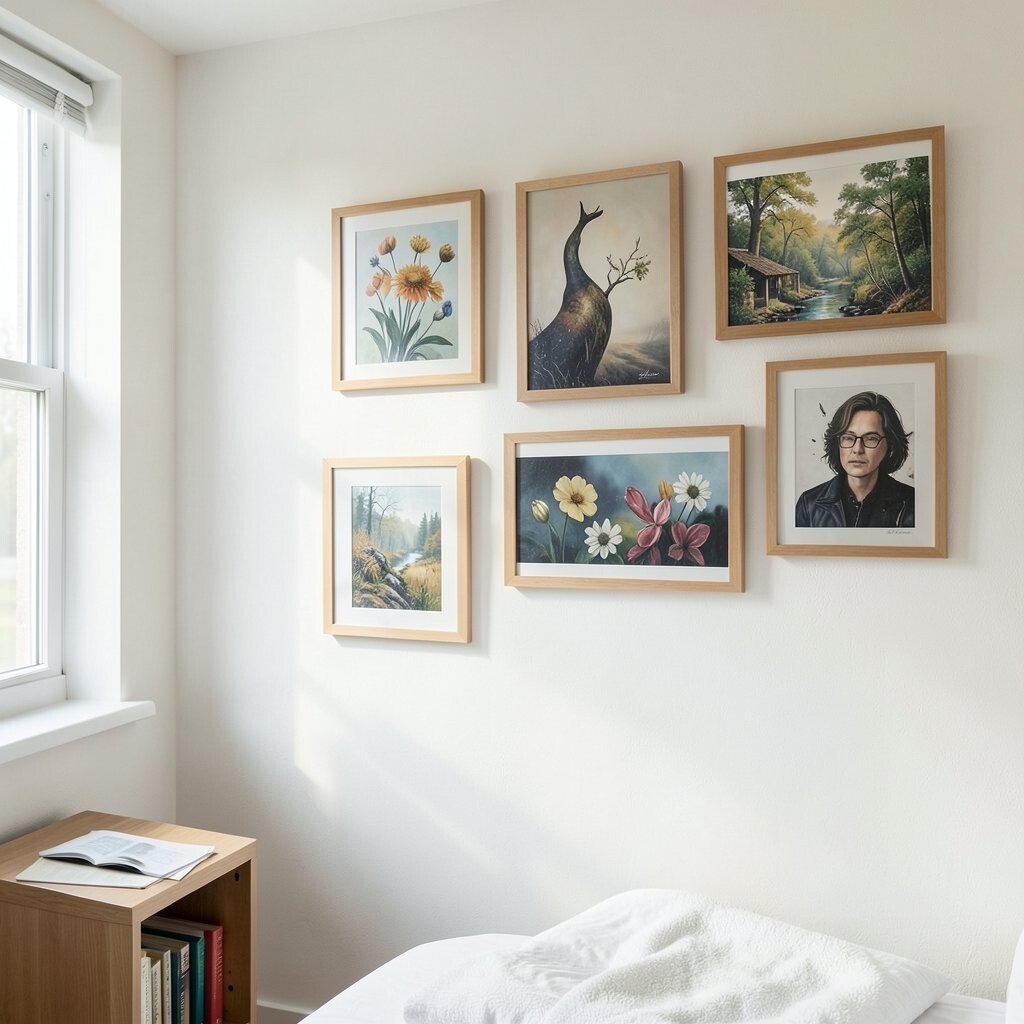
Decor should make you smile when you sit down to study or come back from class. If the art doesn’t fit your hobbies, it will feel like something you borrowed, not something you chose.
Pick pieces that match your interests, like sports, music, film, anime, travel memories, or even jokes that make you laugh. That personal connection is the uniqueness factor that turns a plain wall into your space.
11. Skipping Size Checks and Ending Up With Wall Art That’s Too Small
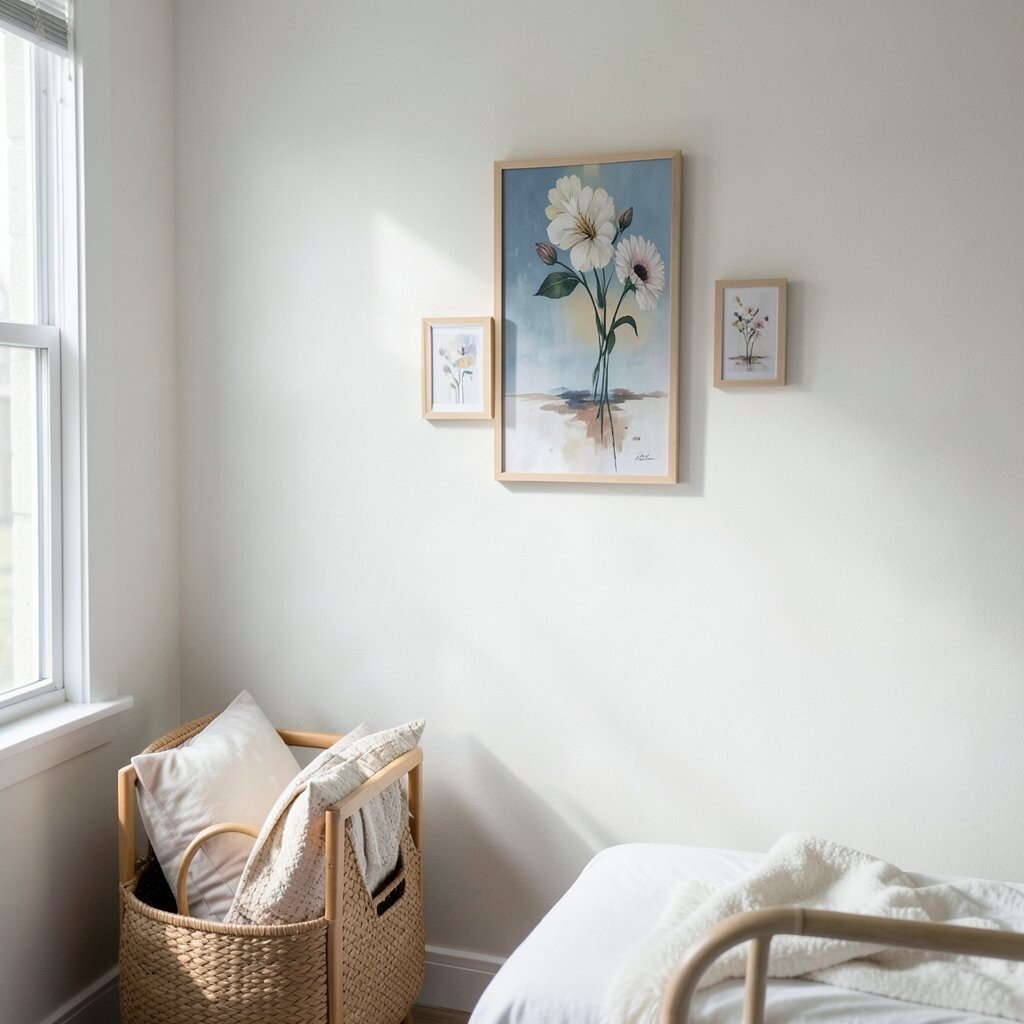
A tiny print can look charming, but on a large wall it may disappear. When you stand back, your decor should still be noticeable without you having to lean in.
Measure the wall and aim for pieces that create structure, like one medium print centered above a desk or a larger poster behind your chair. If you love small items, group them together so they read as one display.
Grouping helps the benefit of visual flow, because your eye can move across the wall smoothly. It also makes your setup feel designed instead of scattered.
12. Forgetting That Removable Means Removable
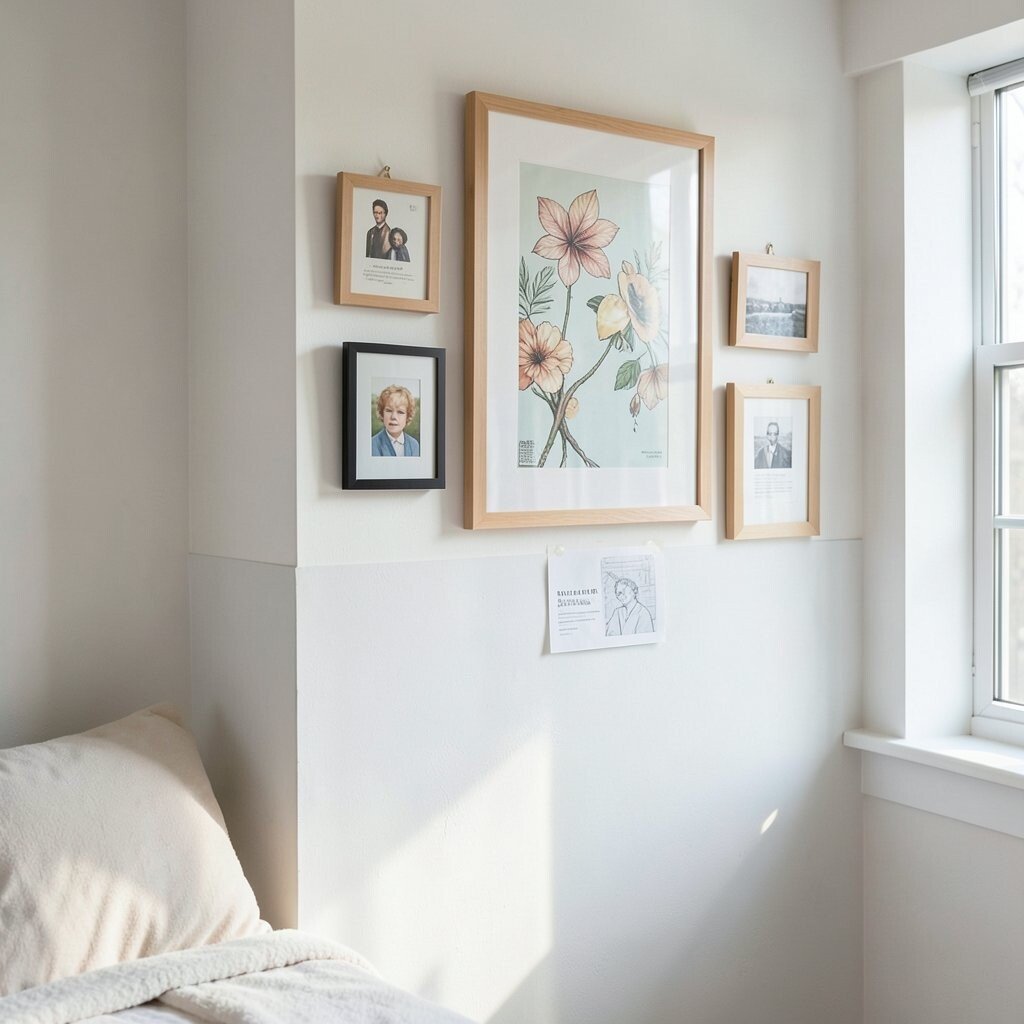
Some students assume dorms will allow anything, but rules vary a lot. Adhesive choices matter, and your deposit matters too.
Use mounting methods made for dorms, such as removable hooks and poster frames with non-damaging backing. Always test a small corner first so you don’t get surprise damage.
If you’re not sure, go with free-standing options like desk signs, shelf decor, and floor easels. This keeps your decor easy to change when your room changes.
13. Ignoring Current Layout Trends Like “Create a Zone” Looks
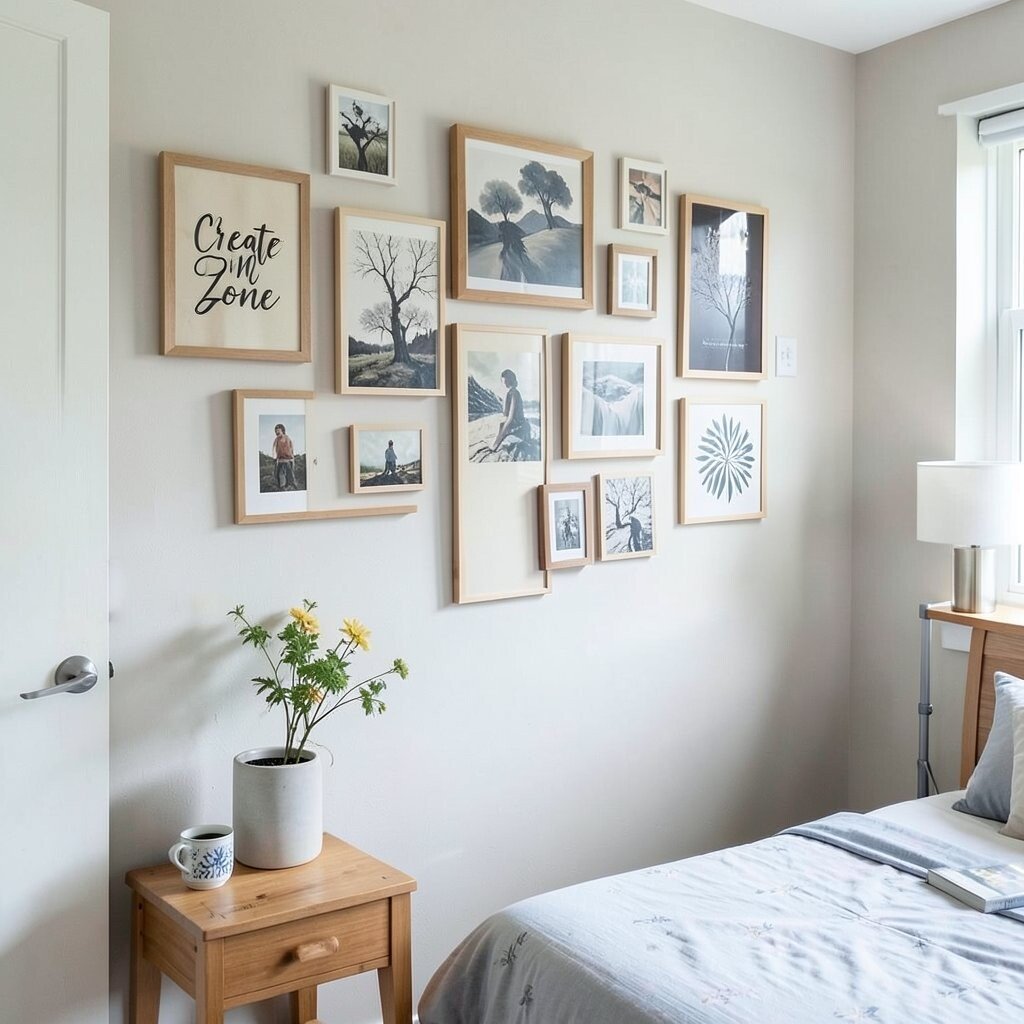
Many modern dorm room photos show “zones” instead of random wall decoration. That means you create a study corner, a rest corner, or a hangout corner and decorate each area to match.
When you add wall decor near your desk, choose art that feels focused, like calm landscapes or simple typography. For the bed area, try cozier prints, warm colors, or soft fabrics that make the space feel restful.
This approach is a trend for a reason, because it guides your eye and makes the room feel organized. It also helps you choose what goes where without overthinking every purchase.
14. Choosing Decorative Clutter That Makes It Hard to Clean
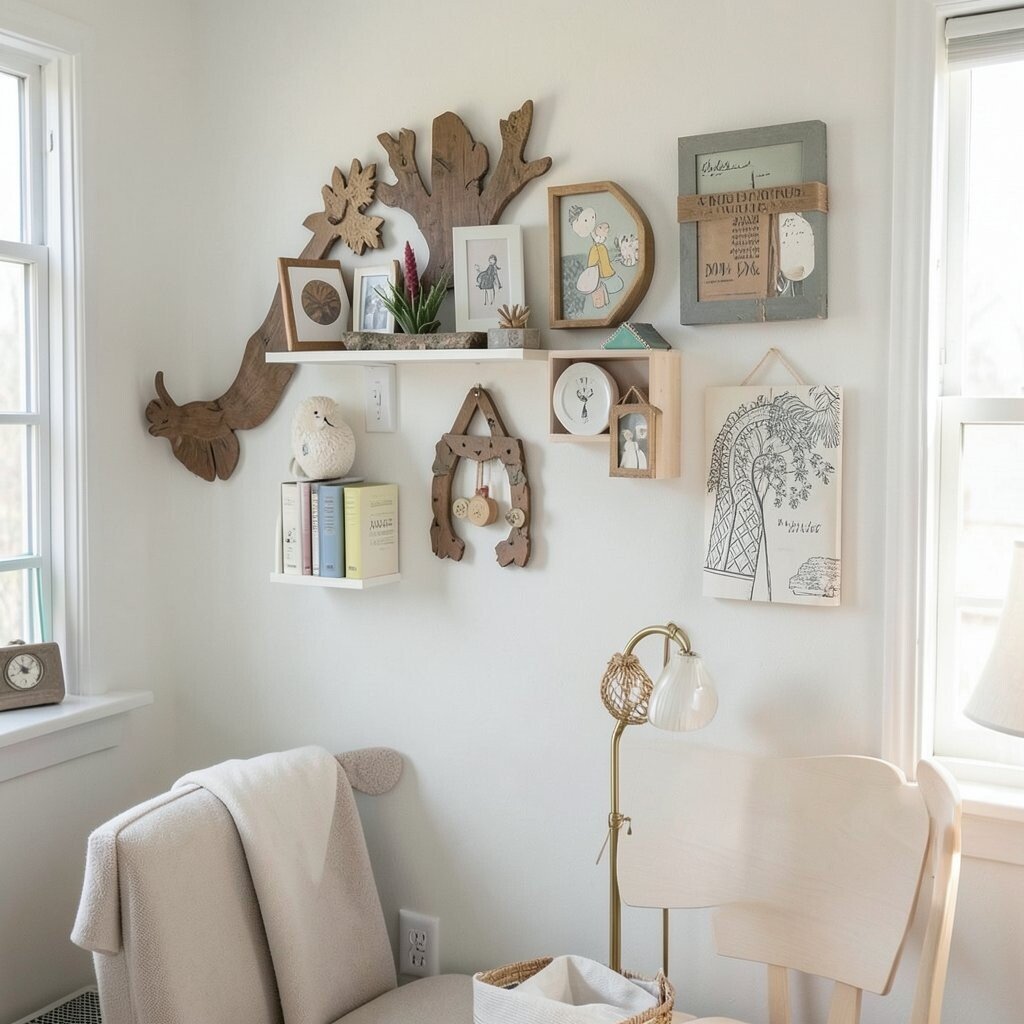
If dust builds up on your wall shelf or tiny trinkets, cleaning can become annoying. Dorm rooms are busy, so your decor should be easy to maintain.
Pick fewer pieces with clear surfaces, like framed prints, flat wall organizers, and simple shelves with space between items. You’ll spend less time wiping and more time living your actual life.
Consider washable fabrics for tapestries and smooth frames that wipe clean. Keeping things simple helps your room stay fresh instead of messy.
15. Copying a Pinterest Room Exactly Without Adapting to Your Real Life
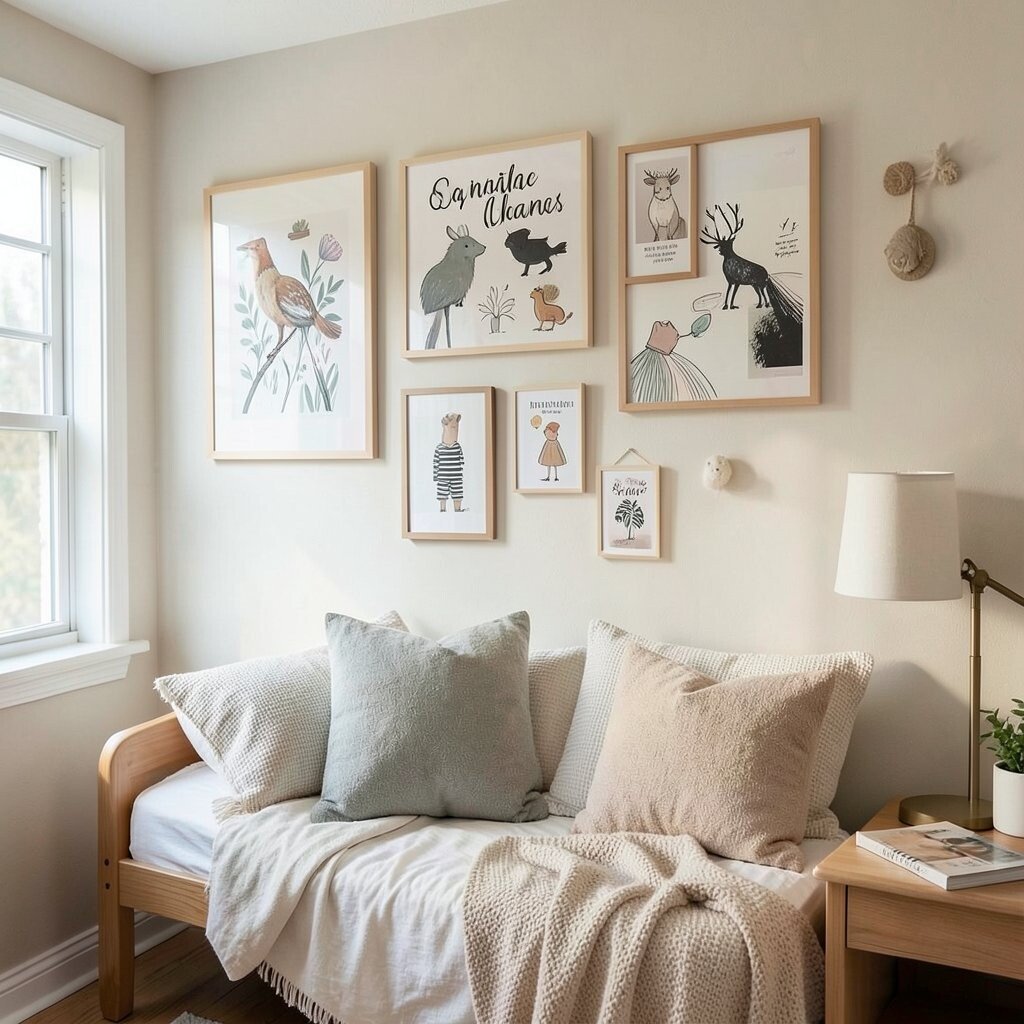
Copying a photo can be fun, but real dorm life has limits. You might have different wall space, different lighting, or different storage needs than the person in the picture.
Use Pinterest ideas as inspiration, then adjust for your routine. If you study better with a tidy desk, place fewer items on the wall so your desk can breathe too.
Uniqueness grows when you add your own photos, colors, and favorite objects. You’ll still get the nice look, but it will feel authentic because it fits your daily habits.
16. Overpaying When Affordable Options Look Just as Good
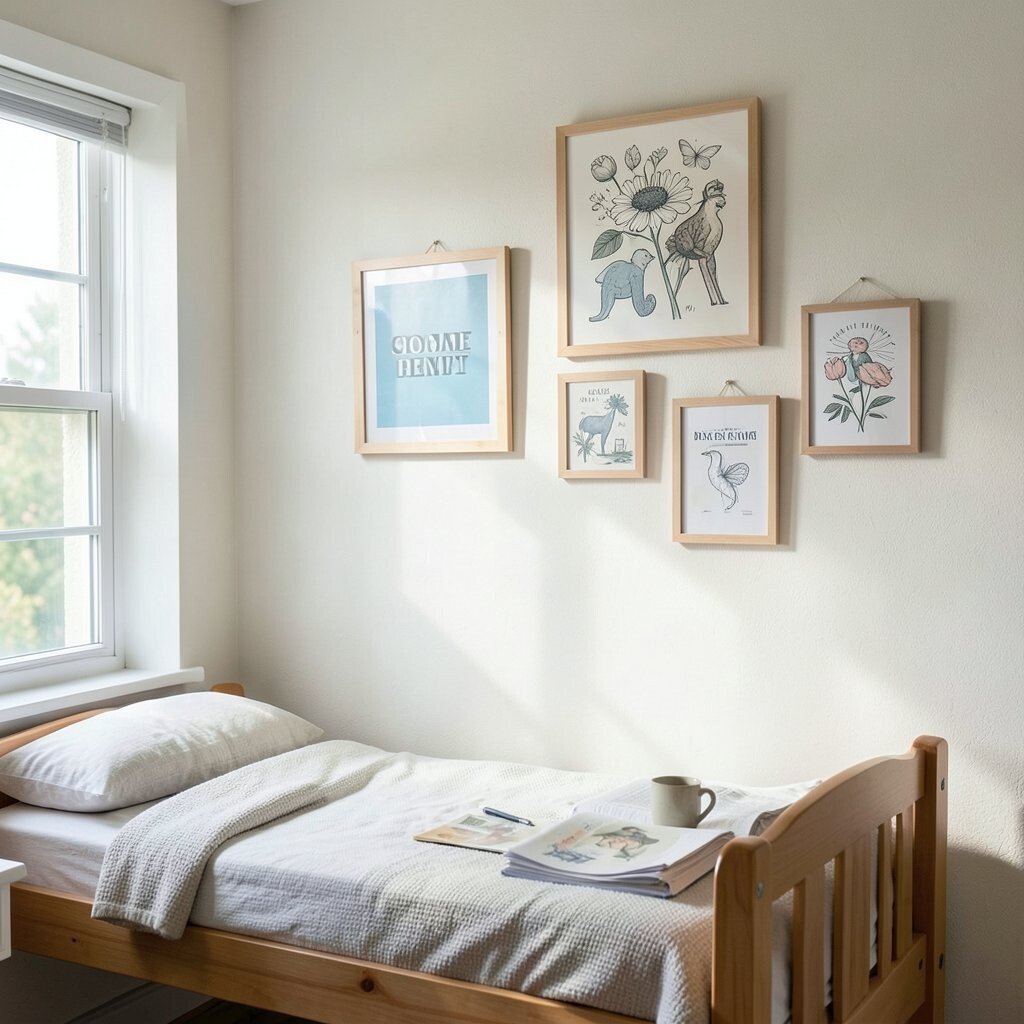
Wall decor shopping can get expensive fast, especially with frames, prints, and shipping. It’s easy to spend more than you planned when everything looks like a “must buy.”
Check thrift stores, campus shops, and poster websites for deals. You can also print your own photos at a low cost and frame them with simple hardware-store frames.
Cost-smart choices help you keep your budget for other dorm essentials like bedding, laundry supplies, and snacks. The benefit is huge: you get a stylish wall without stress.
17. Forgetting to Plan for Seasonal Changes and Updates
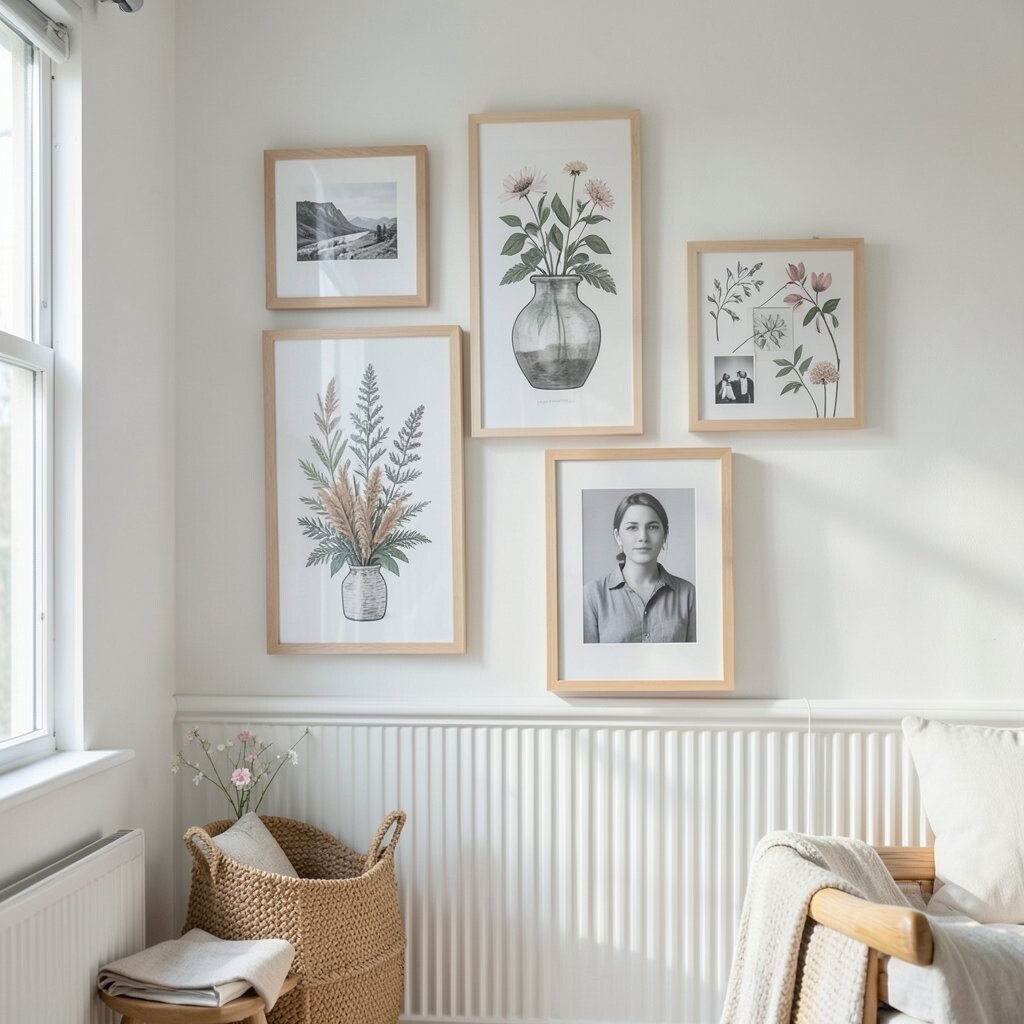
Your tastes and your mood can shift across the year, and decor should keep up. If everything is permanent, updating can feel impossible later.
Choose a removable poster frame, swap-in print sleeves, or a tapestry you can change when seasons change. This keeps your wall looking current without needing a full replacement.
It’s also practical for events like holidays, graduation photos, or exam weeks. When your wall can change easily, it stays fun and motivating instead of stuck.
18. Not Creating a Focal Point That Pulls the Whole Wall Together
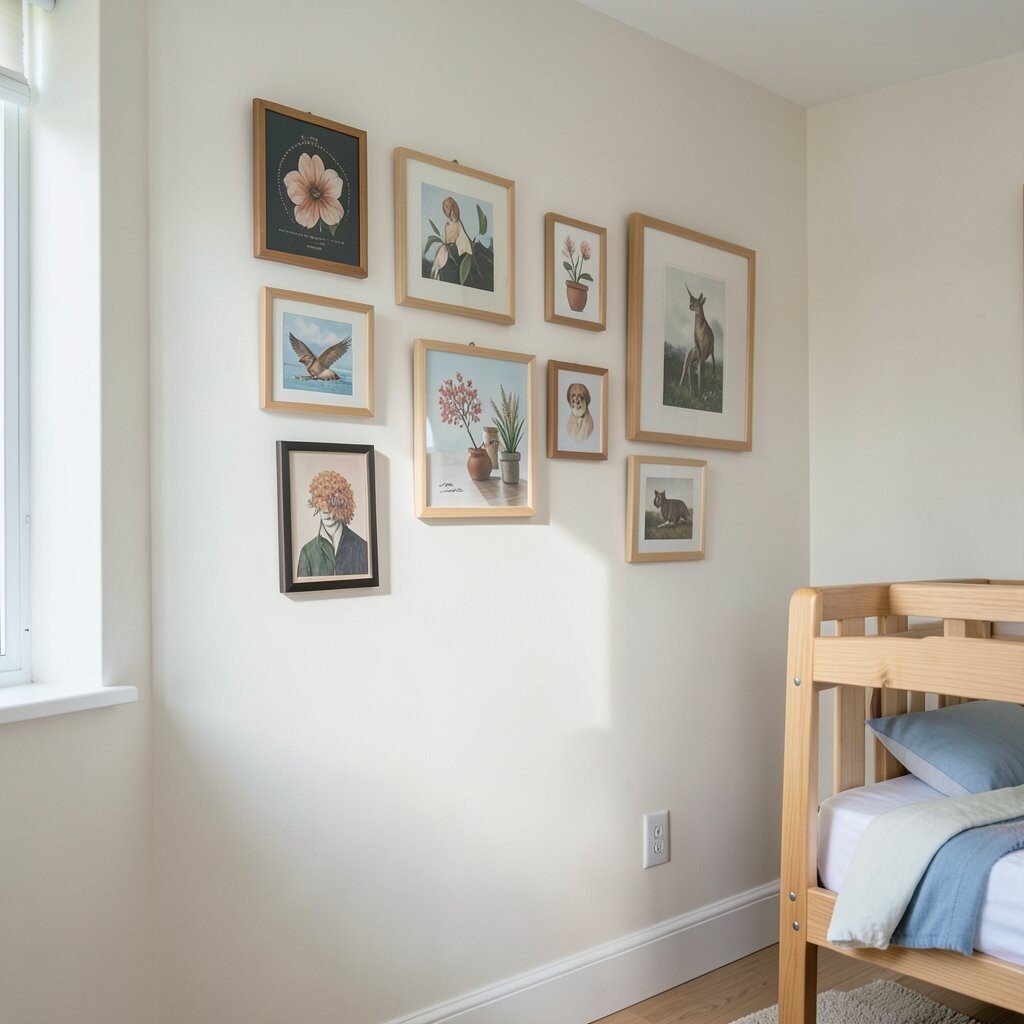
Without a focal point, your wall can look like separate pieces with no connection. A room feels more peaceful when you know where your eyes should land first.
Pick one main piece, like a larger framed print, a tapestry behind your bed, or a centered gallery wall. Then support it with smaller items like photo strips, small shelves, or a simple light.
This gives you a clear visual anchor and makes the rest of the decor feel intentional. The result is a room that feels designed even if you started with a few simple pieces.
19. Ignoring Your Comfort and Leaving Out Cozy Elements
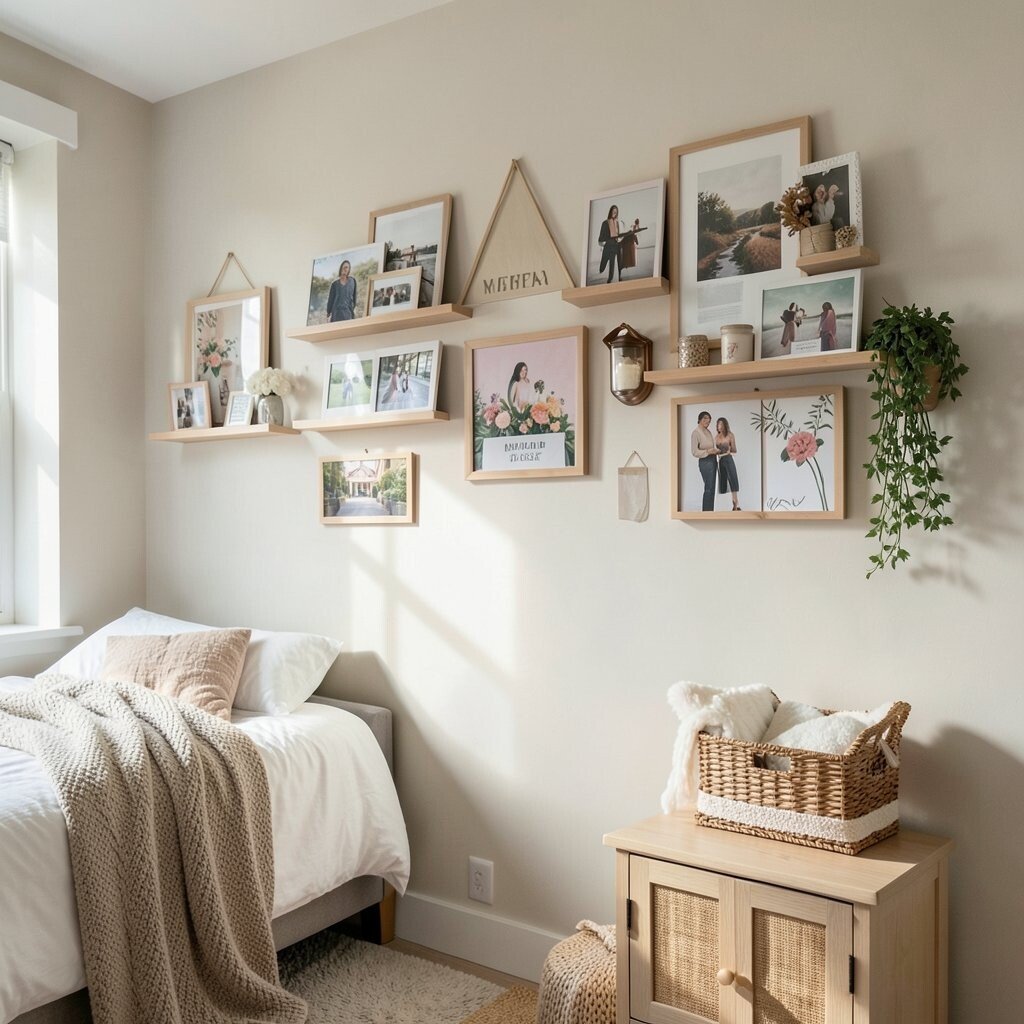
Wall decor isn’t only about how it looks, it’s also about how it feels in your body and mind. A dorm can feel cold and temporary, so warm visual textures help you settle in.
Try soft elements like fabric wall hangings, knitted throws draped near a chair, or warm-toned prints. Add a small lamp and let the decor glow, because cozy visuals tend to pair well with warm lighting.
Personal comfort is the real uniqueness, since your space should support your routines. When your wall makes you feel calm and happy, studying and relaxing both get easier.