
Big ideas can fit on a wall. These posters turn everyday moments into quick learning wins.
1. Alphabet Zoo With Picture Cards
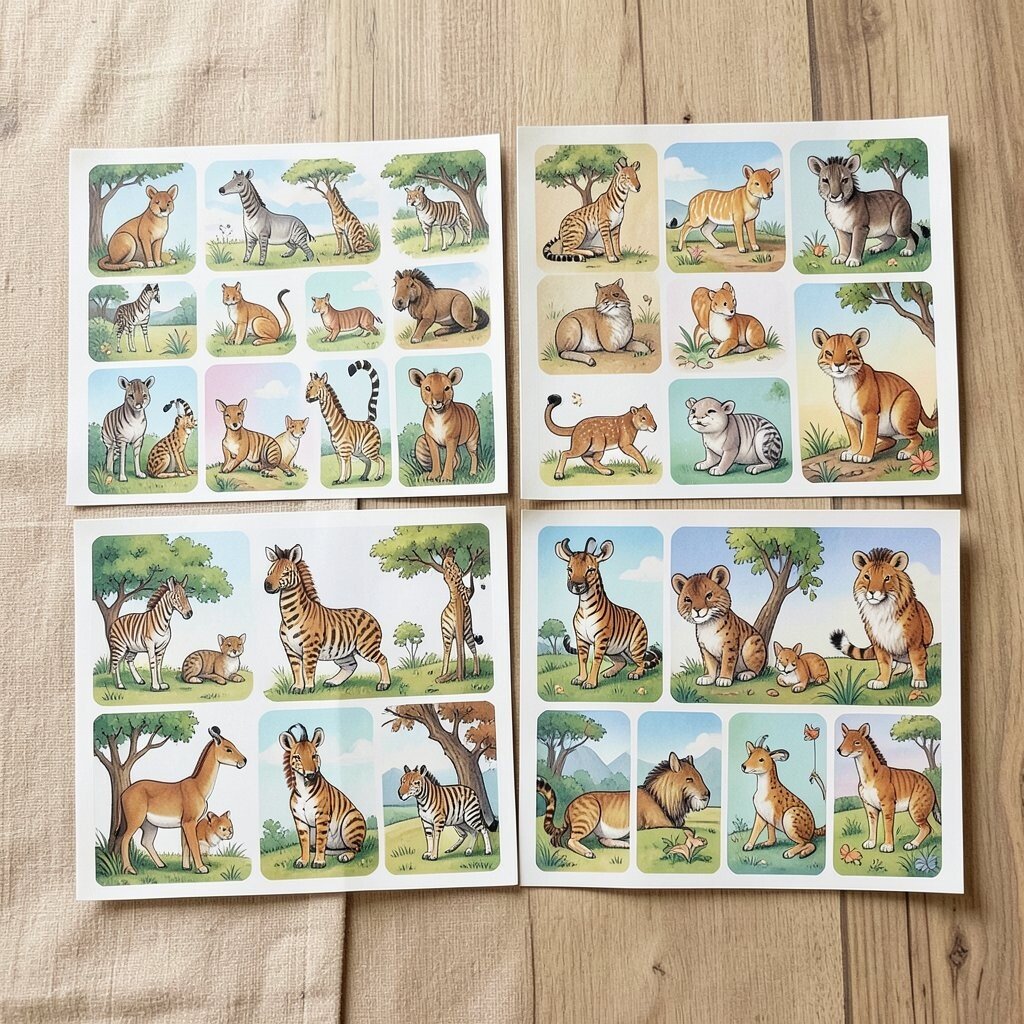
You can hang a playful “alphabet zoo” poster where each letter pairs with an animal. Bright colors and big shapes make it easy for kids to spot patterns from across the room.
Write the letter in a bold style, then add a matching animal illustration like “A for ant” or “B for butterfly.” For practical use, point to the poster during morning routines and ask the child to name the letter they land on. Personalize it by swapping animals to match your home favorites, like a pet, farm animal, or fictional character. Keep cost low by printing at home, using free fonts, or copying from public domain animal drawings. A current trend is pairing posters with short matching activities, like making a quick “letter hunt” with sticky notes every week.
2. Multiplication City With Number Roads
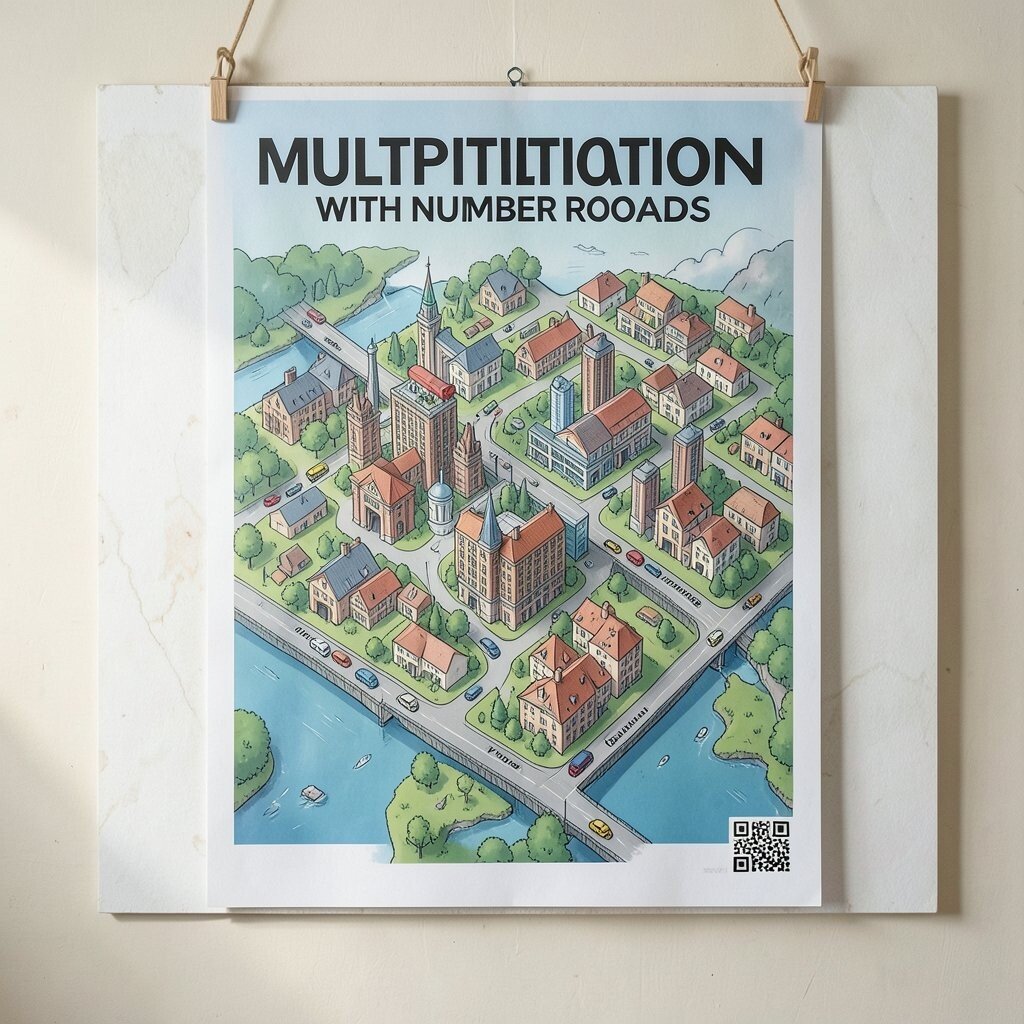
Imagine a poster that looks like a little city map, where multiplication facts become roads that connect blocks. Every time you trace a route, you practice mental math in a way that feels like a game.
Use large grid streets, with intersections labeled by numbers and tiny landmarks showing the answer. For a practical tip, choose one “route” per day and have the learner say the facts out loud while pointing. Personalize it by using neighborhoods for different times tables, like a “Times Two Avenue” and a “Times Five Boulevard.” This style can be made affordably with simple shapes, and it works well with both printed paper and laminated pages for durability.
To match what many teachers are doing now, add a mini challenge circle where the learner checks off one route they mastered. Visual learners love the sense of direction, and it helps reduce math anxiety by making practice feel less like a worksheet. If you want variety, swap the city theme each season, like autumn parks or winter snow streets.
3. Weather Mood Thermometer And Symbols
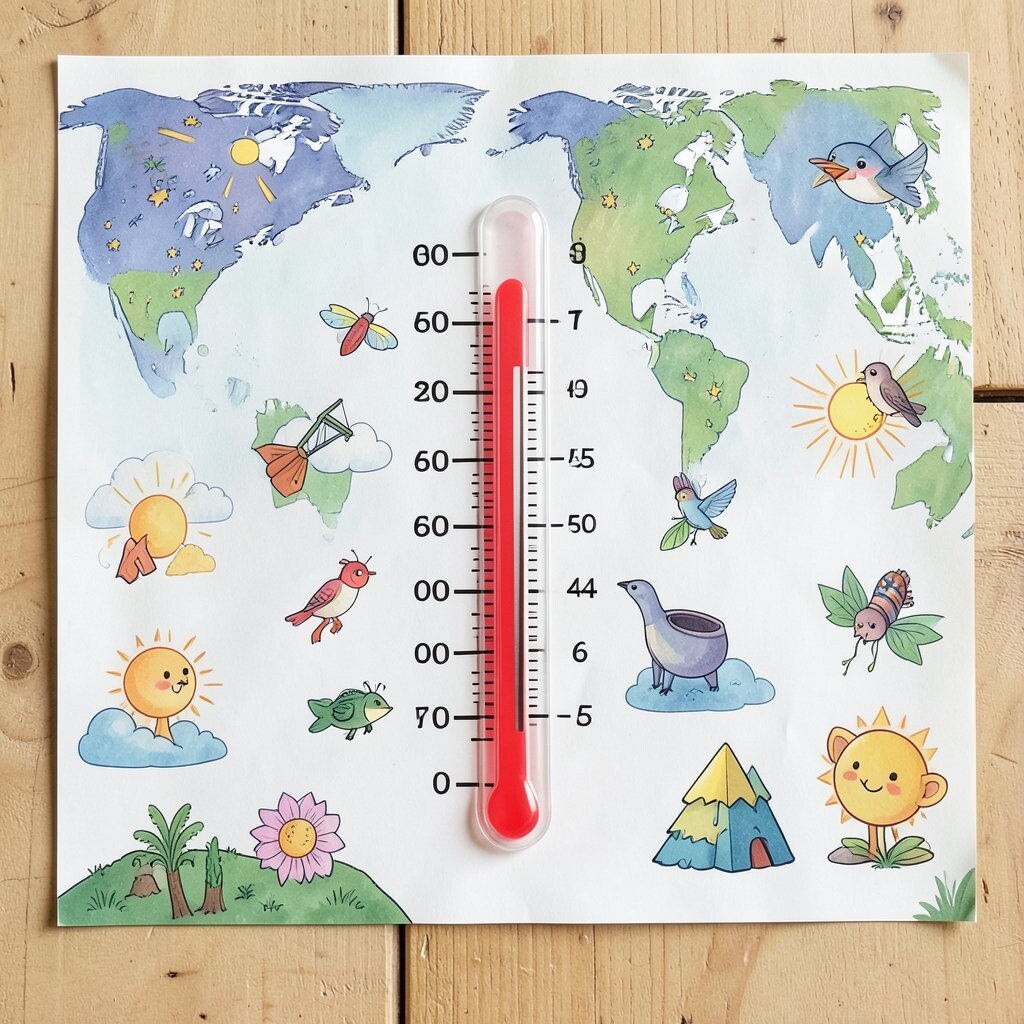
A weather poster can look like a thermometer plus a weather badge board. When kids see the icons for sun, clouds, rain, and wind, they connect symbols with real sky changes.
Include simple arrows, like “warmer” and “cooler,” and show how cloud cover changes the “mood” of the day. For practical tips, place it near a window or in a room where you can check the forecast together. Personalize it with local weather icons, favorite holiday colors, or a small box for the day’s temperature. This poster is usually low cost because you can draw icons with basic shapes and print them as a single page.
Right now, many families are leaning into real-life learning, and weather is a perfect fit. The visual pattern of the thermometer helps kids predict what might happen next. If you enjoy it, try adding a tiny “today’s weather sentence” spot so the learner can write one or two words in their own style.
That simple routine builds vocabulary, science habits, and confidence without turning the day into a lesson. Over time, the poster becomes a calm reference that supports curiosity.
4. Human Body Layers With Flip Style Layout
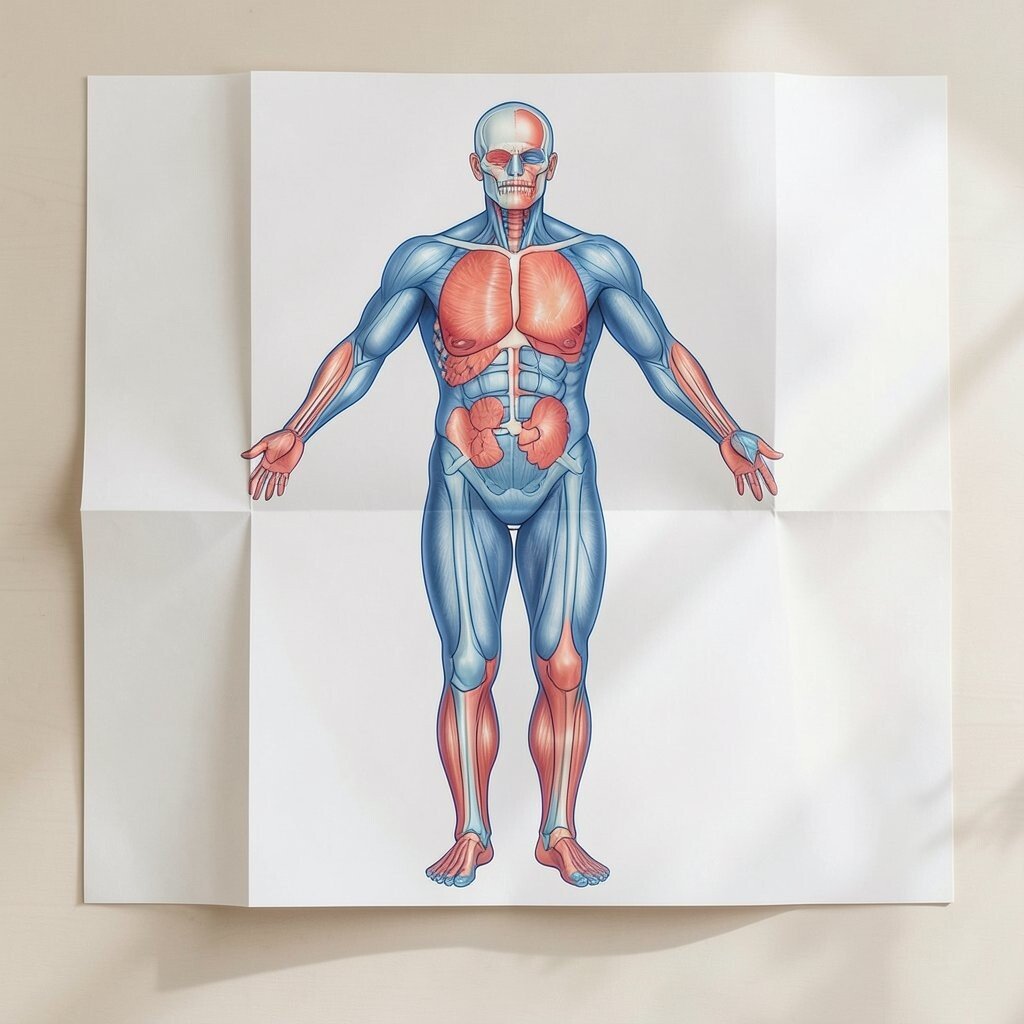
A body poster can be fun when it uses clear sections and friendly labels. Think of it like a stacked set of layers that shows how parts work together.
Use big, readable names for major organs and include small icons for what each one helps you do. For practical use, point out one system at a time, like the “digesting path” after lunch. Personalize it by adding small doodles that match your learner, such as sports stickers near the heart or a star near the brain. Cost considerations are flexible, since you can print a clean diagram and add your own color accents with markers.
5. Periodic Friends With Element Cartoon Tags
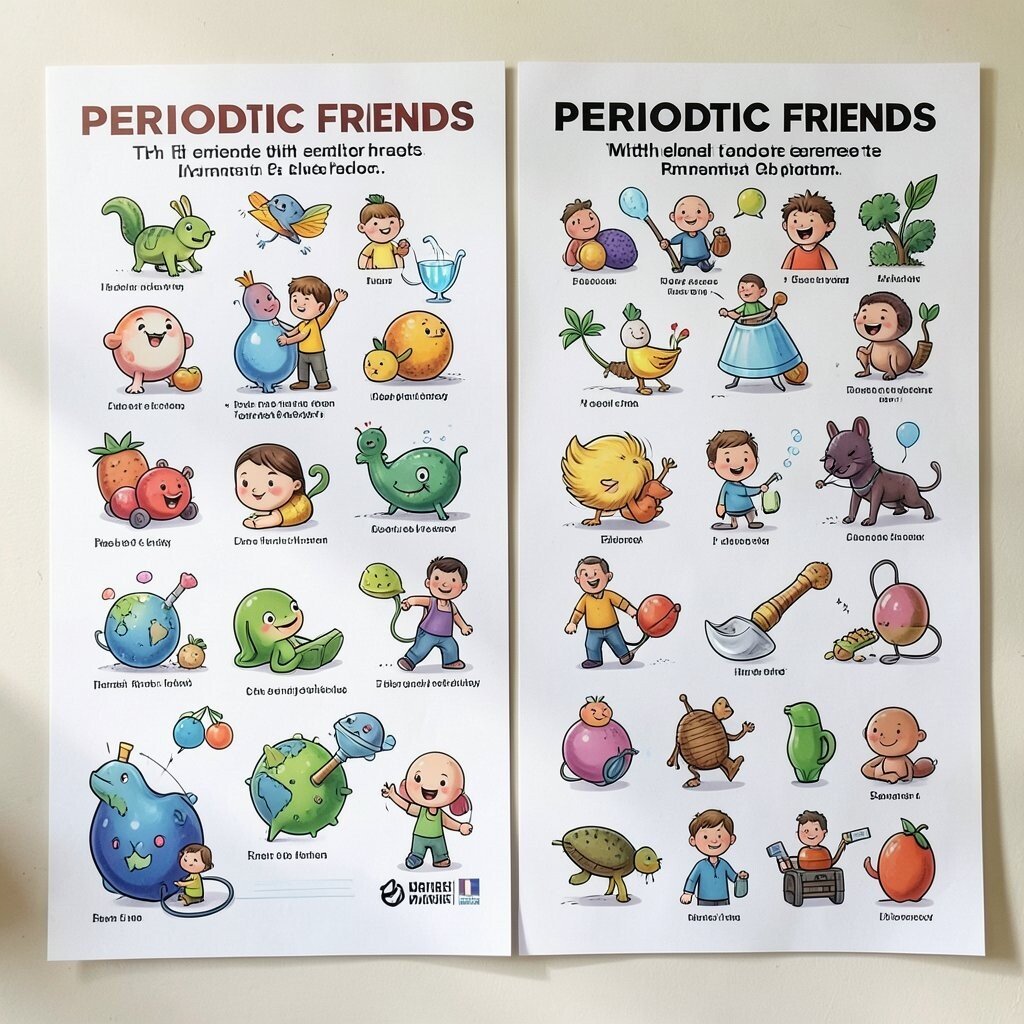
Turn chemistry into character by placing elements as “friends” with cartoons. When kids see element symbols inside speech bubbles, they remember them with less effort.
Create a poster that shows common elements with simple mini-art, like a smiling atom, a stack of books, or a tiny atom orbit. For practical tips, pick one element during science time and ask the learner to find it on the poster. Personalize it with your favorite color palette and use family-safe jokes or playful names that match the vibe. You can keep costs down by using printable templates and adding a little hand-drawn flair.
Current interest in STEM toys and screen-free learning has made poster-based science more popular. This approach supports curiosity because it keeps facts in sight while still feeling light and friendly. If you want to make it stick, pair the poster with one kitchen science activity, like discussing why water behaves the way it does when you see the H and O.
6. Sight Words Playground With Color Paths
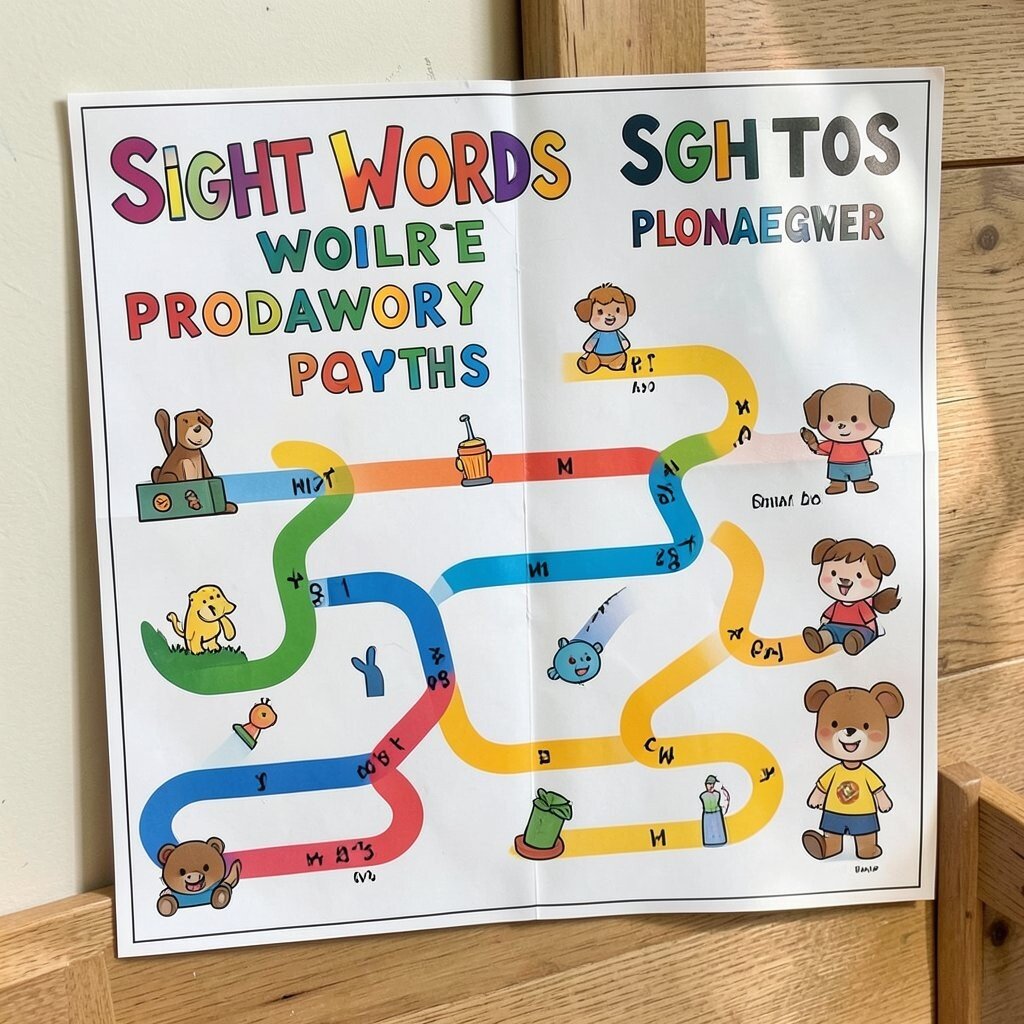
A sight word poster can look like a playground map with paths leading to big words. Each word can sit on a different “play station,” like swings for “jump” or a slide for “play.”
Use high-contrast colors and keep the text large so it’s easy to read from a distance. For practical tips, practice one path each day by reading the words while walking to a spot in the room. Personalize it by matching the words to your child’s reading level and interests, like sports terms, favorite names, or story characters. Cost stays reasonable because you can create the design using basic design tools or even print handwriting that you color-code.
7. Story Starter Calendar With Character Choices
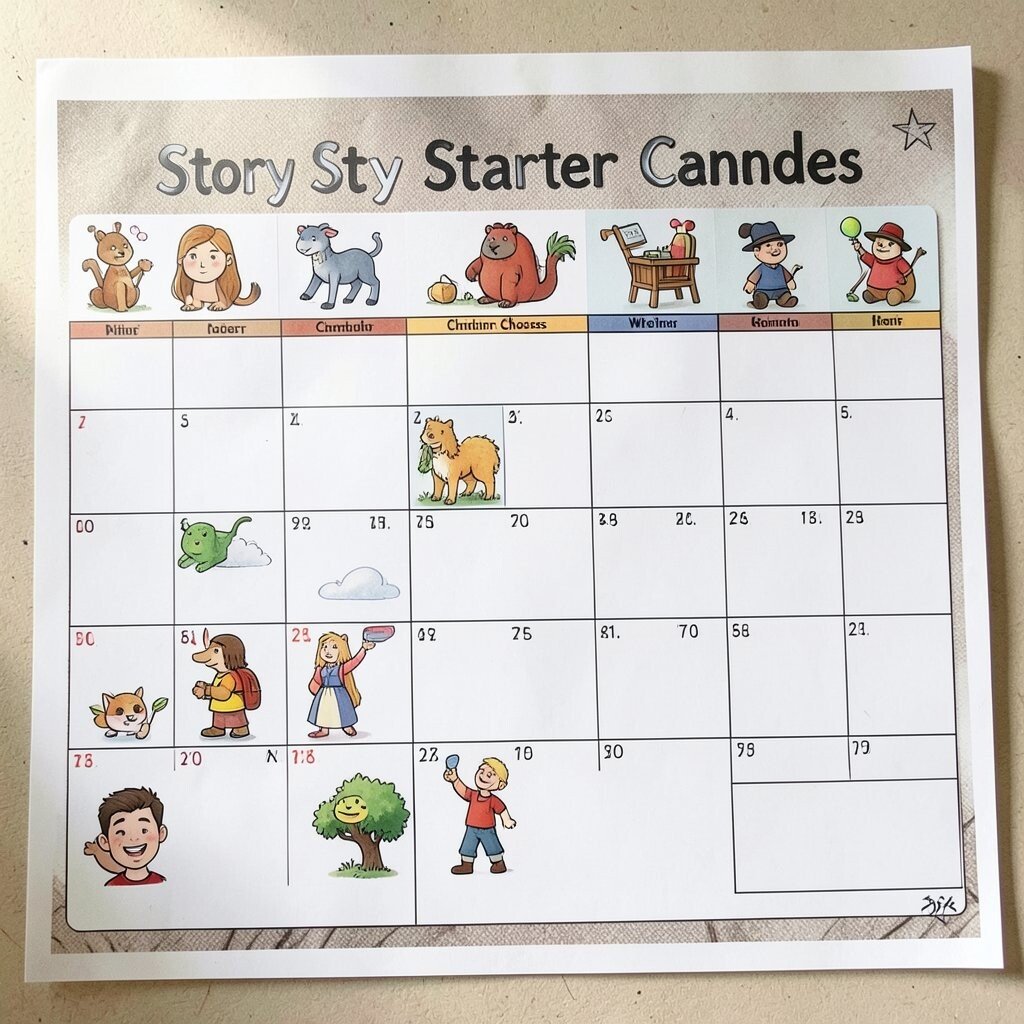
A story starter poster can be a calendar of tiny prompts that guide writing. Instead of a blank grid, it shows simple choices like characters, settings, and problem ideas.
Use rotating elements so each day offers a new combination, like a “kid detective” in a “rainy city” solving a “mystery snack.” For practical use, choose one prompt and write a short sentence or two right under it on a reusable surface. Personalize it by using your learner’s favorite pets, hobbies, or comic styles for the character drawings. Many families keep costs low by using dry erase labels or printing the grid on cardstock.
This matches a current push toward creative writing routines at home. When the poster is always visible, writing feels like play rather than pressure. To make it even easier, keep a small word bank beside it and let the learner choose words from their own vocabulary.
8. World Flags Gallery With Quick Matching
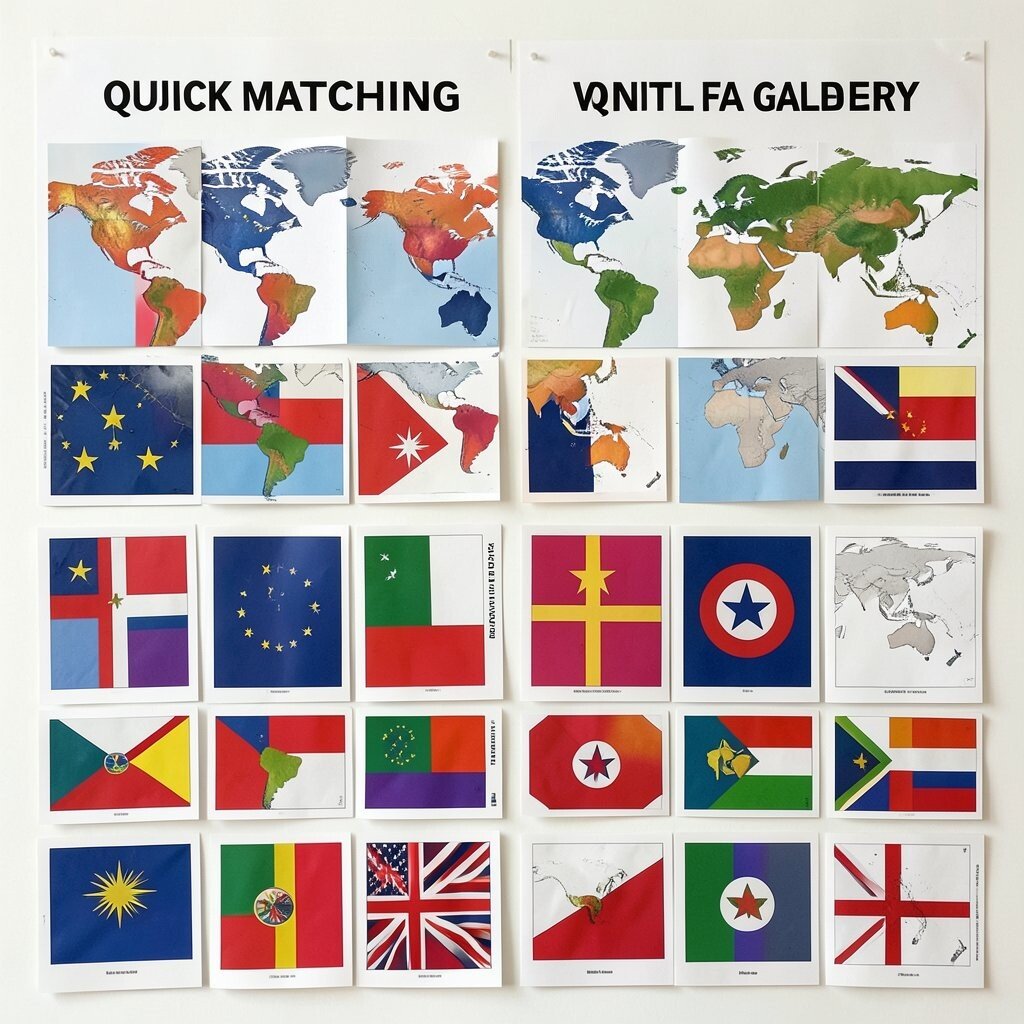
A world flags poster can work like an art gallery where each flag is paired with a clear name. Bright flag colors make it fun to look at, and kids love the feeling of recognizing patterns.
Arrange the flags in rows and add small map outlines so learners connect geography with images. For practical tips, play a quick “match game” where you say the country name and the learner points to the flag. Personalize it by focusing on countries in family travel history, cultural traditions, or favorite movies and books. This can be low cost if you print a single clean image sheet and laminate it for reuse.
9. Fractions Pizza Slices With Real-World Talk
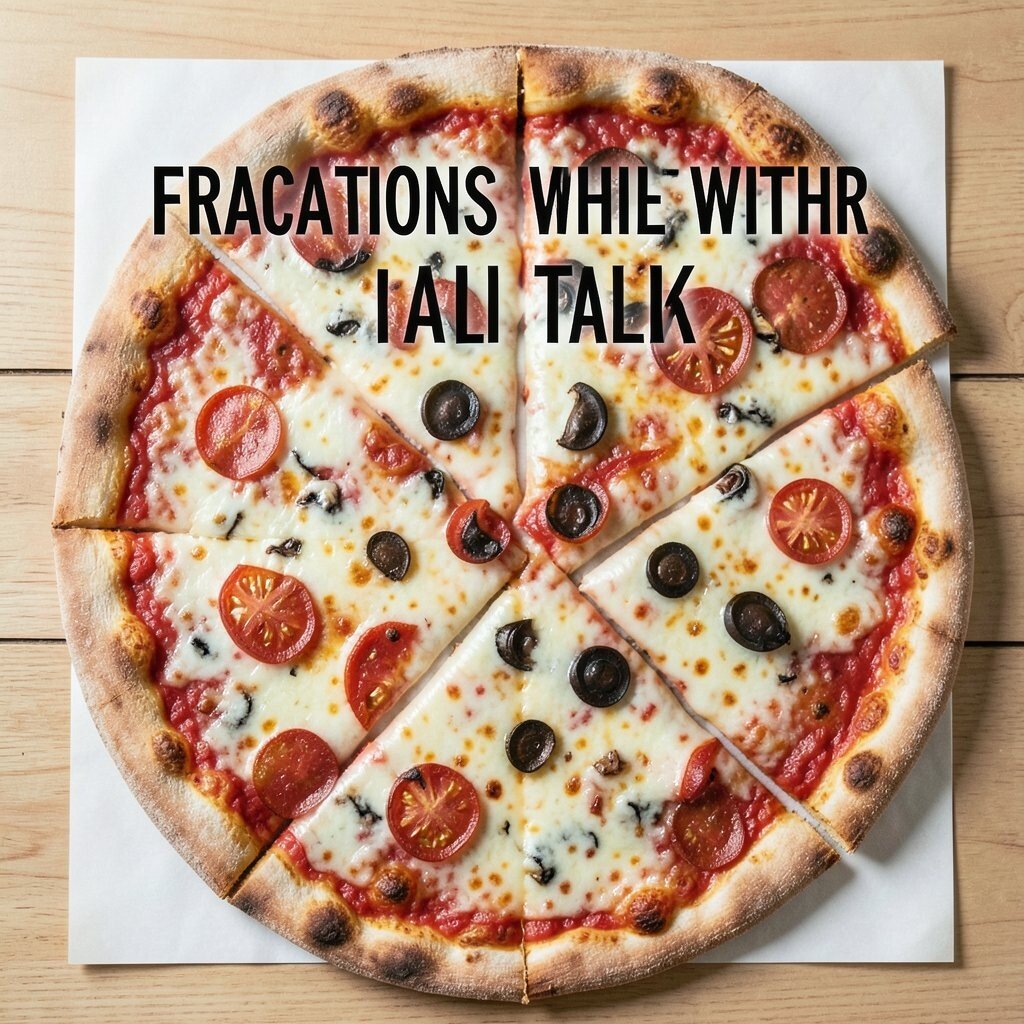
Fractions can feel easier when they look like pizza slices. A poster that shows slices in different sizes helps kids see that parts can still add up.
Use bold circles divided into halves, quarters, thirds, sixths, and eighths, with simple visual explanations for each. For practical tips, talk about fractions during snack time by comparing what’s “half” or “one quarter” of a pizza box. Personalize it by choosing toppings that match your household, like veggie, pepperoni, or fruit pizza vibes. Cost considerations are friendly because you can draw circles easily or print a free worksheet-style image and color it.
Right now, many learning resources connect math to daily life, and food is the perfect bridge. The poster becomes a shared language for everyday talk, not just a school topic. If you want extra engagement, add a blank slice space where the learner can draw their own “favorite fraction pizza.”
10. Recycling Sorting Tree With Matter Buttons
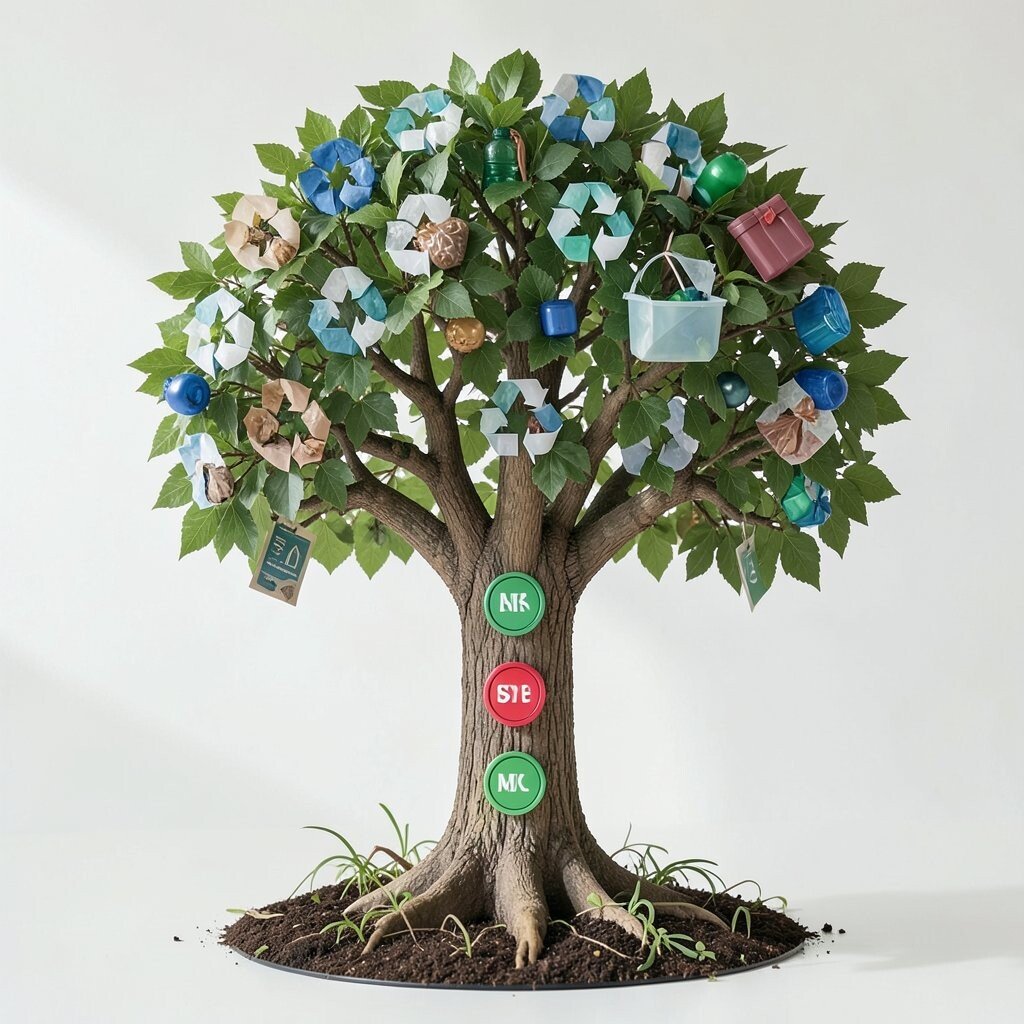
A recycling sorting tree poster can show different materials like paper, plastic, and metal as hanging “fruit.” The visual makes a serious topic feel friendly, like learning chores for the planet.
Use simple icons and clear color coding so learners can quickly decide where things go. For practical tips, keep it near the bin area and let the learner sort one item per day, pointing to the matching branch. Personalize it by labeling materials with what you actually use at home, since not every household has the same rules. Cost stays low because you can print icons and add a few hand-drawn leaves.
This fits the current trend toward hands-on eco education. When kids see cause and effect, they remember better, and the poster supports calm decision-making. To keep it lively, add a weekly “what did we recycle today” sticker or checkbox system on the poster.
11. Solar System Spiral With Orbit Stories
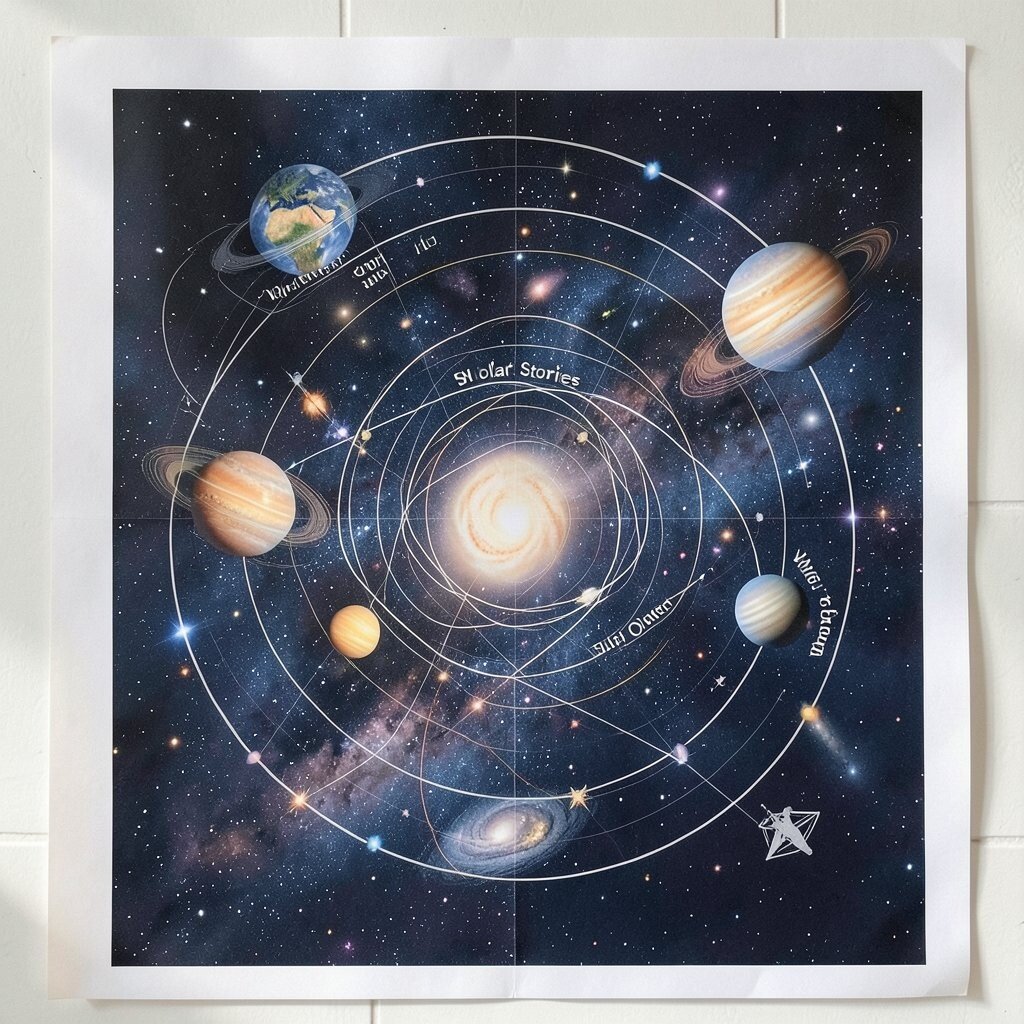
A solar system poster can be drawn as a spiral so it feels like a friendly path. When planets sit along the curve with clear names, kids can follow the order without memorizing from scratch.
Use consistent sizes and include simple facts like “farthest” and “closest” for quick context. For practical tips, practice by turning on a small desk lamp as a “sun” and pointing to where each planet would sit on the poster. Personalize it with planet colors and a few fun facts tied to your learner’s interests, like space missions or star songs. Cost is usually manageable because you can print a clean template and then color accents at home.
12. Library Skills Navigator With Bookmark Prompts
A library skills poster can look like a hallway with doors labeled by reading tasks. Instead of scary rules, it shows steps as friendly stops like “choose,” “check out,” and “care for books.”
Include icons for reading strategies, such as a bookmark symbol for “predict” or a magnifying glass for “question.” For practical use, refer to the poster before library trips and let the learner pick which “door” you practice first. Personalize it with your favorite genre stickers and local library traditions, like returning days or special programs. Cost considerations are easy because you can design the poster on regular paper, then laminate or cover it for durability.
Many families are leaning into reading culture now, and a navigator poster supports that momentum. The visual pathway reduces decision stress and makes routines feel more confident. If you want it extra engaging, add a small envelope pocket on the poster where the learner can store reading goal cards.
13. Sound Wall With Musical Vibes And Icons
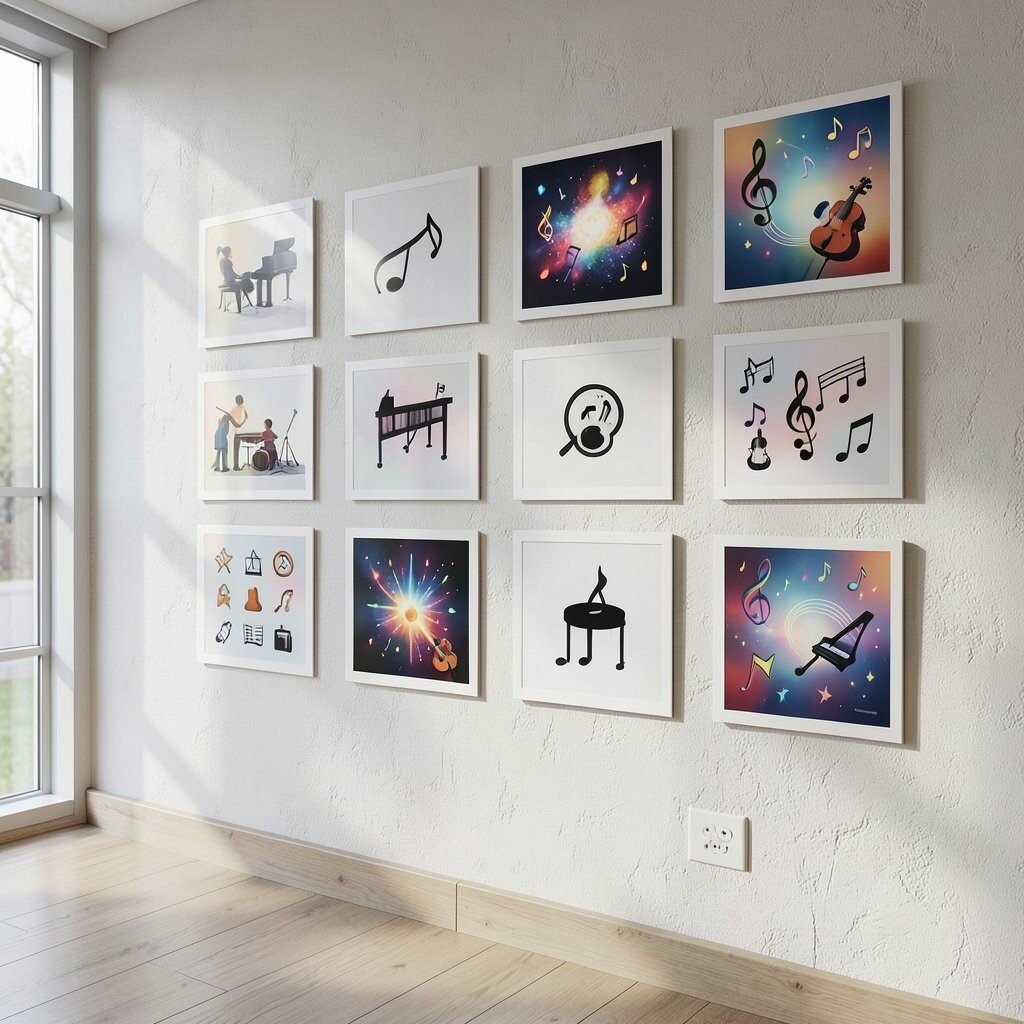
A sound wall poster can be designed like a music scene, with icons for vowels, consonants, blends, and rhymes. Kids love linking language to rhythm, and the poster makes sounds visible.
Show how each sound looks and feels, using simple pictures and clear letter groups. For practical tips, do a quick “find the sound” game by giving a sound and asking the learner to point to where it lives. Personalize it by adding names of songs your child likes and using those to remember sounds. Cost is usually low since you can create the visuals with basic shapes and print them on standard paper.
14. Time Telling Clock With Tick Mark Adventures
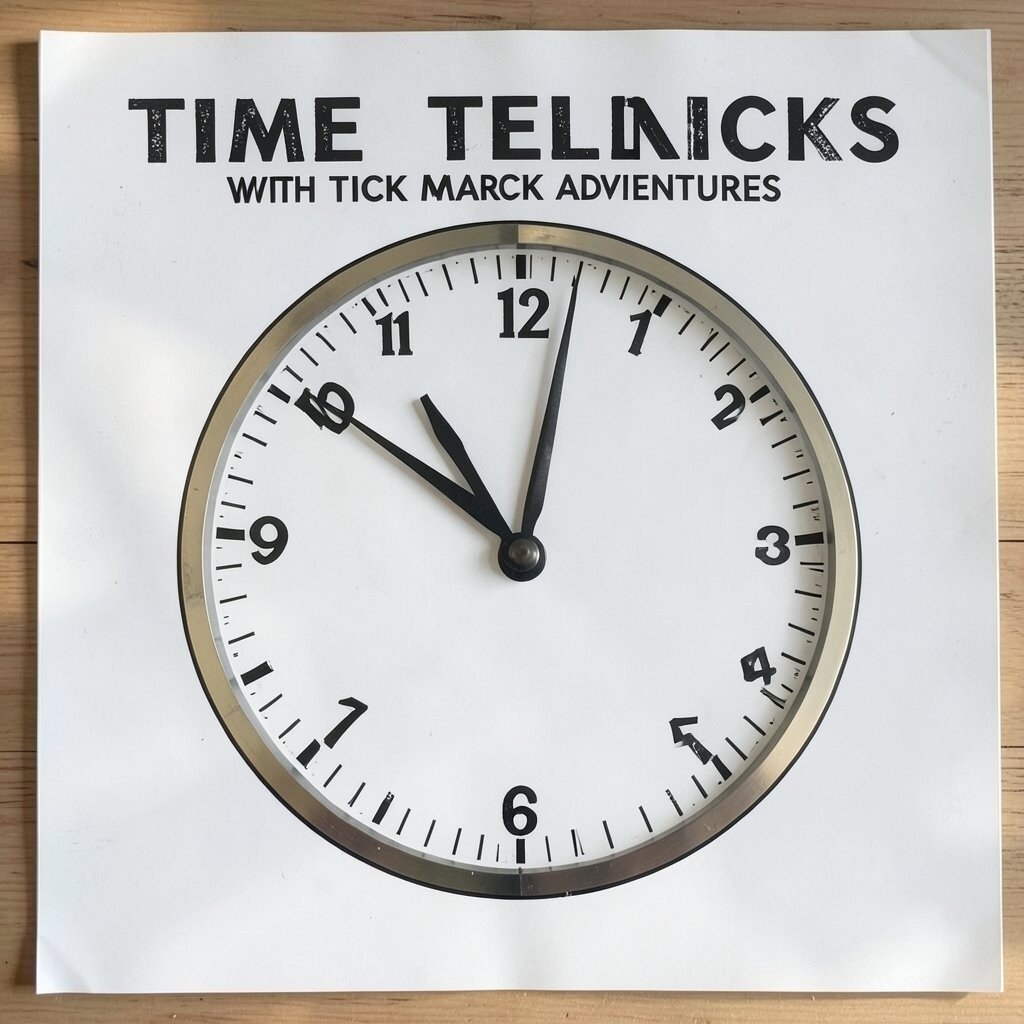
A time telling clock poster can look like an adventure map with routes for minutes and hours. When kids see time in circles rather than scattered numbers, the idea starts to feel natural.
Use big tick marks and label time ranges like morning, afternoon, and bedtime to connect time to daily life. For practical tips, practice with real events such as getting ready at the exact “turn to the next number” moments you see on the clock. Personalize it by highlighting routines that matter in your home, like snack time or story time. You can keep cost down using a printable clock face and adding your own handwriting for key times.
Current approaches often focus on real routines and early math confidence, and this fits that style nicely. The poster becomes a friendly guide that lowers the fear of getting “it wrong.” If you want fun, add a small sticker spot for “today’s time win” after the learner reads one time correctly.
With frequent, short practice, the learning feels steady instead of rushed.
15. Steps To Study With Focus Check Icons
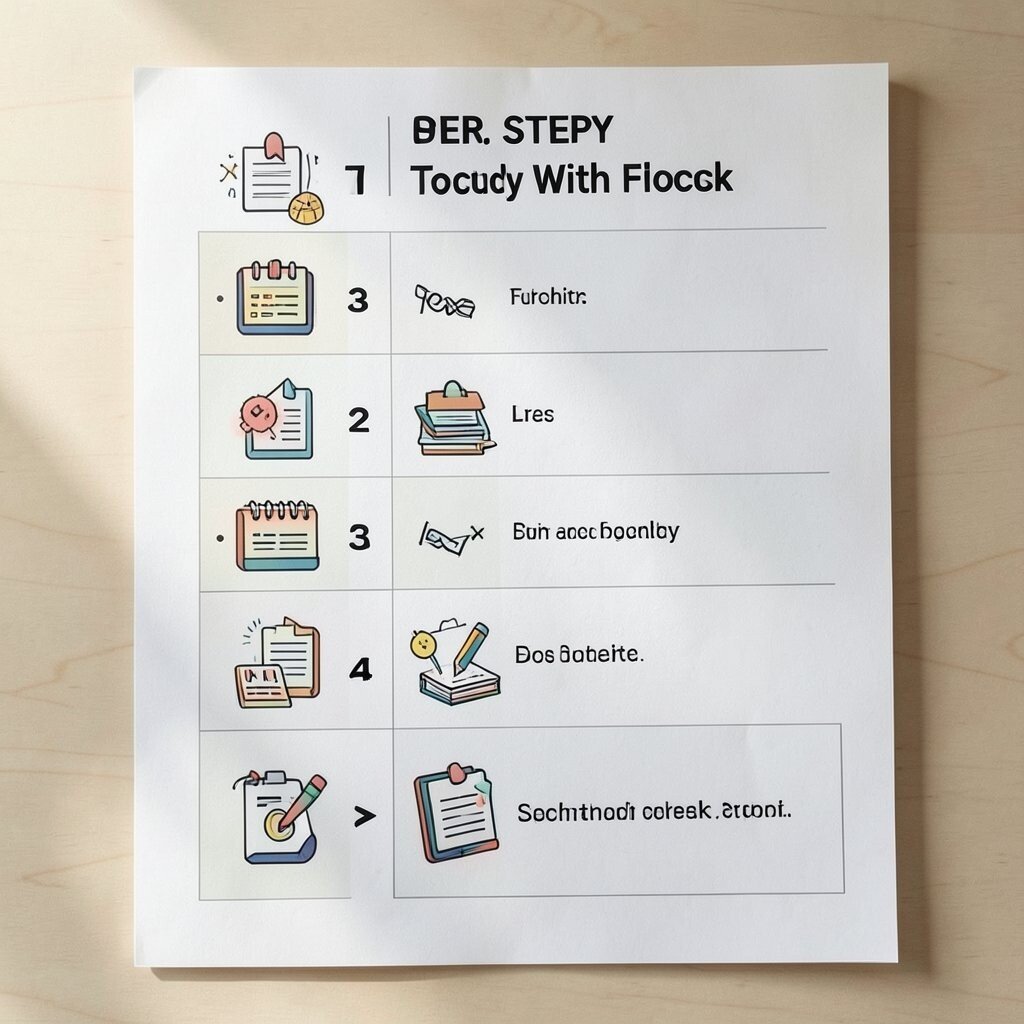
A study steps poster can be designed as a simple checklist path with check icons at each stage. It’s not about nagging, it’s about guiding, so learners know what comes next.
Include steps like get materials, read the task, try one part, check understanding, and take a short break. For practical tips, practice using the poster before homework and again before any independent learning session. Personalize it by using the learner’s own words for what each step means to them, so it feels like their system. Cost stays low because you can print the design and use dry erase for quick updates.
This lines up with a current trend toward self-management skills at home. Visual cues help kids stay calm when tasks feel big. If you want extra motivation, add a small reward idea wheel where the learner chooses a fun reward after finishing a step path.
16. Money Skills Shop With Price Tags
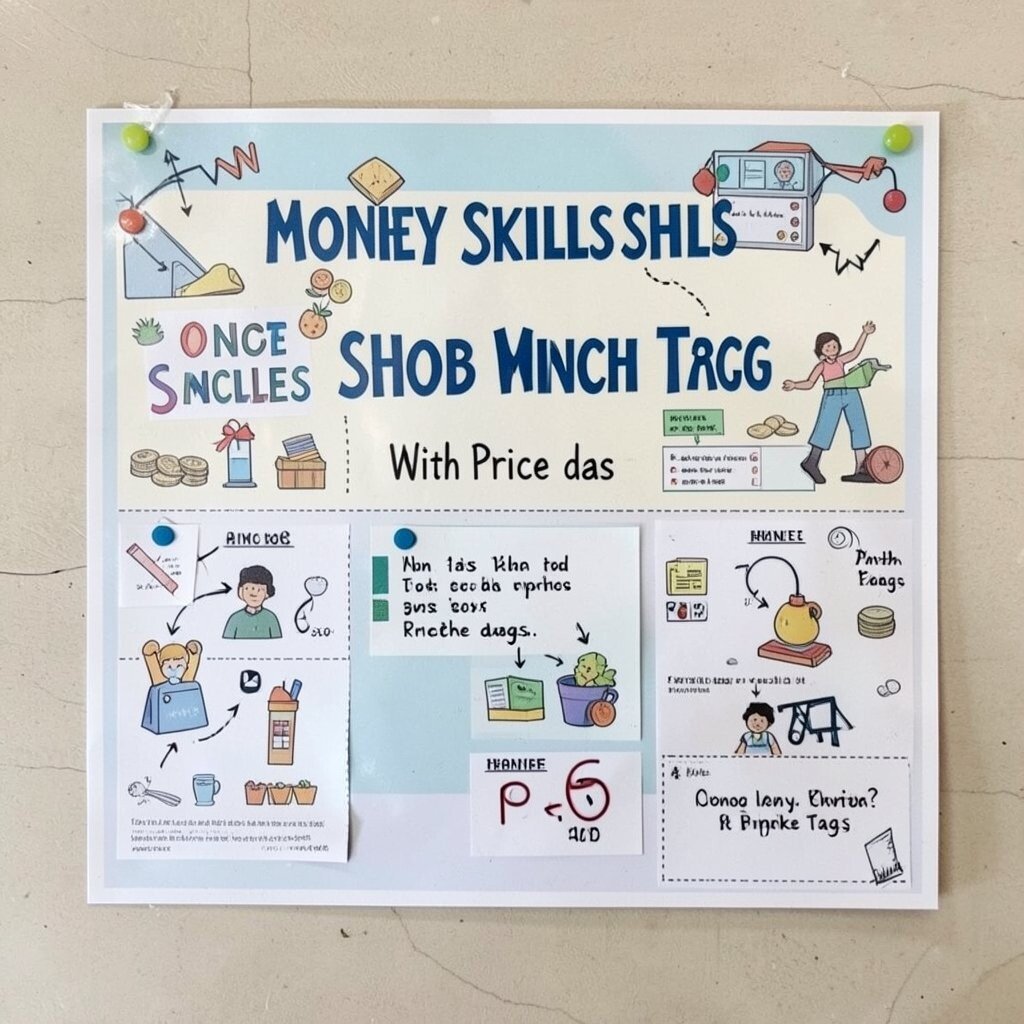
A money skills poster can look like a tiny shop wall filled with items and price tags. When kids see numbers next to real-looking products, money practice becomes more tangible.
Show coins and bills with clear size differences and include a few simple examples for making totals. For practical tips, set up a pretend store with coins and have the learner “buy” items while using the poster as a reference. Personalize it with prices based on snacks or small household items your child already knows. Cost considerations are manageable because you can create a poster with printed images and use play money from board games.
Many parents are aiming for everyday financial learning now, and this poster supports that goal. It also helps kids feel capable when they see money in the real world. To keep it engaging, add a “choose your deal” space where the learner picks the cheapest option and explains why they chose it.
That simple explanation turns practice into understanding.
17. Map My Neighborhood With Compass Roles
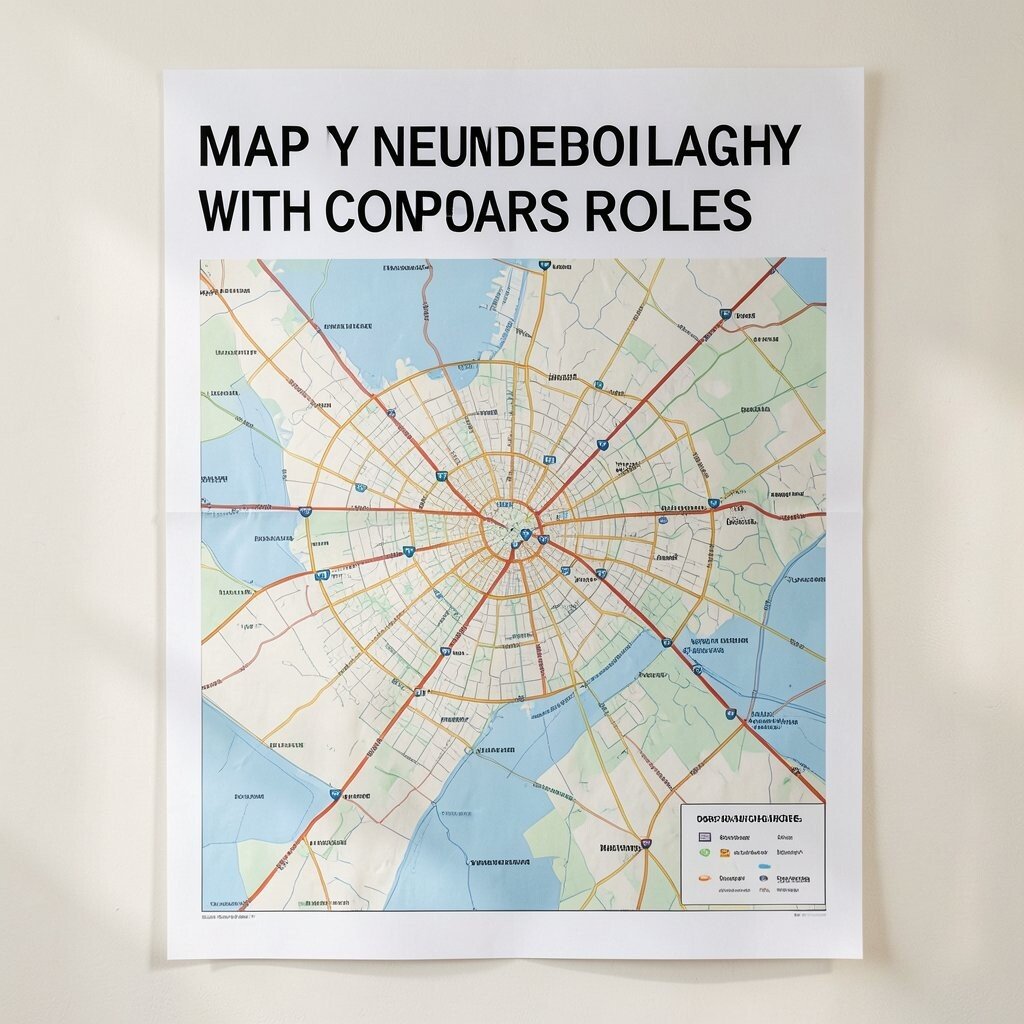
A neighborhood map poster can be drawn like a cartoon map with landmarks and simple directions. Kids love seeing “home” as part of a story, and a compass theme makes direction practice easy.
Include cardinal directions with large arrows and place familiar spots like park, school, grocery store, or library. For practical tips, use it when walking, pointing to where you are and where you’re going next. Personalize it by adding your own drawings, photos, or little stickers of real places you visit. Cost stays reasonable since you can sketch it yourself and print a clean base map from a free template.
18. Plant Growth Garden With Stage Stickers
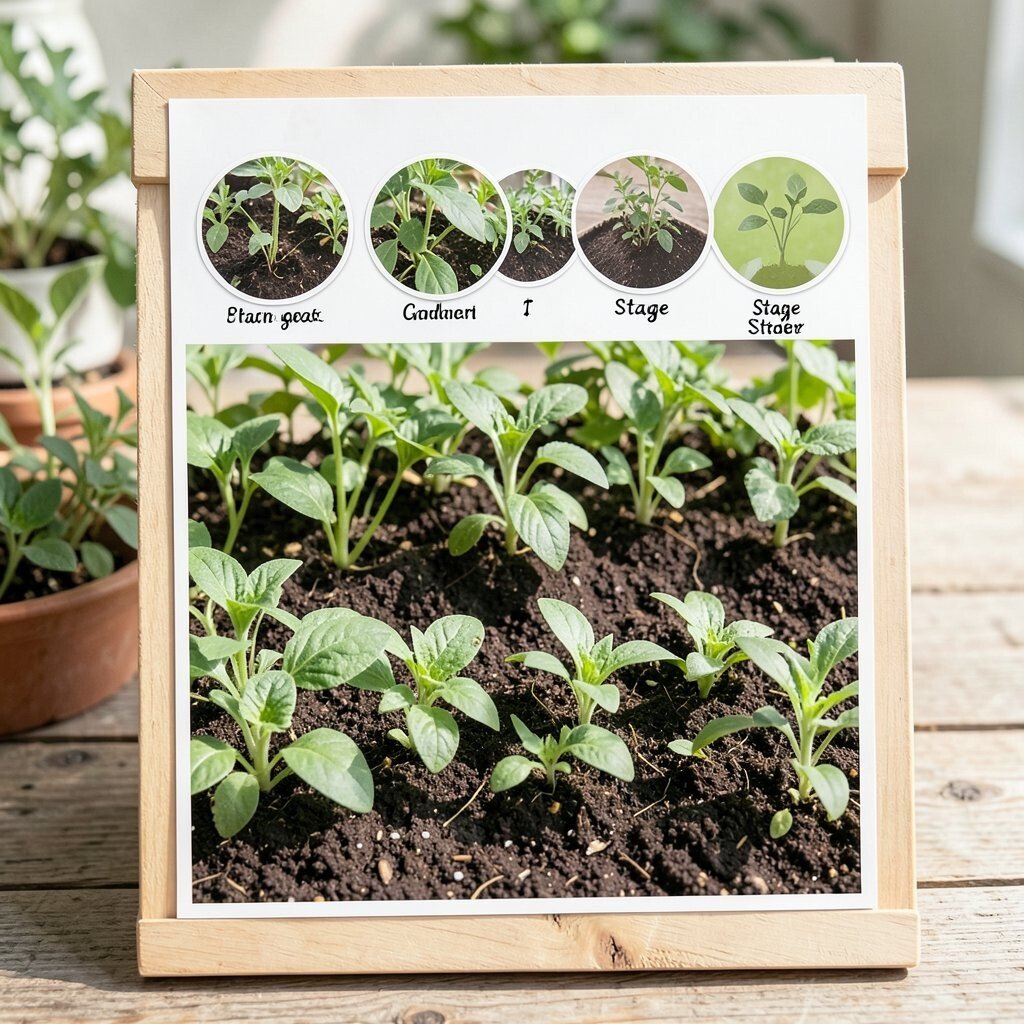
A plant growth poster can look like a garden bed with stages from seed to sprout to leaf. The visual helps kids connect patience with real changes they can see in days and weeks.
Use simple labels for each stage and add space for sticker updates when you notice new growth. For practical tips, keep it next to the plants and ask the learner to describe what changed since last time. Personalize it by choosing the plant you’re growing and using kid-friendly drawings for things like roots, stems, and flowers. Cost considerations are friendly, because you can print the garden layout and add stickers from craft stores or make your own.
This matches the current interest in at-home science habits and sustainable living. When kids track growth, they practice observation, vocabulary, and scientific thinking. If you want it extra interactive, add a small “predict next” box where the learner guesses what will happen next and then checks later.
19. Emotions Weather Chart With Calm Choices
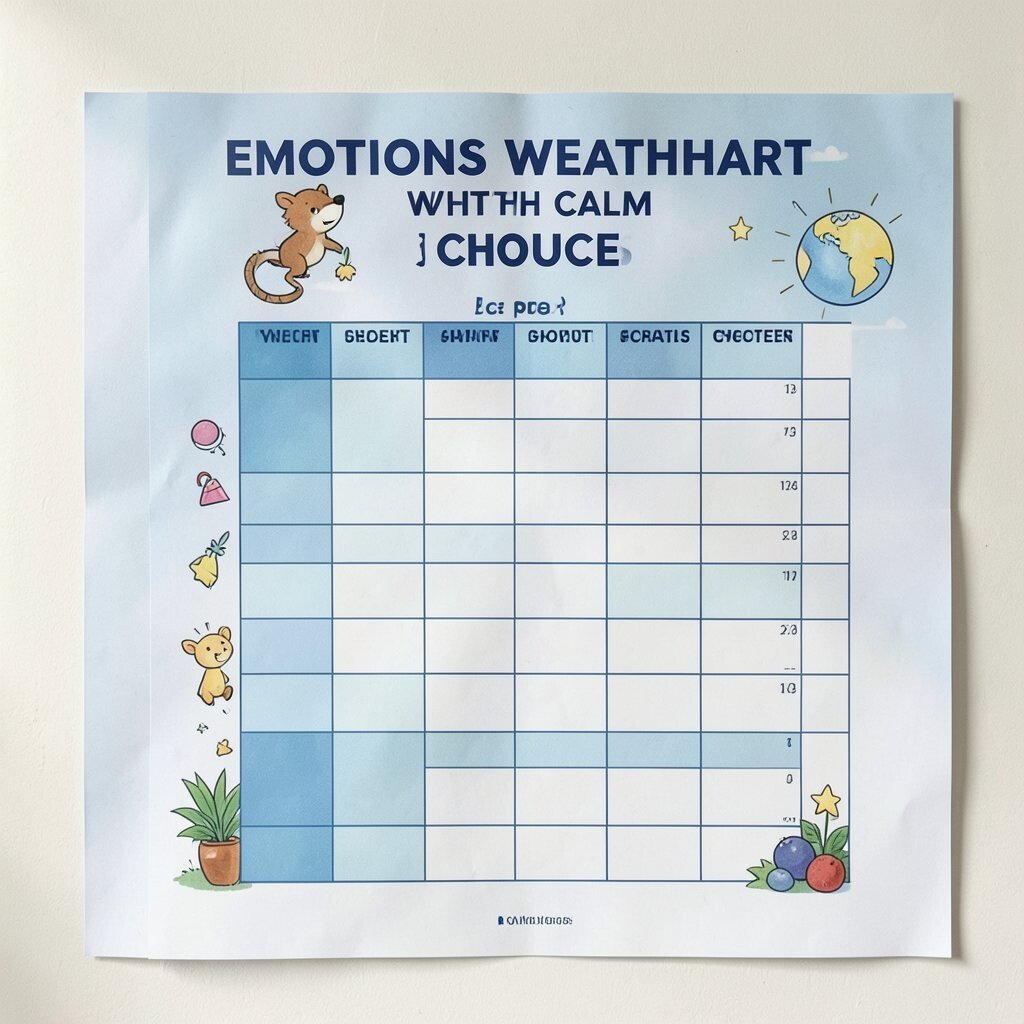
An emotions poster can be designed like an emotions weather chart, with icons that show how feelings can “change.” Kids understand moods better when they have a visual range, just like clouds and sunshine.
Use gentle language, clear faces, and a few calm strategies tied to each mood, like breathing, stretching, or asking for help. For practical tips, check in together at the start of the day and again after transitions, using the poster to name feelings without arguing. Personalize it by adding a few strategies that match your family routines, such as quiet corner time or a favorite fidget. The cost stays low because you can print faces and icons and then add small hand-drawn symbols.
Right now, many caregivers are prioritizing emotional learning, and this poster supports that in an approachable way. When kids can point to how they feel, communication improves and conflicts often shrink. To make it actionable, include a small space for “my calm choice” so the learner picks one tool and practices it right away.
Over time, the poster becomes a steady anchor that turns feelings into teachable moments.