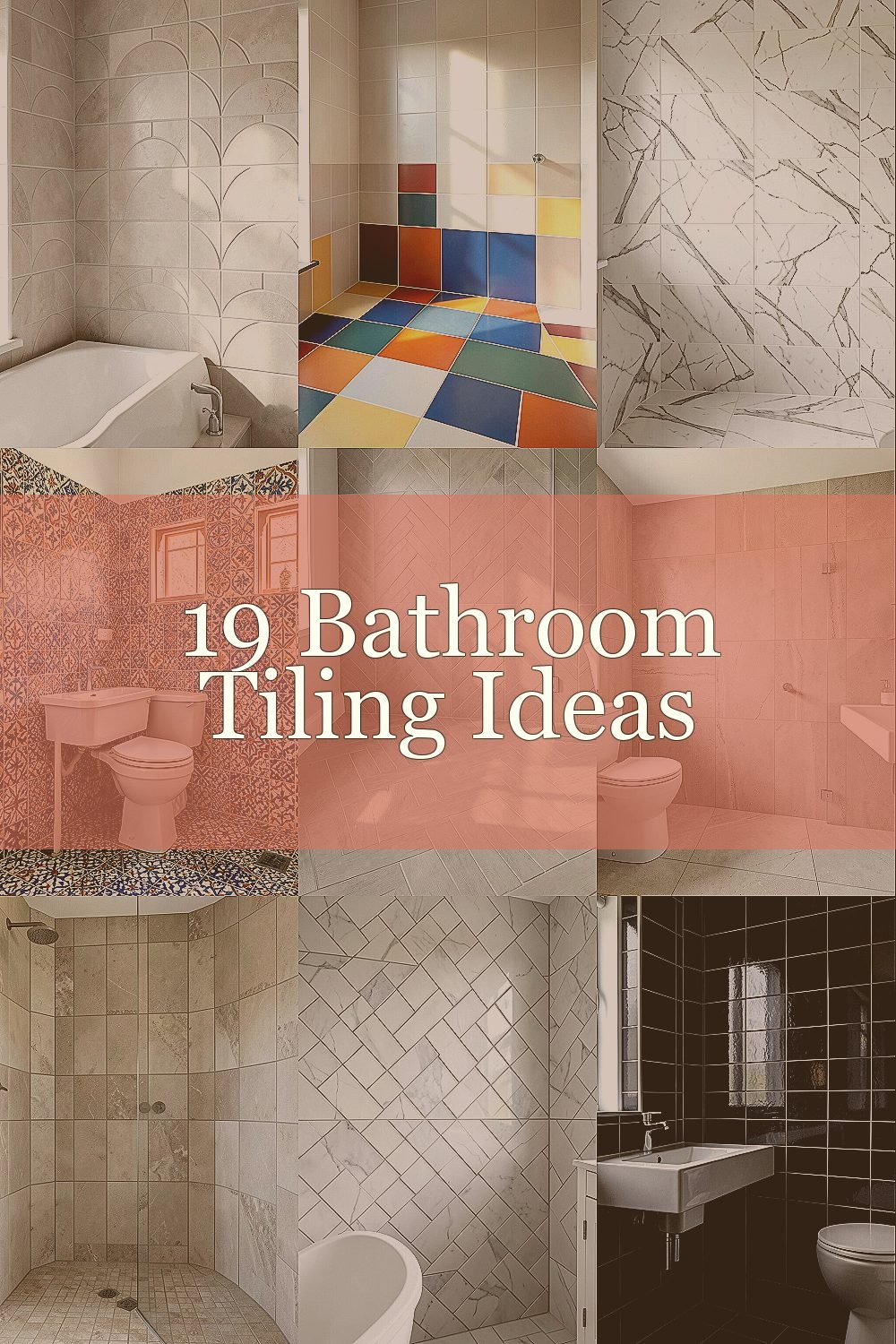
The right tile can make a bathroom feel clean, cozy, and full of character. Small choices in color, texture, and layout can change the whole mood fast.
1. Soft Arched Accent Tiles
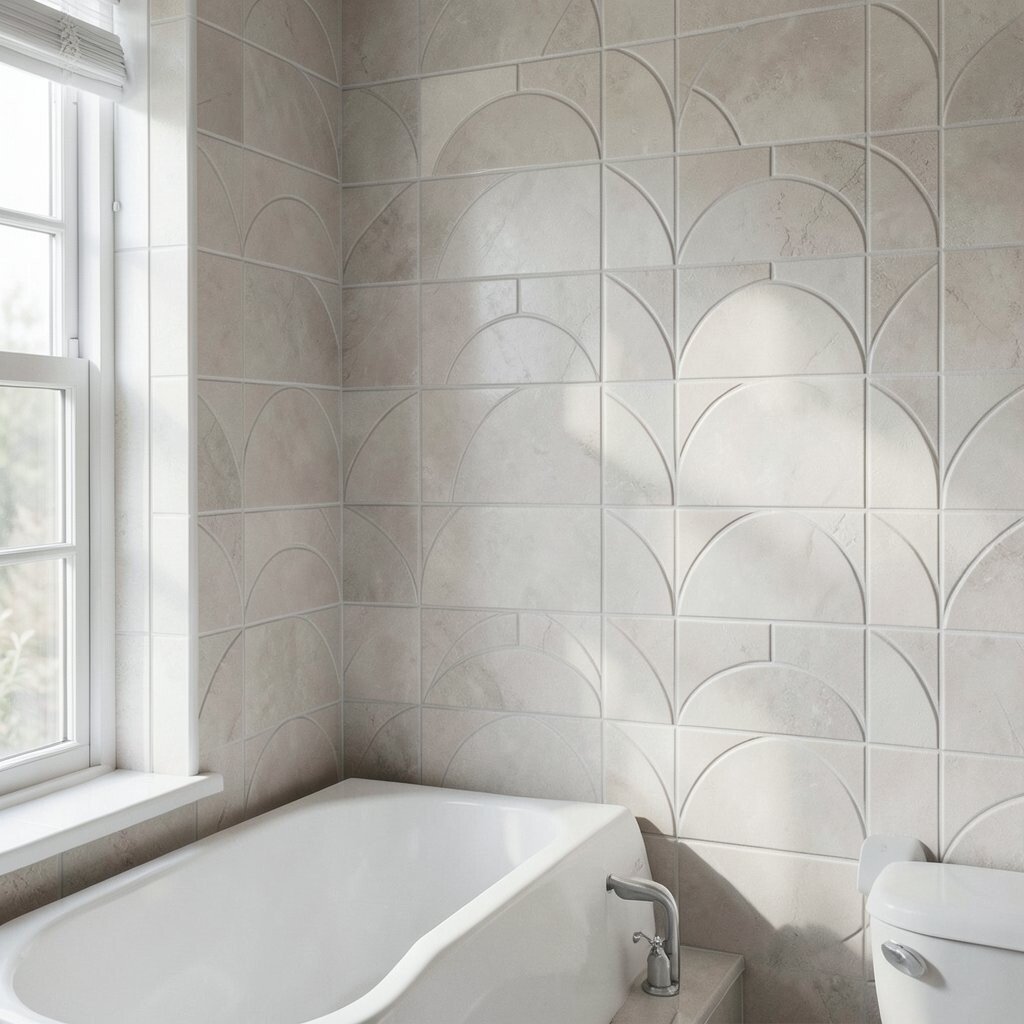
Imagine gentle arches rising along your shower wall like little waves. The curved shapes catch light in a calm way, so the room feels softer and more inviting.
Choose a warm neutral base, then place the arched tiles as a slim vertical band or a rounded frame around a niche. This layout helps the eye move upward, which can make a smaller bath feel taller. For practicality, seal the grout well and pick finishes that wipe easily after daily splashes. If you plan to update later, keep the accent tile to one area so the change stays affordable.
2. Bold Color-Block Floor Squares
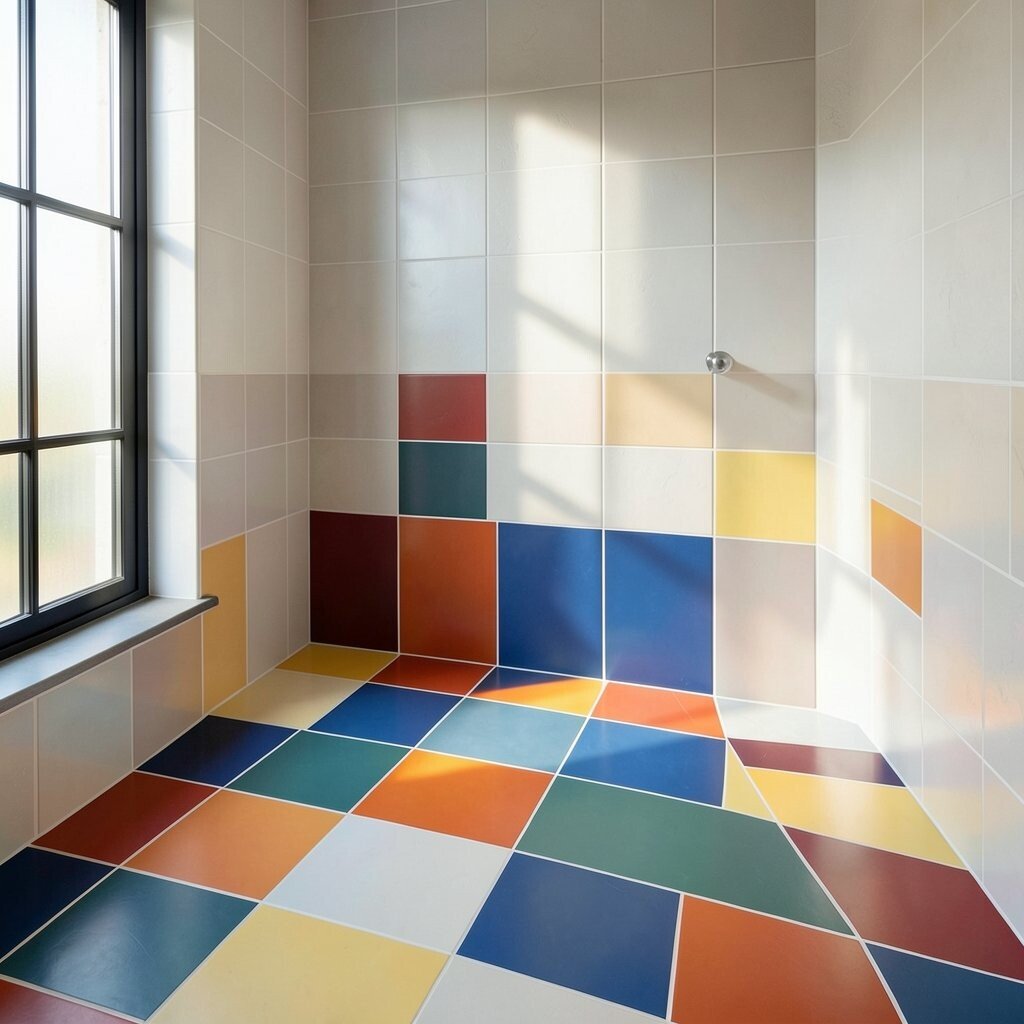
Think of your bathroom floor as a playful checkerboard, with bright blocks that add energy. Even when the rest of the space stays simple, those color squares feel fun and modern.
Use durable ceramic or porcelain, then mix two to four shades that match your vanity hardware. Keep grout lines light enough to clean quickly, since darker grout can show water spots. Add a small patterned rug in one of the tile colors to pull the look together. If you want to stay budget-friendly, use color blocks only in the traffic zone and keep the rest a solid tone.
For personalization, try matching the tile colors to your shower curtain or towels, so everything looks intentional. Current design trends lean toward graphic floors that still feel easy to maintain. When you buy, estimate extra for cuts around the toilet and corners, because precise edges matter for a crisp look.
3. Marble-Look Tiles With Vein Direction
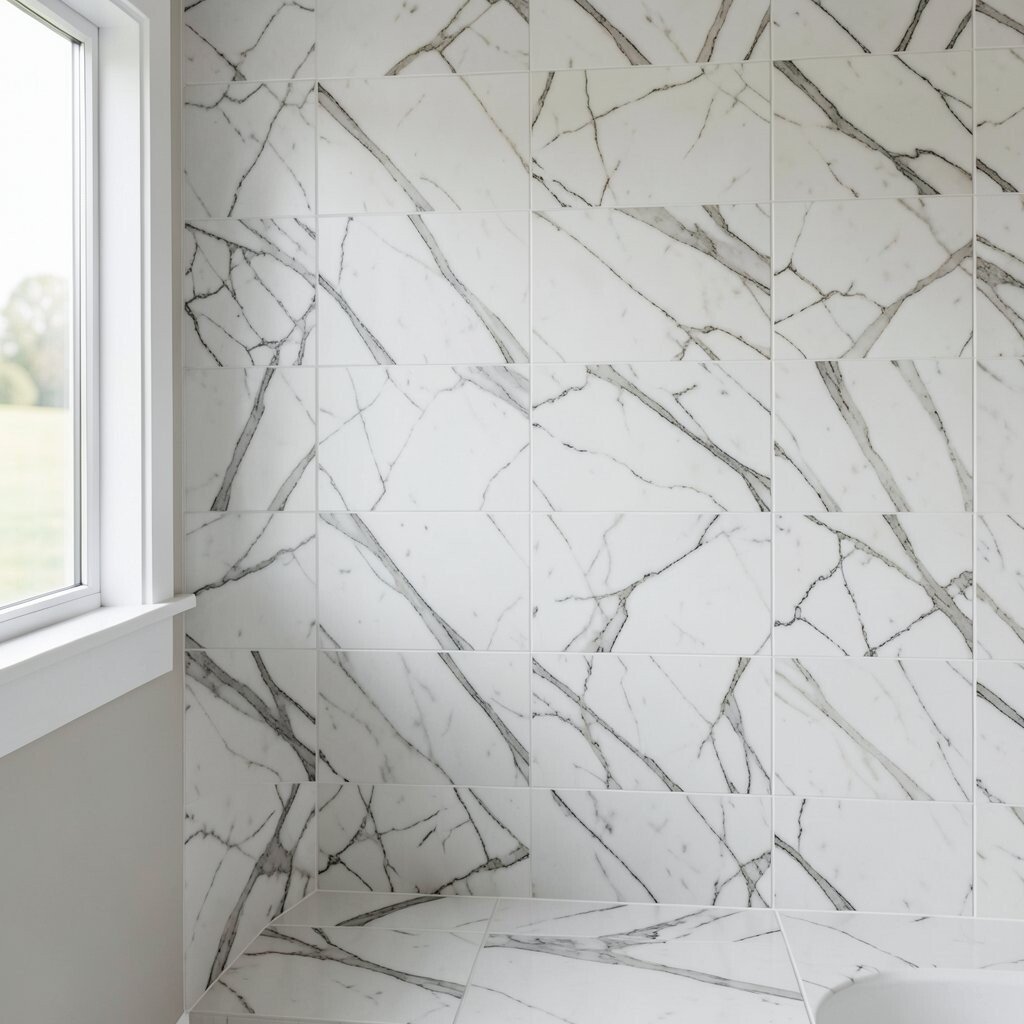
Marble-look tiles can make a bathroom feel luxe without the fuss of real stone. When the veining runs the right way, the surface looks high-end and smooth.
Pick tiles where the pattern repeats naturally, then align the veins so they flow across the wall or down the floor. This creates a gentle visual rhythm that hides the seams more effectively. Use large-format tiles if your budget allows, since fewer grout lines make cleaning faster. For cost control, choose the marble-look for one feature wall and use a simpler tile elsewhere.
Personalize the vibe by choosing light, smoky, or warm marble tones that fit your lighting. In many bathrooms right now, neutral glam is popular because it feels timeless and pairs well with modern fixtures. Just remember that some finishes can be slippery, so ask about slip ratings if the tile will be in a shower.
4. Hand-Painted Style Moroccan Shapes
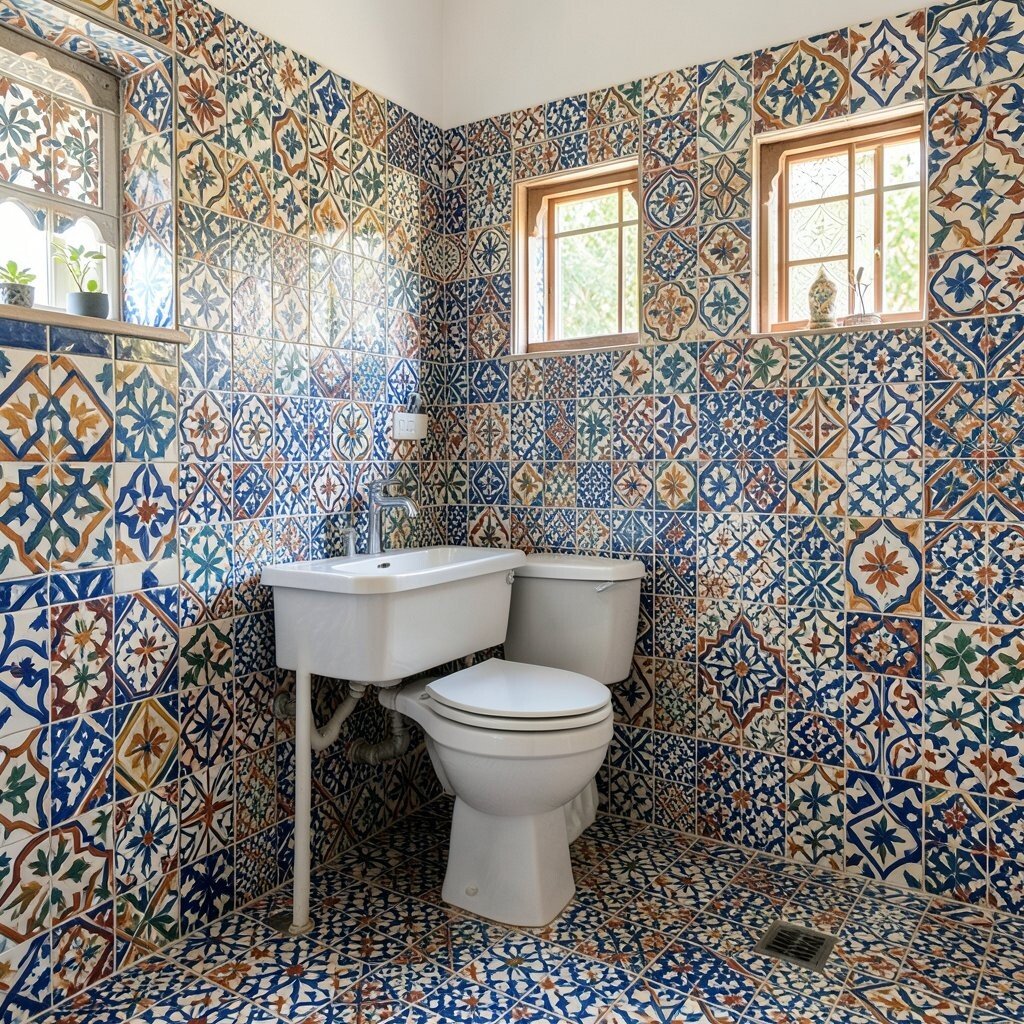
Picture tiny star and diamond patterns that look like they belong in a sunny courtyard. These tiles add warmth and a sense of story, especially around a shower border or sink backsplash.
Look for porcelain tiles with a printed pattern that resists water, then keep the surrounding walls in a calm solid color. This balance helps the pattern stay the star without overwhelming the room. To personalize, repeat one or two colors from your towels and match them in the tile palette. For practical planning, test a few samples in your bathroom light because colors can shift from day to night.
5. Herringbone Floor With Matte Finish
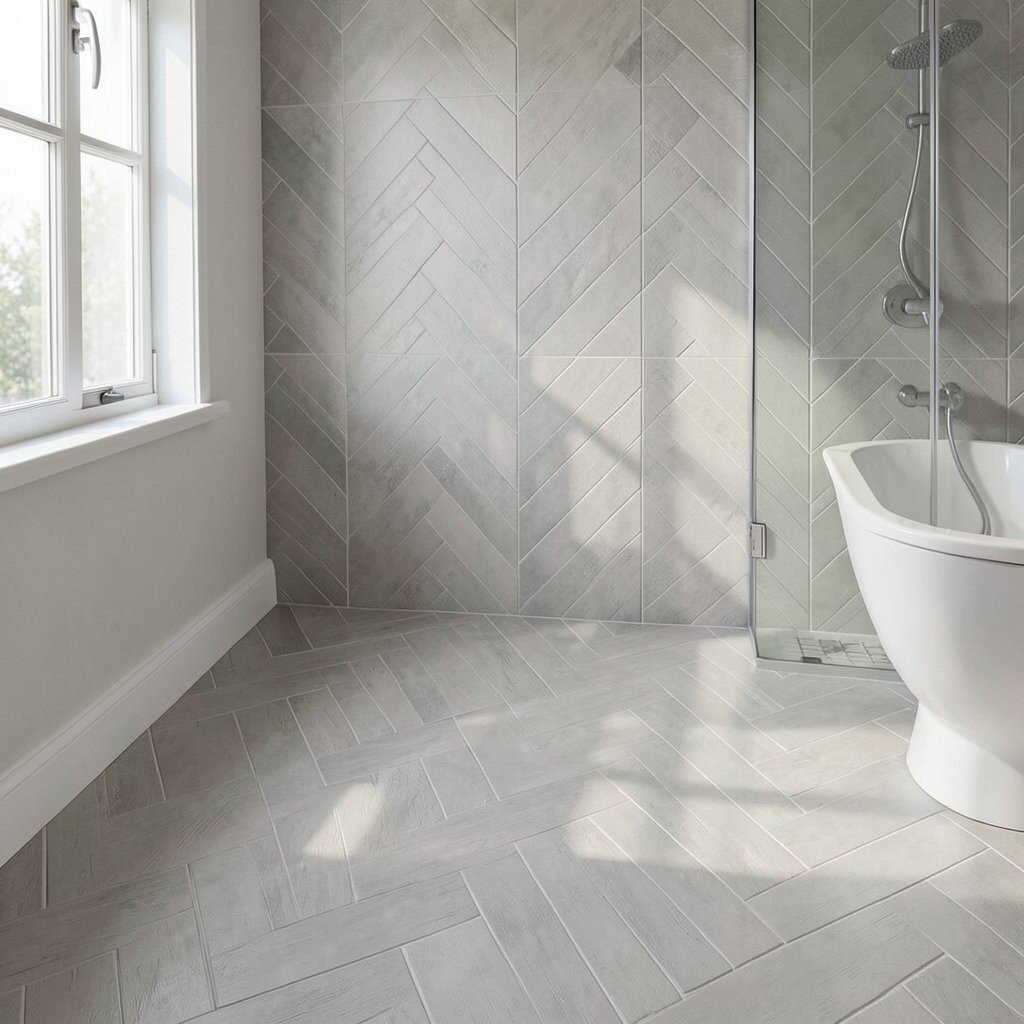
Herringbone tiling creates a crisp zigzag path that feels elegant and a little dramatic. A matte finish softens glare, so the floor looks stylish without being loud.
Choose small to medium planks, then lay them in a classic V pattern across the bathroom footprint. This layout makes the room feel structured and helps hide small imperfections in the subfloor when installed carefully. For cleaning ease, use a pH-neutral cleaner and reseal grout if your chosen type calls for it. If cost is a concern, focus the herringbone pattern on the floor area visible from the doorway, then extend a simpler border tile around the edges.
To personalize, blend the herringbone with a matching wall tile in a different shade, like ivory walls with a tan floor. The current trend toward tactile, low-sheen surfaces makes matte finishes feel very current. When you shop, confirm the tile thickness and whether you need an underlayment for stability in wet rooms.
6. Oversized Neutral Planks for Calm Space
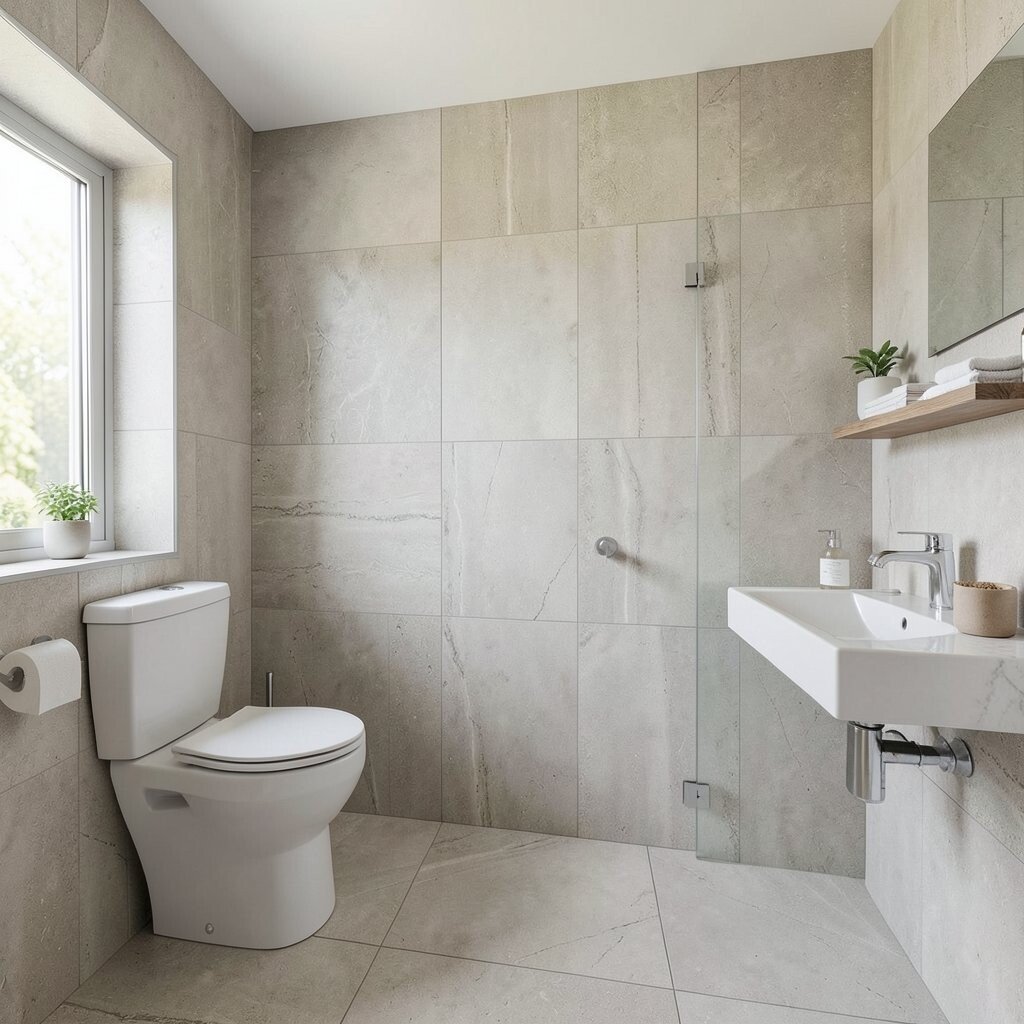
Large neutral tiles can make your bathroom feel open and peaceful. When the grout lines are fewer, the whole space looks instantly more streamlined.
Go for porcelain planks that mimic wood grain or stone texture, then install them in a long, continuous direction. This trick draws the eye and reduces the busy feeling that small tiles sometimes create. For practical tips, plan the layout so cut pieces near the door are even, not awkwardly tiny. If you want to keep costs down, you can use oversized tiles on the main floor and choose a simpler, smaller format for the shower niche or bench.
7. Wet-Room Tile Walls From Floor to Ceiling
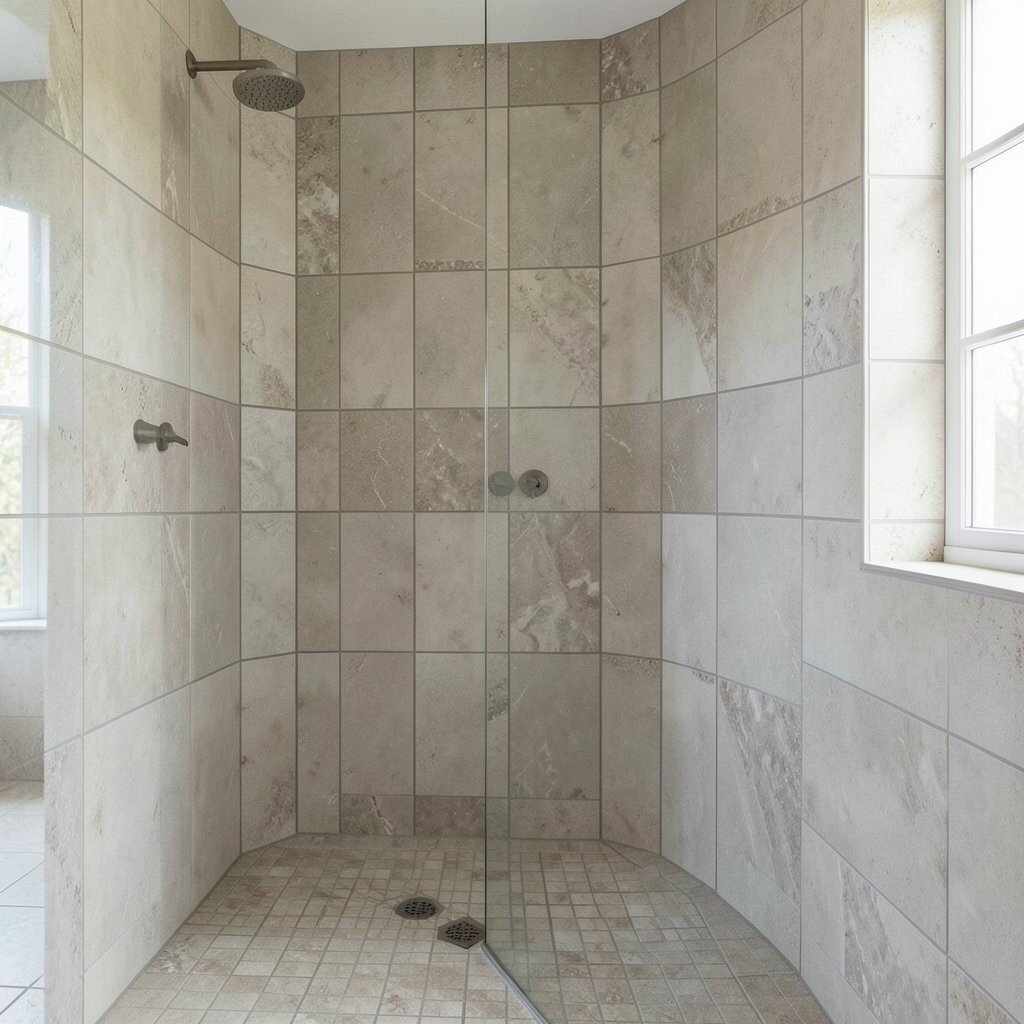
A wet-room style bath makes the whole shower area feel like one clean surface. Tiles running from floor to ceiling also protect walls and reduce the look of seams.
Select a water-resistant tile system and pair it with the right waterproofing underneath. With this setup, cleaning becomes easier because there are fewer spots where grime can gather. For personalization, choose a textured tile like micro-ridges or gentle speckles, so water droplets don’t show as much. If you’re thinking about cost, consider using the same tile on walls and floors but limit the full coverage to the shower zone.
Current trends favor simple, continuous surfaces because they look modern and calm. Make sure you include proper drainage and slope, since safety matters as much as style. If you prefer warmth, add a small contrast strip or matching border tile at eye level.
8. Subway Tile With Diagonal Layout
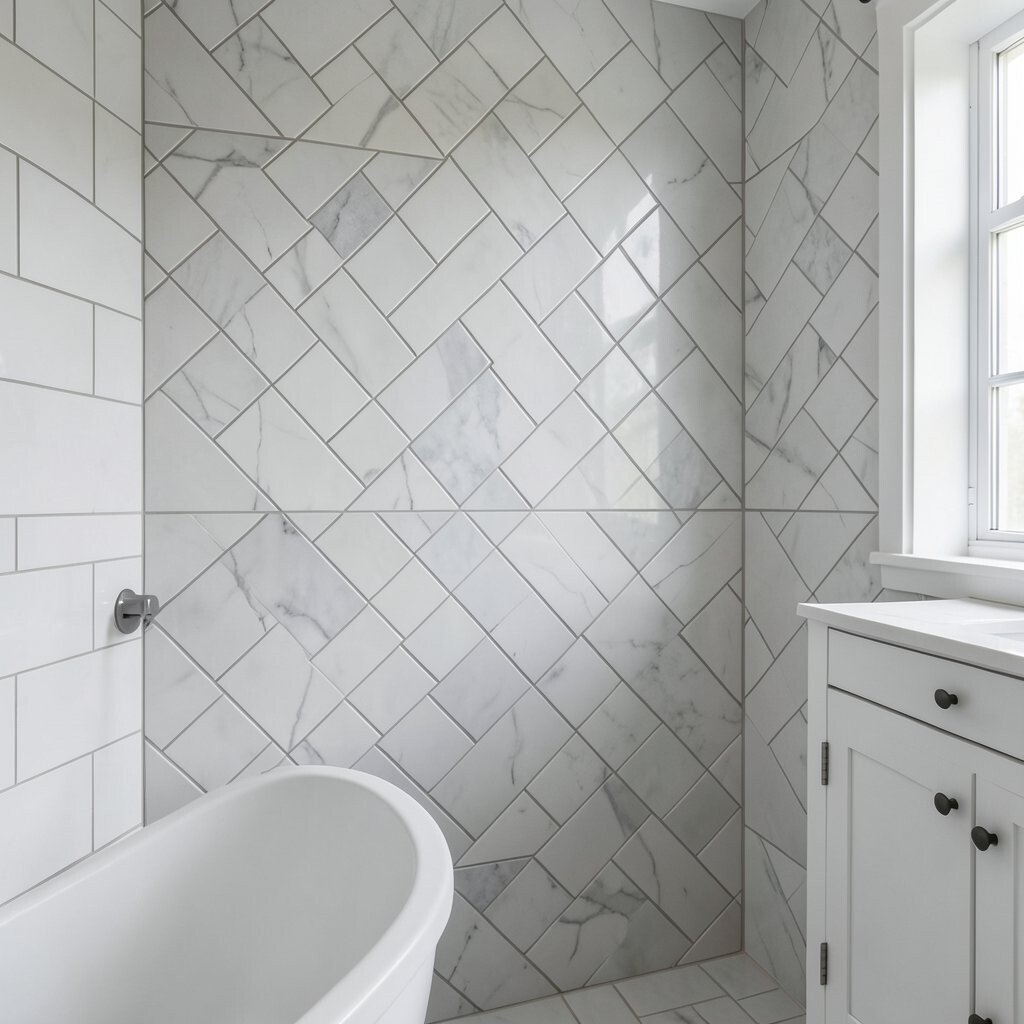
Classic subway tile can look brand new when you set it diagonally. The angled lines feel playful, and the wall gains extra movement.
Use uniform white or soft gray tiles, then keep the grout color light so the pattern stays airy. Diagonal installation works especially well behind a vanity, where you want the eye to catch something special. For practical tips, measure carefully because diagonal layouts show misalignment faster than straight rows. To personalize, pair the diagonal wall with a simple mosaic floor that echoes the grout color.
In many bathrooms lately, people are returning to clean tiles but with one clever twist. This diagonal look stays friendly and modern, and it can fit both classic and contemporary homes. For cost considerations, buying standard subway sizes often costs less than custom shapes, so it’s a smart way to get impact without overspending.
9. Dark Glossy Tiles for Nighttime Drama
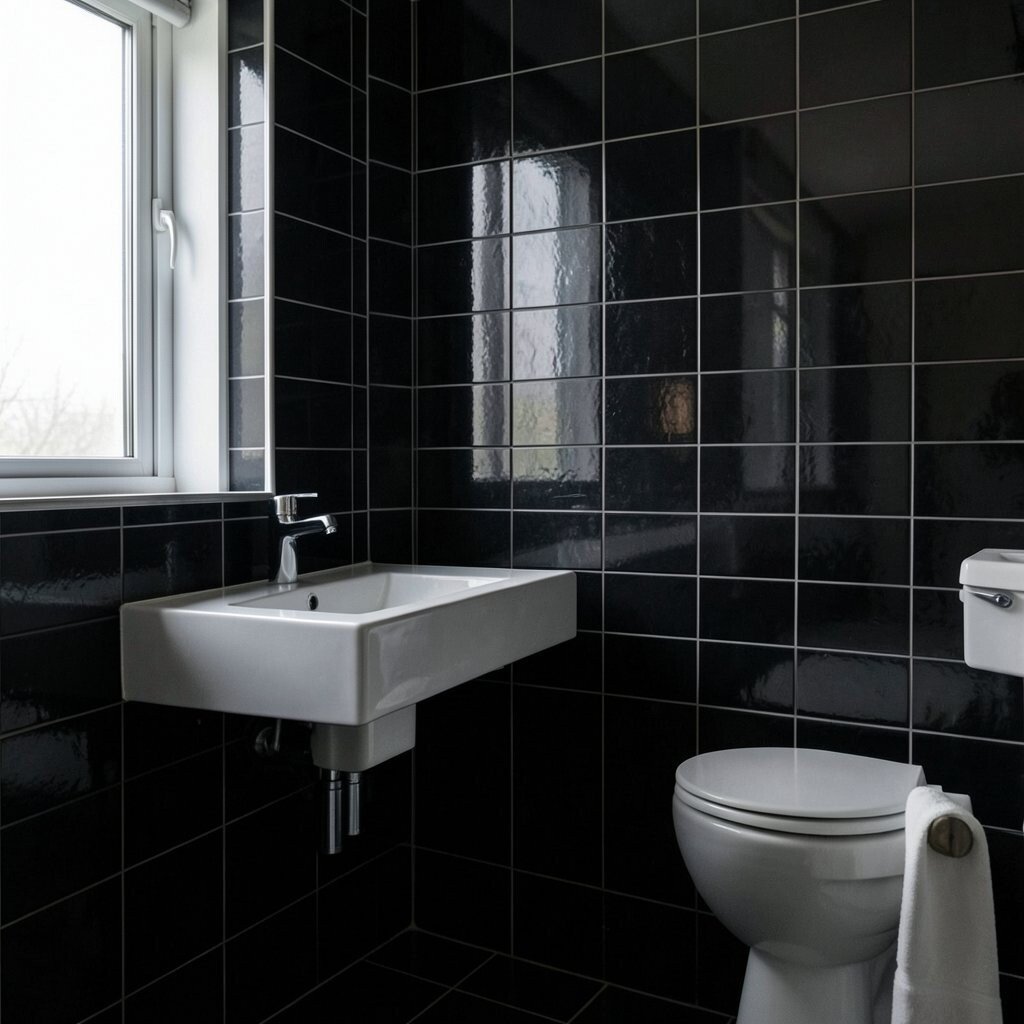
Dark glossy tiles look like polished night sky on your bathroom walls. When light hits the surface, it creates a sleek, high-contrast glow.
Try deep charcoal, espresso, or navy, then balance the shine with a warm light fixture and light vanity. Glossy tiles can be a little more showy with water spots, so wipe the walls after heavy splashes. For practical tips, choose quality grout and consider a stain-resistant option to keep the lines looking sharp. You can keep the budget calmer by using dark tiles as a feature wall instead of covering every surface.
Personalization is easy here because dark tiles pair well with almost any metal finish, like brushed gold or matte black. This kind of bold, moody look is still popular in current bathrooms, especially where homeowners want a spa vibe. Before you commit, view a sample in your bathroom lighting to ensure the color reads the way you want.
10. Textured 3D Tiles in a Soft Wave Pattern
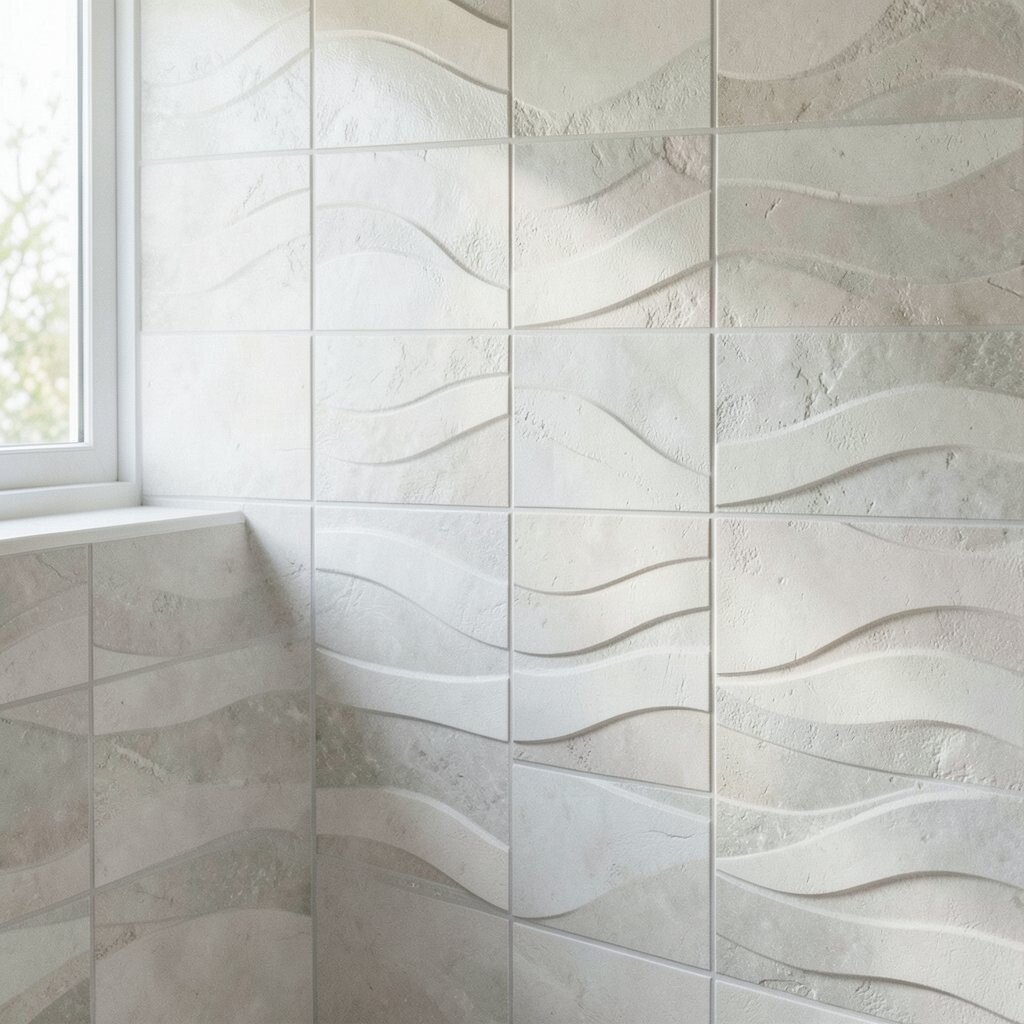
3D tiles add depth, like gentle ripples on a pond. In a bathroom, that texture can make even plain fixtures feel more interesting.
Pick a wave pattern tile in a soft cream, blush, or light gray, then keep the rest of the surfaces simple. The texture helps hide minor imperfections in walls and makes light bounce in a pleasing way. For practical tips, ensure the grout lines match the tile tone so the texture stays the focus. If you want to stay within budget, use 3D tiles as a narrow accent band or behind the sink rather than covering the full room.
11. Small Mosaic Borders Around a Neutral Shower
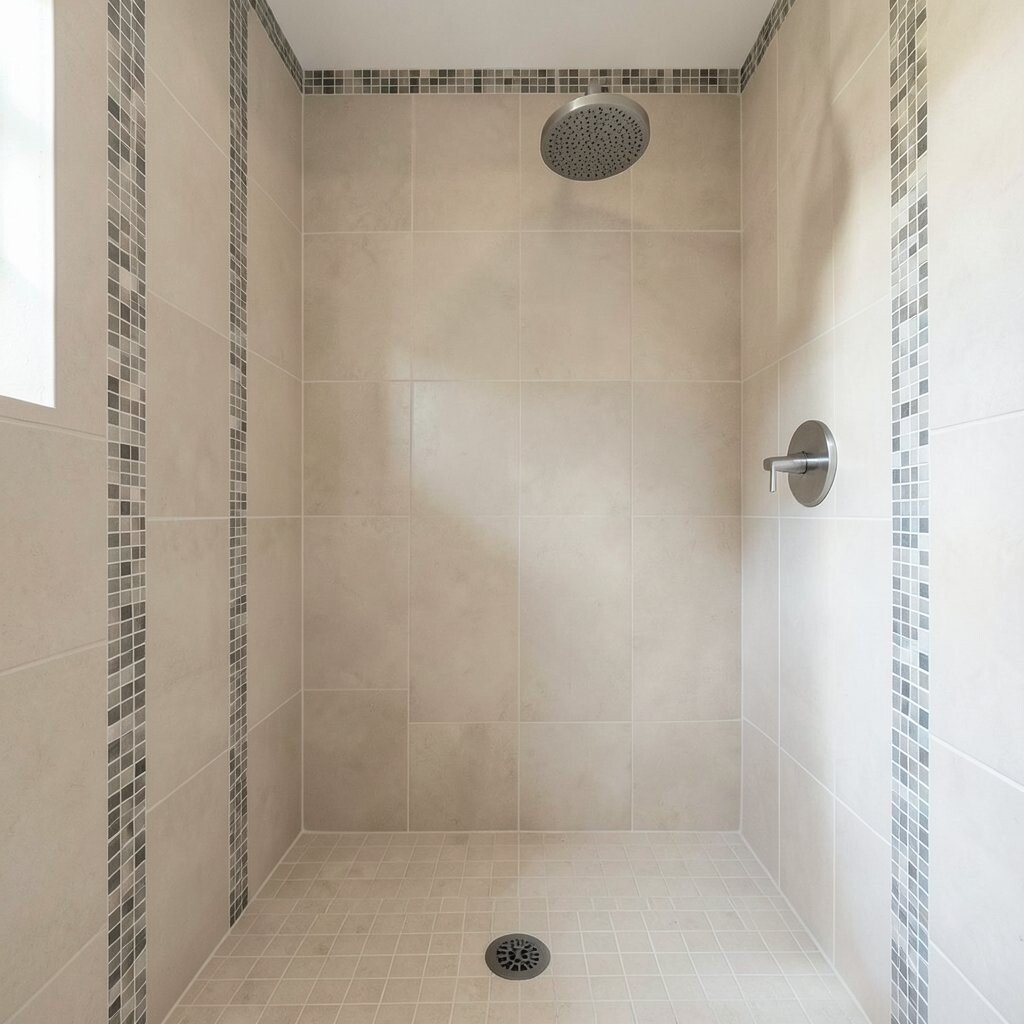
A thin mosaic border can make a basic shower look custom-made. It’s like adding a frame that turns everyday tiles into a styled feature.
Keep the main shower walls in a large neutral format, then add a mosaic strip at the height you’ll notice most. This approach is practical because it limits the cost of complex tile while still giving a designer look. For personalization, choose mosaic colors that match your hardware and choose a grout finish that stays bright over time. You can also repeat the mosaic in a small area behind the faucet to keep everything coordinated.
Right now, many bathrooms are using a mix of large and small tiles, since it offers visual interest without chaos. A border also makes it easier to adjust the look later by changing towels, art, or hardware. When planning, measure the border placement so it aligns nicely with the niche or shower controls.
12. Penny Round Tiles for a Retro-Modern Feel
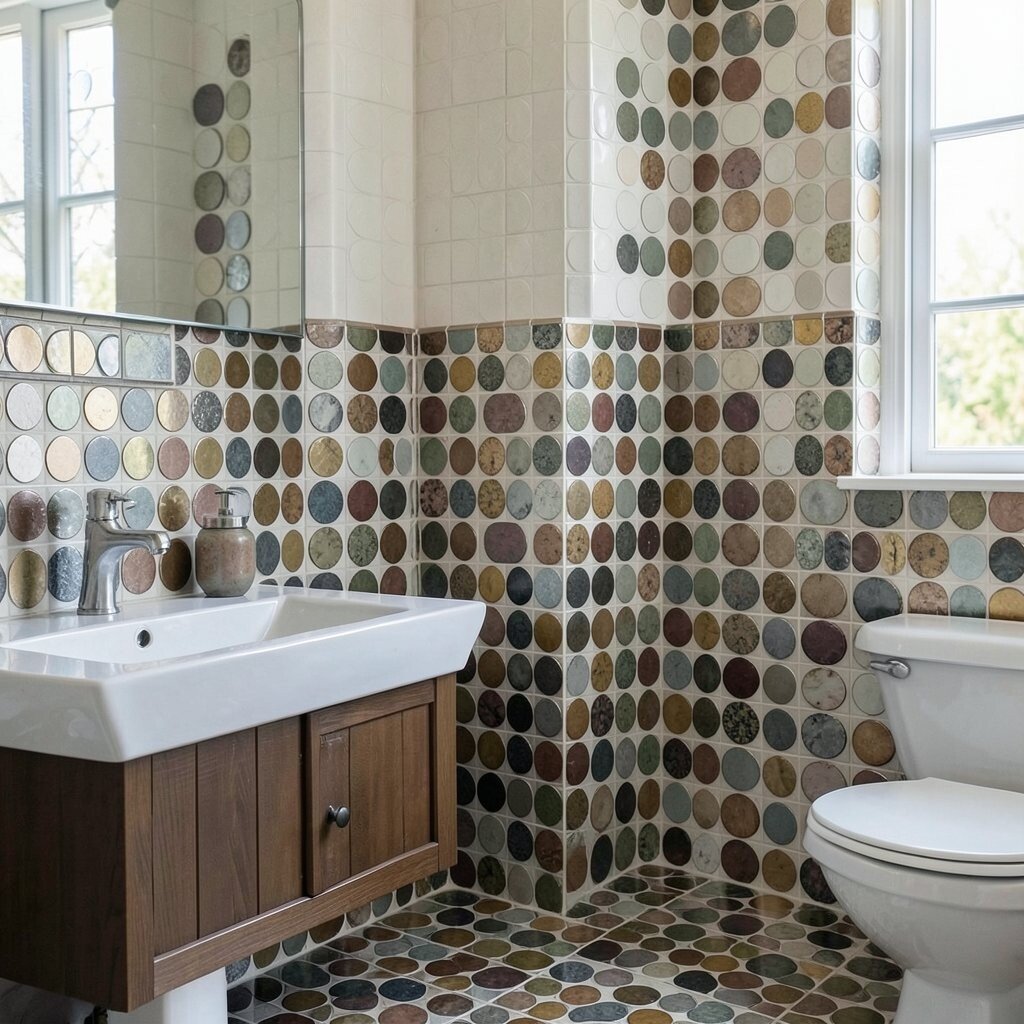
Penny round tiles have a classic vibe, but they can still feel modern with the right colors. The small circles create a gentle texture underfoot and in the shower.
Use penny rounds on the shower floor, then pair them with larger tiles on the walls for a clean contrast. This helps keep the space safe and comfortable while making the room feel styled. For practical tips, choose a finish with good traction, since tiny tiles can be slippery if they’re too glossy. To personalize, select a stone-look penny round in beige or warm gray to bring a natural feel, or choose a subtle metallic option for a hint of shine.
Cost considerations can vary, but penny rounds often require more careful installation because of the grid sheets and cutouts. If budget is tight, use penny rounds only on the floor or on a small seating bench area. Current trends still love this retro texture, especially when paired with minimalist fixtures and warm lighting.
13. Geometric Cement-Style Pattern for Visual Energy
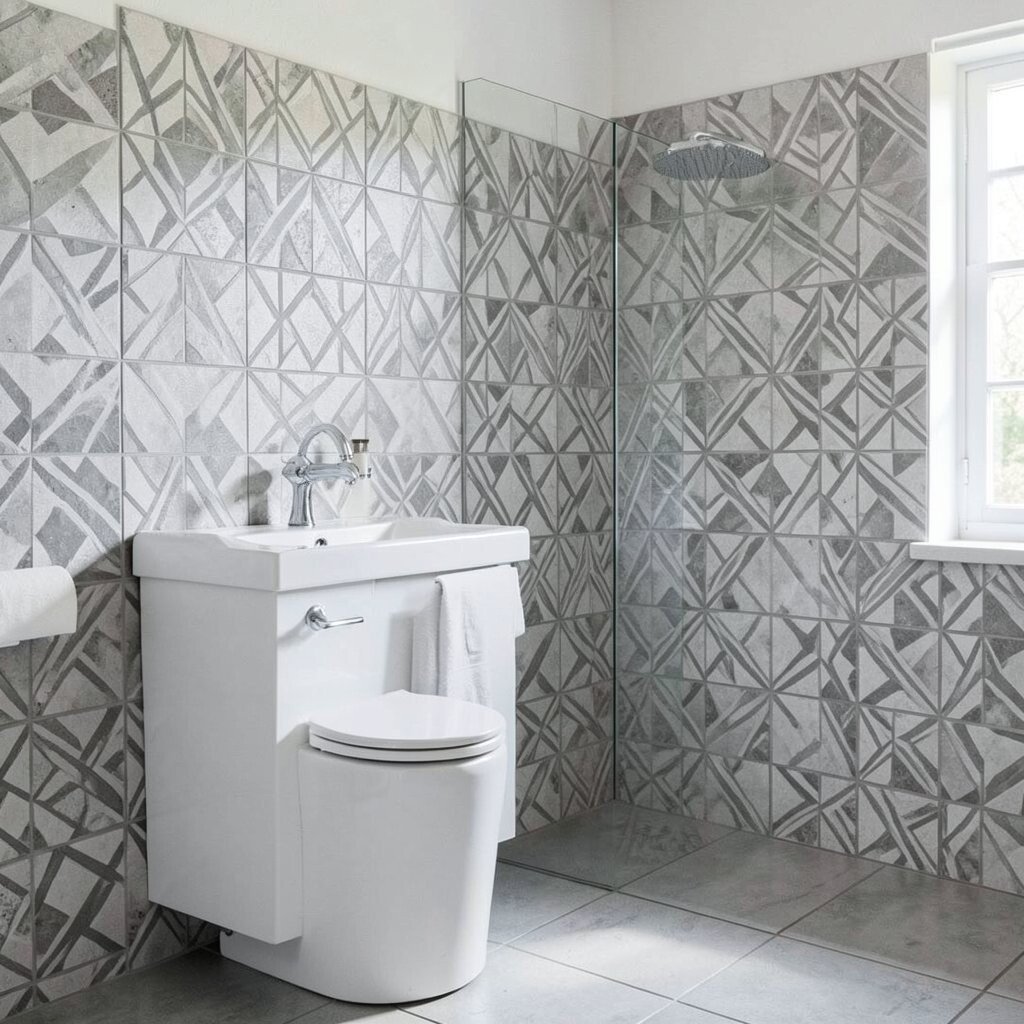
Cement-style tiles bring that handcrafted look with bold geometry. They add visual energy without needing extra decor.
Choose one patterned wall, like the wall behind the toilet or the shower entry, then keep nearby surfaces calm and solid. Cement-style designs can be busy, so letting them stay focused makes the bathroom feel balanced. For practical tips, pick porcelain if you want strong water resistance and easier maintenance than true cement. To personalize, match the tile colors to your bathroom metals, like selecting warm terracotta patterns for brass fixtures.
Since trends often swing toward statement details, this tile style is a popular choice for homeowners who want personality. Keep cost in mind by limiting pattern coverage, then add simple base tiles around it. Before installing, confirm the pattern repeat so the design lines up where you want attention.
14. Color-Matched Grout for a Seamless Look
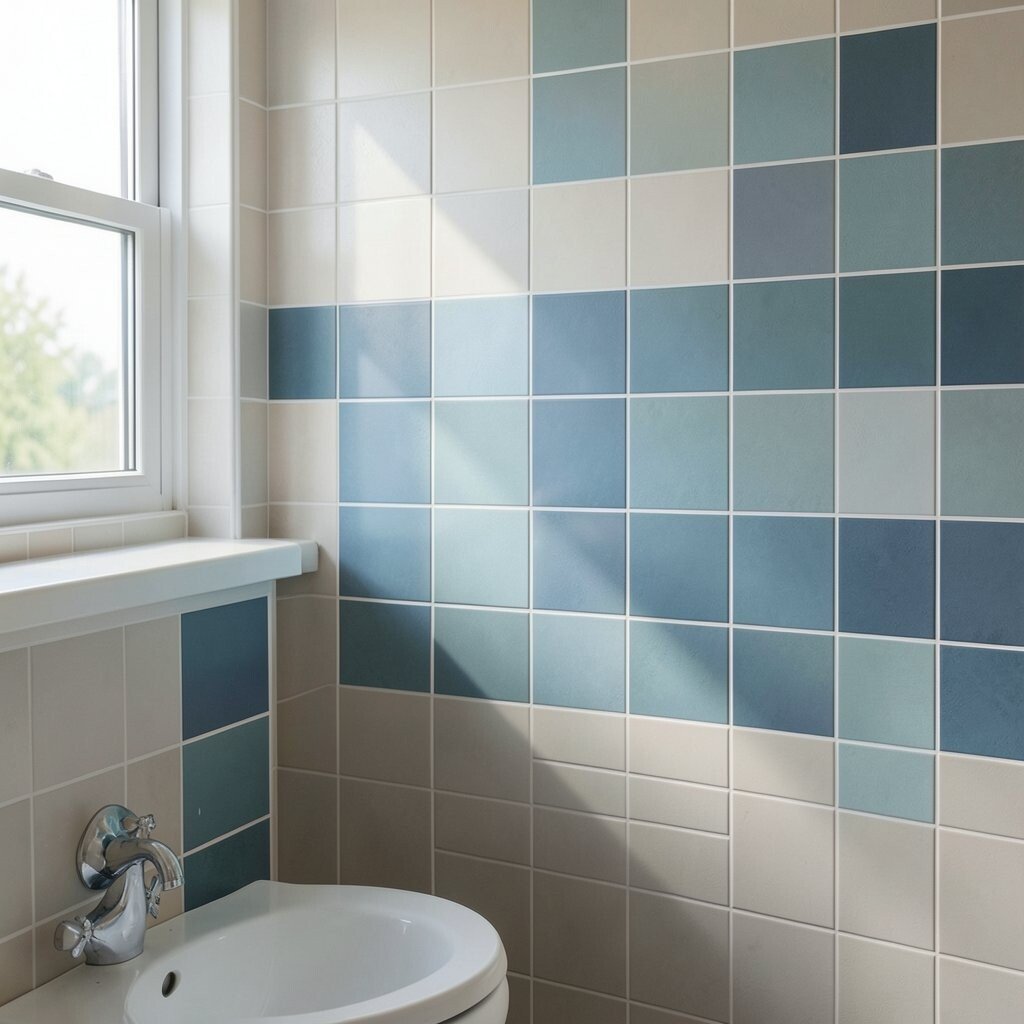
Matching grout to tile makes everything look smoother and more designer. Instead of harsh lines, the surface becomes one continuous color field.
Pick grout that closely blends with your selected tile, then choose either a slightly lighter grout to brighten the room or a matching grout for a sleek modern vibe. This technique is great for small bathrooms because it reduces visual interruptions. For practical tips, consider mildew-resistant grout and seal it if your installer recommends it. Personalization is simple here, since you can create different moods just by selecting grout shades.
Cost considerations are usually manageable because grout is part of most tile projects, but quality matters for durability. Current trends favor minimal, clean looks, and this approach supports that style. Just be sure your tile color is consistent across boxes so the blend stays uniform.
15. Glass Tile Inserts for a Bright, Clean Glow
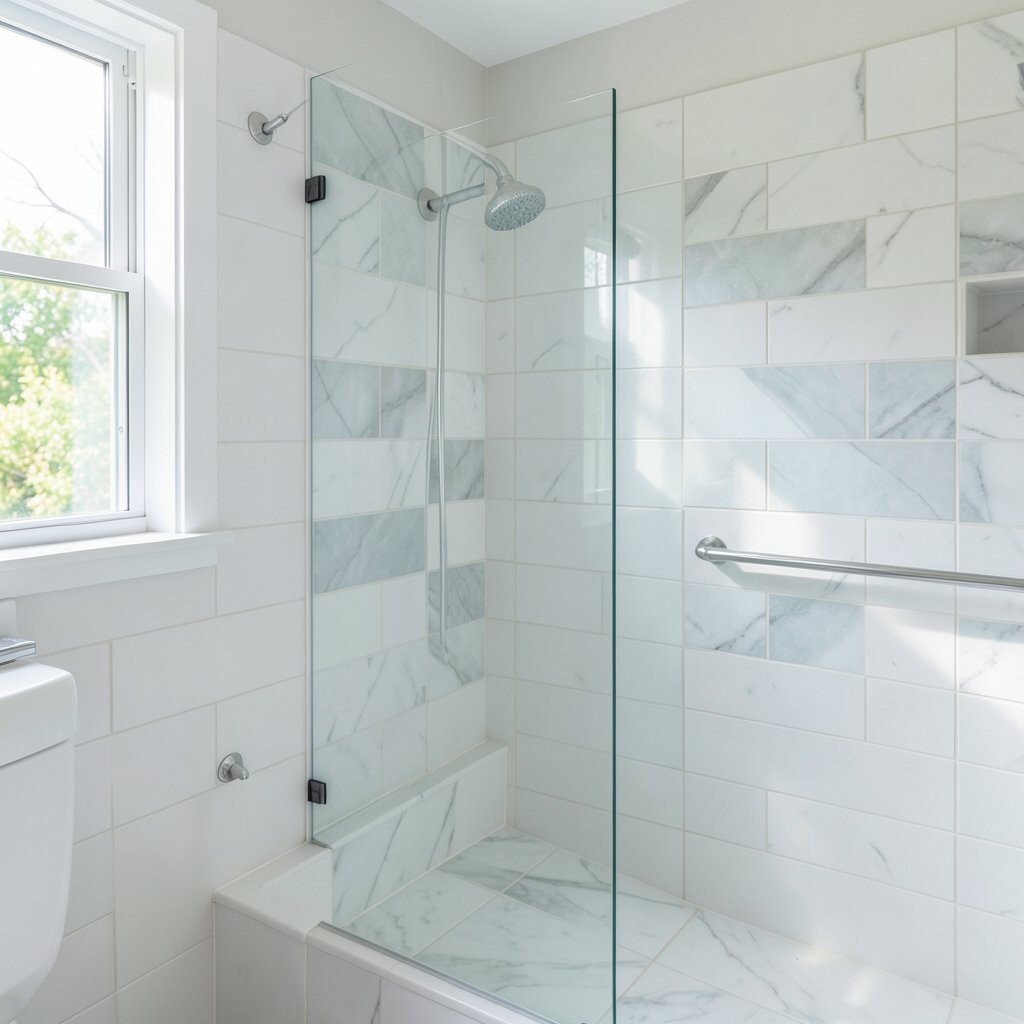
Glass tile inserts can make water-adjacent areas feel brighter and fresher. The tiles catch light and give the room a crisp sparkle.
Use glass tiles as a thin vertical or horizontal strip between matte tiles, like a line behind the sink or around a mirror area. This keeps the look polished without needing to cover everything. For practical tips, choose glass tiles made for wet spaces and use the right thinset for secure installation. If you want to control cost, keep the glass to a narrow accent because it’s usually more expensive per square foot.
To personalize, pick a glass tone that works with your lighting, such as clear, pale aqua, or soft gold flecks. This idea fits current trends toward luminosity and airy interiors. Always plan for extra tile during cutting, because glass needs careful handling.
16. Warm Wood-Look Porcelain Tiles With Grain Variation
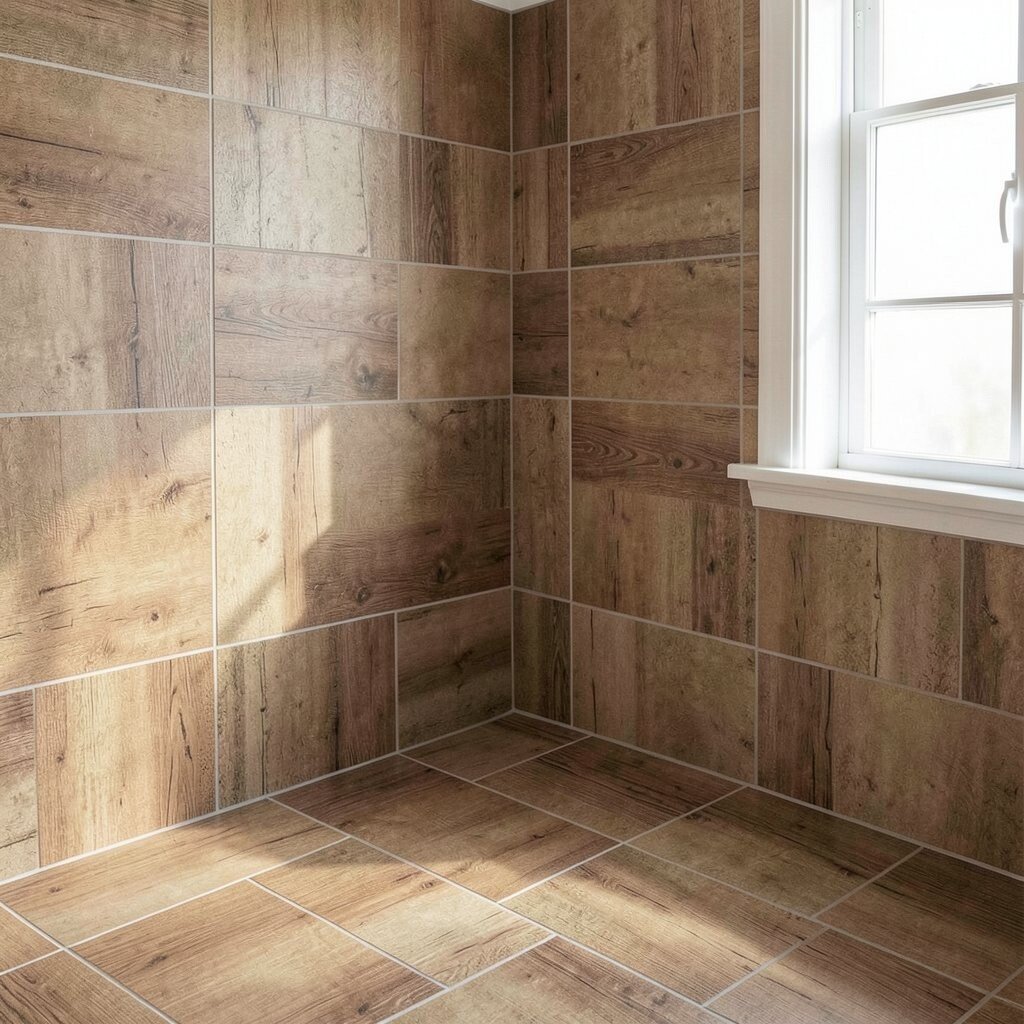
Wood-look porcelain can bring cozy warmth to a bathroom while staying water-smart. The grain variation helps it look natural, not like a flat imitation.
Choose planks in warm oak or light walnut tones, then lay them in the direction that makes the room feel longer. Pair the floor with light wall tiles and simple fixtures to balance the warmth. For practical tips, confirm the tile’s slip rating and choose a finish that feels comfortable underfoot. If cost is a concern, install wood-look tiles on the floor only, then keep walls in a budget-friendly white or cream tile.
Personalization can be as easy as matching the undertone, like picking slightly honeyed wood for warm lighting or cooler gray-brown for modern fixtures. In current bathroom design, wood-look materials are a favorite because they blend comfort with clean lines. Keep grout in a warm gray or matching tone so the planks look continuous.
17. Oversized Floor Tiles With Simple Wall Coordinates
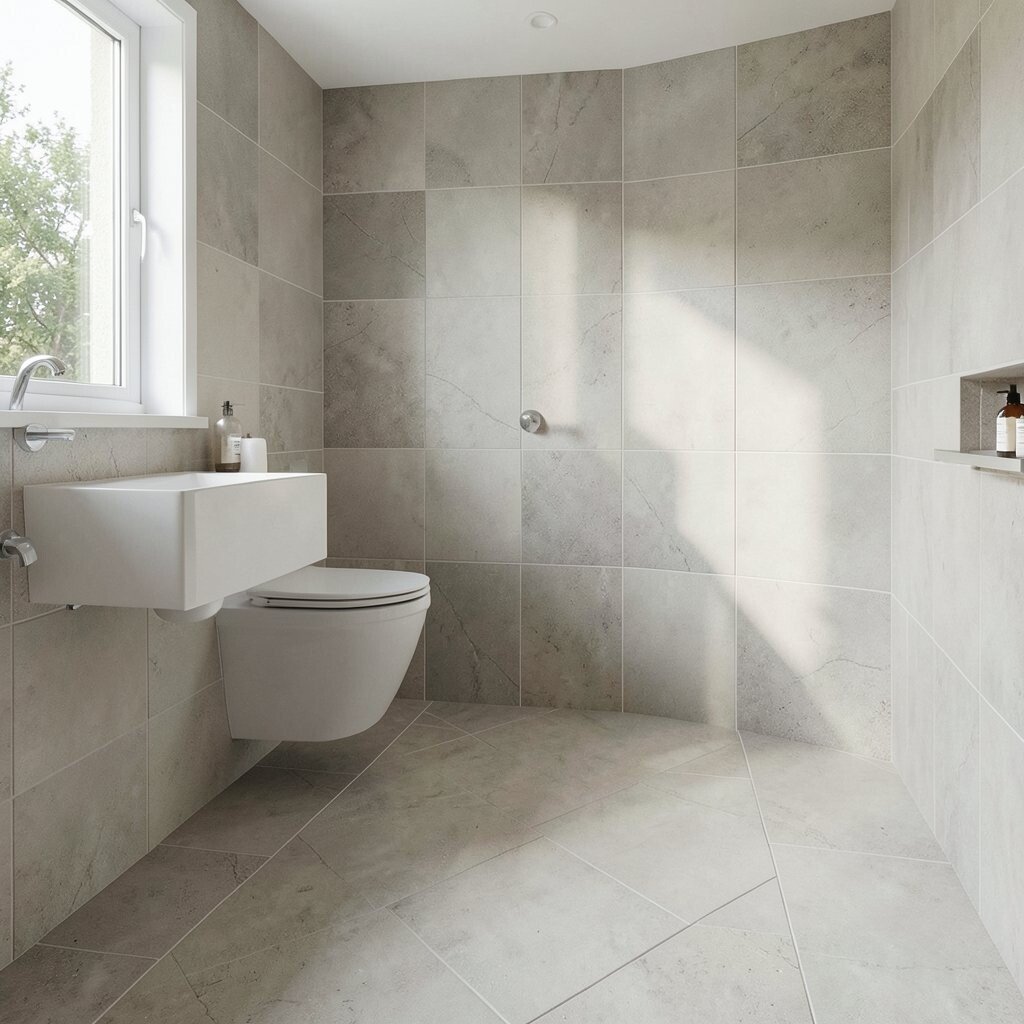
Big floor tiles can make your bathroom feel like a calm gallery. When the walls use a coordinated but simpler tile, the whole design stays cohesive.
Select a large-format floor tile with a subtle texture, then use a complementary wall tile in a classic shape like a large rectangle or a gentle subway style. This combination looks intentional and helps the room feel less busy. For practical tips, plan the layout around doorways and the toilet so you avoid tiny sliver cuts. To personalize, add a narrow border strip near the shower or around the vanity for a tailored finish.
Cost considerations are important here because larger tiles can reduce labor time, but the tile itself may be more expensive. Still, fewer grout lines can save on maintenance over time. This look is trending because it supports a modern, spa-like vibe without needing complicated patterns.
18. Botanical Tile Motifs in Small Nooks
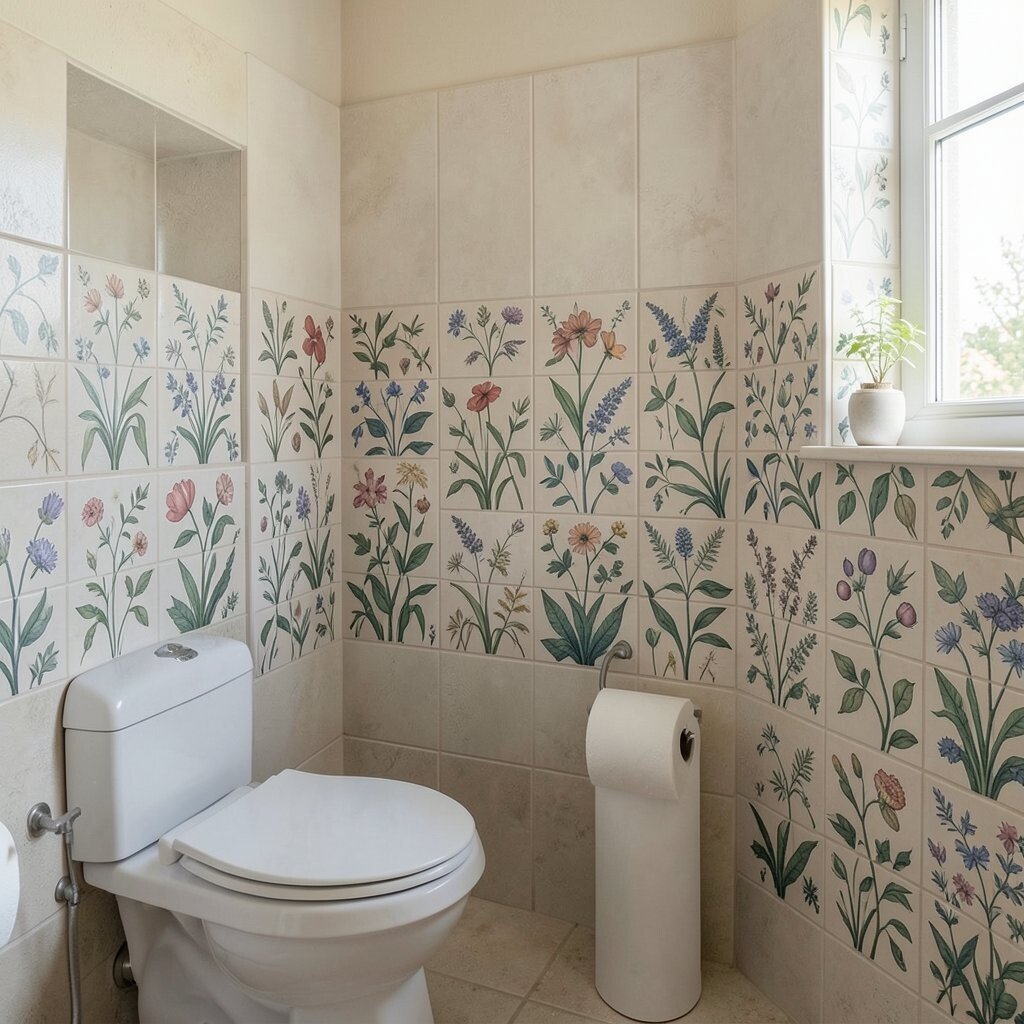
Botanical tile motifs can bring a fresh feeling without covering the whole bathroom. Sprigs of leaves and delicate flowers look especially charming in small areas.
Use a botanical tile panel inside a niche, along the rim of a recessed shelf, or as a splash zone behind the sink. Keep the surrounding tiles neutral so the plants feel like an accent rather than a theme. For practical tips, choose moisture-friendly tile and ensure the niche is properly waterproofed. Personalize the greenery by selecting colors that match your towels, like sage tones for a soft, calm look.
When you want uniqueness, botanical details stand out because they feel handmade even when they’re mass-produced. Current trends lean toward nature-inspired decor, and tiles are a smart way to keep that vibe consistent. For cost control, use the motifs sparingly and invest in a high-quality base tile for durability.
19. Tile Layouts With Built-In Hints of the Ceiling
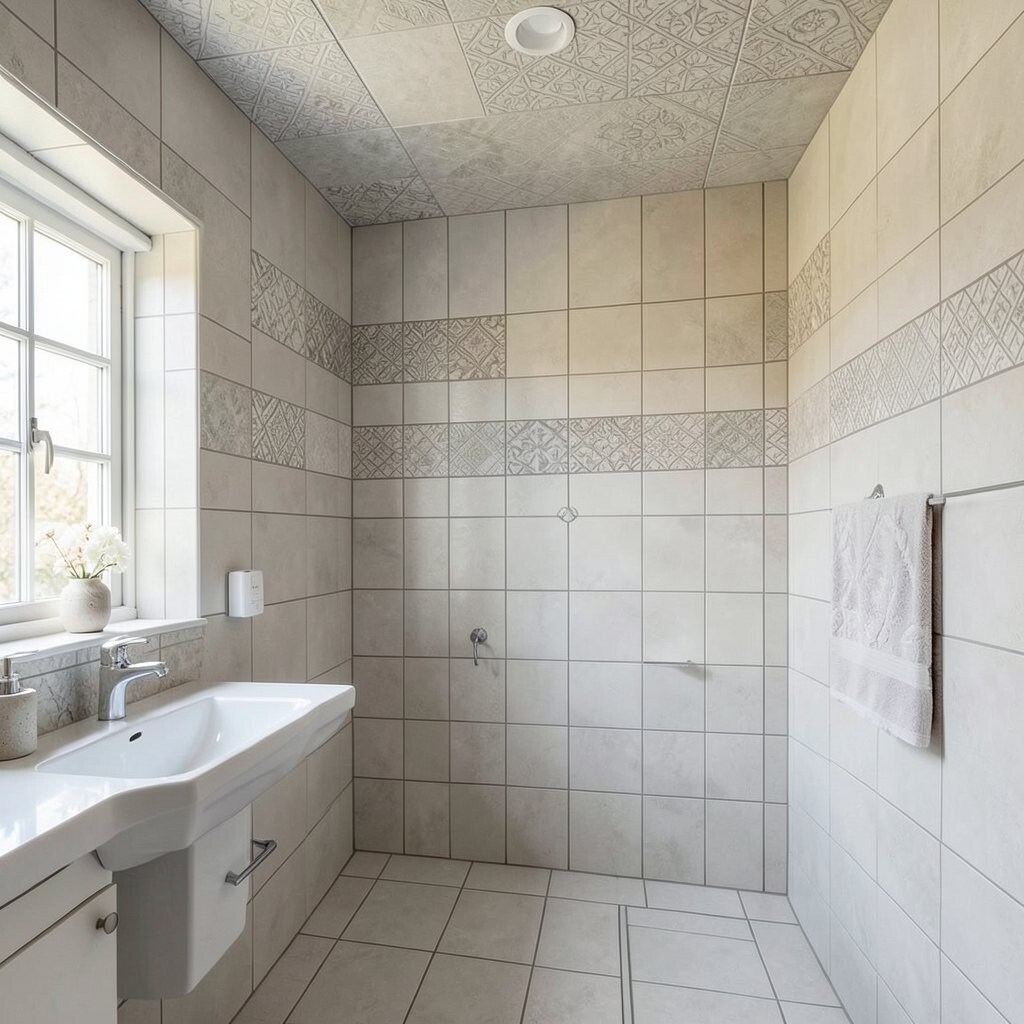
Repeating your ceiling color cue on the walls with tile can make the whole bathroom feel tied together. You can echo a soft tone or sheen, then let the tile do the work.
Pick a wall tile shade that matches your ceiling paint undertone, then add it in a border that wraps lightly around the room. This gives a gentle designer effect while still staying practical and easy to clean. For practical tips, choose a grout color that stays close to the tile so the wrap reads clean. To personalize, use the same tile hue in a small floor runner area near the sink, so the design feels cohesive but not overpowering.
Cost considerations can be friendly because repeating an existing tile choice across a few key areas often costs less than adding new materials. This idea also fits current trends toward seamless color stories and calm, coordinated spaces. Before installation, tape out the proposed border lines to see how it looks from different angles during the day.