The past feels closer than you think. Style cues from the 1920s can make a home look warm, bold, and delightfully personal.
When you mix the right materials, colors, and patterns, you get a vintage mood that still feels livable today.
1. Statement Geometry Wall Art
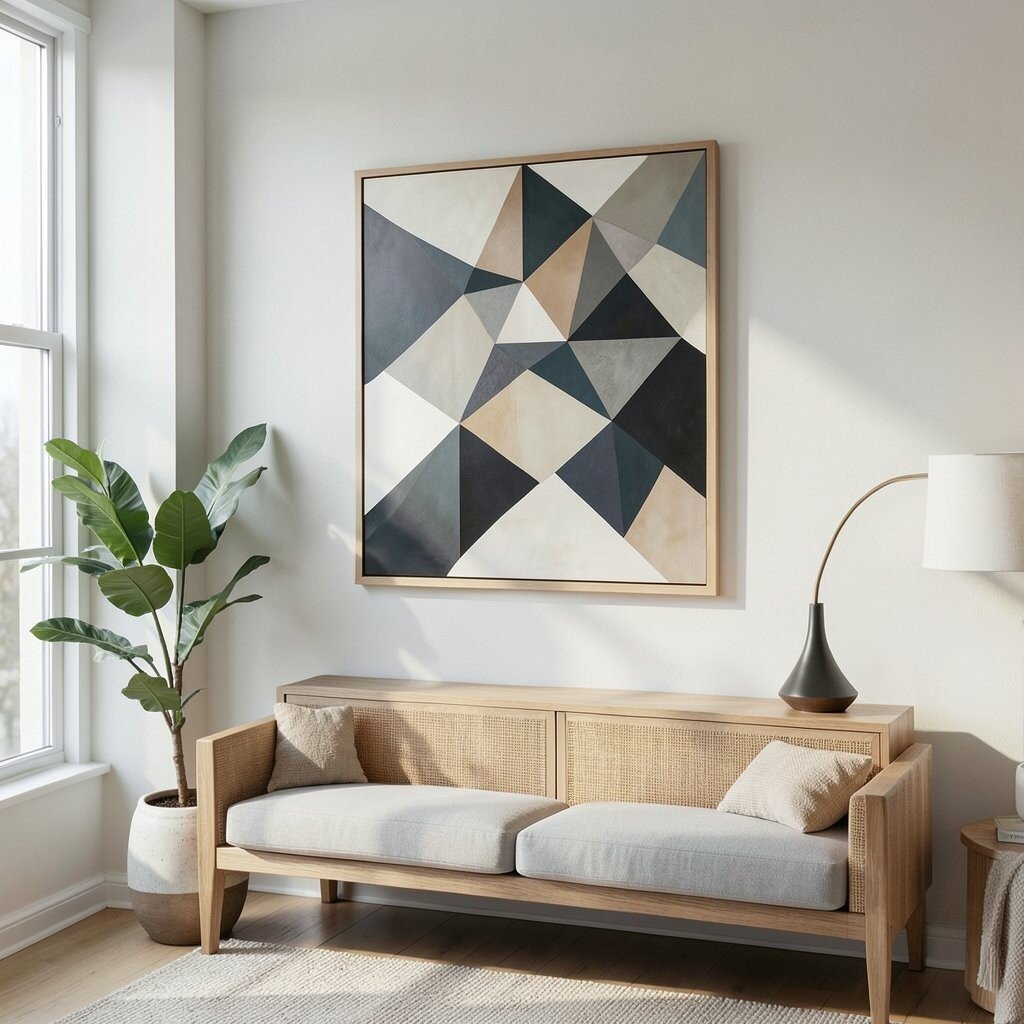
Think bold shapes like fan patterns, sunbursts, and clean art deco lines. You can picture a gallery wall where every piece feels related, yet no two frames match exactly.
Choose prints with gold, cream, black, or deep jewel tones so the wall looks instantly styled. Pair the art with warm lighting and you will get a cozy glow that feels authentic. For a practical approach, pick one main motif and repeat it in different sizes to keep the look cohesive.
2. Brass and Black Accent Hardware
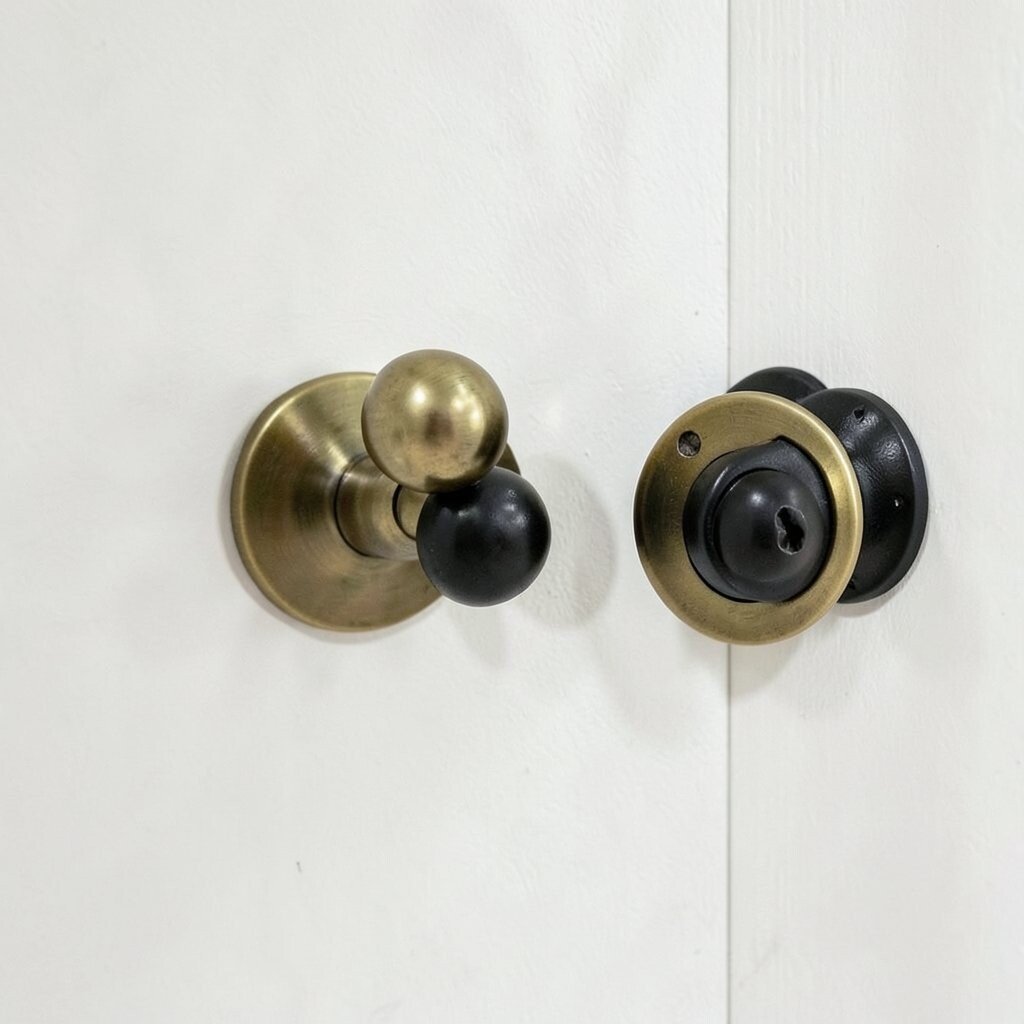
Swap out plain knobs and pulls for brass and black finishes that feel snappy and elegant. The visual impact is big because these small details catch the light every time you open a door or drawer.
This kind of hardware instantly adds character and helps your space feel more intentional. For a budget friendly path, focus on the most used areas first like kitchen cabinets, bathroom vanities, and dressers.
To personalize it, mix finishes in a pattern you love, such as brass on upper cabinets and black on lower ones. Matching every piece can be tempting, but a small variation often looks more vintage and less like a kit.
3. Velvet Upholstery in Rich Jewel Tones
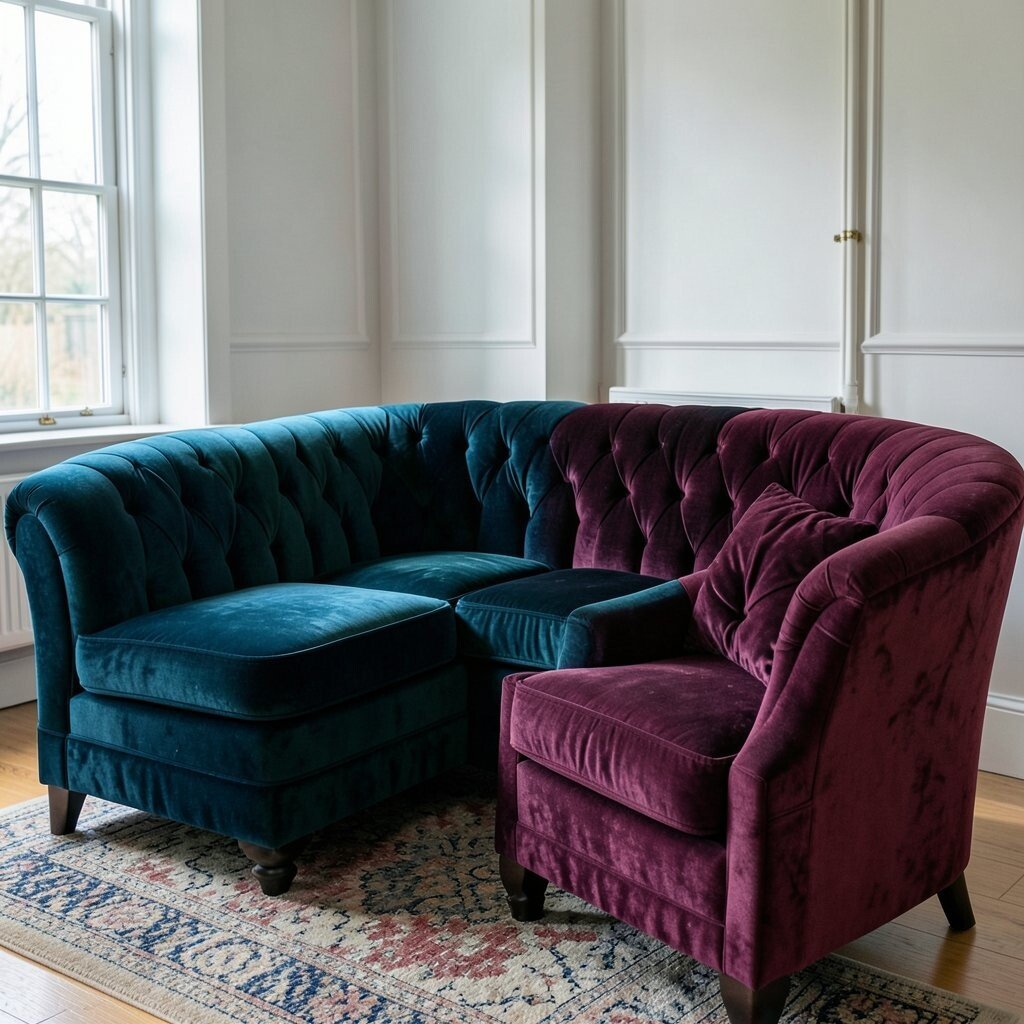
Imagine a sofa or accent chair in emerald, plum, sapphire, or deep wine velvet. The texture alone makes the room feel more glamorous because it looks soft and dramatic in different light.
Velvet also helps the room feel cozy, which matters in real everyday living. It is unique without needing extra clutter, since the fabric does the style work for you.
Start with one statement piece like an armchair or headboard and keep the rest of the room in calmer colors. If you are cost mindful, consider velvet look alternatives such as performance fabric blends that clean easily. Personalize the vibe by adding a few patterned throw pillows that echo art deco geometry.
4. Sunburst Mirrors for Instant Glow
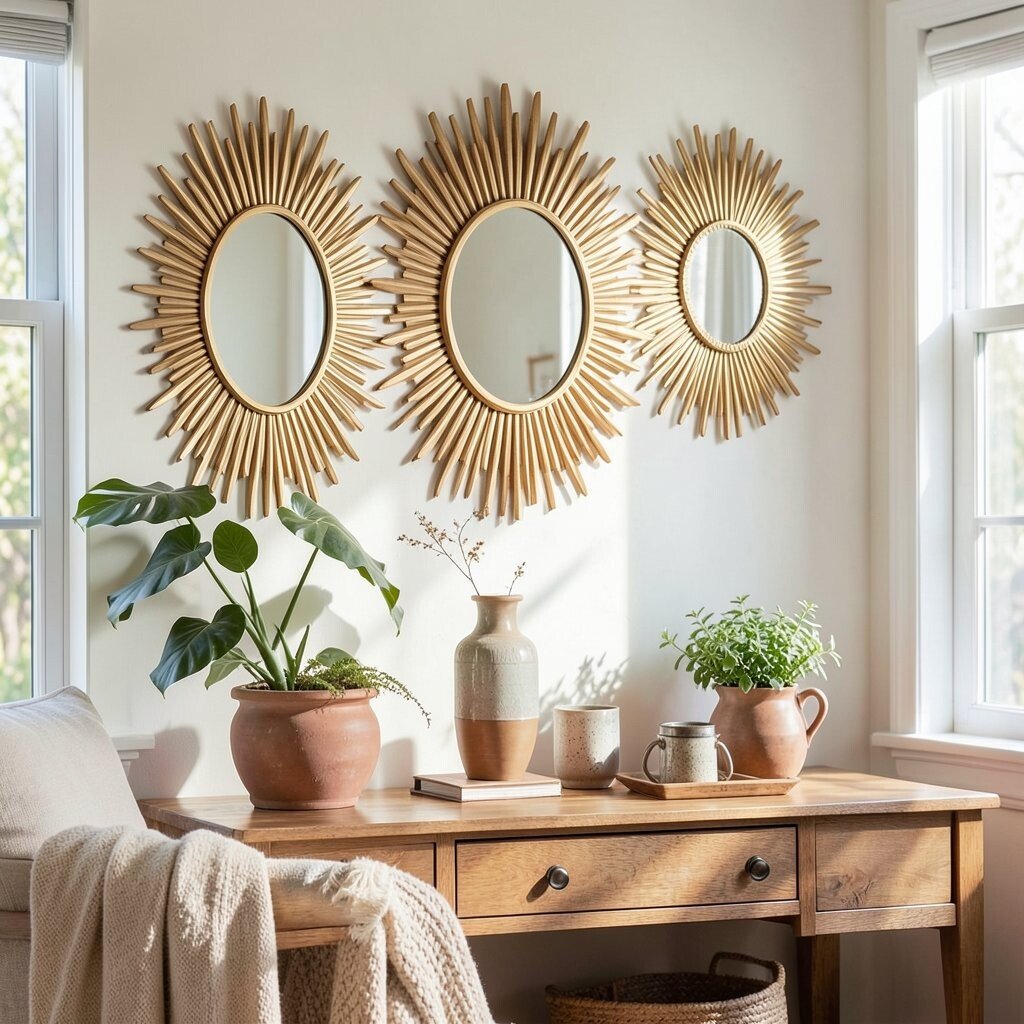
A sunburst mirror brings the kind of confident shine you often see in 1920s photos. You can almost picture a foyer where light bounces off the rays and makes the hallway feel bigger.
Place it across from a lamp or window so the reflection adds brightness without extra effort. Choose a frame with a mix of metallics or painted wood for a look that feels tailored, not mass produced.
5. Fan Motif Ceiling or Wall Details
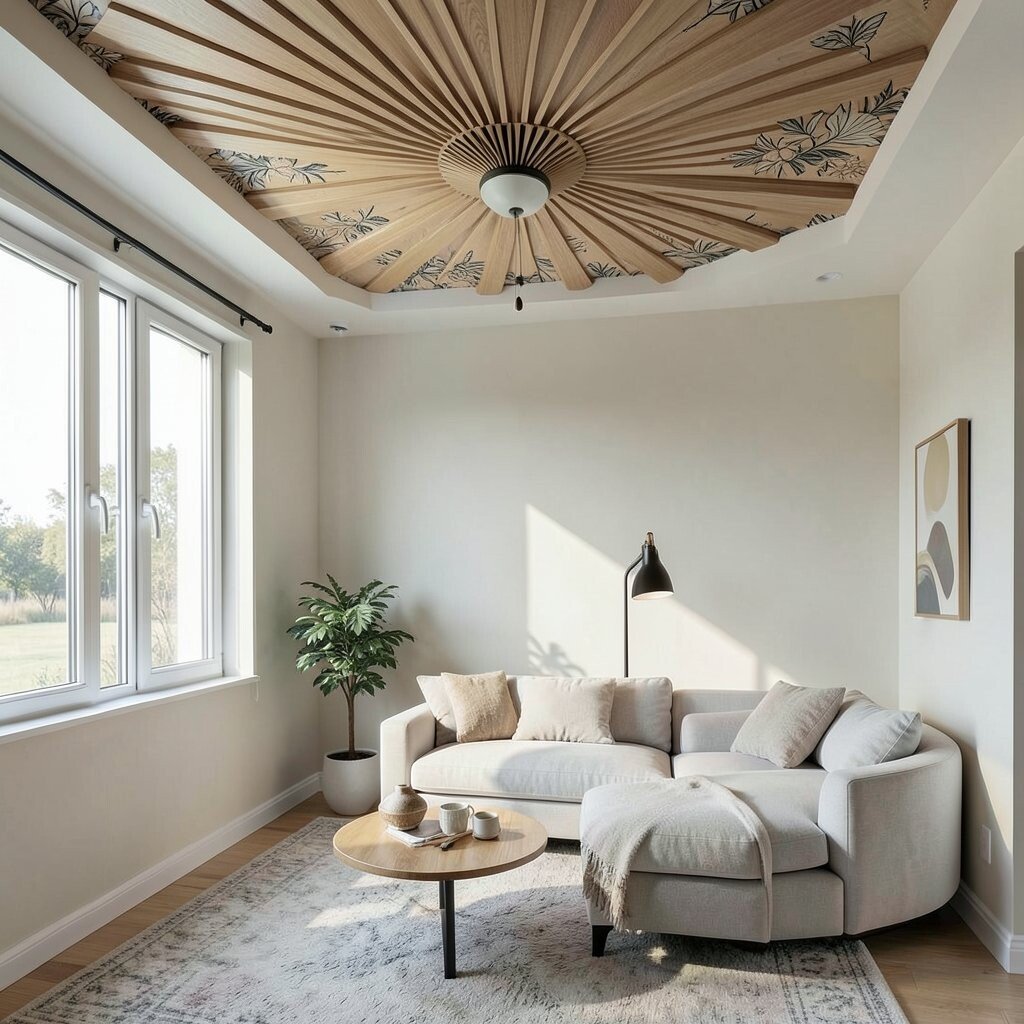
Fans and radiating motifs show up again and again in vintage interiors, and they look stunning when added to ceilings or feature walls. A painted panel or a simple molding accent can create a focal point that feels classic.
This detail adds a sense of height and structure, especially in rooms where the walls feel plain. To keep it practical, measure carefully and choose a small area first like above a console or behind a bed.
For personalization, select a fan shape scale that fits your room and color palette. If you love DIY, painting a stencil pattern is often a low cost way to get the look without major remodeling.
6. Classic Marble and Stone Finishes
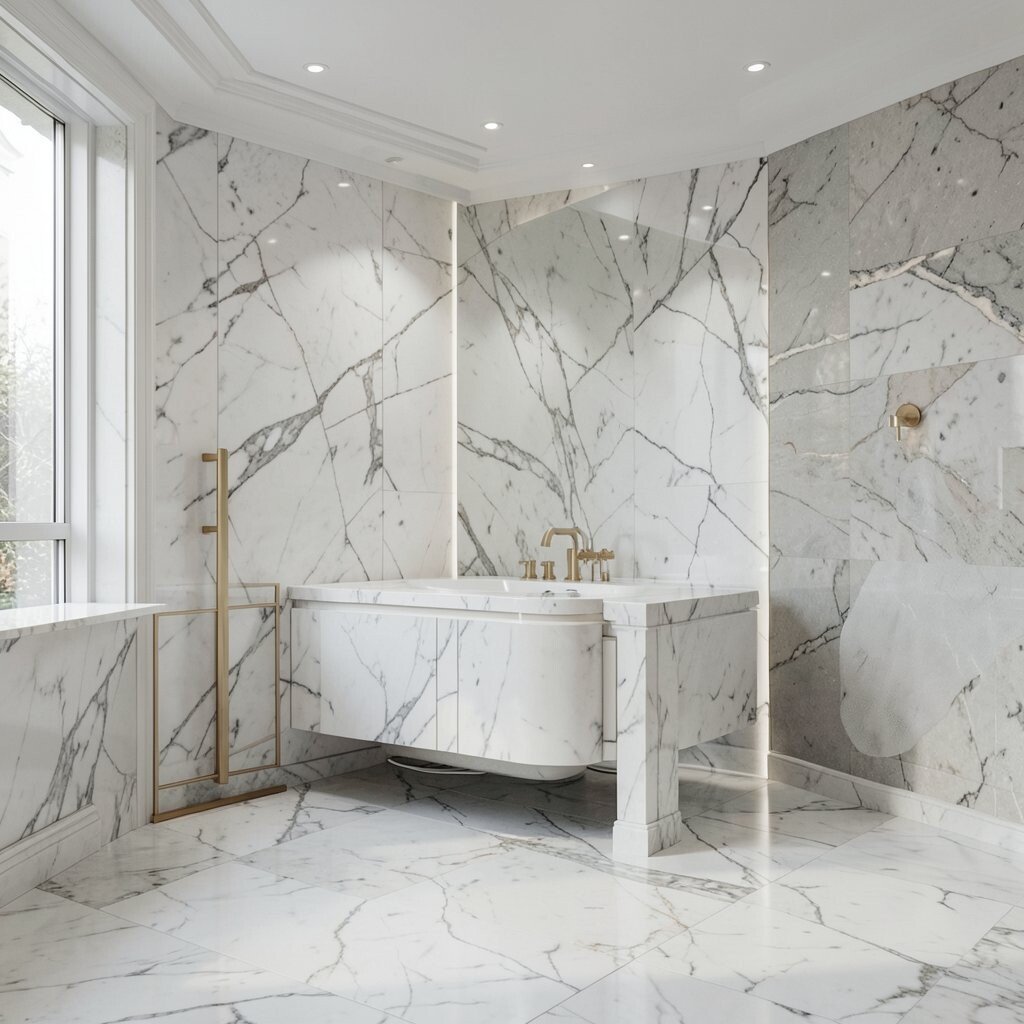
Marble counters, stone table tops, and even marble style trays instantly make a space look older and richer. You might imagine a vanity area where the cool surface balances warm wood and soft textiles.
Stone finishes feel timeless, and they also work well with modern needs like easy wiping and everyday durability. To stay budget friendly, you can start with small surfaces such as a marble look coffee table tray, coasters, or a side table top cover.
7. Gallery Lighting with Warm Glass Shades
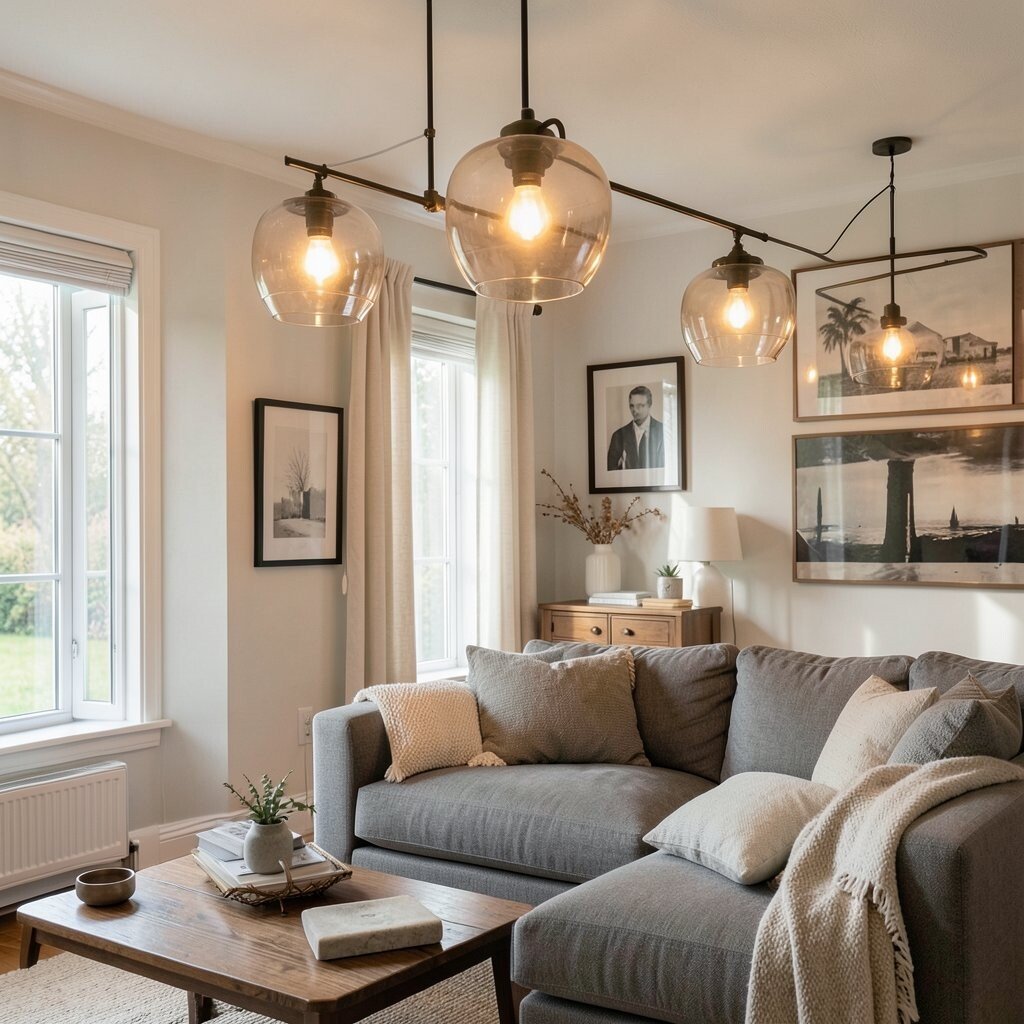
Look for table lamps and sconces with warm glass shades like amber, milk glass, or softly tinted art deco styles. When the light hits, the room looks calmer and more flattering, which makes vintage styling feel effortless.
Good lighting boosts the look of everything else, from metallic hardware to patterned textiles. For a practical plan, choose one or two hero lights first, then match smaller fixtures around them.
If you want a unique twist, add a lamp base with a geometric pattern or a fringe detail that nods to the era. Keep bulbs warm and dimmable so you can set the mood for evenings and gatherings without changing furniture.
8. Bold Patterned Rugs with Border Designs
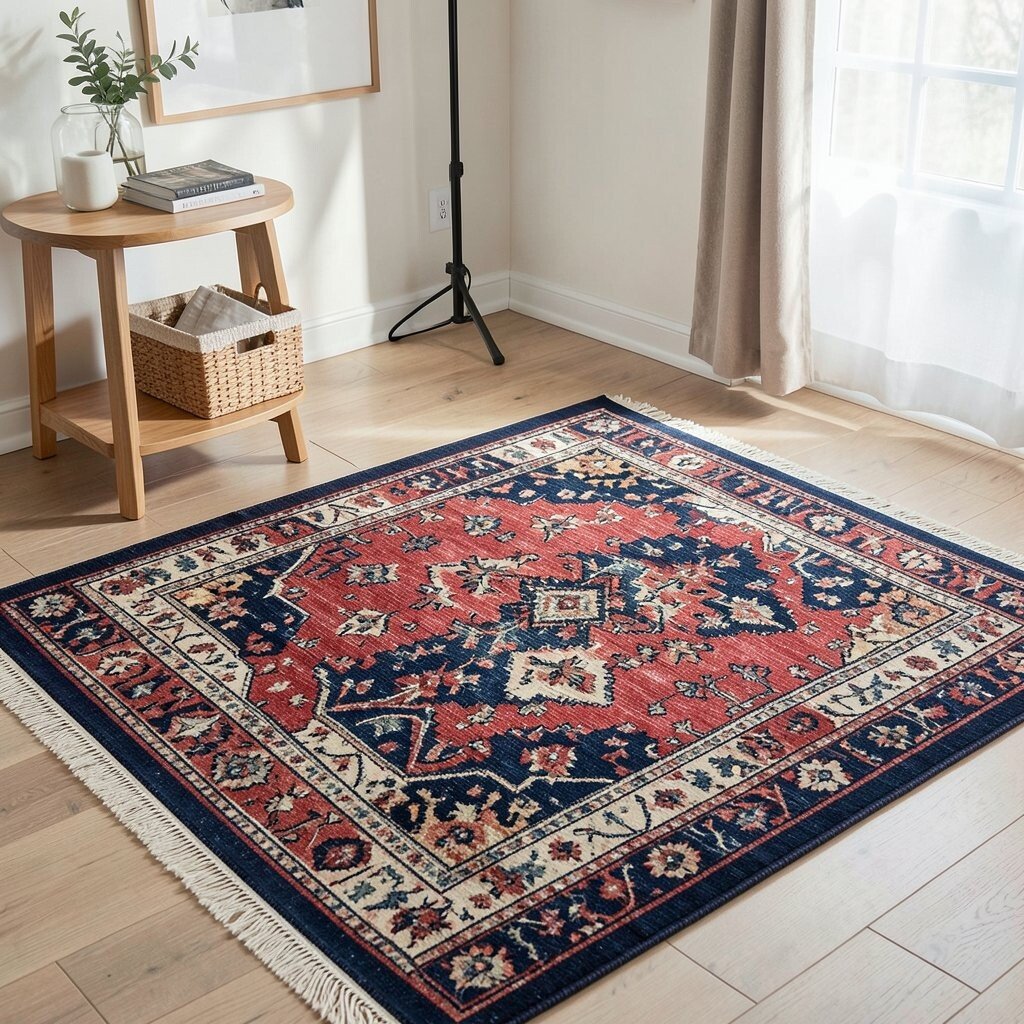
A vintage inspired rug with a strong border can anchor a room like a classic frame around a painting. Picture a living room where the patterned perimeter guides your eyes toward the seating area.
Border rugs help define zones, which is handy in open floor plans. They also bring personality without requiring you to buy many small décor items.
To personalize, match the rug border colors to your accent pillows or a curtain tone. If the full rug feels too costly, start with a runner for a hallway or a smaller size under a console.
9. Tropical or Geometric Wallpaper Accents
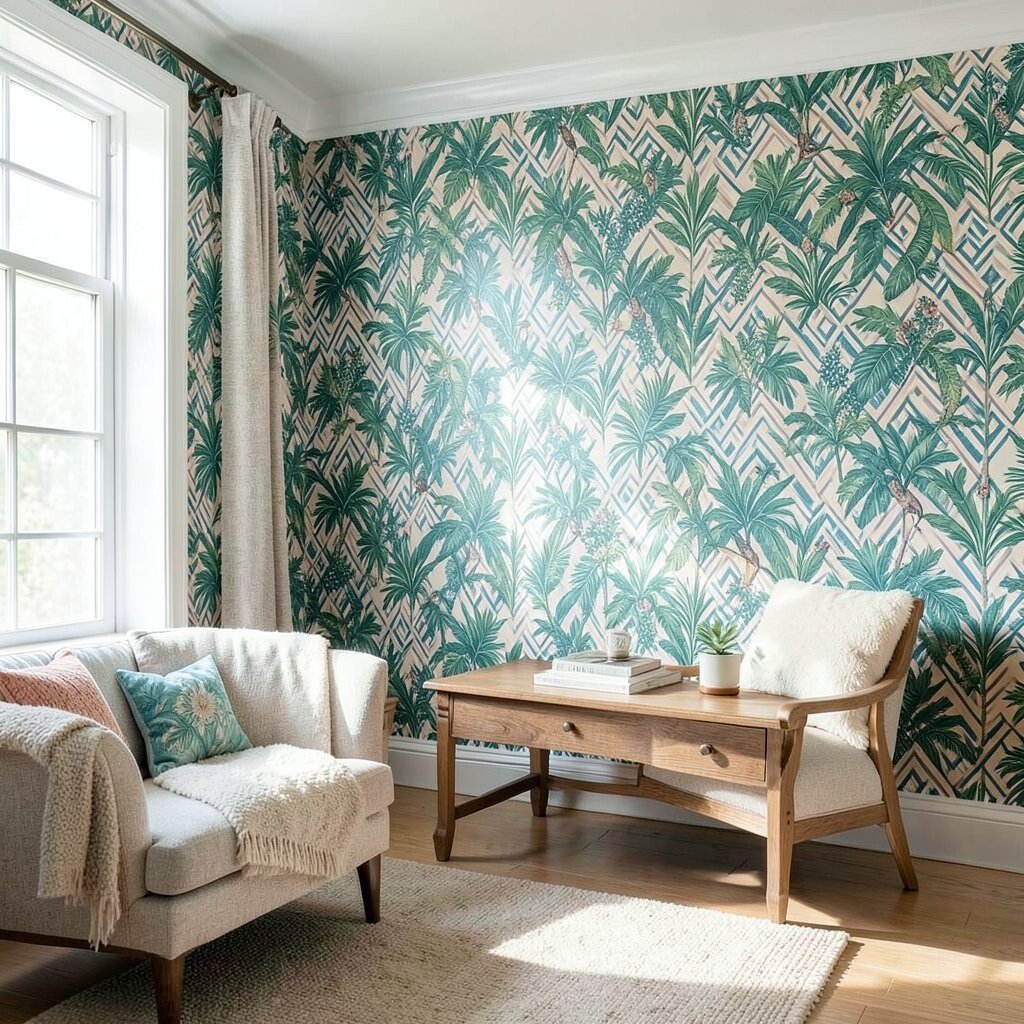
Wallpaper is a fast way to get that 1920s feeling, especially when you choose art deco geometry or stylized leaves. You can picture a dining room wall that makes every meal feel special.
When you apply it to a single accent wall, it adds drama without overwhelming the whole home. For practicality, pick a pattern that repeats clearly so it looks neat even in tricky corners.
Stay current by leaning into bold-but-clean designs, since many modern interiors are embracing maximal pattern again. Personalize the choice by pairing the wallpaper with simple furniture lines so the wall remains the star.
10. Dark Stained Wood and Polished Floors
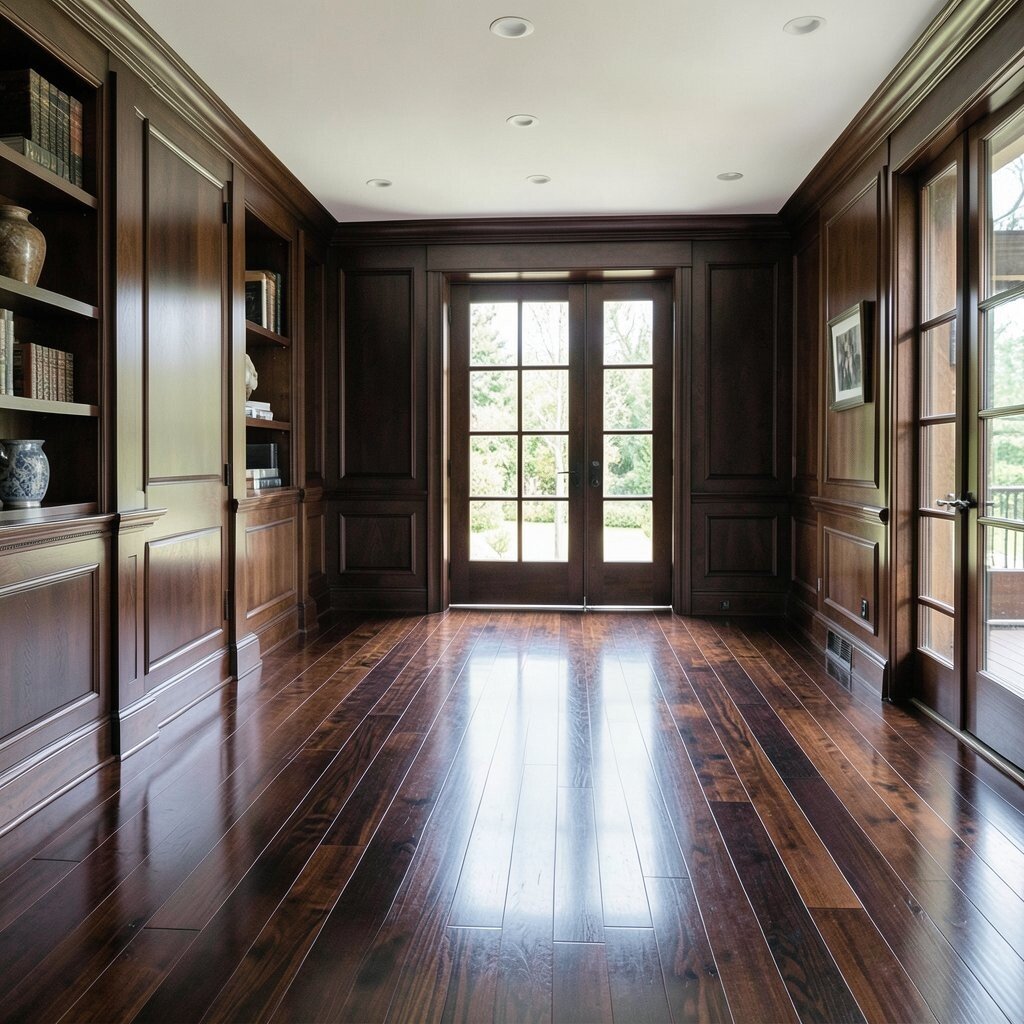
Rich, dark wood tones feel instantly vintage, especially when you keep them slightly polished. Imagine a room with gleaming floors, a warm credenza, and furniture that looks solid and timeless.
Dark wood creates contrast with lighter walls and makes metallic accents look brighter. To keep it achievable, refinish only what you must and focus on high traffic pieces like a console or coffee table.
If you are cost conscious, look for vintage style furniture with real wood veneers rather than brand new low gloss finishes. Personalize by adding a runner or layered rug so the wood still shows through while the room feels cozy.
11. Clean-lined Sideboards and Credenzas
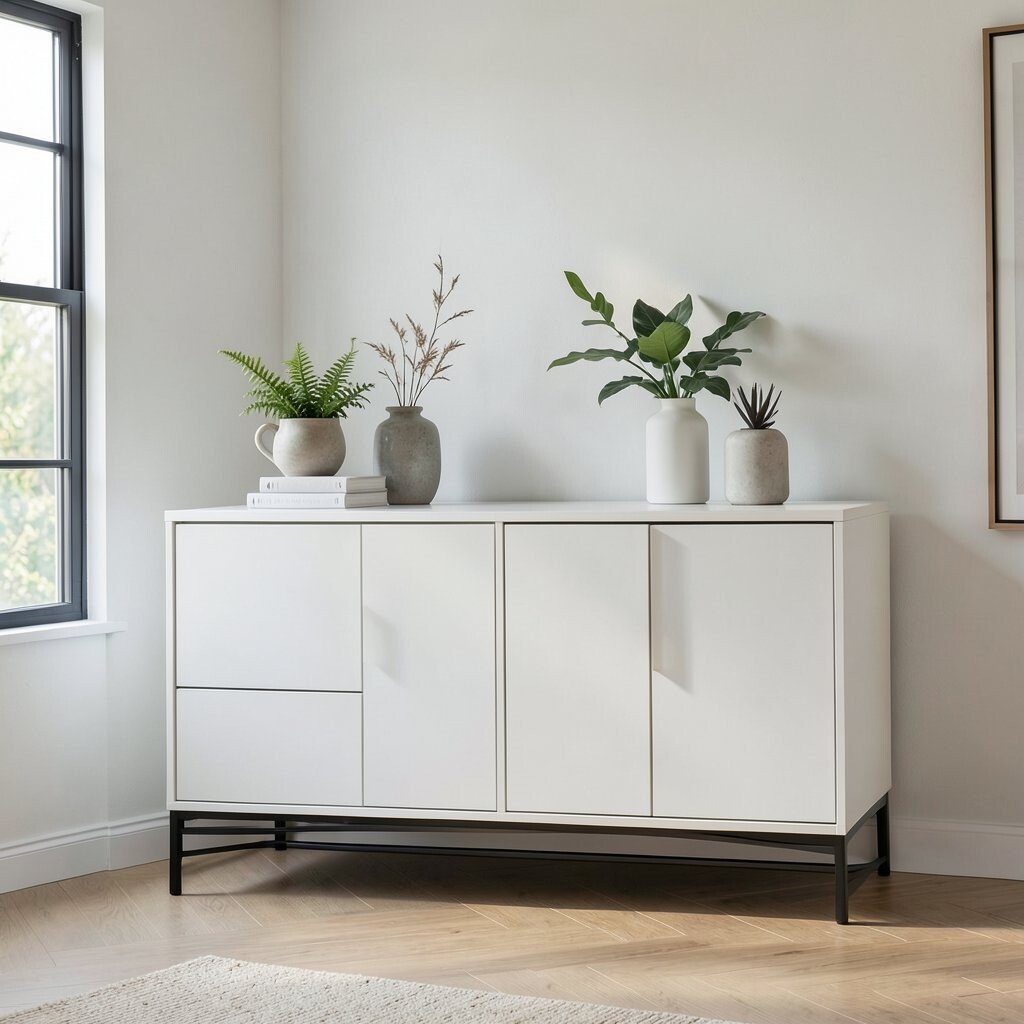
A 1920s inspired sideboard or credenza brings storage and style in one move. You can picture a dining room where the cabinet doors look sleek, while the top holds glassware and a small lamp.
This furniture style helps your space look styled on purpose, since it gives you a place for items instead of visual clutter. Choose one with details like fluted legs, geometric panels, or subtle inlays for uniqueness.
To personalize, display a mix of everyday pieces, such as a few cups, a vintage clock, and a framed photo. For cost considerations, shop for solid wood or look for pieces with good bones and refinish them for a fraction of the price of brand new.
12. Roaring Twenties Inspired Curtains and Drapes
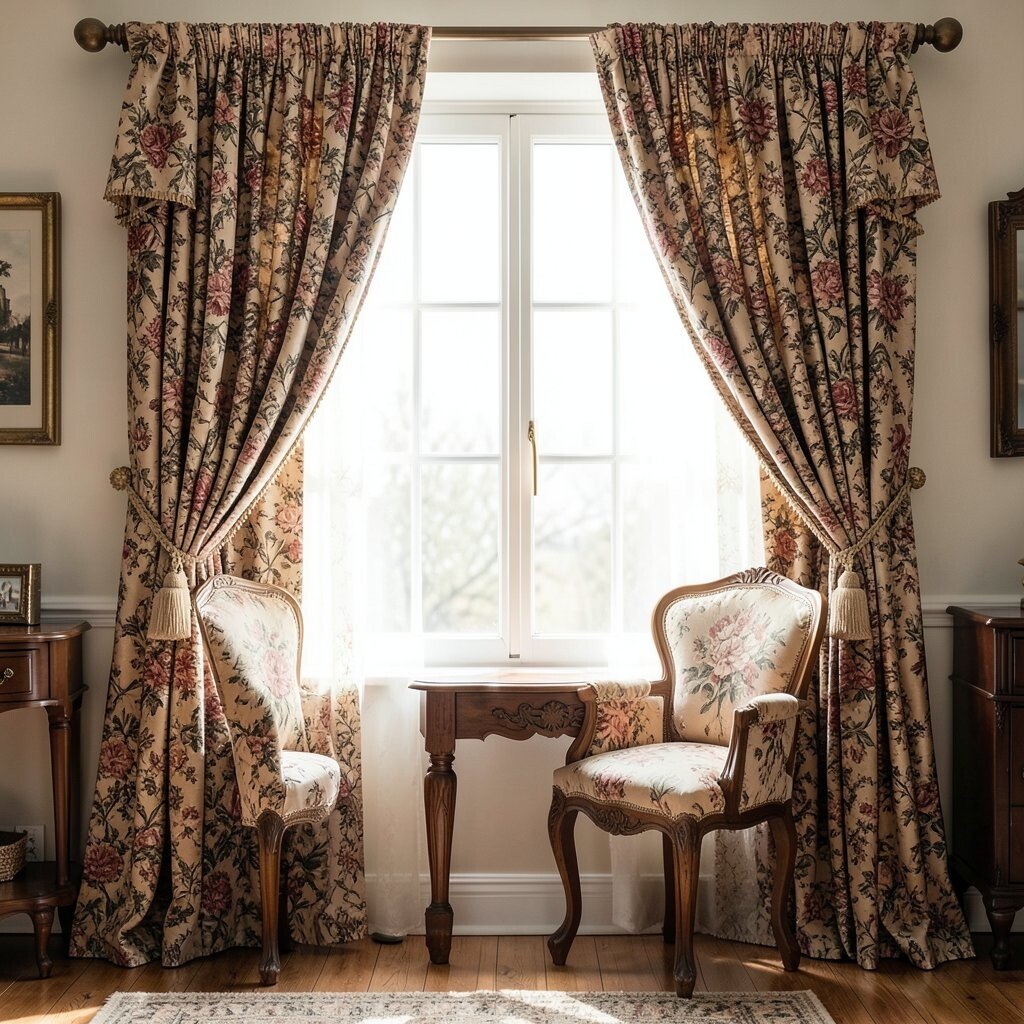
Opt for curtains with structure, like slightly heavier drapes or panels that hold their shape. You might imagine long fabric falling in smooth lines, adding a sense of grandeur to windows.
Drapes also help with privacy and sound, which is a practical bonus many people forget. Choose patterns that feel vintage, such as subtle stripes, geometric repeats, or art deco inspired motifs.
For personalization, keep the color palette tied to your hardware and rug tones. If you want to stay within budget, buy one set for the main room first and rework the rest later.
13. Vintage Wardrobe or Screen as Room Divider
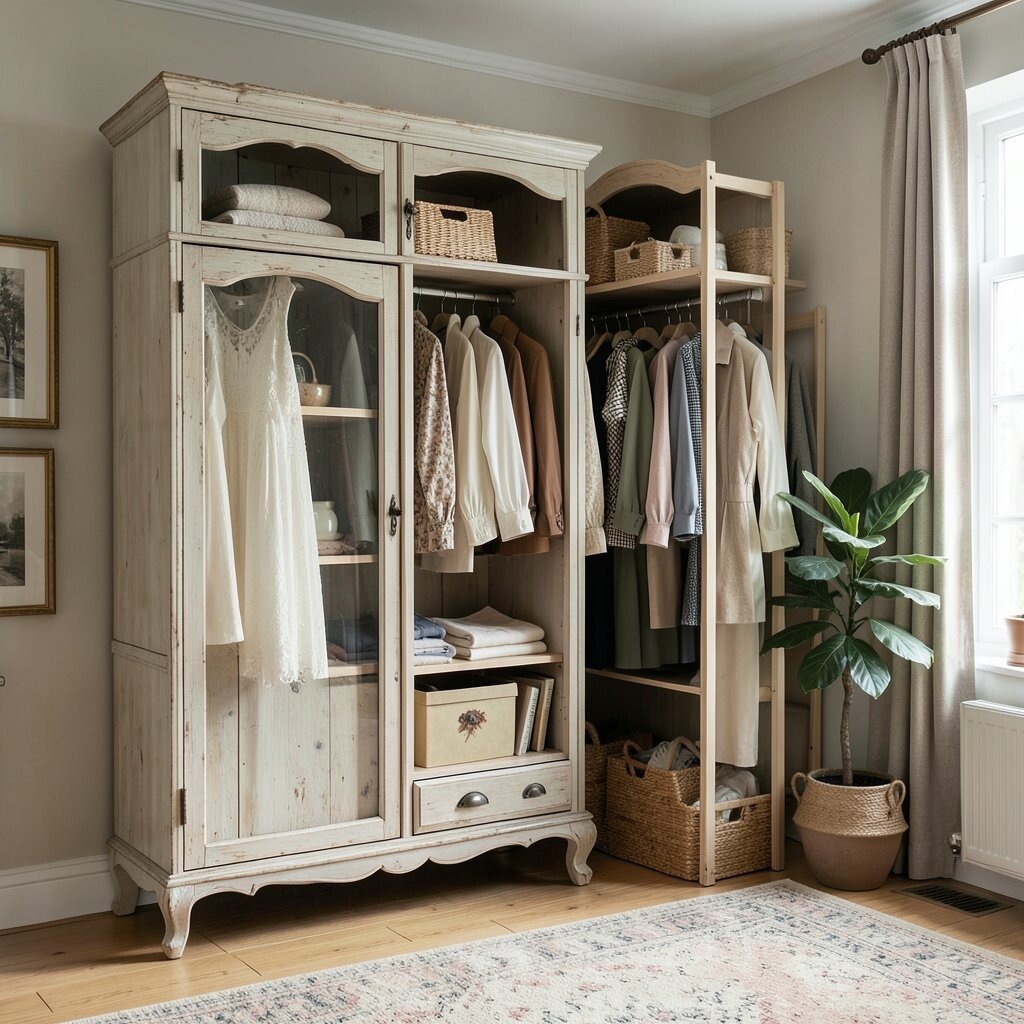
A folding screen or vintage wardrobe can add function and drama, especially in open spaces. Think of a corner where you create a cozy reading nook while also adding texture and old world charm.
This works well because it lets you change the room layout without heavy construction. Look for screens with lattice patterns, lacquered finishes, or mirrored panels to keep the art deco mood alive.
Personalize by placing a lamp and a small plant behind or near the divider so it feels like a designed zone. For cost considerations, consider buying a smaller screen for one area rather than trying to furnish an entire home at once.
14. Antique Clocks and Brass Timepieces
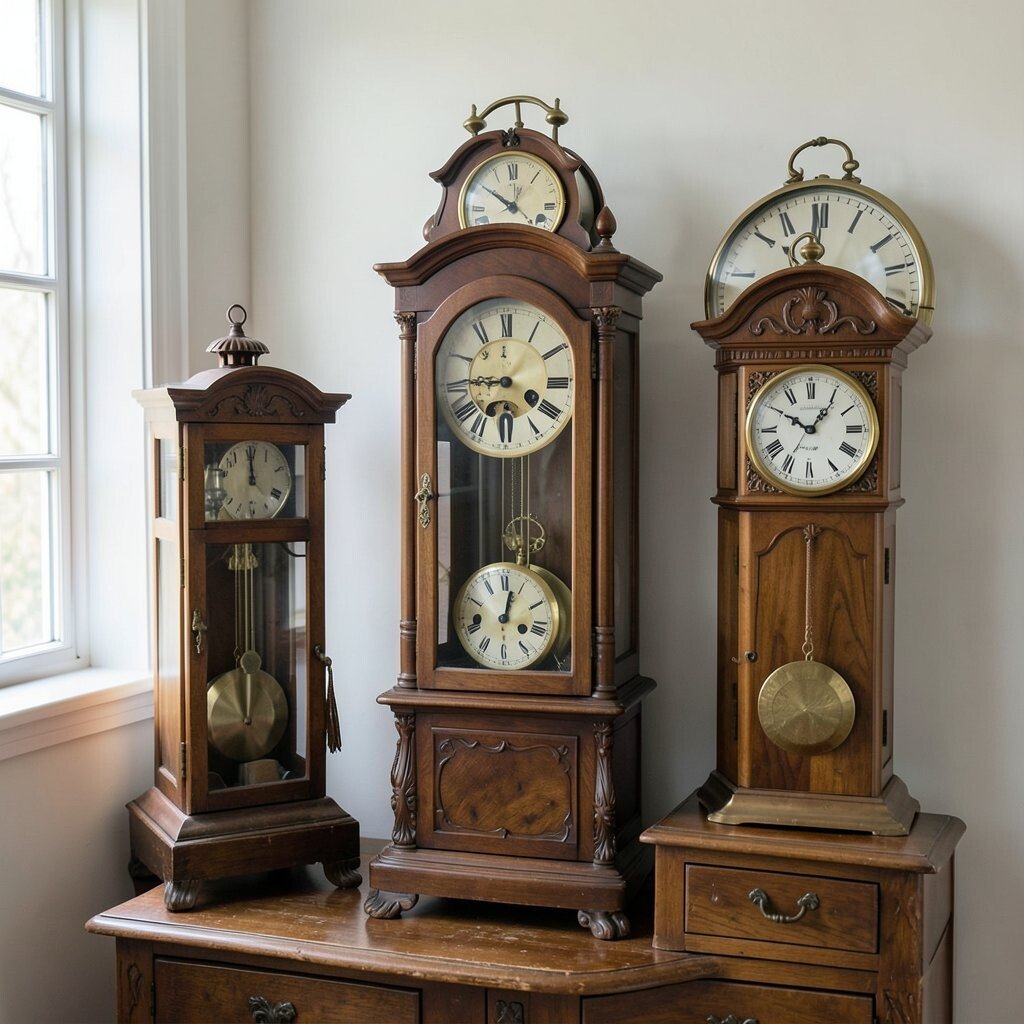
An antique style clock can be a charming focal point on a mantel, console, or shelf. You can almost hear the room feel slower and more elegant when timepieces sit in the right spot.
These pieces add uniqueness because they feel personal, not generic décor. A practical approach is to pick a clock with easy readability so it also fits daily life.
To personalize, match the clock finish to your hardware or choose a slightly contrasting metal for visual interest. If you want a budget friendly path, look for thrifted frames or clock faces that you can refurbish instead of buying a fully restored set.
15. Color Palette of Cream, Black, and Gold
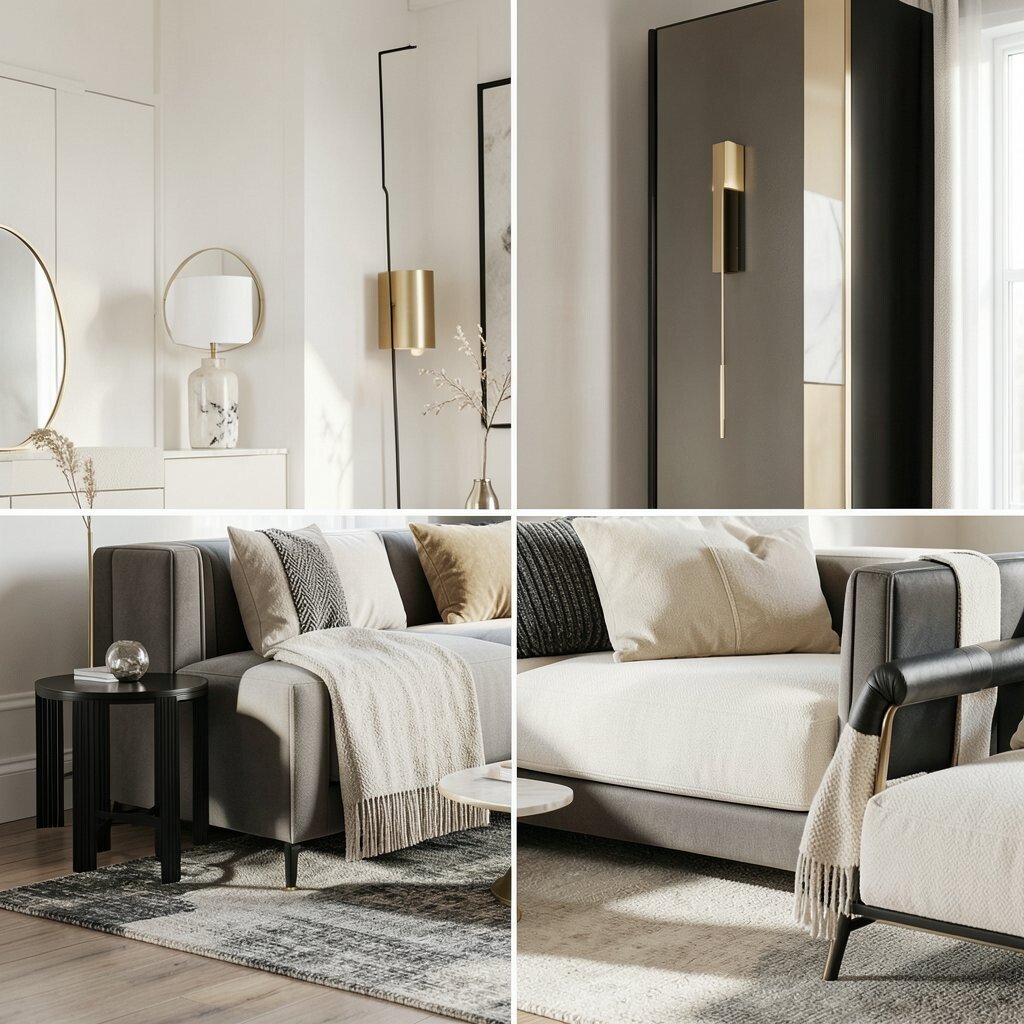
Use a palette that echoes classic 1920s interiors, like cream walls, black accents, and gold touches. When these colors work together, the whole room looks like it belongs in the same story.
This palette also makes it easier to shop because you can repeat colors across many items. For practical tips, anchor the room with neutrals, then add contrast through textiles, artwork, and hardware.
If you want to stay current, add one modern twist such as a matte black lamp or a sleek metal frame while keeping the vintage color balance. Personalize by choosing the specific shade of cream you love, since it changes the warmth of every other element.
16. Layered Textiles with Fringe and Beading
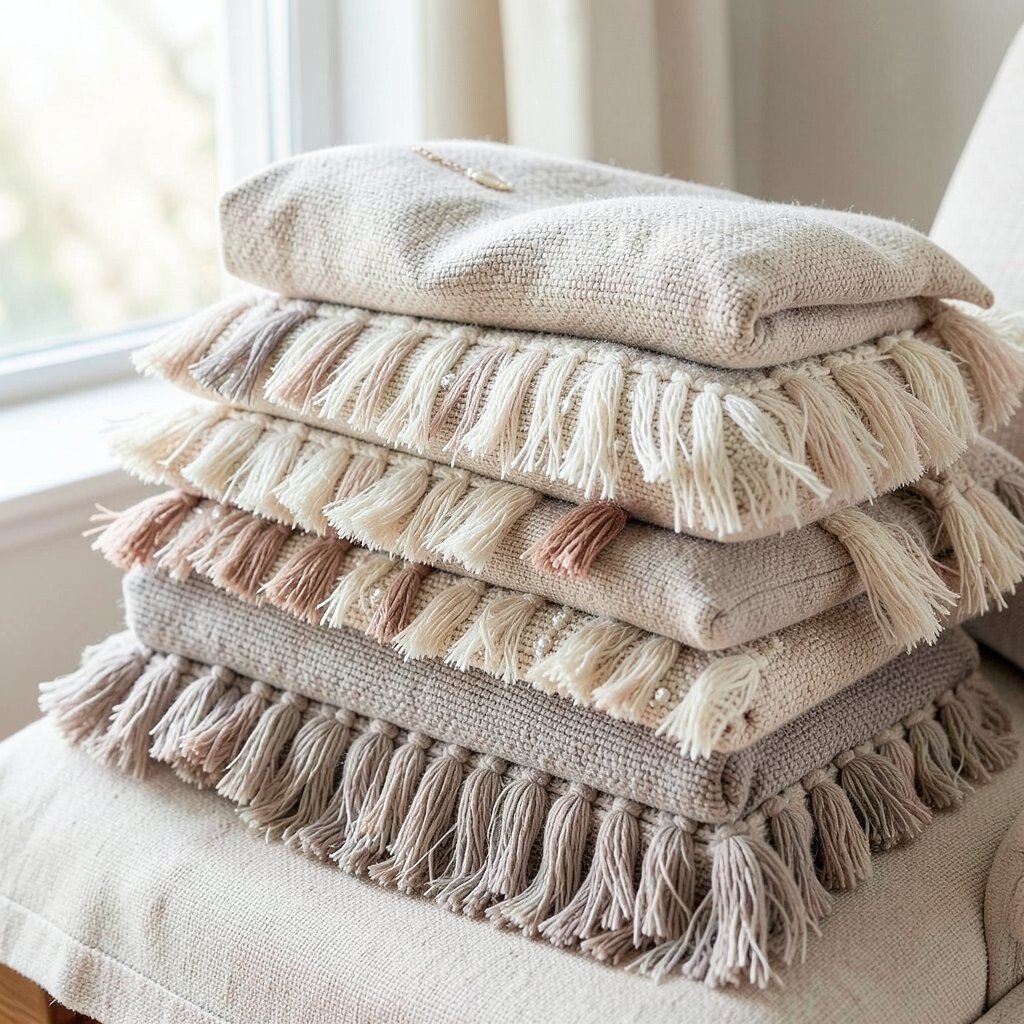
Layer throws, pillows, and curtains that include fringe, tassels, or subtle beading. Picture a couch where each cushion adds texture, and a fringed throw catches light like a soft sparkle.
Layering gives you a rich, lived in look that feels authentic rather than staged. It also helps you swap seasonal colors without replacing furniture, which is a practical win.
For uniqueness, mix one vintage inspired pattern with one solid velvet or satin texture. Keep cost in mind by buying smaller accent pieces first, then expanding only when you feel the look coming together.
17. Corner Vignettes with Vintage Style Collectibles
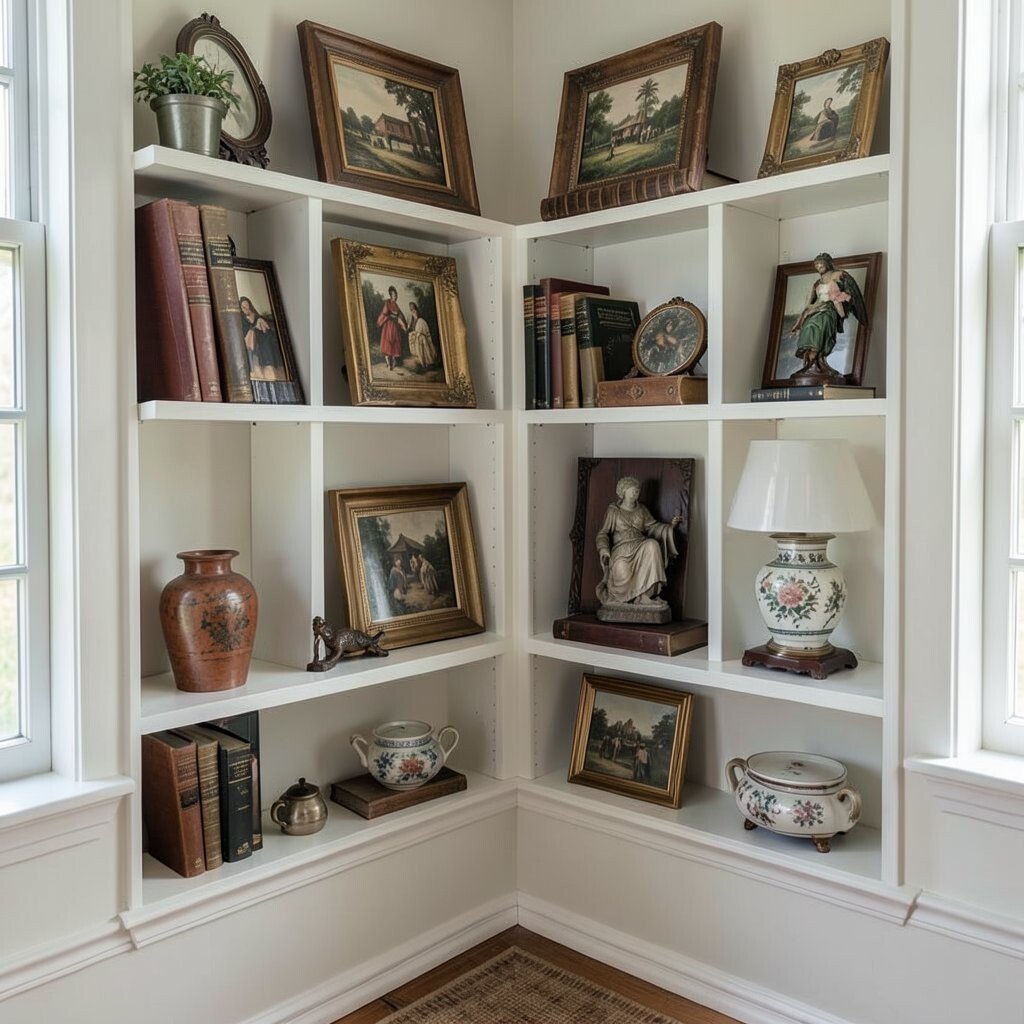
Create small vignettes on shelves, corners, and tabletops so the room feels full of stories. You might picture a corner shelf with a framed print, a small tray, a perfume bottle, and a tiny plant, all arranged with intention.
These styled spots help your home feel curated, not empty, and they make guests linger. For practical tips, use a tray to group items so everything stays neat and easy to move.
Personalize the arrangement with objects that reflect your taste, like sheet music, travel photos, or modern books with vintage covers. If you want to keep costs down, shop thrift stores for frames and small décor, then refresh with paint or polish for a high end look.